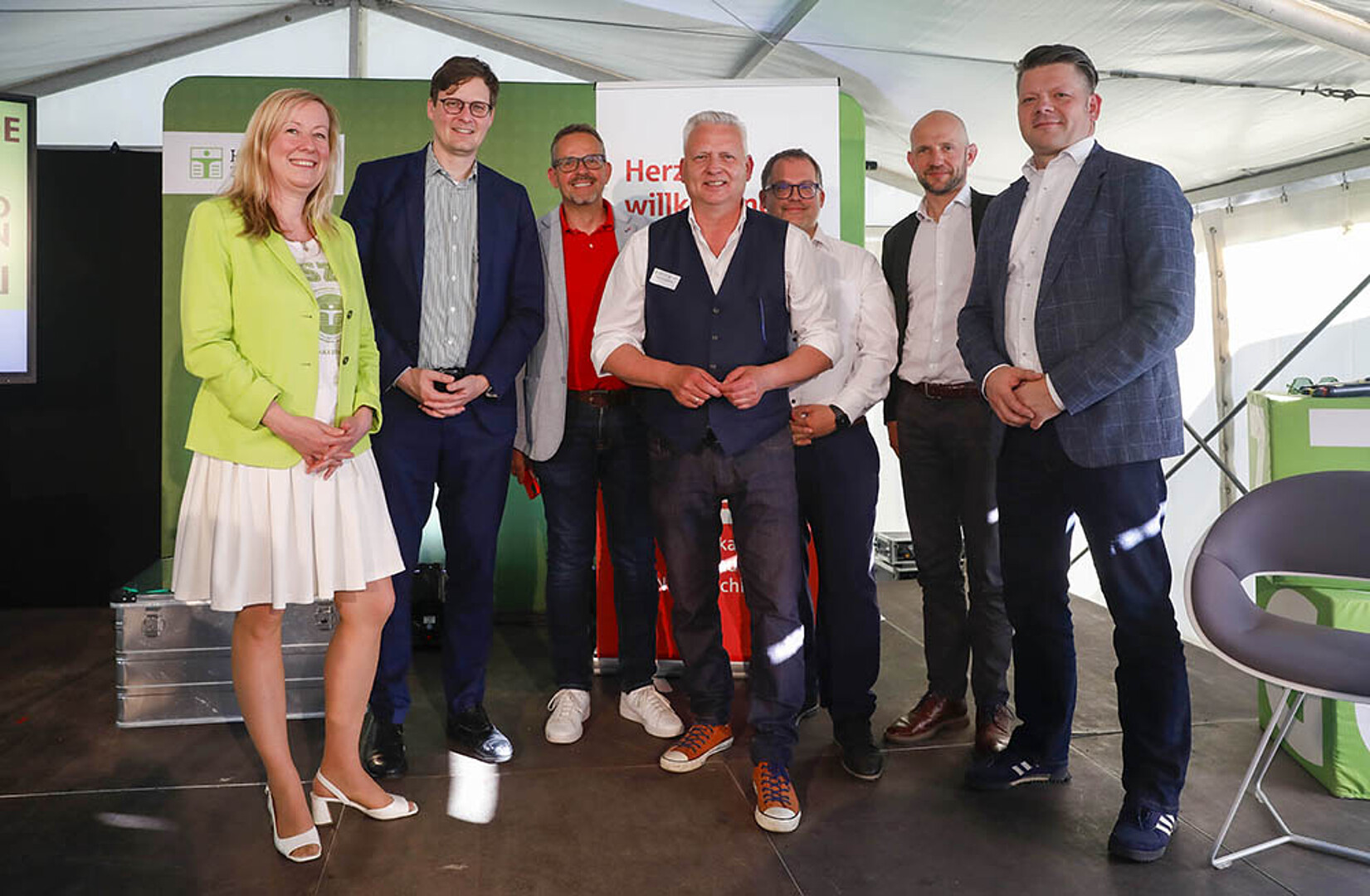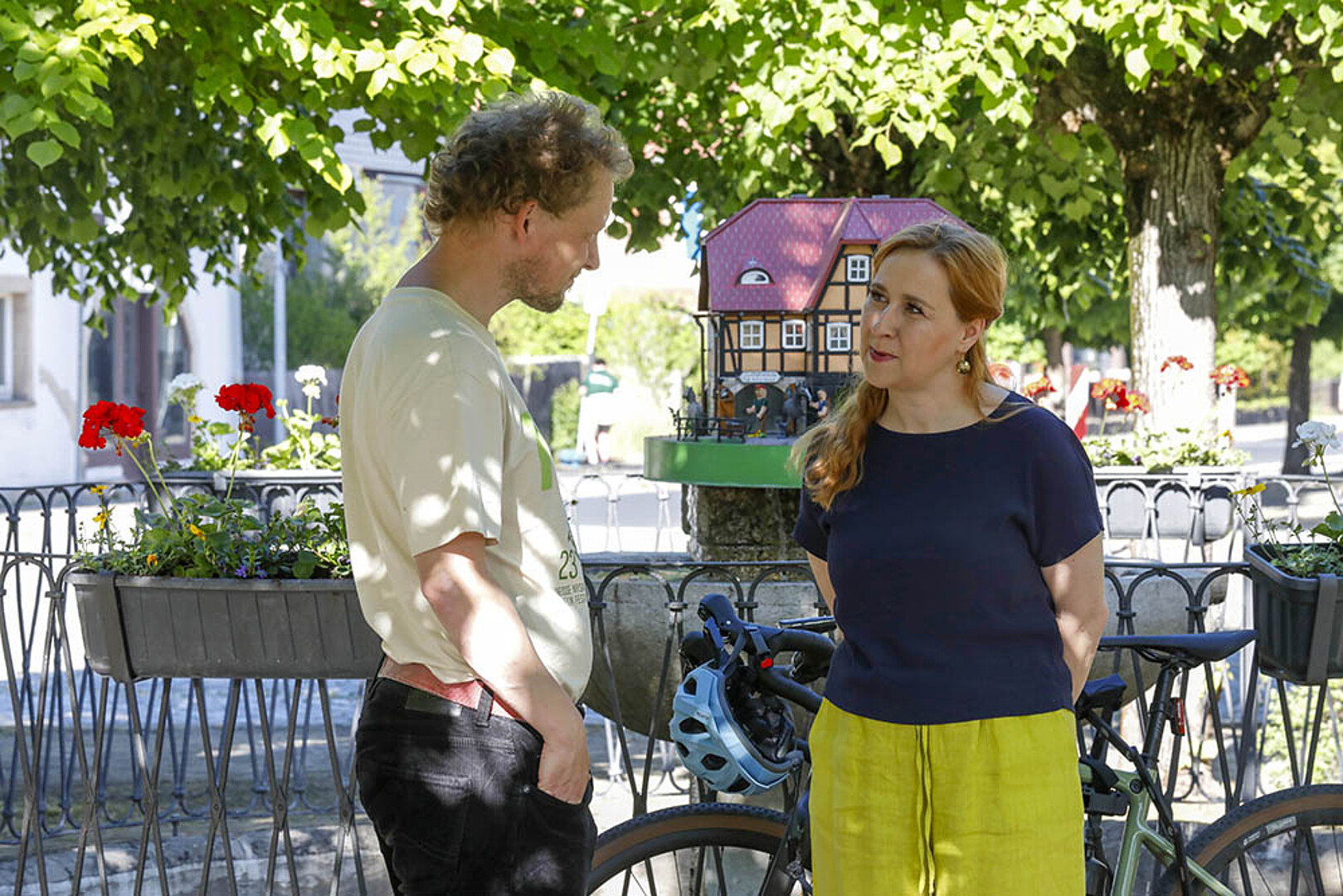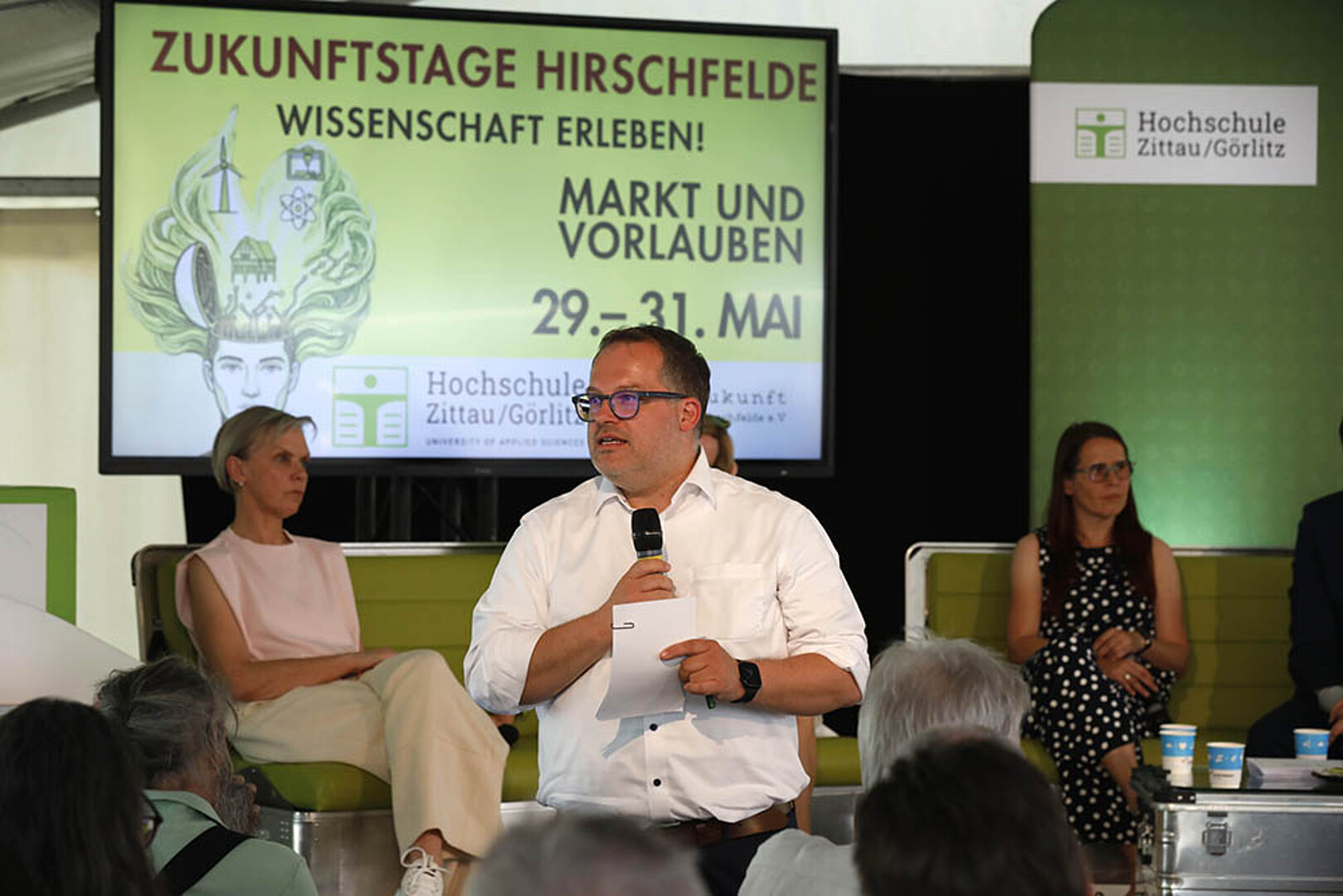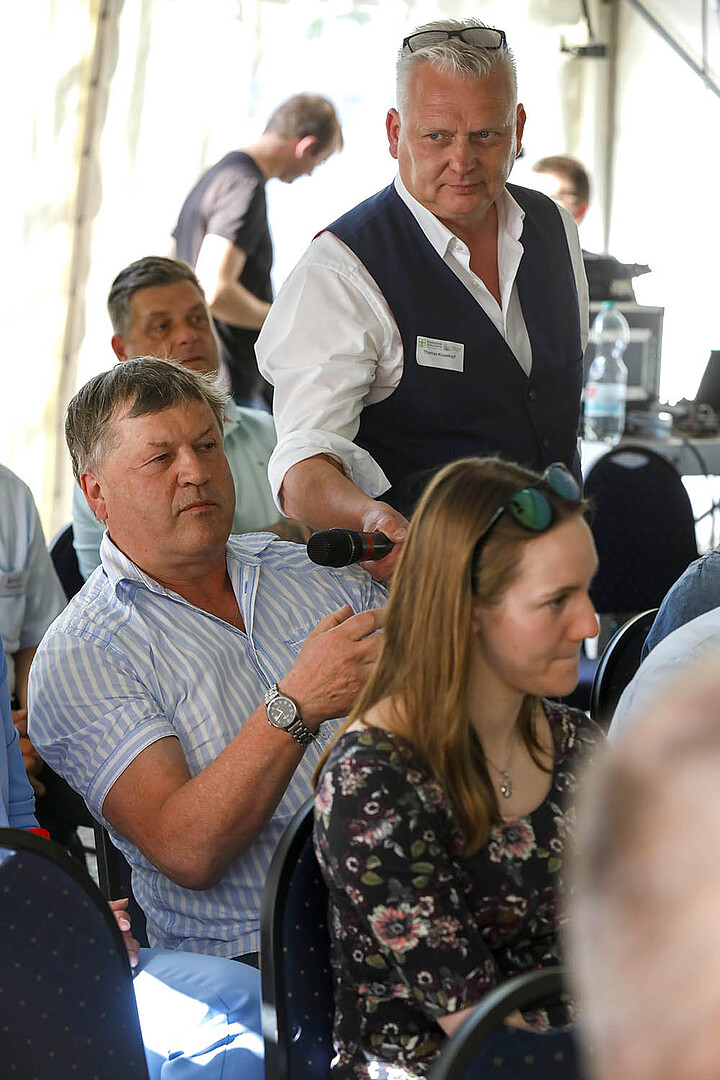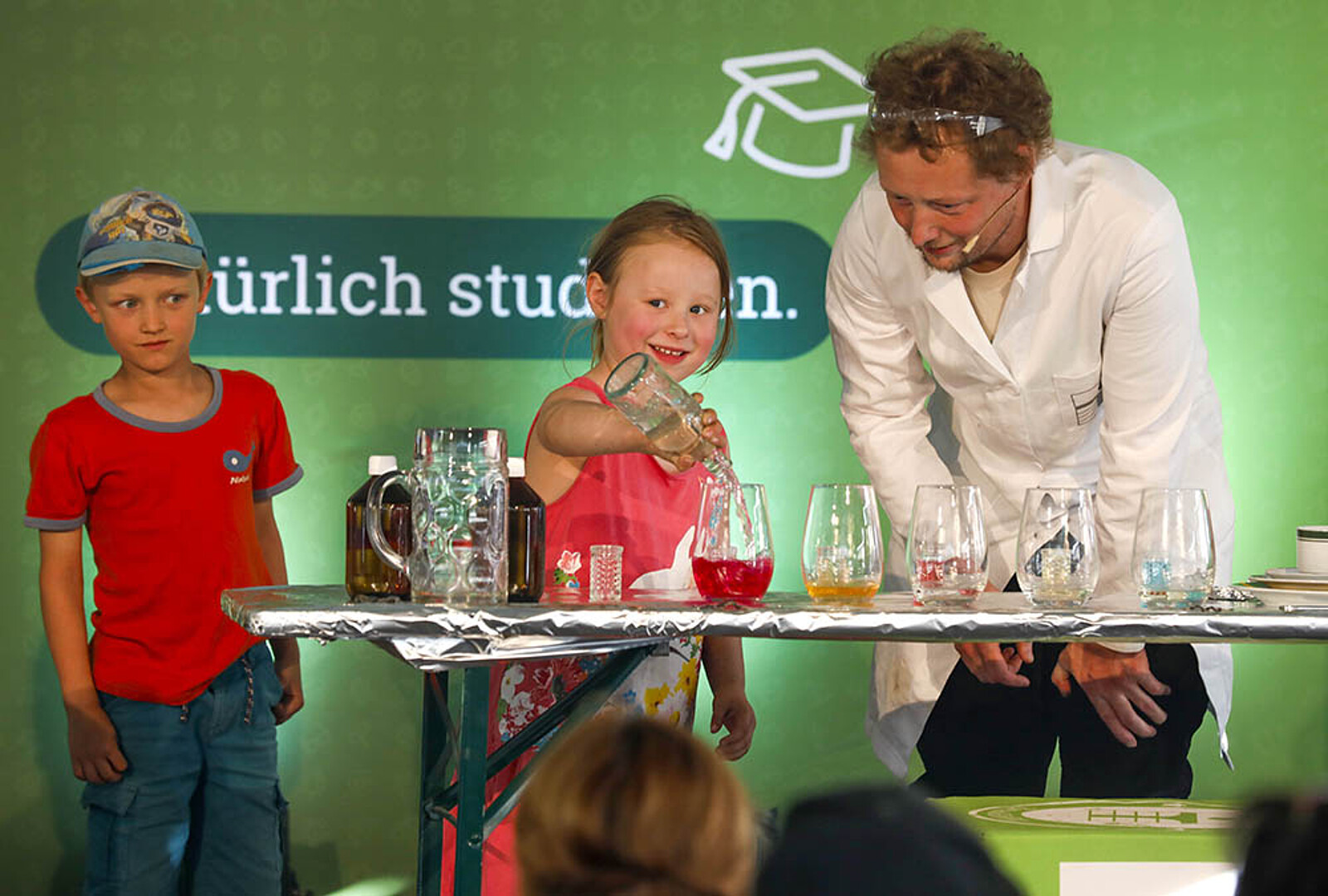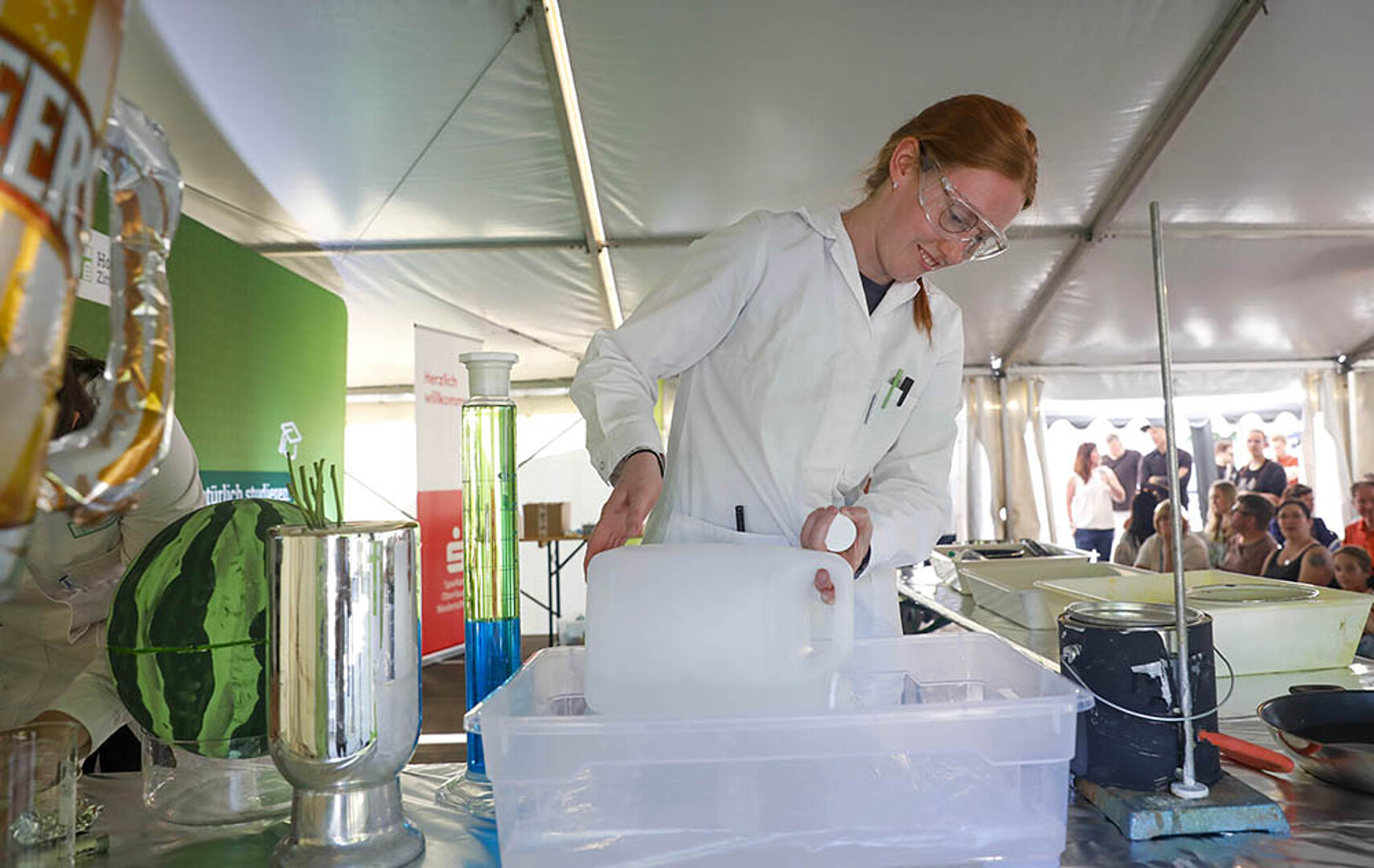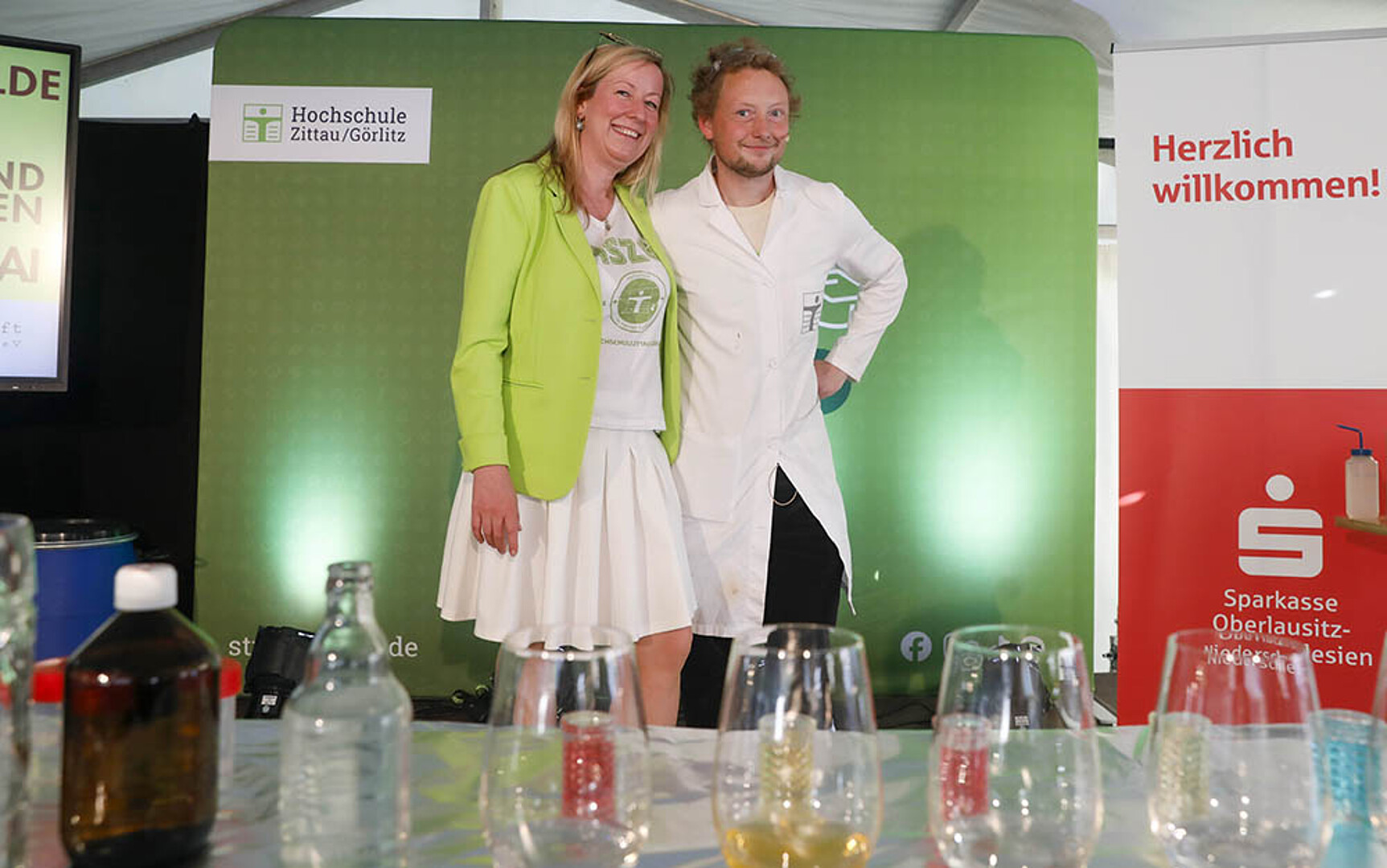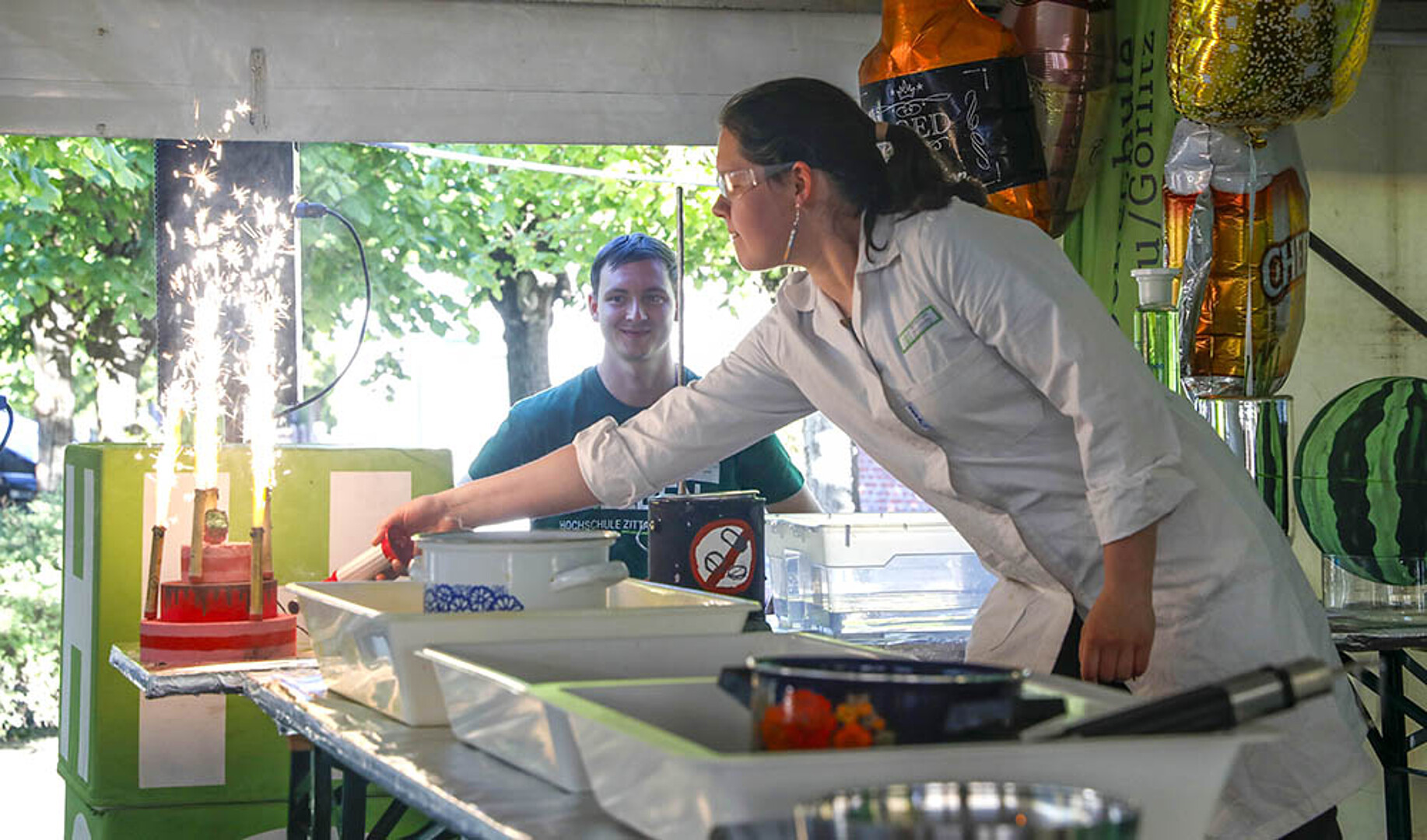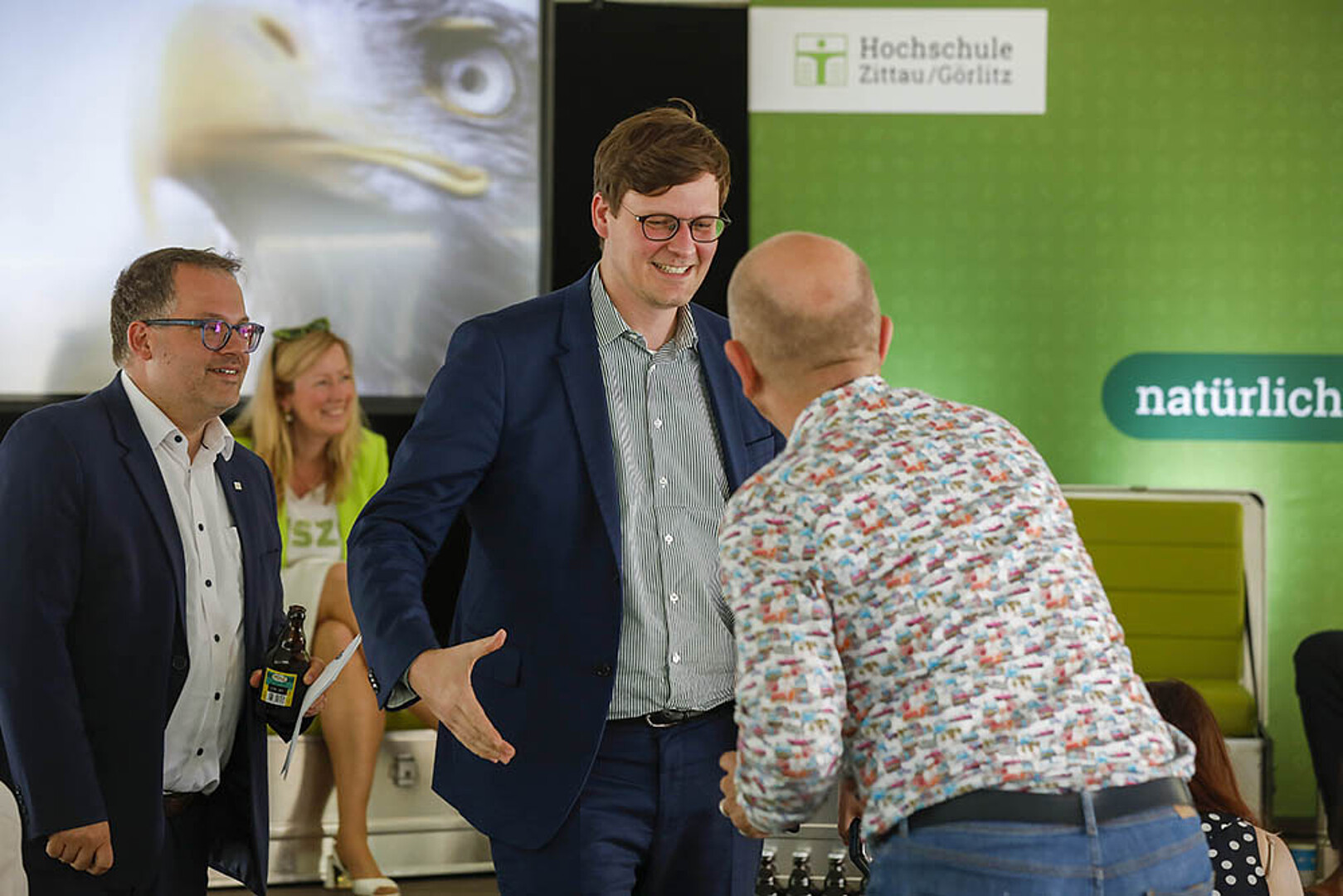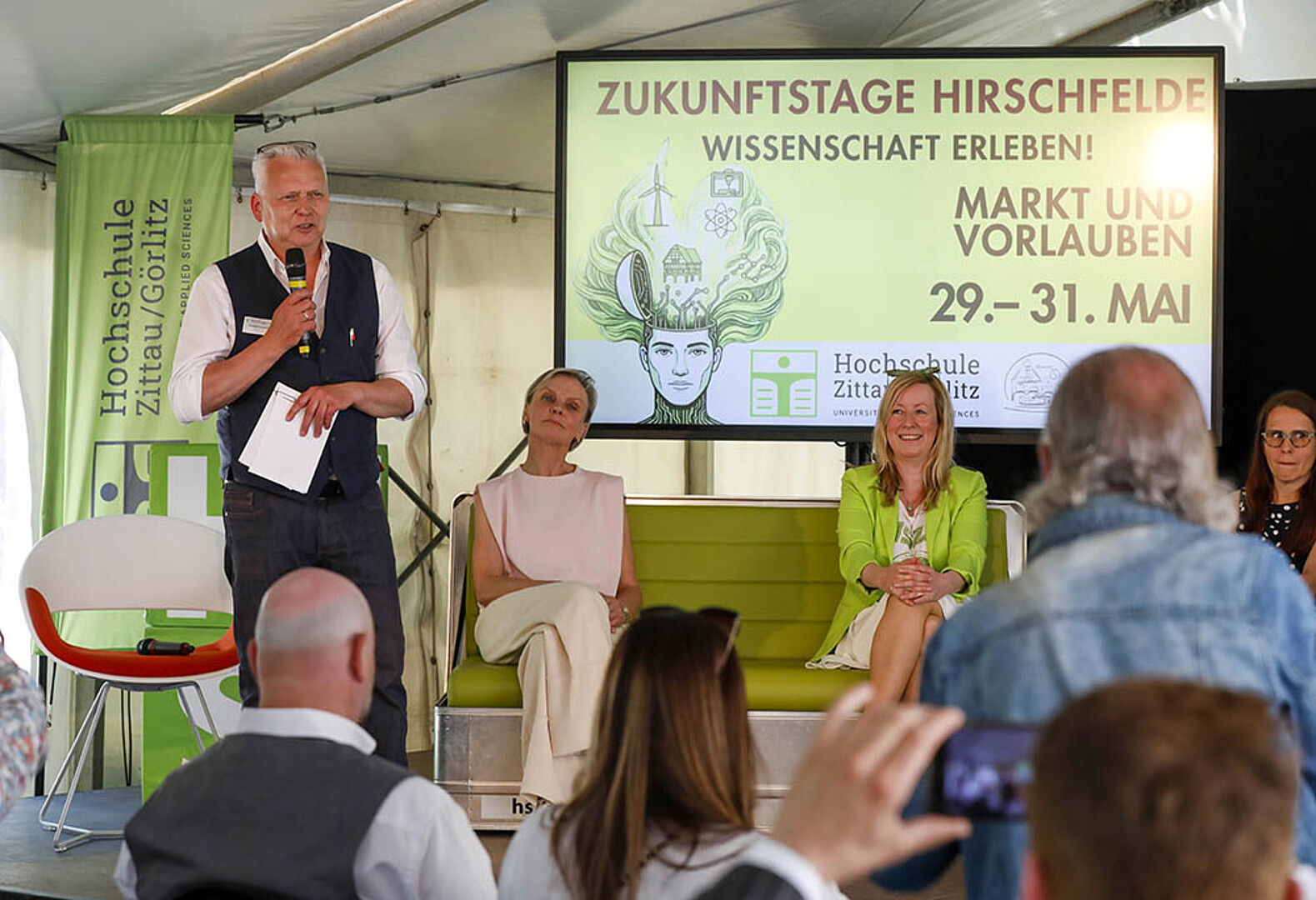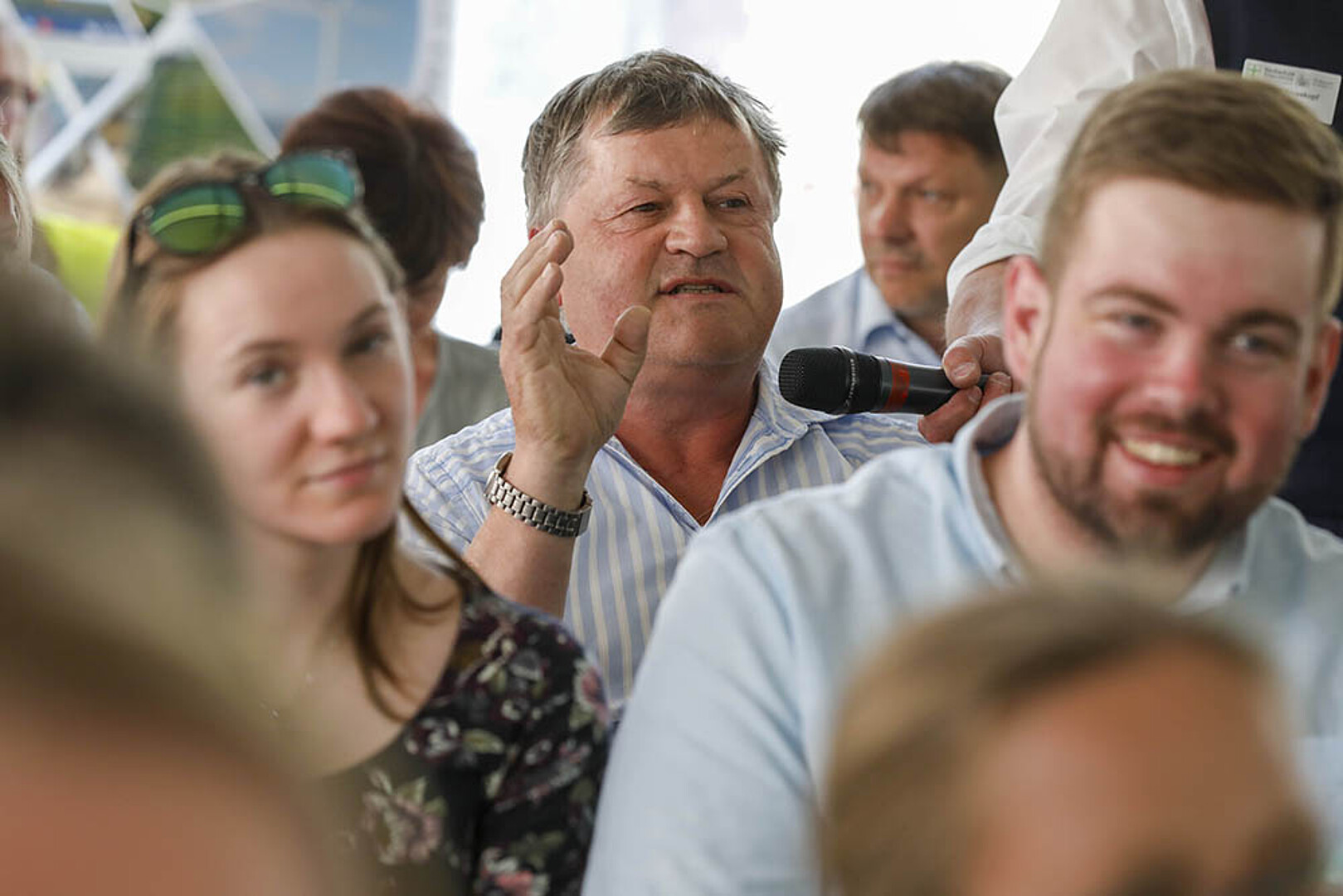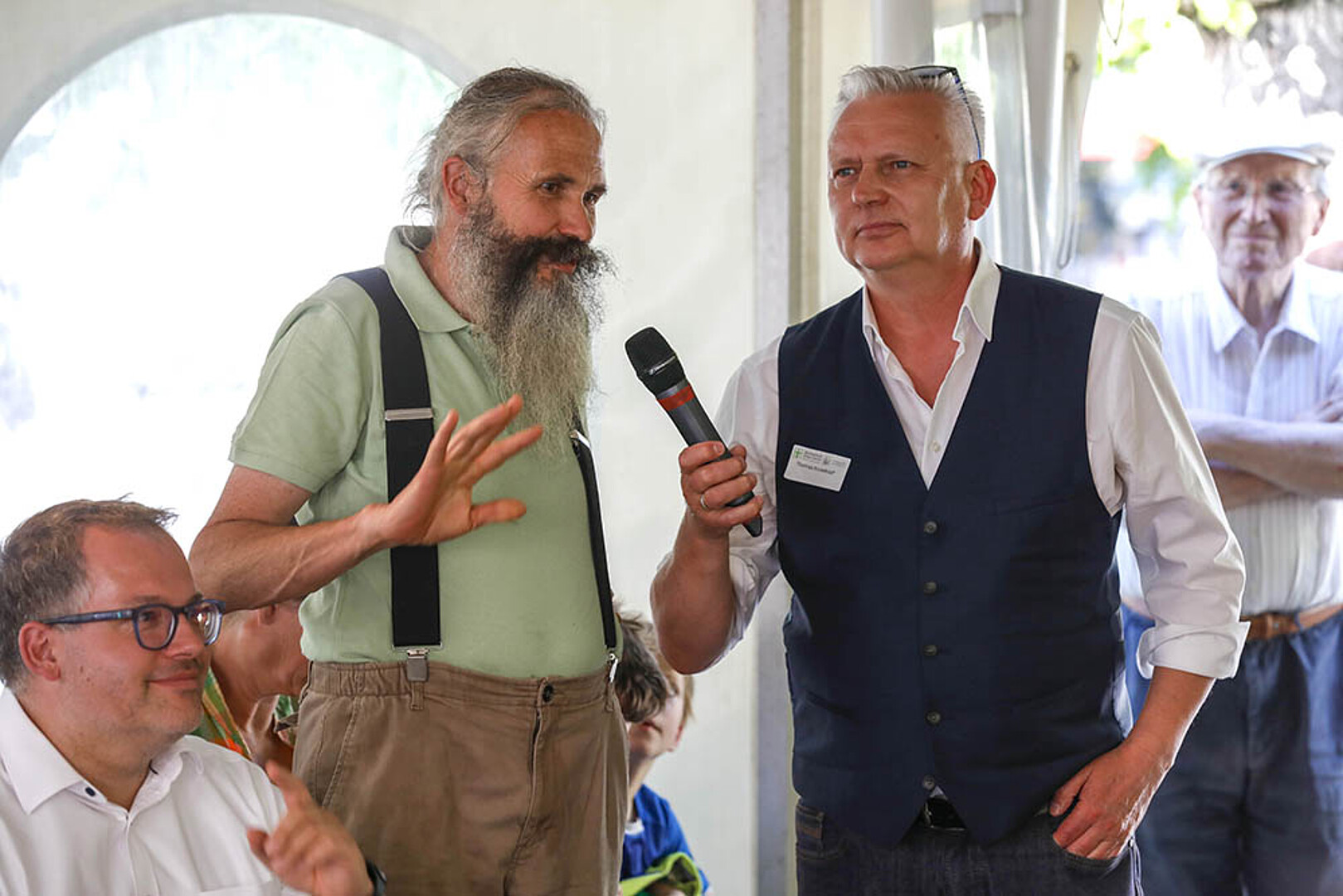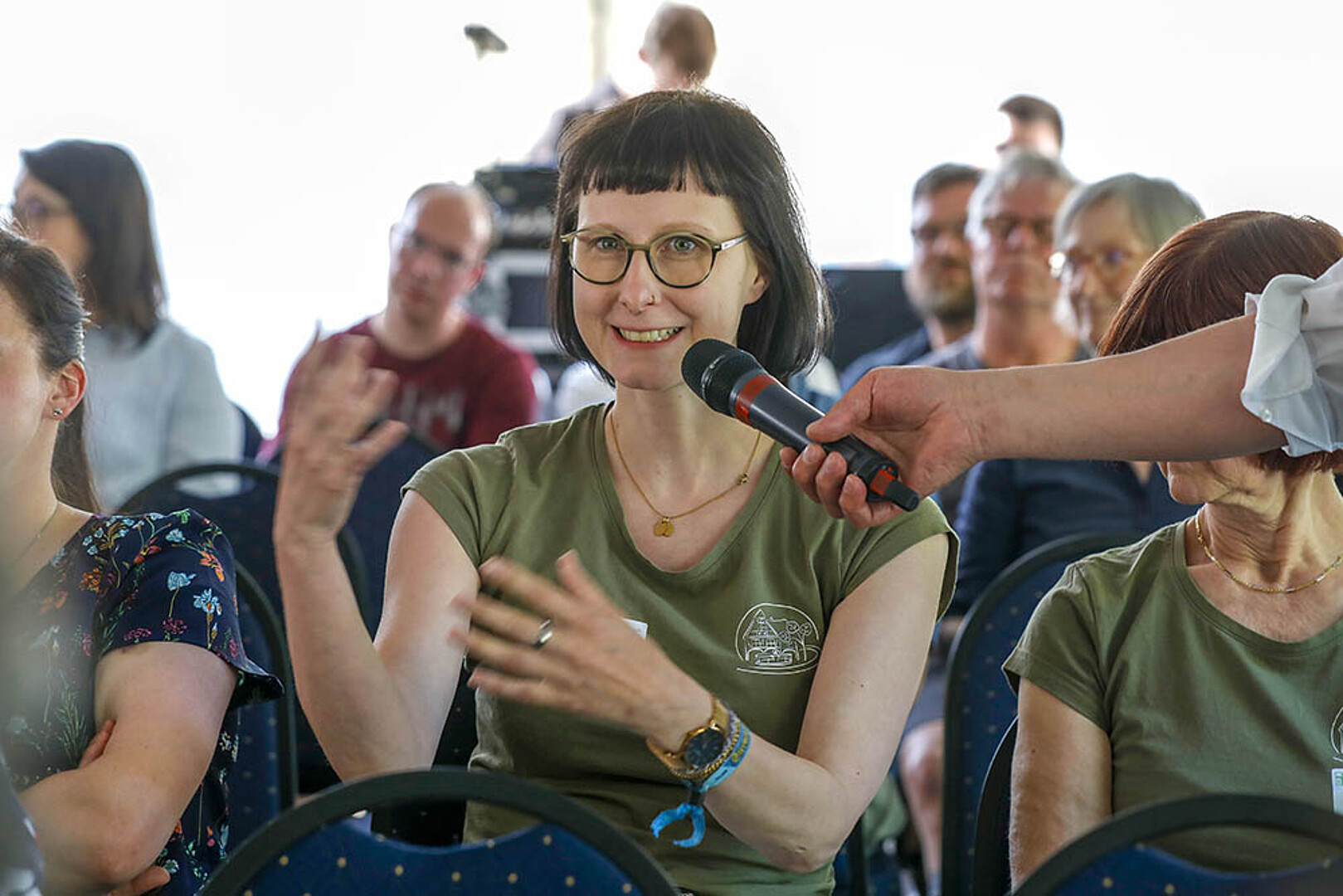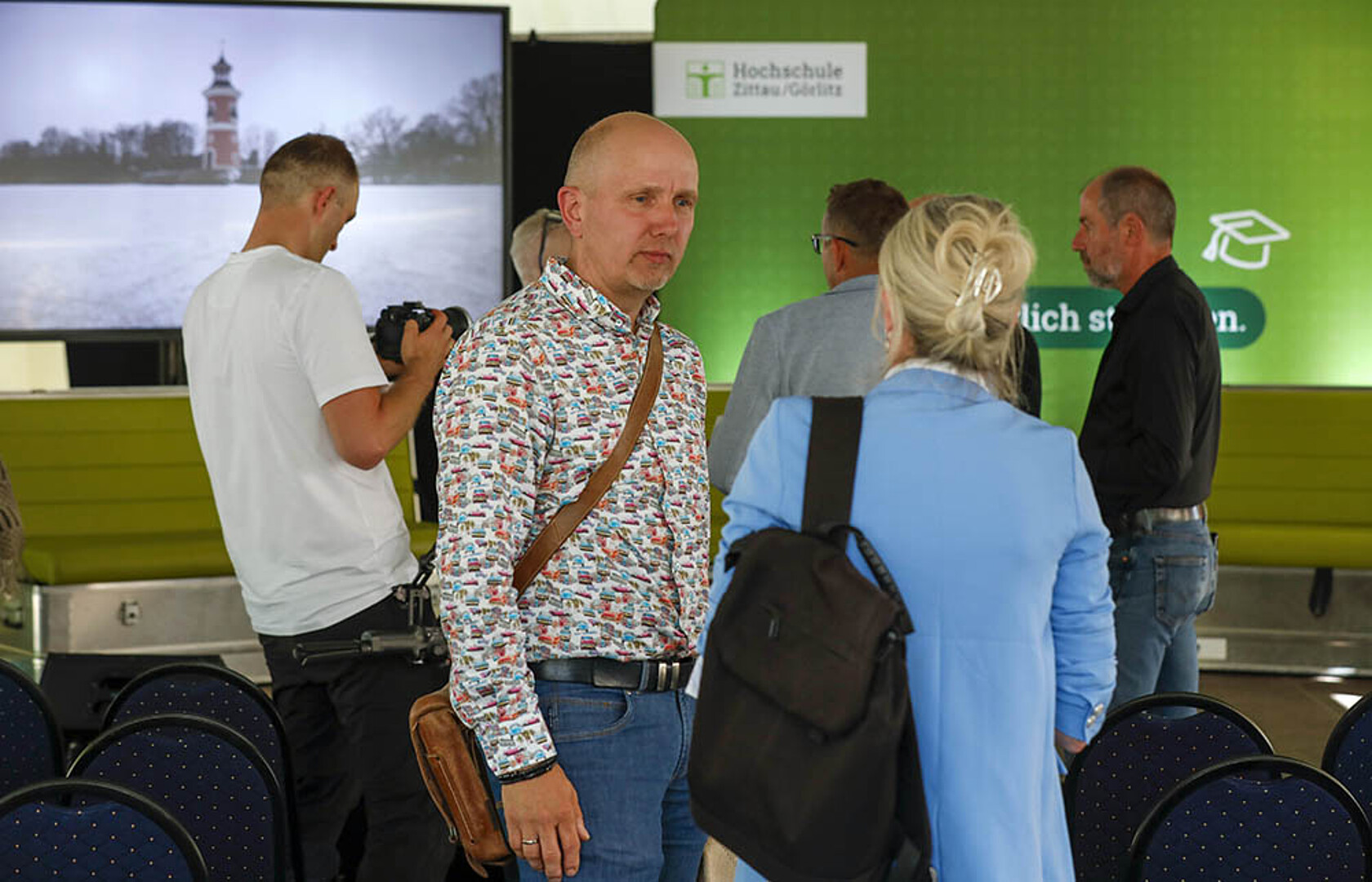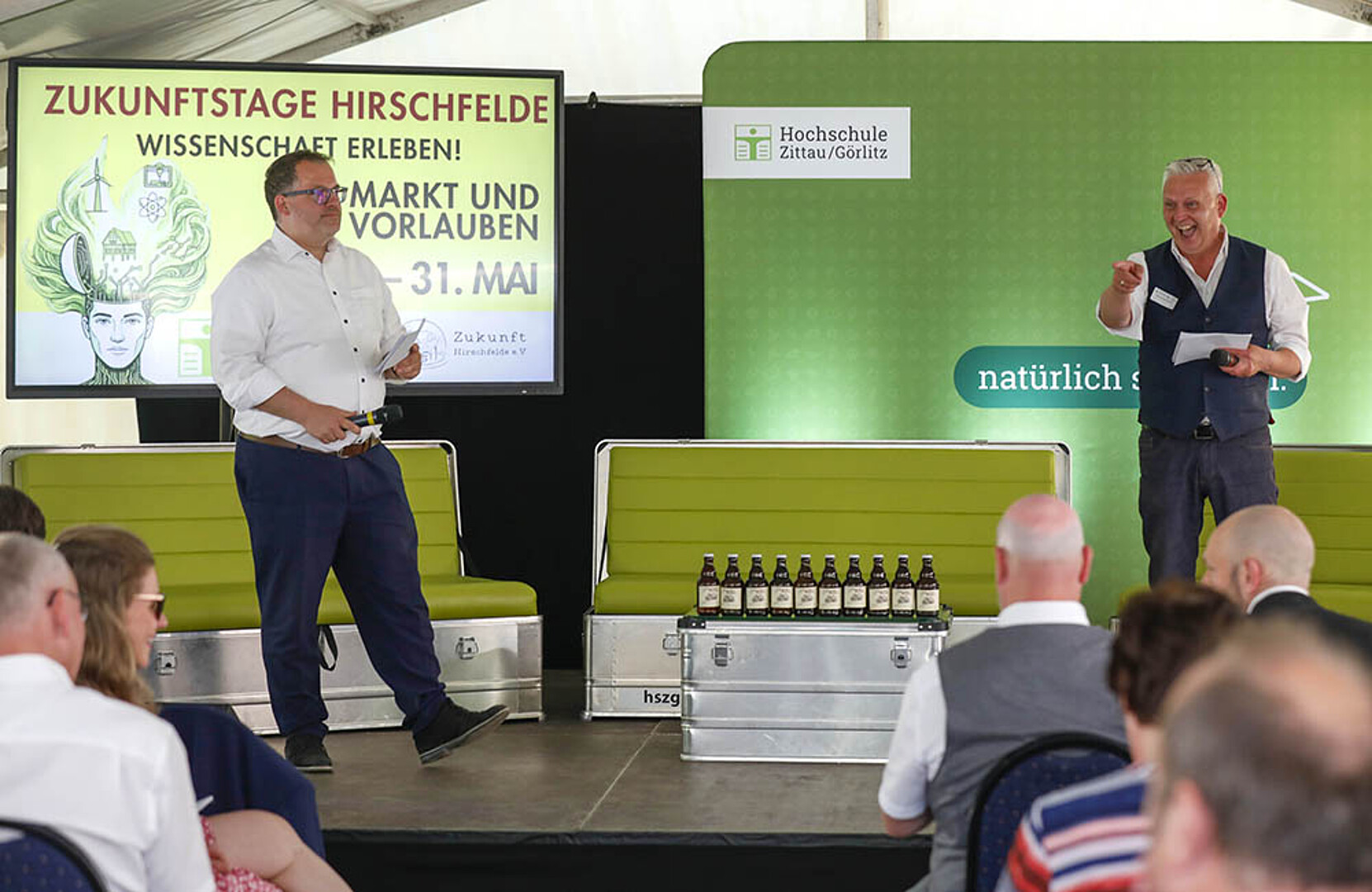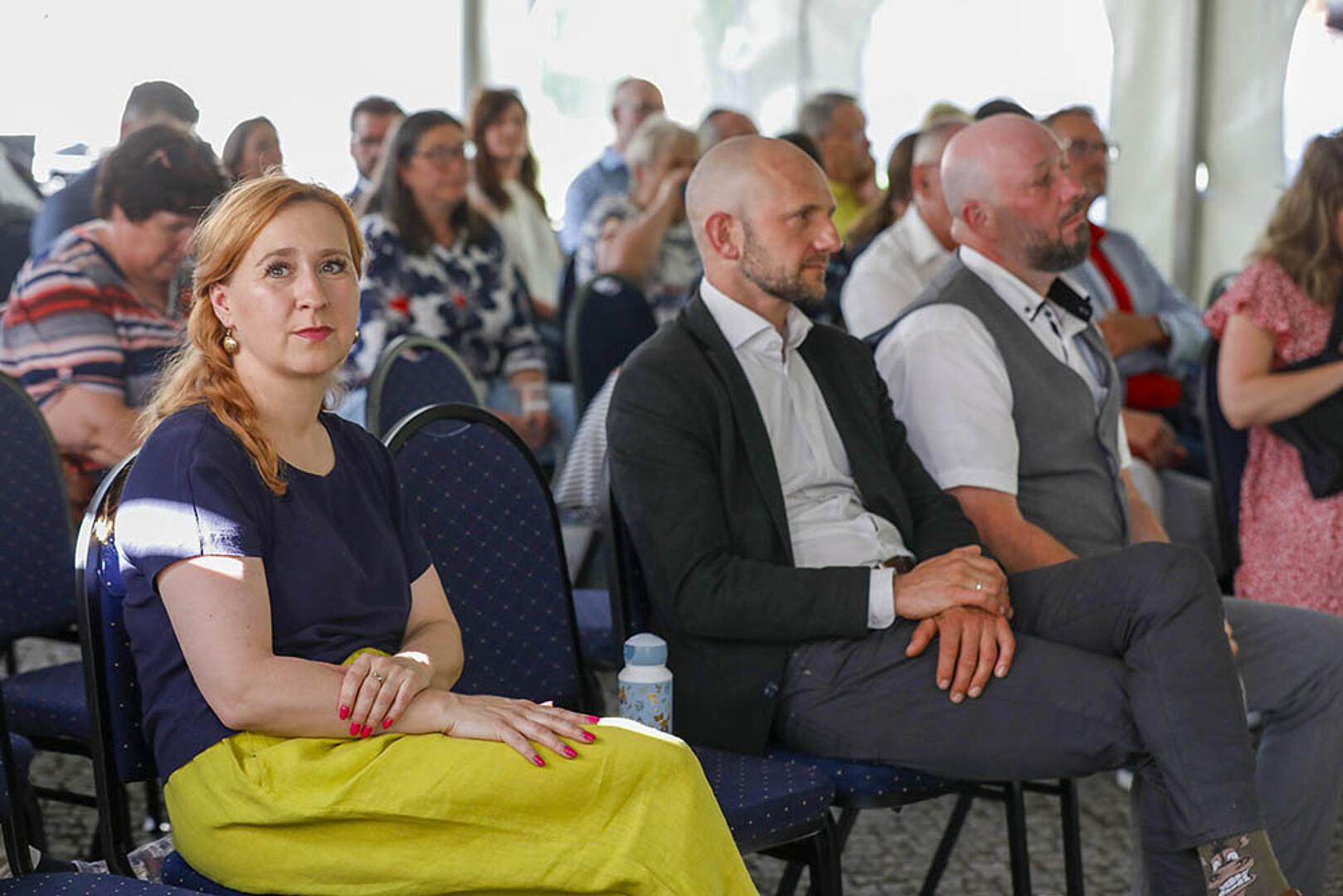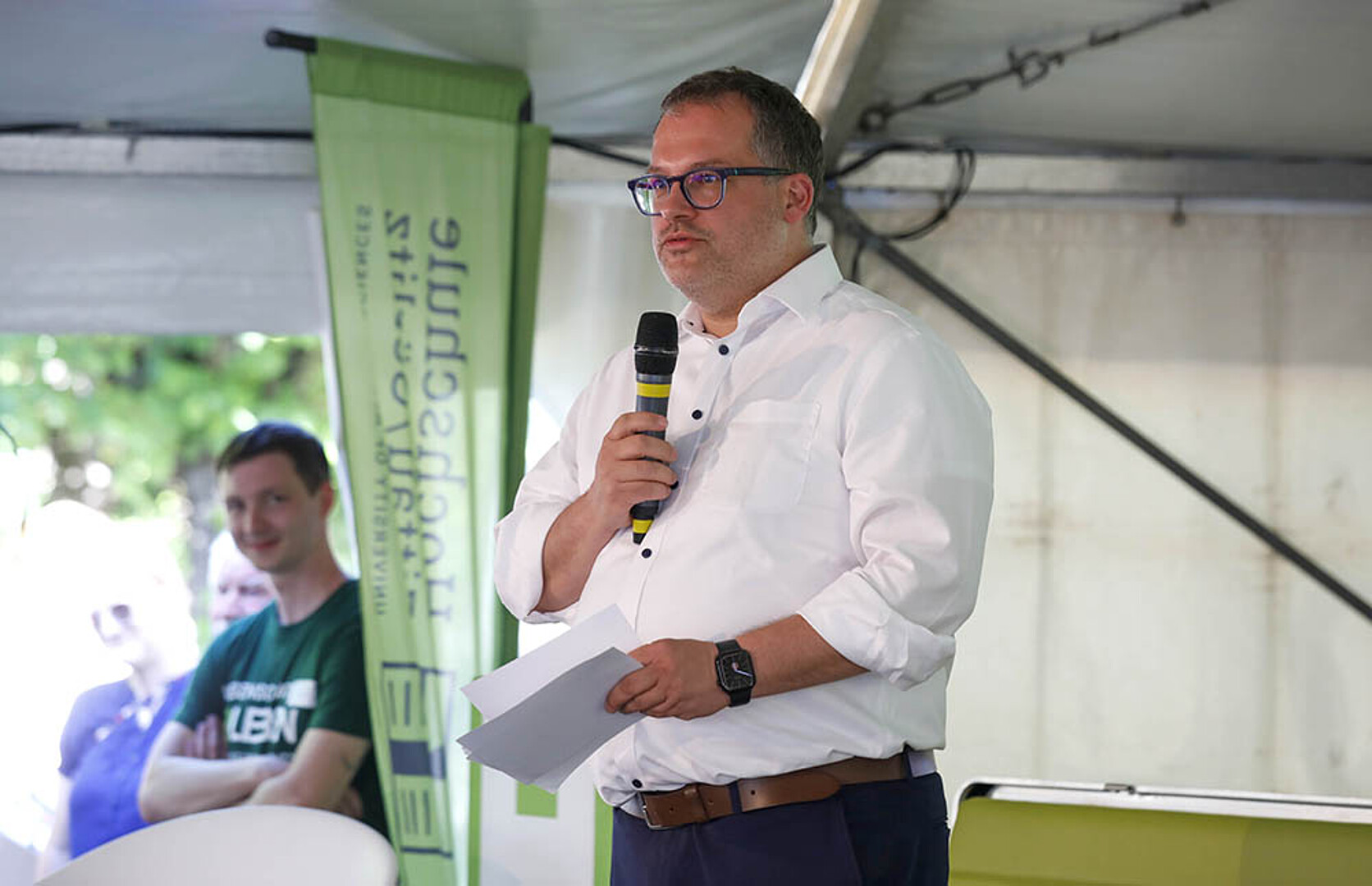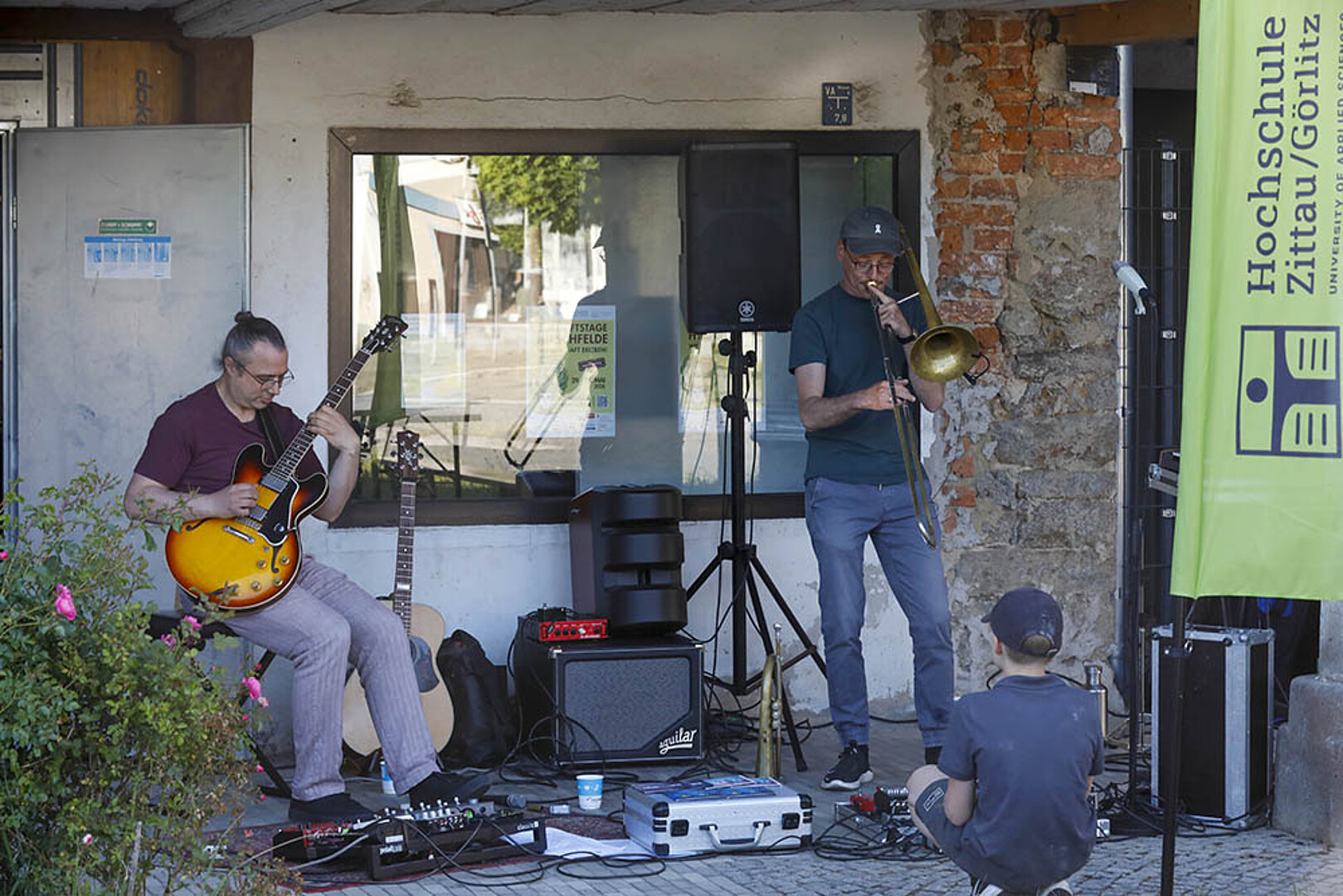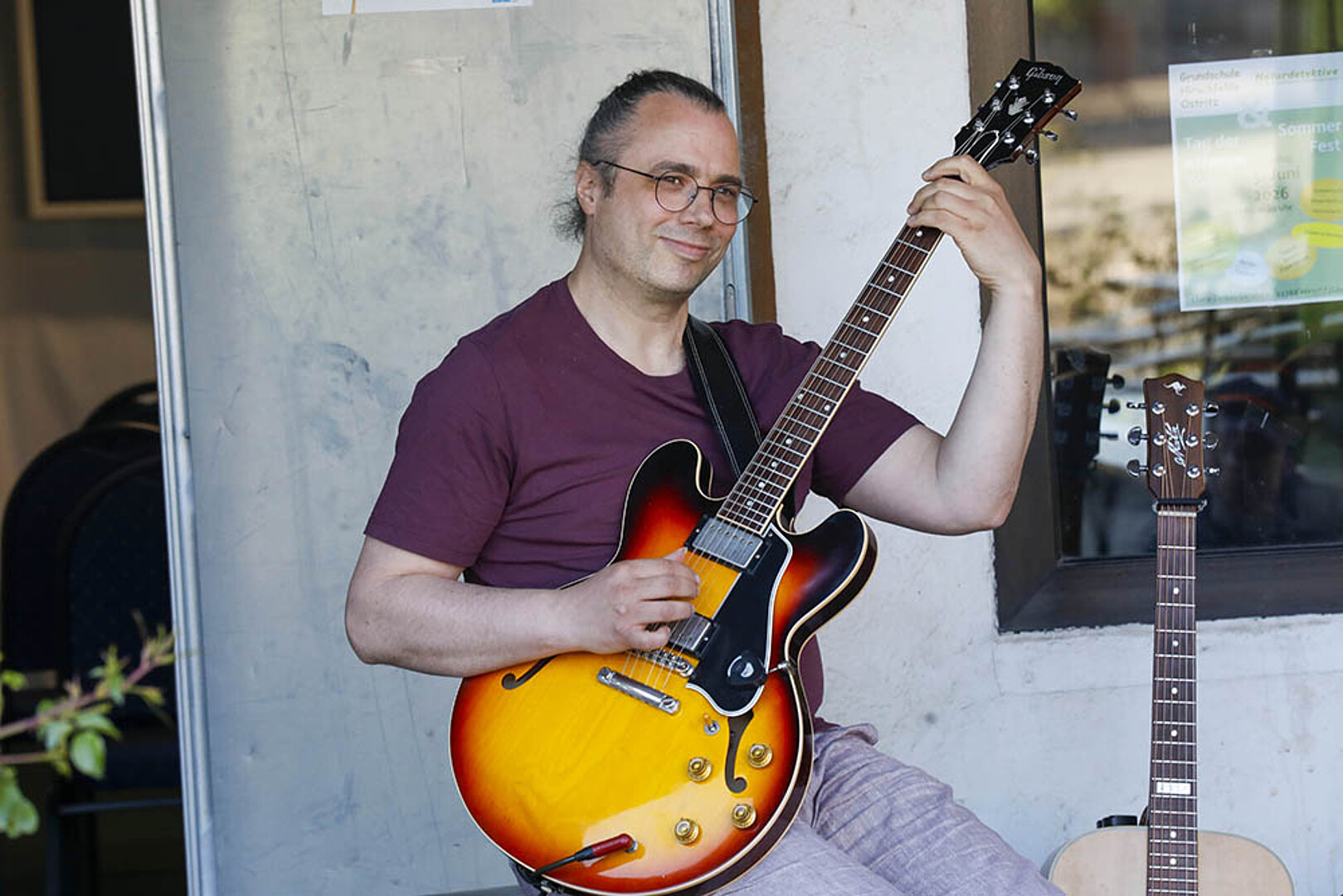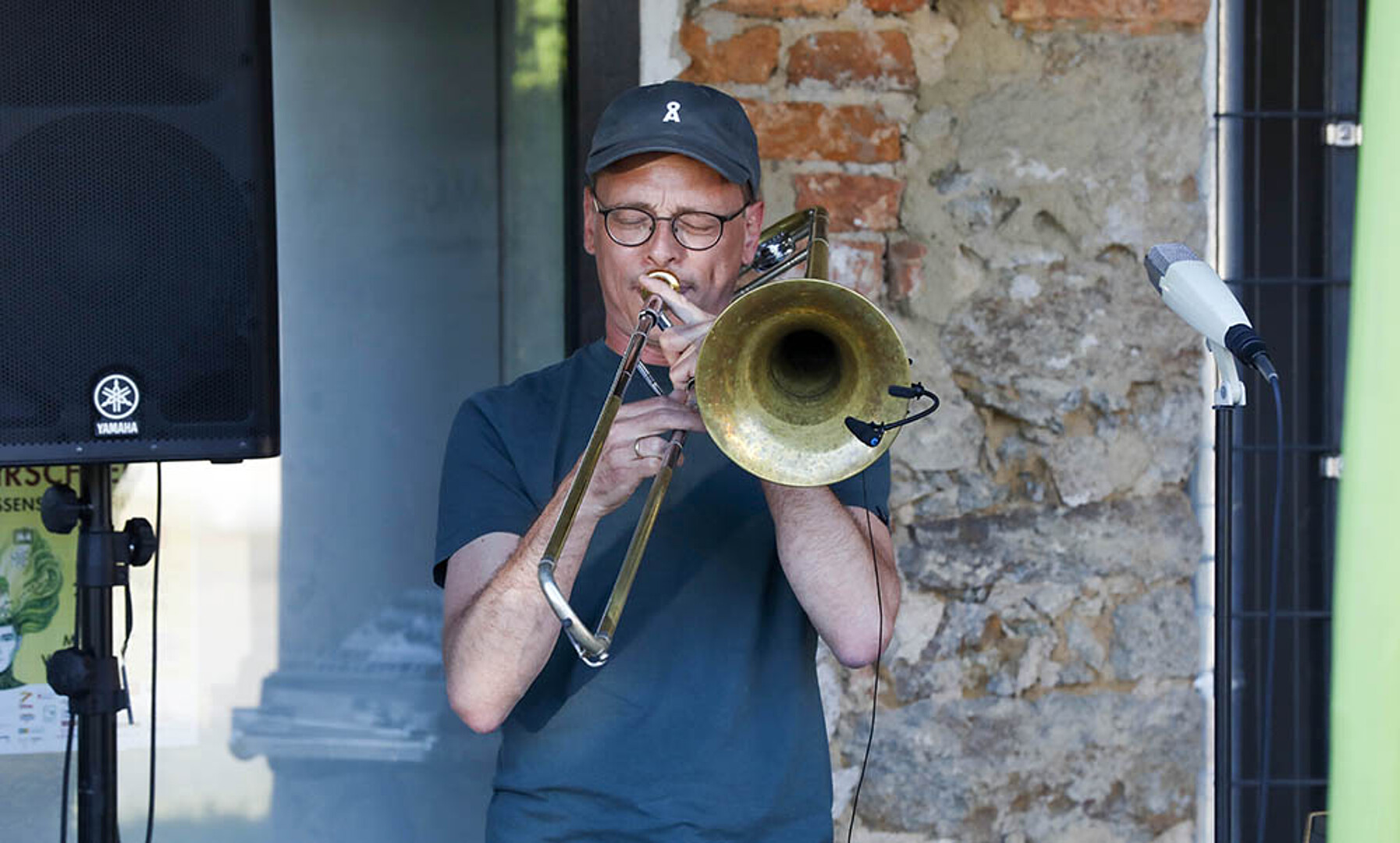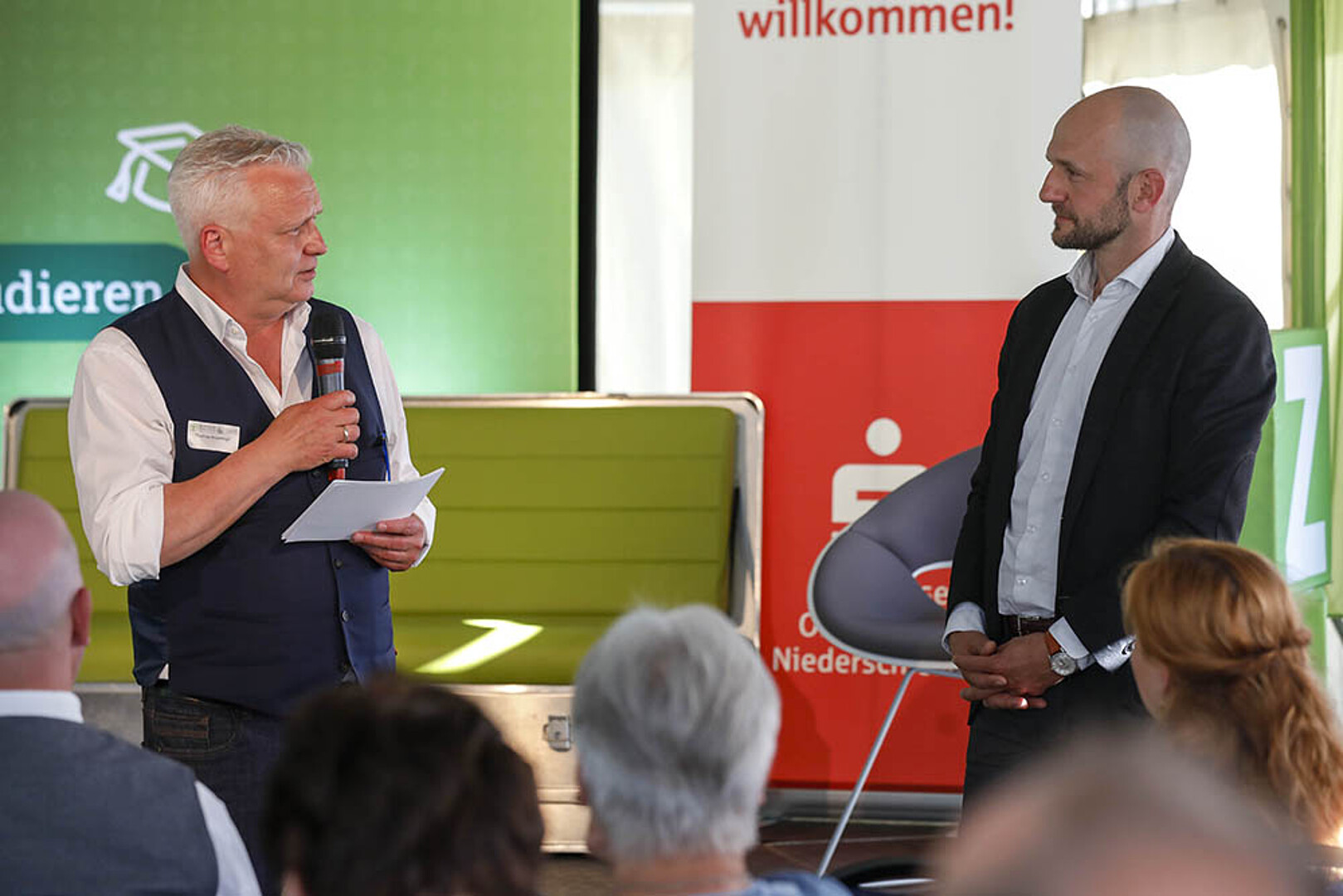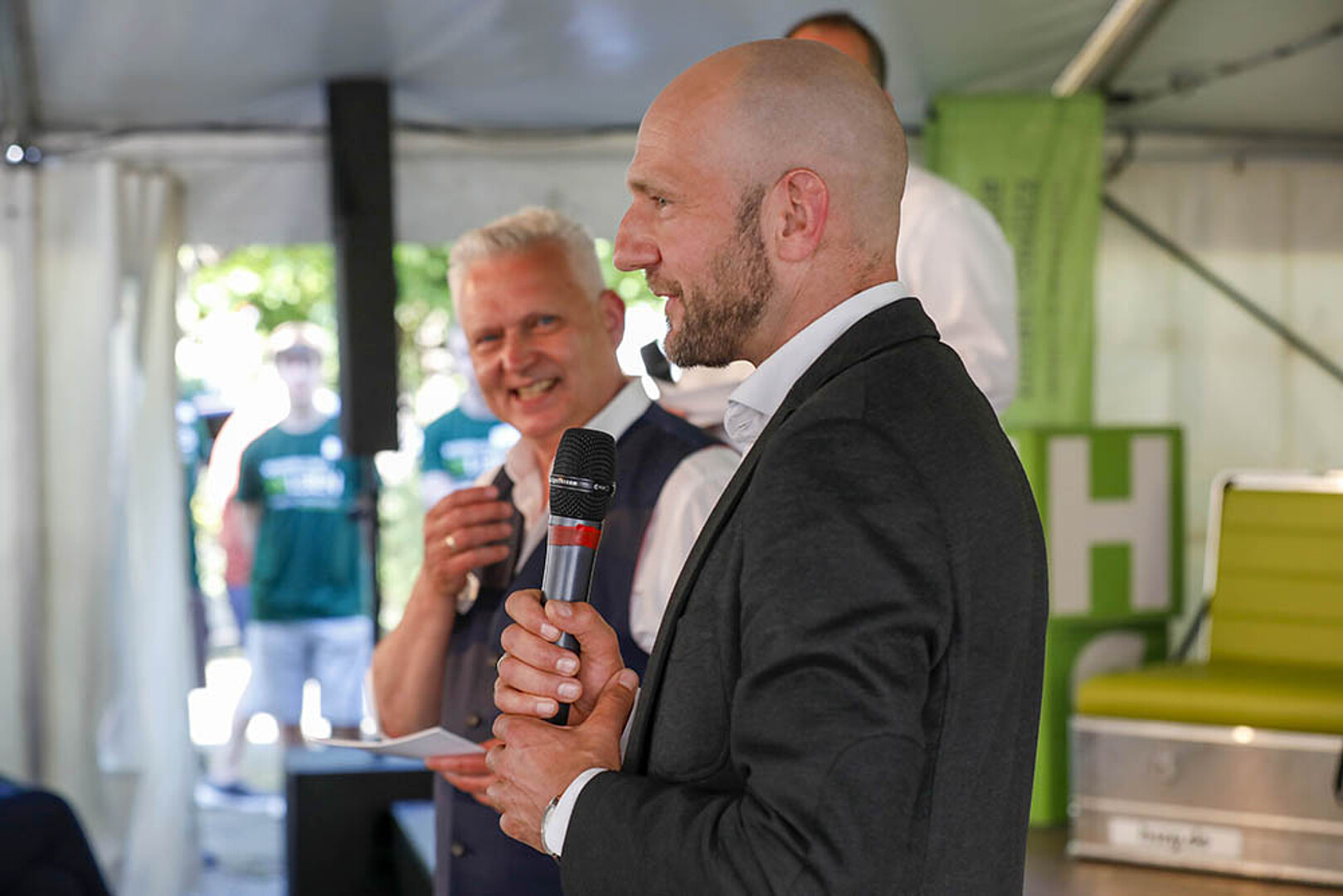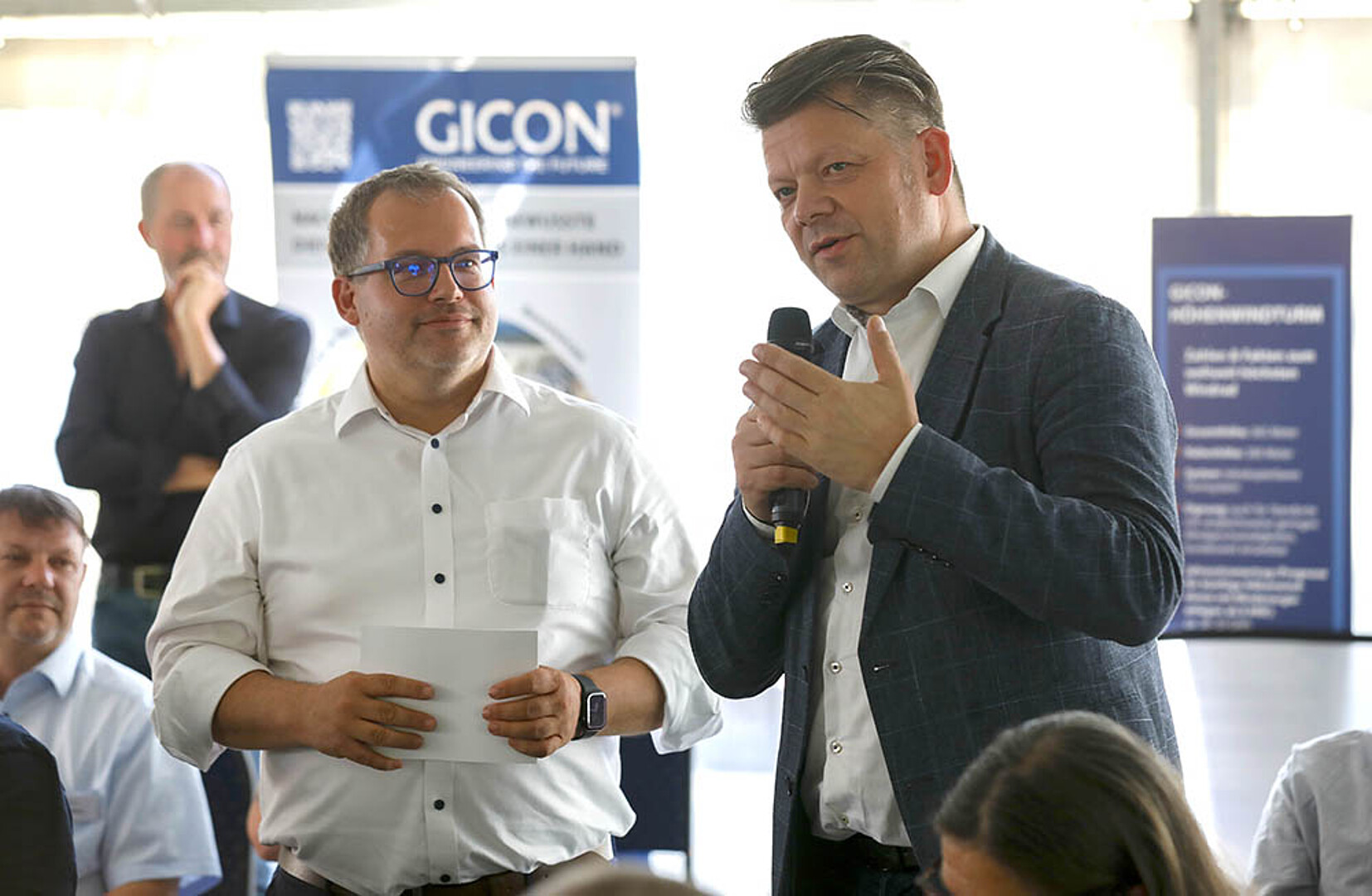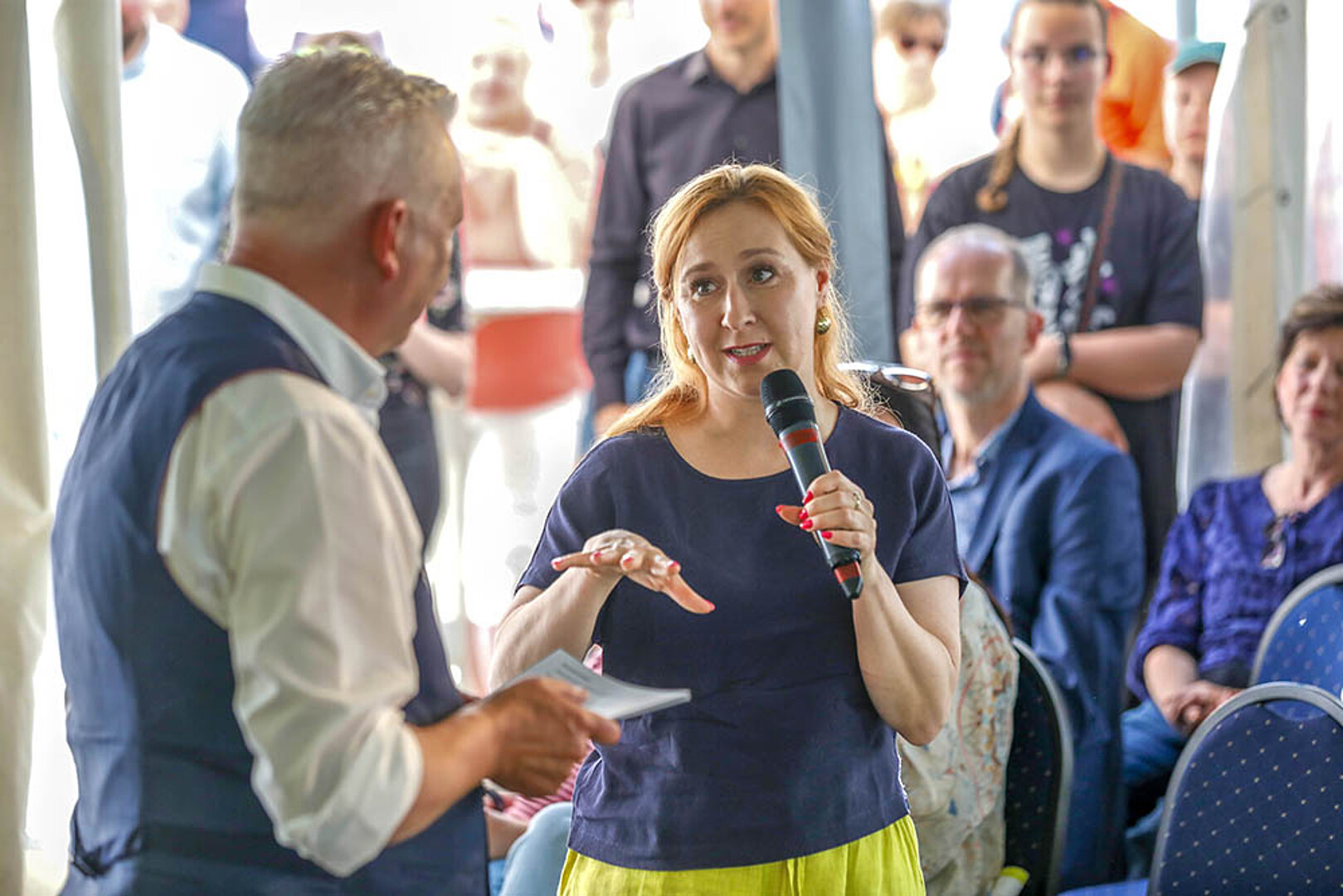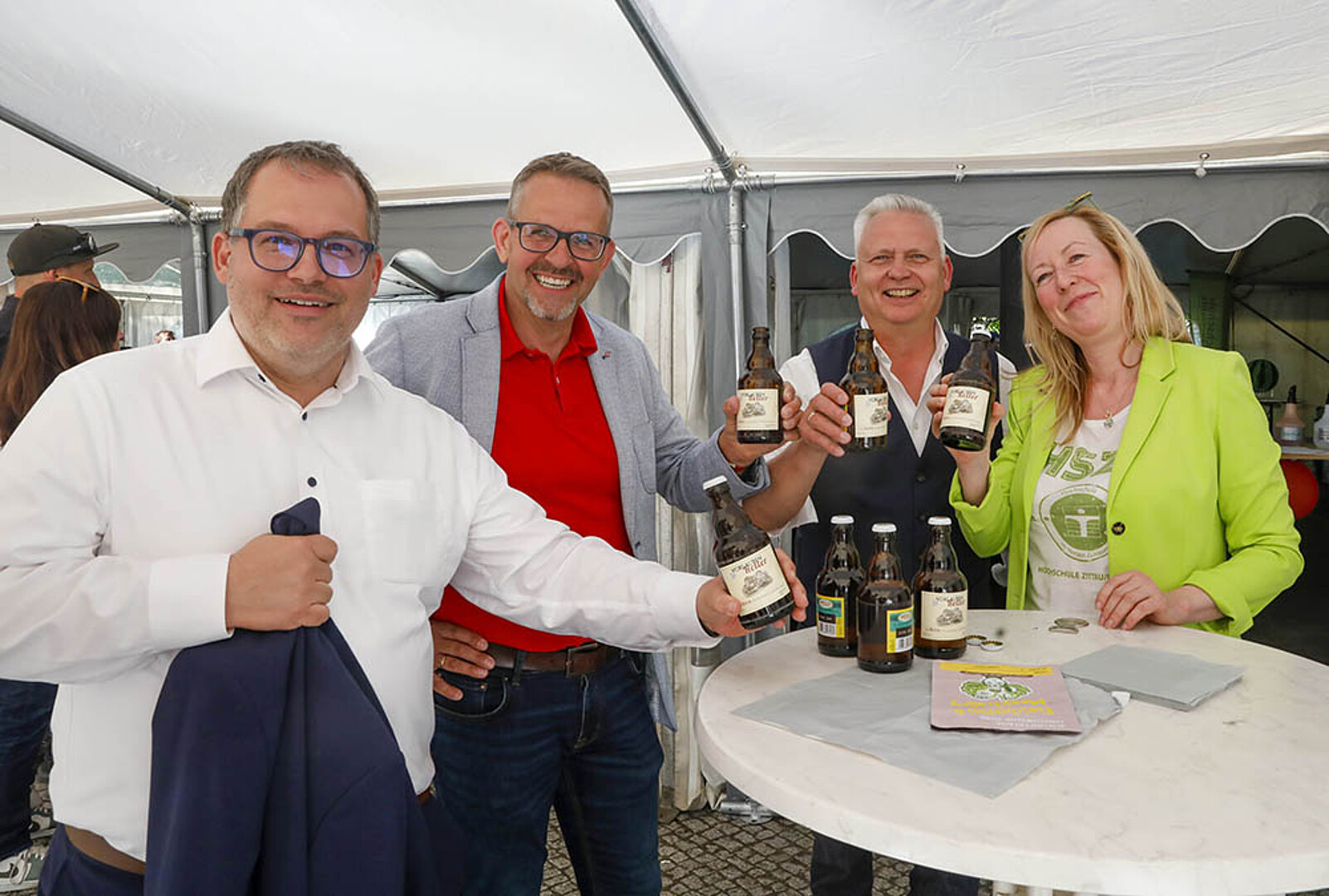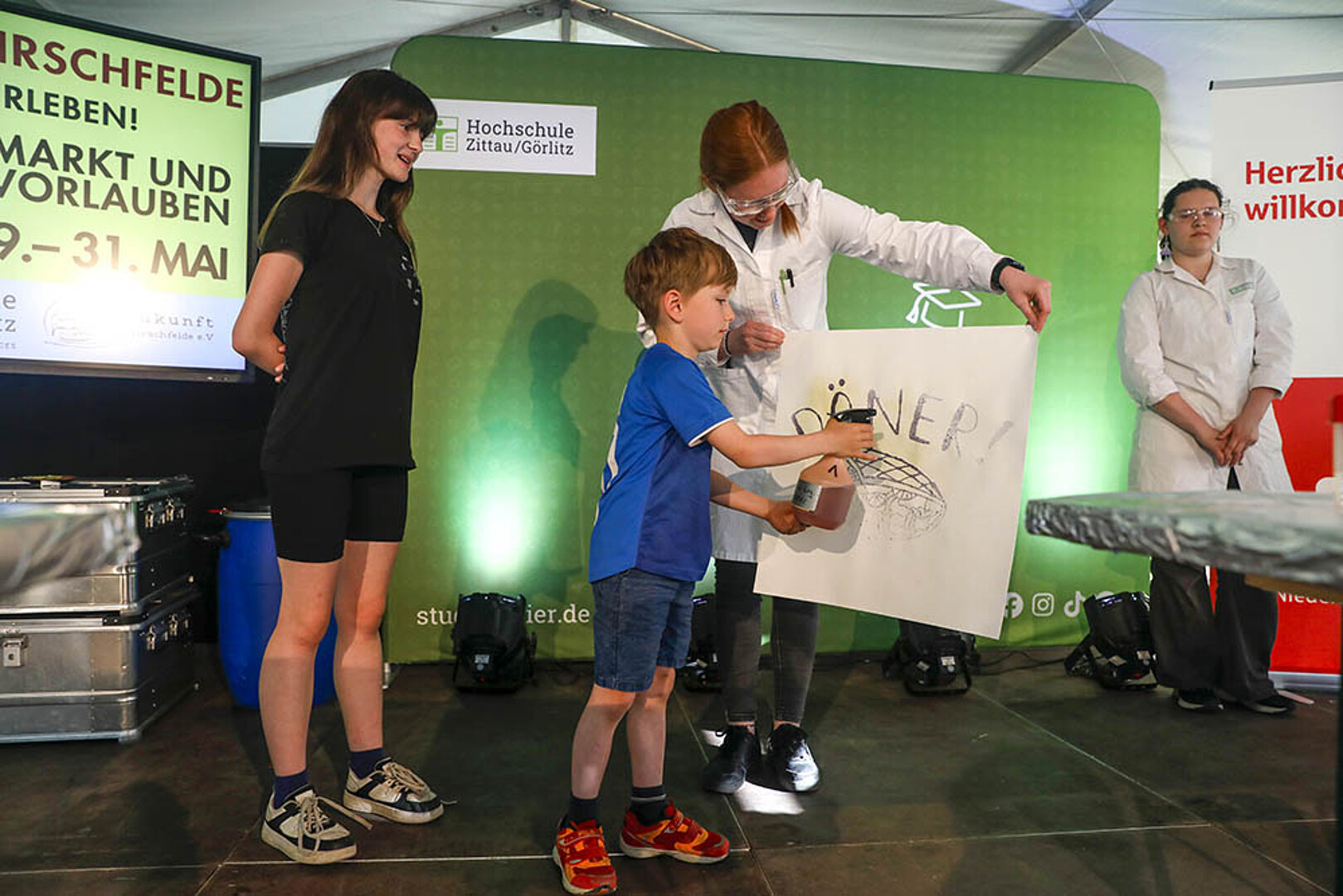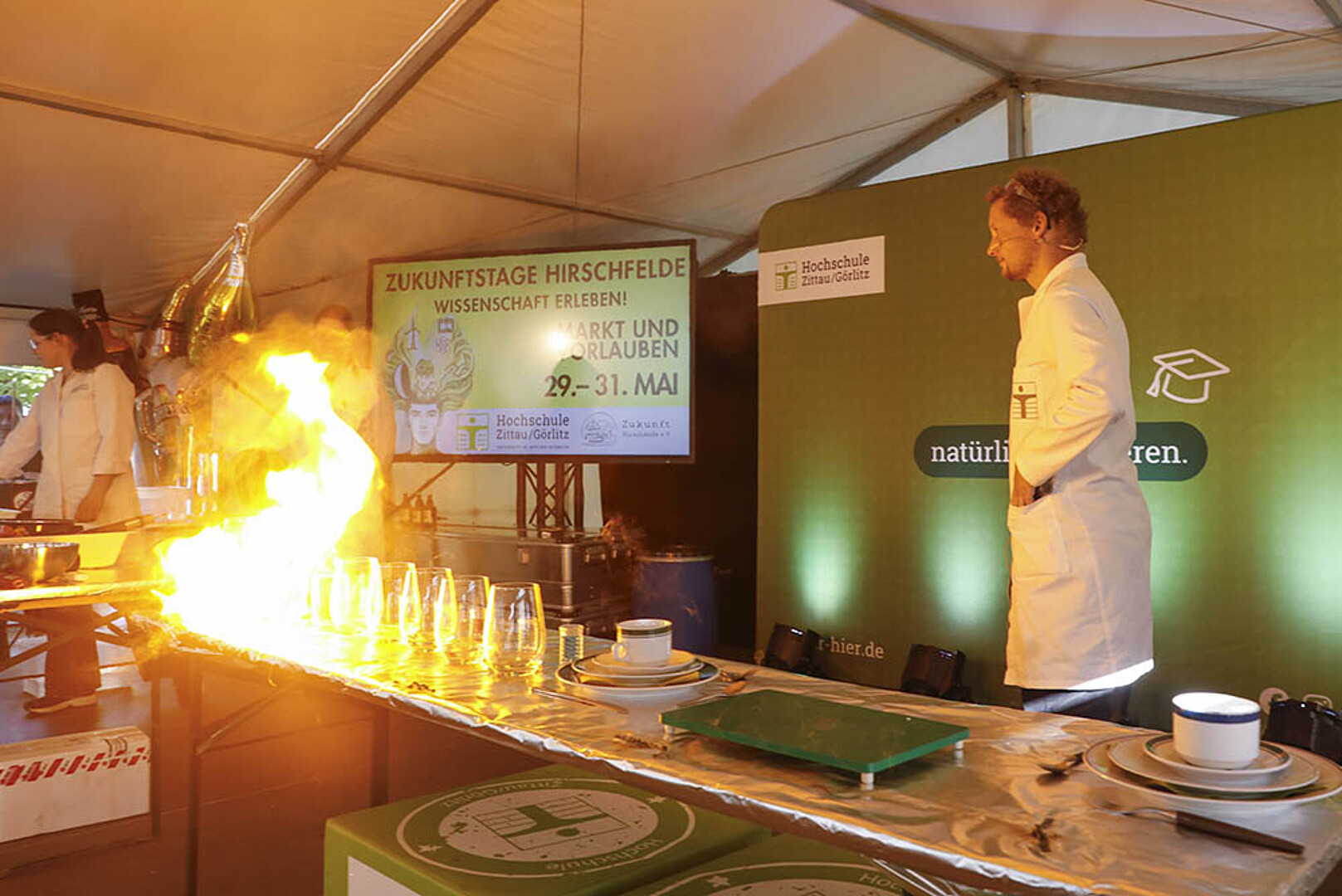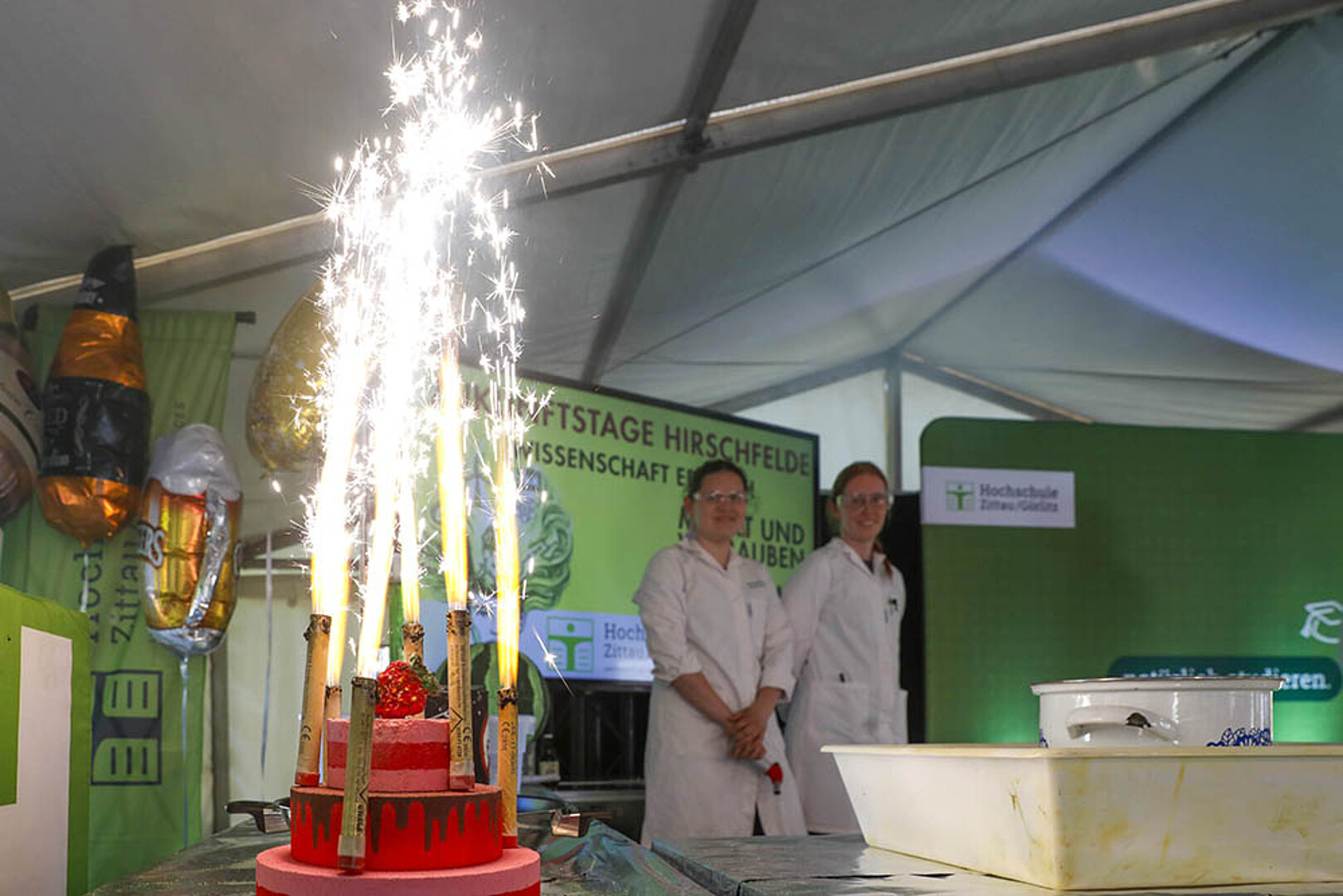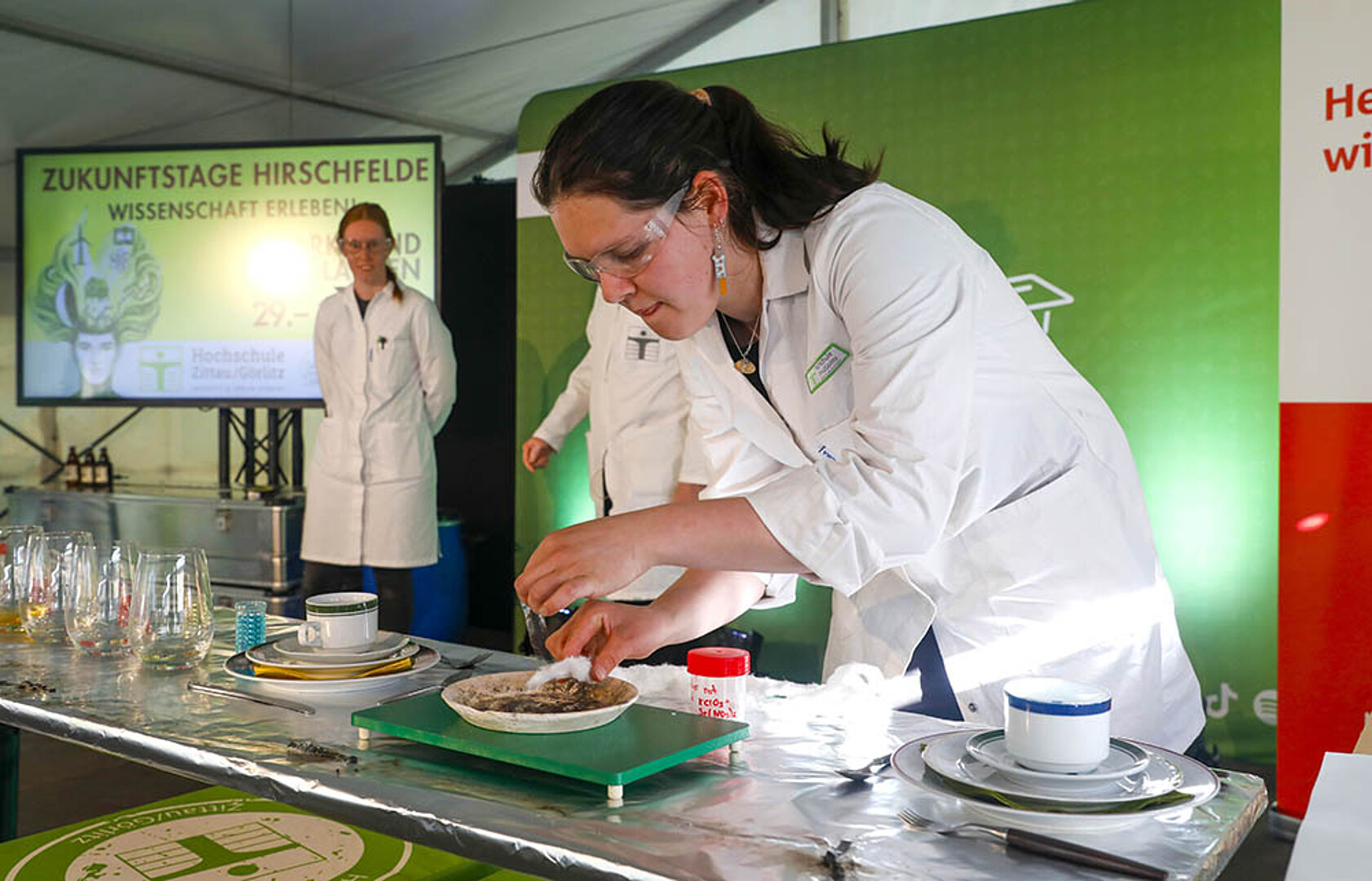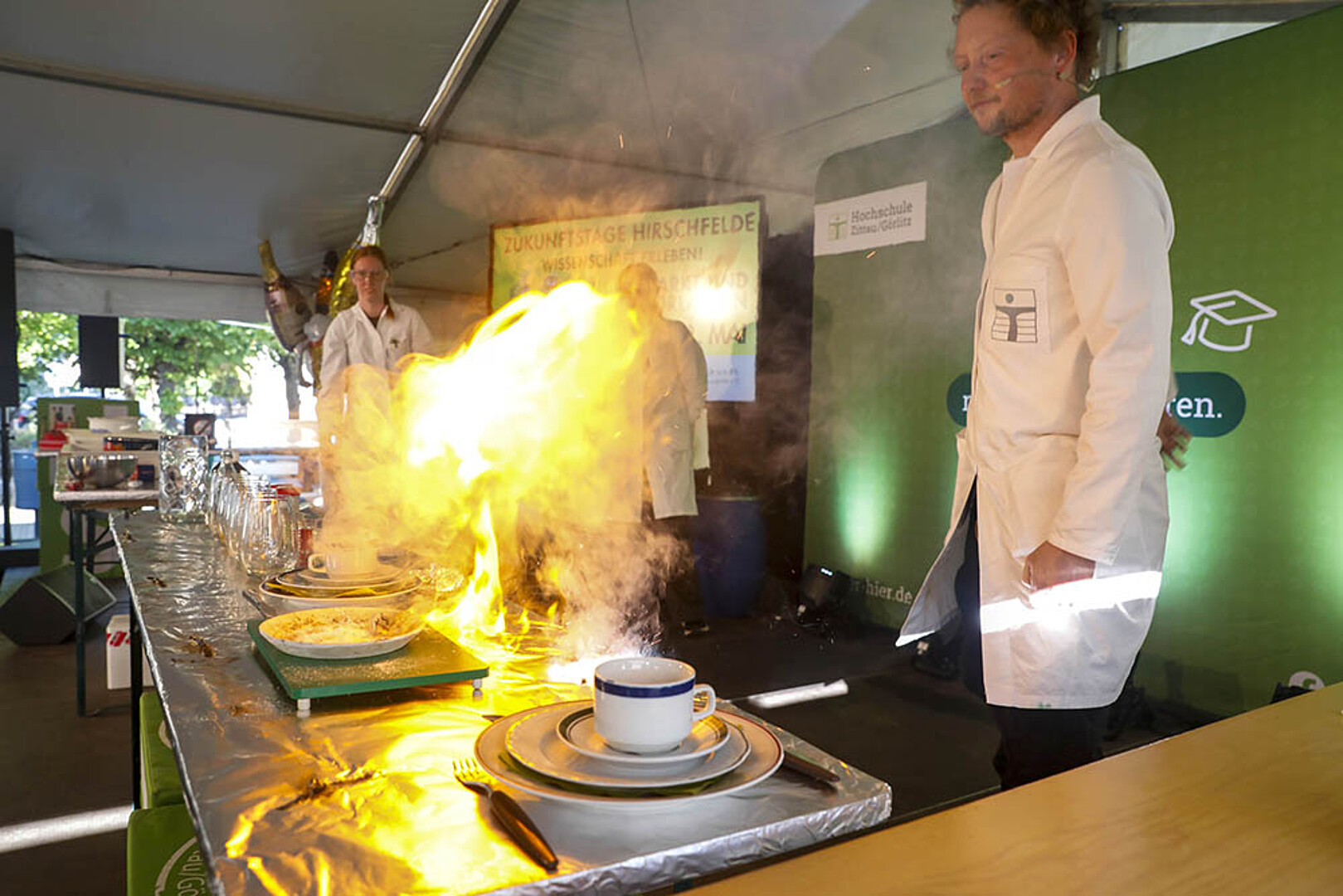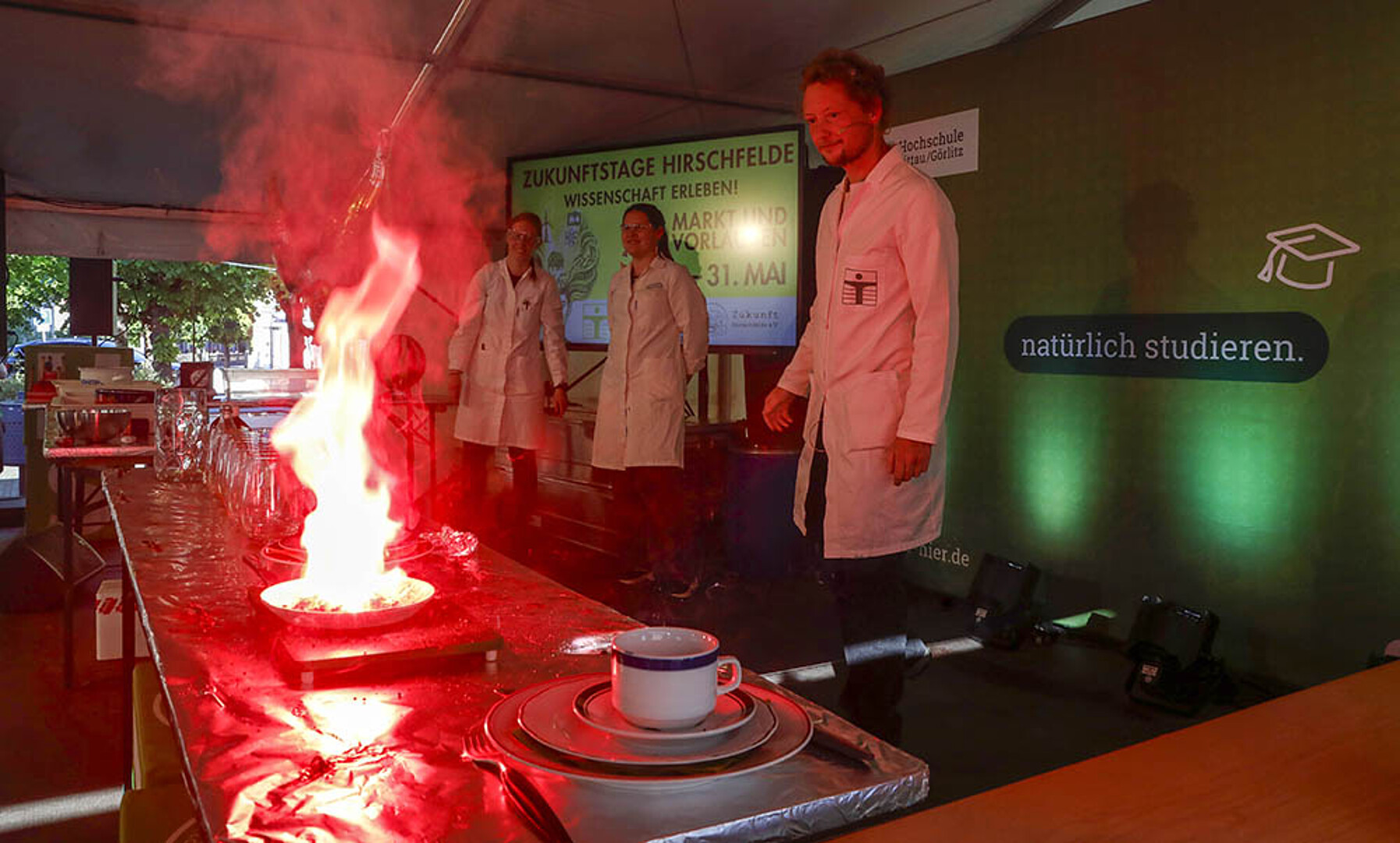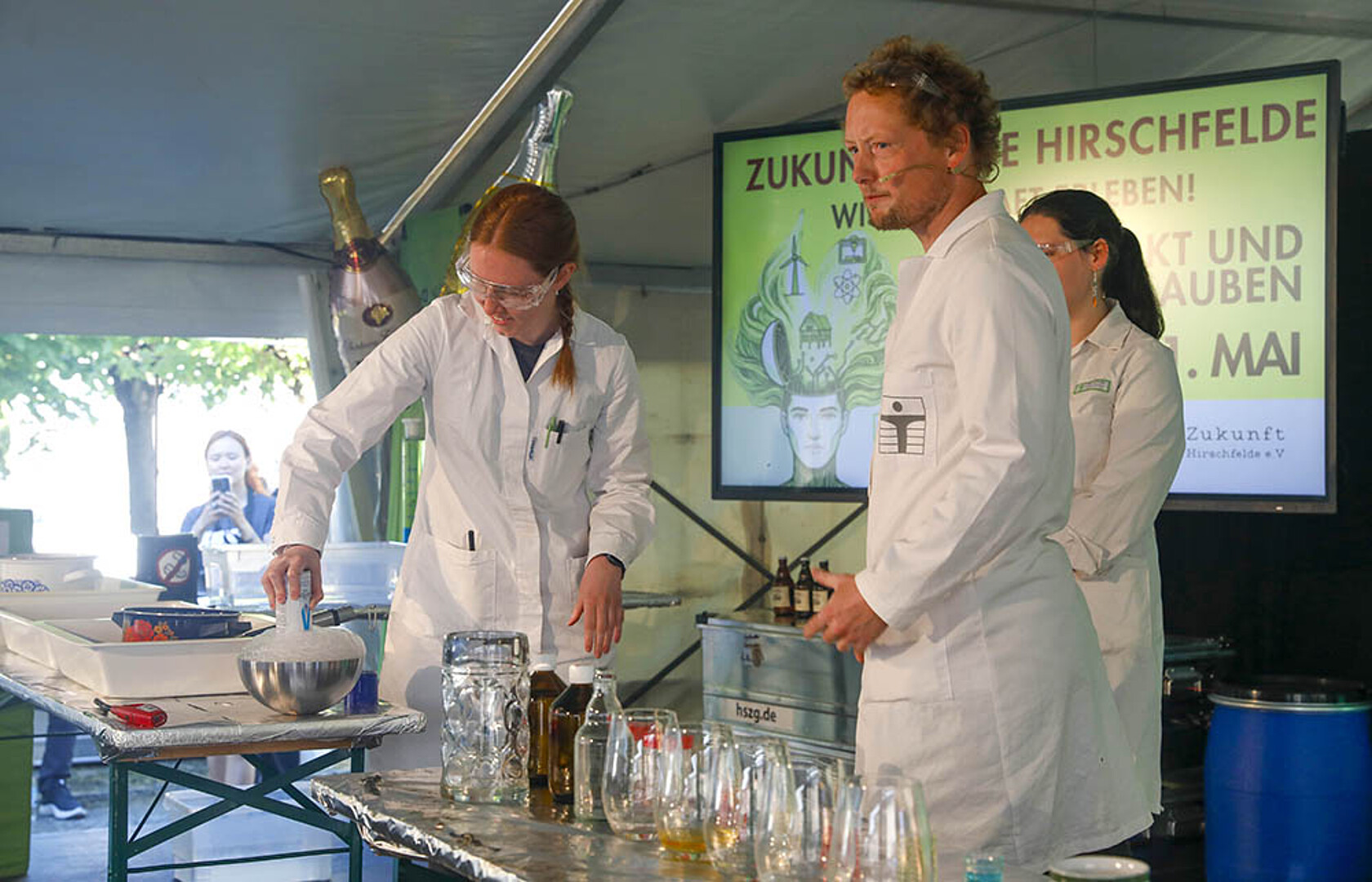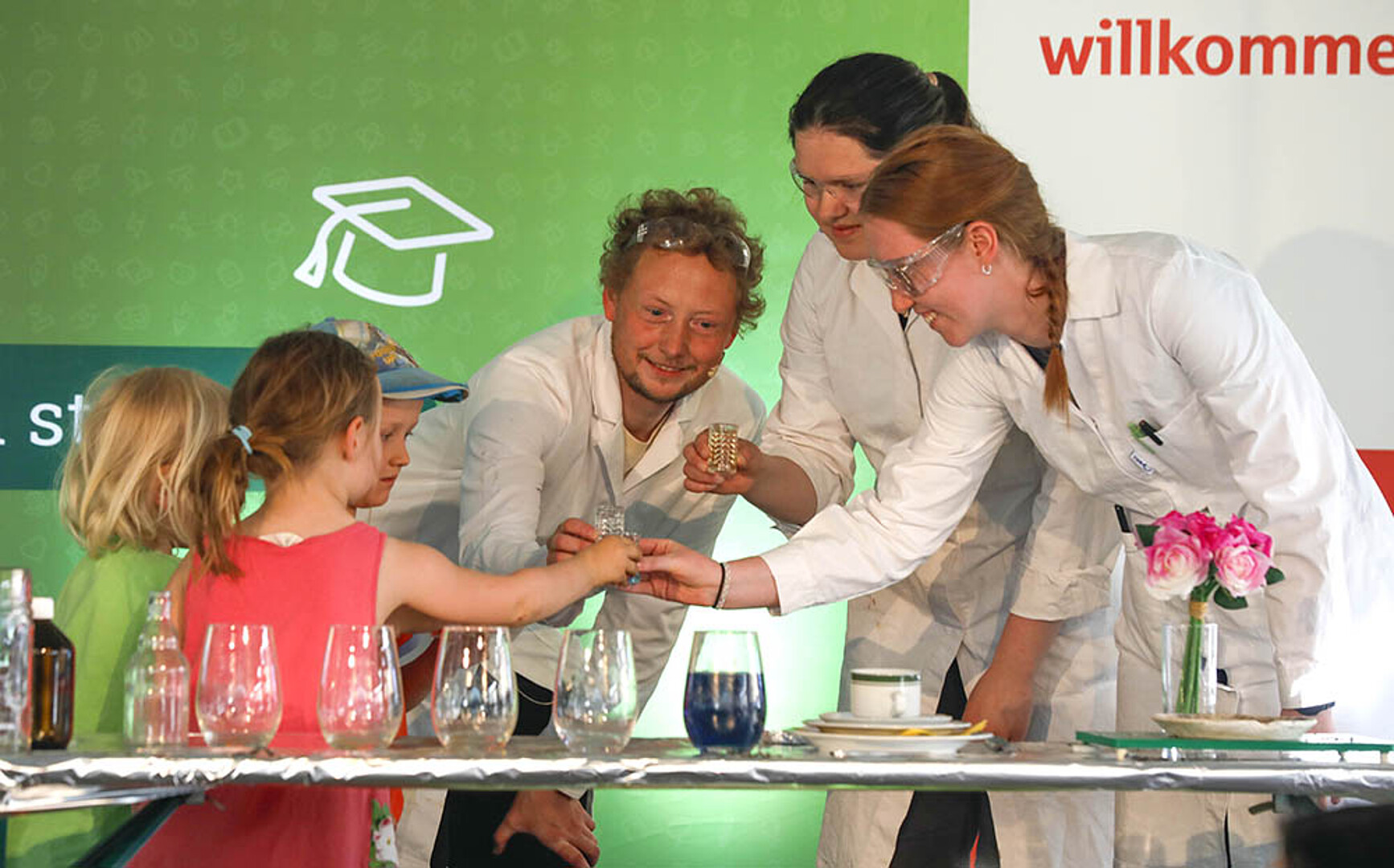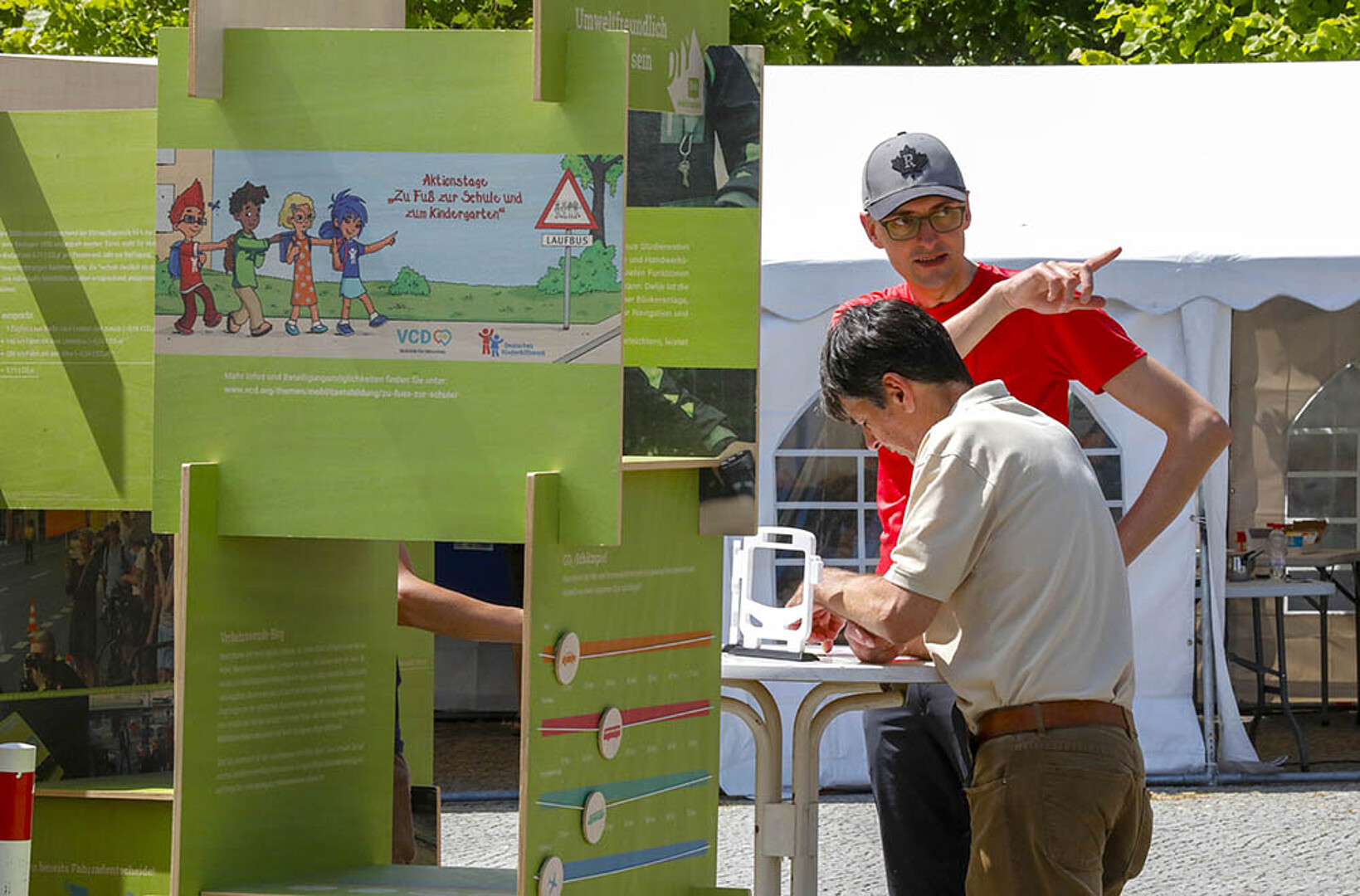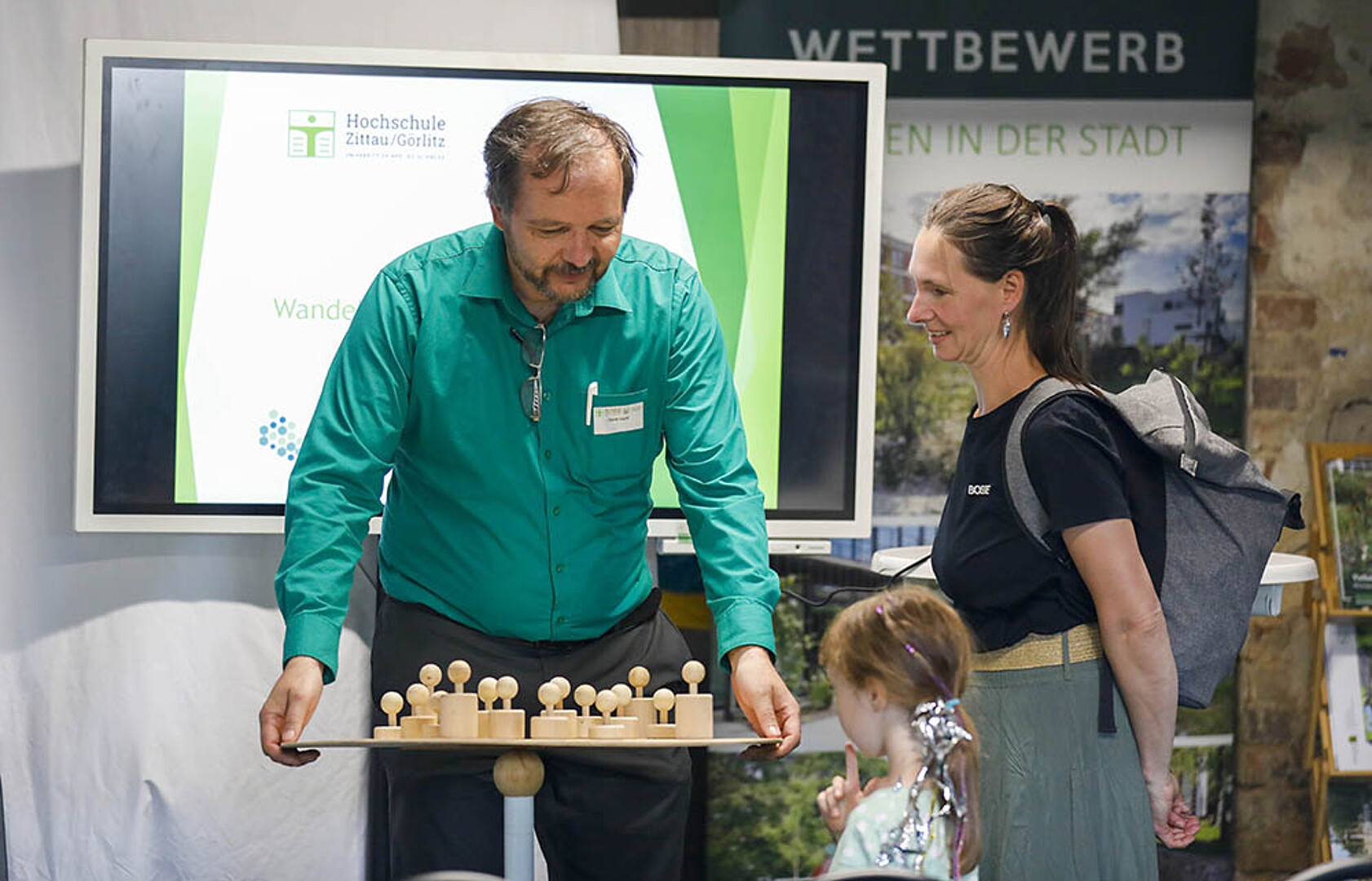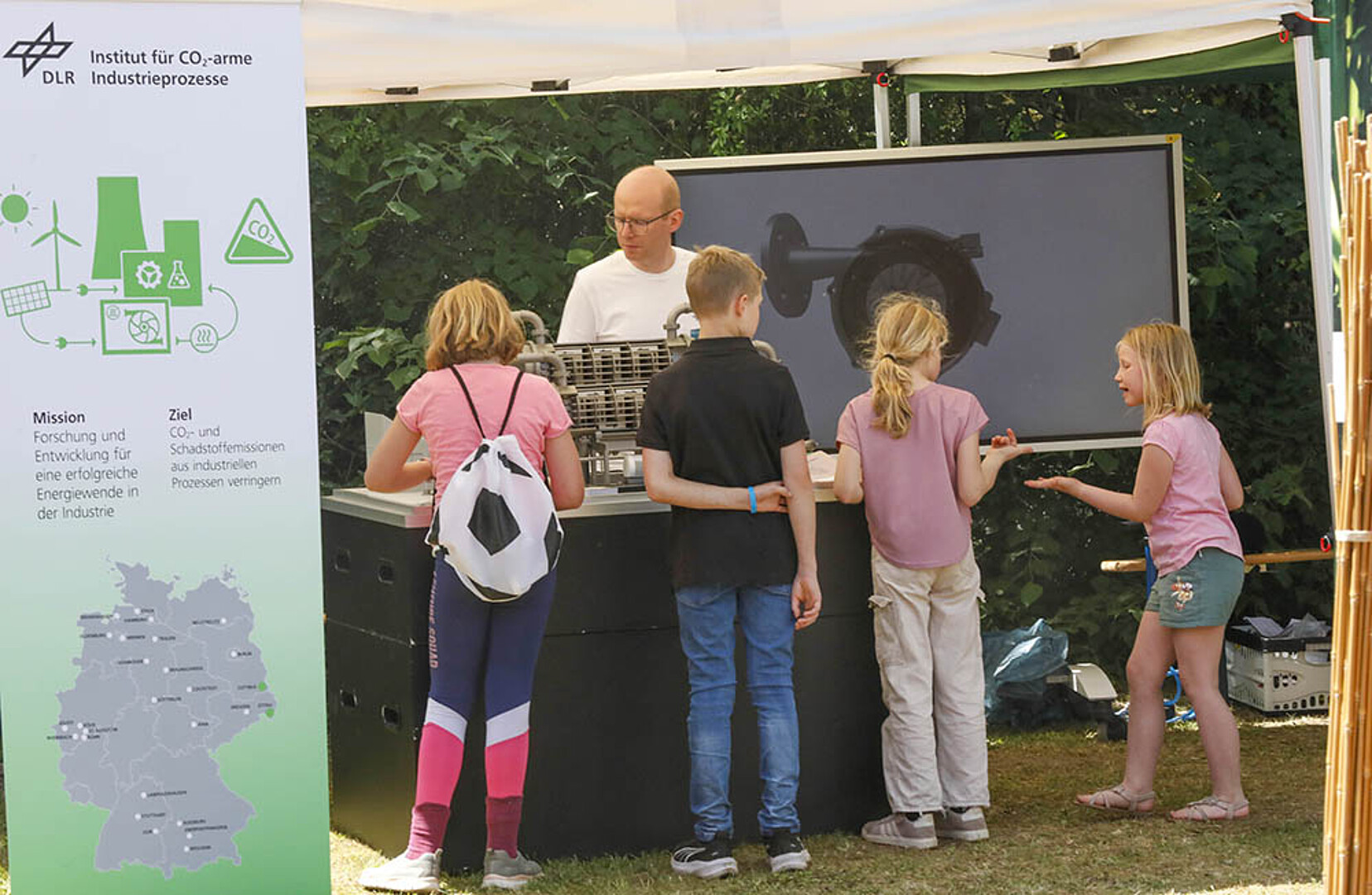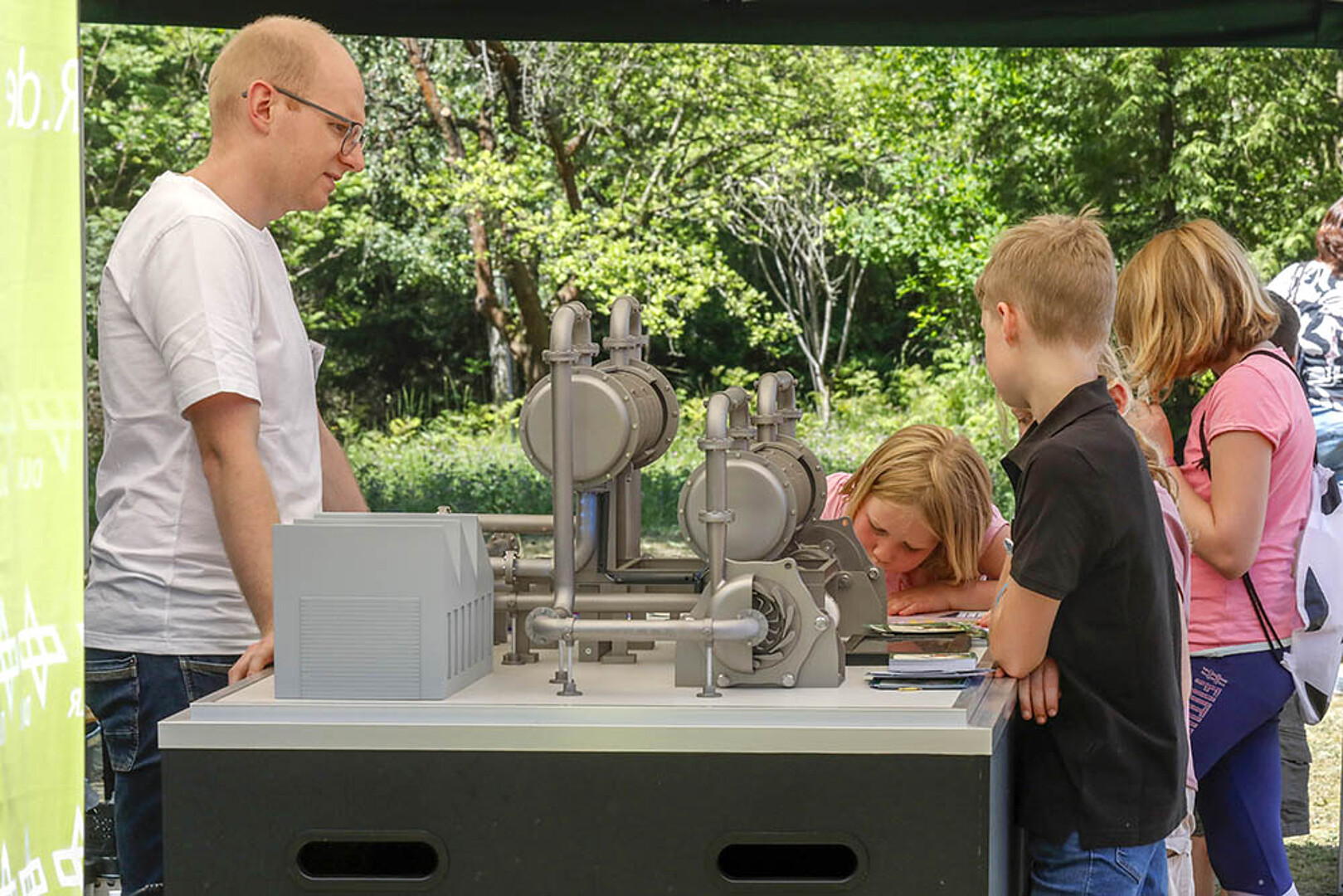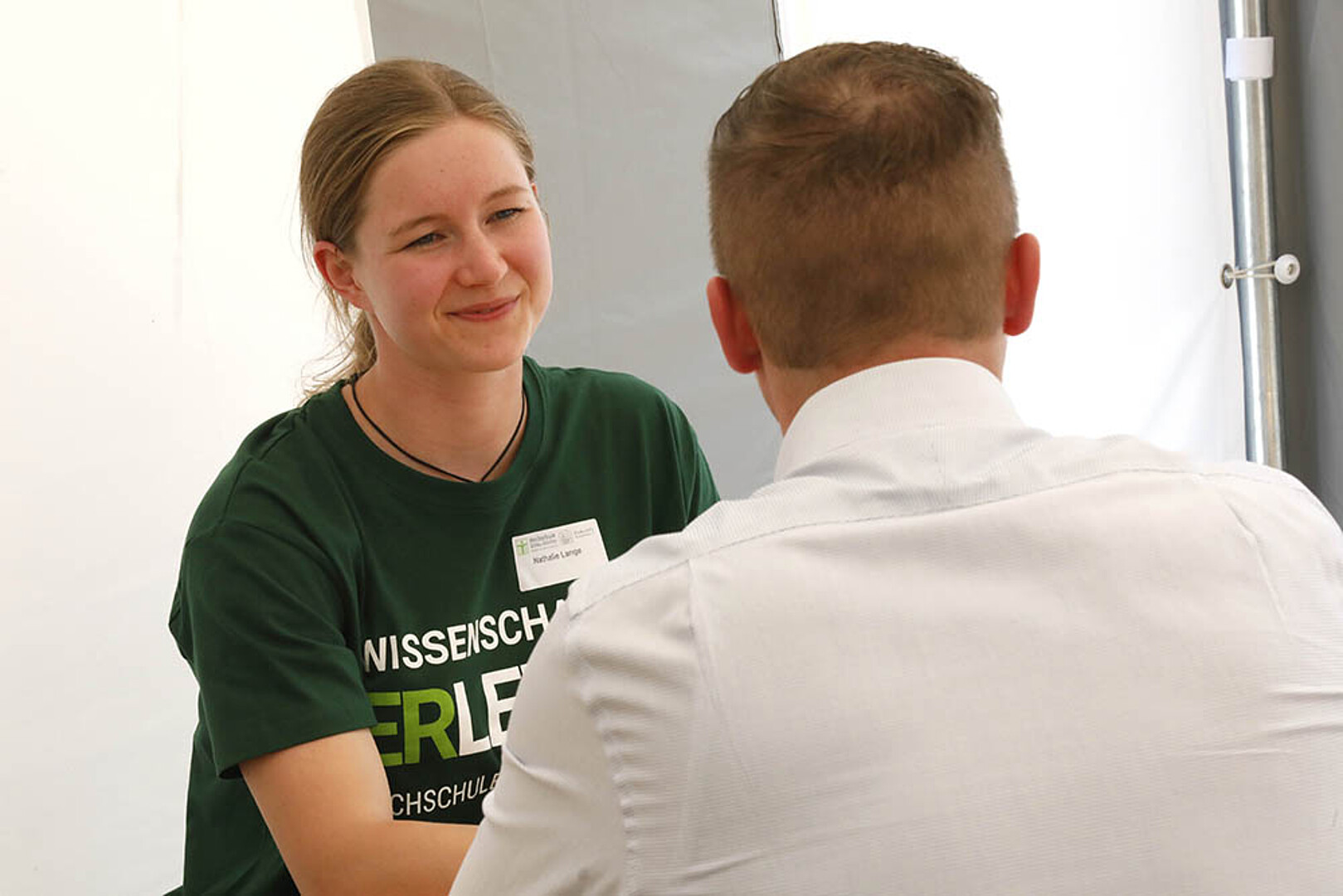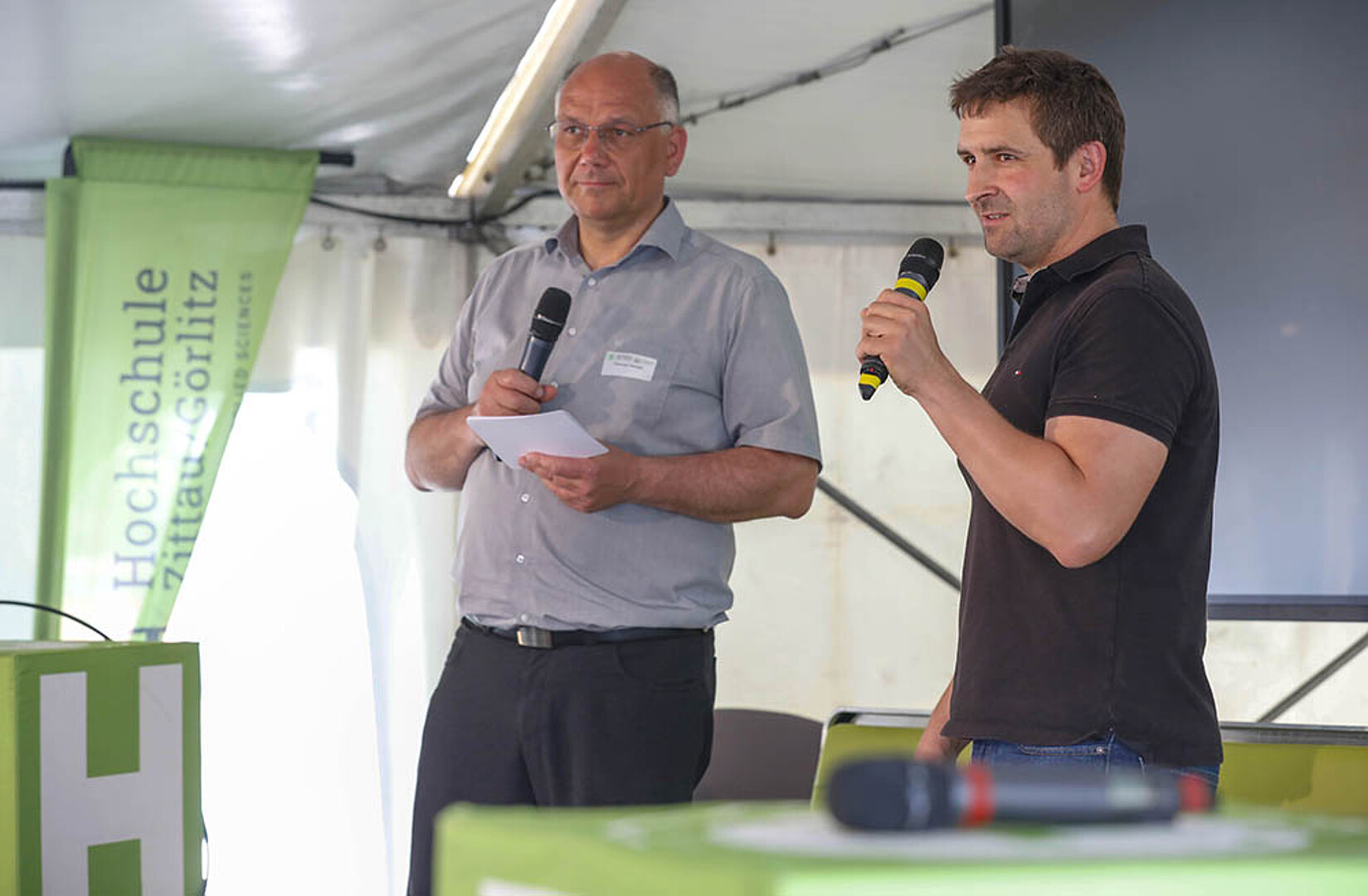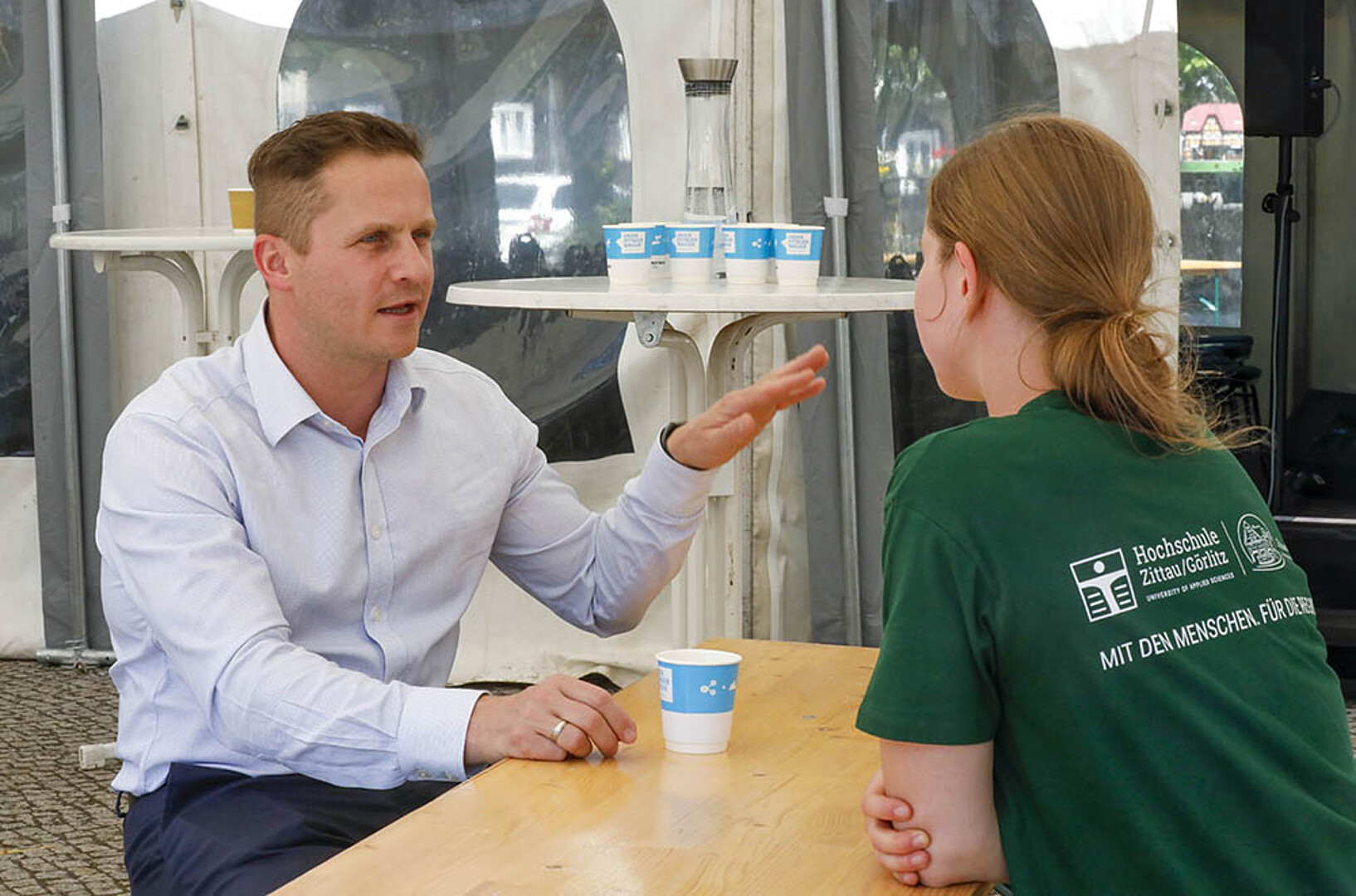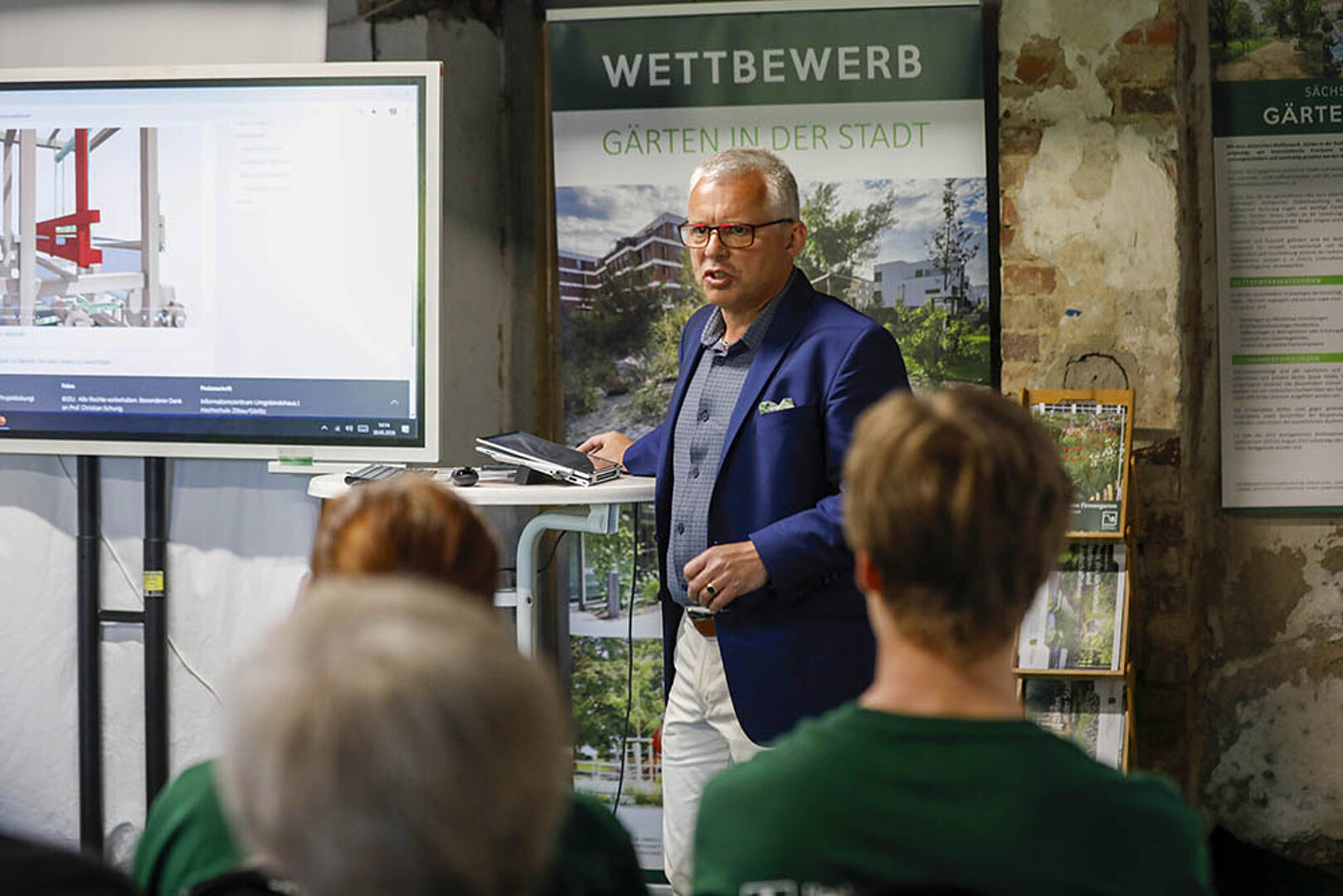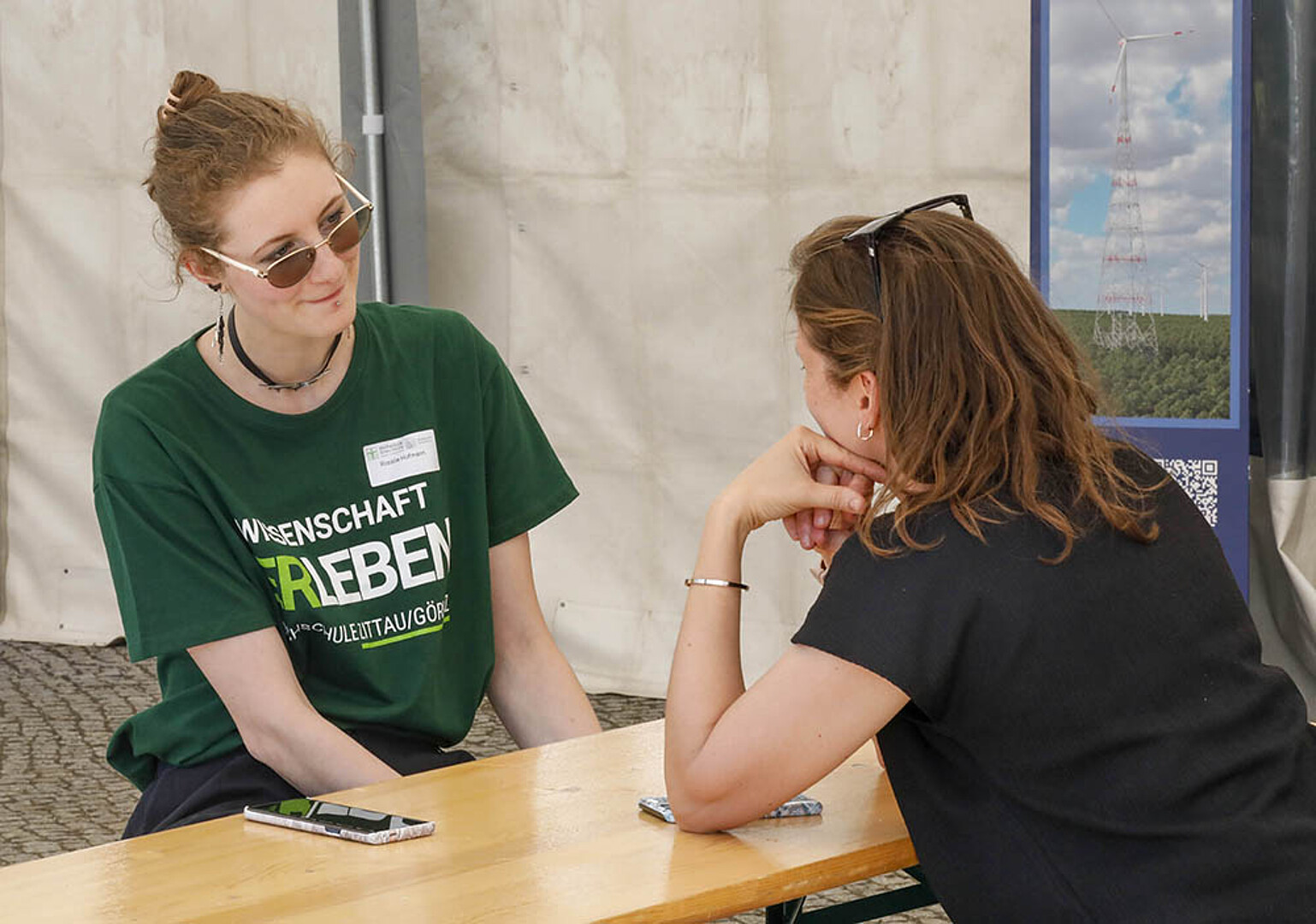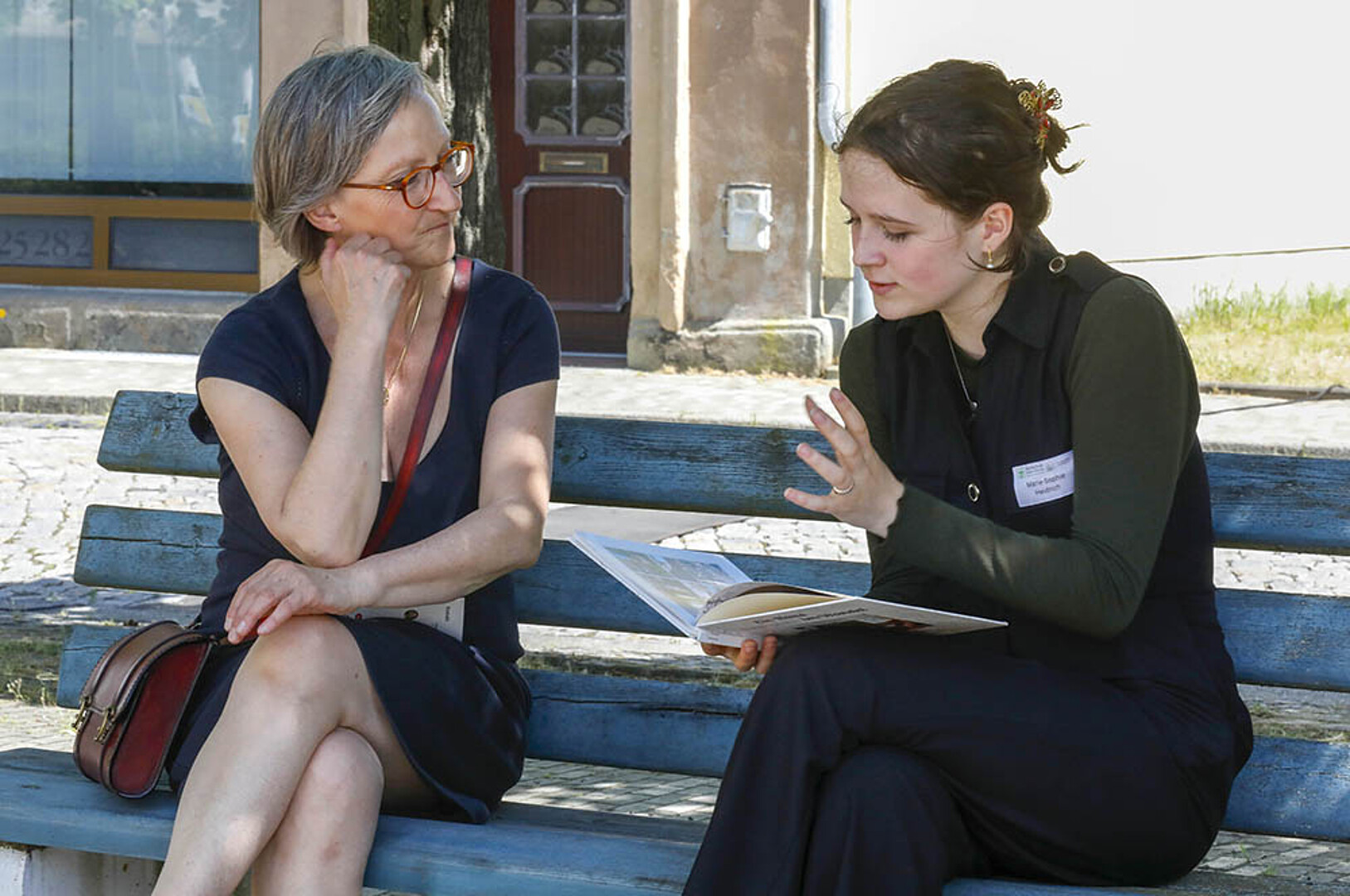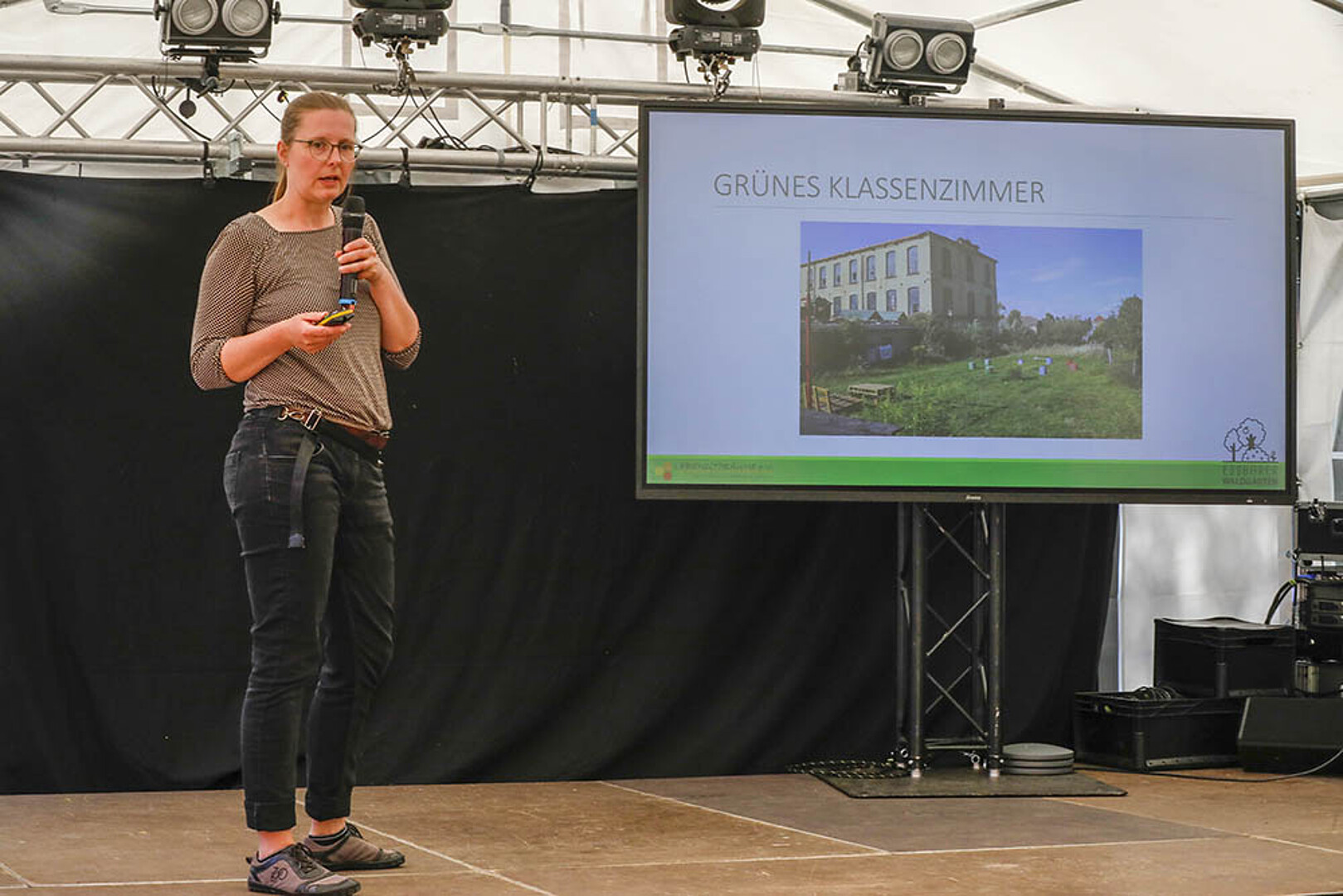
More than 480 students and numerous guests got a hands-on experience with research and future-oriented topics at the Hirschfelde Future Days.

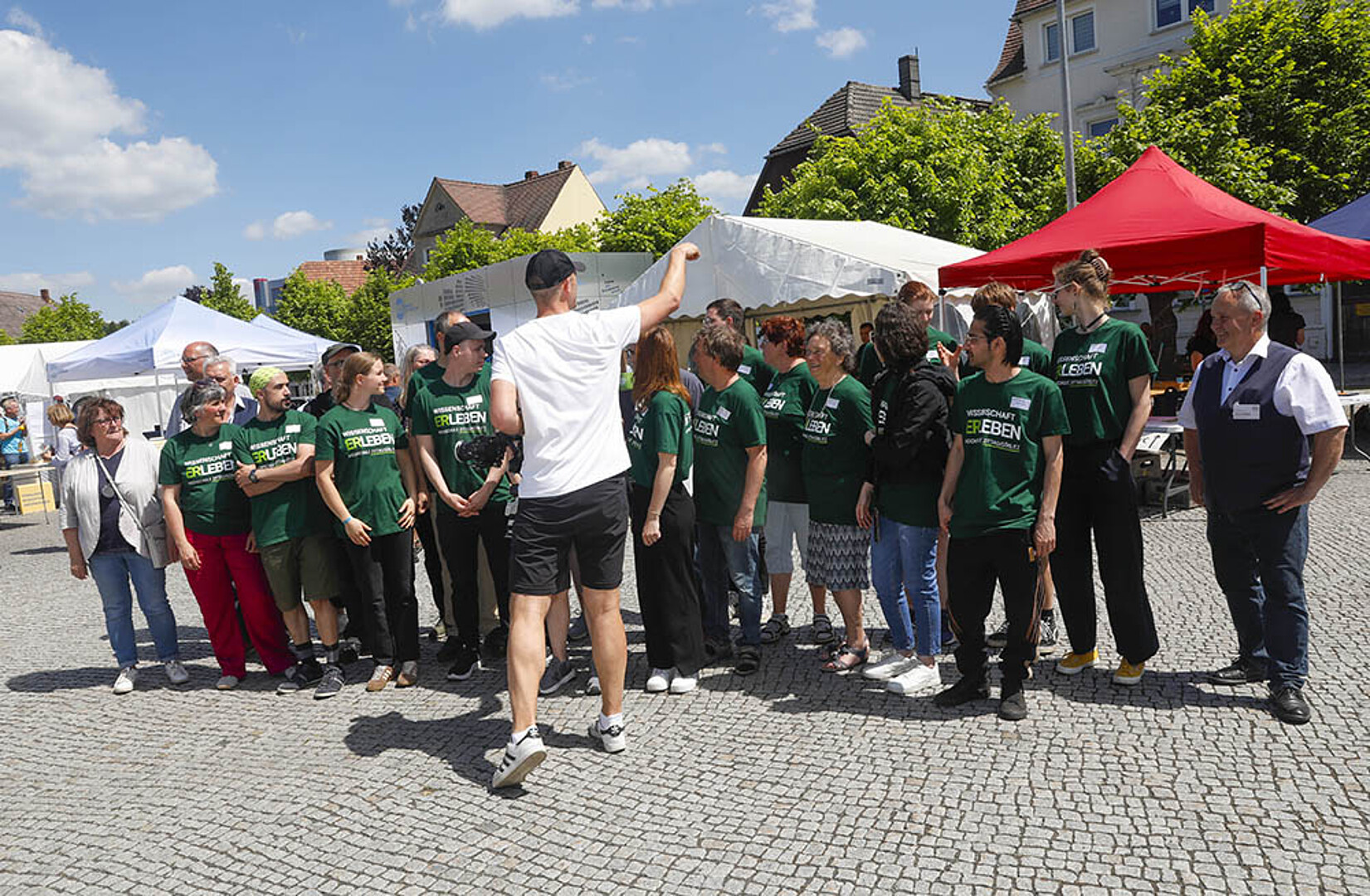
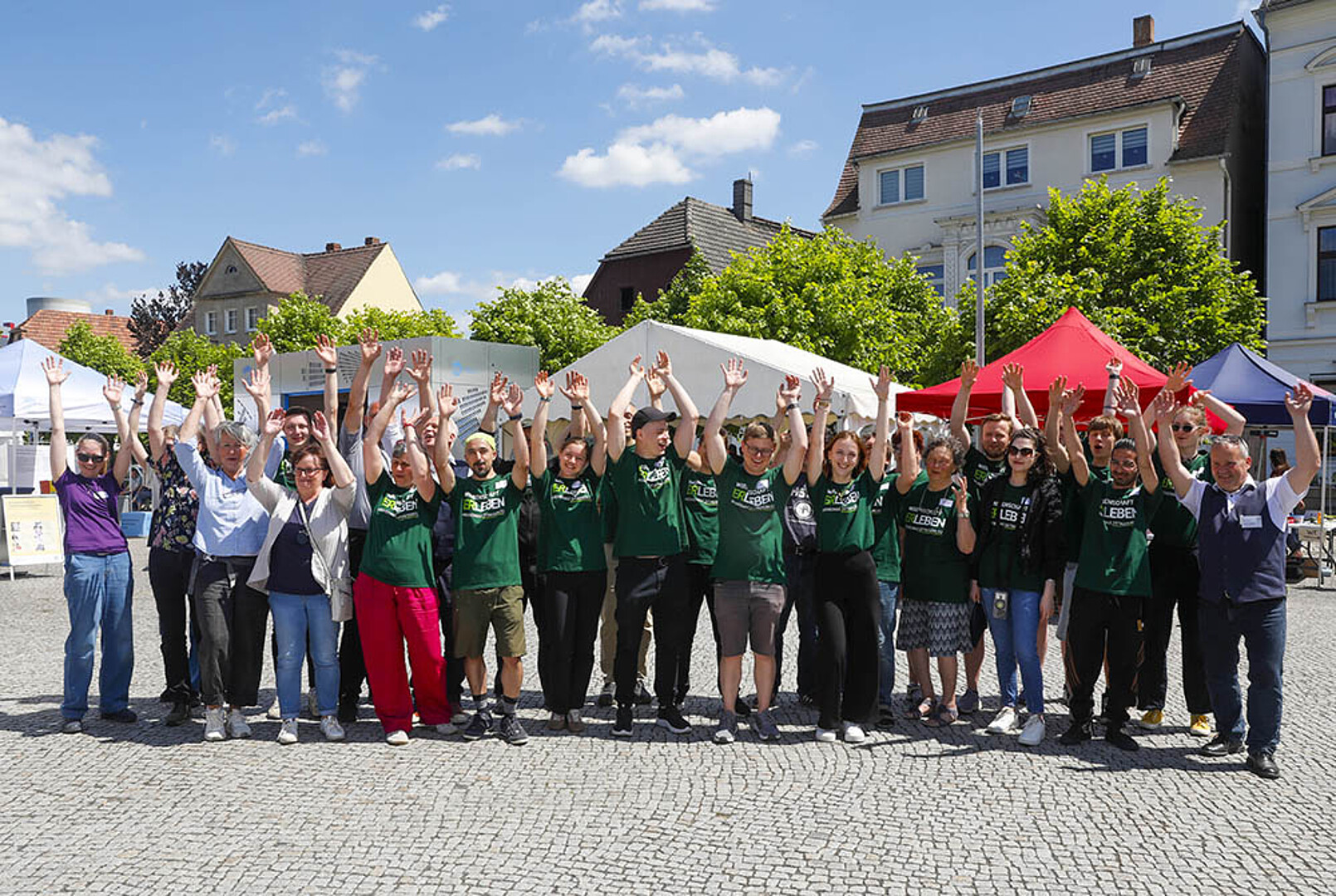
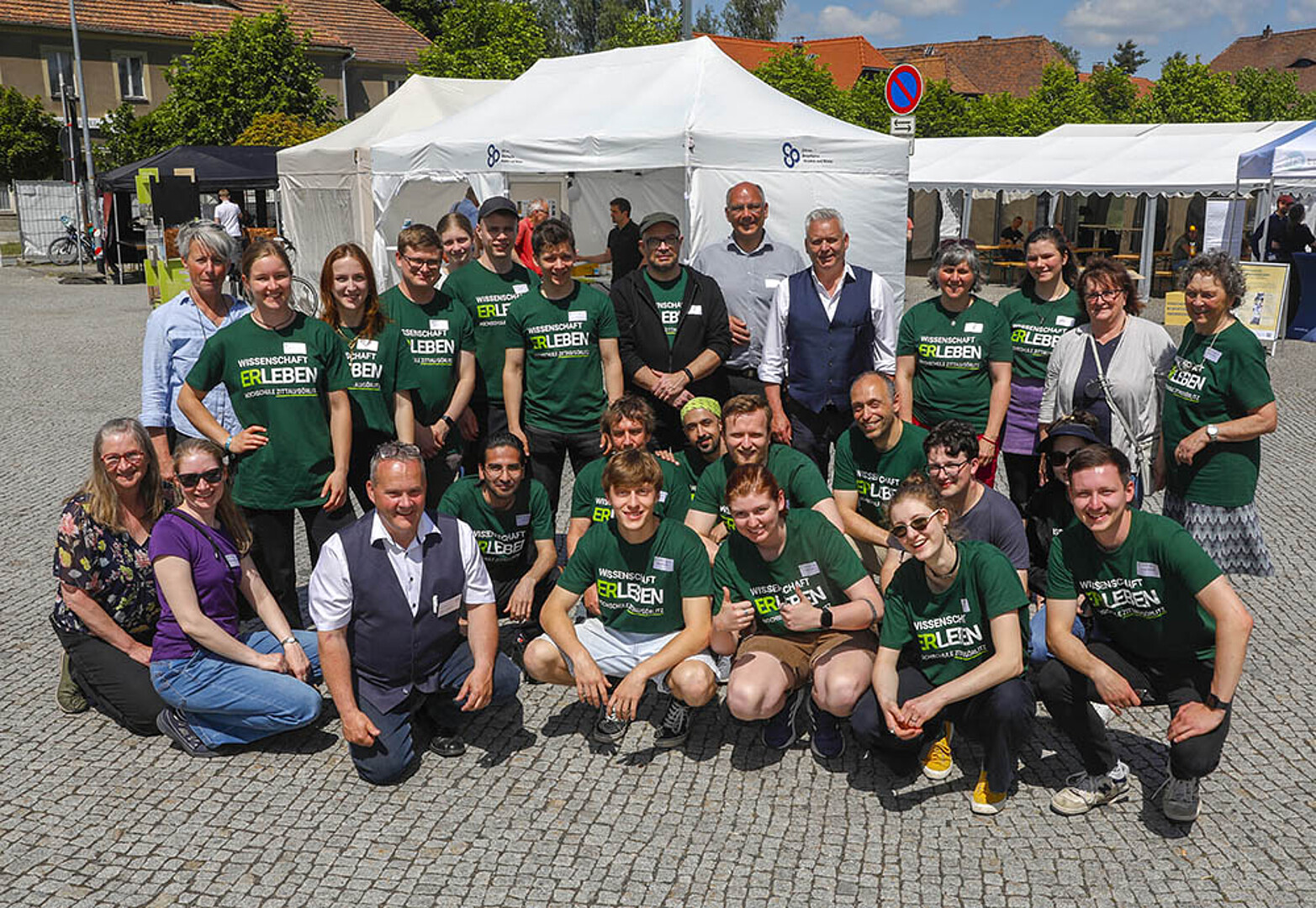
At the Hirschfelde Future Days, Zittau/Görlitz University of Applied Sciences, together with the Zukunft Hirschfelde e. V. association and many partners, demonstrated how research can be experienced firsthand in the local community. More than 480 students and numerous visitors engaged directly in discussions on future-oriented topics.
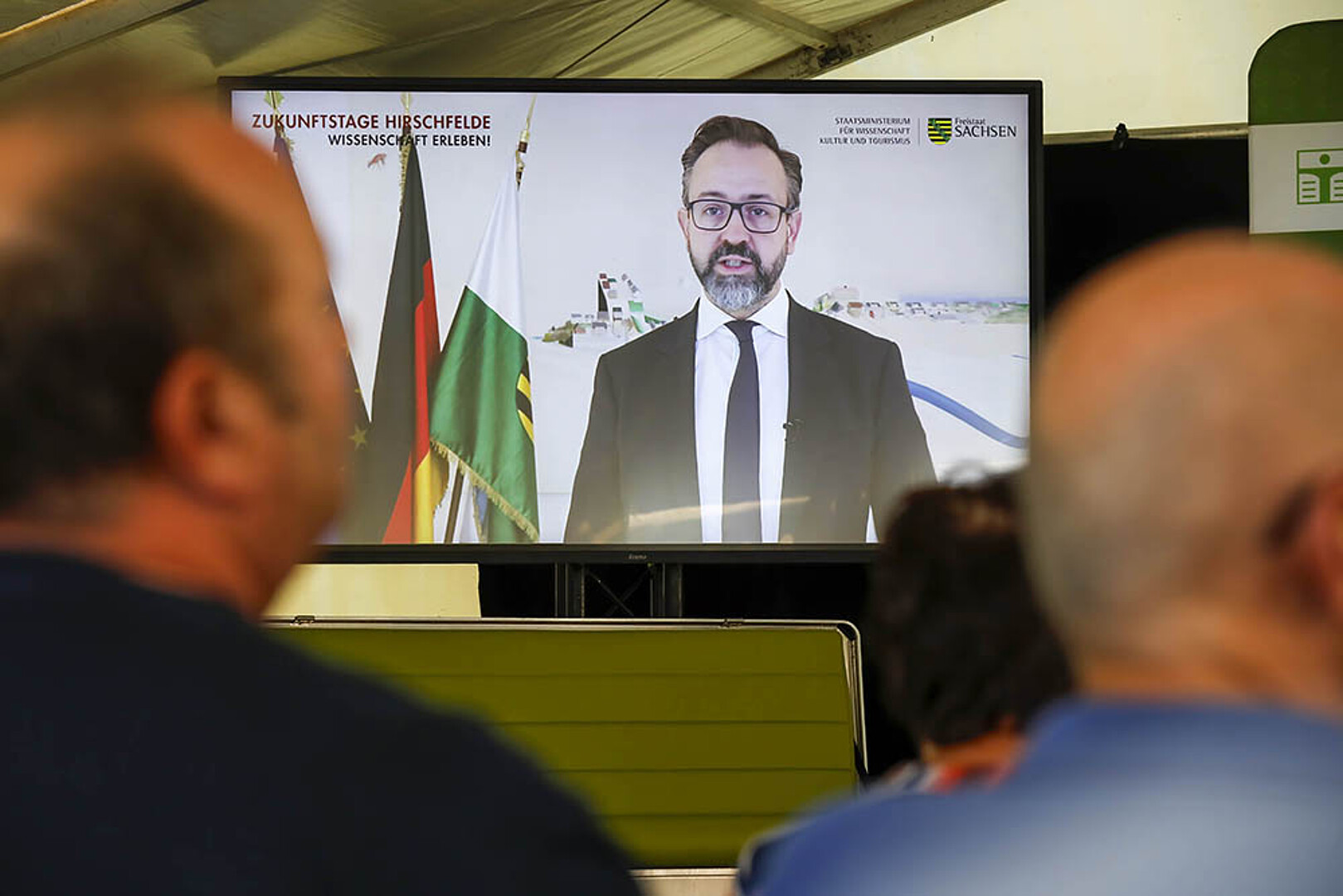
From May 29 to 31, 2026, Ernst-Thälmann-Platz, the Vorlaubenhäuser, and adjacent areas in Hirschfelde became an open space for learning and interaction. Under the motto “Experience Science,” Zittau/Görlitz University of Applied Sciences, together with the Zukunft Hirschfelde e. V. association, organized a program that combined research, regional development, and hands-on activities. The event was held under the patronage of Sebastian Gemkow, Saxony’s State Minister for Science, Culture, and Tourism.
The Future Days were made possible by the Saxony⁵ transfer project at Zittau/Görlitz University of Applied Sciences and funded as part of the federal-state “Innovative University” program.
The focus was on topics of relevance to the region: energy, education, structural change, artificial intelligence, mobility, building culture, sustainable materials, astrophysics, radiation protection, and new technologies. The event demonstrated how knowledge transfer can work in rural areas: not through remote presentations, but through direct dialogue with citizens, students, businesses, associations, and local stakeholders.
For Hirschfelde, the “Future Days” were more than just a weekend of events. The Zukunft Hirschfelde e. V. association, together with the HSZG, had set its sights high. The response far exceeded expectations. The market square filled up with students as early as the first day; at the booths, they tried things out, asked questions, and engaged in discussions. From the association’s perspective, the “Future Days” gave the town a different, visibly vibrant face for a few days.
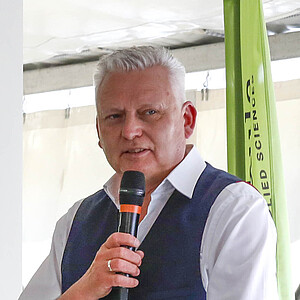
Those were days that suddenly gave the town of Hirschfelde a different, more beautiful look.
”The goal was not merely to showcase science. It was about openness, communication, and curiosity about new things. The goal was for people to experience the expertise available in the region, see the impact of existing investments in research and development, and understand the opportunities that can arise from them. It was particularly important to the association to show young people the opportunities in the region and open up new perspectives on their own futures.
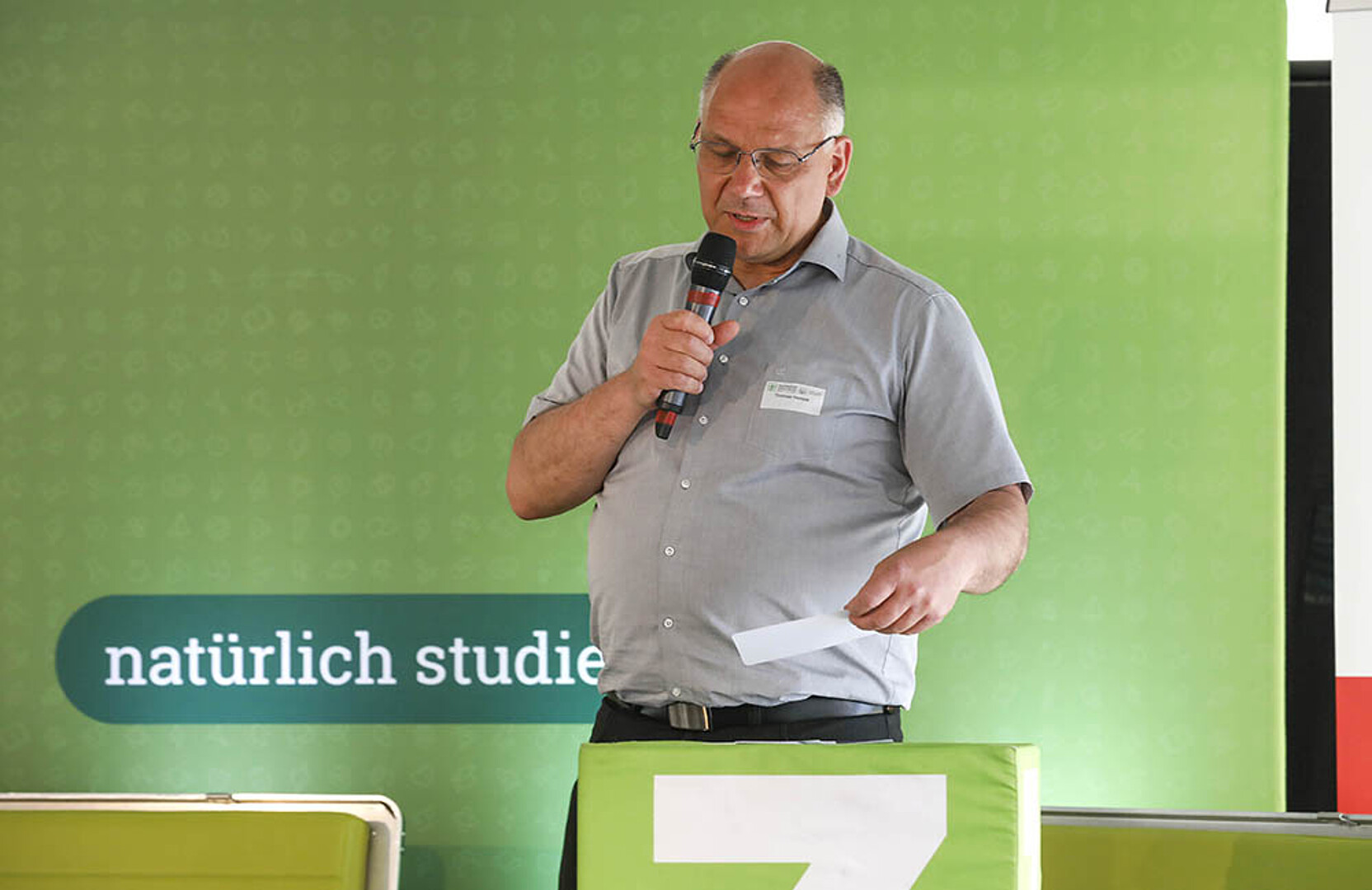
Thomas Hempel of the Zukunft Hirschfelde e. V. association also describes the event as an encouraging experience for the town. During these days, he says, Hirschfelde was not perceived as a “problem area,” but rather as a place where science can be concretely conceived, tested, and made visible. This was precisely one of the key impacts of the Future Days: structural change was not described in abstract terms, but could be experienced firsthand in the village square, in the houses with front porches, at experimental stations, and in personal conversations.
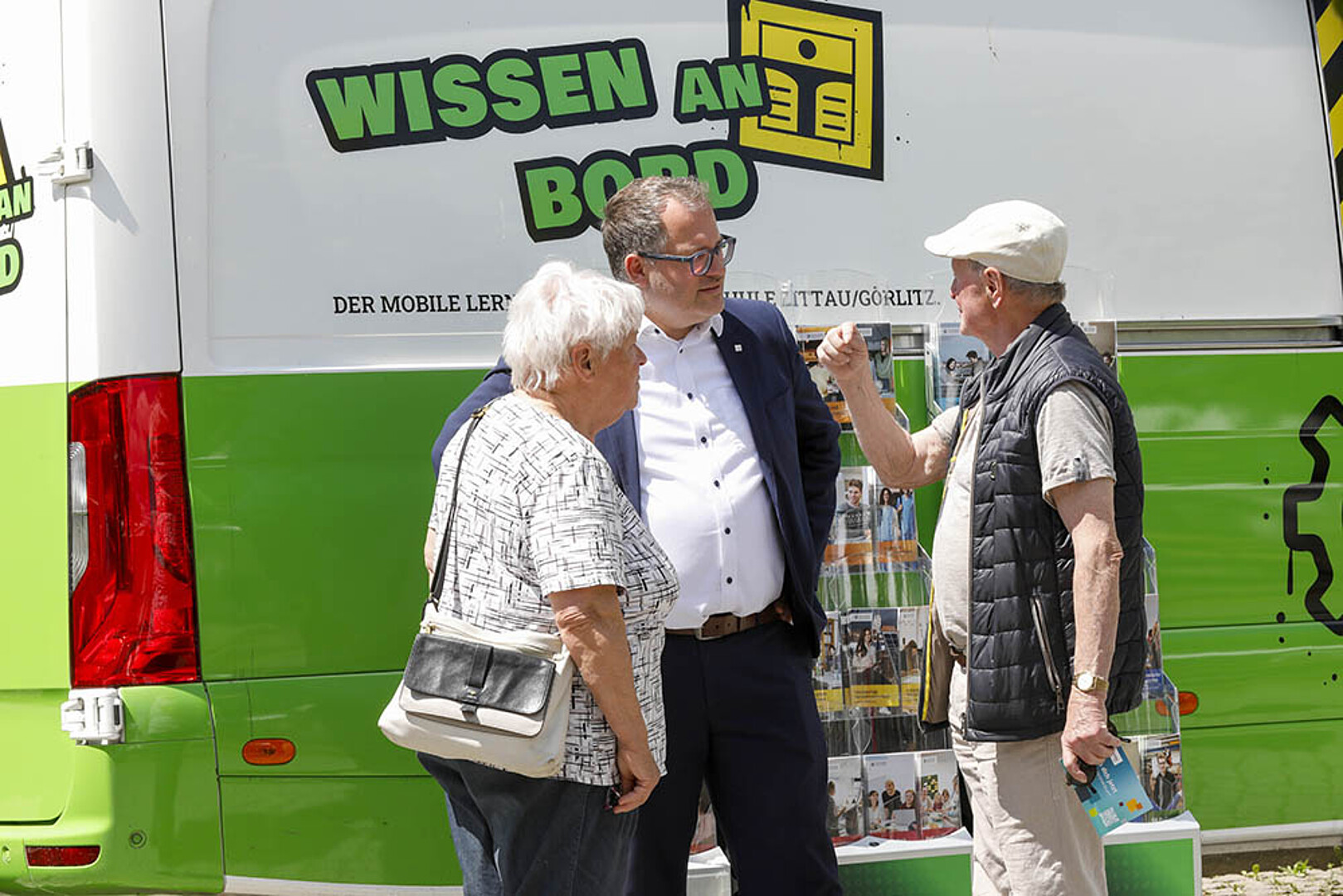
As early as Friday, more than 480 students from the region took part in the “Days of the Future” school program. A key contributor was the Upper Lusatia Future Learning Center ( ZukLOS), which was represented by the DLR_School_Lab at the Zittau/Görlitz University of Applied Sciences and its mobile learning center. The goal was not only to explain scientific and technical topics but also to make them understandable through hands-on experimentation.
At the DLR_School_Lab stations, the students conducted experiments themselves. They investigated how a heat pump works and how energy can be used efficiently, made heat visible using infrared radiation, and gained insights into microscopic structures through microscopy. The hands-on approach was particularly good: students reported that they were able to better understand technical concepts when they didn’t just watch but experimented themselves.
The DLR_School_Lab at Zittau/Görlitz University of Applied Sciences offers school classes the opportunity to learn about scientific experiments in a hands-on setting and to conduct them themselves.
School groups can book and register via the website.
Clickhere for more information about the DLR_School_Lab at Zittau/Görlitz University of Applied Sciences.
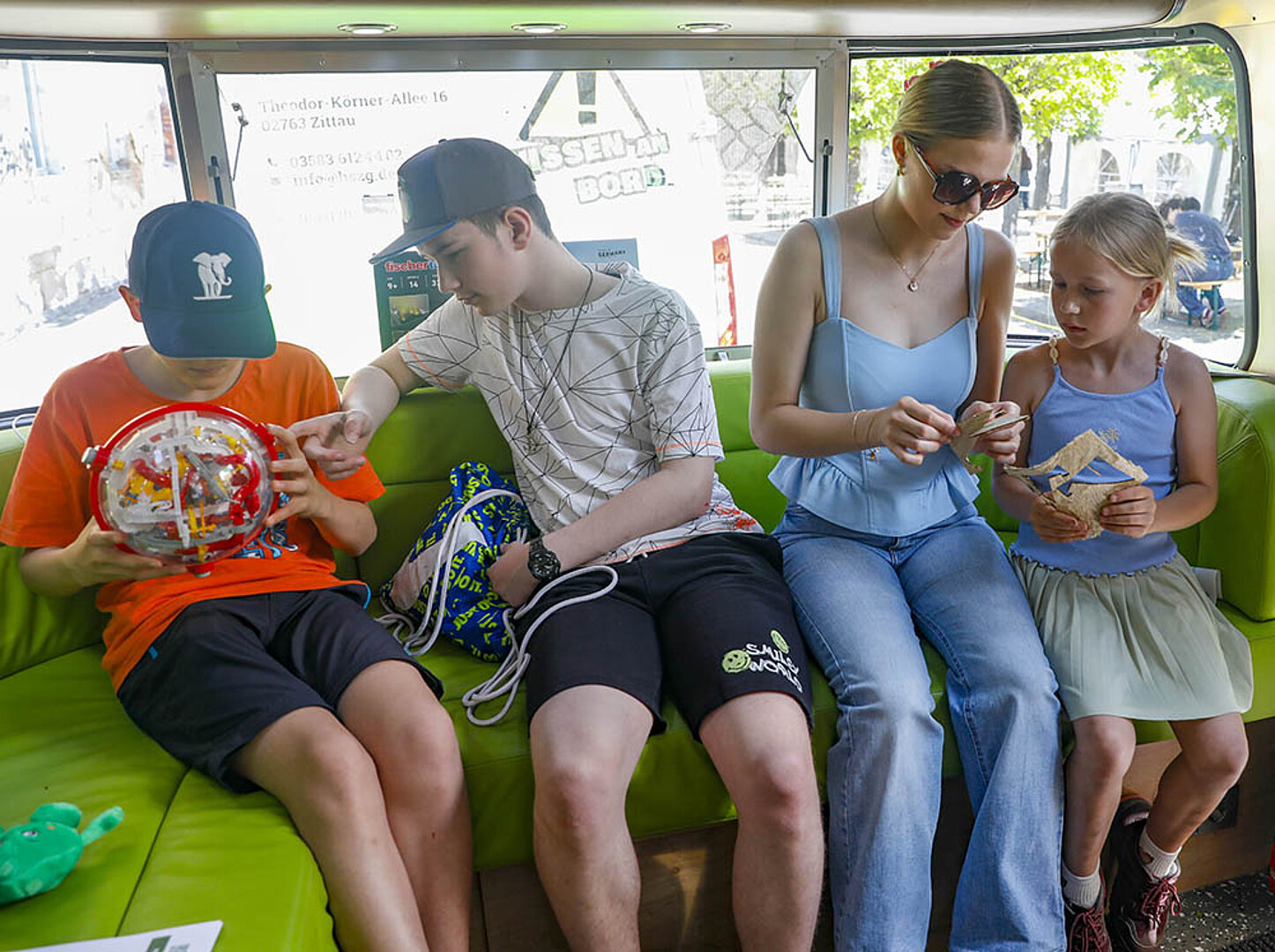
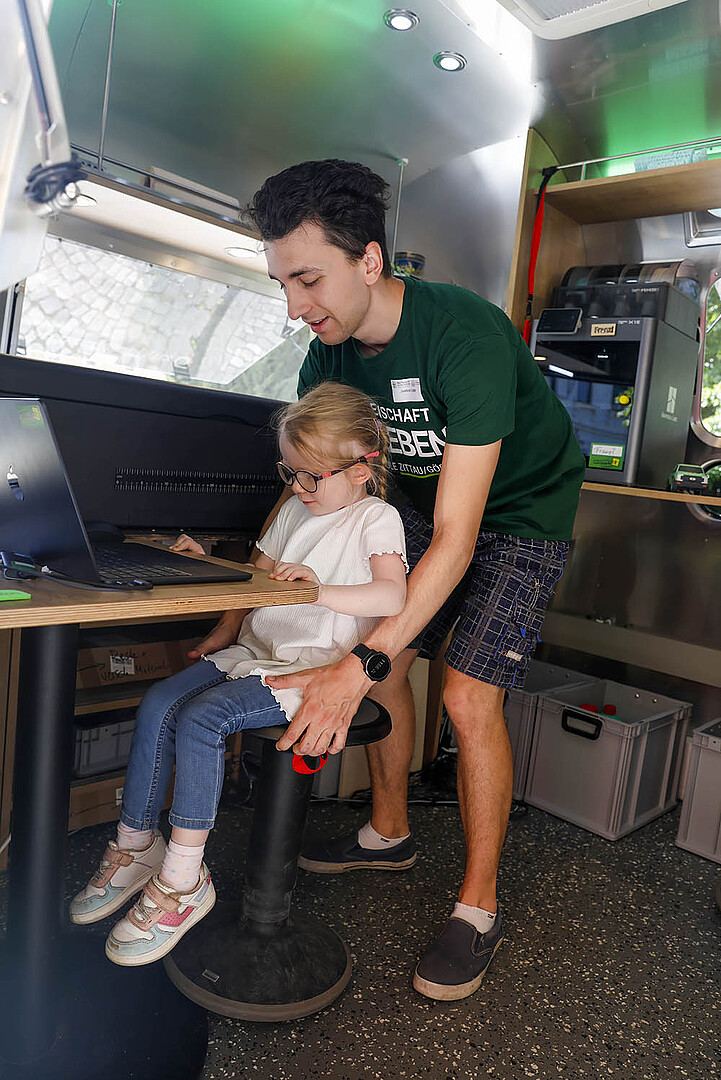
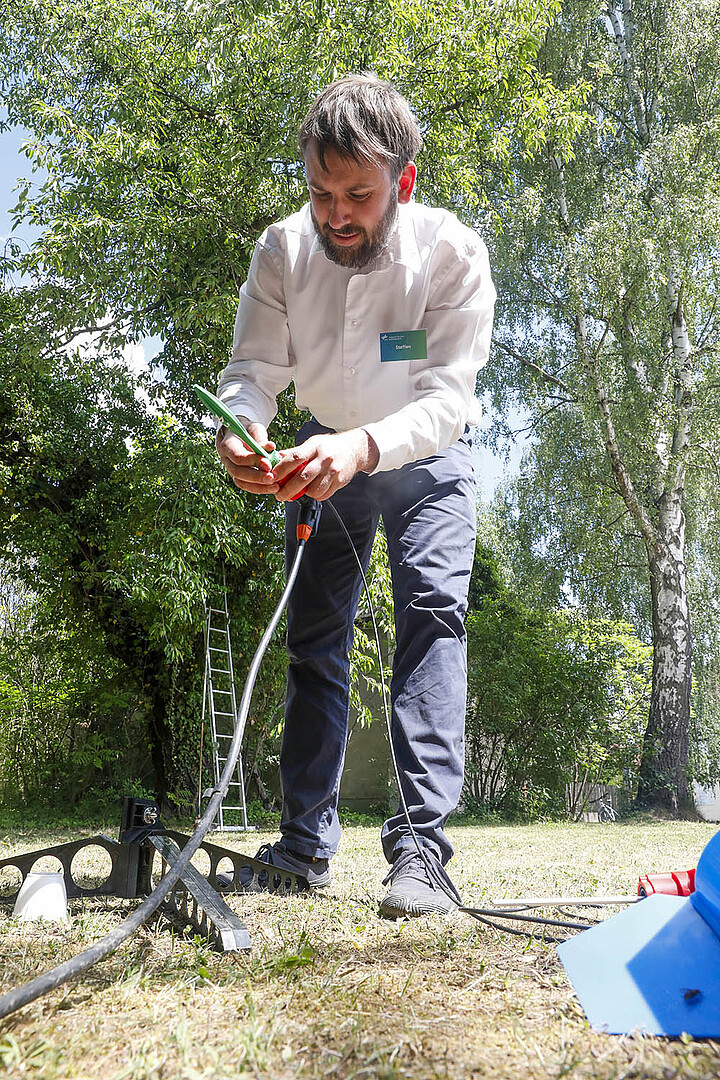
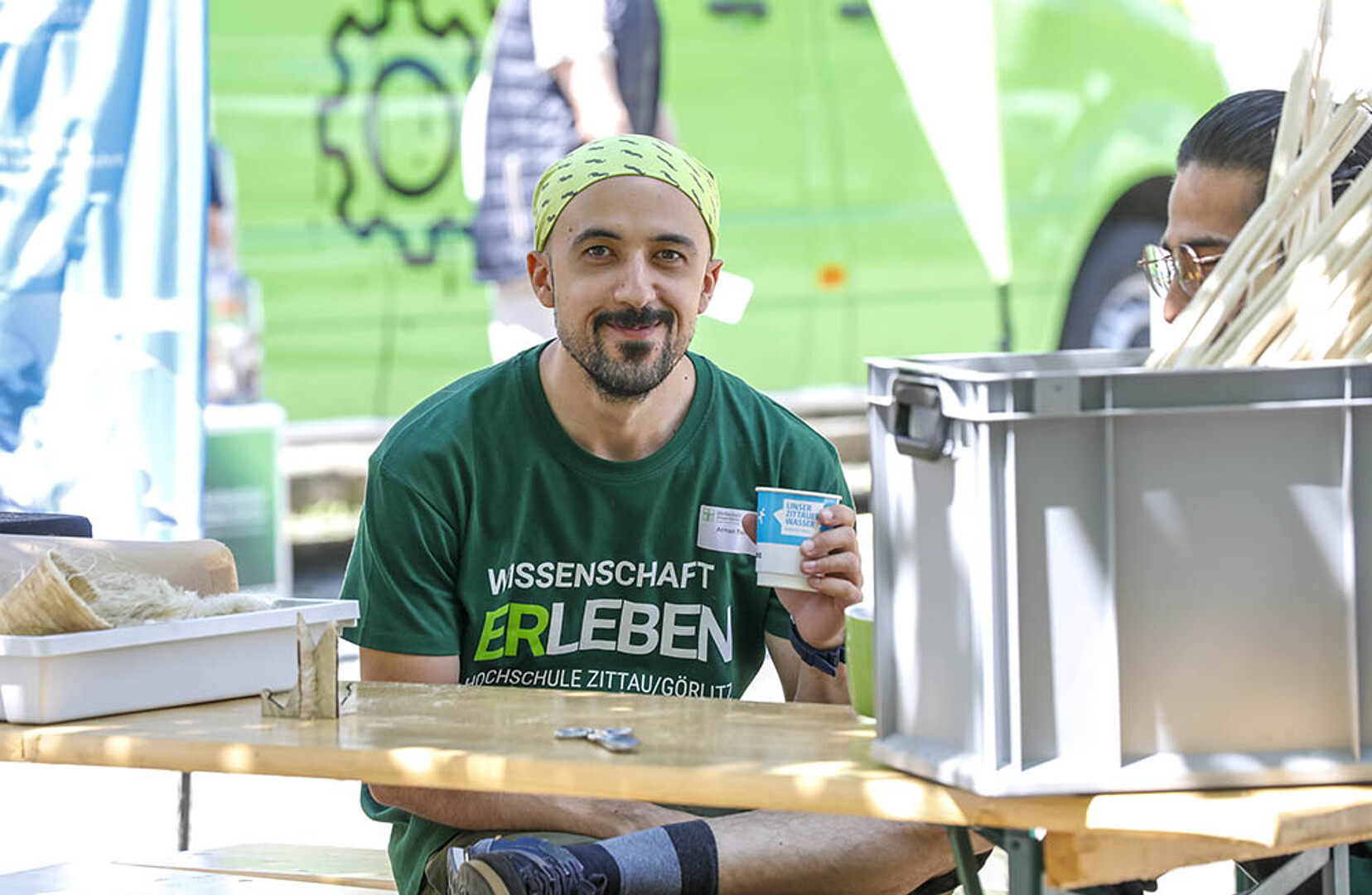
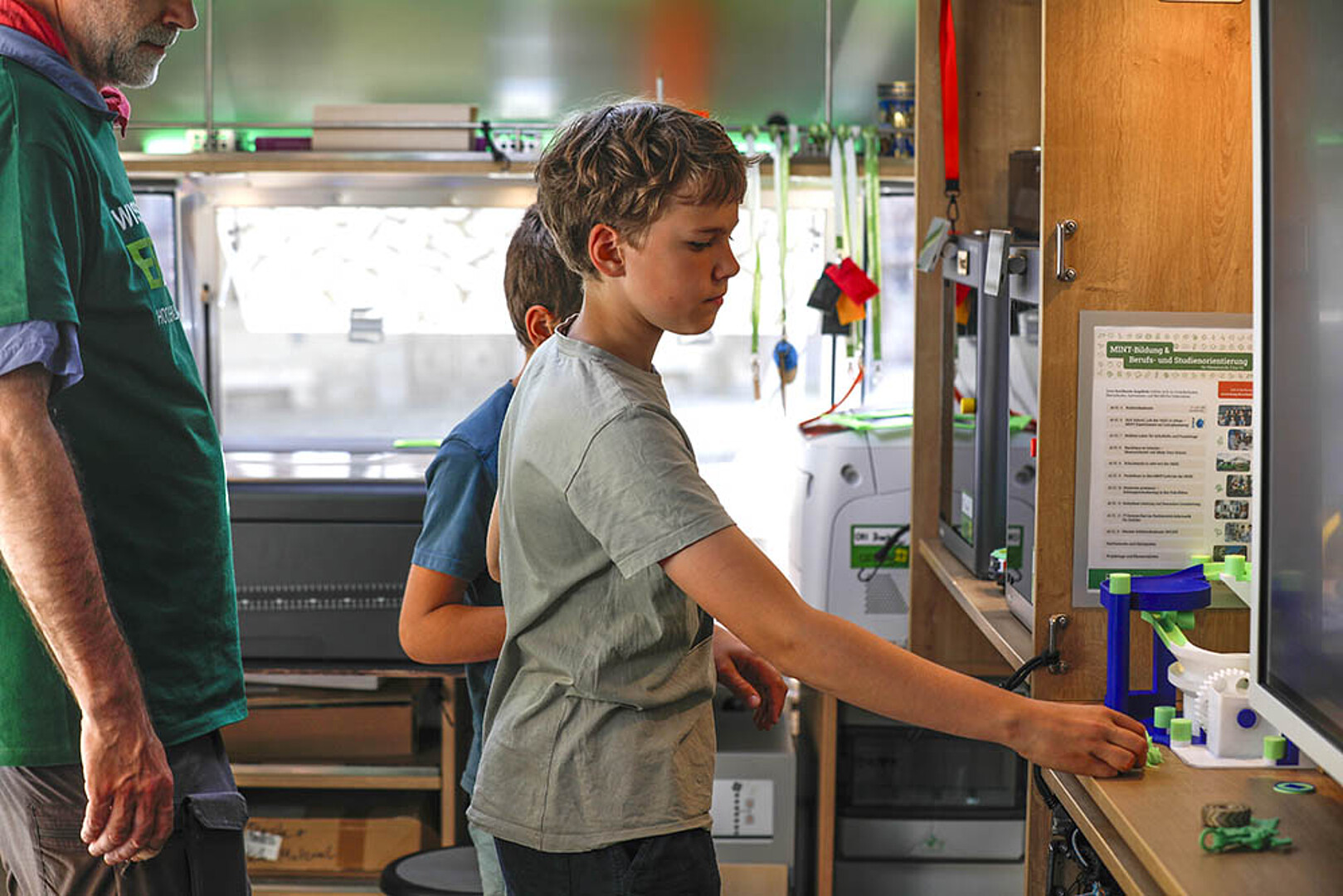
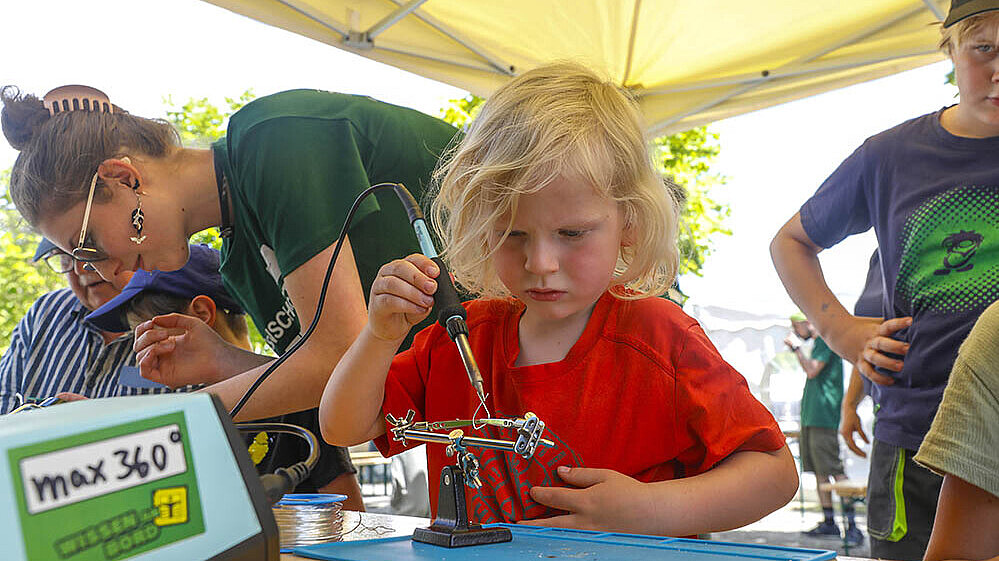
In the town square, ZukLOS’s mobile learning center rounded out the offerings. Inside the Airstream trailer, students explored natural fibers, sustainable materials, and how they are processed. At the same time, they had the opportunity to learn about modern technical processes: 3D printing, laser cutting, and soldering were not only demonstrated but also tried out hands-on under guidance. This led to the creation of their own small projects and technical applications.
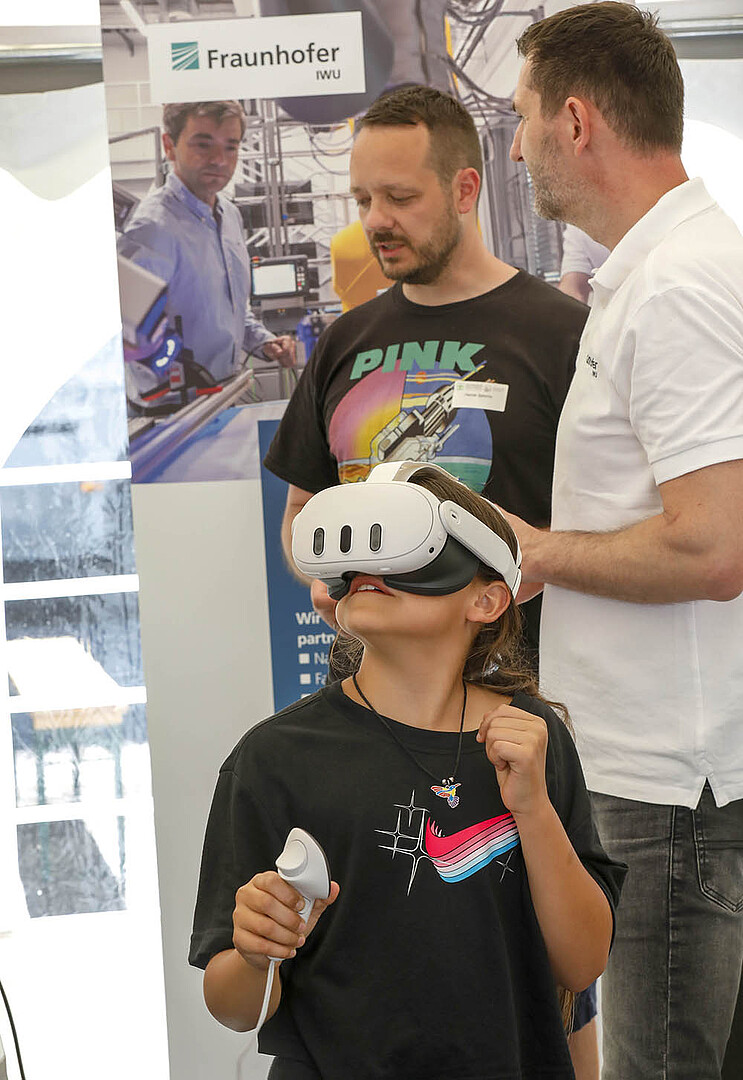
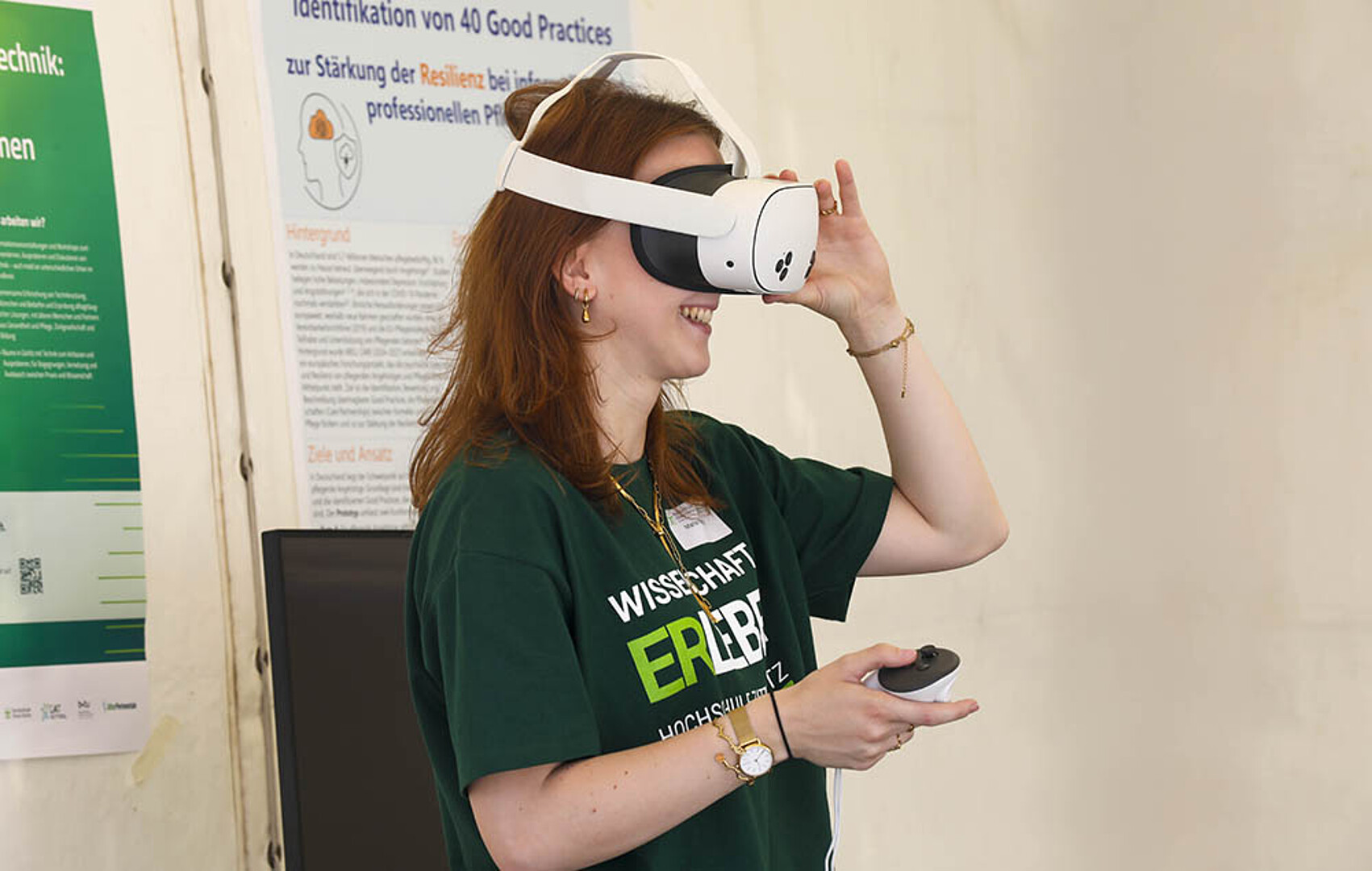
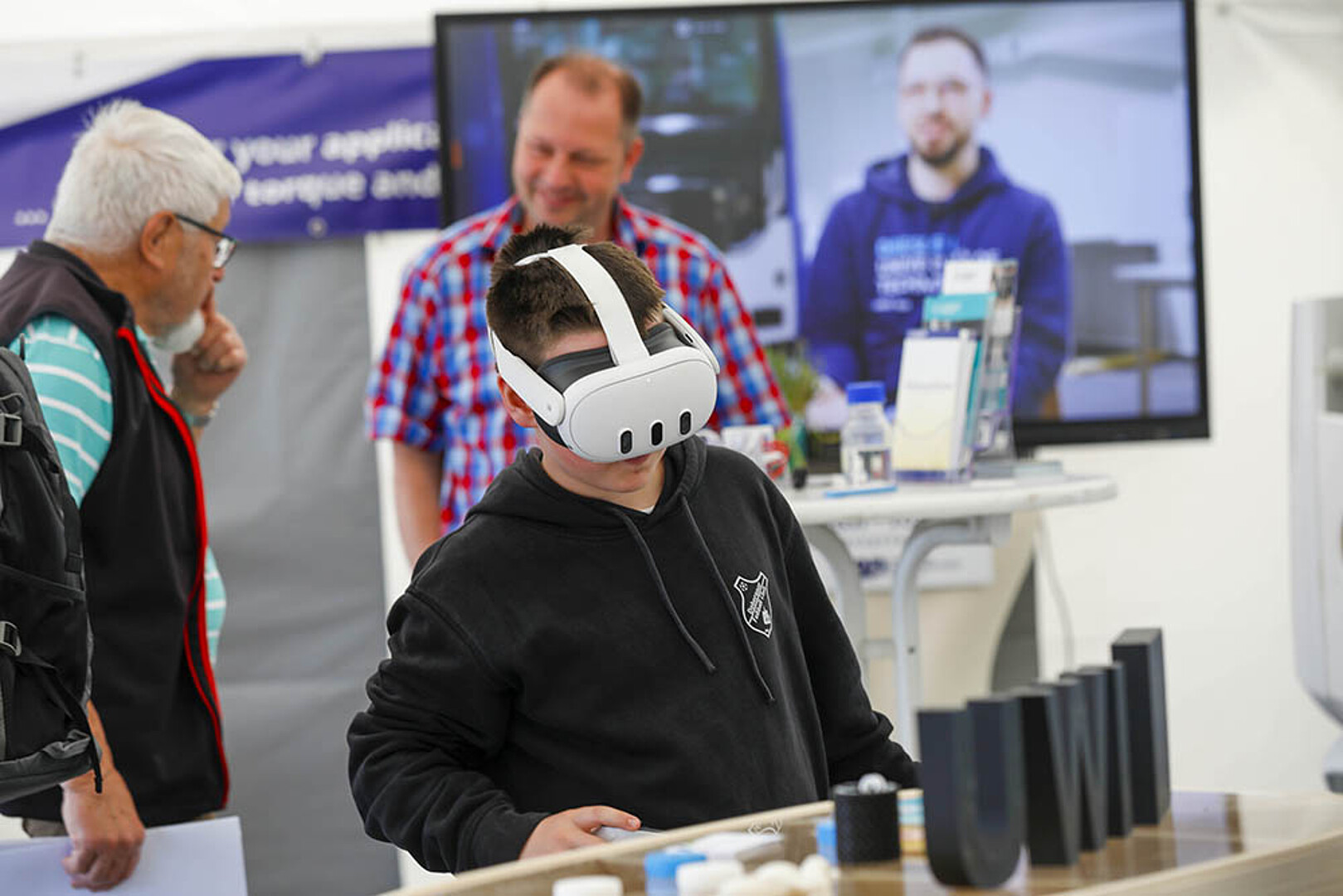
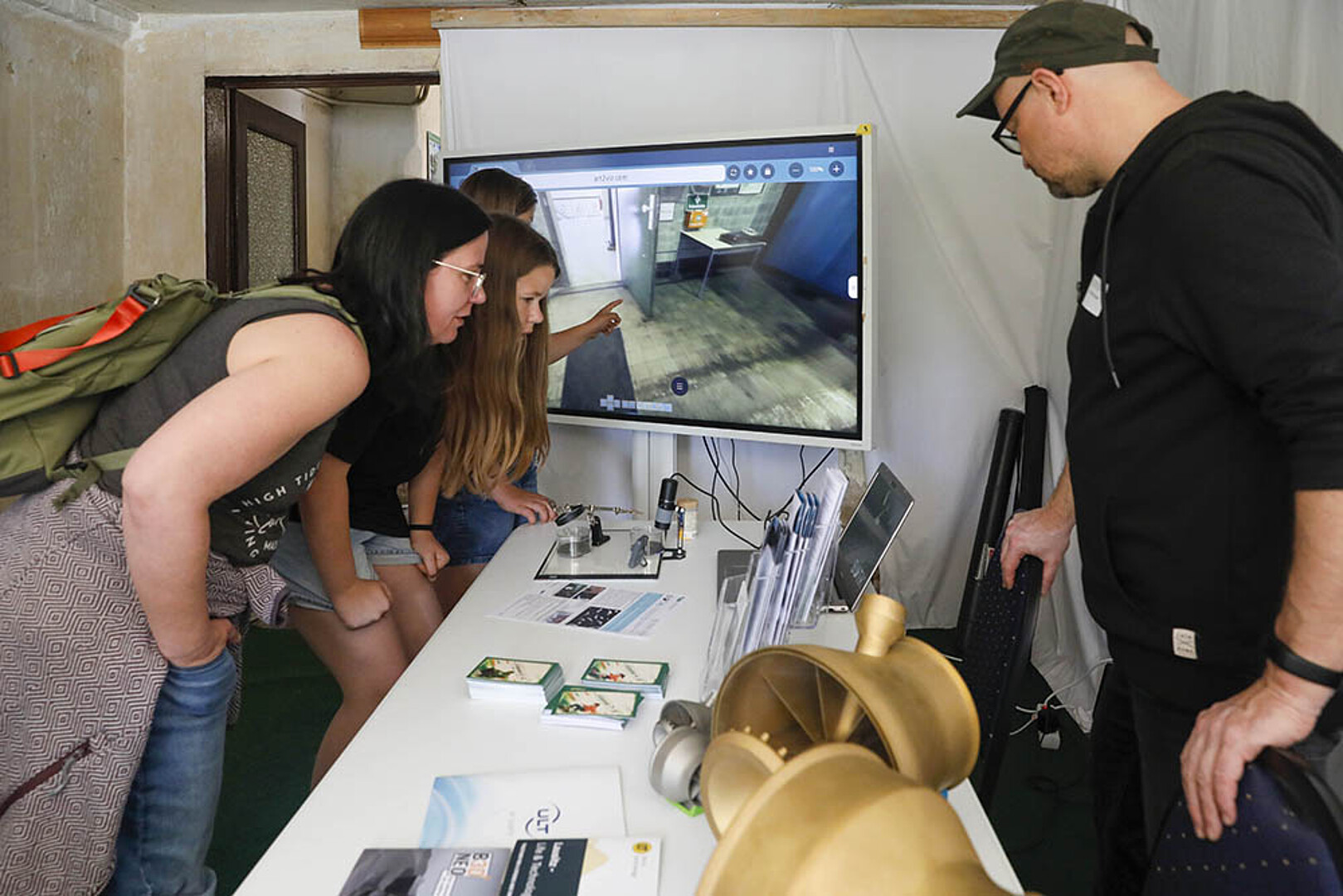
Participants also had the chance to experience virtual and augmented reality. On behalf of the SCO-TTi research group, Pascal Herfort demonstrated interactive applications using virtual reality and augmented reality. This allowed participants to explore half-timbered houses and their unique wooden joints in a virtual environment. In addition, students had the opportunity to try their hand at 3D graffiti. In this playful way, they became familiar with technologies that are also used in product development, remote maintenance, and digital planning.
It was a great pleasure for me to be able to show children and families from the region the latest technology from our labs and research projects. This makes technological development tangible for everyone and allows them to directly experience the added value it brings to their daily lives.
”From the perspective of the accompanying teachers as well, this was precisely where the program’s special value lay. The combination of sustainable materials, modern technology, and hands-on activities made technical concepts tangible and motivated the students to ask questions and develop their own ideas. ZukLOS thus exemplified how Zittau/Görlitz University of Applied Sciences creates learning environments that connect schools, research, and regional educational initiatives.
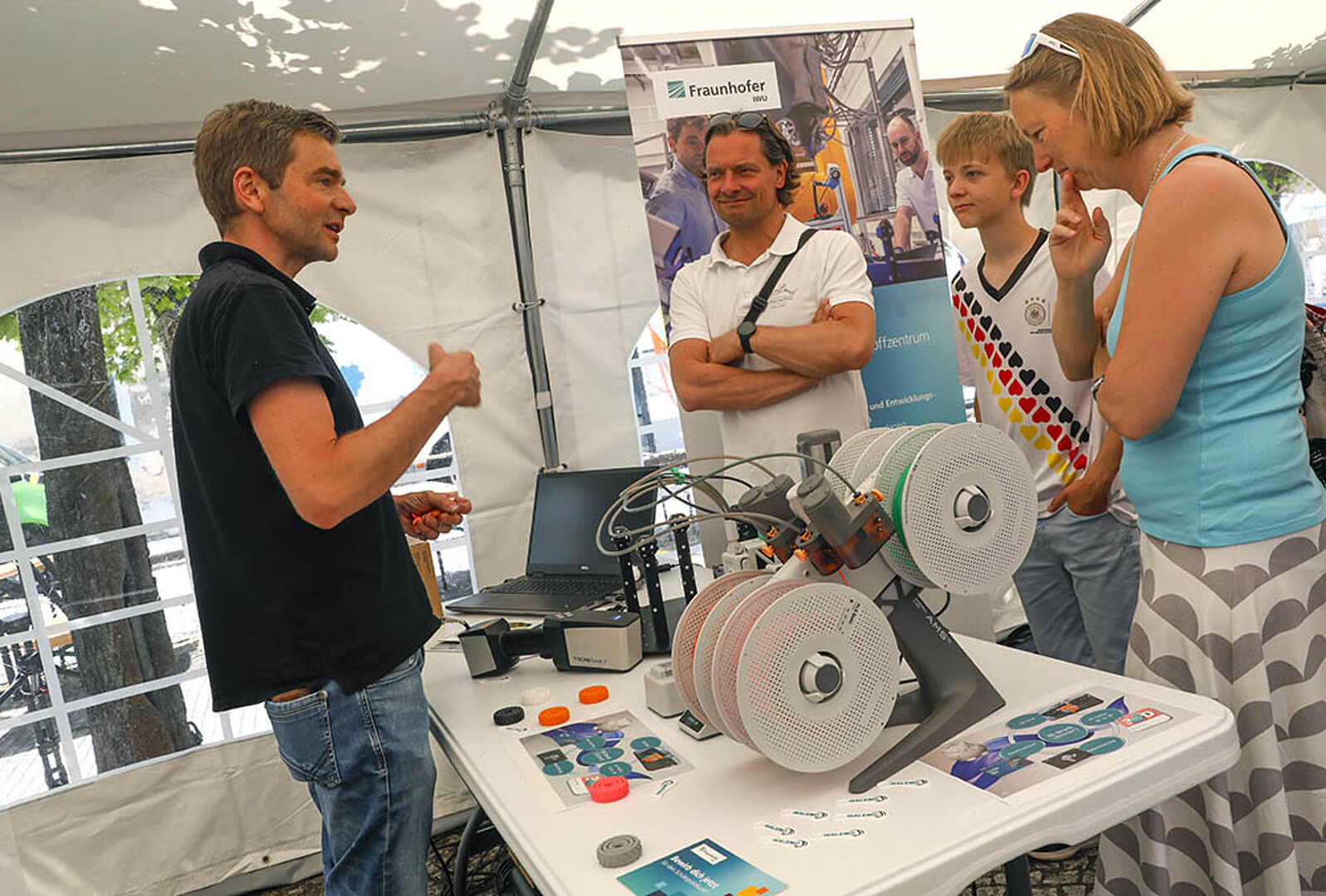
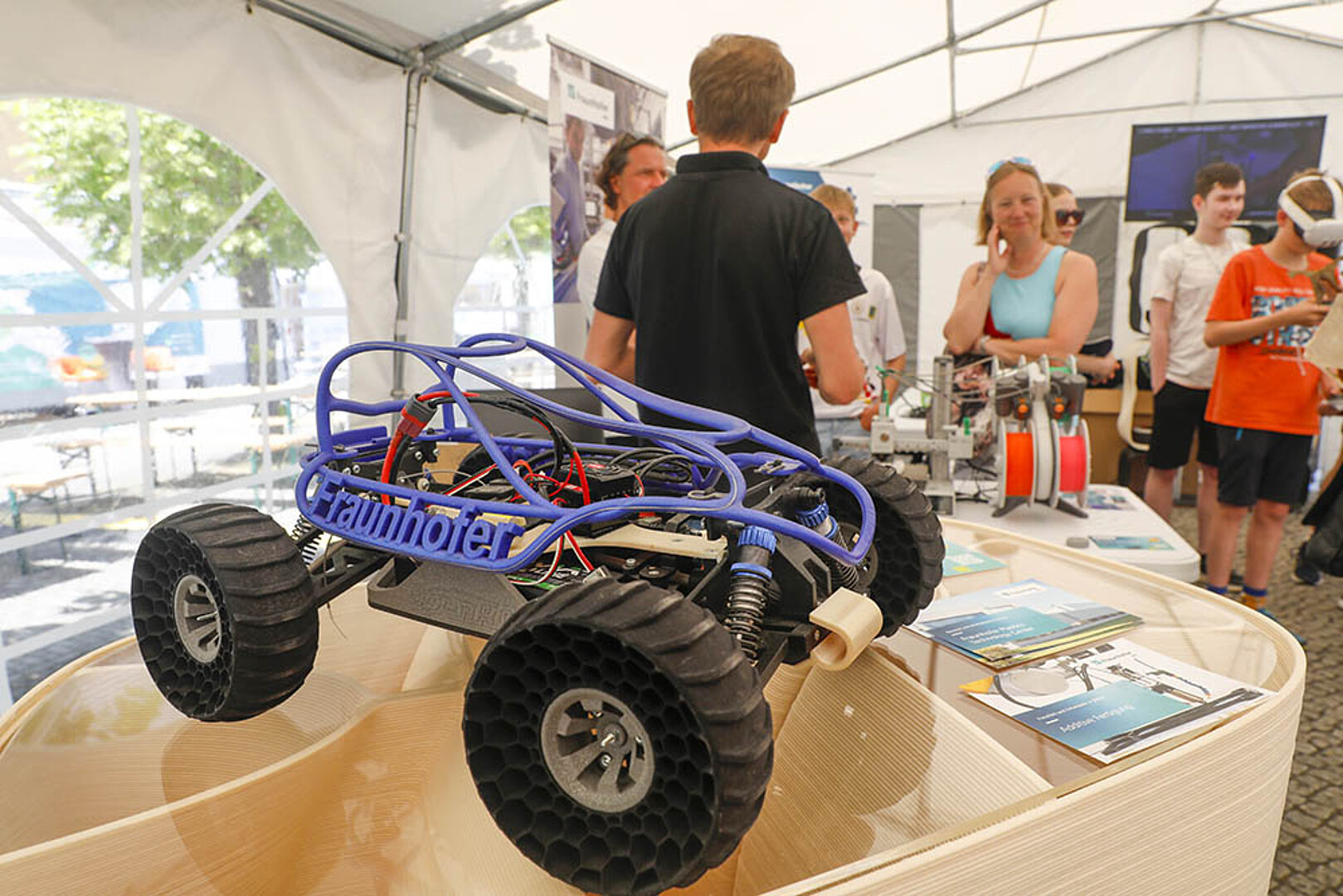
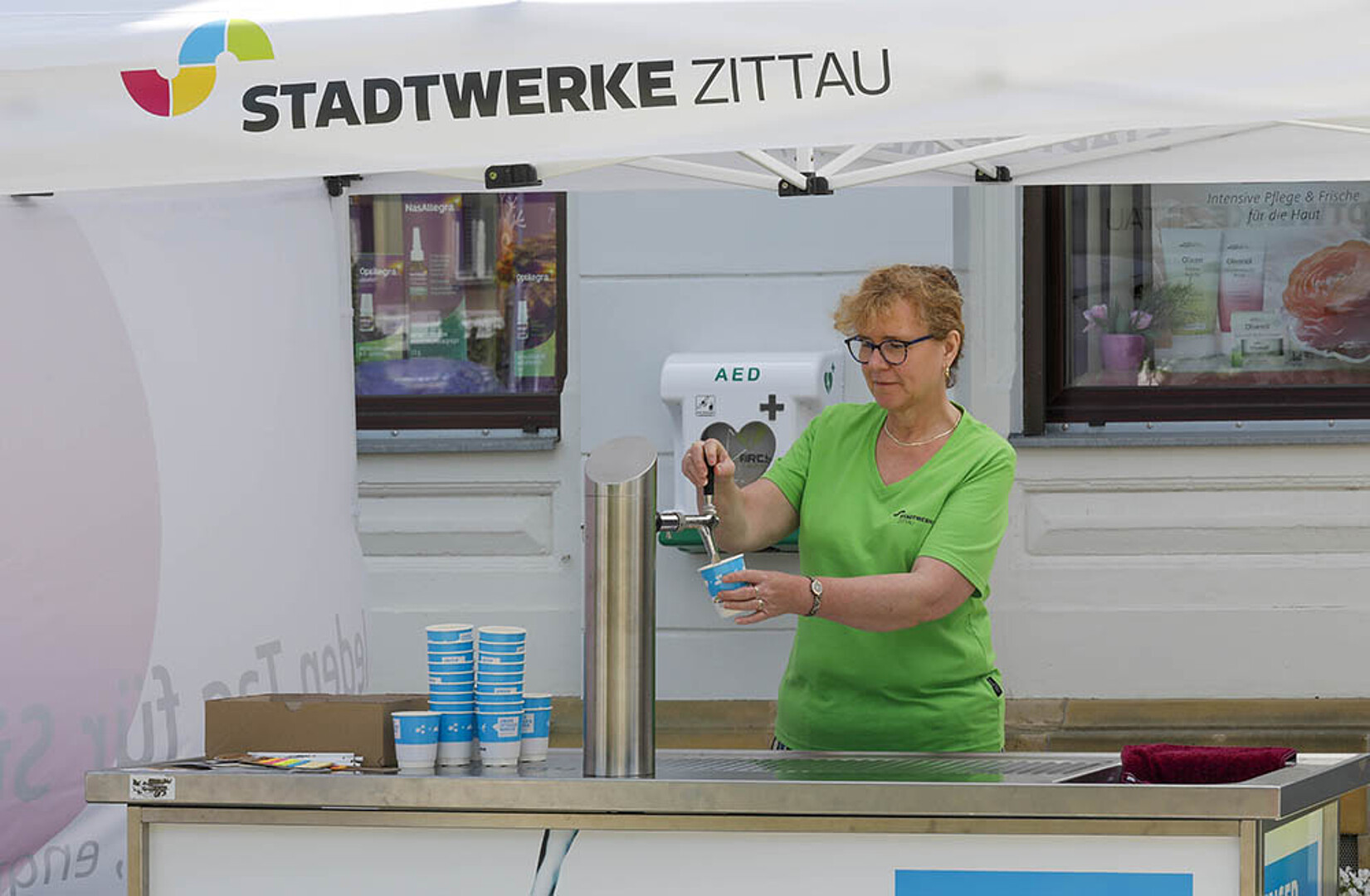
The diversity of the program was one of the strengths of the Future Days. In addition to numerous offerings from the Zittau/Görlitz University of Applied Sciences (HSZG), participants included the German Aerospace Center (DLR), the German Center for Astrophysics, the Federal Office for Radiation Protection, Fraunhofer IWU, Fraunhofer IEG, GICON, biotopa gGmbH, the Institute for Lightweight Construction at TU Dresden, Stadtwerke Zittau, the “Östliche Oberlausitz” Nature Conservation Station, MINOS, the VCD, the Energy Ambassadors in the Görlitz district, the Zittau Urban Development Corporation, and regional initiatives.
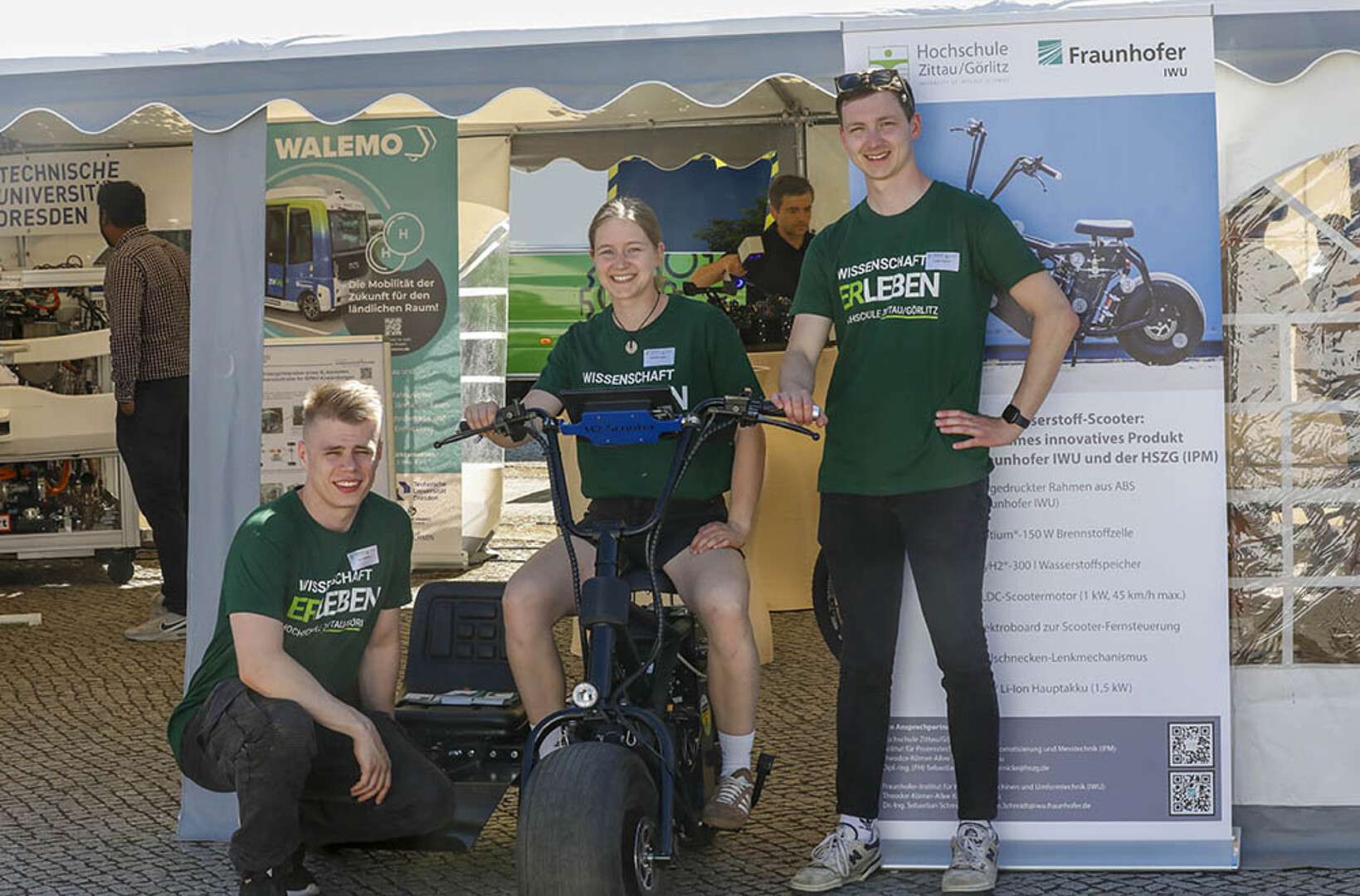
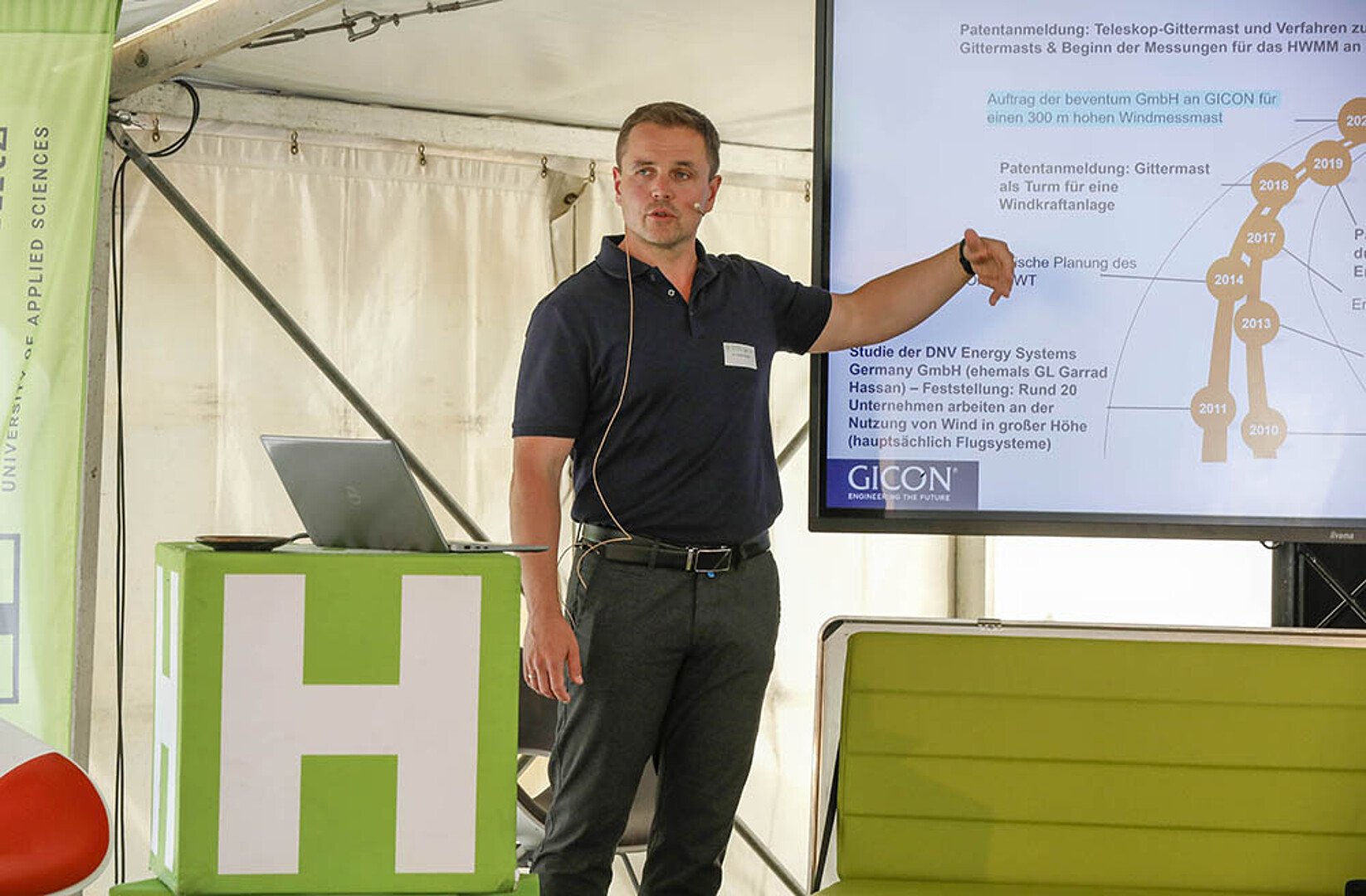
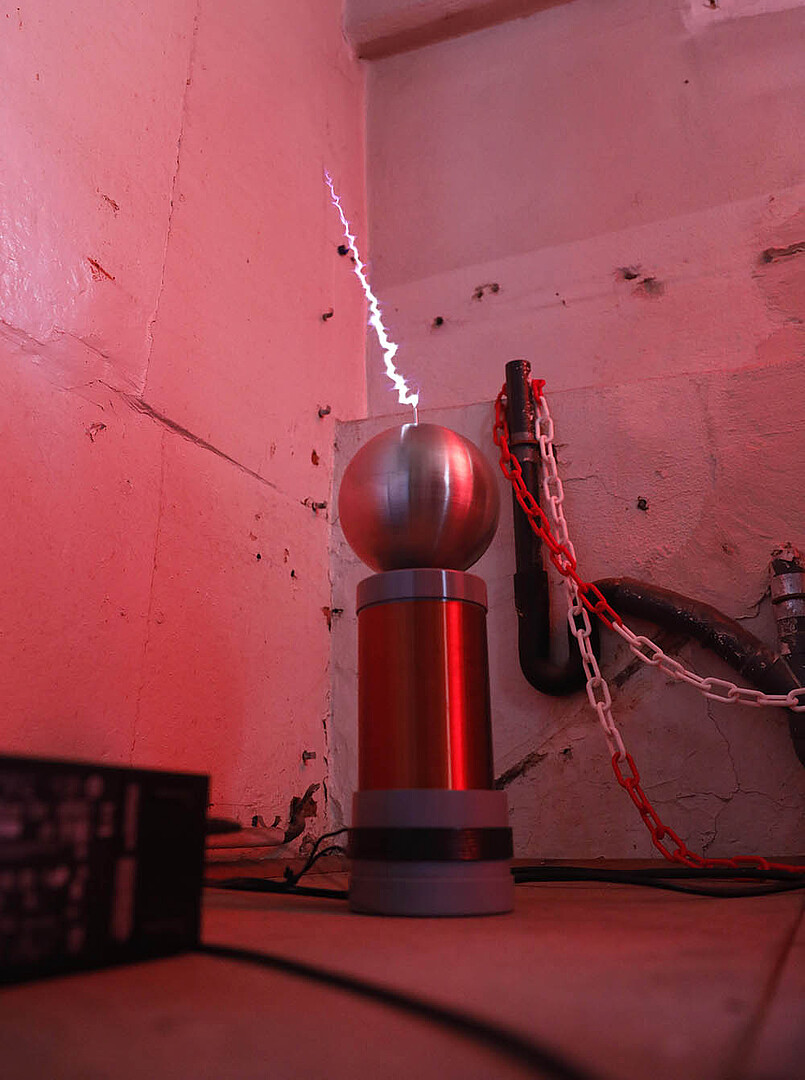
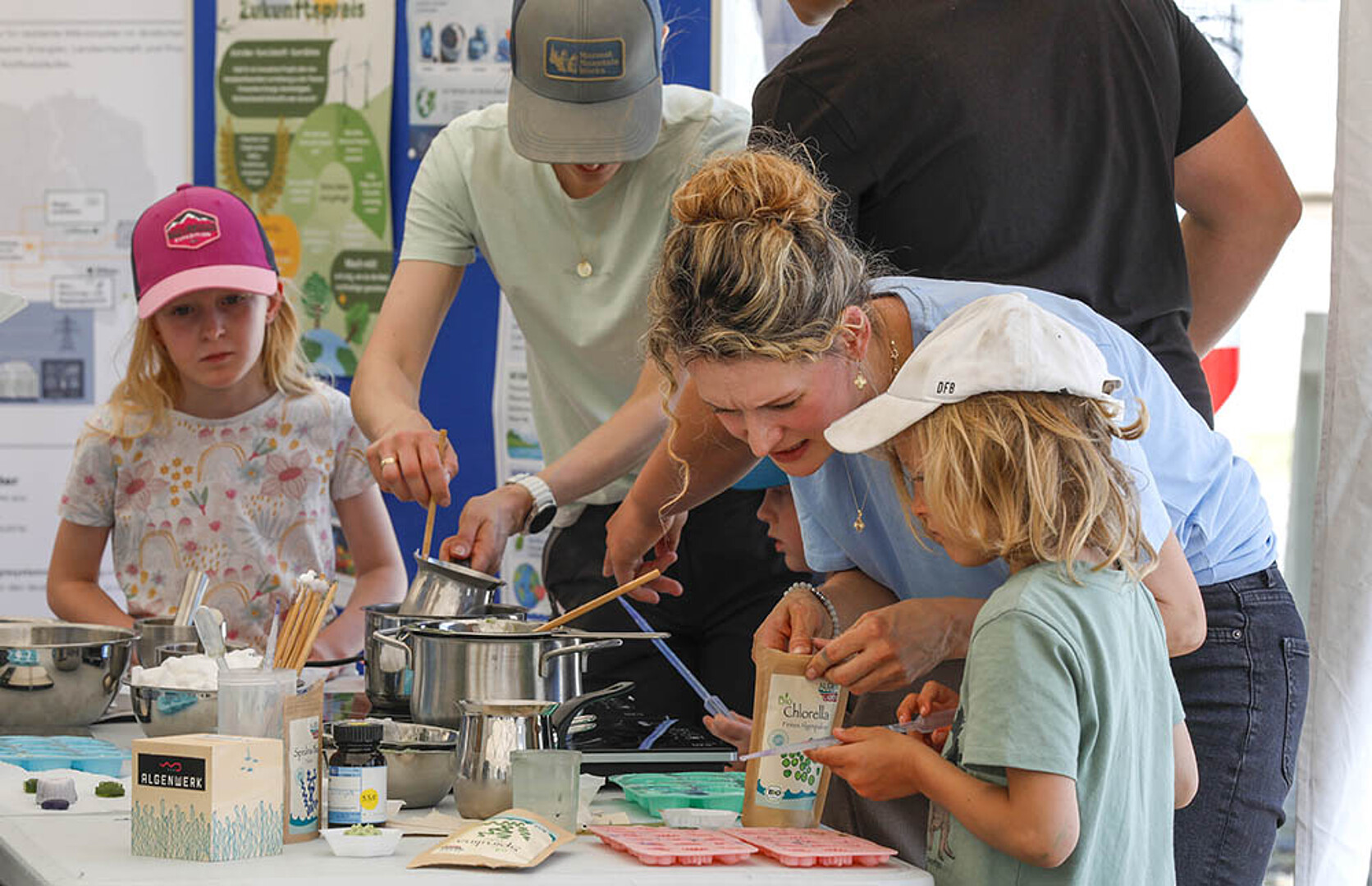
Visitors were able to learn about radon and electromagnetic fields, experiment with water-bottle rockets, explore the circular economy through play, try out a thermal imaging camera, press natural fibers, program robots, or work at stations focused on 3D printing, virtual reality, and virtual welding. The program also featured the GICON high-altitude wind tower, the H² scooter, mobility issues in Hirschfelde, managing heavy rainfall, forest gardens, endangered bird species, the bioeconomy using algae and fungi, and building with clay.
In this way, the event showcased not only individual research topics but also a broad picture of regional issues shaping the future. Technology, the environment, education, work, health, energy supply, and local development were presented side by side, fostering dialogue among them. It was precisely this mix that made the format accessible even to people who otherwise rarely come into contact with higher education or research.
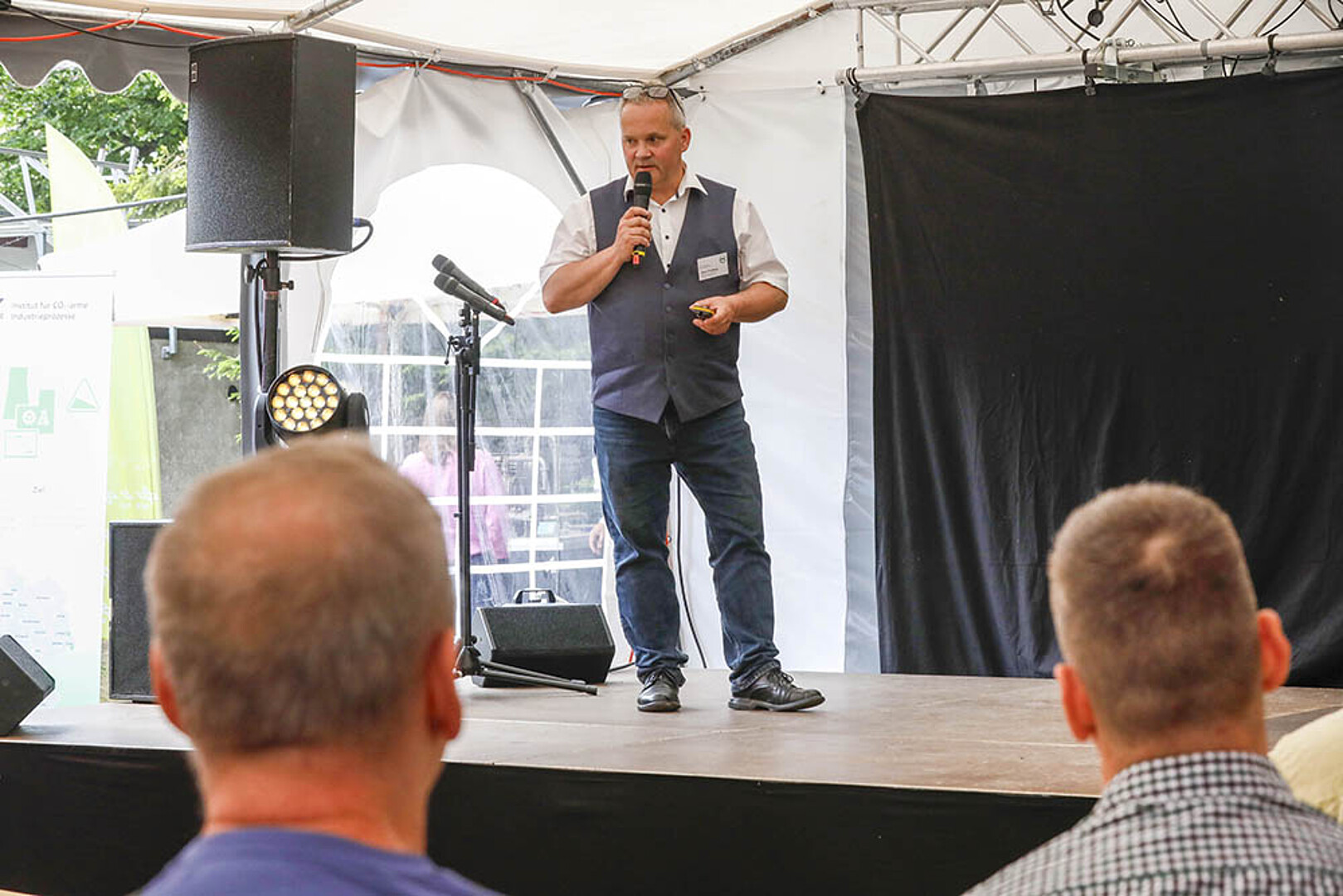
The Zittau/Görlitz University of Applied Sciences contributed more than 25 specialized presentations, hands-on stations, lectures, and discussion sessions. In doing so, it acted not only as a partner for individual events but also as an initiator, facilitator, and strategic co-designer of the event. Through its knowledge transfer strategy, research activities, and regional engagement, the HSZG creates spaces where academia, civil society, business, government, and politics can engage in dialogue.
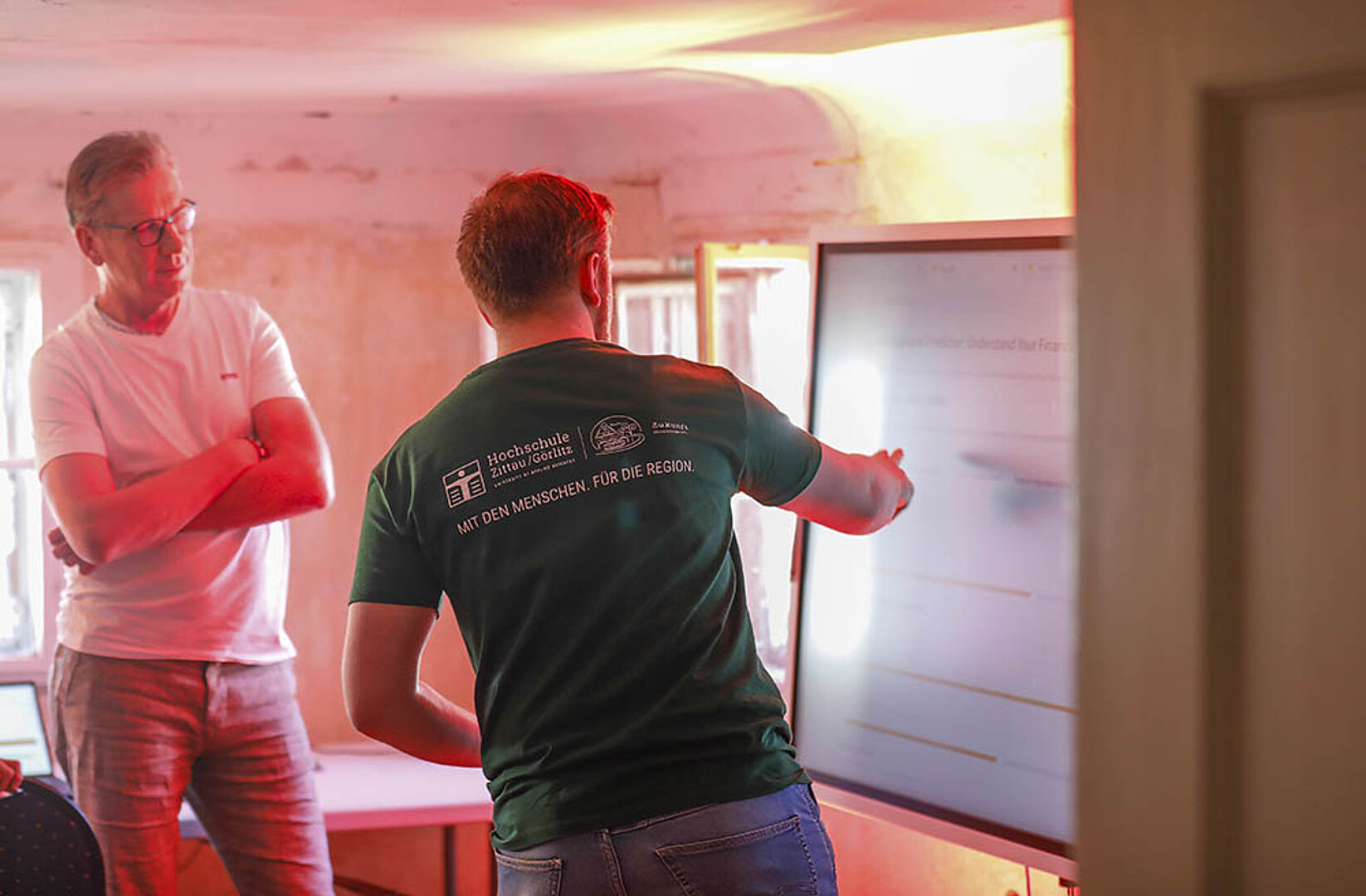
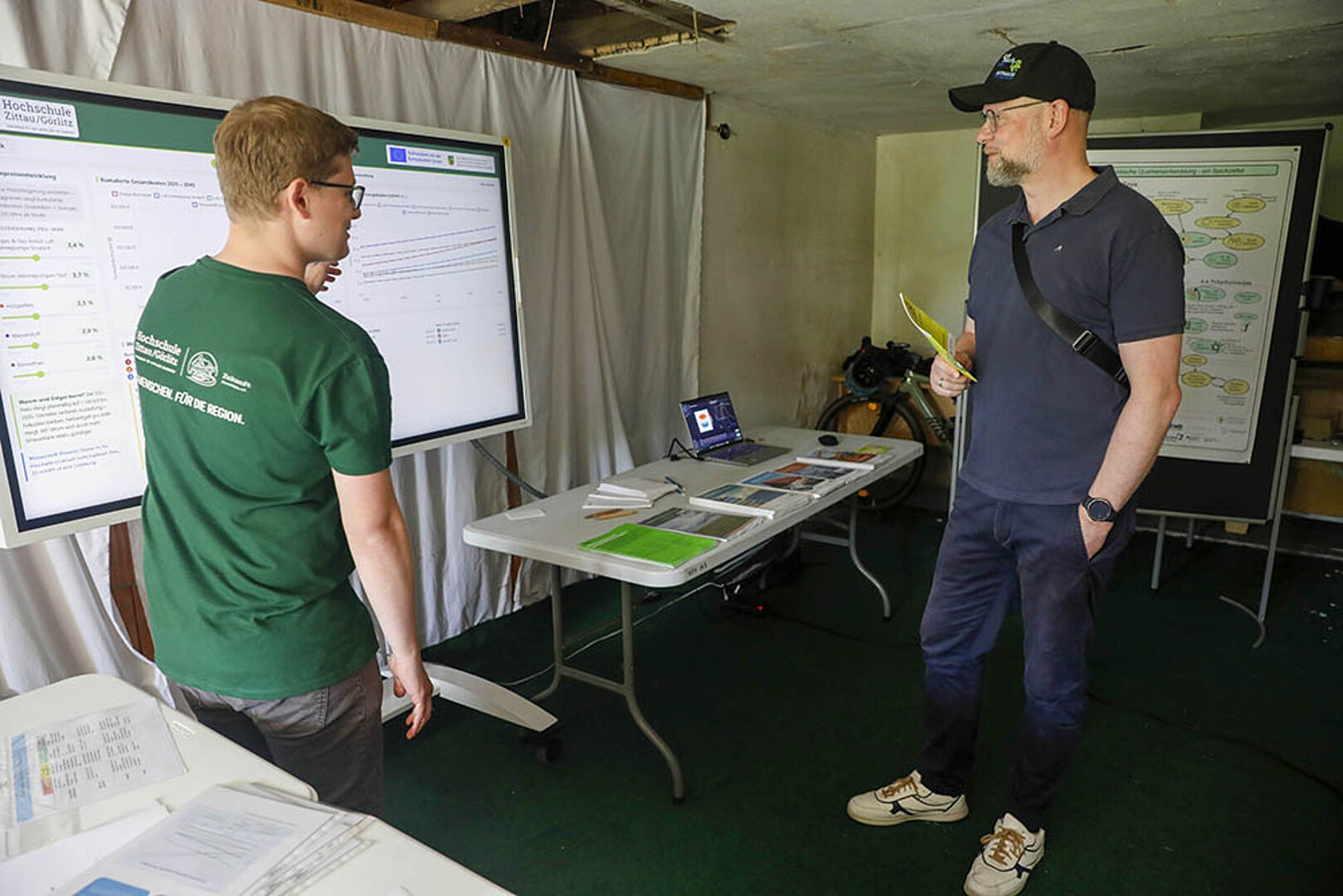
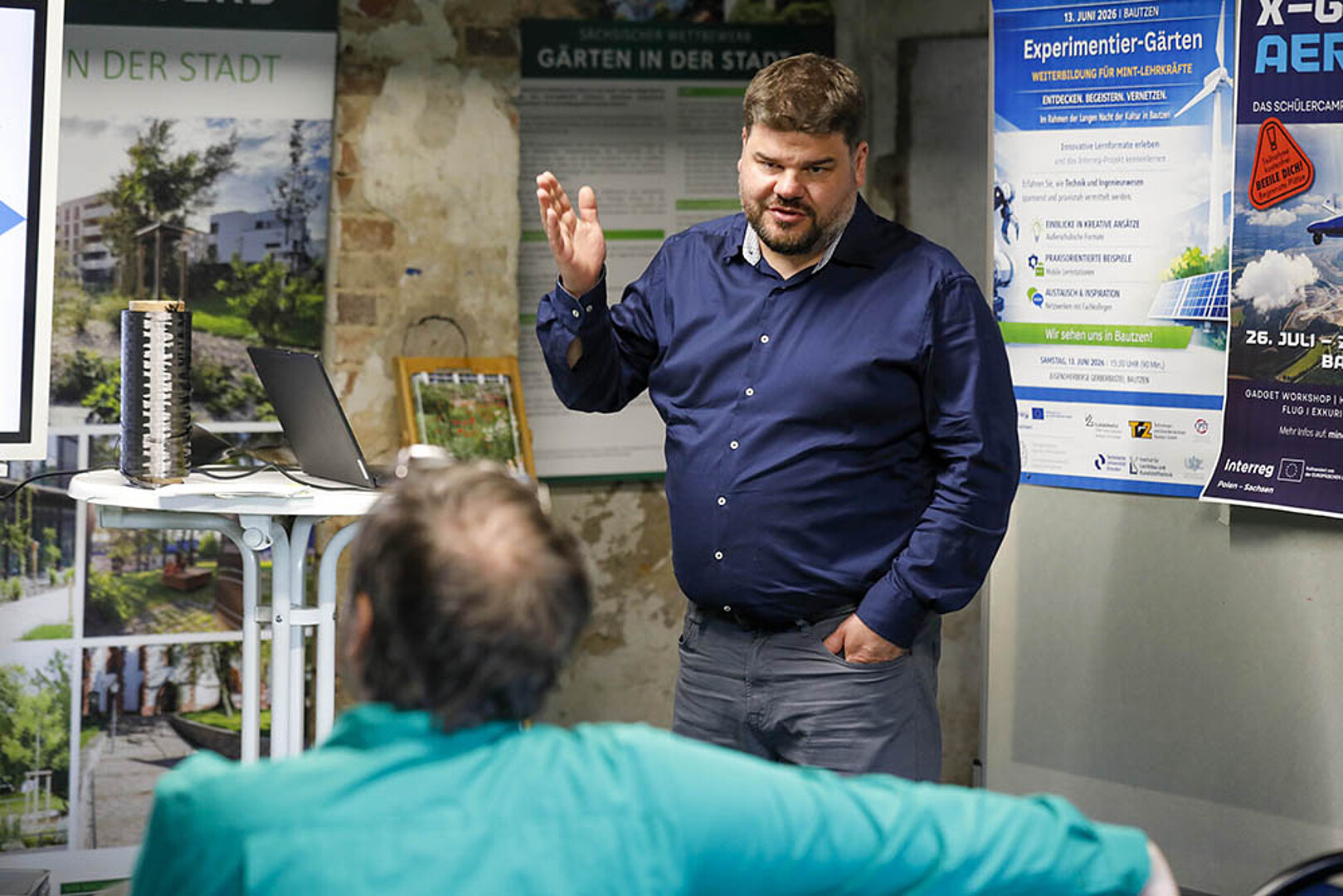
Jonas Pfeiffer from the Faculty of Mechanical Engineering presented the opportunities and challenges of the heating transition. Visitors were able to interact with simple software models and learn more about a feasibility study on heat supply for municipal buildings in Hirschfelde. A technical topic was thus transformed into a concrete question for the community: How can the school, daycare center, and municipal buildings be supplied with heat in the future?
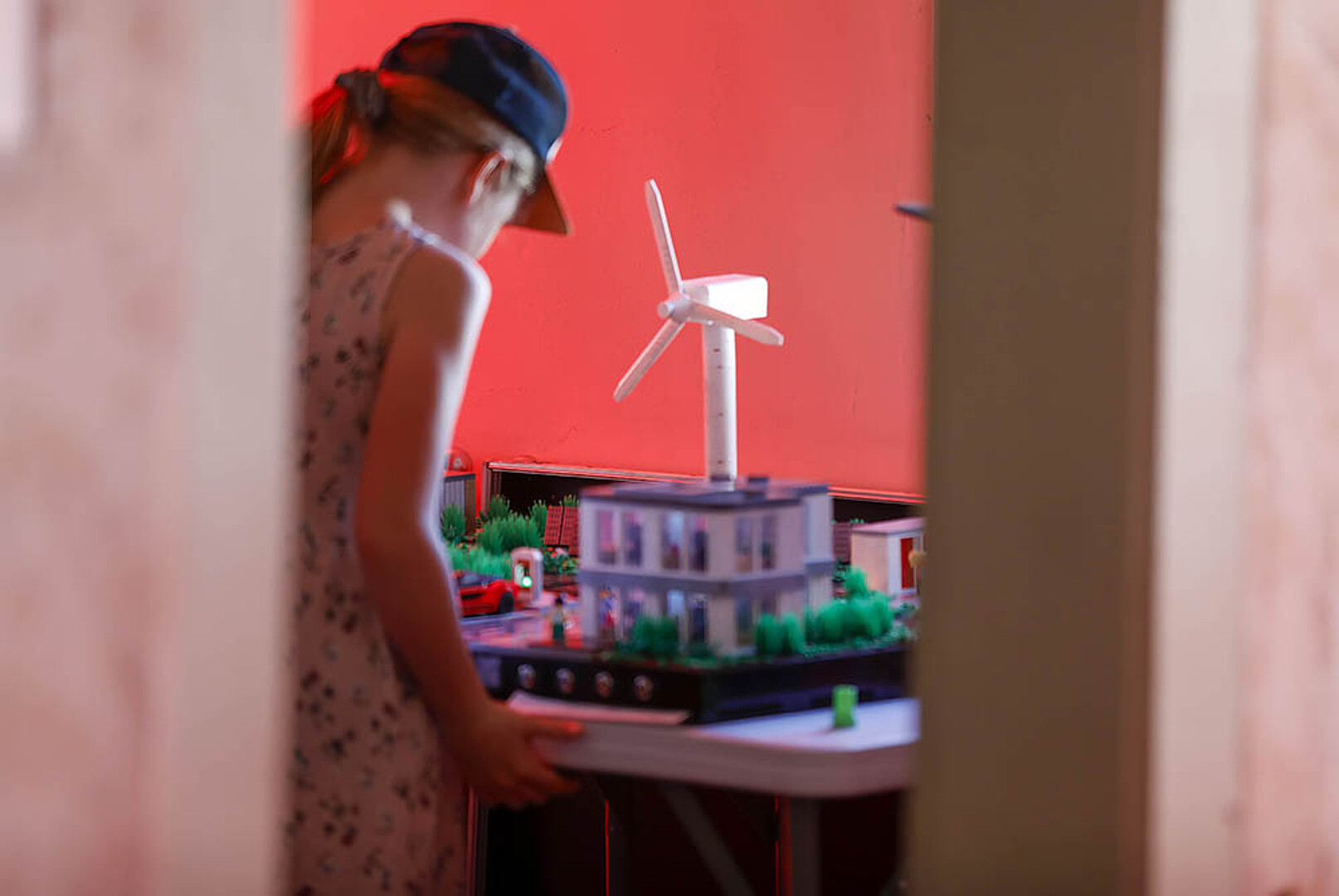
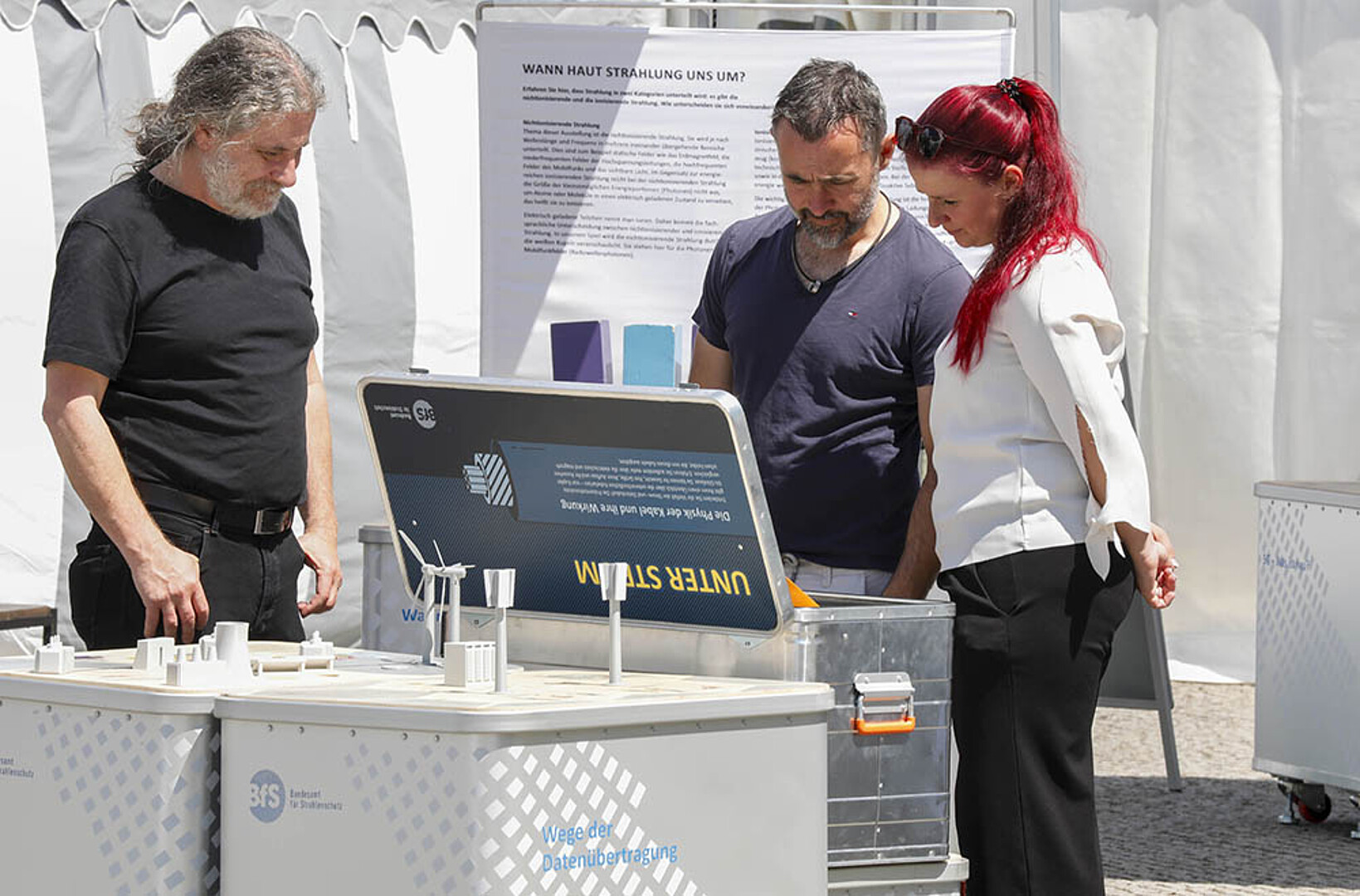
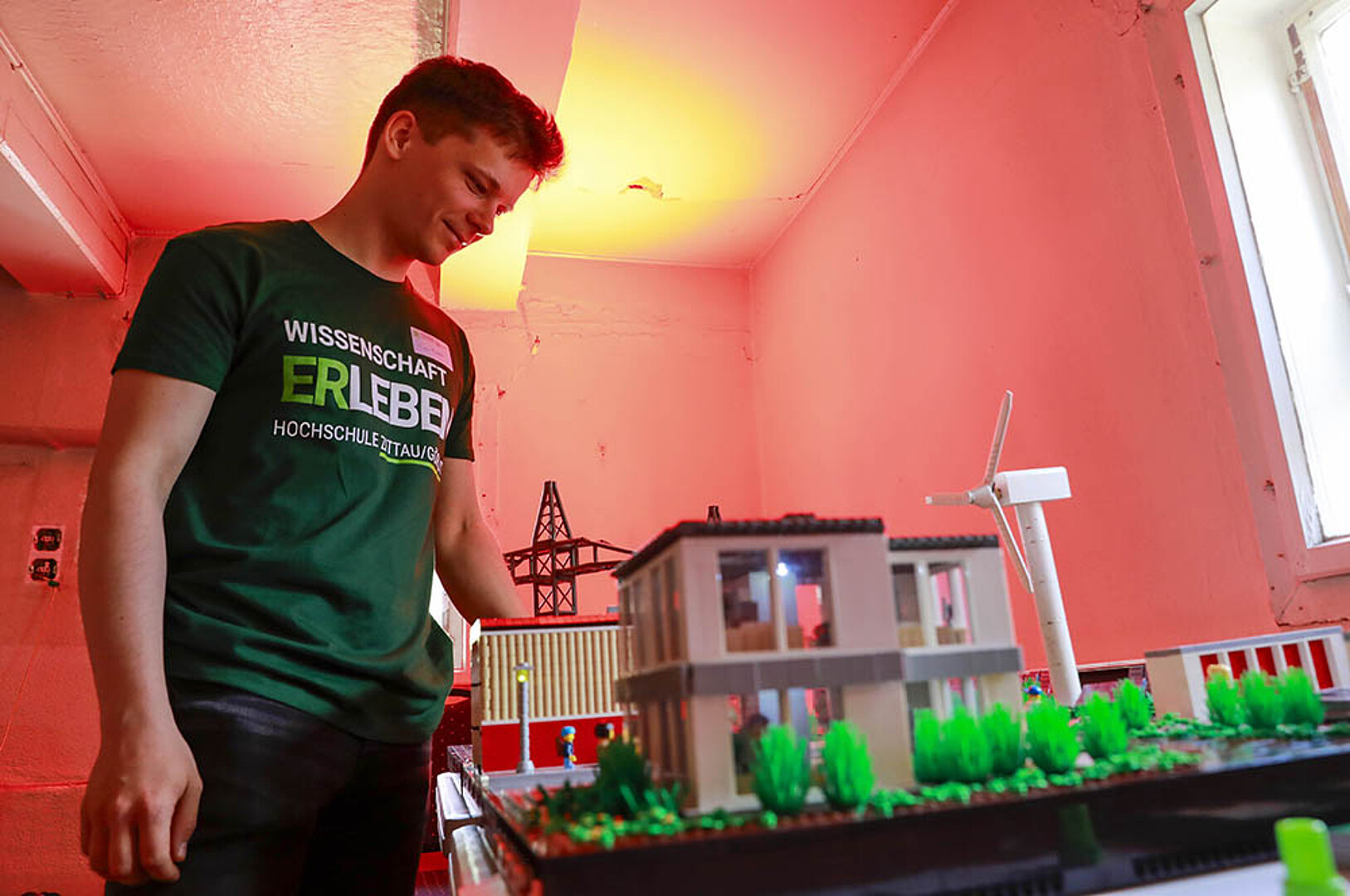
In the high-voltage engineering area, the HSZG used a Lego model to demonstrate how direct-current grids work and why they could be relevant for the energy supply of the future. The model sparked discussions about power lines, overhead lines, and cables. Research was not presented in an abstract manner but was linked to everyday questions.
Artificial intelligence was also made accessible. Demonstrators from Saxony⁵ and the department of computer science at HSZG showed how explainable AI works and why transparency is important in algorithmic decision-making. Using examples from candidate selection, lending, weather analysis, and image recognition, visitors were able to understand how AI systems work and where their limitations lie.
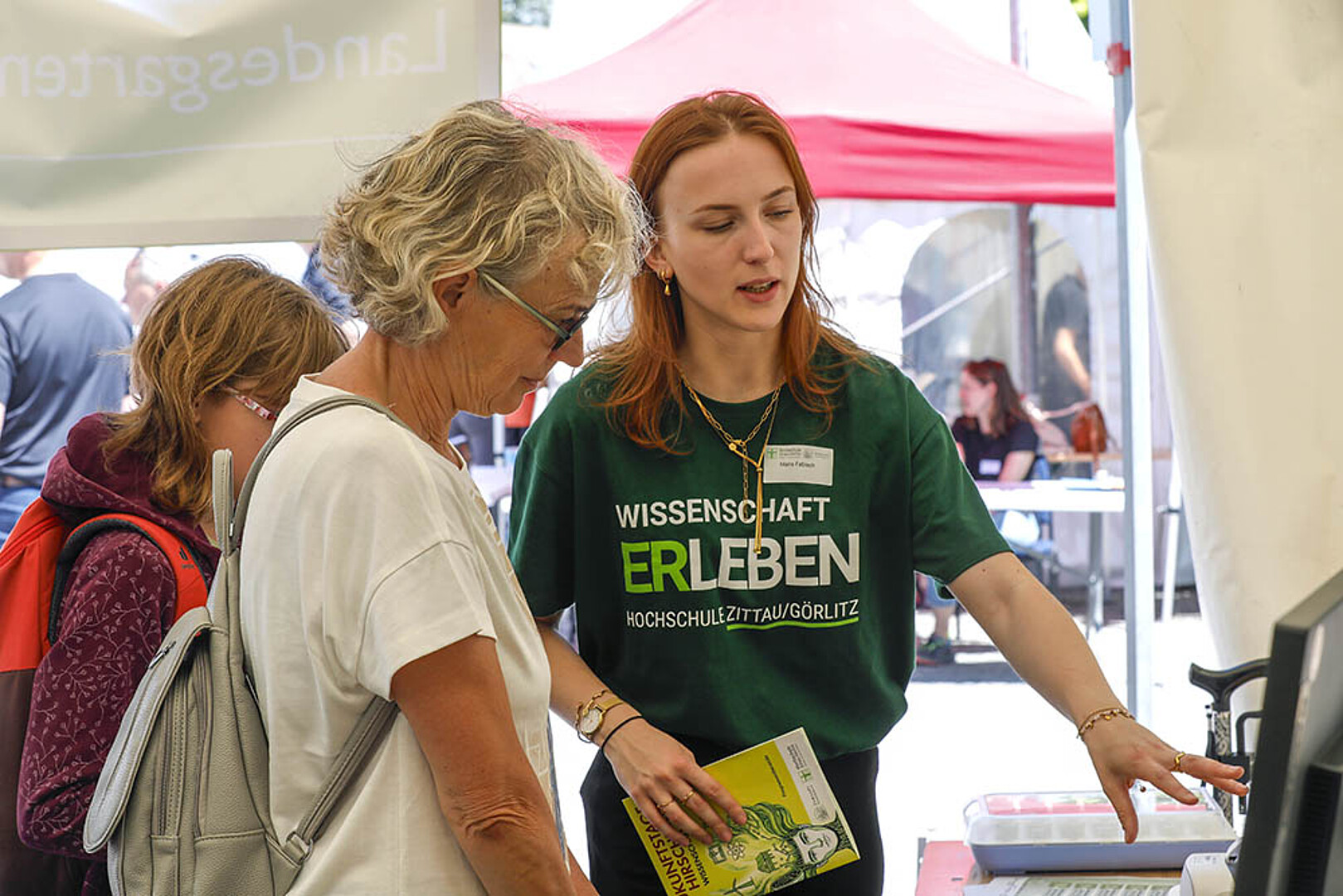
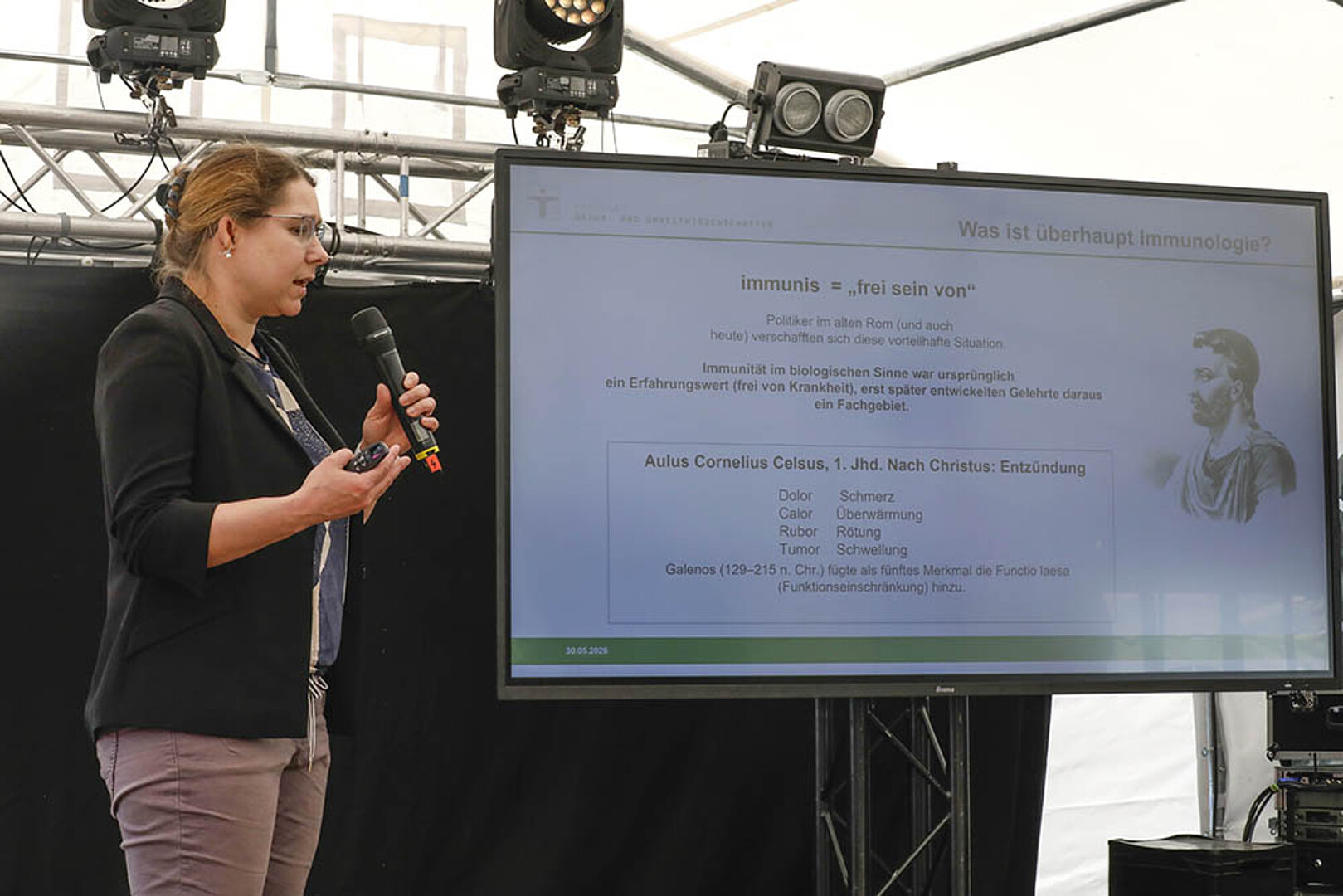
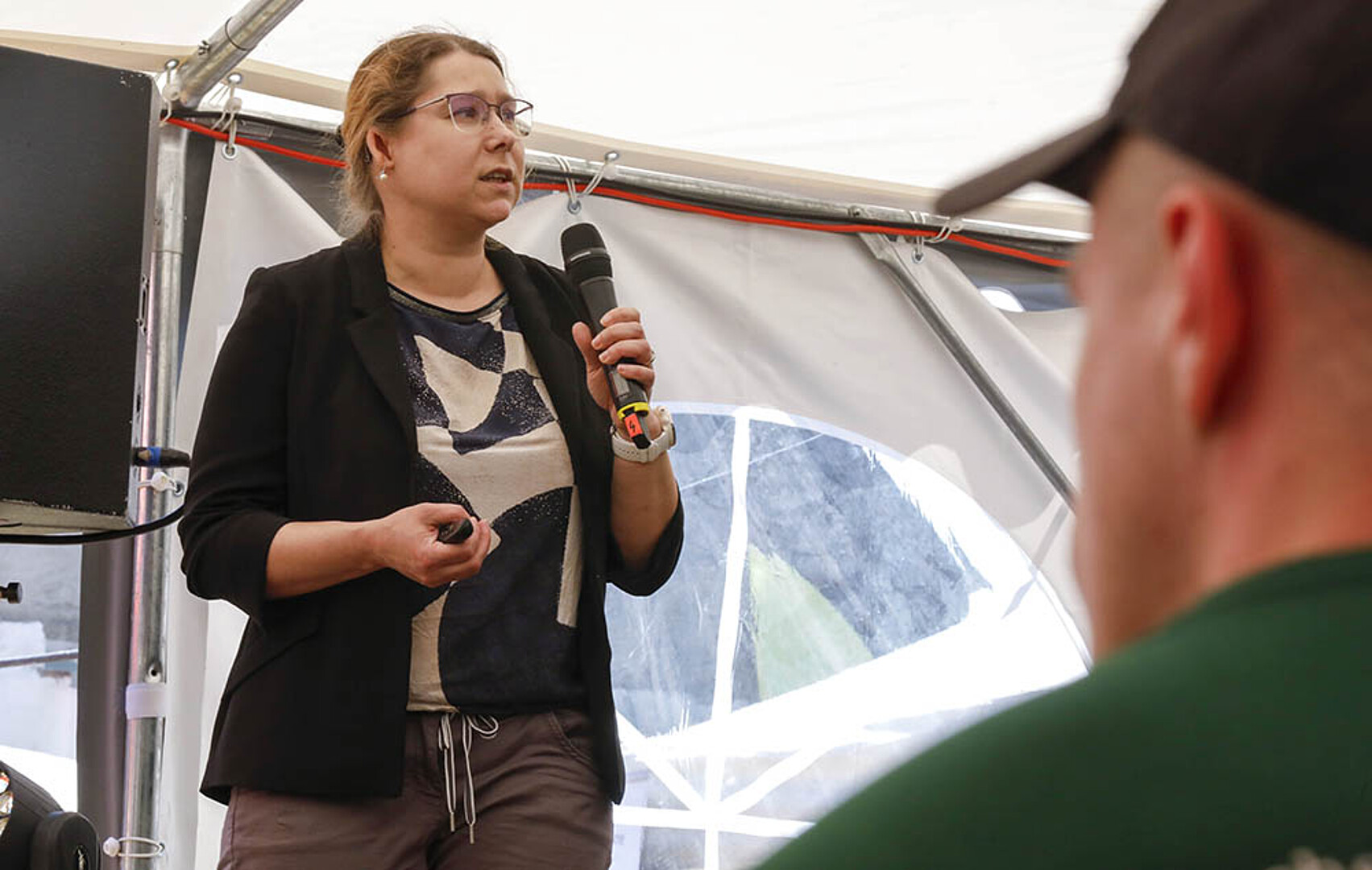
Other presentations by the university addressed a wide variety of topics: Prof. Frank Schneider invited attendees to try their hand at mathematical crafts using the Möbius strip; Prof. Jens Weber spoke about CO₂ as a small molecule with a big impact; Prof. Jakob Hildebrandt linked heavy rainfall, landscape, and disaster preparedness in a sandbox experiment; Prof. Elisa Wirthgen explained current biomedical research on regulatory T cells. Dr. André Seeliger’s exhibits spanned a wide range of topics, from the former Hirschfelde power plant site to 3D printing and soil fauna. At Maria Fabisch’s station, visitors could use an aging simulation suit to experience the limitations that can come with age. This highlighted the breadth of the HSZG’s expertise, ranging from the natural sciences and technology to outreach formats with a social focus.
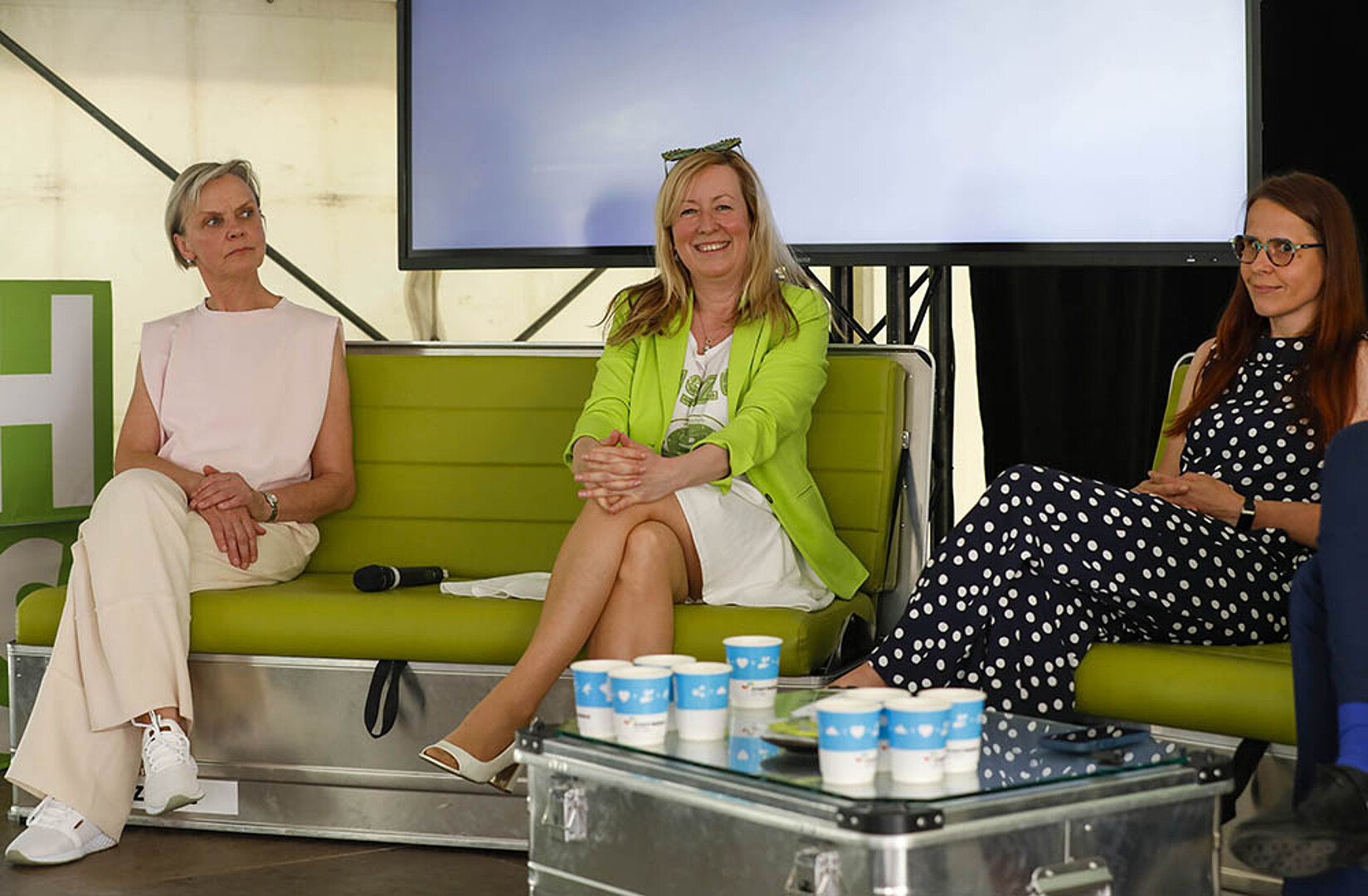
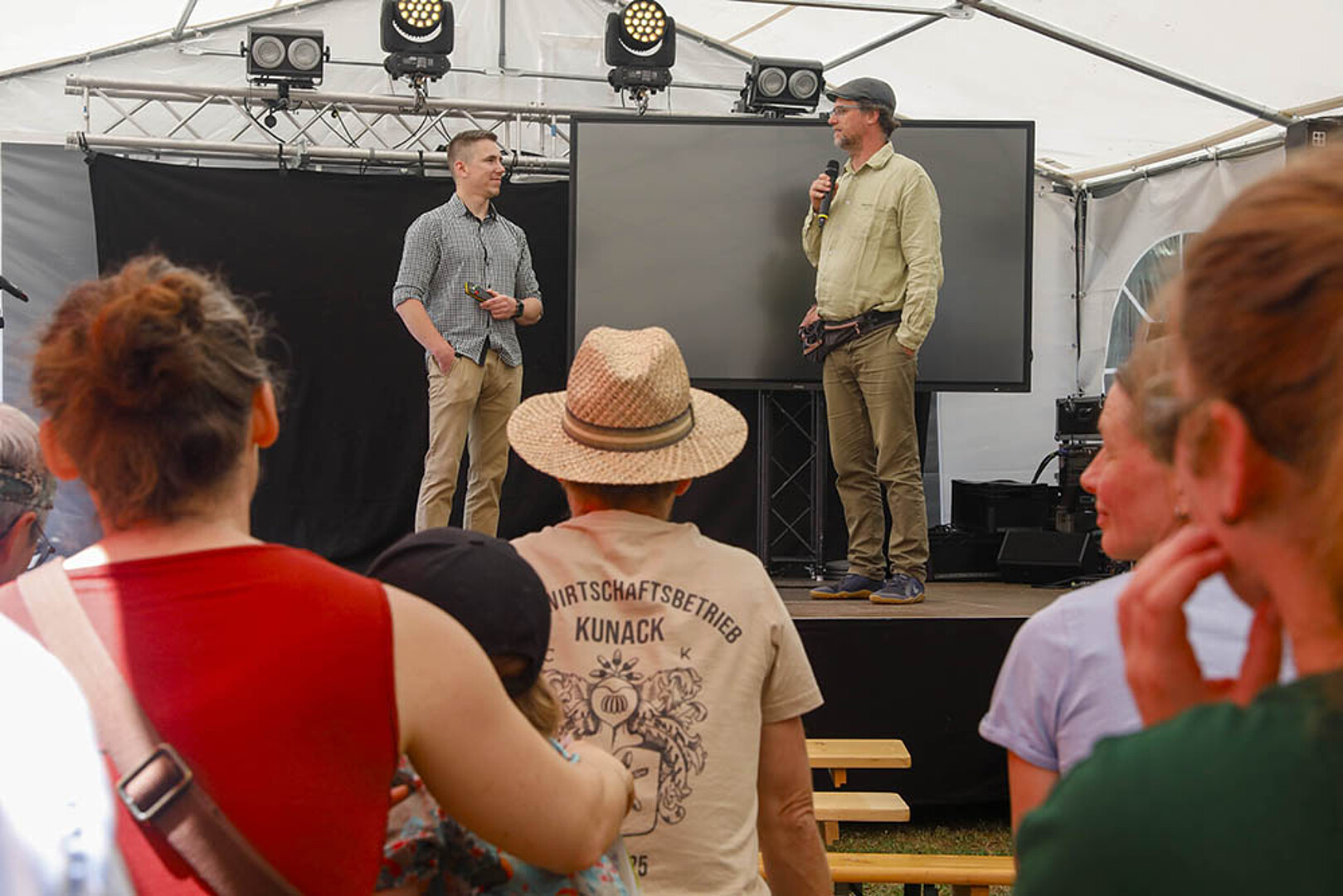
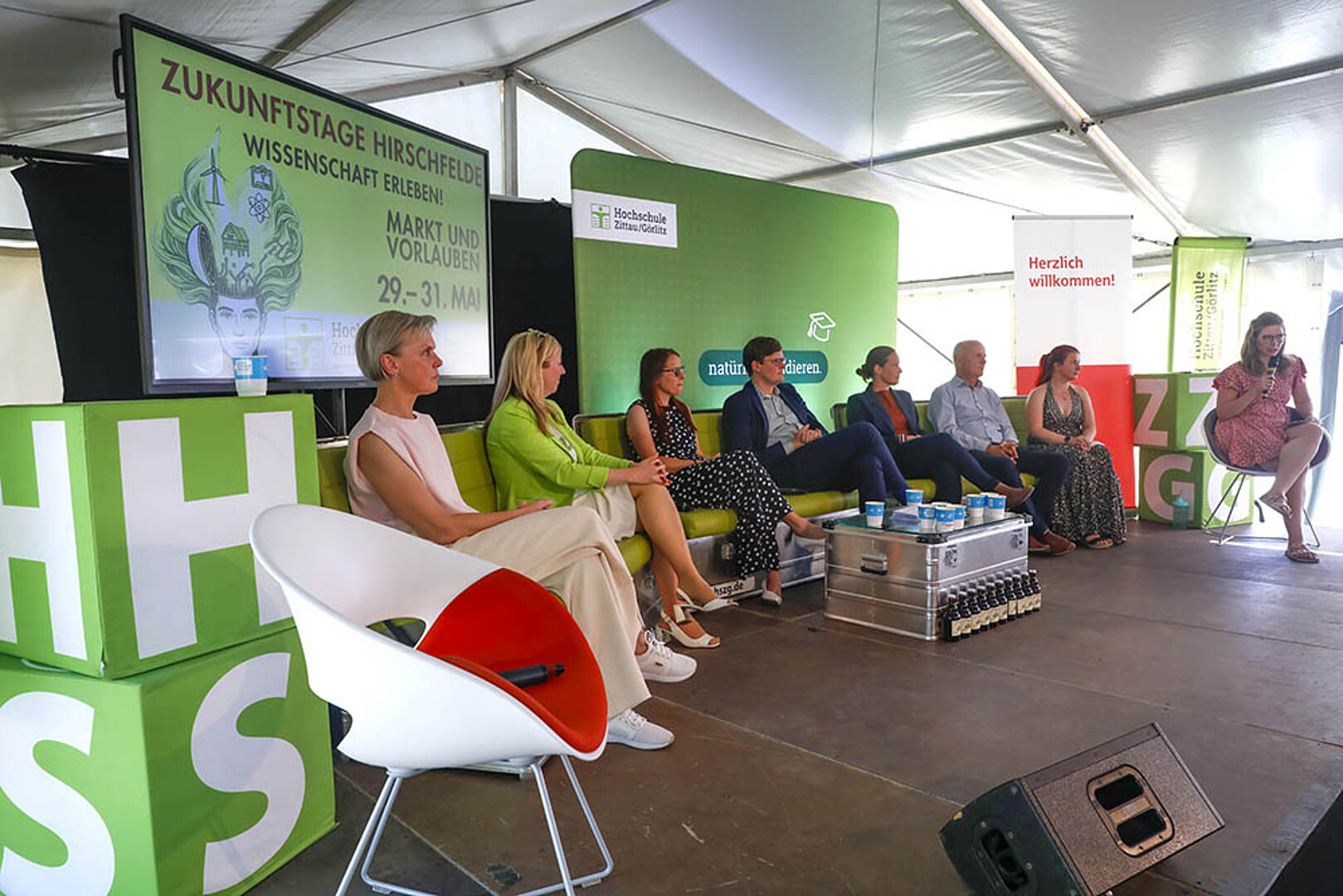
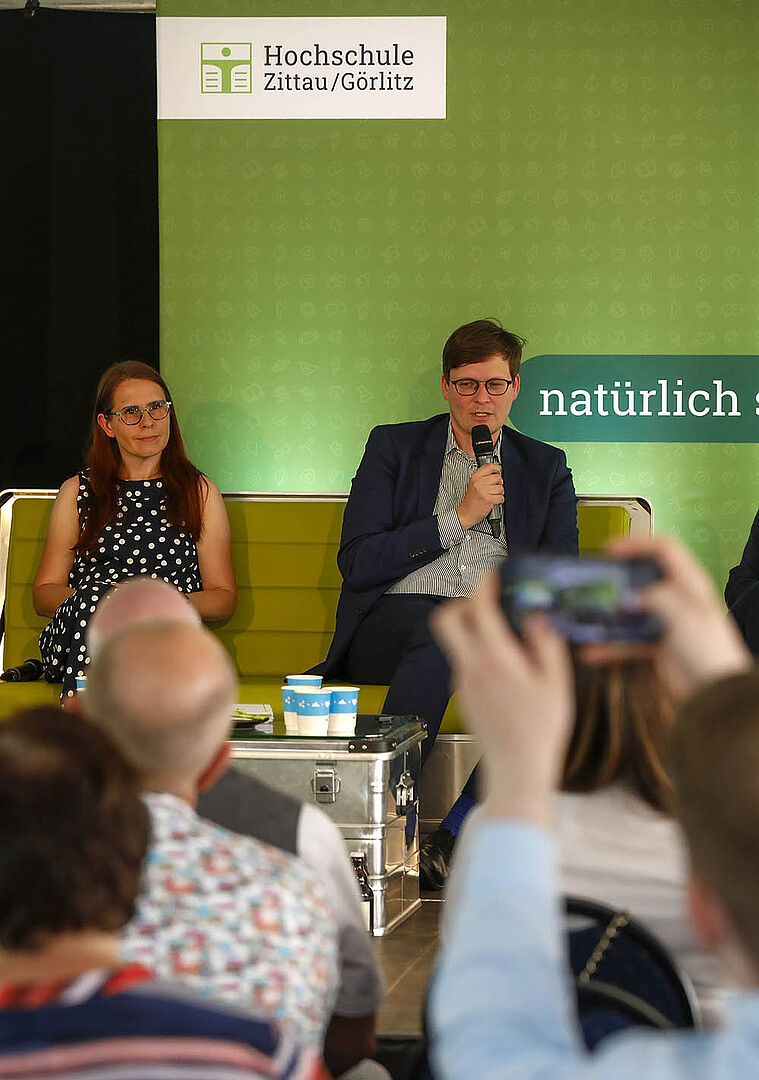
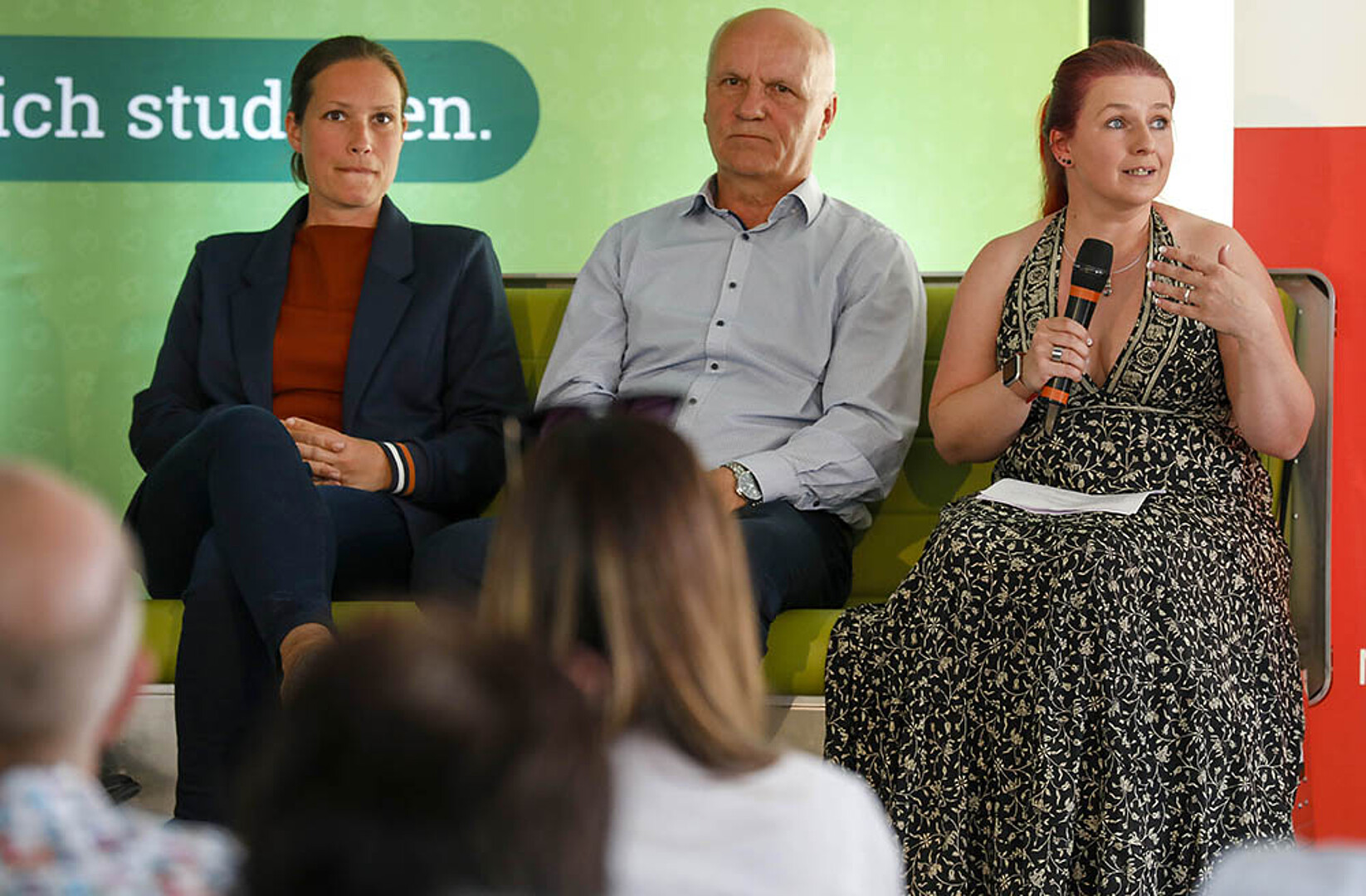
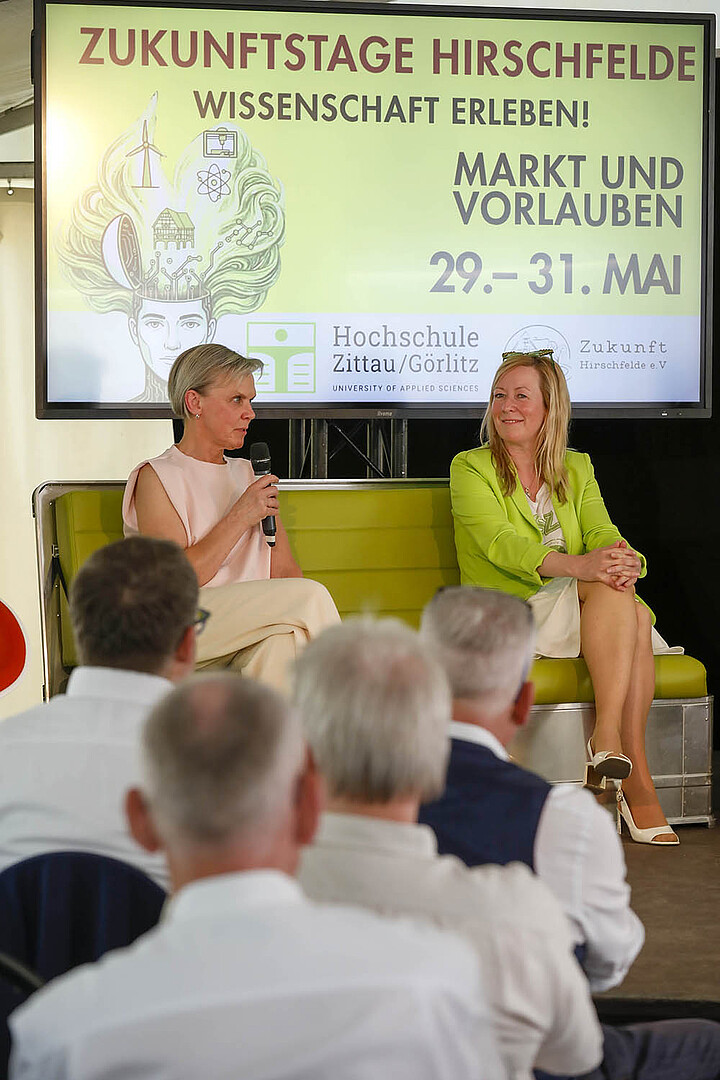
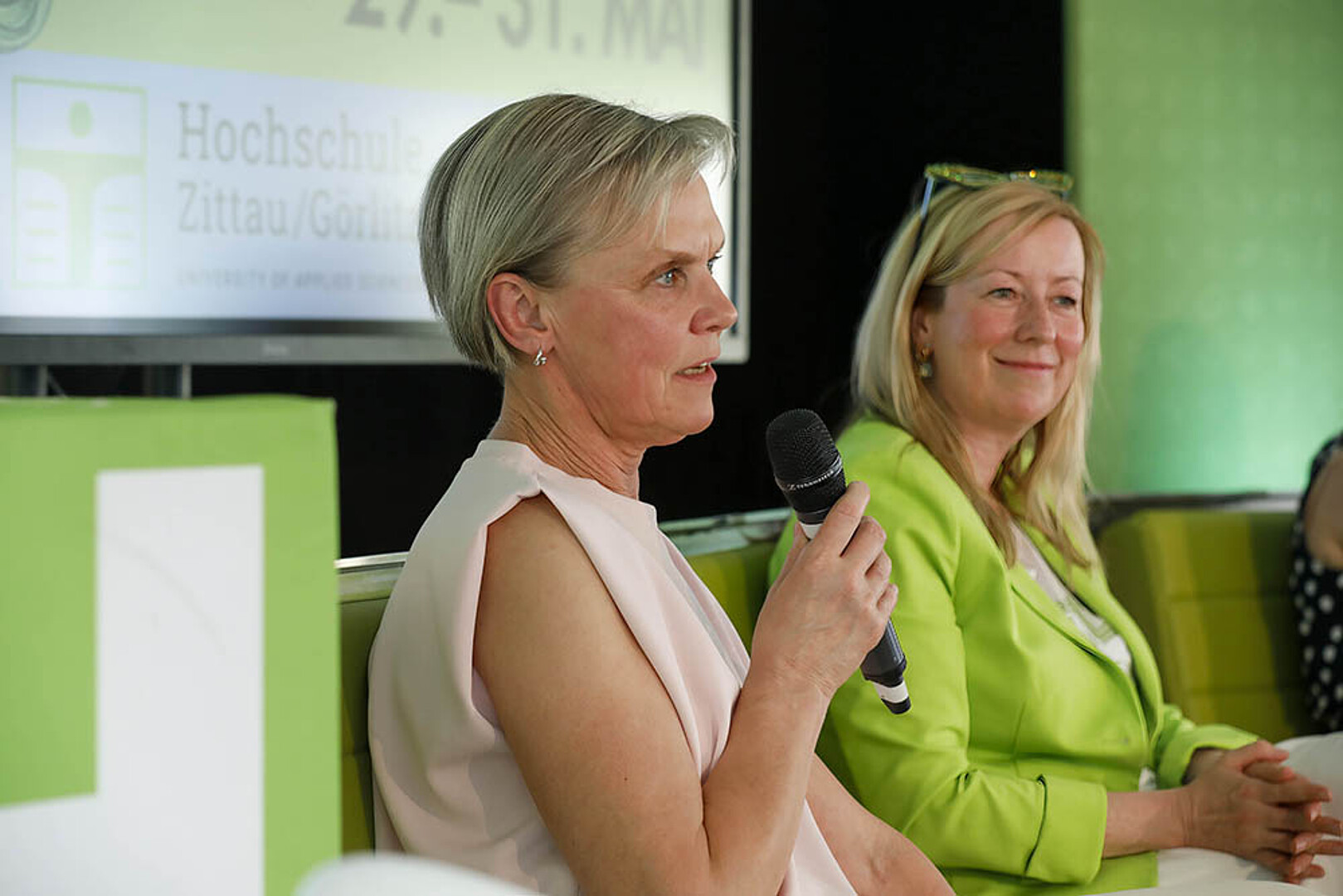
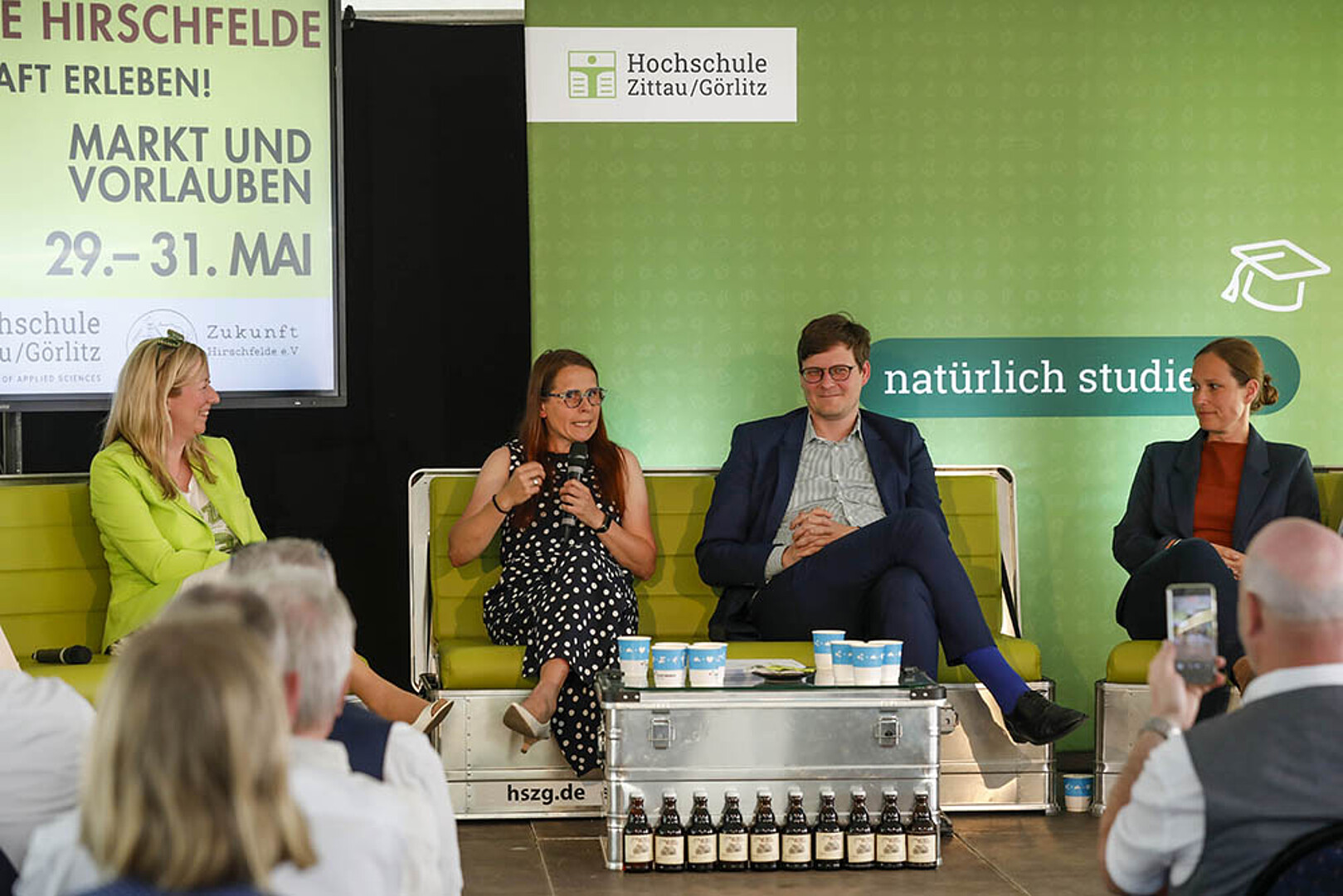
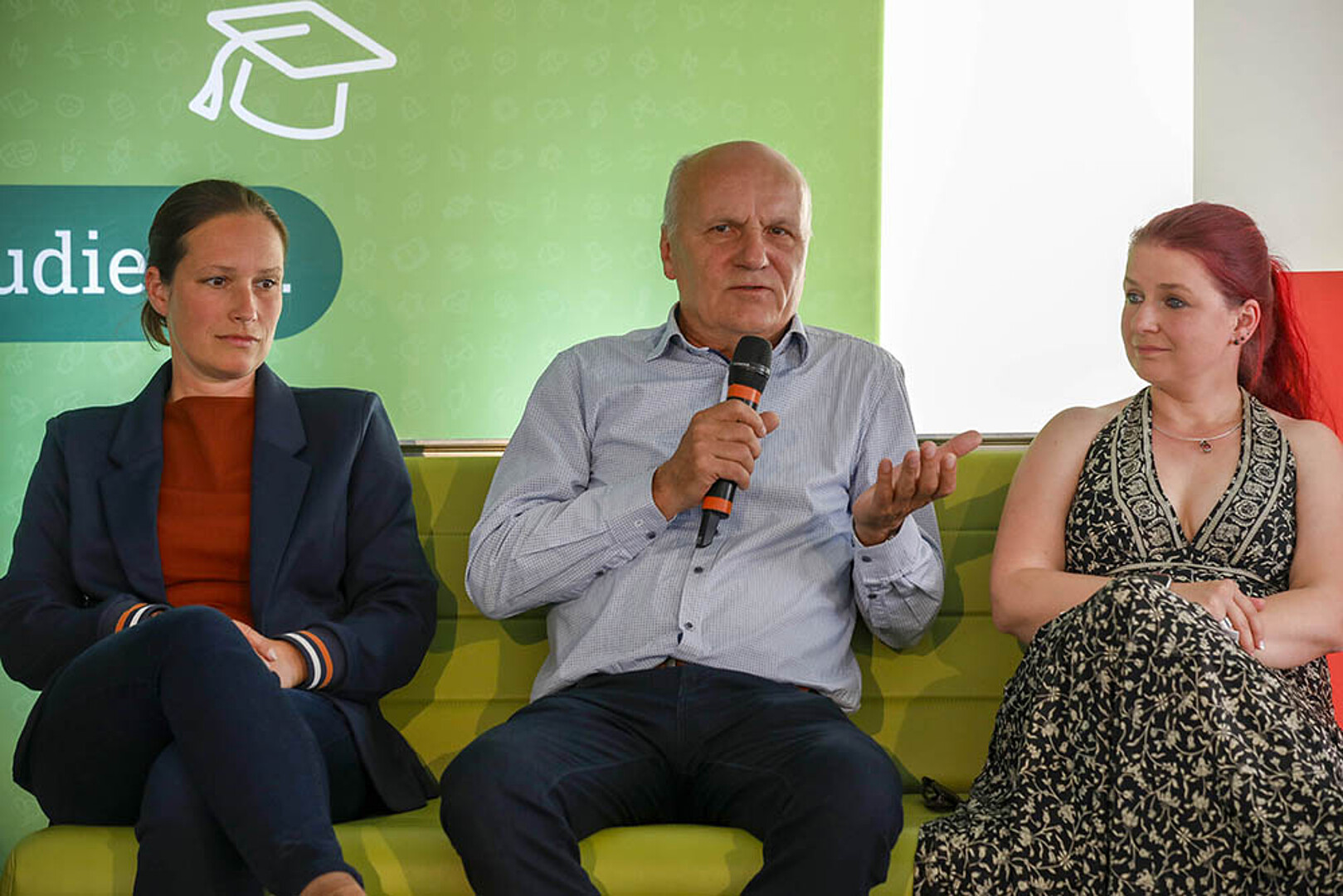
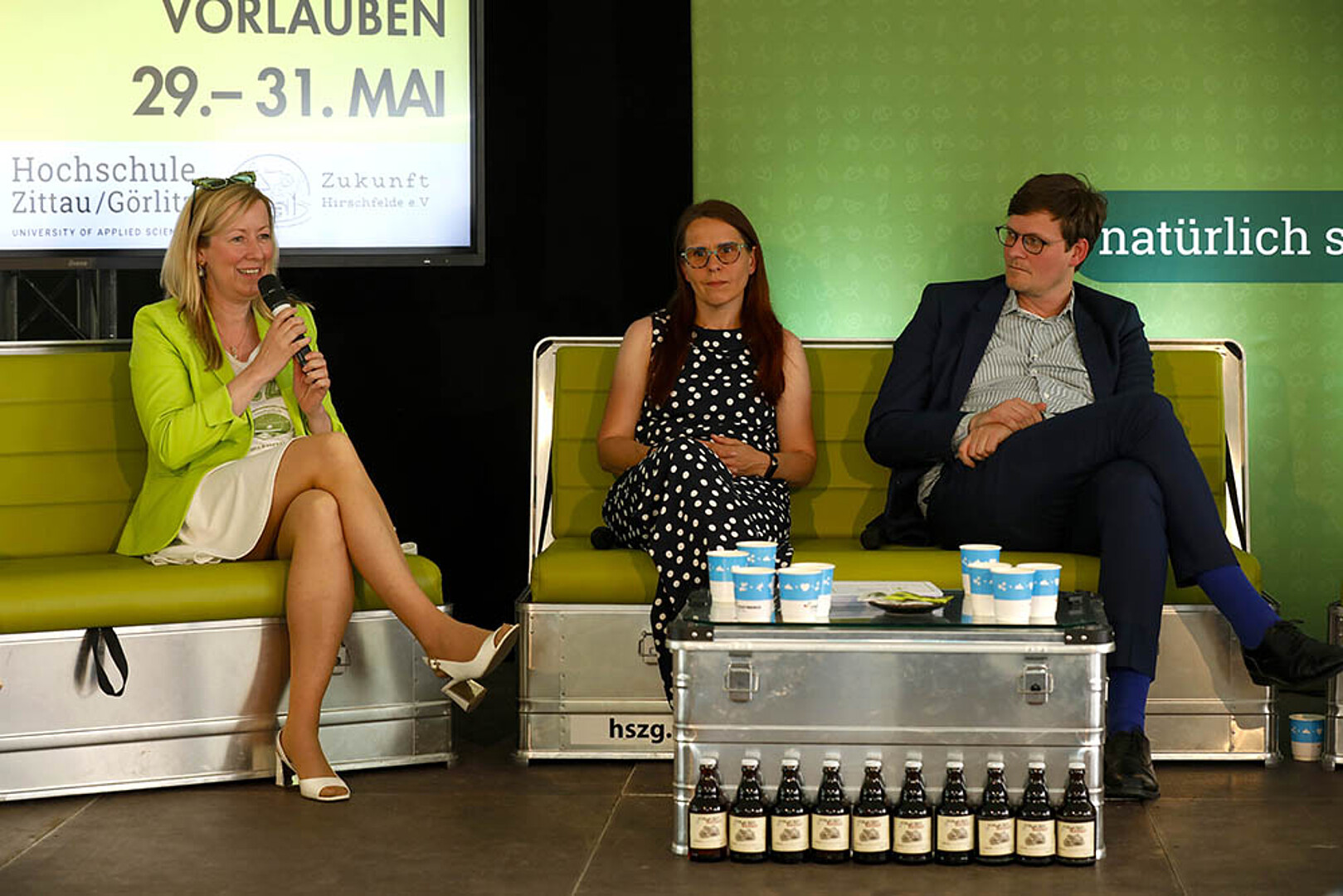
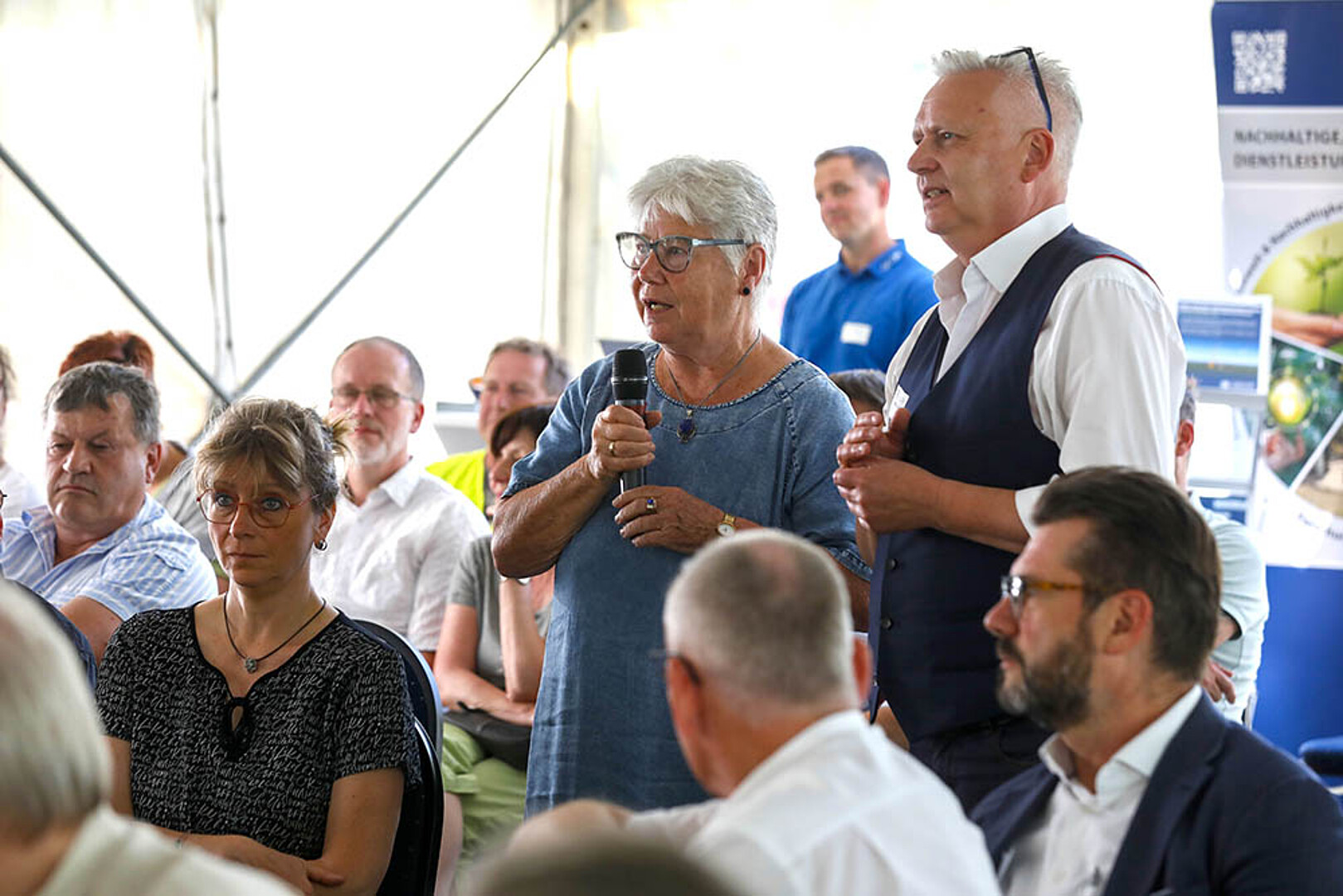
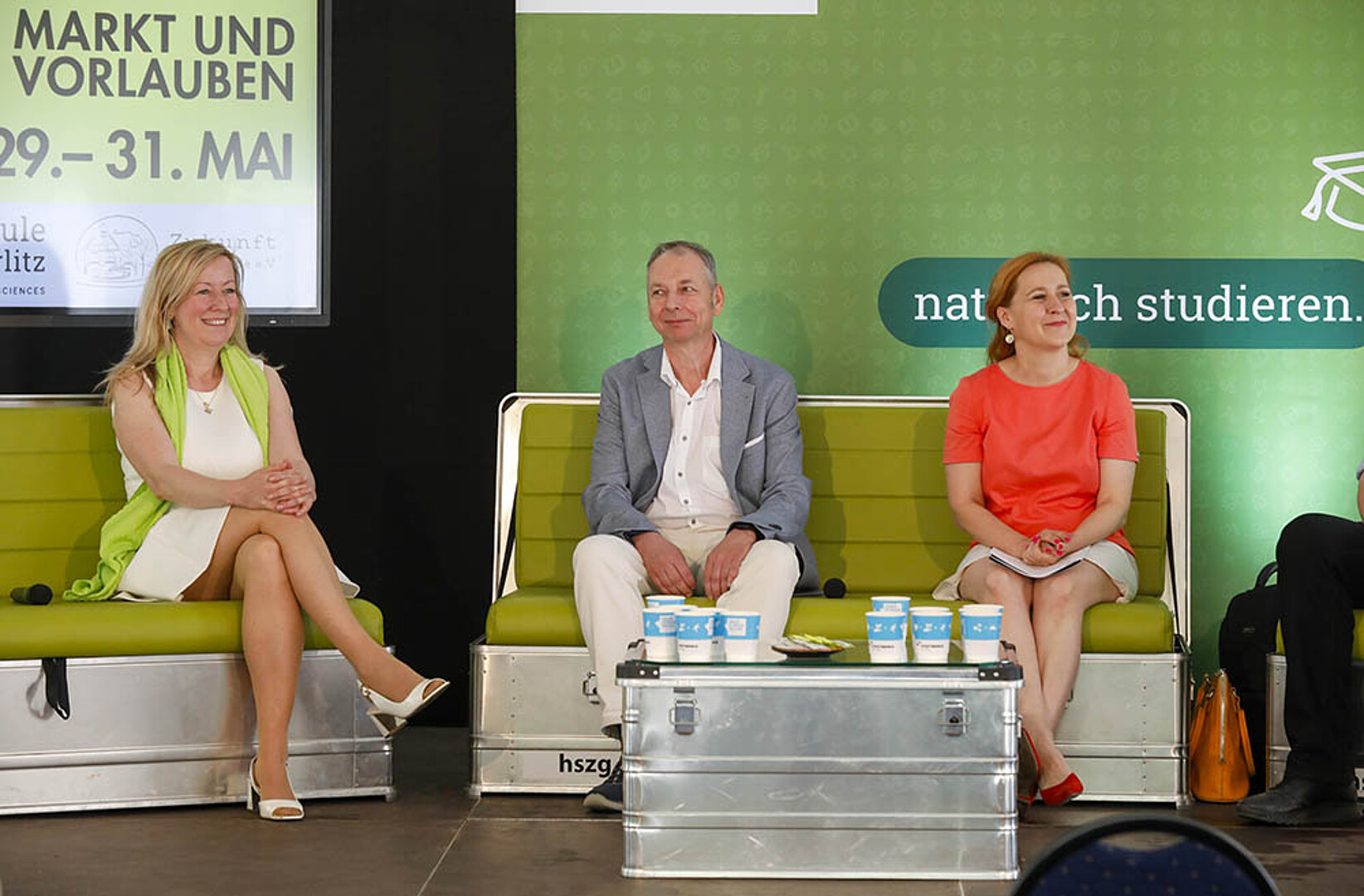
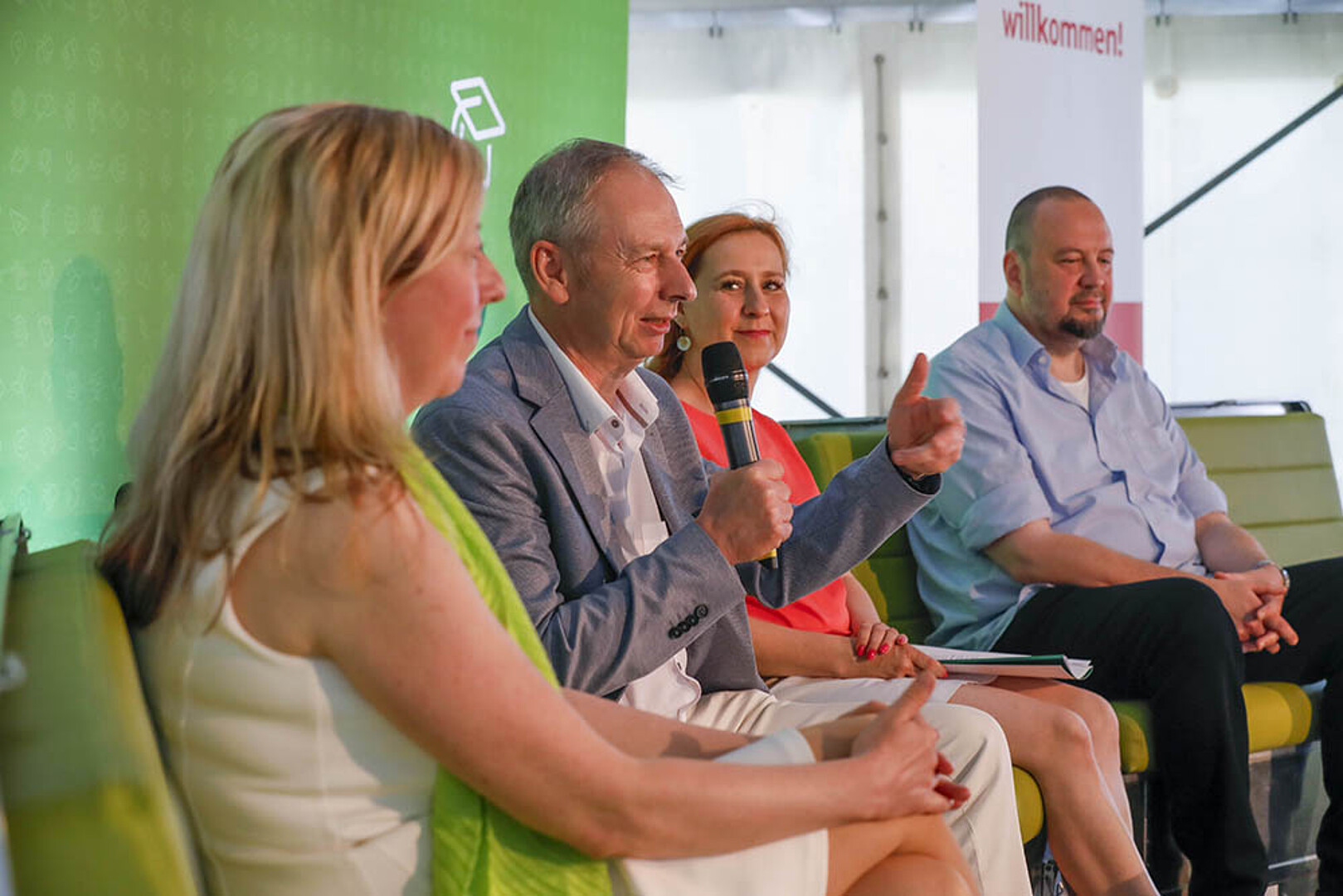
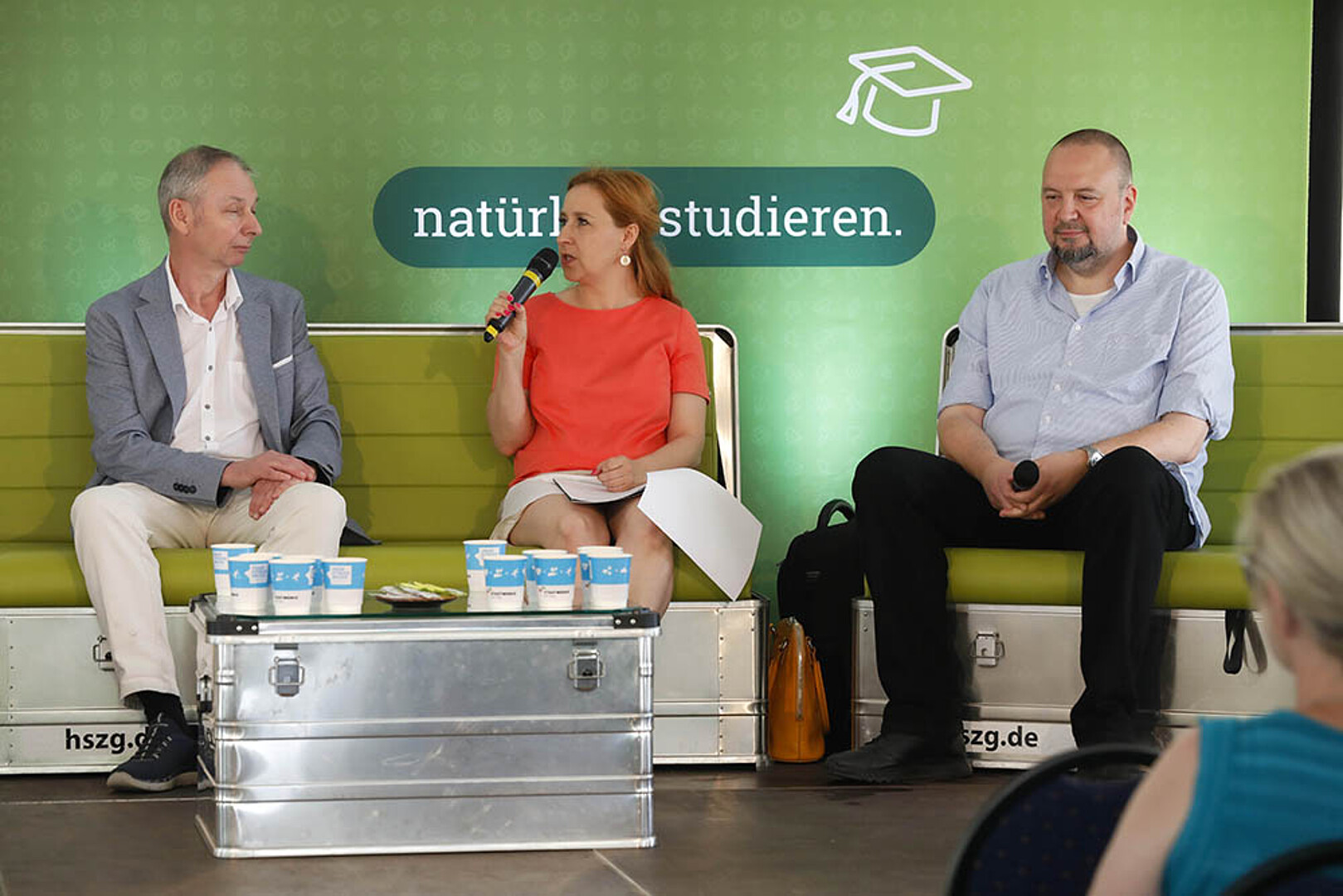
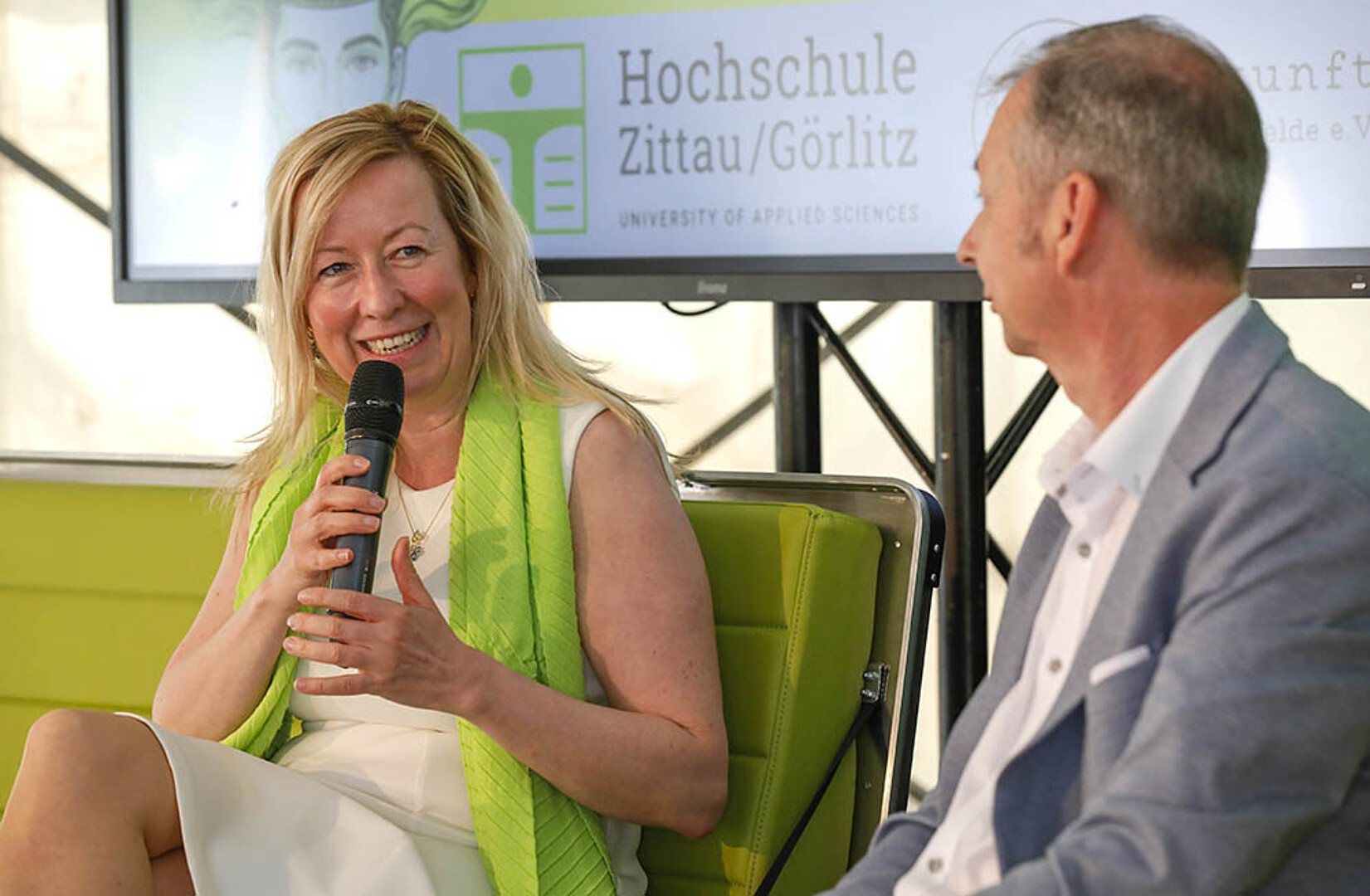
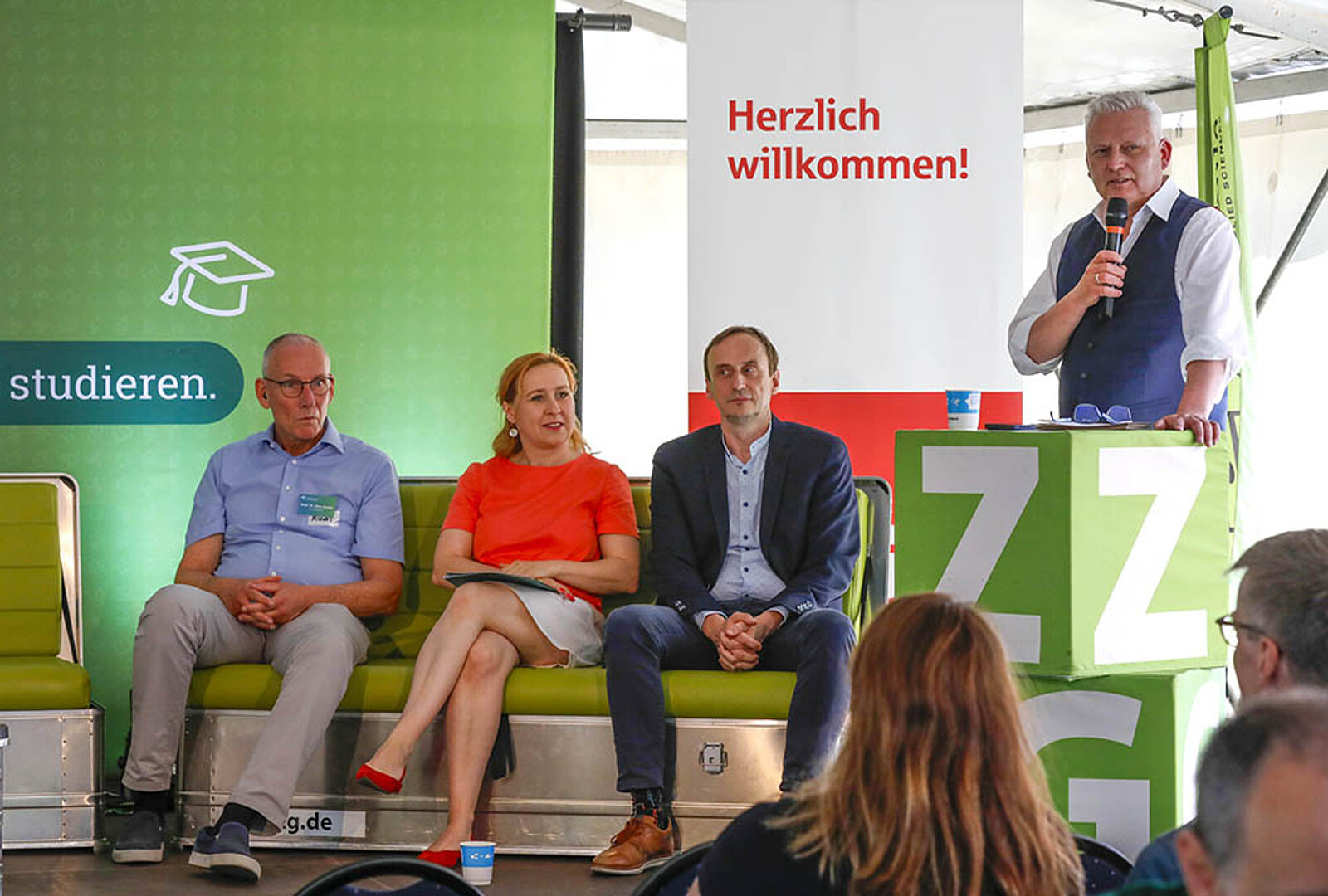
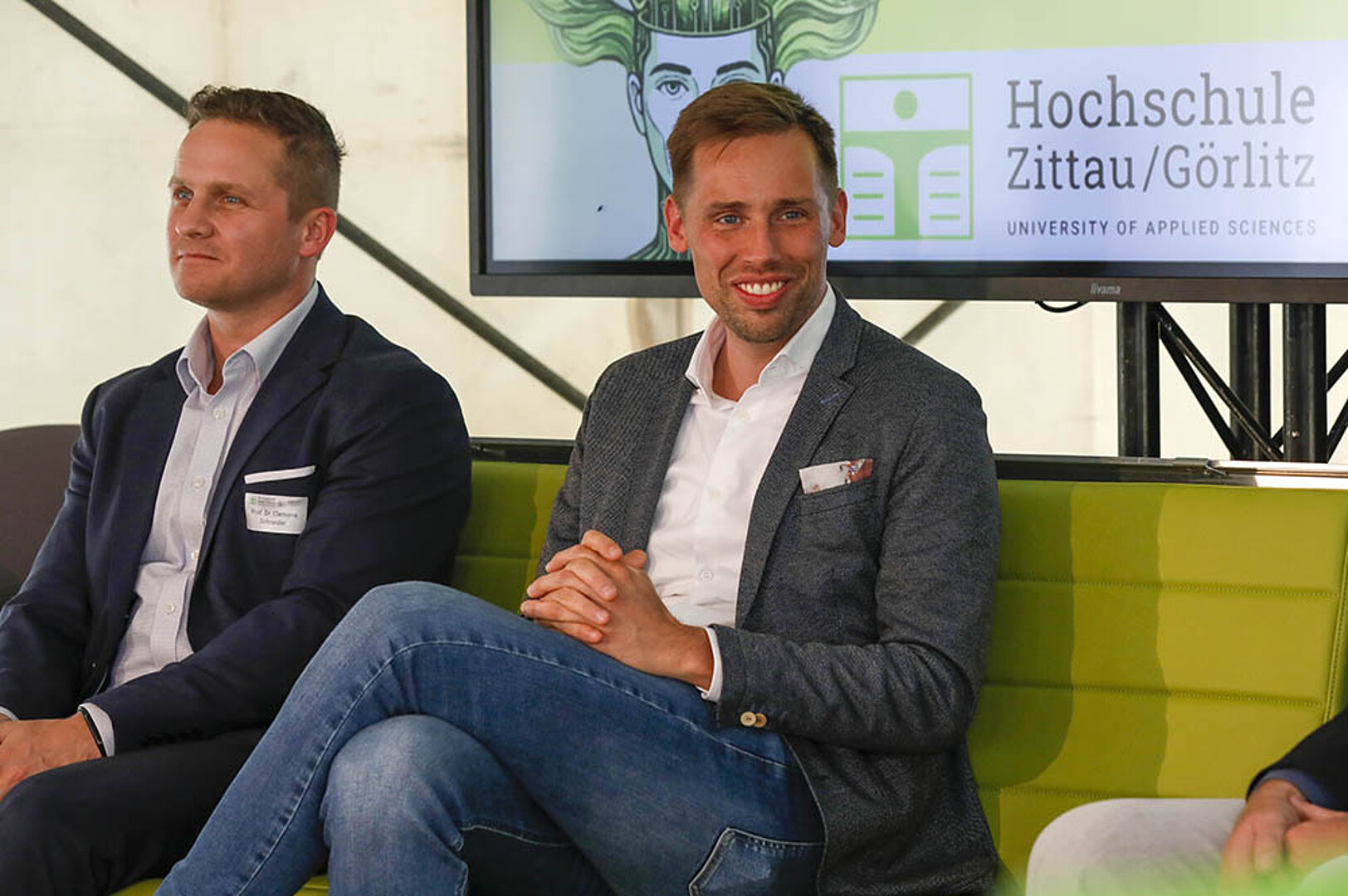
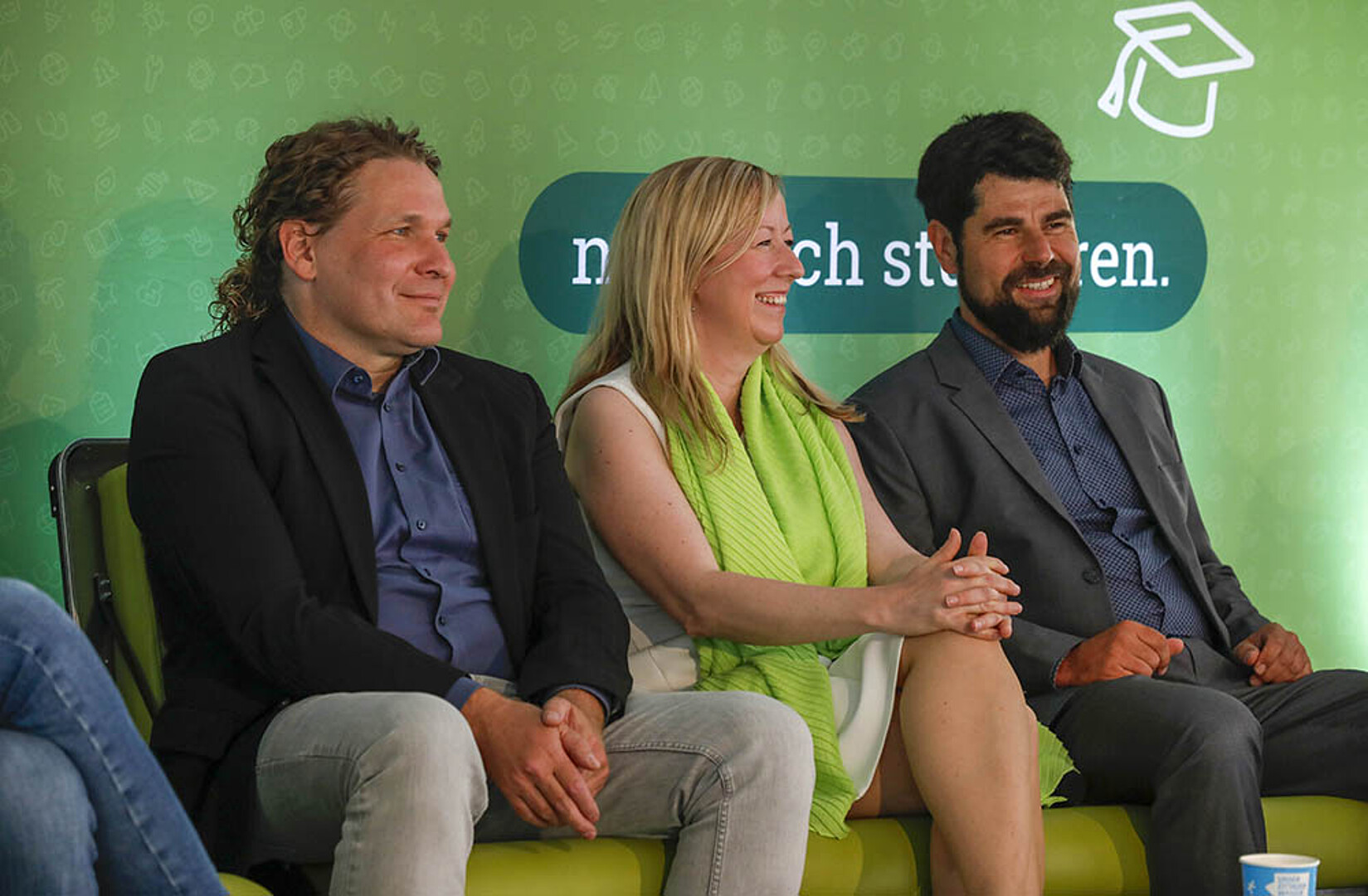
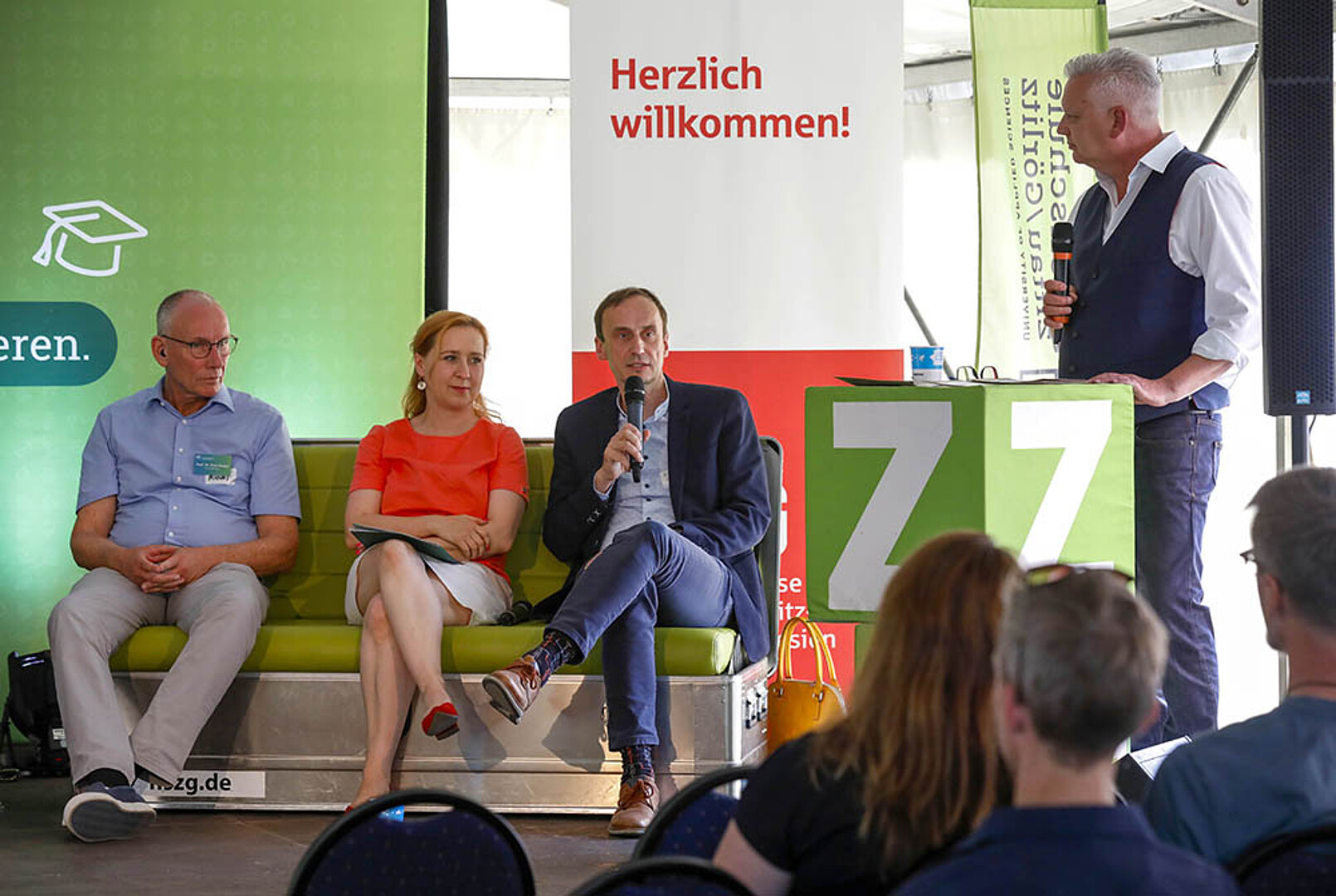
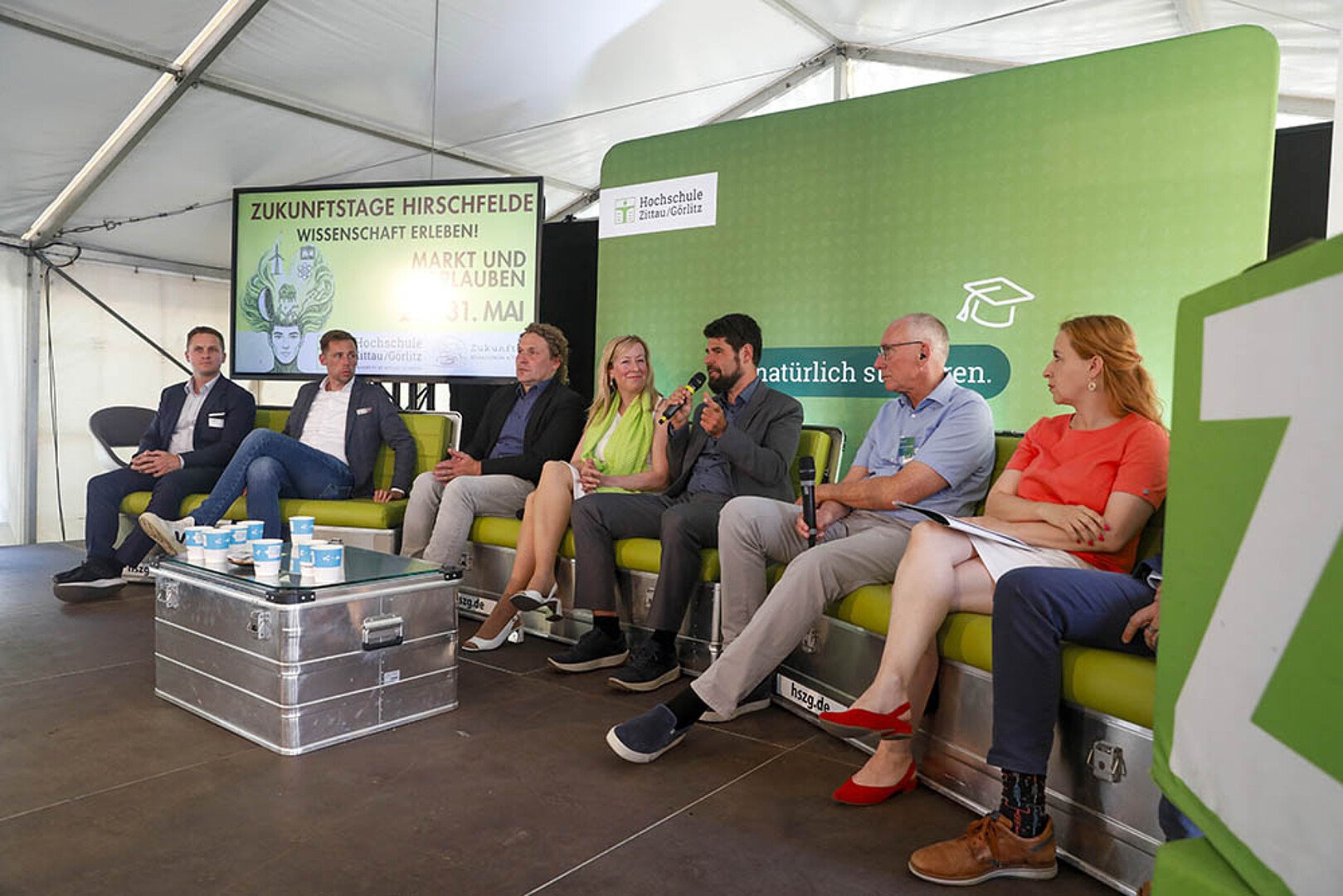
The panel discussions were a key component of the Future Days. They highlighted the intensity of the debate surrounding the region’s future, structural change, and the role of science, innovation, and social cohesion. Topics included changes in education, opportunities in the semiconductor industry, population growth and the need for skilled workers, as well as the question of what concrete benefits public investment in research brings to the region.
While some discussions were contentious, they were characterized by a respectful exchange of views. This is precisely what made them an important part of the event. The panel discussions brought together perspectives from academia, politics, business, government, and civil society. As a result, the Future Days became not only a space for experimentation but also a forum for regional debates.
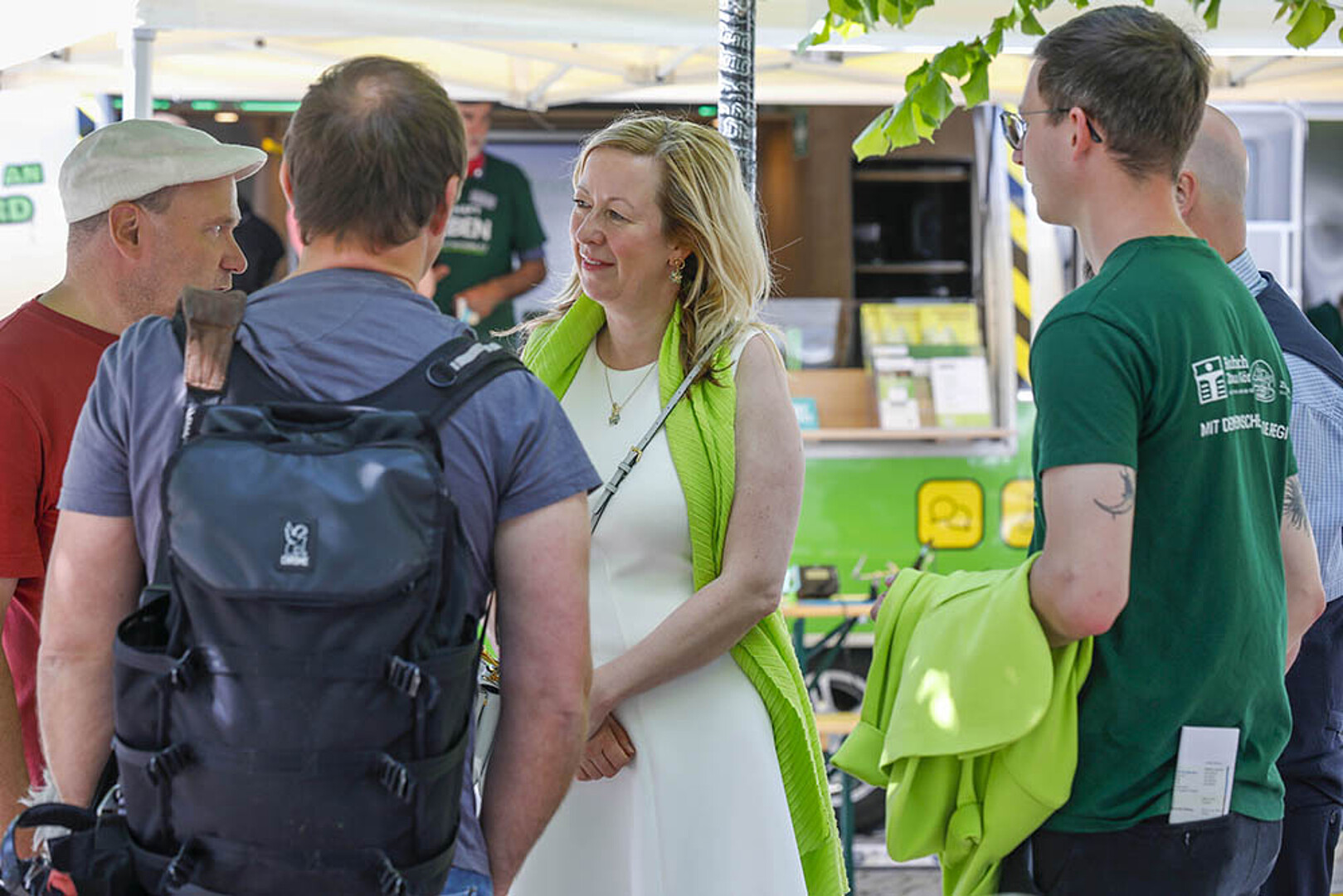
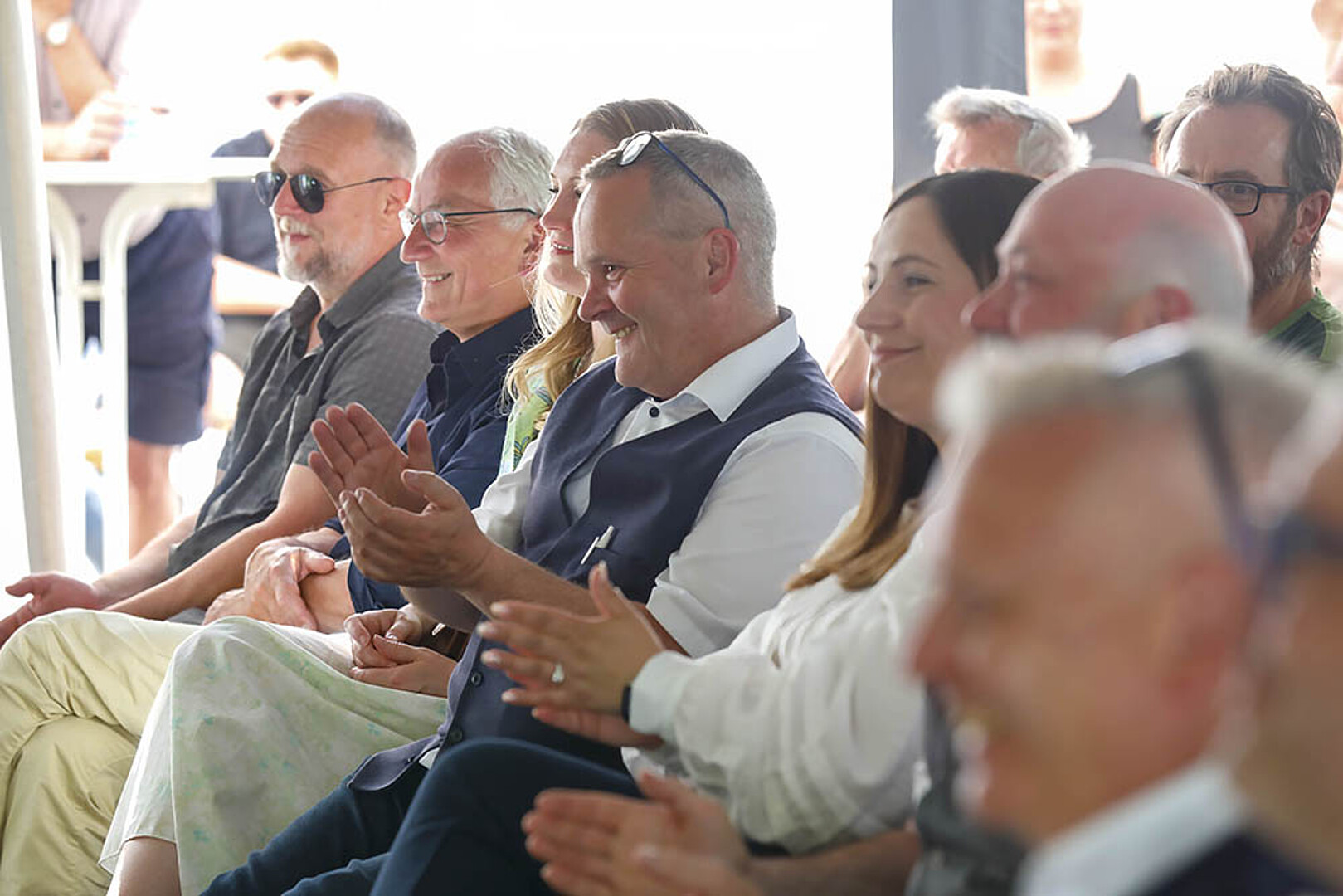
Political interest was correspondingly high. Among those present were two ministers of state, the district administrator of Görlitz, several mayors, several members of the state parliament—including Franziska Schubert and Sandra Gockel—as well as the head of the Saxon State Chancellery. This participation underscores the format’s appeal far beyond Hirschfelde.
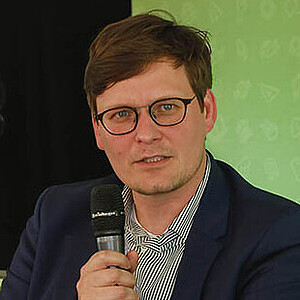
Education doesn't depend on your ZIP code. Even in places like Hirschfelde in Upper Lusatia, there's a bright future for young people.
”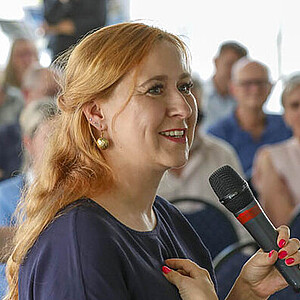
Structural change must become tangible for people. They need to realize that something is happening. And I believe that once they do, they’ll get on board.
”In addition to new technologies, the event also highlighted the region’s architectural heritage. Prof. Thomas Worbs from the Umgebindehaus Information Center presented the “Vorlaubenhäuser” and the Umgebinde architectural style as hallmarks and opportunities for the region. Students majoring in housing and real estate management had already studied these buildings, surveying them and creating digital models. In addition, Dr. Cornelia Müller spoke about fire safety and safety concepts throughout history.
The connection between architectural culture and digital technology was also evident in the VR and AR applications. Umgebinde houses could not only be viewed as historical heritage but also explored anew in virtual space. This created an approach that showed young visitors in particular that regional architectural culture and modern technologies can complement one another.
The Vorlaubenhäuser were also a central focus for the Zukunft Hirschfelde e. V. association. The “Zukunftstage” were intended to highlight their potential and demonstrate that community development, architectural culture, and education can be considered together. From the association’s perspective, the Jugendbauhütte’s work on the Vorlauben houses was particularly impressive: young people applied their craftsmanship and great dedication to historic buildings, thereby connecting the town’s past and future.
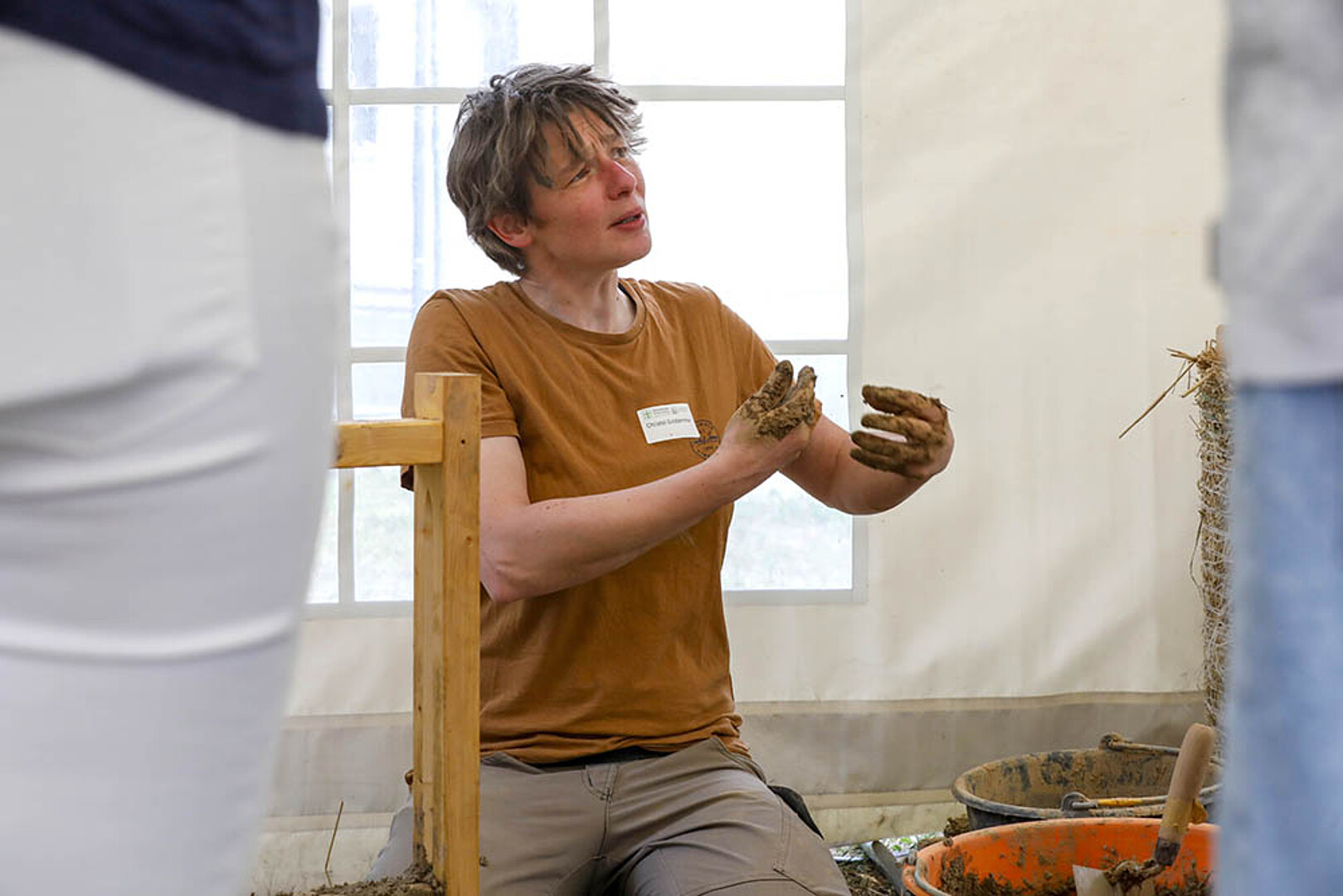
The earthen construction booth, which demonstrated both traditional and modern applications of this resource-efficient building material, complemented this effort. The combination of half-timbered houses, clay, regional building culture, hands-on work, digital models, and virtual applications made one thing clear: the future isn’t just about new technologies. It also emerges where existing resources, local history, and sustainable materials are reimagined.
Urban and regional development were also featured. As part of GreenZitty 2032+, ideas for a potential State Garden Show were presented. The firm PlanKontext gathered feedback and suggestions from the public. The discussions showed that local participation can provide concrete impetus—for example, regarding land use, temporary uses, green spaces, or the connection between the campus, the city, and the region.
For Zittau/Görlitz University of Applied Sciences, the Future Days were more than just an academic event. They demonstrated what knowledge transfer—in the spirit of Saxony⁵—can look like in practice. Knowledge does not remain confined to laboratories, lecture halls, or project reports, but is translated into meaningful interactions. Researchers explain their work, citizens ask questions, students experiment, companies present opportunities, and community organizations contribute local expertise and dedication.
The collaboration between HSZG, the association, and other partners was characterized by courage, trust, and a shared goal: to position the region as a hub for innovation, research, and social development. It was precisely this mix of university, science, business, volunteerism, politics, administration, and the general public that made the Future Days such a success.
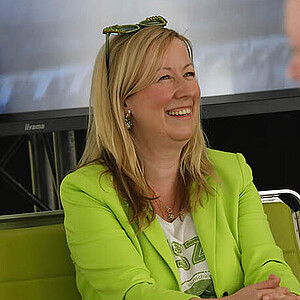
I was particularly impressed by the openness and curiosity with which the people of Hirschfelde approached science and research. The Future Days demonstrated that innovation doesn’t just happen in laboratories and lecture halls, but wherever people engage in conversation, share ideas, and take joint responsibility for the future of their region.
”From the association’s perspective, it was particularly valuable that people who rarely come together in one place were able to engage in conversation: scientists, artisans, young people, association members, local council members, citizens, government officials, mayors, and political representatives. Such encounters do not automatically produce ready-made solutions. However, they open up spaces where new ideas, connections, and joint projects can emerge.
I think this is a wonderful event that offers great opportunities for the region, because it gives the university a chance to present its programs not just on its own campus, but also in other communities.
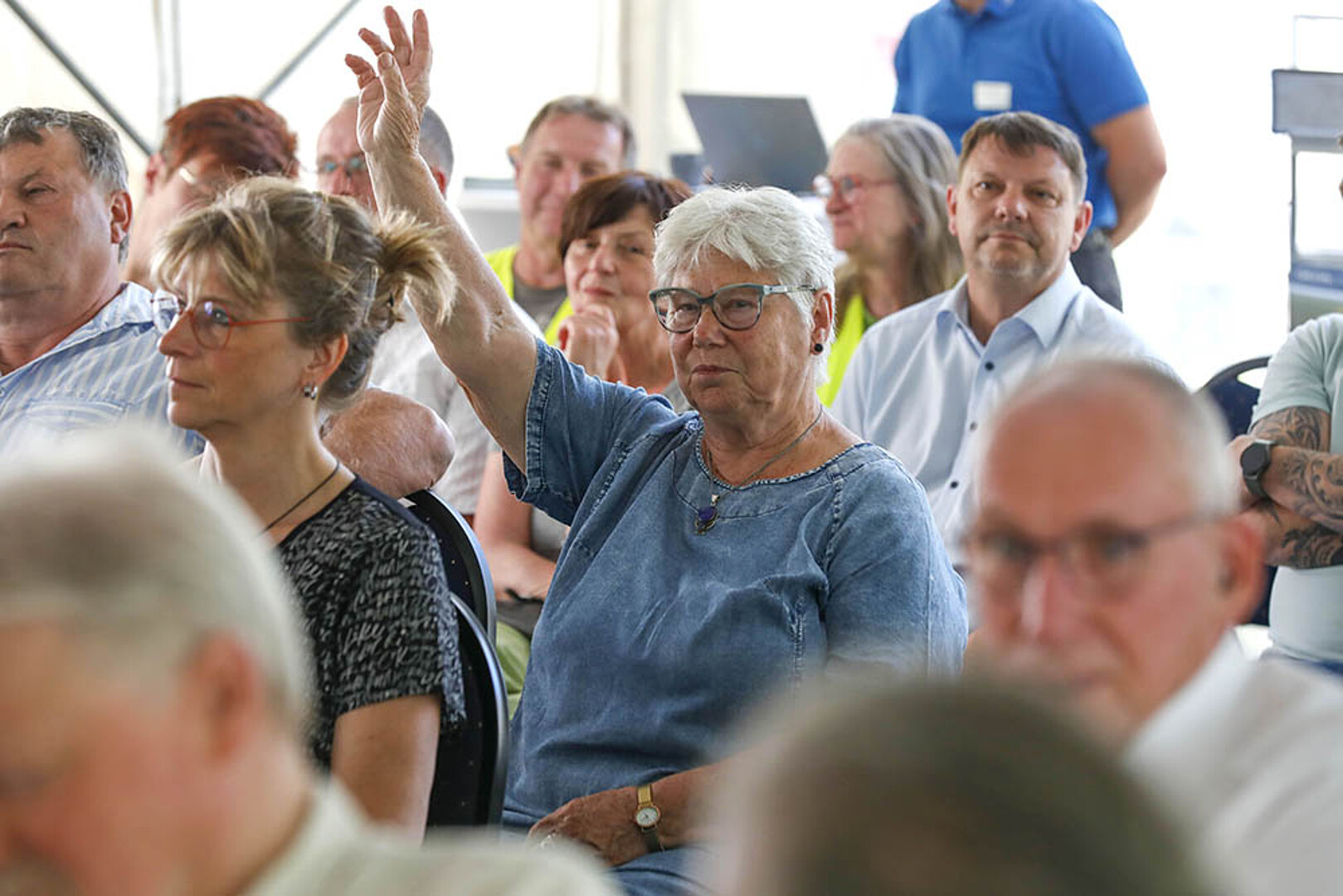
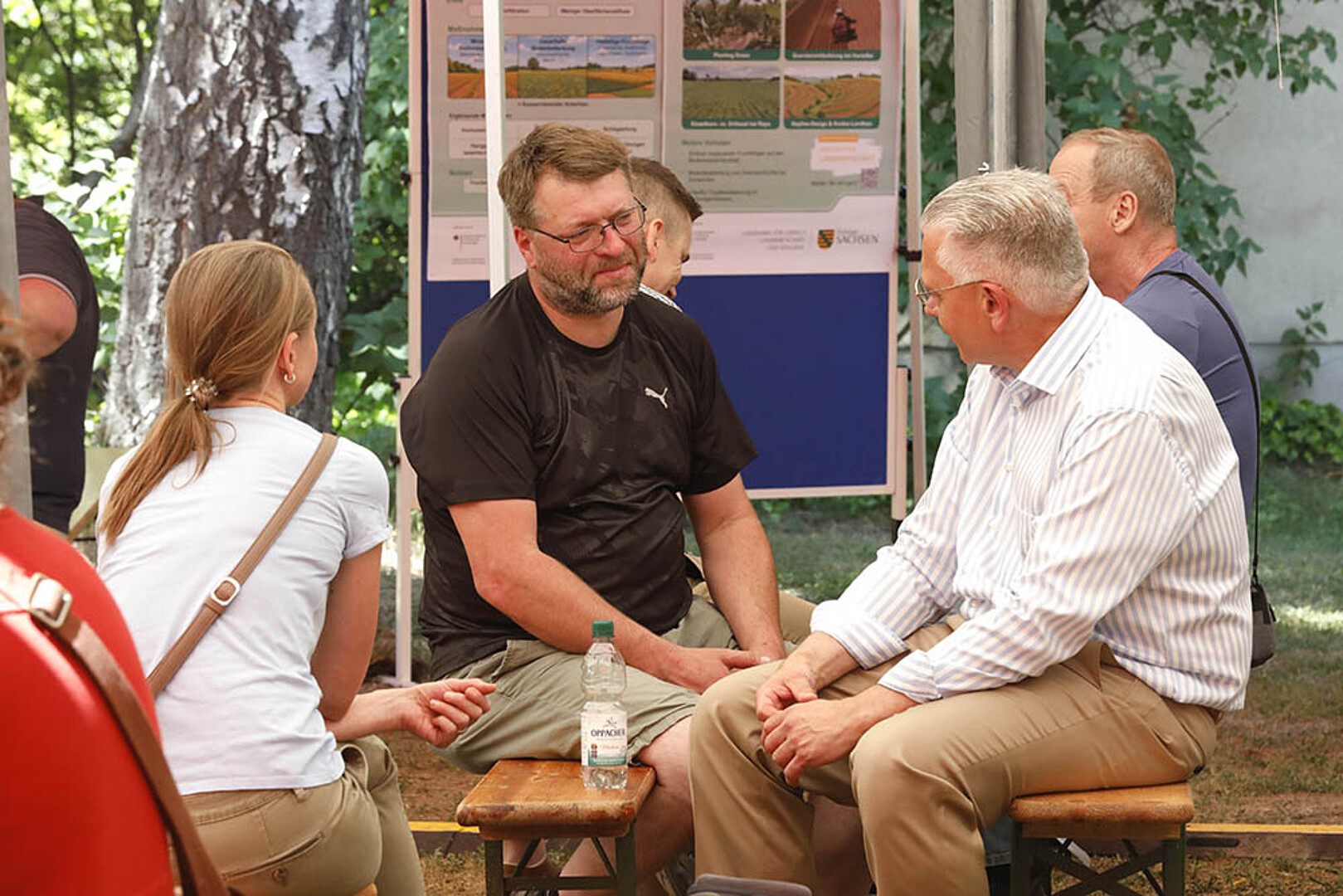
”The Future Days provided a space not only for enthusiasm, but also for questions and skepticism. Some visitors wanted to know what concrete benefits research brings to their daily lives, why public funds are allocated to research, or what opportunities young people in the region have. Questions like these are exactly what make for an honest knowledge-transfer format.
For many participants, the direct encounters and conversations with people from Hirschfelde and the surrounding area were a particular highlight of the event. At the DLR, for example, the focus was on highlighting the research being conducted at the Zittau branch and how it relates to industry and the region. The Federal Office for Radiation Protection used the event to provide information on cellular communications, electromagnetic fields, and radon—a topic of practical importance in the region. biotopa gGmbH sparked discussion about the bioeconomy through algae, fungi, and renewable raw materials. GICON used its high-altitude wind tower to demonstrate how renewable energy, engineering expertise, and regional value creation can be integrated.
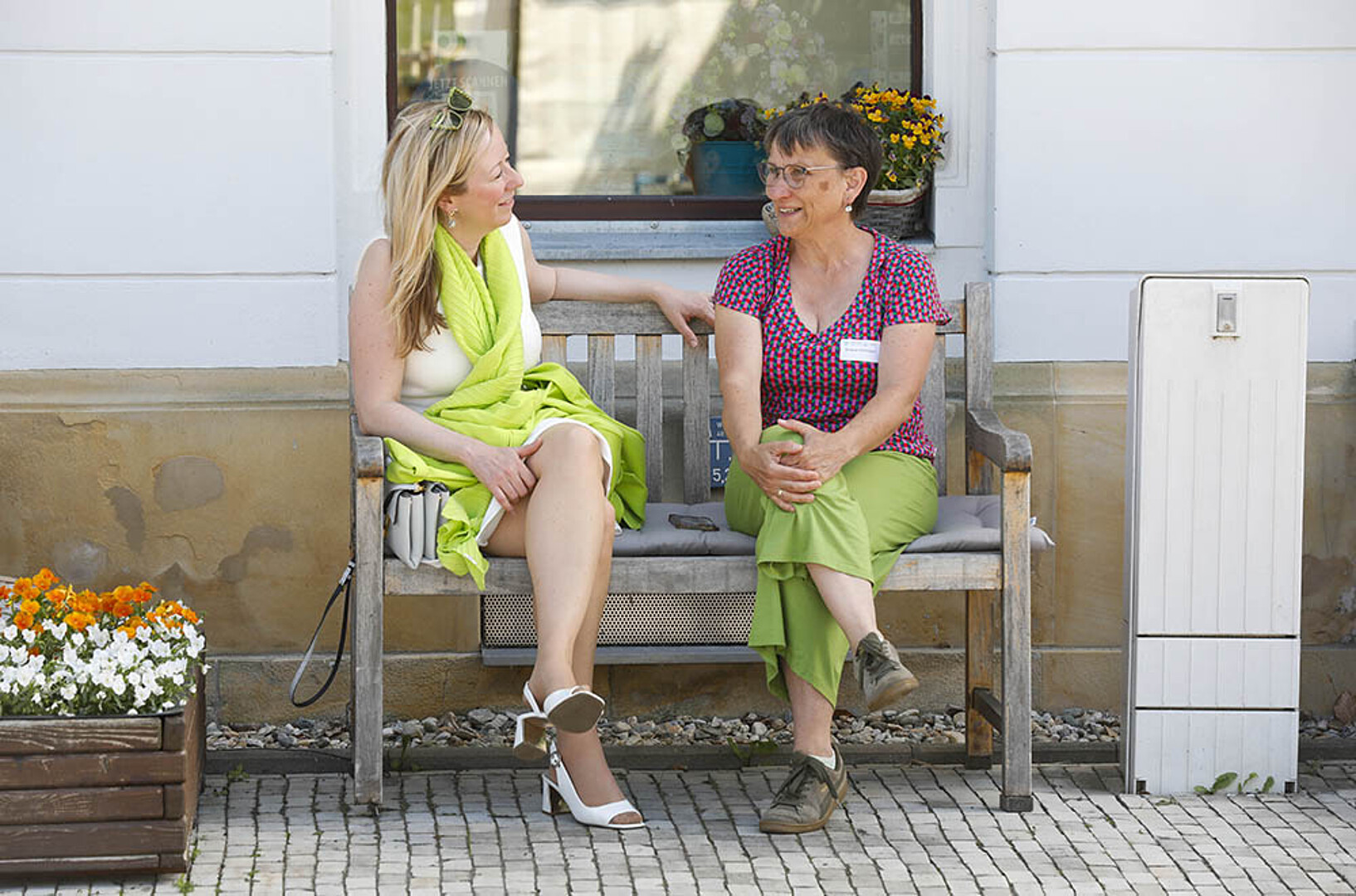
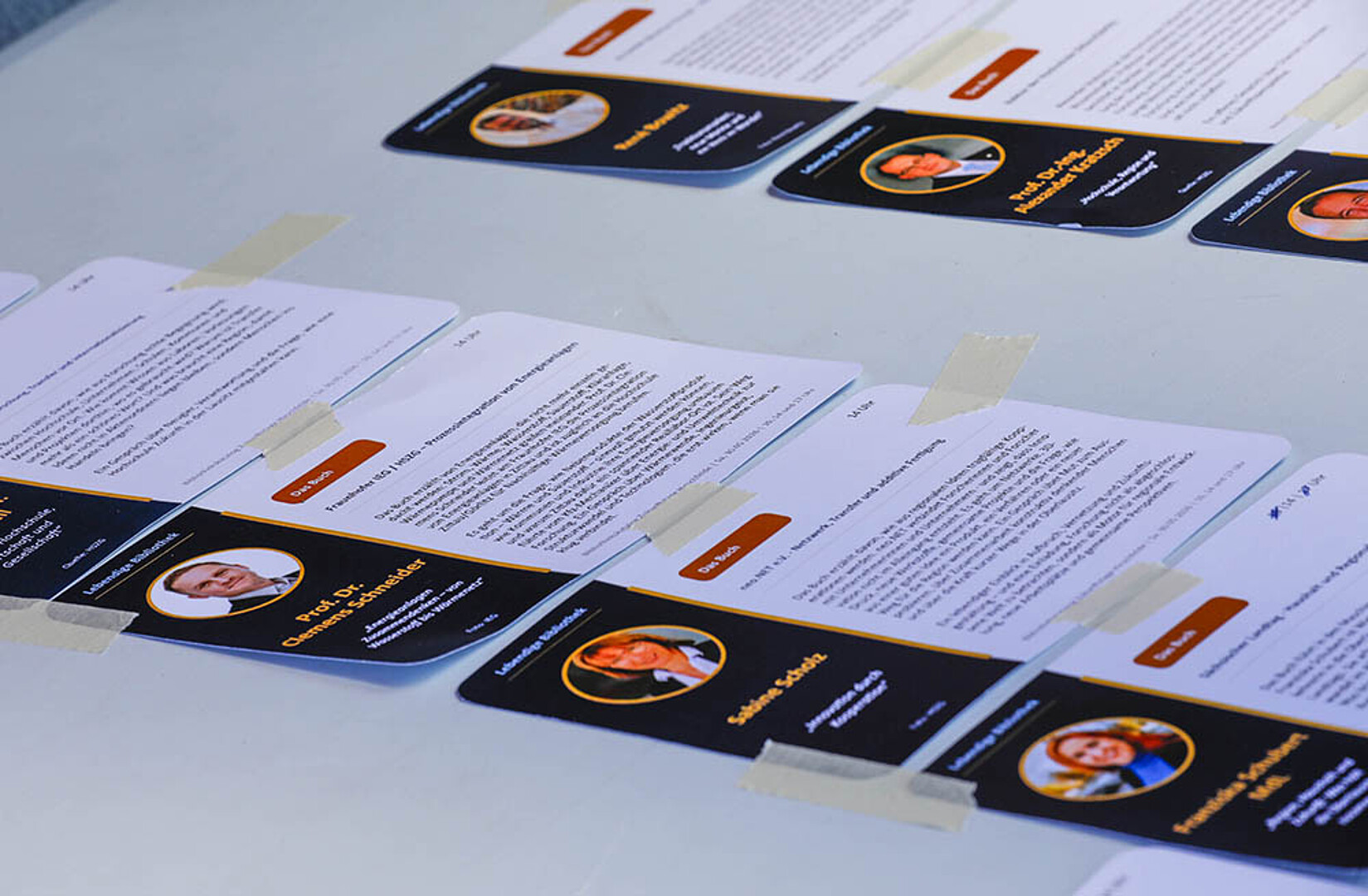
Equally important were the many informal conversations on the sidelines, such as in the Living Library or at the hands-on stations. It is often in these settings that new ideas and connections emerge. The visitors themselves also noticed the diversity on offer. Particular highlights included activities for children, STEM topics, volunteer opportunities, and the chance not only to observe research but also to try things out for themselves. Some came specifically for the lectures and booths, while others happened to stop by on their bikes. That was precisely the strength of the format: it reached people with different levels of prior knowledge, interests, and expectations.
The Hirschfelde Future Days did not provide ready-made answers to all questions regarding structural change. However, they demonstrated how science communication can succeed in rural areas: accessible, practical, dialogue-oriented, and relevant to local issues.
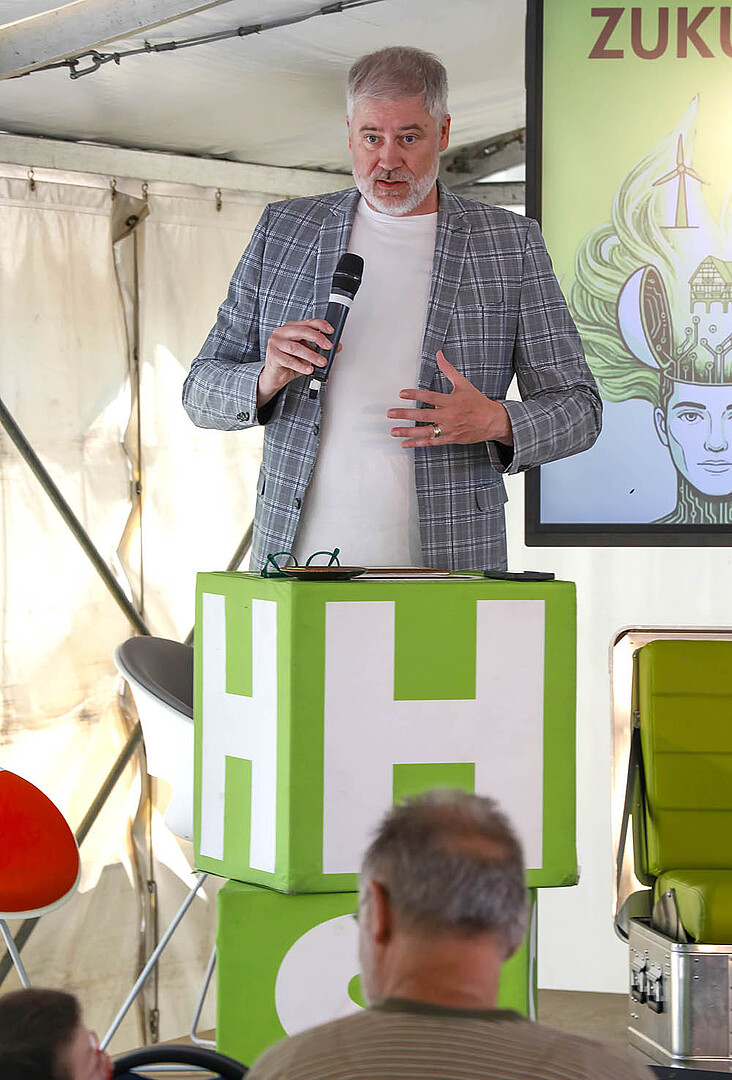
For the HSZG, this is a strong signal. Prof. Dr.-Ing. Alexander Kratzsch, Rector of the Zittau/Görlitz University of Applied Sciences, sums it up: “
”
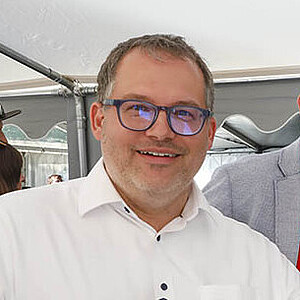
Transfer takes place where universities, society, local communities, organizations, businesses, and citizens engage in dialogue with one another. For three days, Hirschfelde became just such a place. The connections, experiences, and feedback that emerged can now be incorporated into projects, collaborations, and other initiatives.
”The Vice President for Research, Knowledge Transfer, and International Affairs, Prof. Sophia Keil, was enthusiastic about the event. She, too, gave it a positive review.
The three “Future Days” in Hirschfelde were something very special to me. They were not an event organized and carried out solely by the university. Rather, their success was based on close collaboration between the university, the Zukunft Hirschfelde e. V. association, numerous partners, and above all, the many volunteers who contributed to the event’s success with great passion, creativity, and perseverance. I would therefore like to express my heartfelt thanks to everyone involved. I would like to single out Lucas Wenzel and Kai Wadewitz from the Saxony⁵ project at the Zittau/Görlitz University of Applied Sciences, as well as Thomas Krusekopf, Thomas Hempel, and Anja Kaiser from the Zukunft Hirschfelde e. V. association. Together with many other volunteers, they have demonstrated how much can be achieved when academia, citizens, and regional engagement work in unison. The Future Days have impressively illustrated that the future cannot be dictated from above, but rather emerges where people take responsibility together, develop ideas, and actively advocate for their region.
”For the Zukunft Hirschfelde e. V. association, the “Zukunftstage” are intended to leave a lasting impact. Specifically, the focus remains on the Vorlaubenhäuser, the Alte Schmiede, and the question of how these can be transformed into permanent spaces for social interaction, education, crafts, culture, and community. The connections forged with the university, partners, and committed individuals from the region should be nurtured and translated into next steps. Possible follow-up activities include smaller-scale events, work sessions organized by the Jugendbauhütte, workshops, lectures, or thematic events with an educational focus. Whether and when there will be another edition of the “Zukunftstage” will be discussed with the participating partners following an evaluation.
The future isn’t built only in major urban centers. It also takes shape in town squares, in old houses, at experimental stations, and in conversations that continue long after an event has ended.
Text: Lucas Wenzel
Photos: Rafael Sampedro
Video: Martin Gerk