Impact Stories
Creating space for impact
Research at HSZG makes a difference in the region and in society. Here, we present selected impact stories: stories about people, breakthroughs, and real change brought about by our work.
Are you conducting research at HSZG and have a story that needs to be told? A successful technology transfer project, a spin-off, or a social initiative? Let’s work together to highlight its impact.
-
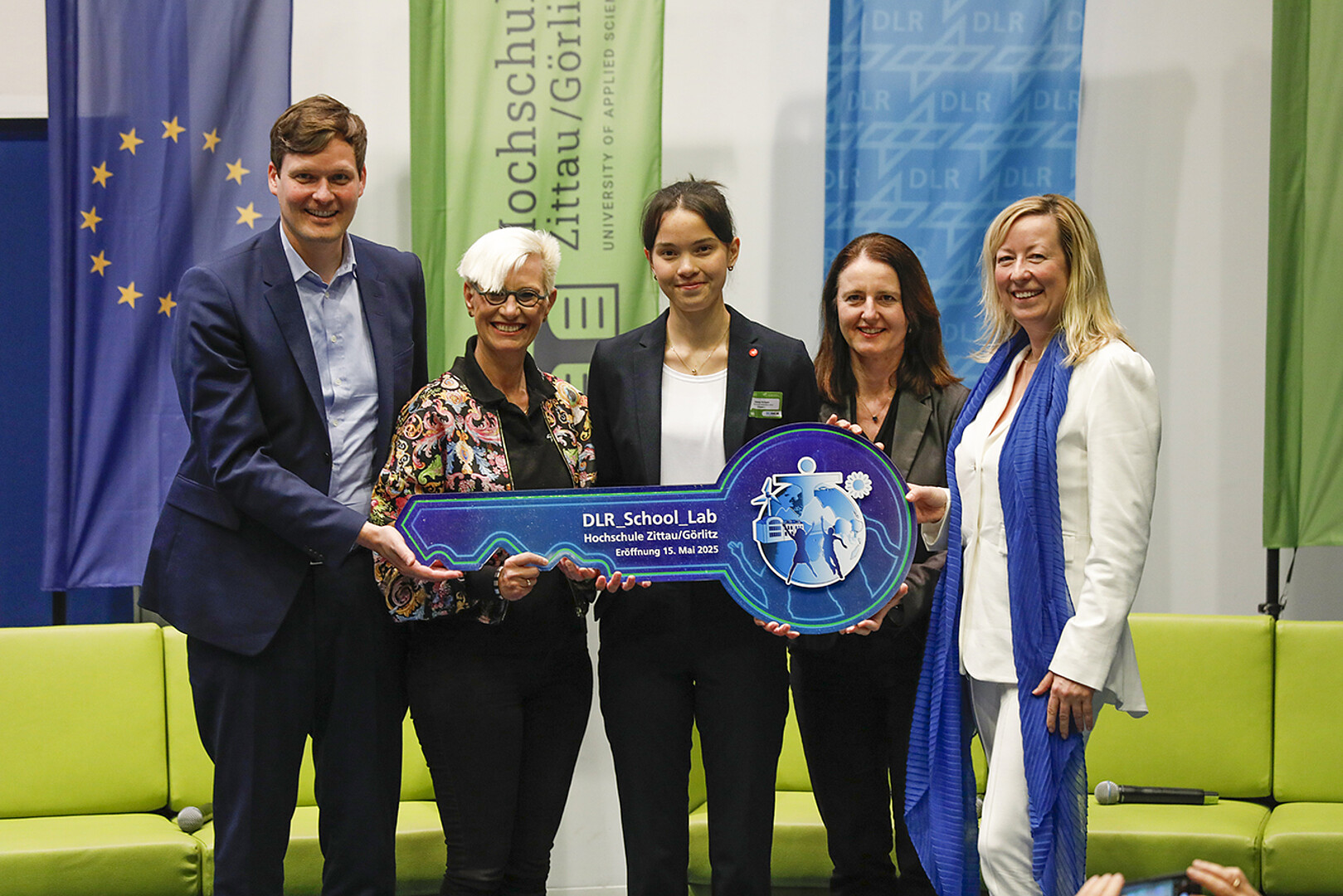
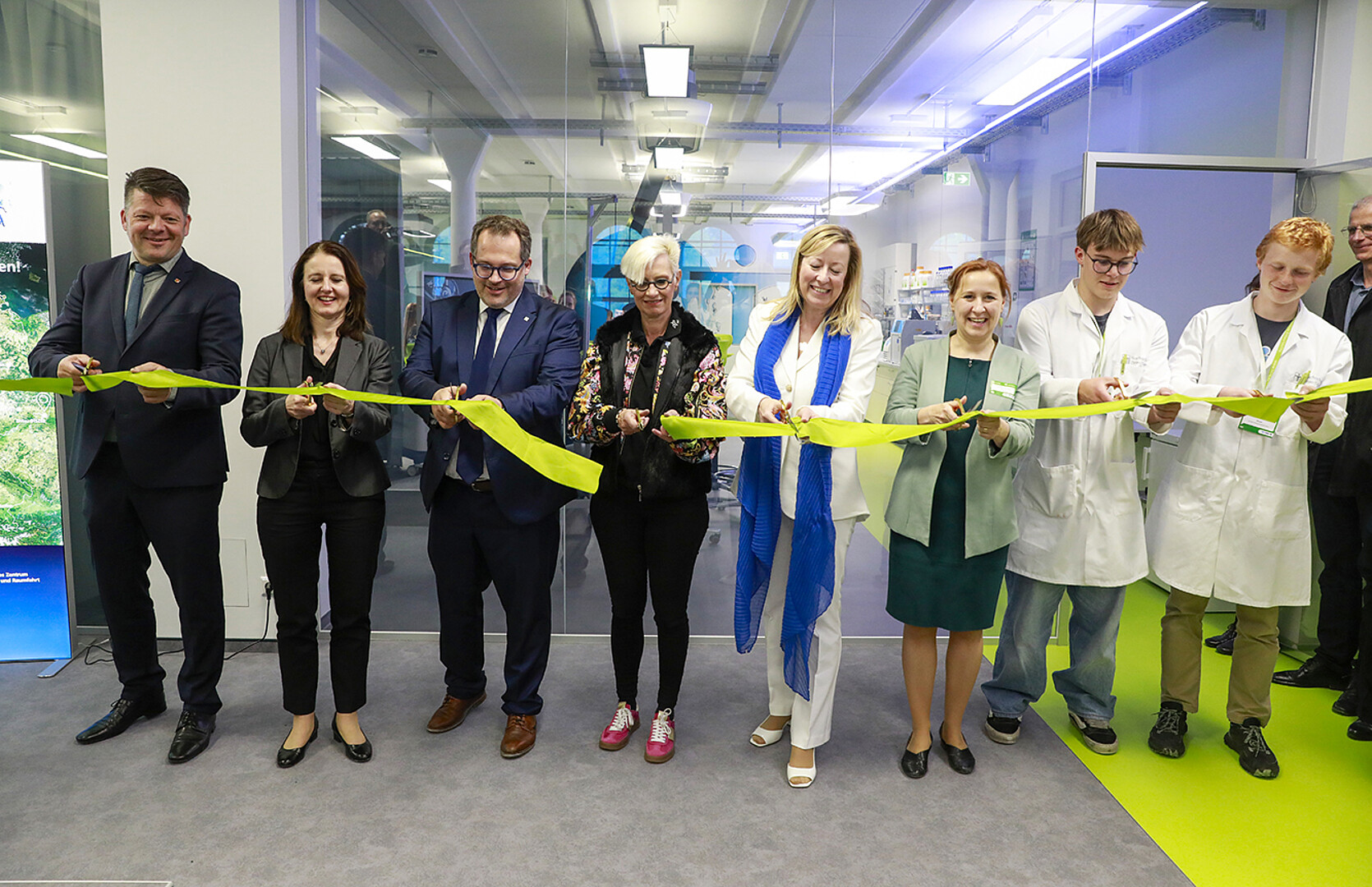
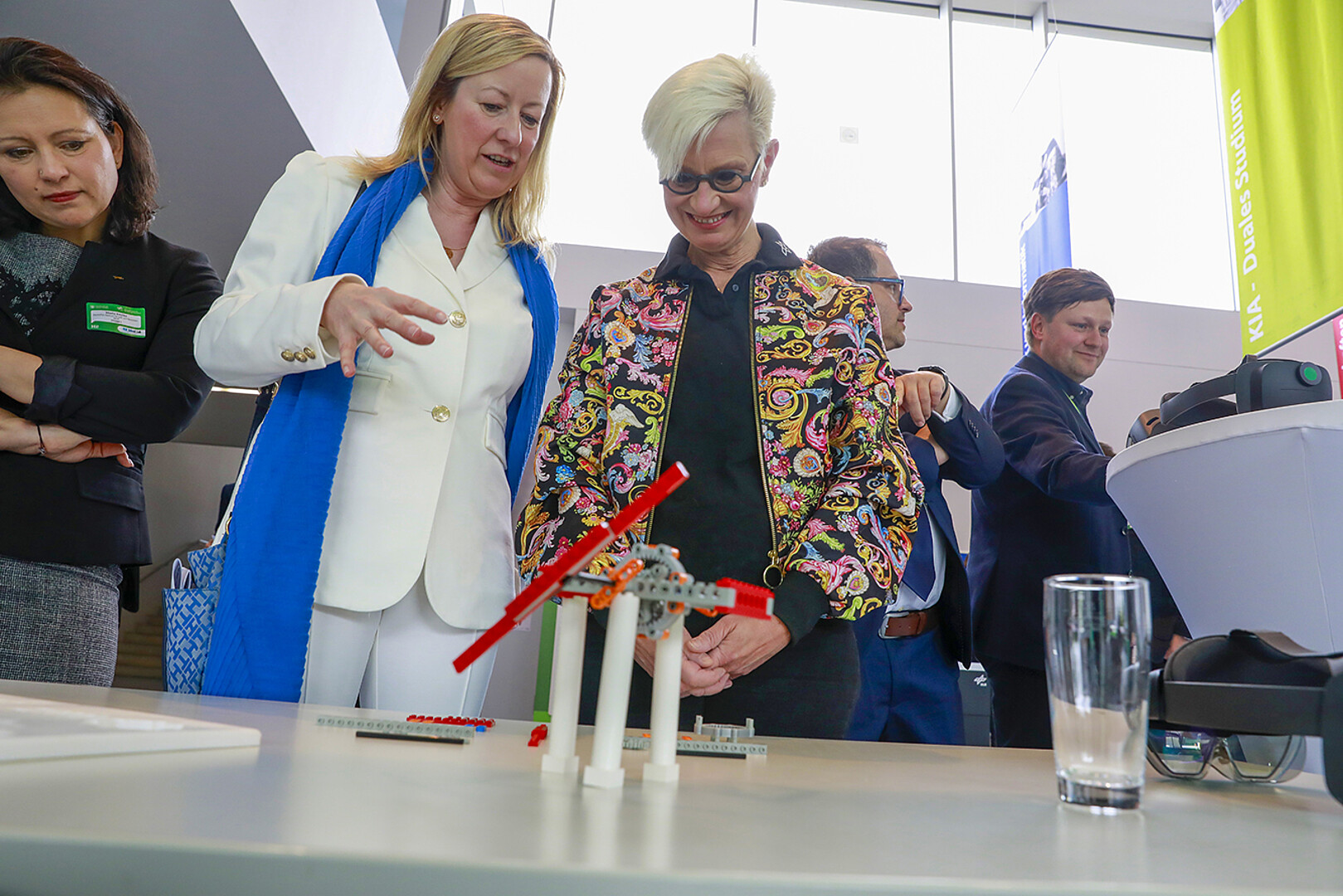
DLR_School_Lab at Zittau/Görlitz University of Applied Sciences
Science is fun—when kids are allowed to experiment
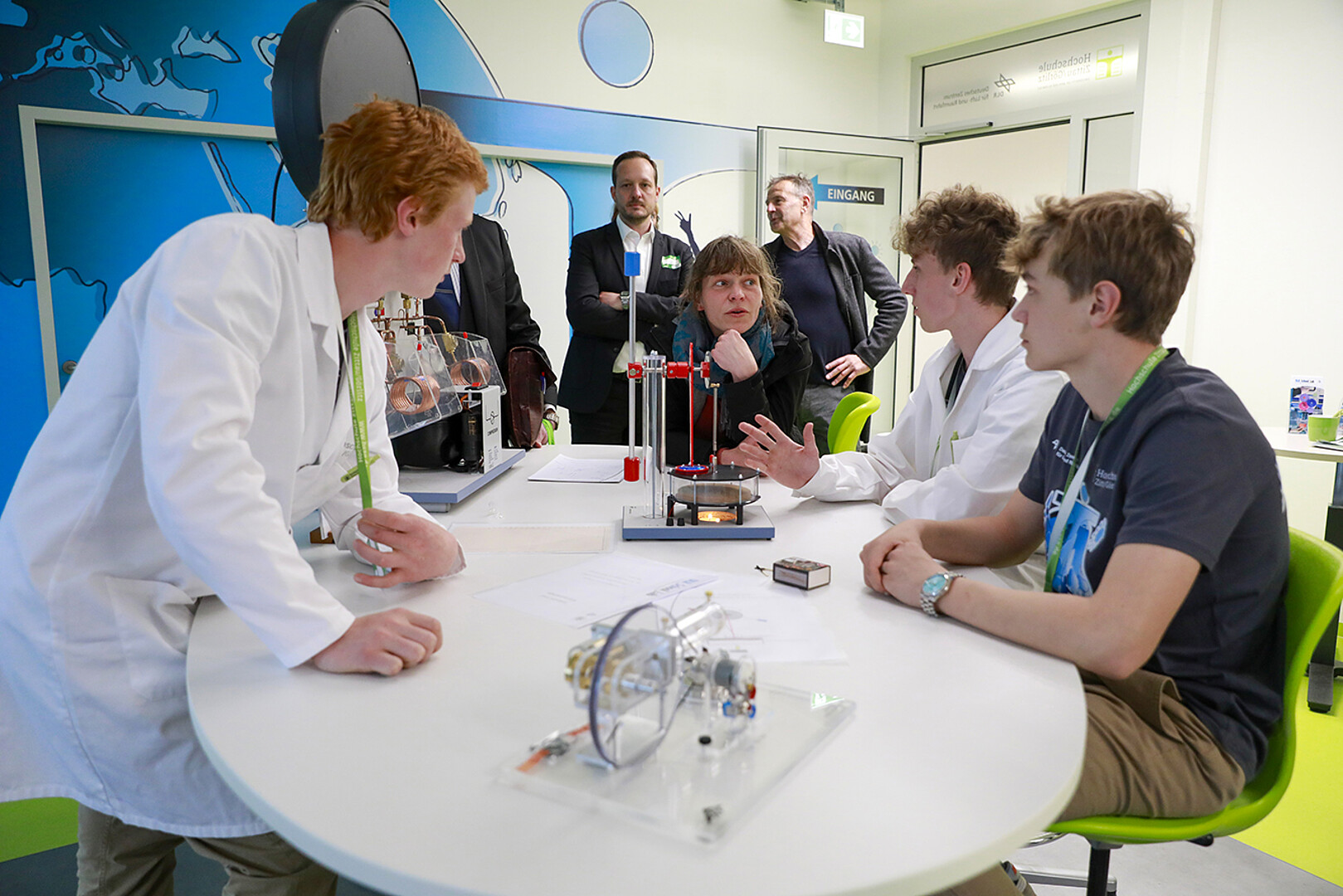
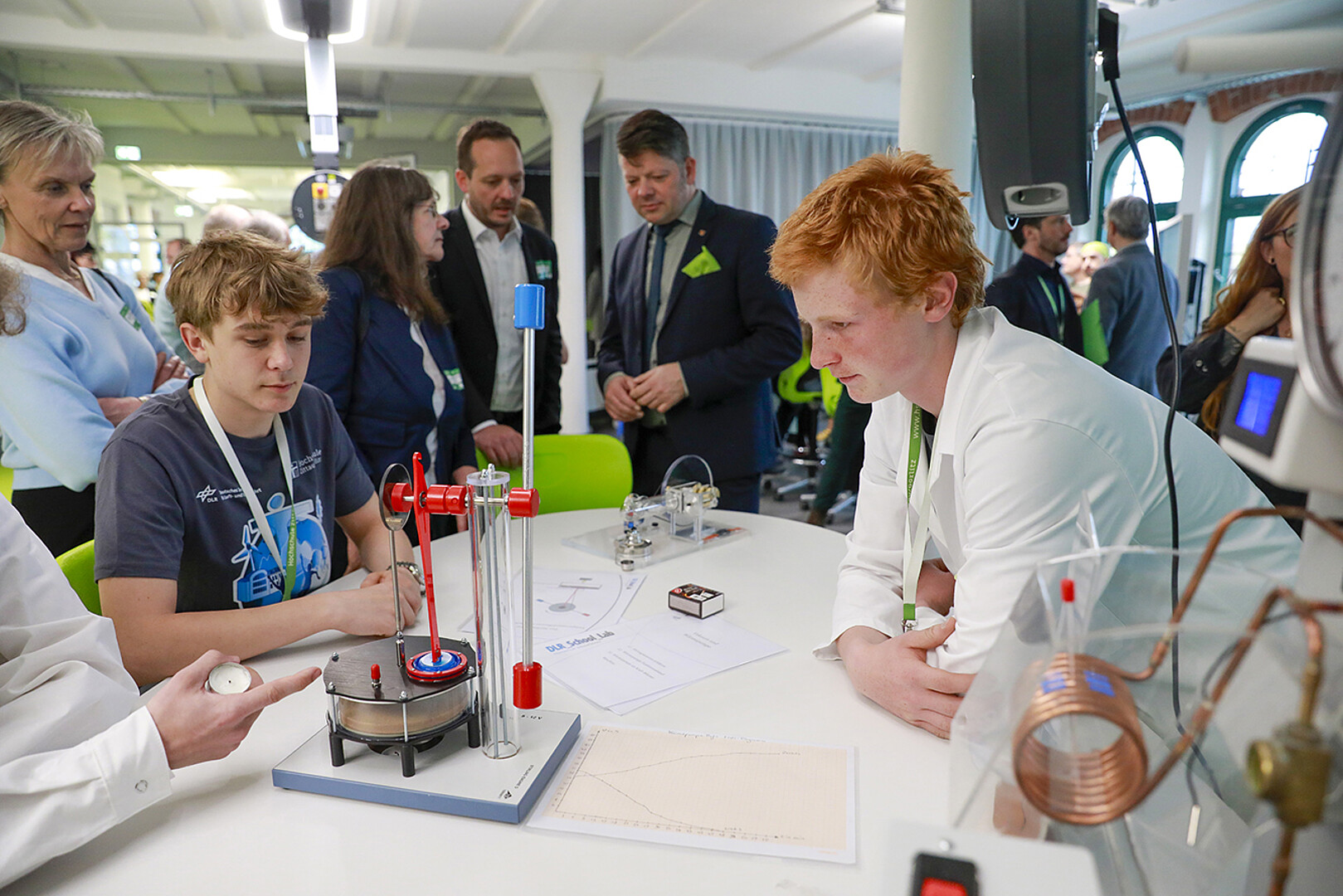
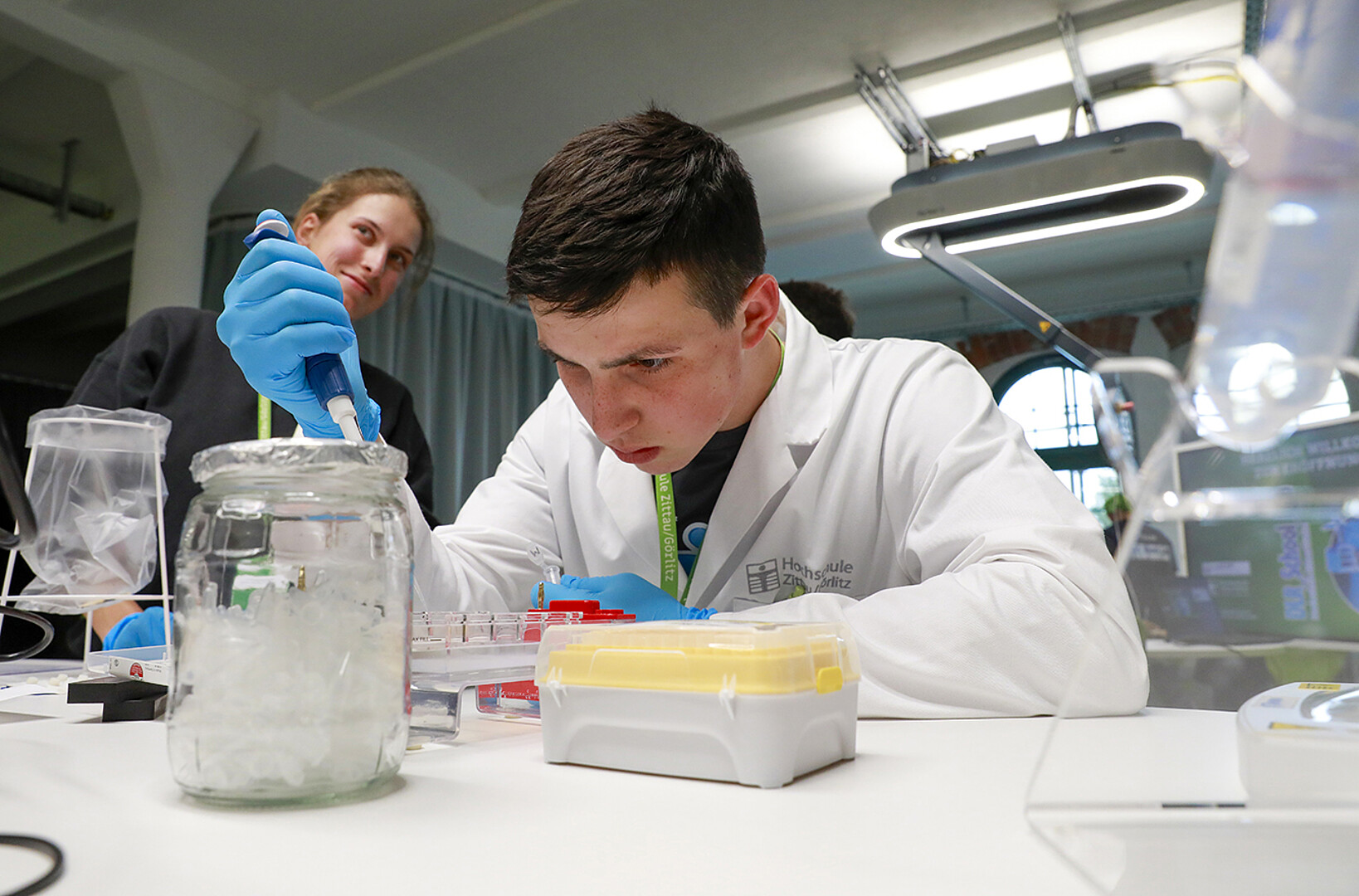
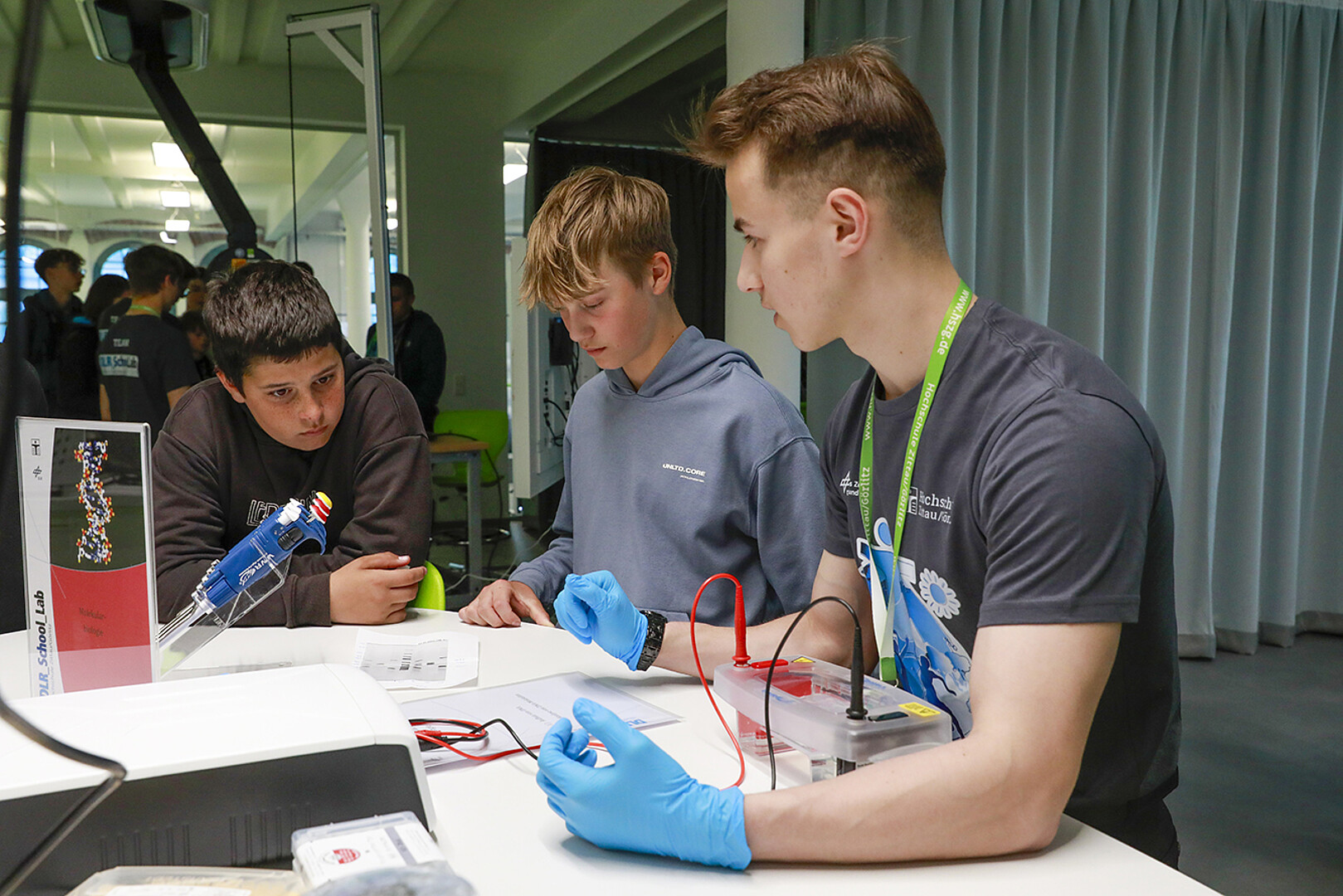
How can we get our children excited about the natural sciences? At the DLR_School_Lab at Zittau/Görlitz University of Applied Sciences, they learn without the pressure to perform, without memorization, and without being lectured. Instead, in small groups, they discover for themselves just how exciting biology, chemistry, and physics can be.
In a math or chemistry class: paper balls fly through the air or are set on fire. The troublemakers are scolded by the teacher, while the “well-behaved” students decorate their binders with impressive drawings. Here at School_Lab, however, discipline problems are rare. The students are fully engaged—all of them, together.
Everyone agrees: We need more scientists. That’s why these subjects feature prominently in the schedule. By the end of their school years, however, very few still want anything to do with science. Whether it’s due to a shortage of teachers and canceled classes or to overloaded curricula and outdated teaching methods, one thing is clear to most of them: “Science is boring!” This belief is disastrous, because it blocks students from an important career path and robs our society of its future experts.
At the DLR_School_Lab at the Zittau/Görlitz University of Applied Sciences, we’re tackling this widespread aversion to science: our guests work independently in small groups on exciting scientific topics. They are supervised by students from the university, who are well-versed in both the scientific subject matter and the everyday lives of our guests. Under their guidance, the students conduct experiments on their own, use modern laboratory equipment, and learn basic scientific research techniques. Science is not just theory, but above all hands-on work, experimentation, and collaborative thinking.
A visit to the DLR_School_Lab at Zittau/Görlitz University of Applied Sciences can challenge entrenched notions about the natural sciences—even among teachers and adults. Here, many discover for the first time that science subjects are rooted in real questions, exciting experiments, and creative solutions. Above all, however, a new understanding emerges: Science isn’t about memorization, but about actively experiencing and discovering our world.

-
WELL CARE - Managing Daily Care in a Healthier Way
EU Project Empowers Family Caregivers Through Experience
Many people care for a loved one day in and day out, often pushing themselves to their limits in the process. The WELL CARE project aims to support family caregivers so they can manage caregiving more healthily in their daily lives.
Care often begins quietly. At first, it might involve helping with grocery shopping, accompanying a loved one to a doctor’s appointment, or filling out a form. Later, more tasks are added: personal care, organizing services, talking with doctors, and being constantly available. Step by step, these individual acts of assistance can turn into an intense responsibility. This often leaves little room for rest, work, family, and one’s own health.
This is exactly where WELL CARE comes in. In five European countries—Germany, Italy, the Netherlands, Slovenia, and Sweden—universities and colleges are collaborating with care organizations and advocacy groups. Each country is developing its own program to support family caregivers and professional caregivers in managing stress. These programs are being tested with about 100 participants per country and are intended to be continued in the long term through the participating organizations.
In Germany, the free online course “Strengthening Through Experience” is being developed for this purpose. It is aimed at people who are currently providing care or have done so in the past. They bring something to the table that no textbook can replace: their own experience. In the course, they learn how to pass on this knowledge in a good way and support other family caregivers as trained mentors.
The course consists of six concise modules. Topics include the rights of family caregivers, coping with emotional stress, communication skills, and organizing self-help groups. After completing the course, the trained individuals continue to receive support through supervision.
This creates support on an equal footing. People who have personal experience with caregiving support others in similar situations. WELL CARE thus demonstrates how caregiving can be made more socially sustainable: through knowledge, sharing, and mutual encouragement. The goal is clear: family caregivers should be able to manage their caregiving situation in a more self-effective and healthier way.
You can find more information about WELL CAREhere.
At the 23rd IAGG World Congress on Gerontology in Amsterdam and in 2026 , the European research project WELL CARE was represented with two symposia on different topics.
-
DC-LabSaxony - Direct Current Instead of Bottlenecks
How DC-LabSaxony Is Securing Our Energy Future
Our power grid will be overloaded—but the solution lies in the past.
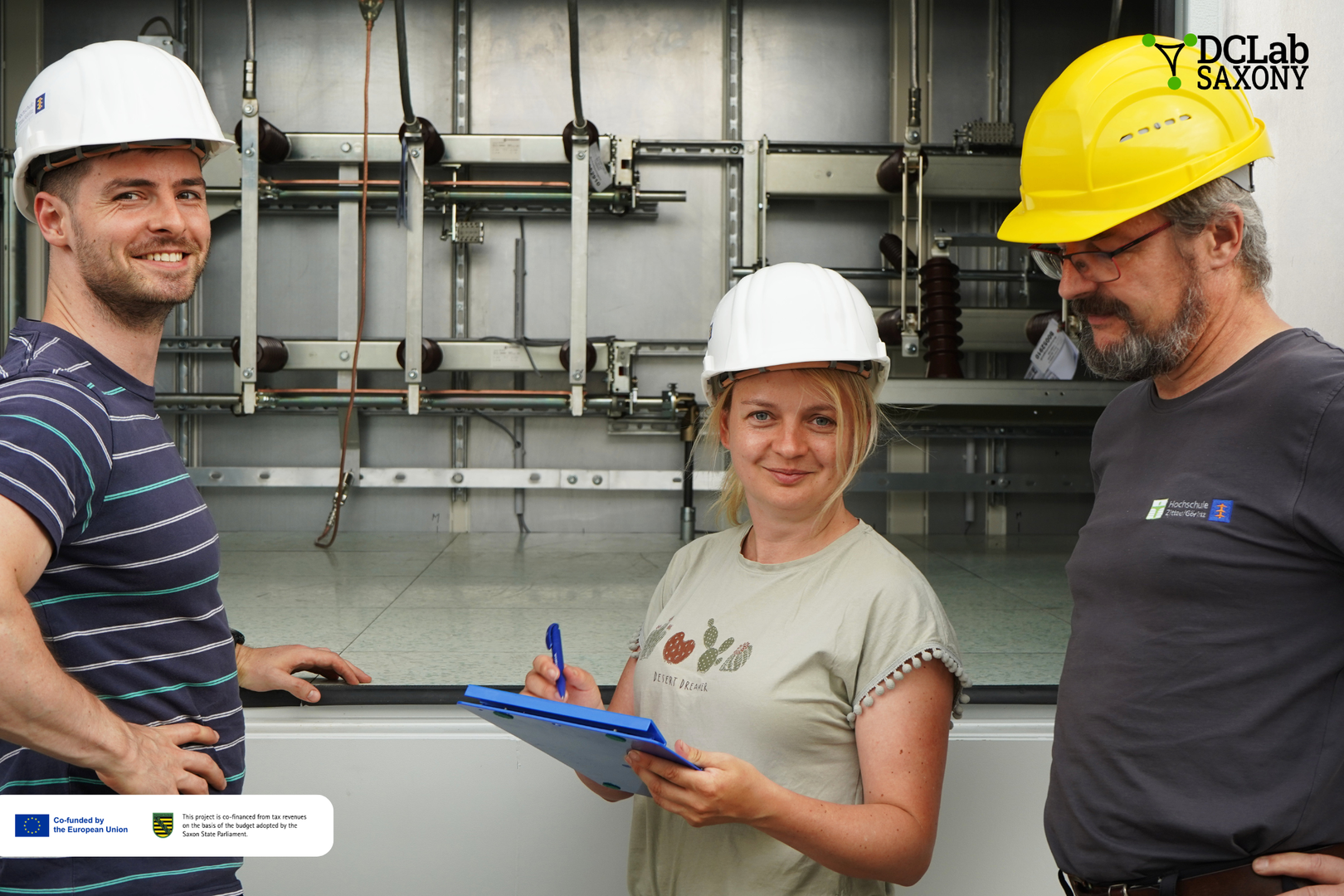
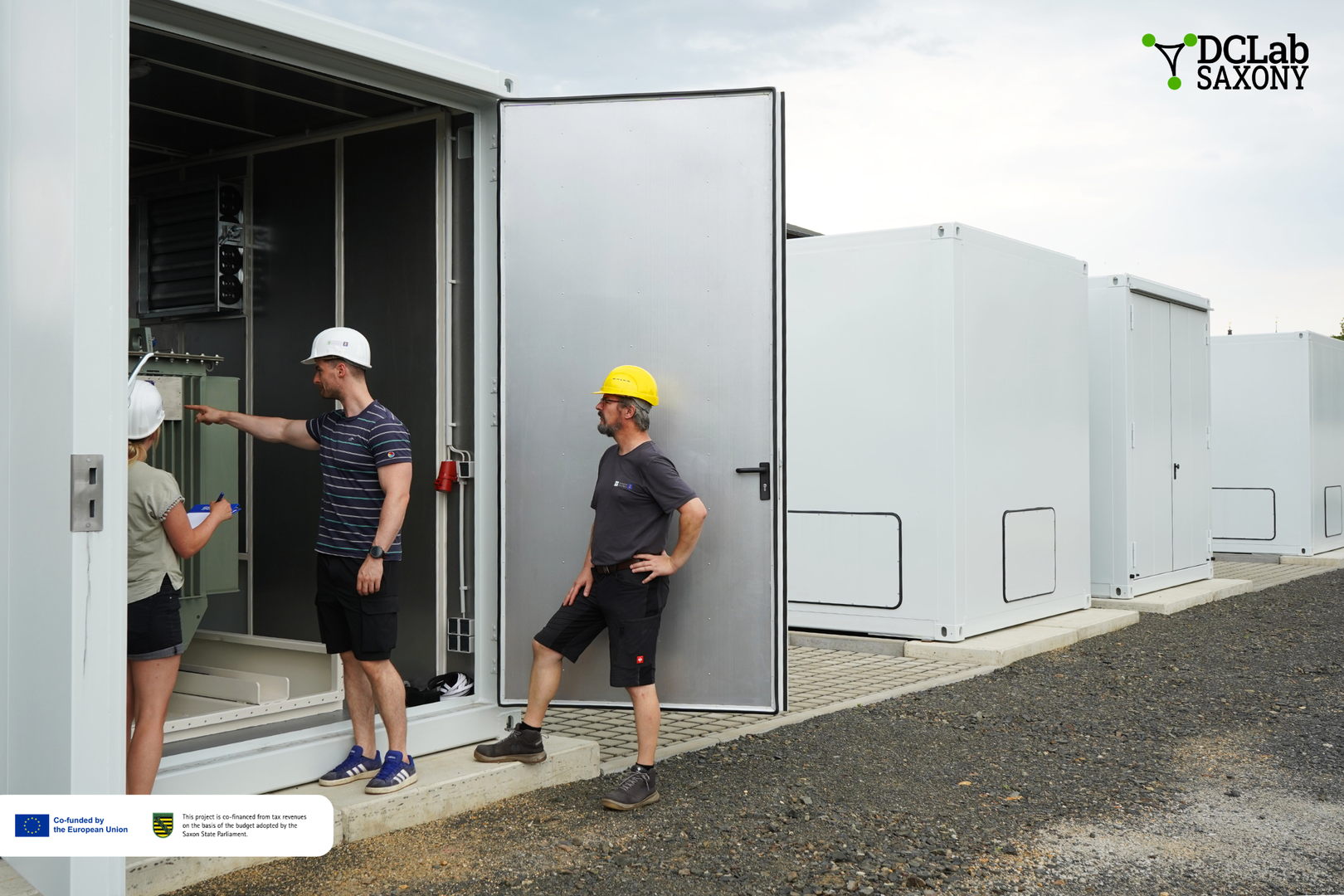
Germany’s energy supply faces a monumental challenge: more and more electricity is needed—for electric cars, heat pumps, and industrial facilities. At the same time, our grid dates back to the last century. The DC-LabSaxony at Zittau/Görlitz University of Applied Sciences and TU Dresden demonstrates how direct current (DC) can overcome this challenge. Here, a real-world laboratory is being created that will make tomorrow’s energy supply possible.
A grid that can’t keep up
Imagine you’re charging your electric car—but instead of taking an hour, it takes eight hours to fully charge. Or your heat pump consumes so much electricity that it can’t be supplied. This is exactly the problem we face today: Our alternating current (AC) grid is increasingly overwhelmed. It suffers from excessive transmission losses, is prone to disruptions, and can no longer meet modern demands. The result? High costs, inefficient use, and a looming shortage.
Direct Current as a Booster for the Energy Transition
But there is a technology that can solve all of this: direct current (DC).
DC isn’t new—but it’s more relevant today than ever. Why?- Efficiency: DC transmits electricity with lower losses than alternating current (-15%) and, at the same time, can transmit 3–5 times as much power over existing cables
- Flexibility: It can be integrated more easily into modern systems, such as those for solar or wind energy, and requires fewer components than alternating current.
- Future-proof: DC grids are ideal for e-mobility, Industry 4.0, and decentralized energy supply.
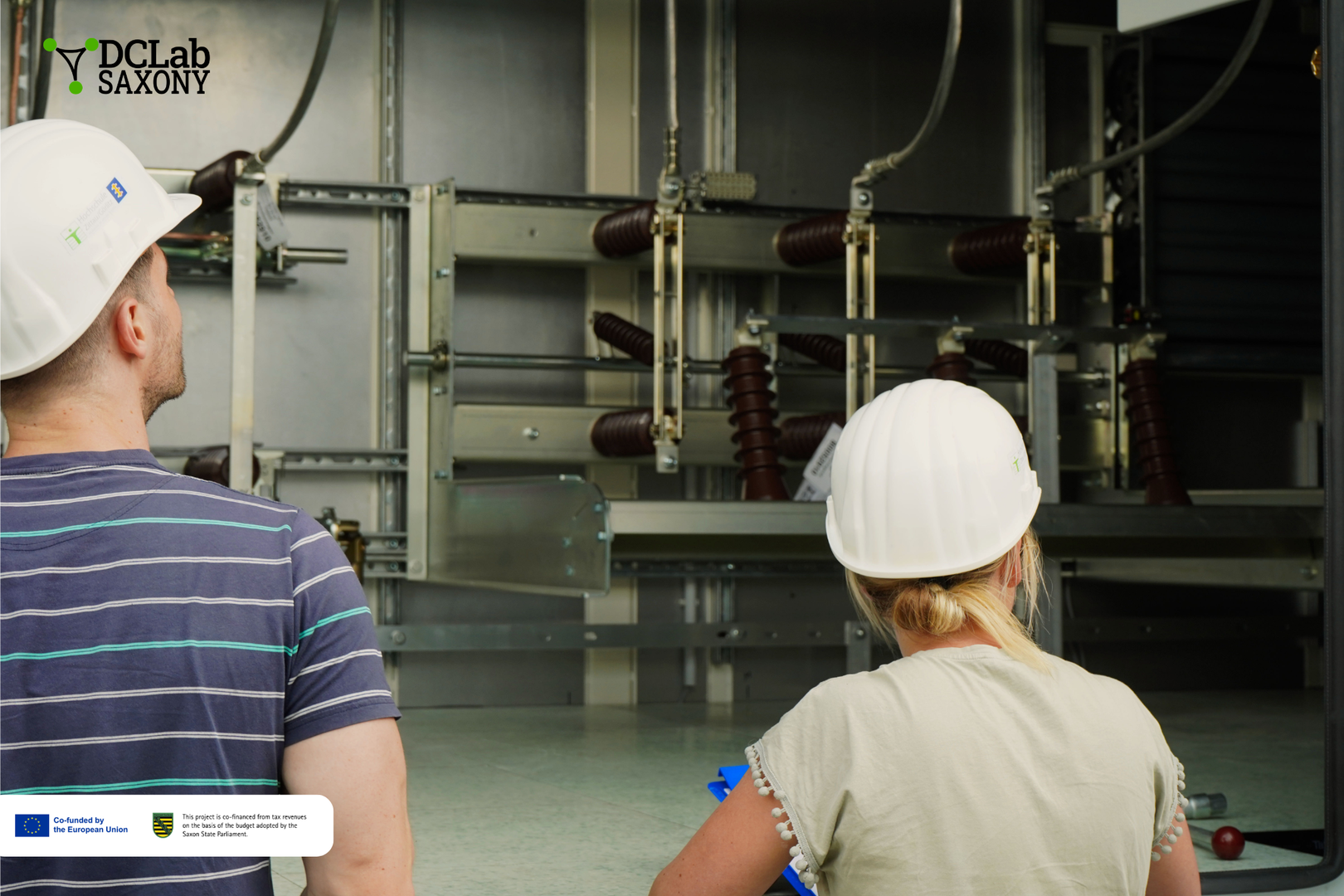
A Lab Testing the FutureThis is exactly what is being tested at DC-LabSaxony in Zittau: a realistic medium-voltage DC grid where partners from academia and industry develop innovative solutions. Here, researchers are testing how AC and DC grids can be intelligently combined. To this end, for example, novel DC circuit breakers, operational management, grounding, and protection concepts are being investigated. The goal? A power grid that keeps pace with the demands of the present and the future—without costly detours or unnecessary losses.
Why this is important for all of us
This project isn’t just a research initiative—it’s about our daily energy supply. Whether at home, in industry, or on the go: DC makes electricity cheaper, more reliable, and more sustainable.
Are you working on DC technologies or related topics? Get in touch with us—we look forward to exchanging ideas.
The DC-LabSaxony project is co-financed by the European Union and funded in part by tax revenues based on the budget approved by the Saxon State Parliament.
Find more information about DC-LabSaxonyhere


-
CircEcon - Turning Waste into Raw Materials
CircEcon Makes the Circular Economy Ready for Industrial Scale
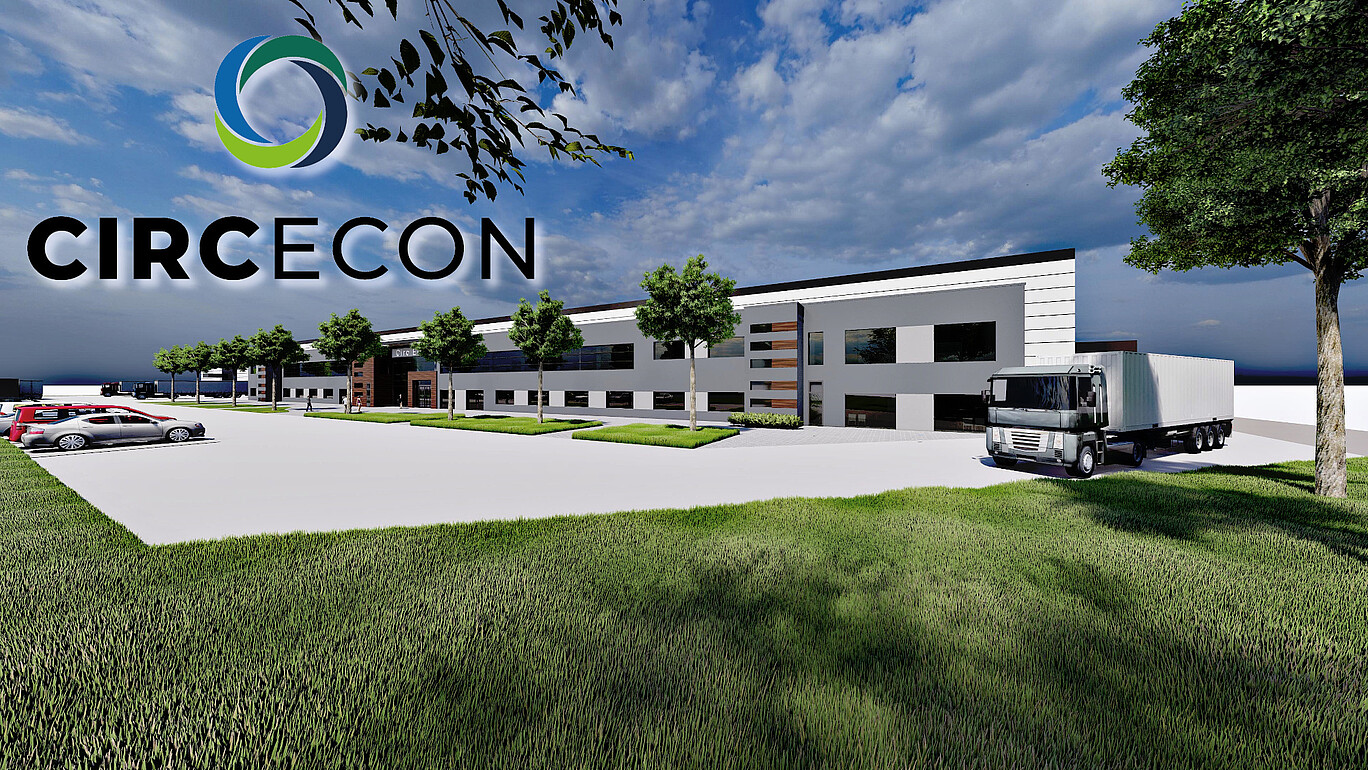
Four universities in Saxony are pooling their expertise in the field of the circular economy at the Schwarze Pumpe industrial site. Here in Lausitz, a center is being established for the recycling of materials that are currently difficult to separate.
Where are the raw materials we’ll use in the future? – Many are in our waste!
Where are the people driving this change? – In Lausitz!
The need to keep raw materials in circulation—and thus make them reusable for cables, computers, and smartphones—is well known. But putting this into practice continues to present challenges—for example, the reuse of composite materials made of metals, plastics, and fiber fabrics.
How can we make our sensor systems for sorting waste streams better adapted to the new materials of the future? What disassembly steps are necessary to dismantle cars, refrigerators, and washing machines—ideally fully automatically—and recover functional replacement parts? What processes help us reuse the carbon bound in waste residues during their thermal recovery? Can recycled materials (reused plastics) be processed in a standard machine? Scientists from Chemnitz, Freiberg, Dresden, Zittau, and Görlitz, along with regional companies and experts, will soon be working together to find answers to these questions at the CircEcon site, the Schwarze Pumpe Industrial Park.
At CircEcon, researchers and users will be able to simulate the entire life cycle of these materials in a single location—from shredding and sorting to the final product. This approach provides us with valuable insights into energy consumption and the use of resources and personnel. Newly developed plant components can be tested and optimized in an industry-like environment without causing production downtime.
CircEcon offers modern workplaces for engineers and scientists who want to make a difference through the circular economy.
More information about CircEcon is available here.

-
AQVA HEAT - A Revolution in Heat Supply
Sustainable Energy from Local Waterways
“Water is the coal of the future.” The visionary Jules Verne wrote these words as early as 1870. Today, more than 150 years later, we are successfully turning this quote into a technological revolution for our heat supply through the AQVA HEAT research project.
At the heart of this innovation is a fascinating physical phenomenon known as the triple point: By lowering the air pressure just above the freezing point, water is brought into a state in which it simultaneously vaporizes and forms ice crystals. We are harnessing this unique physical property to develop an entirely new method of energy generation. The heat released in the process is used for heating—such as in district heating—while the resulting liquid ice can simultaneously be used for efficient cooling of buildings.
What makes this special is that ordinary surface waters—such as the Mandau River in the city of Zittau, where the project is based—serve as the energy source. Since Germany is currently grappling with the question of how to provide heat quickly and efficiently without fossil fuels, this solution is right on our doorstep. The system promises a sustainable and environmentally sound supply of heat and cooling that functions even in remote locations, independent of large municipal infrastructure networks.
The system is currently being tested throughout the year to demonstrate its environmental sustainability. This marks the transition from academic research to large-scale application, which has the potential to drastically reduce the share of fossil fuels in our cities and communities.
We invite you to become part of this energy-efficient future, in which we will actually be heating with ice. Whether as a curious observer of the technology or as a potential partner for an innovative heating system in your community: let’s tap into the energy of the future together.
The project is funded under the Free State of Saxony’s Energy and Climate Funding Guidelines (FRL EuK 2023, SAB).
More information about AQVA HEAT is available here.
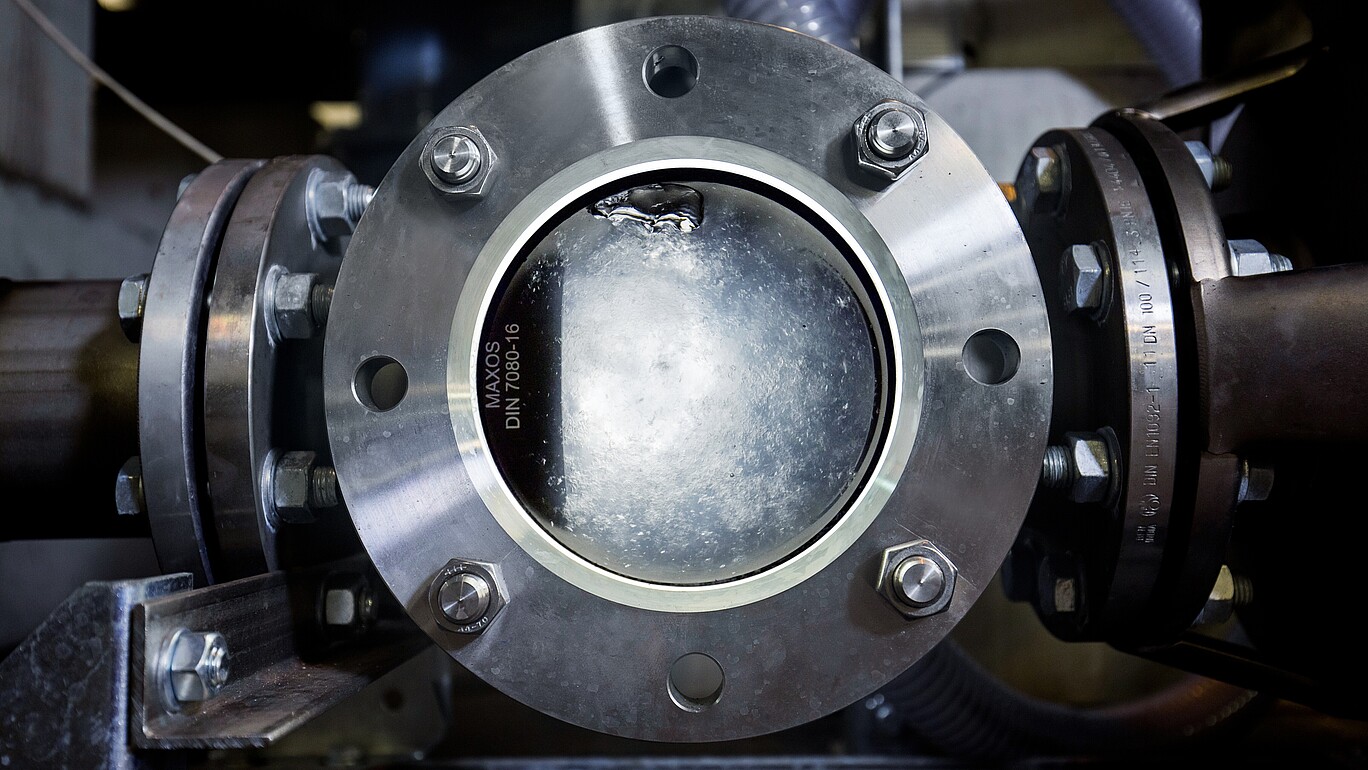
Photo: Carla Schmidt Water after reaching the triple point: What can be seen here in this sight glass of the test facility will soon revolutionize municipal heat supply. 


-
Can certain plants make the fields healthier?
Surprising diversity in the field: agriculture and nature conservation combined
Can conventional fields be real biotopes? A project at the Zittau/Görlitz University of Applied Sciences shows that they can! The video highlights how farmers and researchers in the Görlitz district are discovering together that simple compensation areas are often home to an unexpectedly large number of endangered species. It’s about the fascinating balancing act between economic viability and ecology—and how collaboration is leading to new ways to protect nature without jeopardizing the harvest. A brief glimpse into the future of agriculture!
Can certain plants make the fields healthier?
-
How can modern technology support older people and caregivers?
Technology with heart? Innovations for the care of tomorrow
Can cold technology replace the warm hand of a caregiver? No - but it can strengthen them! This video shows how high-tech such as exoskeletons (supportive suits) can make the physically demanding day-to-day care work easier. This future becomes tangible in the "Living Lab" in Görlitz: There, senior citizens and carers learn how to overcome their fear of contact. In addition, the new technology navigator is presented, which helps to maintain an overview in the jungle of aids. An exciting insight into how technology can support people without displacing them.
How can modern technology support older people and caregivers?
-
Can you measure the alcohol level in your breath?
Blowing instead of pricking? Revolution in alcohol testing
Will the unpleasant blood draw for DUI offenses soon be a thing of the past? This video introduces a new, admissible breathalyzer test that Zittau/Görlitz University of Applied Sciences is examining closely. The advantages sound promising: The test is said to be not only faster and cheaper, but even more accurate than the traditional blood test—and all without a needle prick! The researchers have set an ambitious goal: a change in the law that would allow the “breath test” to be used as full-fledged evidence in court, thereby easing the burden on police and doctors.
Can you measure the alcohol level in your breath?
-
Experiences instead of consumption
Happiness through experiencing instead of buying? A vision for Lausitz
Are we prisoners of our consumption habits? This video from the Zittau/Görlitz University of Applied Sciences uses the famous allegory of the cave to show why we must break free from old patterns to ensure a happy future.
The bold thesis: Much of what we buy is merely a substitute for a life we haven’t lived. The project explores how Lausitz can become a pioneer for a new kind of tourism—moving away from mass consumption and toward authentic experiences, creativity, and nature. A plea for travel that not only entertains but also has a lasting impact and brings about change.
Experiences instead of consumption
-
More time for the essentials again thanks to robots
Robot colleague: tradition meets high-tech in the skilled trades
Are traditional crafts dying out? Not if the Zittau/Görlitz University of Applied Sciences has anything to say about it! This video shows how cutting-edge robotics is breathing new life into age-old traditions, such as the textile industry.
The message is clear: Robots aren’t job killers—they’re the perfect assistants. They take over the heavy lifting and monotonous tasks. The goal? “More time for craftsmanship”—so that people can once again focus on what really matters: their skills, their creativity, and the challenging tasks.
More time for the essentials again thanks to robots