

About the degree programme
At a time when climate protection and the necessary energy transition are among the most pressing challenges, the Bachelor’s program in energy and environmental engineering trains you to become a key player in shaping our energy future. You’ll gain in-depth expertise at the intersection of engineering, renewable energy, and energy and environmental engineering. With this interdisciplinary degree programme, you’ll be well-prepared to play an active role in shaping the transformation of energy systems.
Your Skills for the Energy Transition
In this program, you’ll acquire skills that are crucial for a sustainable energy supply:
- Development and optimization of renewable energy generation systems
- Development of processes for efficient energy use
- Designing innovative energy storage solutions
- Planning and development of decentralized energy systems for heat and electricity
- Application of radiation technology in industry, medicine, and research
The degree programme combines fundamental engineering principles with specialized knowledge of renewable energy and environmental technologies. You’ll not only learn the theoretical foundations but also apply your knowledge directly through lab practicals, hands-on projects, and a work placement semester. Through this combination of theory and practice, you’ll become a sought-after specialist in the energy systems of the future.
For this degree programme, you can choose between the regular Bachelor degree programme or the KIA (sandwich-style) degree course.
What is KIA?
In the KIA (sandwich-style) degree course, the bachelor’s program is good for prospective students who want to combine theory and practice. In addition to theoretical expertise, you’ll also gain practical professional training, and upon completion of the program, you’ll receive not only your Bachelor degree but also an IHK degree.
Study details
The most important facts at a glance:
| faculty: | Mechanical Engineering |
| Location: | Zittau |
| Degree: | Bachelor of Engineering |
| standard period of study: | 7 semesters |
| ECTS credits: | 210 |
| Language of instruction: | German |
| Enrolment for: | Winter semester |
| Application period: May 1 through September 30 | Start of studies: October |
| Admission restrictions: | No admission restrictions (no NC) Details |
| No prerequisite internship | Student Advisory Service |
| Accreditation status: | Accredited |
Course of study
Your degree program is structured so that you first acquire a solid foundation in engineering before delving into the specific challenges of energy and environmental engineering. During the first semesters, the focus is therefore on foundational courses such as engineering mathematics, mechanics, and thermodynamics. This foundation is supplemented by specialized courses in energy and environmental engineering.
Starting in the fourth semester, you’ll deepen your knowledge of renewable energy technology, low-emission power generation, and radiation technology. You’ll explore sustainable heating systems and learn how to optimize the design of energy systems. You’ll spend the fifth semester in a practical setting, where you can apply your theoretical knowledge to real-world projects. The program concludes with a research project and your Bachelor’s thesis, in which you’ll address a specific problem in the field of energy and environmental engineering.
- Engineering Thermodynamics I
- Fundamentals of Computer Science
- Business Administration
- Engineering Mathematics I
- Physics and Fundamentals of Electrical Engineering
- Engineering Mechanics I
- Materials Science and Chemistry
- Materials Engineering and Chemistry
- Manufacturing Technology I
- Engineering Mathematics II
- Design Principles I
- Introductory Laboratory in Physics, Electrical Engineering, and Materials Testing
- Engineering Mechanics II
- Engineering Thermodynamics II
- Computer Science II (Elective Module)
- Design Theory I
- Machine Elements I
- Fluid mechanics I
- Physical and manufacturing fundamentals of metrology
- Technical Mechanics III
- Technical thermodynamics III
- Heat exchangers, pipes/tanks
- Energy and resource management
- Fluid energy machines
- Basic concepts of energy and environmental engineering
- Fundamentals of material conversion
- Fundamentals of radiation protection and radioecology
- FEM I and applied mathematics (elective module)
Practicum Term Paper and Defense
- Fluid Mechanics II
- Control and Regulation Technology
- Power Plant Engineering
- Comprehensive Lab in Energy and Radiation Engineering
- Power Engineering (Elective Module)
- Interdisciplinary Skills
- Required Elective 1
- Sustainable Heating Technology
- Radiation Engineering in Industry, Science, and Medicine
- energy system technology
- Renewable Energy Technology
- Comprehensive Internship in Energy and Radiation Engineering
- Final Module (Bachelor's Thesis and Defense)
- Elective 2
- Scientific Project in Energy, Environmental, or Radiation Engineering
- Energy Process Engineering
- Steam and Gas Turbines
- Refrigeration and Heat Pump Technology
Career opportunities
Career areas where you can get started
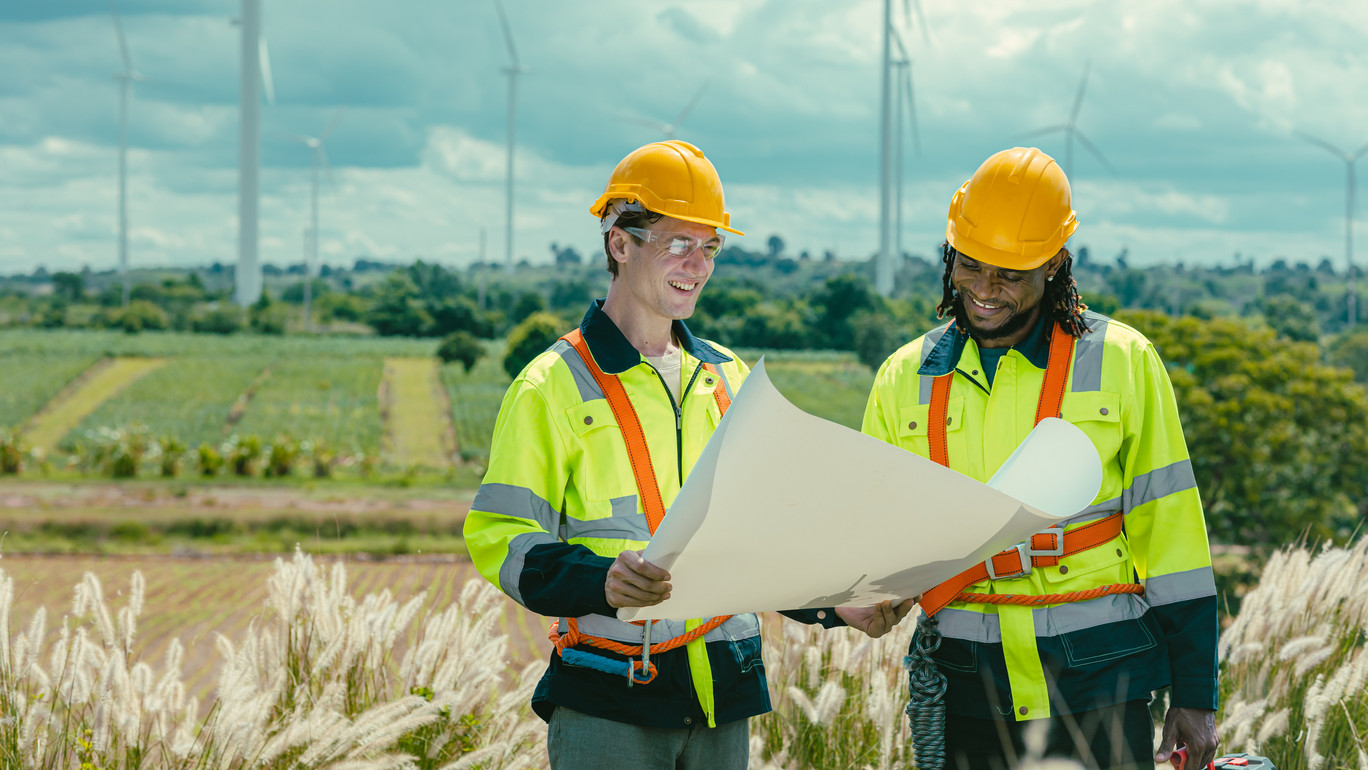
Project development for renewable energies
You design innovative systems for environmentally friendly energy generation from wind, sun, water and biomass. You will supervise projects from the initial idea through to implementation and monitor their economic and technical performance.
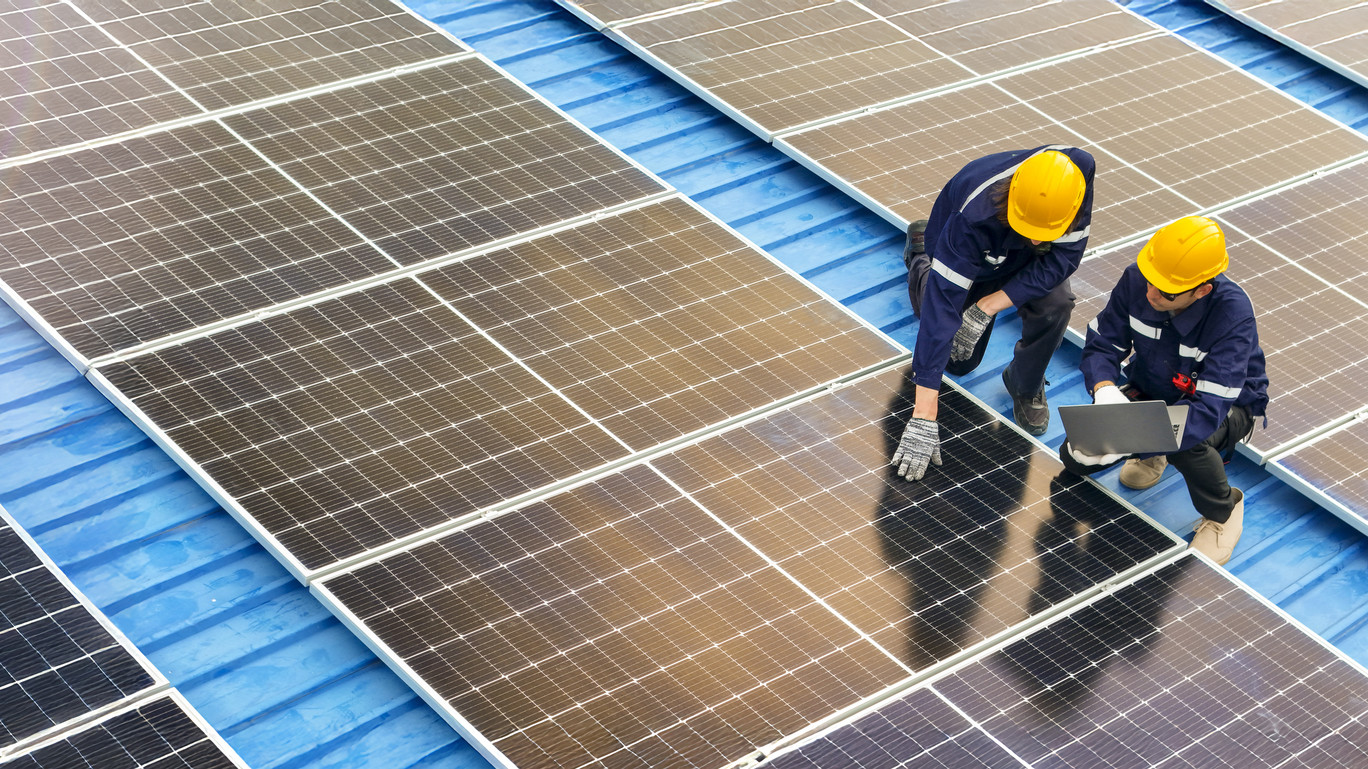
Energy systems technology
You will develop solutions for integrating renewable energies into existing energy systems. You will optimize energy flows, design storage systems and thus contribute to the stability of the energy supply with decentralized generation.

Energy Systems Management
You are responsiblefor the efficient and safe operation of power generation facilities. You monitor operating parameters, analyze process data, and implement measures to improve efficiency and reduce emissions.

Energy efficiency consulting
You analyze the energy consumption of industrial plants, buildings or entire districts. You identify potential savings and develop customized concepts for more sustainable energy use.
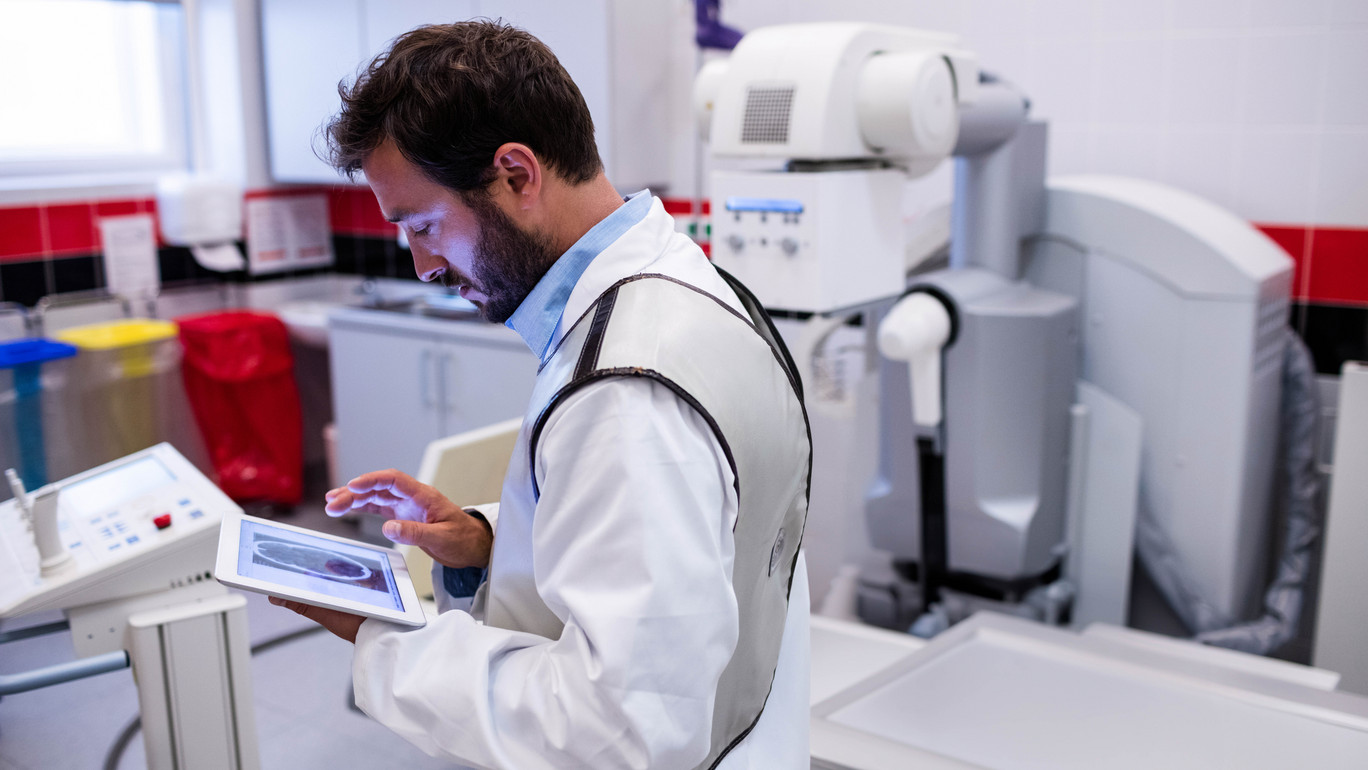
Radiation technology
You ensure the safe use of radiation technology applications in medicine and industry. You will plan radiation protection measures, monitor compliance with them and develop new areas of application for this technology.
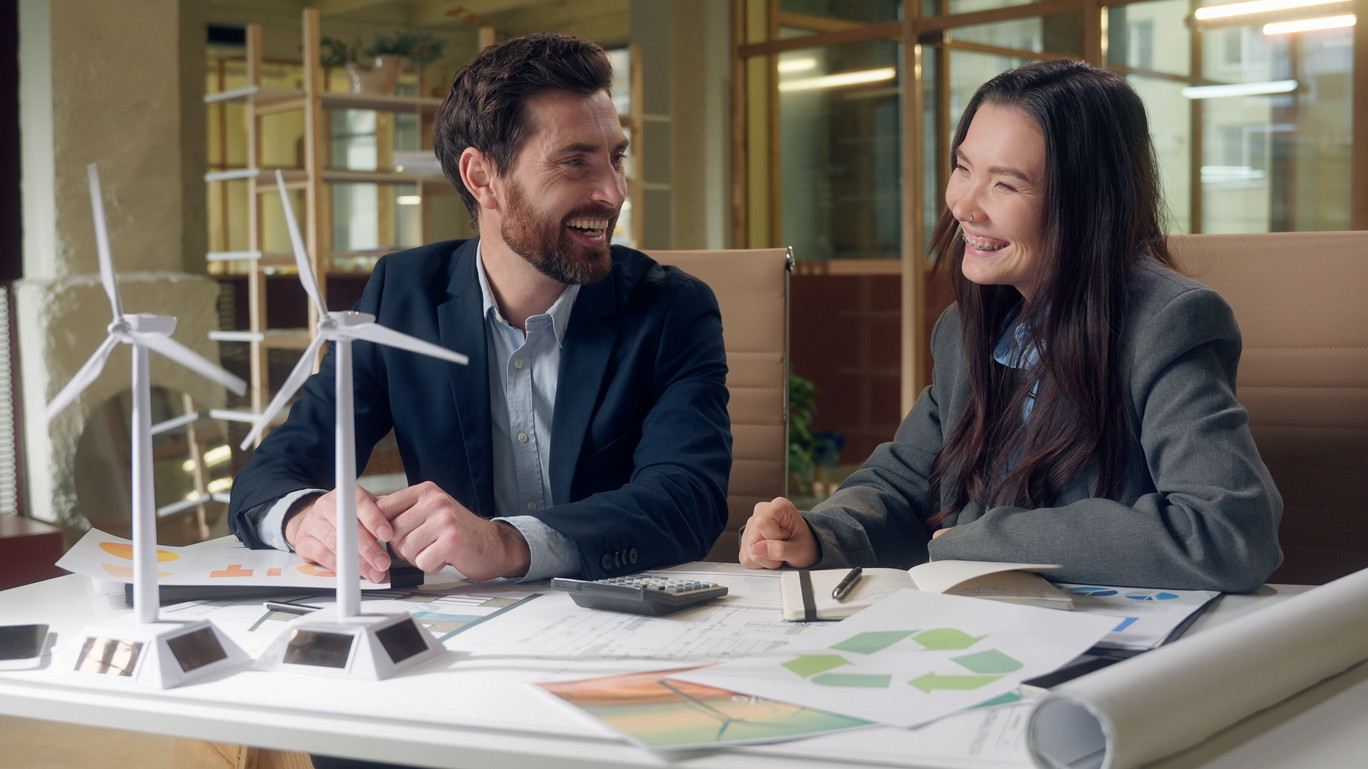
Research and Development
You will work on cutting-edge technologies such as heat and hydrogen storage, Power-to-X processes, and smart energy systems. You will design test sequences, analyze data, and contribute to the development of new technologies.
Here's what our students have to say about the bachelor's program in energy and environmental engineering
Your contact persons

1st floor

First floor
Starting now, we're also offering our Student Advisory Service via WhatsApp. Just send us a message at: +49 173 2086748
Our promise to you
Studying in the wild east?
Studying with us is different. Above all, it's better. Why? We have a family atmosphere. There are small study groups and the lecturers are always there for you. There is a close connection to practice in all degree courses. And finding affordable accommodation is no problem here.
There are many other reasons, such as university sports or the student representatives, clubs and societies. Campus life in Zittau and Görlitz - the wild east - is unique.