
Aus Müll wird Rohstoff
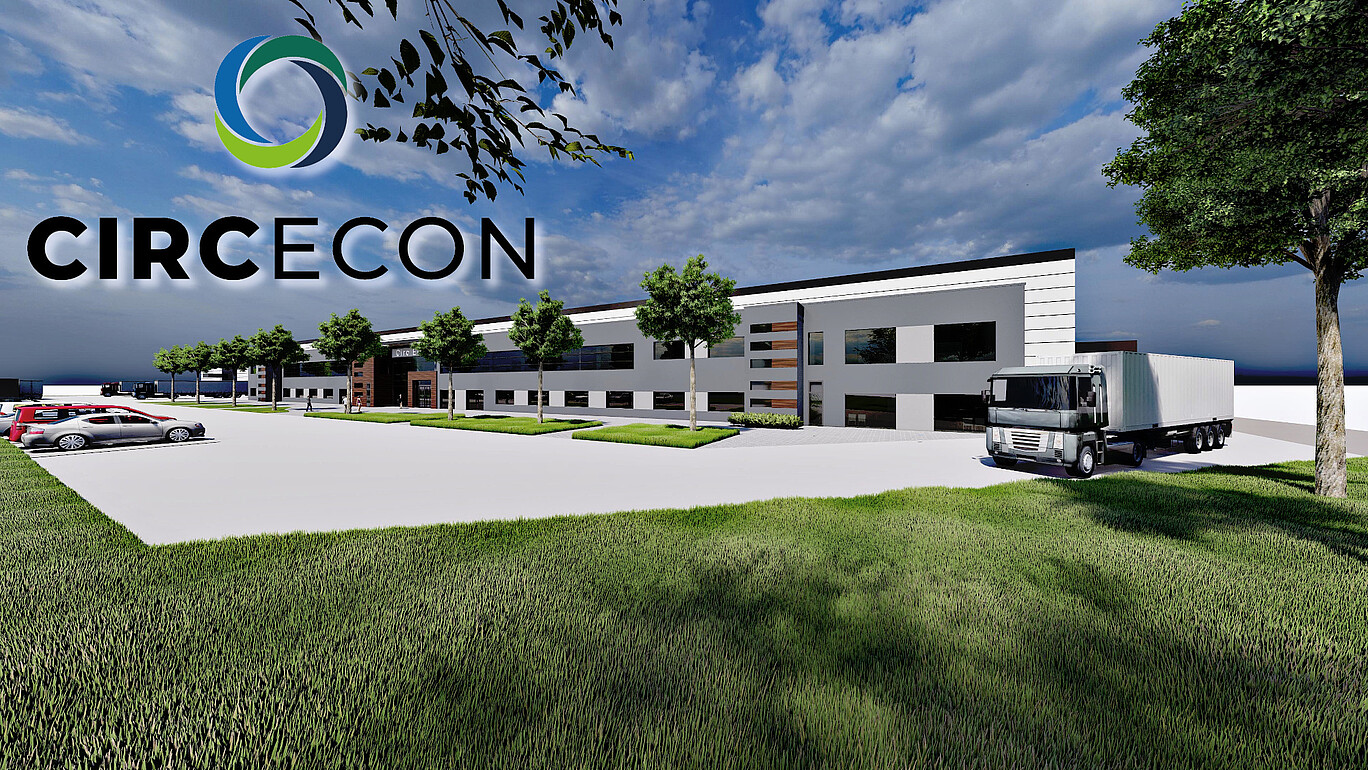
CircEcon macht Kreislaufwirtschaft industriefähig: Vier sächsische Hochschulen bündeln ihre Kompetenzen zum Thema Kreislaufwirtschaft am Industriestandort Schwarze Pumpe. Hier entsteht in der Lausitz ein Zentrum für das Recycling schwieriger Verbundwerkstoffe.
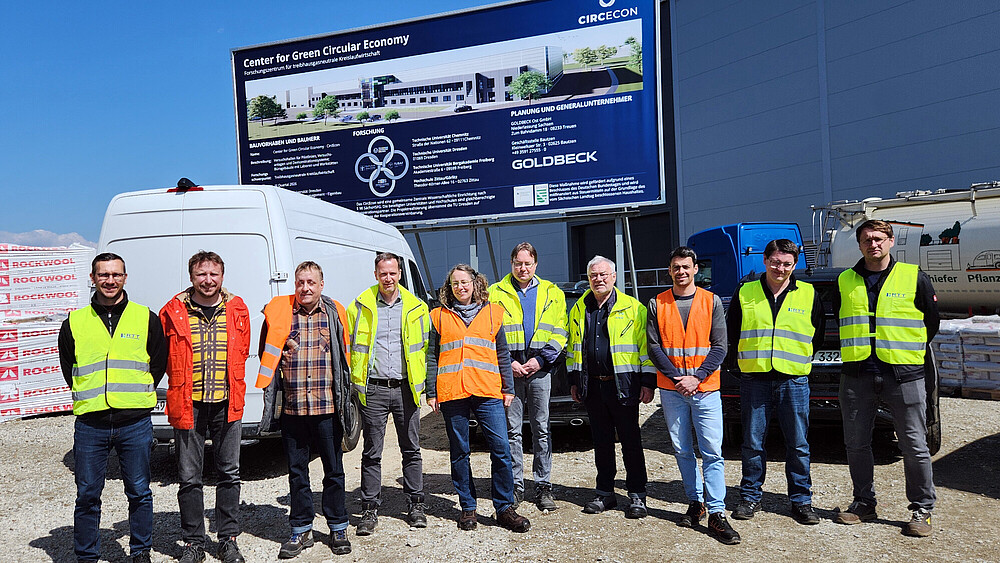
Wo liegen die Rohstoffe, die wir in Zukunft nutzen? – Viele im Abfall!
Wo sind die Menschen, die Veränderung gestalten? – In der Lausitz!
Die Notwendigkeit, Rohstoffe in Kreisläufen zu halten und damit mehreren Nutzungen zuzuführen, ist bekannt. Aber die Umsetzung stellt uns immer wieder vor Herausforderungen - zum Beispiel die Wiederverwendung von Verbundwerkstoffen aus Metallen, Kunststoffen und Fasergeweben.
Wie können wir Sensorsysteme zum Sortieren von Abfallströmen noch besser auf die neuen Materialien der Zukunft anpassen? Welche Demontageschritte sind notwendig, um Autos, Kühlschränke und Waschmaschinen bestenfalls vollautomatisch zu zerlegen und funktionstüchtige Ersatzteile zu gewinnen? Welche Prozesse helfen uns, bei der thermischen Verwertung von Abfallreststoffen den darin gebunden Kohlenstoff wiederzuverwenden? Lassen sich Recyclate (wiederverwendete Kunststoffe) in einer Standardmaschine verarbeiten? Antworten auf diese Fragen finden Wissenschaftlerinnen und Wissenschaftler aus Chemnitz, Freiberg, Dresden, Zittau und Görlitz, Unternehmen der Region und Experten bald gemeinsam am Standort von CircEcon, dem Industriepark Schwarze Pumpe.
Im CircEcon wird es Forschenden und Nutzerinnen und Nutzern möglich sein, den kompletten Lebenszyklus von Verbundmaterialien, Kunststoffen und Aluminium an einem Standort zu reproduzieren und mittels modernem Datenmanagement Bilanzierungsdaten wie Energieverbräuche oder Einsätze von Betriebsmitteln und Personal zu erfassen. Neu entwickelte Anlagenkomponenten können im industrienahen Umfeld getestet und optimiert werden, ohne dass es zu Produktionsausfällen kommt.
CircEcon bietet moderne Arbeitsplätze für Ingenieure und Naturwissenschaftler, die durch Kreislaufwirtschaft etwas bewegen wollen.
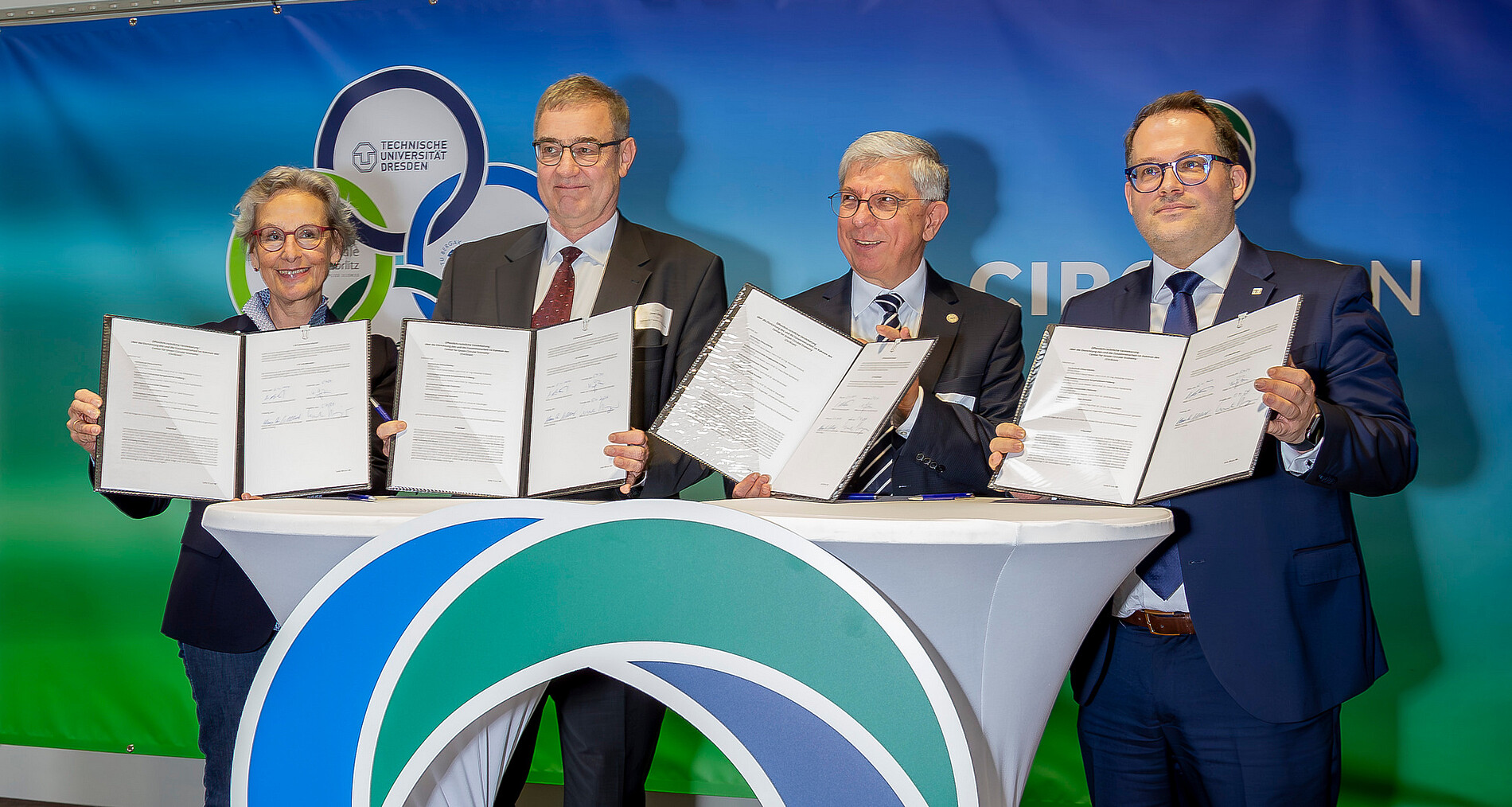
CircEcon mit seinem Team an 4 Standorten zeigt, dass Zusammenarbeit unter dem Fokus der Kreislaufwirtschaft mit dem Ziel einer gemeinsamen wissenschaftlichen Einrichtung möglich ist. An der HSZG arbeiten im Kernteam WissenschaftlerInnen, ProjektmanagerInnen, Mitarbeitende in der Verwaltung aus verschiedenen Abteilungen und die Projektleitung intensiv zusammen, damit in der Lausitz am Standort Schwarze Pumpe eine Forschungsfabrik der Zukunft für die Region entstehen kann.
”
Wie ist der aktuelle Stand?
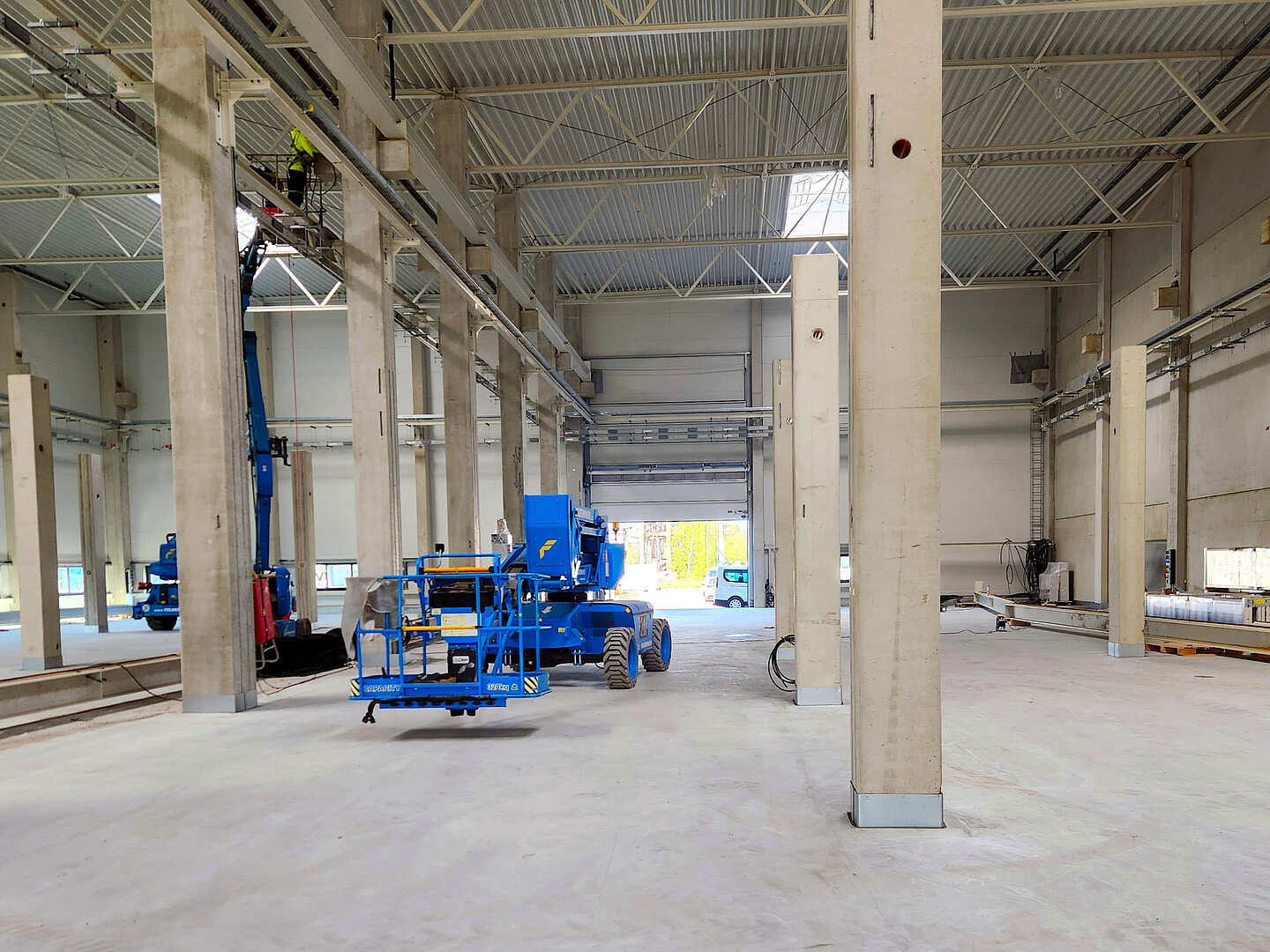
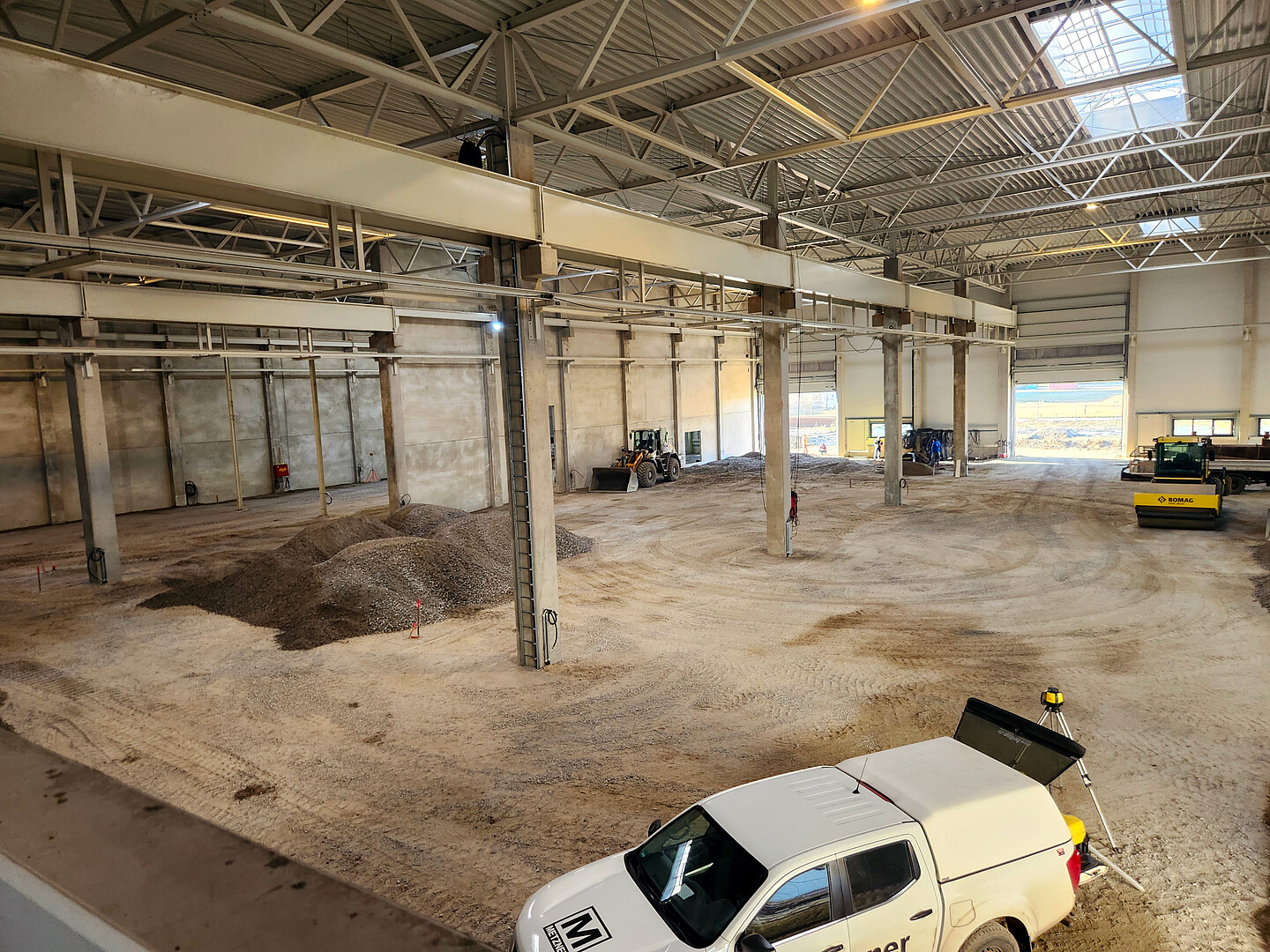
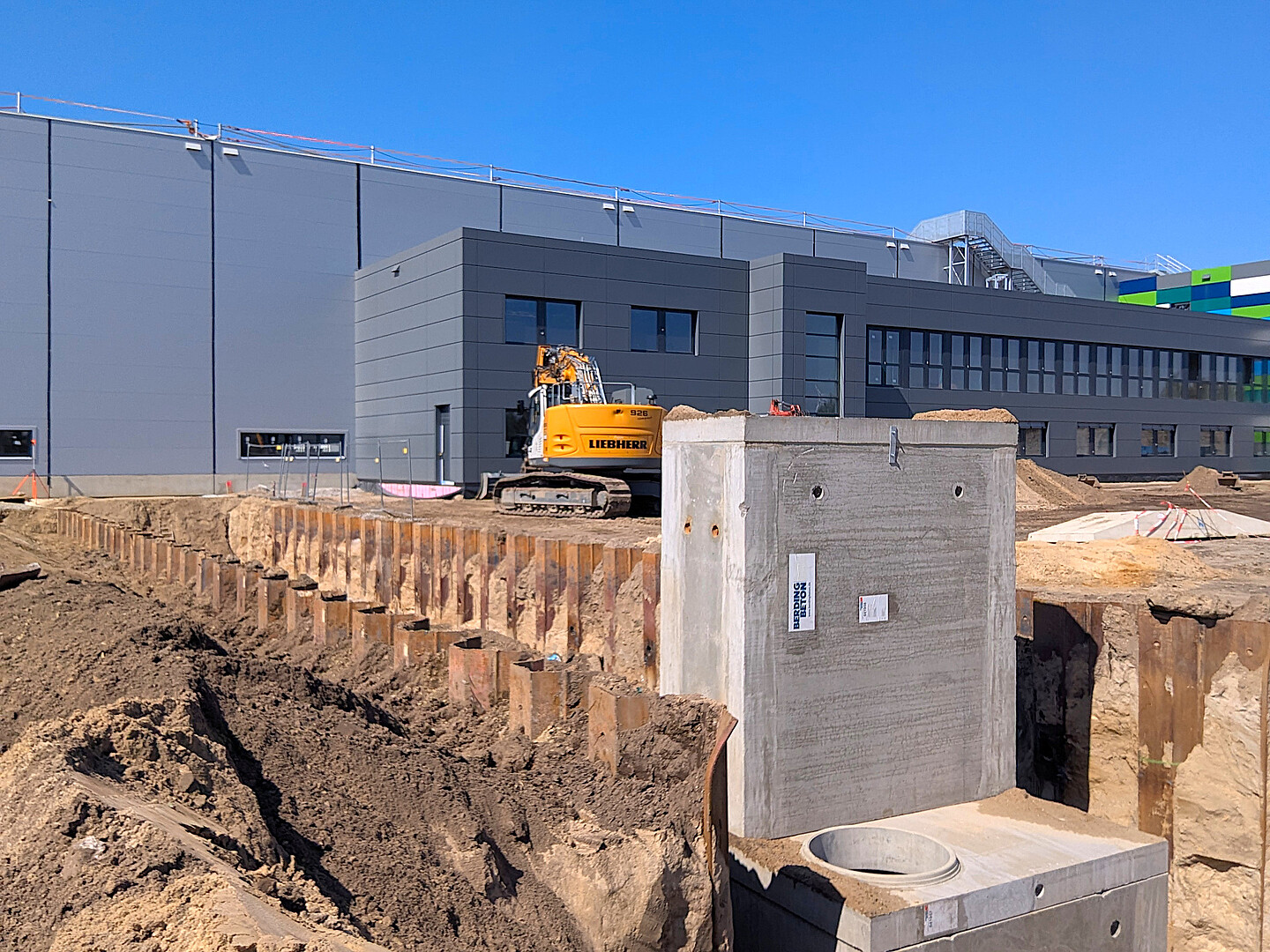
Auf der Baustelle sind die Strukturen der Gebäudeteile schon von Weitem sichtbar. Parallel dazu läuft die Beschaffung der Anlagentechnik in den Hochschulen auf Hochtouren. Auch in Zittau werden Leistungsverzeichnisse erstellt und Vergabeverfahren durchgeführt. Es wird permanent an Details gefeilt und die aktuellen Zeichnungen der Baufirma studiert, damit alles seinen Platz findet. Für die Anlaufphase werden Projektanträge geschrieben und Konsortien gebildet – kurz: Die Köpfe rauchen und die Tasten glühen.
Ich freue mich, dass es uns gelungen ist Firmen zu gewinnen, denen das Recycling ebenso wichtig ist wie uns. Hier treffen Forschergeist und lösungsorientierter Lieferantenpragmatismus aufeinander und lassen innovative Anlagen entstehen.
”Was macht die HSZG im CircEcon?
Im Bereich der Demontage sollen komplexe technische Systeme vollautomatisch demontiert und dabei virtuelle erweiterte Realitätslösungen integriert werden, um eine optimale Rückgewinnung von Bauteilen und Komponenten zu erzielen.
Ihre Ansprechpersonen für diesen Bereich sind:
Prof. Dr. Martin Sturm
ZIRKON - Zittauer Institut für Verfahrensentwicklung, Kreislaufwirtschaft, Oberflächentechnik, Naturstoffforschung
Tel.: +49 3583 612-4816
E-Mail: m.sturm@hszg.de
Dipl.-Ing. (FH) Daniel Fiß
IPM - Institut für Prozesstechnik, Prozessautomatisierung und Messtechnik
Tel.: +49 3583 612-4749
E-Mail: d.fiss@hszg.de
M.Eng. Christian Vogel
IPM - Institut für Prozesstechnik, Prozessautomatisierung und Messtechnik
Tel.: +49 3583 612-4984
E-Mail: c.vogel@hszg.de
Es werden Anlagen zur sensorbasierten Sortierung von Metallen (mit Fokus auf Aluminium) und technischen Kunststoffe installiert. Dabei kombinieren wir klassische Metallabscheidung sowie NIR- und MIR-Sortierung mit innovativen Pickingsystemen und Methoden der künstlichen Intelligenz, um Stoffströme effizient und präzise aufzubereiten.
In einem Nassbereich werden Hydrozyklone, eine Dekanterzentrifuge und Wäscher und Trockner installiert, um ein breites Spektrum an Abfallströmen mit unterschiedlichen Partikelgrößen und Materialdichten abzudecken. Die Kapazität der Anlagentechnik wird zwischen 500 und 800 kg/h betragen.
Ihre Ansprechpersonen für diesen Bereich sind:
Prof. Dr.-Ing. Jens Friedrich
ZIRKON - Zittauer Institut für Verfahrensentwicklung, Kreislaufwirtschaft, Oberflächentechnik, Naturstoffforschung
Tel.: +49 3583 612-4885
E-Mail: jens.friedrich@hszg.de
Dr.-Ing. Maria Schäfer
ZIRKON - Zittauer Institut für Verfahrensentwicklung, Kreislaufwirtschaft, Oberflächentechnik, Naturstoffforschung
Tel.: +49 3583 612-4314
E-Mail: maria.schaefer@hszg.de
Bei der thermochemischen Konversion geht es darum, aus ungenutzten aussortierten Materialien nutzbare Energie zu gewinnen. Hierfür entwickeln wir Anlagen, die ein breites Spektrum an Abfällen verarbeiten können – von Sekundärbiomassen (z. B. Nuss- und Haferflockenschalen) bis hin zu Kunststoffresten. In einem Experimentalgaserzeuger testen wir zusammen mit der Firma LiPro Energy GmbH, wie sich diese Stoffe in ein Synthesegas umwandeln lassen, welches sich speichern und später zur Energiegewinnung nutzen lässt. Mit zahlreichen Dienstleistern und Anlagenbauern im Bereich Energie und Gasumwandlung arbeiten wir daran, dass die Energieversorgung von morgen dezentraler und zuverlässiger wird.
Zusammen mit der Firma UTF GmbH verfolgen wir einen anderen Ansatz: Dort nutzen wir anfallende Gase aus vorherigen Produktionsschritten. Unser Prozessgaskonverter wandelt diese in festen Kohlenstoff um. Dieser lässt sich als Rohstoff wiederverwenden; er ersetzt fossile Quellen wie Erdöl oder Kohle und wird so Teil der Kreislaufwirtschaft.
Ihre Ansprechpersonen für diesen Bereich sind:
Prof. Dr.-Ing. habil. Tobias Zschunke
IPM - Institut für Prozesstechnik, Prozessautomatisierung und Messtechnik
Tel.: +49 3583 612-4843
E-Mail: t.zschunke@hszg.de
M.Eng. Fred Haaser
IPM - Institut für Prozesstechnik, Prozessautomatisierung und Messtechnik
Tel.: +49 3583 612 4983
E-Mail: fred.haaser@hszg.de
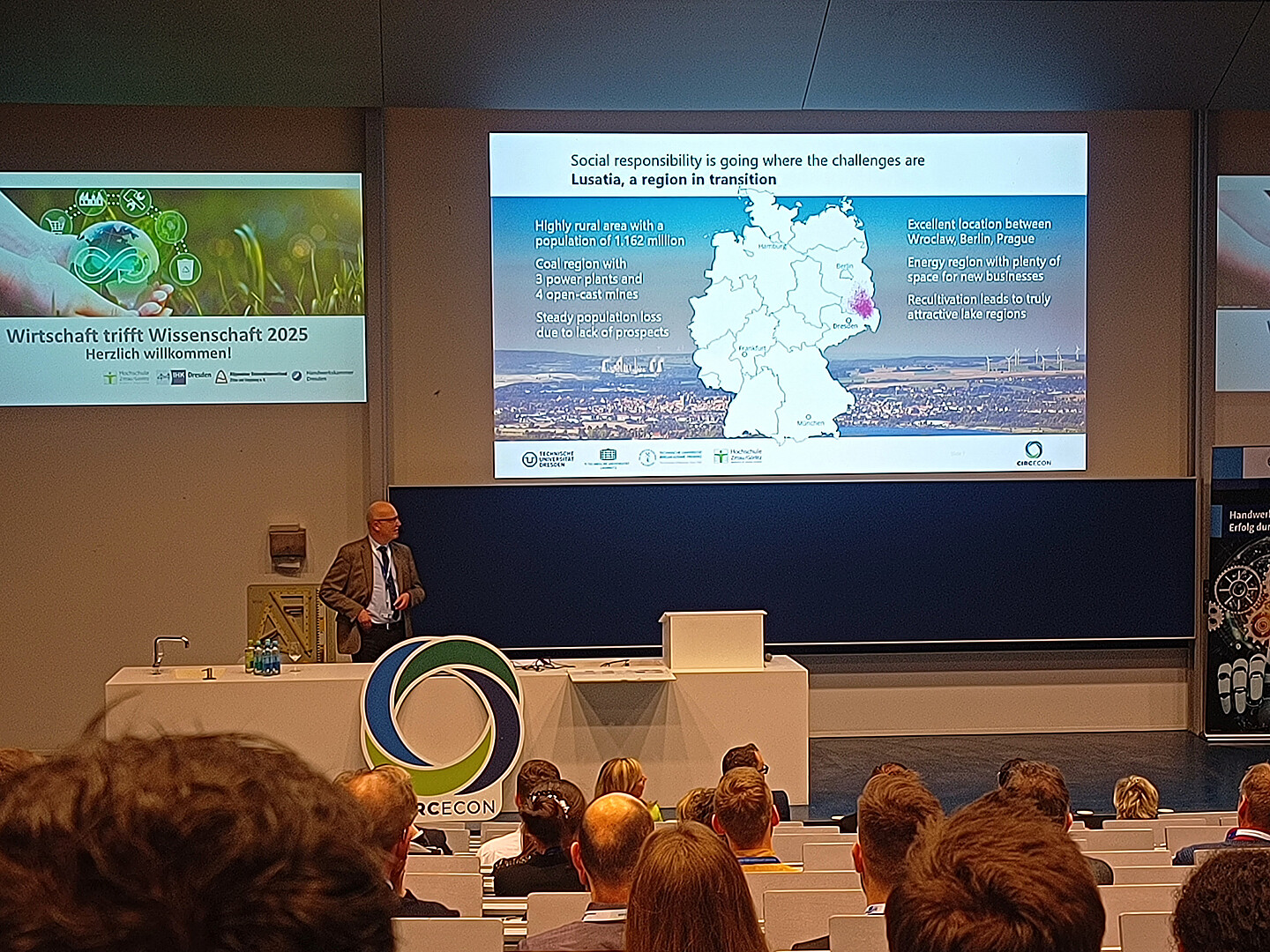
Schritt für Schritt zum Forschungscampus

Dann nehmen Sie mit uns Kontakt auf oder treffen Sie uns
- am 8./9.09.2026 auf der Jahrestagung des DBFZ in Leipzig,
- am 24.11.2026 auf der Circular Economy Konferenz in Chemnitz
…und weiteren Veranstaltungen im Raum Hoyerswerda, Spremberg u. a., auf die wir Sie auf unserer CircEcon-Projektseite tagesaktuell informieren.
Wir arbeiten zusammen mit...







Bitte beachten Sie unsere öffentlichen Ausschreibungen!
Unsere Kooperationspartner


Ihre Ansprechpersonen
Upper floor

Upper floor
- Projektseite “CircEcon - Center for Green Circular Economy”
- Onlineartikel der HSZG vom 8. April 2024: “Startschuss für CircEcon”
- Onlineartikel der HSZG vom 29. August 2024: “Innovation in der und für die Lausitz”
- Onlineartikel der HSZG vom 11. Juni 2025: “Herausragender Beitrag zum Strukturwandel”
- Veranstaltung "Wirtschaft trifft Wissenschaft" (9. Januar 2025) zum Thema "Rezyklate als Wachstumstreiber – Potenziale für die Lausitzer Wirtschaft"
- Onlineartikel der HSZG zur Veranstaltung
- Präsentation des Impulsvortrages von Prof. Dr.-Ing. Niels Modler: "Die Forschungsfabrik CircEcon - Sächsische Wissenschaftler in der Lausitz für die Kreislaufwirtschaft"
- Stark für die Lausitz - Artikel vom 12. Juni 2025: "CircEcon: Grundstein für Europas Forschungscampus der Zukunft in der Lausitz gelegt"