
A hyperspectral camera, a metal scanner, and a color line scan camera are currently being commissioned. In the future, they will provide the data needed for robot-assisted sorting of recyclables.
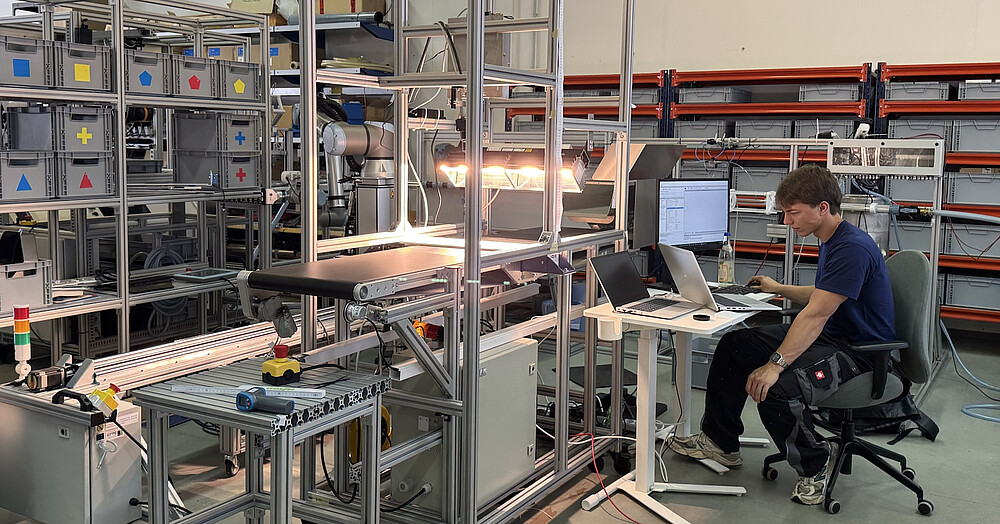
At Zittau/Görlitz University of Applied Sciences, a major milestone has been reached in the RoSA-ReCycle research project: The sensor systems procured for the project have been installed at the pilot plant and are currently in the commissioning and setup phase.
The goal of the project is to automatically detect recyclable materials from heterogeneous material streams and separate them by type. To achieve this, the project team is combining several sensor principles, the data from which is then evaluated collectively. This approach makes it possible to distinguish significantly more material classes than any single method could on its own.
Three systems are being used:
The sensor package was supplied by EVK DI Kerschhaggl GmbH, a company of the Headwall Group. Julian Rössl provided on-site support for installation and training.
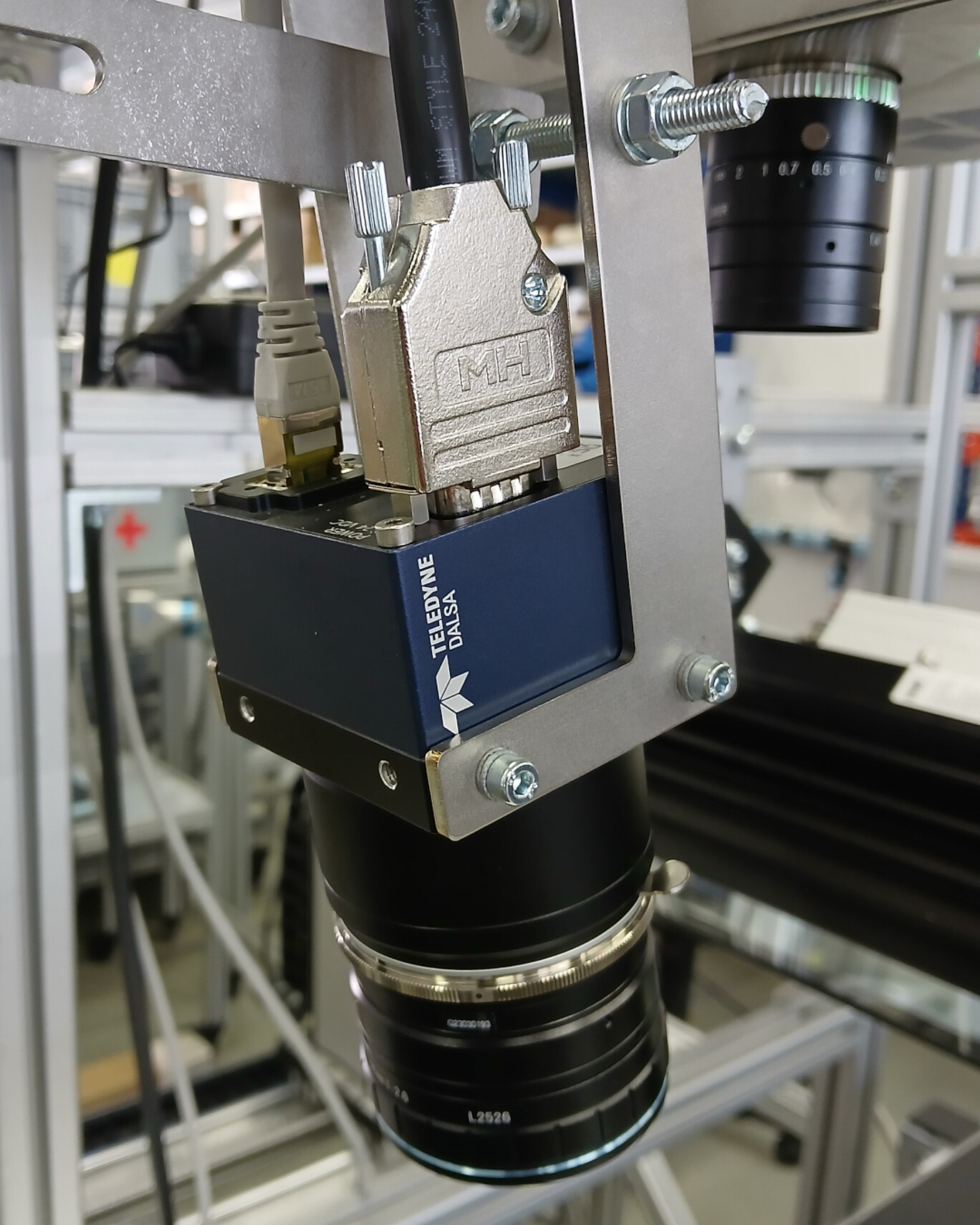

Holger Neumann from the Institute for Process Engineering, Process Automation, and Measurement Technology (IPM) and Marc Krech from ZIRKON are responsible for the setup, integration, and parameterization. The upcoming project phases will focus on fine-tuning the sensor systems, collecting training datasets, model development, and initial sorting trials with the collaborative robot.
Co-funded by the European Union
The “RoSA-ReCycle – Robotic Sorting and Automation for Recycling” project is funded by the Just Transition Fund (JTF).
This initiative is co-financed by tax revenues based on the budget approved by the Saxon State Parliament.