
PiTiPS Presented at the BMFTR Closing Meeting in Berlin
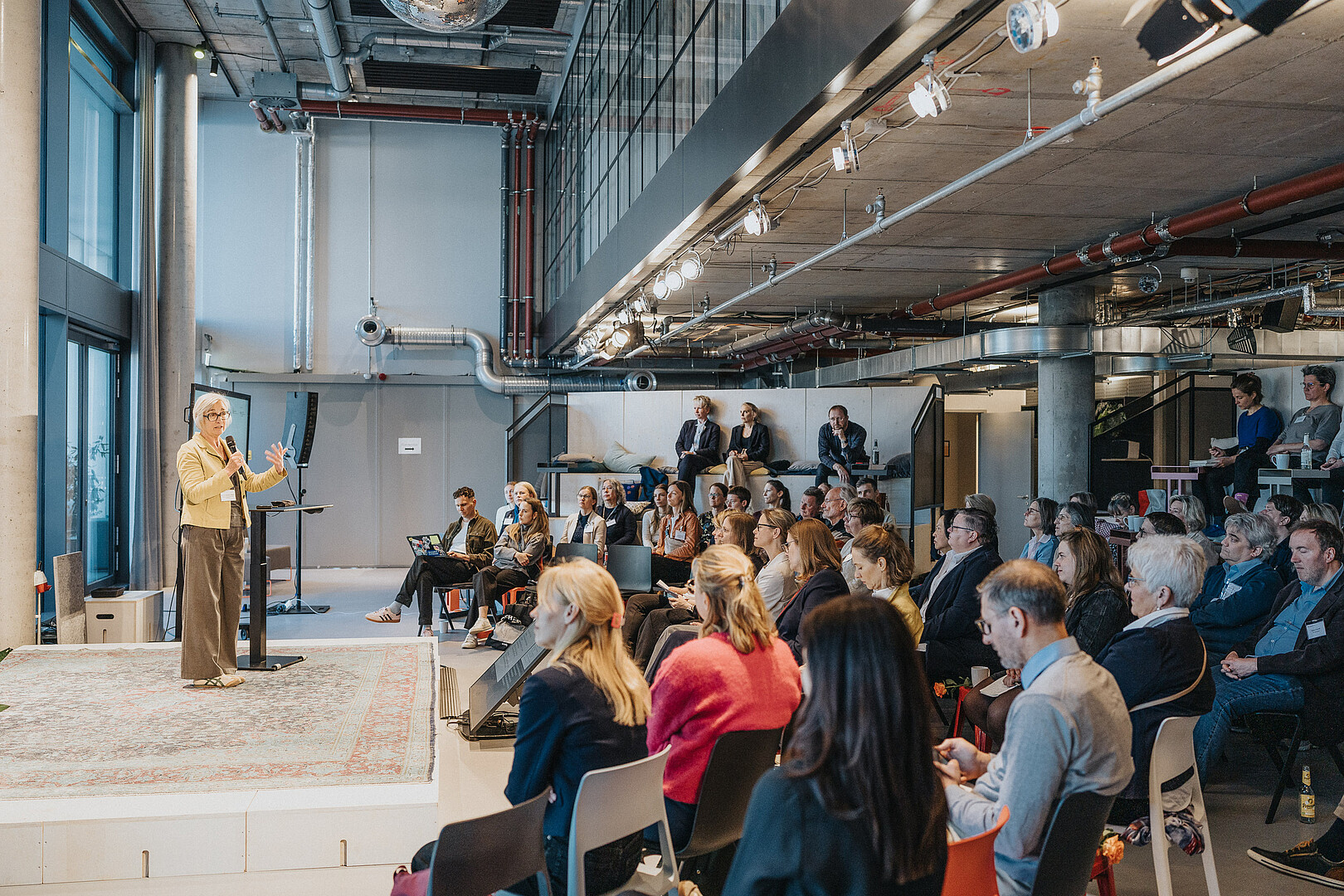
On April 28, 2026, the final meeting of the BMFTR call for proposals titled “Technology-Based Innovations for Care Communities to Improve the Quality of Life and Health of Informal Caregivers” took place at the Design Offices at Humboldthafen in Berlin. The PiTiPS project was also represented and presented key findings on the participatory development of digital technologies for informal caregivers and care communities.
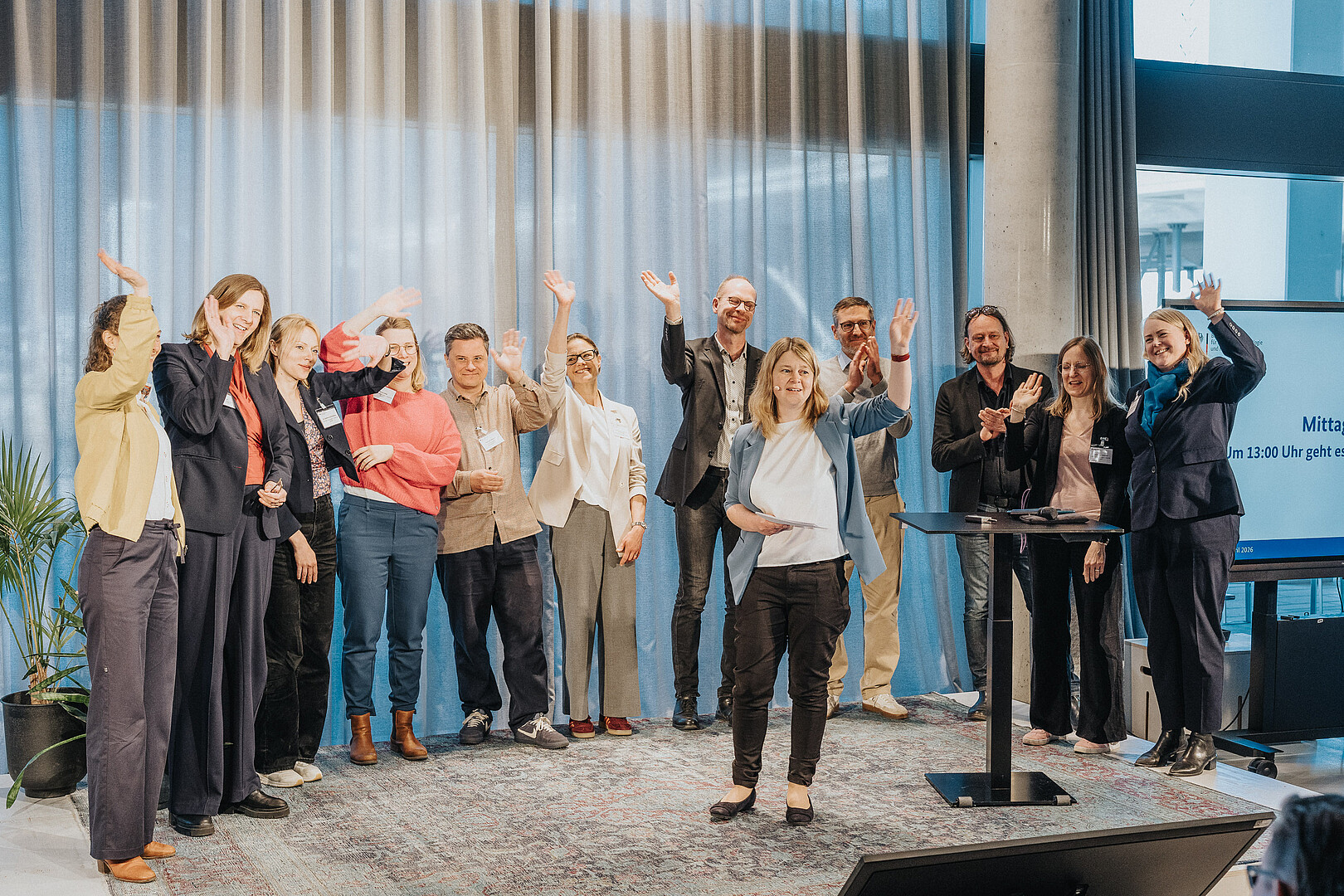
![[Translate to Englisch:] Gruppenbild der Mitwirkenden](/fileadmin/_processed_/c/3/csm_Bild537_d5d33c1c4f.jpg)
![[Translate to Englisch:] eine Zeichnung zu PiTiPs](/fileadmin/_processed_/7/3/csm_IMG_6573_40eda3a65f.jpeg)
PiTiPS stands for “Participation and Co-Creation for Innovative Technologies for Informal Caregivers and Care Communities.” The project focuses on the question of how digital solutions can be developed in collaboration with the very people whose daily lives they are intended to support. After all, those who care for family members or are part of a care community are particularly familiar with the practical demands, stresses, and limitations of everyday caregiving.
The Citizens’ Advisory Board as the Central Voice of Practice
A particular focus of the project was on collaboration with the Citizens’ Advisory Board, which consisted of family caregivers. The members contributed their experiential knowledge early on in the development process, discussed requirements for digital technologies, and provided feedback on which solutions could be understandable, accessible, and meaningful in everyday life. In this way, participation was designed as a continuous joint learning and development process.
Reflection and collaboration in the ReflAction Labs
This work was complemented by so-called ReflAction Labs. In these reflection and working formats, members of the Citizens’ Advisory Board, researchers, and technology developers came together. Together, they examined which assumptions inform technical developments, how participation can succeed, and what conditions are necessary for digital innovations in care to actually become viable.
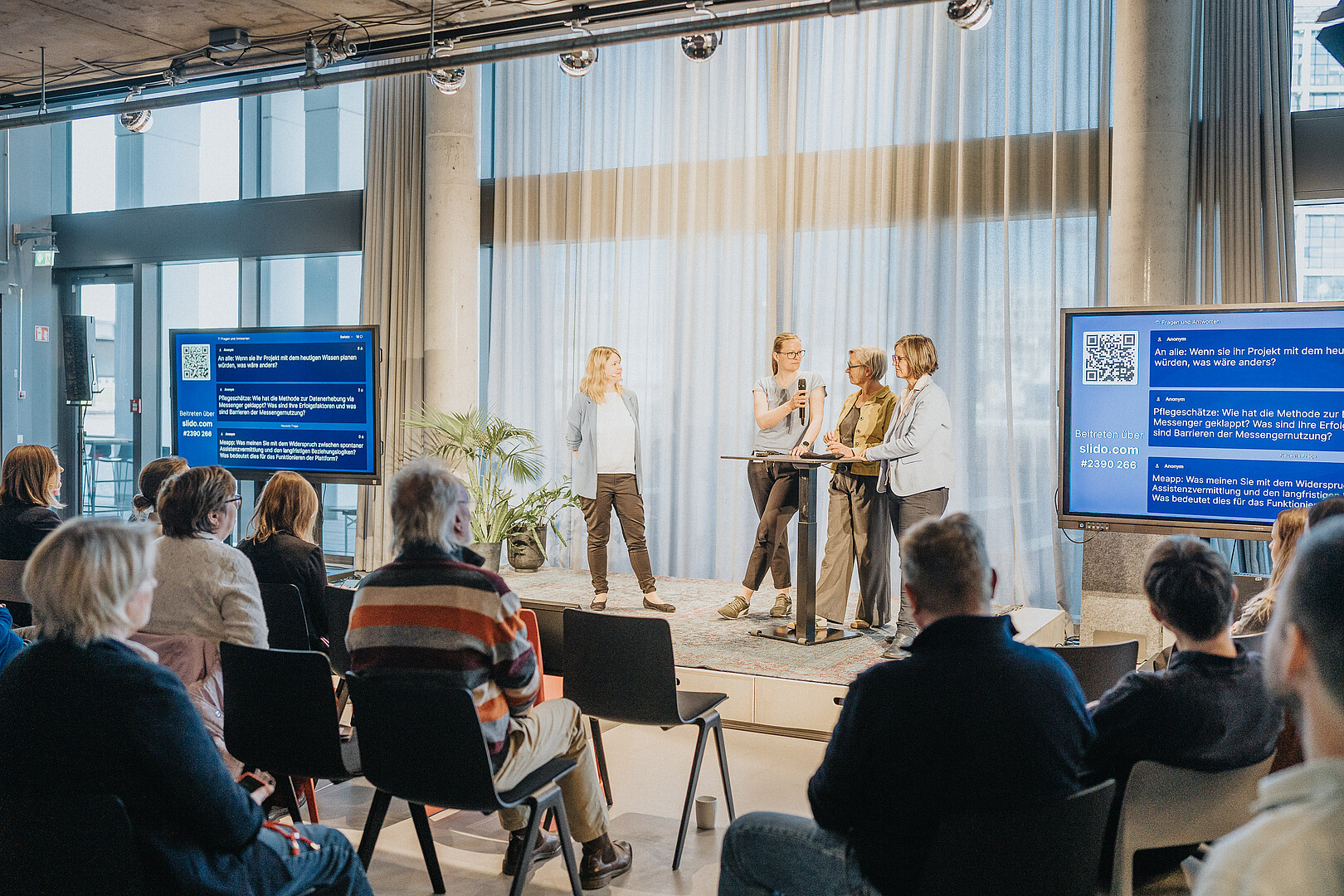
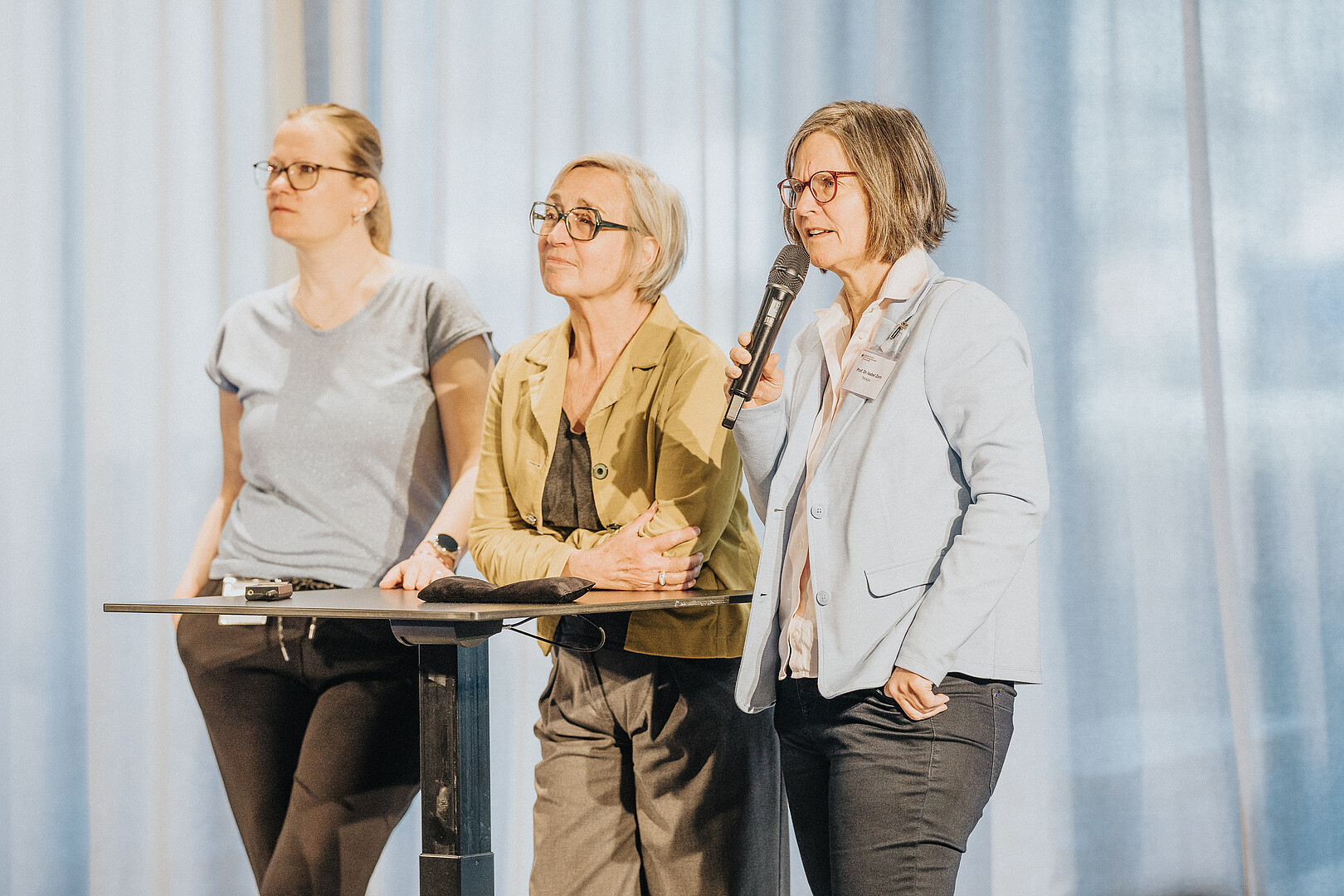
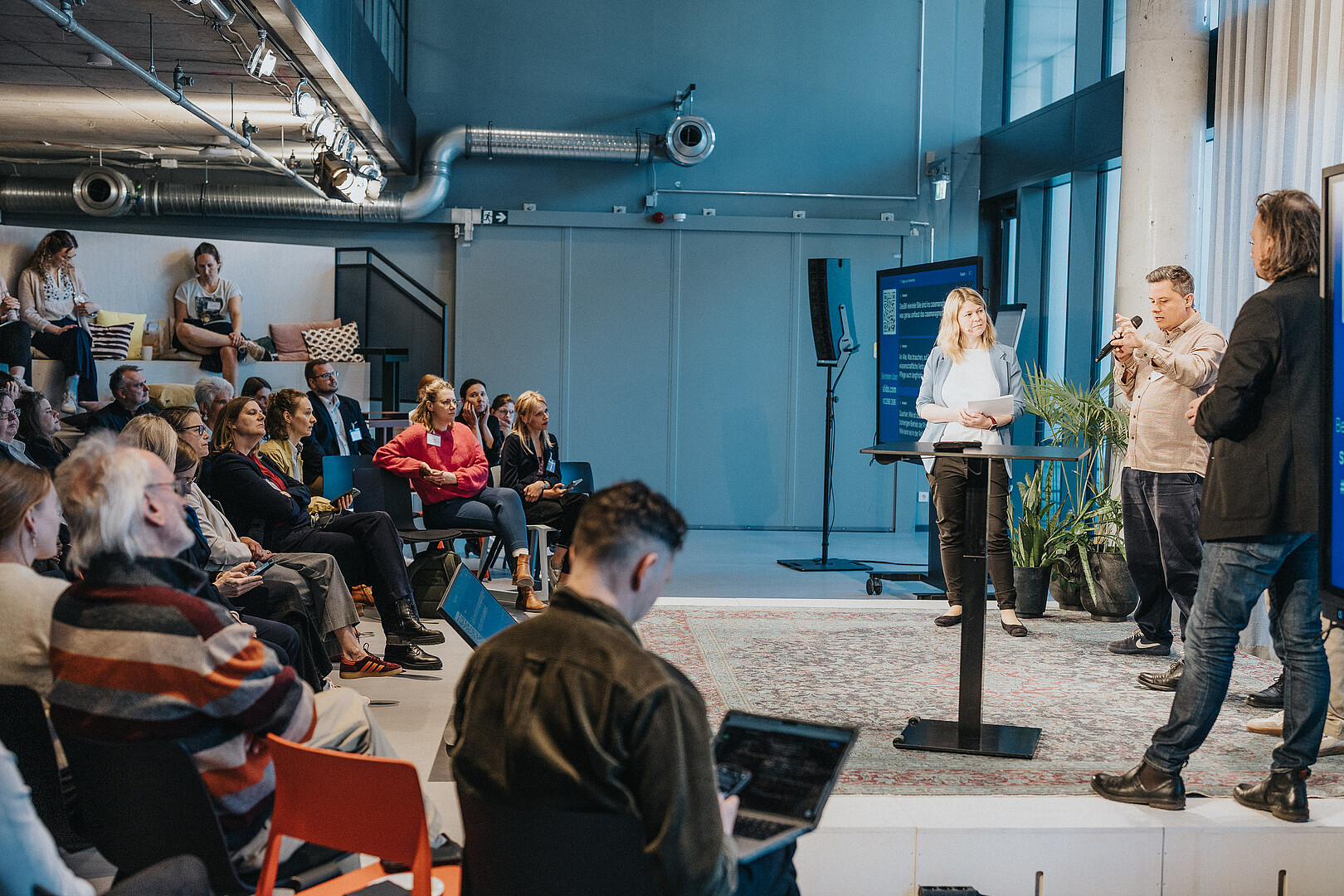
The final meeting provided an opportunity to showcase the results of PiTiPS alongside other projects funded under the call for proposals. Following opening remarks by the Federal Ministry and the coordination team of the accompanying project, the citizen advisory boards were first recognized. Subsequently, the participating projects presented their results, including Pflegeschätze, Kraft-Copilot, MEAPP, Gesi-BK, QuartierpflegeApp, and PiTiPS.
Interactive Insights into Digital Support Services
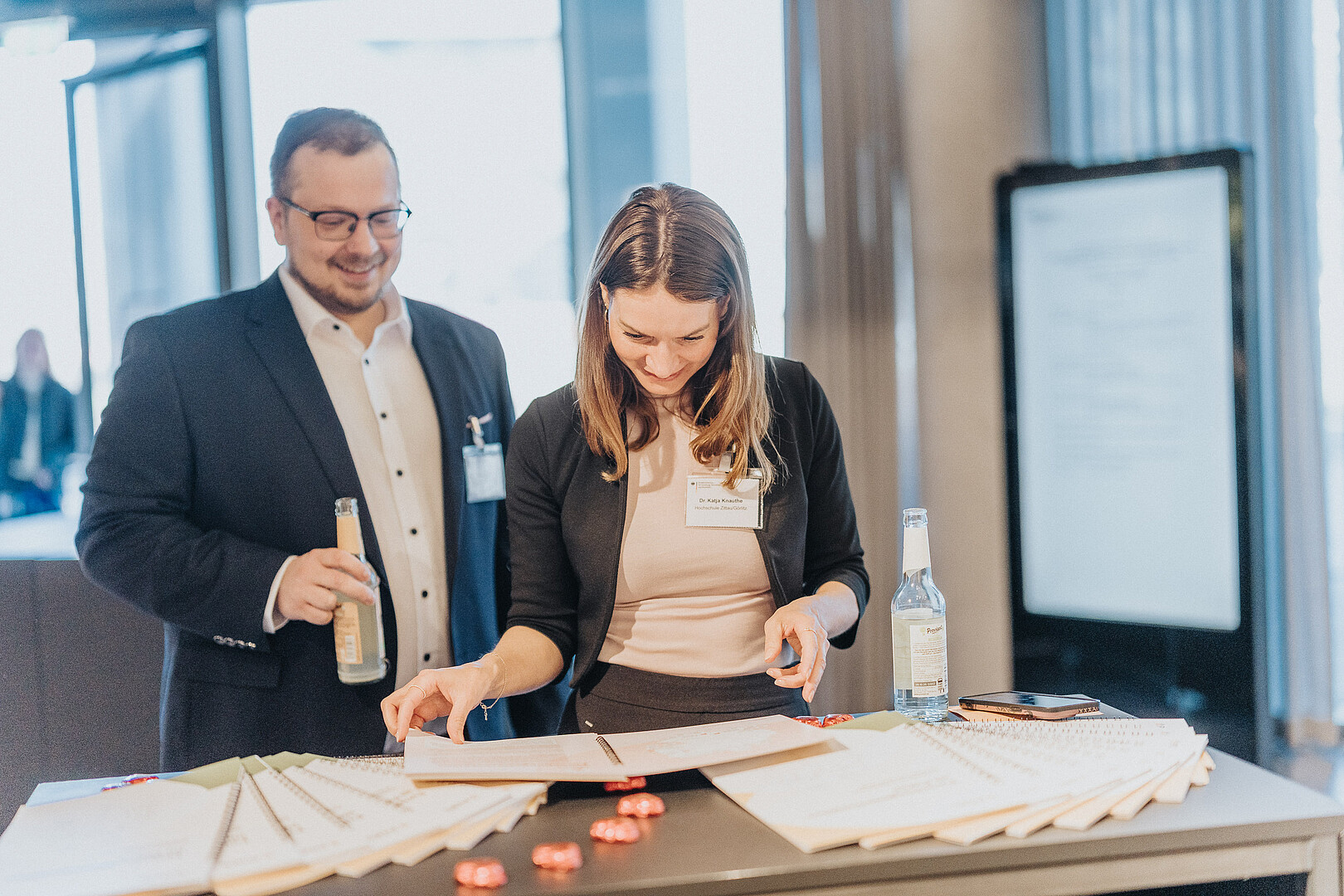
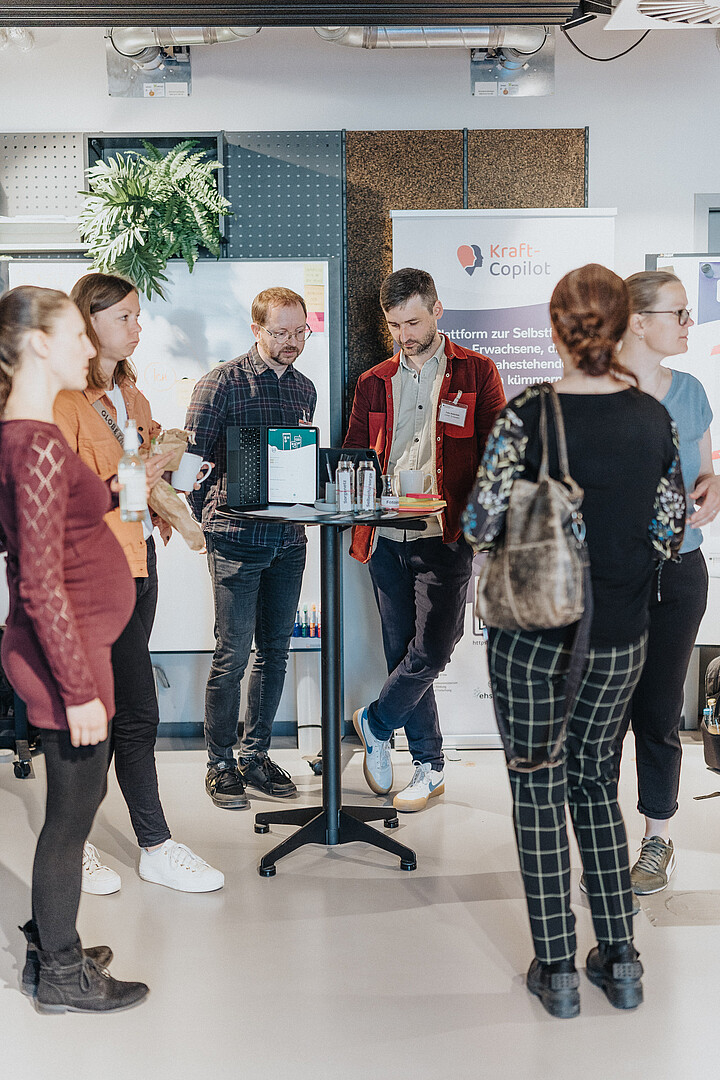
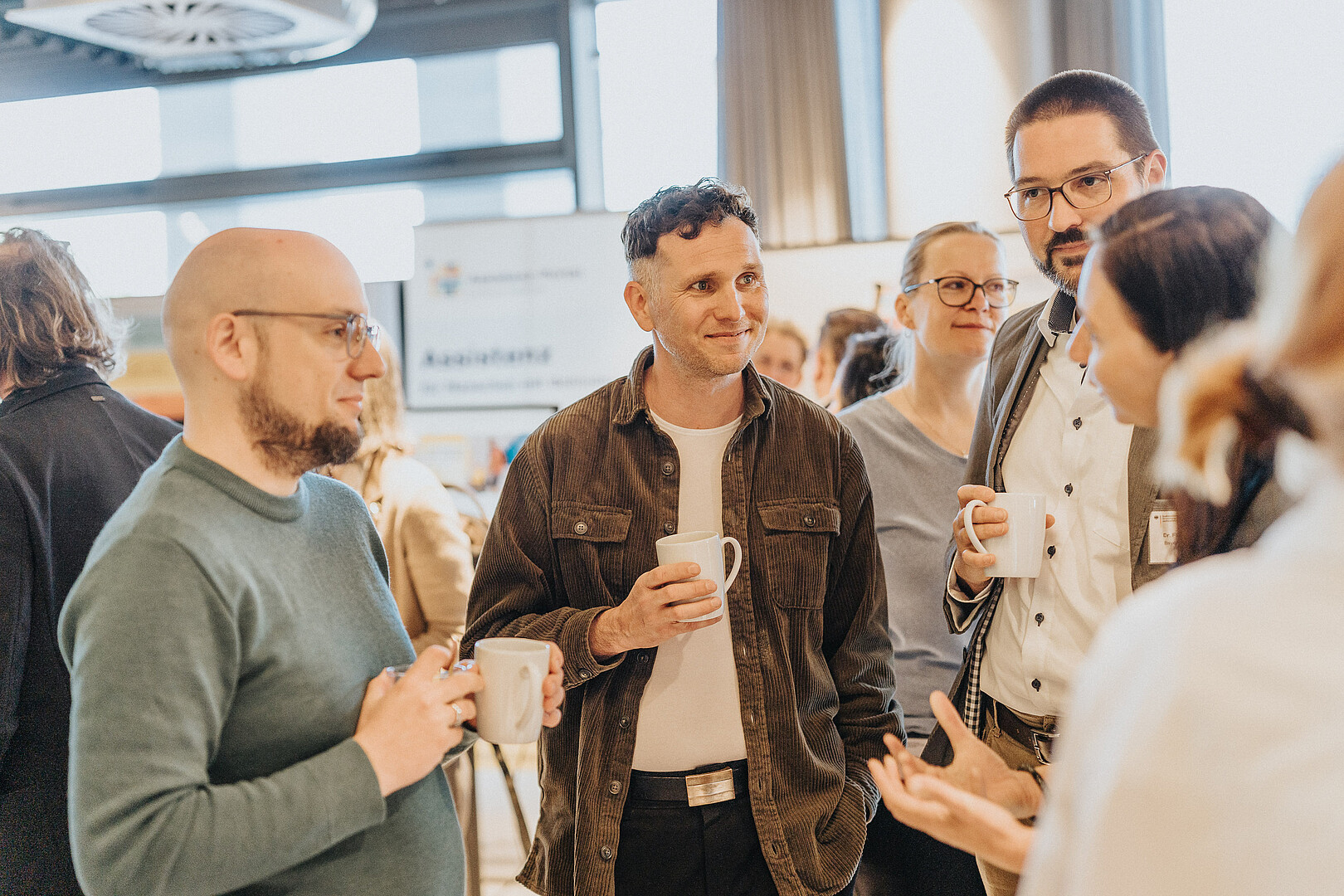
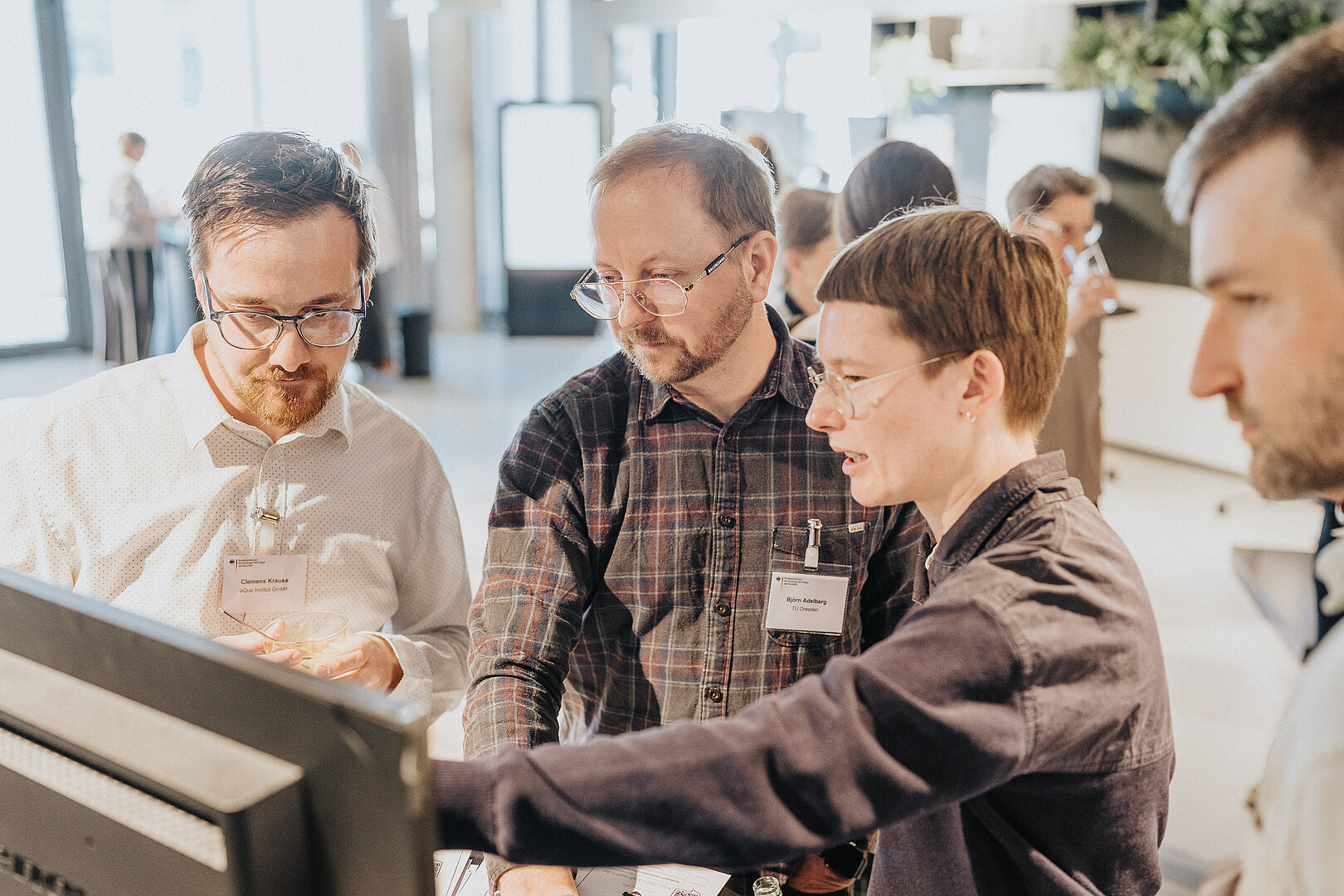
In the afternoon, participants had the opportunity to explore the results of the collaborative projects through an interactive demonstration exhibition. Each project was represented with its own booth, where it presented its findings in a clear and engaging manner. Many of the developed technologies could be tried out directly. This highlighted how differently digital solutions for informal caregivers and care communities were conceived, designed, and tested.
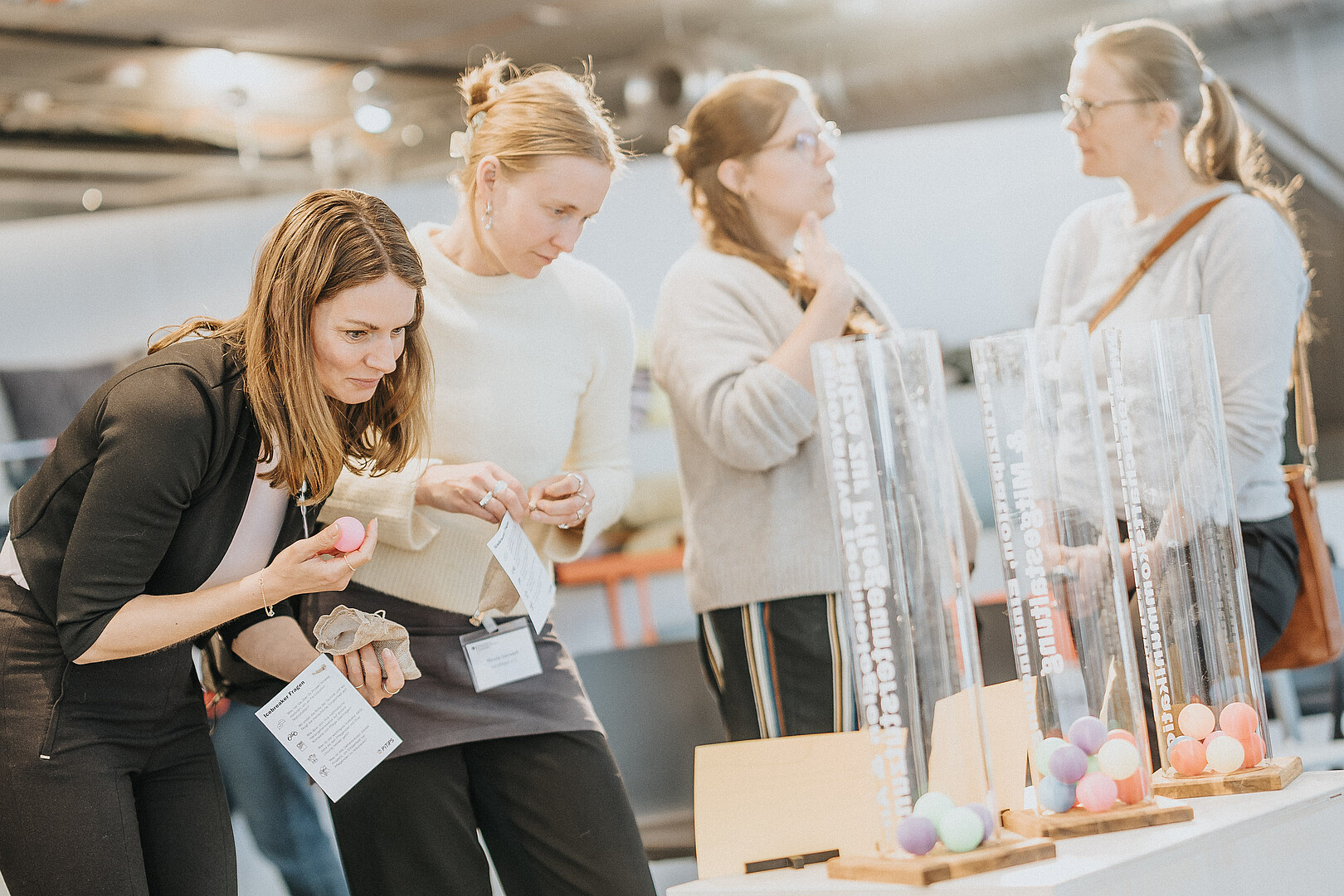
The GAT Institute set up its own booth in collaboration with members of the Citizens’ Advisory Board. Discussion questions were prepared on cards to facilitate dialogue. Interested visitors could pick a question and use it to strike up a conversation directly with family caregivers. In this way, the central approach of PiTiPS was also brought to life in the exhibition setting: technological development requires dialogue with the people whose daily lives it is meant to support.
For the GAT Institute, the event marked an important conclusion to a project that closely linked research, technology development, and everyday experience. PiTiPS demonstrates that digital innovations in care become particularly sustainable when they are tailored to the lived experiences of informal caregivers and their experiential knowledge is systematically incorporated.




Contact person

1st floor