New wind PV tree on the Zittau campus
The combined wind and solar power installation brings together renewable energy and education.
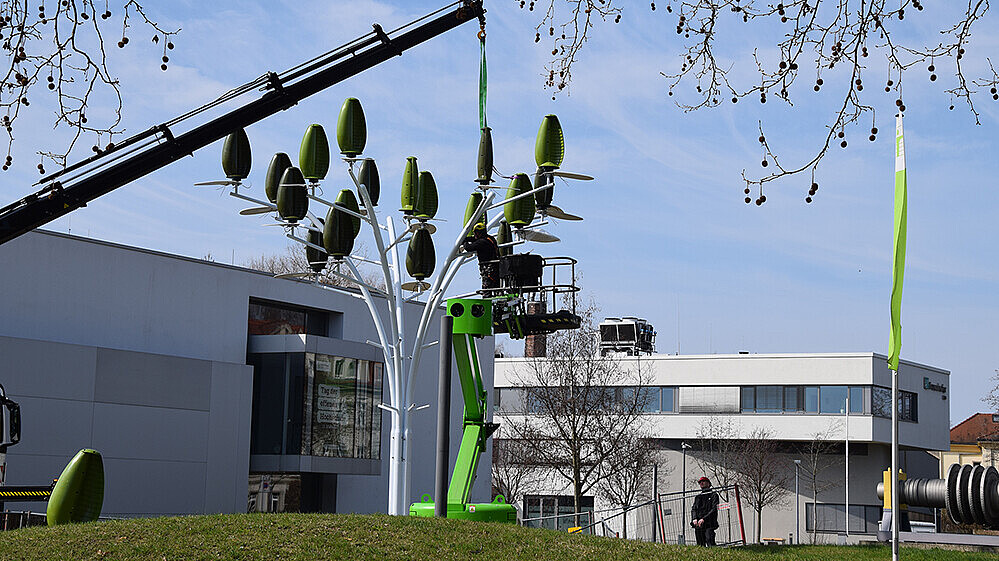
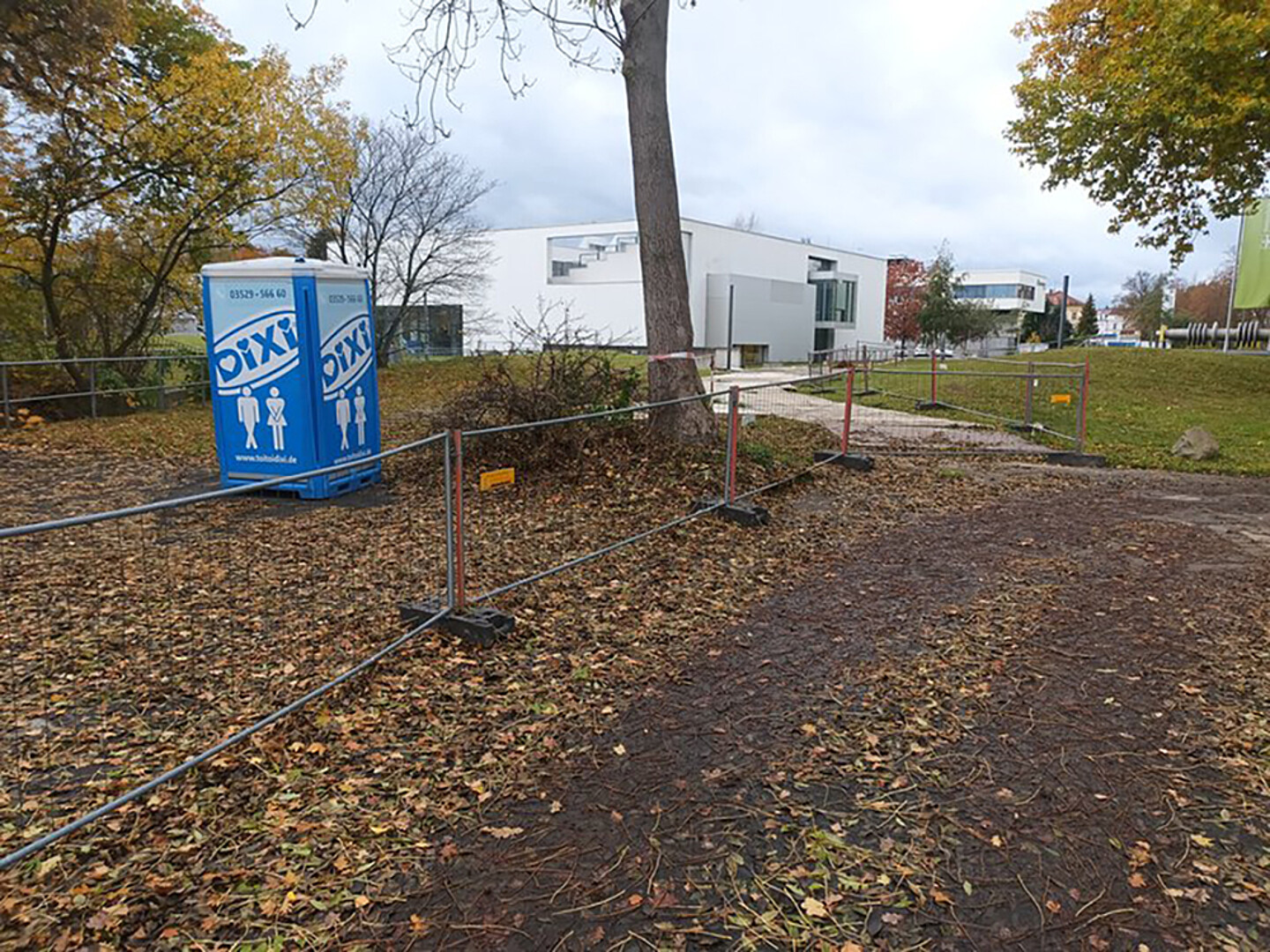
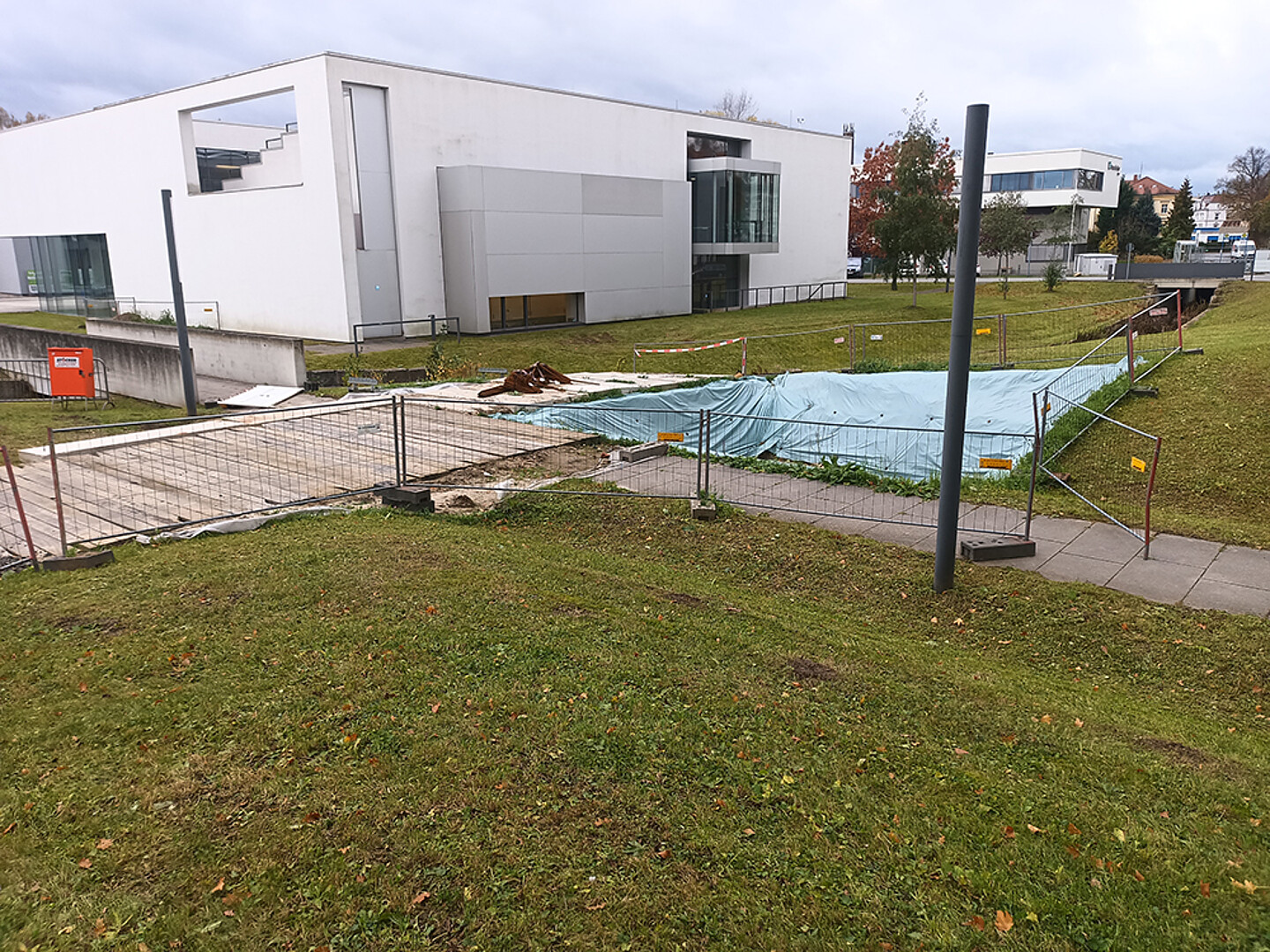
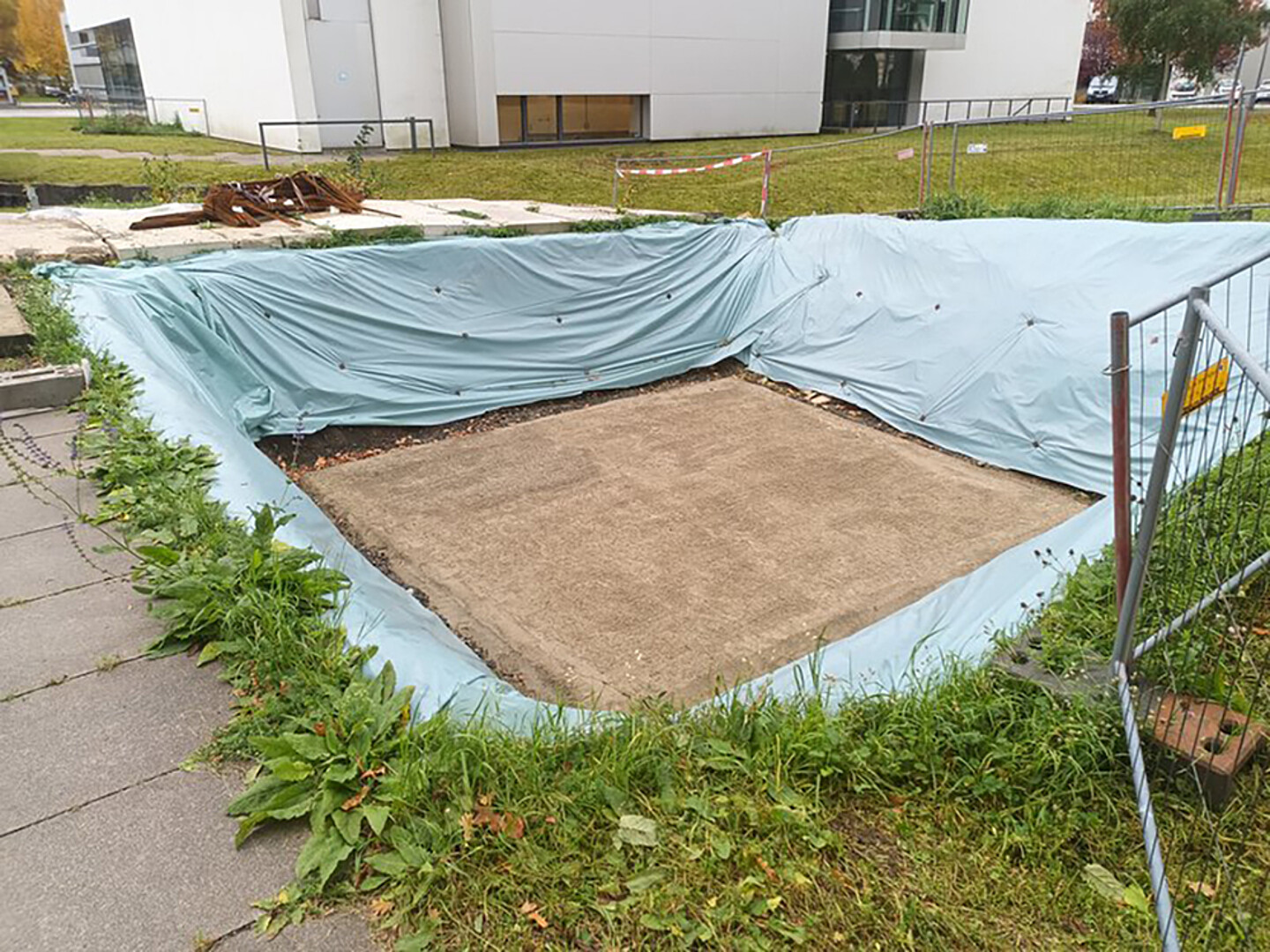
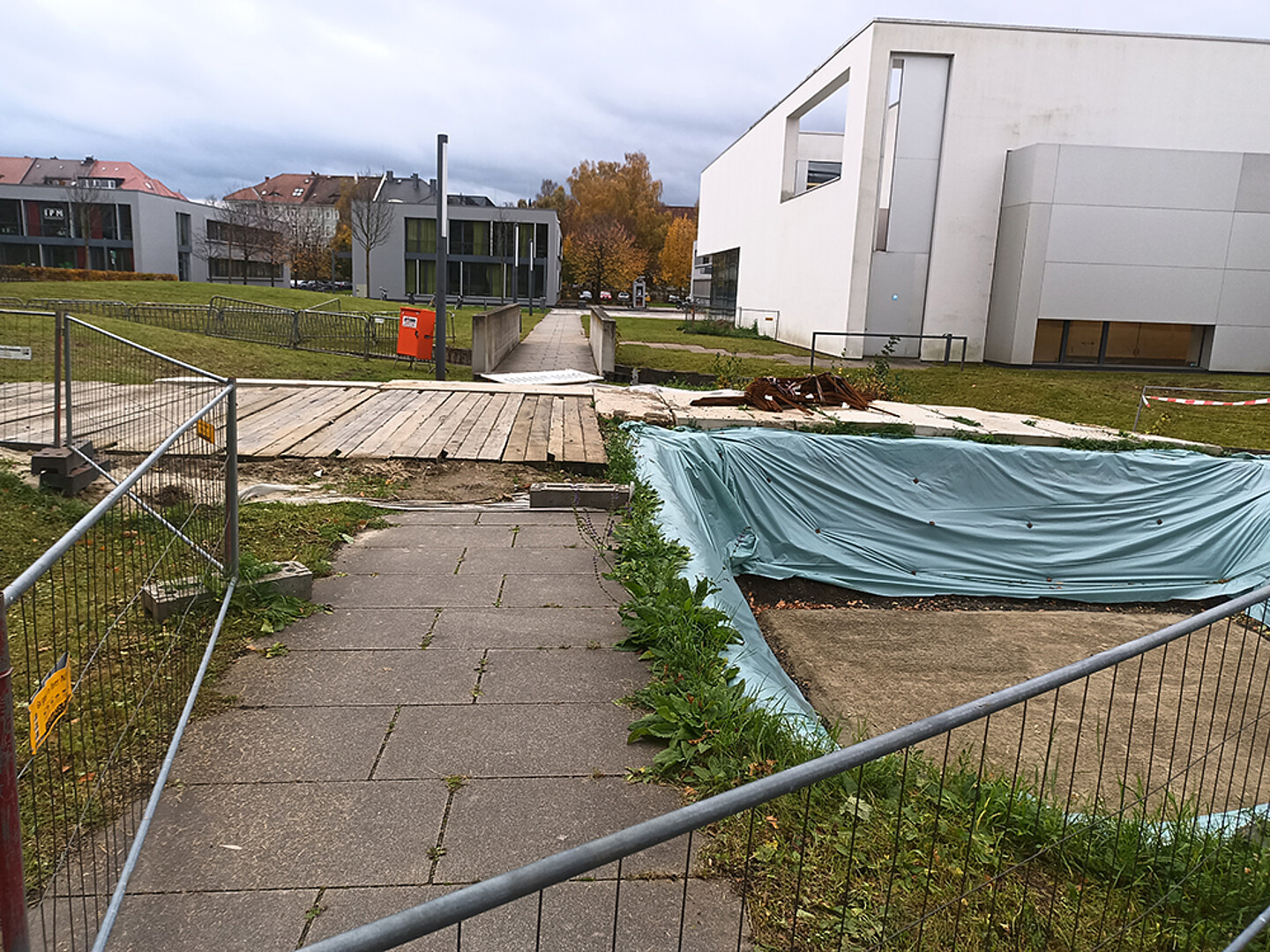
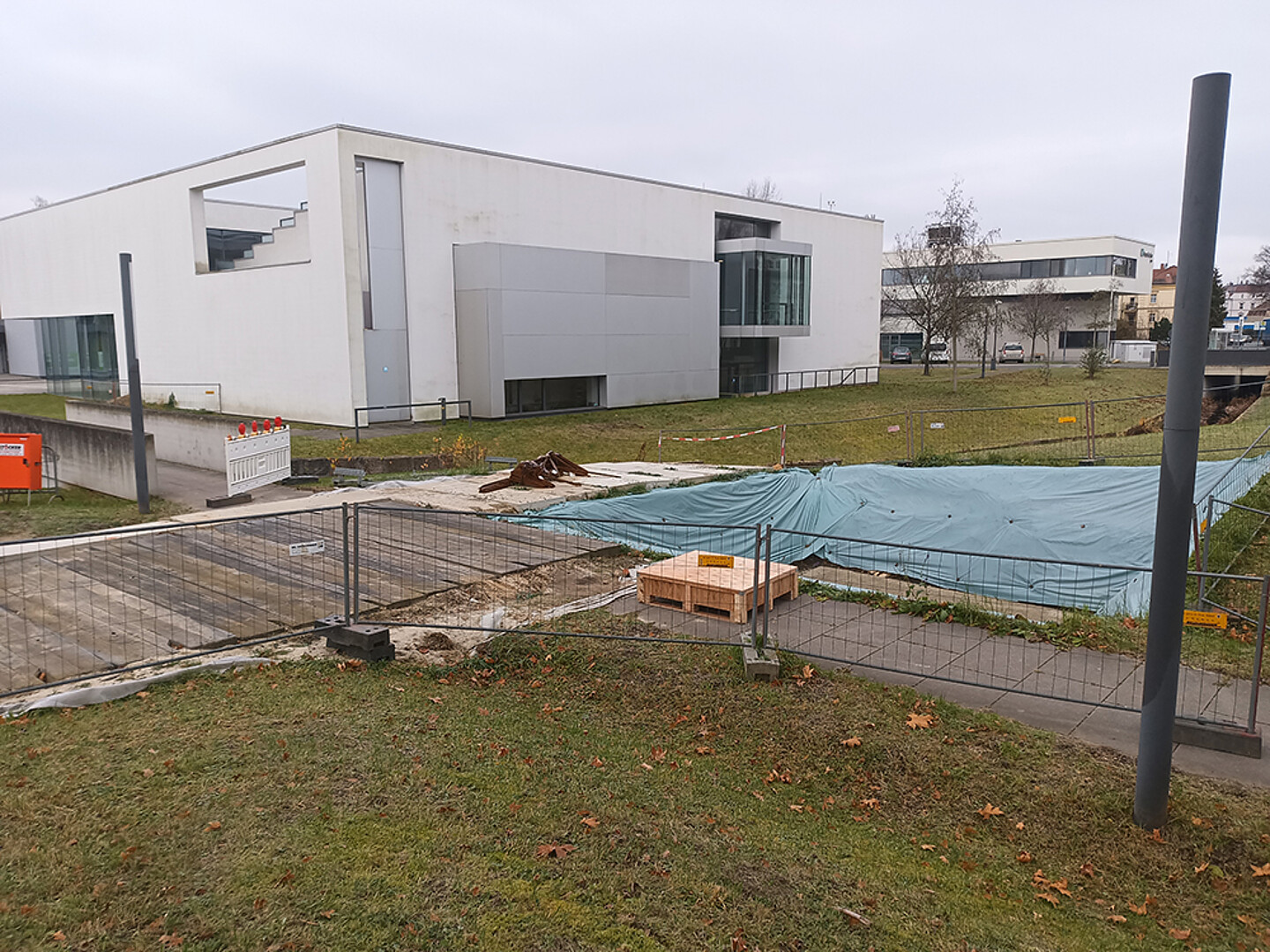
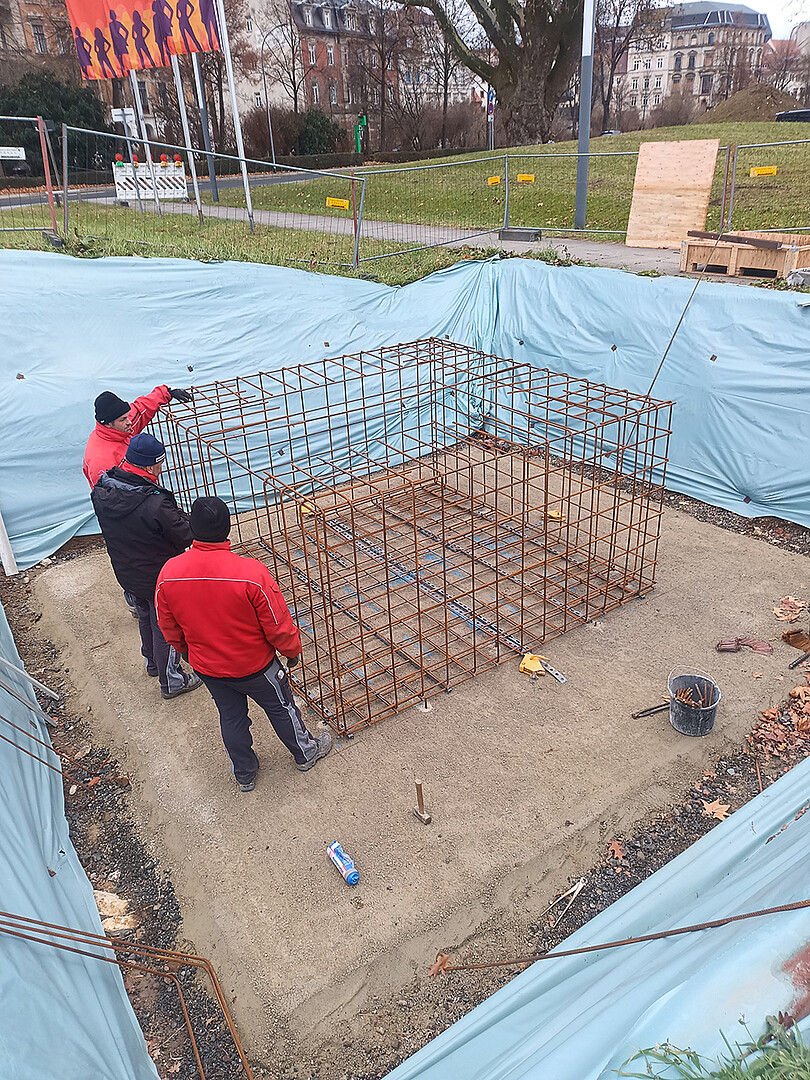
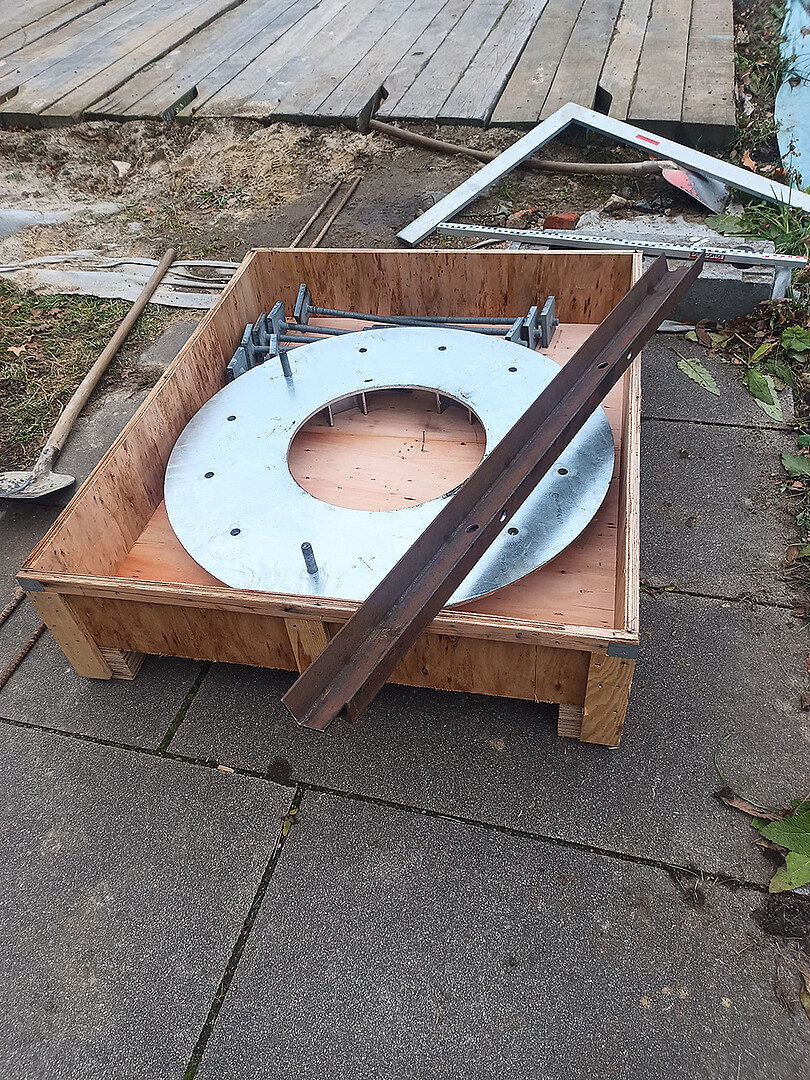
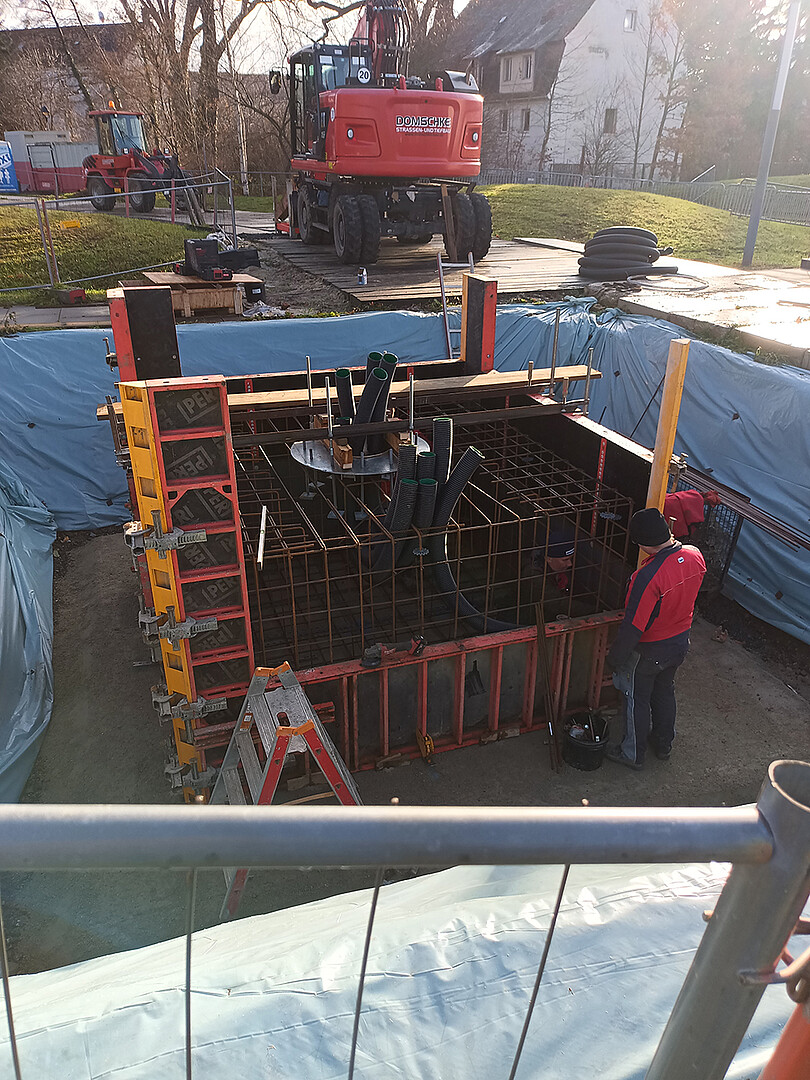
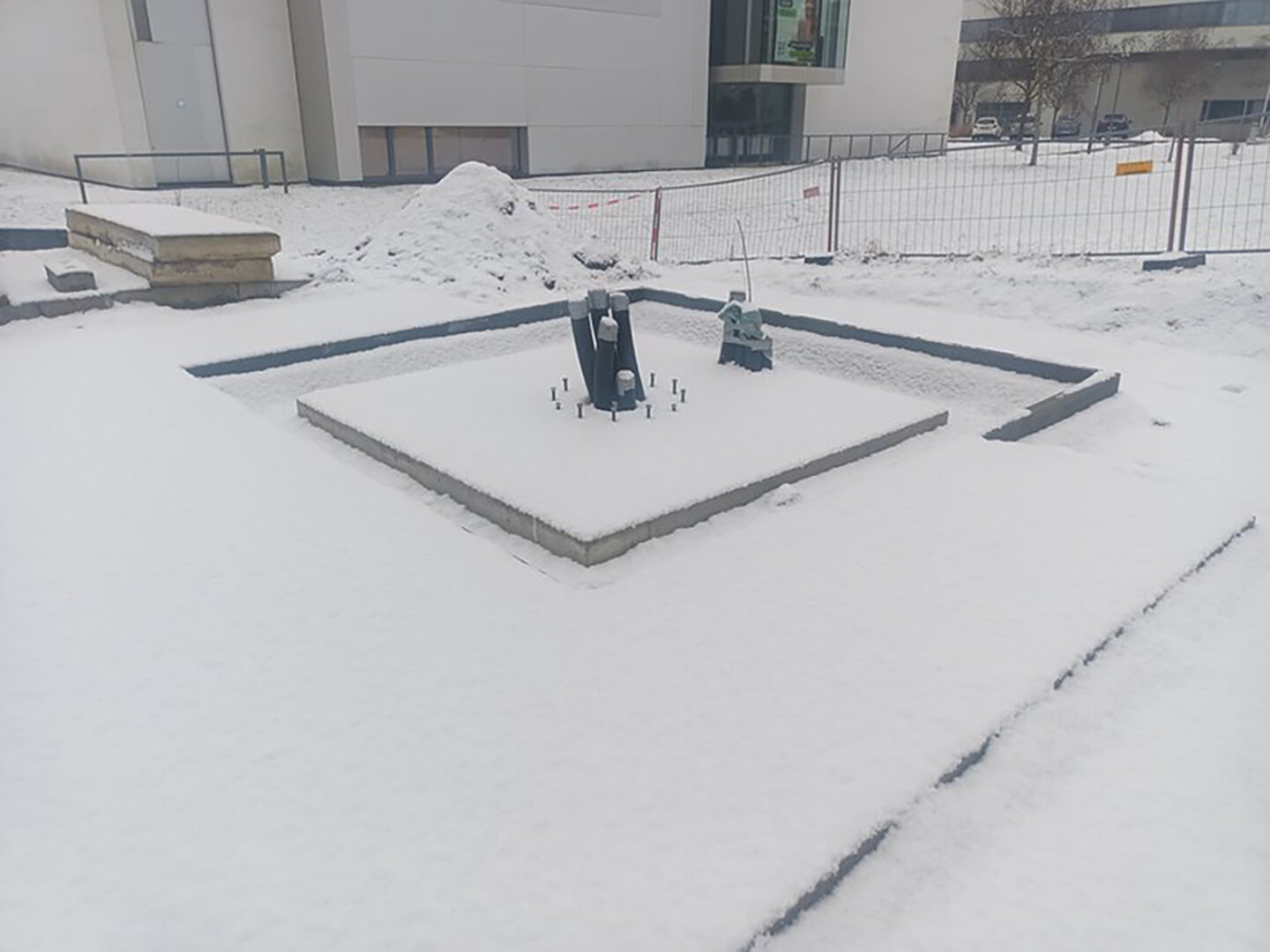
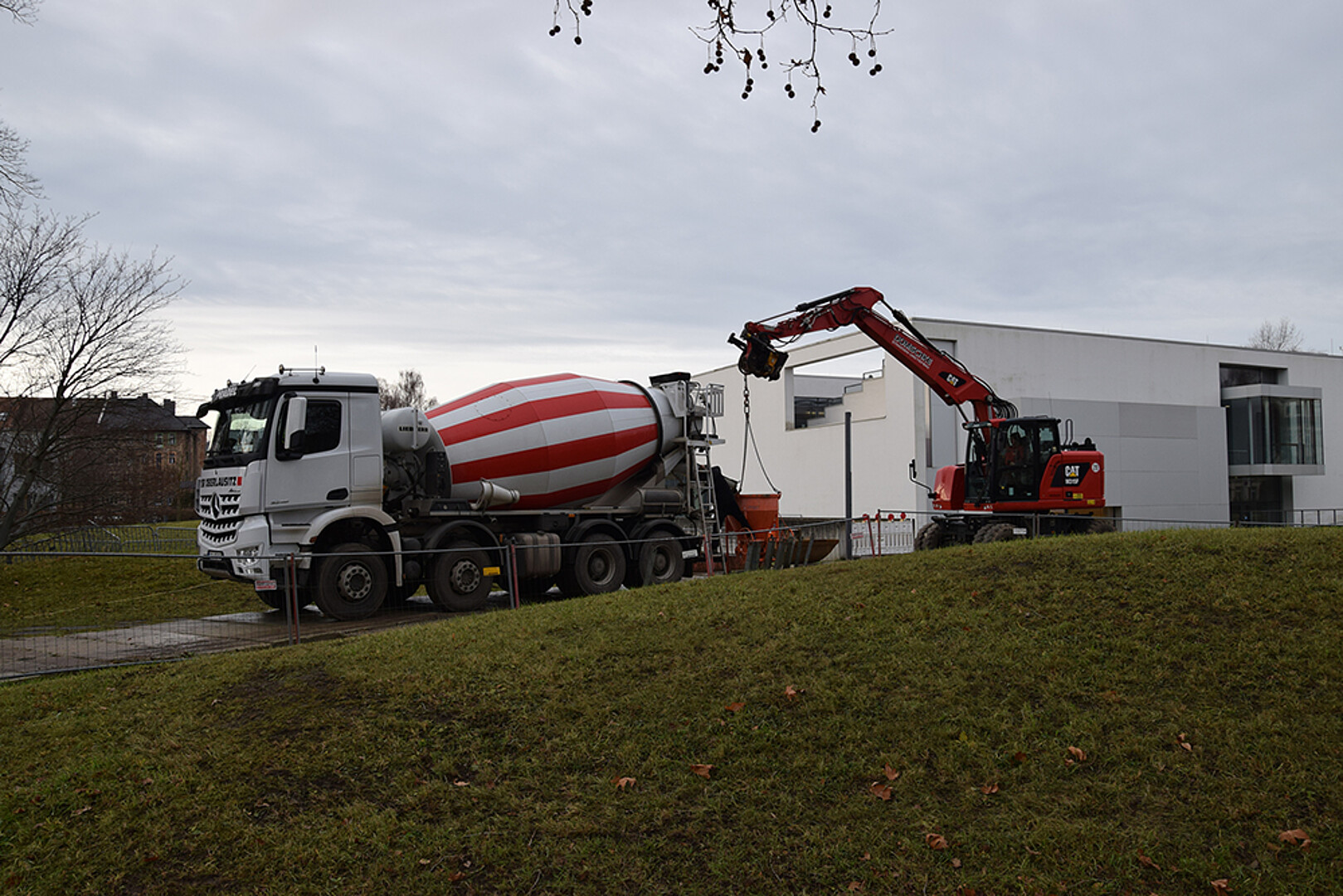
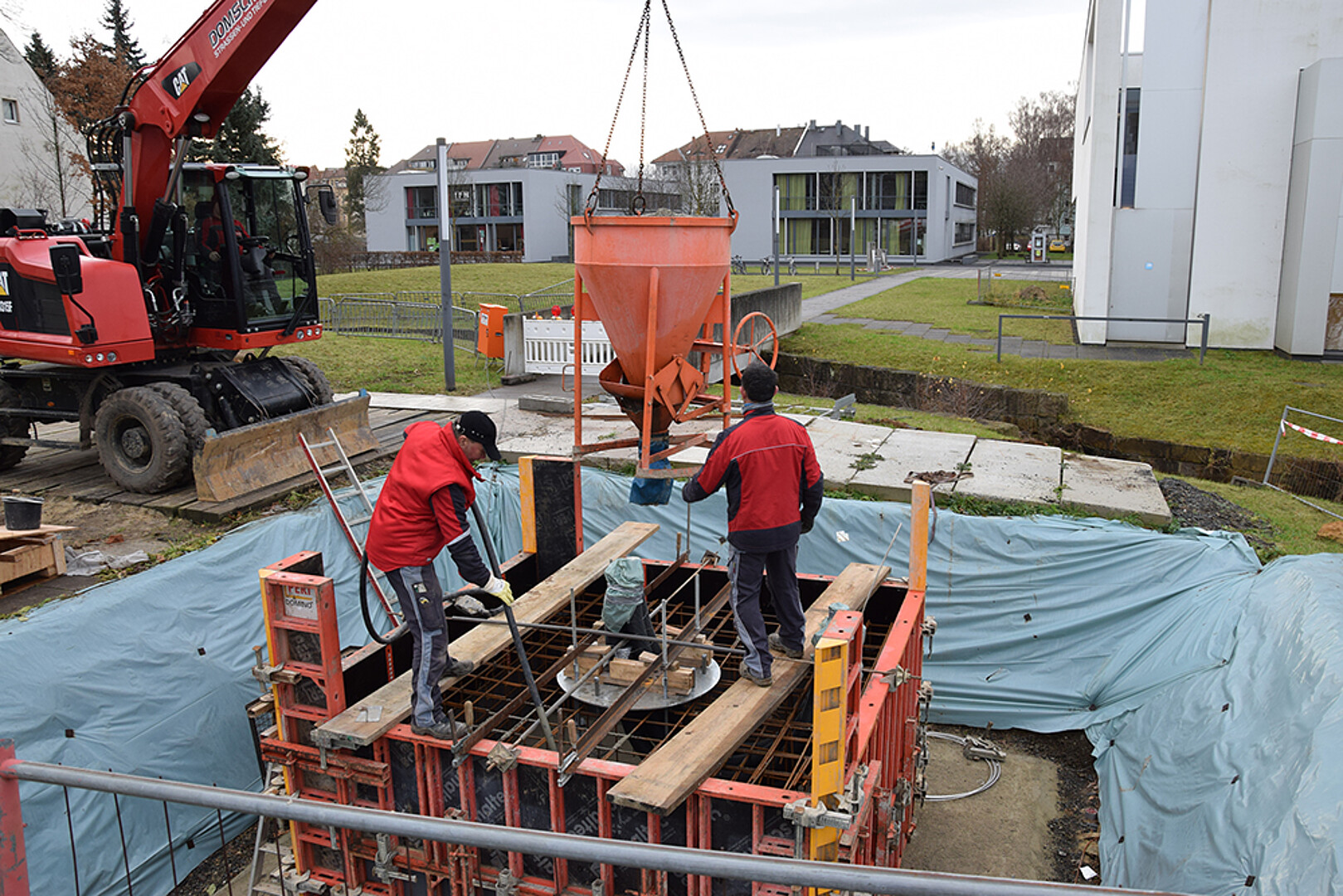
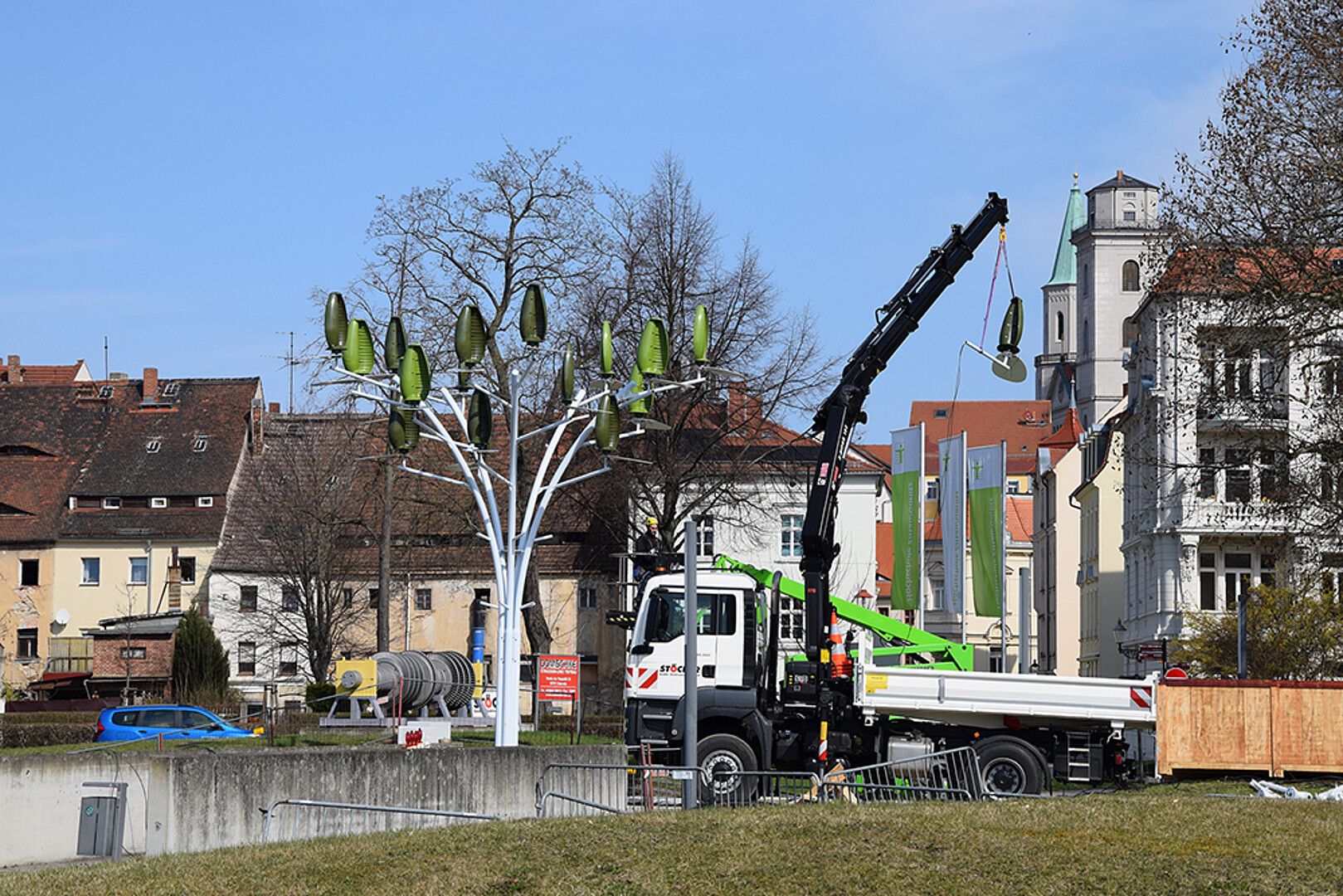
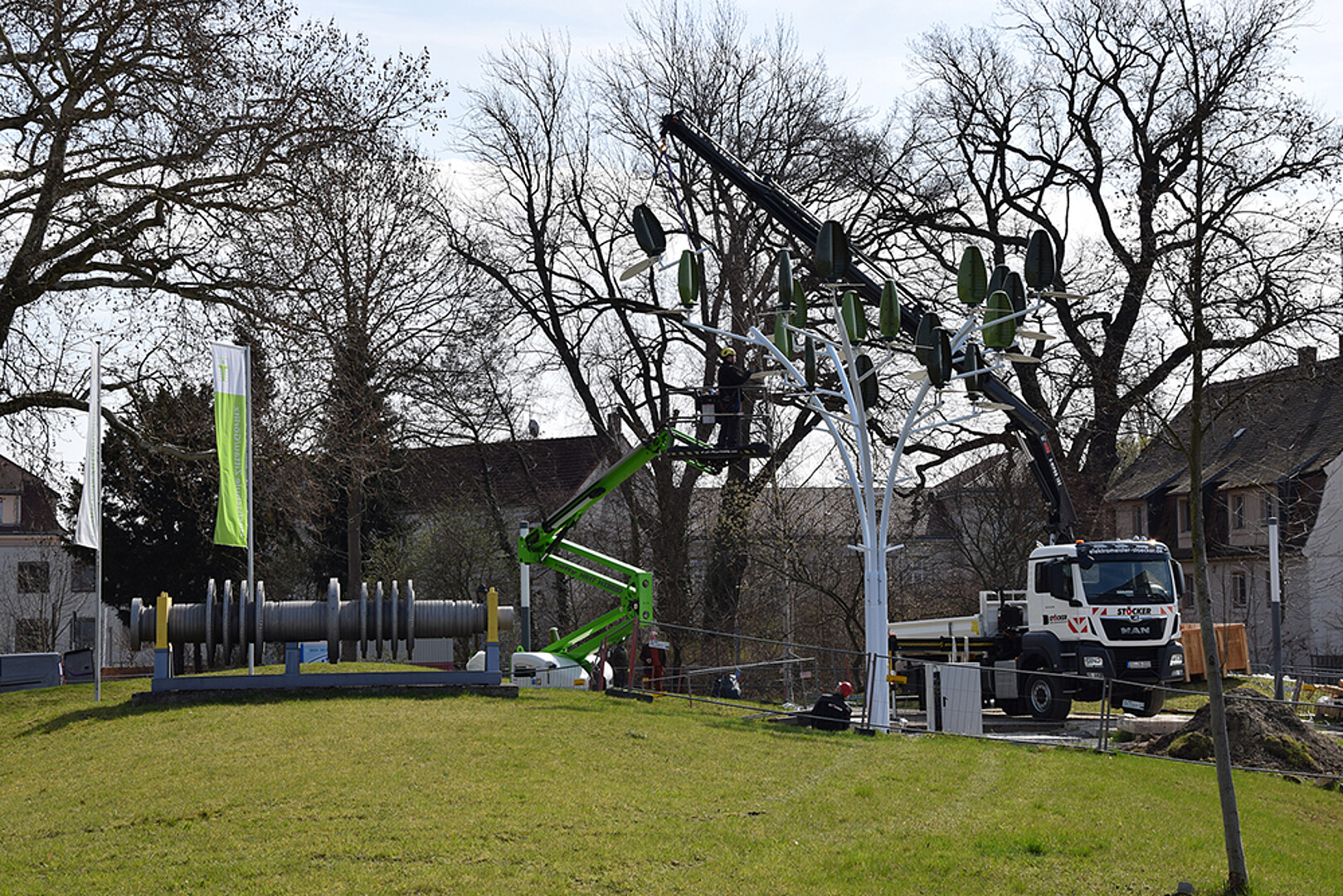
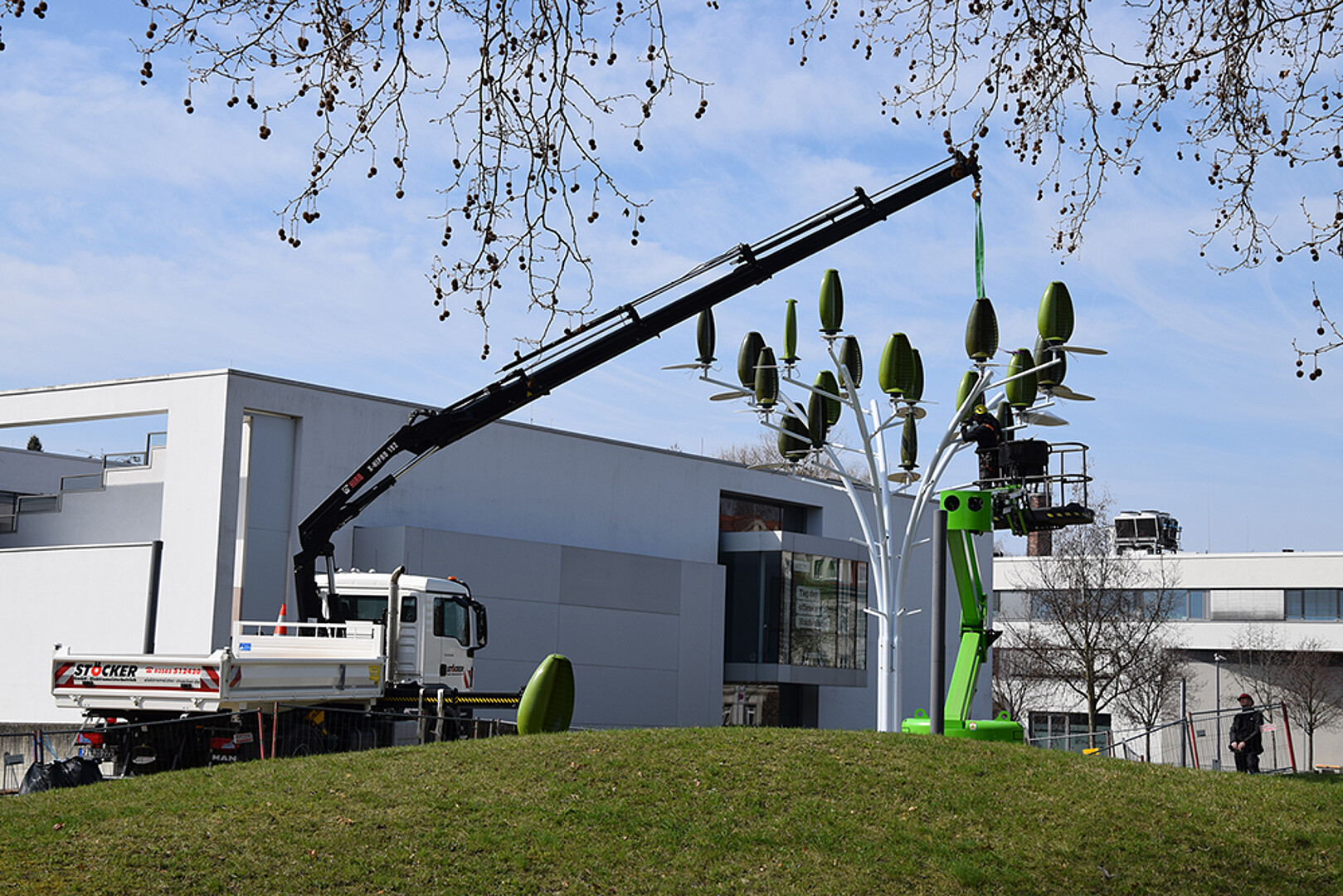
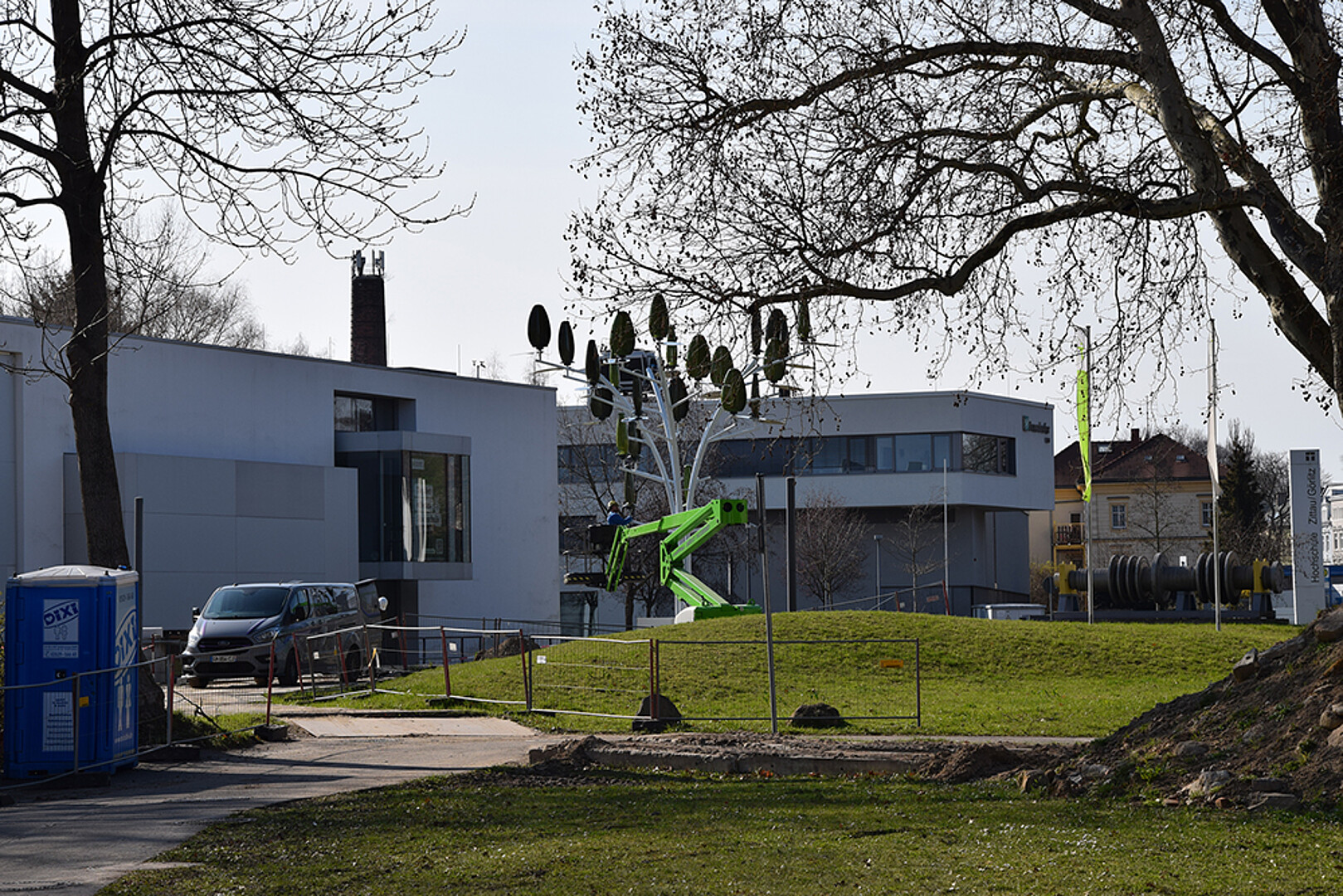
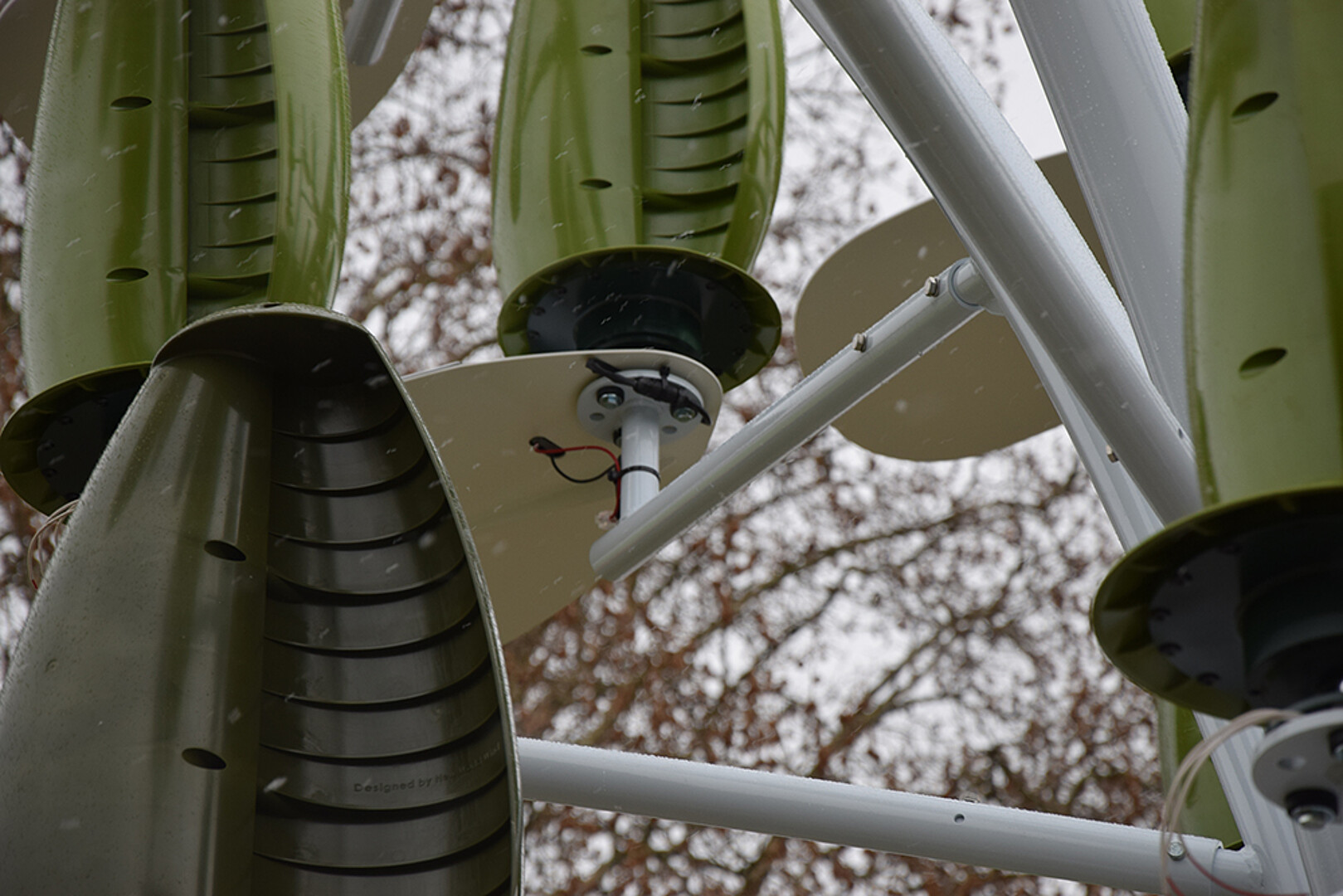
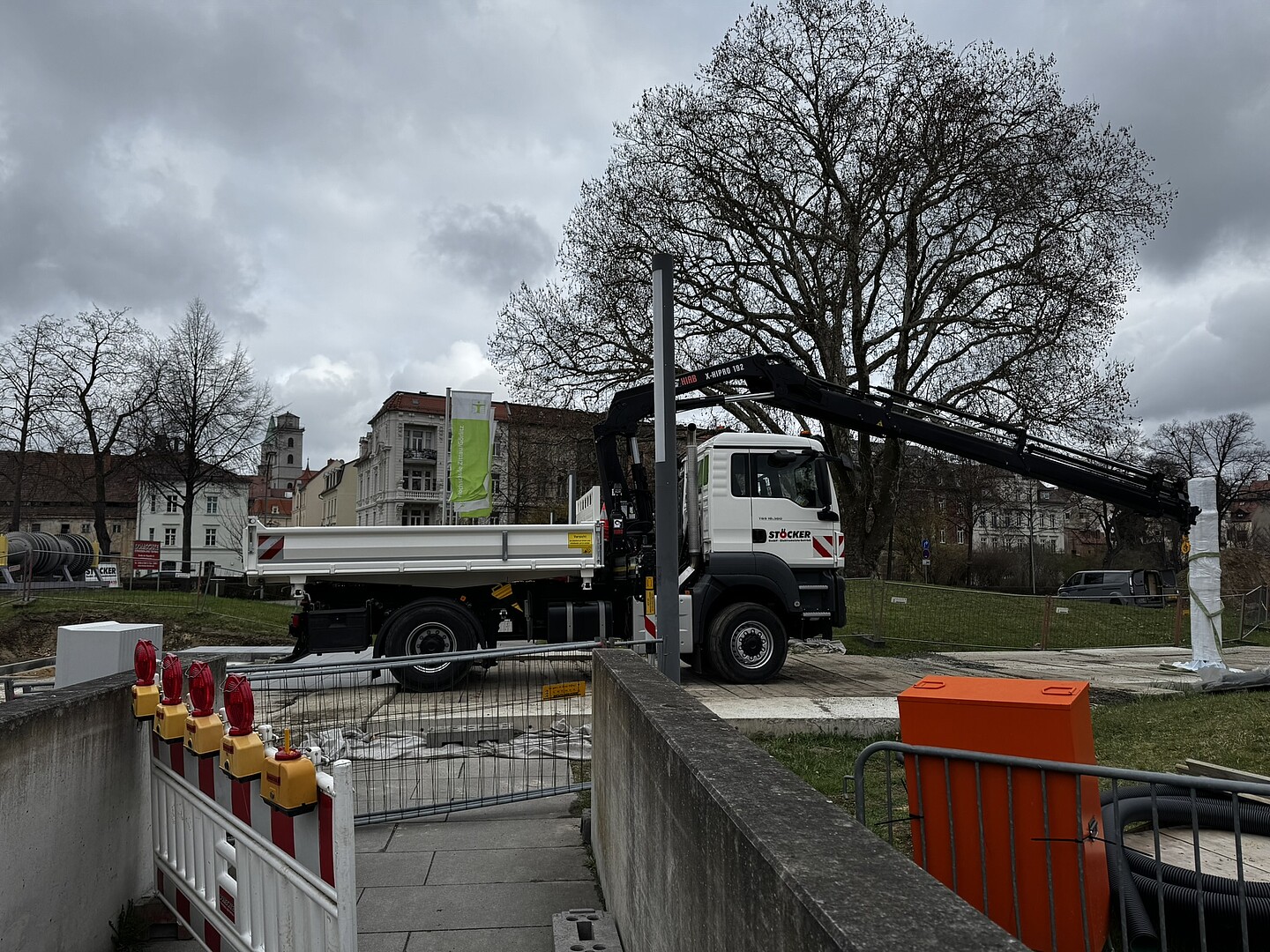
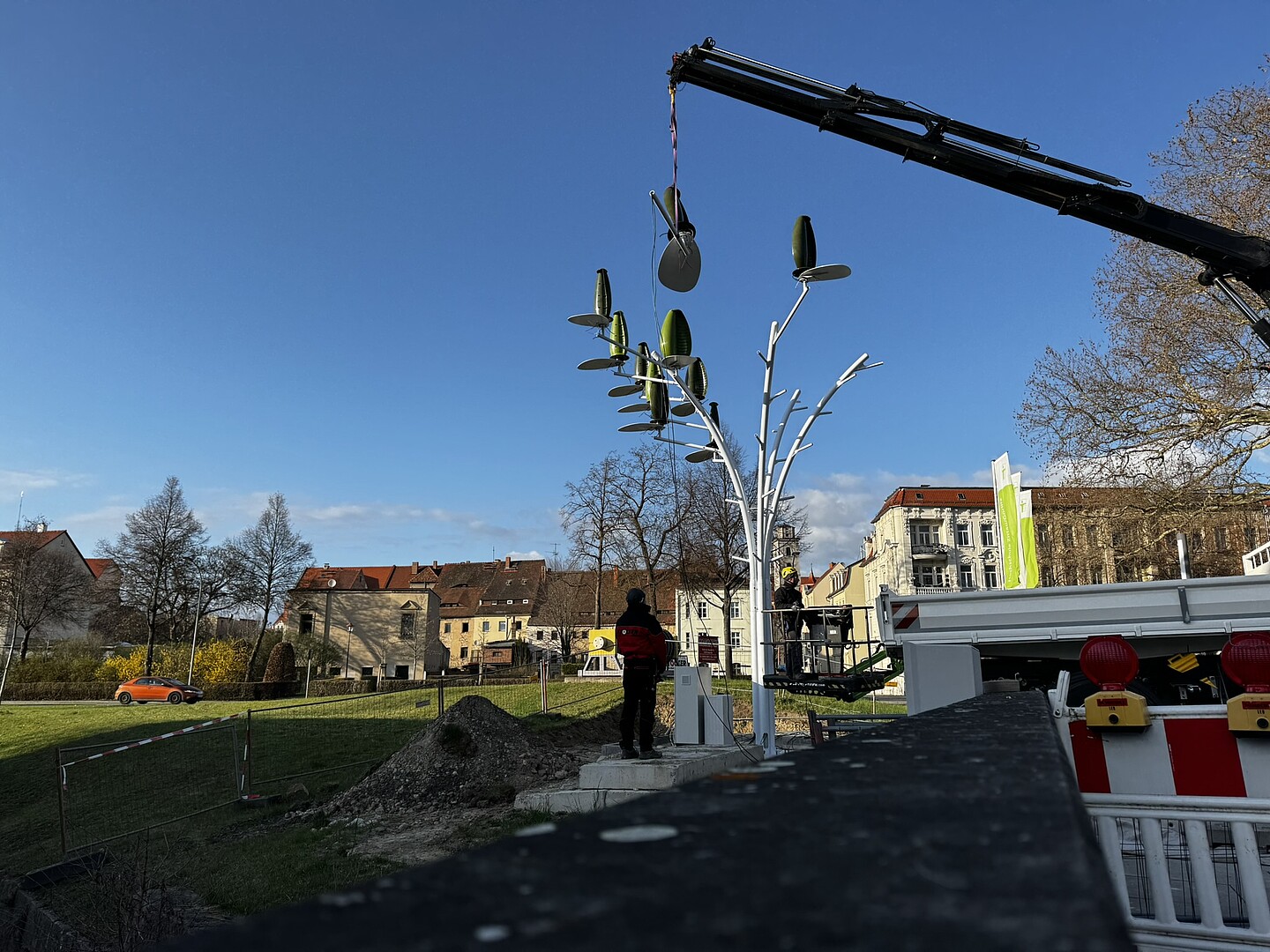
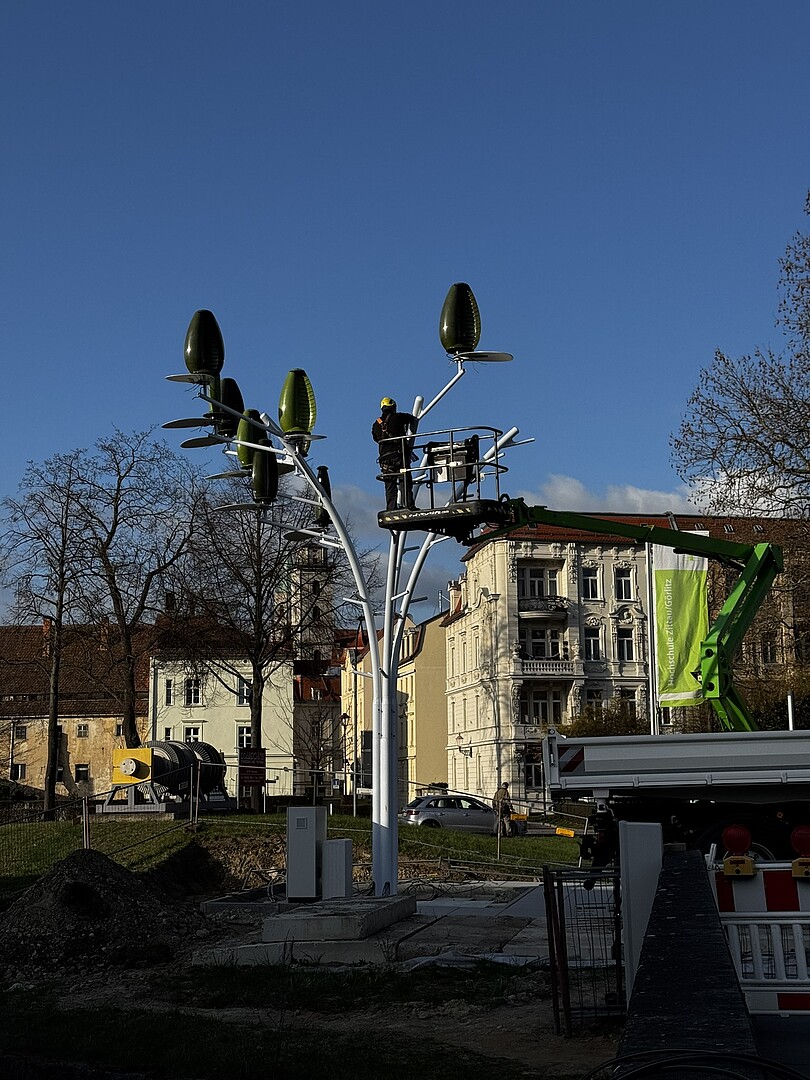
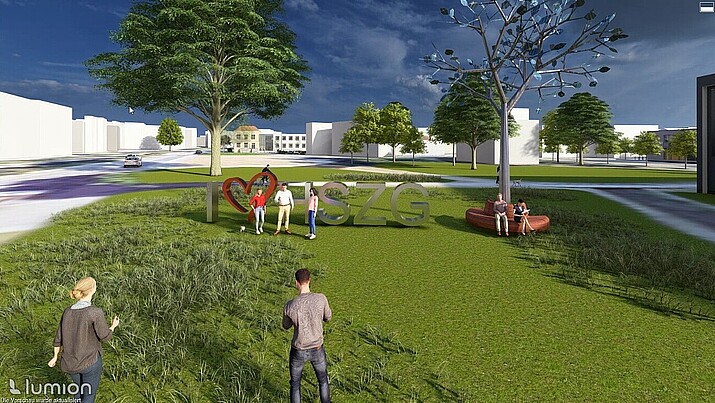
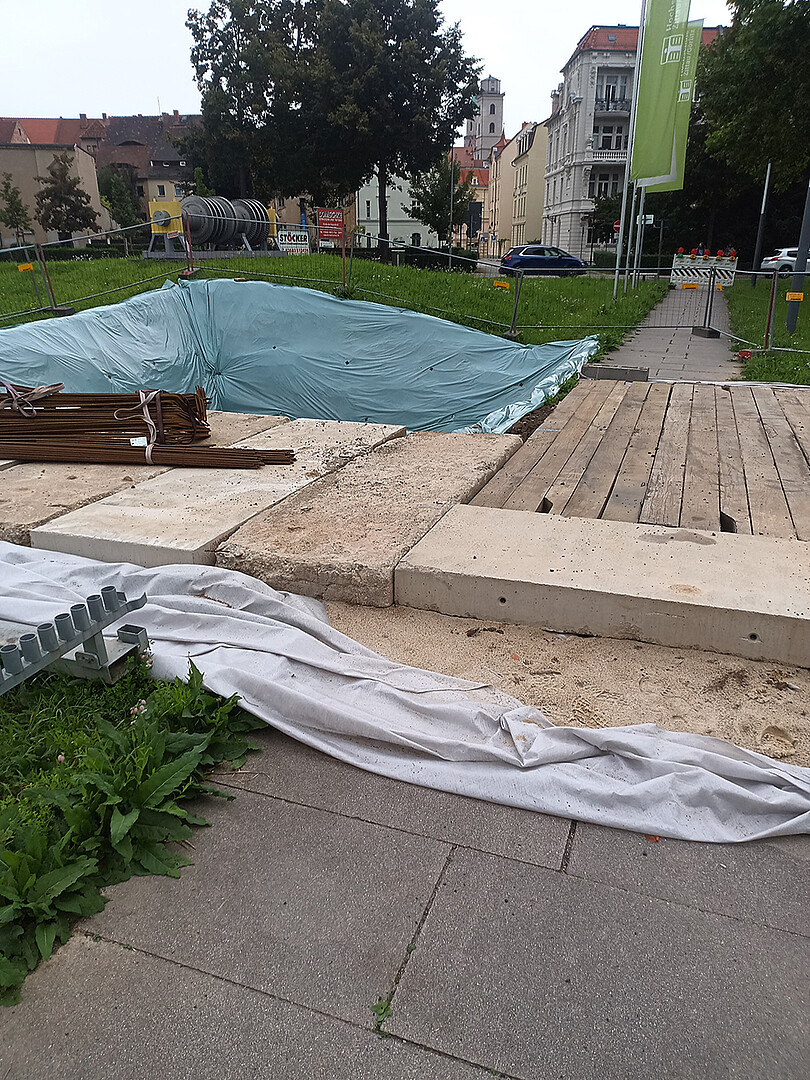
A new wind-solar tree was erected on the Zittau campus of the Zittau/Görlitz University of Applied Sciences from Thursday, March 26, through Saturday, March 28, 2026. The metal tree, which is just under 10 meters tall, combines wind and solar power generators into an innovative demonstration structure, making renewable energy visible and tangible in everyday campus life.
With the wind-photovoltaic tree, the university is expanding its infrastructure for hands-on science communication while also strengthening its commitment to sustainability and climate protection.
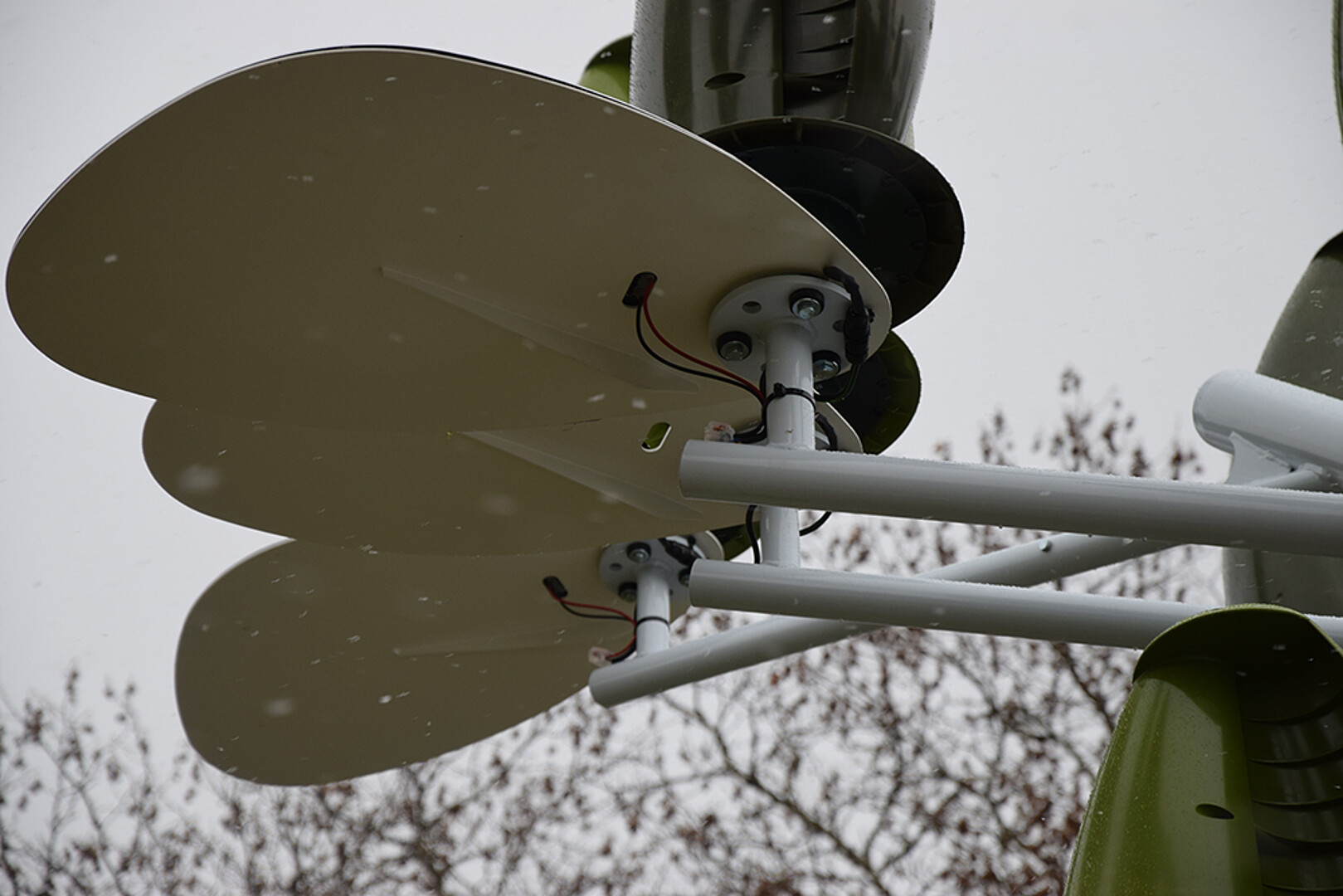
”The installation is the result of the ZukLOS educational initiative at the Zittau/Görlitz University of Applied Sciences. The so-called “wind-photovoltaic tree” is a metal tree approximately ten meters tall, featuring green, rotating wind turbines and photovoltaic “leaves” designed to harness solar energy. The system is connected to the power grid and supplies renewable energy. At the same time, the tree serves as a visual teaching and demonstration tool for schools, prospective students, and the general public. Additional information about the project can be found as part of the ZukLOS educational initiative in the “Campus 4 You” section.
Diverse Learning Experiences for Students
Thanks to its unique design, the wind-solar tree facilitates diverse learning experiences, particularly in classroom settings or during project days. In physics, it can be used to explain fundamental principles of energy conversion, such as the impact of rotor height on energy yield, relationships between current, voltage, power, and energy, as well as concepts like efficiency and maximum power point tracking. In geography, the interaction between the sun, wind, and atmospheric currents becomes clear.
Mathematical issues can be dealt with using frequency distributions of wind speeds or yield forecasts. Computer science topics such as the evaluation of measurement data, data visualization with Python or Grafana dashboards are also available. In addition, the wind-photovoltaic tree opens up perspectives for economic considerations such as return on investment, product life cycles or energy balances as well as for social discussions on acceptance, sustainability and the transition from fossil to renewable energy sources.
From the idea to implementation
Egmont Schreiter from the Faculty of Electrical Engineering and Computer Science' and M.-Eng. Sebastian Braun from the Institute of Process Engineering, Process Automation and Metrology (IPM). The latter came up with the idea, which Egmont Schreiter then played a key role in putting into practice.
With the Wind-Photovoltaic Tree, Zittau/Görlitz University of Applied Sciences is creating another visible building block for the integration of research, teaching, and technology transfer. The project serves as an excellent example of how innovative technologies can help convey complex future-oriented topics in a clear and engaging way and inspire young people to take an interest in science and sustainable energy supply.
”Sebastian Braun emphasizes the creative and inspiring dimension of the project: "It is important to me to show that green energy technology is not only necessary, but can also be inspiring and aesthetic. The PV and wind tree is intended to show pupils, students and visitors how much creativity and forward thinking there is in renewable energies."
Practical teaching and insights into energy supply
Prof. Dr. Cezary Dzienis has also been involved in the project since the beginning. He sees a wide range of potential uses for the wind-photovoltaic tree for teaching, research and student orientation. The small wind turbine is equipped with measurement technology so that operating data can be recorded and stored. It can be used in lectures and laboratories to investigate, simulate and calculate grid repercussions. The system can be scaled with software support so that students can gain a practical understanding of the impact of wind energy on the electricity grid and how stability and grid security can be guaranteed.
Prof. Dzienis, Professor of Grid Protection and Intelligent Grid Management at the HSZG since 2022, emphasizes the importance of the exhibit for teaching complex interrelationships:
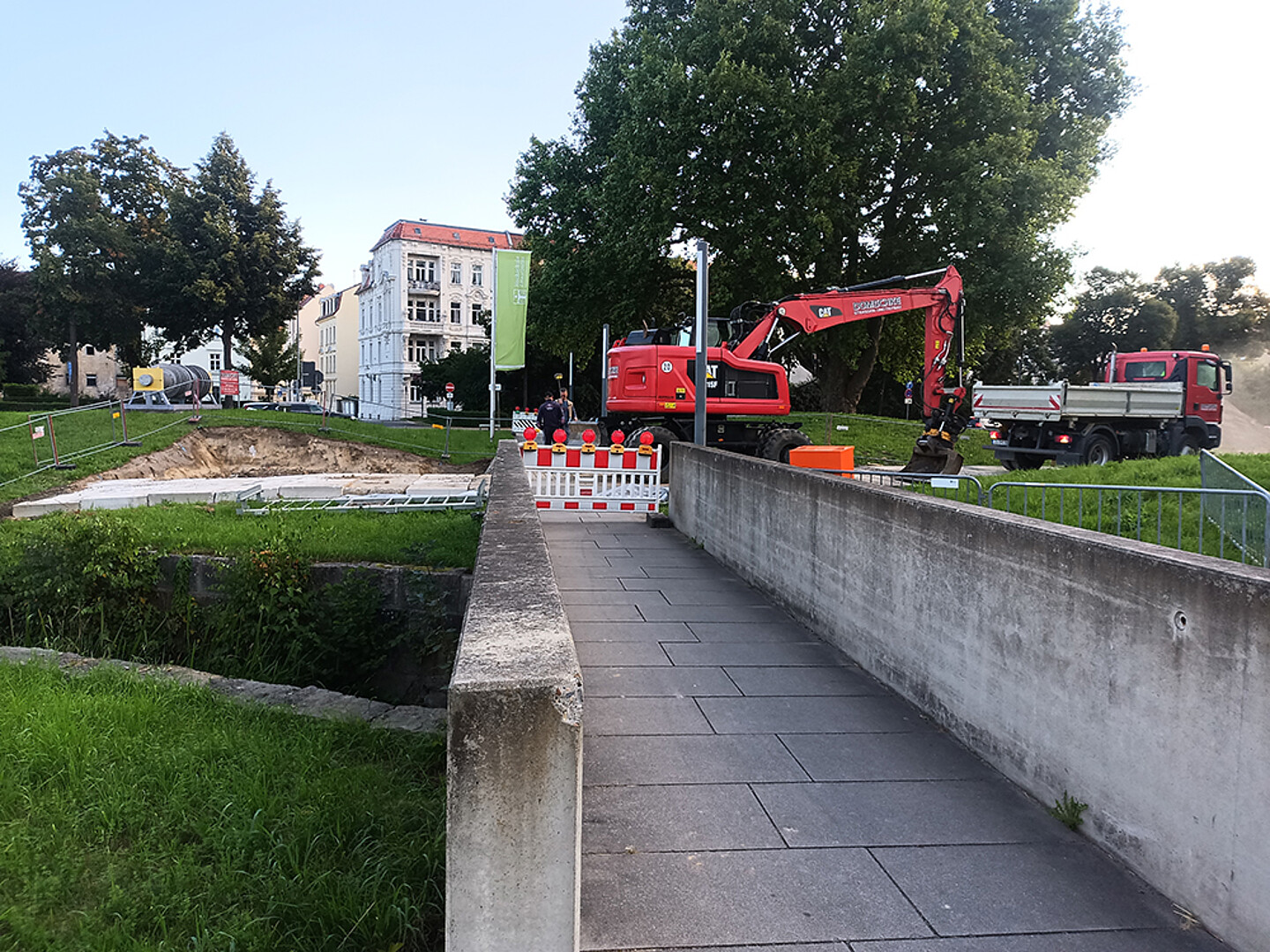
I am delighted that the ZukLOS educational initiative was able to acquire and set up such an interesting exhibit. Its location—next to the turbine rotor just outside the university’s doors—speaks for itself: For years, the share of renewable energy in the power grid has been increasing, thereby reducing the consumption of fossil fuels. In our lab, students can explore the complex interplay between the power grid and renewable energy sources in a realistic setting using the real-time simulator. This demonstrates once again just how practical the programs at our faculty and university are.
”The insights gained are directly incorporated into teaching and contribute to the training of urgently needed specialists in the field of sustainable energy systems.
Part of the ZukLOS Educational Initiative
The Wind-Photovoltaic Tree is part of the ZukLOS educational initiative, which was launched by Rector Prof. Dr.-Ing. Alexander Kratzsch and initially overseen by Vice President Prof. Dr. Sophia Keil. “The goal of the initiative is to create innovative learning and meeting places that bridge the gap between science and practice,” explains Christian Tiller, the scientific director of the ZukLOS educational program.
As part of the ZukLOS educational initiative, the installation was funded with PMO funds. These funds, earmarked for strengthening the next generation of STEM professionals, come from the assets of political parties and mass organizations of the GDR and were made available through the support of State Parliament Representative Franziska Schubert.

The Wind-Photovoltaic Tree exemplifies what we, as a university, understand by modern science: the close interplay of research, knowledge transfer, and social responsibility. By not only developing innovative technologies but also making them visible and tangible, we build bridges between science, education, and the public. Projects like this are crucial for driving sustainable transformation while also inspiring young people early on to engage with issues that will shape the future.
”In addition to the wind-solar tree, other components of the ZukLOS initiative have already been implemented. These include, among others, the DLR_School_Lab at the Zittau/Görlitz University of Applied Sciences—developed in collaboration with the DLR—the AirLab, a mobile student lab for project days at schools in the region, and a makerspace for K-12 students and college students on the Zittau campus. A “green classroom” is currently being built on the Zittau campus to provide an outdoor learning and sports experience. Through these initiatives, ZukLOS strengthens the connection between the university, schools, and the community and fosters an early interest in science, technology, and sustainable development.
Text: Cornelia Rothe
1st floor
2nd upper floor