
News
Strengthening University Collaboration: Best Practices in the Exchange Between Zittau/Görlitz University of Applied Sciences and Ansbach University of Applied Sciences
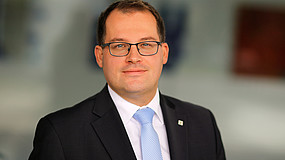
Prof. Dr.-Ing. Sascha Müller-Feuerstein Visits HSZG – Inspiration for Innovation, Technology Transfer, and Regional Development.
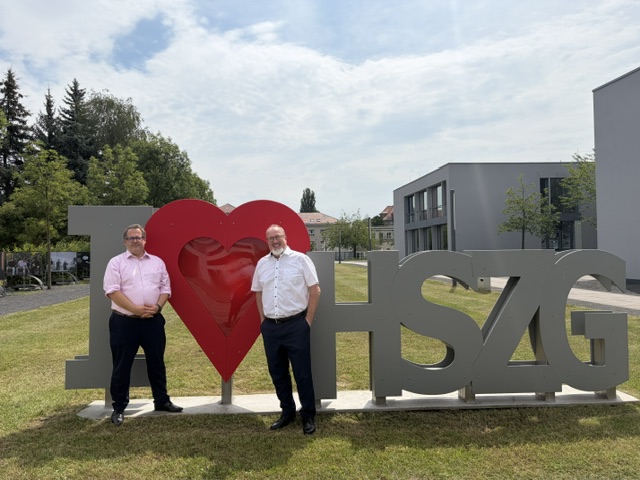
The president of Ansbach University of Applied Sciences, Prof. Dr.-Ing. Sascha Müller-Feuerstein, visited Zittau/Görlitz University of Applied Sciences on July 14, 2026. The visit focused on the exchange of best practices in teaching, research, technology transfer, and institutional development. The goal was to learn about successful approaches, discuss shared challenges, and gain new insights for the strategic development of both universities.
Insights into Innovative Educational and Knowledge Transfer Concepts
After a welcome address by the president of HSZG, Prof. Dr.-Ing. Alexander Kratzsch, Dr. Thomas Fester and Christian Tiller gave a tour of the DLR_School_Lab. They provided insights into the structure of the student lab, presented the facilities and educational programs for students, and shared their experiences from the first year of operation.
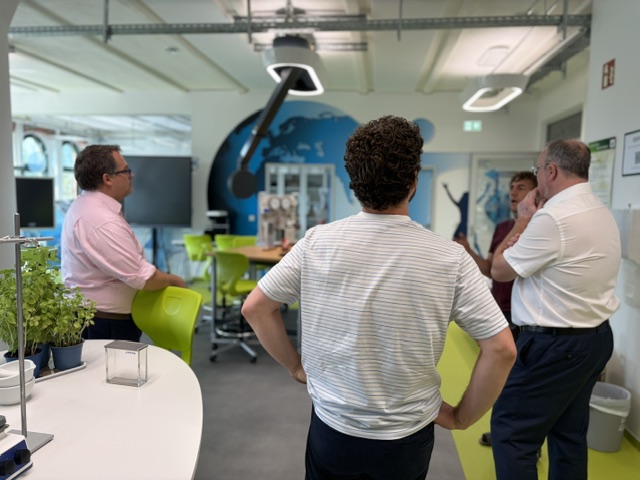
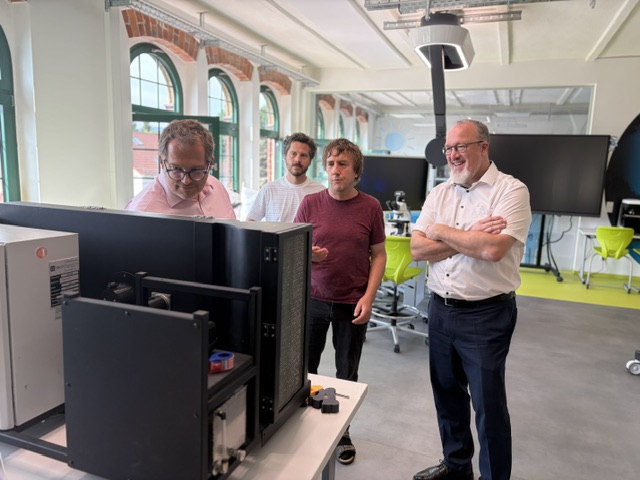
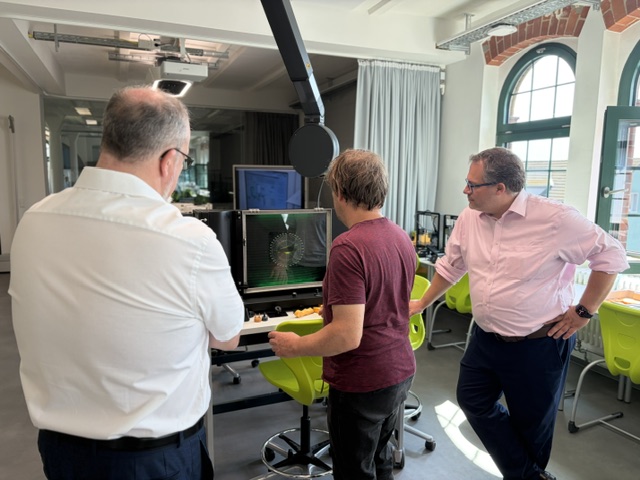
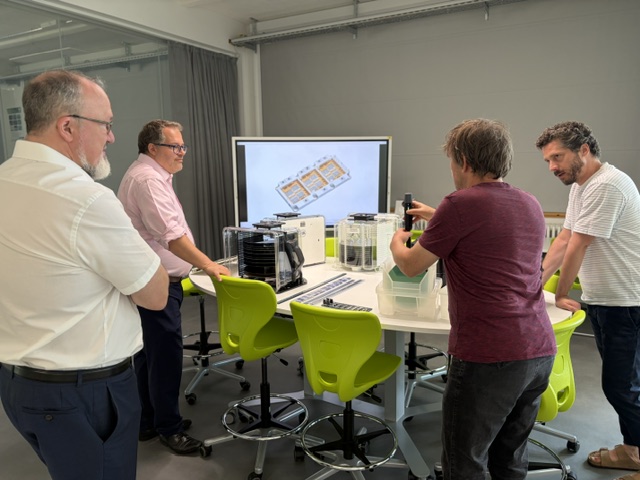
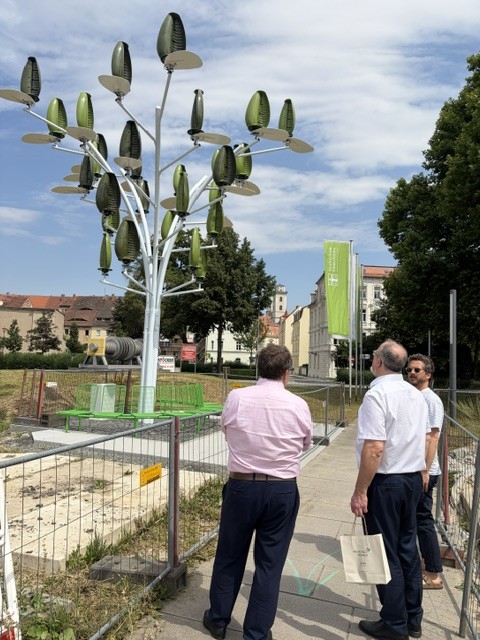
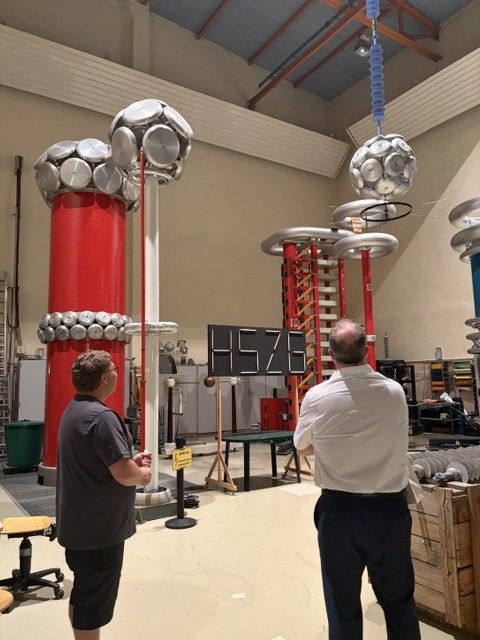
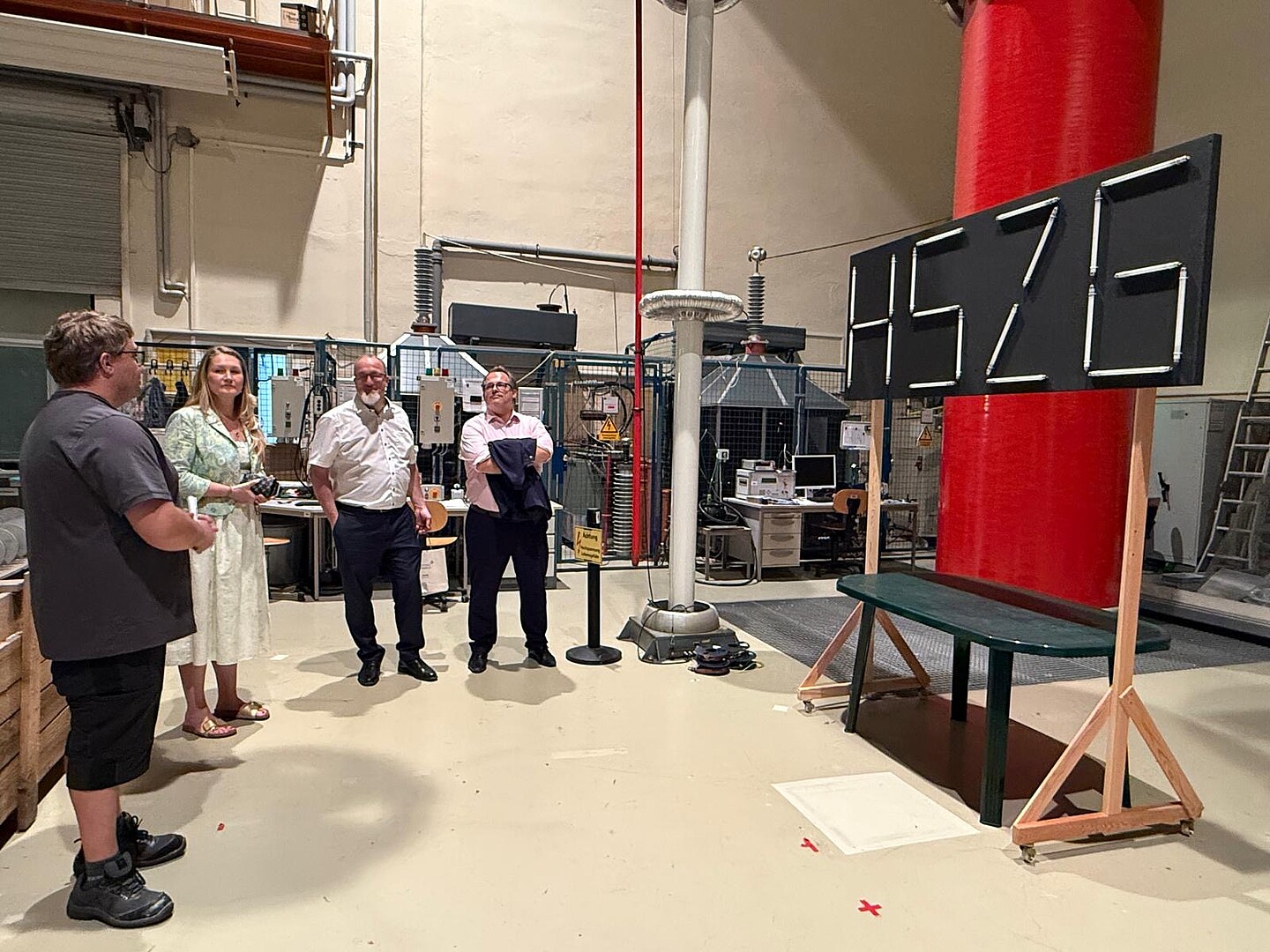
During the subsequent strategy meeting, the participants discussed the development of the HSZG, structural change in Upper Lusatia, the Cooperative Engineering Education (KIA) program, the “Zukunftslernort Oberlausitz” (ZukLOS) educational initiative, and current challenges in university development. A tour of the campus, with stops at the Makerspace, the wind-photovoltaic plant, the Green Classroom, and the high-voltage hall, rounded out the visit.
Colleges and Universities as Drivers of Regional Development
The visit highlighted that Ansbach University of Applied Sciences and Zittau/Görlitz University of Applied Sciences face comparable challenges for the future, despite differing regional conditions. Both universities see themselves as catalysts for innovation, securing a skilled workforce, and knowledge transfer, and work closely with businesses, local governments, and other regional partners.
The development of their respective regions also shows parallels. Bavaria and Saxony have consistently driven the expansion of applied universities and strengthened the close integration of academic study, research, and professional practice. While Middle Franconia has developed into a high-performing hub for science and business, the structural transformation of Upper Lusatia is opening up new prospects for research, innovation, and international cooperation in the Germany–Poland–Czech Republic border region. Against this backdrop, cross-university exchange on successful strategies and innovative educational formats is becoming increasingly important.
Collaboration with universities throughout Germany is of great importance to the continued development of the University of Zittau/Görlitz. It allows us to gain new perspectives, draw on valuable insights, and generate ideas for the future development of our university.
”The long trip from Ansbach was well worth it in every respect. I was particularly impressed by the HSZG’s successful collaboration with schools in the region, its high level of achievement in research and knowledge transfer, and the university’s consistent strategic development. At the same time, I greatly appreciated the open dialogue, the warm welcome, and the special atmosphere on campus and in the city of Zittau. I got to know the Zittau/Görlitz University of Applied Sciences from one of its good sides, and I look forward to continuing the dialogue we’ve begun.
”Collaboration with a Future in Mind
The visit underscored the great importance of regular exchanges between universities of applied sciences. Both universities agreed to continue the dialogue they had begun and to further intensify the exchange of experiences regarding innovative teaching, research, and knowledge transfer formats. Particularly in light of demographic change, economic transformation, and the growing demand for skilled workers, universities can further strengthen their role as drivers of innovation and partners in regional development through the joint development and exchange of successful concepts.
1st floor
2nd upper floor