
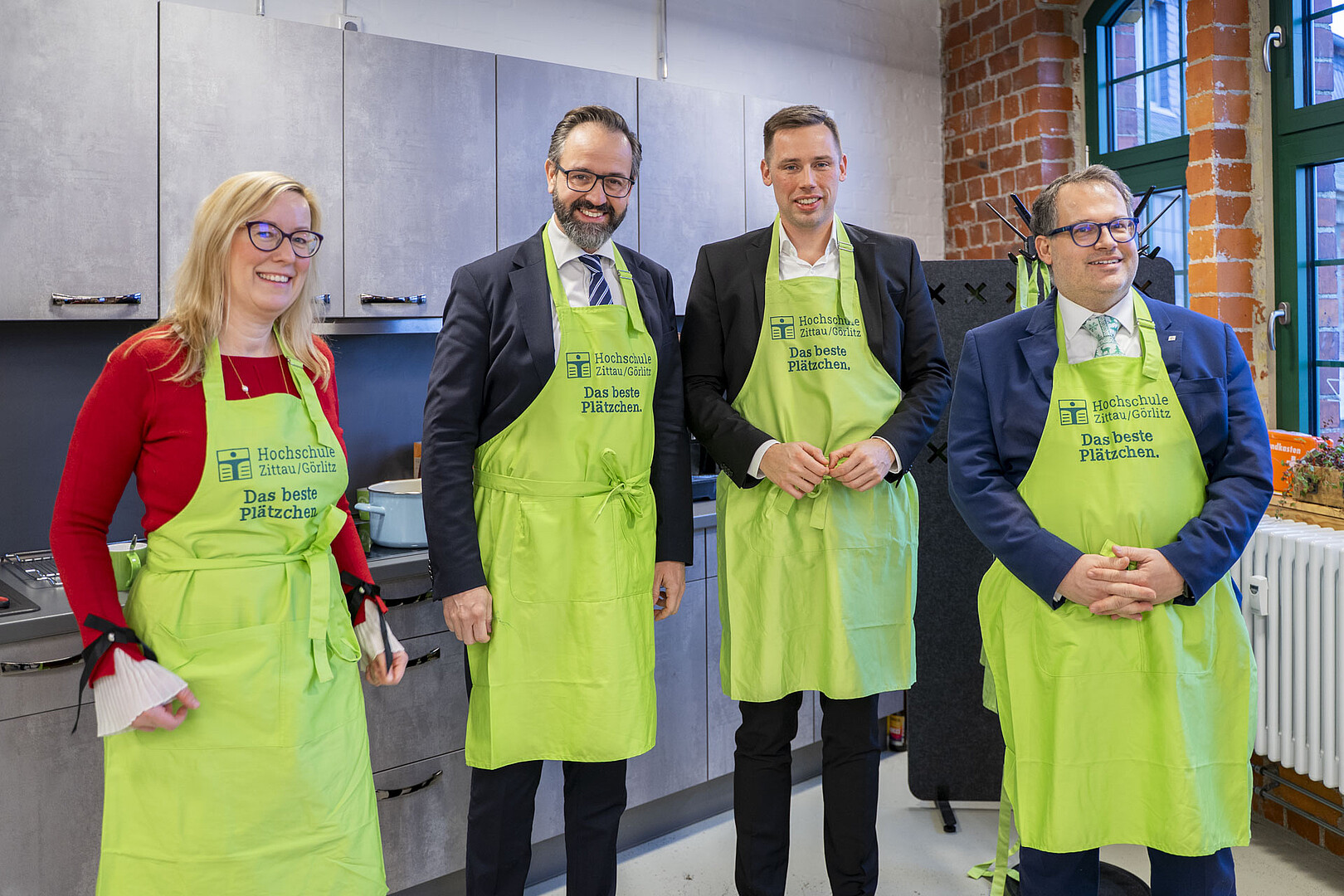
The best place!
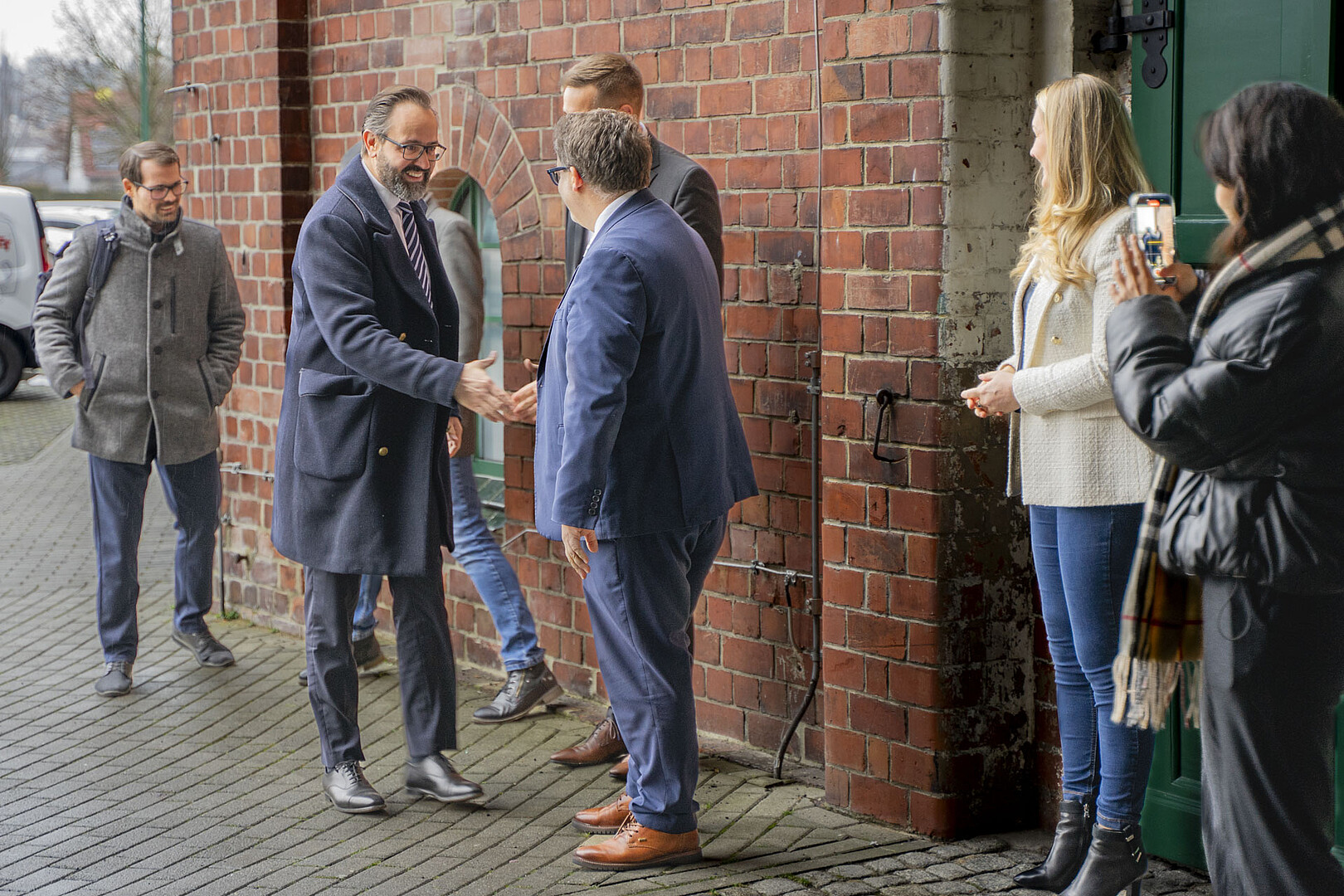
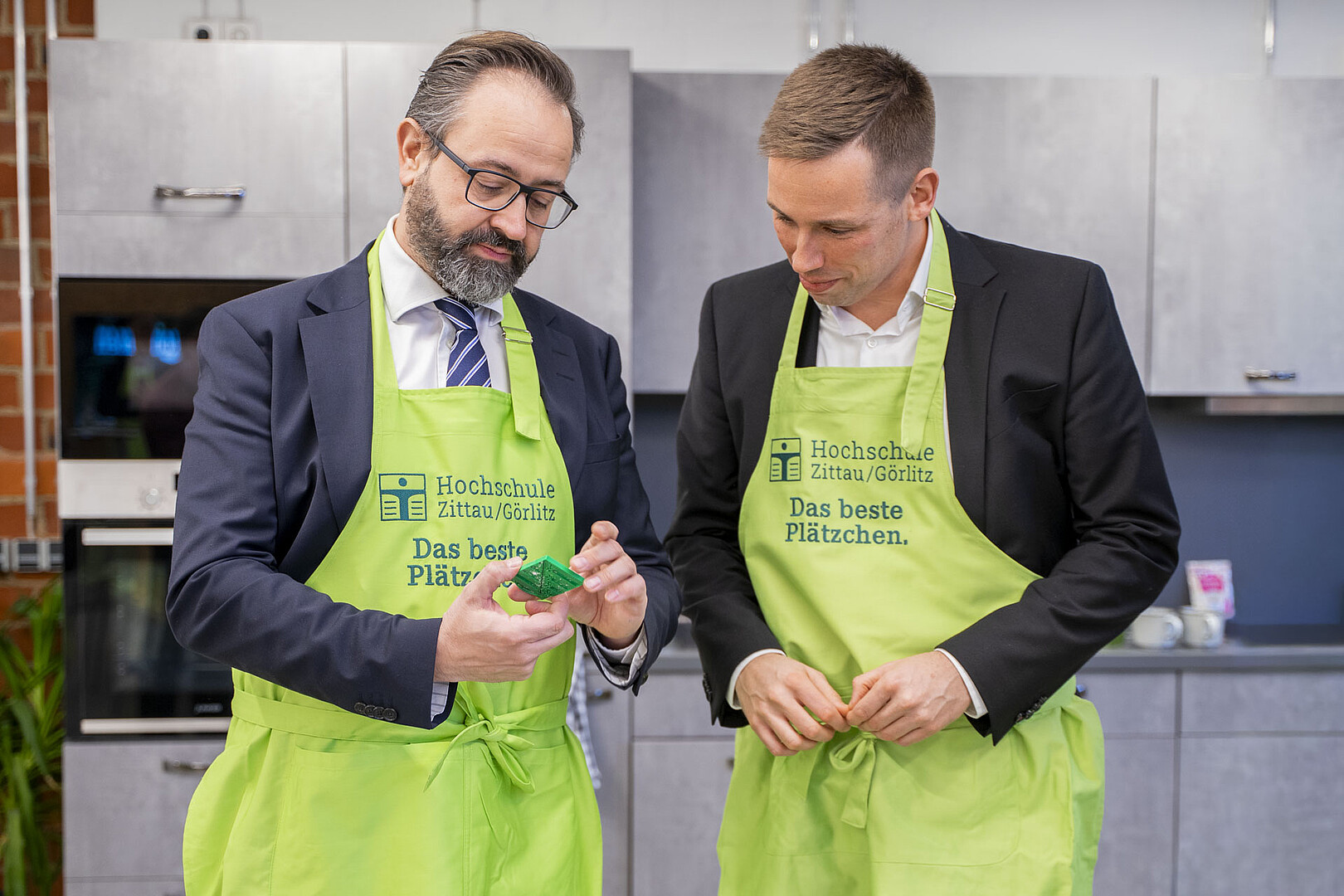
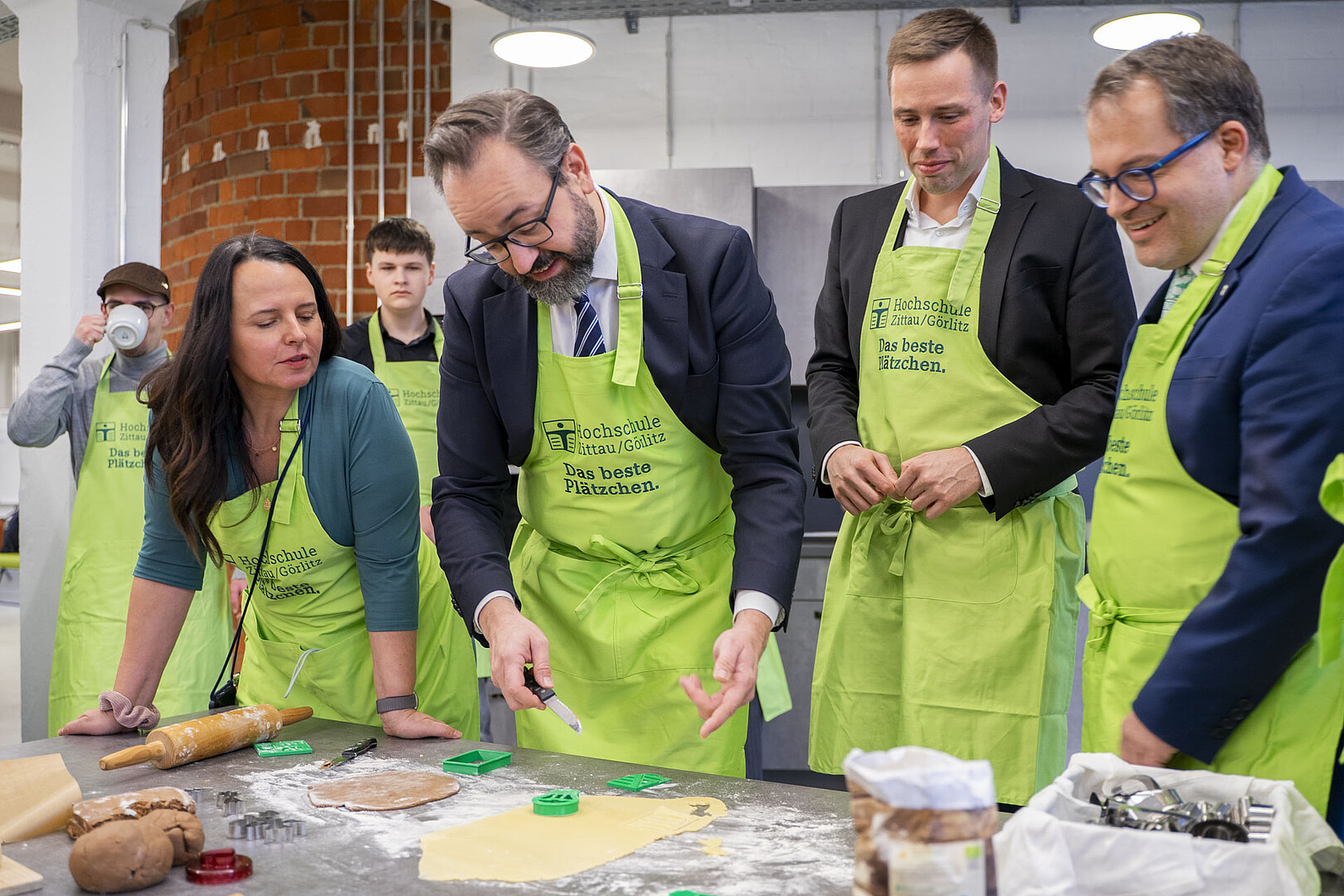
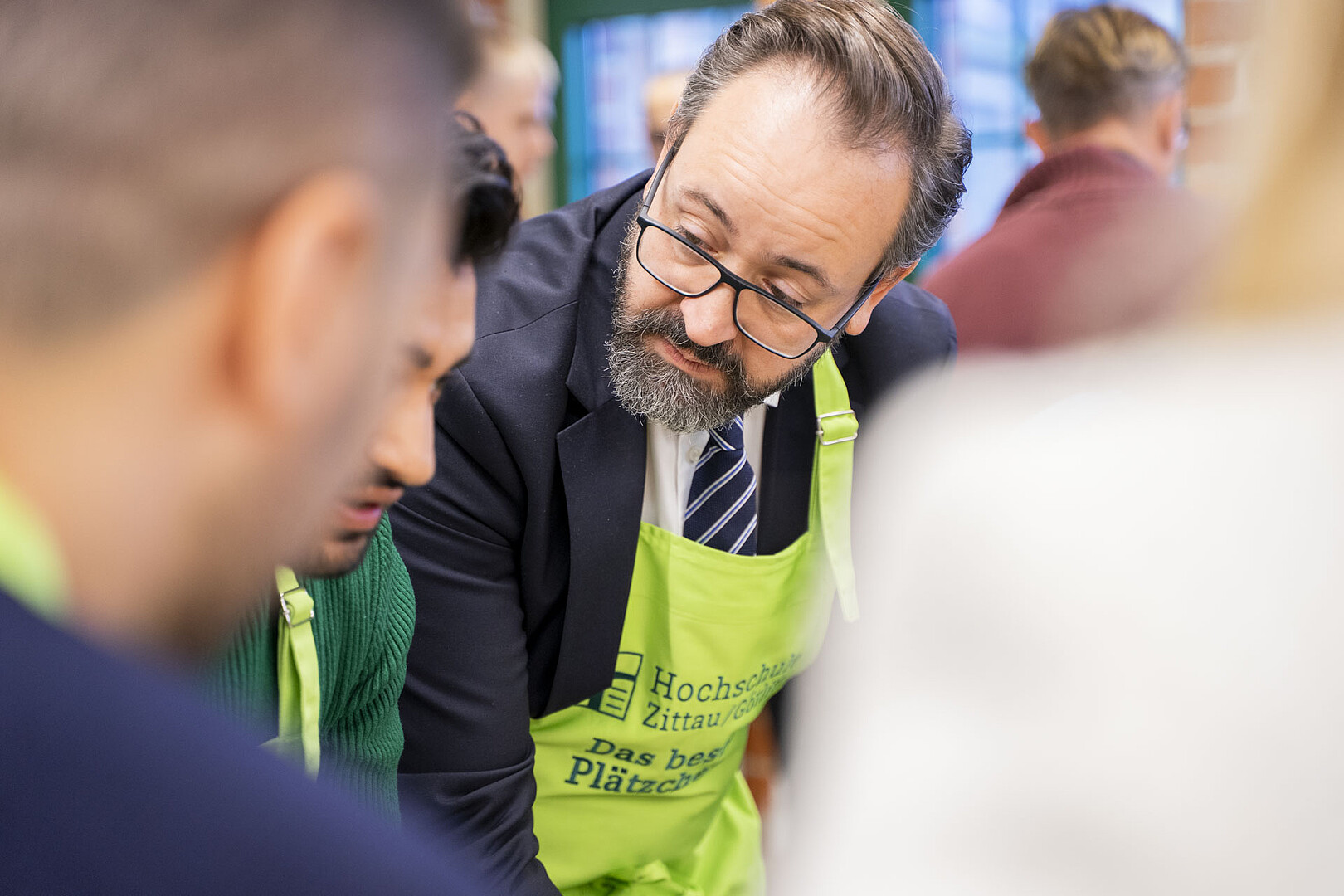
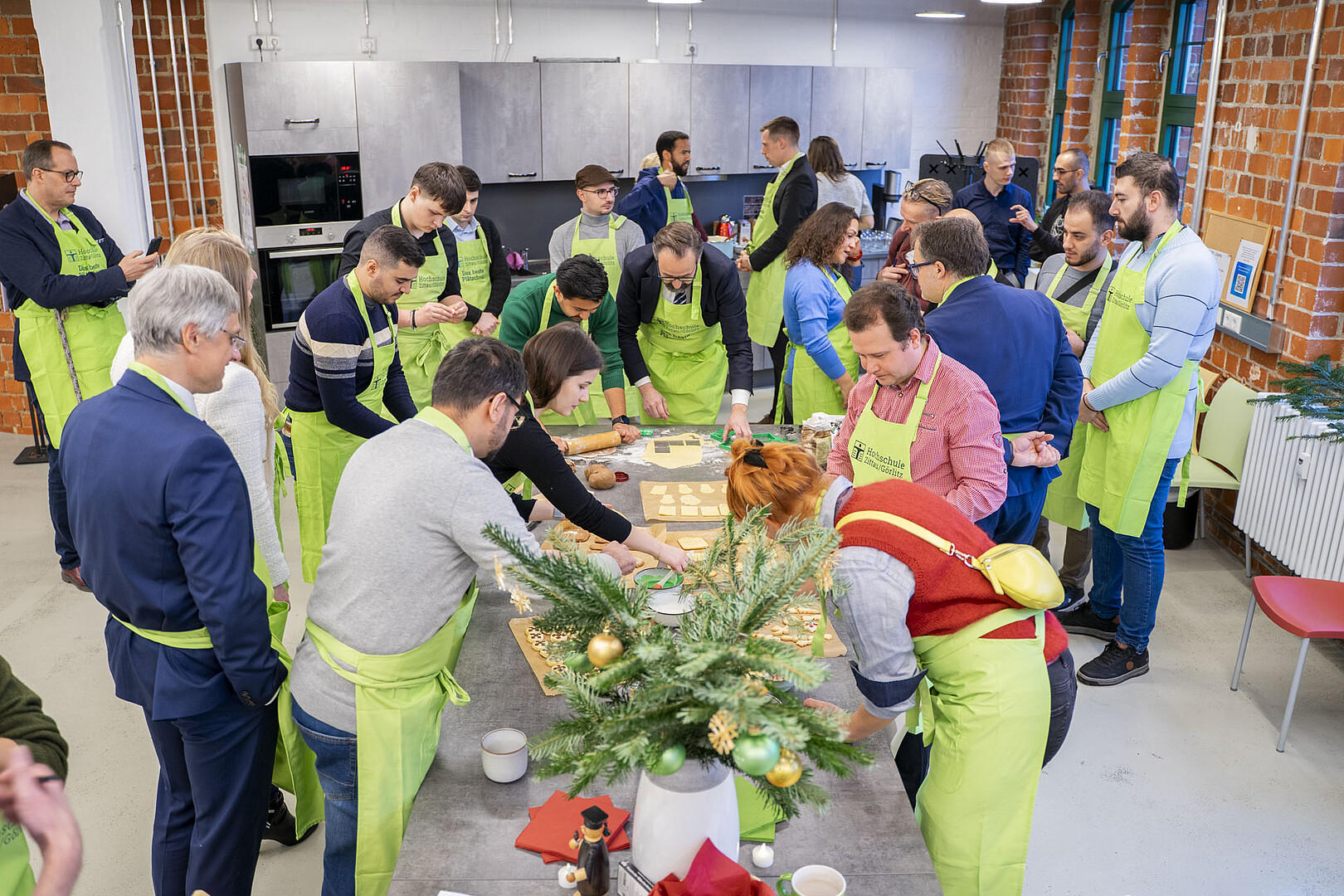
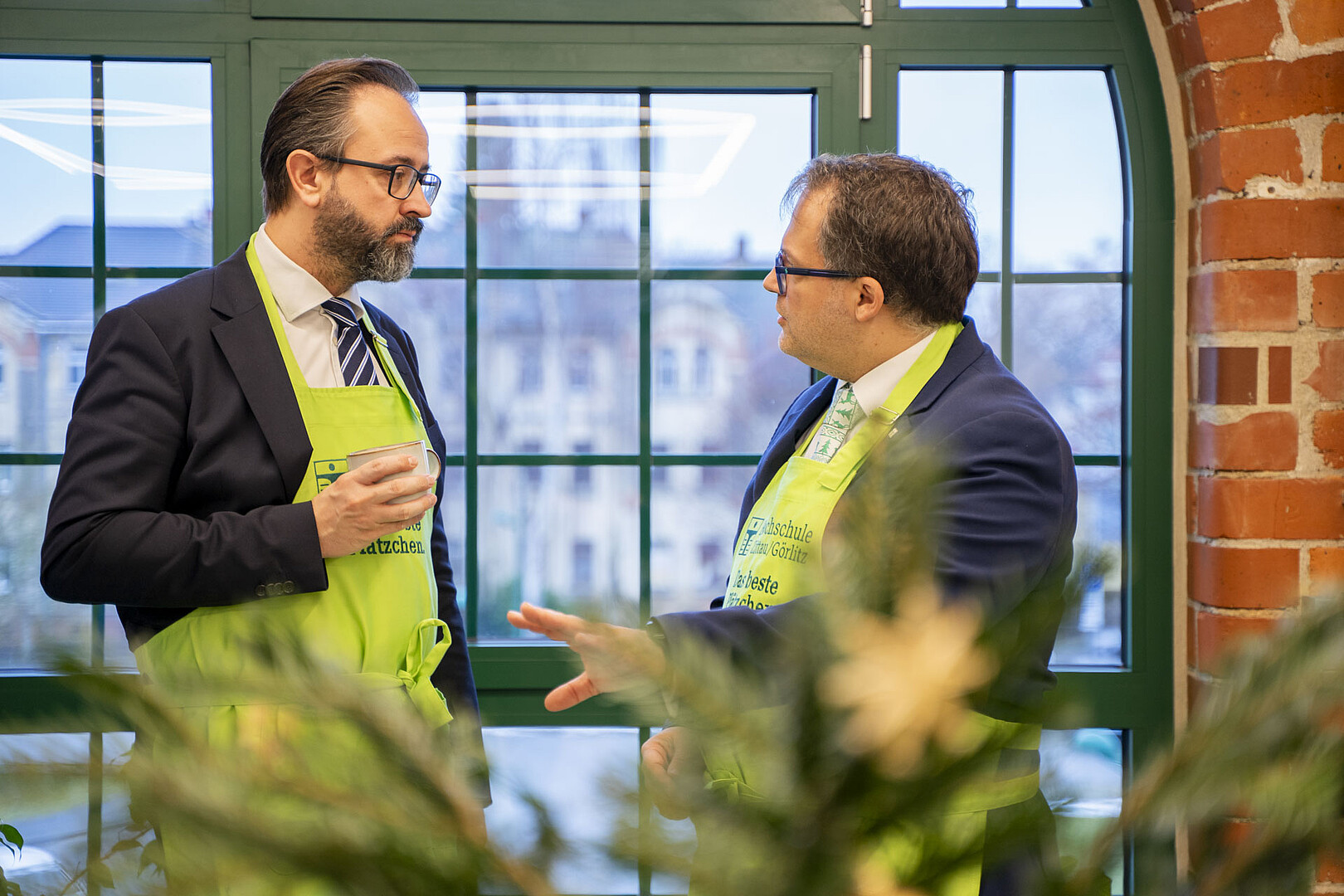
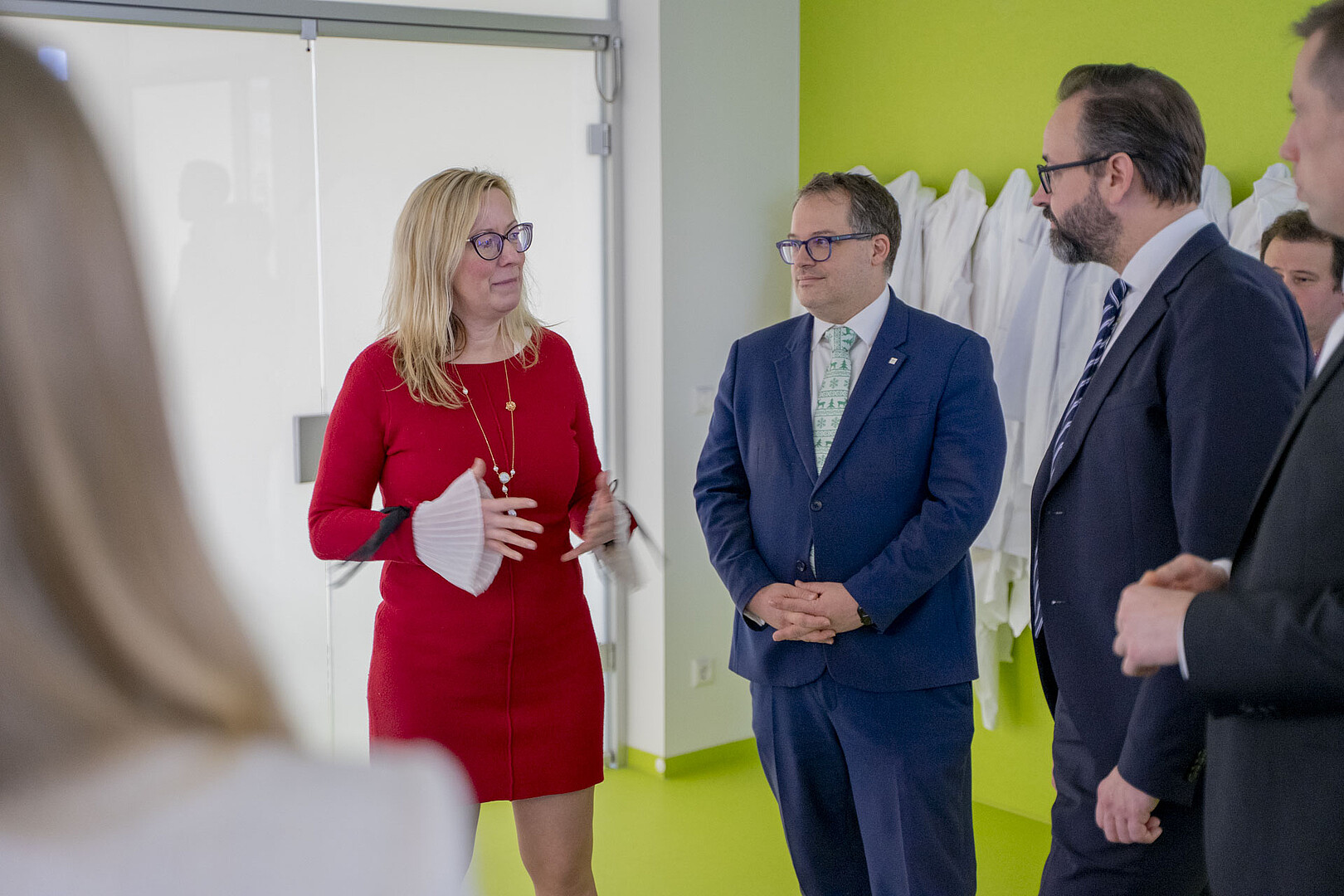
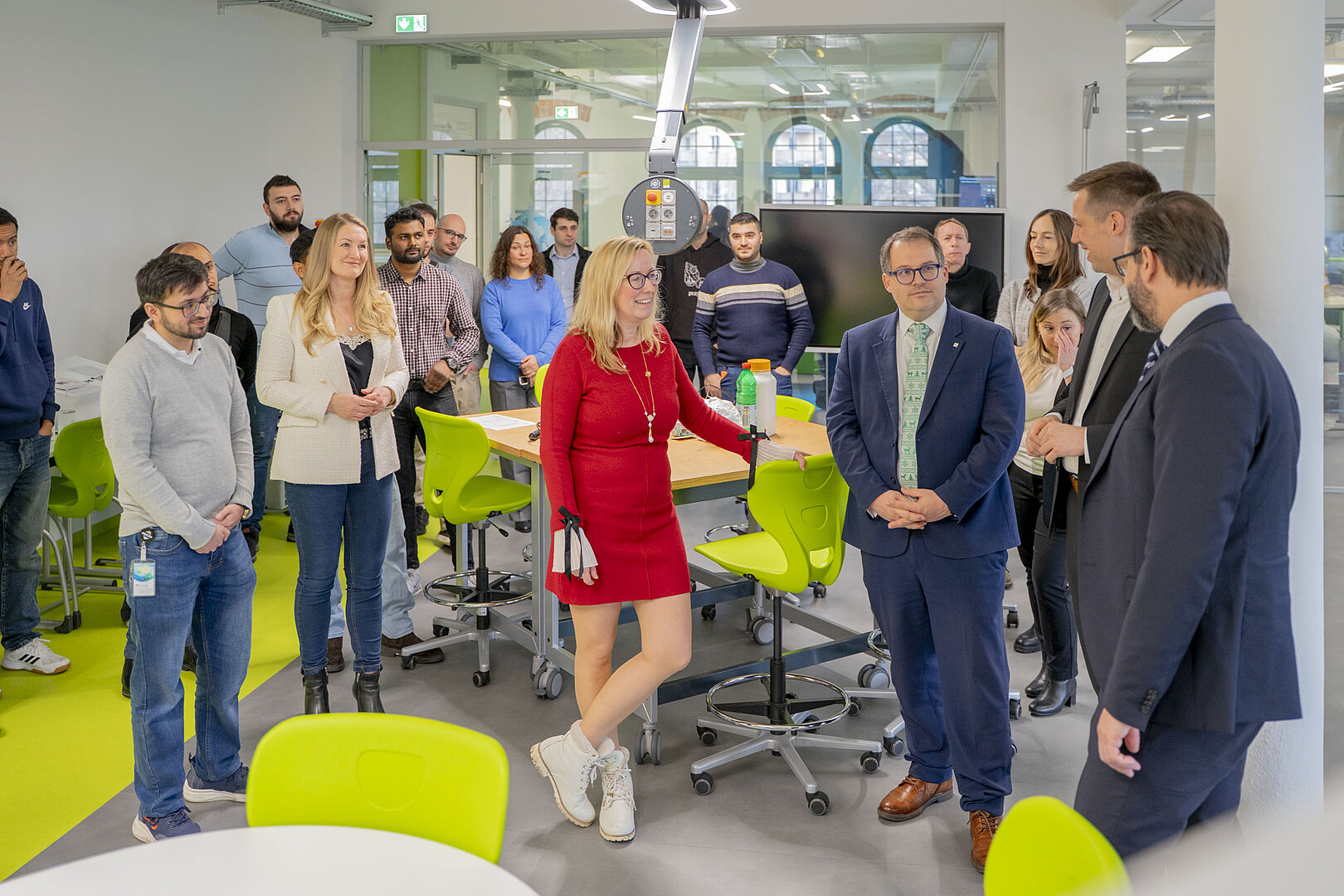
Minister of State Sebastian Gemkow visits the HSZG in Celsiuz to bake cookies together and exchange ideas with students from abroad.

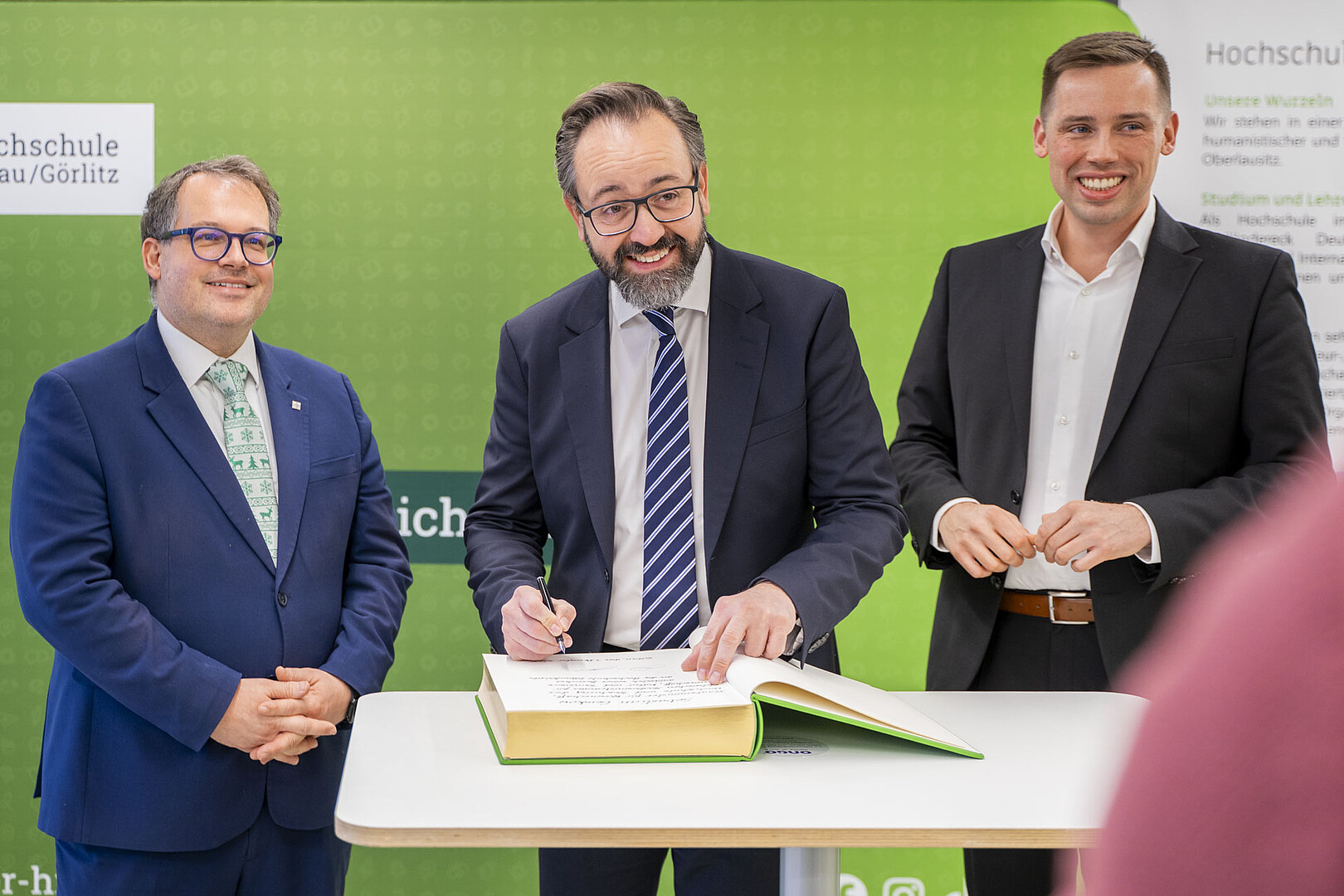
Distinguished guests from the world of (science) policy visited Zittau/Görlitz University of Applied Sciences (HSZG) in early December. In early December, Sebastian Gemkow, Saxony’s Minister of State for Science, and Florian Oest, a member of the Bundestag (CDU, representing the Görlitz district), visited HSZG at CELSIUZ, the university’s co-creation lab. On the agenda for the visit: the topic of International Affairs, the Free State of Saxony’s international positioning, and testimonials from international professionals and students.
What opportunities do academia, politics, and Saxony’s universities—including the HSZG—offer to students and researchers from other European countries and around the world? What expectations do international students have of the HSZG, Saxony as a location, and regional stakeholders from academia, business, politics, and civil society? And what are the current and future living and working conditions for international professionals in Saxony and Upper Lusatia?
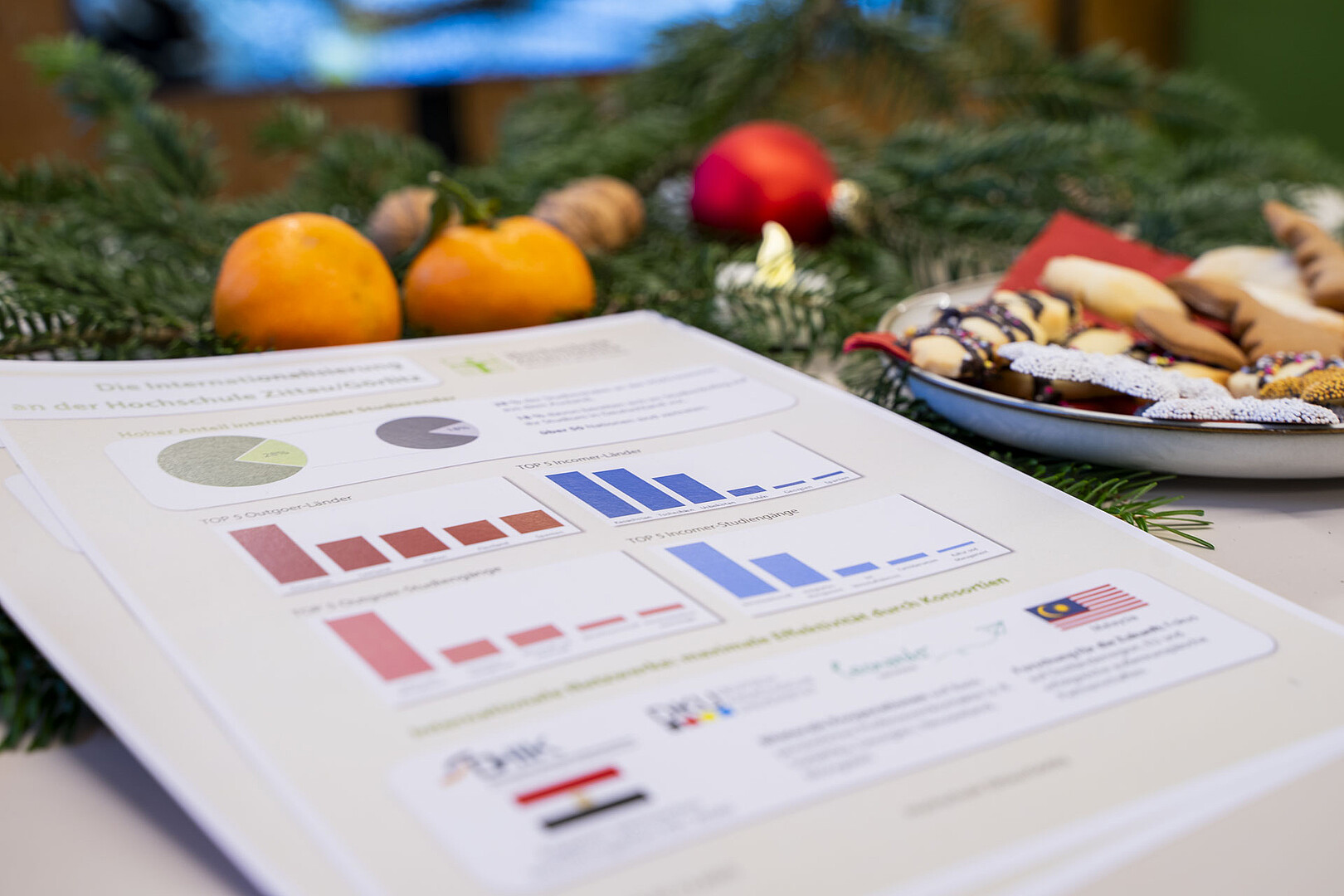
To be sure: Currently, international students make up 28 percent of the student body at the HSZG. These students come from over 50 countries. The HSZG promotes international mobility through cooperation with 167 partner institutions in 49 countries.
The Free State of Saxony needs international skilled workers
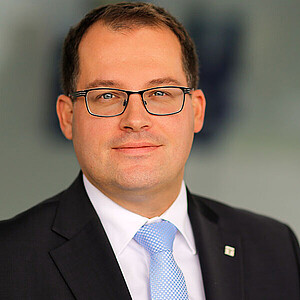
Science is international. Successful internationalization requires a partnership between universities, the federal government, and the Free State.
”In his opening remarks, the Rector of the HSZG, Prof. Dr.-Ing. Alexander Kratzsch, emphasized that the Free State of Saxony needs international professionals, and thus introduced the informal event.
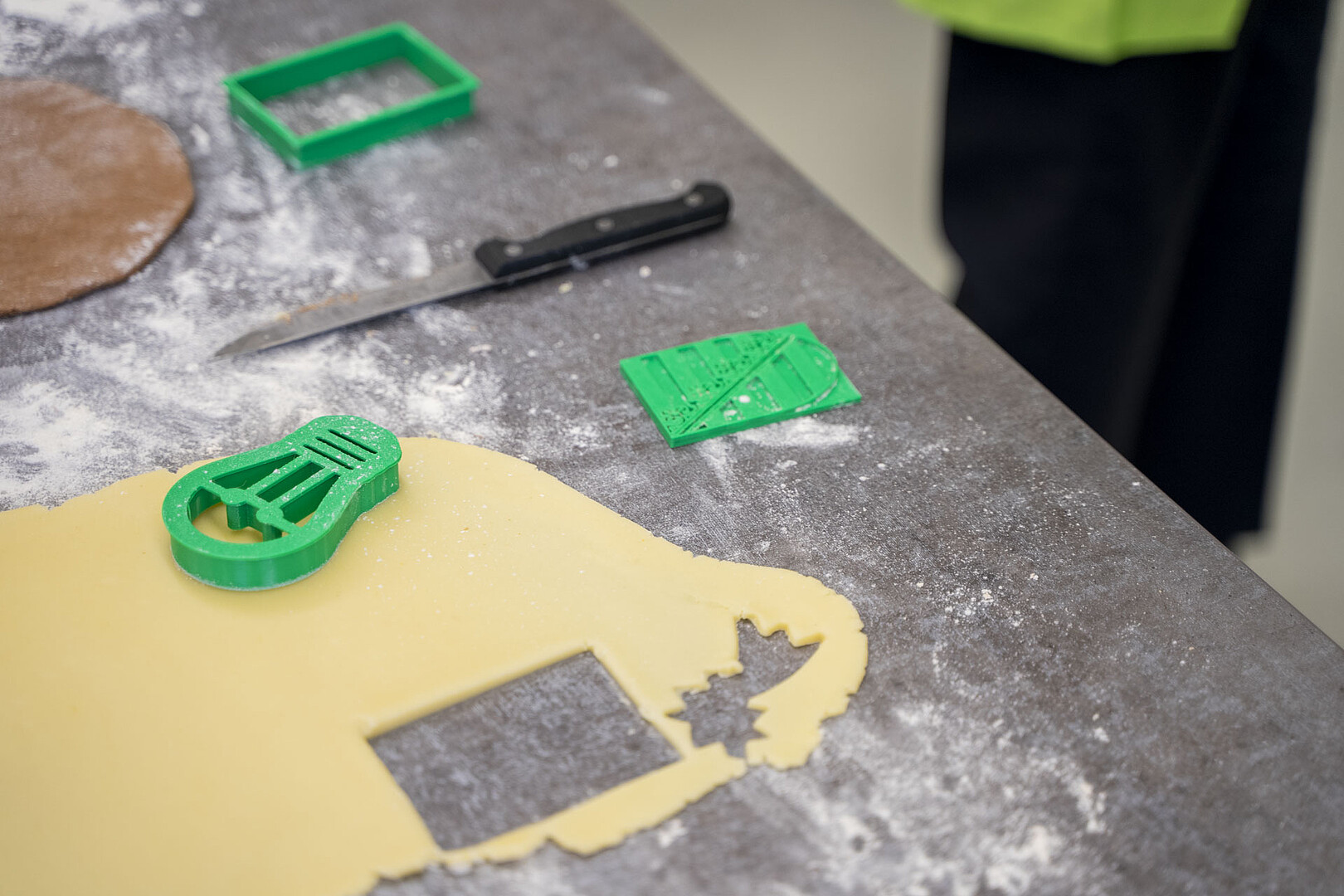
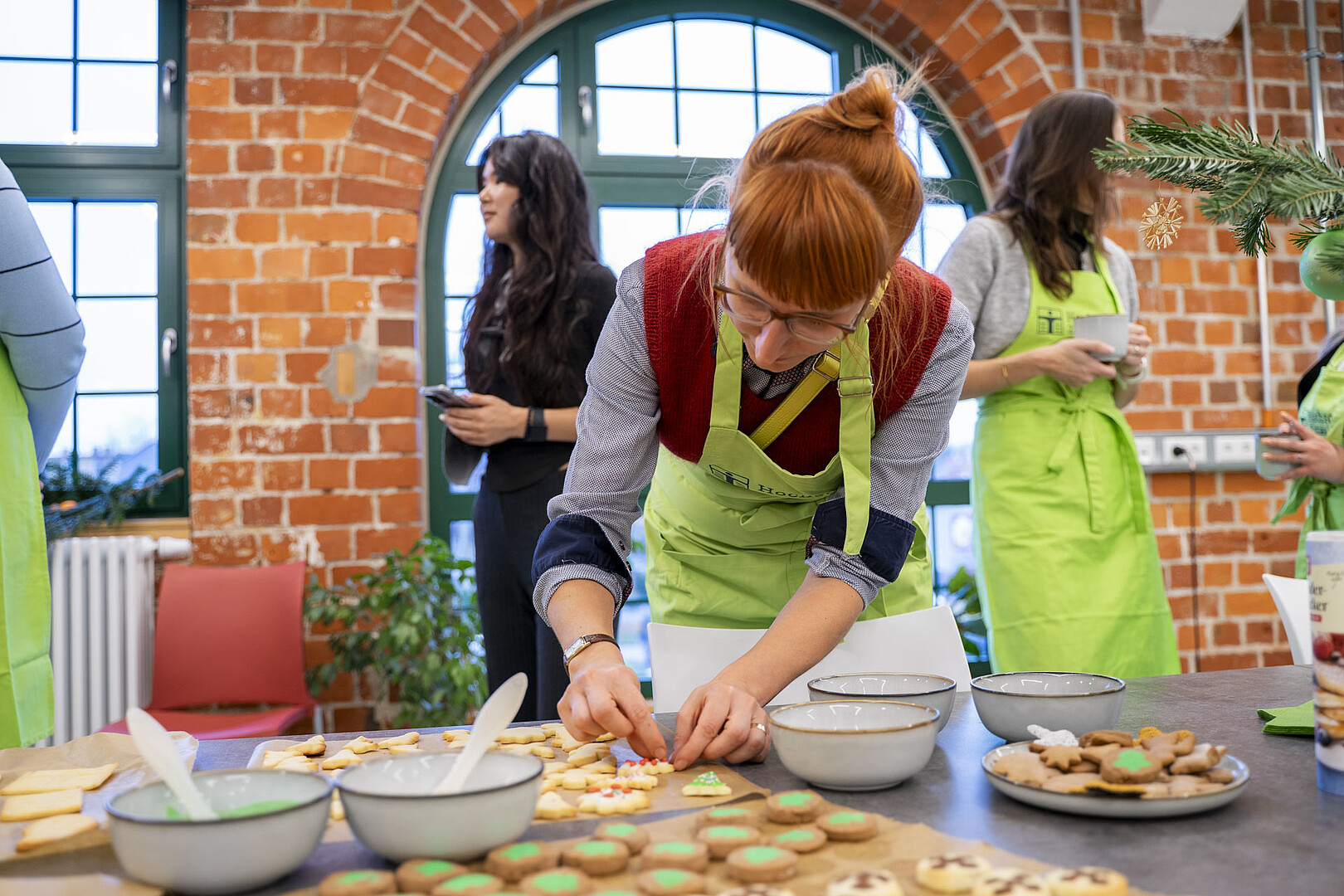
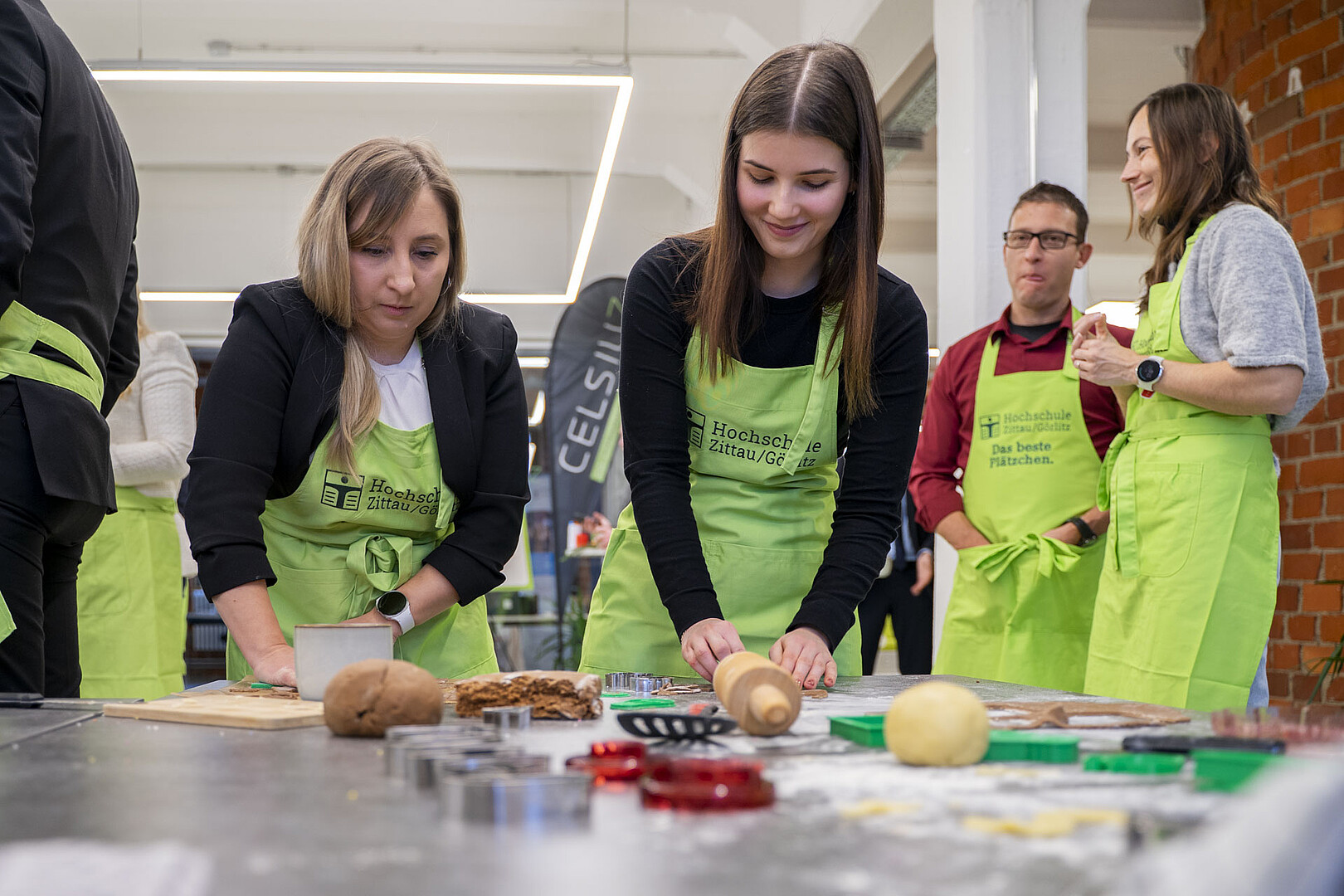
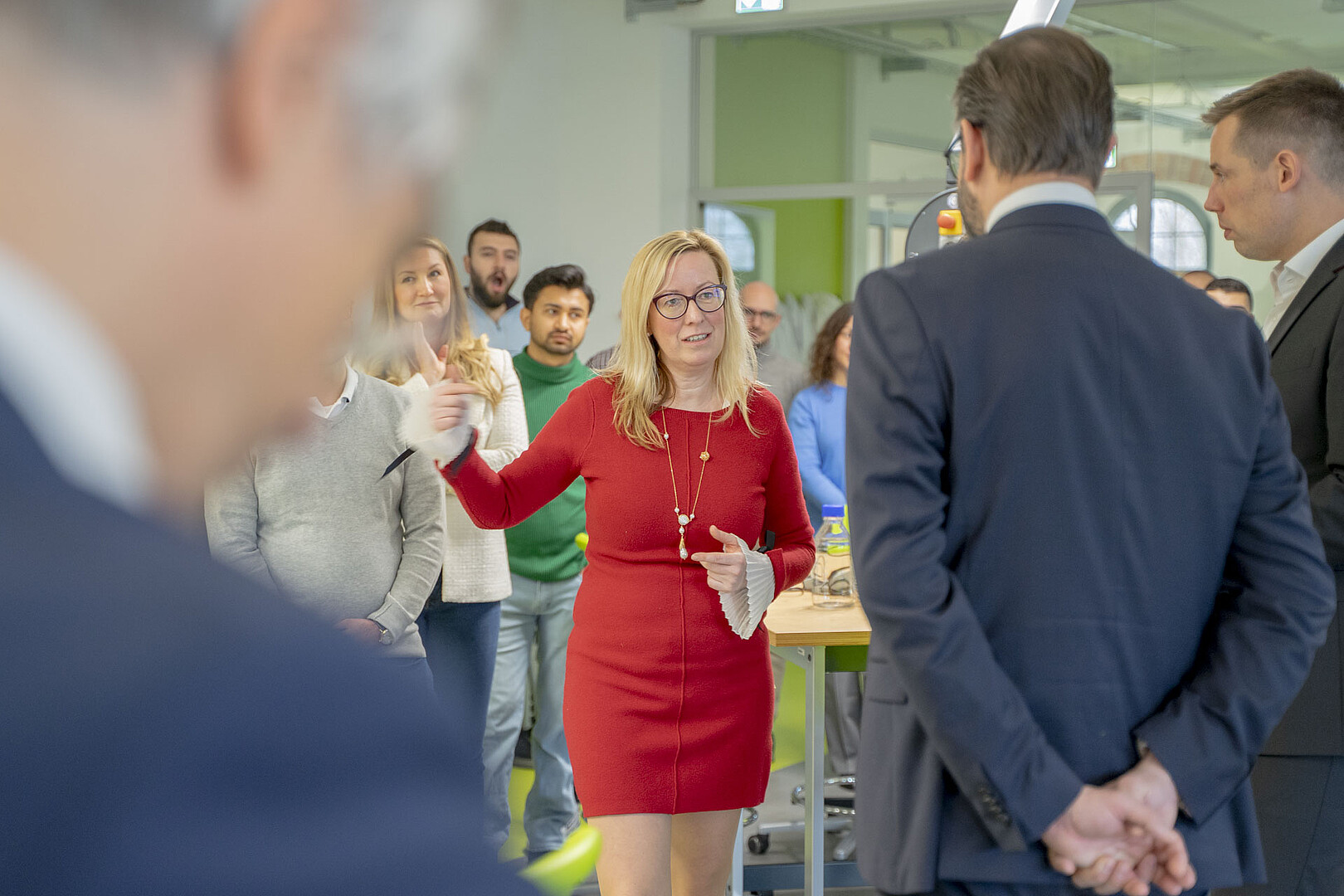
Informal and different from the usual?!—One day after the first Sunday of Advent, (science) policymakers, university representatives, and young international professionals and students came together—not for a conference, panel discussion, or similar format, but for a pre-Christmas cookie-baking session at CELSIUZ, the transfer laboratory of the HSZG and the Saxony⁵ joint project.
“We want to attract young professionals to Saxony. It’s exciting to talk personally with international students and professionals and to hear just how motivated these young people are,” explains Sebastian Gemkow, Saxony’s Minister of State for Science.
Florian Oest refers to Saxony’s role in the semiconductor and chip industry: “In light of structural change, how can we pool and promote new regional talent? For example, by striving to ensure that the chip of the future is developed in Saxony, together with talented international professionals,” says Florian Oest, a member of the Bundestag.
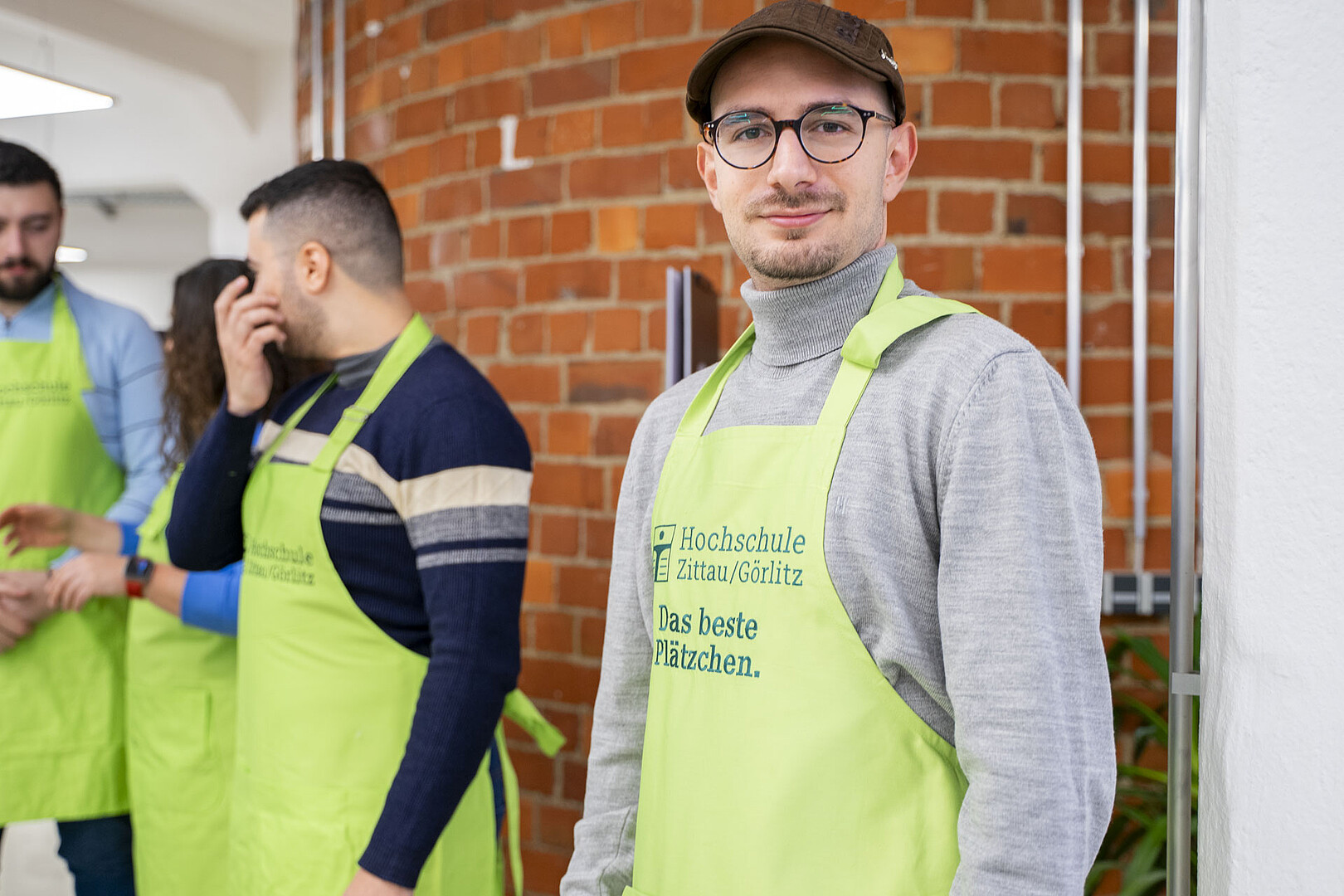

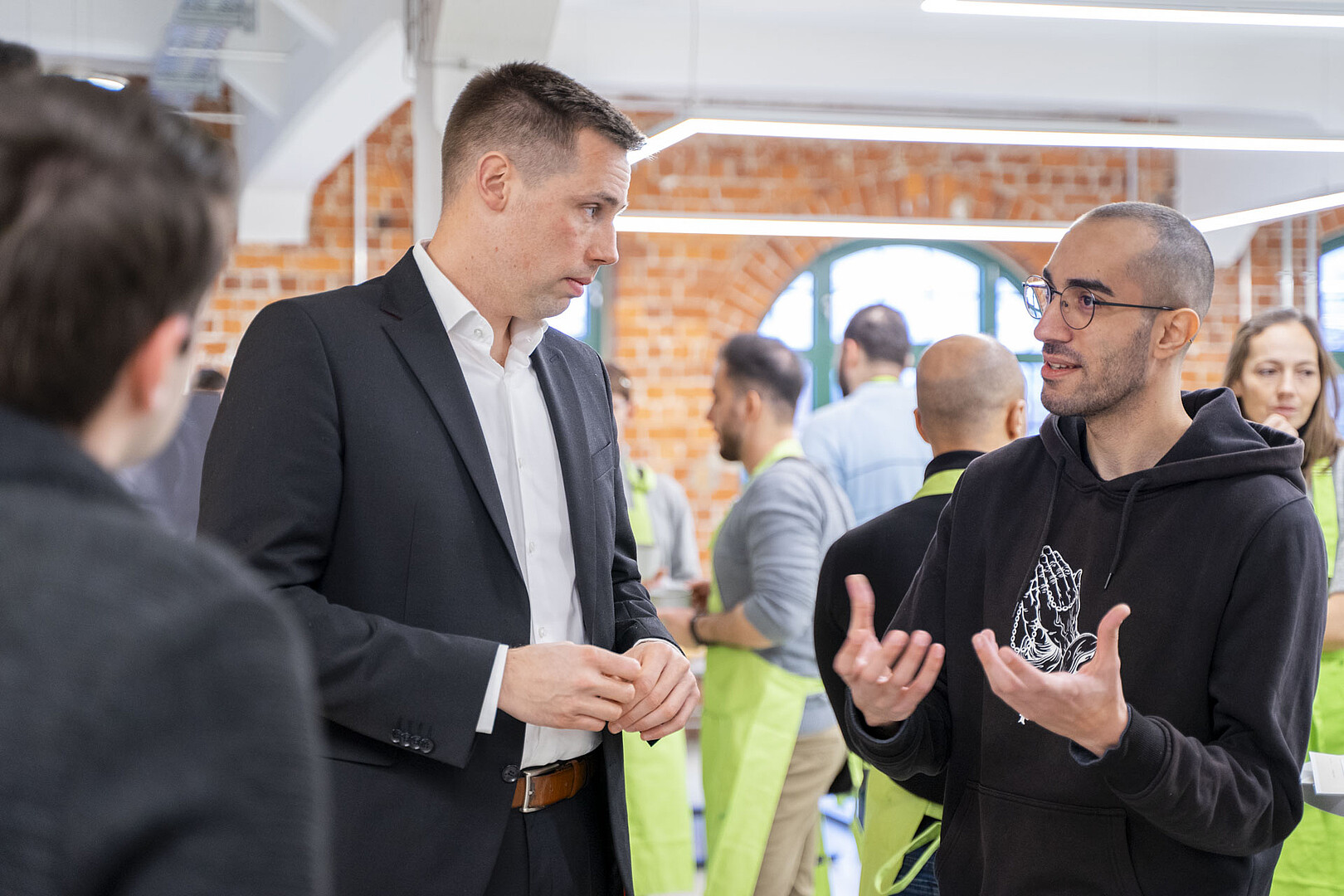
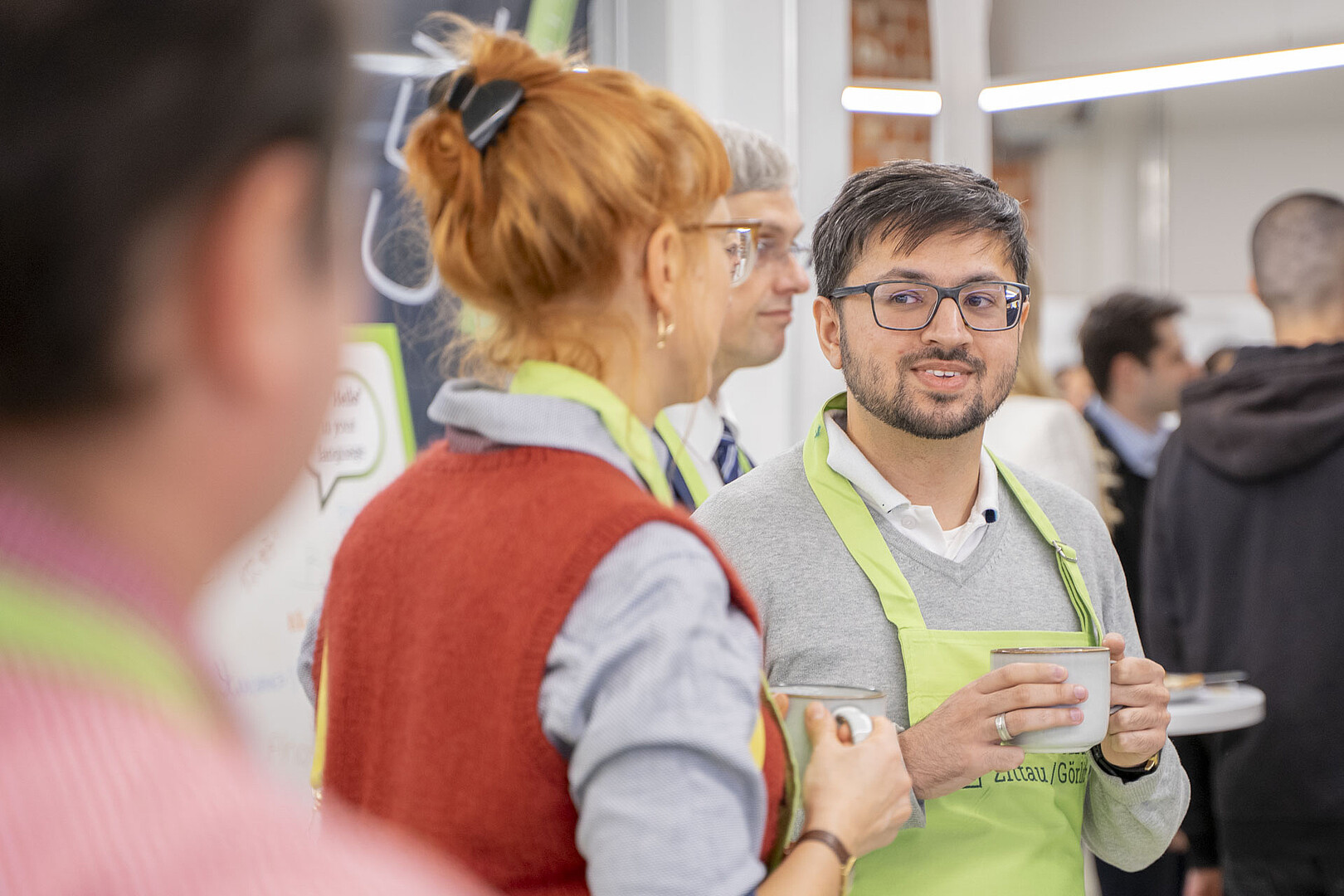
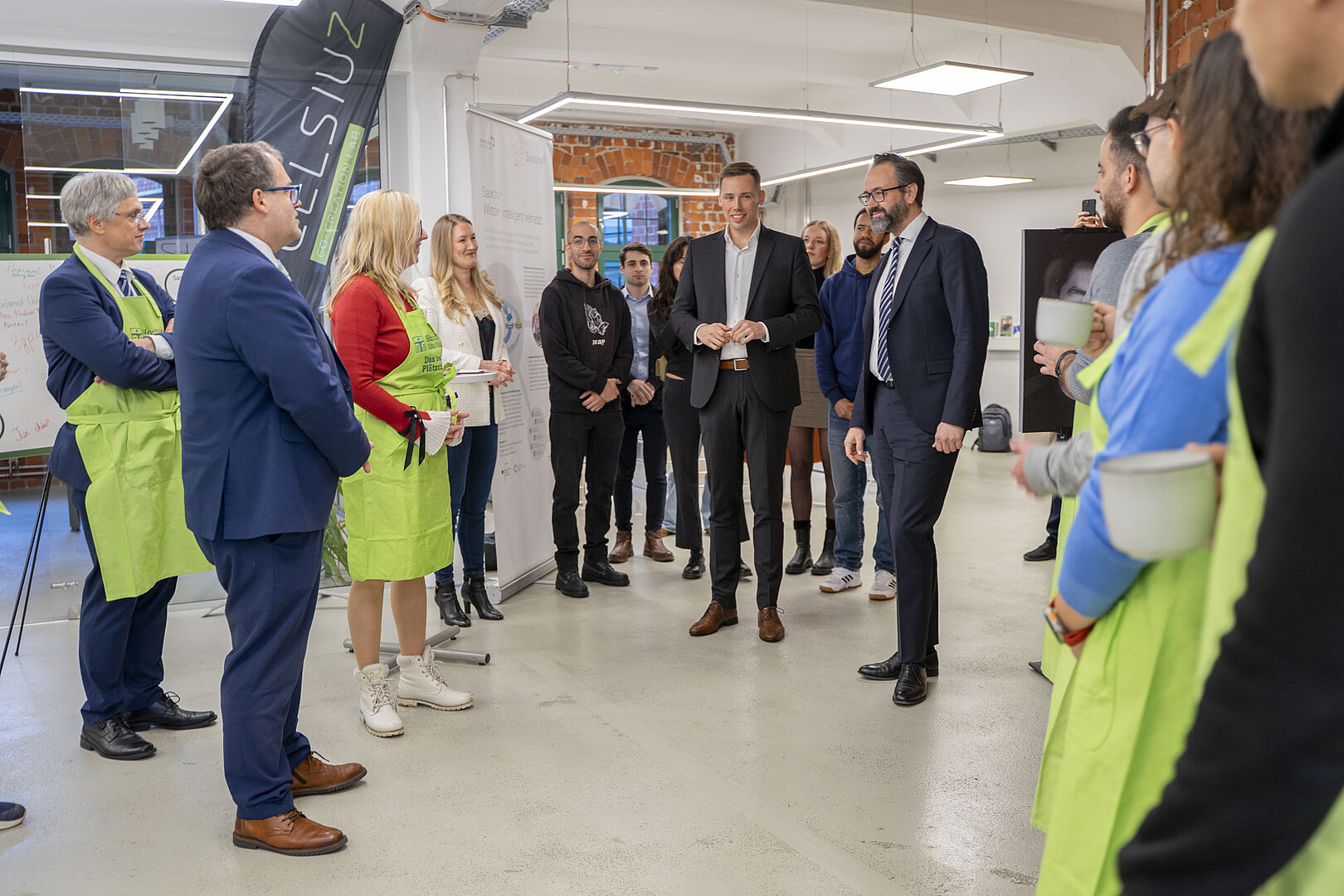

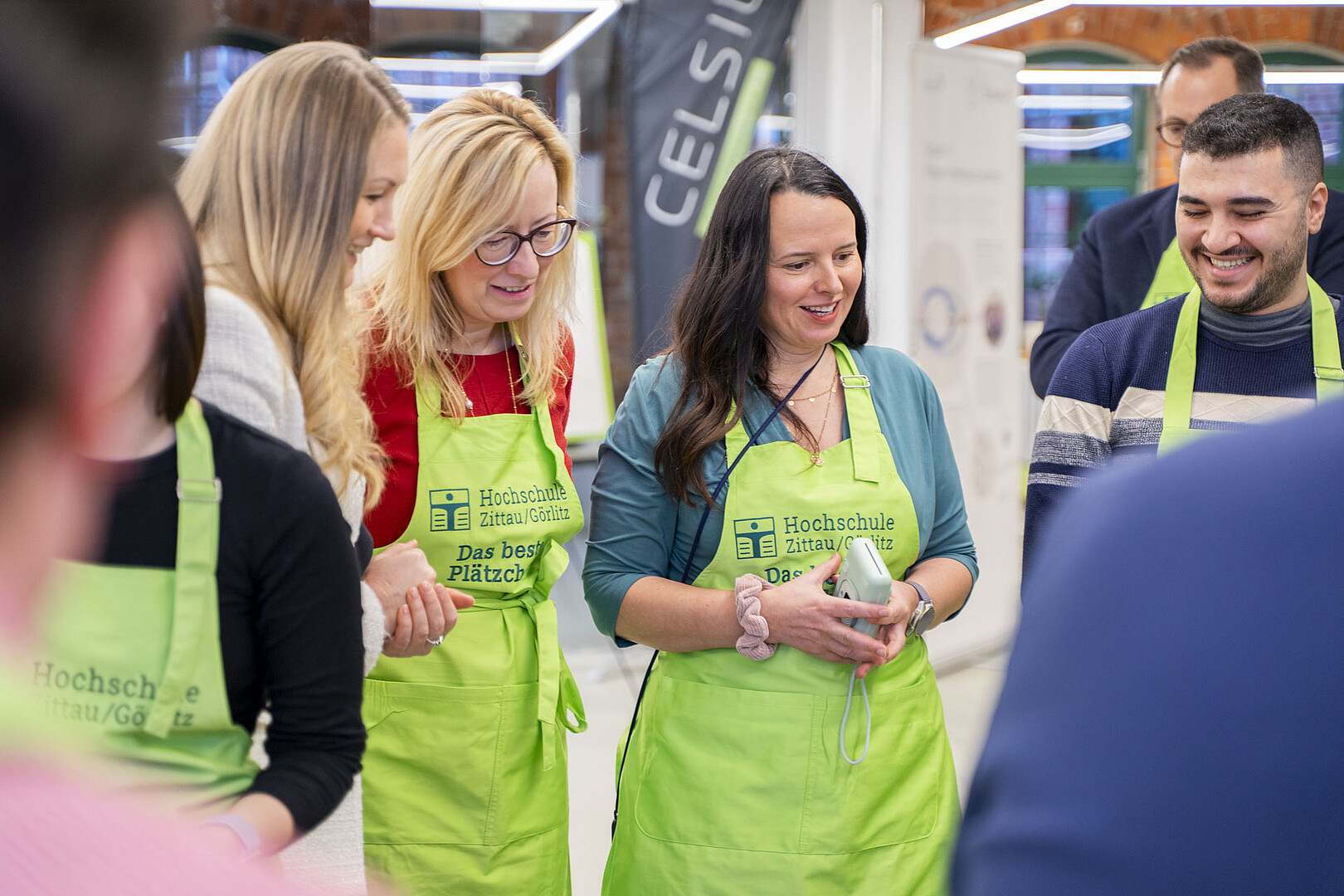
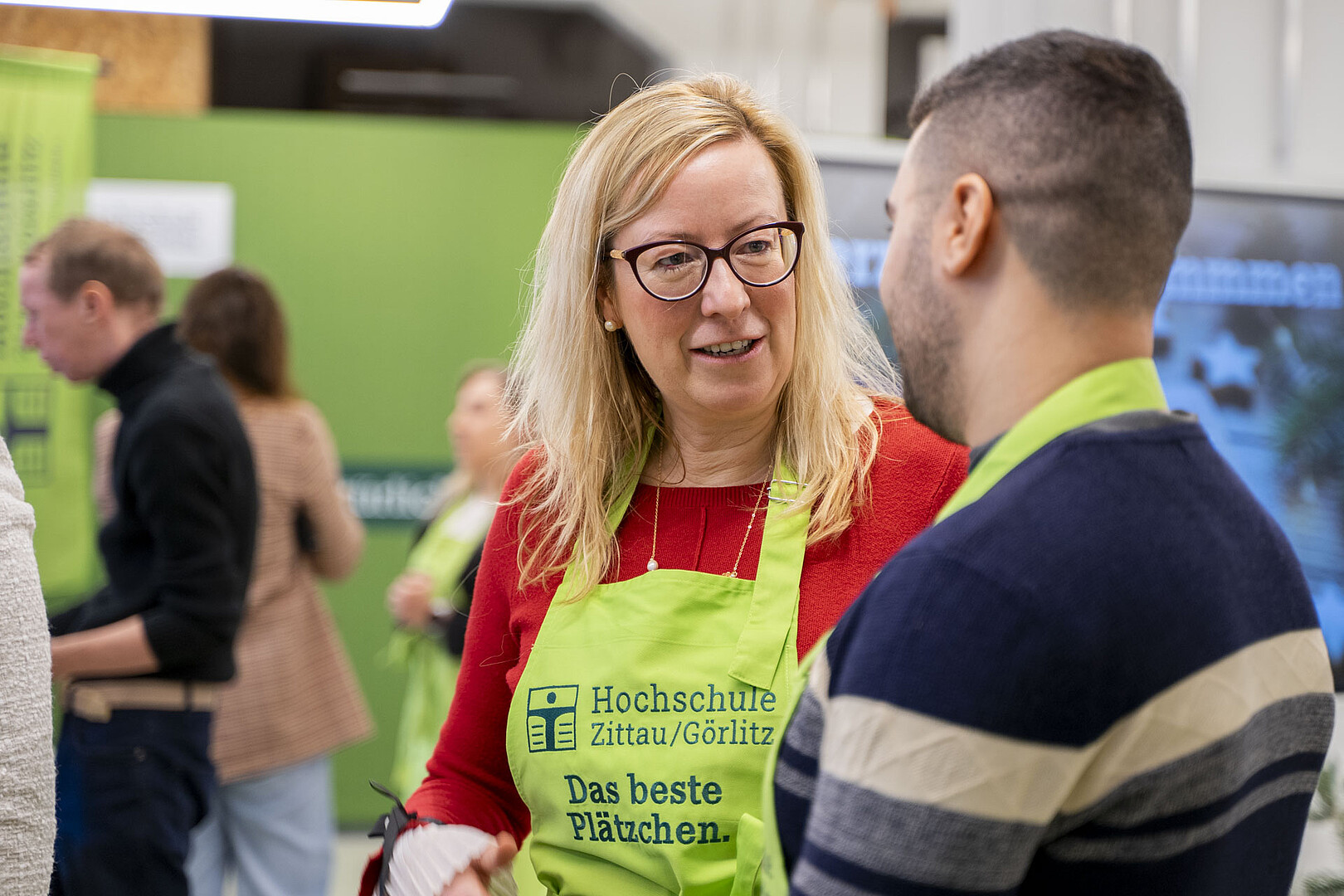
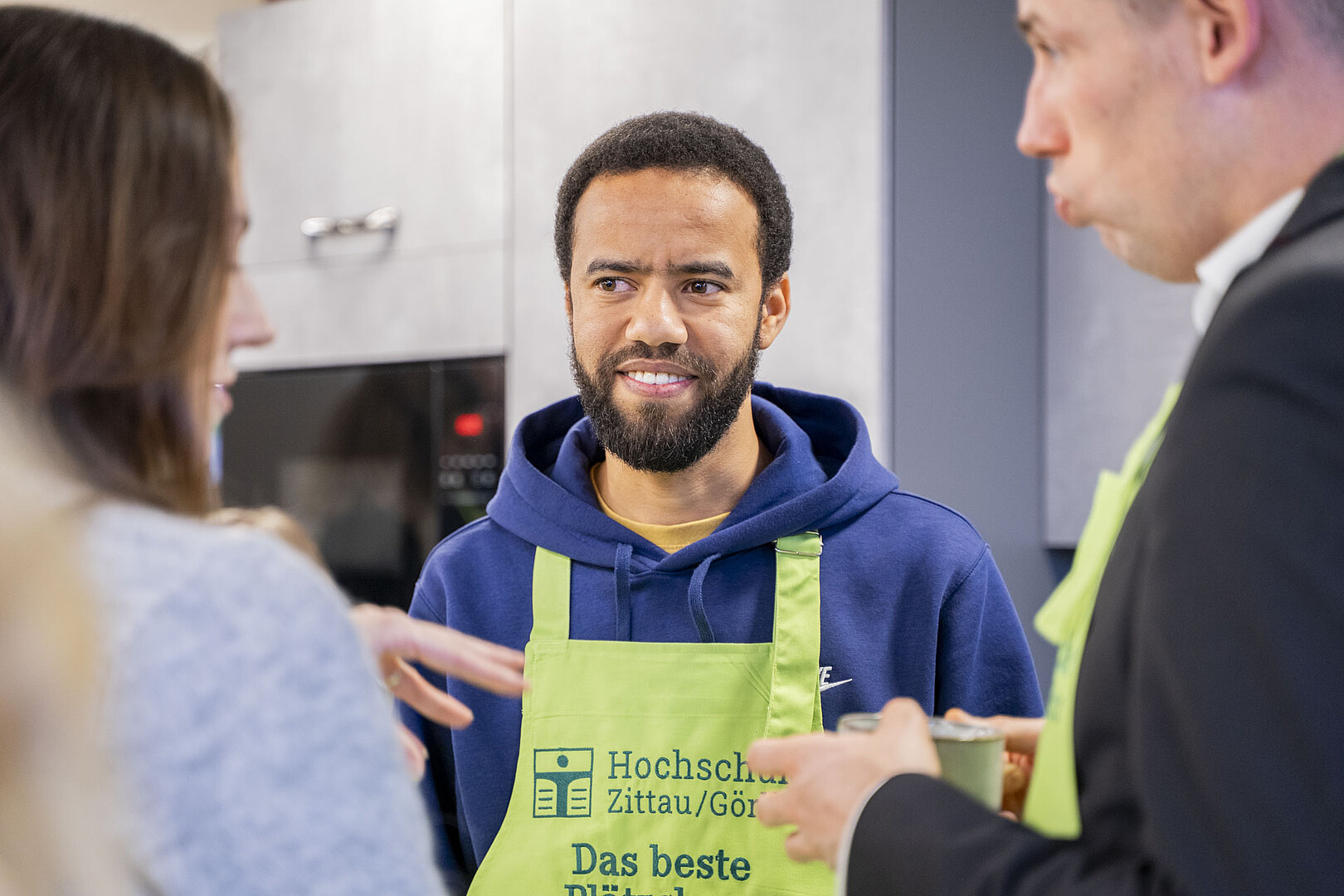
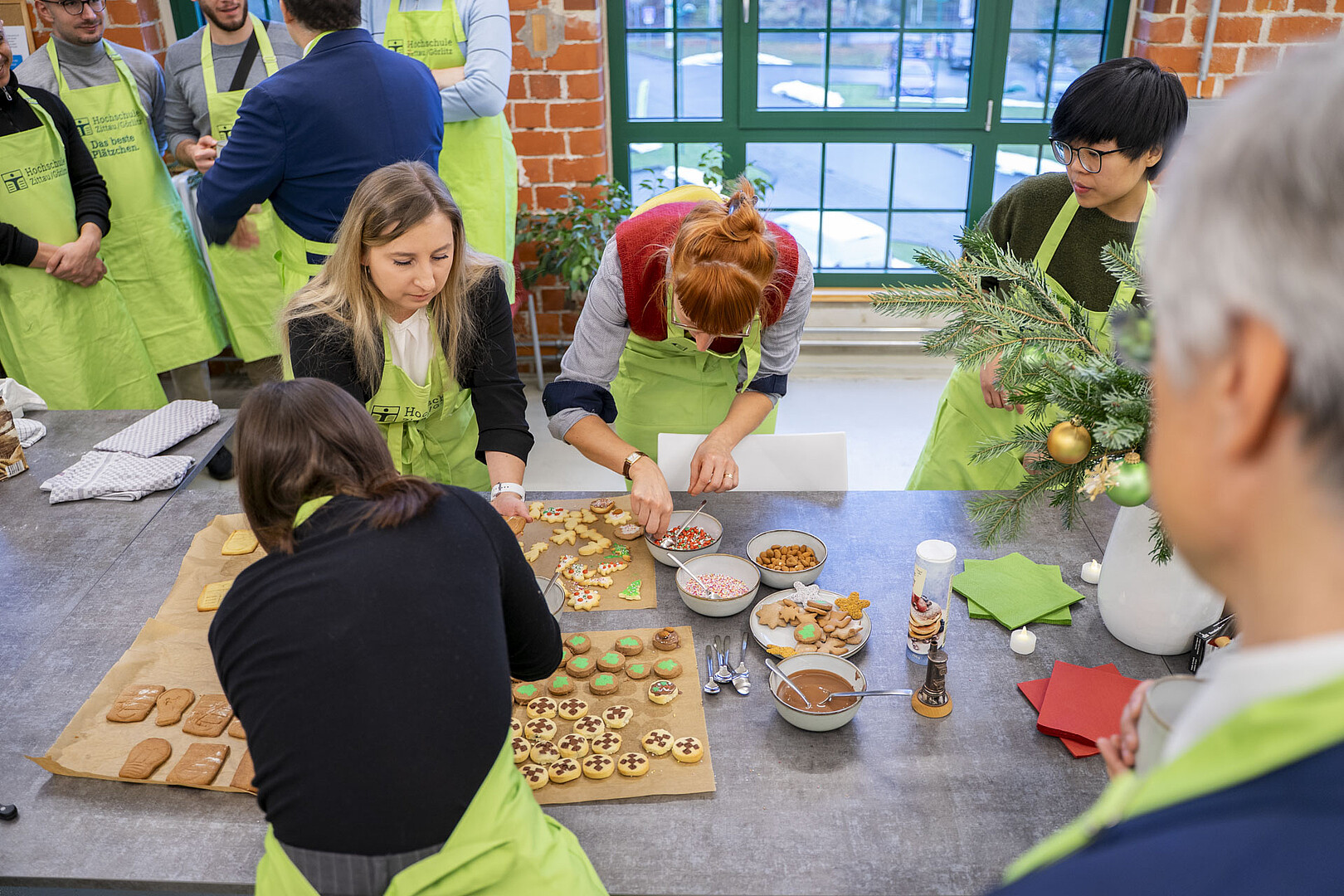
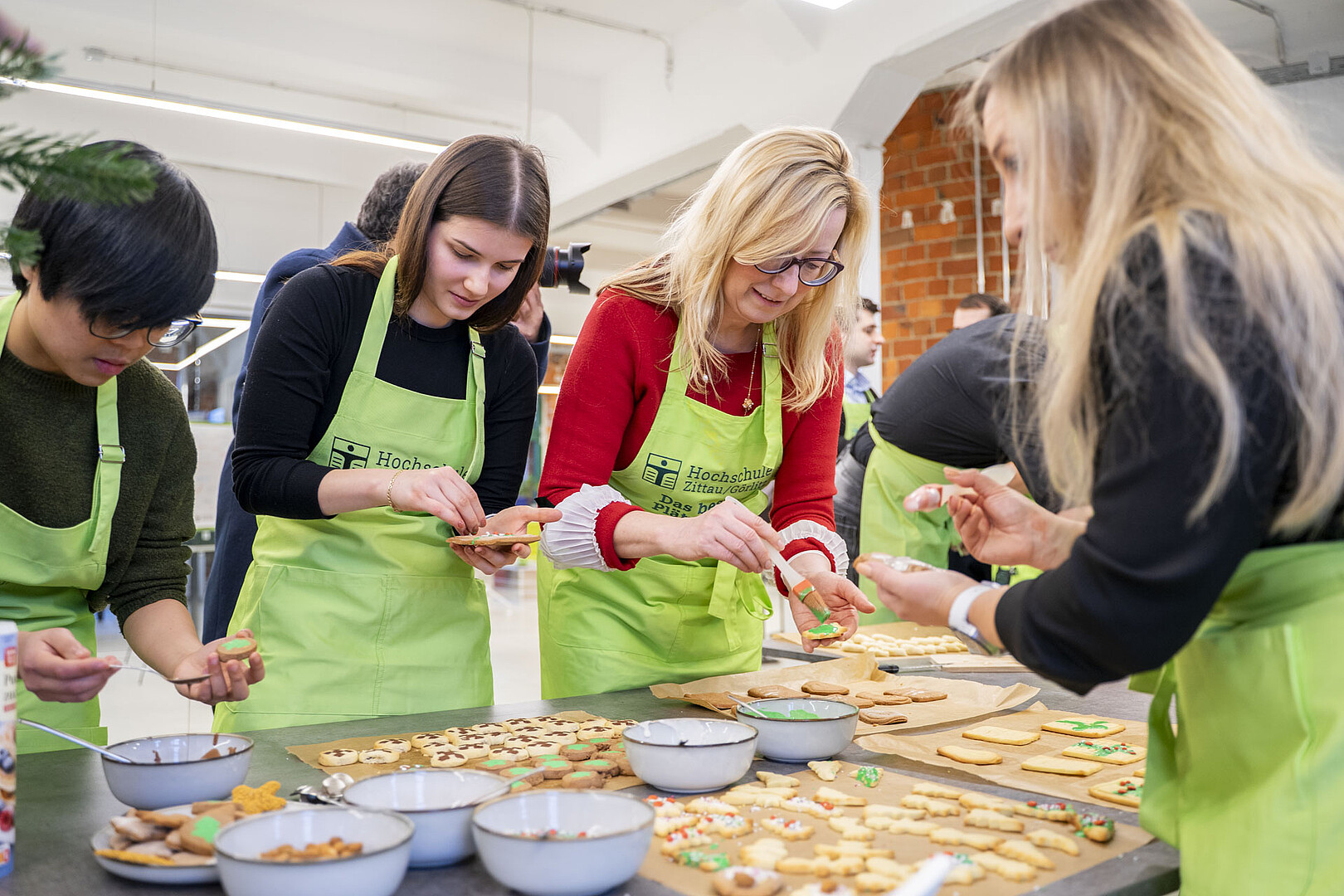
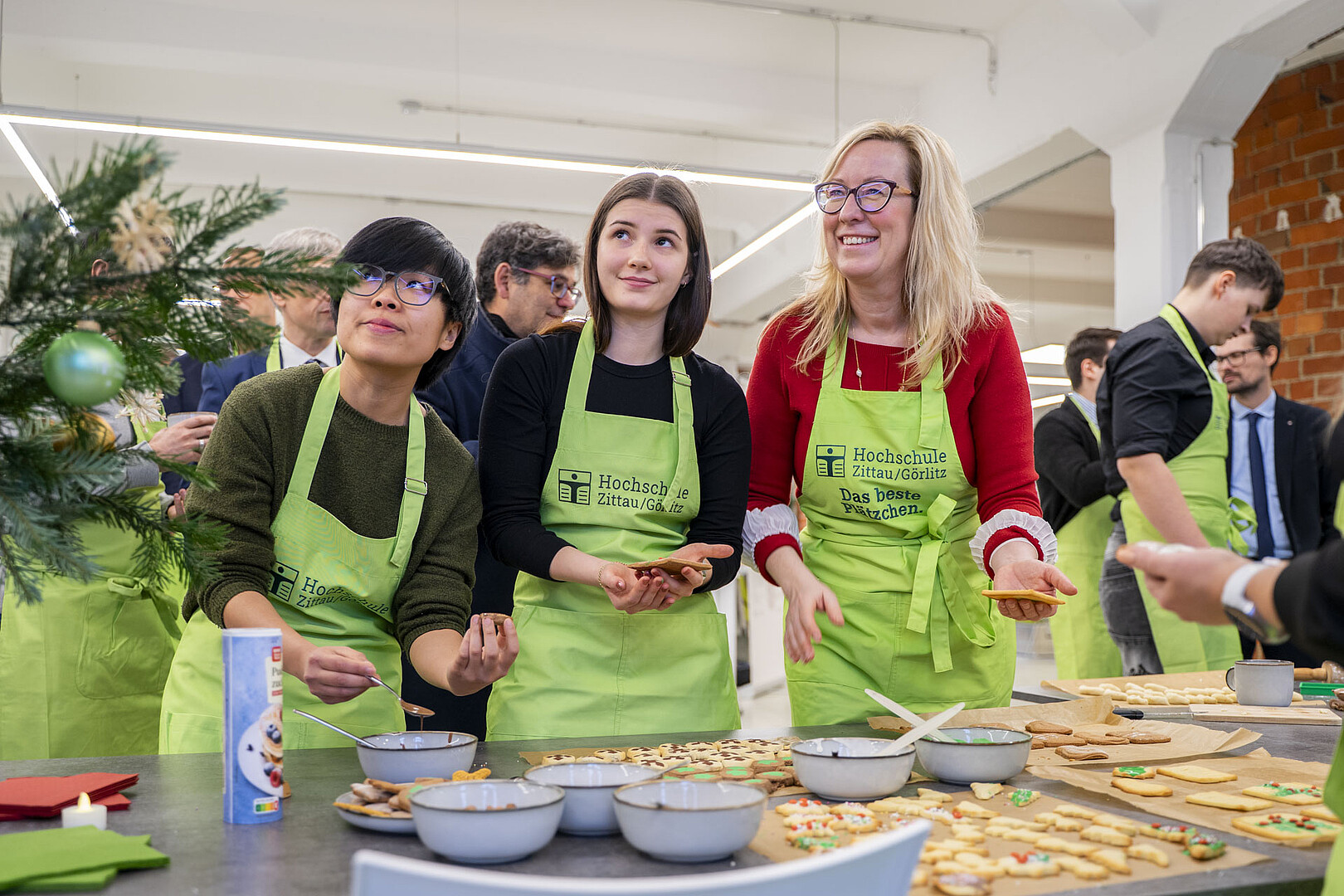

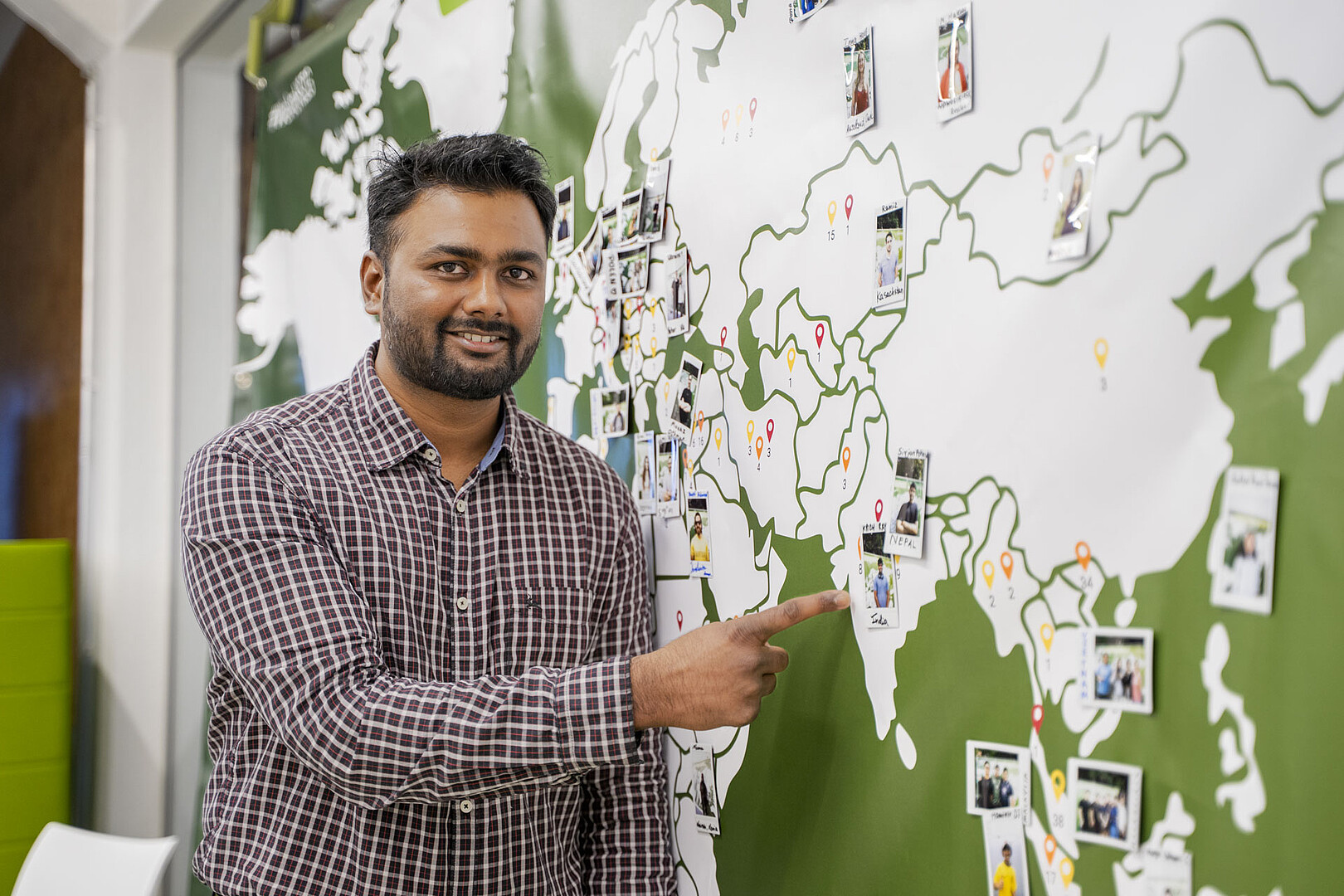
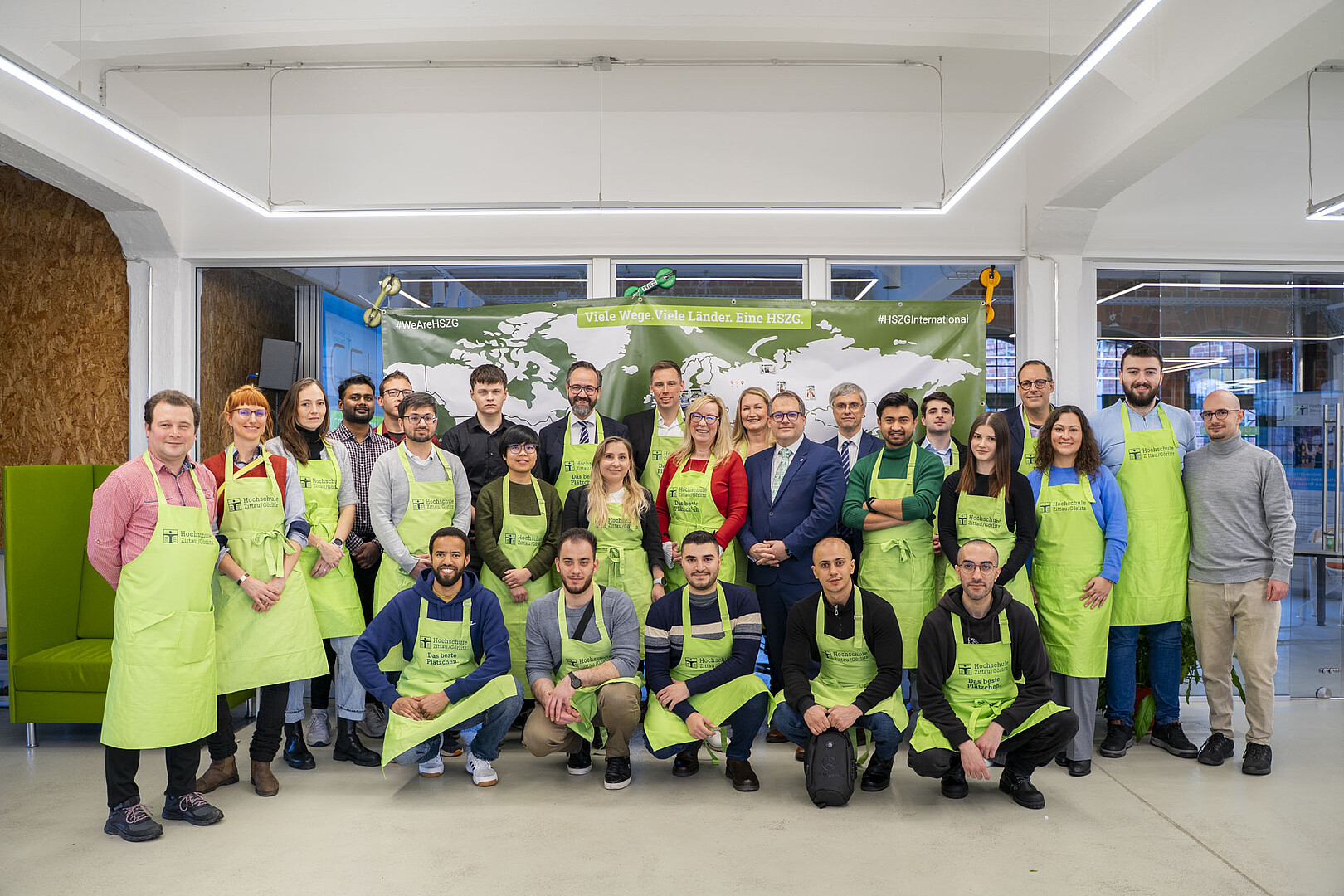
There was a very international atmosphere at CELSIUZ at the HSZG—and the focus was on the testimonials from international professionals and students. Jun Ting Loh is from Malaysia. She studied electrical engineering at the Zittau/Görlitz University of Applied Sciences, where she now works as a research assistant in the Faculty of Electrical Engineering and Computer Science. She says, “For me, the language barrier was the biggest challenge in Germany at first. English isn’t widely spoken in Zittau/Görlitz, and my German wasn’t very good. Although studying in German was a challenge, I chose this path because of Germany’s reputation in the field of engineering. Plus, the cost of living in Germany—especially in Zittau—is much more affordable thanks to tuition-free education.”
Varvara Kholmetska fled her home country with her young children at the start of the war in Ukraine. She had previously worked as an export manager in Ukraine for 15 years and speaks four languages: “It’s difficult to find suitable work in Germany. The process of receiving recognition for vocational training, work experience, or academic credentials can sometimes take a very long time. And even with all these documents, it’s very difficult to find a job, which is a major problem for me and other international colleagues.” Varvara Kholmetska is attending the 'Studienkolleg' (preparatory college) at HSZG in Zittau to prepare for a degree program in Germany. Afterward, she plans to enter the healthcare industry and pursue a degree in “health care management” at HSZG. Her German is very good, and she has integrated exceptionally well. “It would be very helpful if the industry could be more open to international professionals. The bureaucracy in Germany can also be very restrictive at times.”
Tahsin Özcan is from Turkey. He moved from Istanbul—the metropolis on the Bosporus with 15.7 million residents—to Zittau, which has a population of 25,000. At the HSZG, he is participating in the 'Studienkolleg' (preparatory college) and the so-called DSH course, which specifically prepares interested participants for the German Language Test for University Admission (DSH). Tahsin Özcan plans to stay in Saxony in the future, though not in Zittau: “Leipzig is my favorite city. I’d love to study architecture there.”
And Siddhesch Jamadade, a native of India who holds a master’s degree in Advanced Manufacturing from Chemnitz University of Technology and now works as a research associate at the Fraunhofer Institute in Zittau, sums it up: “We need more events like this, where business, academia, civil society, and politics can engage in discussion and successfully exchange ideas.”
For me, this visit is far more than just an official engagement—it showcases what our university is all about at its core: a place where passion, academic curiosity, and a commitment to community come together every day. For me, the HSZG really is the “best little spot” because people here are passionately working toward a good future for our region. I am especially grateful for the close, trusting dialogue with representatives of the Free State of Saxony and the Federal Republic of Germany. The fact that Minister of Science Sebastian Gemkow and Member of the Bundestag Florian Oest were here with us means a great deal to me personally—it shows that our concerns are being heard and that we are working together to further strengthen the higher education landscape in this unique tri-state region.
”HSZG’s Business Administration and Integrated Management Degree Programs Are in High Demand
“The event impressively demonstrated just how internationally oriented HSZG is. The following degree programmes are particularly popular among international students: Business Administrationand integrated management and International Business Communication. Currently, most incoming students come from Kazakhstan, the Czech Republic, and Uzbekistan, while Austria, Latvia, and Italy are among the most popular destinations for outgoing students. “About 18 percent of international students are students at the preparatory college (Studienkolleg),” says Inna Hauf, International Coordinator at HSZG.
ZukLOS and DLR_School_Lab Also Have a Regional and International Focus
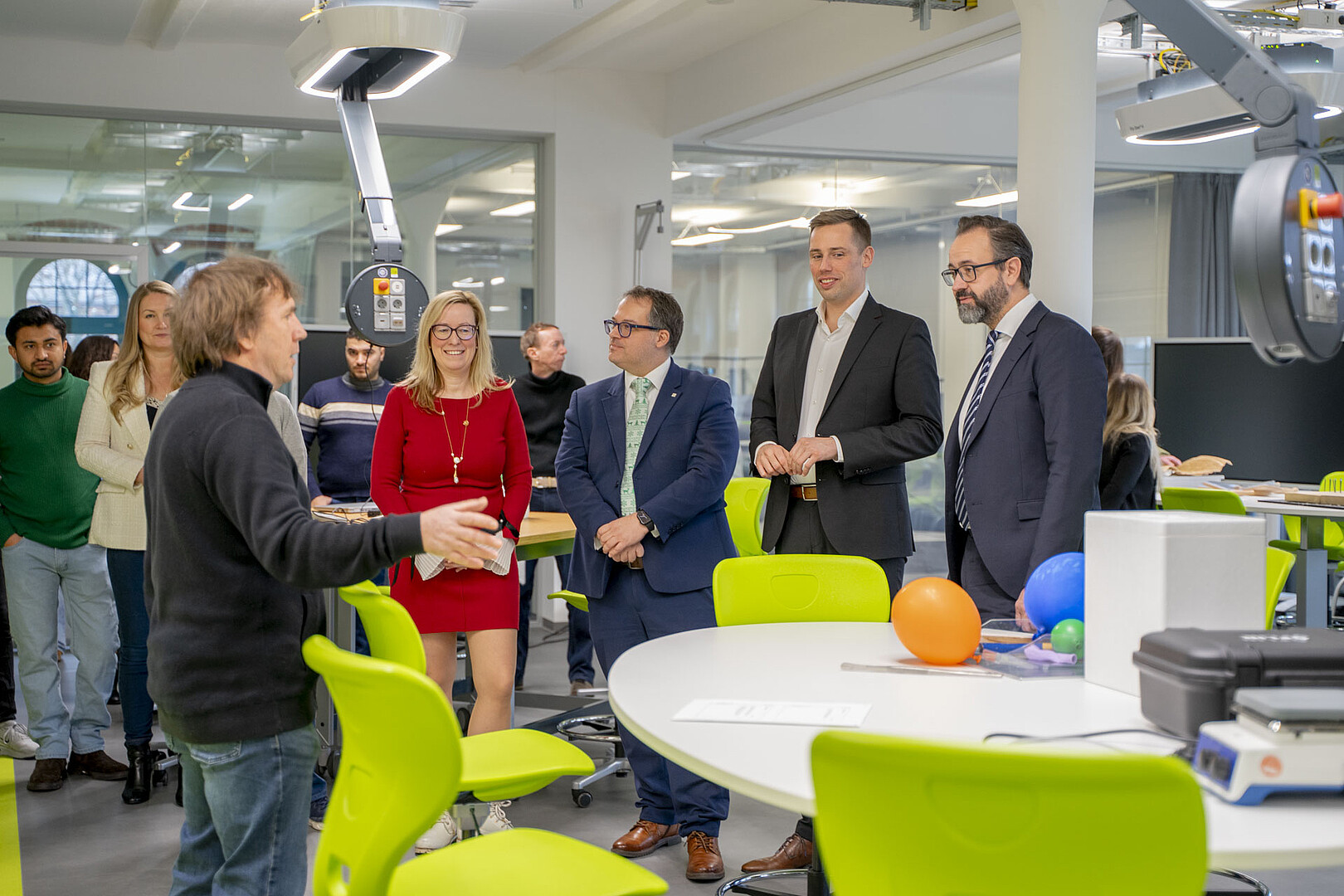
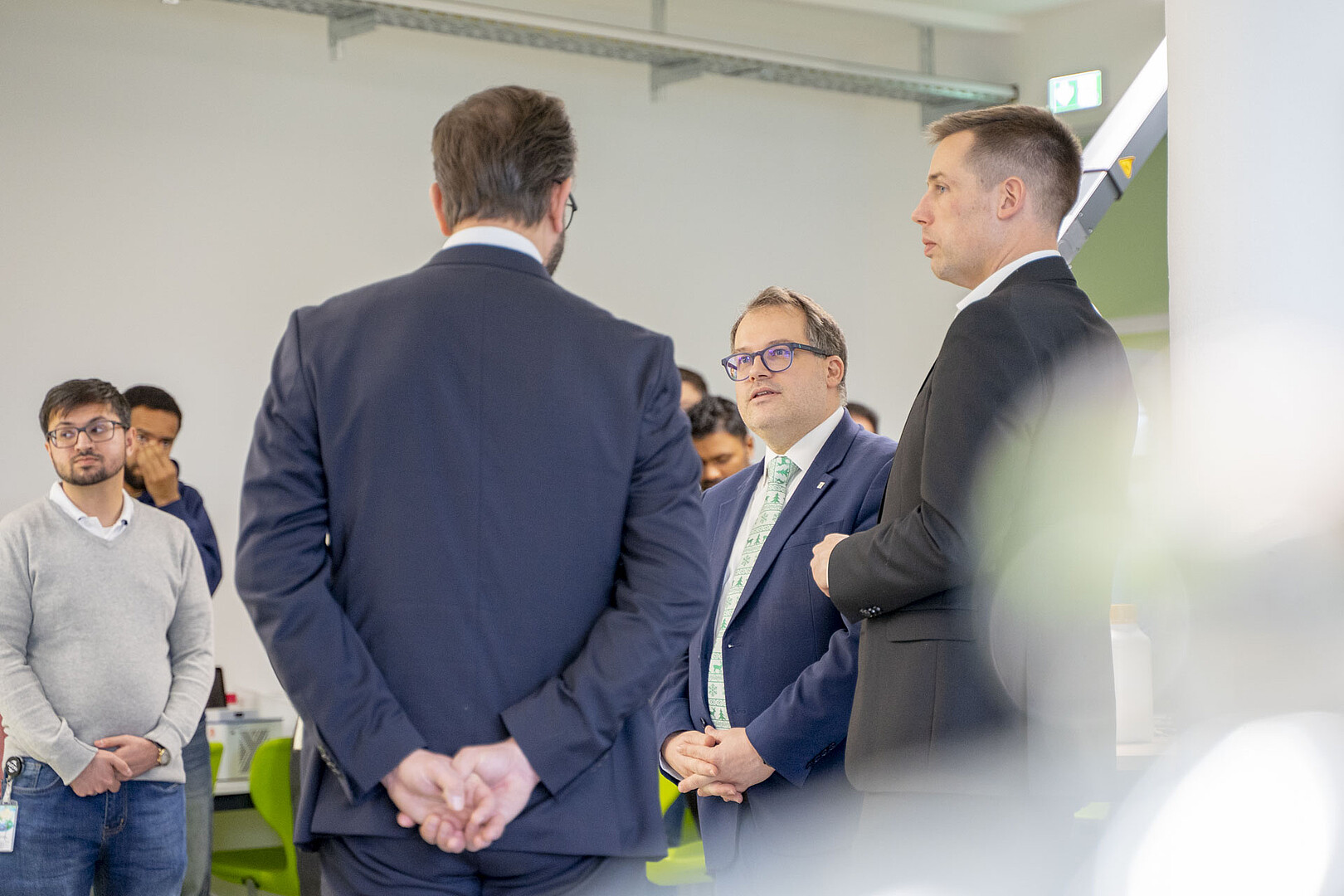
The visit by Saxony’s State Minister for Science, Sebastian Gemkow, and Member of the Bundestag Florian Oest concluded with a tour of the DLR_School_Lab, the HSZG’s school laboratory, and the HSZG’s ZukLOS (Zukunftslernort Oberlausitz). There, the team led by Dr. Thomas Fester presented the school lab’s mission and goals. The lab aims to bring research to life for students and spark enthusiasm for science and technology, with a regional, national, and international focus. “Many people with international backgrounds also work here at ZukLOS. For us at HSZG, it is very important that we can use this opportunity to provide our visitors with an international perspective in addition to the scientific content,” says Dr. Thomas Fester, director of the DLR_School_Lab at the Zittau/Görlitz University of Applied Sciences.
The conclusion drawn by the visitors from the world of (science) policy: a successful exchange between policymakers and the university, between international professionals and students, and between the scientific community and policymakers. The informal setting—featuring cookie baking and conversation—fostered a sense of closeness, strengthened relationships, and demonstrated the vibrancy and openness of the HSZG’s international university community.
Text: Frank Leberecht, Antje Pfitzner
1st floor