Innova.GEIST research project publishes science practice podcast "Innovation in the mud".
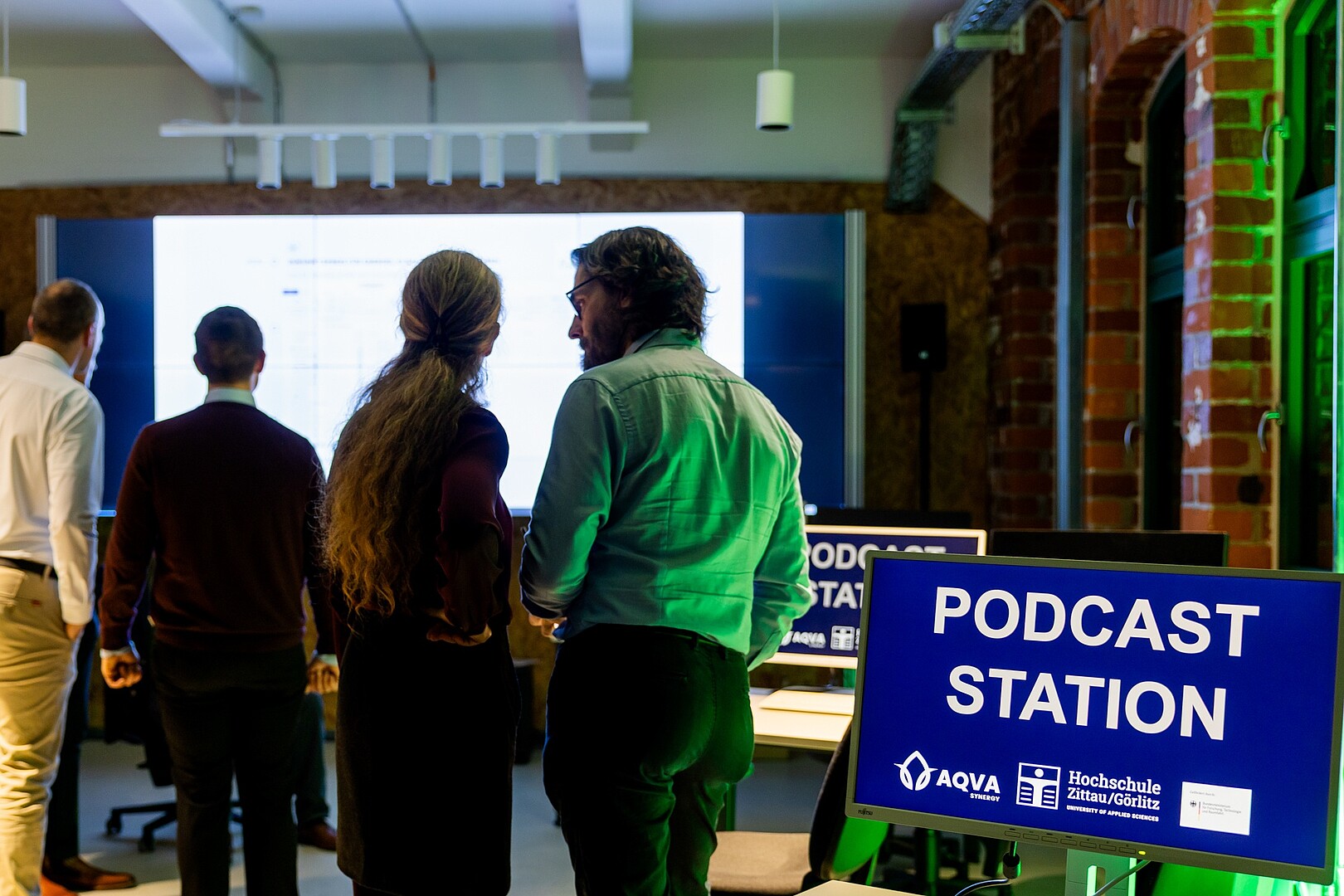
How can research findings be directly transferred into regional practice? As part of the Innova.GEIST project, the Zittau/Görlitz University of Applied Sciences (HSZG) has taken a creative approach: The Interaction Room in the Zittau innovation center CELSIUZ was temporarily transformed into a podcast station on the occasion of a stakeholder meeting of the start-up AQVA Synergy. The podcast "Innovation in the mud" is now available online. In nine episodes, it provides information on research into and development of technological and social innovations within the structural change in Lausitz.
The Innova.GEIST project - funded by the Federal Ministry of Research, Technology and Space as part of the WIR alliance (Change through Innovation in the Region) - is dedicated to a current topic: How can social and technological innovations be thought of and shaped more closely together in Lausitz's structural change? Up to now, the focus of funded structural change projects has primarily been on economic and technology-based developments. In contrast, the potential of social innovations - such as new social practices or community-based solutions - are rarely addressed. Yet it is precisely these approaches that are crucial for anchoring sustainability comprehensively and as a social mission. The transdisciplinary research project Innova.GEIST was carried out by the TRAWOS Institute (Institute for Transformation, Housing and Social Spatial Development) of the HSZG in cooperation with AQVA Synergy GmbH and ran from March 2024 to December 2025.
As part of the project, Innova.GEIST participants have produced a multi-part podcast that brings together research findings and voices from the field and the region. By converting the Interaction Room at the CELSIUZ innovation center in Zittau into a pre-launch podcast station, an innovative transfer format was tested that promotes low-threshold and inclusive exchange between science, business and civil society. Especially with regard to the diversification of communication channels in transdisciplinary projects, this contributes to the participation and sharing of scientific findings in structural change.
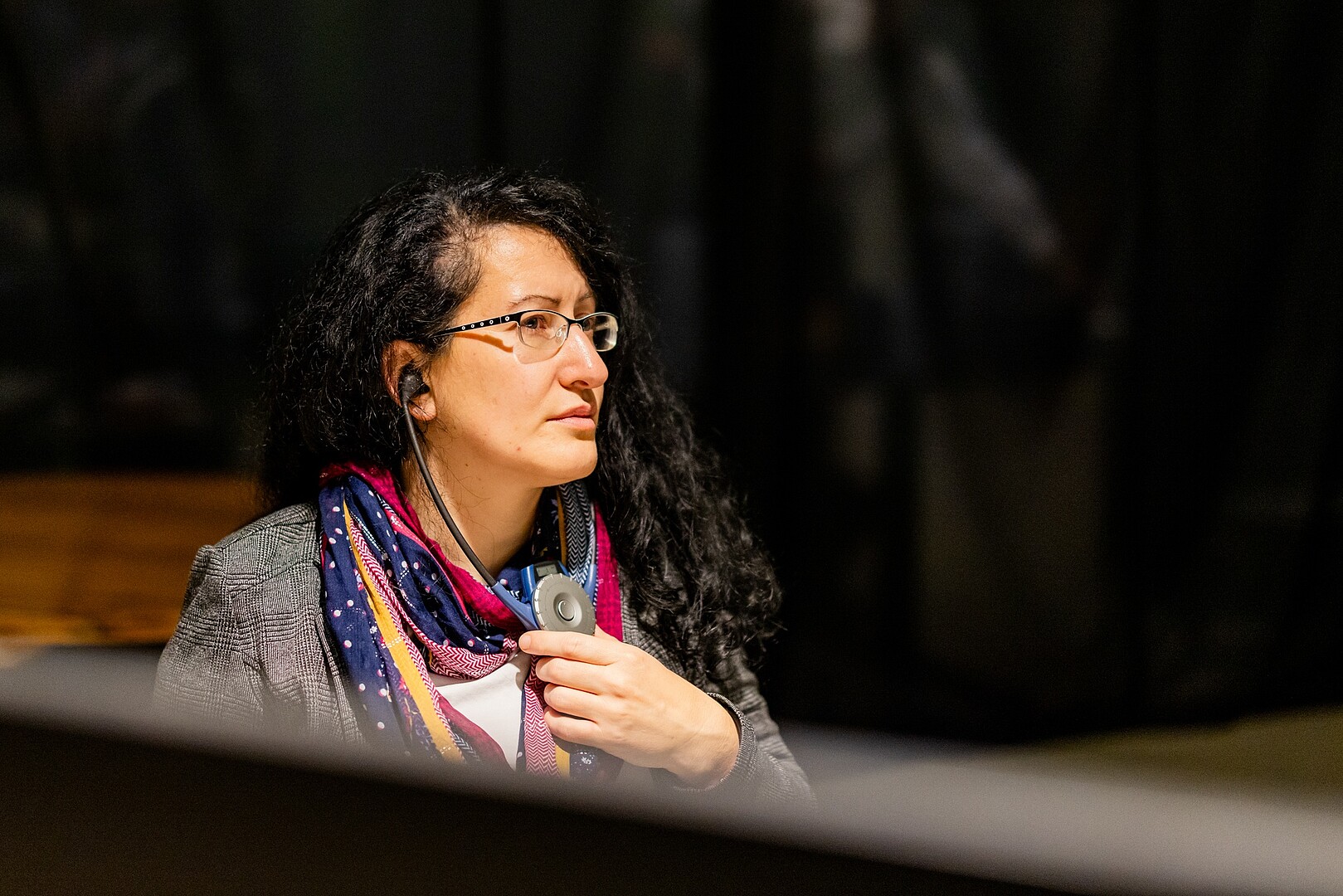
The HSZG team of the Saxony⁵ transfer project implemented the podcast production at the CELSIUZ in Zittau with the help of an interpreting system - this enabled regional stakeholders to participate directly on site in audio form in the experiences and findings that emerged from the research project. The podcast was created in collaboration with podcast producer and story consultant Jan Schilling from Akustikwerk in Dessau.
The project investigated how social innovations can be established as an equivalence component of regional development. Social innovations - understood as new social practices - focus on social needs and challenges that are not sufficiently addressed by technical solutions alone. Examples such as car-sharing banks or cooperatively organized community heating plants show this: Technical and social innovations have their greatest impact when they work together.
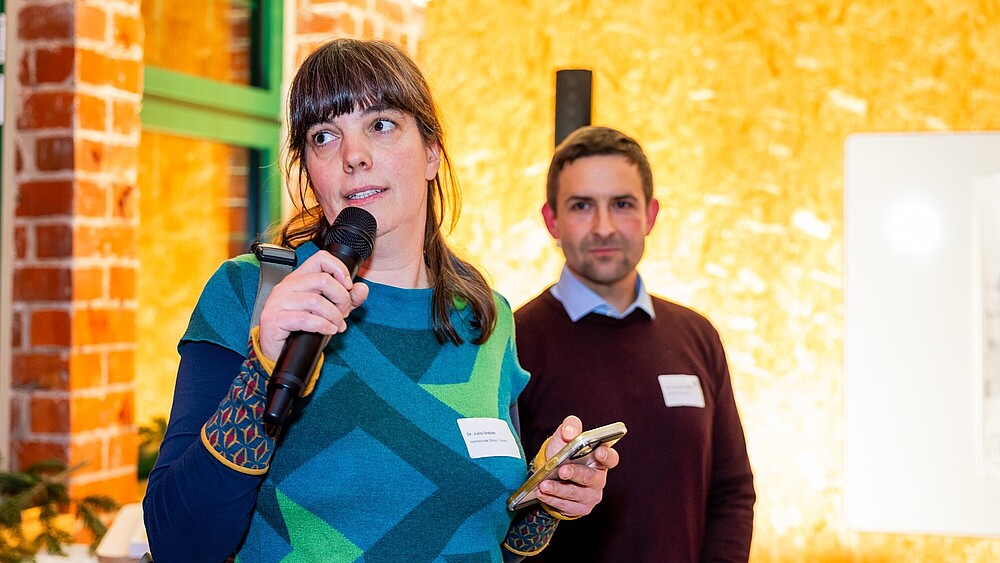
"The central aim of the interdisciplinary Innova.GEIST project is to examine the concept of innovation from a social science perspective. We want to show how social and technological innovations go together and why it makes structural and economic sense to focus on both dimensions - because they often reinforce each other in order to be successful. We hope that our project will help to positively influence innovation regimes in the region and create sustainable solutions for structural change," emphasizes Dr. Julia Gabler from the TRAWOS Institute.
The experiences in the project and at the podcast station are proof of this: The deliberate linking of technical and social innovation paths not only promotes the acceptance of sustainable solutions, but also strengthens mutual understanding and a sense of community in the Lausitz region. The consolidation of such participatory formats in the university landscape forms the basis for future-oriented, socio-ecological innovation strategies.
The podcast is a production of Jan Schilling (Akustikwerk, Dessau) and Anja Mutschler and Dr. Julia Gabler from the TRAWOS Institute. All parts of the podcast are available on the following platforms: Podigee, Spotify and Apple Podcasts.
With creative transfer formats such as the temporary podcast station in the CELSIUZ, the HSZG is helping to make research knowledge more visible, tangible and effective in regional development - and thus also enriching the culture of innovation in Lausitz. The CELSIUZ innovation center and its infrastructure, which is unique in Lausitz, are open to all researchers and companies. The Saxony⁵ team will be happy to support you on site with your transfer projects and looks forward to hearing from you.