News
Five Universities, One Shared Innovation Space: The Saxony⁵ Transfer Network Takes Stock
The 2026 Saxony⁵ annual meeting at Mittweida University of Applied Sciences focused on achievements, the impact of knowledge transfer, and the future of the growing network.
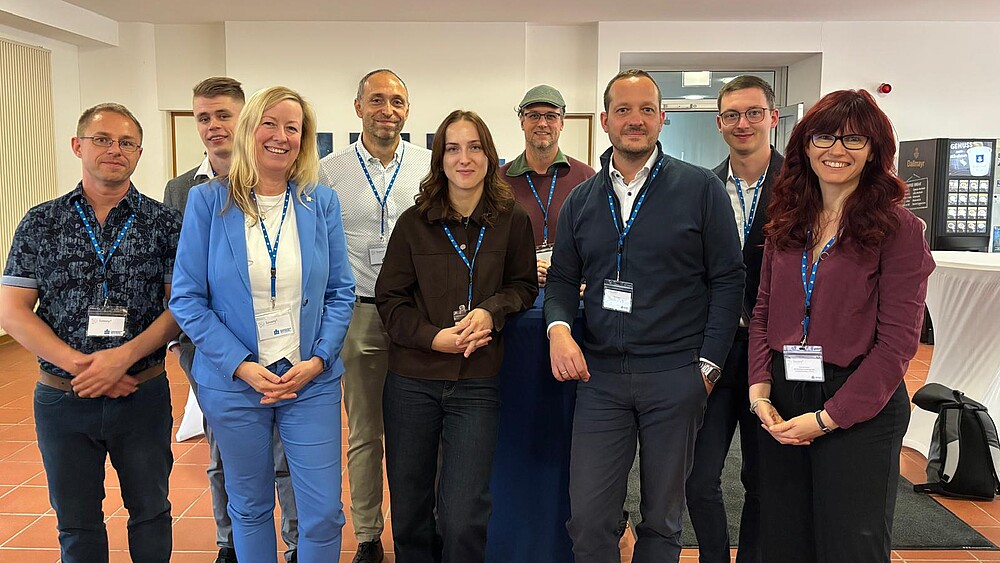
The 2026 Saxony⁵ annual meeting, held on September 21 at Mittweida University of Applied Sciences, focused on achievements, the impact of knowledge transfer, and the future of the growing network. Amid discussions of laser-based manufacturing, intelligent matching, and storytelling, one thing became clear: for research to have an impact, strong connections between universities, industry, and society are essential.
How can we not only advance research but also ensure its results reach where they are needed? And how can the structures, experiences, and networks from a long-standing collaborative project be sustainably carried forward into the future? The participants at the 2026 Saxony⁵ Annual Meeting at Mittweida University of Applied Sciences addressed these questions.
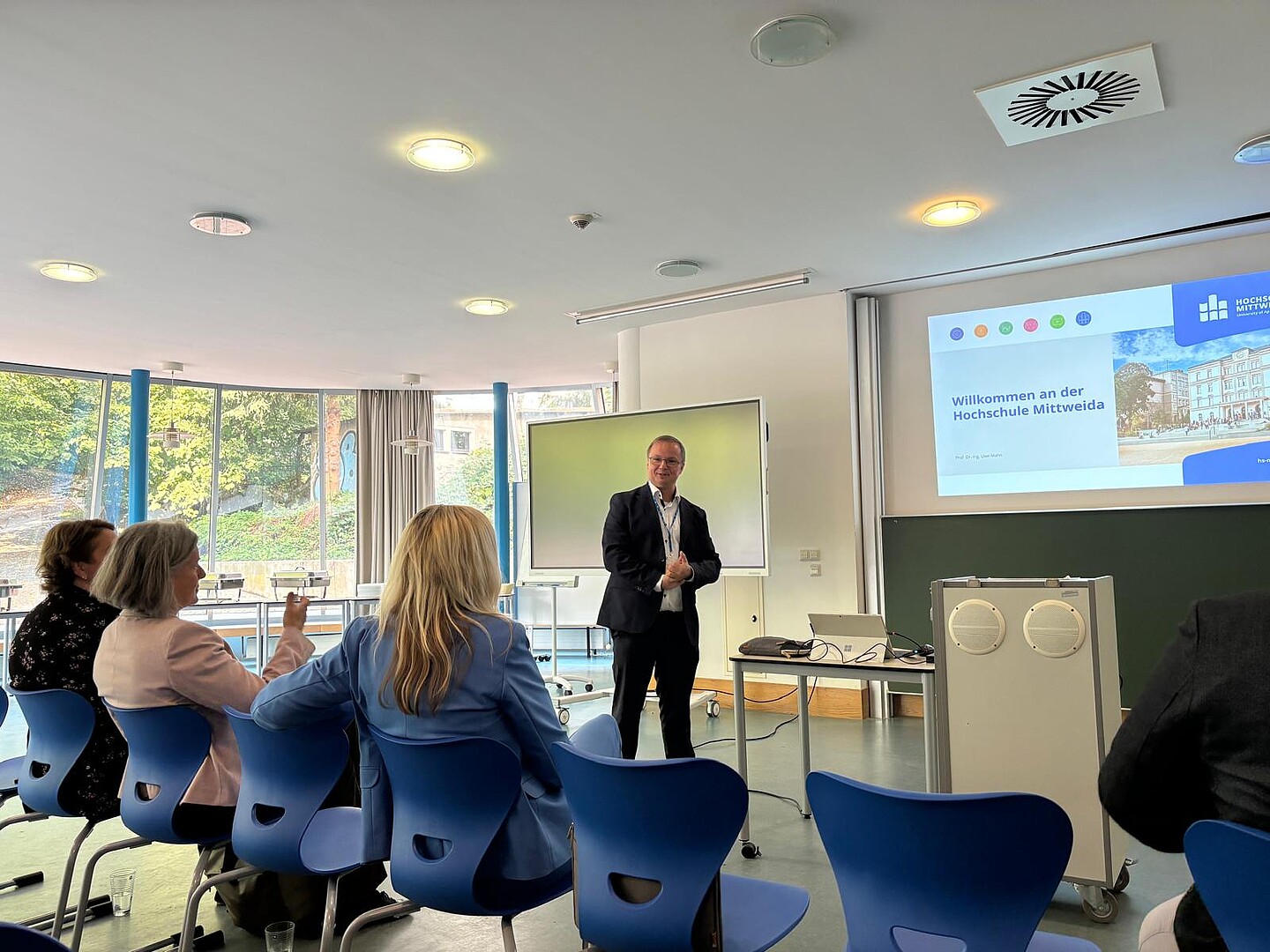
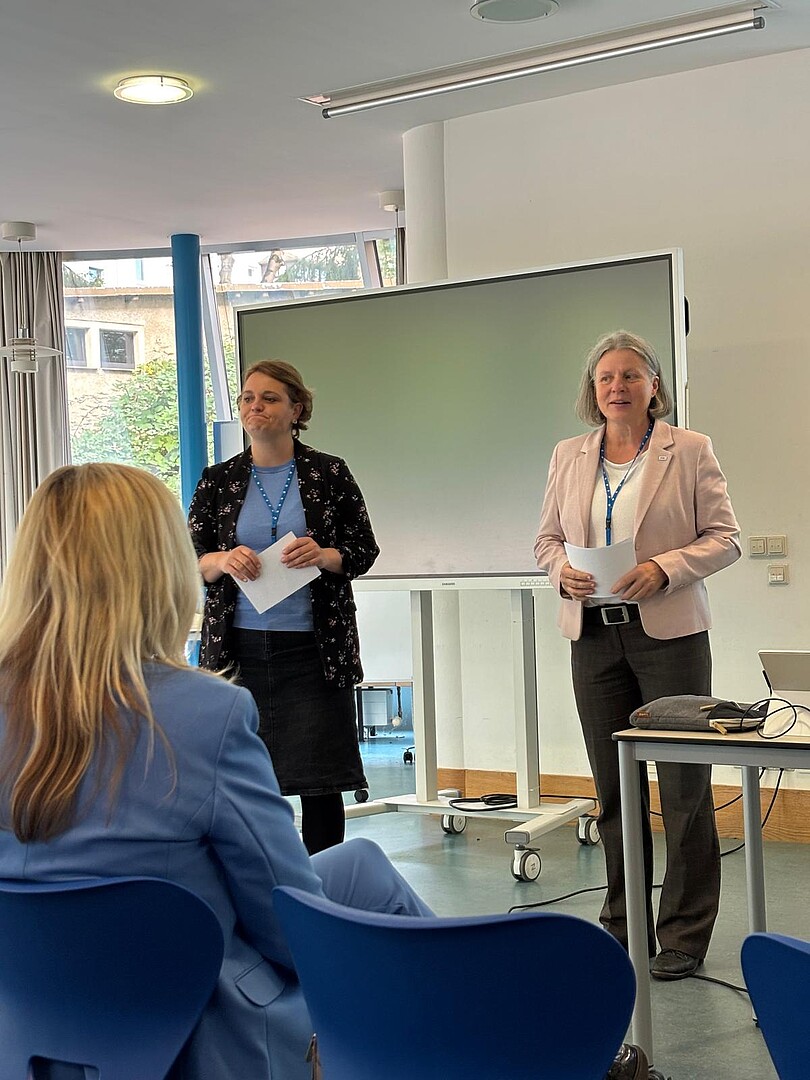
Prof. Dr.-Ing. Uwe Mahn, Prorector for Research at Mittweida University of Applied Sciences, used his opening remarks to look back on the past years of the transfer consortium. His conclusion: Knowledge transfer is no longer a standalone issue at the participating universities, but is increasingly systematically embedded in their structures.
Especially in light of increasingly scarce resources, it is crucial that research findings not disappear once a project ends, but rather be disseminated, reused, and put into practice. Or, as Mahn put it succinctly:
Transfer is certainly not everything at a university—but without transfer, everything is nothing.
”A first draft of the final report was already available for review at the annual meeting and thus served as the basis for the question that dominated the day: What has been accomplished, and what of it should remain?
From Building Structures to a Shared Network
Sophie Tietze, project director of the Saxony⁵ Transfer Network, also looked both back and forward. She noted that the second phase of the project is well underway. As a result, it is becoming increasingly important not only to look at what has been achieved but also to decide which structures, formats, and collaborations should continue beyond the project’s duration.
At the start of Saxony⁵, the initial focus had been on establishing transfer structures at the individual universities. In the meantime, this has evolved into a cross-university network. The participating universities of applied sciences engage in close dialogue, pool their interests, and are increasingly acting in unison.
Tietze pointed, among other things, to joint project proposals, secured funding, and new cross-university structures. At the political level, too, the network has helped raise the profile of universities of applied sciences. What is crucial here, she noted, is not the achievement of a single university or project leadership, but rather the collaborative efforts of the many staff members across the entire network.
For Prof. Dr. rer. pol. Sophia Keil, Vice President for Research, Transfer, and International Affairs at Zittau/Görlitz University of Applied Sciences, this marks the beginning of the next crucial phase: The task now is to develop sustainable structures based on successful projects, formats, and networks and to permanently ensure access to the expertise of all five universities.
A university doesn’t have to be able to do everything, but it must know who can. The Saxony⁵ Transfer Network combines the regional proximity of our universities with a much broader scope for solutions. Businesses, municipalities, and social partners gain access to the knowledge, experience, and infrastructure of five universities. Now we must embed successful models and networks in such a way that project work generates a lasting impact on knowledge transfer.
”The Zittau/Görlitz University of Applied Sciences contributes to Saxony⁵ in particular through its experience with transformation processes in rural areas. In Upper Lusatia, the energy transition, structural change, and demographic change intersect directly. In the CELSIUZ Transfer Space, the HSZG makes complex decisions visible and open to discussion; in the AAL Lab, solutions are developed for self-determined living in old age; and in the Sustainable Business Hub, sustainability is translated into concrete business decisions. In this way, the university makes transformation visible, tangible, and actionable, in collaboration with the region.
When a research project needs to find the right partner
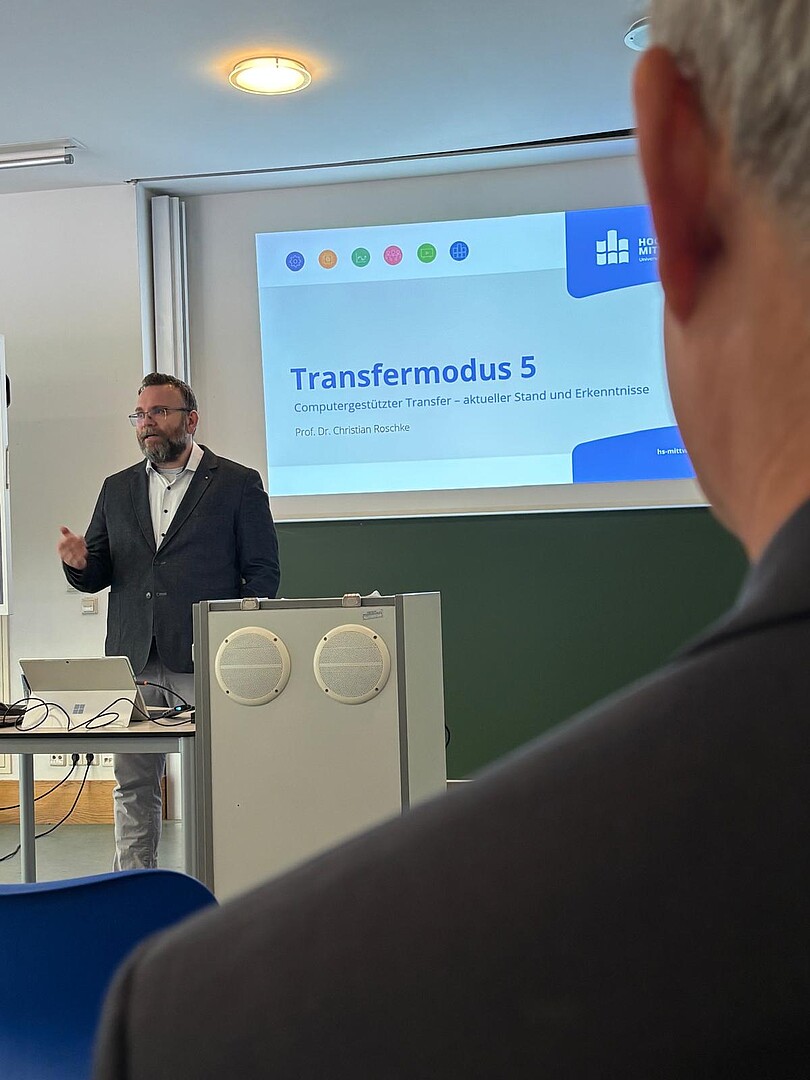
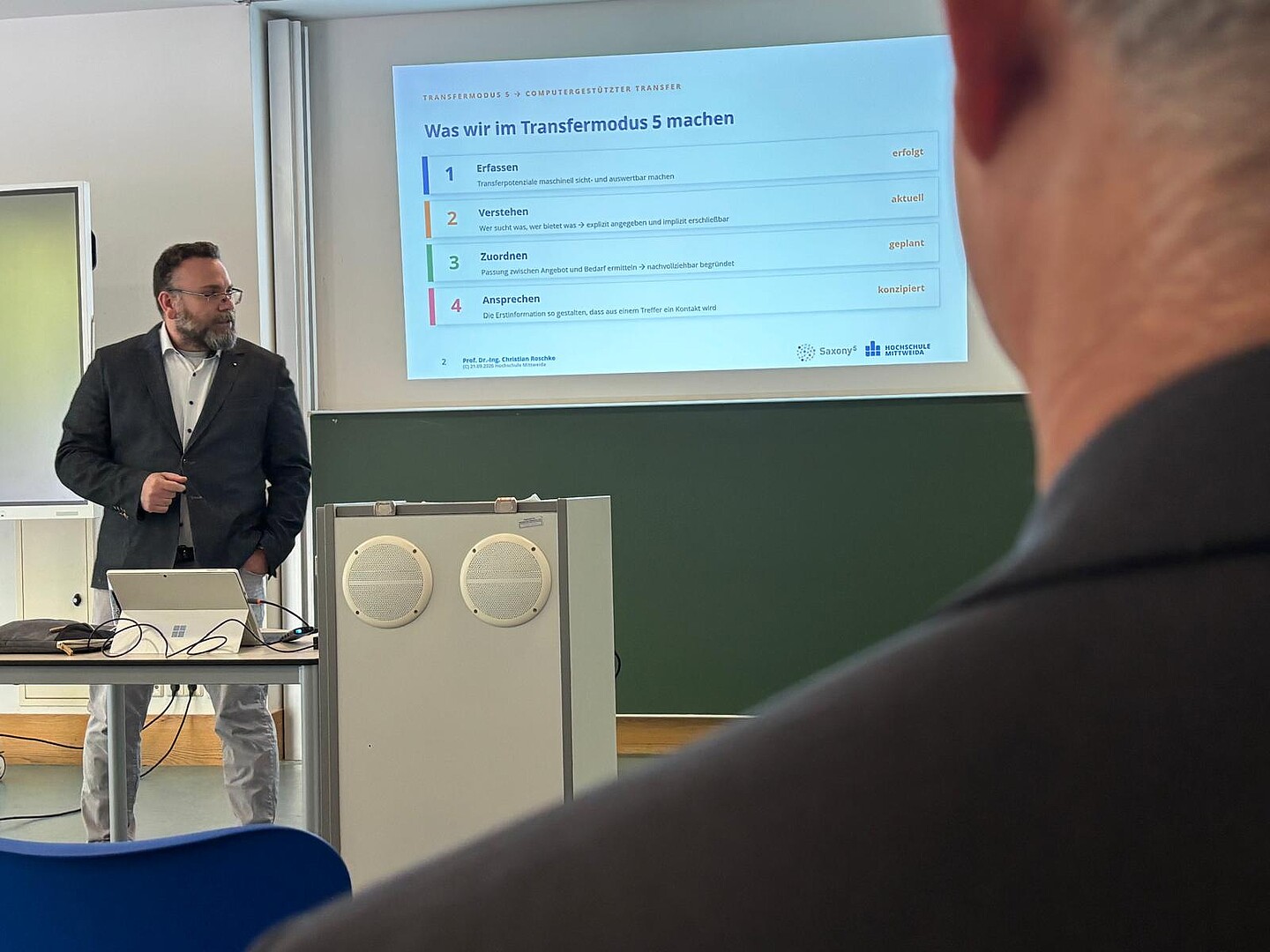
Prof. Dr.-Ing. Christian Roschke demonstrated how technology transfer can be supported in an even more targeted manner in the future with his presentation on “Transfer Mode 5.” The focus is on how those offering technology transfer and potential recipients can be matched as effectively as possible based on existing data.
But even if a high degree of compatibility between a research opportunity and a company is calculated, the connection is far from established. After all, knowledge transfer is not merely a matter of data and algorithms. What approach works? Email, phone call, or face-to-face meeting? How does a company recognize the concrete benefits of a research project for its own work?
Findings to date show that, in the end, people are at the center of it all. Successful matching requires communication that clearly conveys a project’s added value and takes the perspective of the respective target audience into account.
This bridged the gap to the next focal point of the annual meeting: storytelling.
From Research Findings to a Story That Sticks
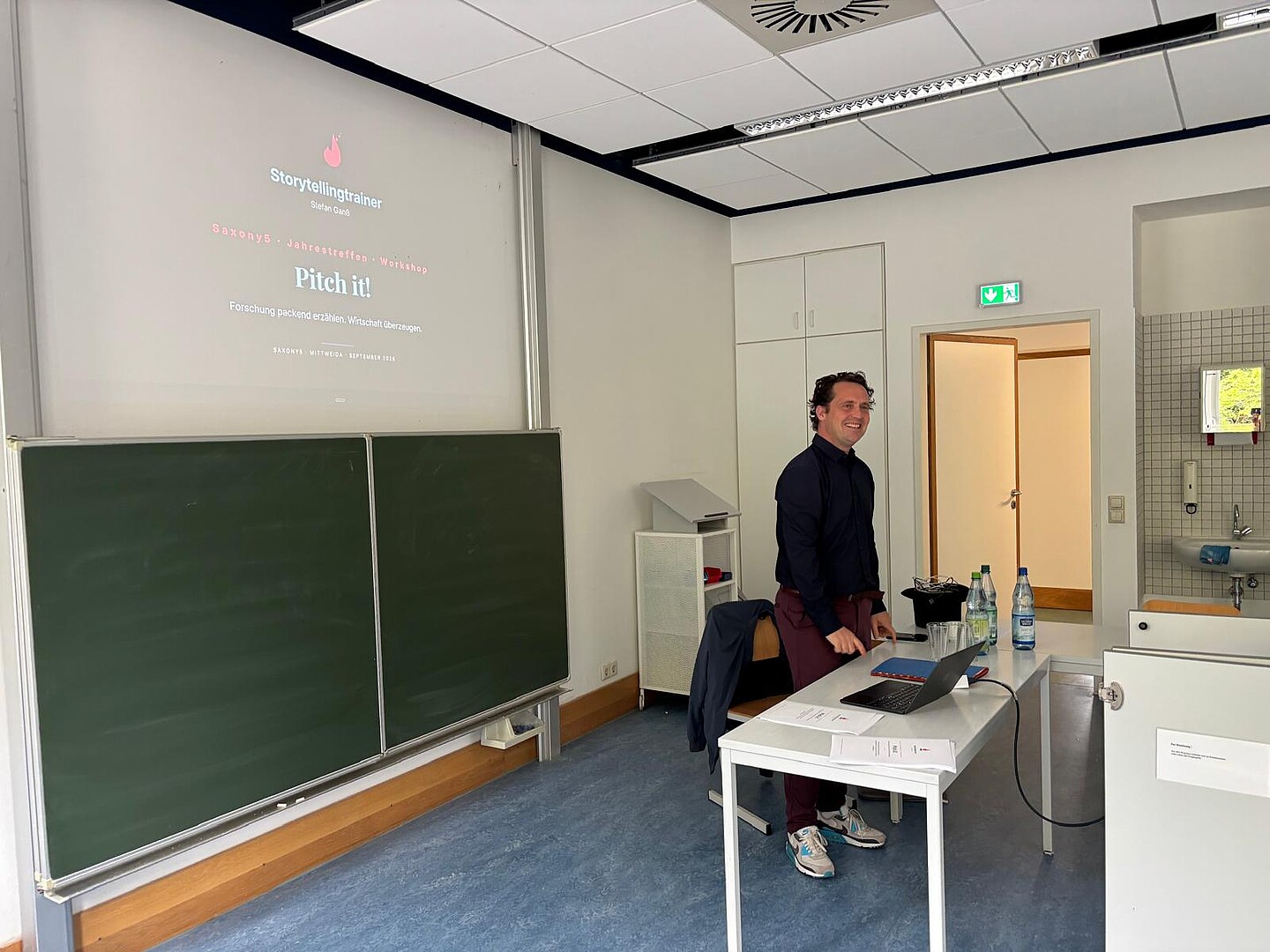
In the workshop “Pitch it! Telling Research Stories in an Engaging Way—Convincing the Business World,” storytelling coach Stefan Ganß demonstrated how complex research content can be transformed into understandable and compelling stories .
Using numerous anecdotes and vivid examples from his daily work in television, he demonstrated how researchers can capture attention, distill content into understandable terms, and spark their audience’s interest in a topic right from the start. Participants quickly learned that a good “hook” is much more than just the pirate captain of the same name from *Peter Pan*.
The focus was on how researchers can present their projects in a way that highlights not only the scientific method but, above all, the problem, benefits, and impact. This is because, especially when engaging with companies, the first few moments often determine whether a topic is perceived as relevant.
At the same time, a futureSAX workshop offered insights into the financing of spin-offs and research through debt capital. With the involvement of a business angel, participants were able to explore financing options and prospects for translating scientific ideas into commercial applications.
Lasers Meet Wood Construction
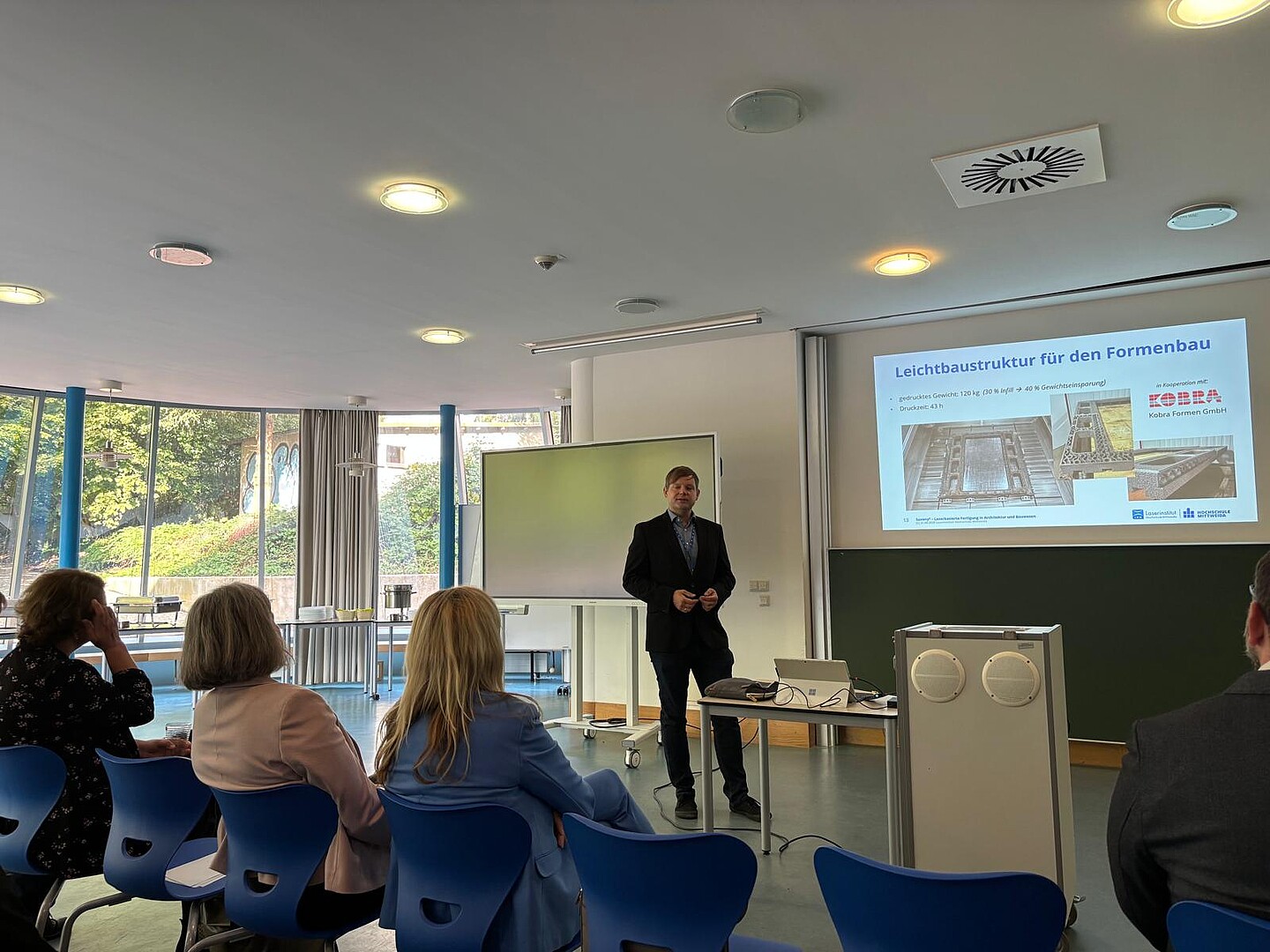
Michael Pfeifer, M.Sc., had previously demonstrated just how tangible technology transfer can be through the project “Laser-Based Manufacturing in Architecture and Construction.” This initiative, which originated during the first phase of Saxony⁵, combines innovative manufacturing processes with specific challenges facing the construction industry.
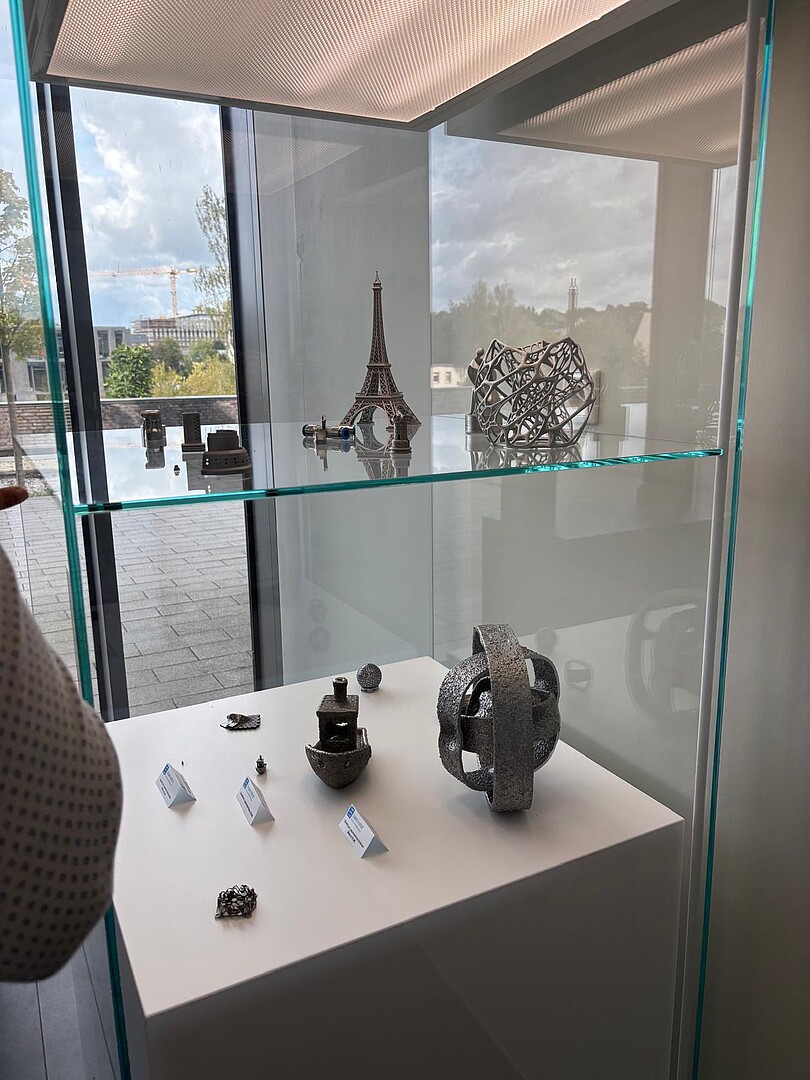
In addition to the fabrication of custom-designed free-form facades, Michael Pfeifer explained how metal 3D printing can be combined with timber construction. This approach enables new structural solutions while also aiming for resource-efficient, material-reduced, and recyclable use of materials.
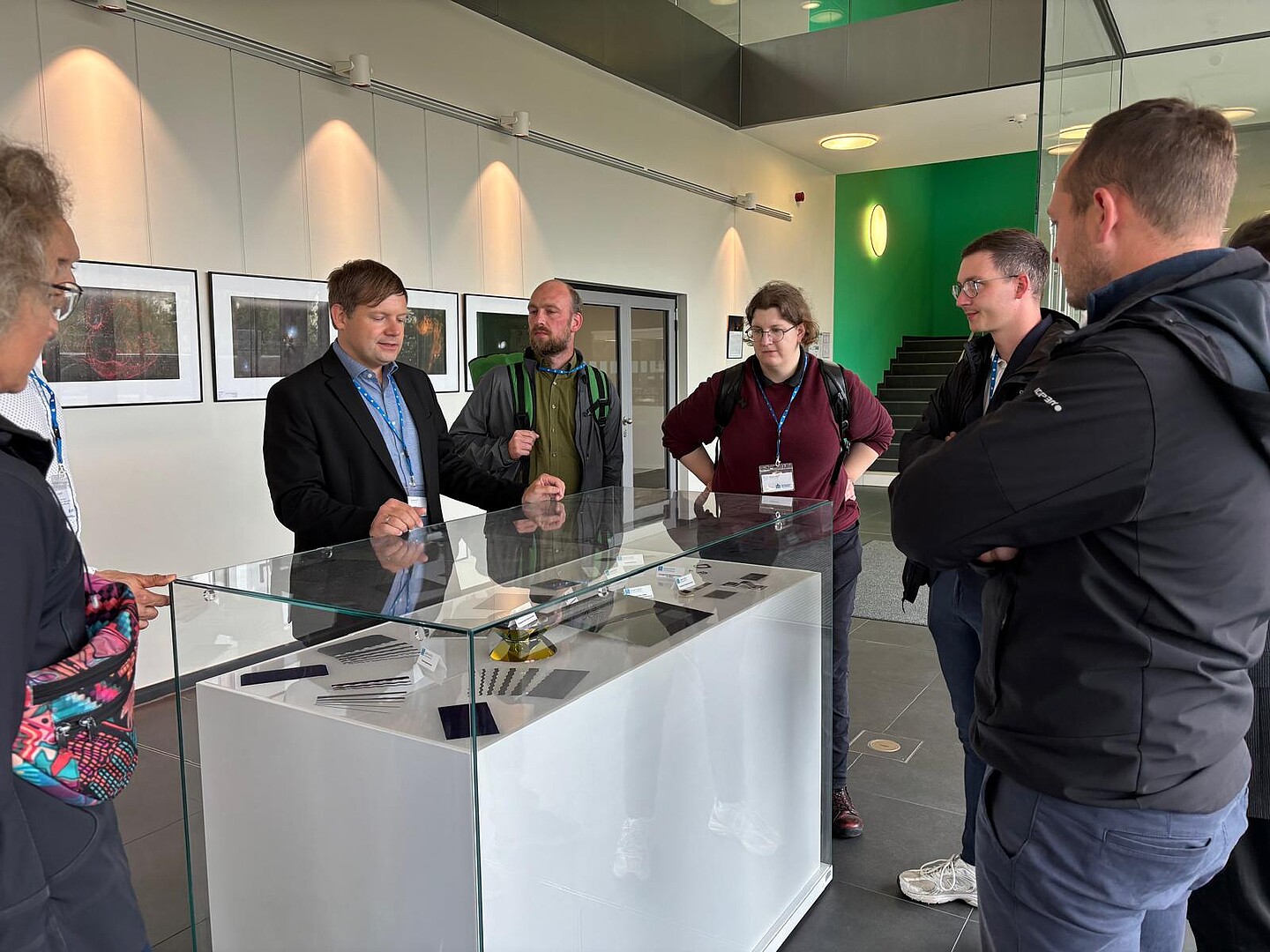
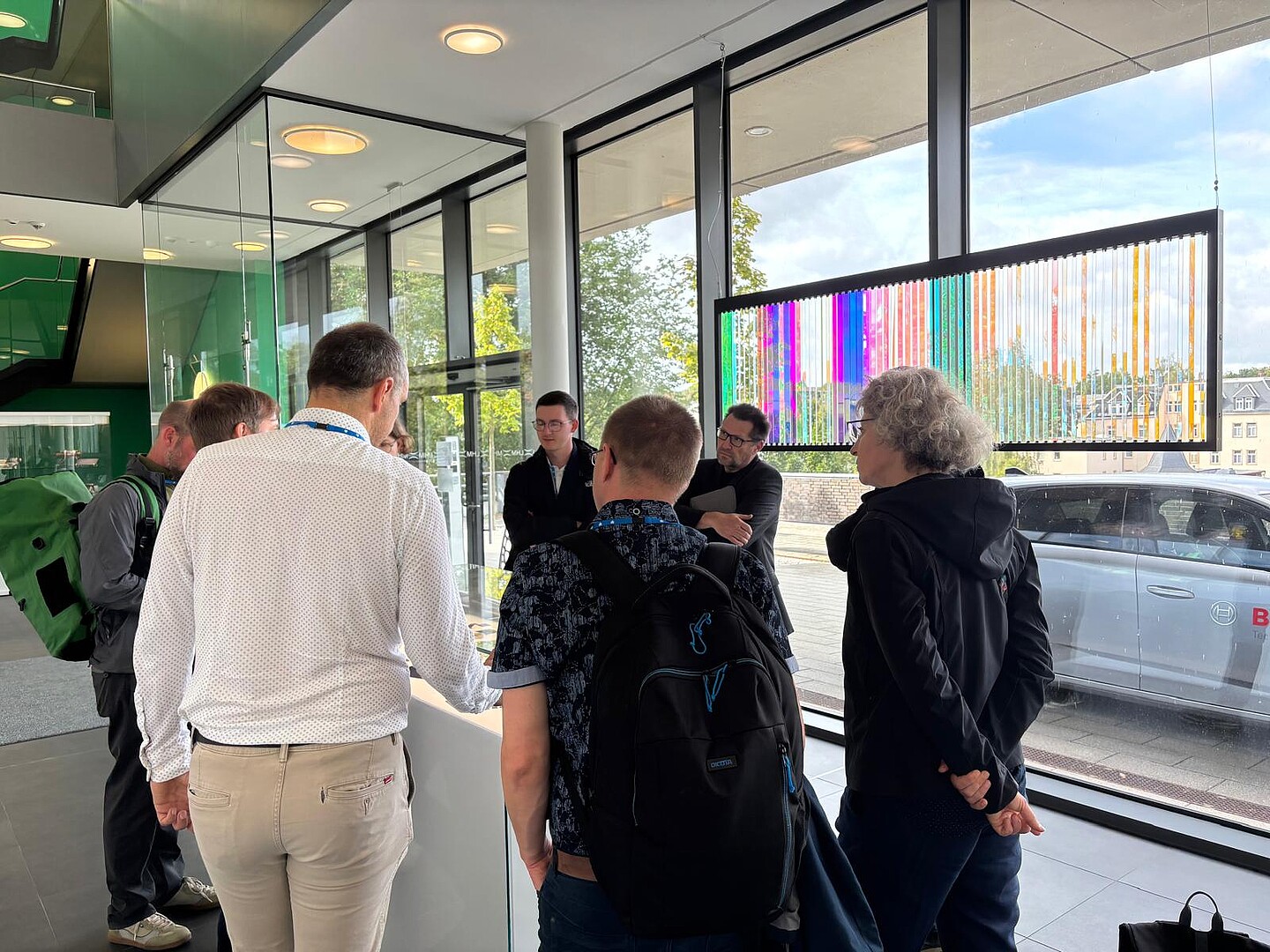
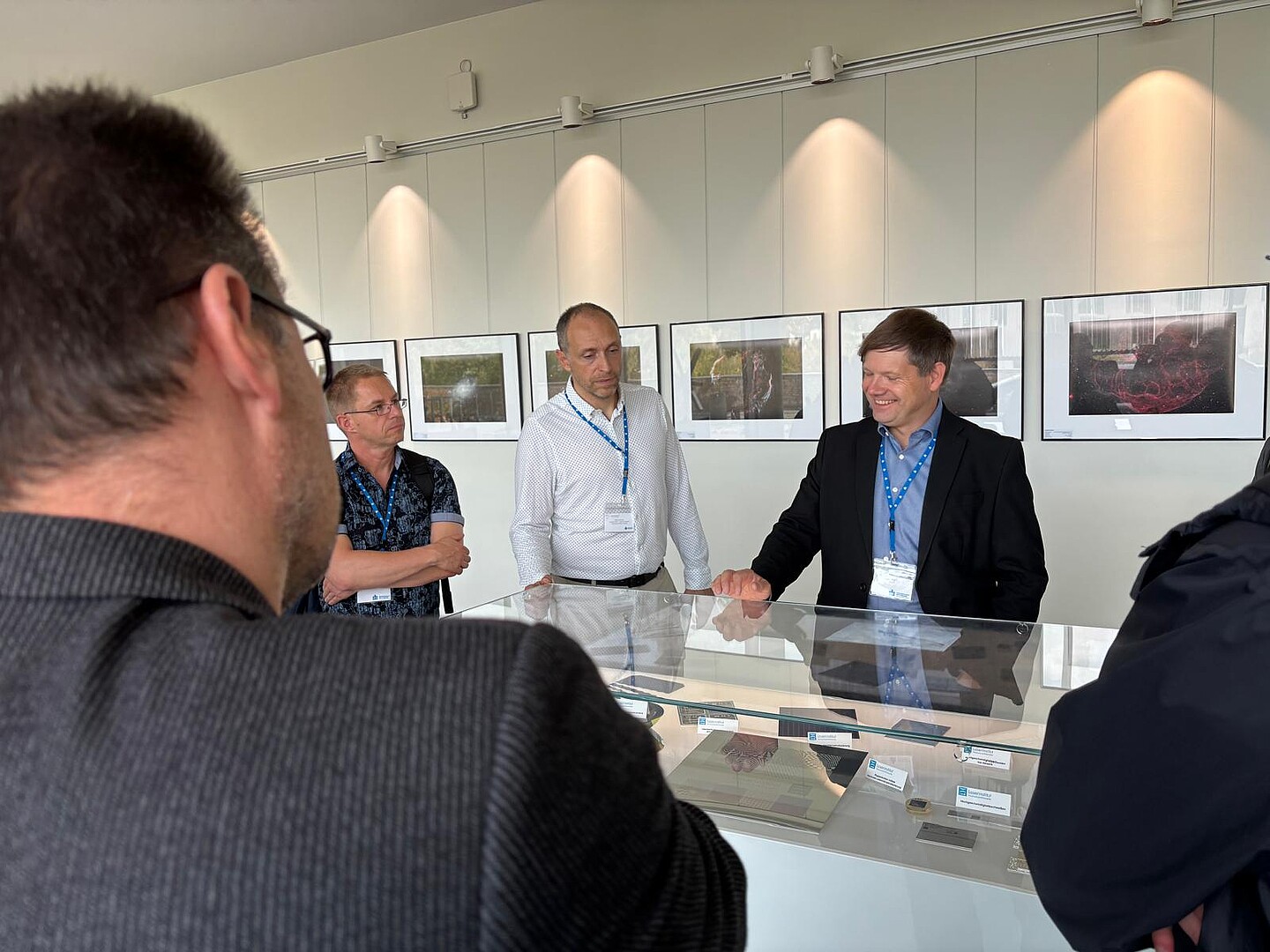
During a subsequent guided tour of the Laser Institute at Mittweida University of Applied Sciences, the theory was immediately brought to life. Michael Pfeifer explained manufacturing processes and presented the guests with numerous laser-manufactured components and applications.
At the same time, guests were able to visit the Living Lab, where they could, among other things, try out the driving simulator for themselves.
The baton passes to Dresden
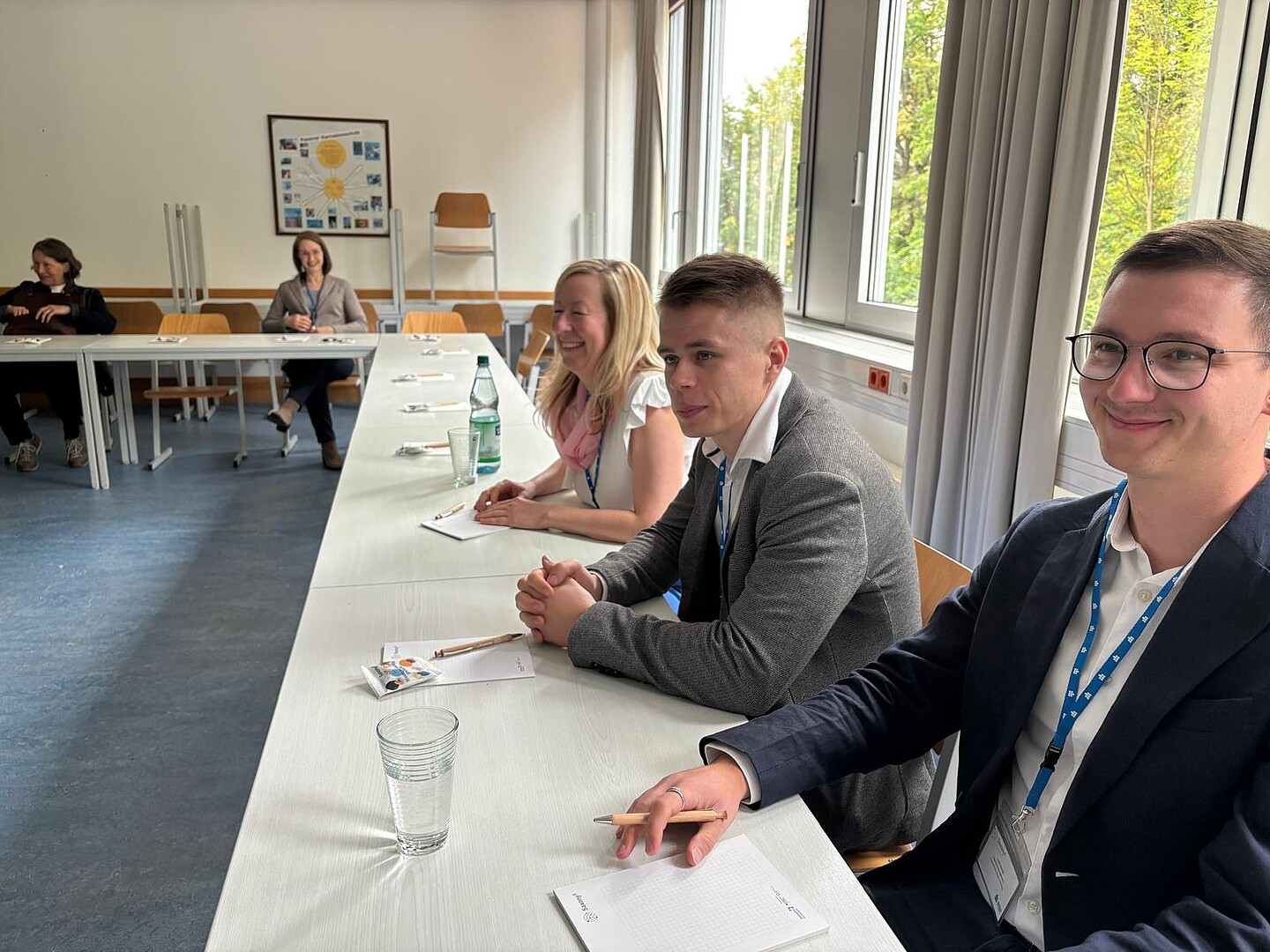
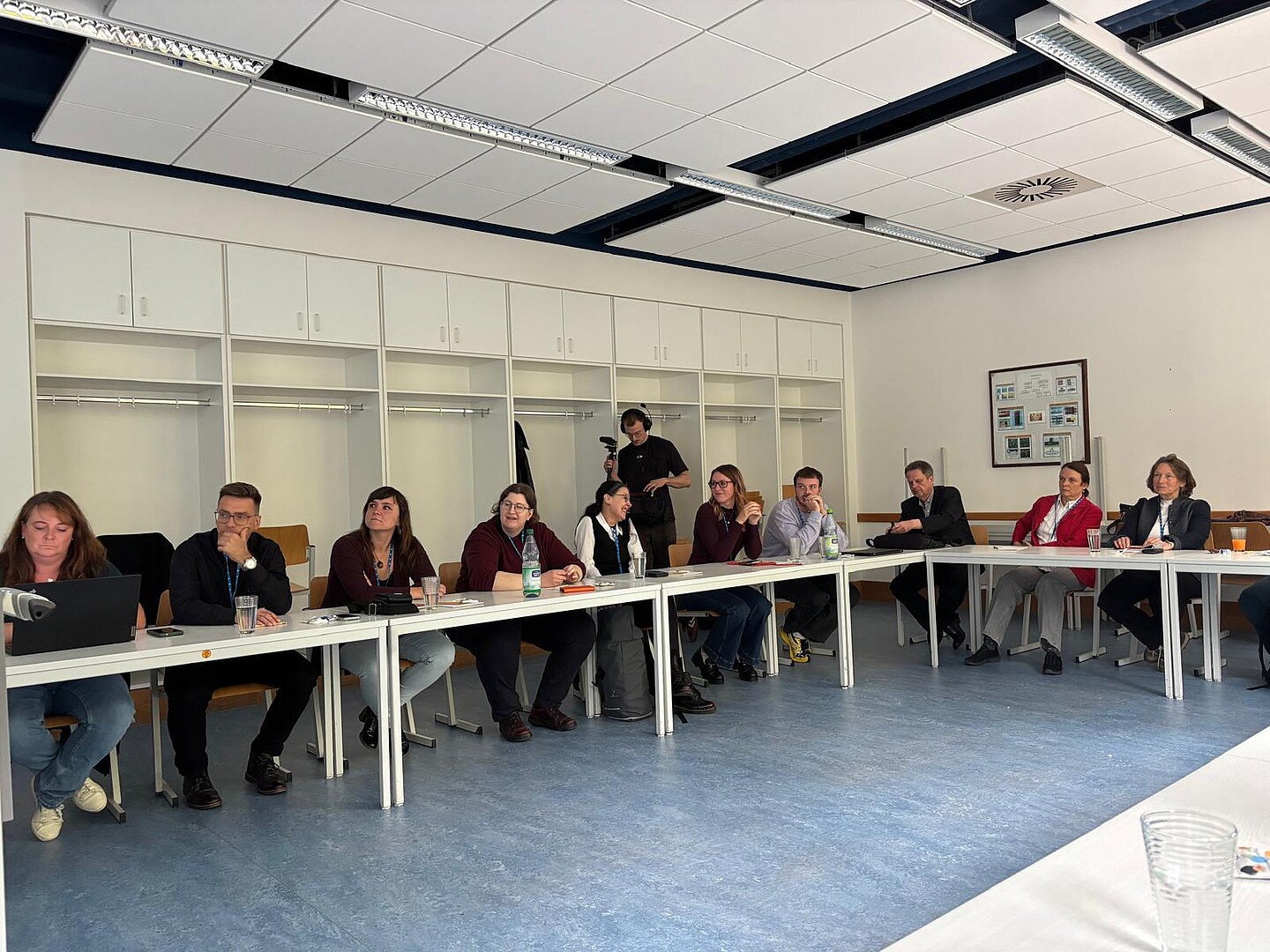
The annual meeting thus combined a look back and a look ahead, scientific applications and transfer methods, strategic questions, and very practical tools. Above all, however, it provided a space for personal exchange within the growing Saxony⁵ network.
At the conclusion, the baton was passed to Sophie Tietze. The next major meeting is also scheduled to serve as the closing event for the current project phase and will take place in Dresden . Until then, the shared task remains clear: to further develop Saxony⁵’s successful content, structures, and connections so that the project work translates into a sustainable impact on knowledge transfer.
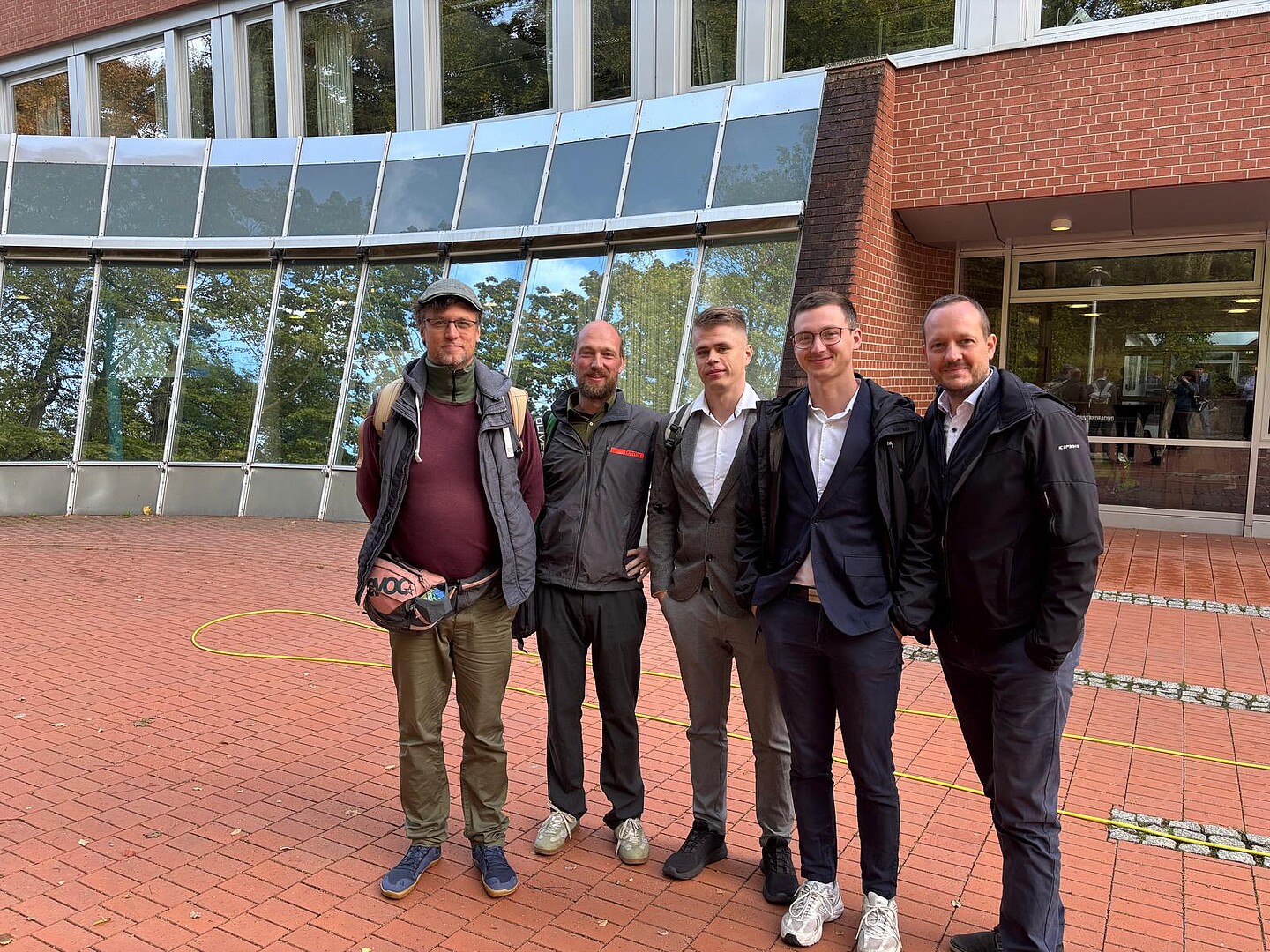
Representing Zittau/Görlitz University of Applied Sciences were Prof. Dr. rer. pol. Sophia Keil, Prof. Dr.-Ing. Matthias Kunick, Prof. Dr. Andreas Hoff, Lucas Wenzel, Kai Wadewitz, Martin Herling, Bert Salomo, Maria Fabisch, Andreas Schulz, and Cornelia Rothe from the Zittau/Görlitz University of Applied Sciences.
The “Future Days” event in Hirschfelde this past May, made possible by Saxony⁵, demonstrated how knowledge transfer can be successfully implemented in rural areas. Under the guiding principle “Sometimes the best place for science is the town square,” the HSZG brought research directly to the people. Academics, businesses, civic organizations, government officials, politicians, and citizens came together to discuss the future of heating for municipal buildings, heavy rain preparedness, artificial intelligence, and the challenges of an aging society. For the university, Upper Lusatia is thus not merely a location but a co-developer.
Over the course of the project, the participating subproject leaders—Prof. Hildebrandt, Prof. Hoff, Prof. Kunick, and Prof. Lässig—also demonstrated the breadth of the Zittau/Görlitz University of Applied Sciences’ network. With their respective fields of research and knowledge transfer, they exemplify how technological expertise, application-oriented research, and engagement with industry and society work together at the Zittau/Görlitz University of Applied Sciences.
Saxony⁵ brings together Saxony's universities of applied sciences to promote research-based knowledge and technology transfer. The current project phase runs from 2023 through the end of 2027.
1st floor