

About the degree programme
The master’s degree programme in biotechnology and applied ecology combines two cutting-edge scientific disciplines that are crucial to the future of our planet. By choosing between the specializations in Biotechnology or Biodiversity and Nature Conservation , you ’ll develop in-depth expertise at the intersection of basic biological research and applied science. In an era of dramatic biodiversity loss and growing environmental problems, you’ll develop the skills needed to devise and implement sustainable solutions.
Interdisciplinary Research with Future Prospects
Depending on your chosen specialization, the master’s program will equip you with in-depth knowledge and practical skills in:
- Molecular biological and genetic methods for biodiversity research
- Ecosystem assessment and sustainable management of natural resources
- Biotechnological processes and their environmentally sound application
- Population biology and genetics of endangered species
- Environmental law and expertise in nature conservation
- Scientific research methodology and data analysis
You will learn to understand complex biological systems and evaluate them from both a nature conservation perspective and in terms of potential biotechnological applications. This degree programme, which is unique in Germany, is offered in cooperation with the International University Institute Zittau, an institution of TU Dresden. The hands-on training, featuring numerous laboratory and fieldwork sessions in small groups, ensures you receive optimal guidance and helps you develop valuable scientific skills for both research and professional practice.
This degree programme is offered in collaboration with the International University Institute in Zittau, an affiliate of TU Dresden. Applications for this degree programme must therefore be submitted through TU Dresden:
Details on the application process.
Study details
The most important facts at a glance:
| faculty: | Natural and Environmental Sciences |
| Location: | Zittau |
| Degree: | Master of Science (dual degree, awarded by TU Dresden and HSZG) |
| standard period of study: | 4 semesters (part-time in 8 semesters) |
| ECTS credits: | 120 |
| Language of instruction: | German (Modules with English titles are generally taught in English. Specific details are governed by the academic regulations.) |
| Enrolment for: | Winter semester |
| Application period: June 1 to September 15 | Start of studies: October |
| Admission restrictions: | No admission restrictions (no NC) Details |
| No prerequisite internship | Student Advisory Service |
| Accreditation status: | Accredited |
| Partner institution: | International University Institute (IHI) Zittau at TU Dresden |
Course content
The master’s degree programme has a modular structure and provides you with comprehensive academic expertise over the course of four semesters. As early as the first semester, you’ll choose between the specializations in Biotechnology or Biodiversity and Nature Conservation, allowing you to tailor your studies to your personal interests and career goals.
During the first three semesters, you’ll acquire advanced theoretical knowledge and practical skills in your chosen area of focus. In the Biotechnology specialization, you’ll explore topics such as applied and specialized microbiology, microbial biotechnology, and environmental chemistry. A unique feature and key focus of this specialization is the high proportion of mycological content, including systematics and phylogeny, practical identification, biotechnology, and bioprocess engineering. The Biodiversity and Nature Conservation specialization includes modules such as the systematics and conservation of animal species, population biology, field ecology, and population genetics. Worth noting are the many field trips led by a wide variety of experts during the summer semester, which provide insights into nature conservation in practice as well as cover methodology and the identification of various species groups. Numerous laboratory and field practicums allow you to directly apply modern methods and techniques. The fourth semester is dedicated to your master’s thesis, in which you will design and carry out your own research project.
Specialization I: Biotechnology
- Specialized Microbiology
- Biochemistry of Metals
- Environmental and Fungal Genomics
- Practical Mycology
- Bioprocess Engineering of Fungi
Specialization II: Biodiversity and Nature Conservation
- Systematics and Conservation of Animal Species
Elective Specialization II
(Select 5 modules)
- Biology
- Ecology
- Ecosystems
- GIS - Geographic Information Systems
- English for the Natural Sciences
Specialization I: Biotechnology
- Fungi, Protists, and Microbial Ecology
- Microbial Biotechnology
- Eukaryotic Diversity
- Ecological-Microbiological Field and Laboratory Course
- Fungal Biotechnology
Elective Specialization I
(Choose 1 module)
- Plant Biotechnology
- Environmental Analysis
- Biochemistry of Secondary Metabolites
Specialization II: Biodiversity and Nature Conservation
- Biodiversity and Nature Conservation
- Field Ecology
- Population Biology
- Expertise in Nature Conservation
Elective Area Specialization II
(Choose 1 module)
- Genetics/Molecular Biology
- Ecological-Microbiological Field and Laboratory Course
Specialization I: Biotechnology
(Elective-required only; choose 5–6 modules)
- Research, Strategies, and Scientific Practice
- Principles of Ecology
- Bioinformatics
- Environmental Chemistry
- Applied Microbiology
- Applied Ecology
- Diversity and Ecology of Fungi and Lichens
- Museum and Collections
- Ecosystem Services - Foundations
- English for the Natural Sciences
Specialization II: Biodiversity and Nature Conservation
- Use of Biodiversity
- Statistics for Ecologists
- Population Genetics
Required Electives for Specialization II
(Select 2–3 modules)
- Environmental and Fungal Genomics
- Practical Mycology
- Biodiversity Management and Sustainability
- Ecosystem Services—Foundations
- Ecosystem Services —Concepts and Development
- Final module (Master's thesis and defense)
Career opportunities
Professional areas where you can get started
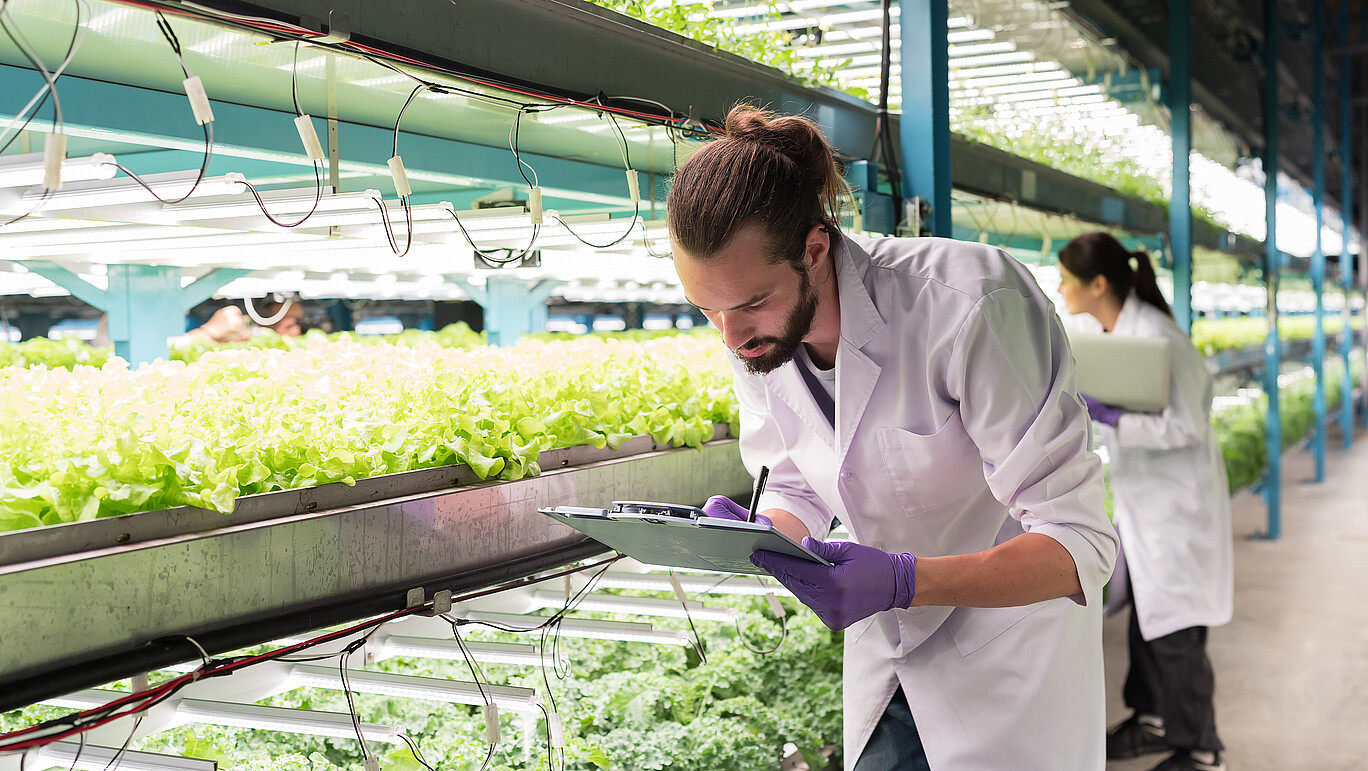
Biodiversity Research
You study biological diversity at the genetic, species, and ecosystem levels. You conduct surveys, analyze genetic diversity, and develop scientific foundations for the protection of endangered species and habitats at research institutes or in protected areas.

Nature conservation management
You will develop and implement concepts for the conservation and sustainable use of natural resources. You will plan conservation measures for endangered species, advise on the designation of protected areas and monitor their management in authorities or national parks. You will contribute to the implementation of national and European nature conservation legislation.

Biotechnology Research
You will work on the development of new biotechnological processes in research institutions or in industry. You will optimize processes for the environmentally friendly production of active ingredients, enzymes, or biodegradable materials using microbiological or plant-based systems.
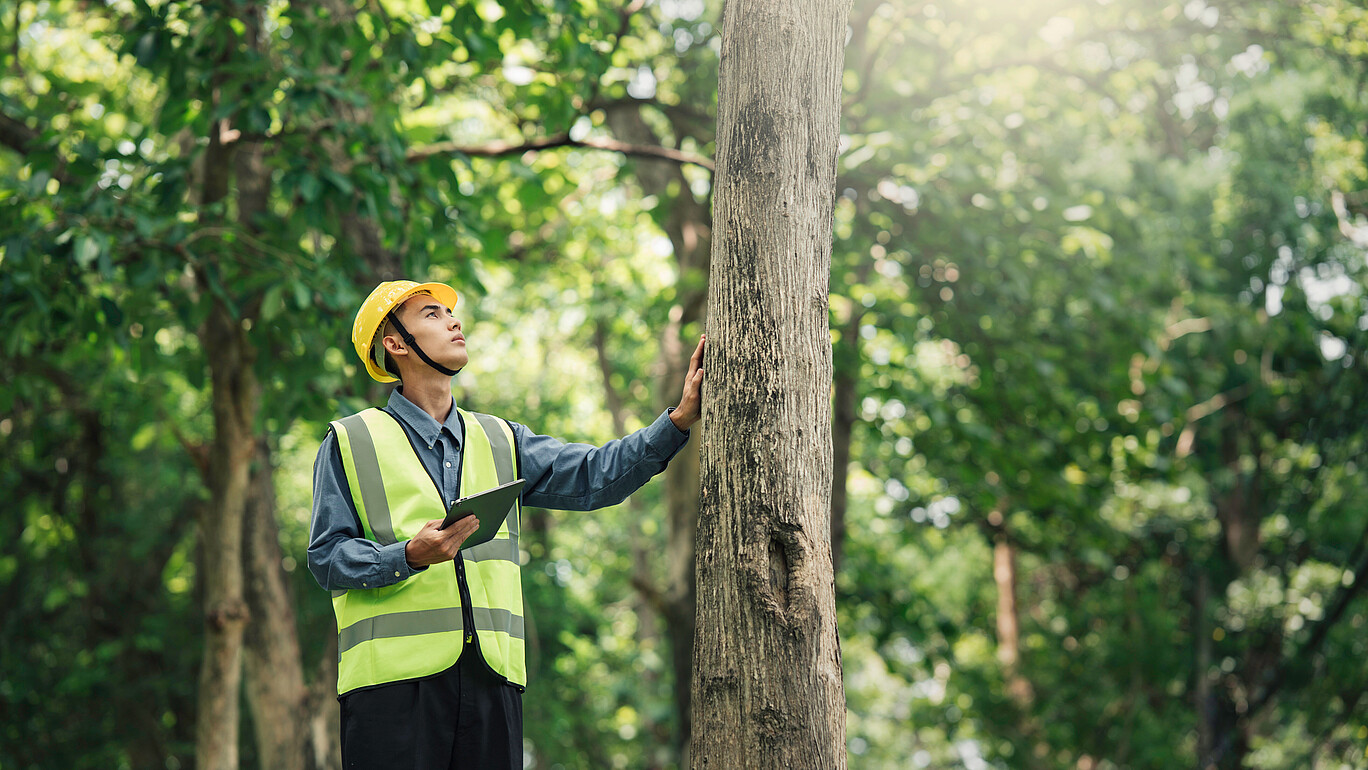
Environmental Assessments
You prepare environmental reports for planning procedures and environmental impact assessments. You evaluate the potential environmental impacts of construction projects, develop mitigation measures, and oversee the implementation of nature conservation measures in planning offices or as an independent consultant.

Scientific Research
You conduct basic or applied research at universities or research institutes. You design and lead research projects, publish scientific findings, and collaborate across disciplines to address complex issues in biotechnology or biodiversity.

Environmental Education
You will impart ecological knowledge to a variety of audiences—from school classes and adults to specialized audiences. You’ll develop educational programs for nature conservation centers, national parks, and educational institutions, and design field trips, workshops, and teaching materials on topics such as biodiversity, ecosystem functions, and sustainable practices.
You will find even more opportunities with us in the following related degree programs:
Related Degree Programs
- Bachelor's in Environmental Sciences
- Bachelor's in Molecular Biotechnology
- Master's in Pharmaceutical Biotechnology
- Bachelor's in Green Engineering
- Bachelor’s in Sustainable Business Management
Still not sure? If you have any questions, please contact our Student Advisory Service. We’re here to help you choose the right program.
Admission Requirements
- A completed Bachelor’s degree or higher in the fields of chemistry, biological and Environmental Sciences, environmental engineering, or similar degree programmes.
- Language Proficiency: Classes / courses are primarily taught in German; however, English-language classes / courses are offered primarily in the Biotechnology specialization. Therefore, English proficiency at the B2 level of the Common European Framework of Reference for Languages is required. Proof of proficiency may be provided, for example, by submitting a certificate from a language proficiency test, such as the Internet-Based TOEFL, the Paper-Based TOEFL, the Computer-Based TOEFL, or the IELTS, provided that English is not the applicant’s native language or that proficiency can be demonstrated with a high school diploma (with English at the Abitur level).
- International applicants can find all information regarding admission requirements on the pages for international students.

First floor

First floor
Starting now, we're also offering our Student Advisory Service via WhatsApp. Just send us a message at: +49 173 2086748
Our promise to you
Studying in the wild east?
Studying with us is different. Above all, better. Why? We have a family atmosphere. There are small study groups and the lecturers are always there for you. There is a close connection to practice in all degree courses. And finding affordable accommodation is no problem here.
There are many other reasons, such as university sports or the student representatives, clubs and societies. Campus life in Zittau and Görlitz, the wild east, is unique.