
HSZG Opens "Green Classroom" for Education, Social Interaction, and Physical Activity
A new learning and gathering space, part of the ZukLOS educational initiative, combines education, nature, physical activity, and sustainability on the Zittau campus.
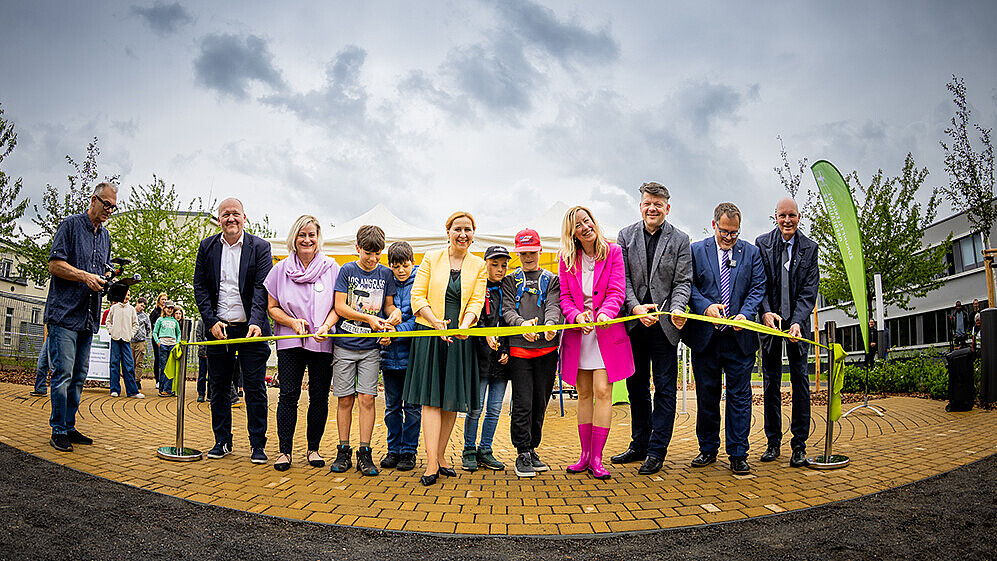

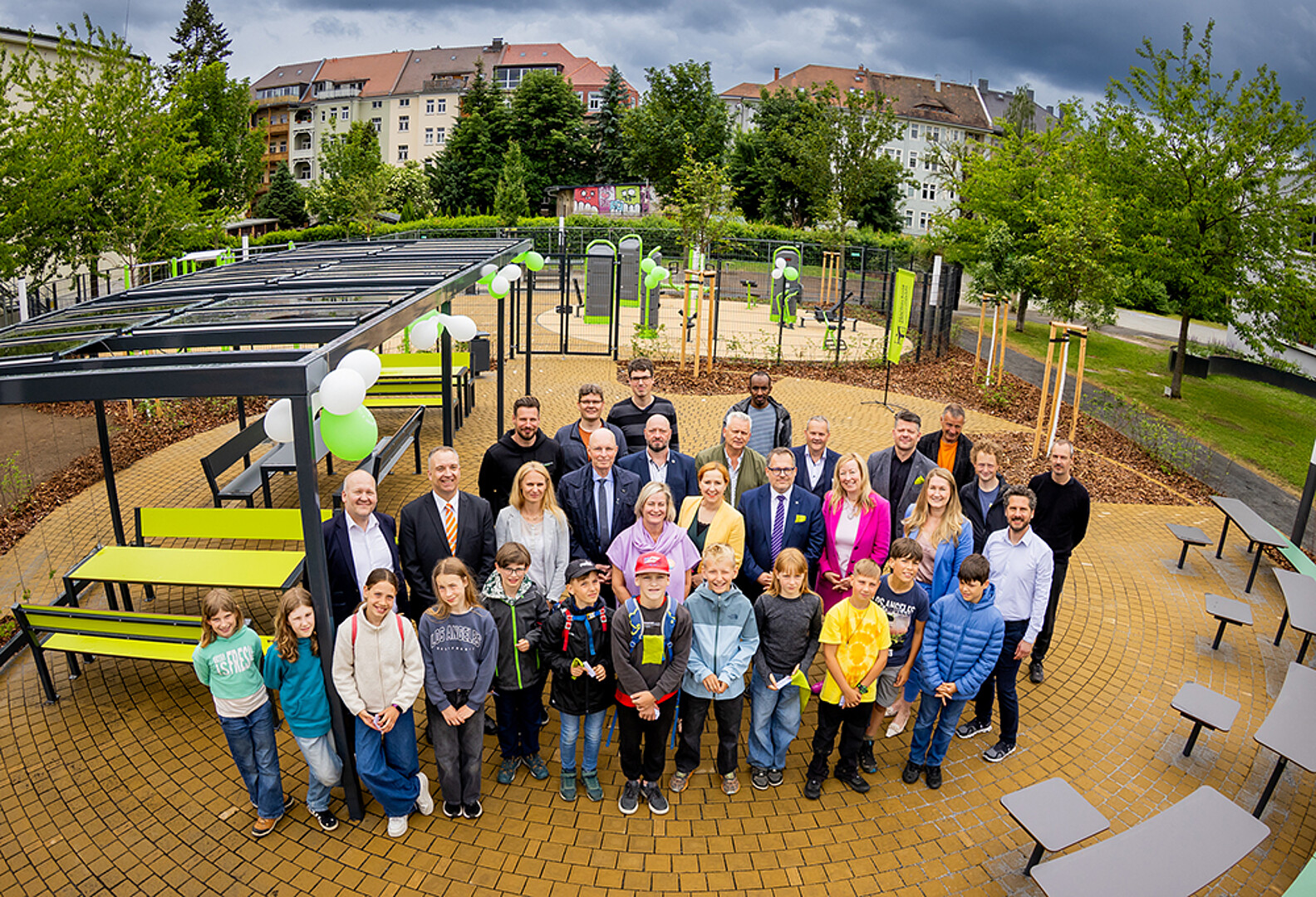
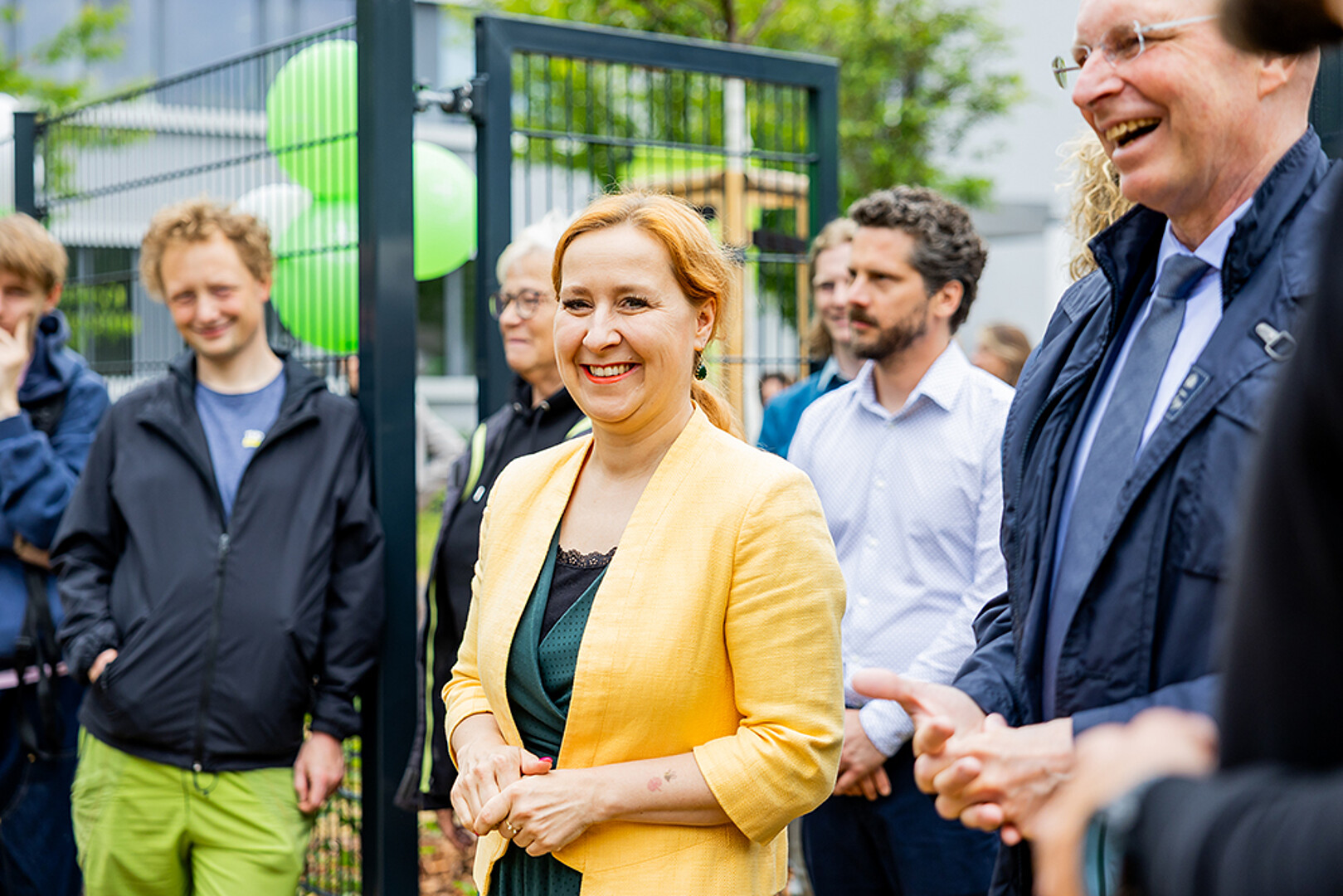
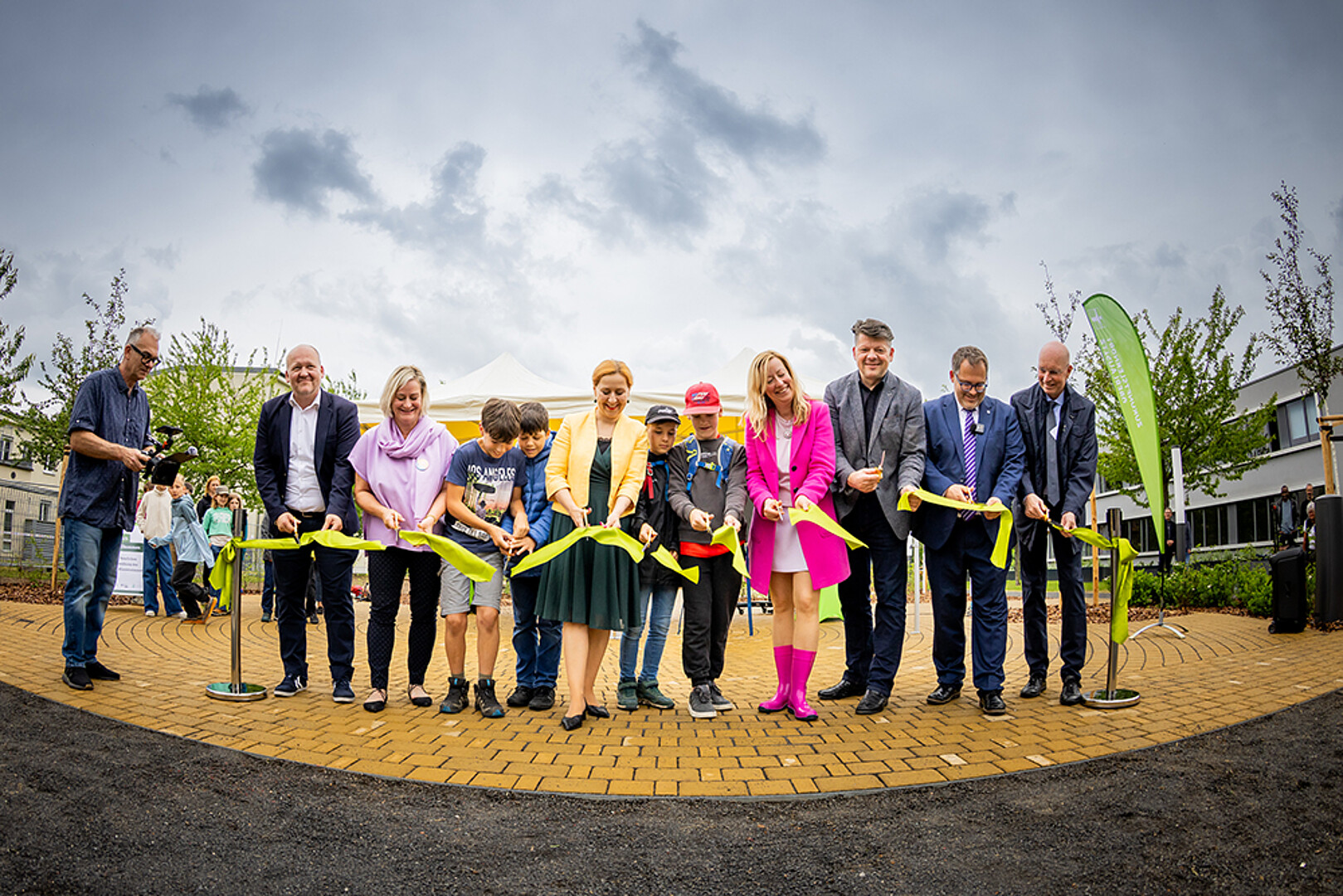
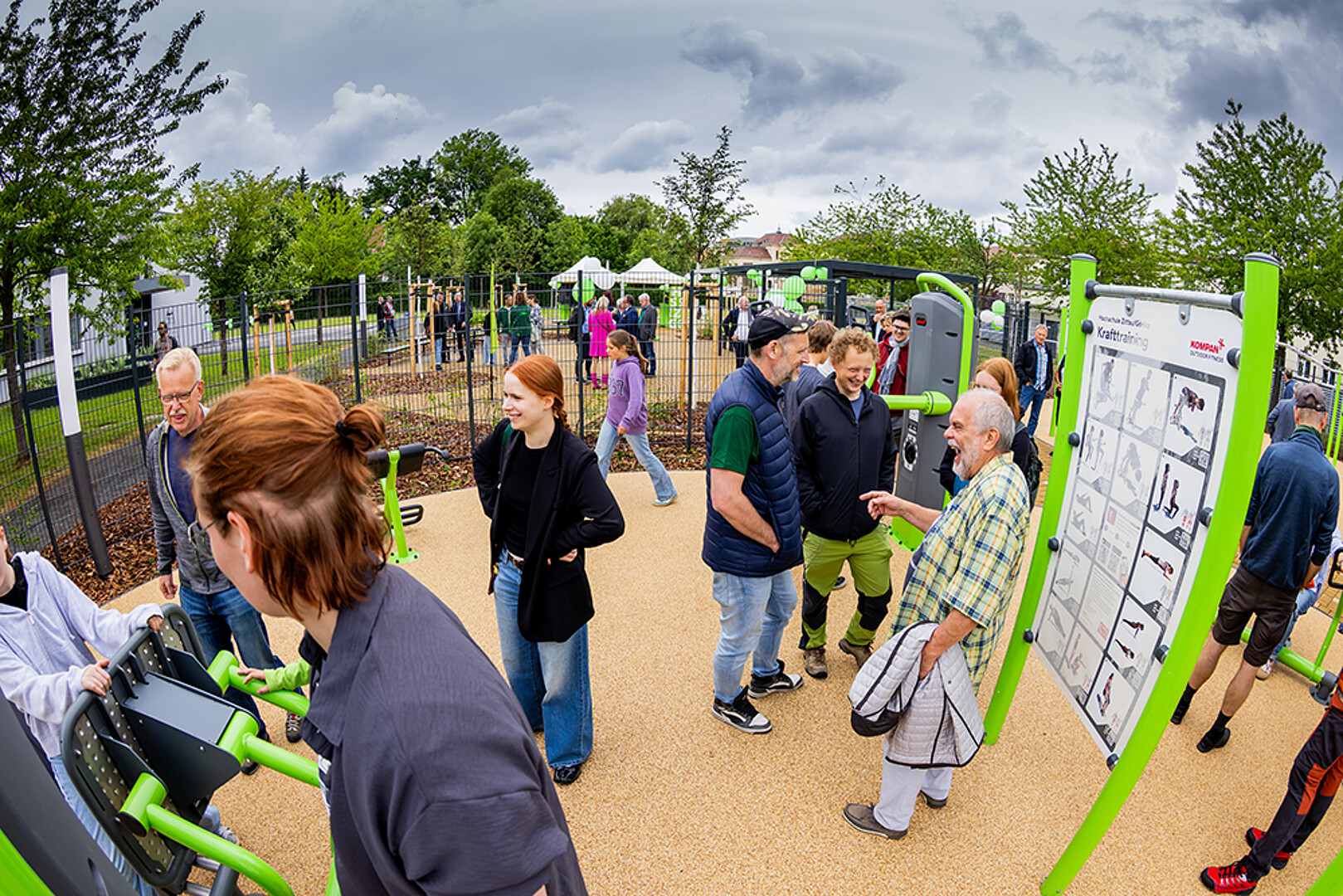
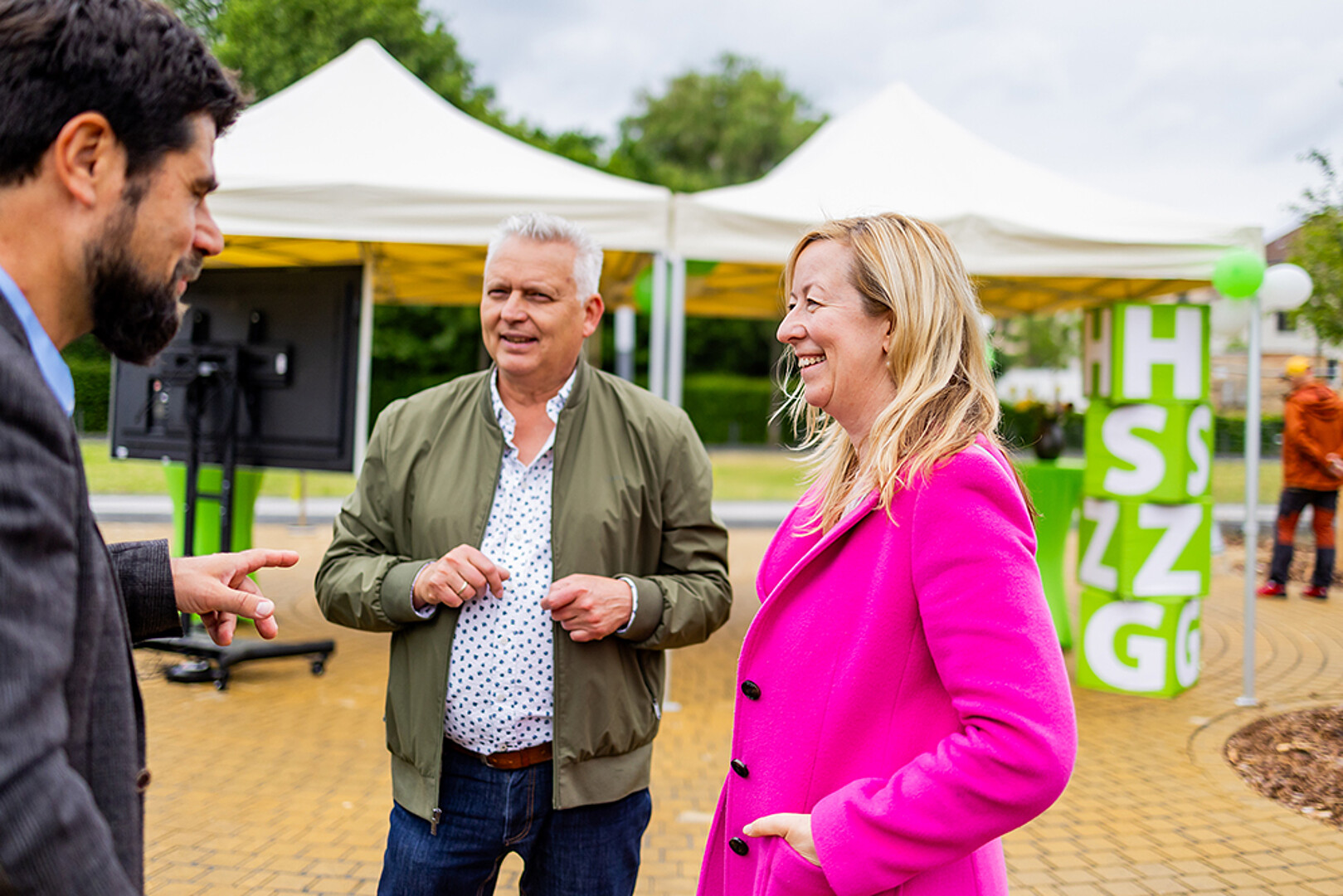
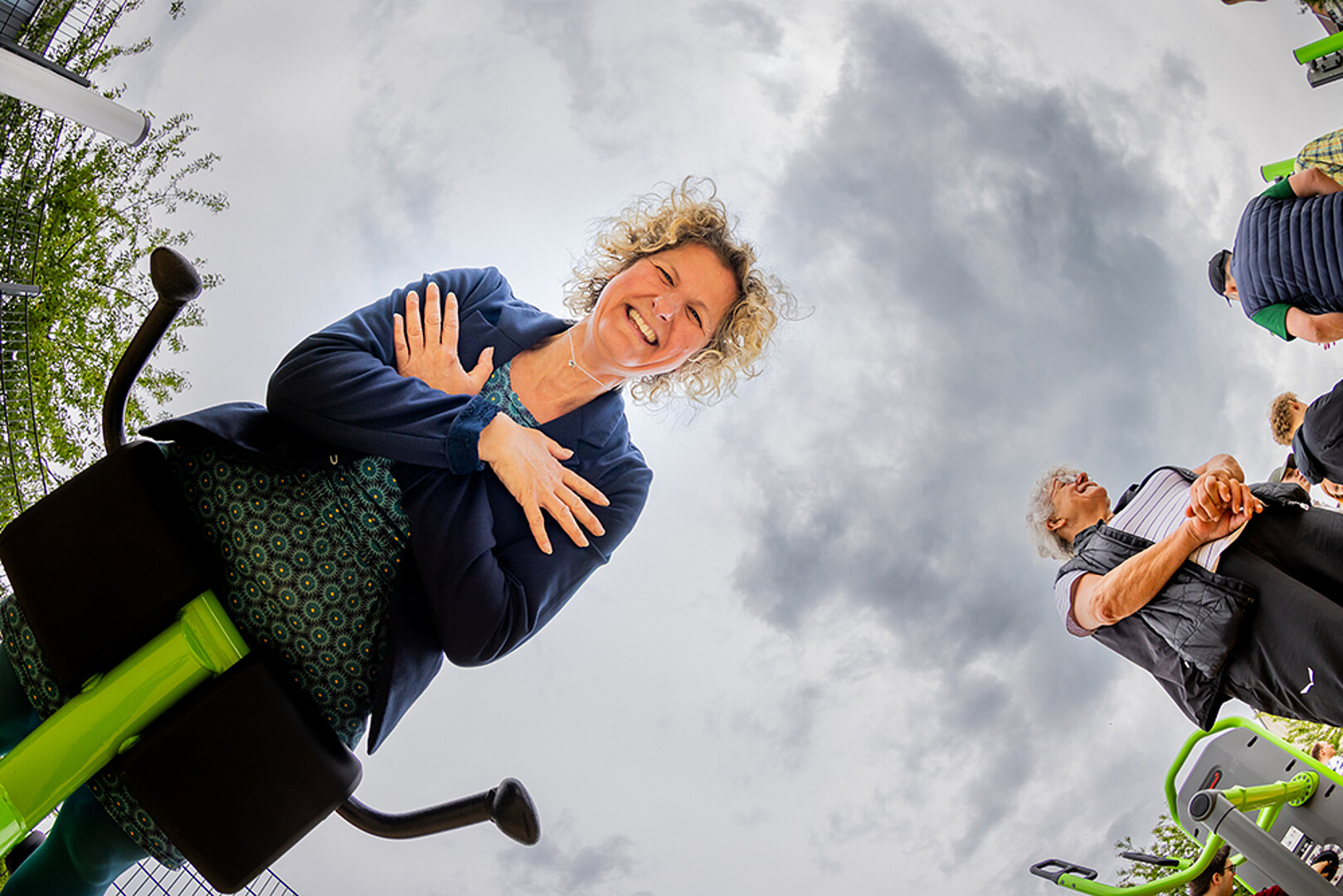
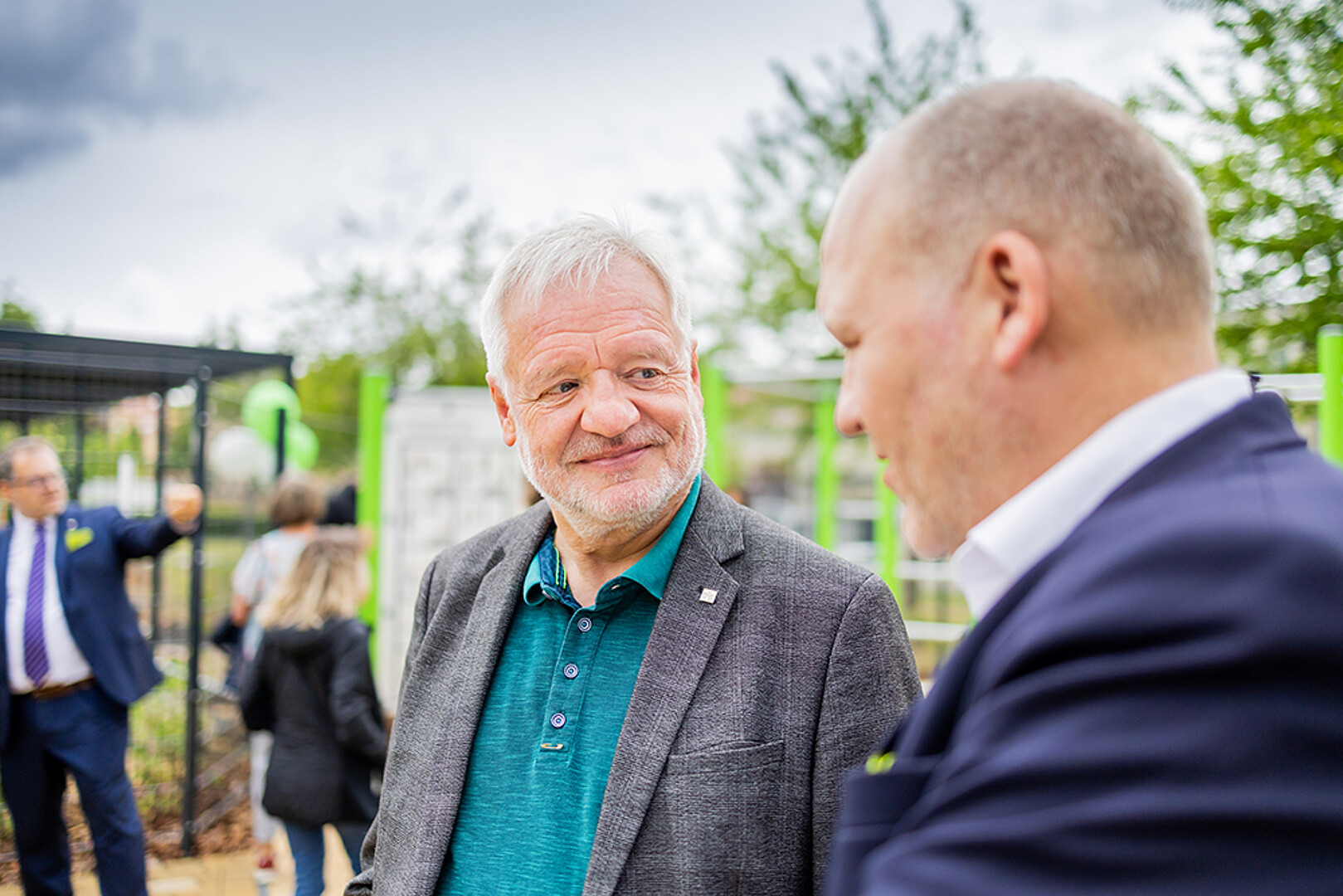
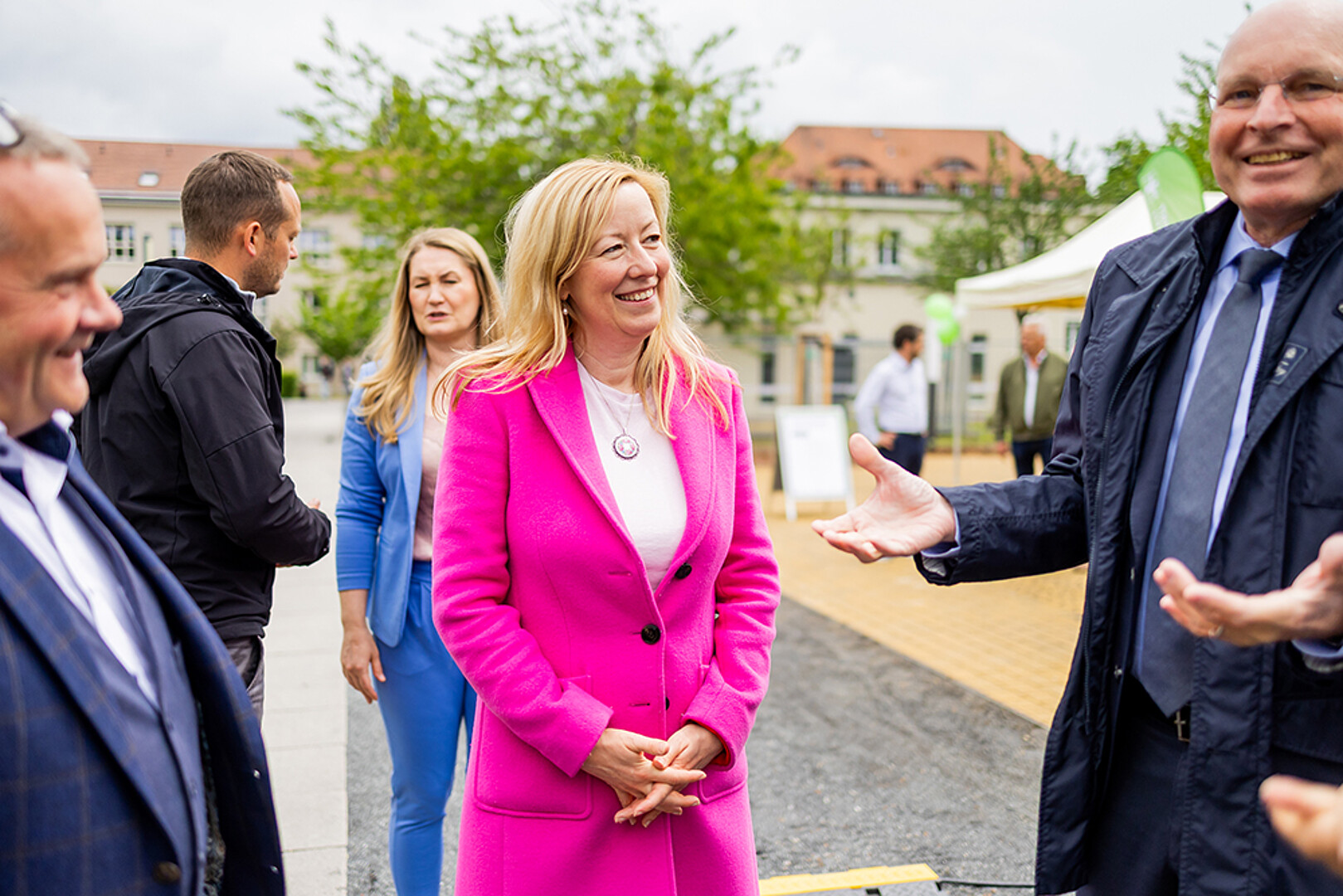
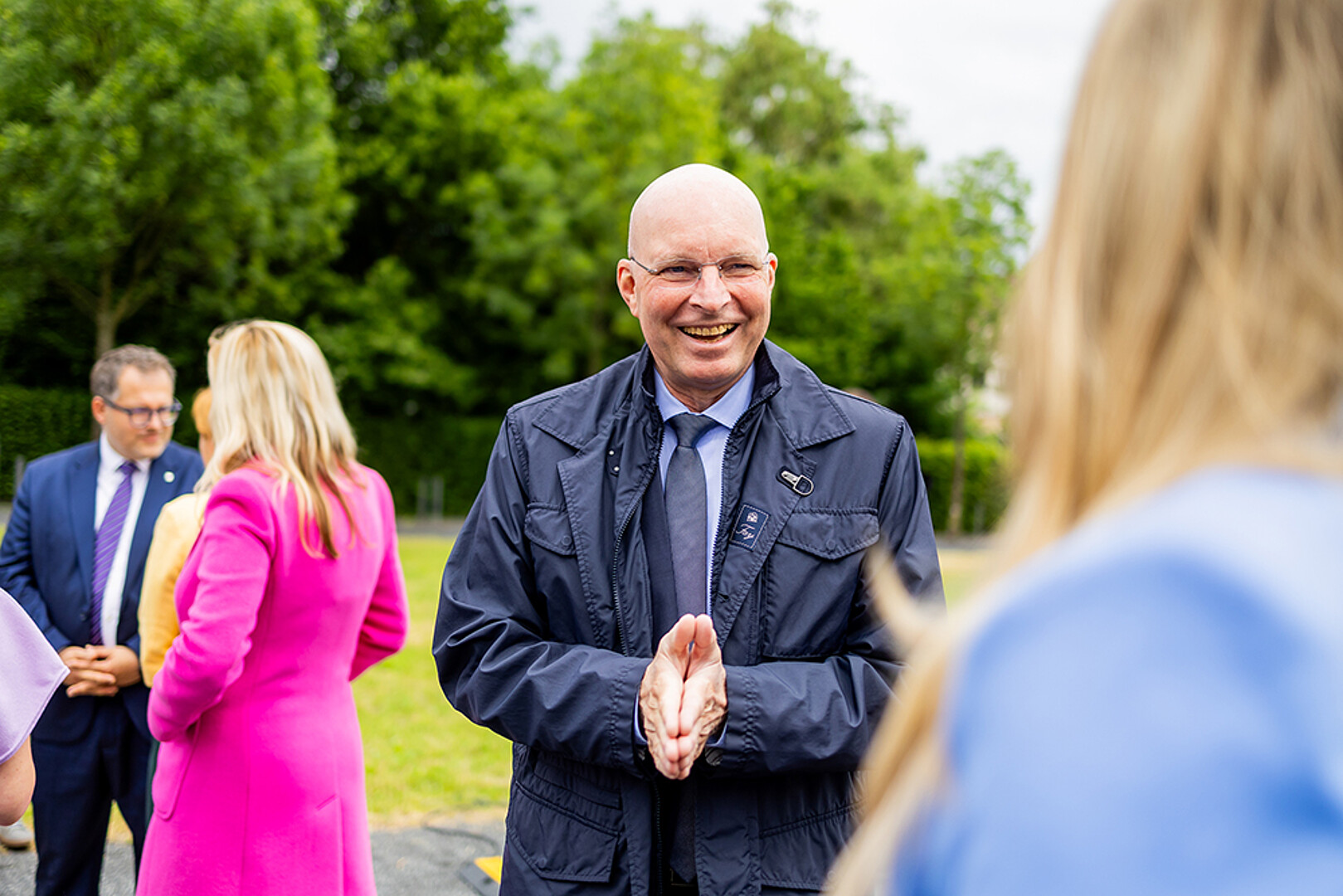
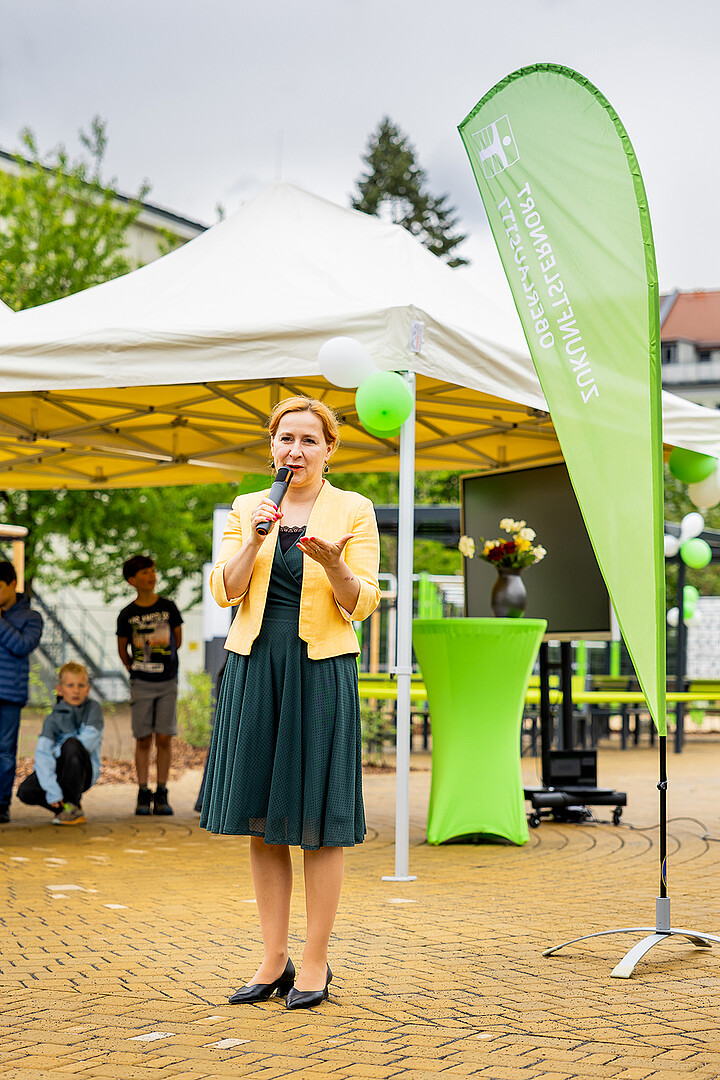
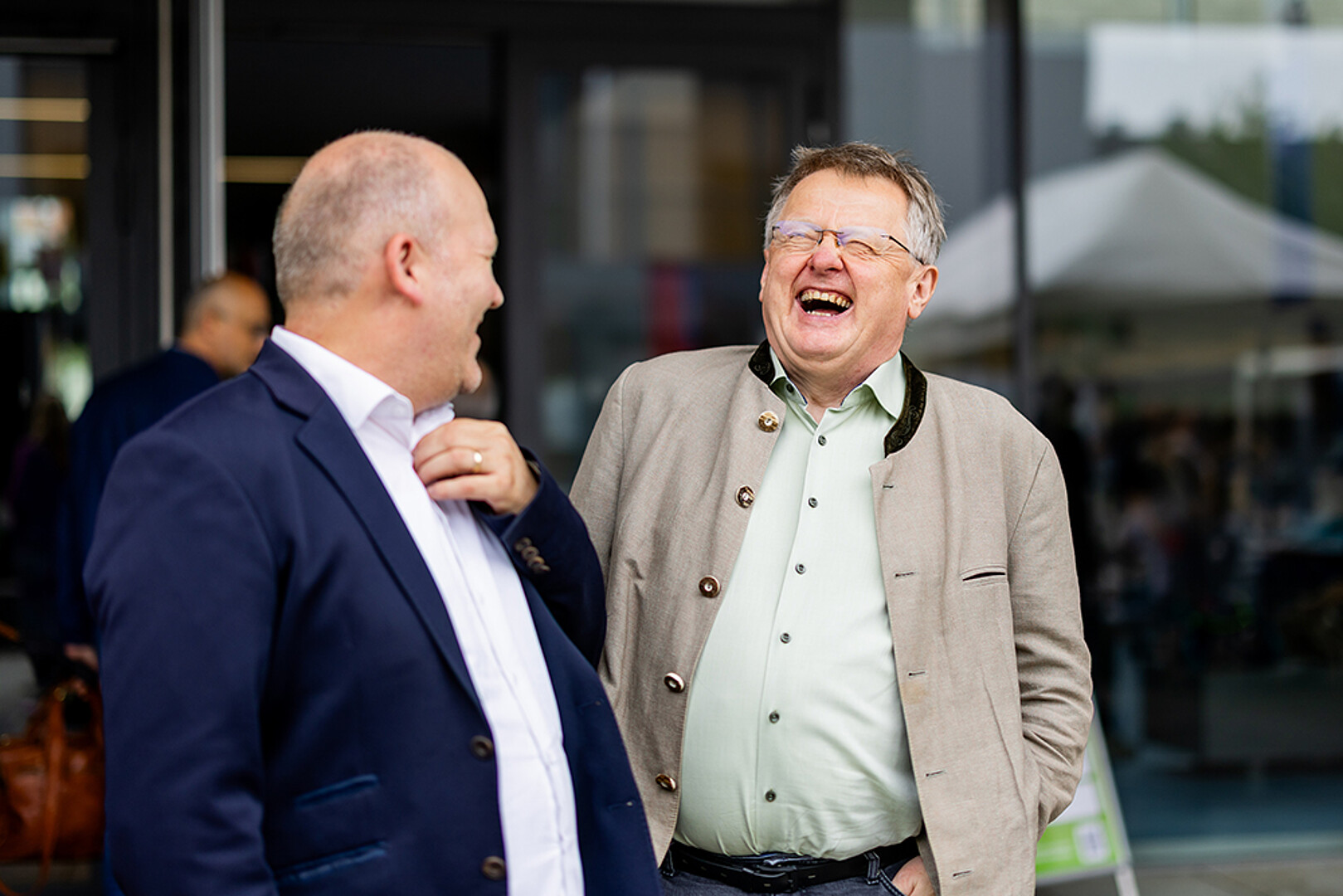
On June 3, 2026, Zittau/Görlitz University of Applied Sciences officially opened the new Green Classroom as part of this year’s university sports festival and International Day. About 80 guests from the worlds of politics, education, academia, and the region celebrated the inauguration—including students from SCHKOLA Hartau, representatives from the Saxon State Ministry of Science, Culture, and Tourism, and officials from the city of Zittau.
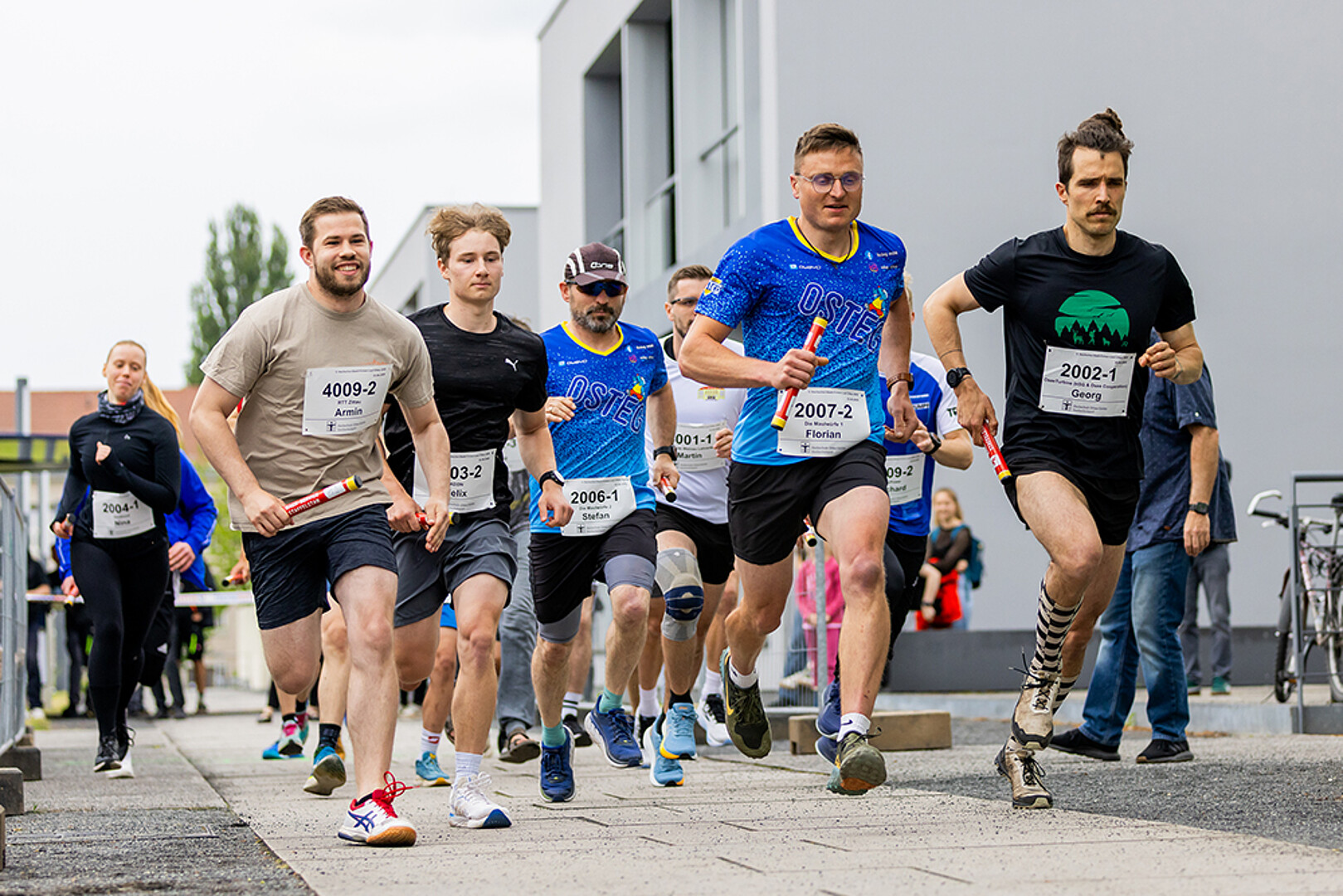
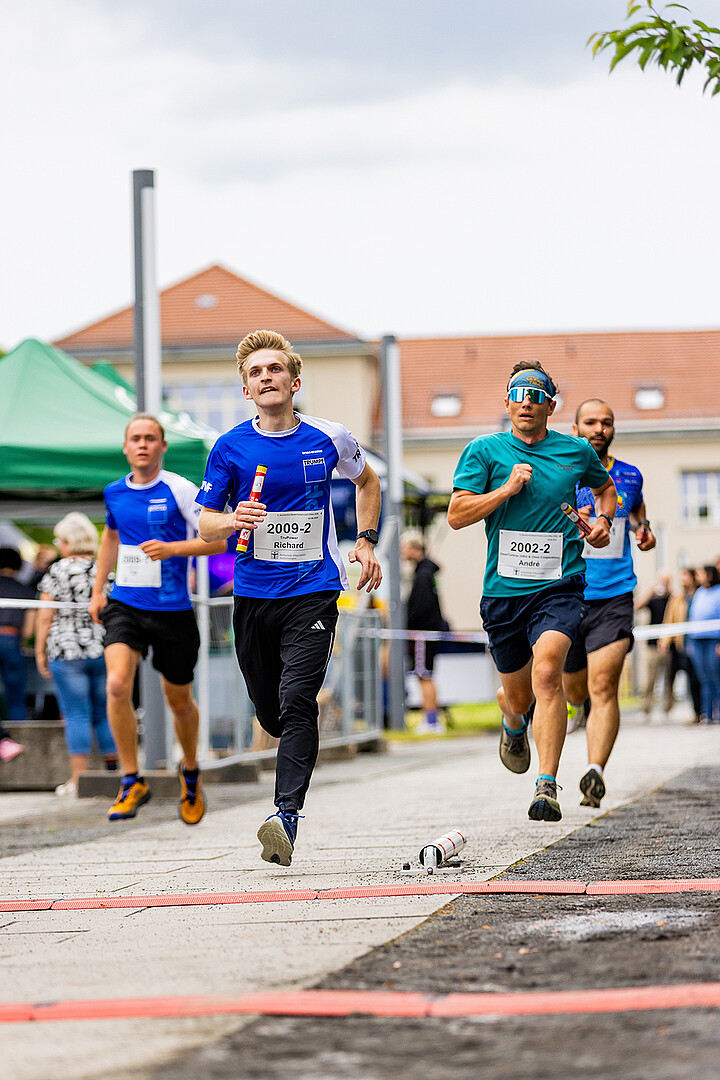
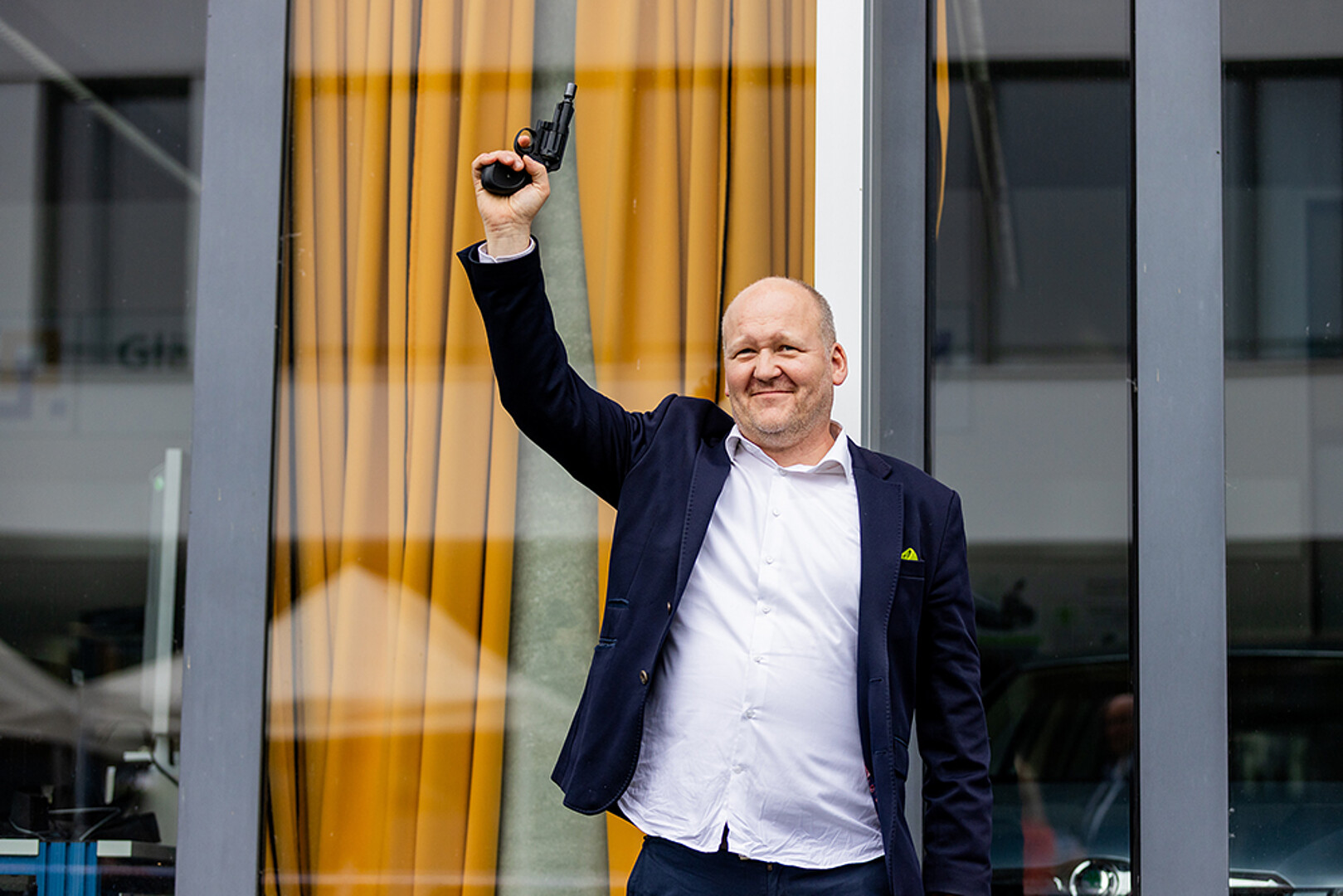
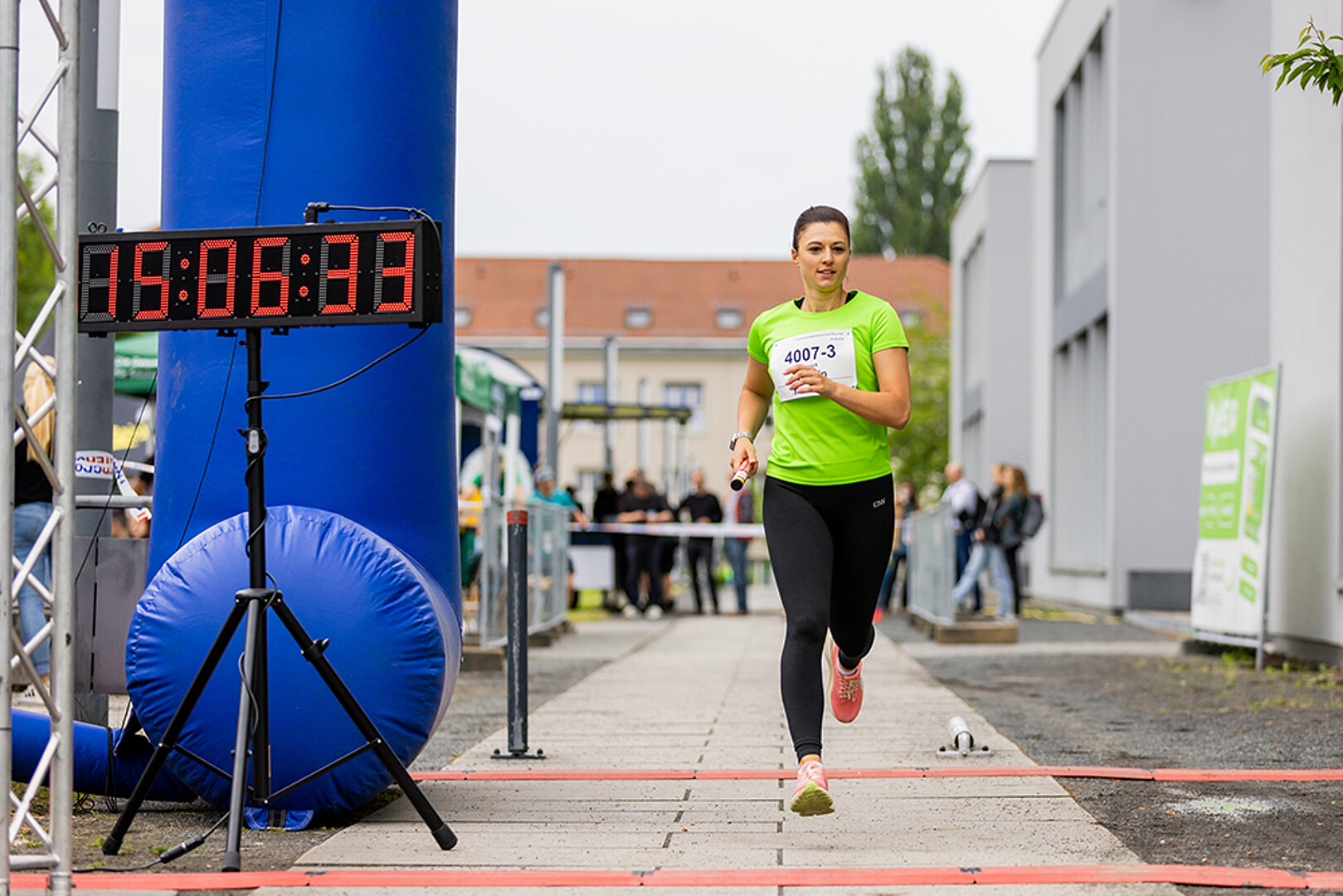
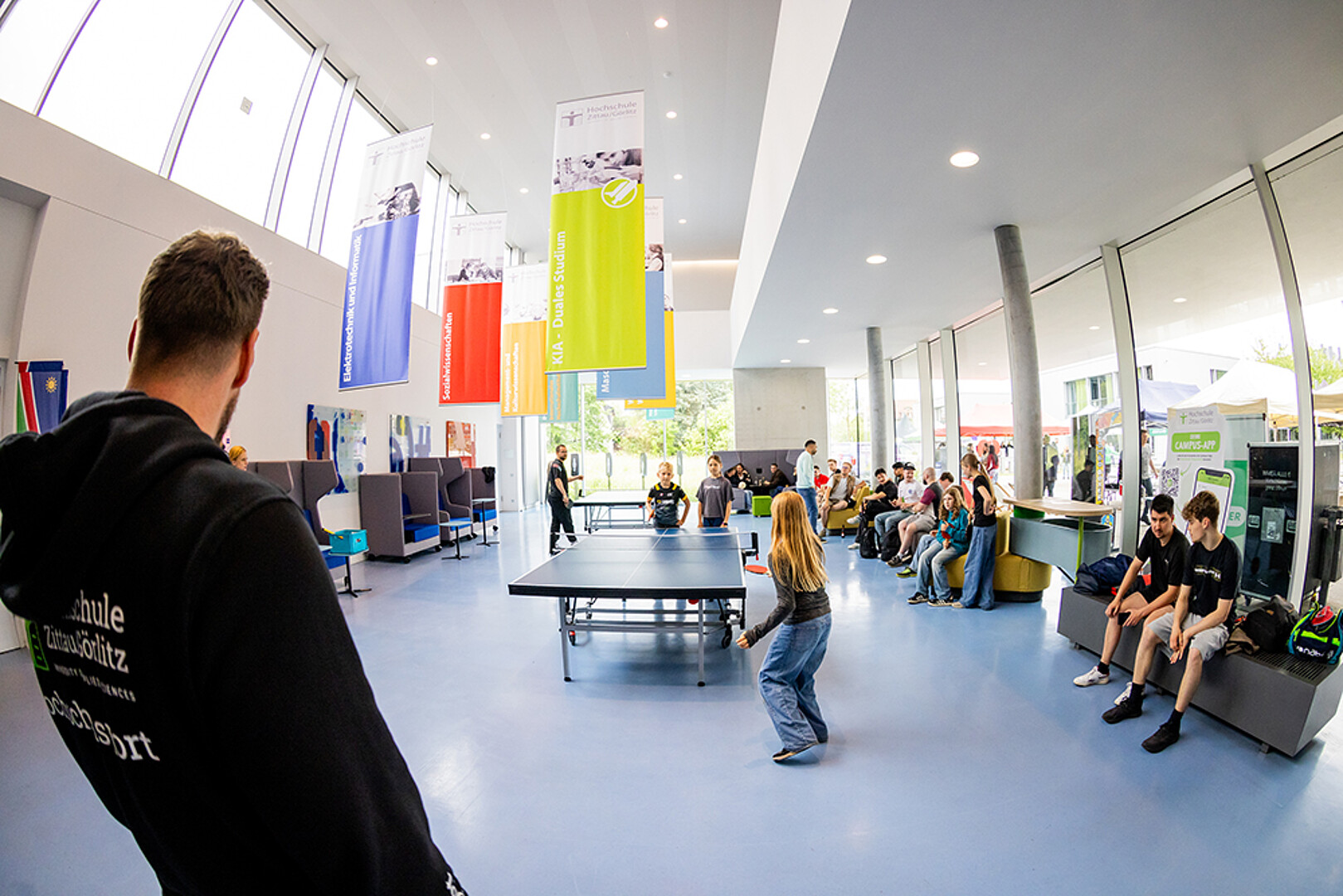
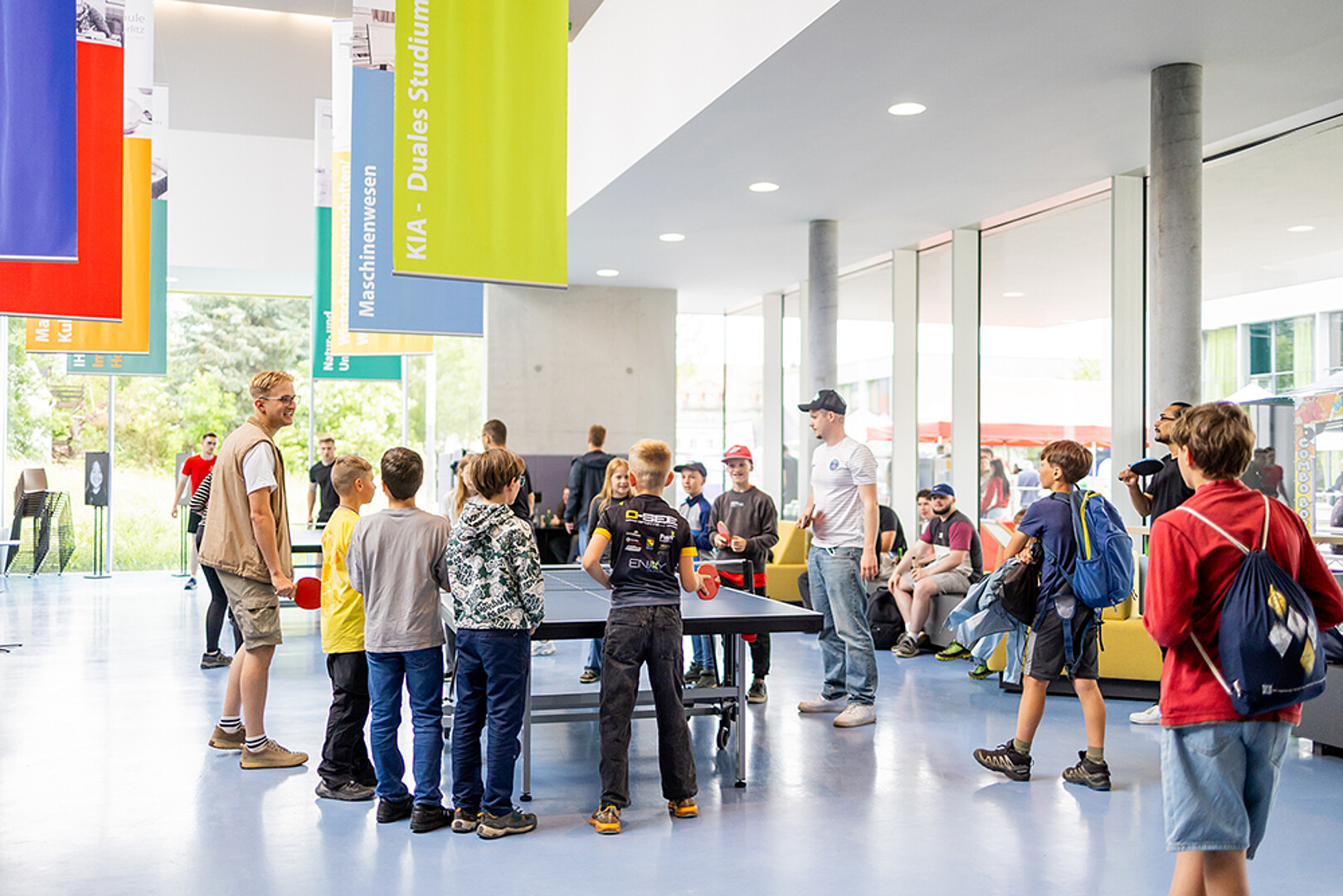
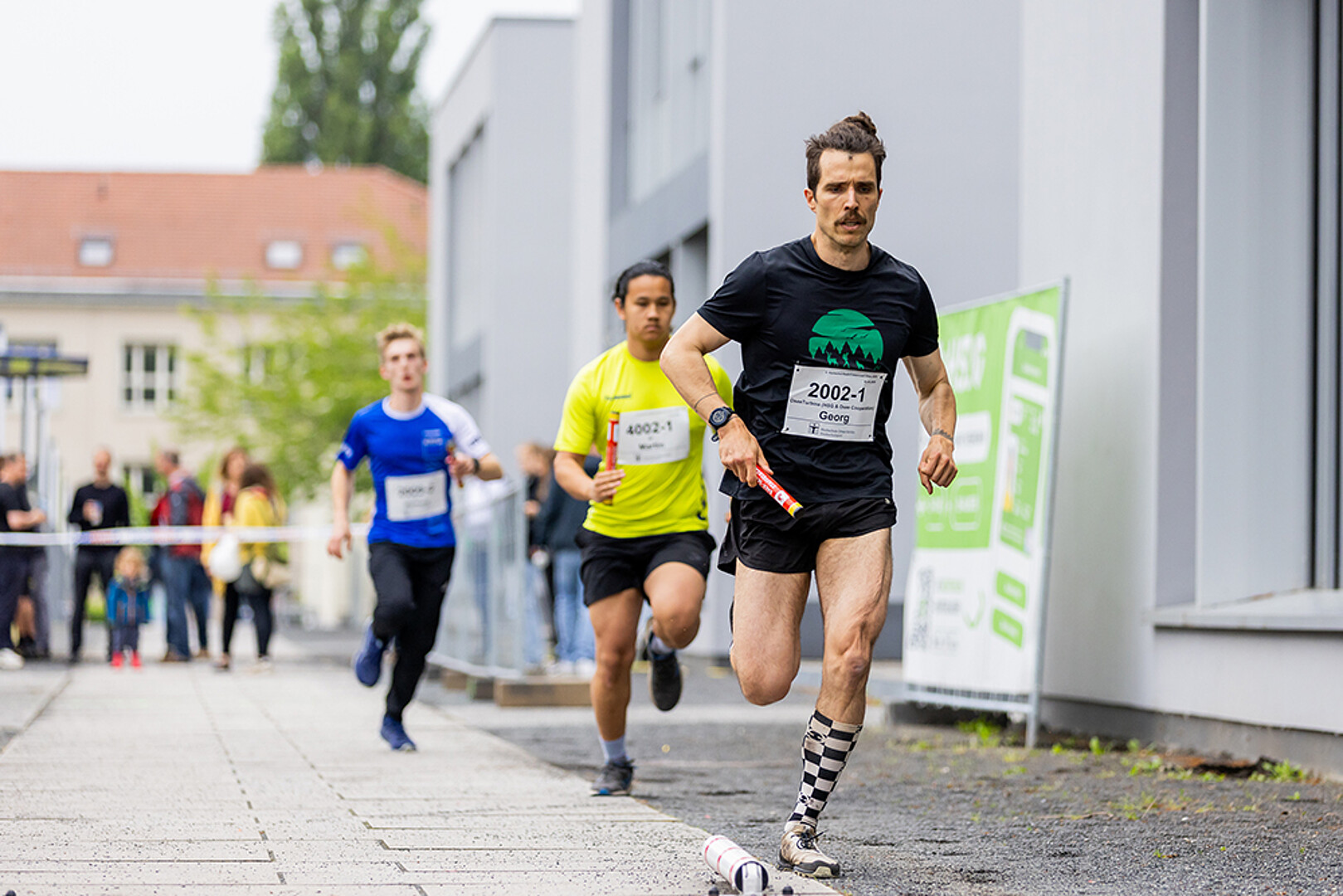
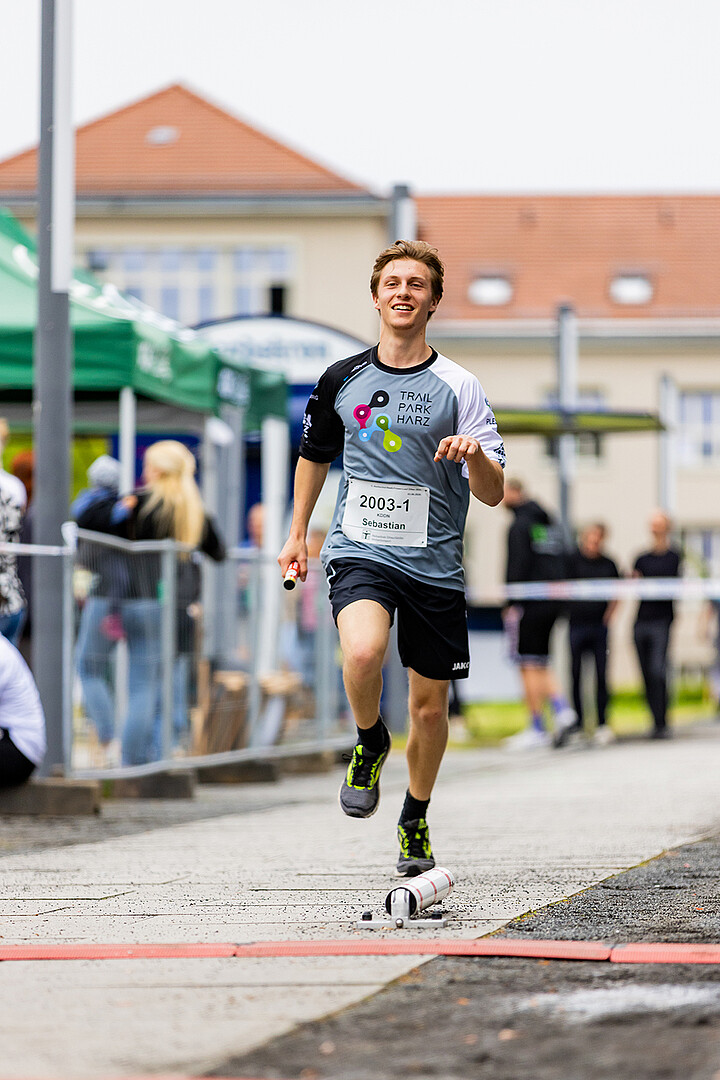
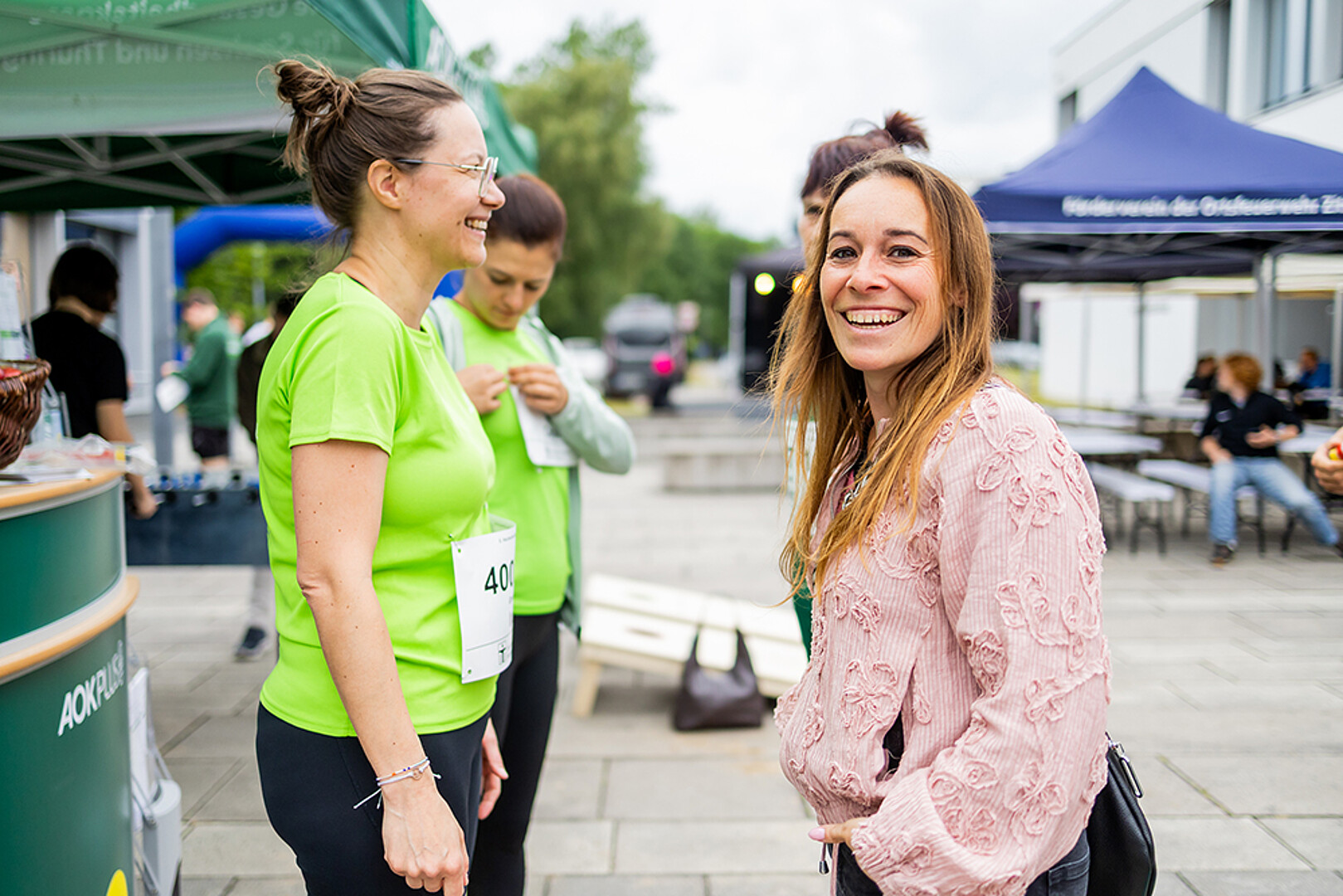
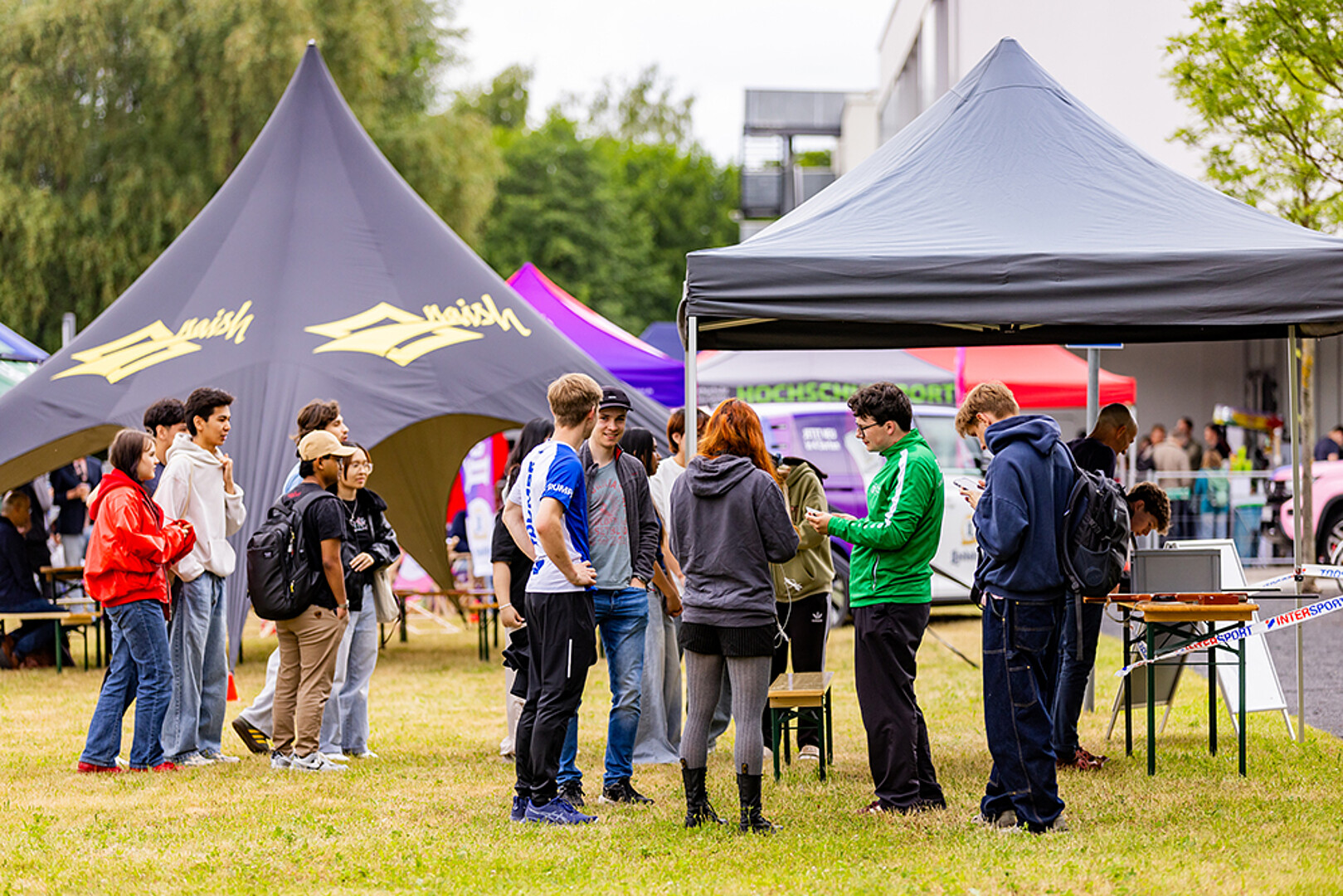
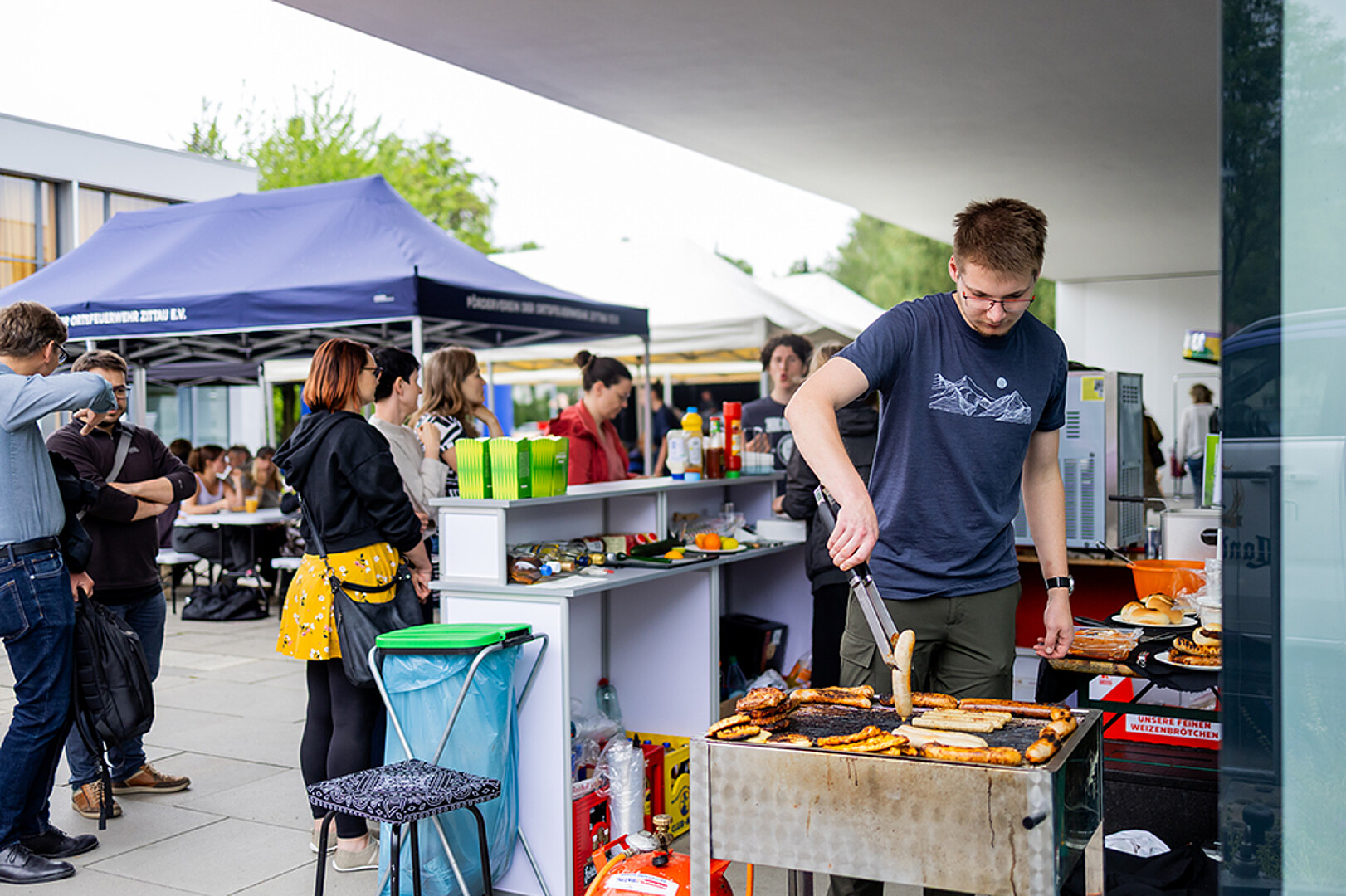
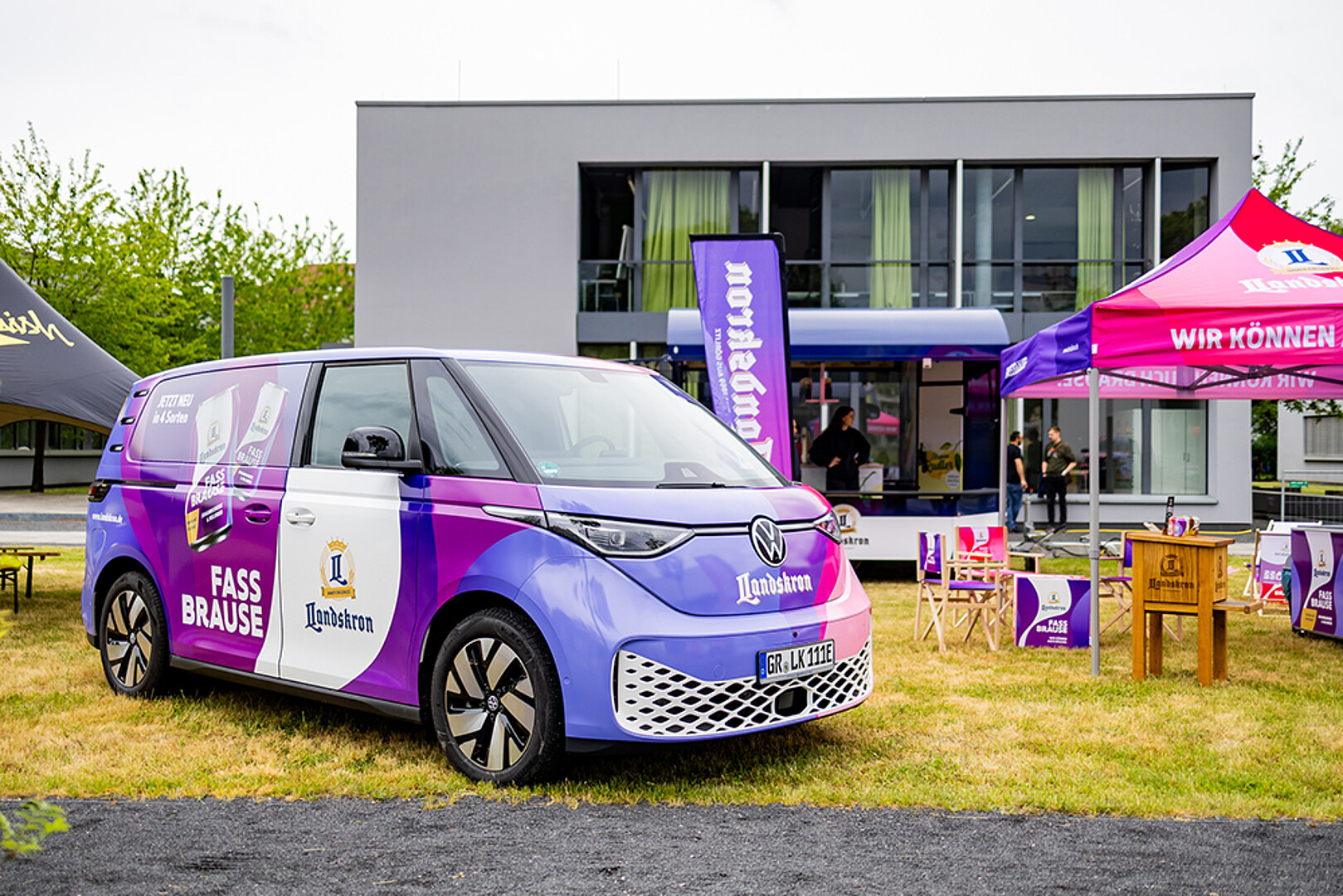
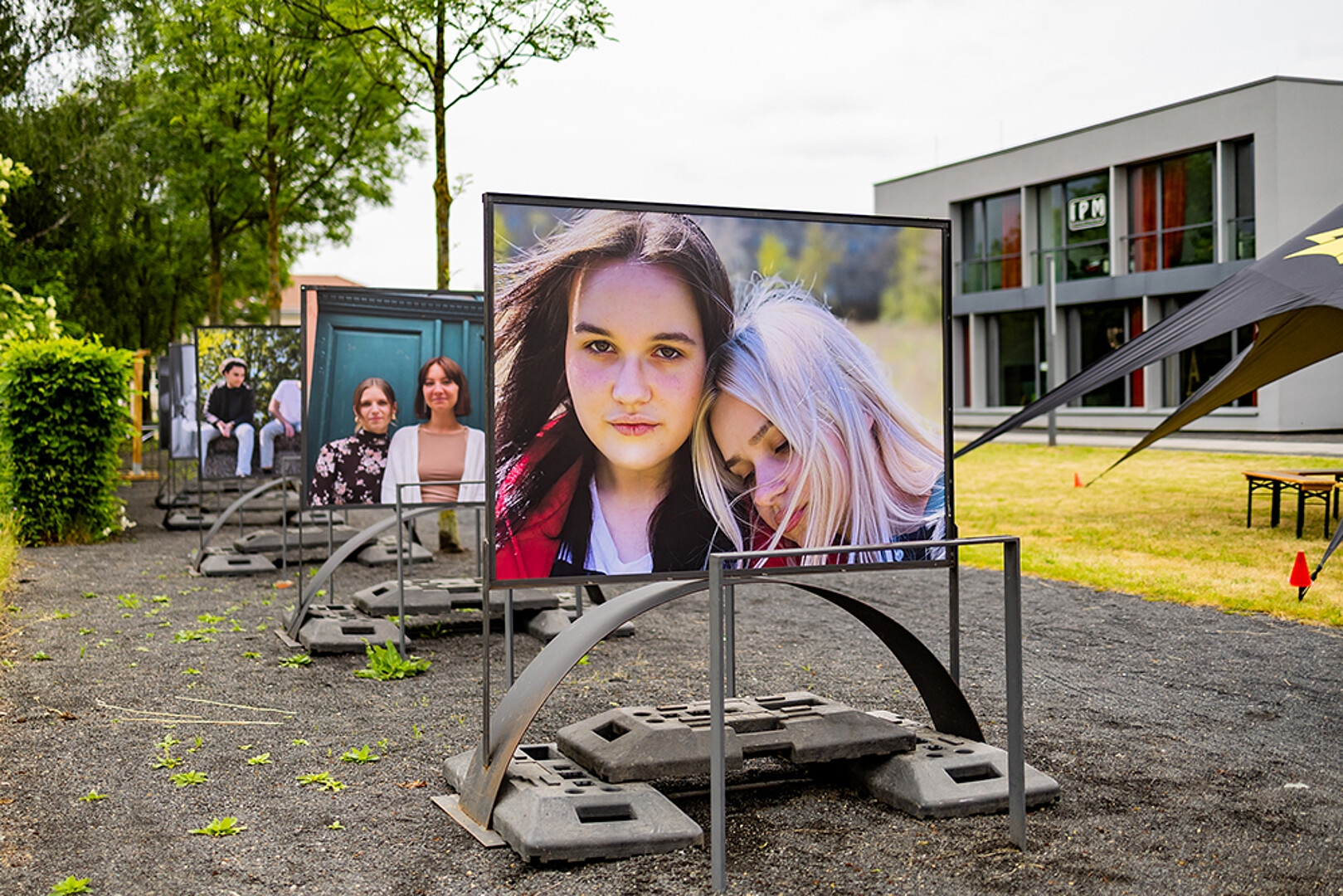
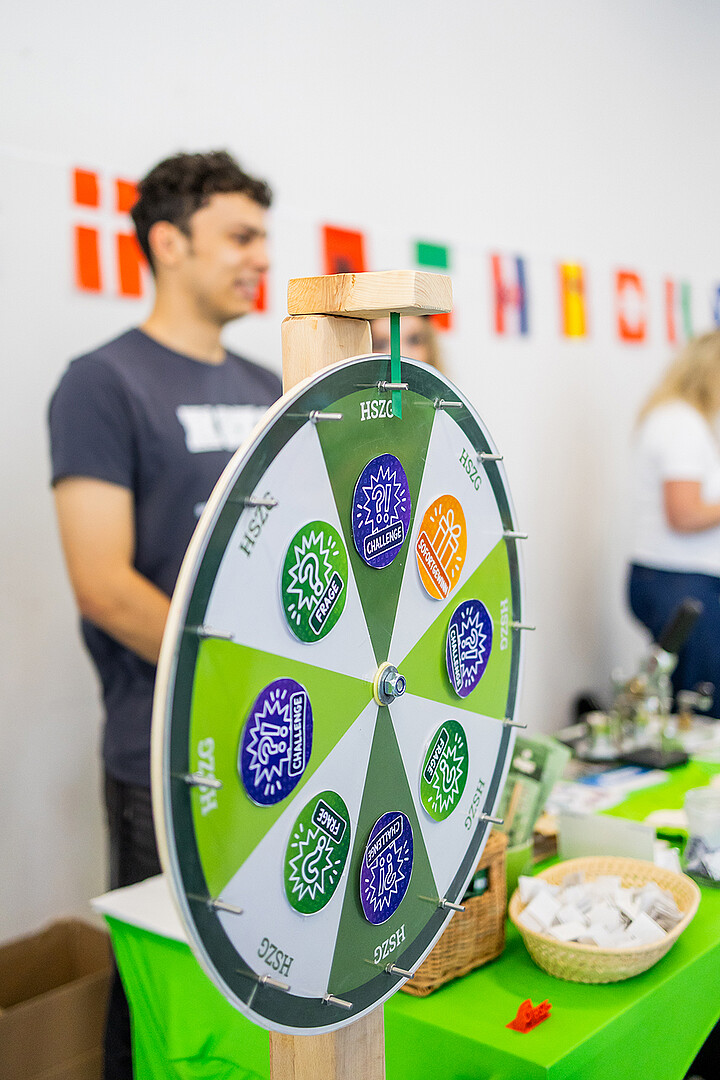
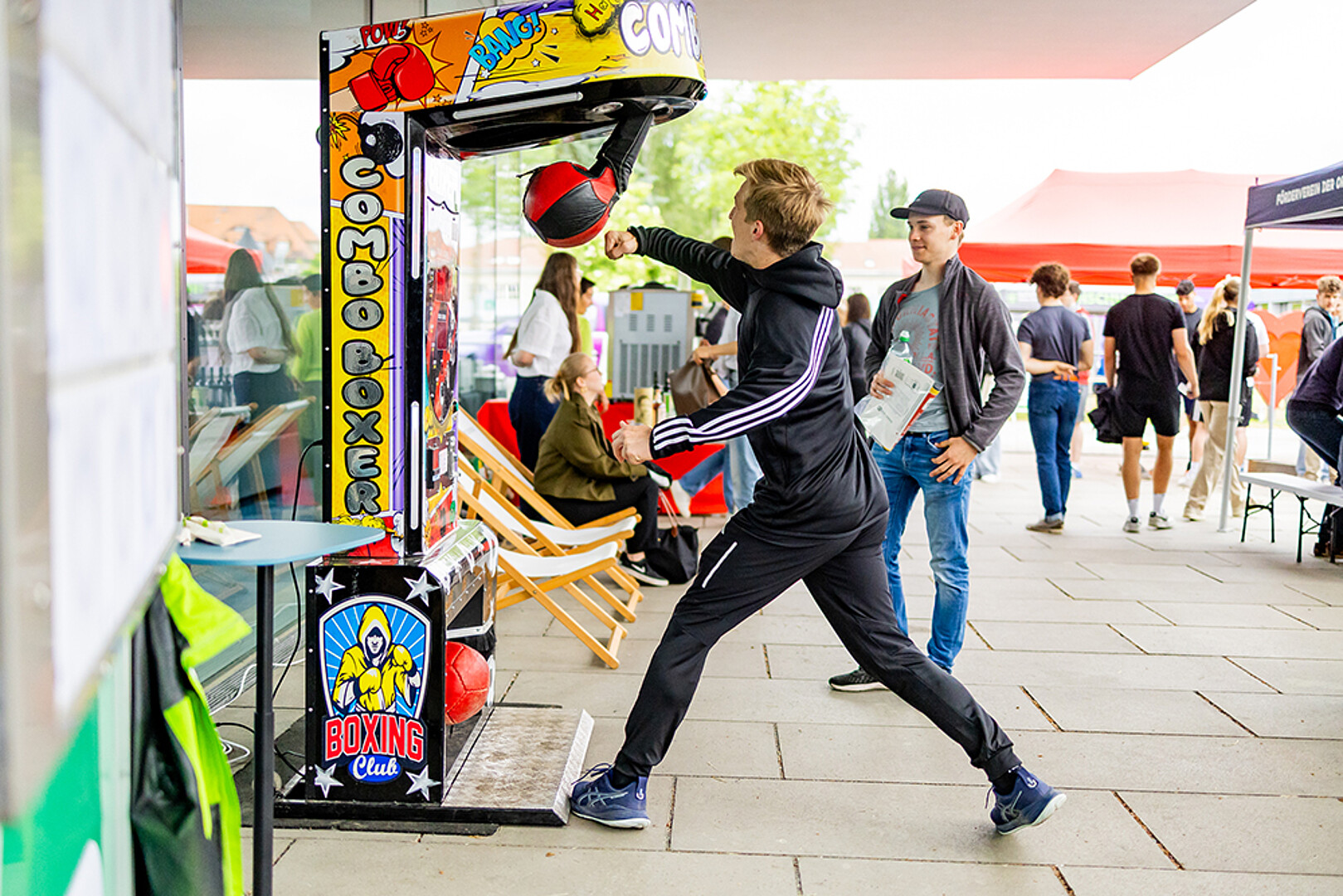
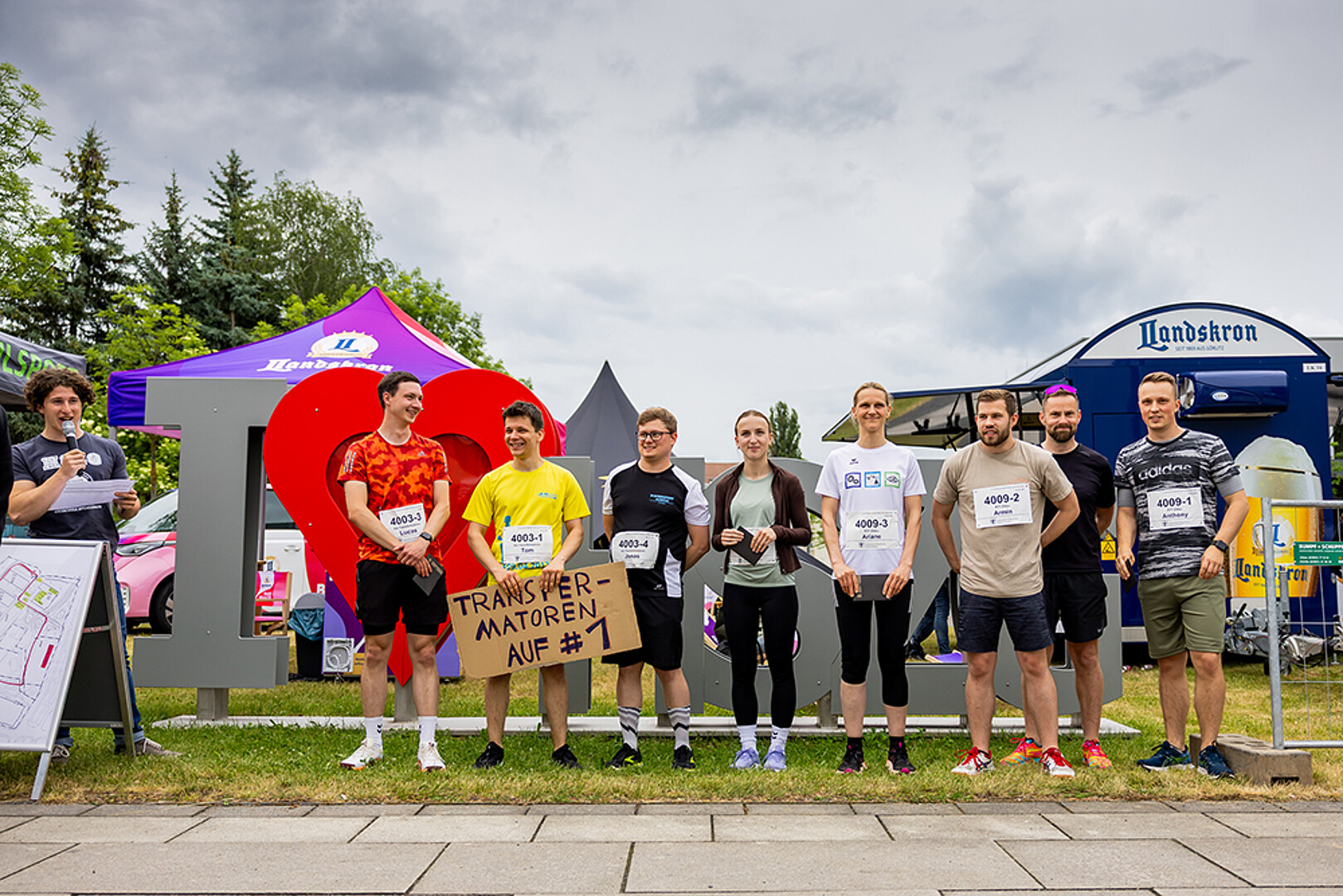
The University Sports Festival transformed the campus into a large sports and activity area featuring tournaments, hands-on activities, the University City Company Run, and culinary offerings. The inauguration of the Green Classroom fit perfectly into this lively setting.
A Multifunctional Learning and Meeting Place
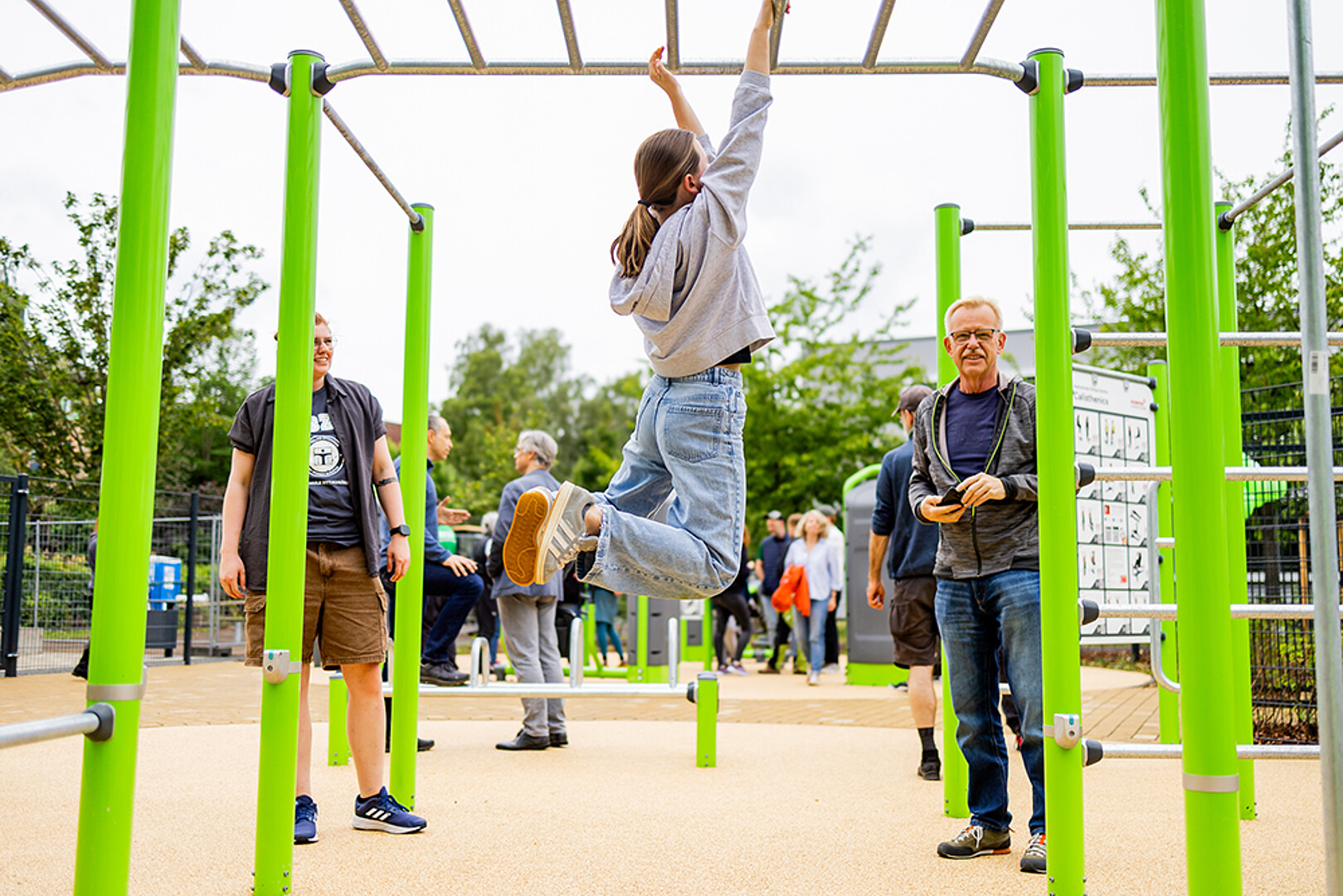
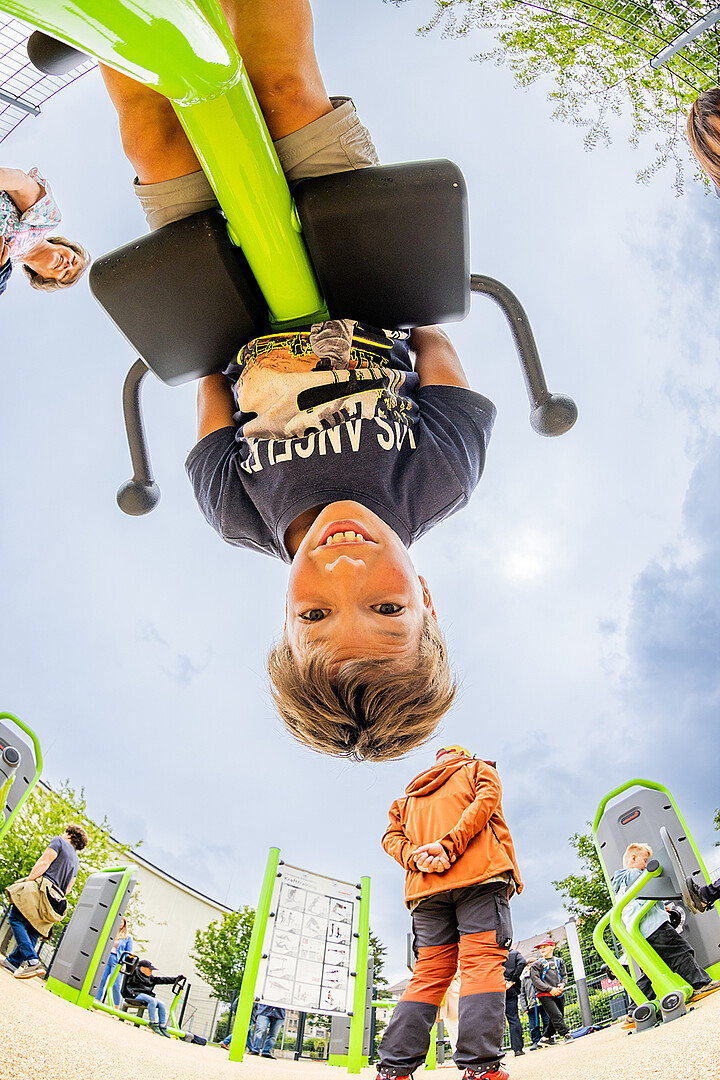
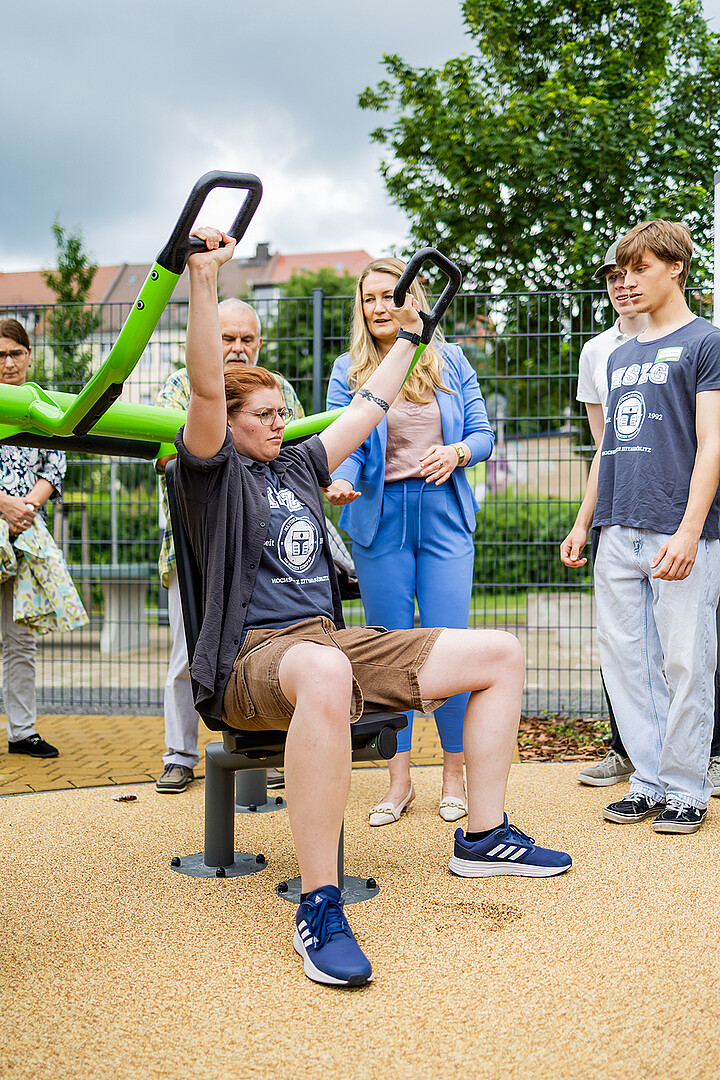
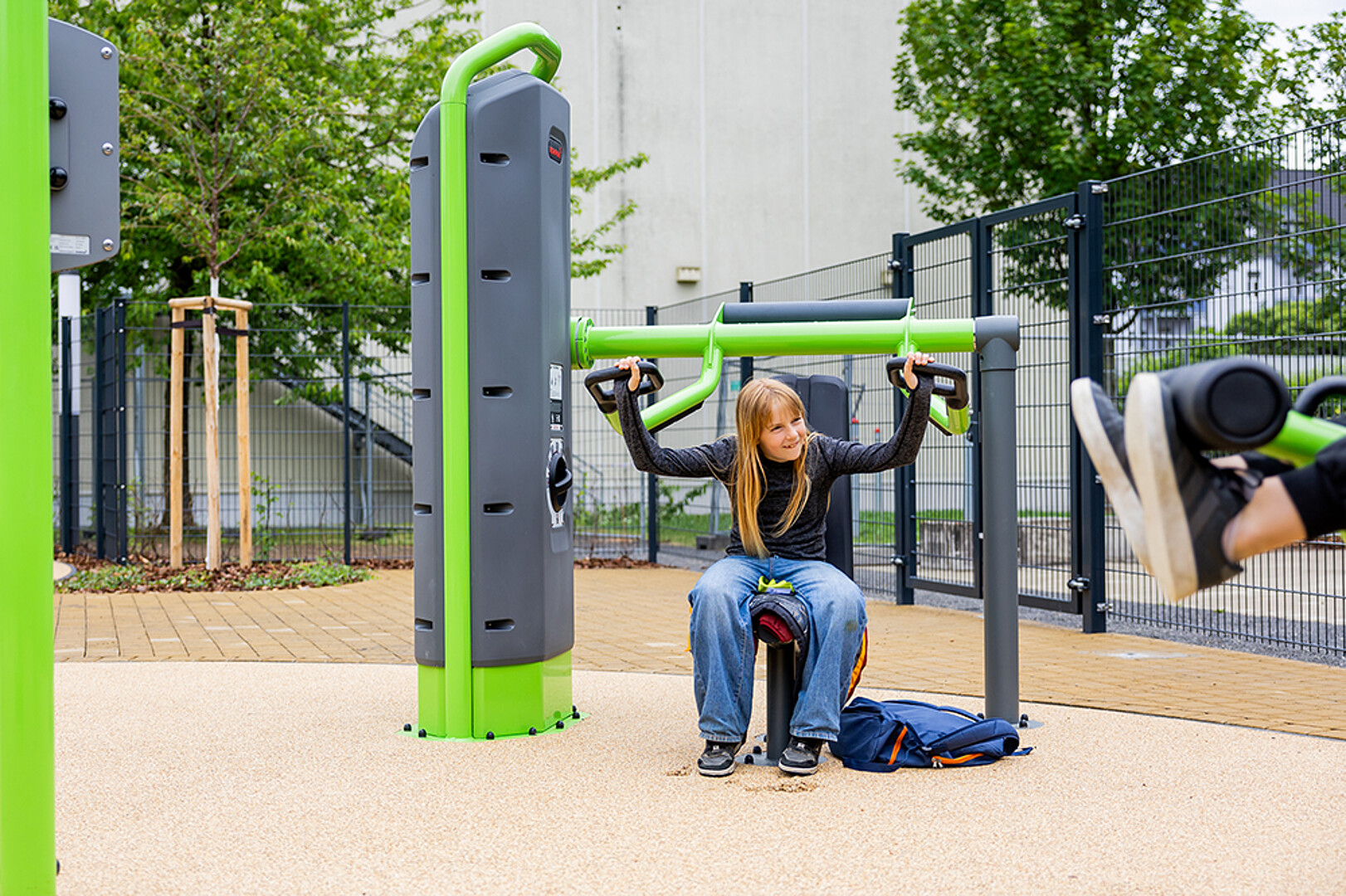
The Green Classroom was created as part of the Campus4You subproject of the educational initiative “Zukunftslernort Oberlausitz” (ZukLOS). It can accommodate about 30 people and combines outdoor seating and lounge areas, a pergola with a solar-powered roof, raised garden beds, and a calisthenics area.
The space is designed as an open meeting place for school students, college students, university staff, and the entire region.
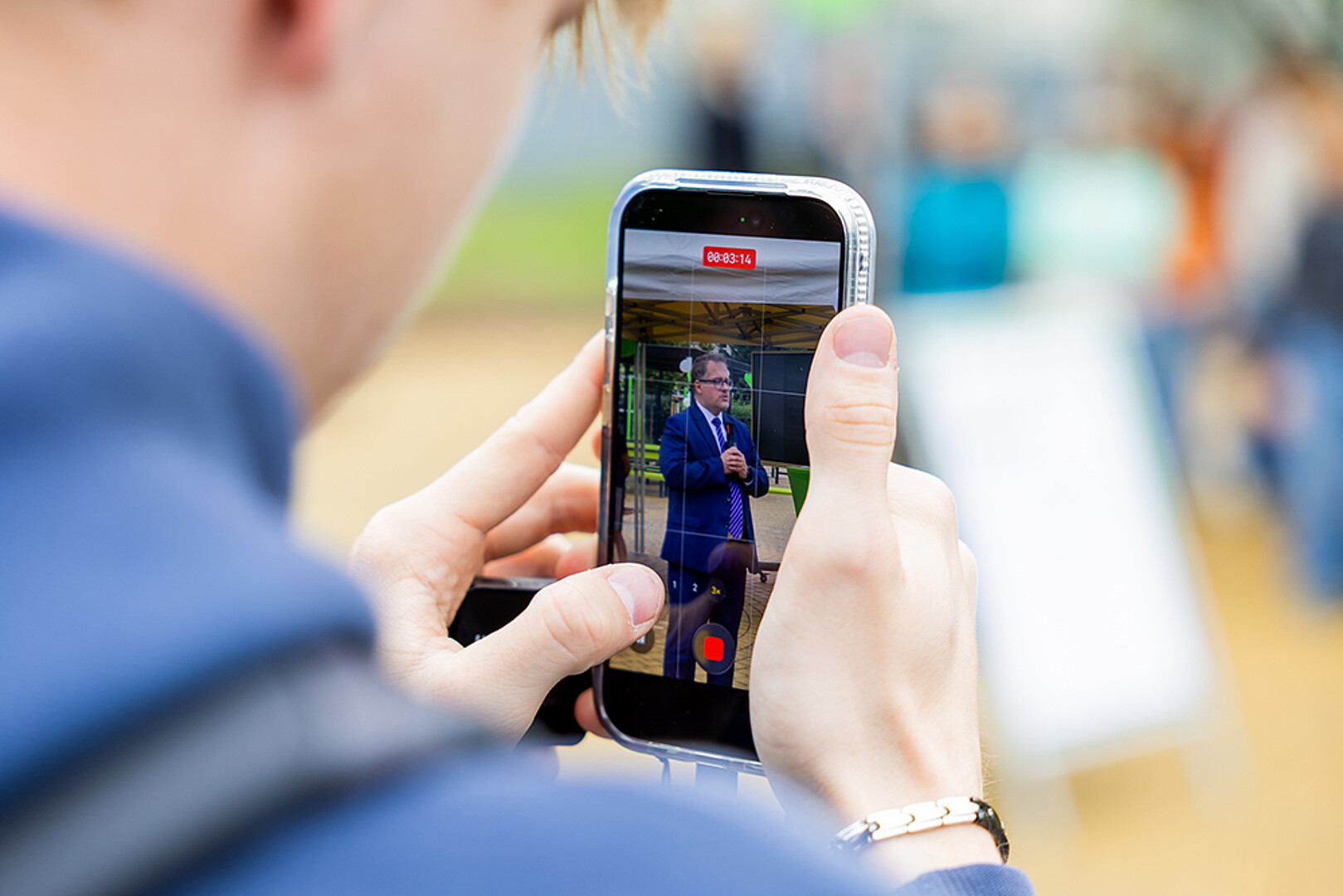
The following video shows how students are experiencing the new Green Classroom and the opportunities this new learning space offers.
For a vibrant region of education and innovation
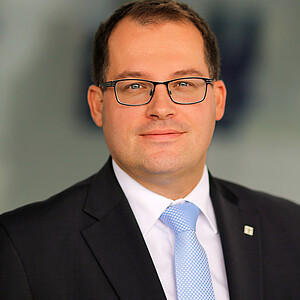
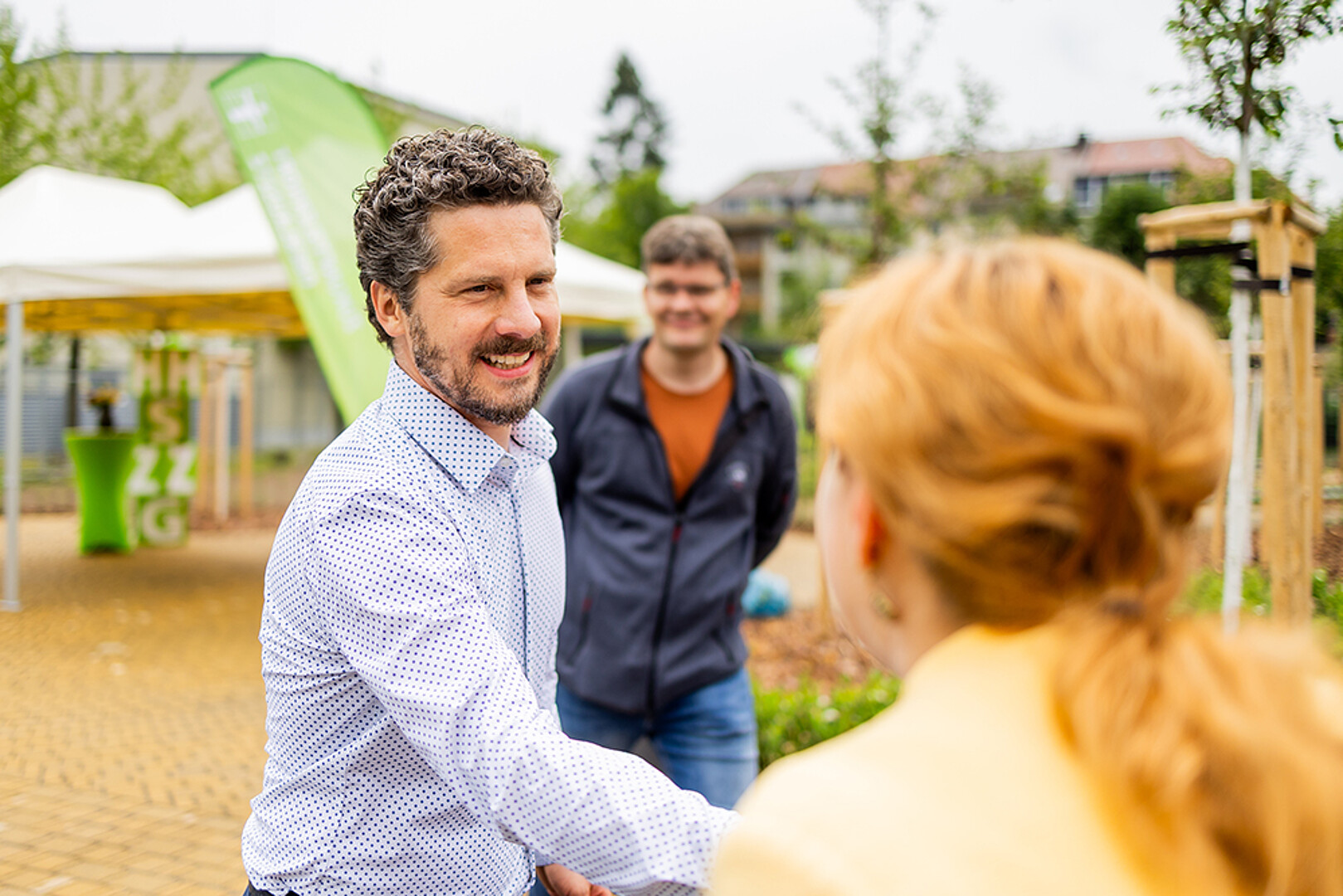
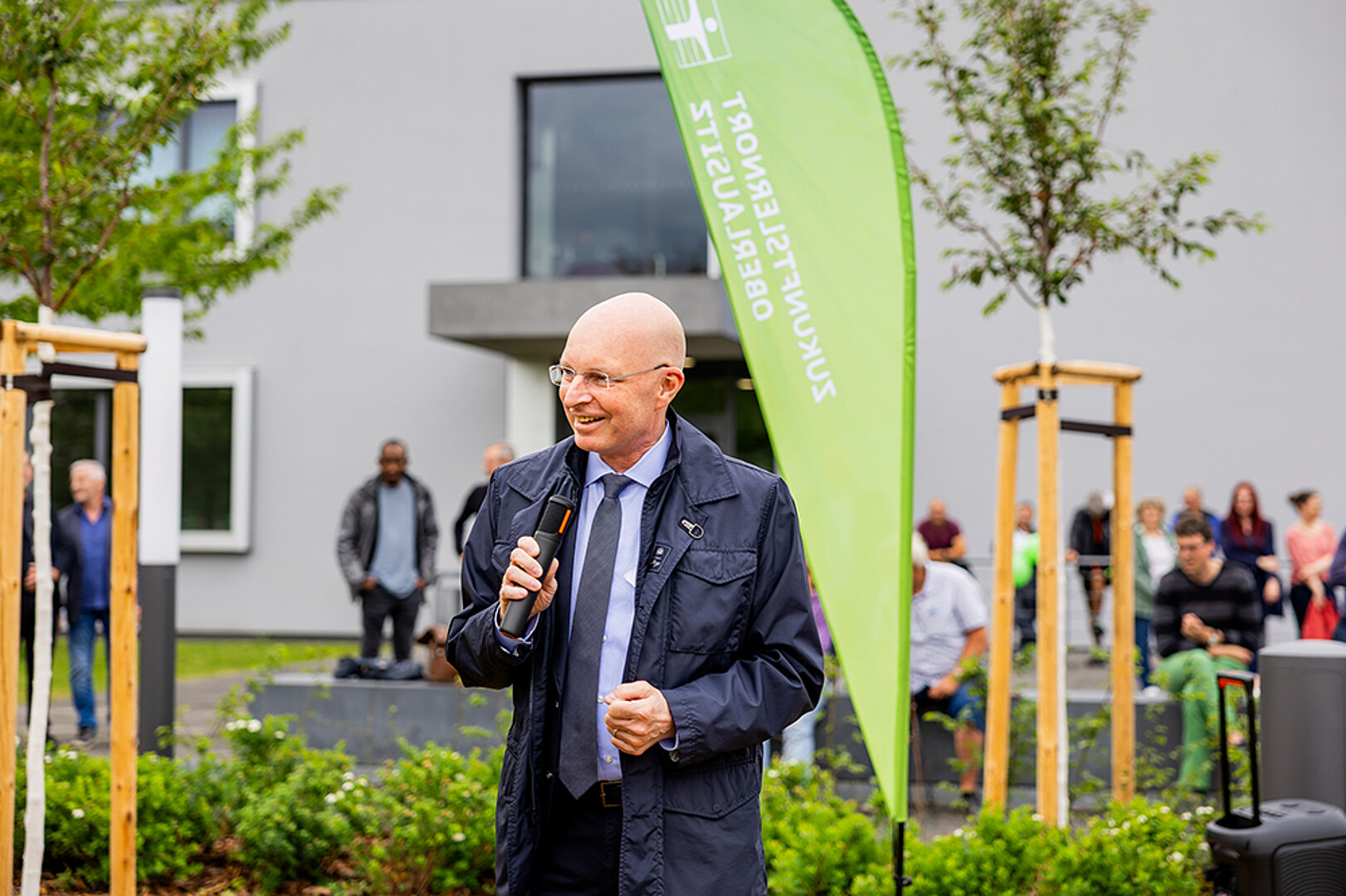
With the Green Classroom, we are creating a space where learning can take place outside of traditional classrooms and seminar rooms. Here, students can directly experience science, sustainability, and social interaction.
”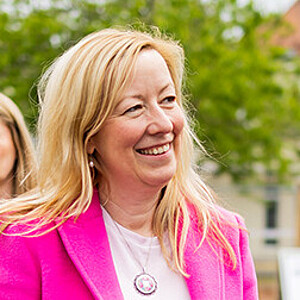
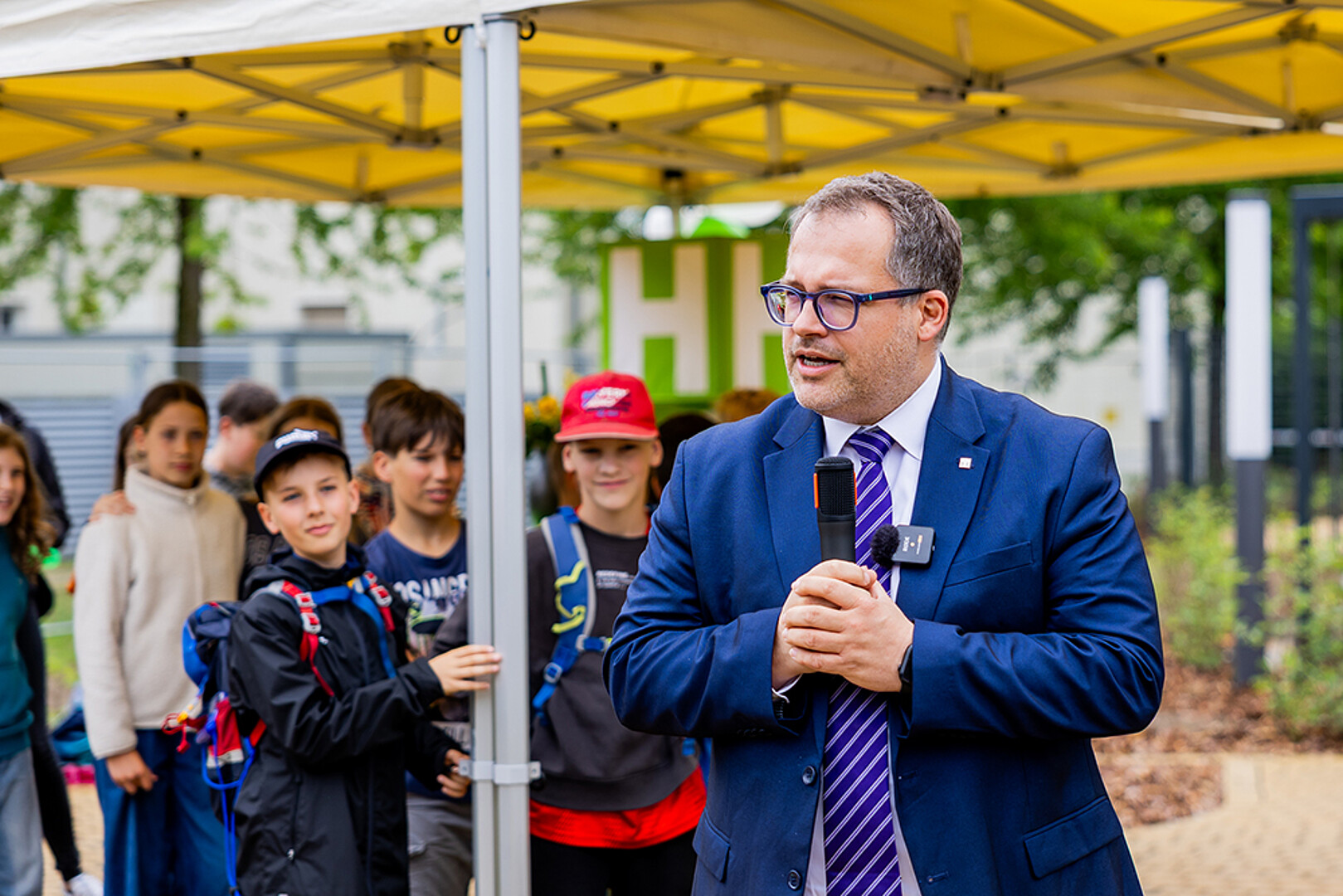
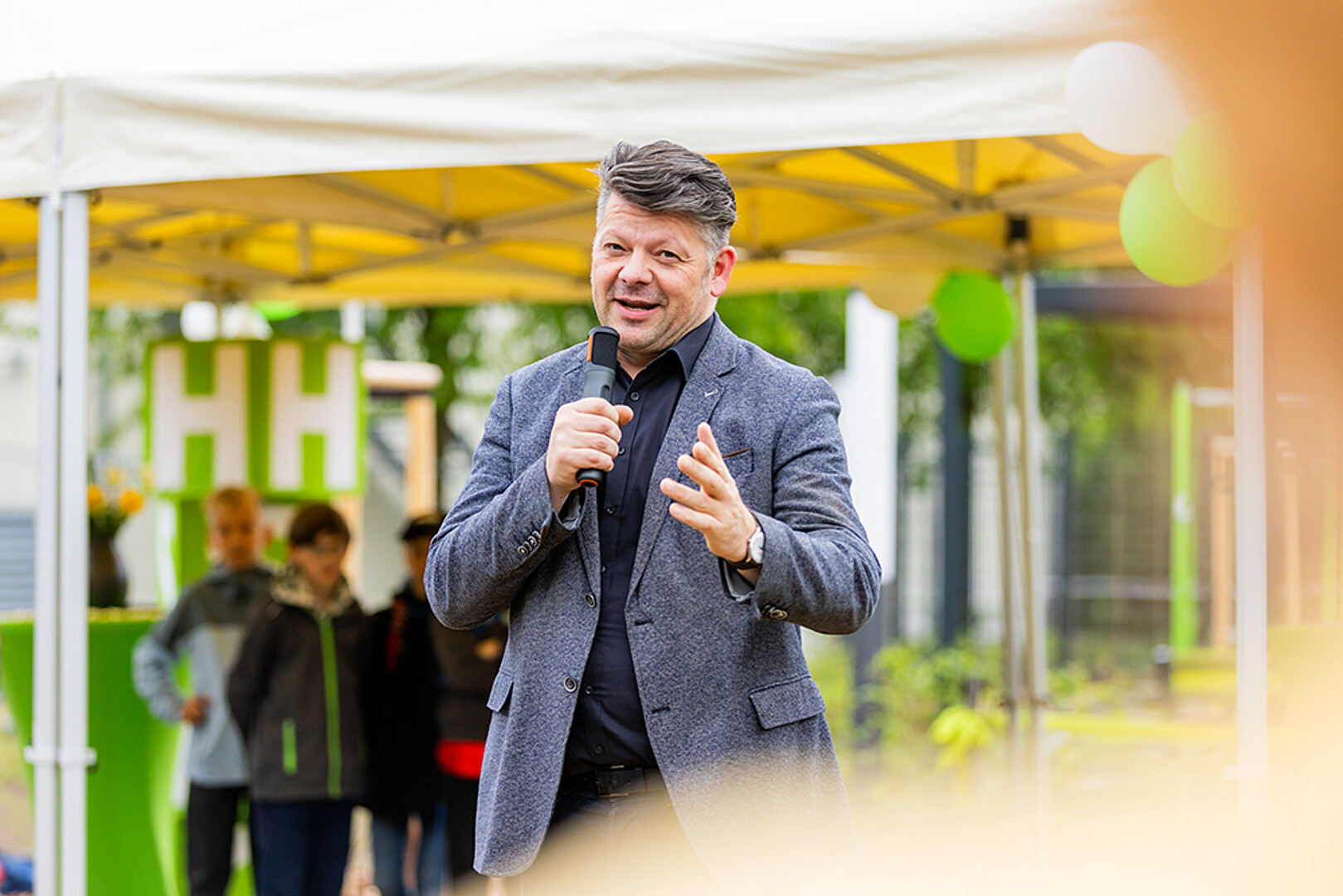
The skilled professionals, entrepreneurs, researchers, and creators of tomorrow are in our schools today. As a university, we want to provide them with spaces where curiosity, creativity, and the future can take shape. The Green Classroom is one such place. I warmly invite schools, partners, and the local community to join us in further developing this learning space for the future.
”
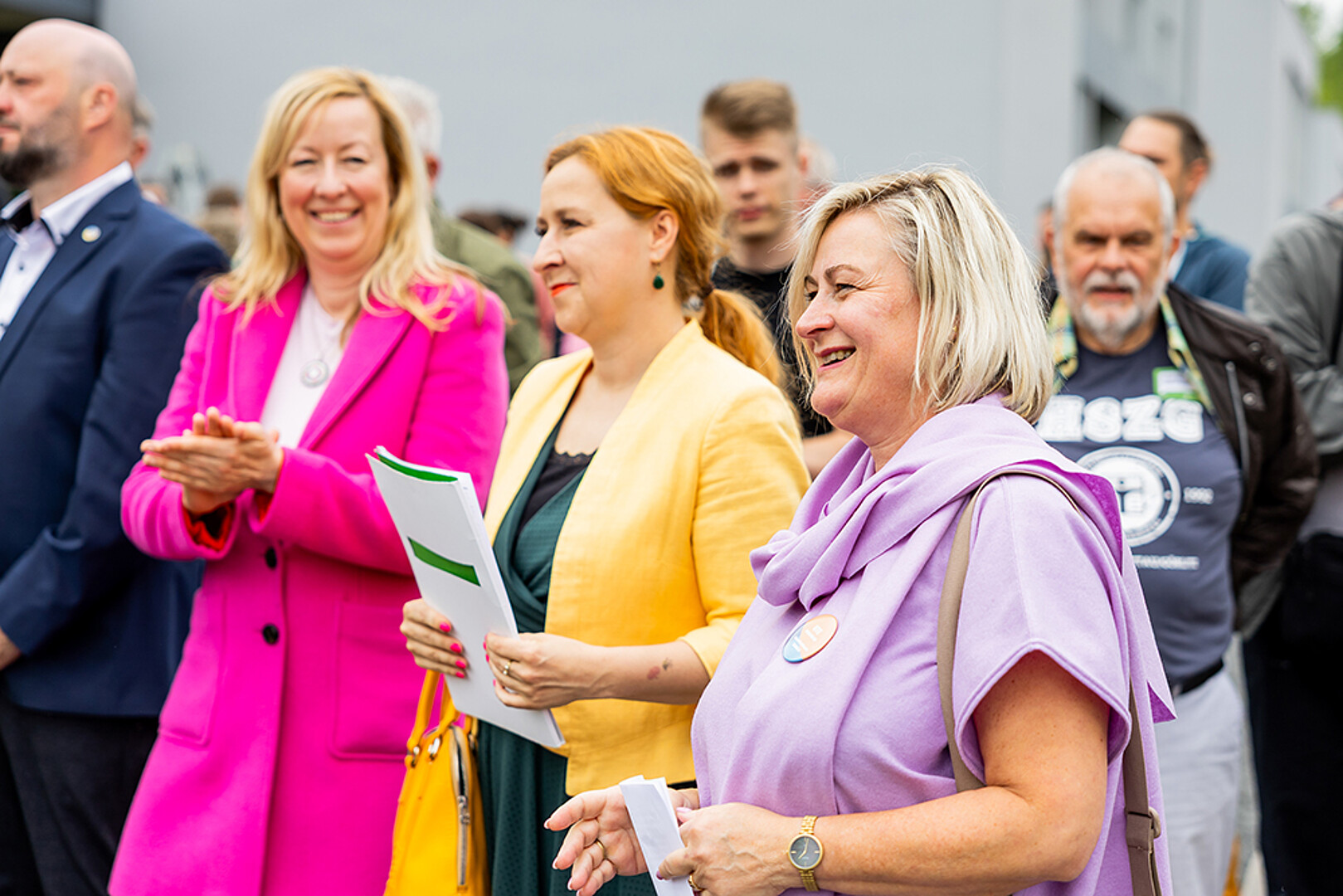
Franziska Schubert, a member of the Saxon State Parliament, emphasized the project’s regional significance: “The Green Classroom impressively demonstrates how education, sustainability, and regional development go hand in hand. Places like this open up new perspectives for young people while also strengthening Upper Lusatia as a vibrant region of education and innovation.”
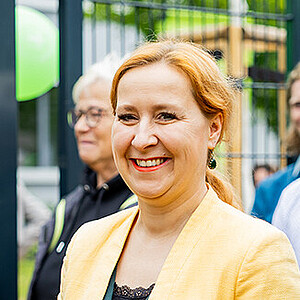
I am convinced that children and teenagers learn the best when they are outdoors, getting hands-on, and experiencing firsthand how the world works. That is exactly where curiosity, genuine questions, and a strong desire to find their own solutions are sparked. For me, a good education is the key to everything—which is why I’m very happy to support extracurricular learning environments, including through my own personal efforts.
”Dr. Bruno Bartscher, department head at the Saxon State Ministry of Science, Culture, and Tourism, added: “The Green Classroom, as part of the overall ‘Zukunftslernort Oberlausitz’ project, is yet another example of how Zittau/Görlitz University of Applied Sciences is taking on a pioneering role and—as people used to say here—is at the ‘forefront of the movement.’ This role is good at integrating into the university’s strategy: Universities have a mission to communicate science to the outside world—not only to the younger generation, as here in the Green Classroom, but to society as a whole. This is exactly what Zittau/Görlitz University of Applied Sciences has been doing for many years with great dedication.”
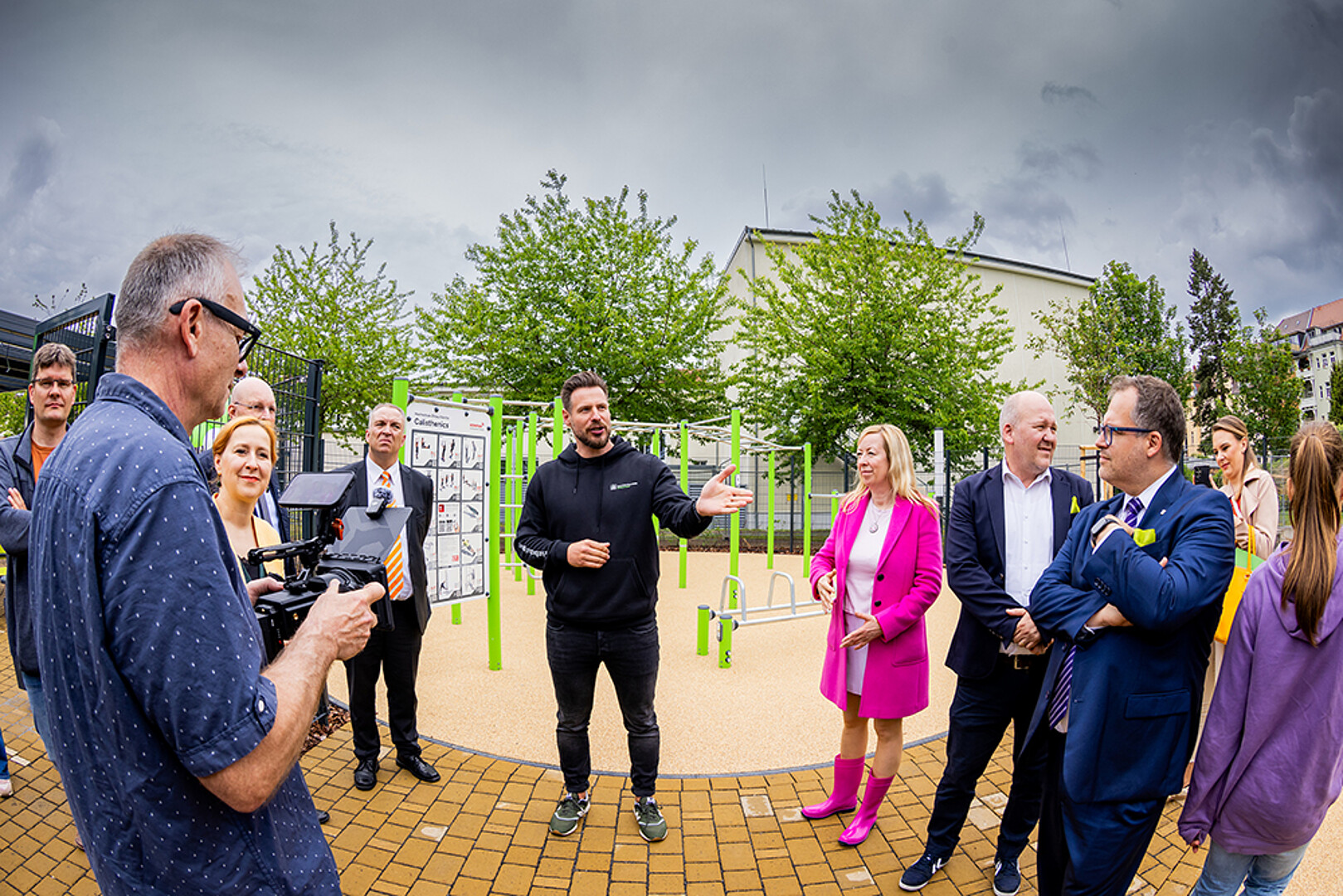
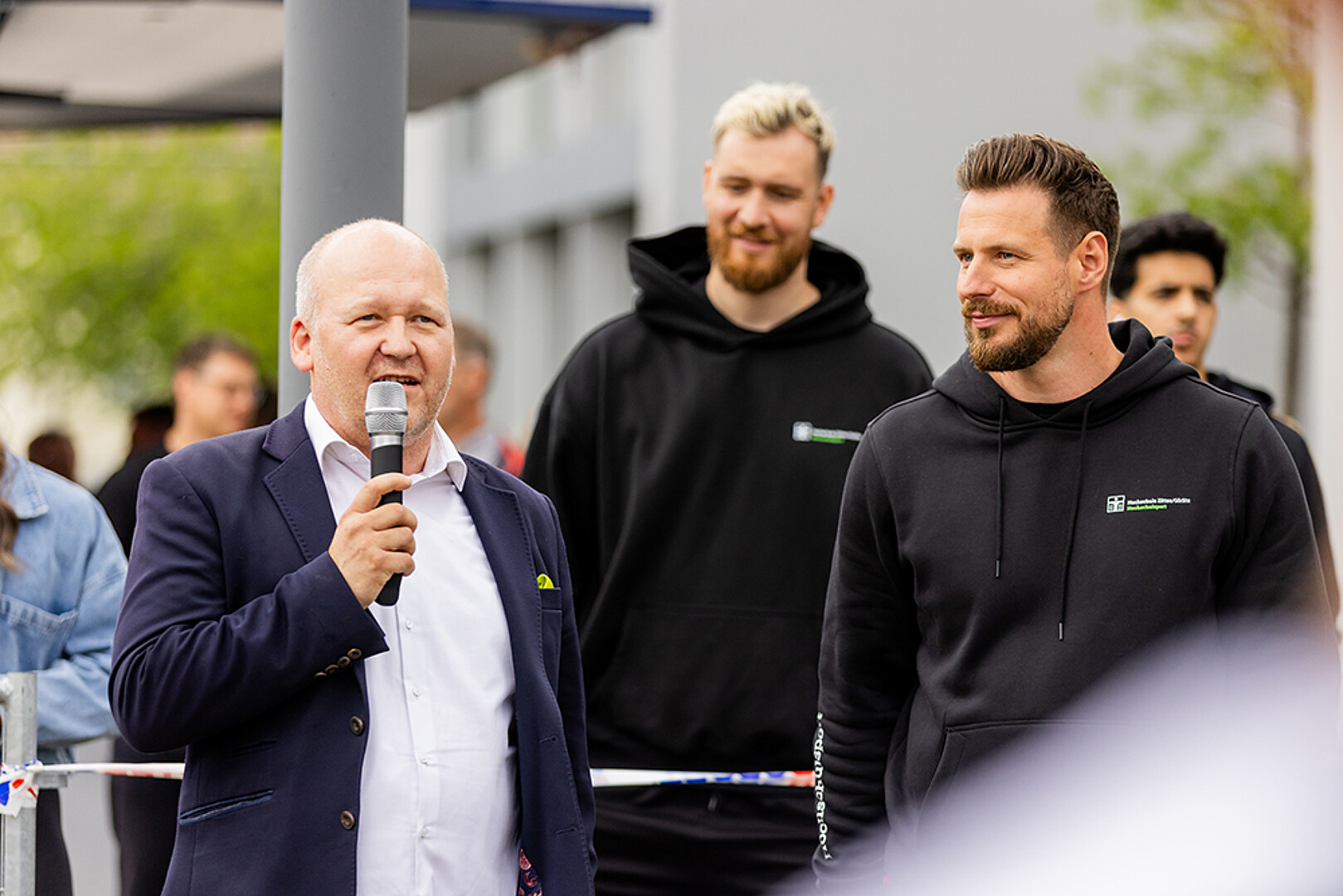
The welcoming remarks were followed by a symbolic ribbon-cutting ceremony. Afterward, the guests toured the new campus.
Feedback from the Field
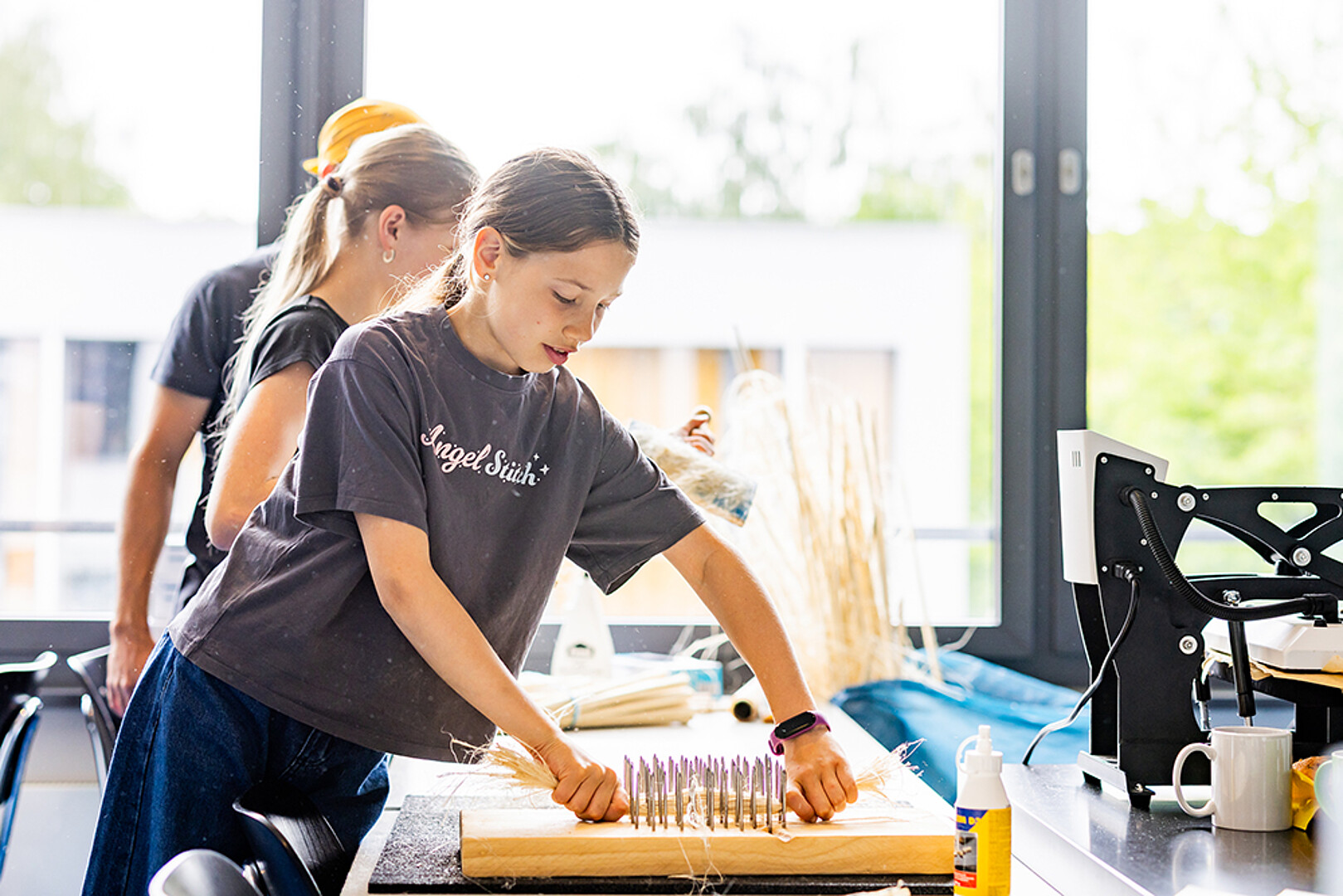
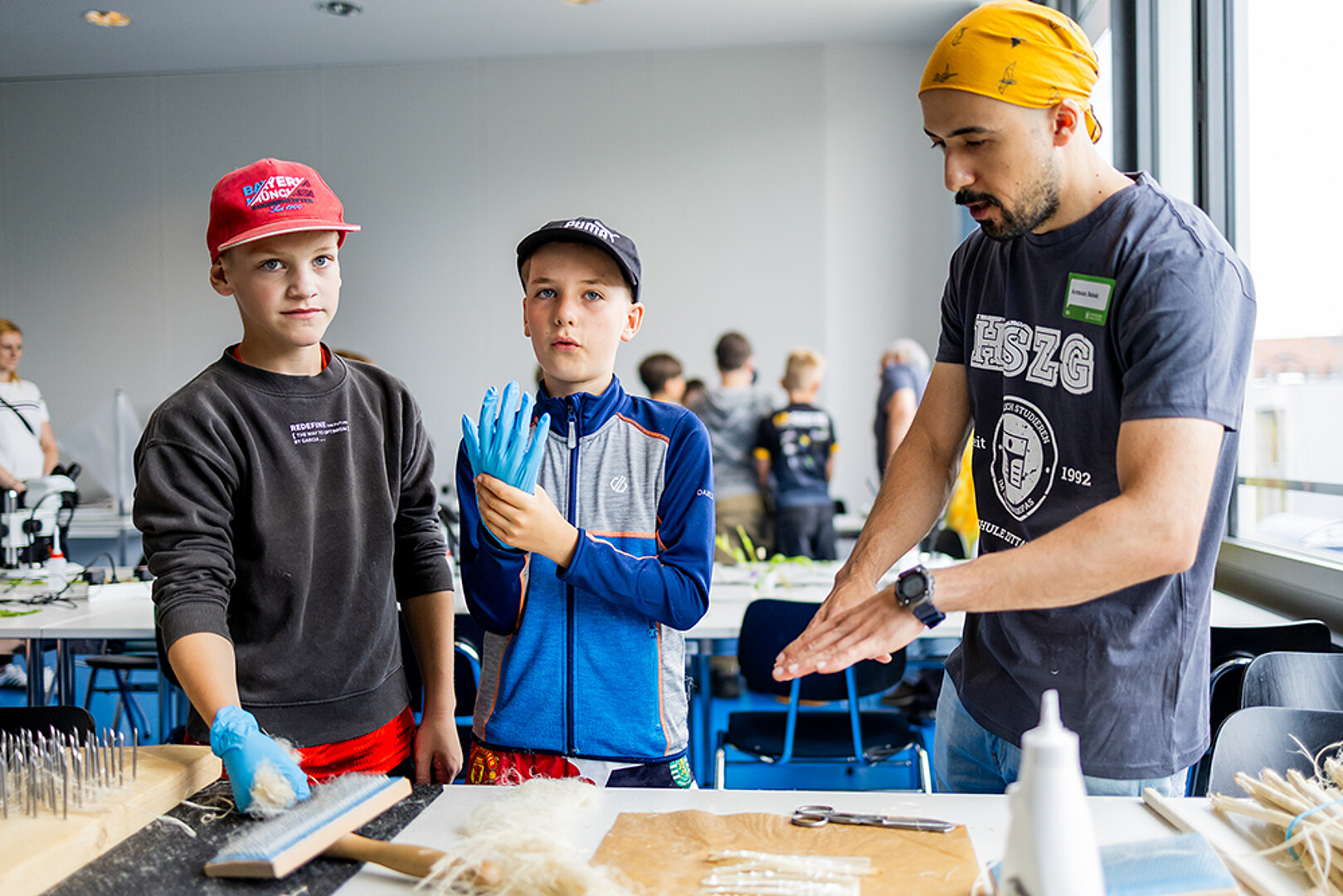
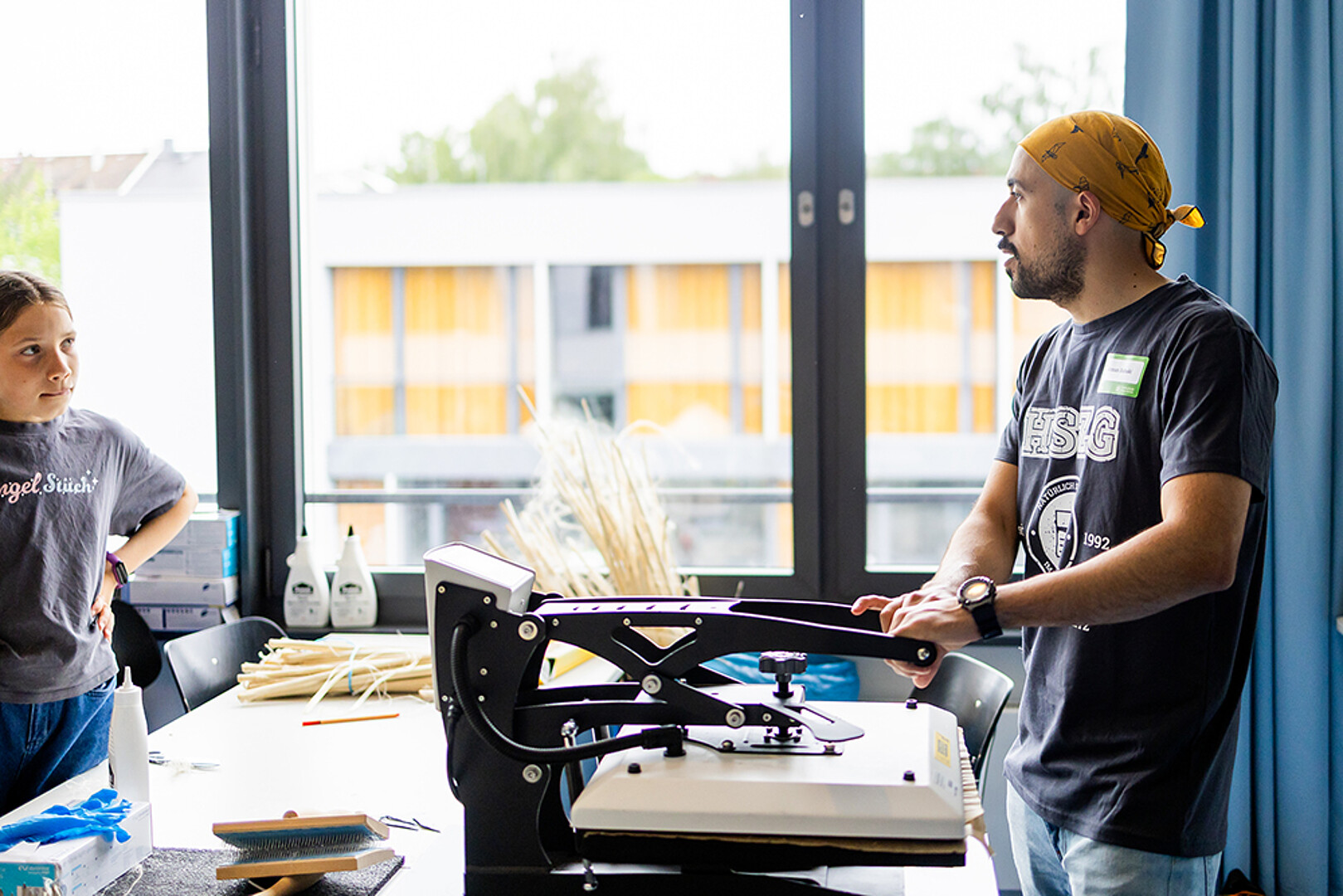
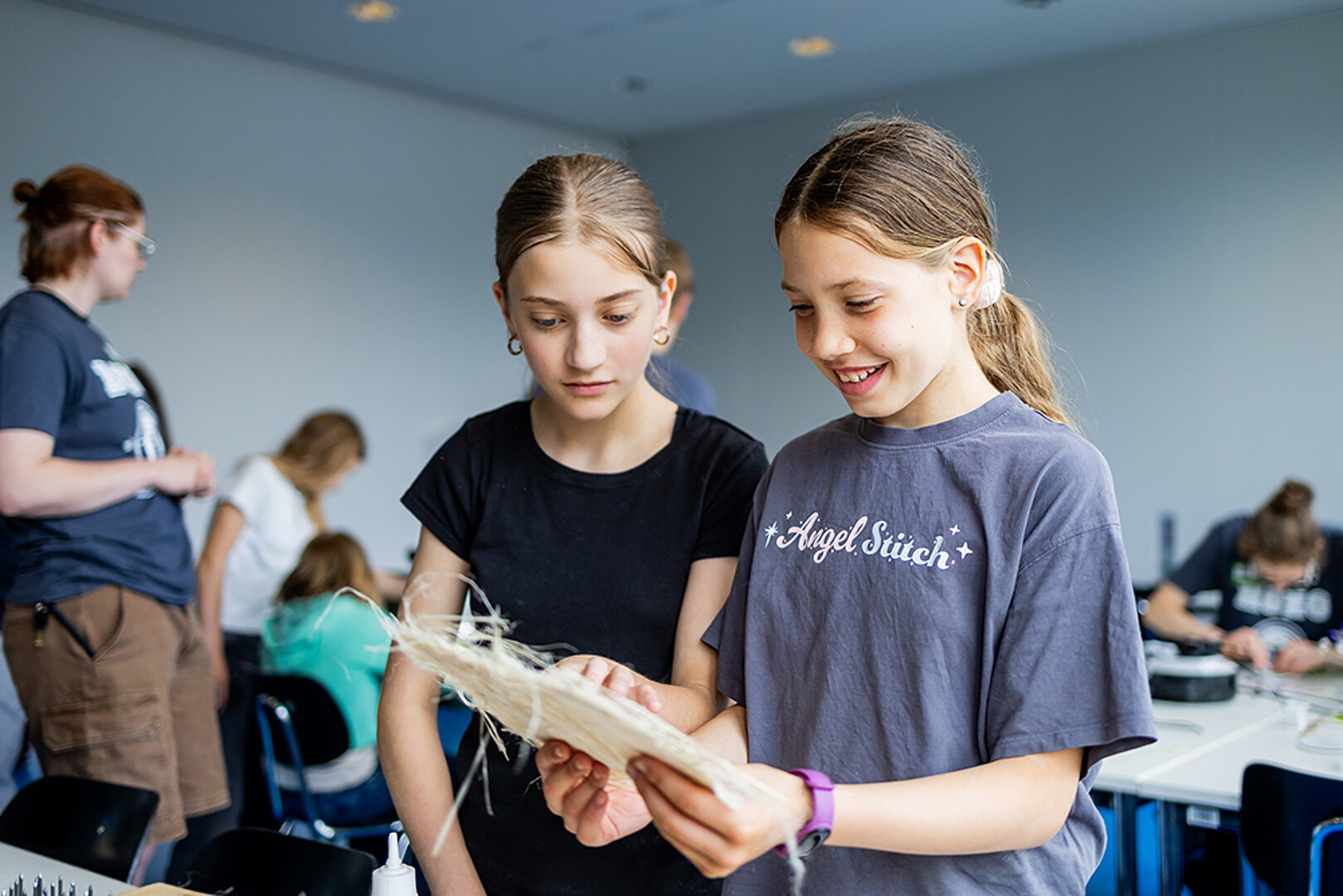
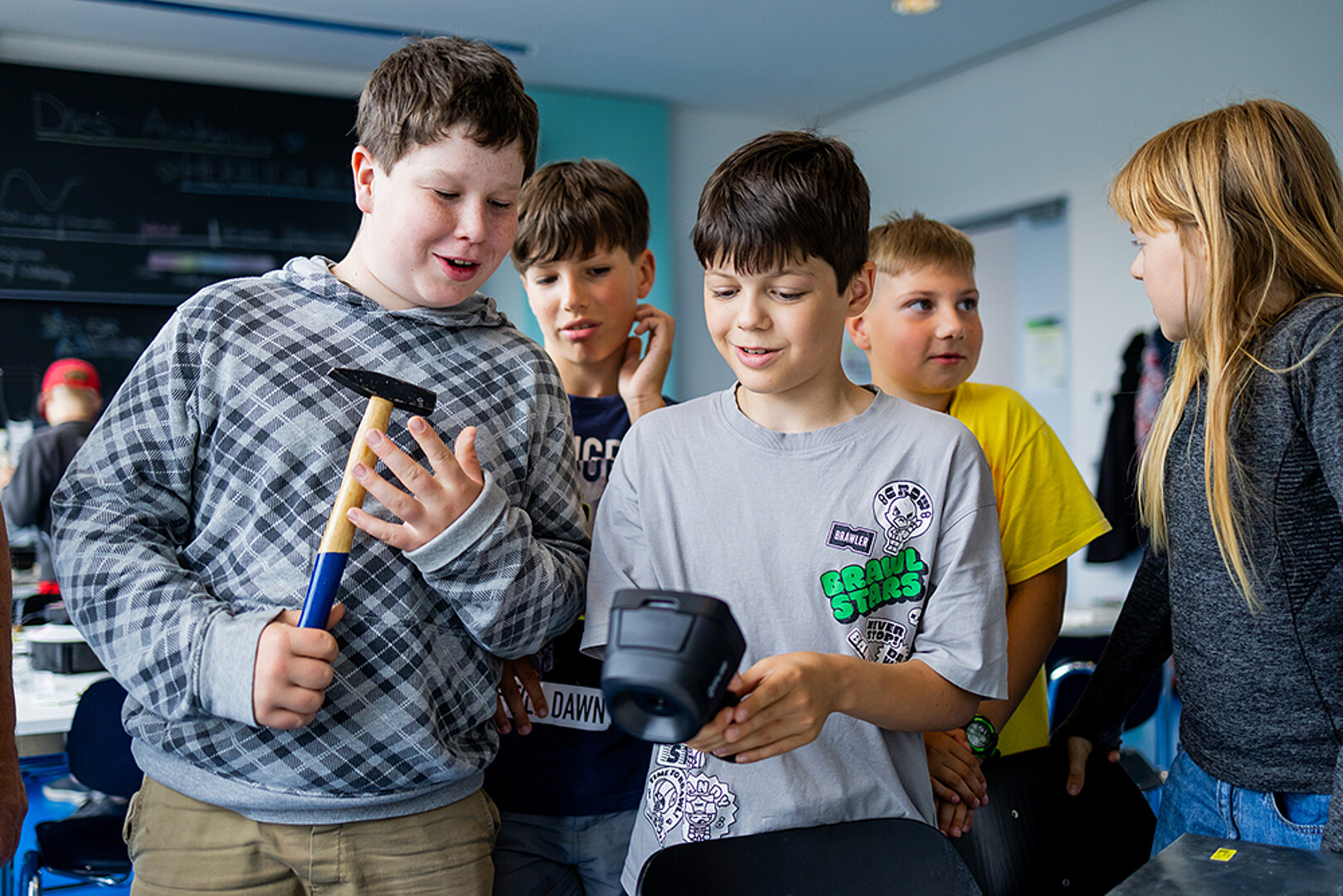
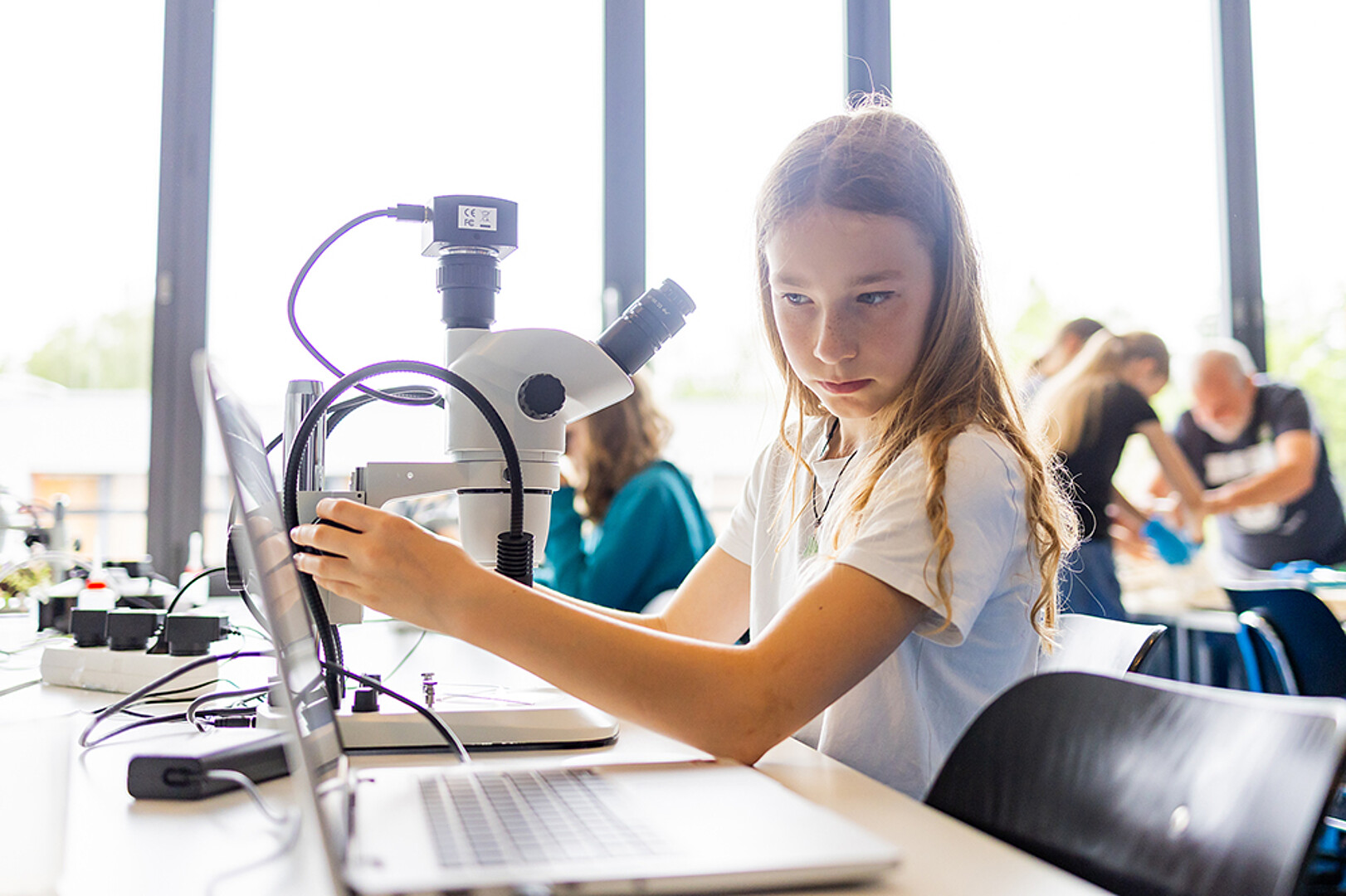
Student Klara had this to say about the opening of the Green Classroom:“It was good because we got to decide for ourselves whether we wanted to make cell phone holders out of plant fibers or work with the microscope. I chose the plant fiber project and thought it was pretty cool that plastic can be replaced with natural materials. It was exciting to see how a cell phone holder is made from them.”
Her classmate Luise was just as enthusiastic: “I had a lot of fun because it was something new. We don’t learn about topics like this in school yet.”
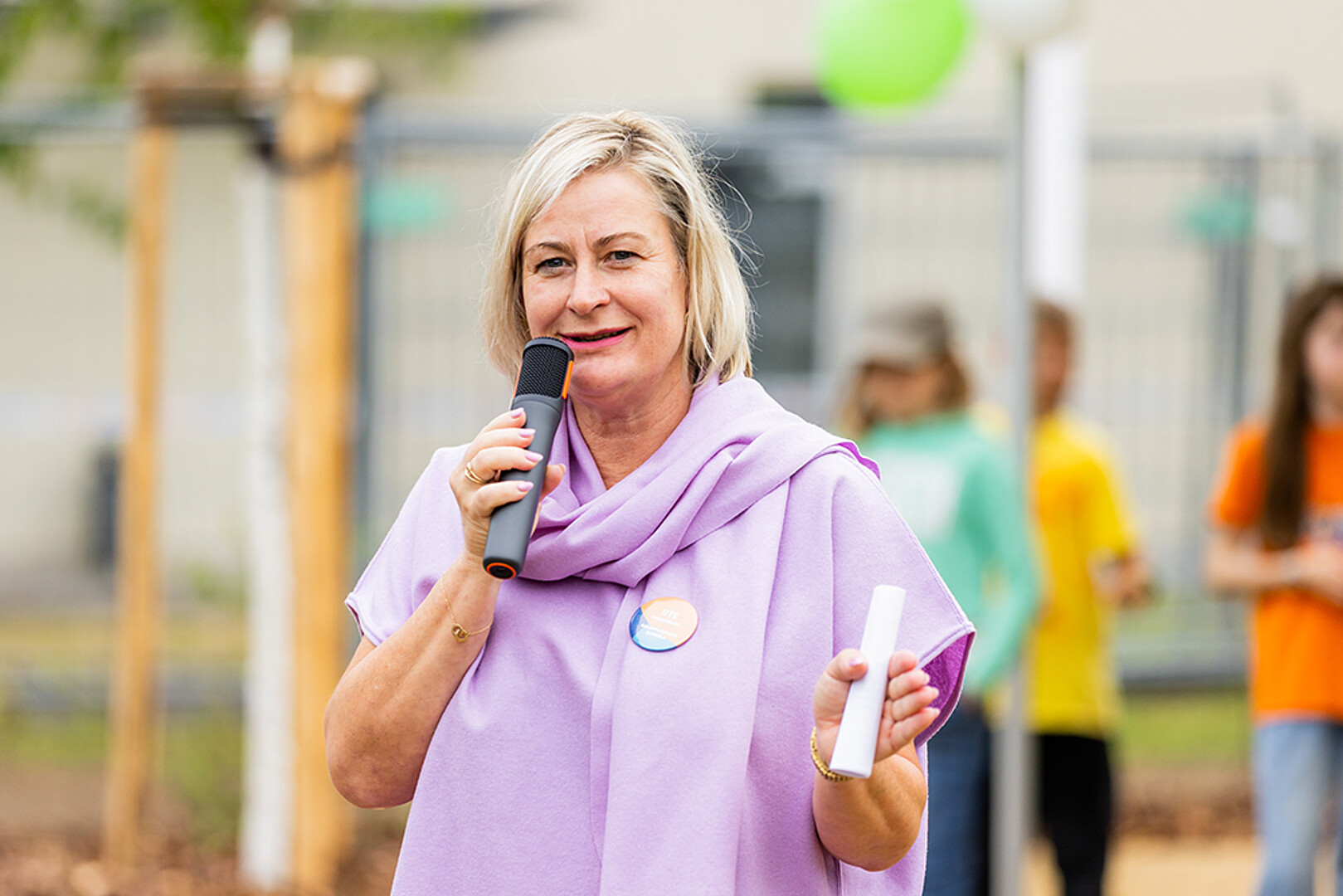
Ute Wunderlich, managing director of SCHKOLA gGmbH, also emphasized the importance of authentic learning environments for educational work.
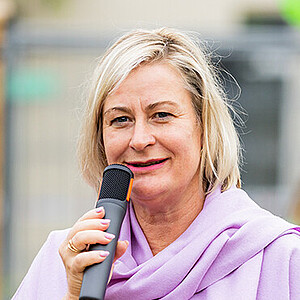
This Green Classroom is a special extracurricular learning space that enables learning with all the senses and makes many concepts truly tangible—in the sense of being able to touch and feel them. By combining nature, physical activity, and hands-on exploration and discovery, learning content becomes vivid and memorable. The combination of learning and physical activity, in particular, fosters motivation and genuine understanding.
”Learning, Research, and Physical Activity
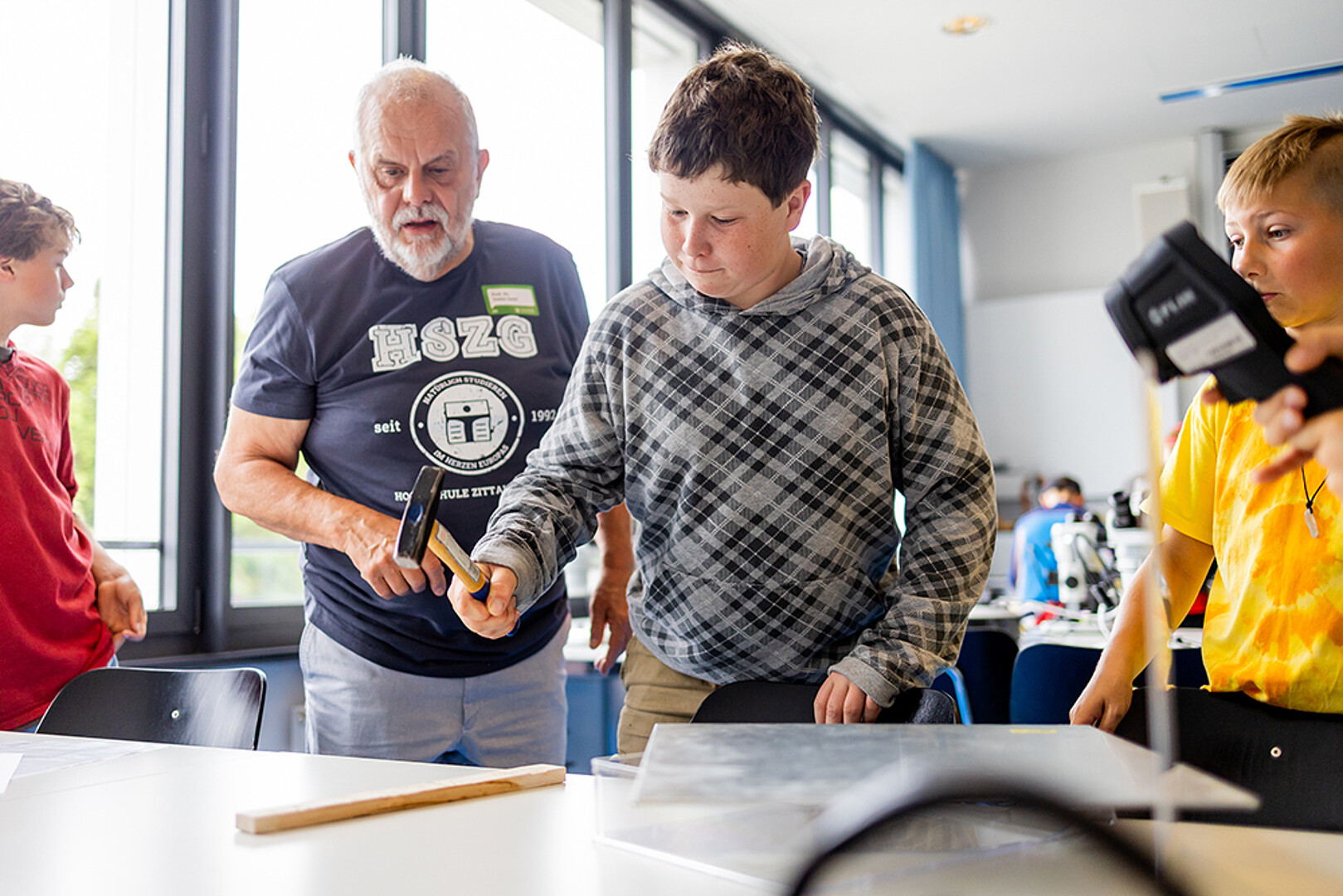
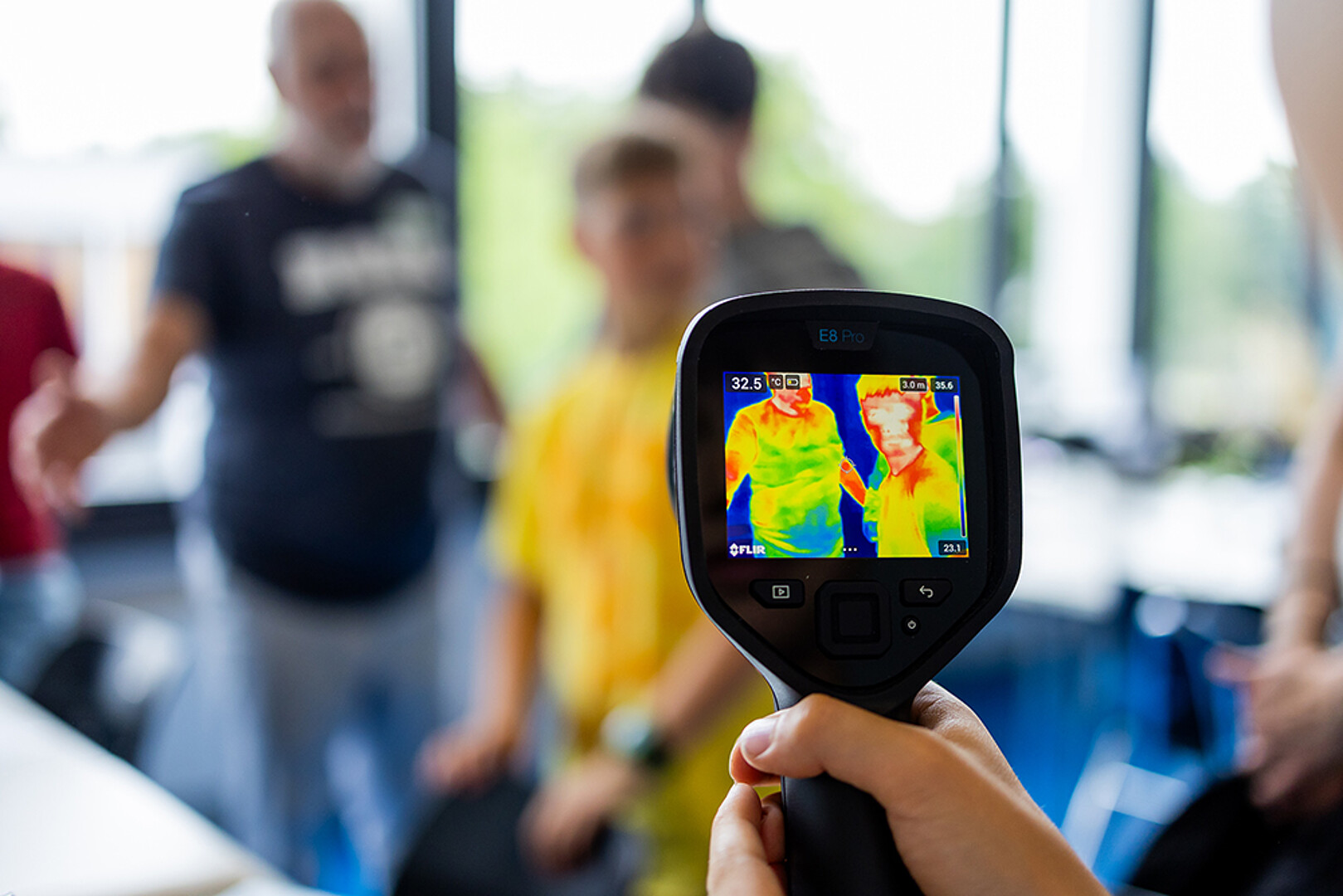
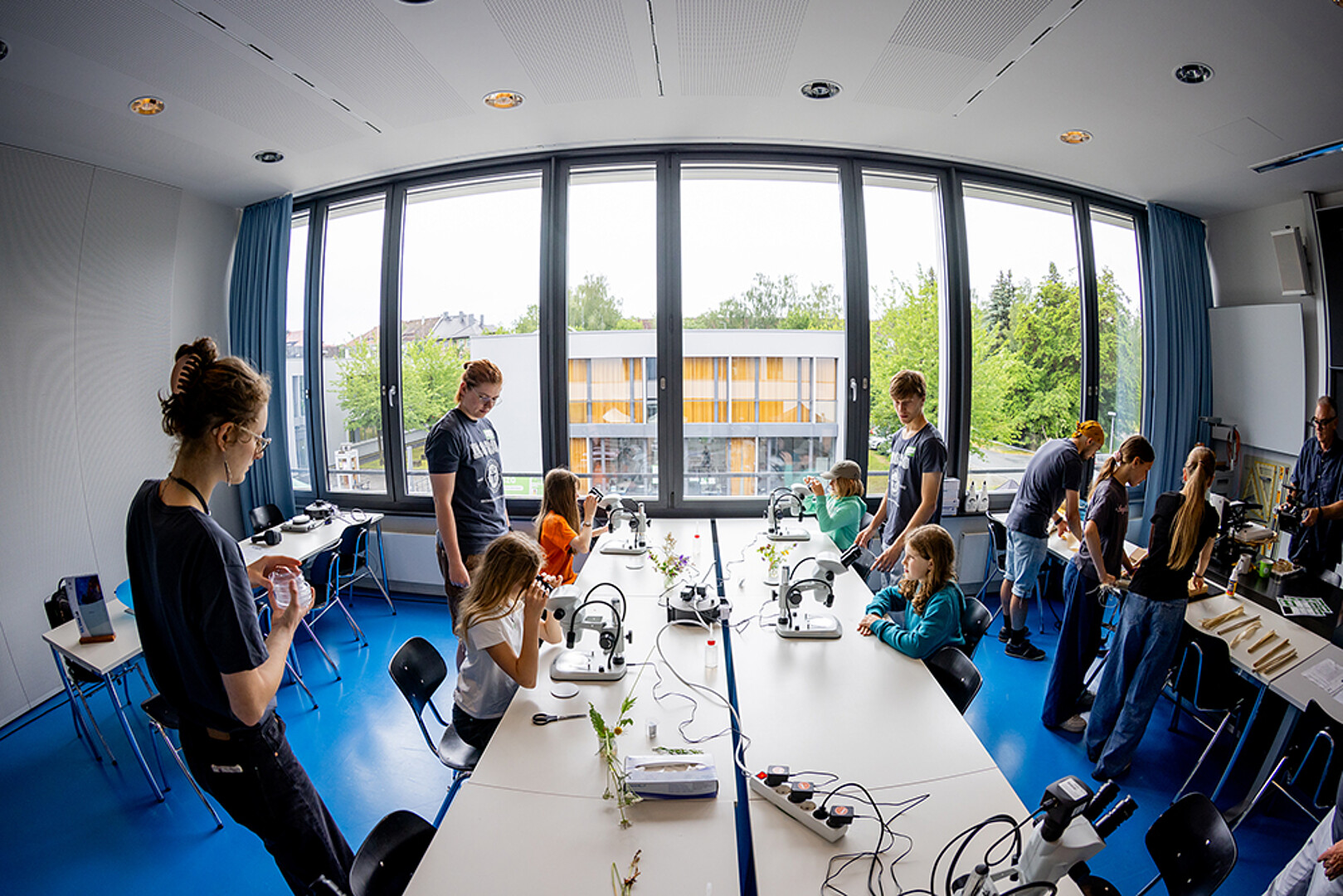
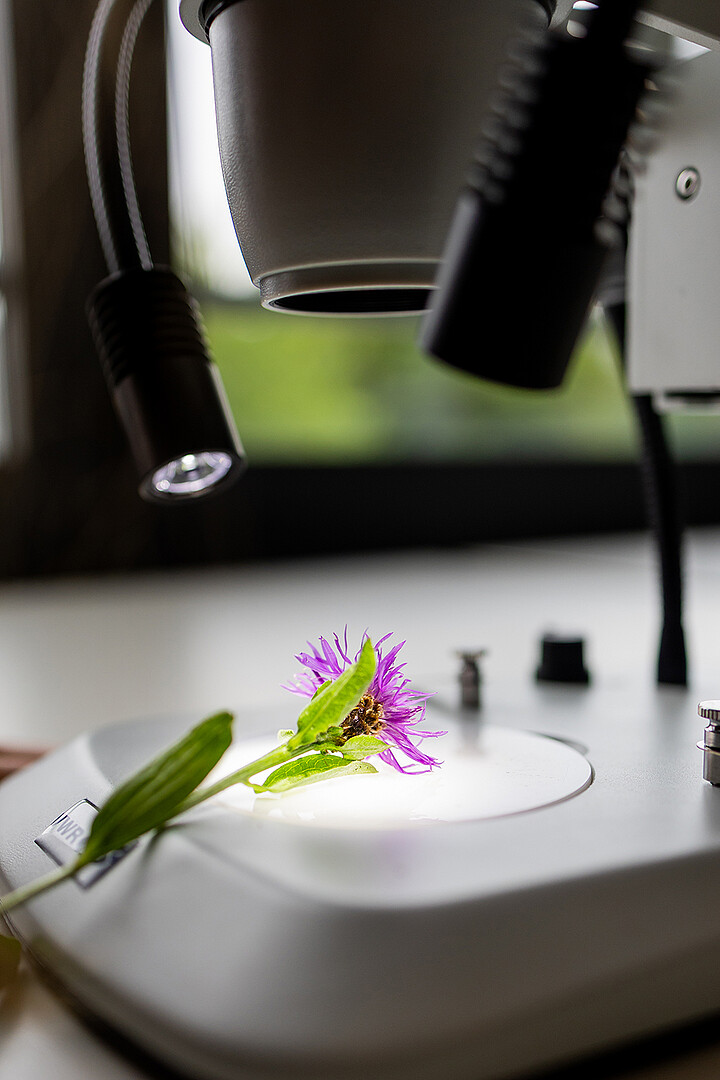
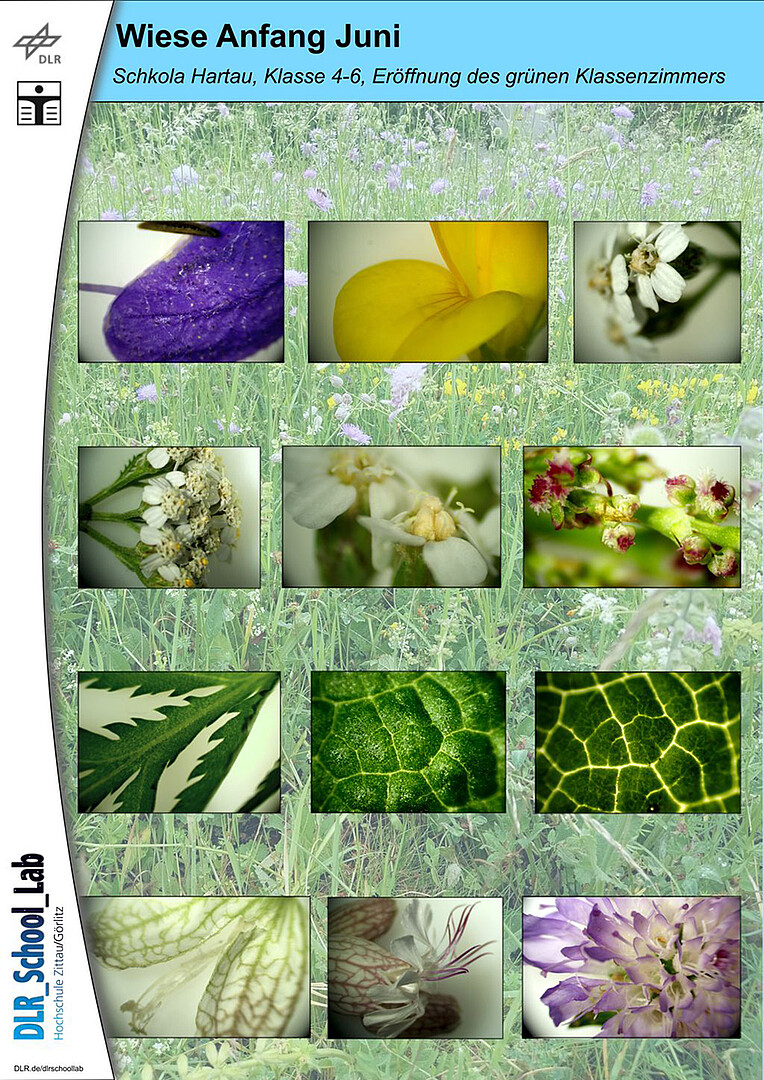
Even before the official opening of the Green Classroom, 16 students from SCHKOLA Hartau got to experience the new facility firsthand: Together with the DLR_School_Lab team, they conducted experiments on topics such as microscopy, plant fibers, and infrared radiation. At the same time, they improved their dexterity and teamwork skills through physical activities organized by the university’s sports department.
University Sports Festival and International Day as the Ideal Setting
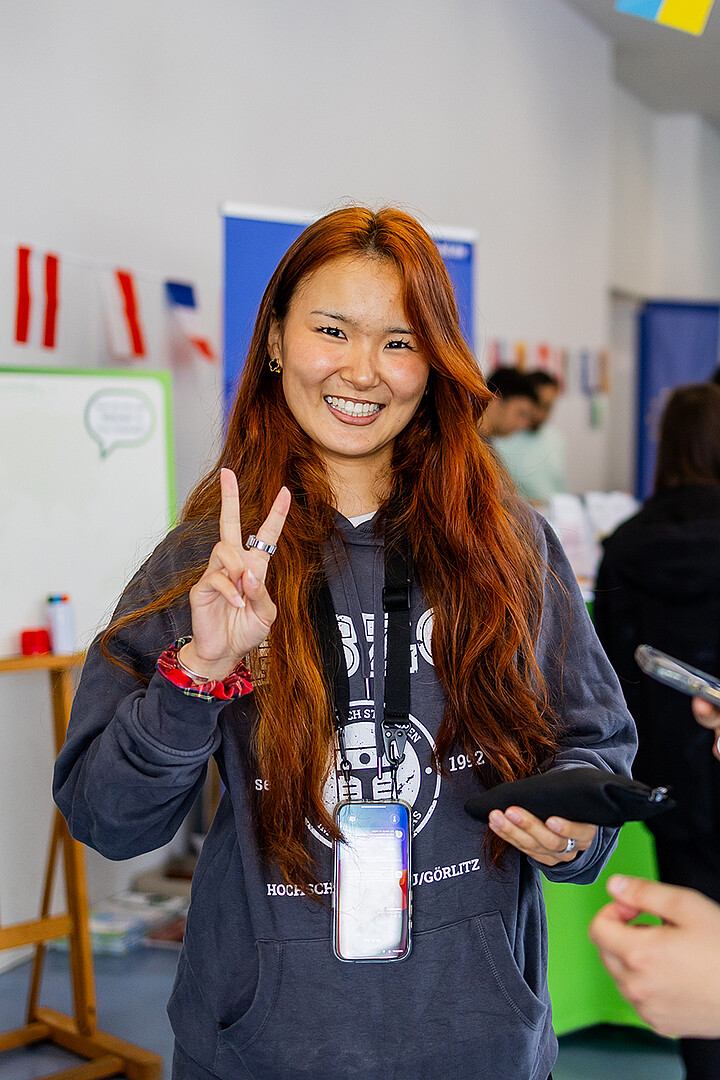
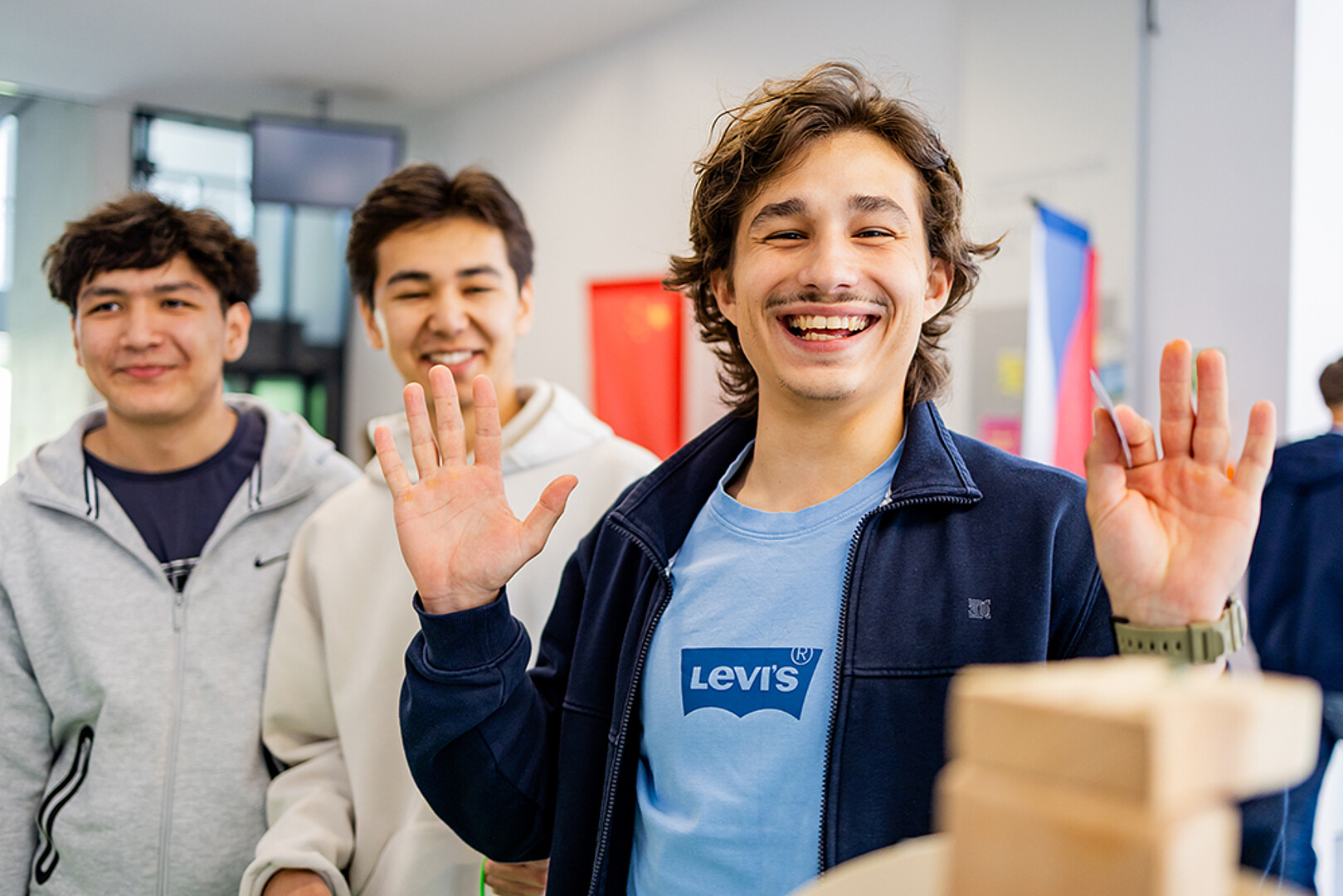
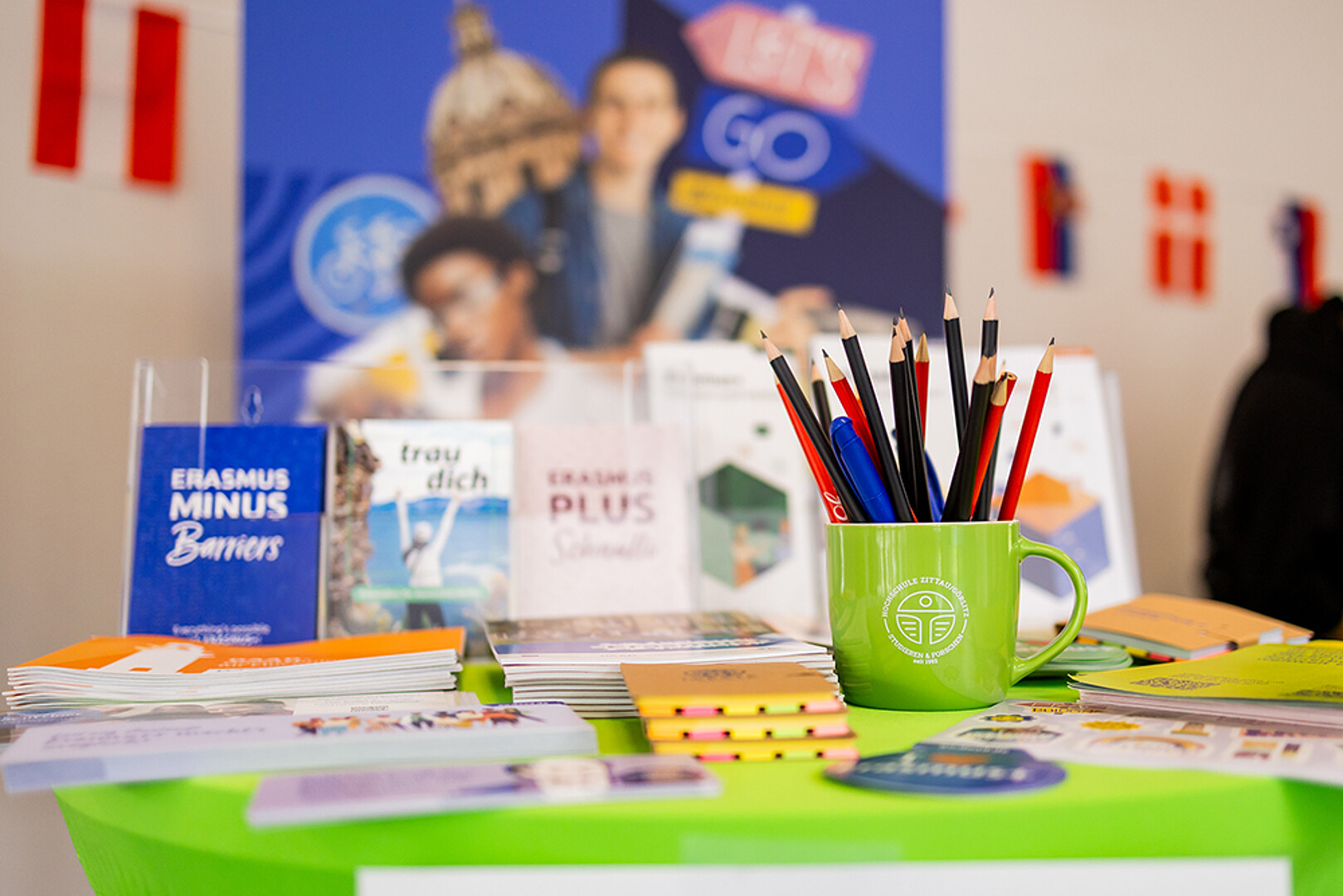
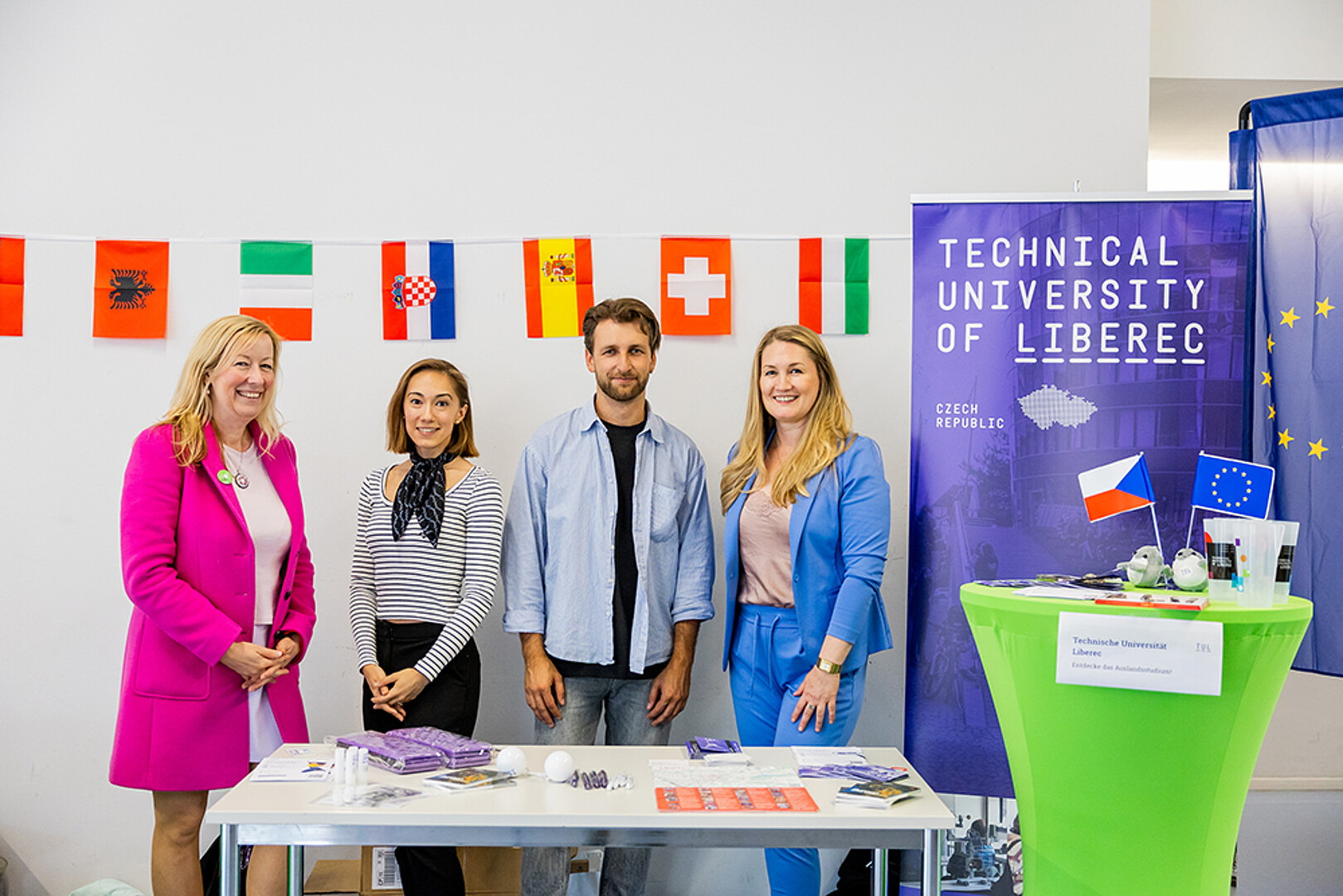
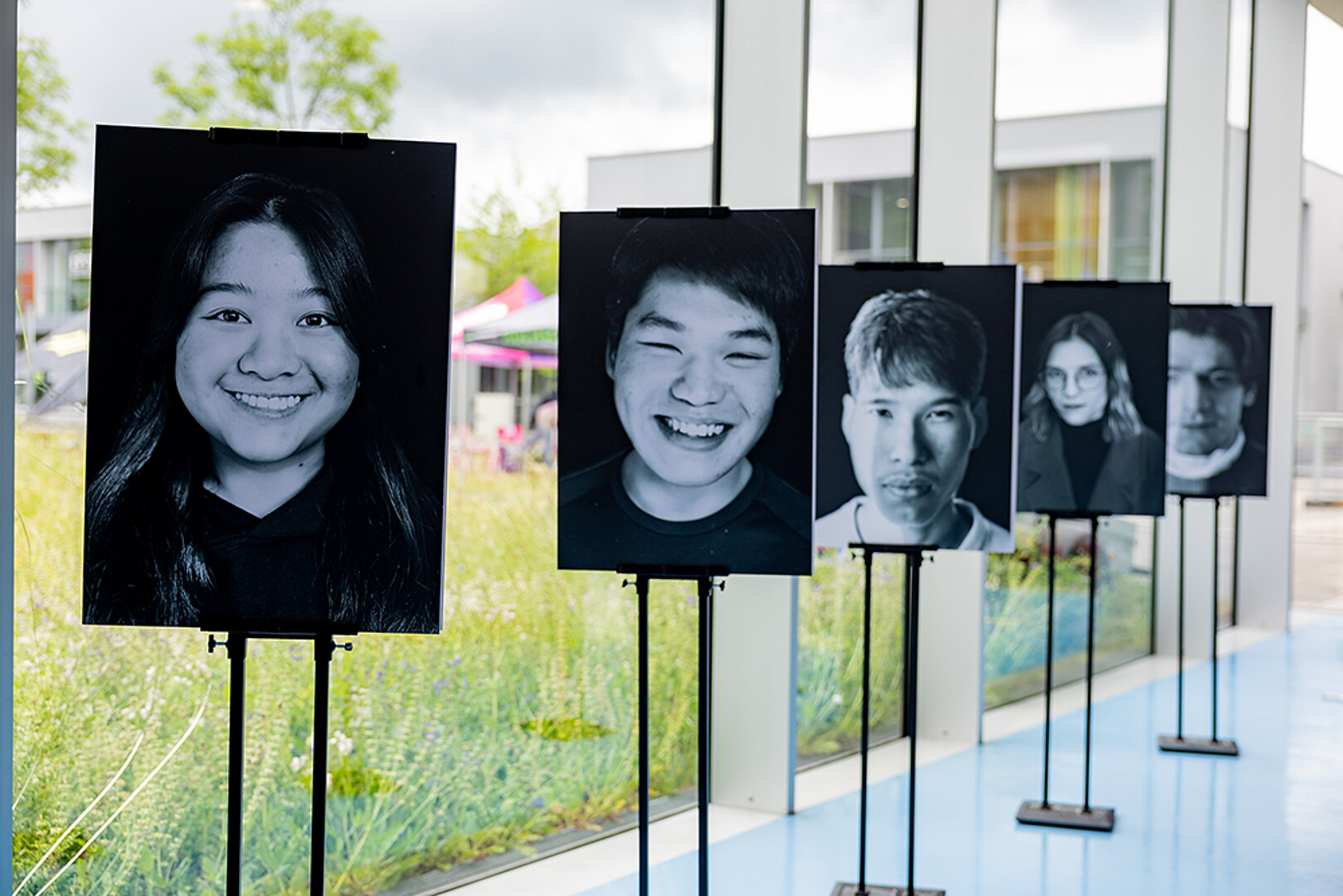
By deliberately integrating it into the University Sports Festival and International Day, the Green Classroom was experienced from the very beginning as a vibrant place for sports, education, and international encounters.
Zittau/Görlitz University of Applied Sciences would like to extend its heartfelt thanks to everyone involved in the planning, implementation, and inauguration of the Green Classroom.
Special thanks go to Franziska Schubert, a member of the Saxon State Parliament; Dr. Bruno Bartscher and Rocco Kühn from the Saxon State Ministry of Science, Culture, and Tourism (SMWK); Thomas Zenker, Mayor of Zittau; and Ute Wunderlich, Managing Director of SCHKOLA gGmbH. We would also like to thank the students of SCHKOLA Hartau and their teacher, Julia Rother.
We thank OSTEG GmbH, GalaBau Bohr, EAB-Elektroanlagenbau Neugersdorf GmbH, IBB Chemnitz, Elkoplan Zittau, and the Saxon Real Estate and Construction Management (SIB)—in particular Ms. Buchholz—for planning and implementing the project.
Project coordination was led by Dipl.-Ing. (FH) Egmont Schreiter, Christian Tiller, and Inna Hauf.
We would like to thank the Technical Administration & Facility Services division (DTG) and the University Administration for their support within the university.
We would like to thank Philipp Knebel and the University Sports team for organizing the opening ceremony, the DLR_School_Lab team, and the staff of the Technical Administration & Facility Services division for setting up and taking down the event.
As part of the “Zukunftslernort Oberlausitz” (ZukLOS) educational initiative, the Green Classroom was funded with PMO funds. These funds, intended to strengthen the next generation of STEM professionals, come from the assets of political parties and mass organizations of the GDR and were made available through the support of State Parliament representative Franziska Schubert.
The Green Classroom is part of the “Campus4You” program within the ZukLOS educational initiative. The goal is to create innovative learning and meeting spaces that connect science, schools, society, and the region. Through these measures, ZukLOS fosters an early interest in science, technology, and sustainable development.
More information about the program of events and options for individual bookings for educational purposes, including contact information, will be available shortly on the ZukLOS website at Campus4You/Green Classroom. Alternatively, please contact Dr. Thomas Fester at 03583 612-4788 or Thomas.Fester@hszg.de.
Text: Christian Tiller
Photos: Carla Schmidt
Video production and editing: Torsten Kellermann



1st floor
2nd upper floor