

About the Degree Programme
As one of Germany’s leading universities of applied sciences in terms of research, HSZG is also a reliable partner for the semiconductor industry. Thanks to its proximity to Silicon Saxony —home to many semiconductor technology companies in Saxony—HSZG is part of a highly dynamic innovation hub with a supraregional influence.
Practical research and innovative solutions set this degree programme apart for the jobs of the future in the chip industry. Your future employers helped develop this degree programme. You’ll not only gain the knowledge needed for the digital future, but you’ll also connect with your future employers early on—and, after submitting an application to a partner company, you’ll start earning an attractive salary right from the beginning of your studies.
Study the Digital Future
The Bachelor program in Semiconductor Processes and Materials Chemistry specifically prepares you for this industry of the future. Semiconductors form the foundation of modern technologies. From smartphones to electric vehicles to the energy transition—nothing works without high-performance chips. You’ll gain in-depth knowledge of material structure, understand manufacturing processes in cleanroom production, and learn to implement quality standards in the high-tech industry.
What to Expect from the Program
The program combines three key areas of expertise:
- Materials Chemistry and Materials: Structure, bonding, and surface properties of materials
- Semiconductor process engineering: coating, patterning, etching processes, and characterization methods
- Production and quality management: process control, sensor technology, data science, and lean approaches
The degree programme is designed for anyone who combines an interest in the natural sciences with a passion for technical innovation. You’ll actively contribute to the development of energy-efficient technologies and help shape the digital transformation. The close integration of theory and practice creates a solid foundation for challenging roles in a dynamic environment.
Optional Track with KIAdirekt
What makes this degree programme special: It is optionally available as a cooperative KIAdirekt degree programme. This means you’ll work at a company (the cooperative partner) and earn an income. The KIAdirekt track at our university is explained in more detail here.
Study details
The most important facts at a glance:
| faculty: | Natural and Environmental Sciences |
| Location: | Zittau |
| Degree: | Bachelor of Science |
| standard period of study: | 6 semesters |
| ECTS credits: | 180 |
| Language of instruction: | German and English |
| Enrolment for: | Winter semester |
| Application period: May 1 through September 30 | Start of studies: October |
| Admission restrictions: | No admission restrictions (no NC) Details |
| No prerequisite internship | Student Advisory Service |
| Accreditation status: | in preparation |
Course content
Detailed study plan
The program is divided into six semesters and systematically guides you from a foundation in the natural sciences to specialized study. In the first two semesters, you’ll build a solid foundation in chemistry, physics, mathematics, electrical engineering, and programming. Knowledge of Business Administration complements your technical profile.
Starting in the third semester, you’ll delve into physical chemistry, spectroscopic methods, and semiconductor technology. In the fourth and fifth semesters, the focus is on specialization modules:
- Materials Chemistry and Materials Analysis
- Process Control and Sensor Technology
- Quality management and Quality Assurance
- Data Science, Production, and Lean Management
In the fifth semester, you’ll take specialized subject modules taught in English, such as “Organic and Polymeric Semiconductors” or “Semiconductor Physics.” The Semester Project offers you the opportunity to work on a practical assignment in collaboration with industry partners. In the sixth semester, you’ll gain extensive professional experience in the practical module and complete your degree with a Bachelor thesis.
For the KIAdirekt track : Practical study phases at companies are completed during the lecture-free period.
- General and Inorganic Chemistry
- Structure and Bonding
- Introduction to Semiconductor Processes
- Fundamentals of Mathematics
- English for the Natural Sciences
- Business Administration
- Fundamentals of Analytical Chemistry
- Fundamentals of Organic Chemistry
- Mathematics for the Natural Sciences
- Physics as the Foundation of the Natural and Environmental Sciences
- Fundamentals of Programming
- Fundamentals of Electrical Engineering
- Fundamentals of physical chemistry
- Spectroscopic methods in organic chemistry
- Semiconductor technology
- Investment and financing
- Interdisciplinary skills (compulsory elective area)
Compulsory elective area I (1 module):
- Environmental, energy and climate protection law
- Business Informatics I
- Environmental Technology II - Chemical Material Separation
- Inorganic Chemistry and Materials Chemistry
- Materials and Surface Analysis
- Process Control/Sensor Technology
- Quality management and Quality Assurance
- Data Science
- Production and Lean Management
- Organic and Polymeric Semiconductors
- Advances in Semiconductor Sciences and Technology
- Semiconductor Physics
- Semester Project
The teaching language in the 5th semester is English.
- practical module
- Final Module (Bachelor's Thesis and Defense)
Podcast episode about the degree programme
Career opportunities
Talents for the semiconductor technology and chip industry
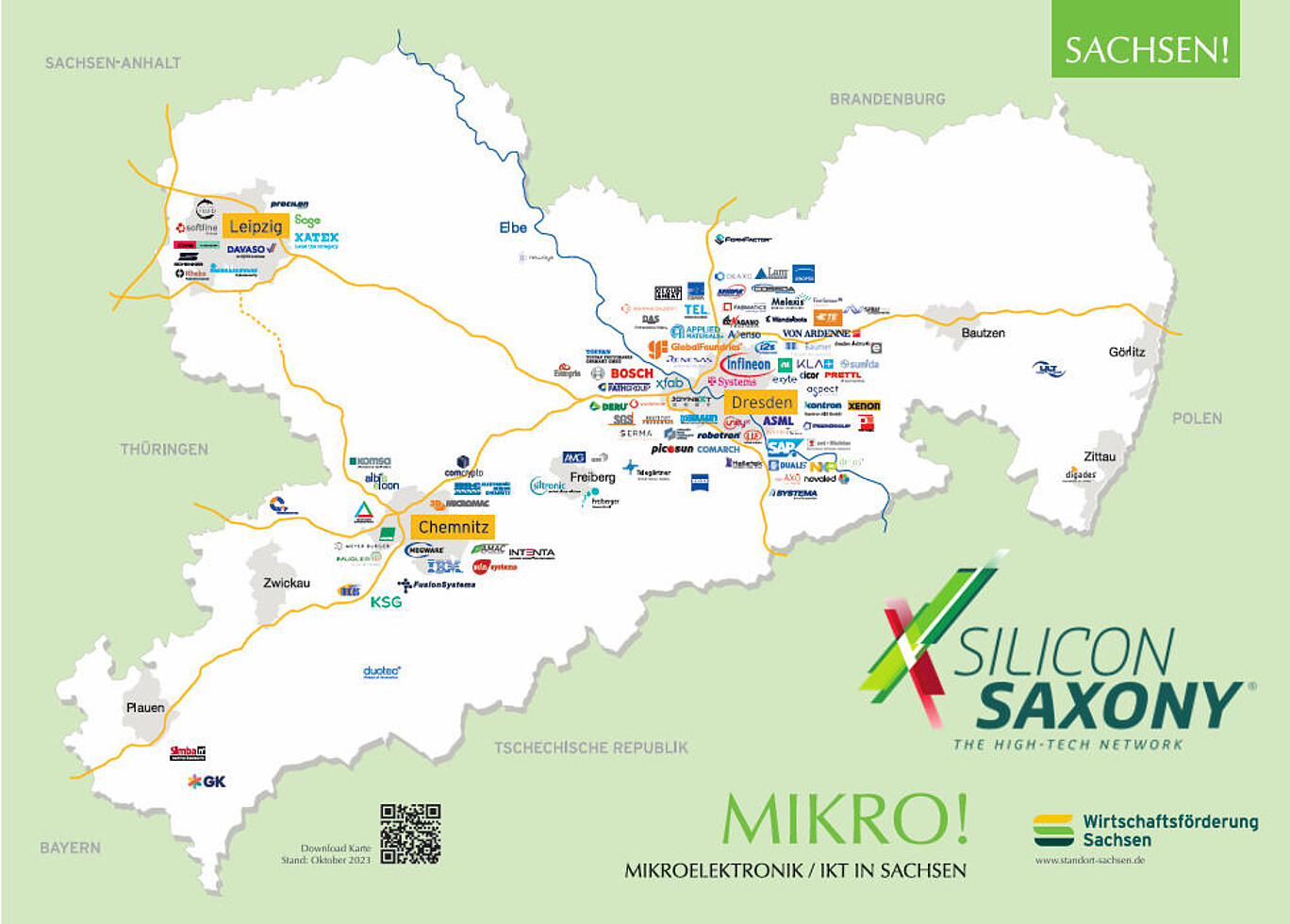
With the knowledge you gain from this degree programme, you’ll be well-prepared for a future in Silicon Saxony. One out of every three chips produced in Europe comes from Saxony. More than 650 companies—some of which operate internationally—are based in Silicon Saxony. The demand for skilled workers is enormous, and your career prospects are excellent.
Professional areas where you can get started
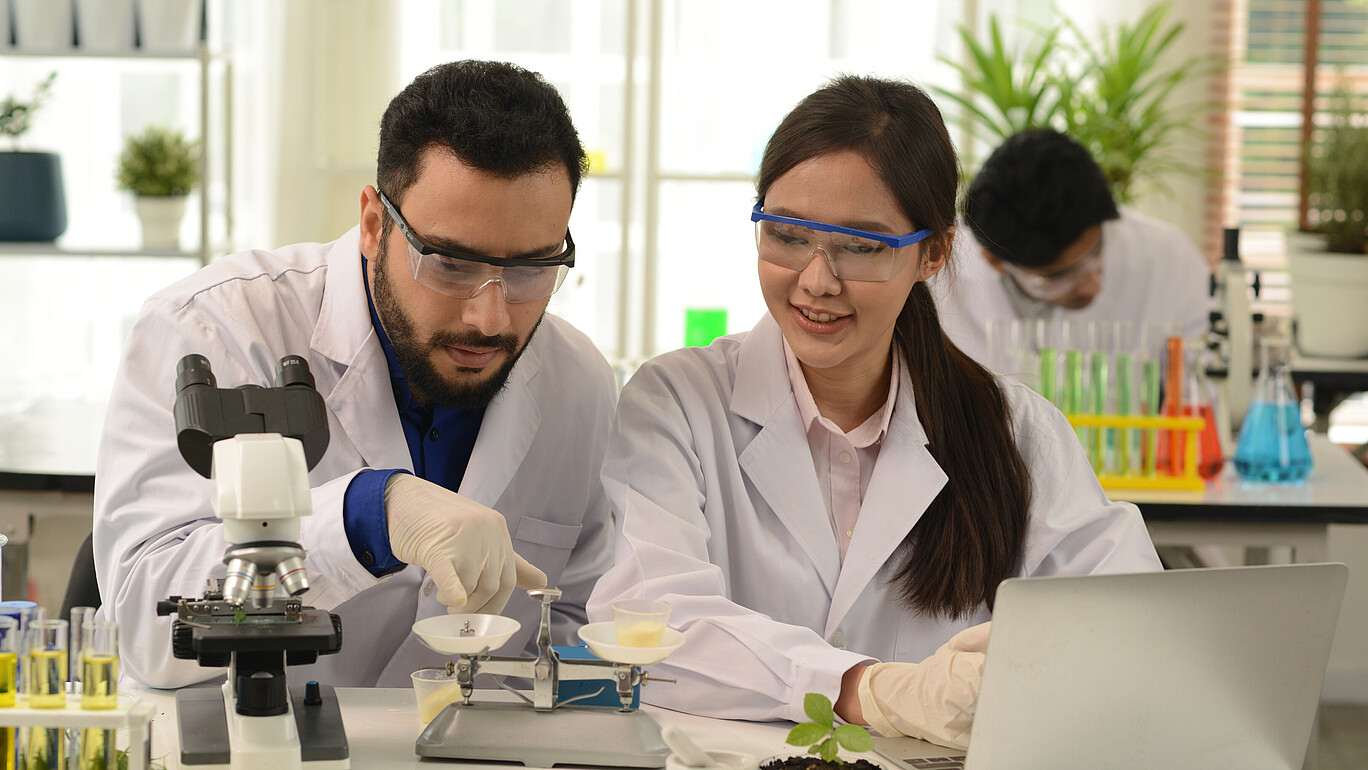
Process development
You optimize production steps such as coating, etching or lithography. You analyze parameter windows, increase yields and ensure stable production processes in the semiconductor industry.

Quality management
You will plan testing protocols and ensure quality standards in cleanroom manufacturing. You will conduct measurement series, evaluate results, and assist with internal and external audits.
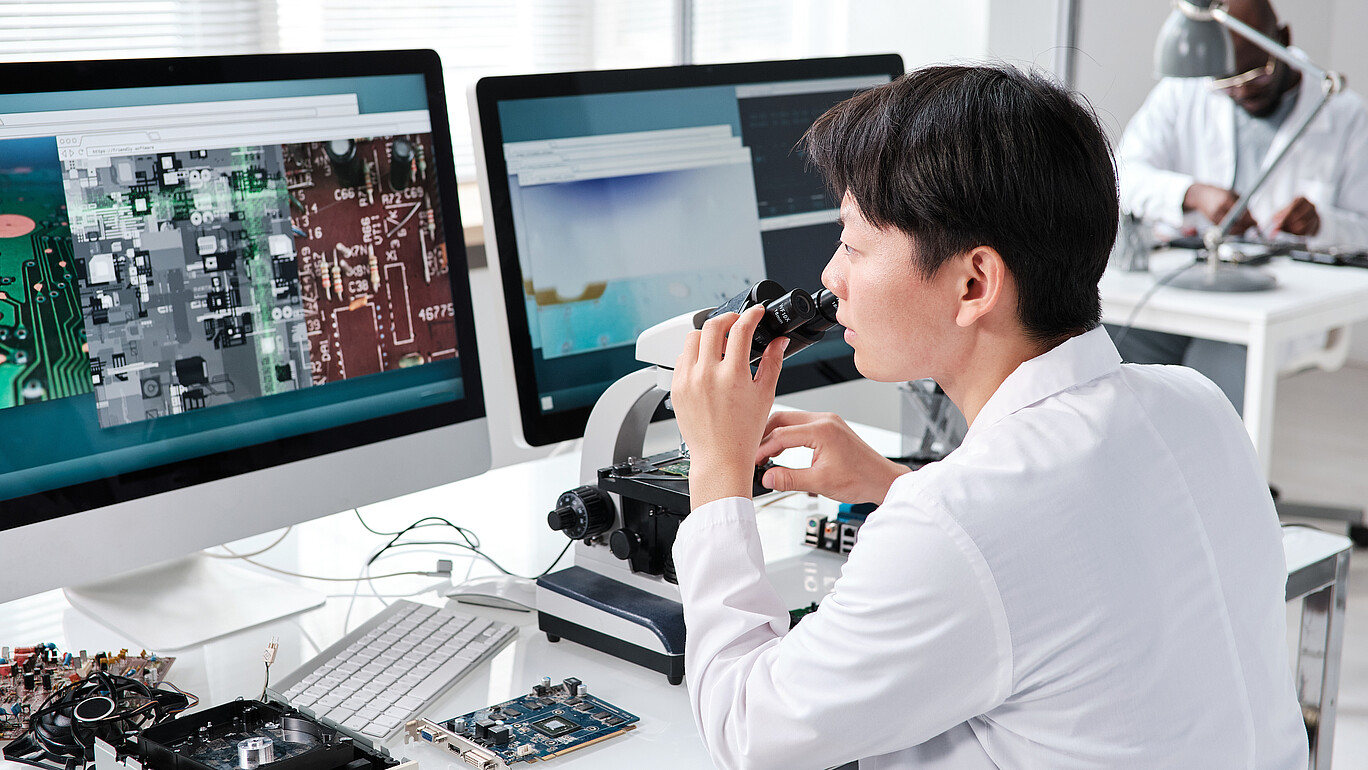
Material analysis
You characterize materials using methods such as spectroscopy, electron microscopy or atomic force microscopy. You interpret measurement data and support the development of new materials.
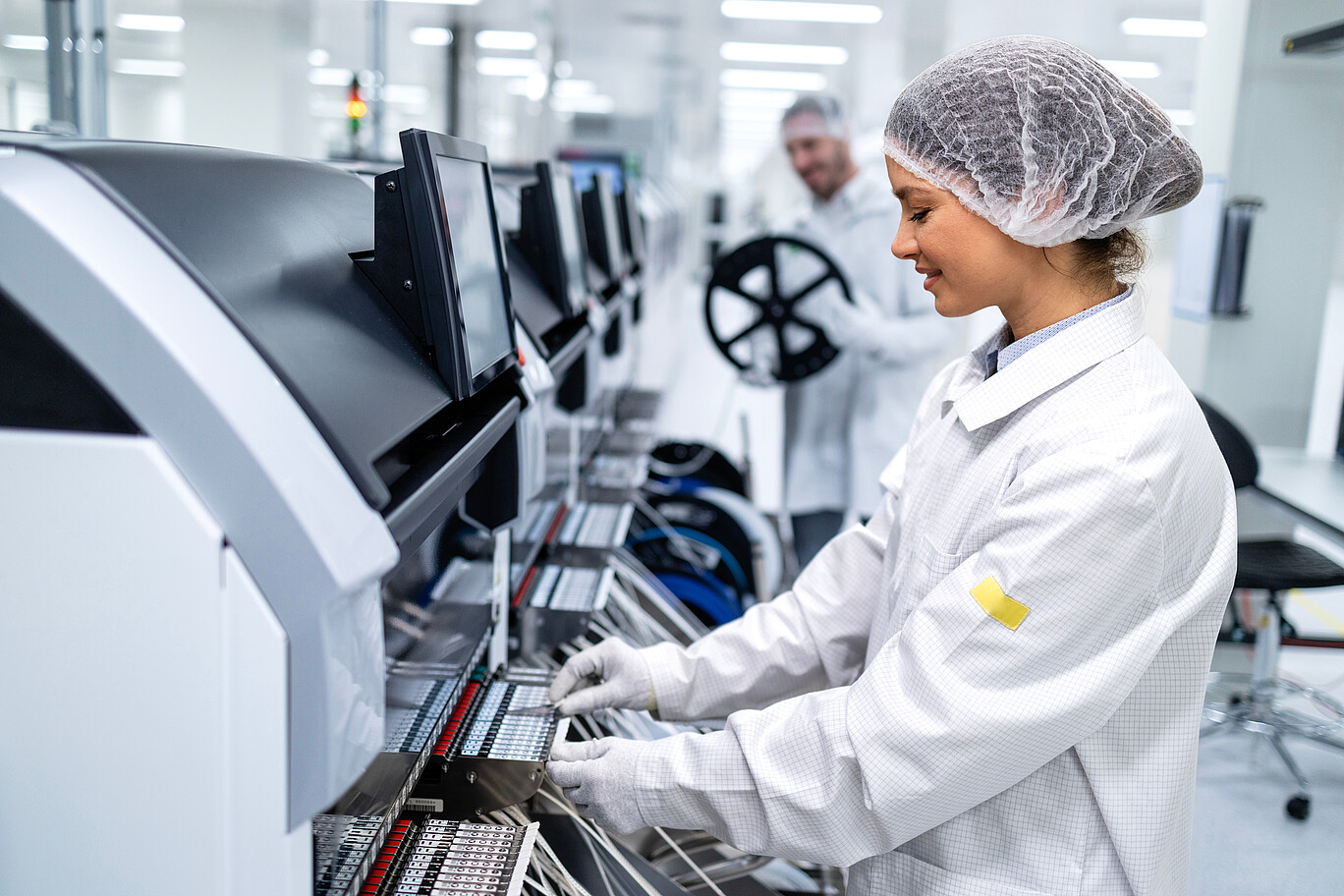
Yield Engineering
You analyze defects throughout the process chain and identify their causes. You develop corrective actions and contribute to the continuous improvement of production yield.

Plant Engineering
You commission production facilities and optimize process recipes. You train teams, assist with the implementation of new technologies, and work closely with equipment manufacturers.
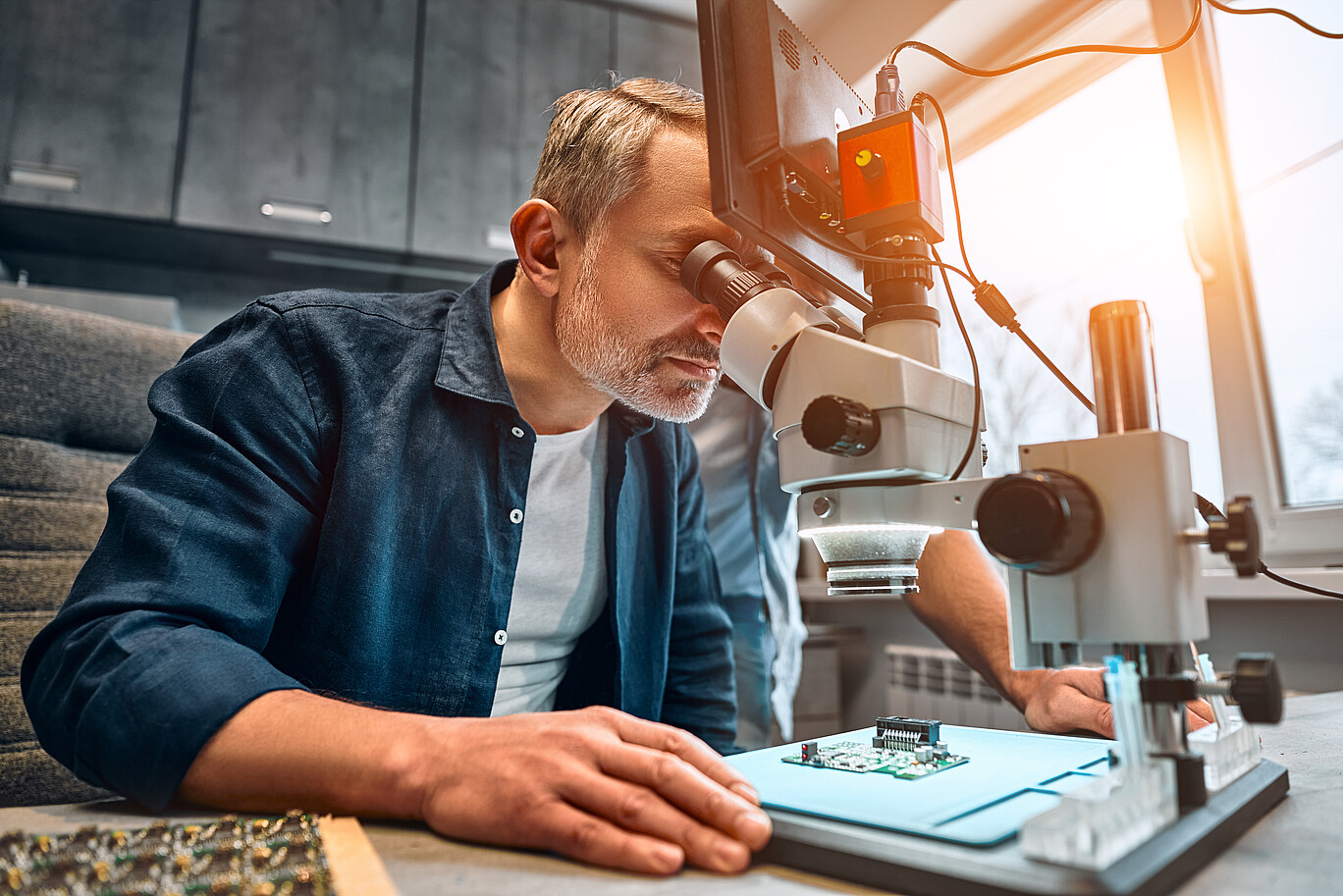
Process control
You link sensor and measurement data to create intelligent control loops. You develop dashboards, automate processes and drive the digital transformation in production.
You might also be interested in the following degree programmes
- Bachelor’s in Mechatronics for Manufacturing
- Bachelor's in Electrical Engineering
- Bachelor's in Electrical Engineering (Dual Program)
- Bachelor's in Molecular Biotechnology
- Bachelor’s in Green Engineering
Still not sure? If you have any questions, please contact our Student Advisory Service. We’re here to help you choose the right program.
Here's what our students say about our university
- Flyer about the KIA (sandwich-style) degree course
- Application Information
- Website of the Faculty of Electrical Engineering and Computer Science
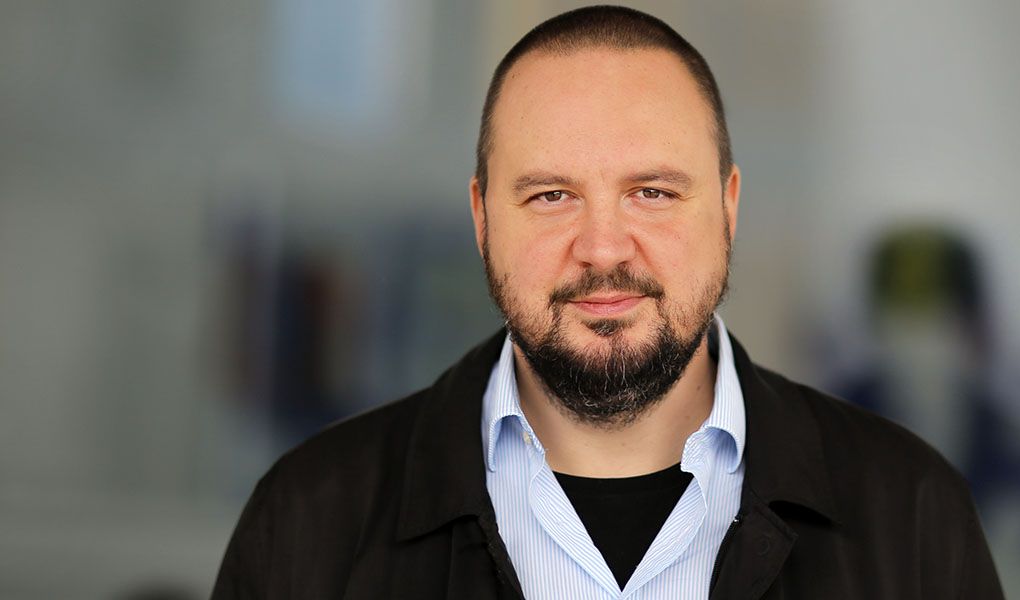
Your contact persons
1st floor
First floor
Starting now, we're also offering our Student Advisory Service via WhatsApp. Just send us a message at: +49 173 2086748
Our promise to you
Studying in the wild east?
Studying with us is different. Above all, better. Why? We have a family atmosphere. There are small study groups and the lecturers are always there for you. There is a close connection to practice in all degree courses. And finding affordable accommodation is no problem here.
There are many other reasons, such as university sports or the student representatives, clubs and societies. Campus life in Zittau and Görlitz, the wild east, is unique.