
Starting signal for CircEcon
A pilot project for a greenhouse gas-neutral circular economy—the first of its kind in Europe—is taking shape in Lausitz
Joint Press Release
Chemnitz University of Technology, Dresden University of Technology, Freiberg University of Mining and Technology, Zittau/Görlitz University of Applied Sciences
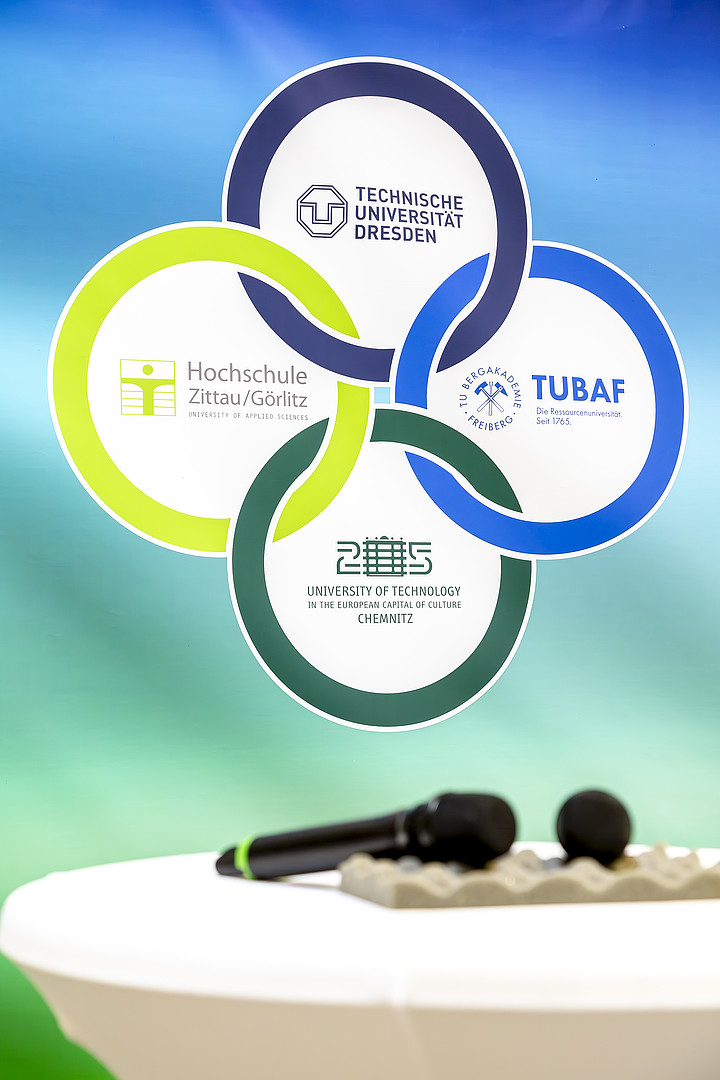
The three technical universities in Chemnitz, Dresden, and Freiberg, as well as Zittau/Görlitz University of Applied Sciences, signed a cooperation agreement to jointly establish the “Green Circular Economy” (CircEcon) research campus, which is funded with over 108 million euros
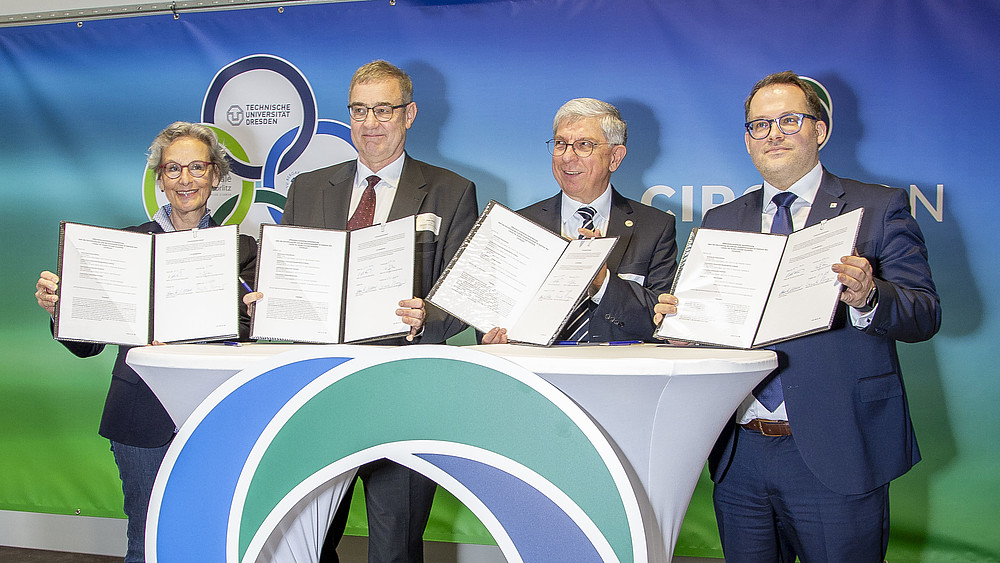
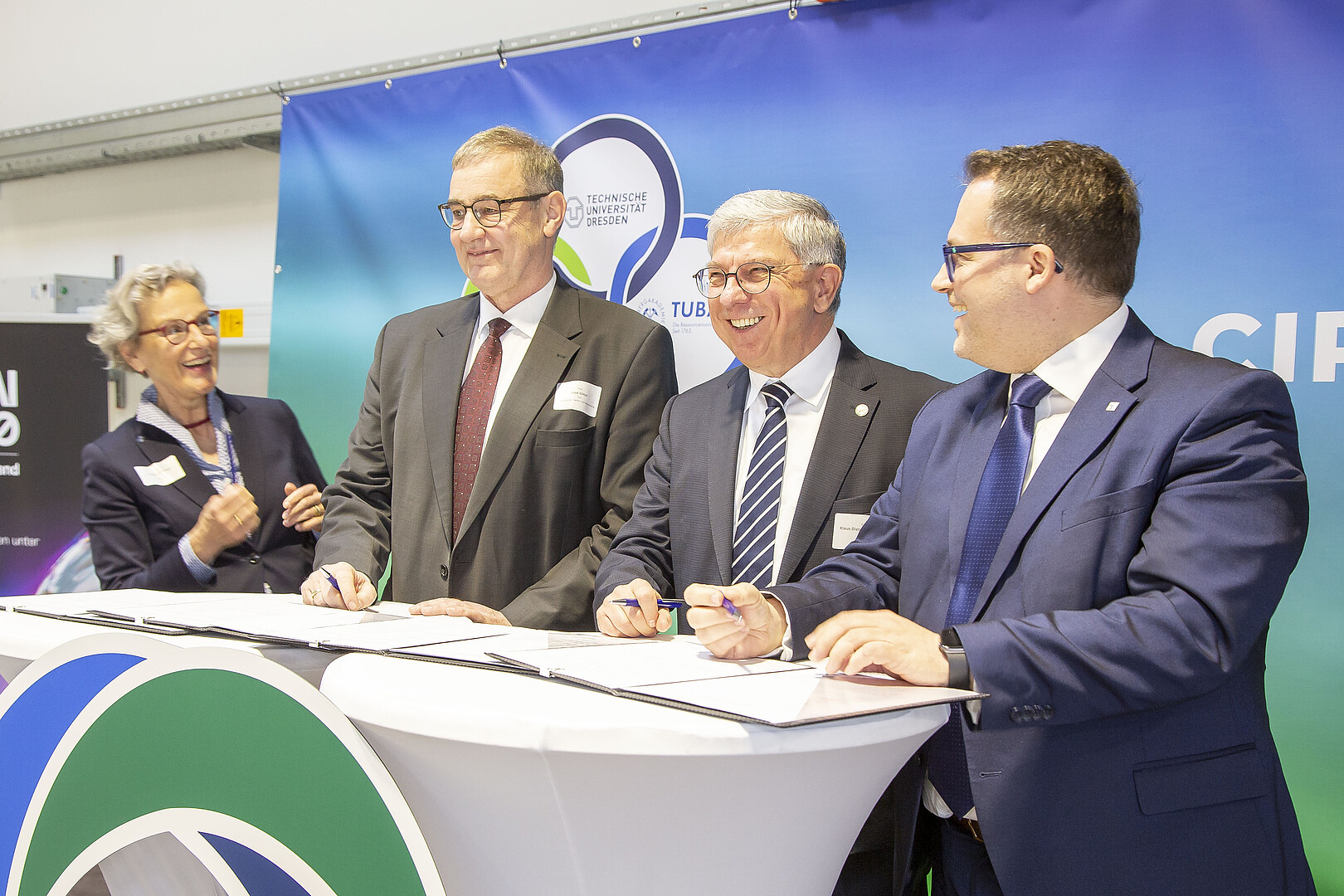
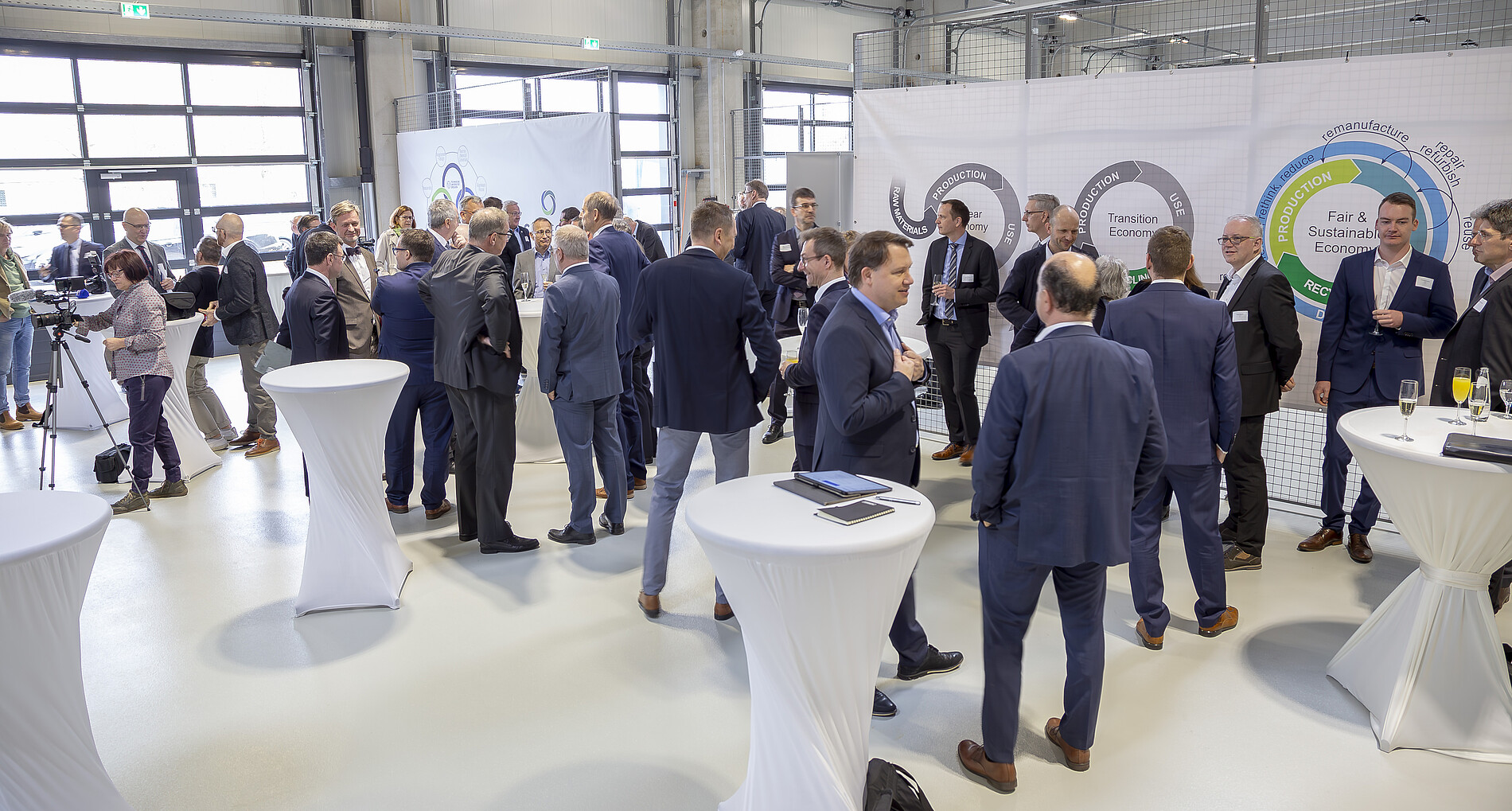
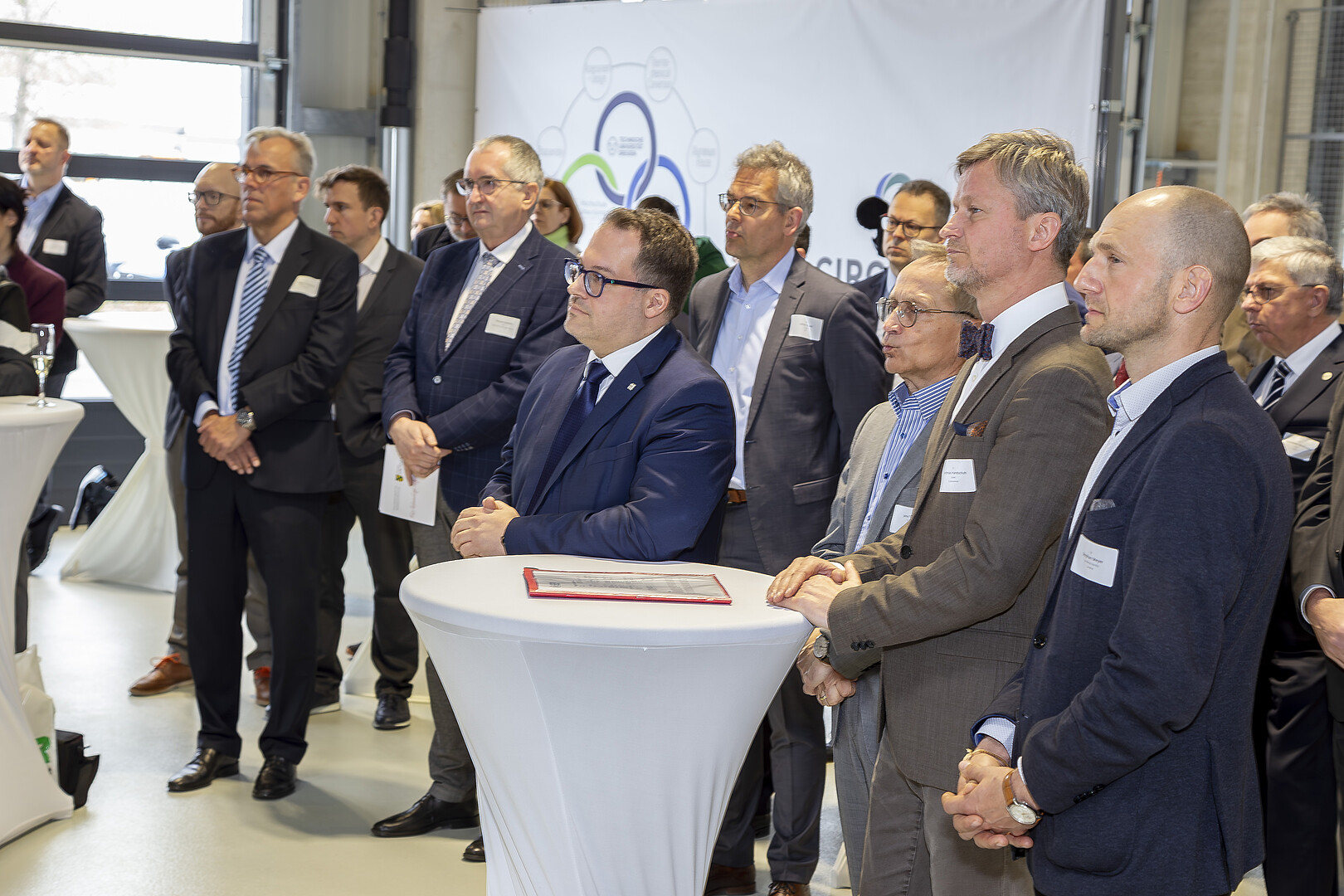
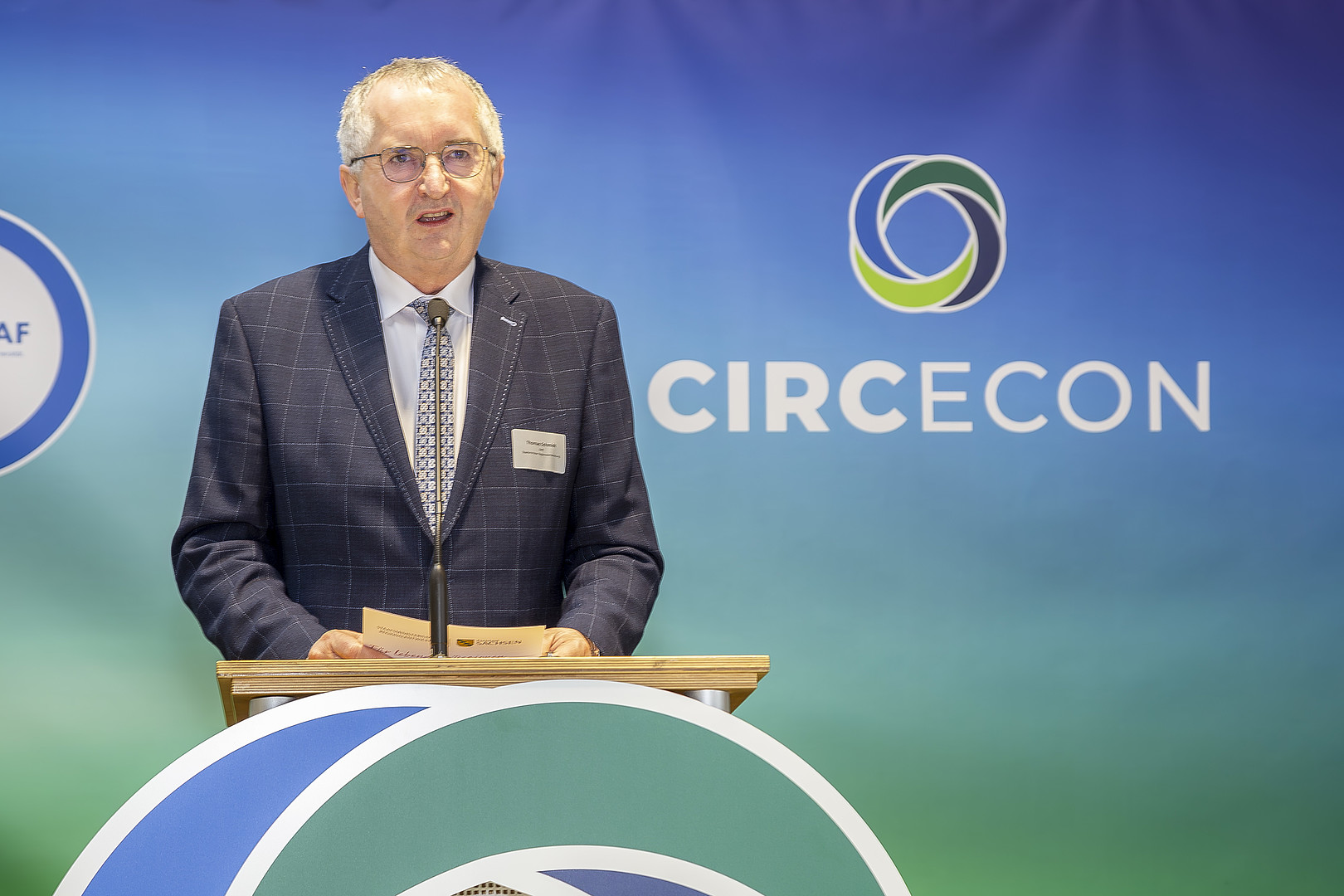
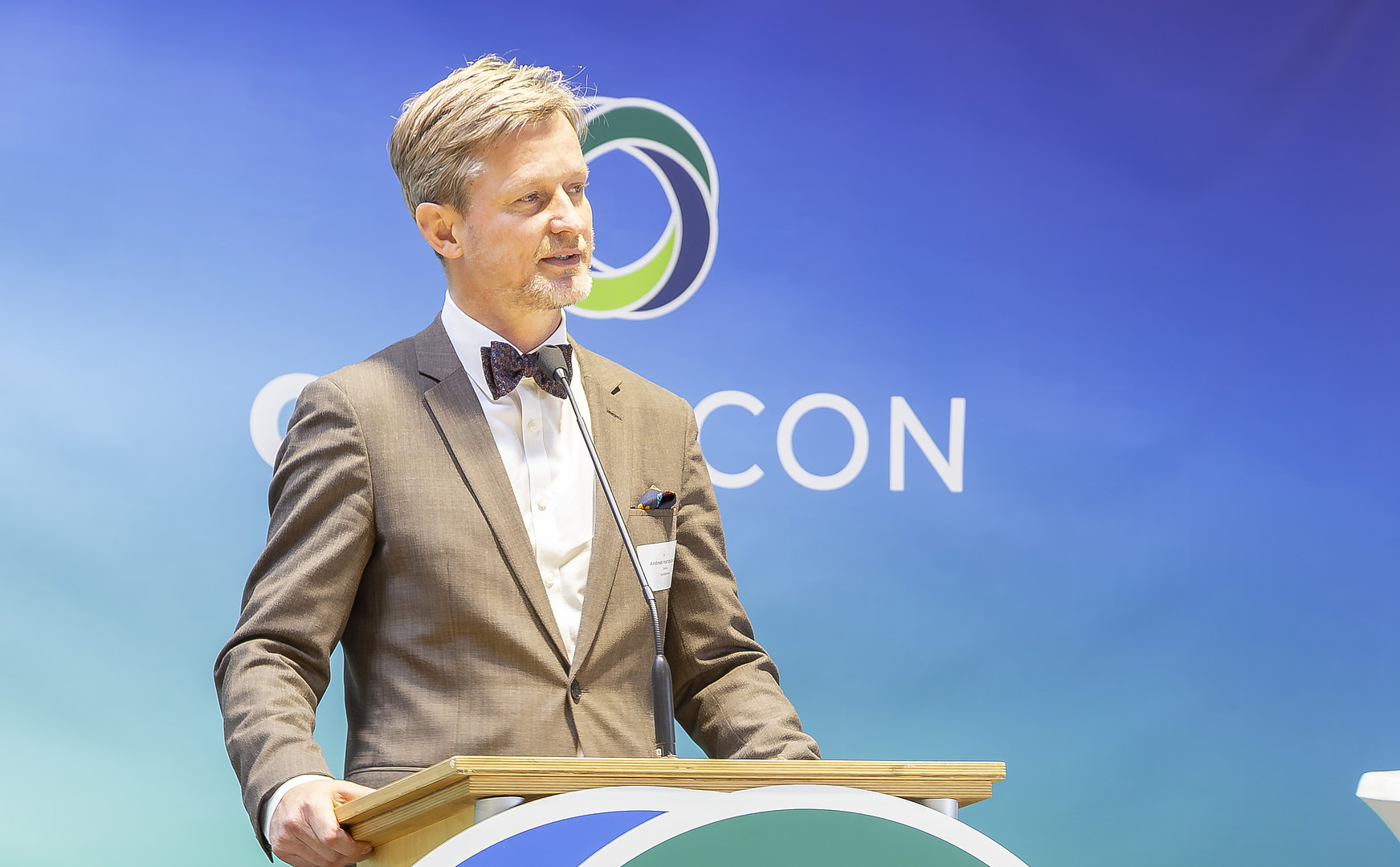
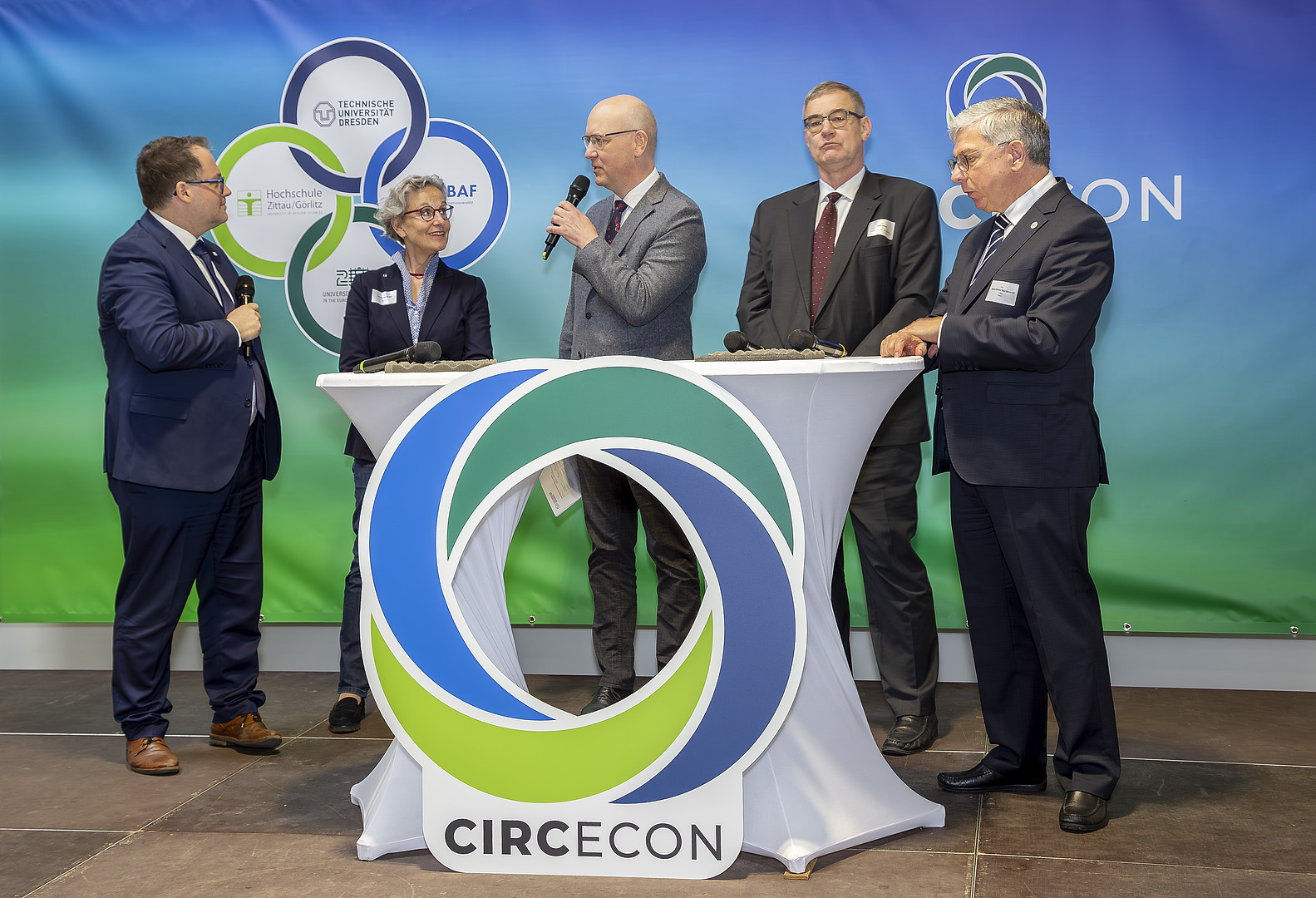
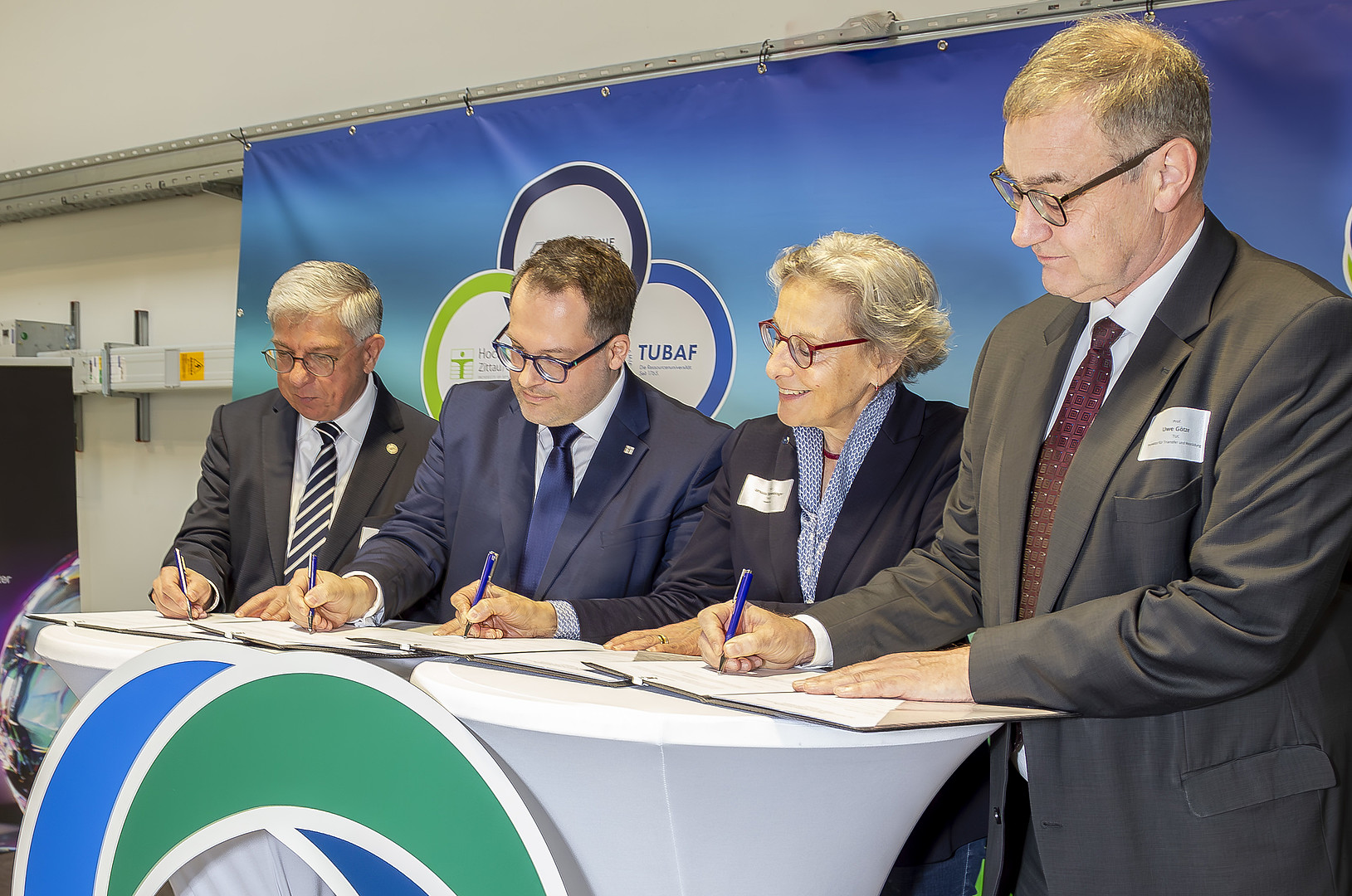
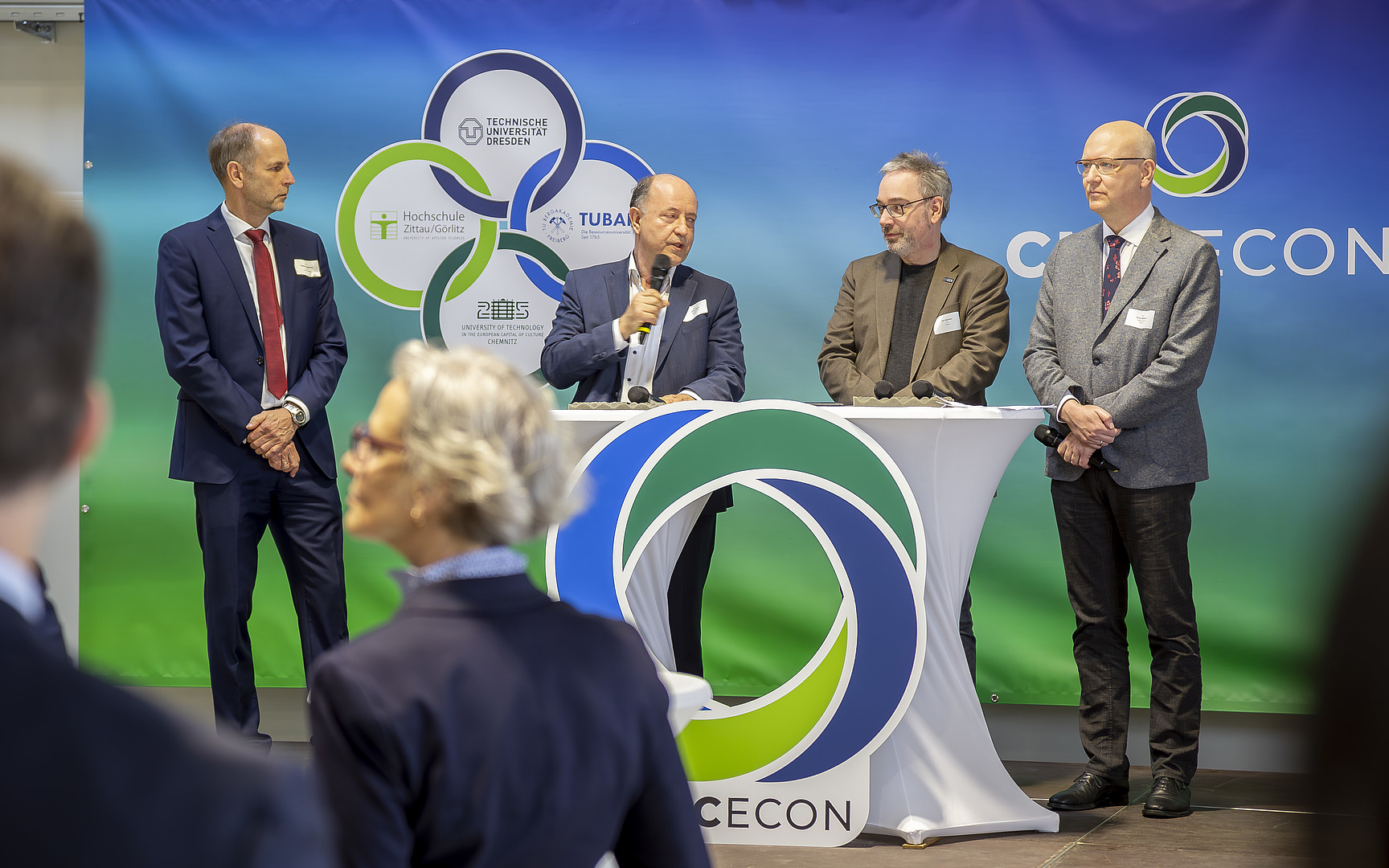
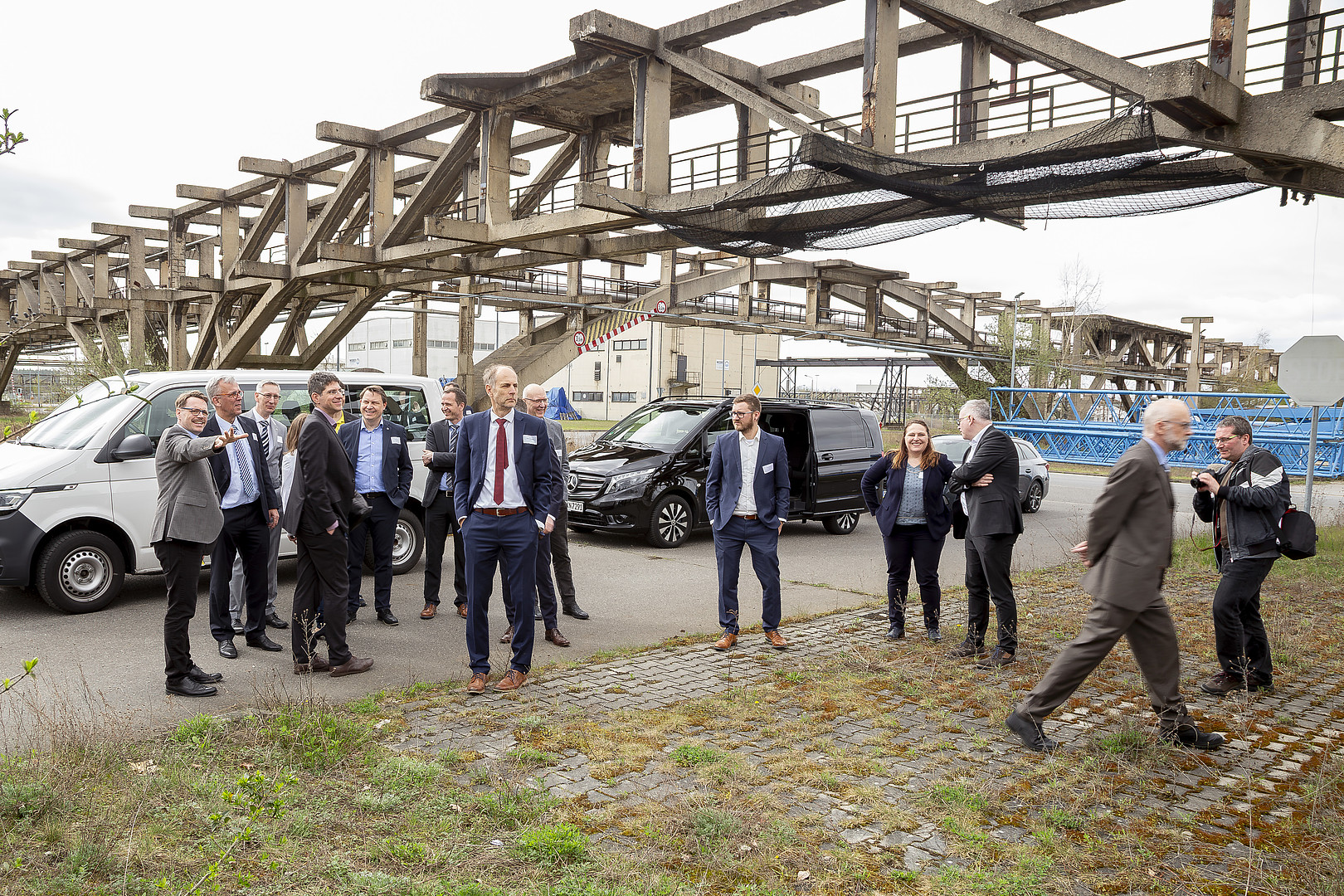
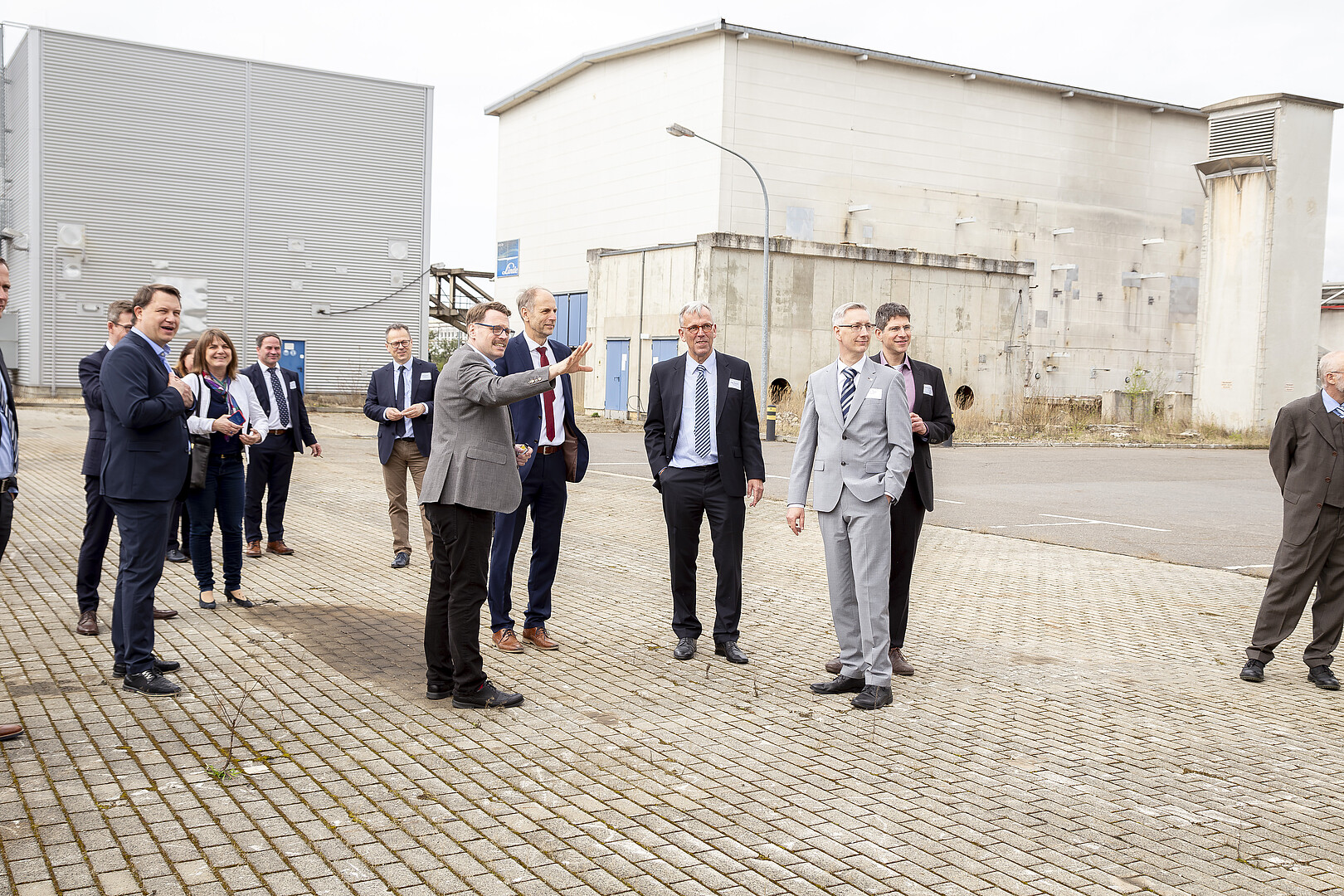
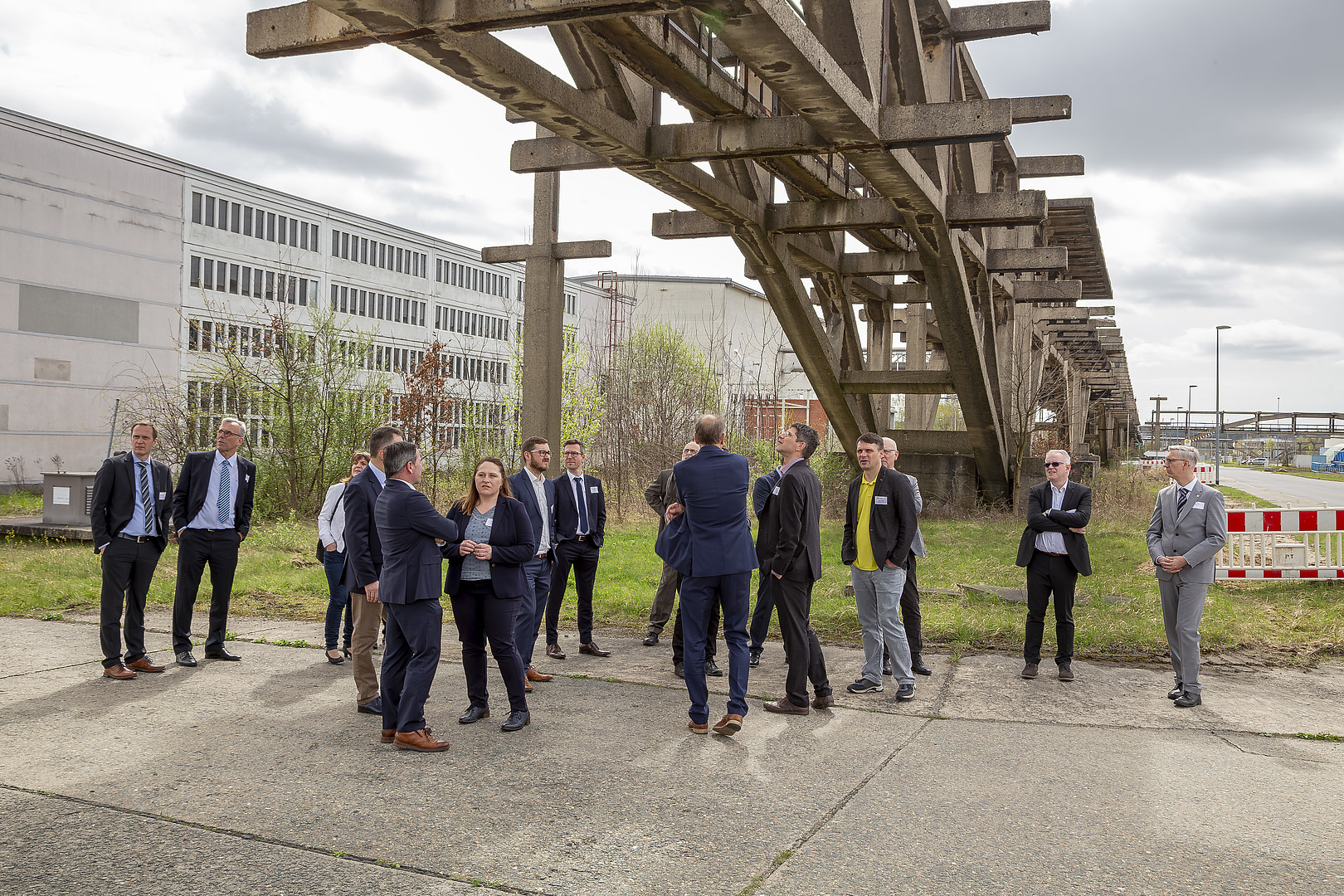
On April 5, 2024, Prof. Ursula Staudinger, Rector of the Technical University of Dresden (TUD), Prof. Uwe Götze, Prorector for Transfer and Continuing Education at Chemnitz University of Technology (TUC), Prof. Klaus-Dieter Barbknecht, Rector of the Technical University Bergakademie Freiberg (TUBAF), and the Rector of the University of Applied Sciences Zittau/Görlitz (HSZG)—Prof. Alexander Kratzsch—signed a cooperation agreement at the Schwarze Pumpe Industrial Park near Spremberg to establish the “Green Circular Economy” (CircEcon) research campus, the first of its kind in Europe dedicated to a greenhouse gas-neutral circular economy. The signing took place in the presence of Thomas Schmidt, Saxon Minister of State for Regional Development, and Dr. Andreas Handschuh, State Secretary in the Saxon State Ministry of Science, Culture, and Tourism.
Through joint pilot lines, test facilities, and demonstration systems, the participants are pooling their expertise in the fields of materialsand production technologies as well as process and recycling engineering to develop forward-looking technologies for the circular economy on an industrial scale , thereby fostering the creation of new jobs through business relocations and spin-offs in the region.
“CircEcon” is scheduled to begin operations at the end of 2026. By then, the federal government and the Free State of Saxony will have invested approximately 108 million euros. Of this amount, about 48 million euros will go toward the construction of the center, and approximately 60 million euros will be allocated for equipment and pilot plants.
Prof. Ursula Staudinger, Rector of TUD:
“By signing this agreement today, we are laying the foundation for a unique collaboration among the three technical universities in Saxony and the Zittau/Görlitz University of Applied Sciences in the highly innovative field of the circular economy, thereby making a valuable contribution to successful structural change. Through CircEcon, we will jointly establish a technology network—unique in Europe—at the Schwarze Pumpe Industrial Park to develop new materials and production technologies as well as process and recycling techniques. TU Dresden is very pleased to coordinate the construction efforts in close collaboration with its partner universities and on behalf of the state-owned enterprise Sächsisches Immobilien- und Baumanagement. In the research center currently under construction, we will test the closed-loop process from component manufacturing to complete recycling and reuse. In this way, Lausitz will become an internationally recognized technology region in the field of the circular economy—a win-win situation that opens up prospects for new jobs and dynamic development in the region, while also enabling research and technology transfer to gain new insights and foster new forms of collaboration in the field of the circular economy.”
Prof. Uwe Götze, Prorector for Knowledge Transfer and Continuing Education at TUC:
“Chemnitz University of Technology (TUC) is deliberately pursuing a strategy of establishing branch campuses to promote its regional impact, presence, and visibility in the Free State of Saxony and to fulfill its economic and social responsibilities. CircEcon marks the launch of our university’s fourth branch campus—in this case, as a joint institution with three partner universities. Together with our partner universities, we aim to open new paths toward a highly efficient circular economy through our research activities on the future campus. Translating the insights gained into innovations will not only provide important impetus for climate protection but also make a significant contribution to regional development in Lausitz. We would like to thank the many people involved in this complex and forward-looking project for their valuable input and contributions—from the perspective of Chemnitz University of Technology, in particular Prof. Dr. Lothar Kroll and his team.”
Prof. Klaus-Dieter Barbknecht, Rector of TUBAF:
“The TU Bergakademie Freiberg is contributing its extensive expertise in the fields of processing technology, metallurgy, and materials technology to the project. The focus is on high-quality recycling of composite materials and lightweight metallic materials. With the large-scale pilot plants planned for CircEcon, we can develop innovative technologies from the initial concept through to production readiness. We are confident that this will actively support a sustainable transformation for the region and its economy.”
Prof. Alexander Kratzsch, Rector of HSZG:
“The signing of the cooperation agreement for the ‘Green Circular Economy’ project marks a very special moment for our Zittau/Görlitz University of Applied Sciences. With this pilot project—which is unique in Europe—we are boldly stepping together into the future of the circular economy. CircEcon will not only become a center of innovation for sustainable technologies but also a driving force for regional development and new jobs in our home region of Lausitz. It demonstrates the significant impact that universities of applied sciences can have, and that, together with strong partners, we can play a pioneering role in shaping a sustainable future.”
Due to the necessary phase-out of coal-fired power generation by 2038, the Lausitz region is in the midst of accelerated structural change. For the region and its people, this presents major challenges—but also significant opportunities to emerge from this transition even stronger. The Technical Universities of Chemnitz, Dresden, and Freiberg, along with the Zittau/Görlitz University of Applied Sciences, are contributing to this effort by pooling their expertise in the fields of materials and production technologies, as well as process and recycling engineering. “CircEcon” aims to establish a center—unique in Europe—for the research and development of new technologies for the recycling and reuse of materials such as fiber-reinforced composites from wind turbines.
Through joint pilot lines, test facilities, and demonstration systems, the project will—for the first time—drive the targeted integration of Saxony’s research expertise, develop innovative approaches to an efficient circular economy, and bring these to market maturity in collaboration with regional companies. Modern methods such as comprehensive digitization and artificial intelligence will be utilized for energy and resource management in order to realistically map the entire value chain —from raw material extraction and the processing of valuable materials and raw materials all the way to re-production—and to close it in a greenhouse gas-neutral manner at an industry-relevant scale.
Matthias Fejes
Dresden University of Technology
Press spokesperson
Tel.: +49 351 - 463 32882
E-mail: matthias.fejes@tu-dresden.de
You can find the English version of the press release here.
1st floor