
Innovative concepts for testing knowledge
Representatives of the HSZG presented teaching innovations at the e-Examination Symposium 2024 at the Technical University of Munich at the Garching Science Campus.
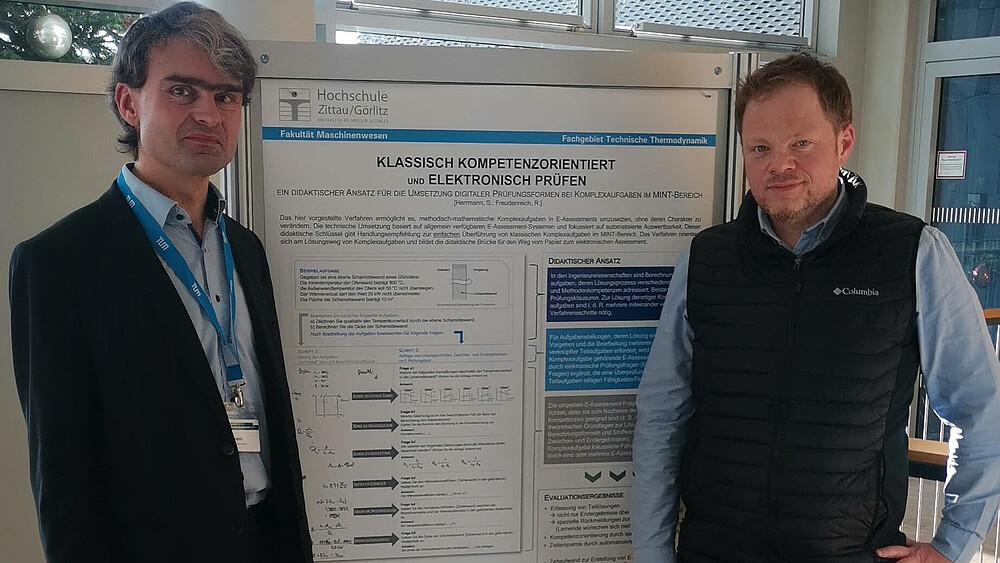
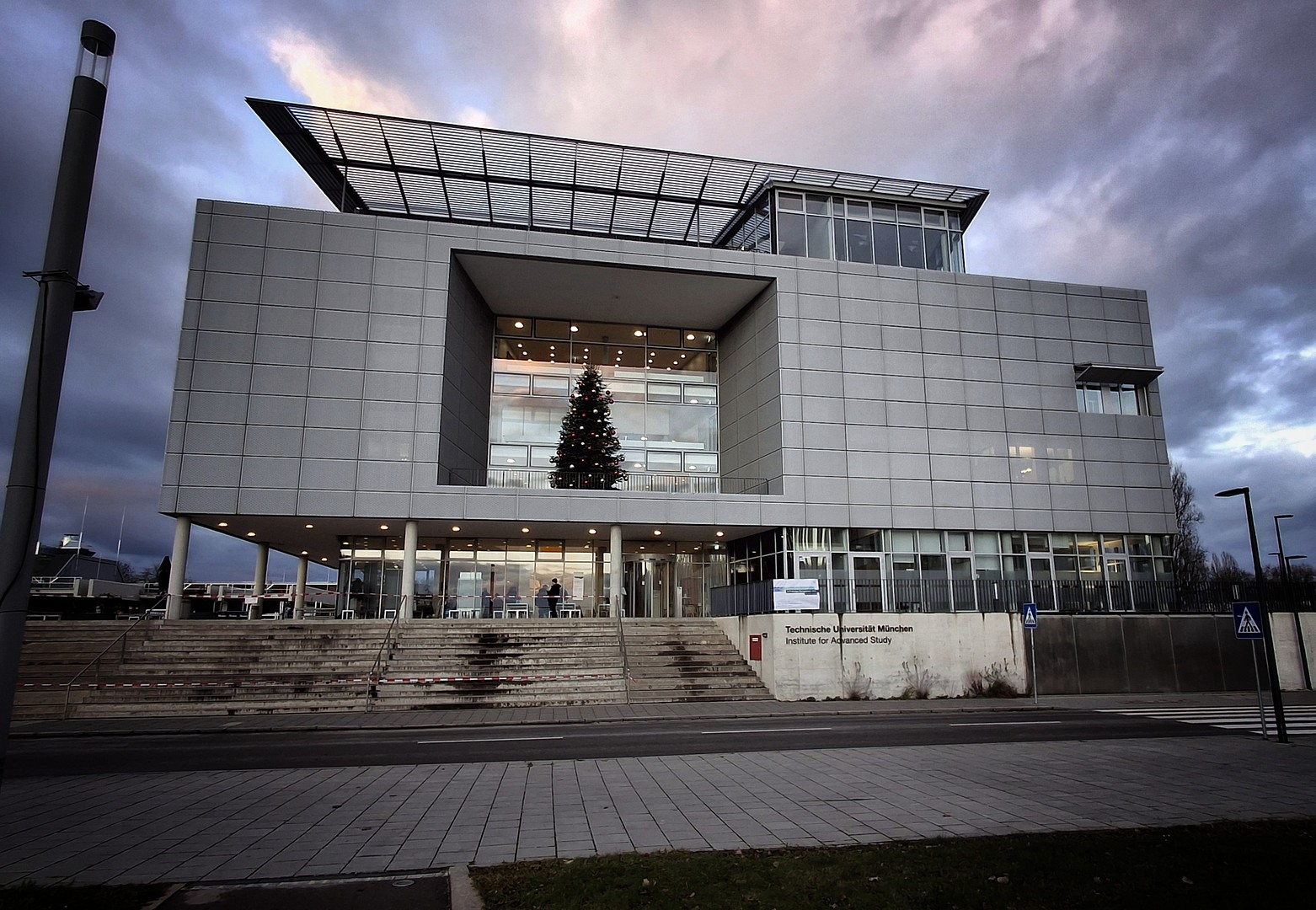
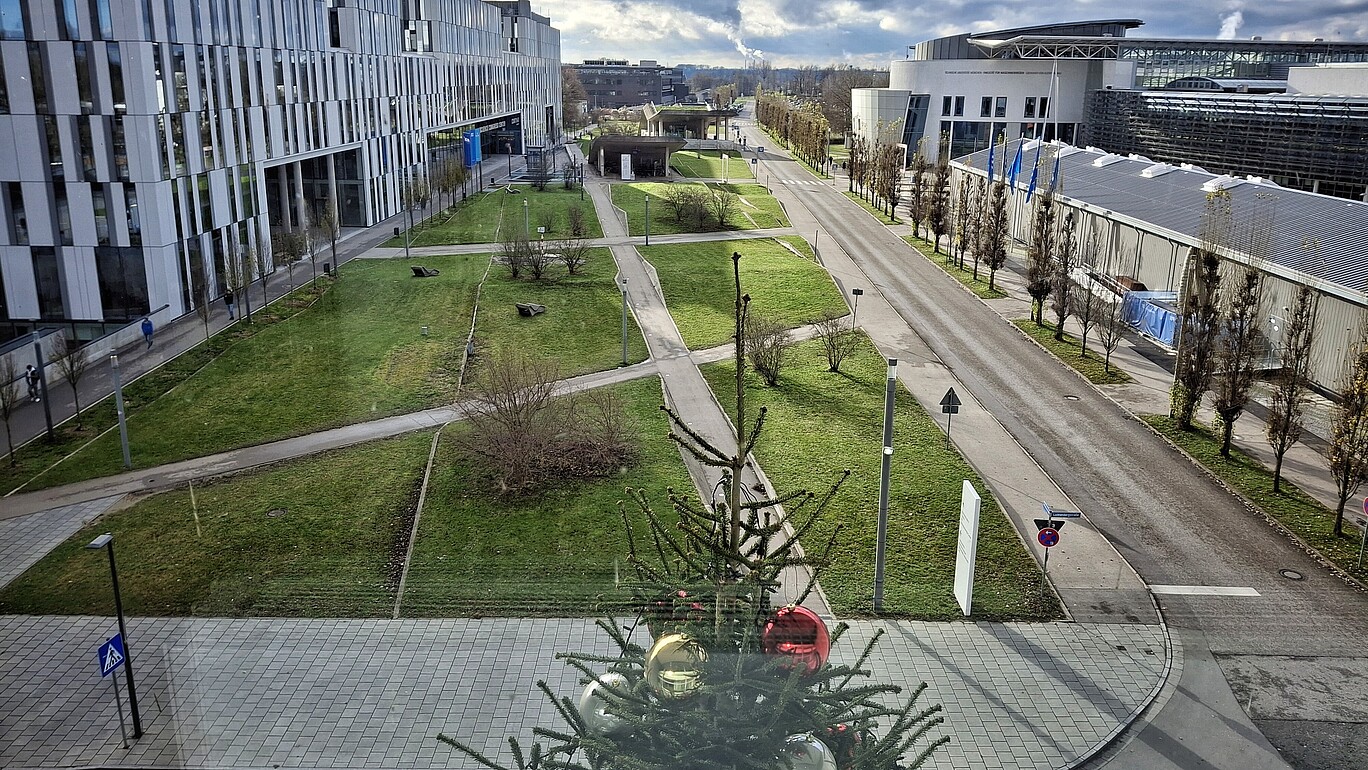
Following its launch in 2014, the e-Exam Symposium (ePS) took place for the eleventh time in 2024. From November 28 to November 29, 2024, the ProLehre | Media and Didactics Department at the “Institute for Lifelong Learning” and the Chair of Network Architectures and Services at the Technical University of Munich (TUM) to this prestigious conference to exchange ideas with colleagues on the topic of digital assessment.
The symposium, which serves as one of the most important platforms for e-learning experts, practitioners, and university administrators to discuss all aspects of e-assessment in the German-speaking world, was held under the theme“Paper or digital—in-person or remote: What’s the Right Mix?” and featured a diverse program of specialized presentations, posters, and moderated discussion panels for sharing experiences. The event focused on current challenges in the digitization of higher education teaching and assessment, as well as strategies for addressing them. The focus was on advancements in exam software, new approaches to creating online in-person exam rooms, and the innovative digital implementation of traditional exam formats. In addition, the effects of generative artificial intelligence on the administration of knowledge tests were discussed.
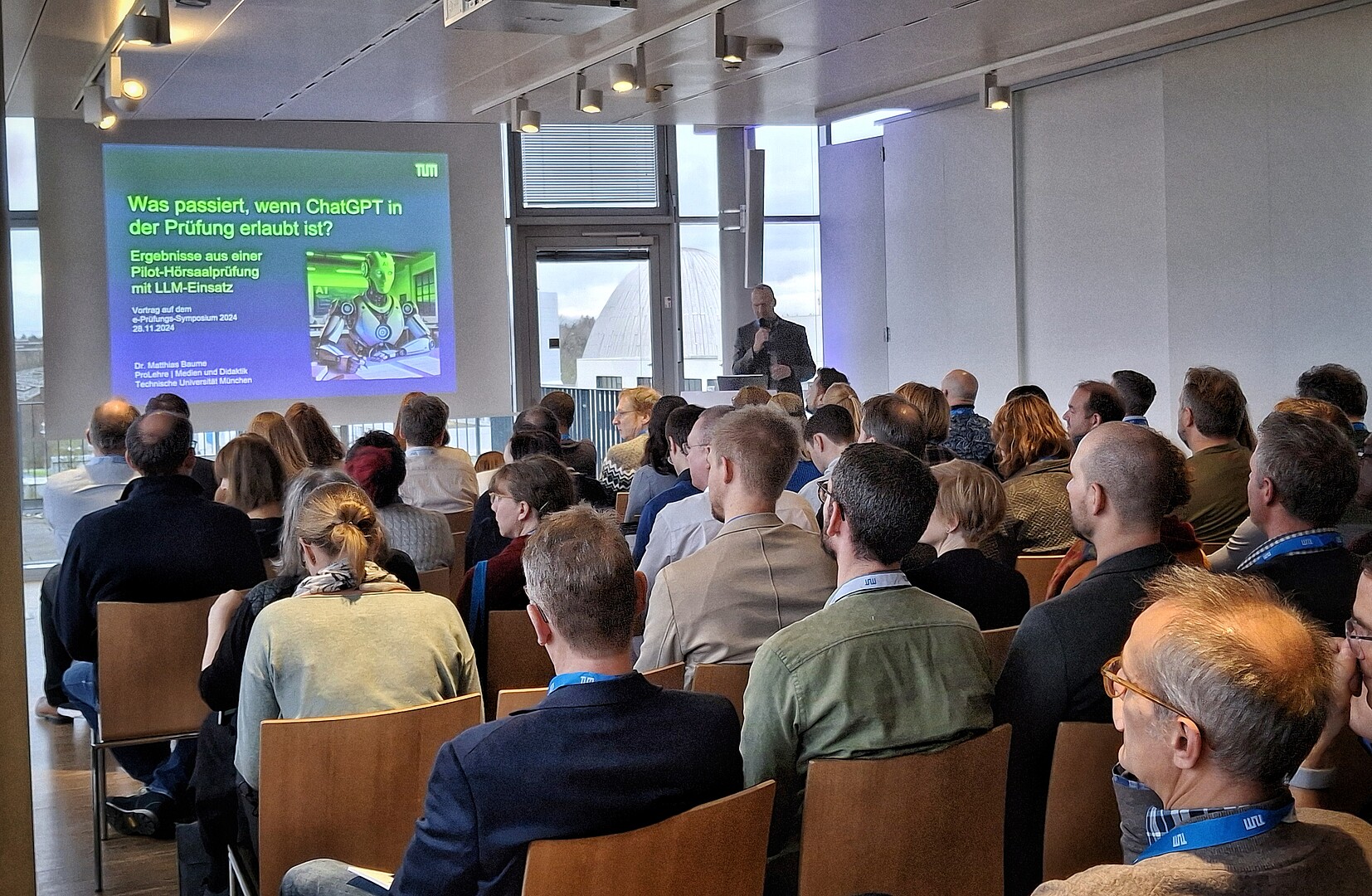
Ronny Freudenreich, M.A. (Centre for Knowledge Transfer and Education – Project D2C2) and Dr.-Ing. Sebastian Herrmann (Faculty of Mechanical Engineering) from the Zittau/Görlitz University of Applied Sciences presented a pedagogical approach to the use of digital assessment formats for multi-step complex tasks in STEM fields (link to the poster). This approach is the result of various SoTL projects dedicated to addressing the challenges engineering disciplines face in integrating electronic assessments (e-assessments). The goal is to systematically tap into the potential of digital formats for teaching and learning and to make digital assessment formats equivalent in terms of applicability in practice to analog exams, in order to assess the targeted competencies in a comparable manner and to adequately implement the mathematicallymethodological complex tasks—typical in the STEM field—to be adequately represented as e-assessments.
This so-called “thermoE” method, developed at the Faculty of Mechanical Engineering at Zittau University of Applied Sciences/Görlitz in collaboration with the Technical University of Dresden is a key didactic tool that provides recommendations for easily converting traditional (mathematical-methodological) paper-based complex problems into digital equivalents without fundamentally altering their nature. Through this competency-based approach, each skill targeted within the complex problem is assessed by one or more e-assessment questions. The methodological approach is based on the solution process of traditional complex problems and serves as a didactic bridge from paper-based to electronic assessment. The technical implementation utilizes widely available e-assessment systems and focuses on automated scoring.
As an instructor in the STEM fields, it is important to me that our students receive the best possible support during their studies. Electronic assessments, or “e-assessments,” can be very helpful in this regard because they evaluate subject knowledge in digital form and handle the grading right away.
”Sebastian Herrmann continues: "As a result, we were able to provide many formats using the OPAL learning management system with the integrated ONYX tool, which smartly and efficiently evaluate complex tasks without having to resort to complicated e-assessment procedures and programs. This supports the simple implementation of e-assessment offers and creates more time for supervising our students."
I am pleased to have had the opportunity to support the further development and implementation of thermoE as part of the D2C2 project. This extensively tested approach, which has now become an integral part of professional development programs in higher education pedagogy, forms the basis for a wide range of specific pedagogical applications that are now being used at various university locations. This has led to further developments that have improved the quality of exam questions and teaching-and-learning formats; we need to make these improvements even more visible and encourage exchange among faculty members so that everyone can benefit from their colleagues’ experiences.
”
Paul Plankenbichler of the TU Bergakademie Freiberg also emphasizes the importance of events like this: “I’m delighted to see how everyone involved—regardless of the type or size of their university, their state, their academic discipline, or their role—benefits from this exchange, because universities often find themselves following similar paths independently of one another. Digital assessment and the integration of AI into teaching are extremely important pillars of modern higher education that need to be further developed. The diverse experience reports, as well as the occasional well-intentioned critical comment, provide valuable insights, and useful contacts often develop that allow us to continue working together on challenges. In many cases, it becomes clear that the pace of progress scales directly with available resources. Small universities often find it significantly more difficult to implement concepts on a large scale. Nevertheless, these very institutions are particularly valuable for other universities facing similar circumstances. It is important to note, however, that what works at TUM does not necessarily help other universities in the same way. Everyone agrees on one thing: designing specific measures and ensuring targeted knowledge transfer requires appropriate staff and one or more digitalization workshops modeled after the “Digital Workspaces” of the “Digital Higher Education in Saxony” (DHS) project."
First floor
First floor