
A highlight in the semester schedule
The cross-faculty / trans-faculty semester field trip organized by the Faculty of Natural and Environmental Sciences and Mechanical Engineering covered a wide range of subjects across all departments.
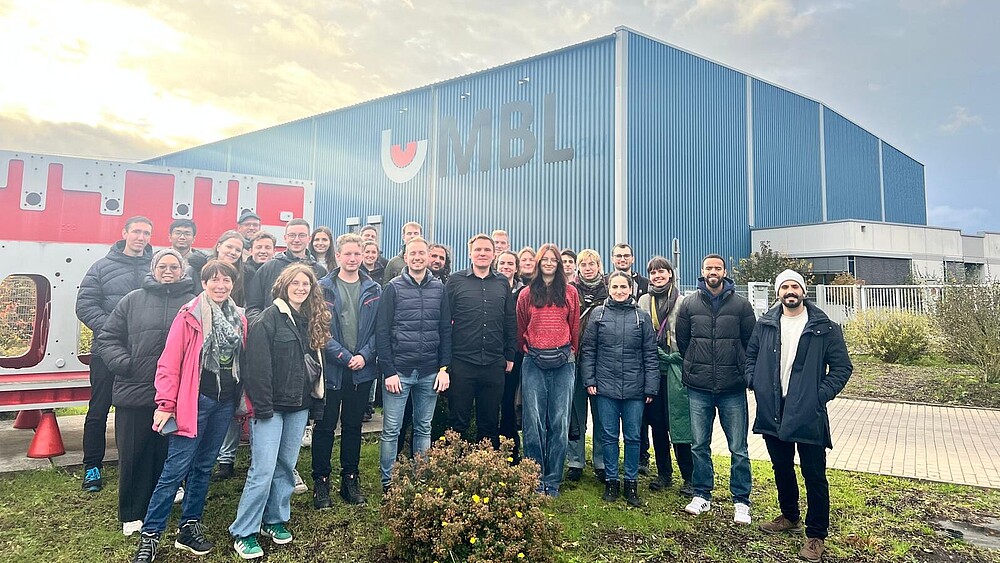
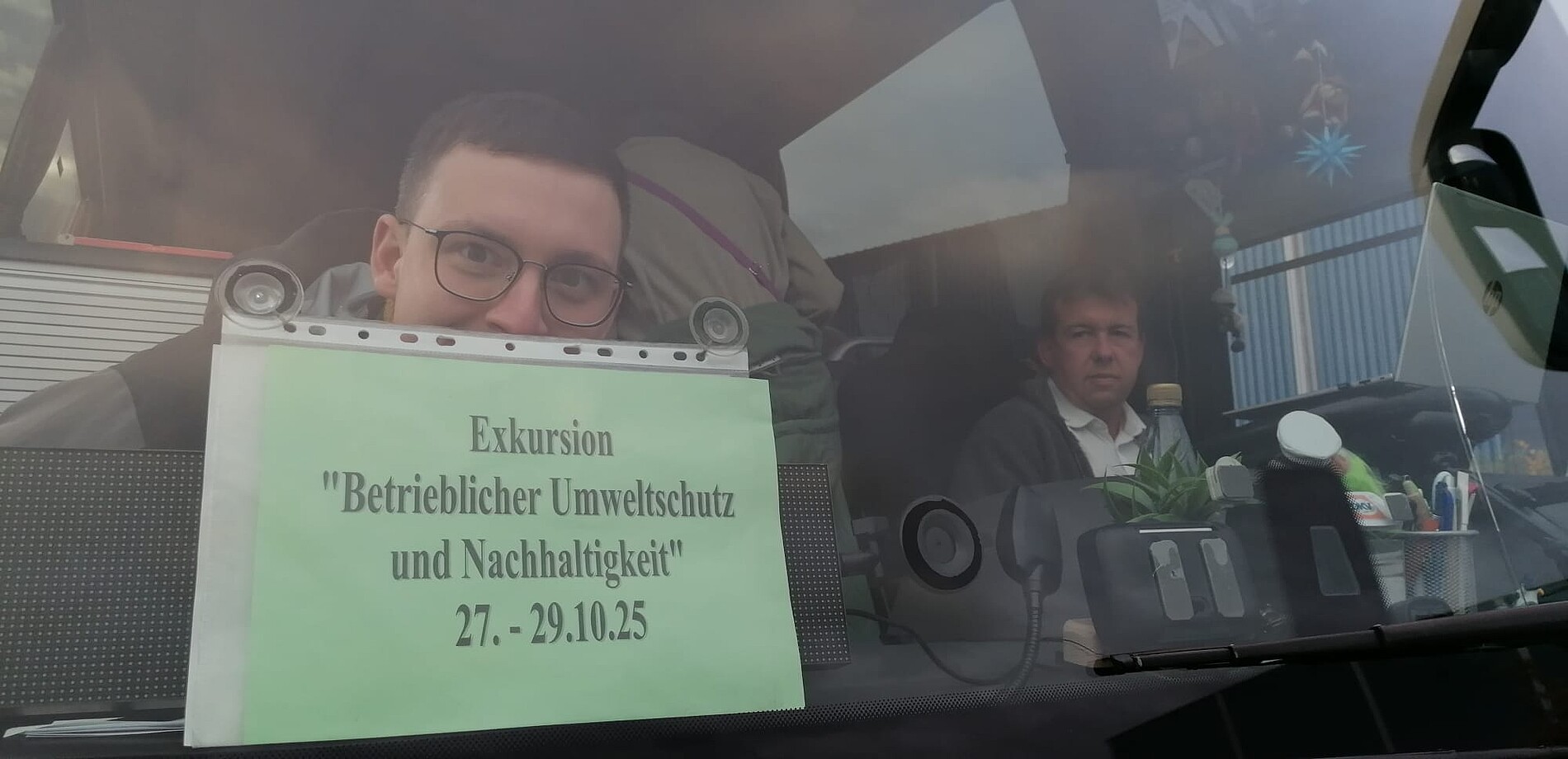
This year, we once again organized a joint semester field trip with students from the bachelor’s degree programmes in “Ecology and Environmental Protection” and “Green Engineering,” the Diplom and KIA degree programmes in “Mechanical Engineering,” and the master’s programme in “integrated management systems.” This time, the excursion offered a broad overview across all departments, ranging from production-integrated environmental protection to energy and Quality management, and on to high-precision mechanical and plant engineering.
Over the course of three days, we visited exciting companies that are directly or indirectly linked within the value chain. The raw materials industry, for example, supplies steel to companies in Mechanical Engineering, where it is further processed or refined. Mechanical Engineering develops and manufactures production equipment, tools, and technical components for, among others, food and animal feed production, as well as for companies in precision engineering such as medical technology. Manufacturing companies form the core of the value-added network. Through their specific requirements for materials, machinery, and processes, they drive innovation along the entire chain. At the same time, they provide important impetus for more efficient and sustainable processes—for example, through optimized production workflows, the recycling of residual materials, or reduced energy consumption. In this way, they significantly shape both their suppliers and downstream applications. As locations and infrastructure platforms for manufacturing companies, industrial parks perform important functions such as energy supply, waste management, and logistics.
All sectors benefit indirectly from innovations in other sectors. For example, good steel quality enables higher rates of lightweight construction in Mechanical Engineering, which in turn leads to equipment and production technology being designed to operate more energy- and resource-efficiently overall.
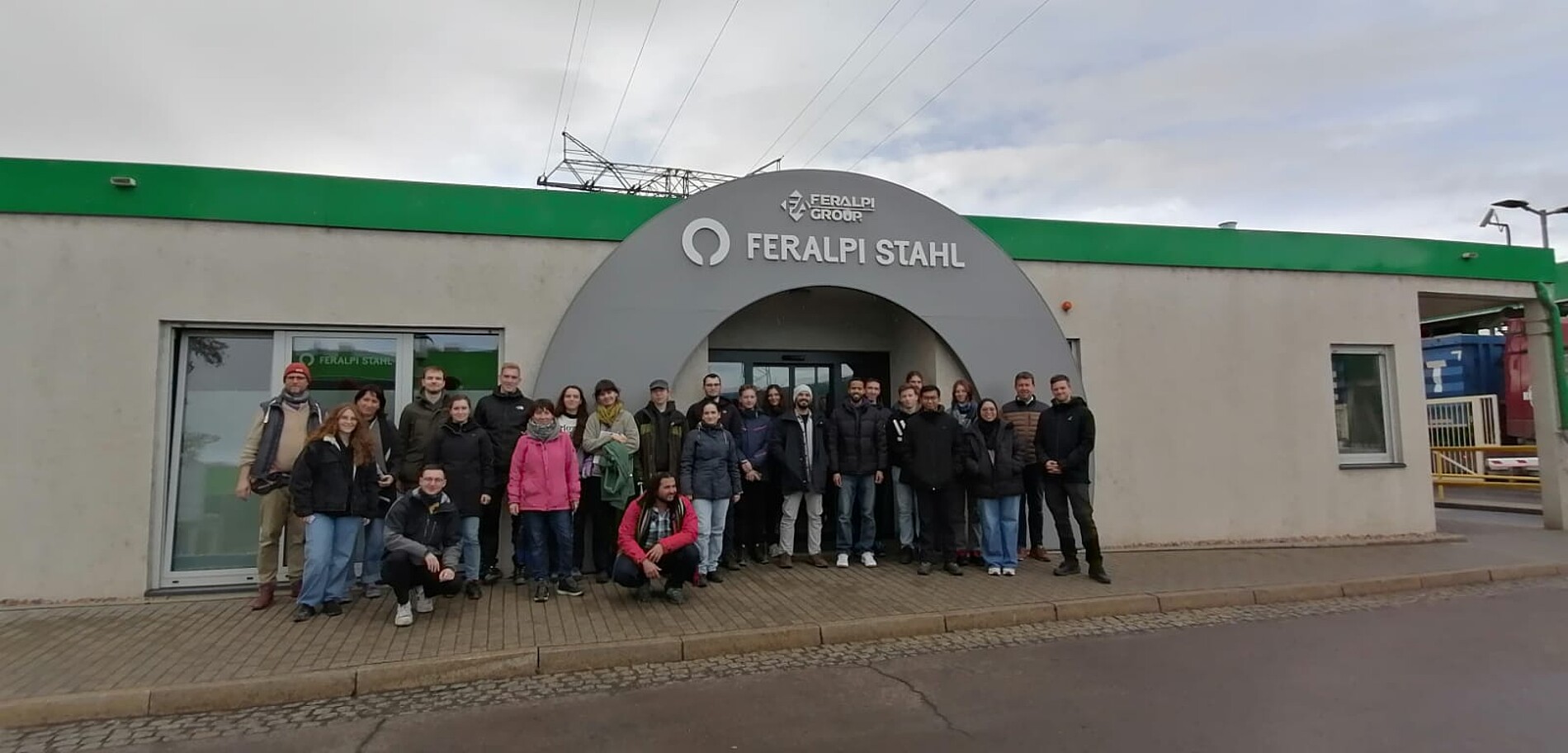
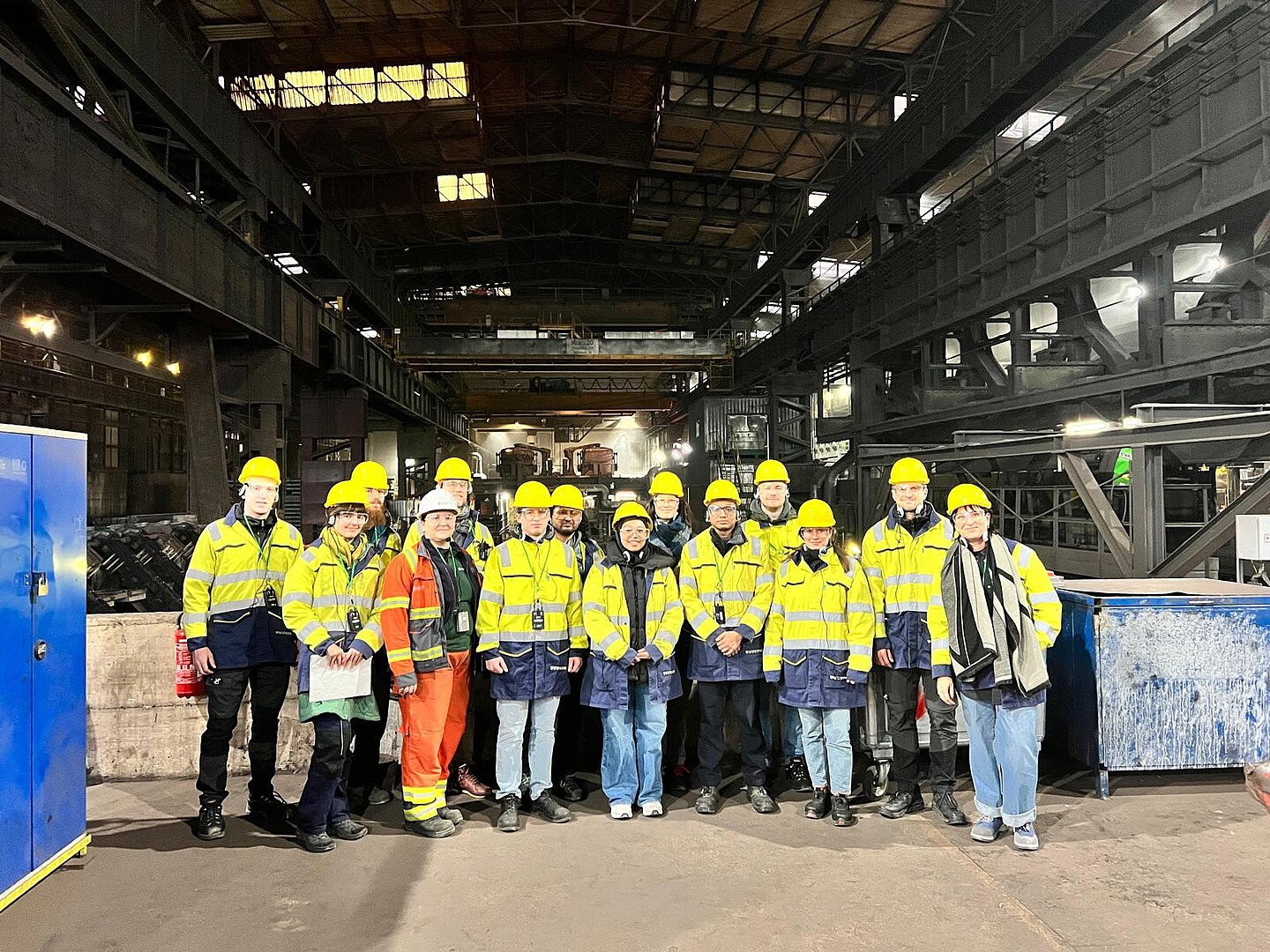
ESF Elbe-Stahlwerke Feralpi, which—with its rolling mill set to open in the spring of 2025 and equipped with an innovative inductive furnace system—will be able to process steel immediately after casting and thus produce it in a particularly climate-friendly manner, is a true pioneer of green steel in Germany. (Feralpi STAHL | Feralpi Stahl).
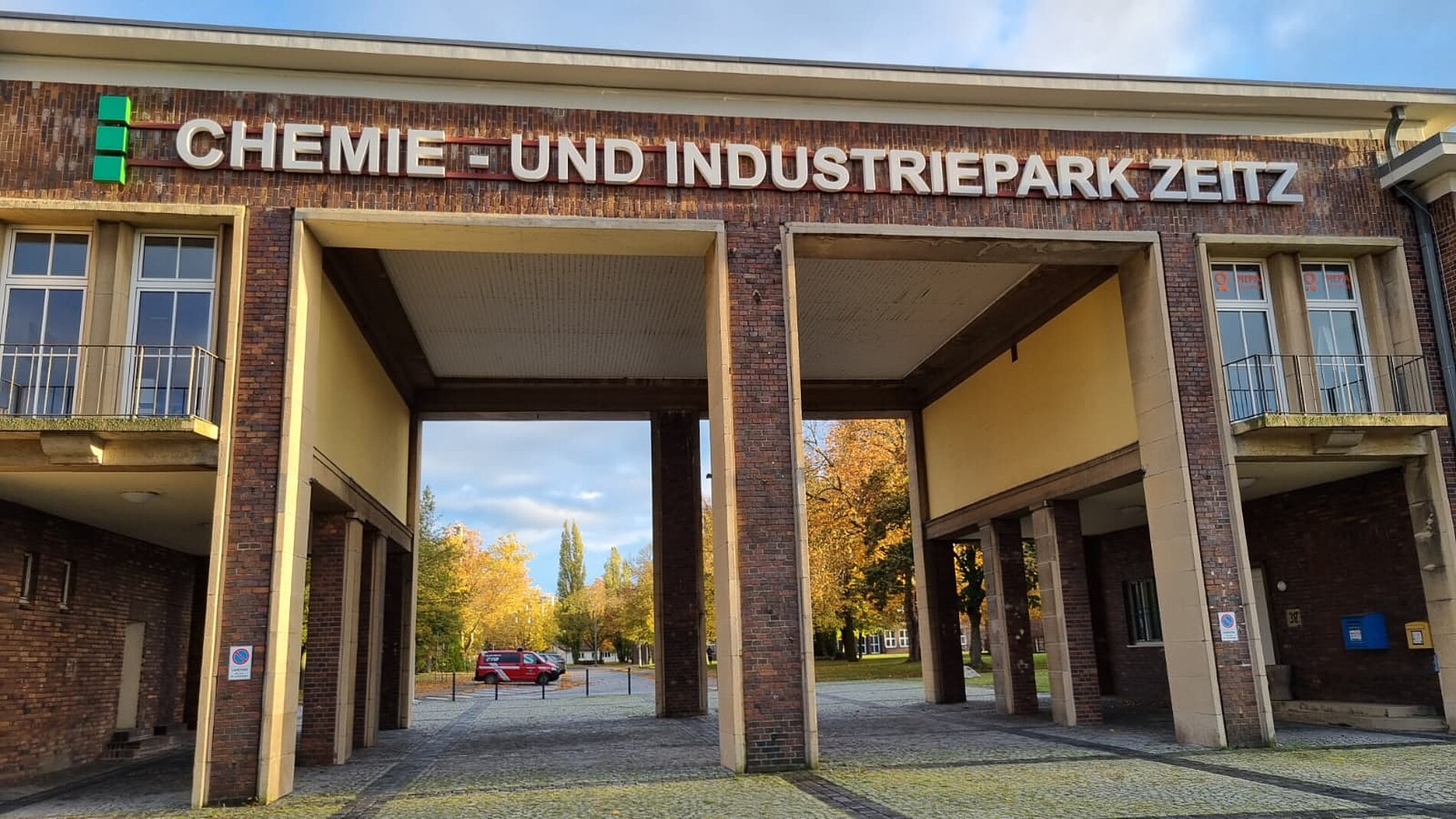
The Zeitz Chemical and Industrial Park (Industriepark Zeitz), which supports companies and projects focused on sustainable, circular, and “green” chemistry by bringing together the right projects and infrastructure in a single location.
The startup FRED & FELIA (FRED & FELIA – Premium Wet Food for Dogs & Cats), which develops high-quality, healthy, and vegan pet food for dogs and cats—from carefully selected raw materials through production processes to packaging and marketing strategies.
Mechanical Engineering Leicht GmbH (Home), a contract manufacturer specializing in machine tool construction, which produces medium- to very large precision parts, assemblies, and complex machines, and provided us with insights into tool preparation, manufacturing, assembly, and the company’s high quality standards.
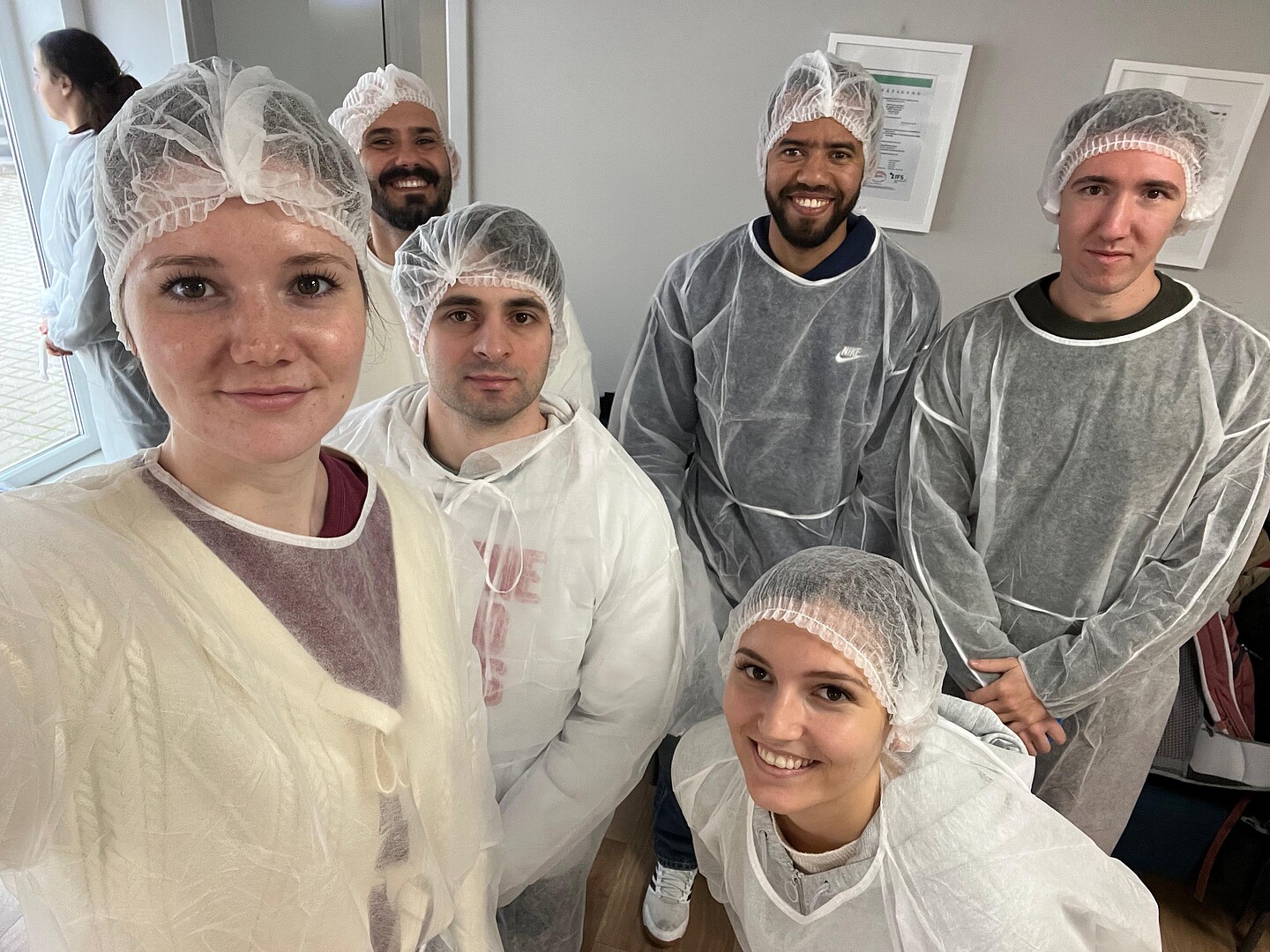
- The Siemens Healthineers Smart Factory, which began operations in 2023 and is one of the leading production sites for X-ray tubes and generators. On site, we discussed the specific quality requirements of medical technology, approaches to resource efficiency, highly digitized manufacturing and logistics processes, and cleanroom technology.
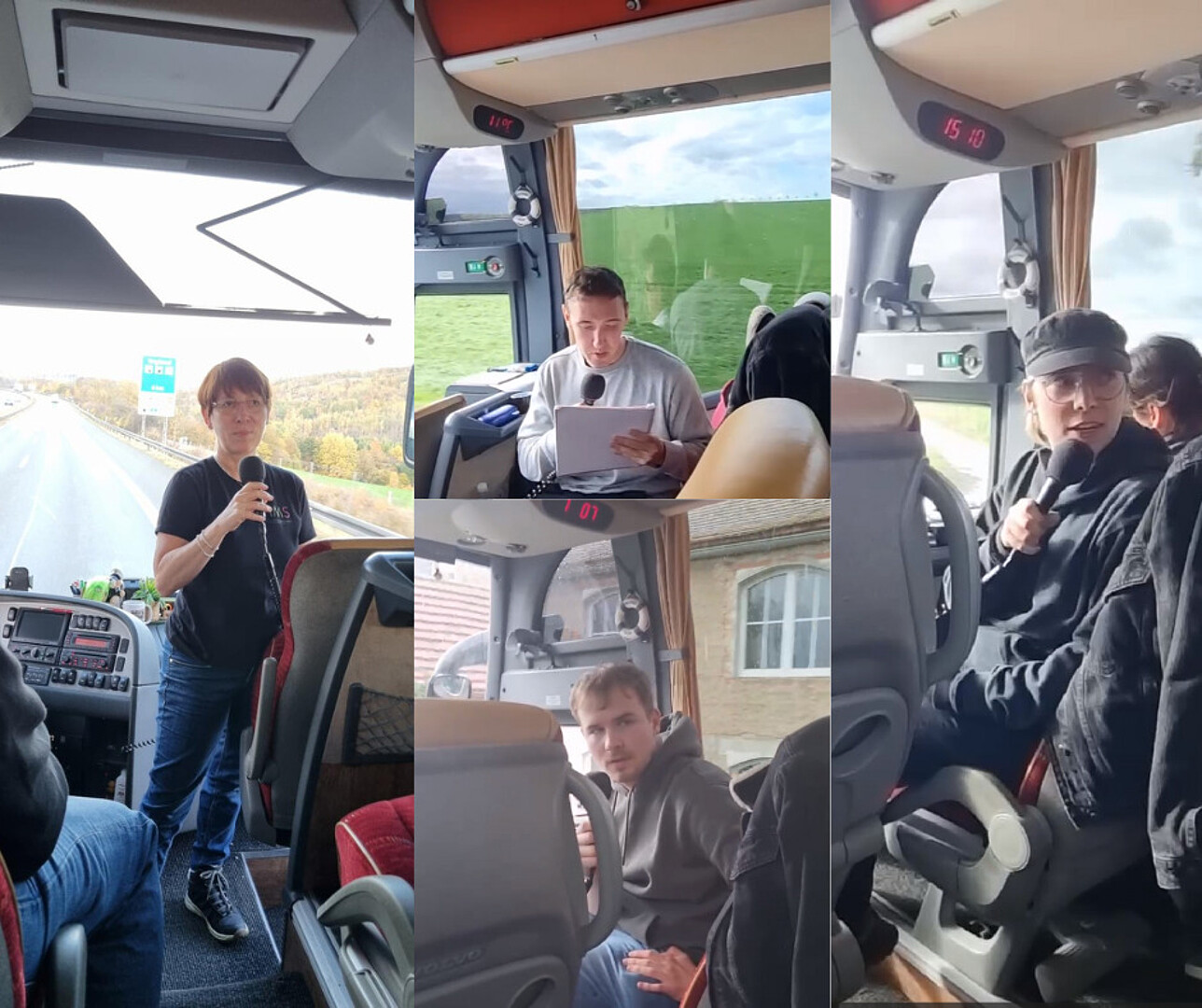
For each company, our students were given questions that tied in with the learning objectives of their respective degree programs, and these were discussed together during the bus rides between stops. The insights gained from this experience impressively demonstrated how closely technical and environmental issues are intertwined and how much an interdisciplinary approach broadens, deepens, and enriches the perspectives of all disciplines.
Against this backdrop, we look forward to further strengthening this collaboration in the future in the areas of teaching, research, and knowledge transfer, and to jointly developing and putting it into practice in our new faculty and in interdisciplinary degree programs, fully in line with our University Development Concept 2030+.
- Sarah Barth, F-N for the overall organization of the excursion
- Anke Zenker-Hoffmann, F-N and Jana Reinhold F-M for the financial support of the excursion
- Prof. Jakob Hildebrandt, Sarah Barth, Lucas Wenzel, Anke Zenker-Hoffmann (F-N) and Rico Winkler (F-M) for the technical supervision of the excursion
- Komm mit Morent GmbH & Co KG Reisen for their usual reliable support of our excursion


First floor