
Message details
21. March 2019
Structural change in Eastern Germany - And we are part of it!
The funding program "WIR! - Change through innovation in the region" is entering the implementation phase.
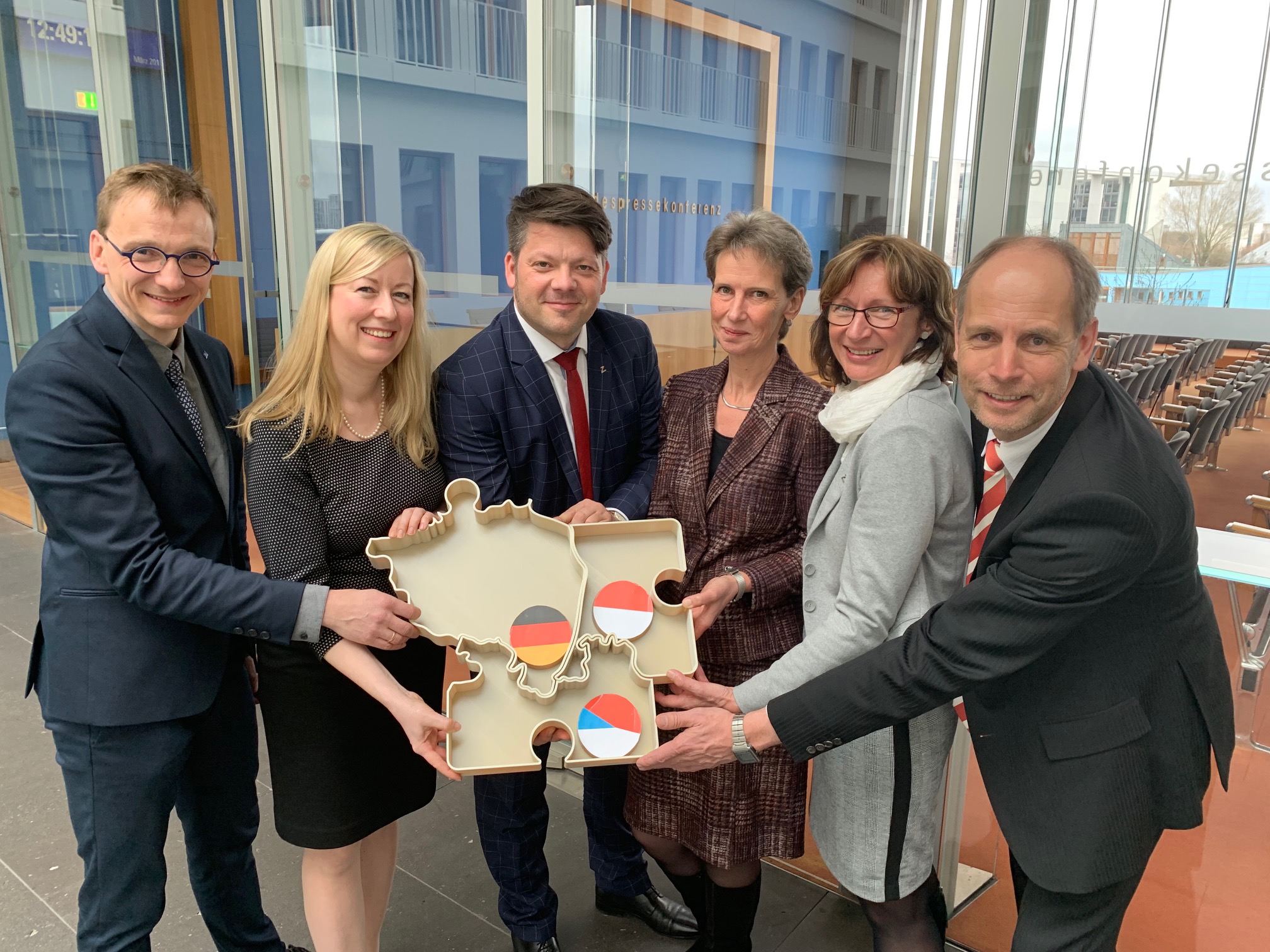
Federal Minister of Research Anja Karliczek expects “impetus for structural change in eastern Germany.”
And we’re part of it!
Through the “Lausitz – Life and Technology” alliance, a network of top-tier partners from Upper Lusatia has entered the BMBF competition. Led by the Zittau/Görlitz University of Applied Sciences and in collaboration with strategic stakeholders from the Görlitz district, the Fraunhofer Plastics Center Upper Lusatia, ULT AG Kittlitz, and the city of Zittau—and with the involvement of many interested parties—ideas were developed on how we can—the tri-border region—can be made even more attractive, stronger, and more self-reliant.
The process—which included numerous events and, at times, highly contentious discussion rounds—was exciting—and the resulting strategy paper convinced the selection jury.
The stakeholders are not only concerned with technological innovations to strengthen economic power. It is just as important to develop modern educational formats and methods for people of all generations.
Additive manufacturing and flexible energy systems are the areas in which the alliance will invest more heavily in the development of new products and technologies. Novel models of collaboration in the form of shared infrastructure—in which business, research, and education benefit from shared equipment—are being piloted as exemplary projects. Likewise, urgently needed storage solutions for renewable energy are being researched and implemented in regional production facilities—Made in Upper Lusatia.
Spaces are being created
In our region, education always includes language proficiency. Support is provided to non-formal and informal educational institutions that address this need and offer relevant programs starting in early childhood. Always the focus: How can we do even better? Given the current significant shortage of technically trained professionals, tools in the STEM field (STEM = Science, Computer Science, Engineering, and Mathematics) are being offered, ideally across generations.
Spaces are being created where people can experiment and discover new things. For example, a central “WIRkstätte” is being established in Zittau with the goal of having a broad impact throughout the entire Euroregion.
More than 30 partners from the business sector, civil society, associations, and government agencies have already signaled their willingness to help shape the project.
In the coming weeks, the plans will be finalized—and then things will really get underway! Starting April 1, 2019, 20 East German alliances will drive structural change in their regions through innovative approaches.
Internet presence of Oberlausitz AG
The project in Upper Lusatia
“
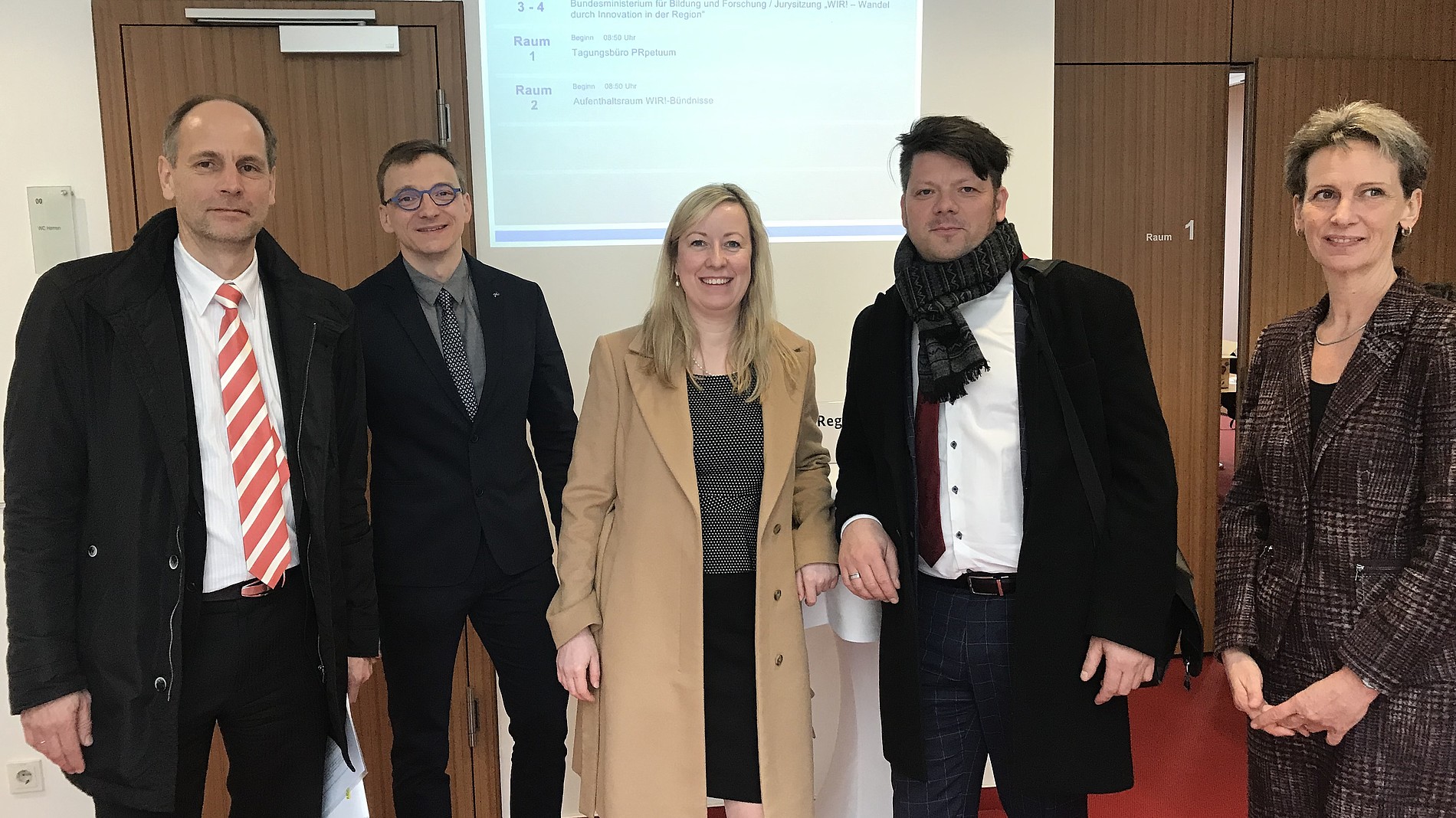
With this diverse (yes, you could even call it interdisciplinary) group, we brainstormed, discussed, and debated how to present this fantastic project, which was developed collaboratively by many partners. We were as nervous as if it were our first day of school as we stepped before a high-profile jury. Always by our side: Prof. Tobias Zschunke, Prorector for Research; Professor Sophia Keil, Dean of Business Administration and Engineering Management; Professor Steffi Tollkühn, educational scientist; Dr. Stefan Jakschik, CEO and owner of ULT AG; Sabine Scholz, Research Office, and many helpers and an entire network of companies and partners in the background. AND? We’ve brought the project to Upper Lusatia, with its core in Zittau! Start-up support, specialized educational modules, research in the field of energy systems and additive manufacturing—even for small and medium-sized enterprises—and much more besides. My joyful excitement is good to understand with the following quote from the official press release: “The regional alliances are broadly based—they bring together companies, universities, research institutions, and civil society organizations. Together, these stakeholders transcend the boundaries of disciplines and industries and test new strategic approaches. Through their initiatives, they promote collaboration on an equal footing, strengthen the innovative capacity of young, small, and medium-sized enterprises in particular, train new skilled workers, and retain them in the region. [...] Each WIR! alliance has up to fifteen million euros at its disposal during the implementation phase, which lasts a little over five years.” Thomas Zenker, Mayor of Zittau, via Facebook
”Core team of the alliance:
Prof. Tobias Zschunke – Prorector for Research at the Zittau/Görlitz University of Applied Sciences (HSZG)
Stefan Jakschik – Managing Director of ULT AG
Thomas Zenker – Mayor of the City of Zittau
Heike Zettwitz – Deputy Administrator of the Görlitz District
Prof. Steffi Tollkühn – Department of Education at HSZG
Prof. Sophia Keil – Department of Economics at HSZG
Sabine Scholz – Research Office at HSZG
1 / 2
1 / 2
University Executive Board / Research Division
02763 Zittau
Theodor-Körner-Allee 16
Building Z I,
Room 1.64
1st floor
1st floor
+49 3583 612-4575