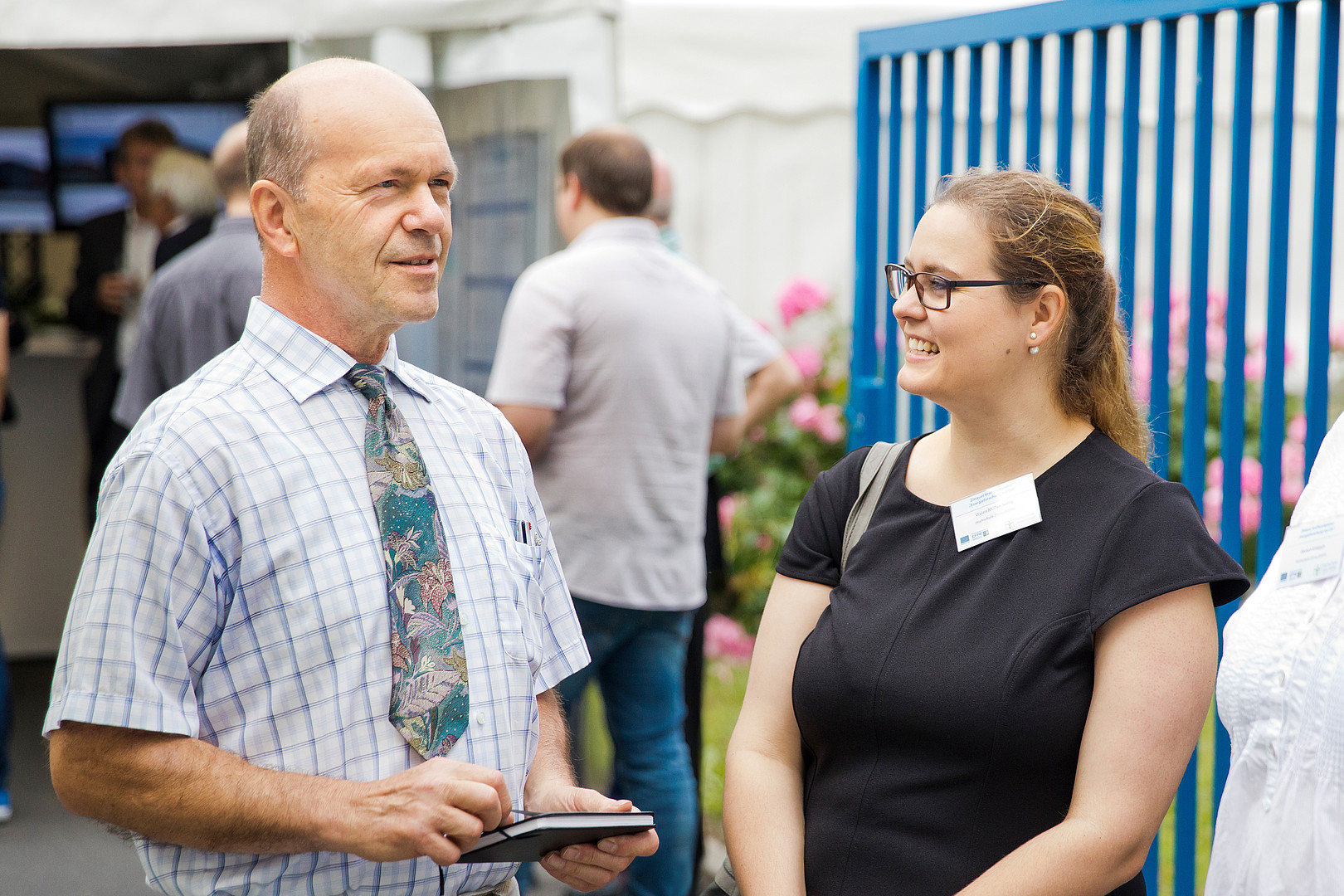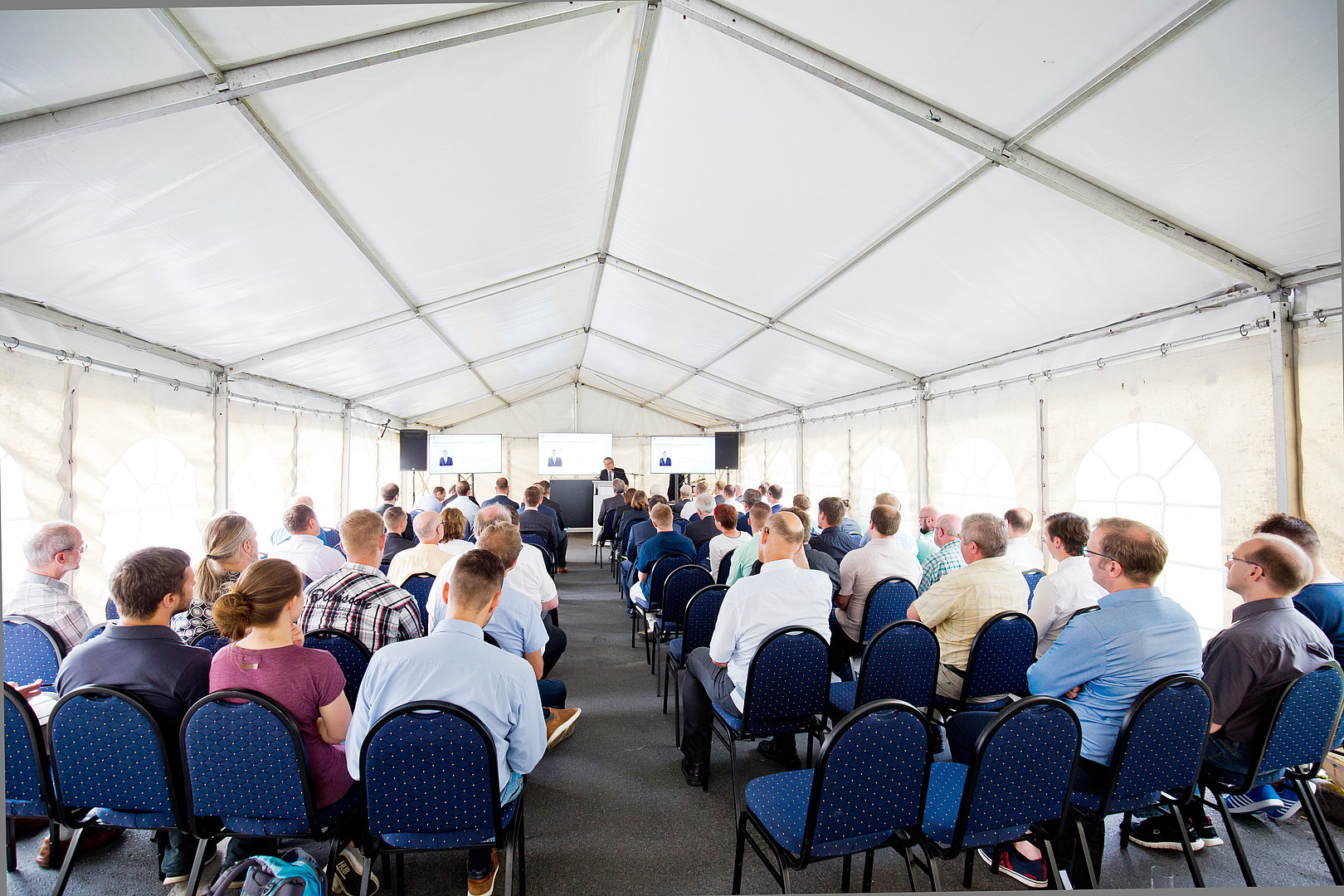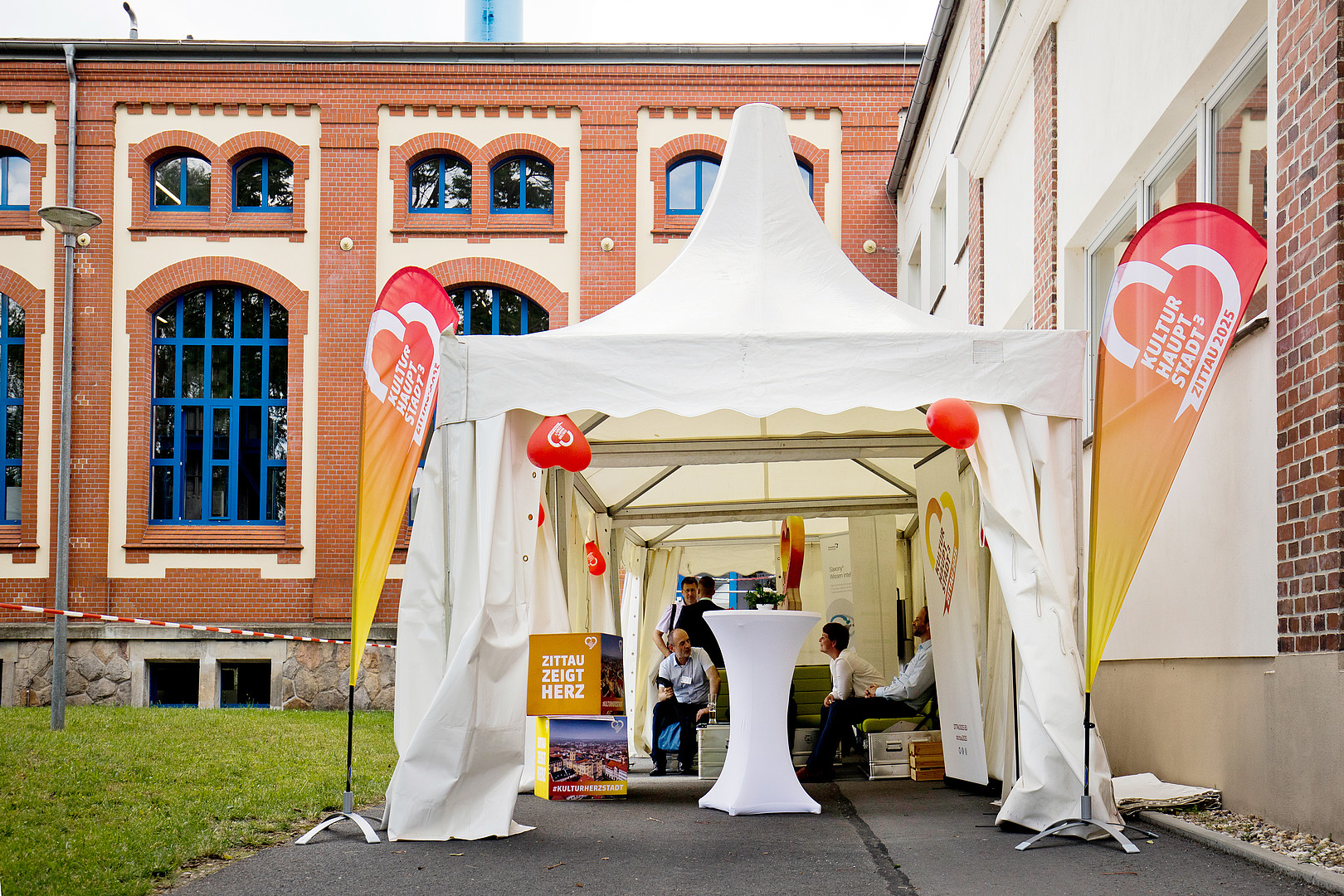
The entrance to the municipal utilities was closed on Friday, June 21; a large festival tent had been set up, and barrier tape kept the parking area in front clear and guided guests to the venue: the Zittau Power Plant Laboratory.
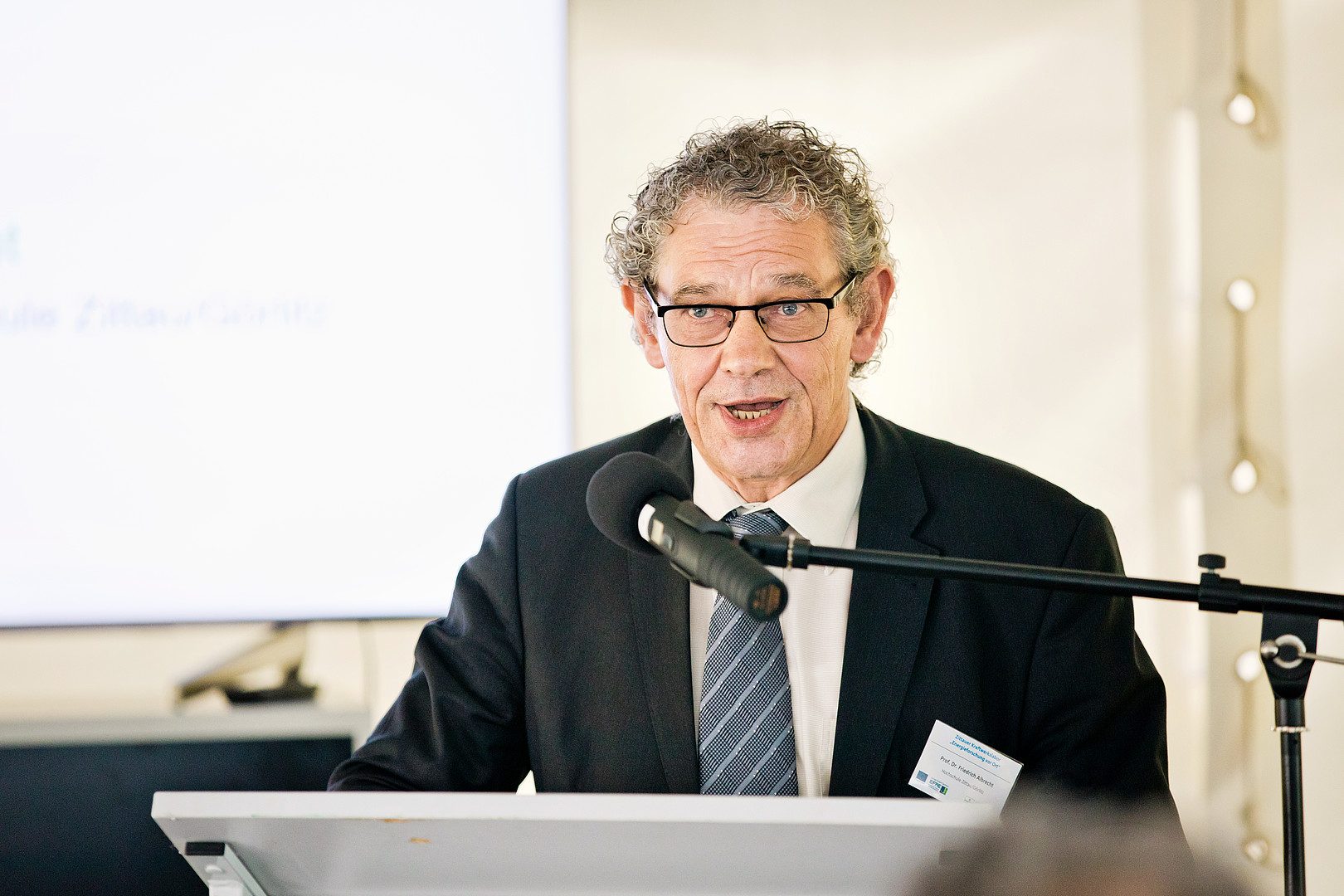
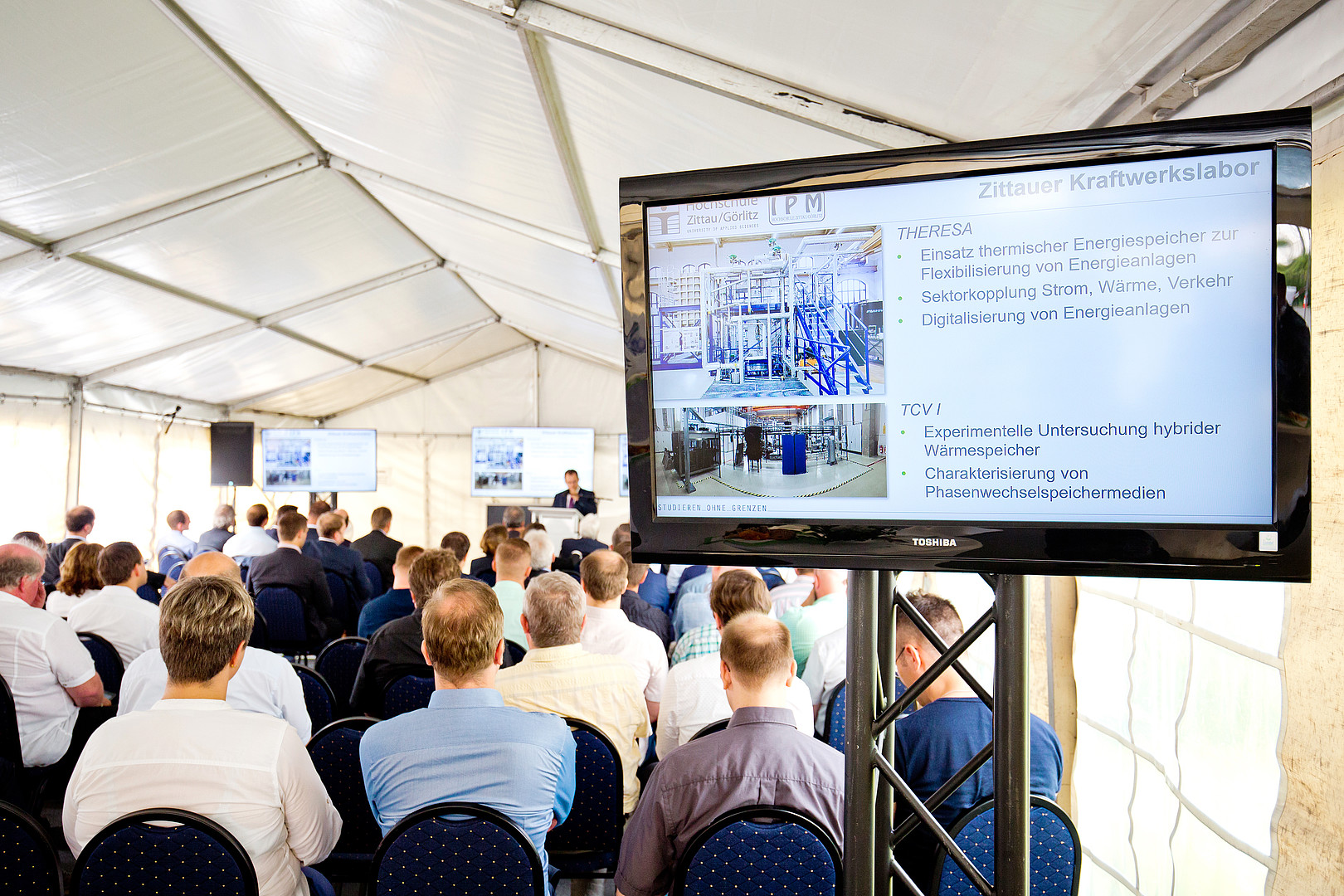
Of course, all of this didn’t happen without a reason—on the one hand, researchers from the Institute for Process Engineering, Process Automation, and Measurement Technology (IPM), led by Professor Alexander Kratzsch, presented the results achieved during the last funding period at today’s “On-Site Energy Research” workshop. On the other hand, all signs point to the future, as the next funding and research phase has been launched thanks to full approval of the new ERDF funds by the Saxon Reconstruction Bank (SAB) and additional federally funded projects.
The Zittau Power Plant Laboratory (ZKWL) project has been in existence since 2011. It was founded at that time with great courage through the combined efforts of a strong alliance comprising the university, IPM, Zittau’s municipal utility, political leaders, and businesses. The initial years were devoted to the construction phase of the large-scale test facilities, followed by the inauguration in 2015 and the subsequent project phase from 2016 through 2019. The construction of the Zittau Power Plant Laboratory represents the largest research investment since the founding of the Zittau/Görlitz University of Applied Sciences in 1992.
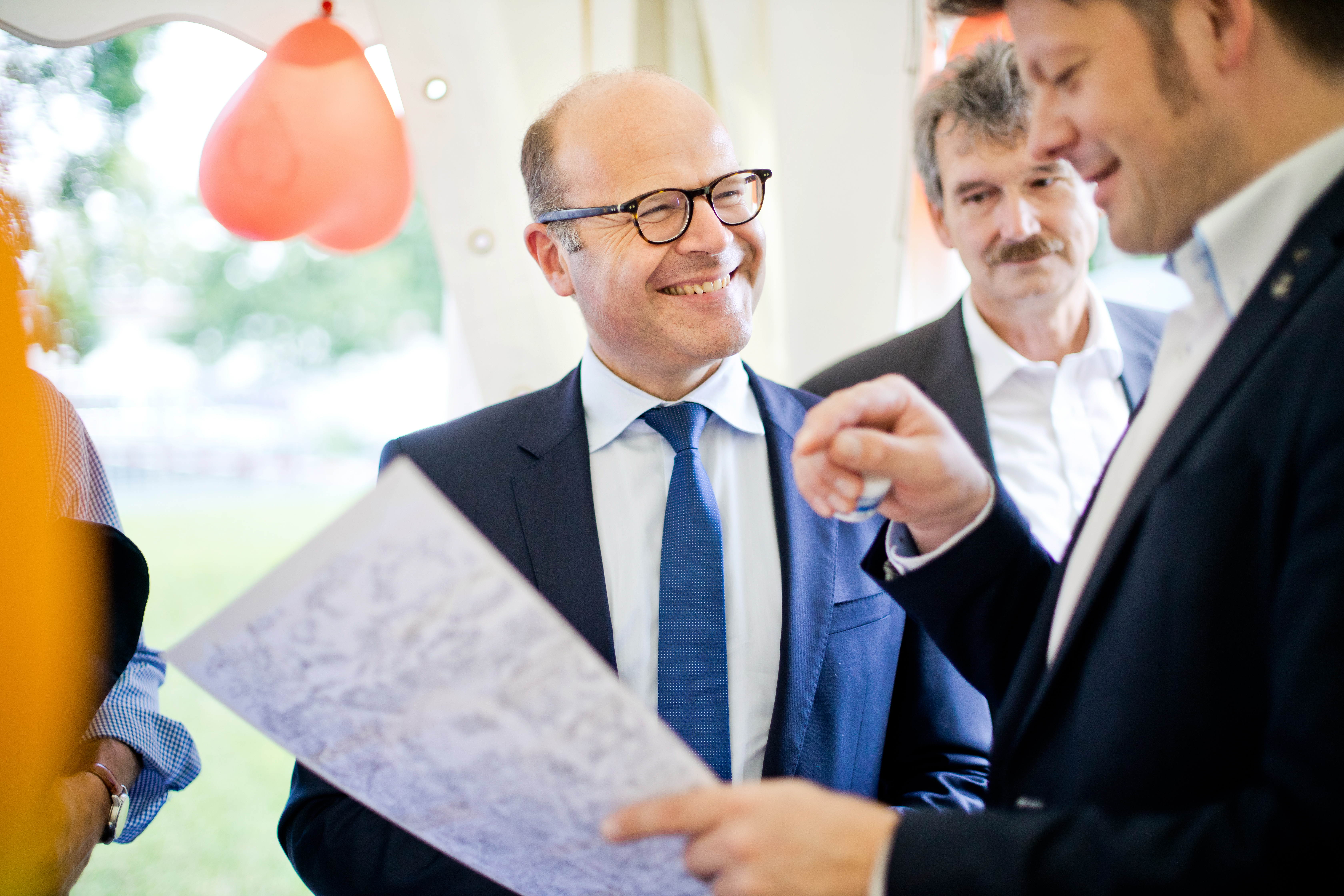
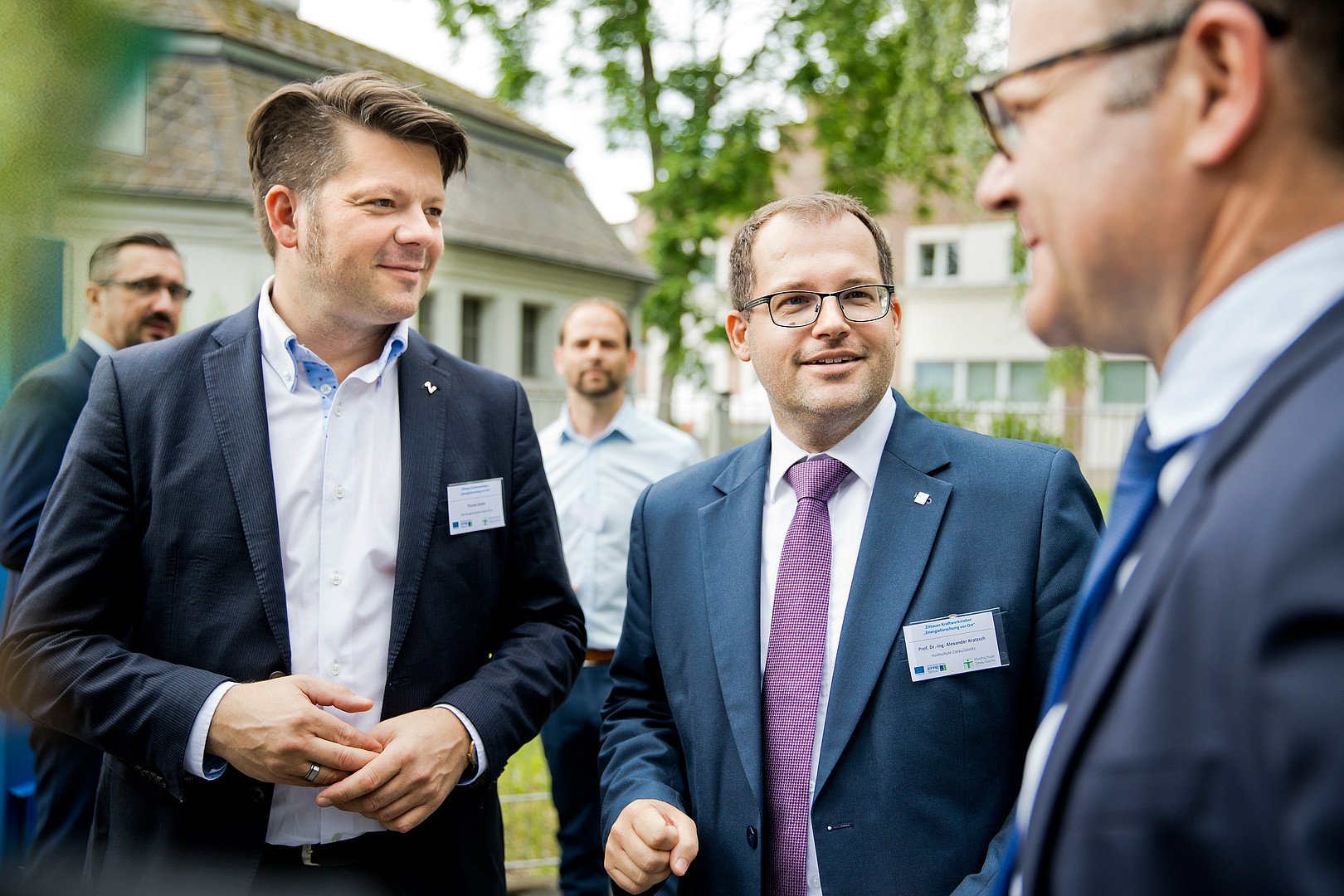
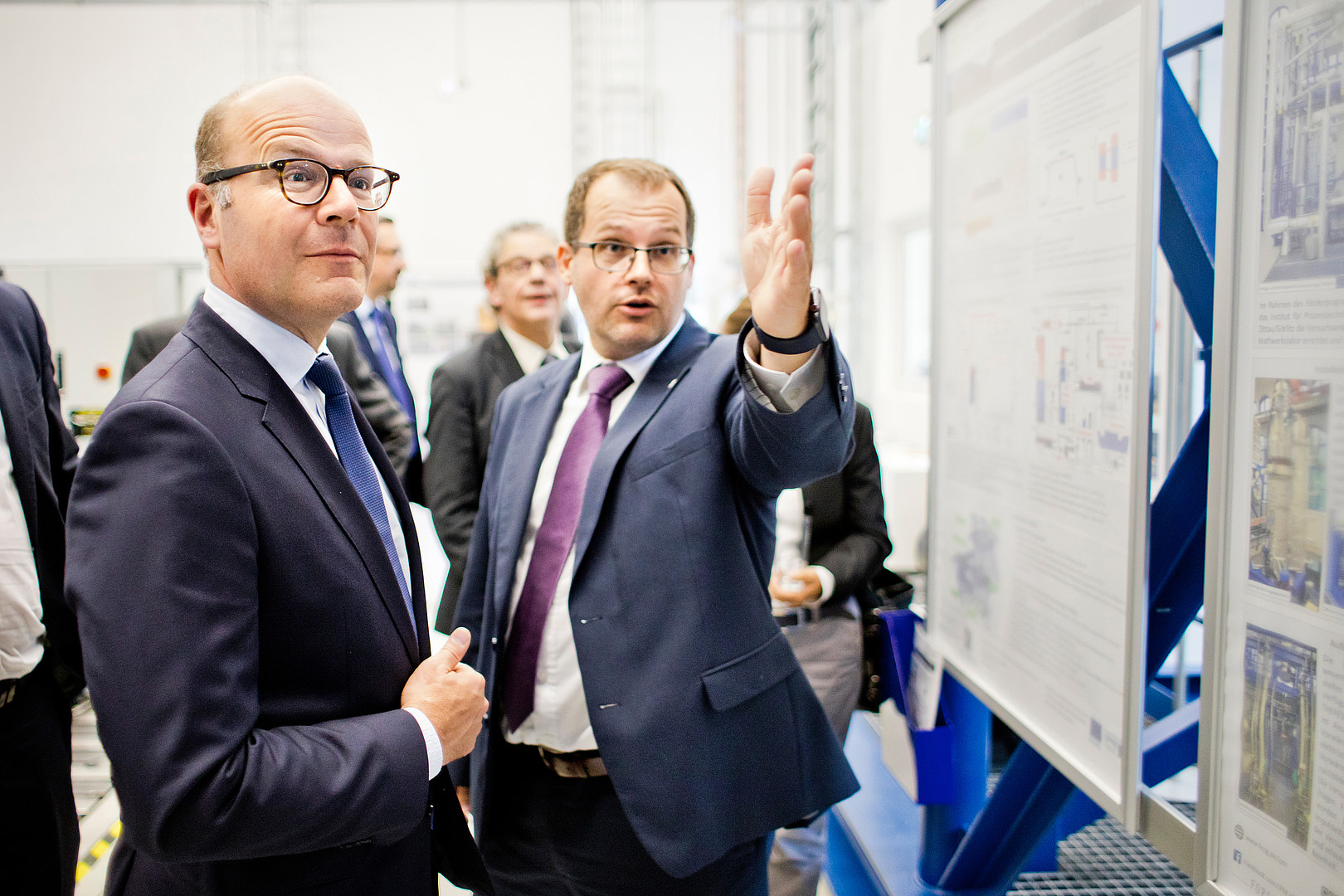
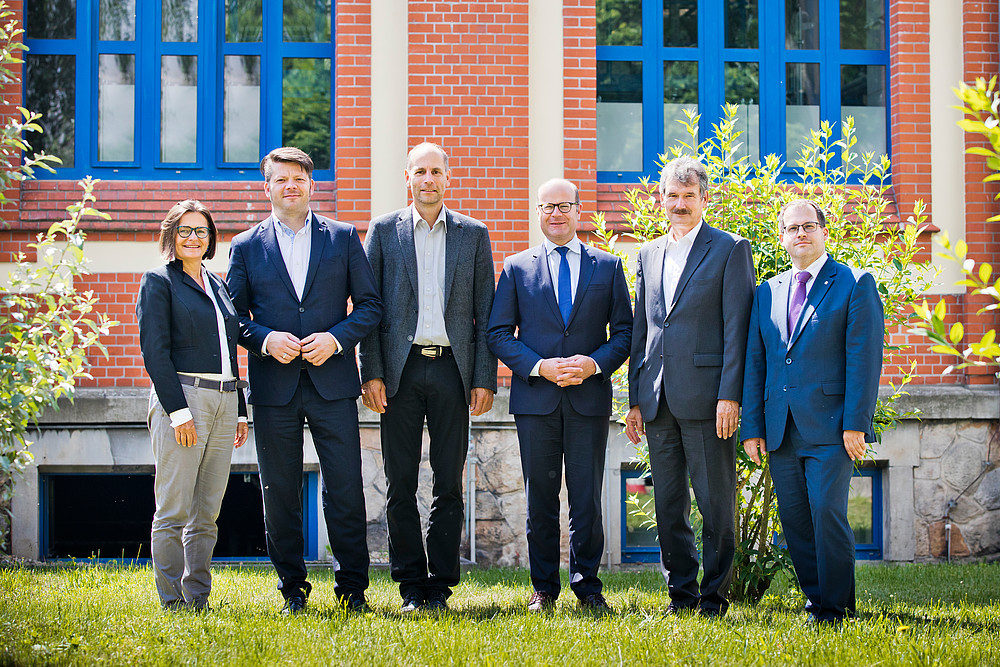
And now the work continues. Major challenges lie ahead in our region. The accelerated structural transformation, including the restructuring of the electricity and heat supply, must be shaped. And the research topics at the Zittau Power Plant Laboratory are, of course, a perfect fit. This was also confirmed during Friday’s workshop by Mayor Thomas Zenker and Oliver Schenk, Minister of State for Federal and European Affairs and Head of the Saxon State Chancellery. They toured the experimental facilities—a magnetic and trap bearing test rig (MFLP), a modern thermal energy storage system (THERESA), and a thermochemical test field (TCV)—and were impressed by the staff’s dedication. They are certain: All of this is important and contributes to a modern energy supply. Finally, the guests stopped by the booth for the “Zittau 2025” Capital of Culture application and learned about the city of Zittau’s application.
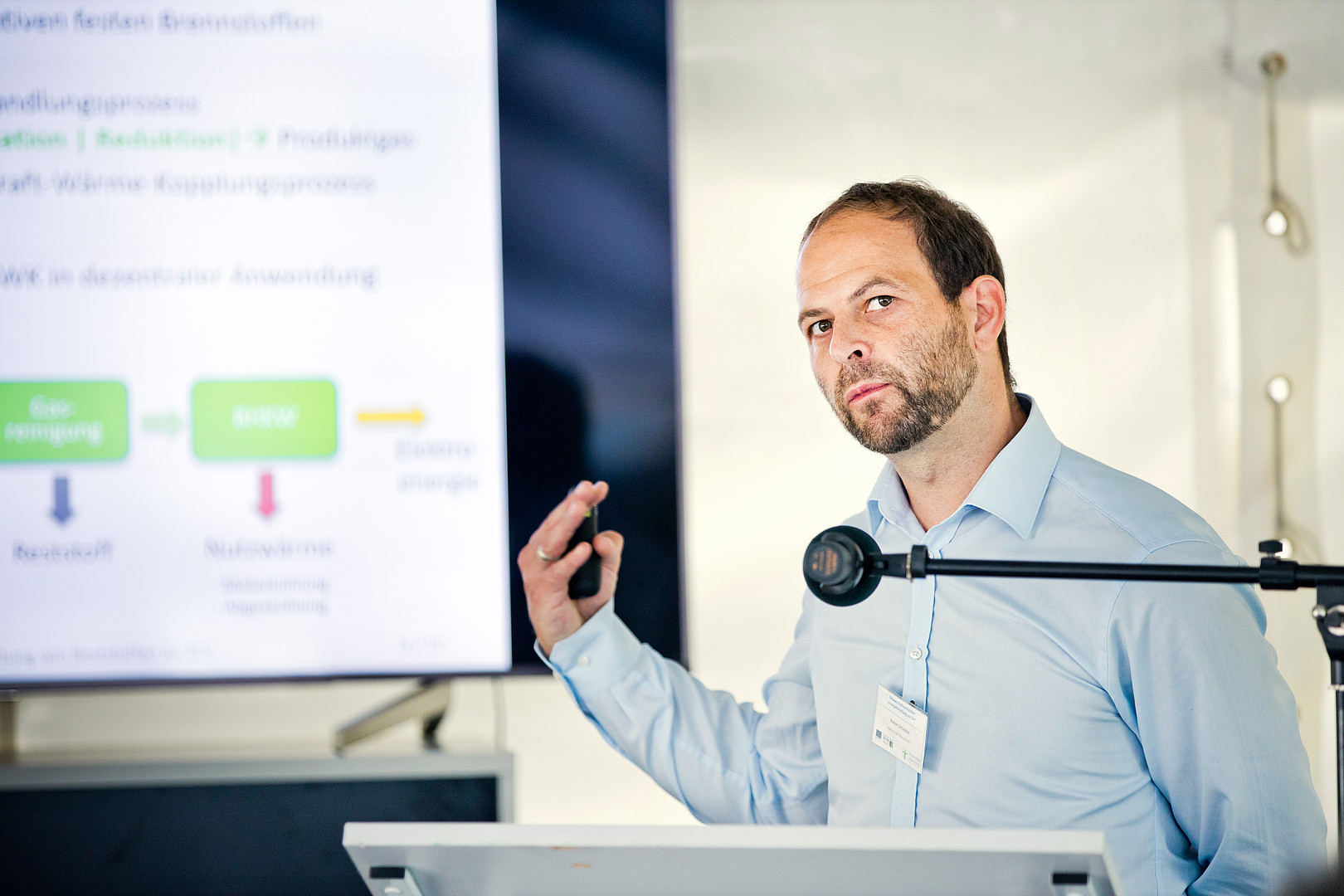
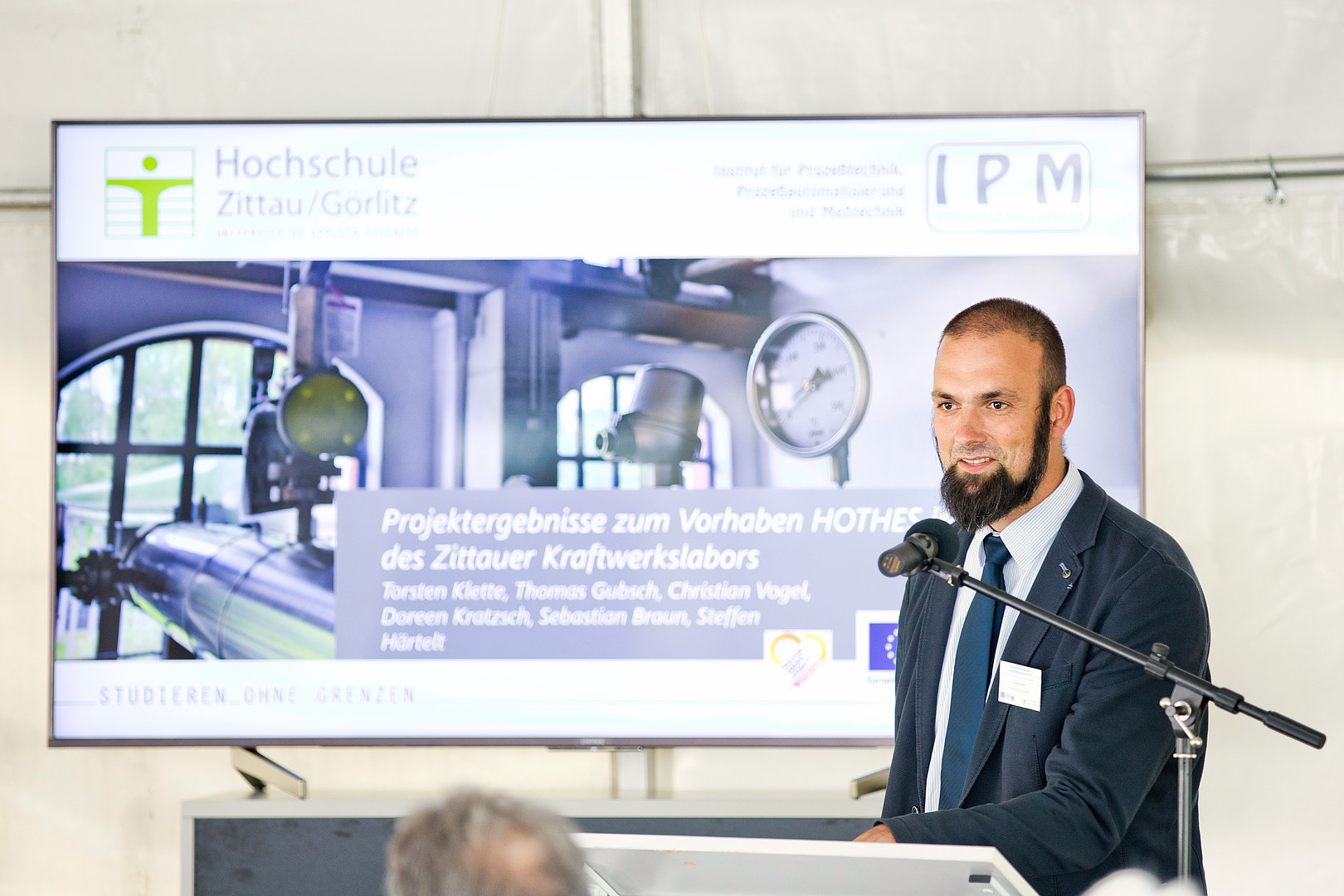
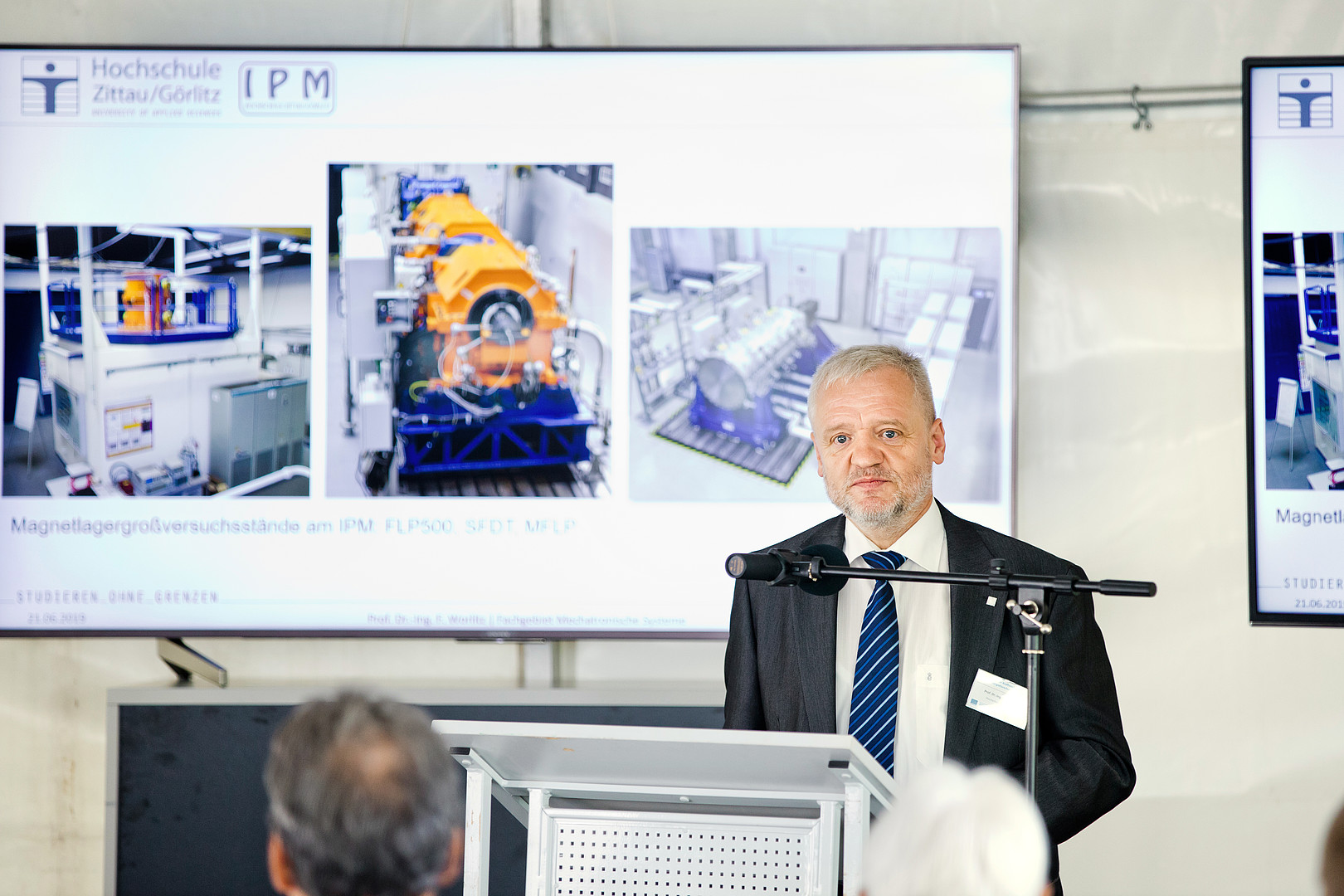
Mr. Schenk had to leave, but the workshop was not over yet. Research staff members Torsten Klette, Thomas Gubsch, and Roman Schneider, along with project leader Prof. Frank Worlitz, presented the research results in detail on the following topics:
- Torsten Klette: Project results from the HOTHES initiative as part of the Zittau Power Plant Laboratory
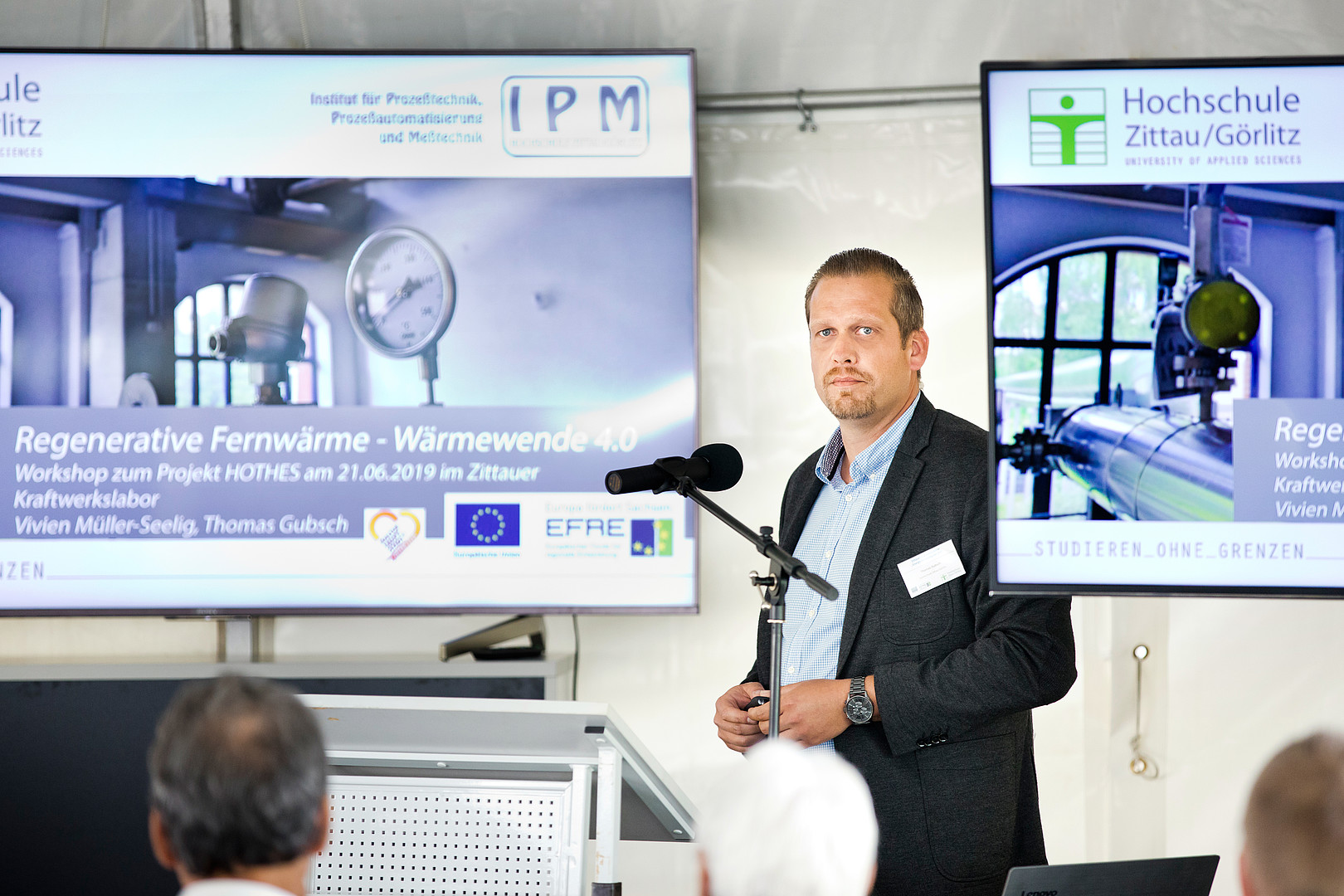
- Thomas Gubsch: Renewable District Heating—Heat Transition 4.0
- Prof. Dr.-Ing. Frank Worlitz: Energy-efficient magnetic bearings for applications under extreme environmental conditions
- Roman Schneider: Experimental co-utilization of residual materials in the thermochemical test field
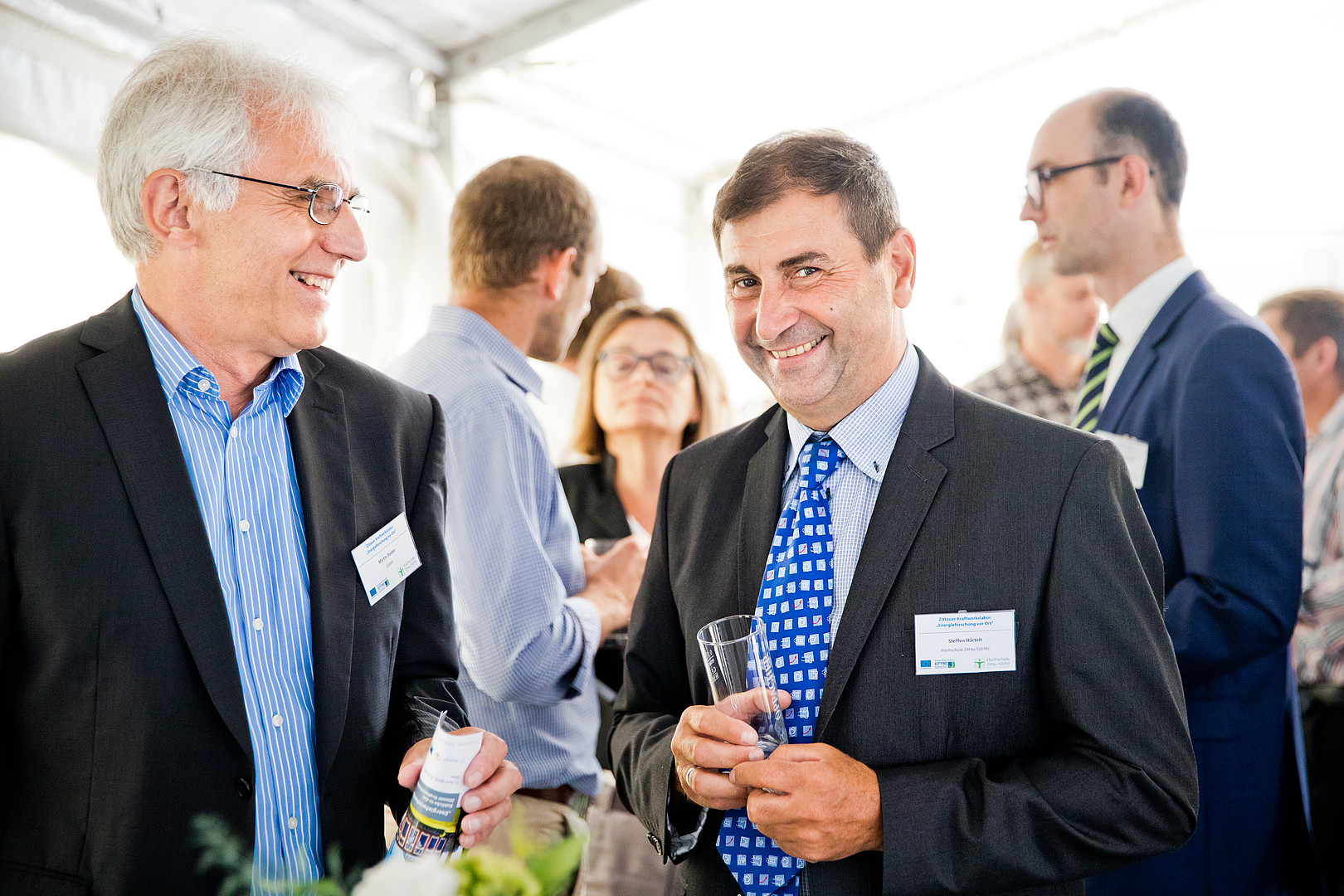
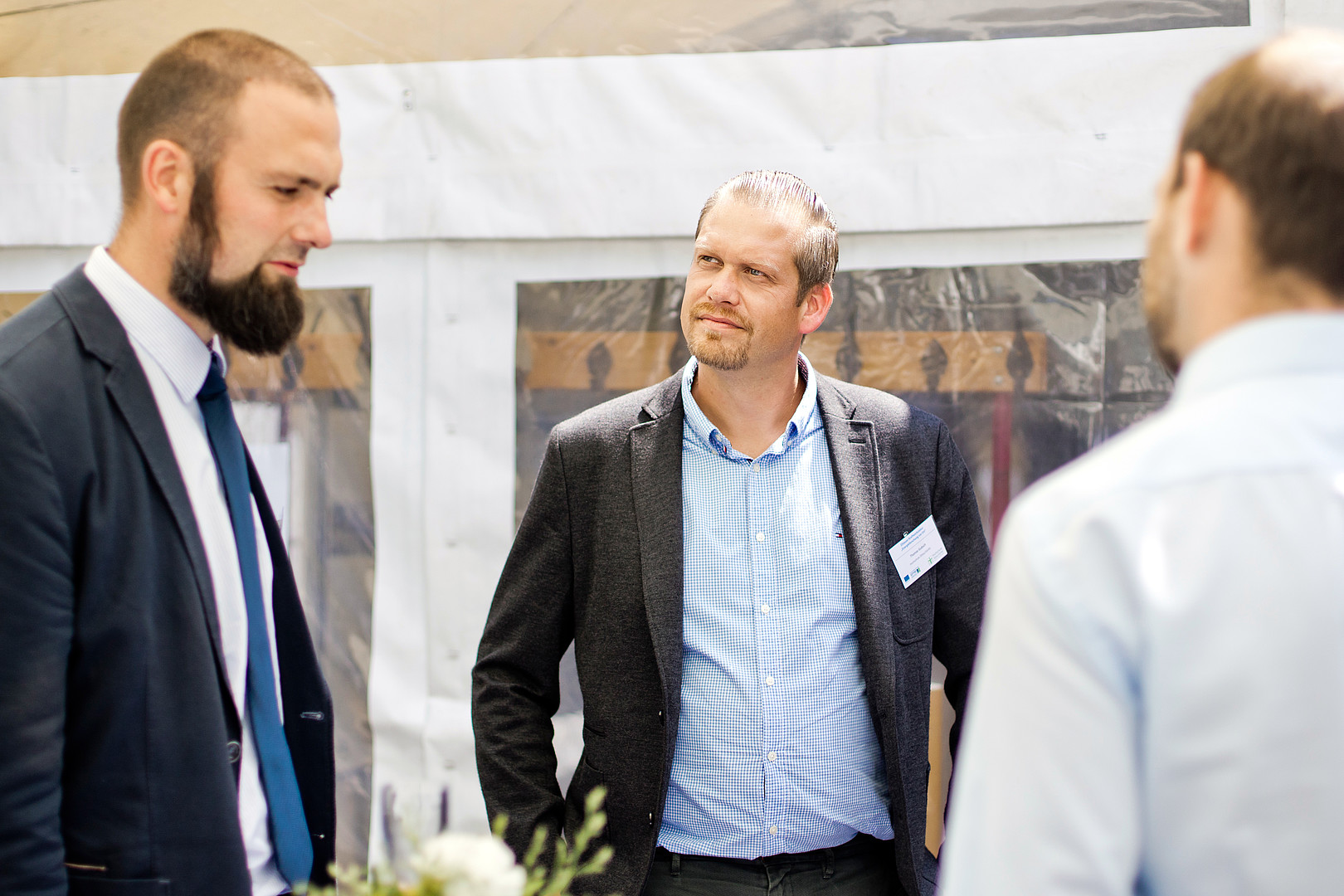
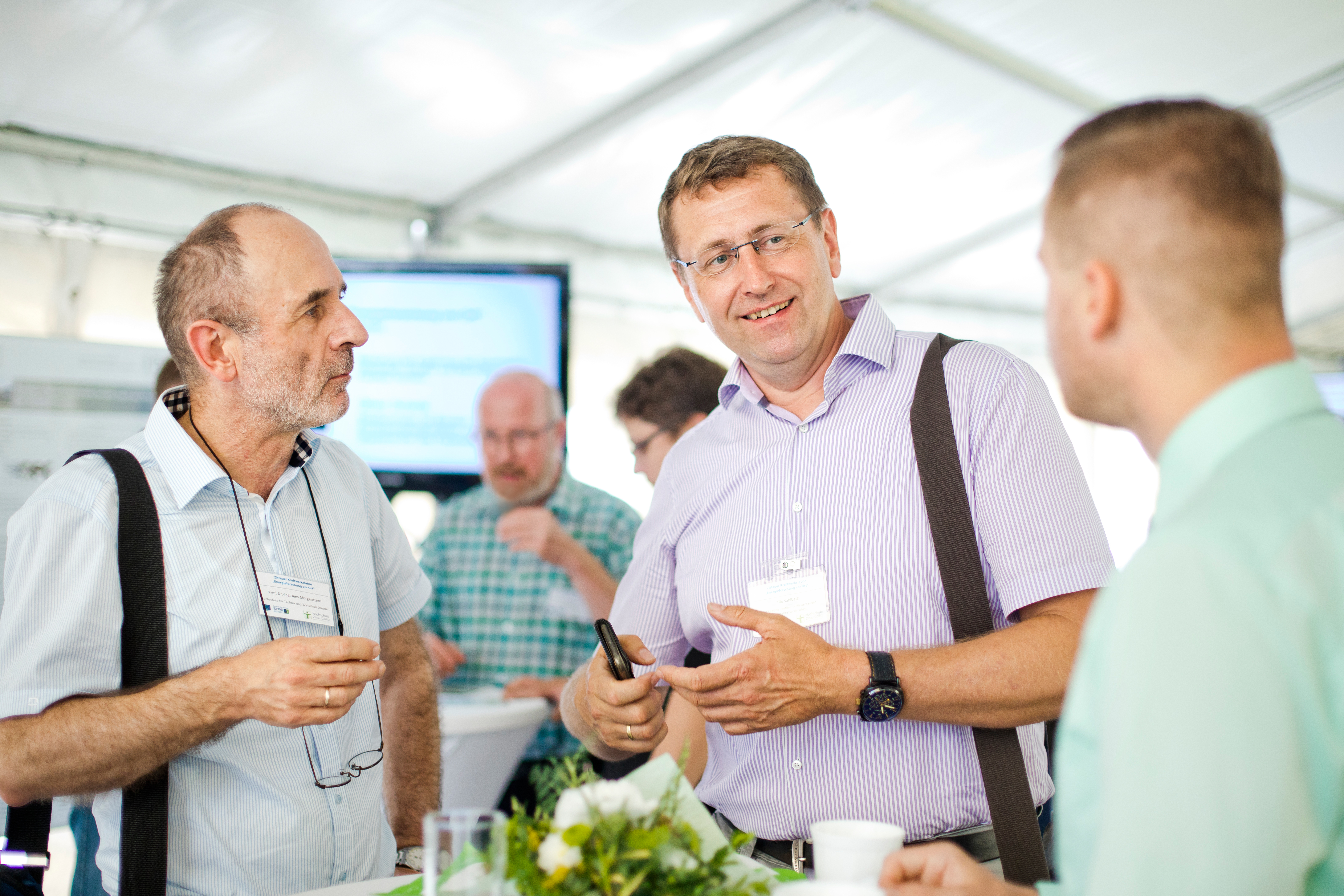
Following the engaging presentations, interested visitors at the ZKWL were able to obtain detailed information about the findings and current research projects at the individual information points or in the Science Corner. In addition to numerous technical discussions, new ideas for future projects were also explored.
Text: Martin Kunack/Saxony5