

About the degree programme
The master’s degree programme in energy and environmental engineering prepares you for challenging roles at the forefront of technological development in the energy and environmental sectors. You will deepen your engineering knowledge, acquire management skills, and develop the ability to conduct independent scientific research. By choosing between the specializations in Renewable Energy and Energy Efficiency or Environmental and Radiation Protection, you will gain targeted expertise in forward-looking technological fields.
Scientifically Grounded Specialization
Depending on your chosen specialization, you will develop advanced competencies in these key areas:
- Development and optimization of systems for sustainable energy generation
- Innovative storage technologies and hydrogen systems
- Energy-efficient technologies and thermal management
- Environmentally sound application of radiation technology
- Numerical methods for simulating complex systems
- Scientific research methodology and project management
You will gain a deep, systematic understanding of energy-related structures and qualify as an innovator in the field of sustainable technologies. In the Renewable Energy and Energy Efficiency track, you will focus on sustainable energy generation, innovative storage technologies, and energy efficiency. With the Environmental and Radiation Protection specialization, you’ll become an expert in the environmentally responsible use of modern radiation technology in industry, research, and medicine. Practical projects and comprehensive internships allow you to directly apply the knowledge you’ve acquired and hone your skills.
Optional Track with KIAdirekt
What makes this degree programme special: It is optionally available as a cooperative KIAdirekt degree programme. This means you’ll work at a company (the cooperative partner) and earn money. The KIAdirekt option at our university is explained in more detail here.
Study details
The most important facts at a glance:
| faculty: | Mechanical Engineering |
| Location: | Zittau |
| Degree: | Master of Engineering |
| standard period of study: | 3 semesters |
| ECTS credits: | 90 |
| Language of instruction: | German |
| Enrolment for: | Summer semester, winter semester |
| Application period: December 1 through February 15 (summer semester), May 1 through September 30 (winter semester) | Start of studies: March, October |
| Admission restrictions: | No admission restrictions (no NC) Details |
| No prerequisite internship | Student Advisory Service |
| Accreditation status: | Accredited |
Course content
The master’s degree programme in energy and environmental engineering combines academic depth with practical application. The three-semester degree programme has a modular structure and offers you the opportunity to tailor your academic profile by choosing a specialization and various compulsory elective modules.
In the first semester, you’ll acquire advanced methodological foundations in areas such as project management, engineering mathematics, and subject modules depending on your chosen specialization. At the same time, you’ll already begin working on a practical project or a comprehensive internship. The second semester deepens your specialized knowledge with modules on storage technologies, energy systems, and in-depth, specialization-related content such as computational fluid dynamics or plant safety. A wide range of compulsory elective modules allows you to further specialize according to your personal interests and career goals—from heating and ventilation technology to asset management and environmental and energy law. You’ll devote the third semester to your master’s thesis, in which you’ll independently tackle a challenging academic topic and thereby demonstrate your research competence.
- Project Management: Methods and Processes
- Energy and Environmental Engineering Project
- Engineering Mathematics III
- Elective 1
- Production, Use, and Disposal of Radioactive Materials
- Material Data Determination for Working Fluids
- Neutrons in Technology and Science
- Computer-Aided Product Optimization—Practical Examples
- Environmental Law, Environmental Engineering, and Environmental Management Systems
- Methods of Monte Carlo Simulation
- Expert Seminar on Energy and Environmental Engineering
- Business Law/Cost and Performance Accounting
Specialization or Field of Study: Environmental and Radiation Protection
- Methods of Monte Carlo Simulation
- Production, Use, and Disposal of Radioactive Materials
Specialization or Field of Study: Renewable Energy and Energy Efficiency
- Thermal Management of Components and Equipment
- Material Data Determination for Working Fluids
Specialization or Field of Study: International Projects (SRH)
- Comprehensive Internship in Energy Process Engineering
- Electrochemical Storage and Hydrogen Technology
- Introduction to Process Automation (Elective Module)
- Required Elective 2
- Heating and Ventilation Technology
- Environmental, Energy, and Climate Protection Law
- Asset Management and Technical Diagnostics
- Further Developments in Nuclear Reactors, Decommissioning, and Dismantling
- Project Seminar on Environmental and Radiation Protection
- Labor Law, Occupational Health and Safety Management Systems
- Component Safety/Failure Diagnosis
- Efficient Energy Systems
- Radiation Technology in Industry, Science, and Medicine
- Process Automation
- Corporate Energy and Climate Protection Management
Specialization or Field of Study: Environmental and Radiation Protection
- Plant Safety and Reliability / Reactor Safety
- Environmental, Energy, and Climate Protection Law
- Comprehensive Internship in Environmental and Radiation Protection
Specialization or Field of Study: Renewable Energy and Energy Efficiency
- Computational Fluid Dynamics
- Efficient Energy Systems
- Component Safety/Failure Diagnosis
- Final module (Master's thesis and defense)
Career opportunities
Professional areas where you can get started
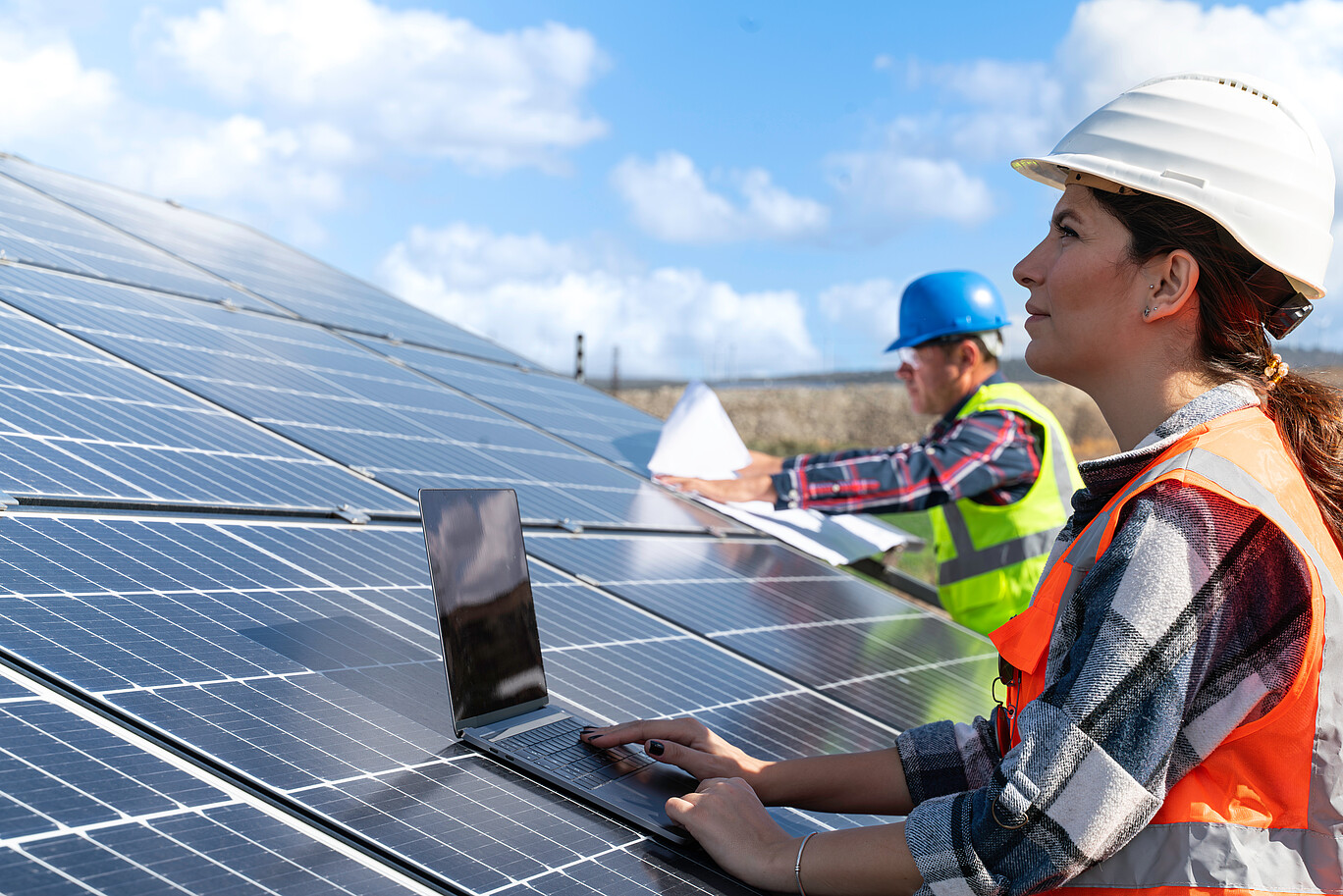
Research & Development
You’ll work on innovative technologies for sustainable energy systems at research institutes or companies. You’ll design new methods for energy generation, test advanced storage solutions, and develop efficient components for the energy technology of the future.

Project planning
You plan and implement complex systems for renewable energy generation or storage. You prepare feasibility studies, carry out technical and economic calculations and coordinate implementation from the initial concept to commissioning.
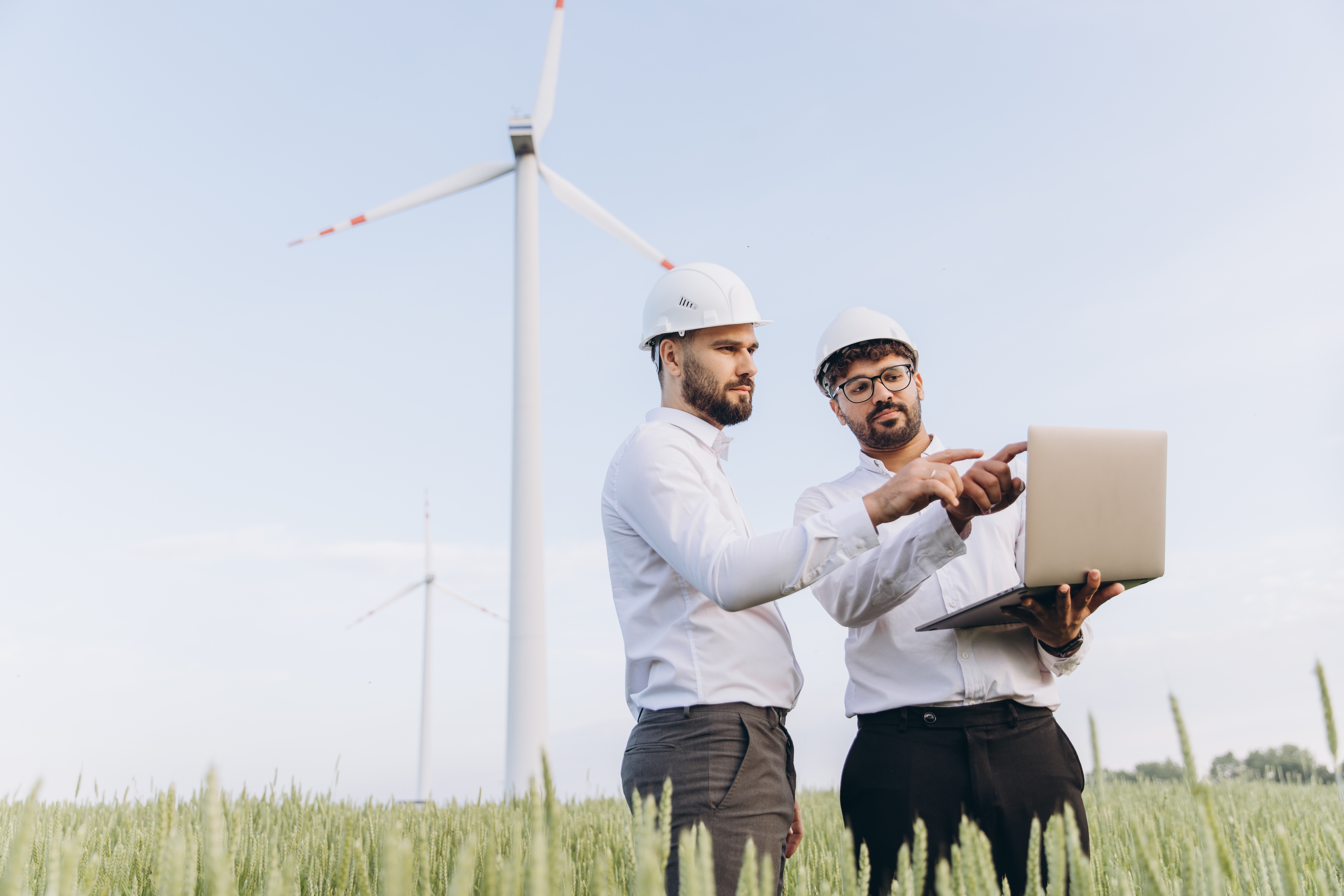
Energy efficiency management
You optimize energy consumption in industry, commerce or public facilities. You analyze energy flows, identify potential savings and develop tailor-made concepts to increase energy efficiency and reduce operating costs.
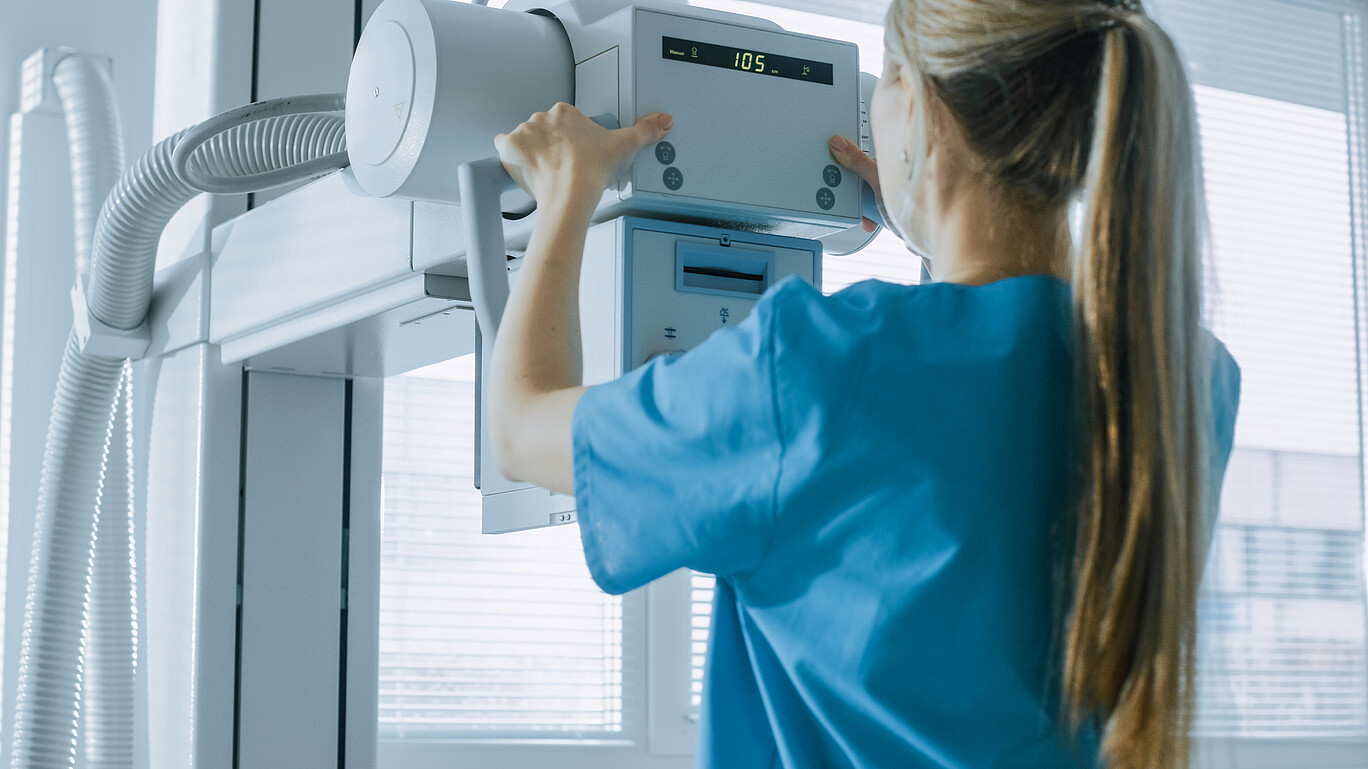
Radiation Protection
You are responsible for the safe operation of radiation-emitting equipment in medicine, research, or industry. You monitor radiation protection measures, assess risks, and ensure the reliable protection of people and the environment when radioactive sources are used.
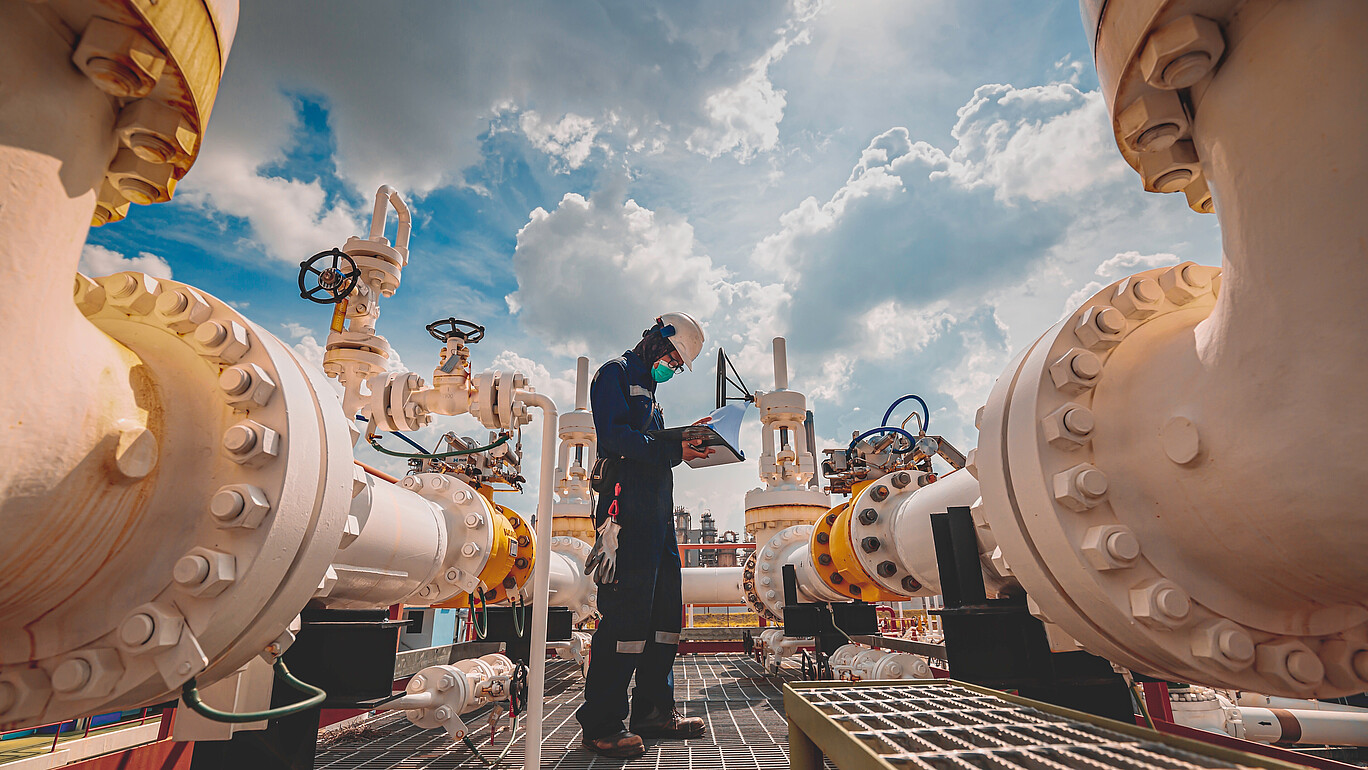
Plant management
You will optimize the operation of energy systems in terms of efficiency, reliability and service life. You will develop maintenance concepts, carry out technical diagnoses and use modern asset management methods in the energy economics sector.

Permit Procedures
You will oversee permitting and licensing procedures for energy-related facilities at government agencies or engineering firms. You will review technical documentation, assess environmental impacts, and ensure compliance with legal requirements in the energy and environmental sectors.
You will find even more opportunities with us in the following related degree programs:
Related Degree Programs
- Bachelor's in Energy and Environmental Engineering
- Dual Bachelor's Degree in Energy and Environmental Engineering
- Diplom in energy and environmental engineering
- Dual Diplom in Energy and Environmental Engineering
- Bachelor's in Green Engineering
- Bachelor’s in Environmental Sciences
Still not sure? If you have any questions, please contact our Student Advisory Service. We’re here to help you choose the right program.
Admission Requirements
- Completion of a bachelor’s degree programme in engineering with 210 ECTS
- If you have earned 180 ECTS, you may begin the Master’s degree programme in energy and environmental engineering with a preparatory semester. During this semester, you will earn the remaining 30 ECTS required for admission. Students can choose from a wide range of courses to acquire the necessary subject-specific knowledge.
What our students say about the Master's degree program in energy and environmental engineering
- Module Handbook (Course Content and Structure)
- Faculty Website
- Program Flyer
- Application Information
1st floor

First floor
Starting now, we're also offering our Student Advisory Service via WhatsApp. Just send us a message at: +49 173 2086748
Our promise to you
Studying in the wild east?
Studying with us is different. Above all, better. Why? We have a family atmosphere. There are small study groups and the lecturers are always there for you. There is a close connection to practice in all degree courses. And finding affordable accommodation is no problem here.
There are many other reasons, such as university sports or the student representatives, clubs and societies. Campus life in Zittau and Görlitz, the wild east, is unique.