In November 2021, F-MK students went on a field research trip to Saxon-Bohemian Switzerland.
Why are students spending 3 days in a vacation region, visiting slow tourism offers, hiking in the border region and climbing onto the roof of a 5***** hotel? Quite clearly, they are studying tourism management and going on a field trip/course / fieldwork. Find out how they went about it and what they saw on site.
Preparations for the excursion began at the start of the semester. In the Destination Management I module, which deals with the basic development and management of vacation regions, Prof. Pflicke presented the objectives and key questions for the excursion planned for November. These focus on strategies for the sustainable development of tourism, taking into account climate change in cross-border tourism destinations. These were examined using the example of Saxon-Bohemian Switzerland in the run-up to the excursion and should now be examined on site.
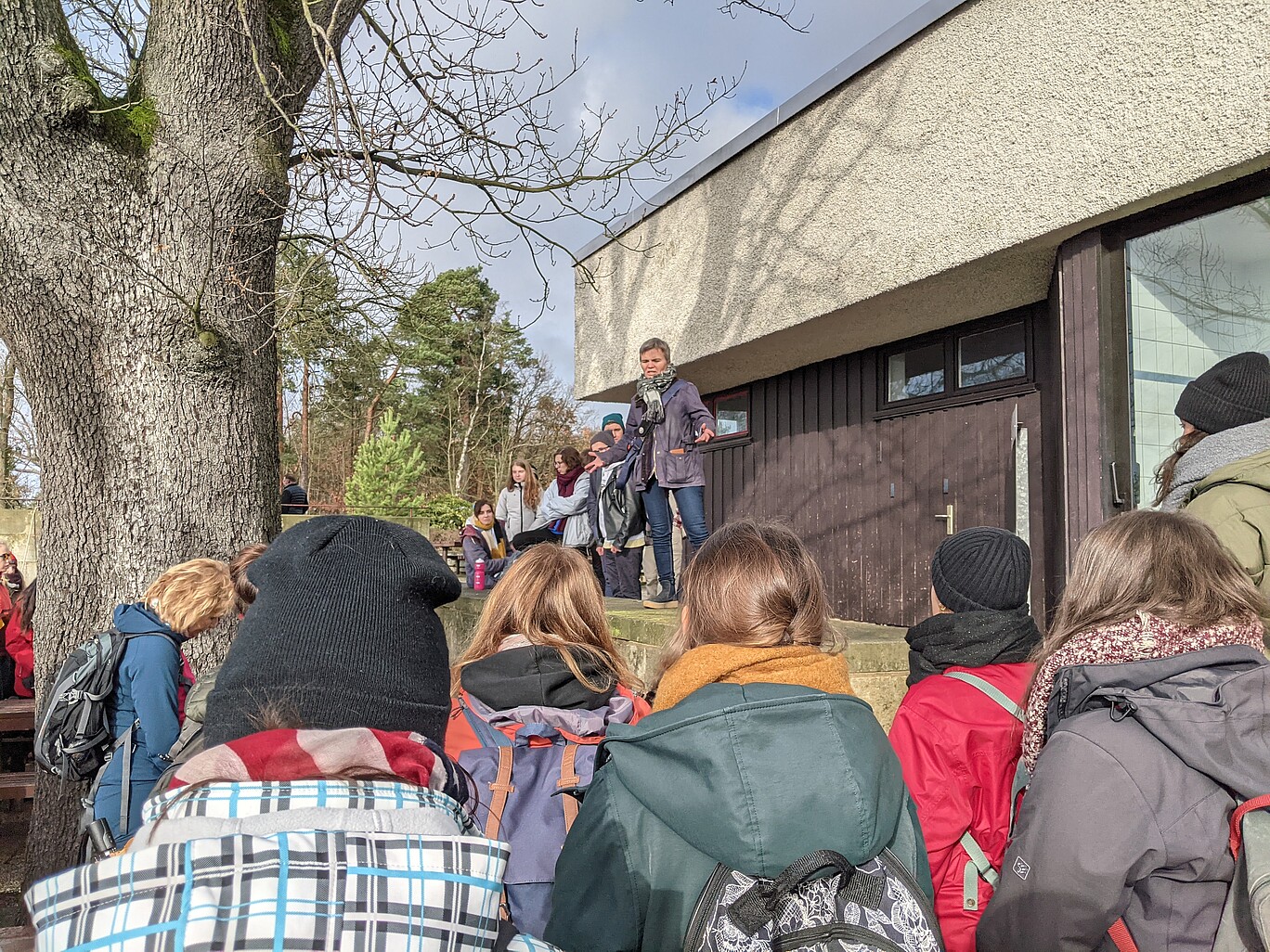
We are 40 students from the Tourism Management course. We set off on an early November morning from the university campus in Görlitz. Our first destination was the Bastei in the heart of Saxon Switzerland. High above the Elbe valley, Ms. Krebs, a spokeswoman for the regional tourism association, welcomed us in a panoramic setting. After a short keynote speech on the association's activities and working methods, we followed her to the numerous viewpoints of what is probably the most famous rock formation in the Elbe Sandstone Mountains. The visit to the Bastei ended with an exciting exchange on the topics of sustainability and cross-border cooperation.
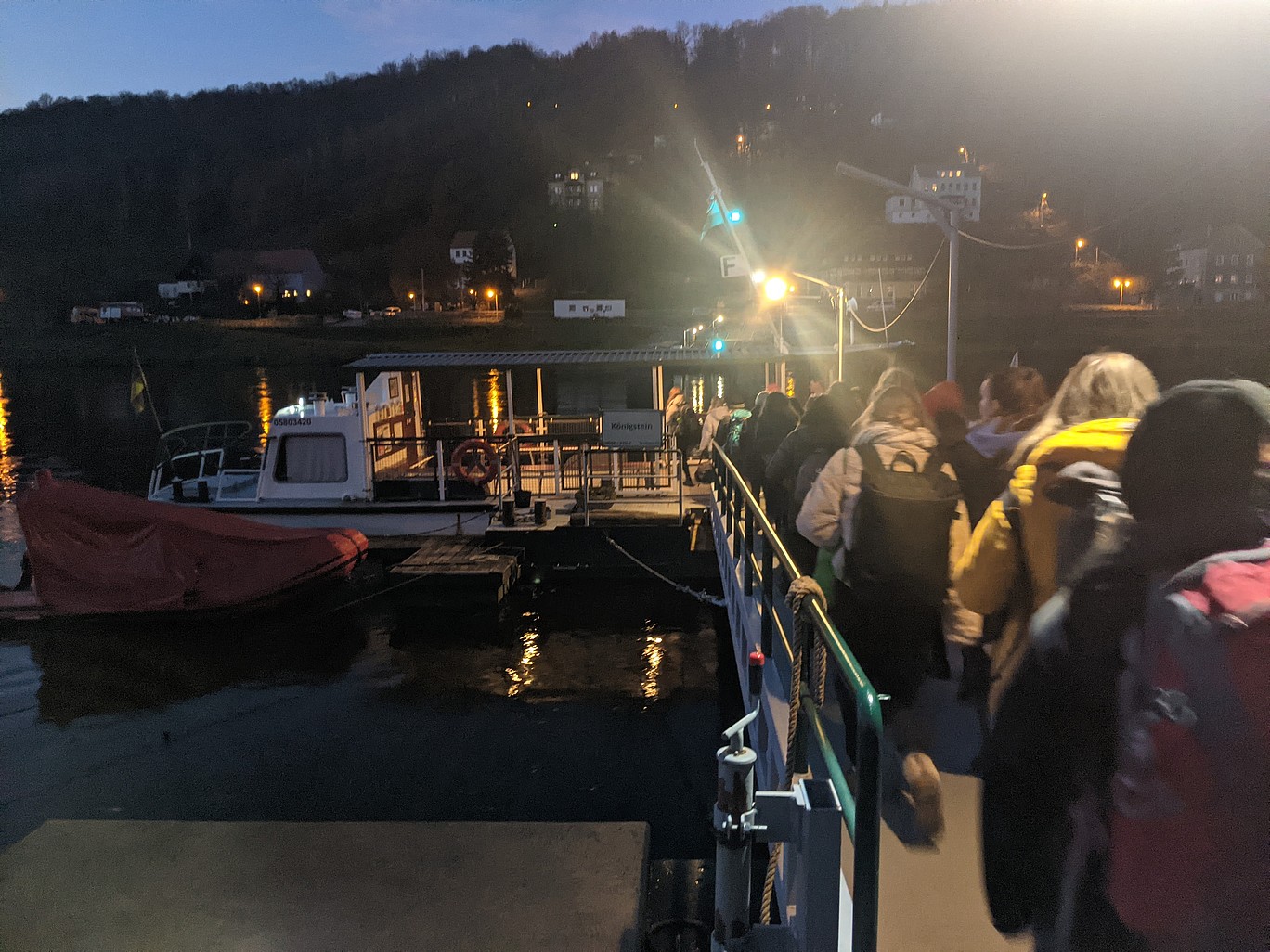
After a short transfer time, we reached the banks of the Elbe in Bad Schandau. From there, we continued seamlessly to the Saxon Switzerland National Park Center. In a vivid presentation, Ms. Engelbrecht, a long-time employee of the national park, addressed problems such as forest fires, waste pollution and damage to the national park caused by graffiti. "Consistent visitor guidance and targeted communication are part of the solution to the problems mentioned," explained the national park employee. After all our questions have been answered, we briefly explore the exhibition in the Saxon Switzerland National Park House. In the afternoon, we carry out a local analysis of the elements of sustainability in Bad Schandau. As dusk fell, we boarded a small ferry at the pier in Königstein, which took us to our accommodation on the other side of the Elbe. The first day of the excursion came to a pleasant end with dinner together.
After a hearty breakfast, a short walk and a leisurely ferry ride, we set off on the second day of the excursion by bus. Our first stop was the "Bad Schandau National Park Station" mobility hub. With barrier-free platforms, a bus station with P+R and bicycle parking spaces, this award-winning hub is a prime example of customer orientation in the region. During the on-site visit, the sustainability aspects in and around the site also had to be recorded. After analyzing the mobility options for hikers, the next stop was the Bio-& Nationalparkrefugium south of us.
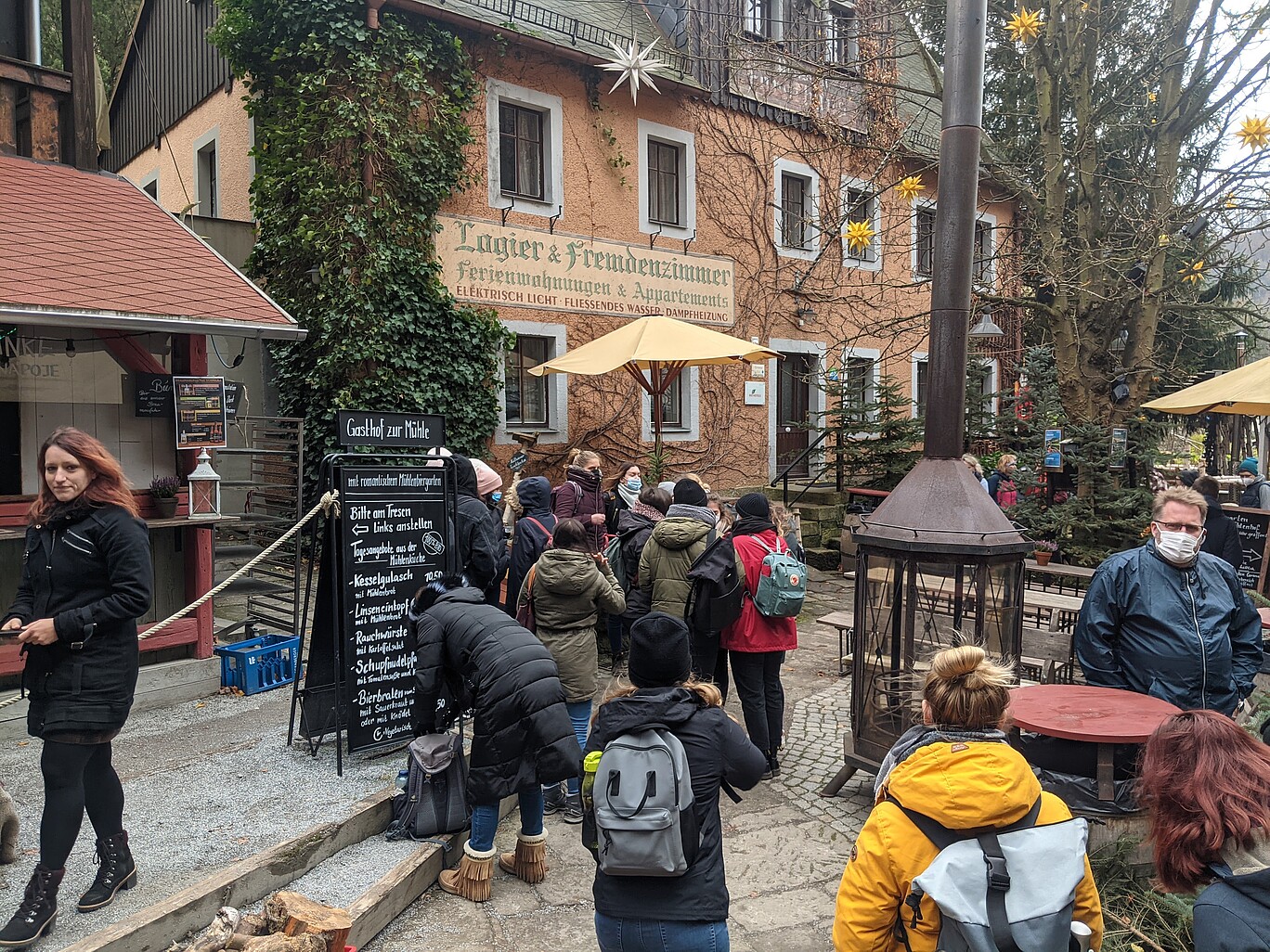
The service provider, which covers the entire village of Schmilka with numerous leisure activities, an organic kitchen and various sustainably restored accommodations, welcomed us to the premises of its brewery. After a brief outline of the background and business activities of the slow tourism provider, we were able to ask questions and discuss specific topics. Our visit to the small village just behind Winterberg ended with a leisurely tour of the premises.
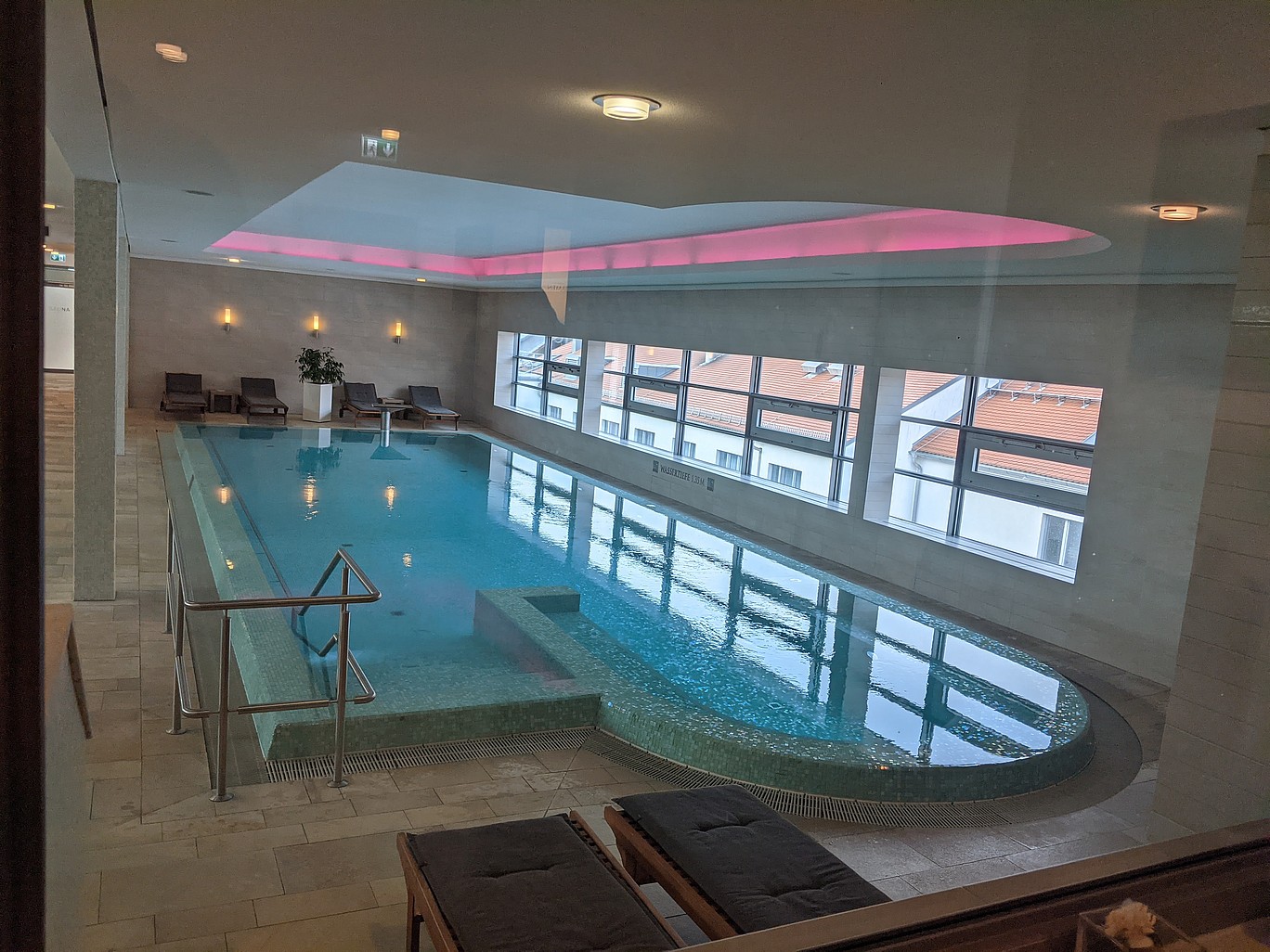
Back in Bad Schandau, a visit to a 5***** hotel was on the agenda. The high-class hotel, located directly on the Elbe, promises its guests a cultural microcosm of countless regional and international stories. These were to be discovered during a tour from the garden to the roof. Under the roof, we found a large wellness area and a small pool. In the Canaletto Hall of the residence, the residence manager answered our questions on the topics of personnel management and quality assurance to round off the tour. With these impressions, we returned to our accommodation in Hohenstein.
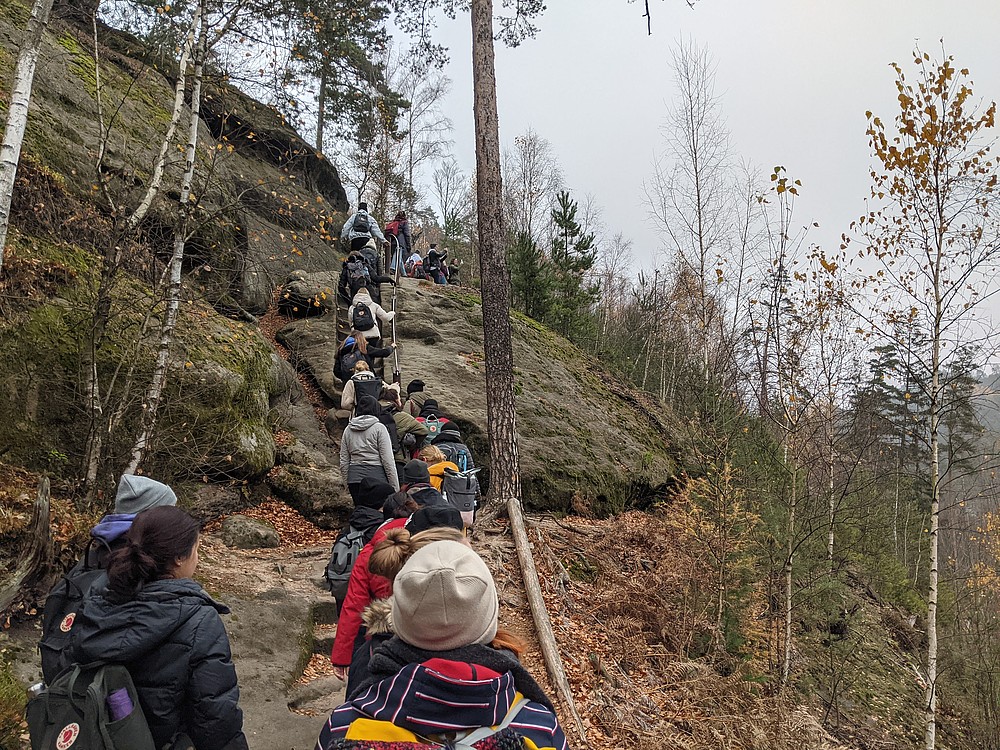
The last morning of our trip began with sad news. Our ranger, who was supposed to guide us through the national park, had canceled during the night. So our new plan was to explore Bohemian Switzerland on our own. During our tour, we were to carry out an atmospheric analysis for various target groups along the way. The insights gained can be used for targeted measures in destination marketing. After a short workshop at our accommodation, we set off for Bohemian Switzerland. Our hike took us along more or less well-trodden paths through a variety of flora in a breathtaking panorama, if it hadn't been so foggy. After about 3 hours and a few meters in altitude, we reached our last destination of the excursion. At the Hotel Zámeček, we fortified ourselves with a typical local meal before setting off on our journey home, tired and exhausted.
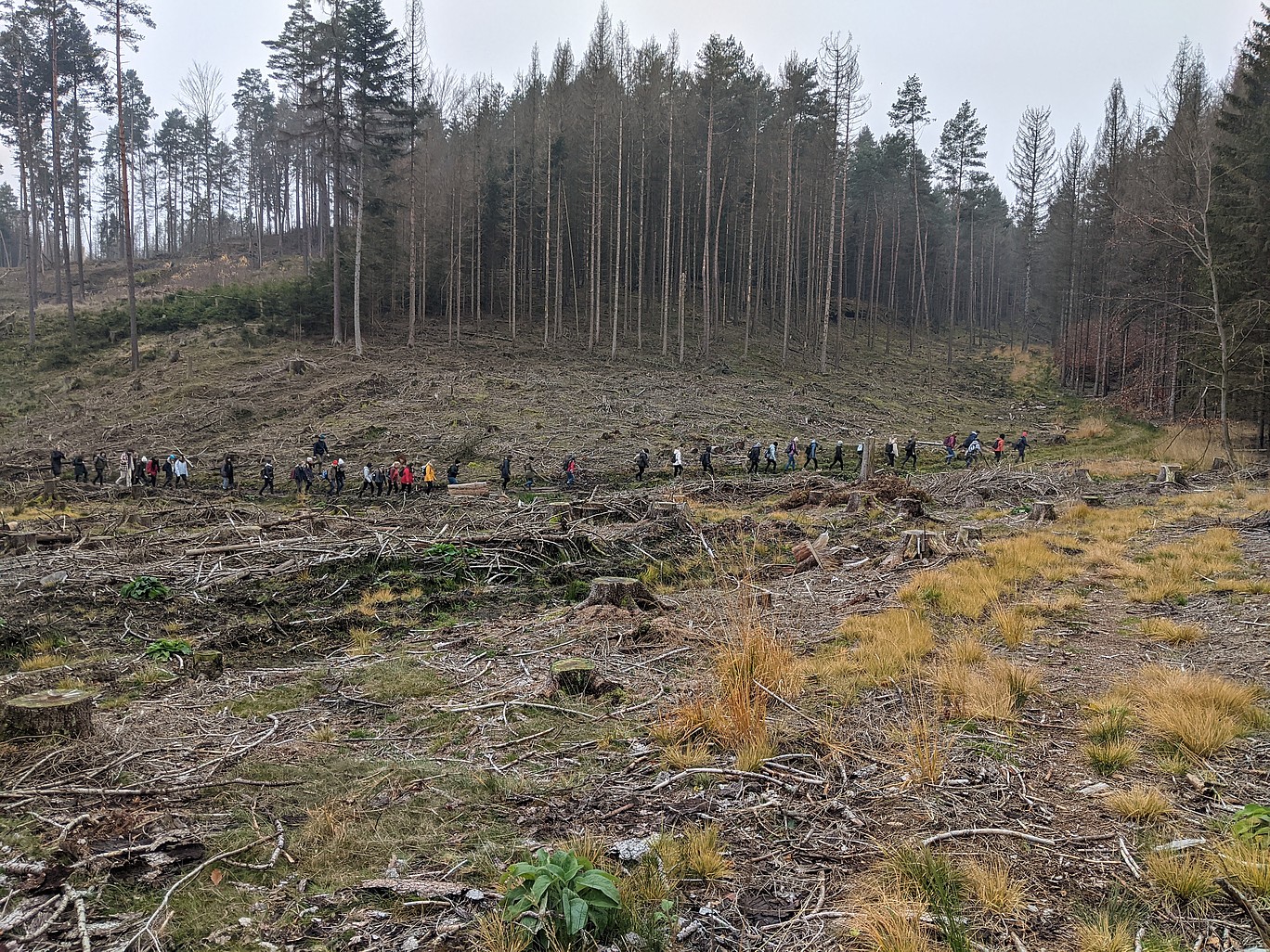
The student observations are then evaluated at the university in Görlitz. This involves putting the theoretical knowledge acquired into a practical context. "The scientific excursion went well and was a successful experience for everyone involved," says Moritz, one of the students from the Tourism Management course.
https://f-mk.hszg.de/studiengaenge-in-goerlitz/tourismusmanagement