The Zittau/Görlitz University of Applied Sciences is working with the Lower Silesian Upper Lusatia Development Association and Powiat Zgorzelecki to establish a German-Polish region of enjoyment as part of the INTERREG project "Slow Life"
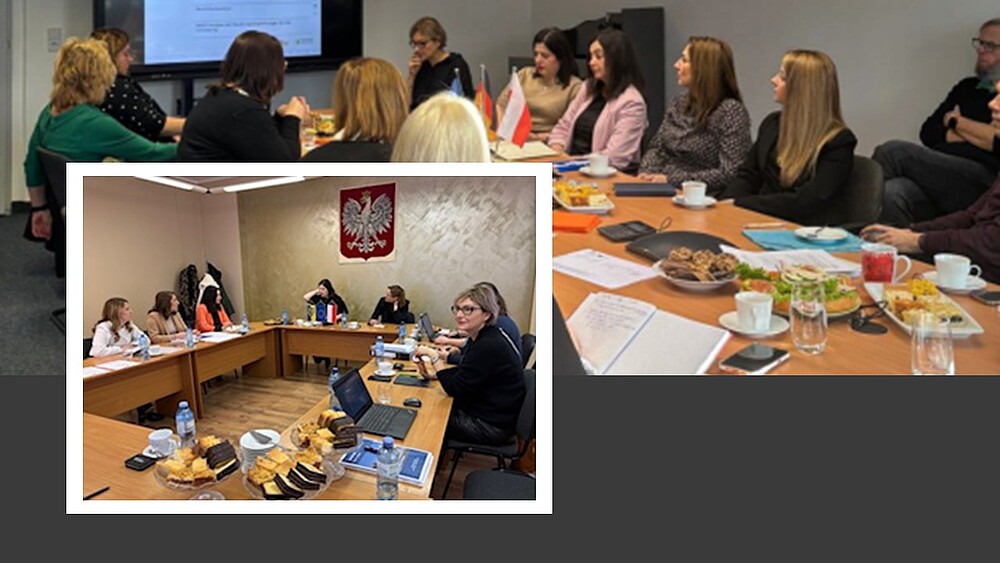
The INTERREG project "Slow Life - Creating a German-Polish Region of Delight" is an invitation to live and travel consciously. In a time characterized by speed, stress and sensory overload, the project focuses on mindfulness, regionality and cultural connection - beyond administrative borders.
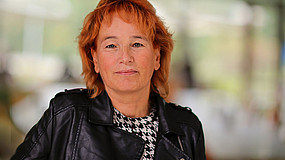
Under the direction of Prof. Dr. Ute Pflicke, Professor Emeritus of Tourism Management at the Faculty of Managerial and Cultural Studies at Zittau/Görlitz University of Applied Sciences, the Zittau/Görlitz University project team is developing a cross-border pleasure route together with the Niederschlesische Oberlausitz development company and the Powiat Zgorzelecki. The aim is not only to create new tourist attractions, but also to promote social inclusion, boost regional value creation and make a sustainable contribution to cultural identity.
The aim of the project is to establish a model German-Polish gourmet region that rethinks and combines cuisine, health, recreation and culture along the Neisse. The basis for this is a scientifically sound analysis of the current situation carried out by the Zittau/Görlitz University of Applied Sciences. It records existing offers in the region, supplemented by historical reviews, benchmark comparisons and a SWOT analysis.
Based on this, pleasure experience points are created, which are developed together with partners from the region and brought together in a pleasure route. This route is evaluated in a pilot phase by independent test persons and then optimized.
Particular attention will be paid to low-barrier offers. People with disabilities will be actively involved - their experiences will flow directly into the development.
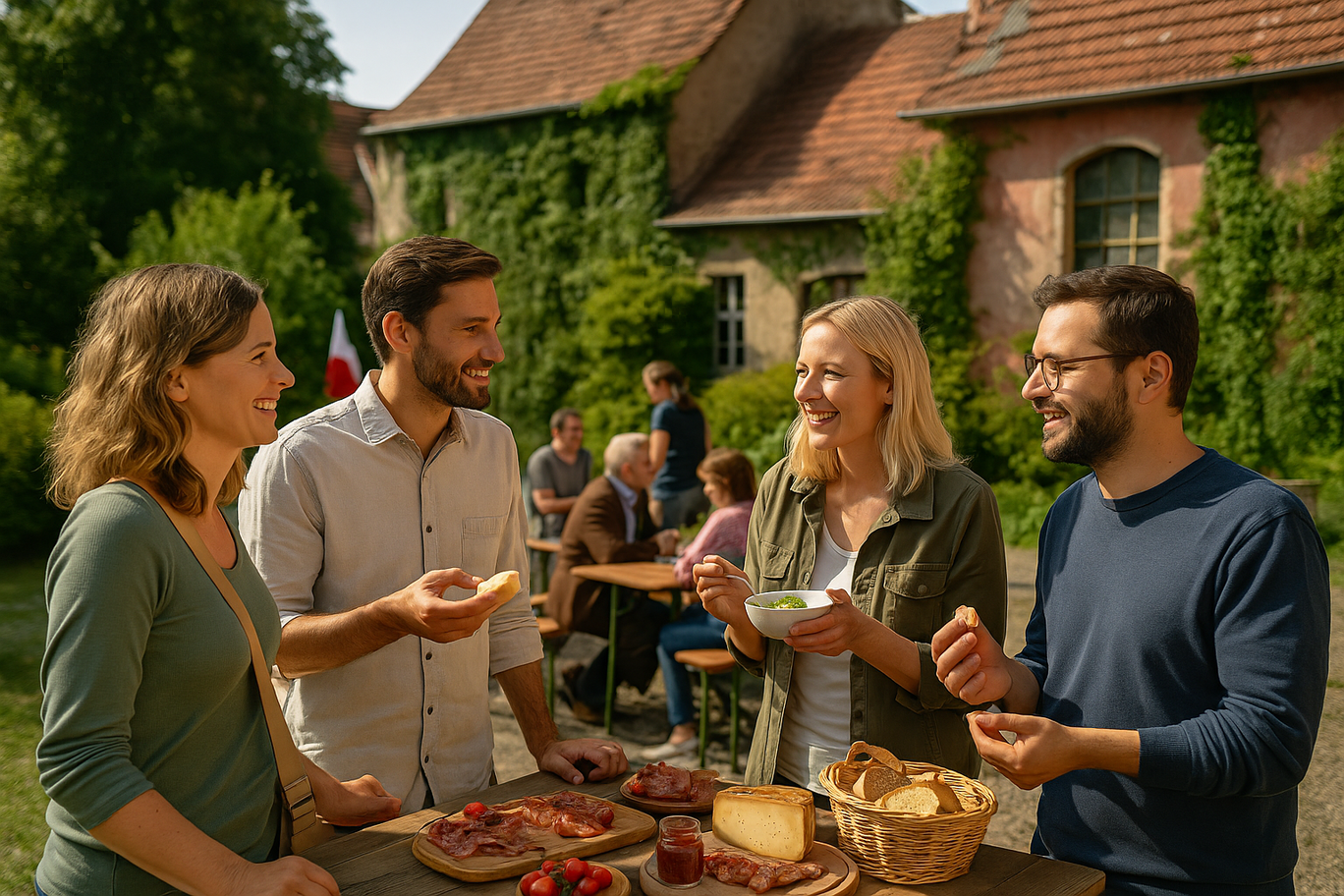
A central aim of the "Slow Life - Creating a German-Polish Region of Delight" project is to develop the region sustainably, not only in terms of tourism, but also socially and economically. To achieve this goal, the project team relies on a targeted communication strategy that is implemented both analog and digitally. In addition to a multilingual landing page and an interactive app for the planned gourmet route, blogger trips, social media campaigns and information events are also being organized. Furthermore, gourmet ambassadors from the region will be identified and trained to act as authentic representatives for the idea of "Slow Life" and actively involve the population in the project.
The project activities are aimed at a variety of target groups. In addition to active and cultural travelers who explore the region on foot or by bike and have a great interest in authentic enjoyment and regional specialties, the focus is also on the local population of the border region. Many of them are hardly aware of the existing potential and offers in the areas of cuisine, health and relaxation. They should therefore be specifically addressed and actively involved - both as a target group and as intermediaries. Special attention is also paid to the accessible design of the offers to enable people with disabilities to participate in the tourist life of the region. The project also creates new opportunities for networking, profile building and economic development for regional producers, tourism service providers and local authorities.
In terms of content, the project is clearly embedded in existing European and regional strategies. Among other things, it aims to achieve the objectives of the Saxony Tourism Master Plan, which aims to strengthen the regional economy and promote year-round tourism. The Upper Lusatia 2025 destination strategy, the development strategy of the Lower Silesian Voivodeship and the EU Baltic Sea Strategy also emphasize the importance of regionality, culinary delights, sustainability and cultural identity - aspects that are central to the "Slow Life" project. There are also thematic synergies with the organic model region in the district of Görlitz, which strengthens regional value chains in the organic food sector. This cooperation opens up opportunities for close integration of regional initiatives across national borders.
The project is financed by the INTERREG Poland-Saxony 2021-2027 cooperation program with funds from the European Regional Development Fund (ERDF). The project partners are the district of Görlitz and the district of Zgorzelec under the overall management of ENO mbH (Entwicklungsgesellschaft Niederschlesische Oberlausitz). The Zittau/Görlitz University of Applied Sciences is responsible for the scientific coordination as well as the conception and monitoring of the technical measures - thus effectively contributing its expertise in sustainable tourism, intercultural cooperation and regional development.
A cross-border enjoyment route with real added value: economic, social, cultural.
A strong network of committed players that connects the region in a new way.
And a project idea that makes people aware: enjoyment connects - borders do not.
"Slow Life" is not a break - it is a model for the future. For tourism, for regions, for Europe.