

A new impulse project was launched in May to research economic process chains for the sustainable production of NFRP composites
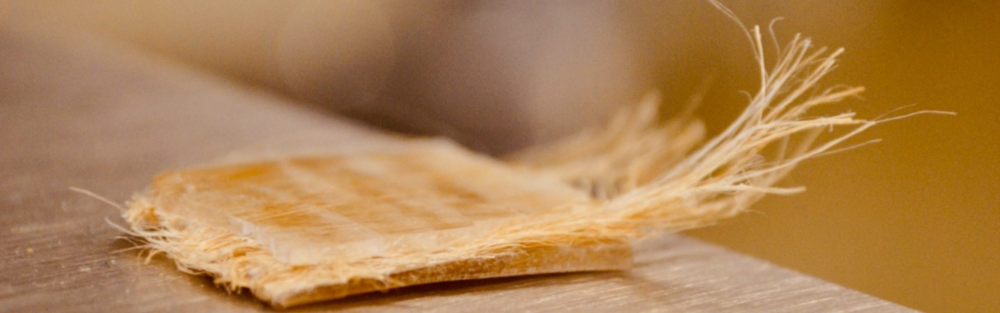
The growing awareness of environmental and climate protection in society and the economy is increasingly bringing sustainable, low-CO2 materials into focus and offers natural fiber-reinforced plastics (FRP) an excellent basis for use as an environmentally friendly alternative to conventional fiber-reinforced composites (GFRP, CFRP).
NFRPs are becoming increasingly attractive. They have great potential for the energy- and resource-efficient production of sustainable and competitive components. Despite their many advantages, NFRPs have so far only been used in selected applications, such as in automotive engineering or the sports equipment industry.
The main reasons for this include the deficits in the properties of NFRP compared to synthetically reinforced plastics, which still need to be modified.
In order to eliminate these deficits and expand the range of applications for this sustainable group of materials, targeted preliminary work was carried out as part of the previous impulse project 2. To this end, it was possible to develop application-oriented, natural-fiber-compatible construction concepts and competitive production technologies for NFRP.
These results form the basis for impulse project 5, which was launched in May and addresses research into economic process chains for the sustainable production of natural fiber-plastic composites. This impulse project thus forms an essential part of the interdisciplinary LaNDER³ project and makes a decisive contribution both to protecting the environment and resources and to increasing the innovation potential of LaNDER³'s primarily regional partner companies.