
Event details
Future Congress as a venue for lively exchange and new ideas across national borders
On June 18, the Future Congress hosted an event at TELUX Weißwasser as the closing event of the second project cycle of the YVA/JuBReg project, focusing on exchange and developing visions. Students from the Zittau/Görlitz University of Applied Sciences provided active support and facilitated Idea Labs and parts of the World Café.
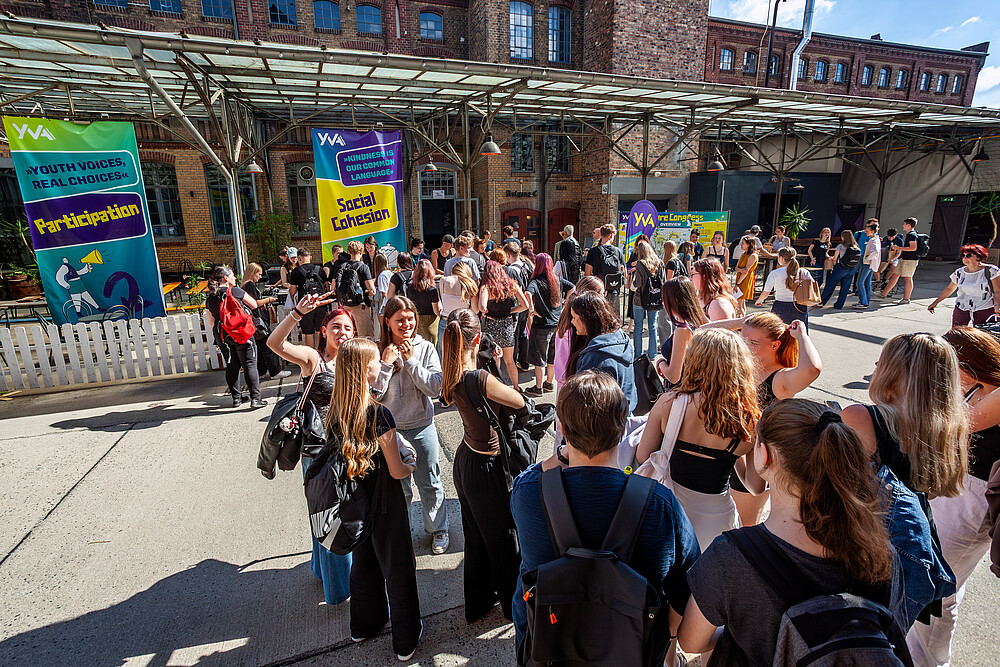
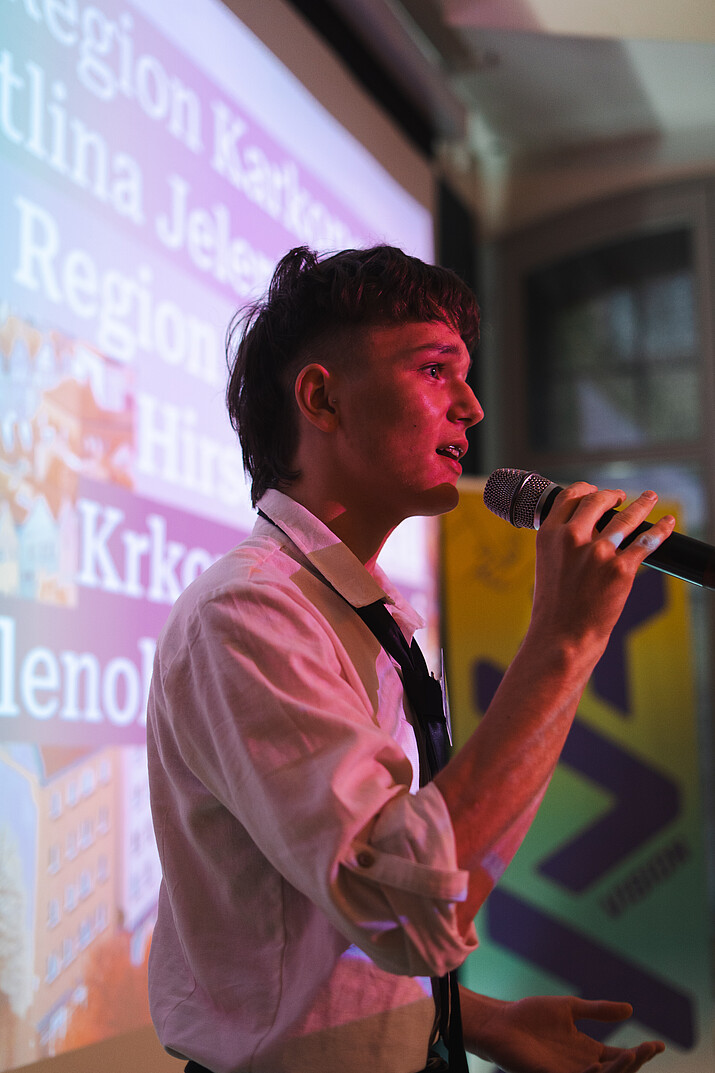
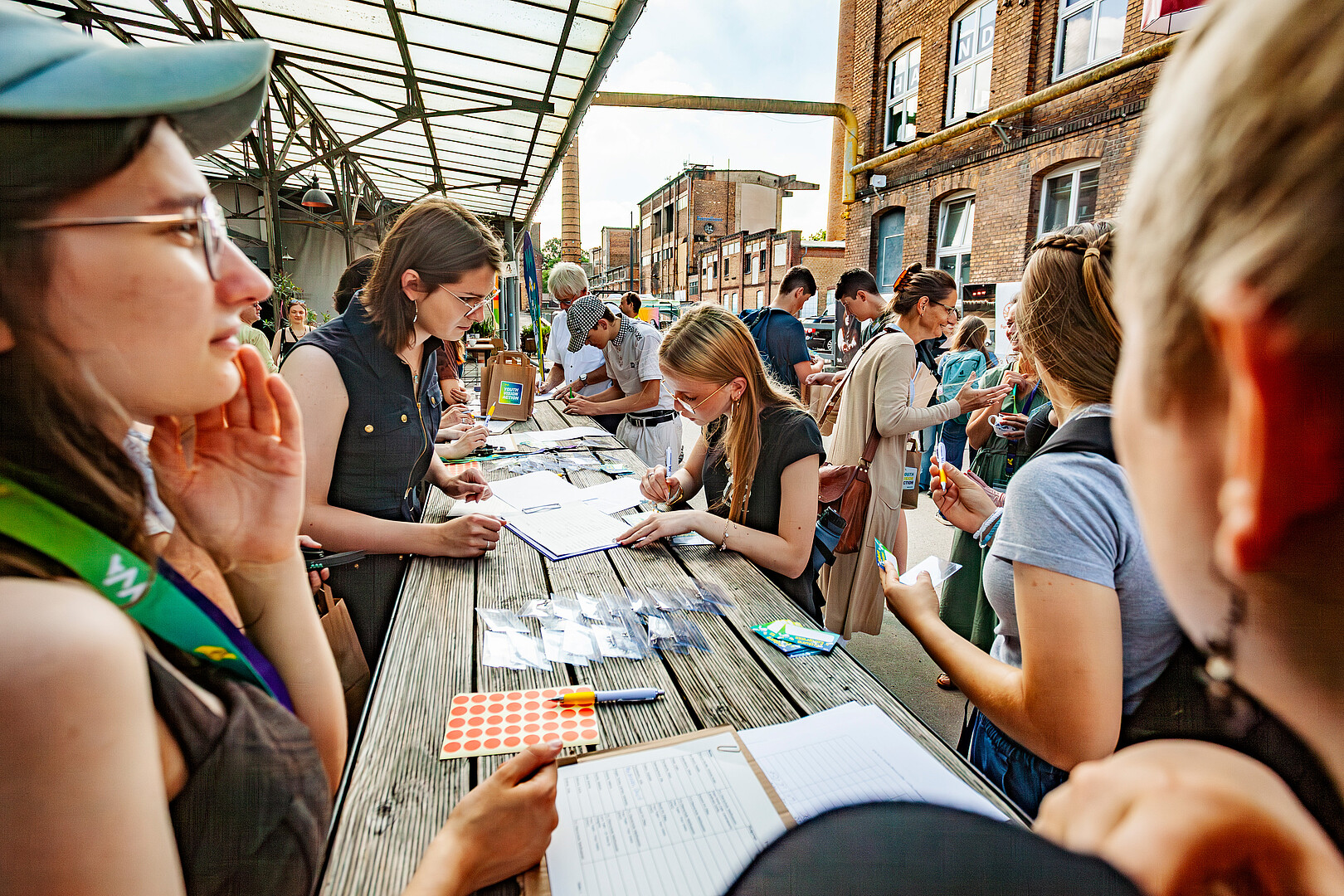
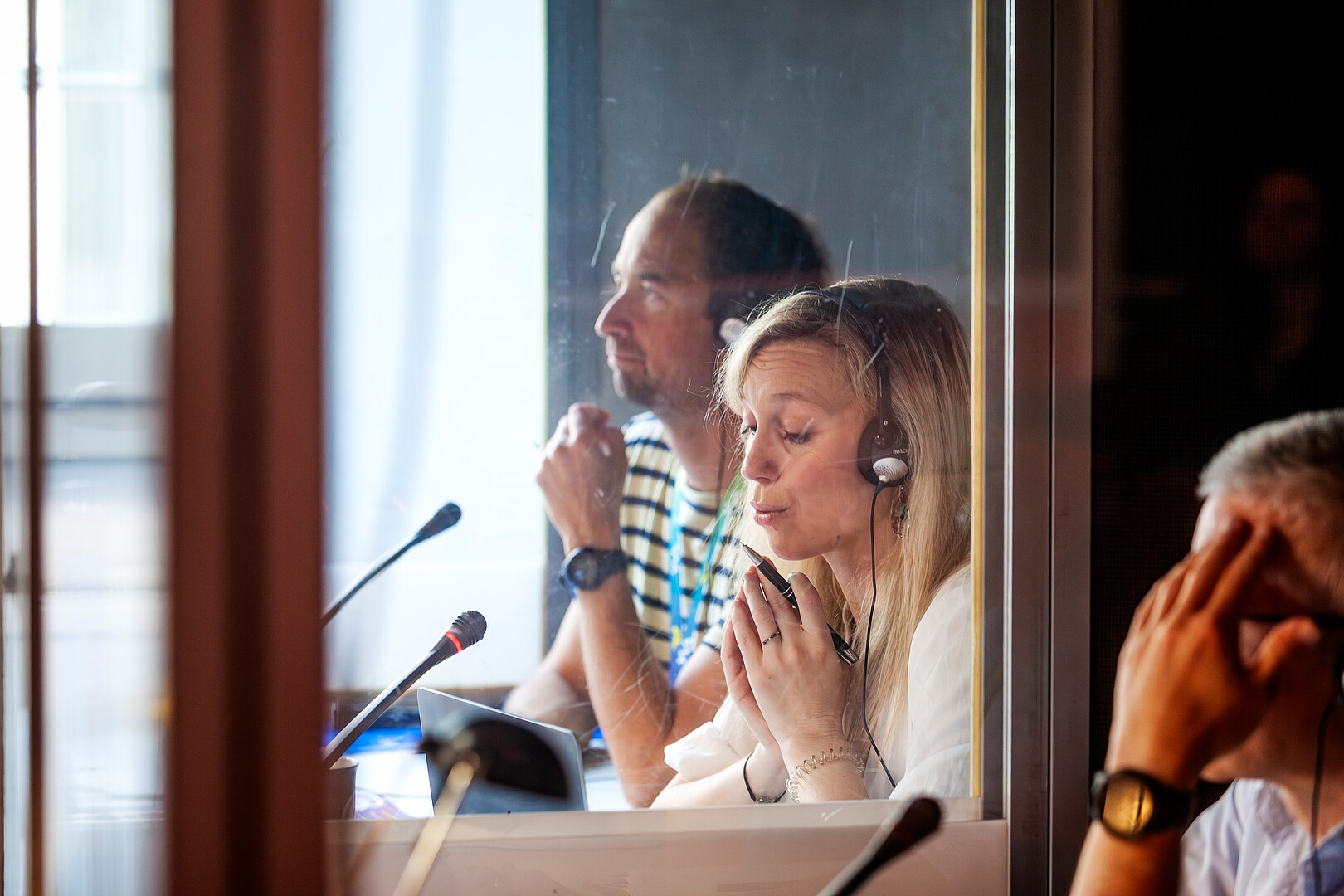
On June 18, the Future Congress took place at TELUX Weißwasser as the closing event of the second project cycle of the YVA/JuBReg project. Around 100 students from Germany, Poland and the Czech Republic gathered in the halls of the former glass factory. Following the opening remarks by student and moderator Emil Ehrentraut, as well as welcoming addresses by Mayor Katja Dietrich, Franziska Schubert and project director Prof. Dr. Claus, there were inspiring keynote speeches by David Schmidt (Liberec Student Parliament), Tymon Gierus (Jelenia Góra) and Julia Fiedler, together with students from FS Boxberg.
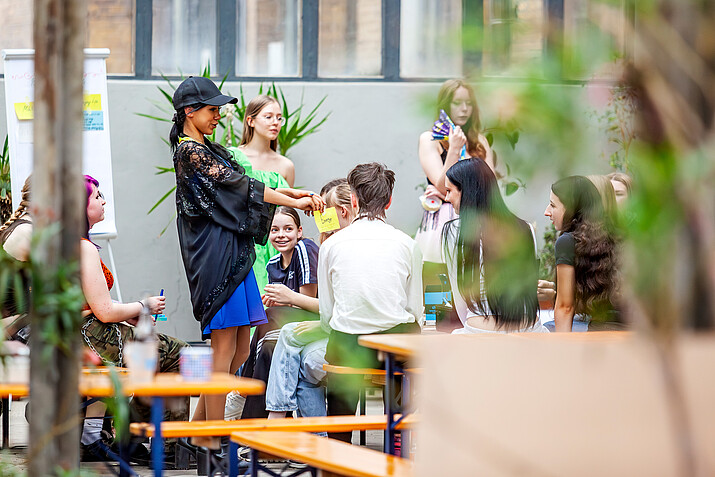
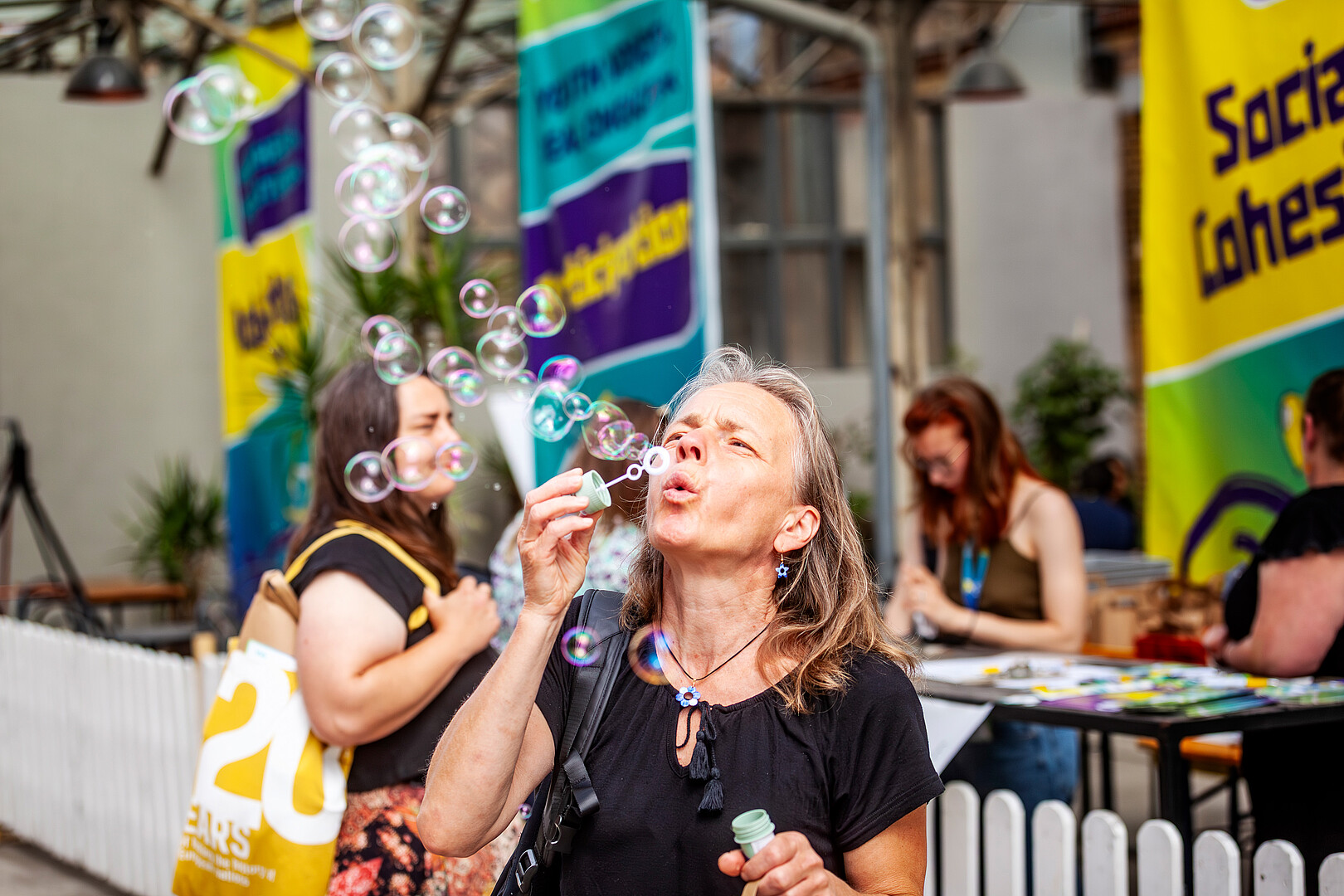
Following this, the Idea Labs invited participants to jointly develop visions on the topics of social cohesion, environmental and nature conservation and the unmet needs and challenges of the shared region. For those eager to learn, the two knowledge workshops—“Let’s Talk! – Or How to Disagree?” and “Slowing Down Our Eyes – Bits of Digital Wellbeing”—provided in-depth insights. At the same time, students from the IHI Zittau presented their research posters. During the summer semester, they had explored how international students perceive the German-Polish-Czech border region. Afterward, they discussed their findings with young people, project partners and guests from politics and public administration.
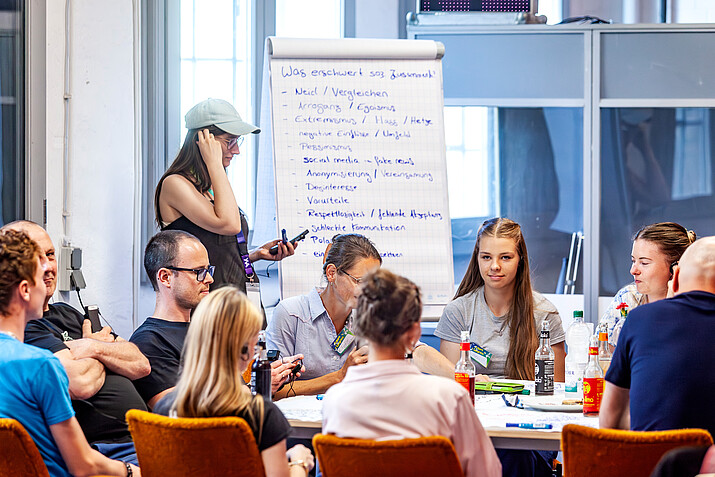
In the afternoon, the ideas developed that morning were discussed and further refined in a World Café session together with representatives from politics, government and civil society. Stimulating discussions, new perspectives and concrete ideas for the tri-border region emerged in the areas of social cohesion, environmental protection and nature conservation, mobility and open-ended questions about the future.
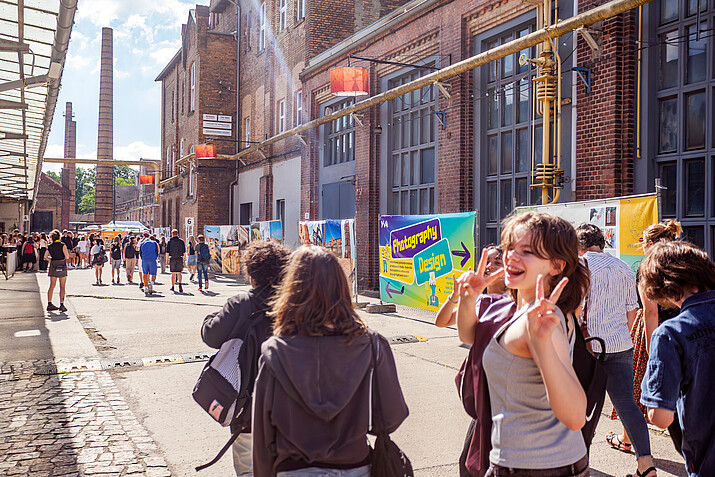
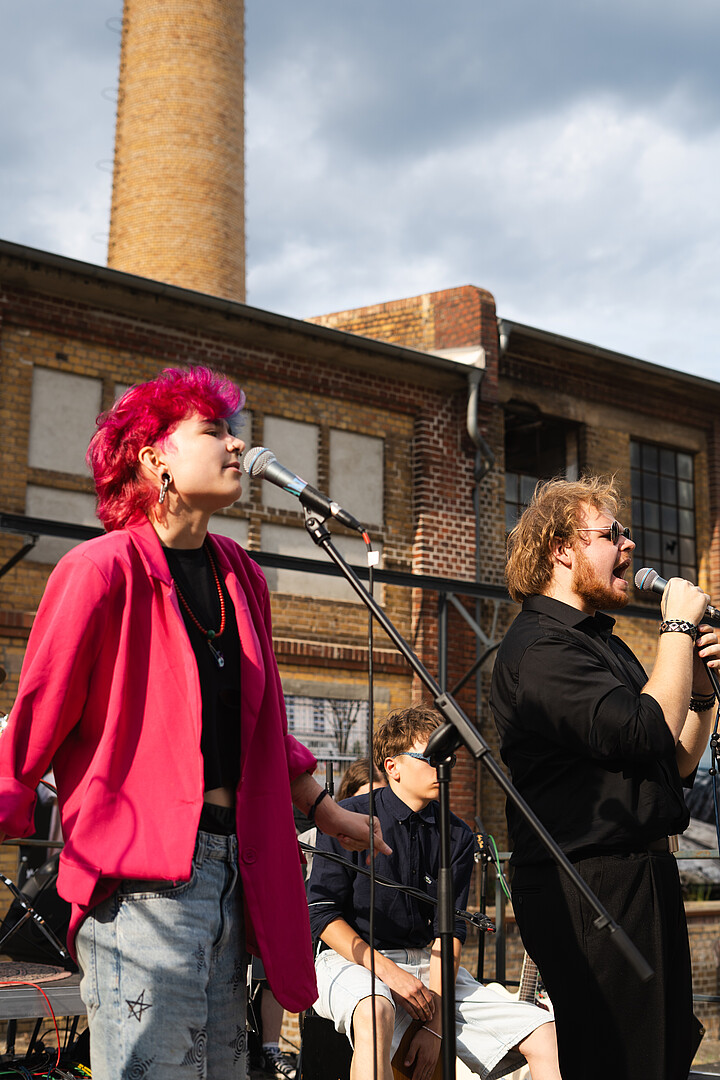
The Congress was complemented by an accompanying arts program: The results from the Future Camps presented there brought the participants’ thoughts, hopes and visions to life and gave the event a special atmosphere.
Some of the Idea Labs in the morning, as well as some of the World Café tables in the afternoon, were led by students from the Zittau/Görlitz University of Applied Sciences. As part of their project-based coursework, social work students had previously examined the Euro-Neisse region and the challenges of regional structural change and—together with young people from the project—had developed part of the program for the congress. Students from the Communication Psychology and Culture and Management programs also served as facilitators and were involved in preparing the trinational congress.
Your Contacts
2nd floor right
2nd upper floor