Experiences from the internship at the Ozeaneum Stralsund
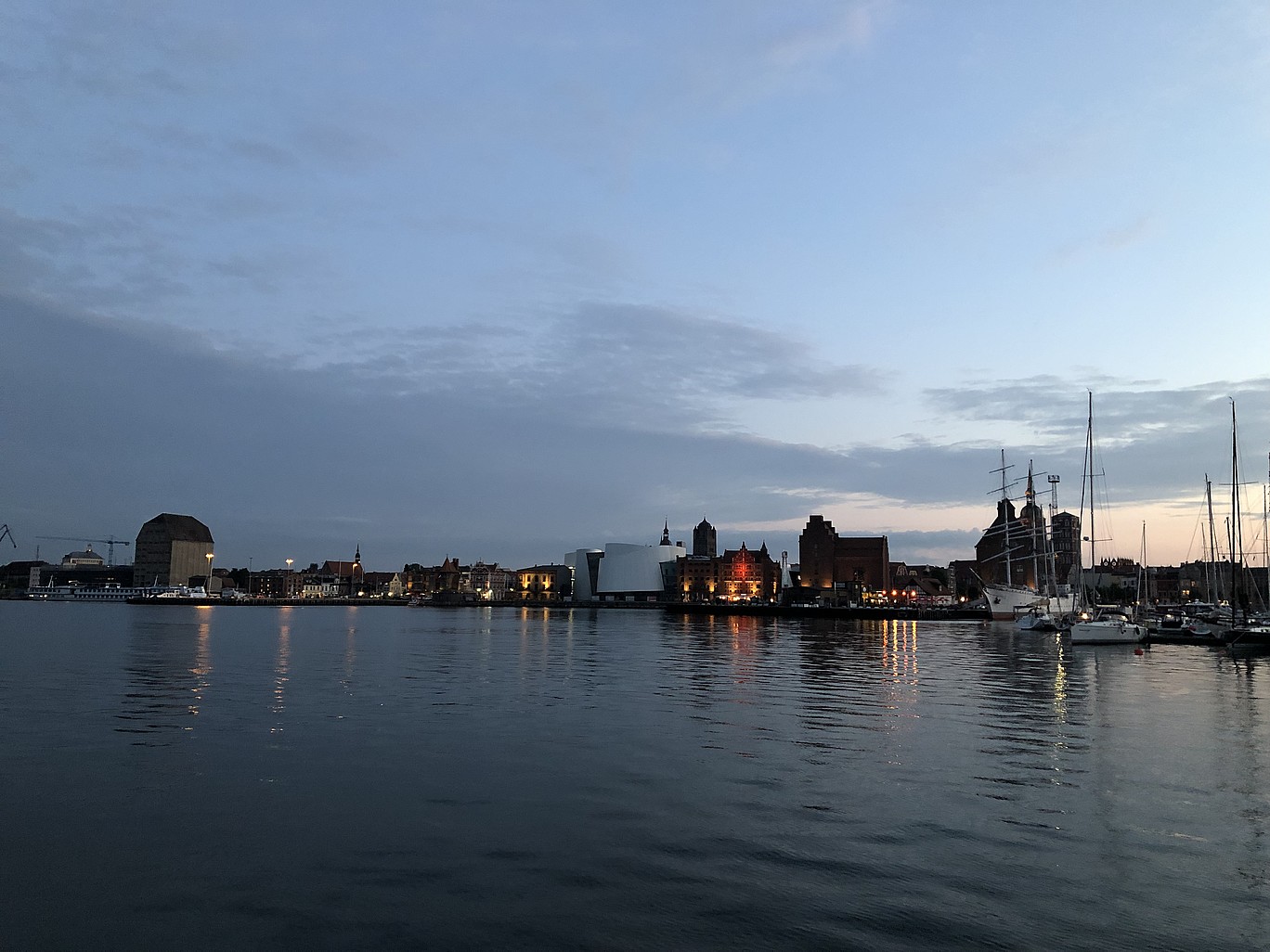
For the culture and management degree program at the Zittau/Görlitz University of Applied Sciences, it is customary to complete a mandatory internship in the 6th semester. My internship took place at the German Oceanographic Museum Foundation in Stralsund. Perhaps you know the OZEANEUM or the MEERESMUSEUM in Stralsund, which belong to the foundation. Of course, corona played a major role in my internship, which is why the corridors were sometimes deserted. However, the foundation has something special to celebrate this year: it is 70 years old and the director Dr. Harald Benke is leaving the boat after more than 25 years in charge. To mark this birthday and the handover of office, a party was supposed to be held at the OZEANEUM for invited guests, including German Chancellor Angela Merkel, which ultimately could not be planned in these times. It was therefore decided to realize the event as an online event.
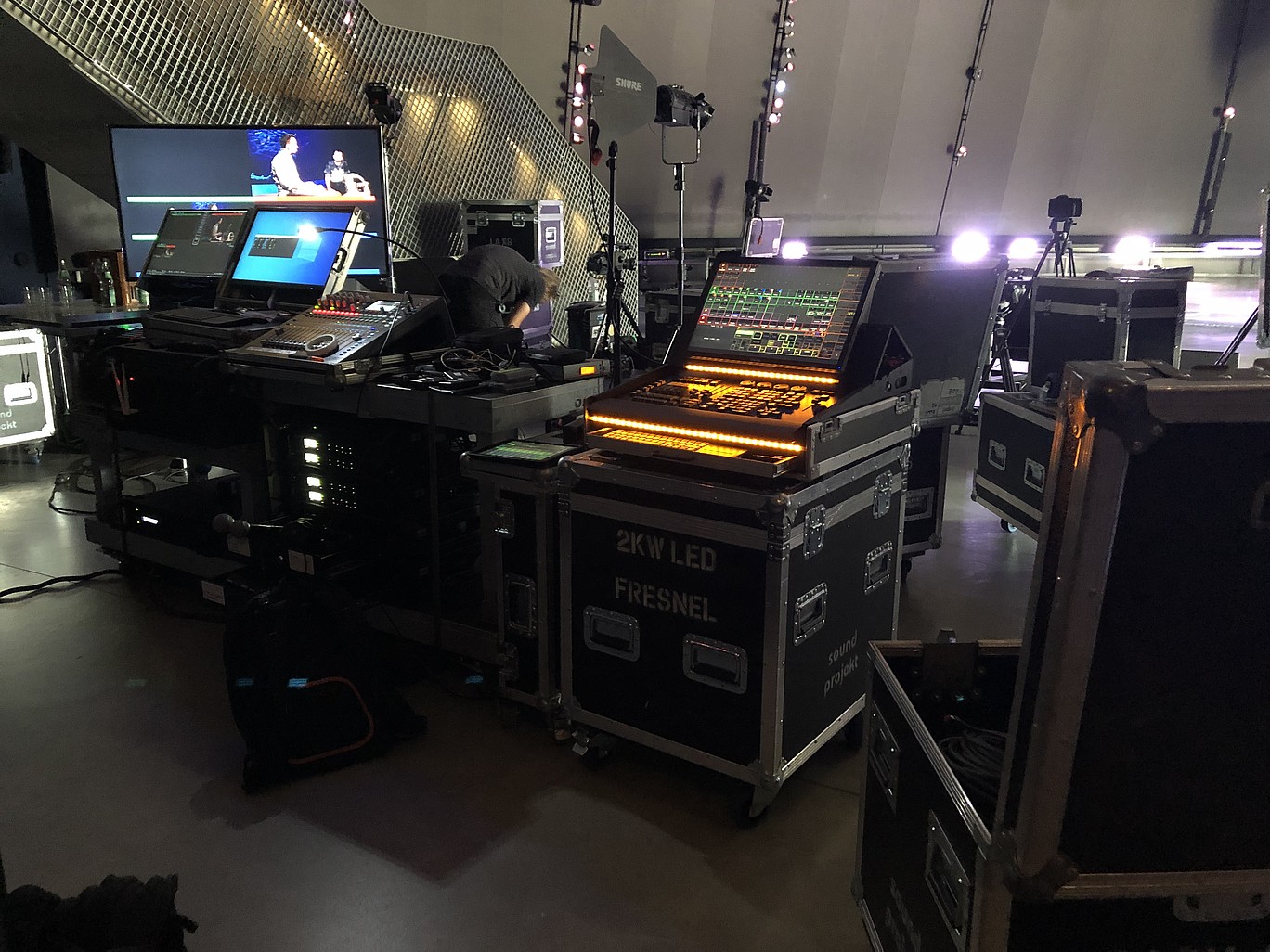
My internship took place in the "Exhibition" and "Communication and Marketing" departments. My main task was to help organize the planned event and support it from start to finish. The museum had never planned a major online event before, which is why it worked closely with regional companies such as Soundprojekt fest and filmmaker Marcus Friedrich. This made it possible for me not only to get to know the museum's work and structures, but also to gain a small insight into the work of an event agency and event technology.
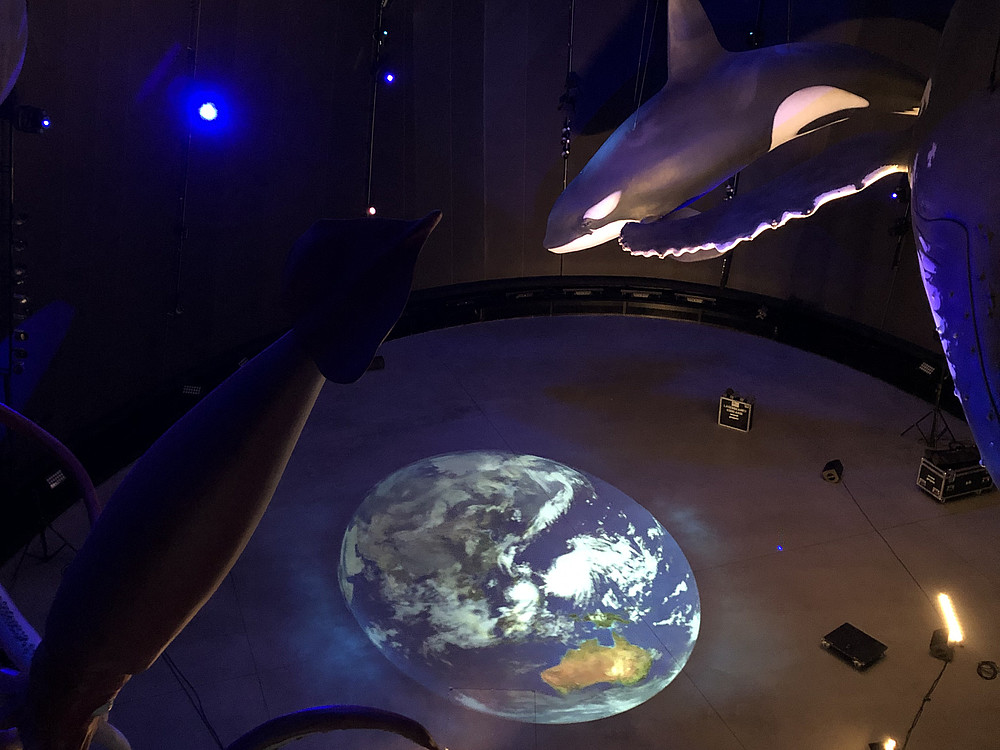
The event took place in the "1:1 Giants of the Seas" exhibition room, where whales are exhibited in their original size. This room provides a breathtaking backdrop for a festive event and was spectacularly staged with the help of the agency's technology. One highlight of the event was the large floor projections, such as a rotating globe or a swimming whale.
Fun fact: The humpback whale is Director Dr. Benke's favorite whale because, among other things, they are the singers and composers among whales.
If you are now curious and would like to see the result, you can do so on the YouTube channel of the German Oceanographic Museum.
A report by Kim-Marielé Reutter, WKb18