
Not an abstract goal, but a daily task
The workshop “Gender Equality for Early-Career Researchers at Saxon Universities” combined support for early-career researchers, equal opportunity, and gender equality.
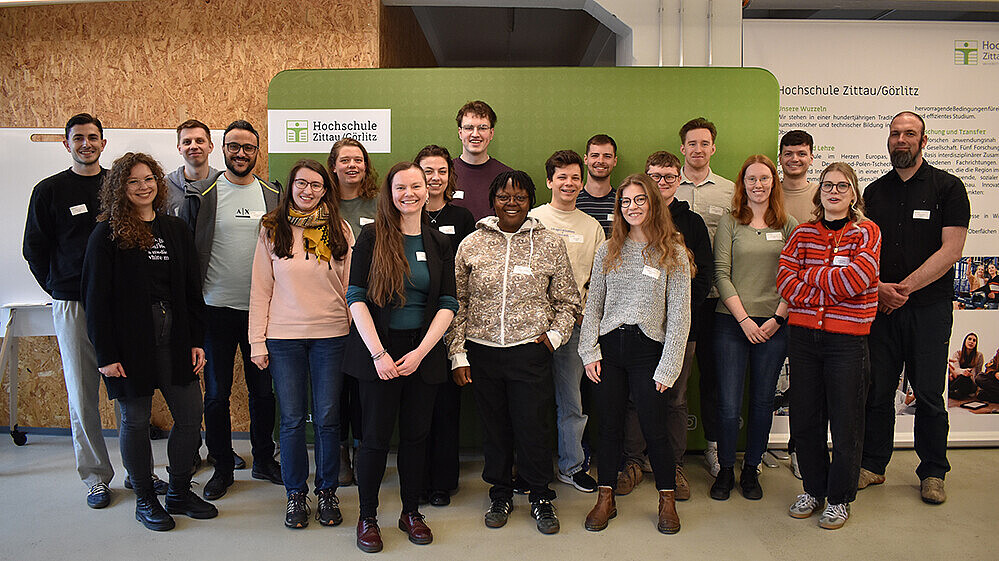
In late October 2025, the new program for early-career researchers at Zittau/Görlitz University of Applied Sciences, “Young Scientists@HSZG,” was launched . The goal is to support researchers in the early stages of their careers by providing guidance, visibility, and practical tools to help them navigate the field of science communication. In the spring of 2026, the follow-up workshop “Gender Equality for Early-Career Researchers at Saxon Universities” took place at CELSIUZ in Zittau as part of “Young Scientists@HSZG.”
The German Rectors' Conference—the voluntary association of state and state-recognized universities in Germany—states on its website: “In the German academic system, women are underrepresented at higher qualification levels as well as in leadership positions. Although women make up half of all first-year students, current students, and university graduates, a disproportionately high number of women drop out of academia at the transition points from bachelor’s degree to doctorate and from doctorate to habilitation. They account for approximately 26 percent of professorships, and 25 percent of university leadership positions.”
However, the topic of equality encompasses not only gender issues but also includes aspects of inclusion, accessibility, and diversity. As the Free State of Saxony states on the “Studying in Saxony” portal: “Diversity management at universities not only tolerates people’s individual differences but also highlights them in an appreciative manner. Diversity should be harnessed positively for the success of the university. Diversity at universities means, for example, expanding equal opportunity and strengthening the role of equal opportunities officers, empowering women in the academic system, ensuring the equal participation of students and staff with disabilities and chronic illnesses, and striving for a better balance between academic studies and family life, as well as protection against discrimination.”
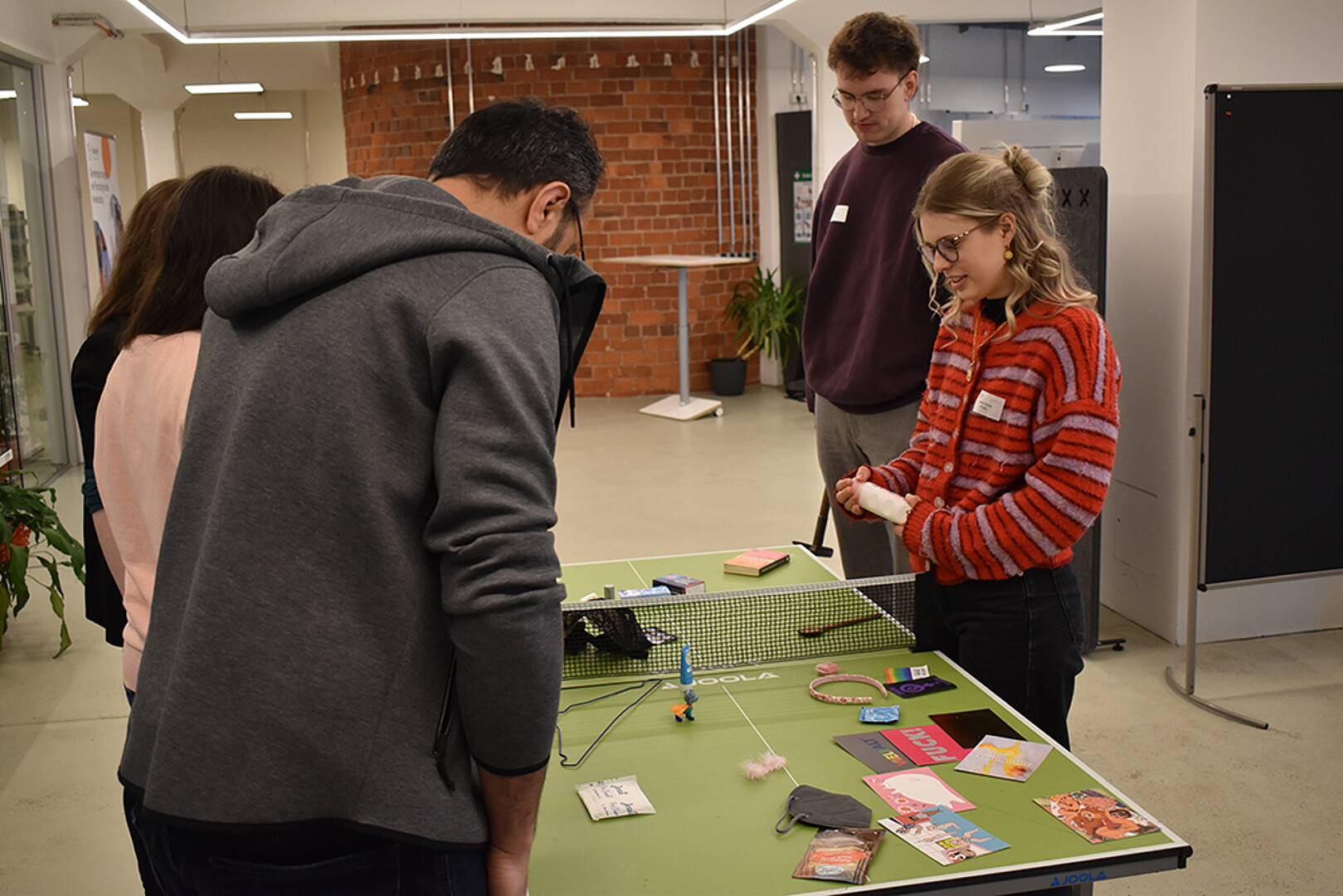
Linking the Promotion of Young Talent, Equal Opportunity, and Gender Equality
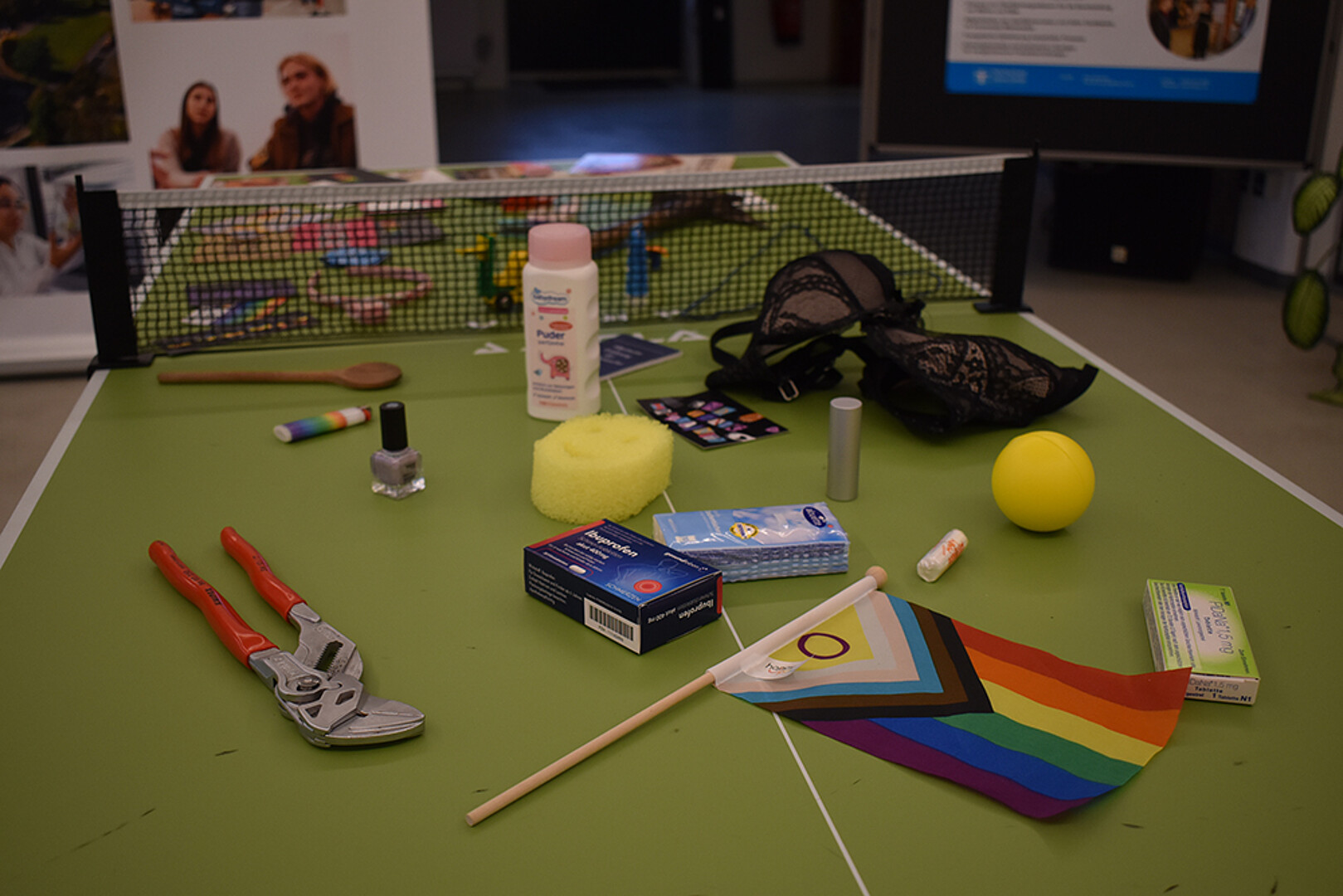
The background information provided here serves to contextualize the current workshop topic at HSZG. The workshop “Gender Equality for Early-Career Researchers” was designed as a transfer-oriented professional development and exchange platform. It combined support for early-career researchers with cross-university knowledge transfer on equal opportunity, diversity, and gender equality in academia. At the same time, the format offered the opportunity to specifically feed insights from gender equality issues back into STEM-related (STEM = Science, Computer Science, Naturwissenschaften, and Technik) research and higher education contexts, thereby providing impetus for a reflective, discrimination-sensitive academic practice.
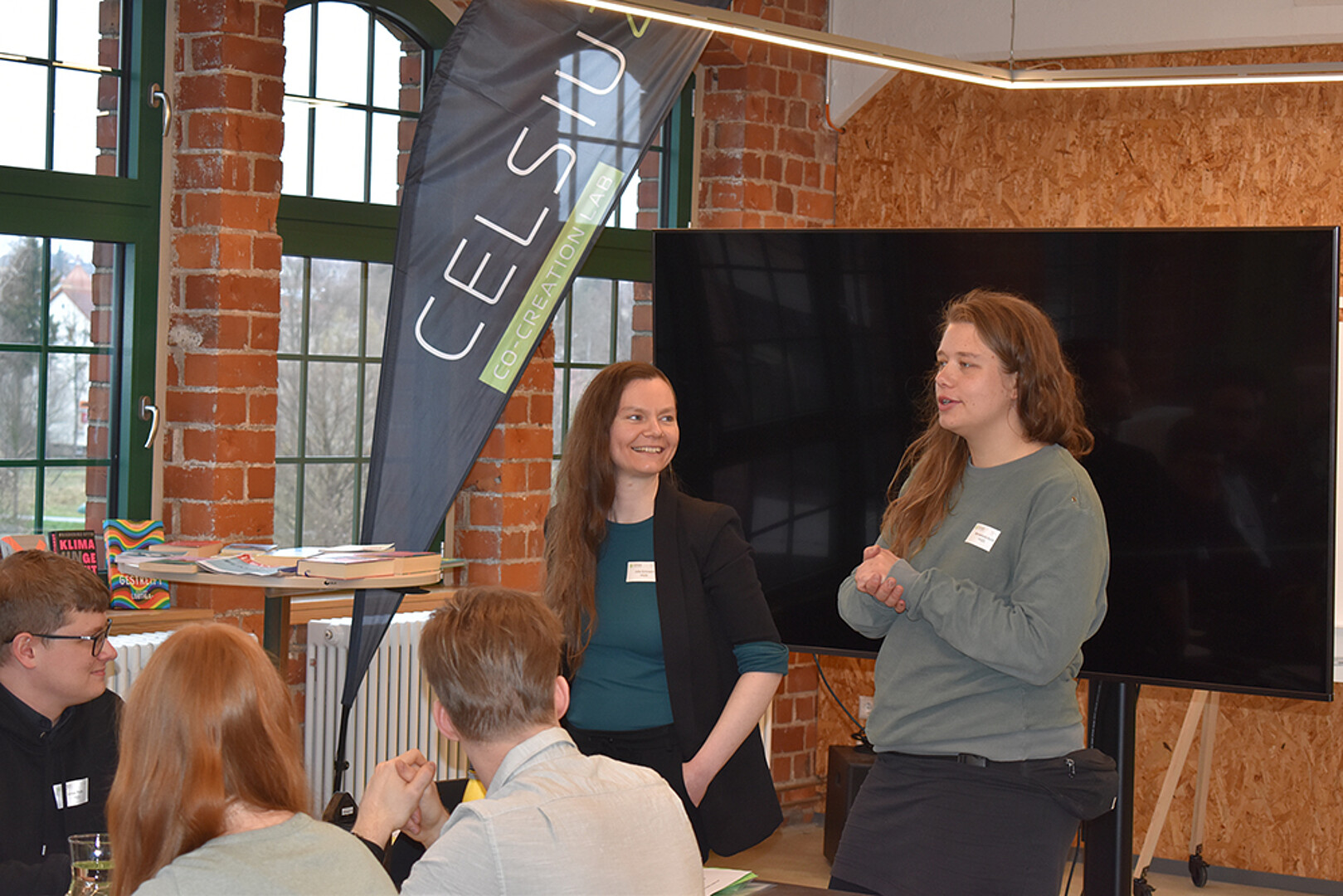
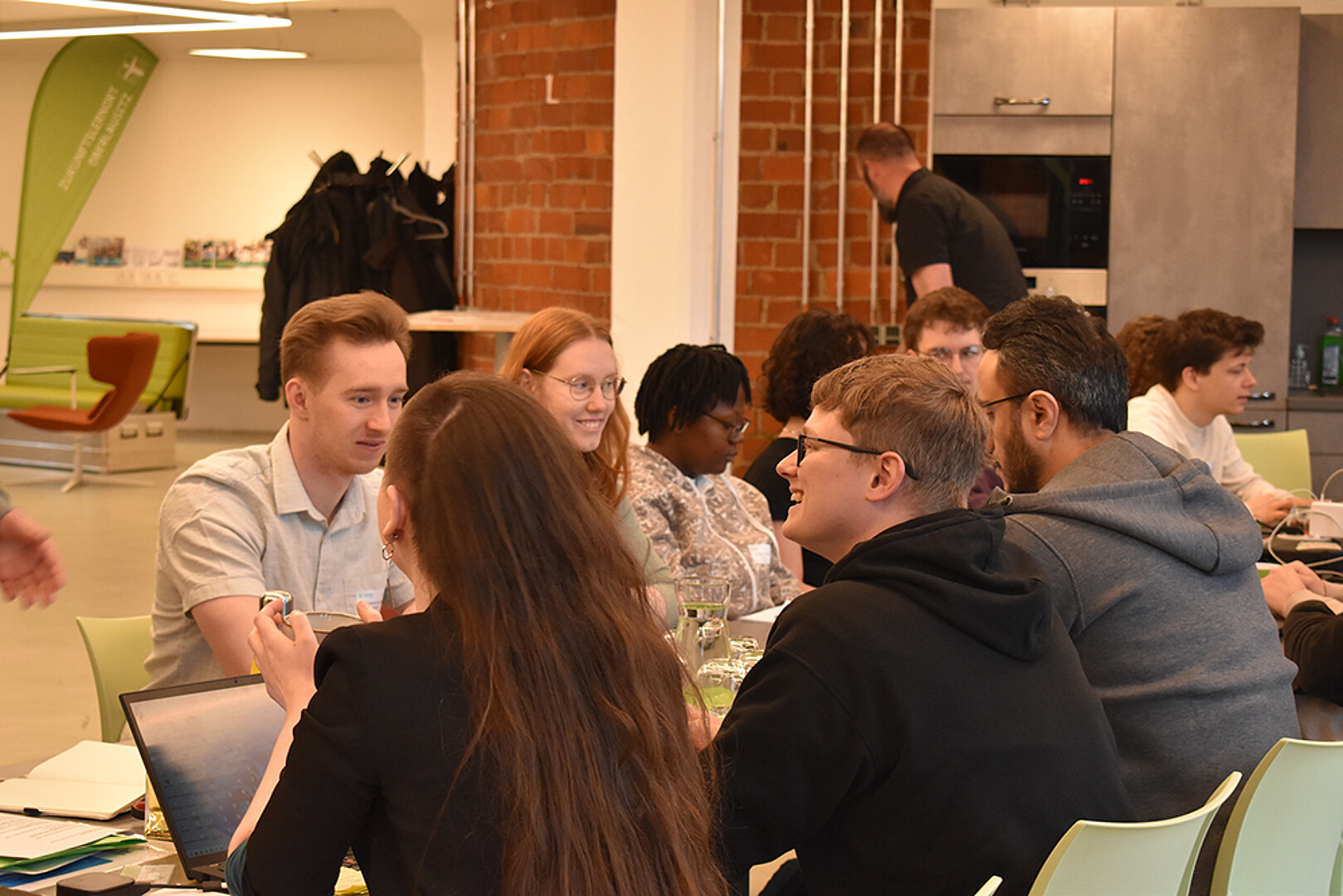
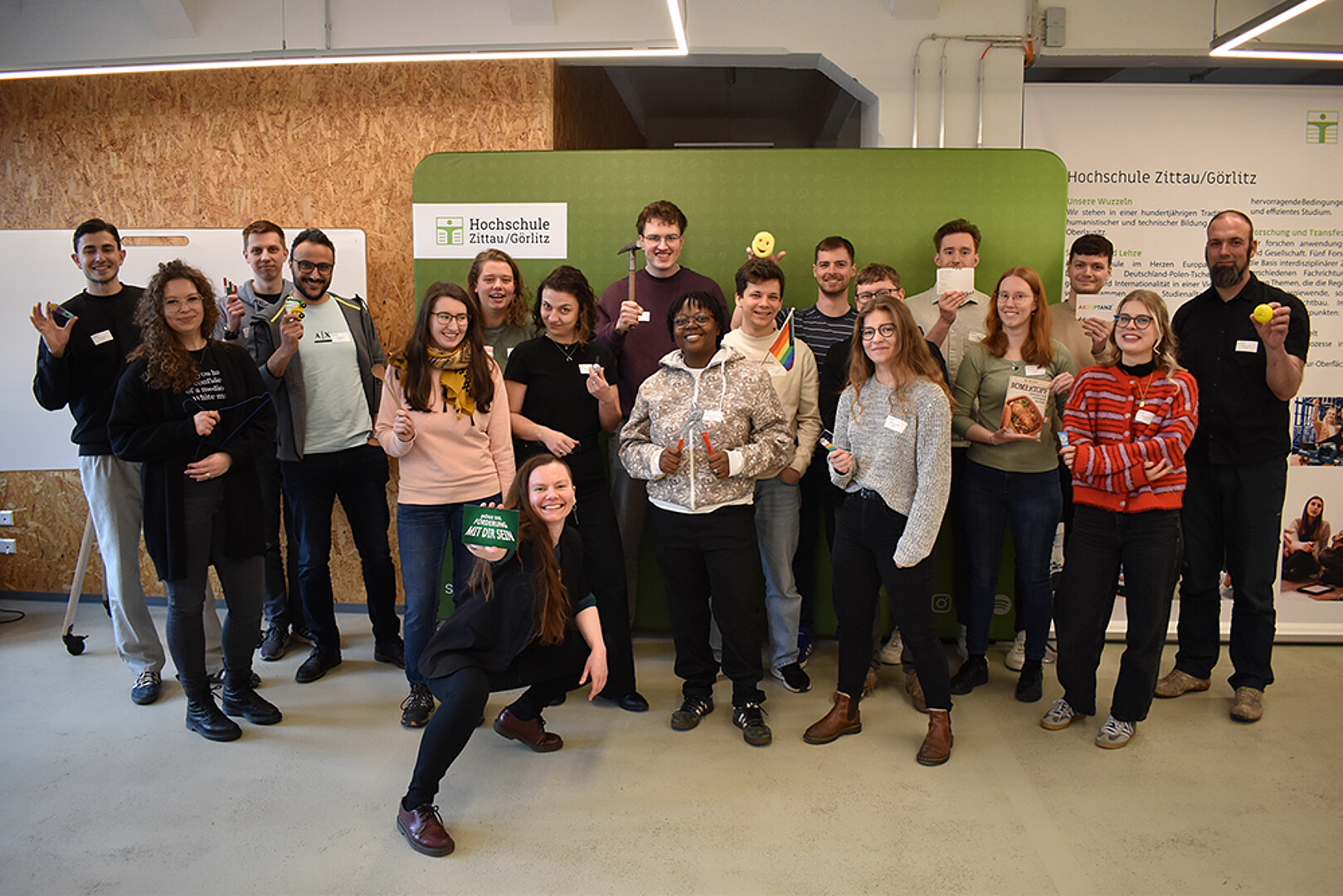
The workshop’s objectives included, among other things, the development of key concepts related to equality, diversity, and privilege in the higher education context; reflection on one’s own positioning, roles and power dynamics in academic work contexts, and the recognition of unconscious bias and its effects on academic careers. At the same time, the 17 participants—ten from Zittau/Görlitz University of Applied Sciences, six from Dresden University of Applied Sciences, and one early-career researcher from Mittweida University of Applied Sciences—were to be made more aware of gender equality issues (particularly in the STEM context). The overarching goal and task for the participants: “The workshop is designed to encourage and empower participants to apply the principles of gender equality and intersectional discrimination to their own teaching and research practices and to create the conditions for successful work in diverse teams, ” say workshop leaders Julia Ochmann and Bernadette Rohlf. Rohlf works as a research assistant at the TRAWOS Institute (Institute for Transformation, Housing, and Social Spatial Development) at HSZG, while Julia Ochmann is a research assistant in the Office of University development and communication within the HSZG University Executive Board.
An Even Greater Focus on Dimensions of Diversity
Workshop participant Franziska Stauche, an ESF+ fellow (ESF+ = European Social Fund Plus, editor’s note) and research assistant in the “NextGen” project at Mittweida University of Applied Sciences, funded by the BMFTR (Federal Ministry of Research, Technology, and Space), says: “I had already encountered some of the workshop’s topics during my studies in social science diversity research. Nevertheless, the workshop showed me how I myself, as an individual, have changed over time with regard to equal opportunity. Through my interactions with the other participants, it became clear to me that equity can be understood in very different ways—and doesn’t mean the same thing to everyone. For my research, this means placing even greater emphasis on the various dimensions of diversity. The workshop definitely encouraged me to continue on the path I’ve chosen. I’m conducting research on this topic as part of my doctoral dissertation, and the practical insights from the workshop reminded me of just how important this topic is.”
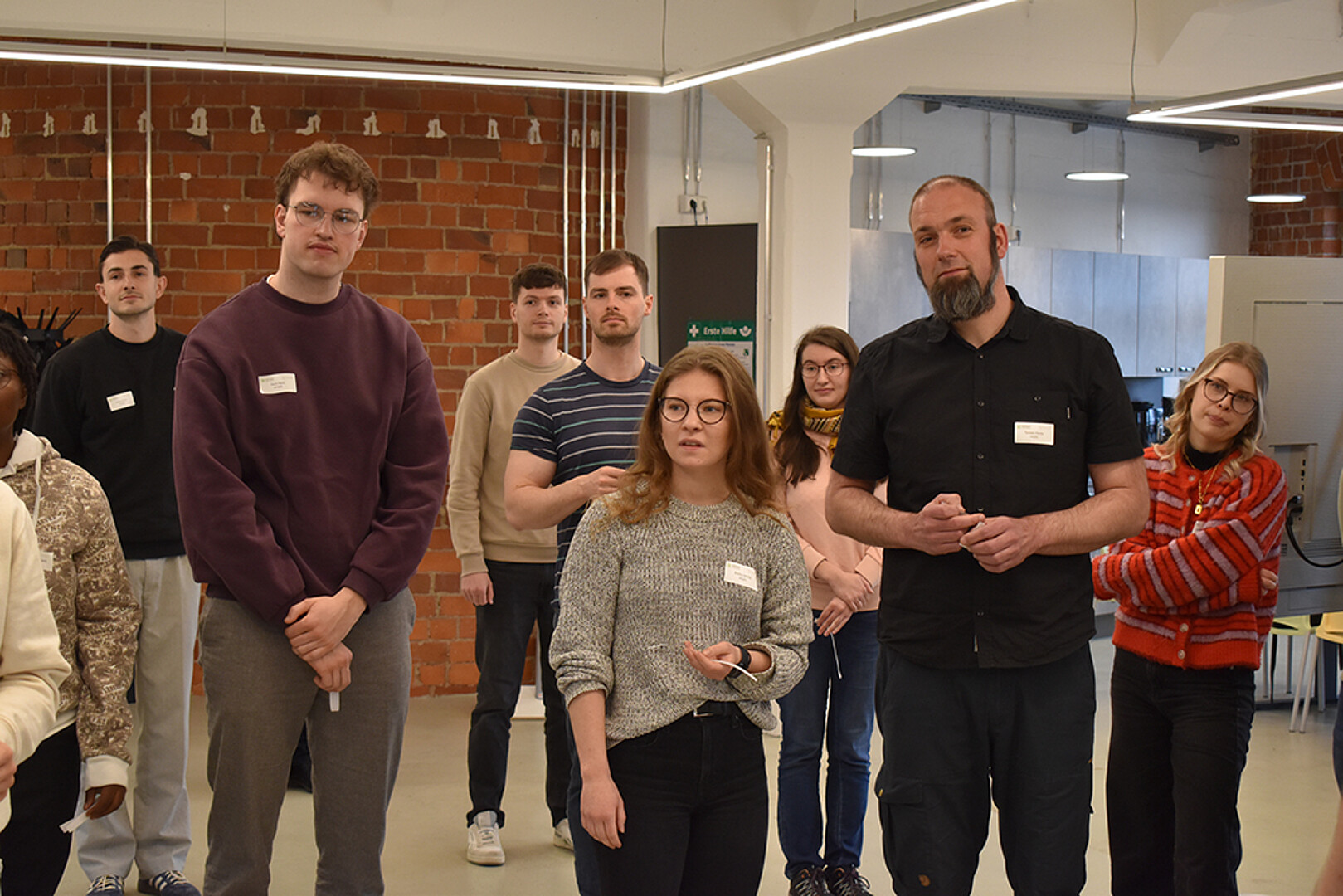
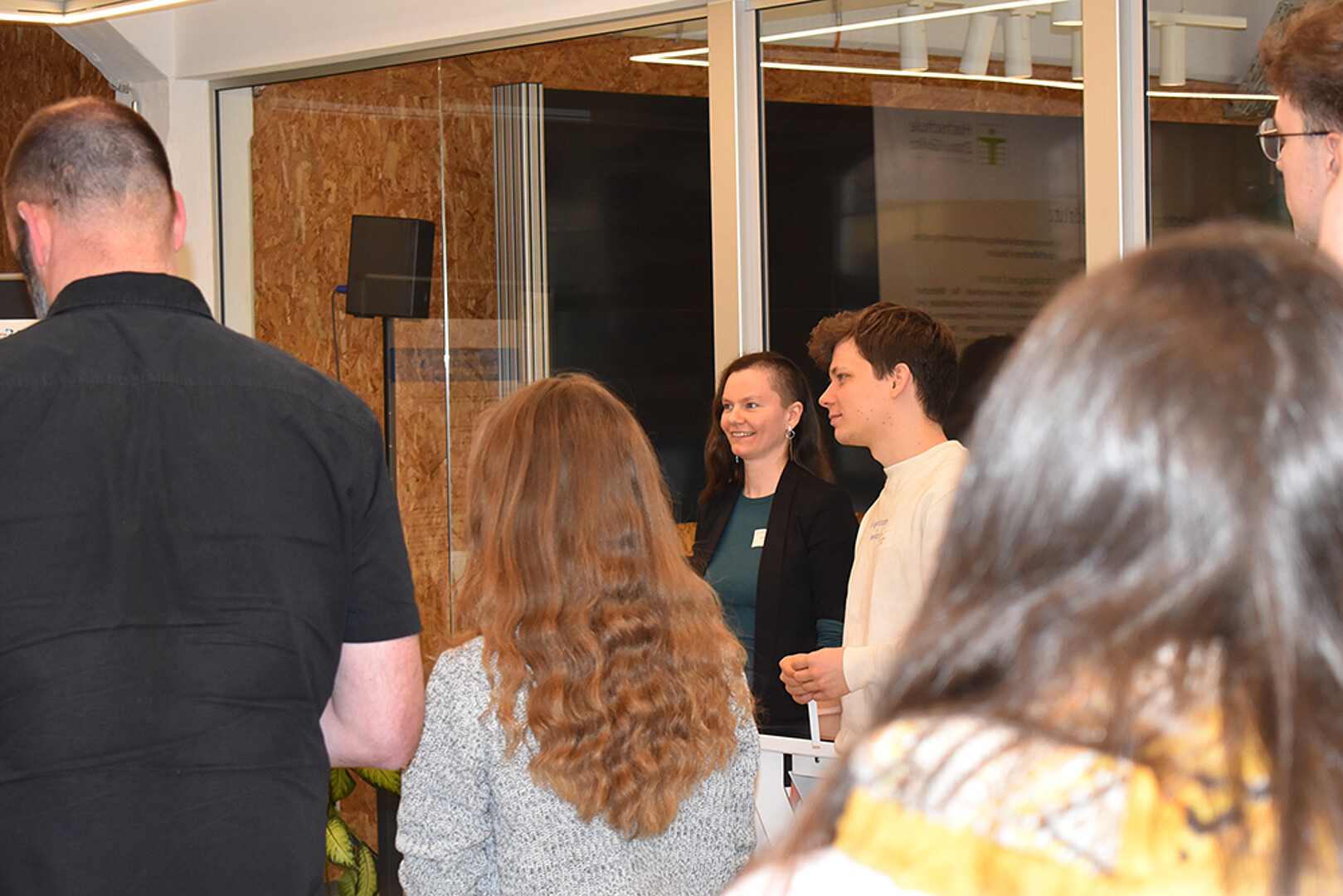
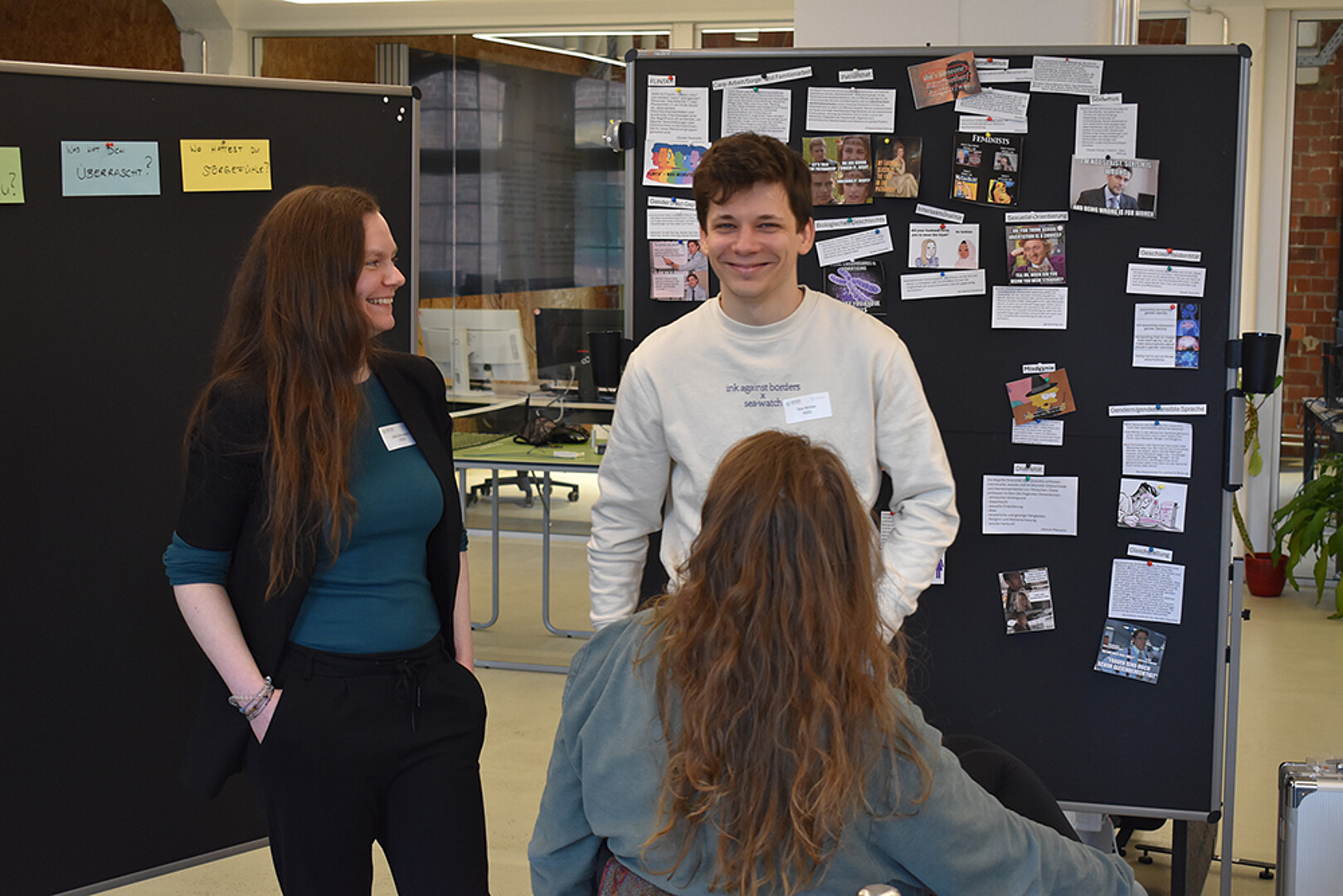
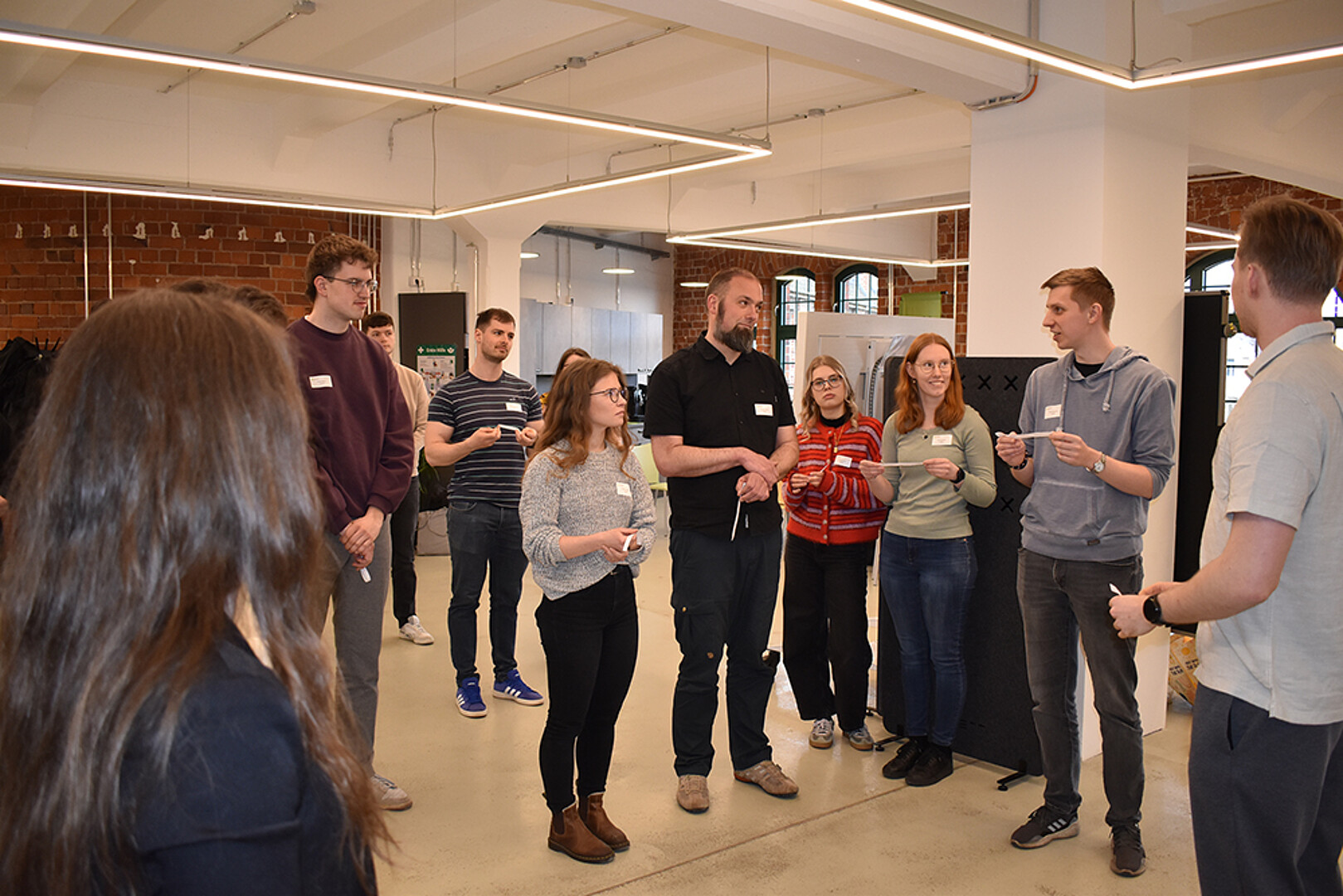
Equal Opportunity: Not an Abstract Goal, but a Daily Task
Workshop participant Tom Richter, a research assistant at the HSZG in the Chair of High-Voltage Engineering and a junior researcher in the “Hybrid Plus” junior research group, sums it up: “Above all, the workshop has heightened my awareness that equity of opportunity is not an abstract goal for the equal opportunities officer, but a daily task for us early-career researchers as well. I now more actively question my own unconscious biases and pay closer attention to how structural inequalities play out in scientific communication and teamwork. I found the testimonials from colleagues who had personally experienced discrimination during their studies or in their daily work particularly enlightening. Hearing about these “worst-case scenarios” sometimes left me speechless. But that made the stories of people who openly took a stand against such behavior all the more impressive. It showed me how important it is not to tolerate discriminatory behavior, even if it sometimes means stepping outside your comfort zone.”
Text: Frank Leberecht
Photos: Lucas Wenzel
2, upper floor

2nd floor