
Strong Principles, New Learning Environments: A Look Back at WeL’26
Presentations, workshops, and discussions at this year's Workshop on e-Learning demonstrated how digital tools, AI, and cross-university collaboration can promote good teaching.
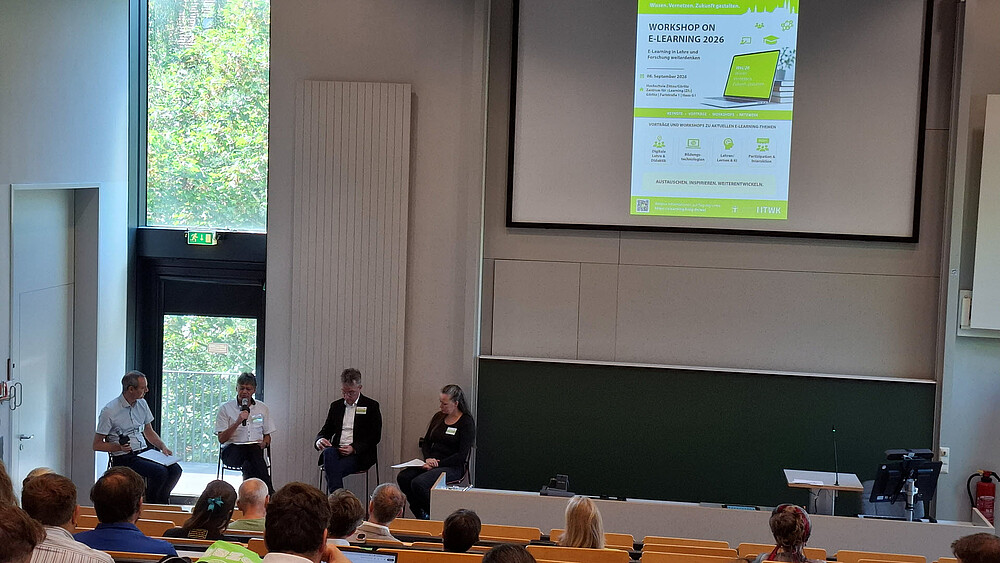
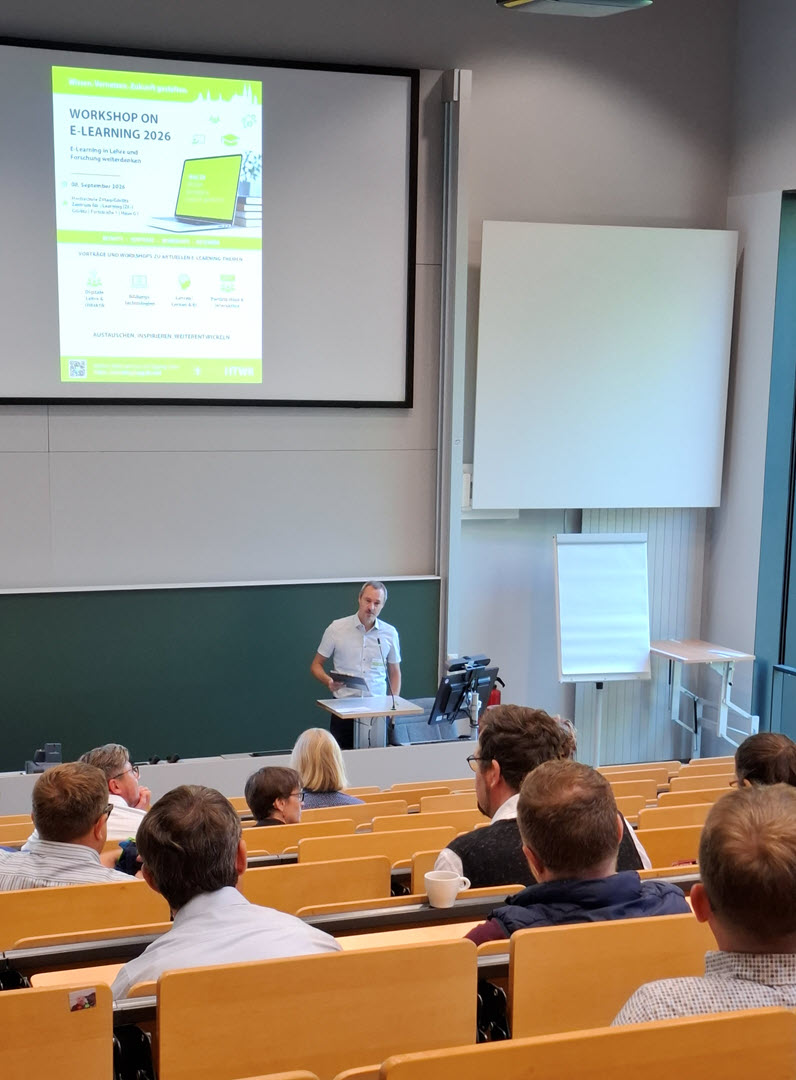
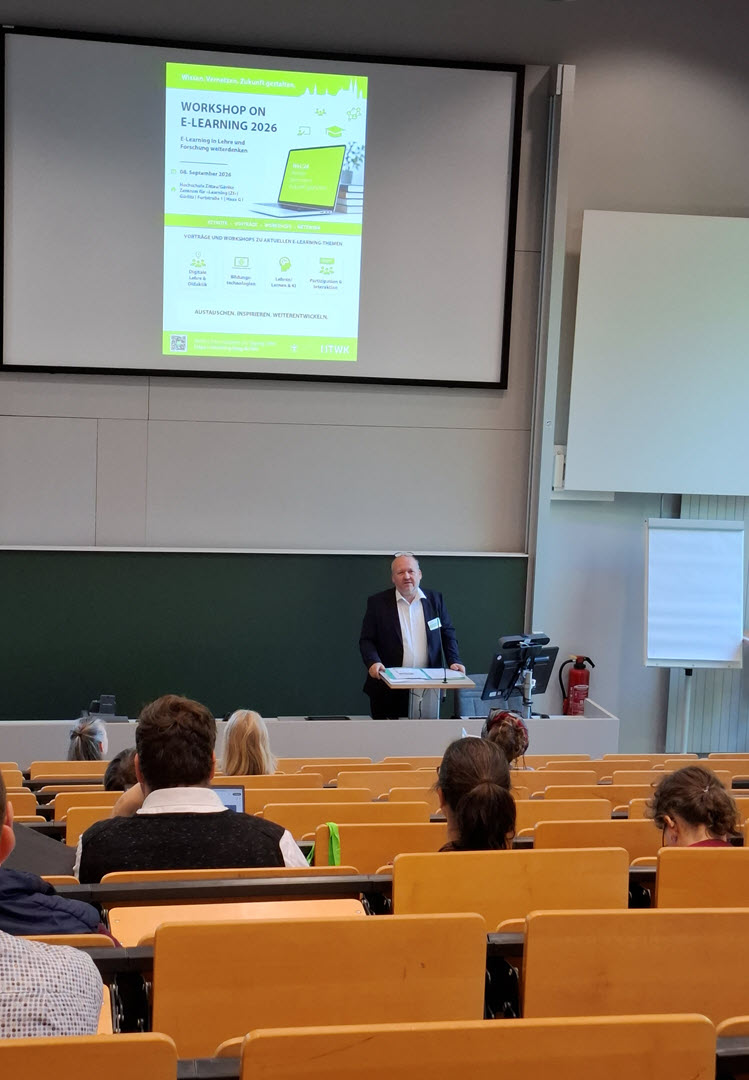
On September 8, 2026, Zittau/Görlitz University of Applied Sciences (HSZG) and HTWK Leipzig jointly hosted this year’s Workshop on e-Learning (WeL) at the HSZG campus in Görlitz. Guests were welcomed by the host, Prof. Dr. Matthias Längrich, and by Christoph Duscha, Chancellor of Zittau/Görlitz University of Applied Sciences.
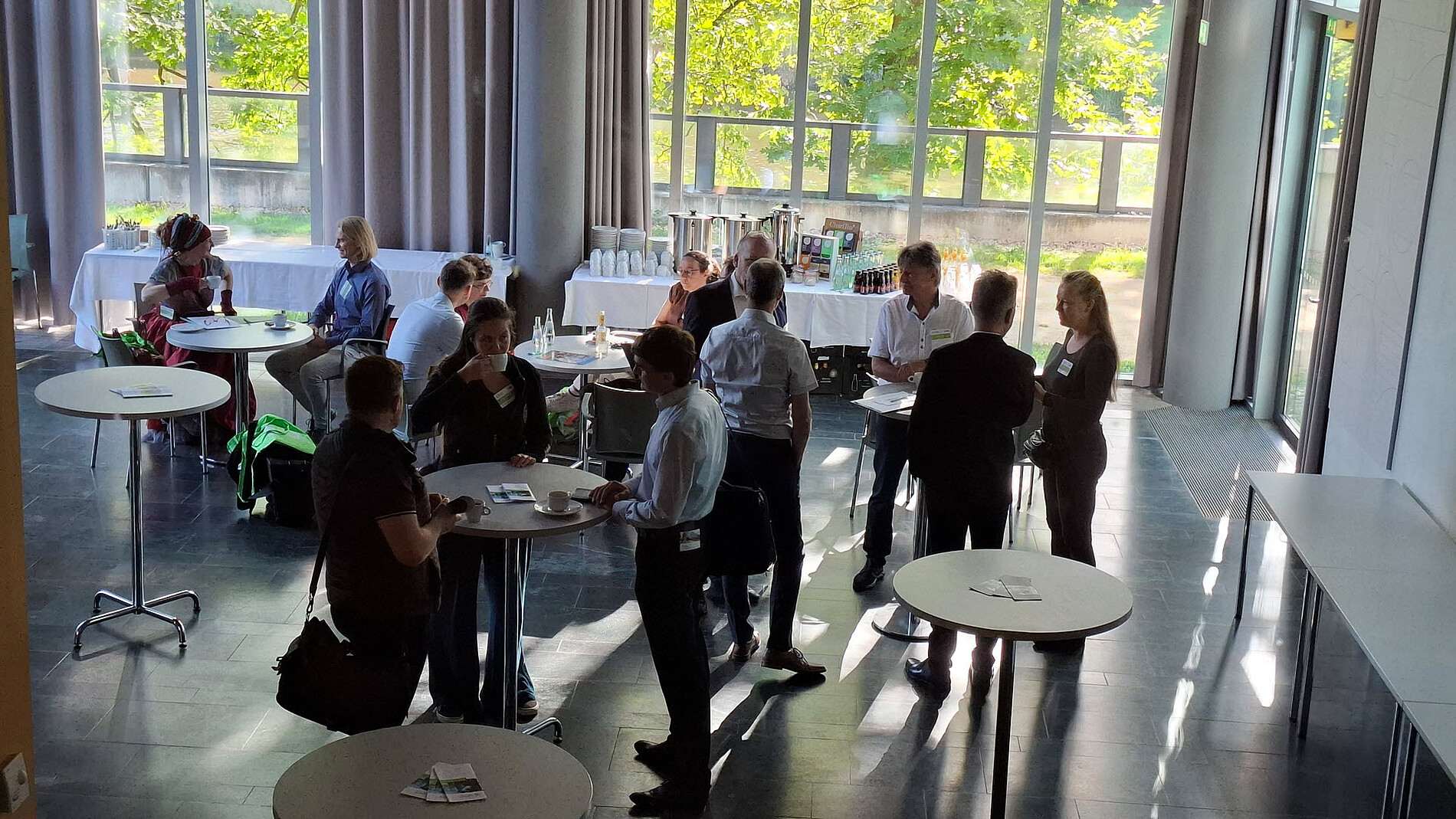
The event offered faculty, researchers, and practitioners an interdisciplinary platform to exchange ideas on current developments in the fields of e-learning, artificial intelligence, and higher education pedagogy, learn about new approaches, and establish cross-university contacts.
Strong Principles for Good Teaching
The panel discussion “Strong Teaching Requires Strong Principles,” moderated by Prof. Dr. Matthias Längrich, brought together three different perspectives—from educational research, educational technology, and school practice—represented by Prof. Dr. Jan Vahrenhold, Prof. Dr. Ulrike Lucke, and Veit Berger. The discussion centered on the question of how scientifically grounded principles can be translated into effective and sustainable teaching practices. It became clear that digital tools and AI can only realize their full potential if they are aligned with learning objectives, pedagogical quality, data protection, information security, and the needs of learners.
AI and Flexible Learning Options
Several presentations demonstrated how AI and adaptive formats can support learning processes. Topics covered included automated feedback using large language models, AI as a Socratic learning guide, flexible microlearning units, and multi-stage testing for individualized exam preparation. A participatory learning hub concept also illustrated how digital learning ecosystems can be collaboratively designed and how future skills can be fostered.
Digital Teaching Projects and Tools
In workshops, the SMWK-funded projects InfraSax.KI and InfraSax.DVIB presented their findings to date. InfraSax.KI focuses on the secure use of AI at Saxon universities, including within the OPAL learning platform. InfraSax.DVIB develops tools and methods for collaboration, exchange, and participation in digital teaching formats.
Other workshops focused on integrating interactive LiaScript learning materials with OPAL, as well as the engaging use of TOPSIM simulation games in in-person, remote, and e-learning formats.
International Cooperation and Digital Learning Environments
A roundtable discussion on the RECLAIM project addressed digital and hybrid laboratory instruction as well as virtual formats for international educational collaborations. Other presentations focused on the transition from high school to university, digital skills, and support services to ensure a successful start to university.
Finally, the “Smart Campus Lab” presented the campus as an interdisciplinary space for learning, research, and experimentation where sustainable smart system solutions can be developed and tested under real-world conditions.
A Look Ahead to WeL'27
WeL’26 highlighted the thematic breadth of digital higher education—ranging from AI-supported feedback and personalized learning opportunities to interactive platforms and simulation games, as well as international lab formats and sustainable campus concepts. At the same time, the event demonstrated how important cross-university exchange is for the reflective and pedagogically sound further development of digital teaching.
After WeL’26 comes the next WeL: Following the traditional two-year cycle, the next event will take place in 2027 at HTWK Leipzig.
- Further information about the event can be found on the “Workshop on e-Learning” website.
- Längrich, M. & Schuster, E. (Eds.): 24th Workshop on e-Learning - Conference Proceedings. September 8, 2026, Zittau/Görlitz University of Applied Sciences. Scientific Reports, Issue 139 – 2026, ISBN: 978-3-941521-38-4: Download conference proceedings (PDF)

EC