
HSZG shows strong presence at ACC conference
Success without borders: HSZG young scientists impress internationally at ACC conference - 2nd place for Maria Zimmermann.
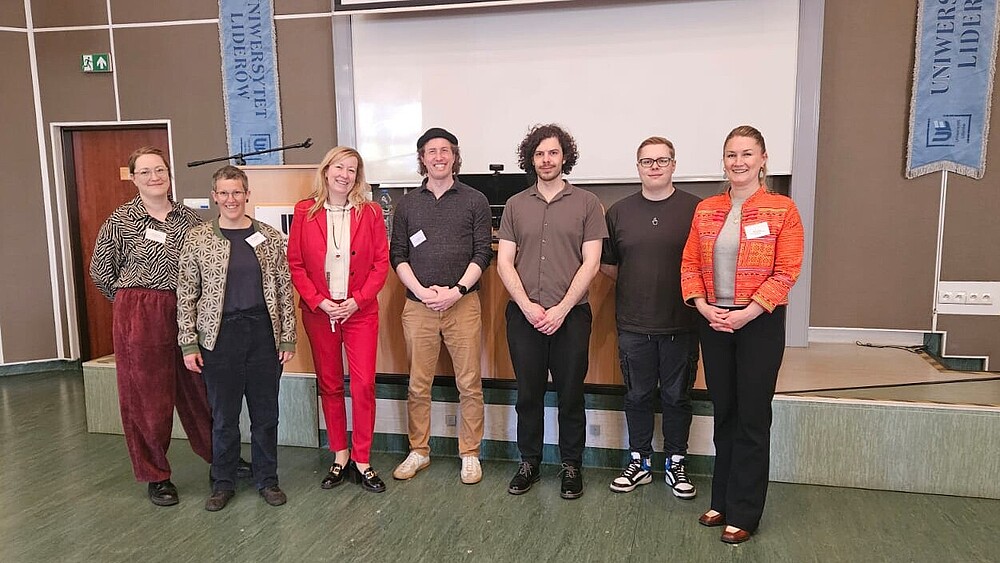
Six participants from the university, a wide range of research projects, and outstanding success: At the 19th International Conference of Young Scientists hosted by the Academic Coordination Center (ACC) in Jelenia Góra, Zittau/Görlitz University of Applied Sciences once again demonstrated its strong international presence.
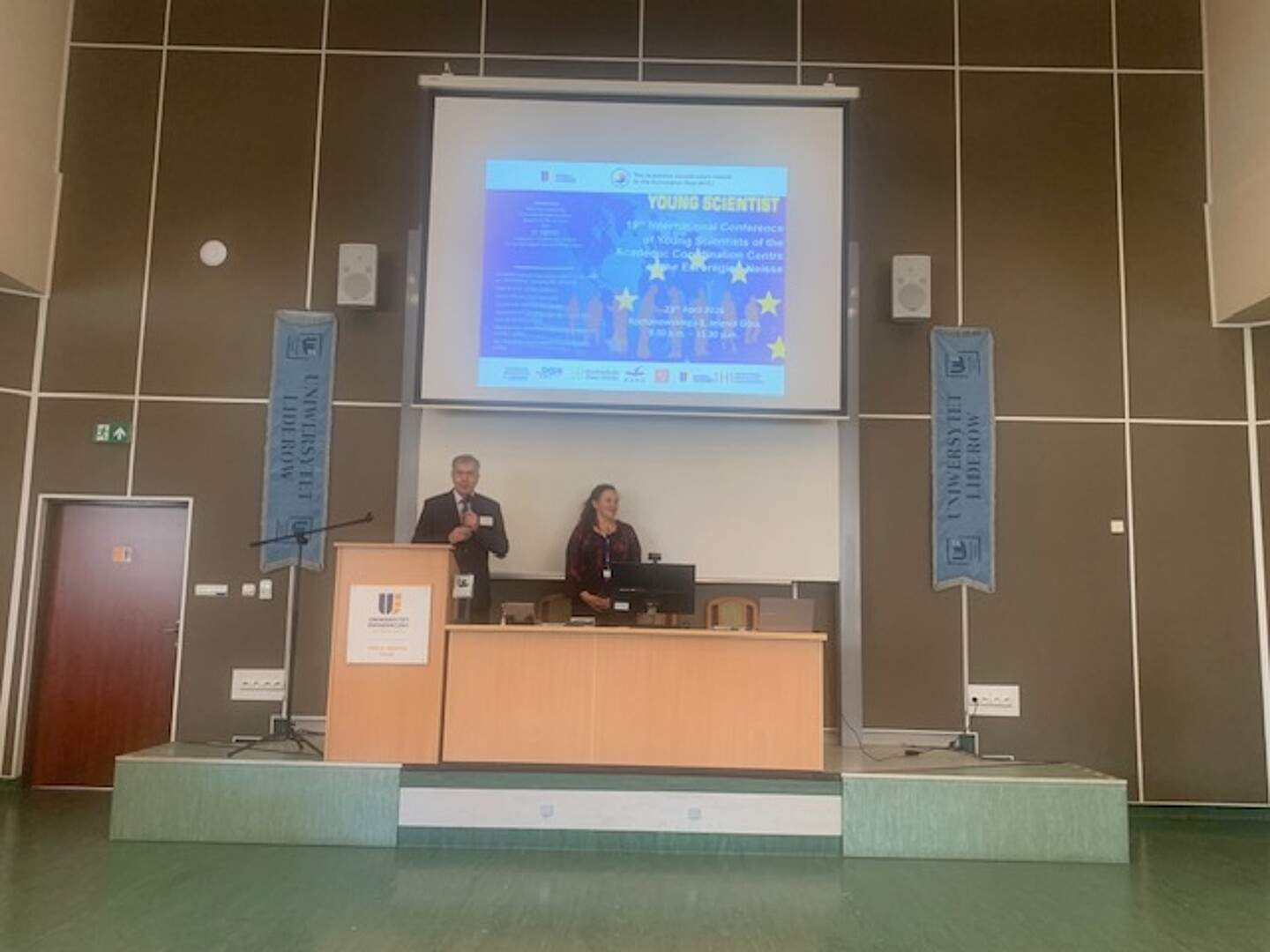
Once again this year, Zittau/Görlitz University of Applied Sciences (HSZG) took part in the International Conference of Young Scientists organized by the Academic Coordination Centre (ACC) in Jelenia Góra, Poland. The 19th edition of the conference, held on April 23, 2026, once again brought together dedicated students and doctoral candidates from the tri-border region.
A Stage for Ideas, Research, and International Perspectives
The conference is far more than a traditional academic gathering: it offers young scientists a genuine platform. Students from Bachelor, master’s, and doctoral programs presented their own research projects as well as the activities of scientific groups—whether through presentations or poster sessions.
For many participants, this marks the first step into the international academic world. The exchange across disciplinary boundaries, new perspectives, and direct contacts with universities in Germany, Poland, and the Czech Republic make the event a key catalyst for their own academic development.
Such international formats are invaluable, especially for our students. They enable them to make their own research visible, try things out and gain new perspectives across national borders. It is impressive to see the commitment and quality with which our young academics make use of this opportunity.
”Six HSZG Participants Make a Strong Showing
With six participants, the HSZG was once again well-represented in 2026. They took the opportunity to present their research to an international audience and receive feedback.
The presentations by HSZG students impressively demonstrated the thematic breadth of research at the university—ranging from social issues to theoretical analyses to AI applications:
For example, in her Master's thesis, Maria Zimmermann (a graduate of the Master's degree programme in management of social change) examined the extent to which young people in the German-Polish-Czech border region identify with their homeland and why many nevertheless leave the region. Her findings make it clear that, in addition to structural challenges, a lack of future prospects plays a major role—and that more opportunities for active participation, as well as cross-border initiatives, can motivate young people to stay or return.
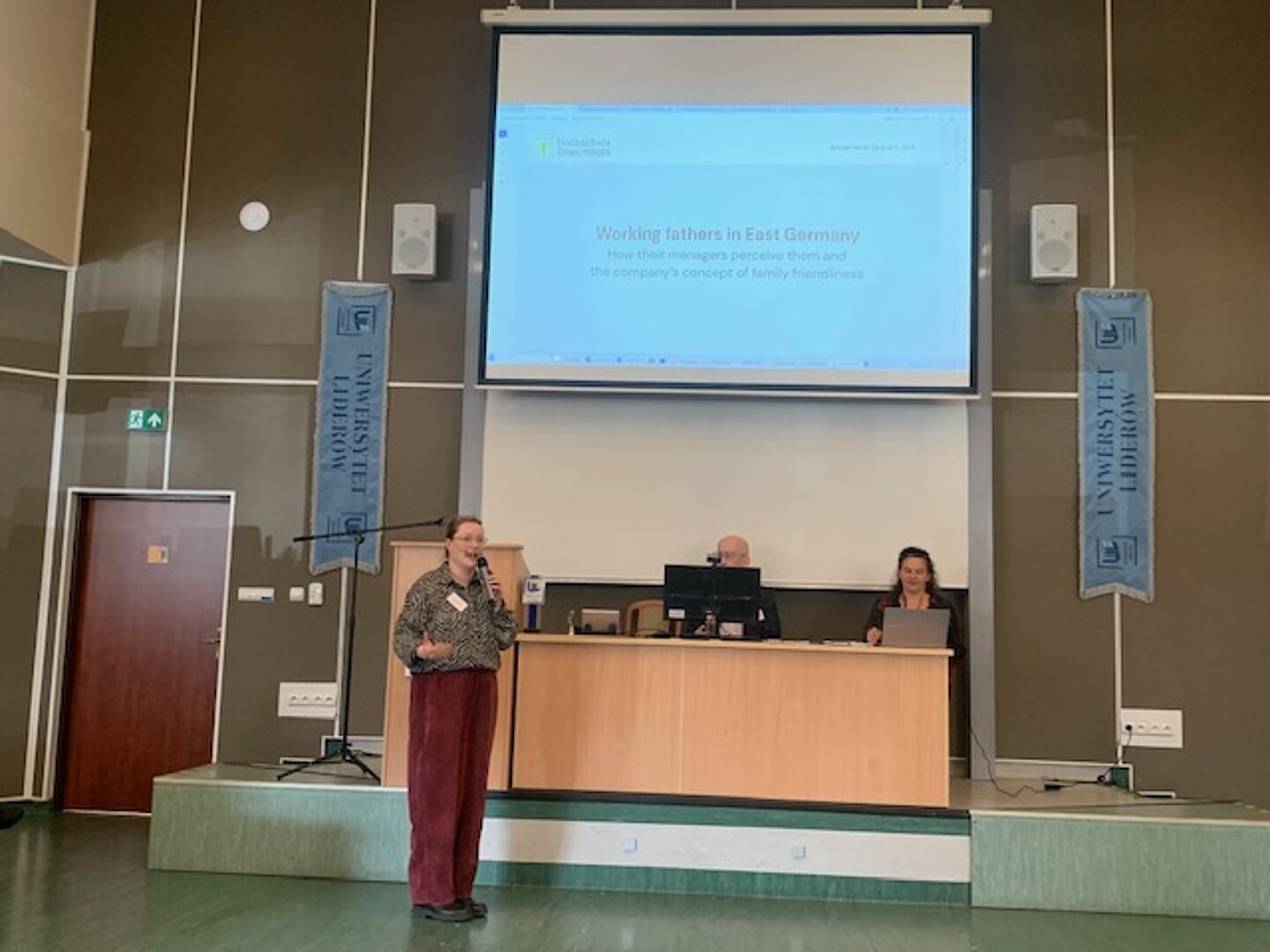
Annemarie Grünert (Master's degree programme in management of social change) explored the issue of work-life balance—from a perspective that has received little attention to date: that of men in leadership positions. Her research shows that traditional gender roles continue to exert a strong influence and that fathers are usually seen primarily as breadwinners, while caregiving work remains predominantly the responsibility of women.
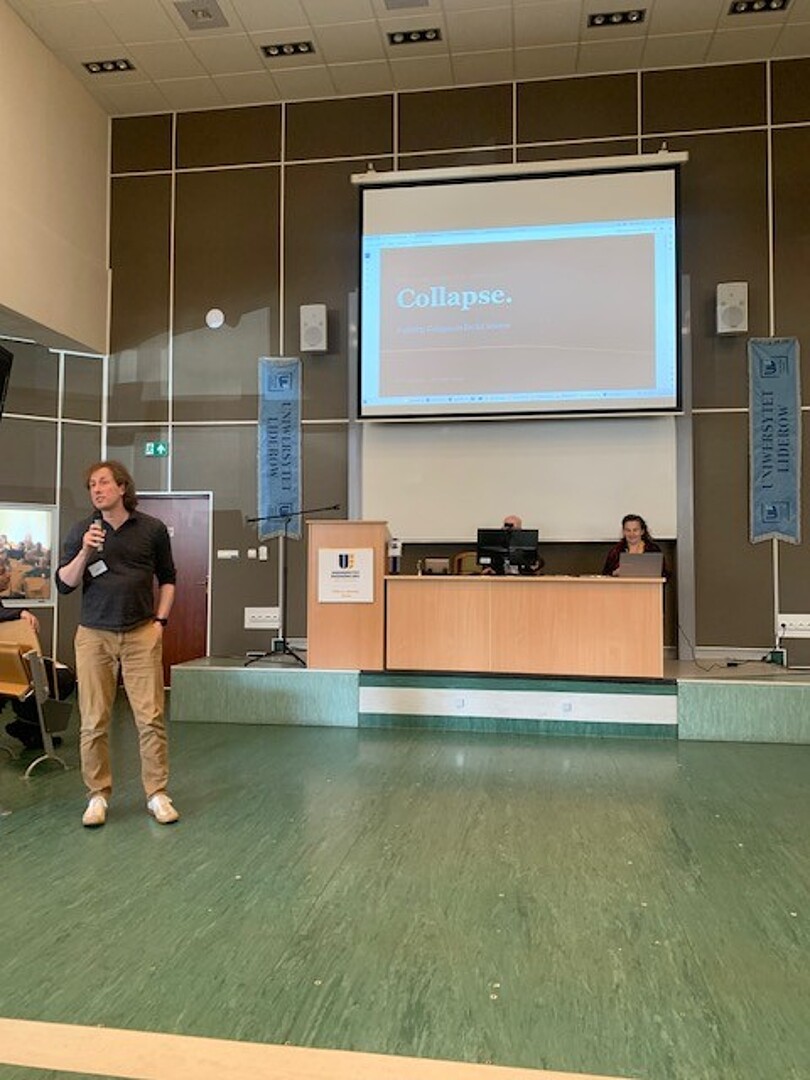
Uwe Jaschke (Master's degree programme in management of social change) addressed a fundamental theoretical question: What does it actually mean when we speak of a “social collapse”? His paper argued for a more precise, systems-theory-based definition and demonstrated that these are often processes of transformation rather than actual collapses.
Vincent Montag ( Master's degree programme in computer science) focused on a technical topic, examining in a research project how reliably AI models can translate natural language into database queries. His results show that systems that learn from real-world feedback operate significantly more precisely than those that rely exclusively on static rules.
The presentations were supplemented by poster presentations by Franz Fregin (Diplom-Soz., F-S doctoral fellow) and Cemil Ceylan (Bachelor’s program in Economics and Computer Science Management). Franz Fregin examined regional networks between universities, industry, and infrastructure in Saxony, highlighting key players, resources, and framework conditions. Cemil Ceylan presented an innovative approach to analyzing IT security requirements and demonstrated how AI-supported methods can make complex standards understandable and comparable.
The conference offers valuable opportunities, especially for young people: to showcase their own ideas, gain self-confidence, and become part of an international network.
HSZG Also Represented on the Jury
Zittau/Görlitz University of Applied Sciences was not only represented by its own research presentations but also played an active role in shaping the conference: Prof. Dr. Sophia Keil and Inna Hauf were members of the international jury. In this responsible role, they evaluated the participants’ submissions, facilitated the discussions, and contributed their subject-matter expertise to the selection of the good papers.
In doing so, HSZG underscores its dual role at the conference—as a catalyst for emerging research and, at the same time, as an active contributor to an international academic dialogue on quality.
Another great success for the HSZG this year
Following last year’s award for an HSZG student, the university is building on this success in 2026 as well:
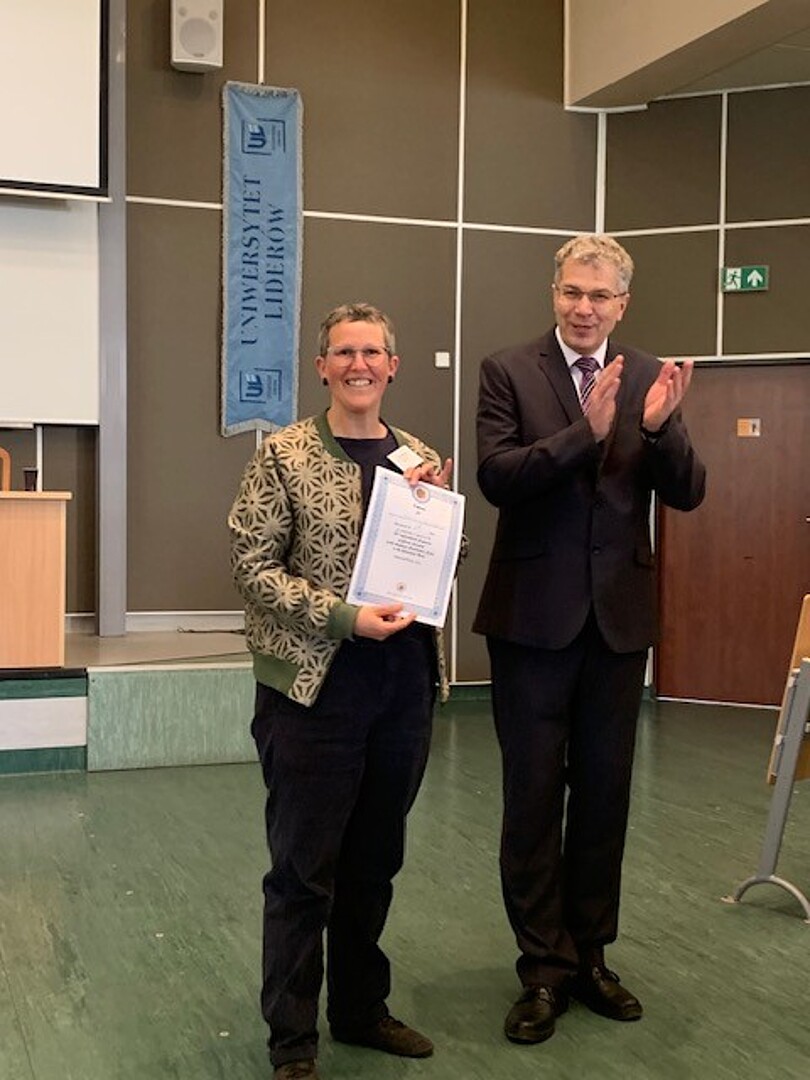
Maria Zimmermann impressed the jury with her qualitative research as part of her Master's thesis and took second place among 24 participants. Particularly noteworthy: she prevailed not only against undergraduate students but also against doctoral candidates. “I am very pleased that the relevance of my topic was recognized by my second-place finish at the ACC conference. I find it particularly fascinating to explore how the region will continue to develop in the coming years—and what role young people themselves play in actively shaping the future of the tri-border region,” said the graduate of the Master's degree programme in management of social change.
Vice President Sophia Keil warmly congratulated Maria Zimmermann on this outstanding achievement: “Second place at the international ACC conference is a special honor and recognizes both the high academic quality of her work and her personal commitment. I would also like to extend my special thanks to her advisor, Prof. Dr. Raj Kollmorgen, who has guided her on this academic journey with great professional expertise. It is a great pleasure for me to be able to support dedicated and talented students on their academic paths.”
Prof. Dr. phil. habil. Raj Kollmorgen from the Faculty of Social Sciences also praised the graduate: “This award demonstrates how relevant and, at the same time, scientifically sound young researchers’ research is in addressing the challenges facing our region. Ms. Zimmermann’s work addresses a central issue for the future and combines analytical depth with social relevance—that is precisely the standard we set for good Social Sciences research.”
This repeated success impressively demonstrates the potential of HSZG’s students—and how practice-oriented and research-intensive the university’s education is.
ACC: Collaboration That Transcends Borders
For many years, the Academic Coordination Centre (ACC) has stood for active international collaboration in the Neisse Euroregion. The conference is an example of how academic exchange transcends borders and encourages young people to further develop their ideas in an international context.
The Academic Coordination Center (ACC) was founded in 1991 in the Neisse Euroregion. Its goal is to coordinate higher education as well as the academic and research activities of faculty members and research staff at universities located in the Czech-German-Polish border region.
The ACC’s partner institutions are (listed in their respective national languages): the Technická Univerzita v Liberci, the Zittau/Görlitz University of Applied Sciences, the International University Institute Zittau, the Uniwersytet Ekonomiczny we Wrocławiu (Jelenia Góra campus), the Karkonoska Akademia Nauk Stosowanych w Jeleniej Górze, the Wrocław University of Technology (Jelenia Góra campus), and the Saxony Cooperative State University.

1st floor

First floor