
Joint Electrical Engineering Program with Mongolia Is Coming
Zittau/Görlitz University of Applied Sciences and its Mongolian partner university are preparing a dual-degree program to begin in the 2027/28 winter semester and are simultaneously expanding practical student exchange programs.
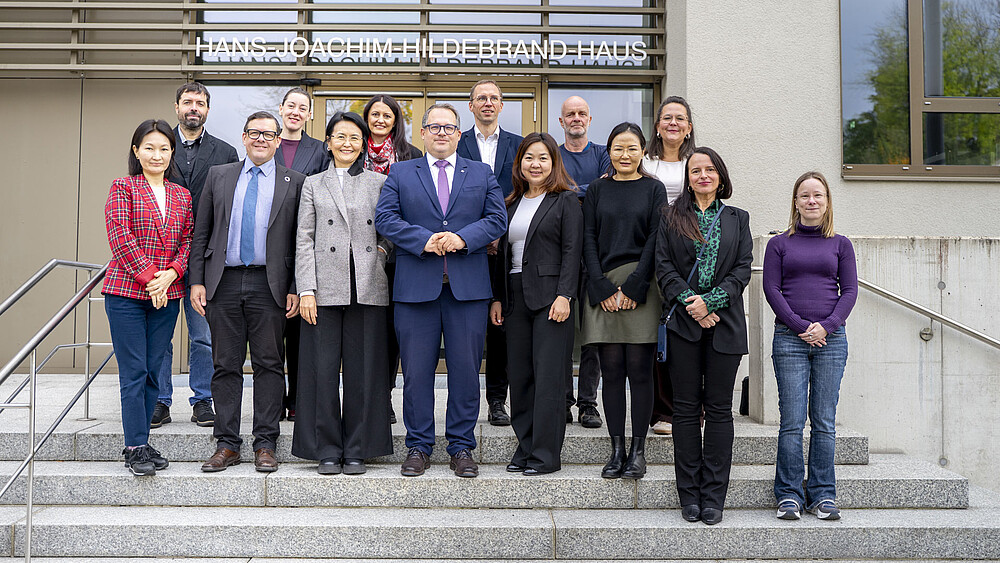
The collaboration between Zittau/Görlitz University of Applied Sciences (HSZG) and the German-Mongolian Institute for Resources and Technology (GMIT) is entering a new phase: Both institutions are working on a joint degree program in electrical engineering that will enable Mongolian students to complete part of their studies in Zittau in the future. A two-week laboratory course for ten Mongolian students in the fall of 2026 is already demonstrating how the partnership is being put into practice.
Four semesters in Mongolia, four in Zittau
The planned 2+2 degree program combines GMIT’s bachelor’s program in Energy and Electrical Engineering with the Electrical Engineering: Electrical Power Systems program at HSZG. The plan is for students to first complete four semesters in Mongolia and then transfer to Zittau for the second half of their studies. The goal is to award a dual degree from both Universities. The first students could begin the program in the winter semester of 2027/28.
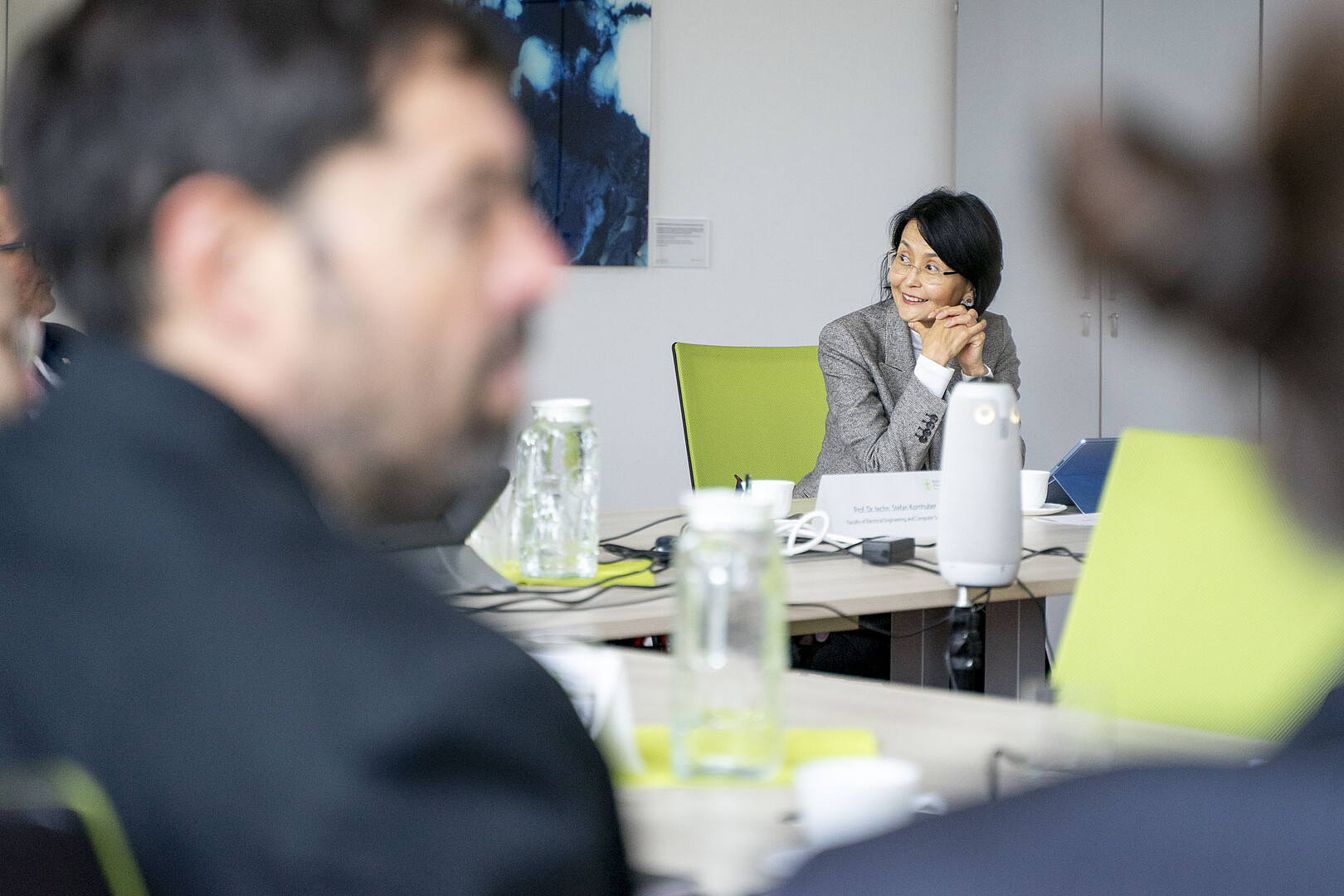
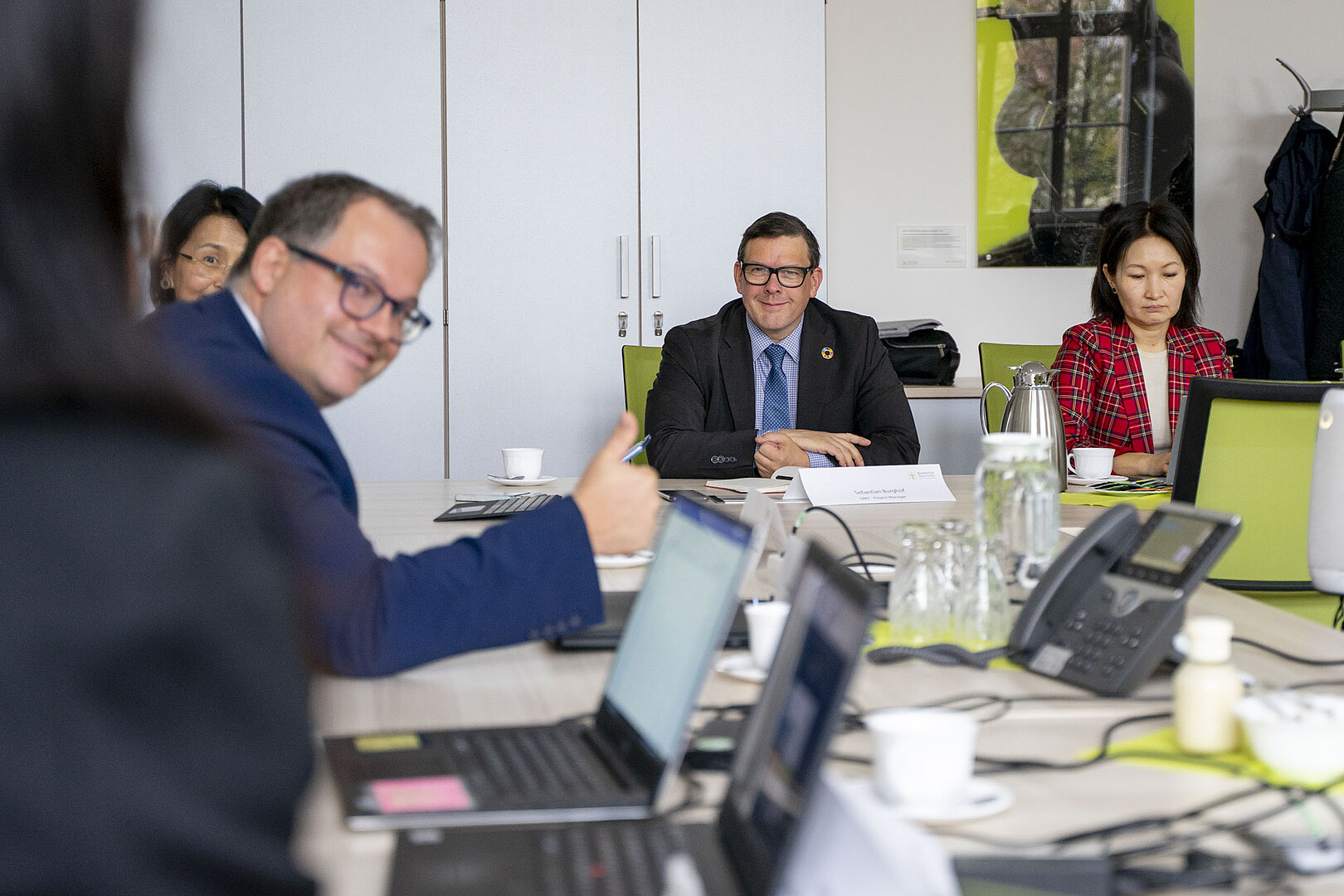
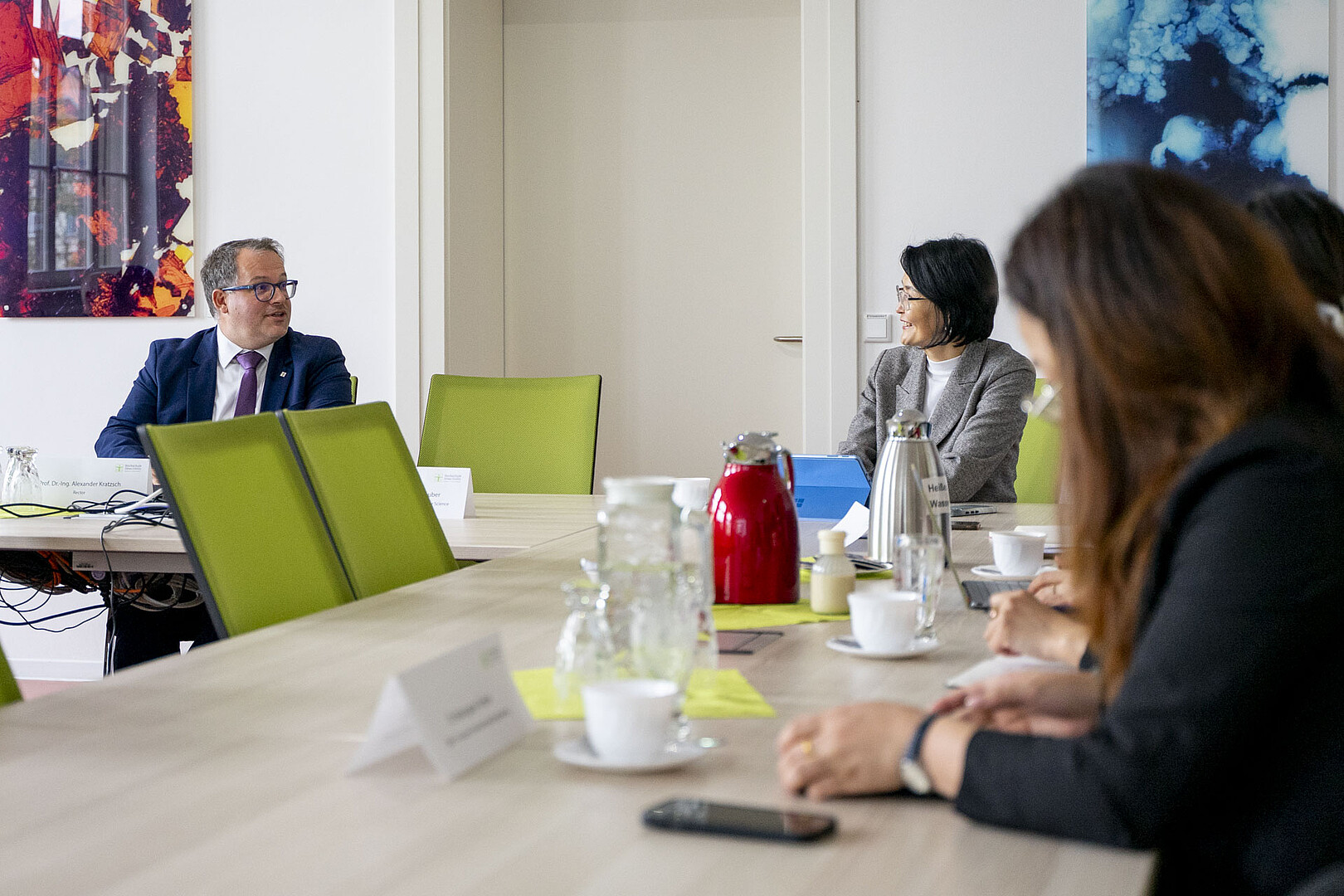
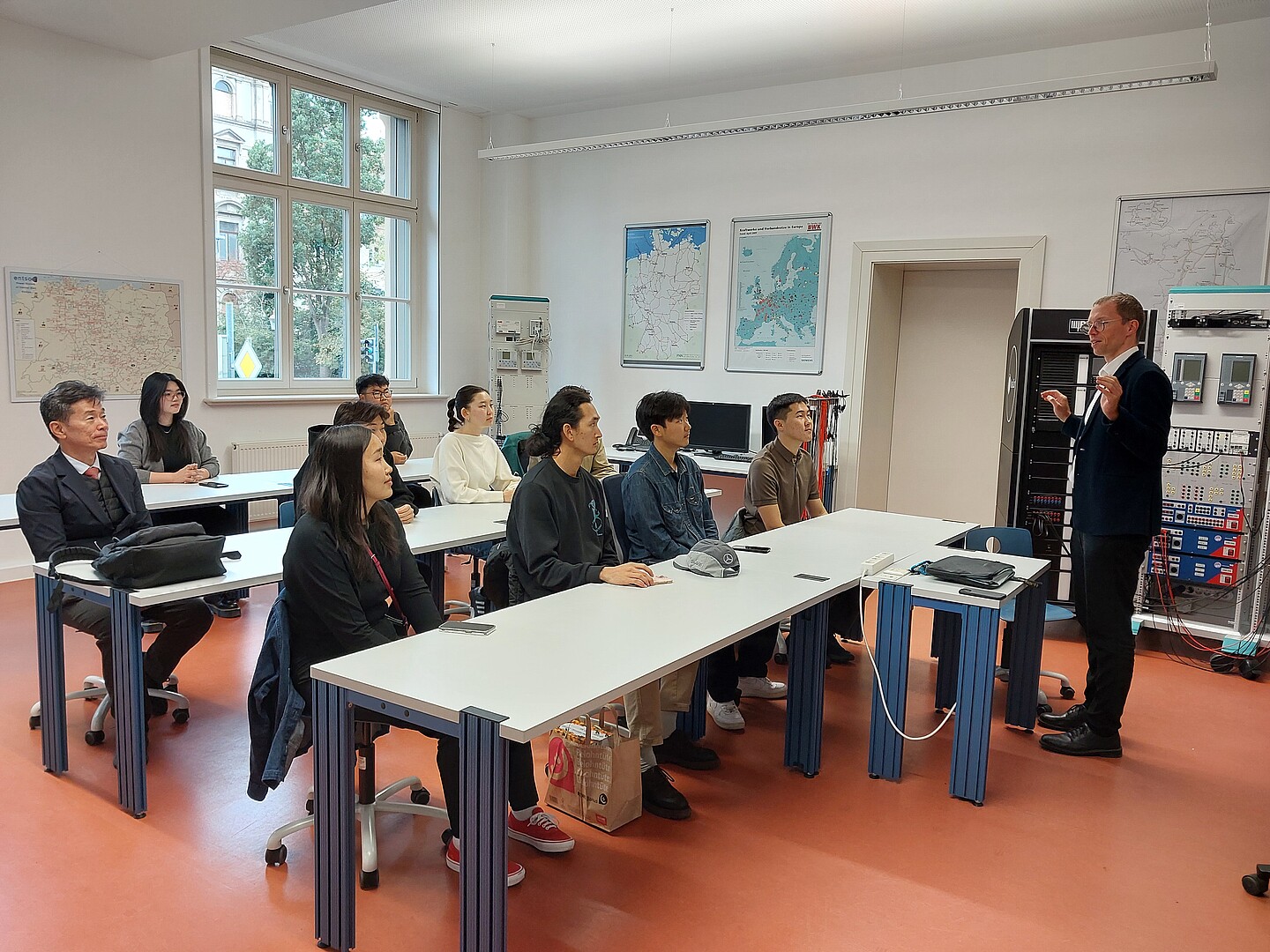
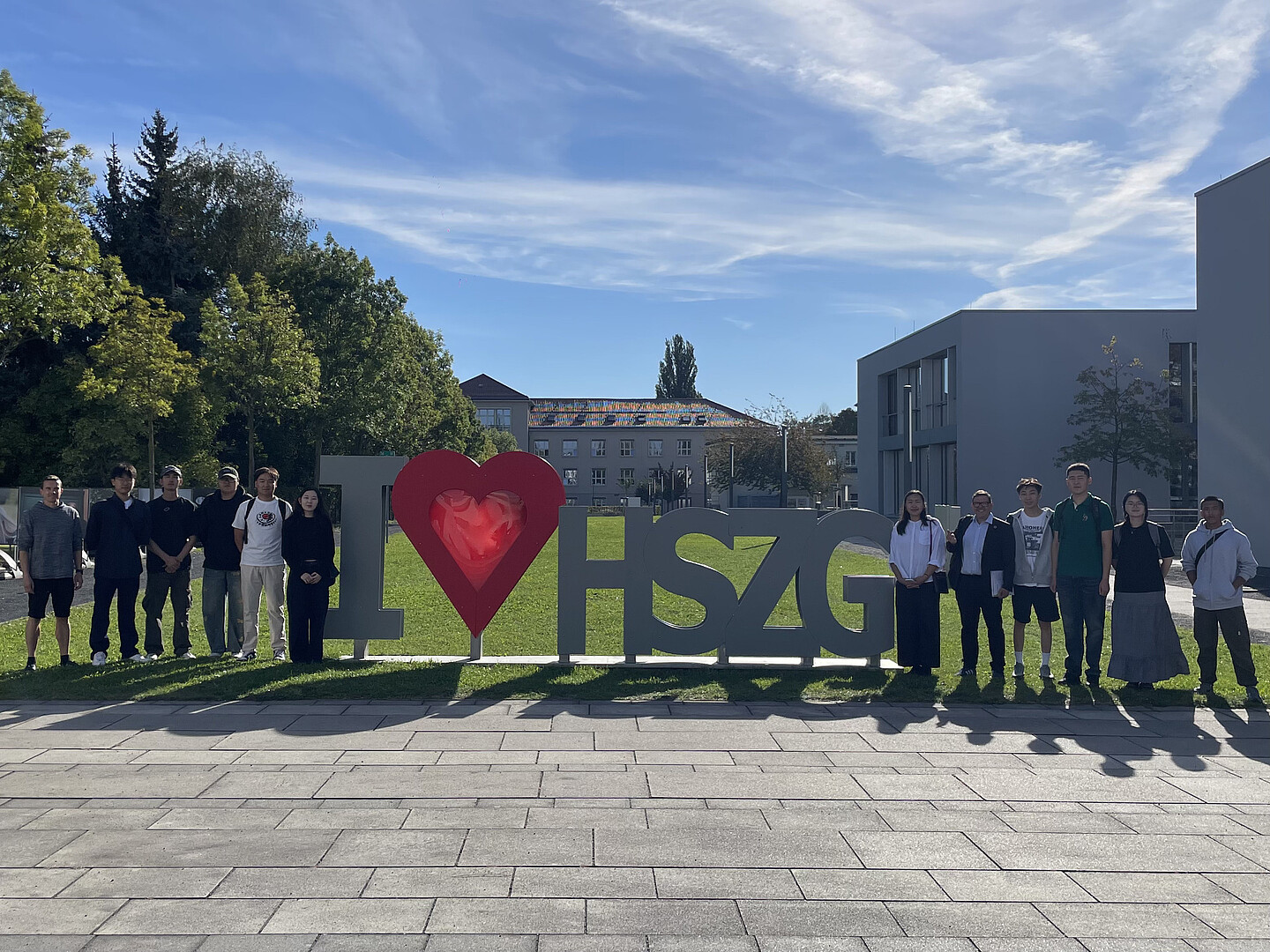
At a working meeting on October 20, 2026, in Zittau, representatives from both universities, together with the German Society for International Cooperation (GIZ), finalized the next steps for implementation. The Mongolian delegation was led by Prof. Enkhzaya Chuluunbaatar, Vice Rector for Academic Affairs at GMIT. Representing HSZG were, among others, Rector Prof. Dr.-Ing. Alexander Kratzsch, as well as Prof. Dr. techn. Stefan Kornhuber and Prof. Dr.-Ing. Uwe Schmidt from the Faculty of Electrical Engineering and Computer Science.
The focus was on aligning course content, mutual recognition of academic credits, and language preparation. The students will later attend regular classes / courses at HSZG alongside their German classmates. To this end, the partners are developing a comprehensive German language learning program that is intended to begin at the start of their studies in Mongolia.
Joint working groups have been established to further develop the details. In addition to academic and language requirements, funding options—such as scholarship programs—are also being explored. The cooperation agreement is scheduled to be signed by April 2027.
GMIT Students Complete an Internship at HSZG
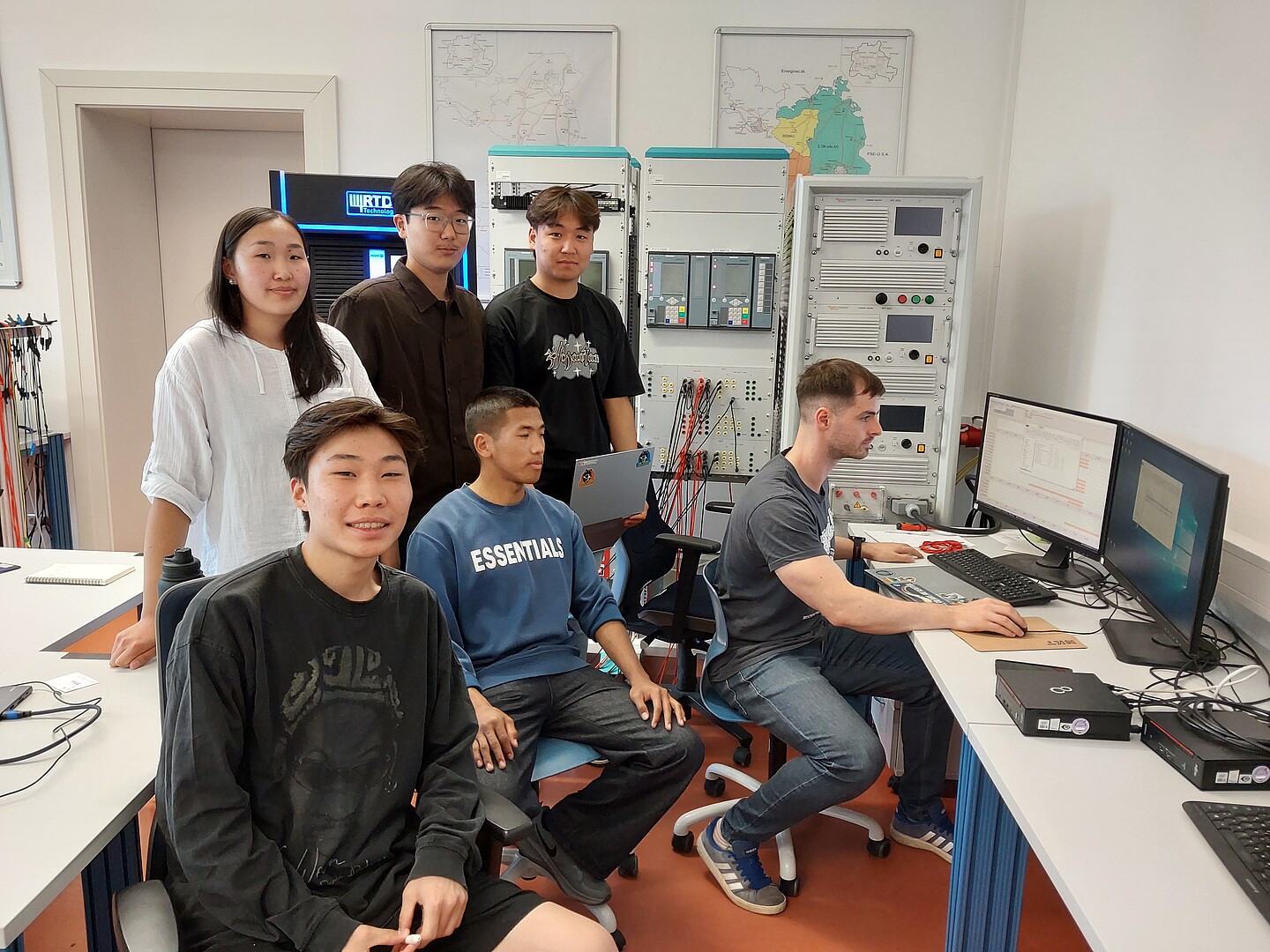
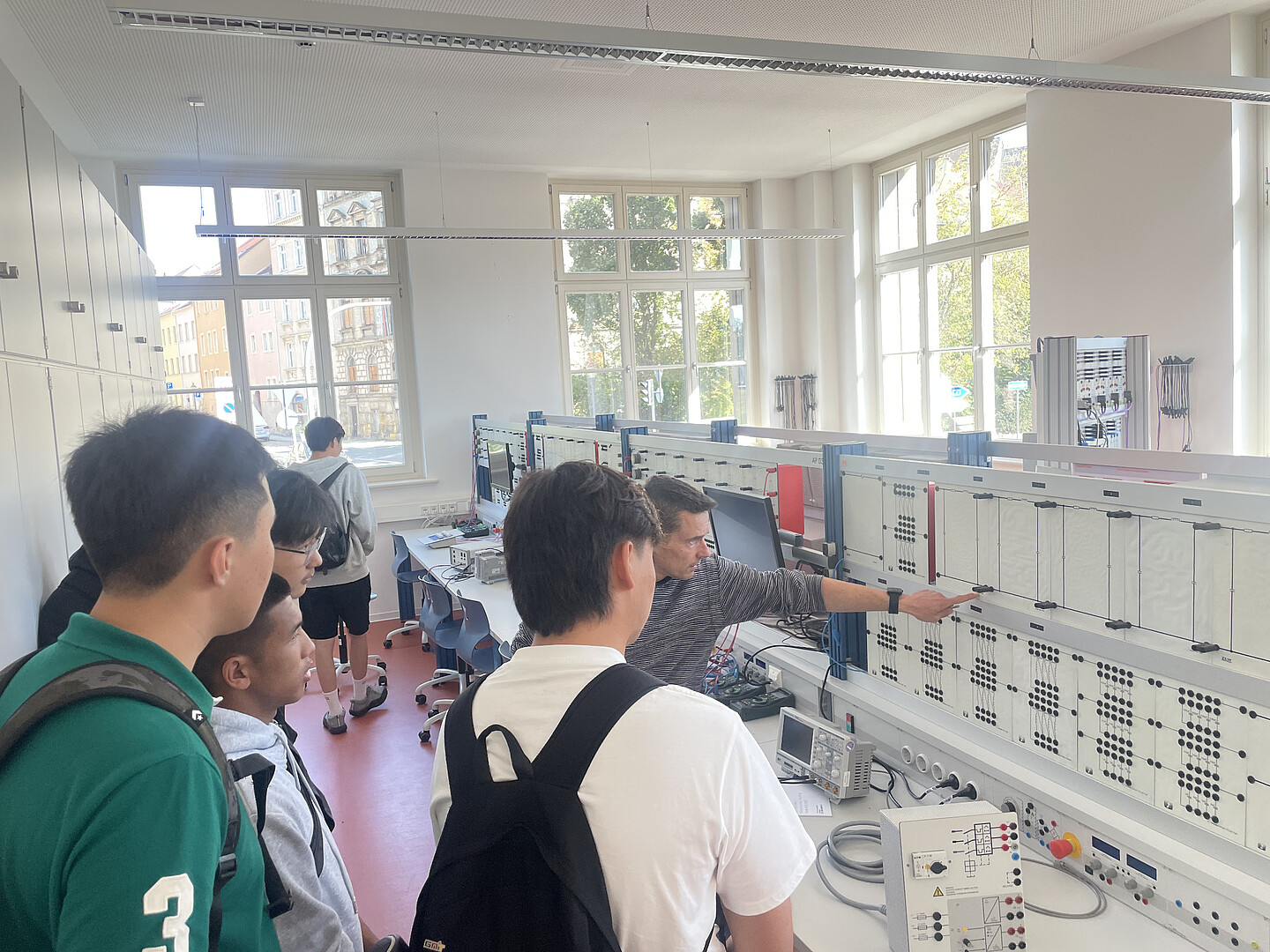
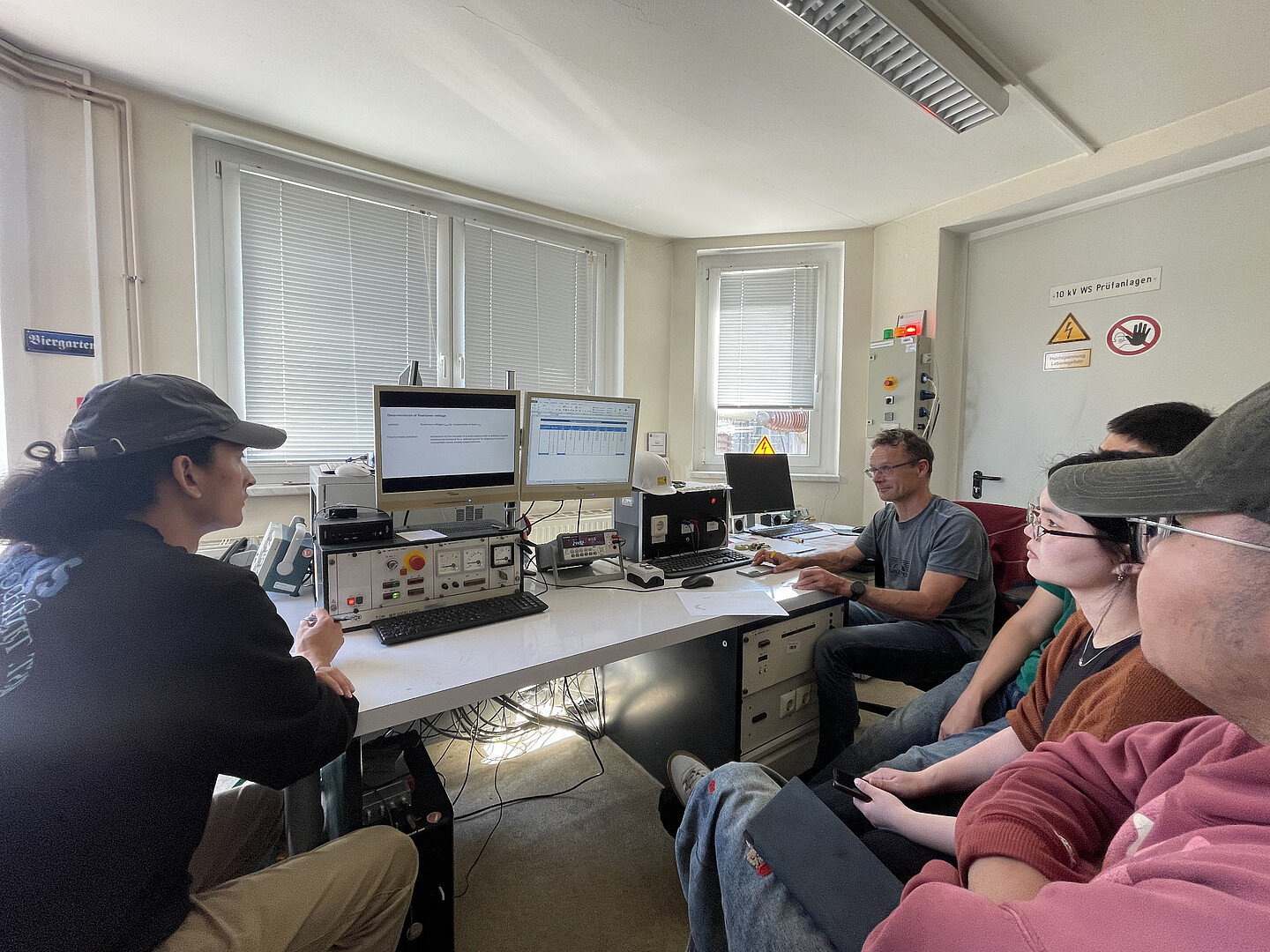
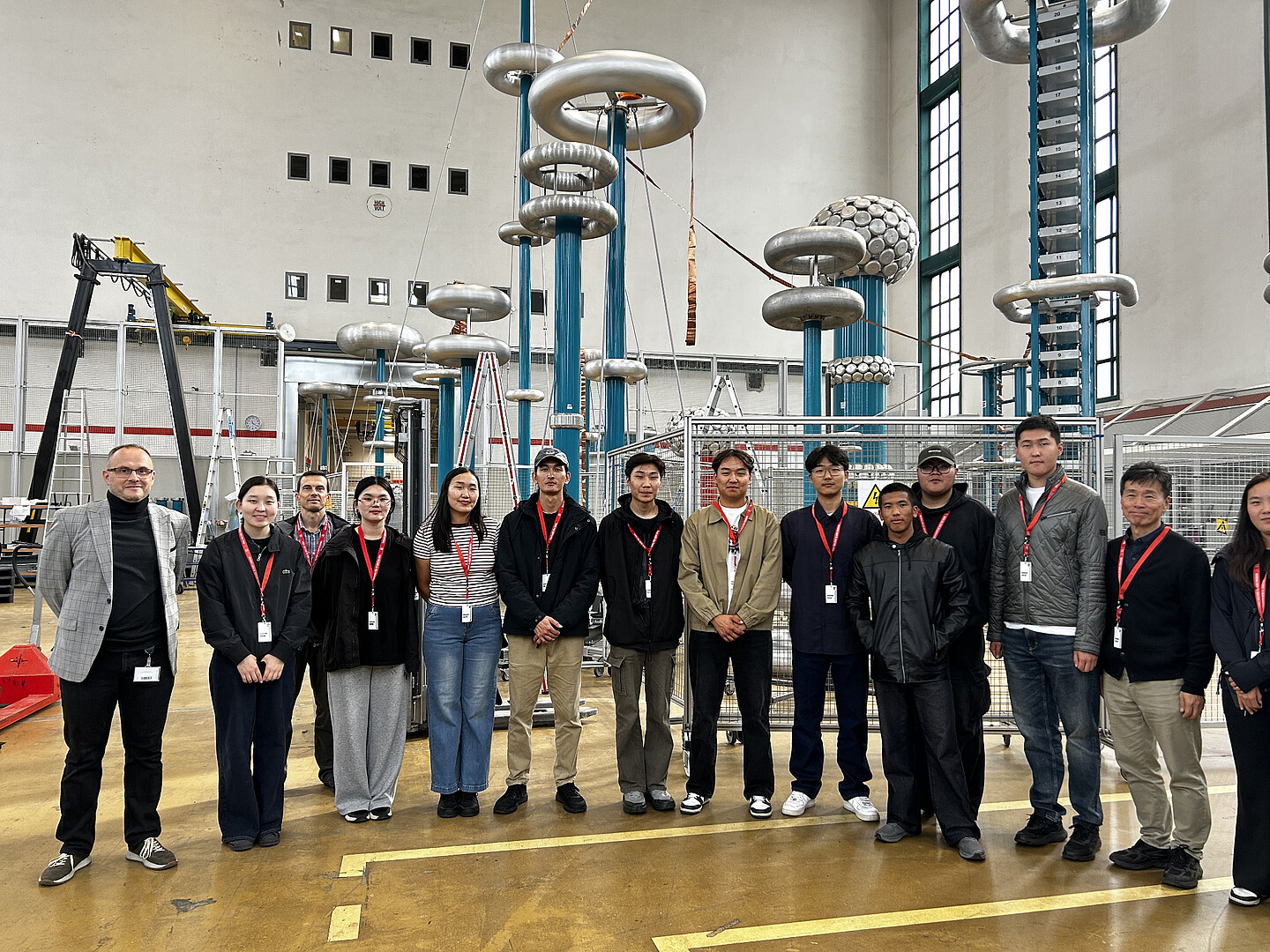
Ten GMIT students got a firsthand look at how academic exchange works today during an internship at the Faculty of Electrical Engineering and Computer Science from September 28 to October 9, 2026. In the Department of High-Voltage Engineering, Materials for Electrical Engineering, and Theoretical Electrical Engineering, led by Prof. Dr. techn. Stefan Kornhuber, they completed a varied laboratory program.
Among other things, they investigated the conditions under which electrical discharges occur in air. For example, they varied the shape and spacing of electrodes as well as the type of applied voltage. In another experiment, they generated and measured lightning impulse voltages, determined the breakdown voltage of an insulator, and performed statistical analysis of their measurements.
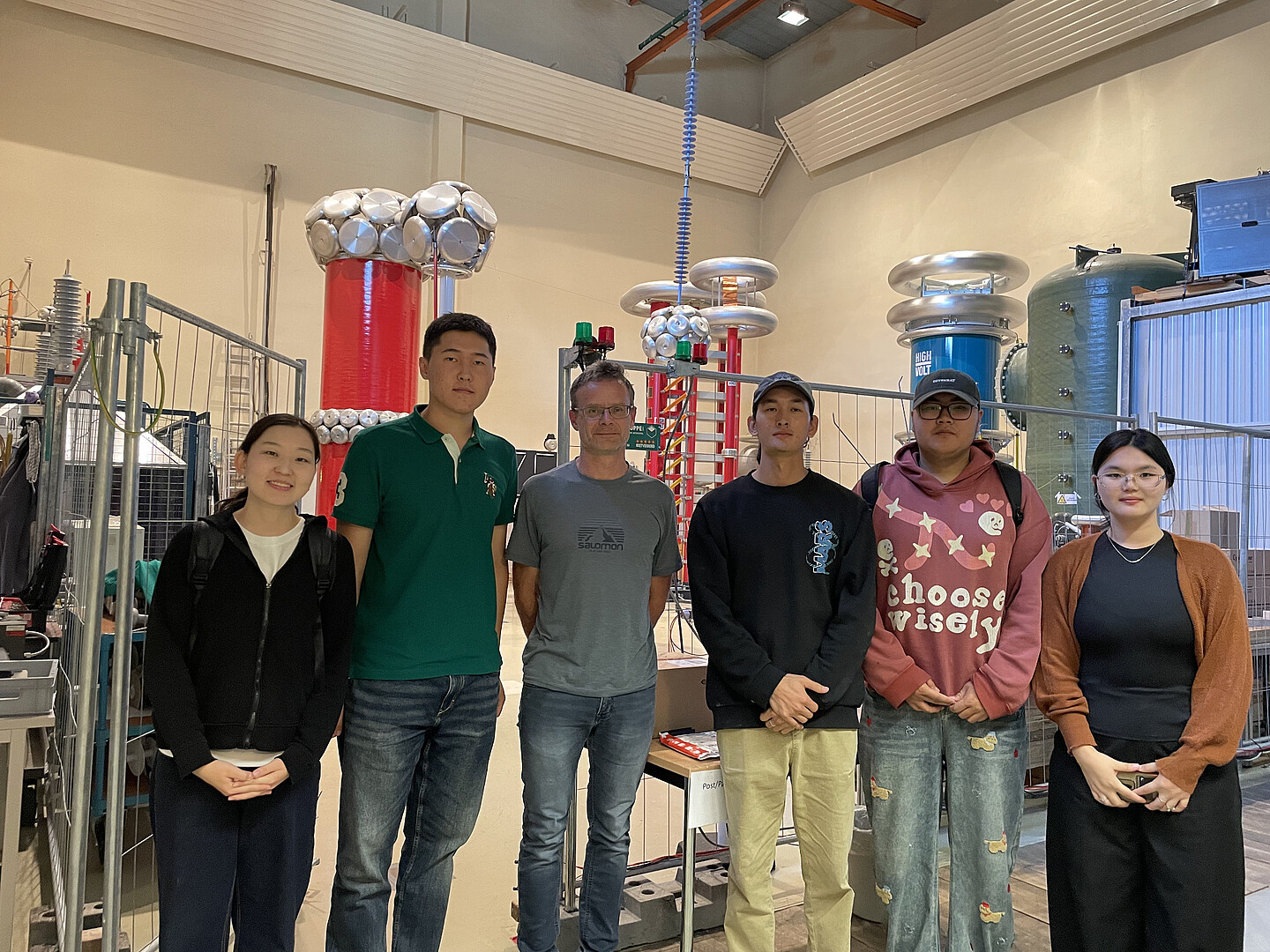
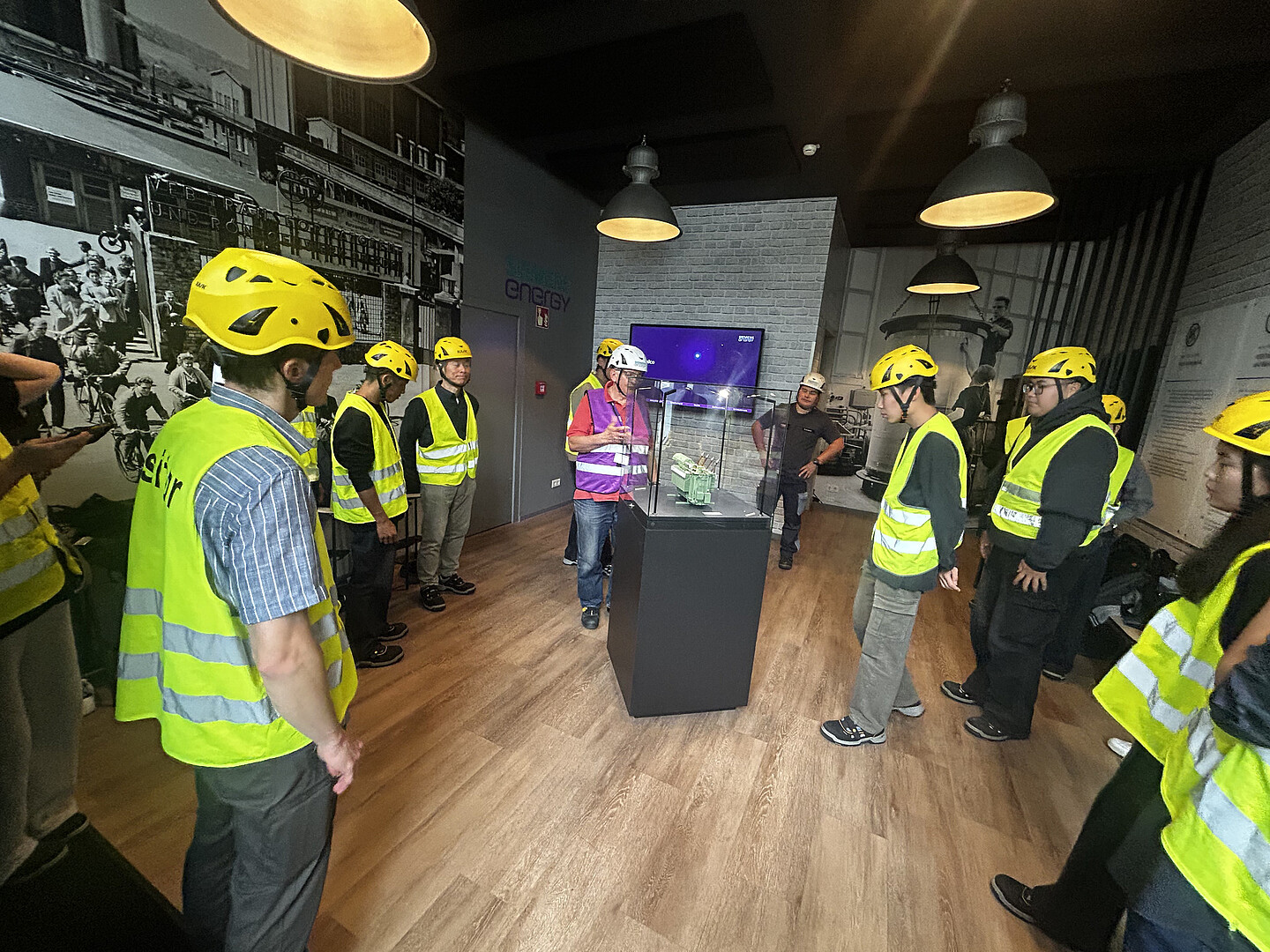
The internship, funded by GIZ GmbH, also took the students to the companies Siemens Energy AG and HIGHVOLT Prüftechnik Dresden GmbH in Dresden. At HIGHVOLT, they gained insight into the production and testing systems at a global market leader in high-voltage testing systems. At Siemens Energy AG in Dresden, they were able to experience firsthand the production and testing of power transformers and chokes during a factory tour.
Rüdiger Cervinka, Fabian Baltrusch, and Mario Dreßler from the Faculty of Electrical Engineering and Computer Science provided technical guidance and oversaw the laboratory internships. Ondrej Svarc and Irina Dudova assisted with organizing the visit.
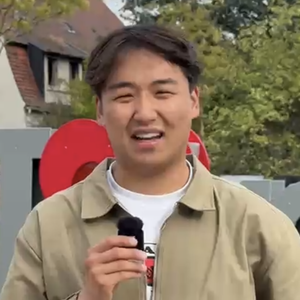
I am very grateful that we had the opportunity to complete a two-week laboratory course at Zittau/Görlitz University of Applied Sciences and to visit the companies Siemens and HIGHVOLT. I sincerely hope that future students at our university will also have this opportunity.
”
International Networks as the Foundation for Cooperation
This collaboration is part of a network between HSZG and Mongolian partners that has developed over the long term. Since 2023, these ties have been continuously expanded through reciprocal university visits, technical discussions, and cooperation agreements. In addition to teaching, the collaboration also extends to research, including in the field of direct current technology.
The personal and institutional network of HSZG Rector Prof. Dr.-Ing. Alexander Kratzsch plays an important role in this regard. As a member of the German Advisory Board of GMIT, he supports the development of the partnership even beyond the immediate collaboration between the Universities.
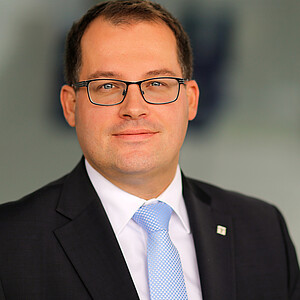
International higher education partnerships are not built solely through agreements. They require personal connections, mutual trust, and ongoing exchange. Over the past few years, we have built a strong network with our Mongolian partners. The fact that this is now leading to concrete opportunities for joint degree programs and research projects demonstrates how important this long-term networking effort is for the development of our University.
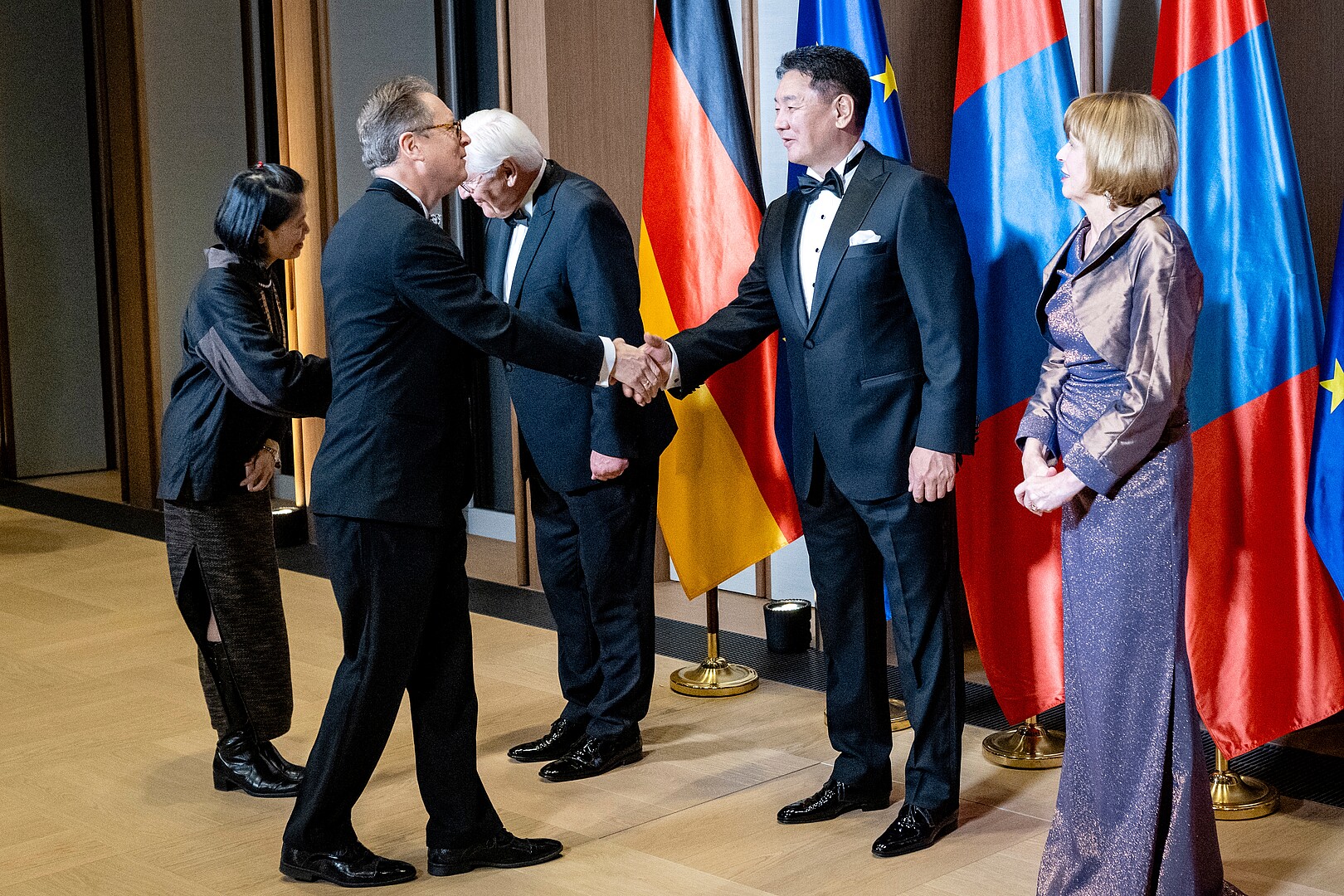
”The importance of German-Mongolian relations was also evident at the highest political level: On October 20, 2026, Alexander Kratzsch attended the state banquet in Berlin on the occasion of Mongolian President Khurelsukh Ukhnaa’s state visit, at the invitation of Federal President Frank-Walter Steinmeier. This participation underscores the HSZG’s presence in high-level German-Mongolian exchanges.
For the two partner universities, the focus is now on the concrete implementation of the joint study program. Through further coordination of the curriculum, language preparation, and the planned cooperation agreement, the groundwork for the planned start of the program is to be laid in the coming months.
1st floor