
Since October 14, 2017, companies with a certified energy management system in accordance with DIN EN ISO 50001 have been required to provide credible evidence of continuous improvement in energy efficiency. This requirement stems from ISO 50003, “Energy Management Systems—Requirements for Bodies Auditing and Certifying Energy Management Systems.” During the next reaccreditation audits, external energy auditors will require quantitative evidence of how energy performance has been improved.

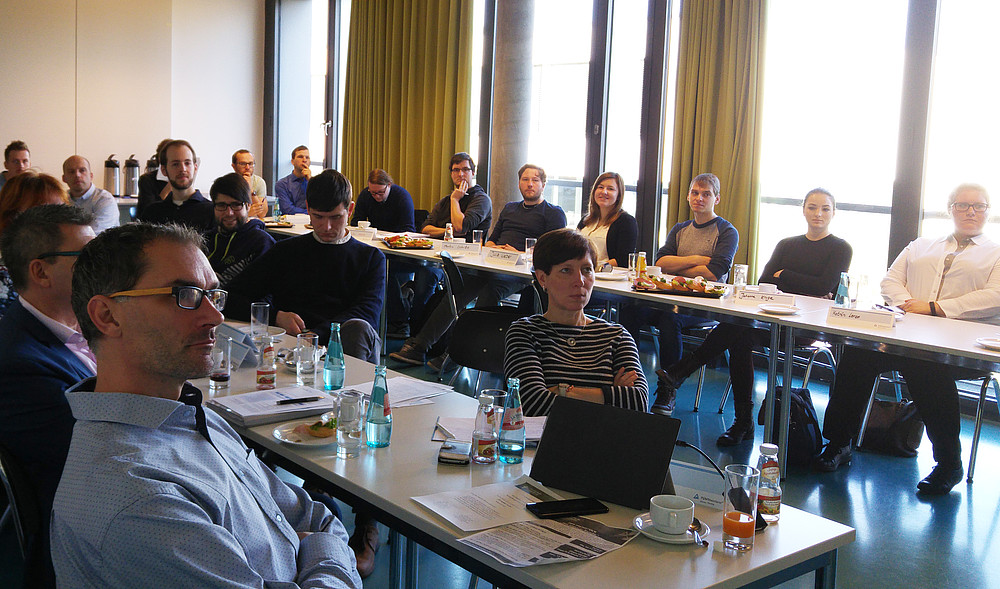
At our 8th IMS Breakfast shortly before Christmas, Anke Zenker-Hoffmann provided information on the clarifications in ISO 50003 regarding technical performance improvement and its documentation, as well as on other “members” of the ISO 50000 family of standards.

Andreas Langhammer, Managing Director of Sachsenfenster GmbH & Co. KG, used concrete examples to demonstrate how he plans the implementation of measures within his company’s energy management system and demonstrates improvements in energy efficiency using key performance indicators, but also highlighted the pitfalls and challenges involved in developing, collecting, evaluating, and interpreting these metrics. It is important to identify and define relevant variables that influence energy achievement, such as weather-related factors, production capacity utilization, raw material quality, or process conditions. His conclusion: Those who have already implemented the ISO 50001 requirement for continuous improvement will have no problems with the stricter requirements for demonstrating compliance. It all comes down to this: “Some have merely gone through the motions with their energy management system, while others have actually implemented it technically.”
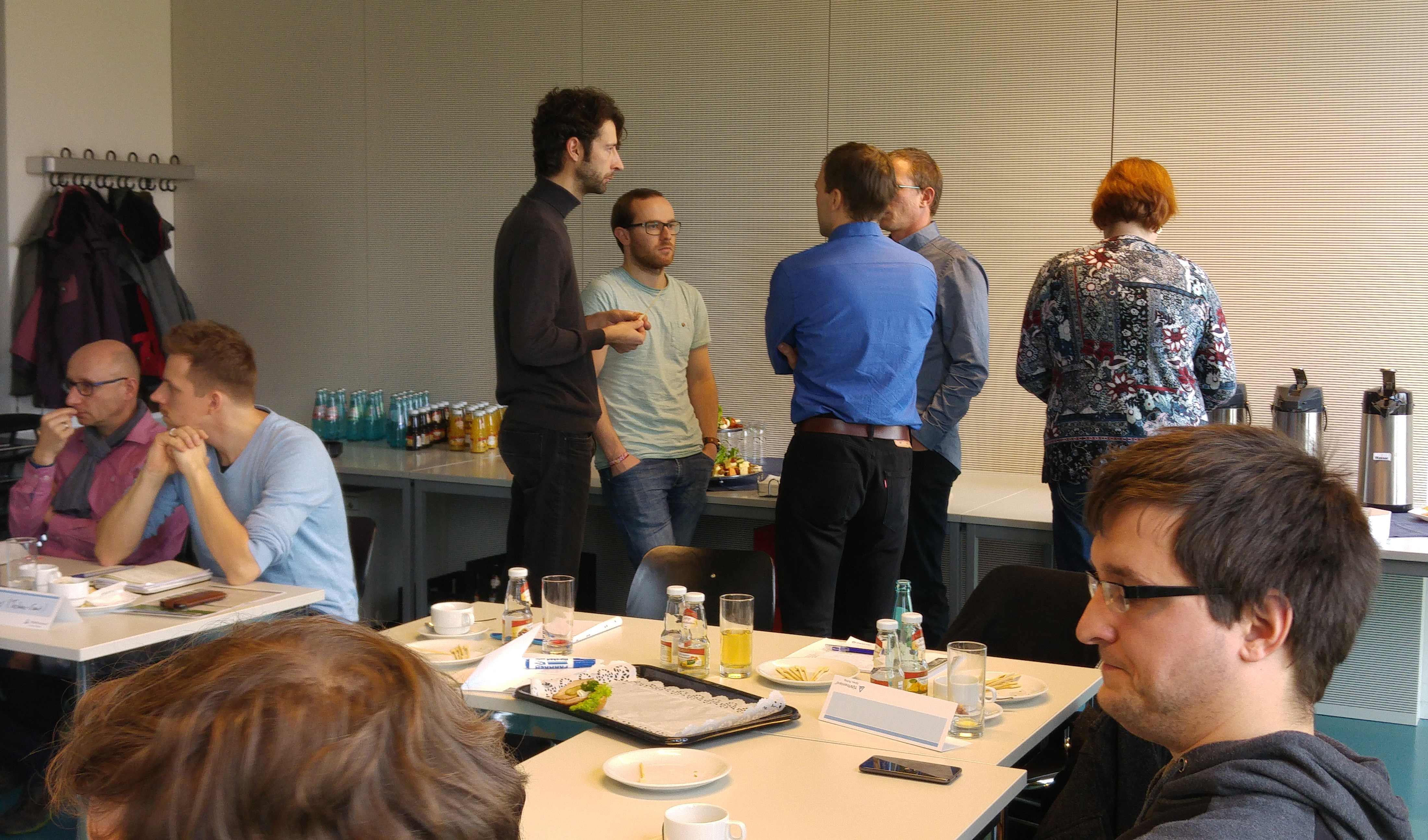
In the “Did You Know?” section, we introduced our “Upper Lusatia Energy Efficiency Network,” a consortium of eight regional companies dedicated to exchanging information on energy management—including topics such as developing key performance indicators, implementing measures, and measuring success in energy management.
Contact
Prof. Dr. Jana Brauweiler
integrated management systems
Phone: 03583 612-4752
Email: j.brauweiler@hszg.de