
We shape digital change!
Key digital skills for a successful future for our graduates are a focus of the digital transformation at the HSZG.

Zittau/Görlitz University of Applied Sciences (HSZG) has embarked on a journey—with the help of peer-to-peer strategy consulting from the Higher Education Forum on Digitalization and specific workshops on strategy development—to formulate its own recommendations for how to shape the digital transformation at our university in a good way, from teaching and administration to research. Online learning, AI in teaching, infrastructure adaptation, and digital skills—digitalization presents many opportunities for universities, but also challenges.
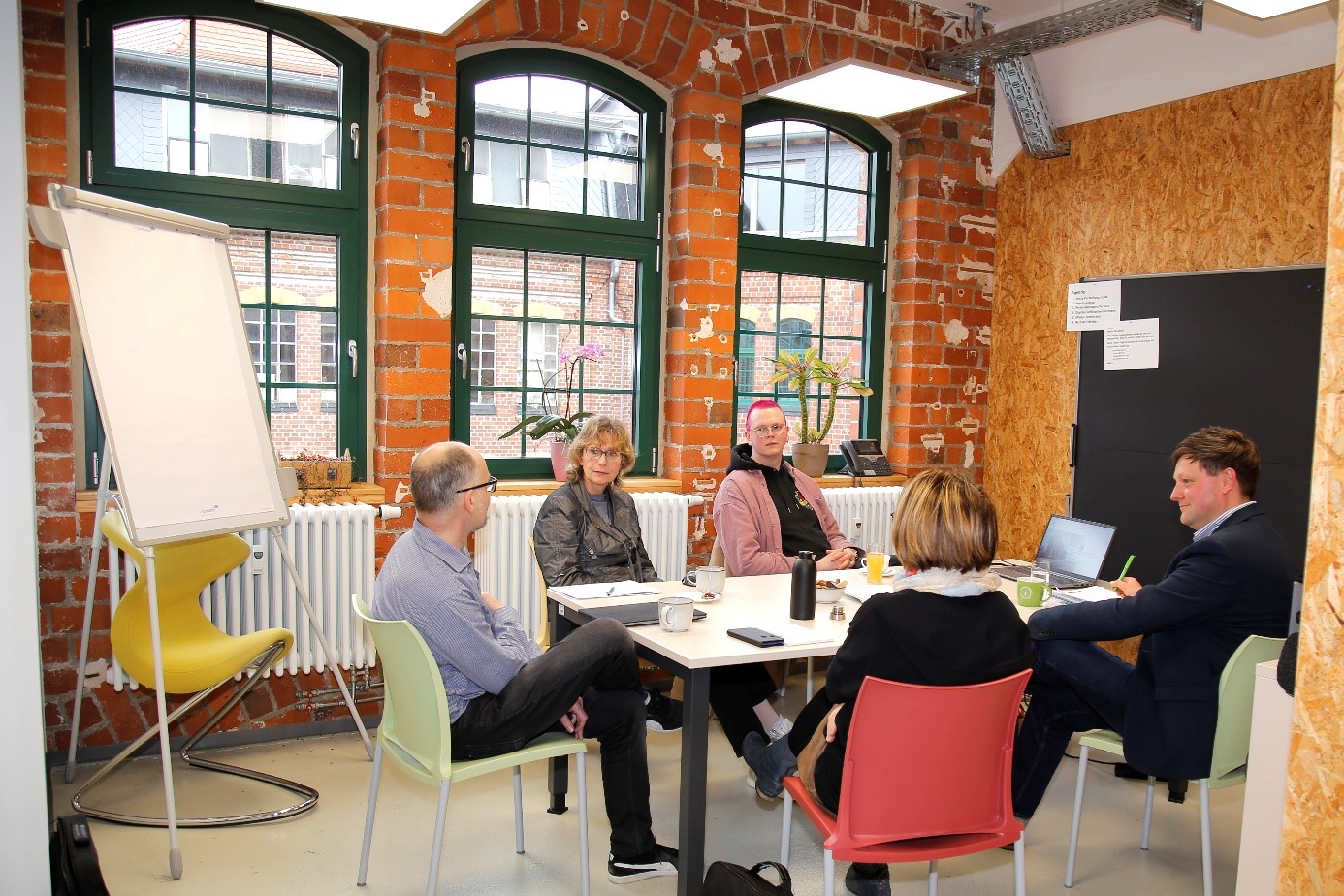
On April 20, 2023, the Vice President for Education and International Affairs, Professor Keil, hosted a workshop as part of the University for Future (UF4) process , which focused on developing a “digital identity” for the HSZG. Together with representatives from the individual faculties, the HSZG support structures (Center for E-Learning, Office of Education, University Data Centre), and the academic administration, participants discussed approaches to promoting digital competencies and other future skills for the professionals of tomorrow. The discussion also addressed key digital competencies for university staff as well as future collaboration among the various support structures.


The importance of key digital competencies is also evident in the current development of the Saxony-wide overarching strategy for digital transformation in higher education. The Saxon State Ministry of Science, Culture, and Tourism (SMWK) and the State Rectors’ Conference (LRK) are currently developing this strategy, and active discussions on this topic are taking place. Similar to the participatory approach taken by our university leadership as part of the HSZG’s internal “University for Future” process, the strategy-building process led by the SMWK and the LRK is also being conducted in a cooperative and dialogue-oriented manner. Representatives from all Saxon universities were invited to actively participate in various workshops.
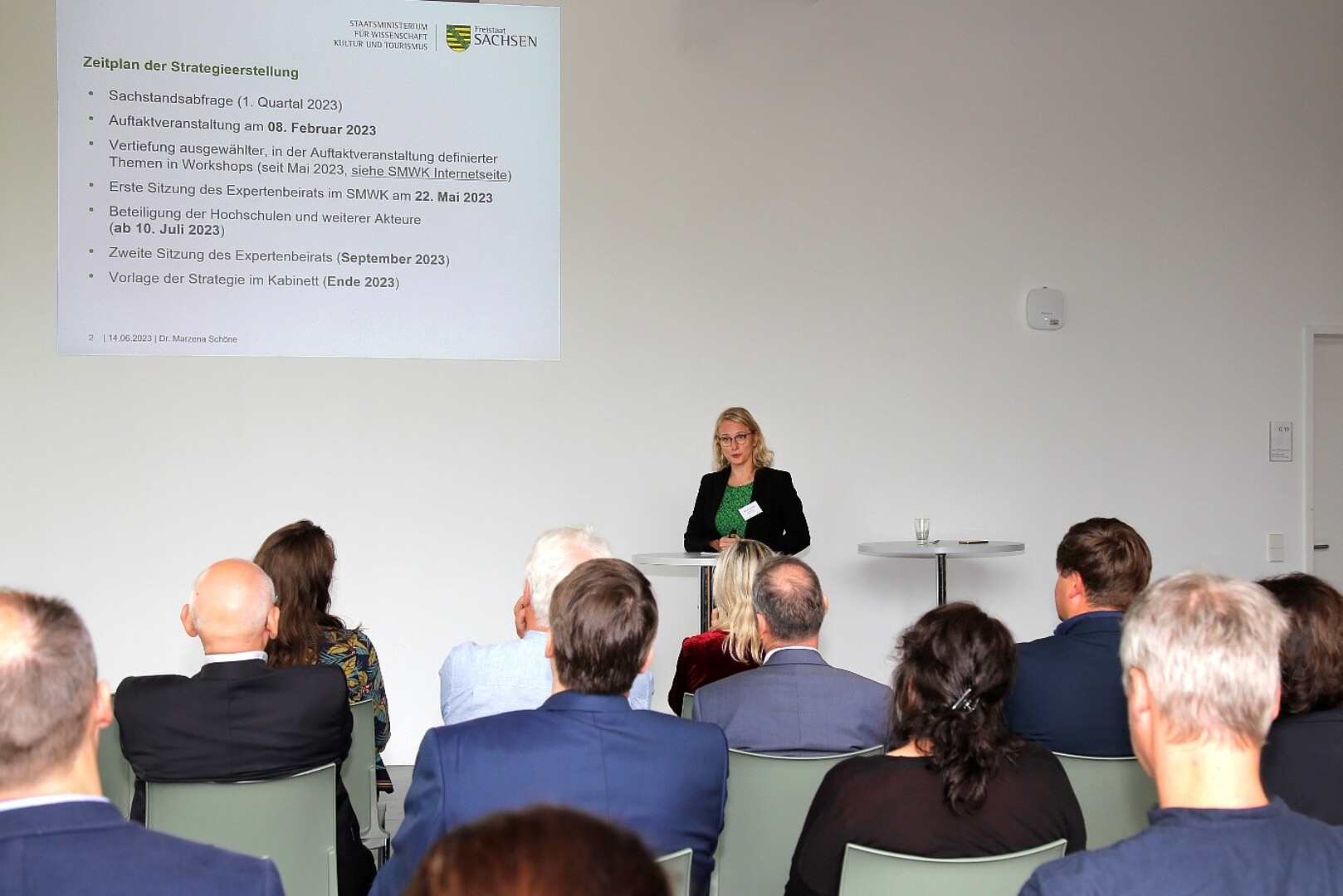
Drawing on extensive expertise from our own strategy development, on June 14, 2023, the HSZG hosted a Saxony-wide workshop titled “Key Digital Competencies for the Skilled Workers of the Future.” This workshop was jointly organized by the SMWK and the HSZG and aimed to further advance the digital transformation in the higher education sector. The Vice President, as well as representatives from various organizational units at the University of Zittau/Görlitz, took the opportunity to share their insights based on the findings of the HSZG’s “University for the Future” process.
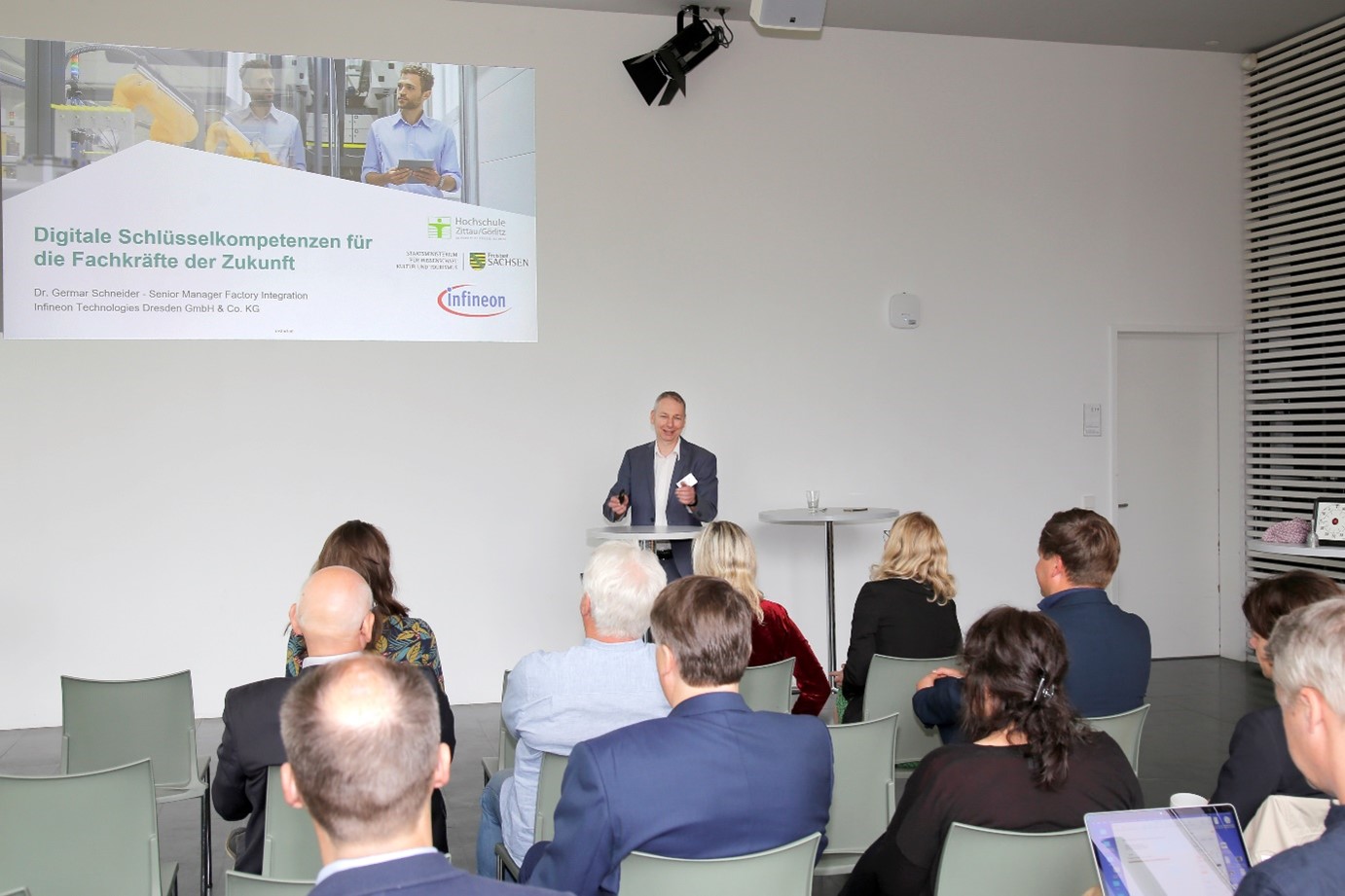
At the event, Dr. Germar Schneider from Infineon Technologies in Dresden delivered a keynote presentation on key digital competencies for future professionals from a corporate perspective. Dr. Schneider highlighted the transformation of jobs in the semiconductor industry driven by automation and, at the same time, presented innovative ideas for the future of work. His contribution was extremely enlightening and offered valuable insights into the requirements and opportunities for professionals in the digital world.
Moderated with the kind support of Hochschuldidaktik Sachsen (HDS), participants from Saxony’s colleges and universities, as well as the business community, discussed measures to promote key digital competencies and forms of cooperation among the various stakeholders. The main topics were:
- Challenges and requirements for the successful curricular implementation of key digital competencies,
- Attracting new target groups (e.g., part-time and international students),
- Empowering faculty at universities of applied sciences and research universities, as well as students in teacher education programs, to promote key digital competencies.
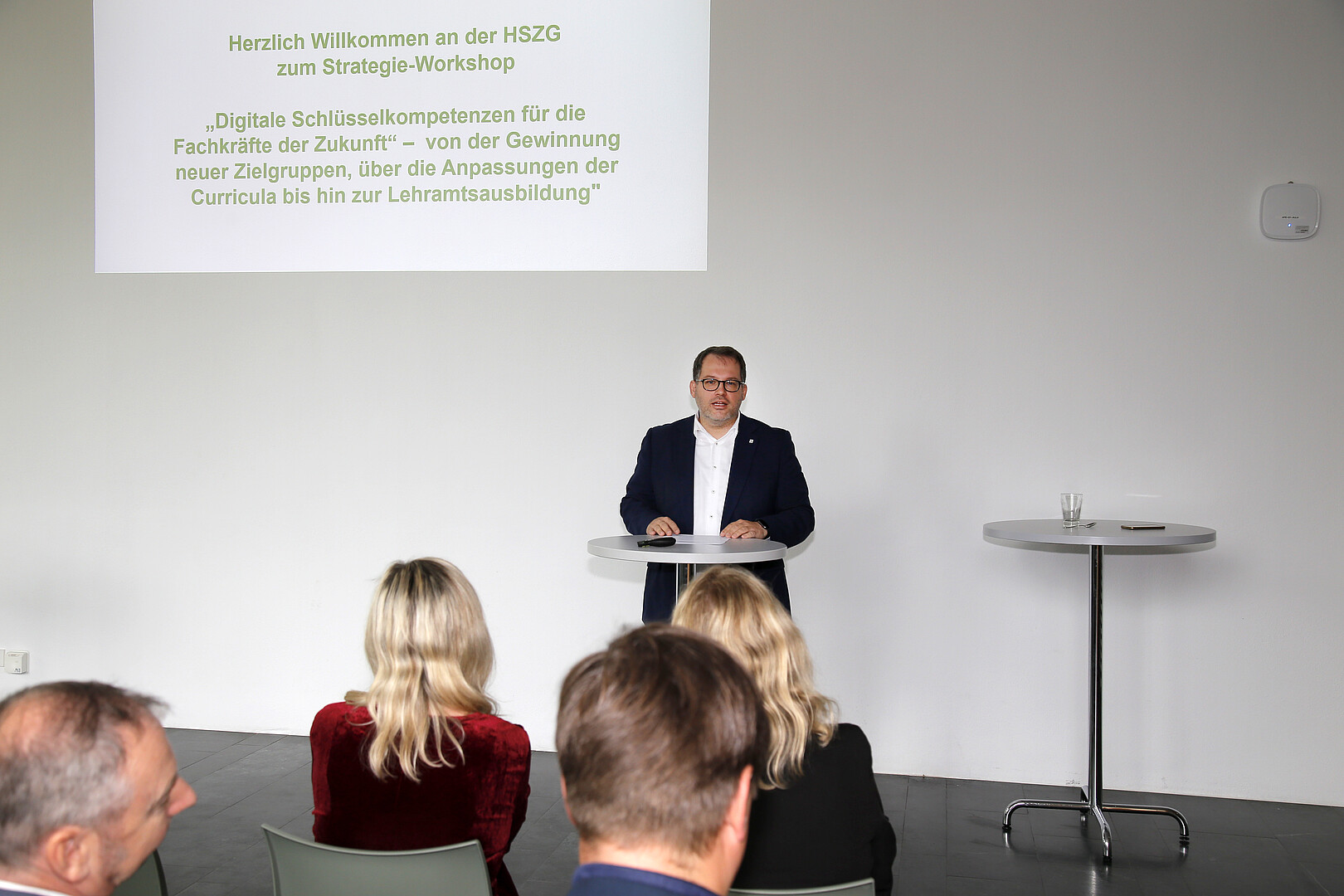
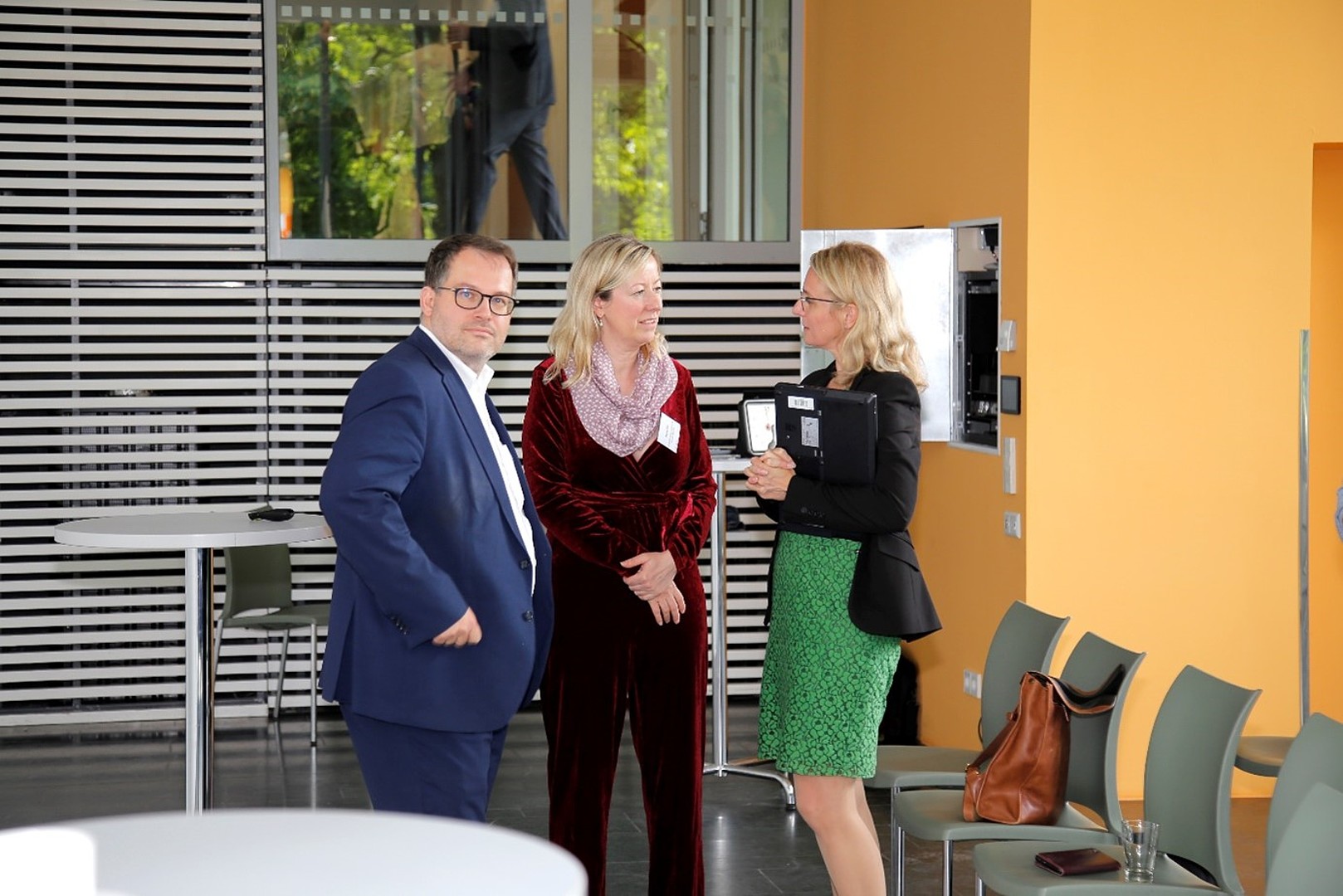

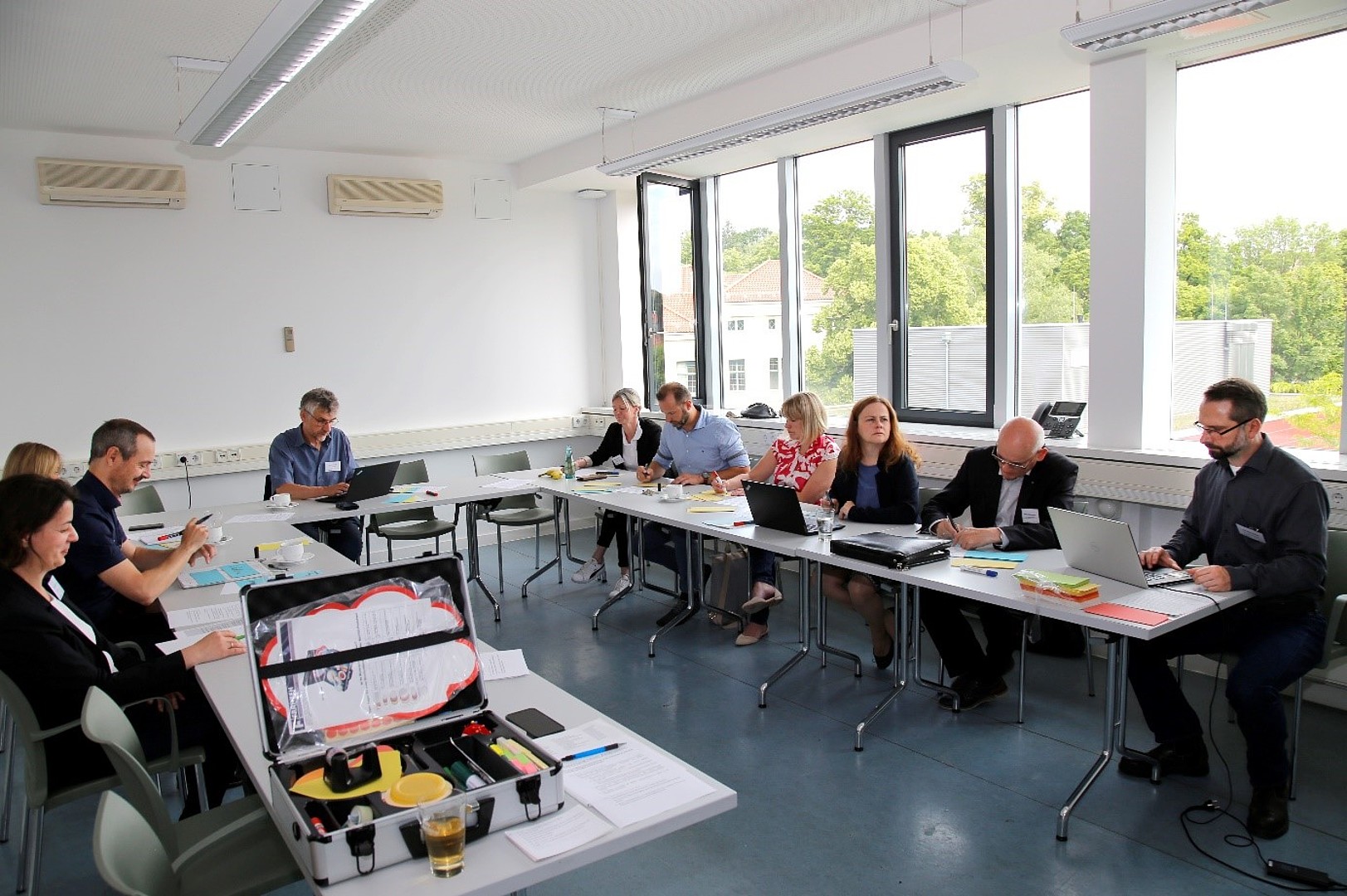
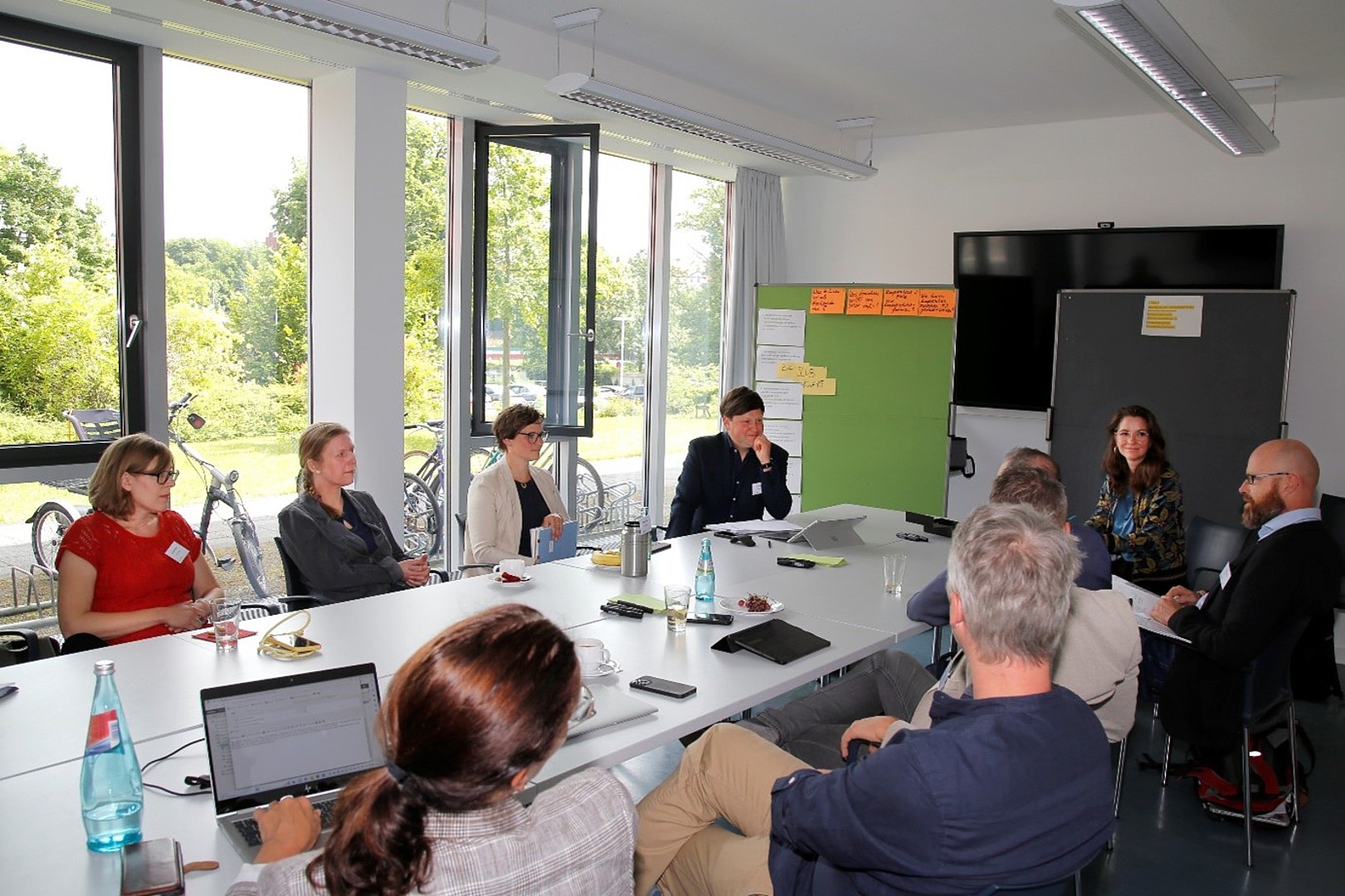
Once again, it became clear just how broad a field needs to be addressed here—both in terms of pedagogy and technology, and often in ways that are highly application-specific. There was agreement that integrative approaches are necessary to tailor the development of key digital competencies to subject-specific needs. This presents pedagogical challenges that must be addressed appropriately, whether through relevant support services for teachers or for students. Companies, particularly small and medium-sized enterprises, also desire more support—both in the continuing education of their employees and in gaining a basic understanding of the process of general digital transformation.
The participants agreed that the tasks associated with digitalization require continuous effort and that close collaboration among academia, politics, and business is necessary to capitalize on the opportunities presented by digitalization.
"The freedom of teaching is both an obstacle to the implementation of clear specifications of competence objectives and an opportunity for creative solutions for the specific promotion of competence objectives."
”Overall, the Vice President extends her gratitude for the trust placed in her by the SMWK, represented by Dr. Marzena Schöne, Head of the Division for Digital Transformation in Higher Education and Academic Libraries. The university administration would like to take this opportunity to thank the SMWK and the LRK for the opportunity to participate in the development of the overarching strategy, and the Education Division for organizing a day of great professional value.
The participatory process for developing a strategy for digitization at the HSZG and across the Saxony higher education landscape is thus making great strides. We look back on a productive event that provided valuable insights for all participants. This important piece of the puzzle on the path to a digital identity fits, like the others, into the overall process in which the HSZG is currently engaged. You are still cordially invited to participate and help shape this process.
On November 24, 2022, the SMWK and the State Rectors’ Conference agreed to develop a joint overarching strategy for “Digital Transformation in Higher Education.” This strategy will be incorporated into higher education development planning for the period beginning in 2025 and will also serve as a basis for Saxony’s universities to develop concrete digitalization concepts.
The strategy-building process is cooperative and dialogue-oriented, and involves
- all Saxon universities,
- the University of Cooperative Education in Saxony,
- academic libraries
- , and other relevant stakeholders.

1st floor