
Anything is possible! — When Science and the City Shape the Future Together
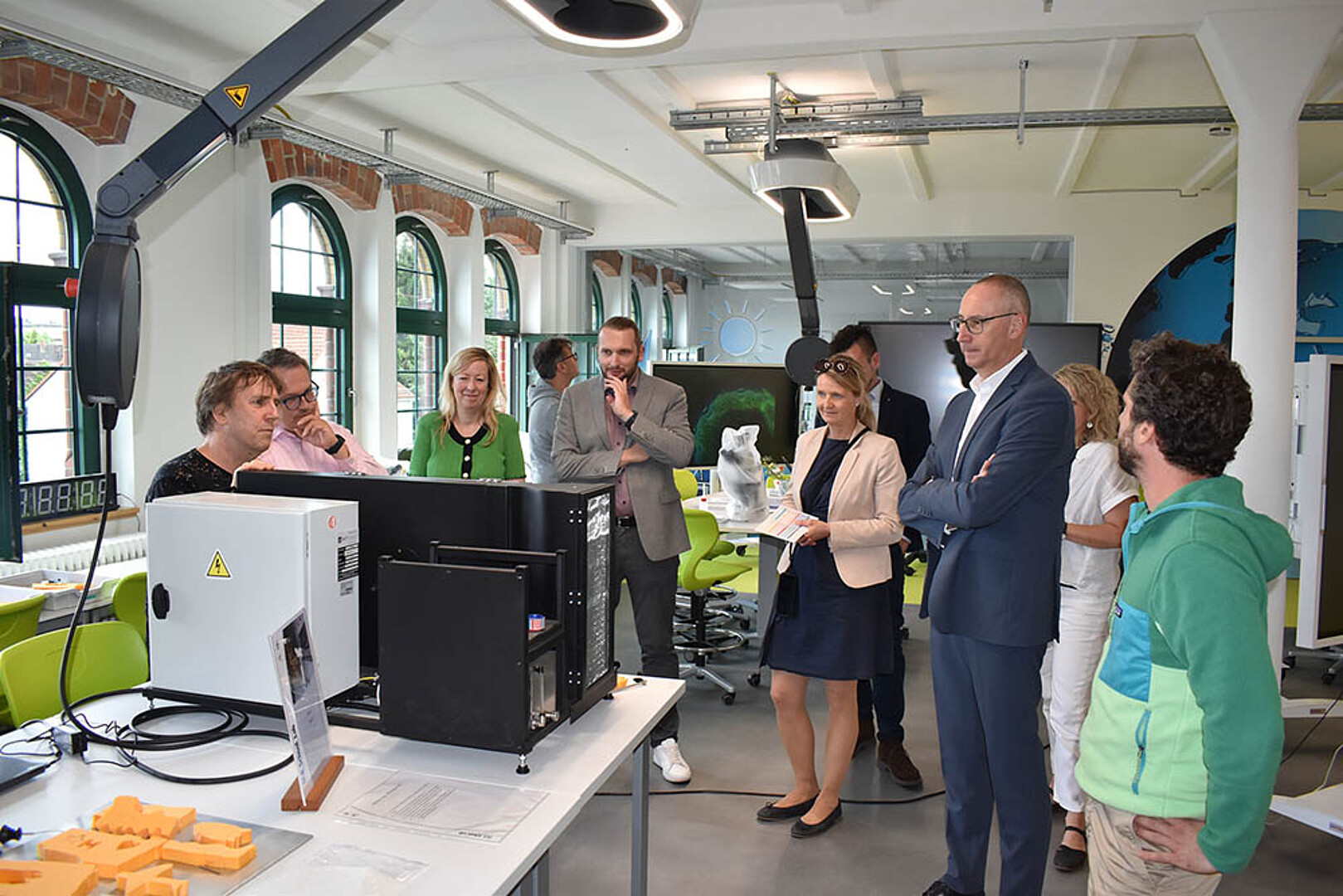
A delegation from the city of Bautzen visited the HSZG to discuss future prospects for the region. The focus was on future cooperation and the green construction of tomorrow.
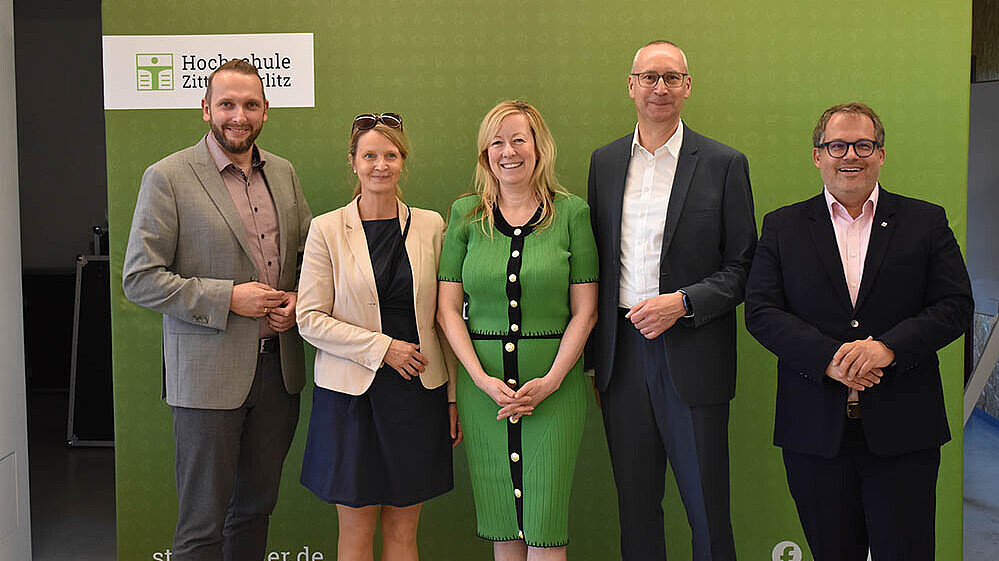
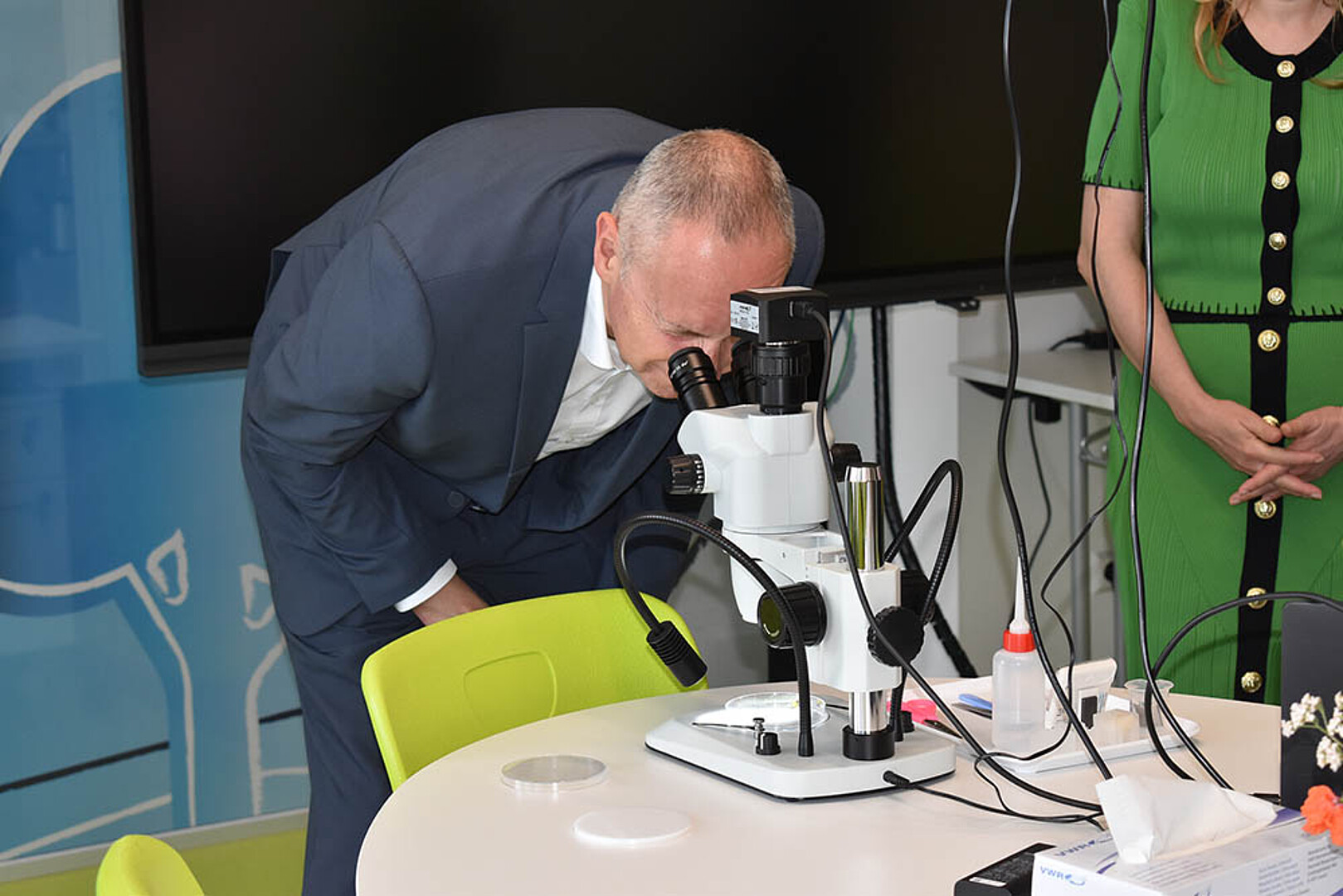
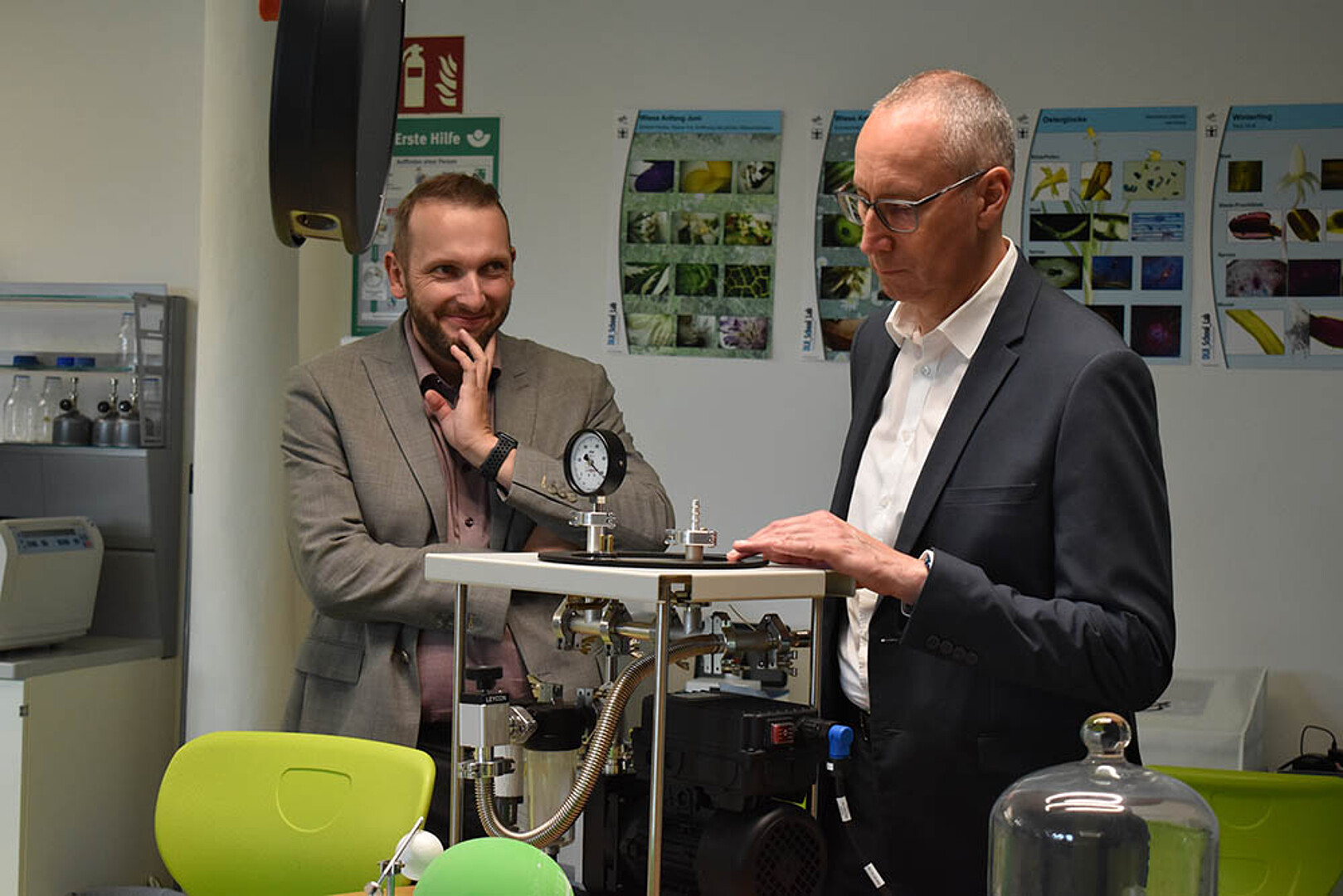
On July 3, a delegation from the city of Bautzen visited Zittau/Görlitz University of Applied Sciences to discuss future prospects for the region. Key topics included deepening future cooperation and the green construction of tomorrow
How are spaces for the future created? Where academia, local governments, and society take joint responsibility. The meeting between Zittau/Görlitz University of Applied Sciences and the city of Bautzen was entirely dedicated to this idea. The focus was on concrete approaches to long-term collaboration, sustainable construction, and the joint development of Upper Lusatia as a region of innovation.
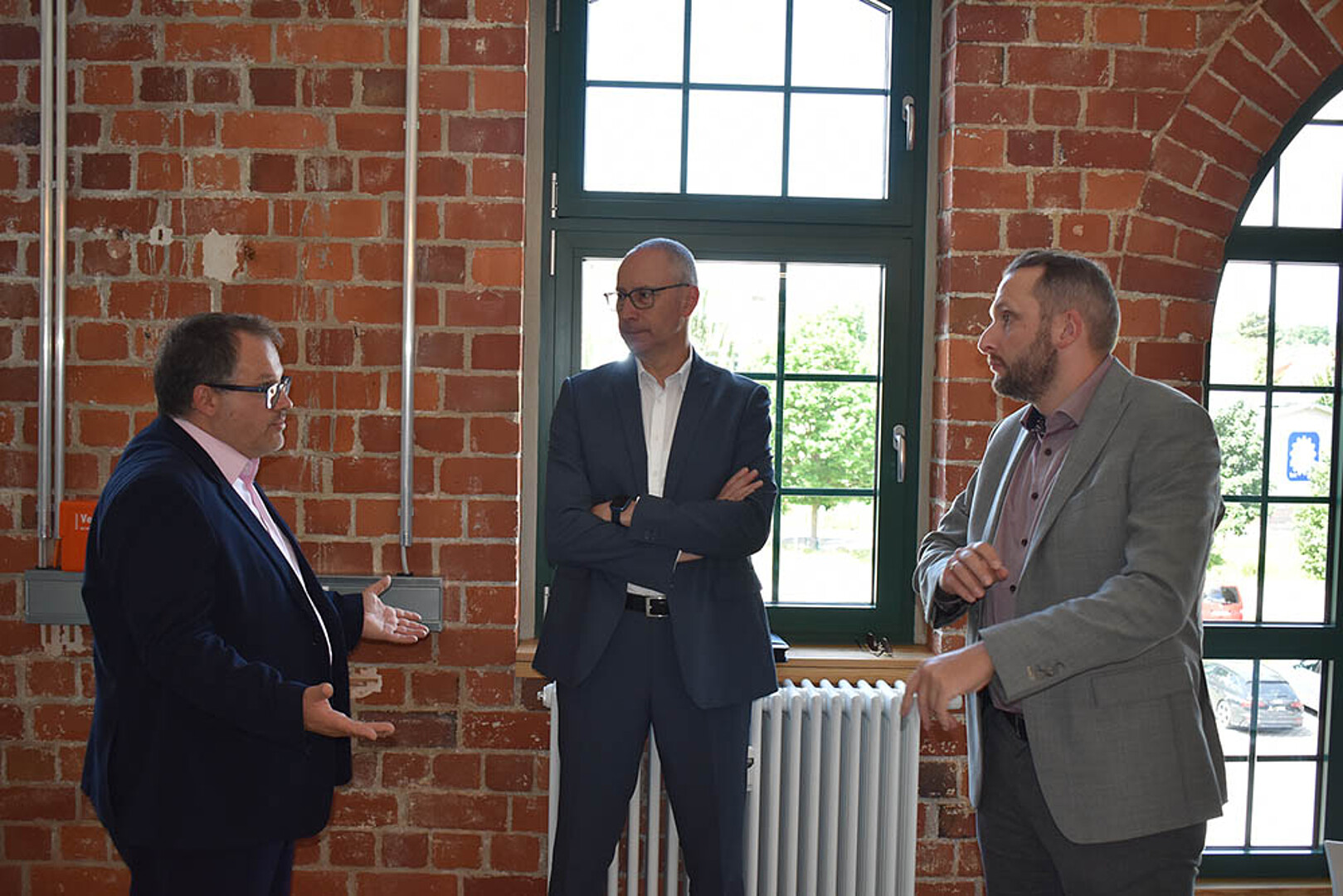
It quickly became clear: This is not just about discussions, but about specific locations, formats, and projects that bring academia and society closer together. Consequently, the agenda for the July 3 meeting at CELSIUZ was spontaneously adjusted to align more specifically with plans and objectives. After all, everyone at the table agreed that they wanted to work together to create prospects and optimism for the future.
Rector Alexander Kratzsch and the Vice President for Research, Transfer, and International Affairs, Sophia Keil, welcomed the delegation from Bautzen, led by Mayor Karsten Vogt, Mayor Heiko Nowak, Mike Peter, Urban Development Officer; Doreen Charlotte Hantschke from the Economic Development Agency; and Tobias Schlüter, a project staff member with the city.
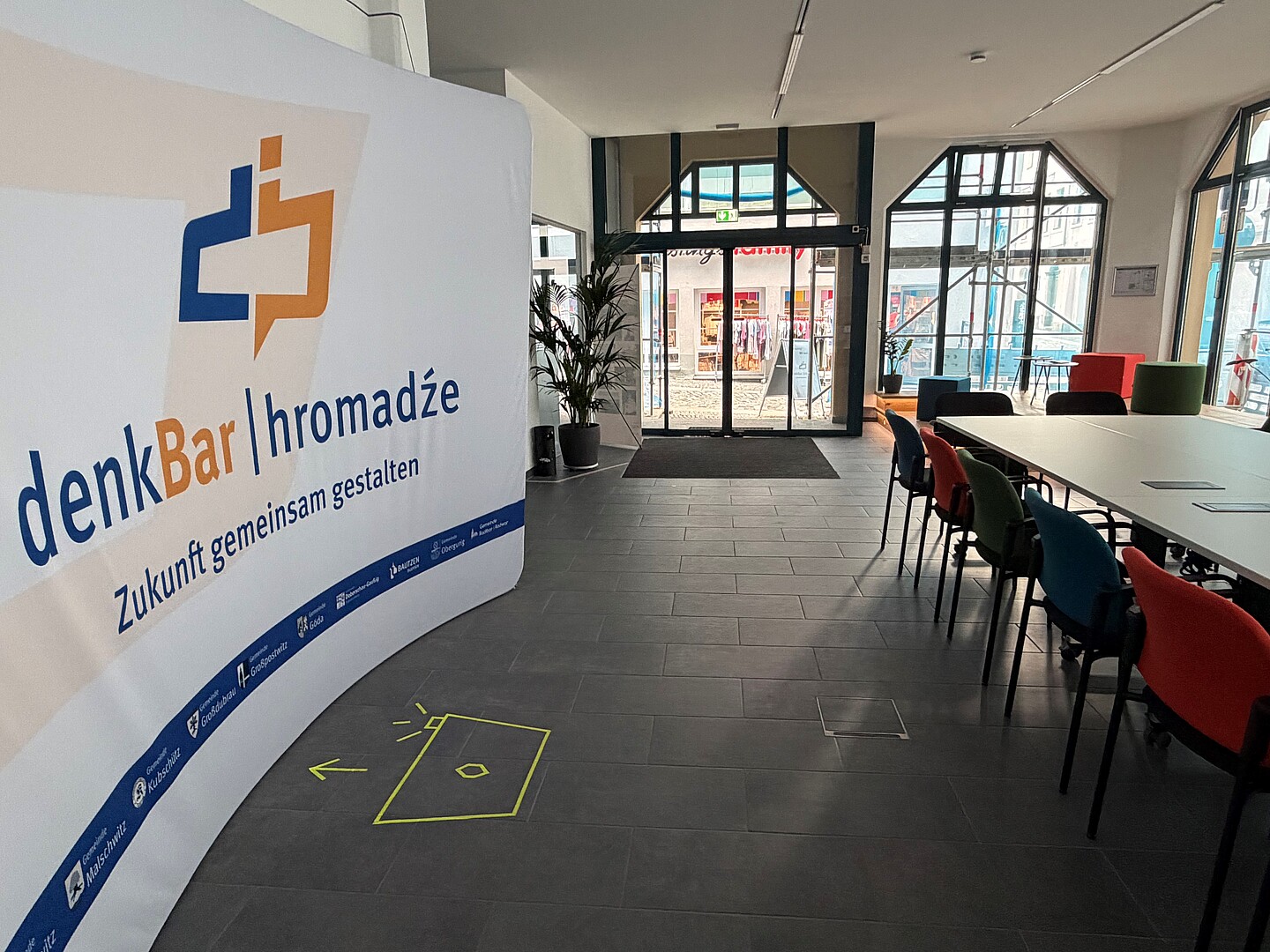
A particular point of connection for the collaboration is the denkBar | hromadźe, which opened the previous evening in downtown Bautzen.
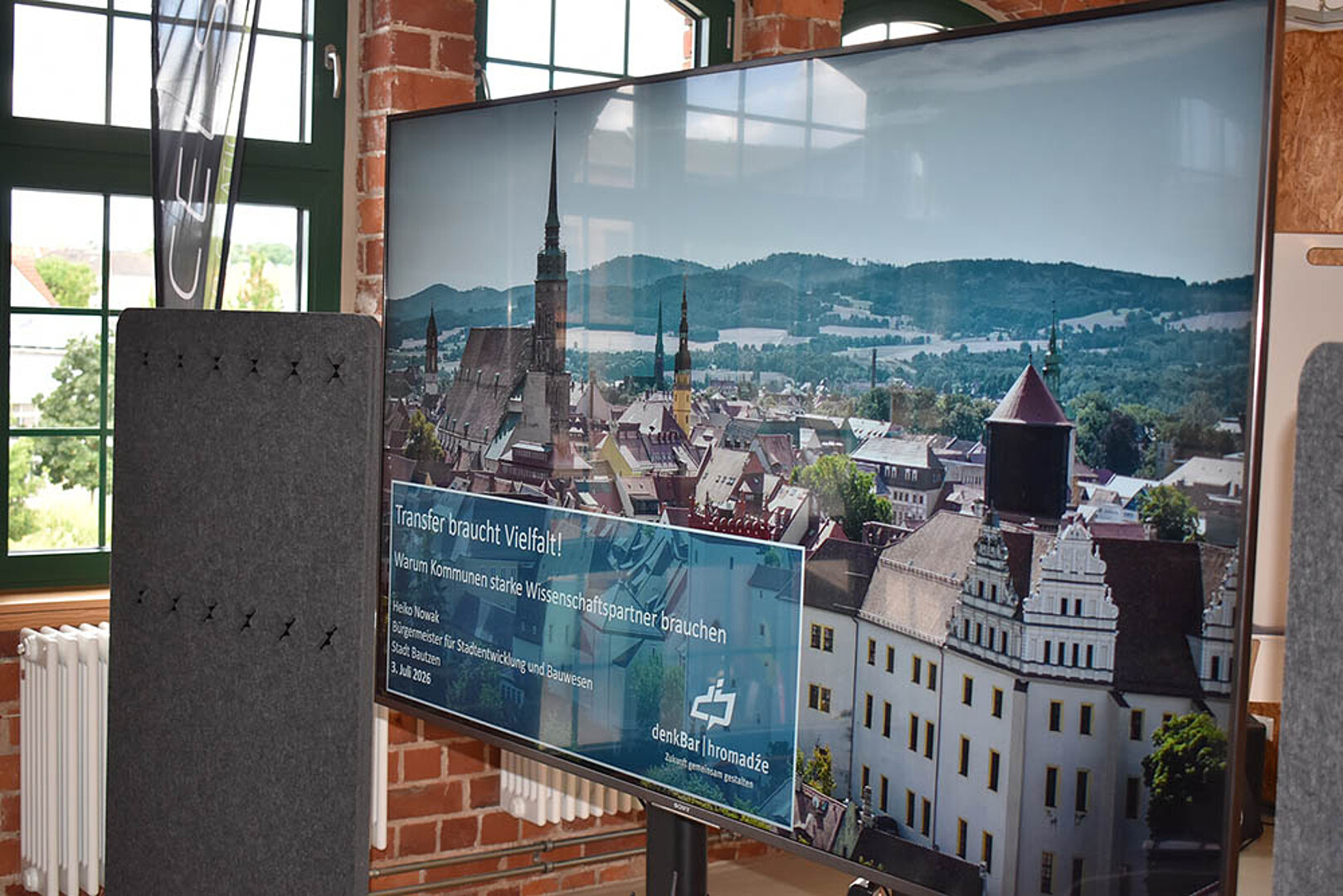
The open meeting and innovation space denkBar | hromadźe in downtown Bautzen provides a platform for exchange, networking, and the collaborative development of ideas for the region. Here, citizens, businesses, academia, government, and other regional stakeholders come together to launch projects, develop solutions, and actively shape the future. The name says it all: “denkBar” stands for a place of open thinking and new ideas, while “hromadźe” means “together” in Sorbian.
The space offers room for workshops, events, exhibitions, discussion forums, and collaboration among initiatives, networks, and projects from academia, business, and civil society. The goal is to bring people together, make knowledge visible, and jointly generate momentum for the region’s sustainable development.
Successful knowledge transfer formats as valuable sources of inspiration
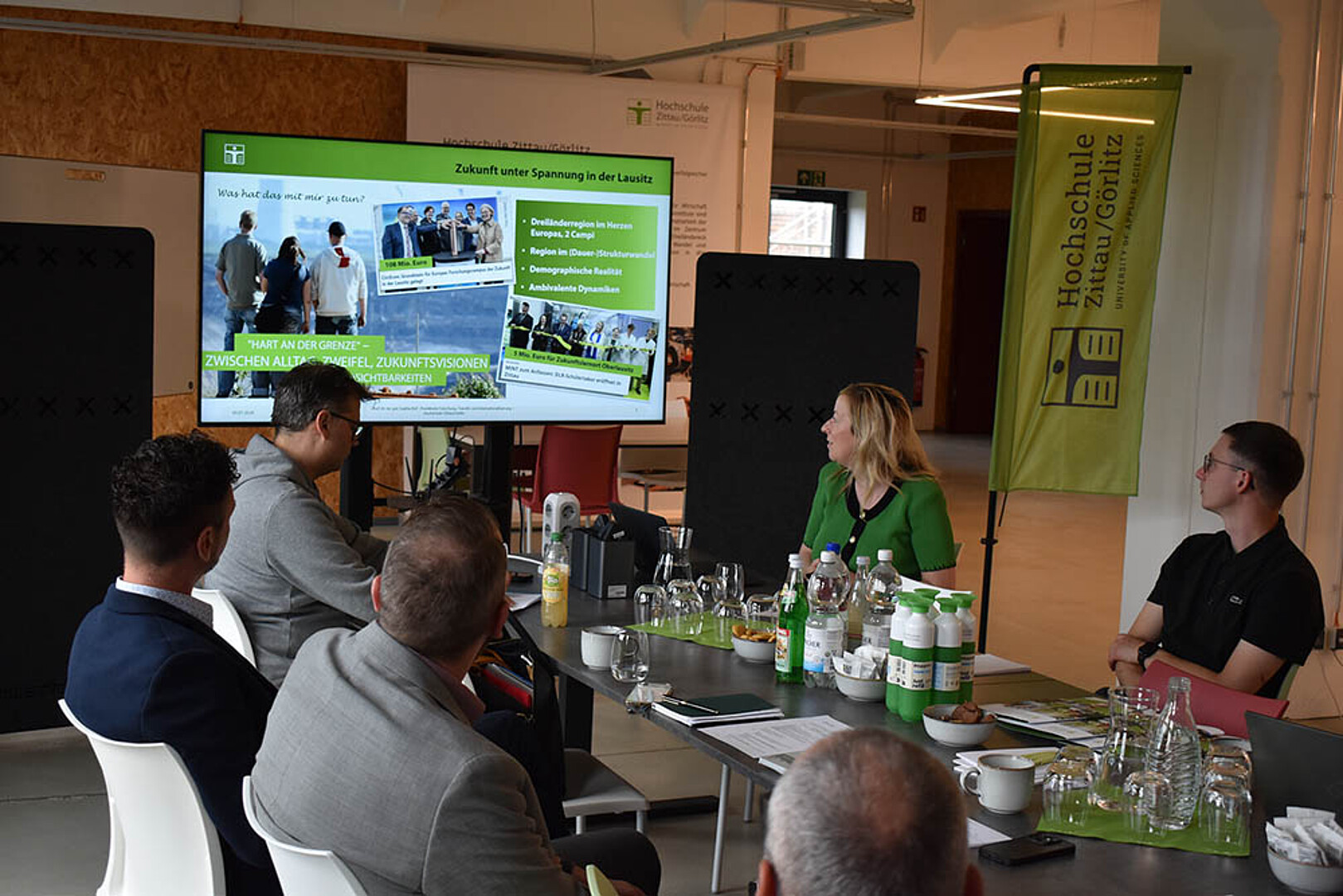
Since 2020, the HSZG has been operating the CELSIUZ knowledge transfer space at the Mandauhöfe through the Saxony⁵ project team ( ). In her keynote presentation, Prof. Dr. Sophia Keil introduced successful knowledge transfer formats from CELSIUZ and highlighted how innovation hubs can help to sustainably connect academia, business, and society. The experiences from Zittau offer valuable insights for the further development of the denkBar in Bautzen.
In addition to urban and regional development, raising the profile of research “Made in Upper Lusatia” plays a special role for the denkBar. All participants agreed that this is a great starting point for transferring scientific knowledge to business and society. The first joint event could delight visitors to the Wenzelmarkt as early as the Christmas season.
And the office of the Federal Research Center for Climate-Neutral and Resource-Efficient Construction is also moving into the new premises. The topic of construction ran like a thread through the joint meeting. The focus is on green, sustainable construction for the future: not just on paper, but applicable to the economy to create new jobs.
Among other things, the new Federal Research Center will focus on reducing resource consumption in the construction industry, developing low-carbon building materials and construction methods, and establishing circular, resource-efficient construction practices. Work is being carried out in a decentralized manner across Baden-Württemberg, Thuringia, and Saxony, as Germany’s construction industry is set to become climate-neutral by 2045. The establishment of the Federal Research Center’s headquarters in Bautzen—and the focus on applied research in particular, which is intended to drive the rapid and efficient transfer of new products and processes into industrial production—opens up great opportunities for Upper Lusatia.
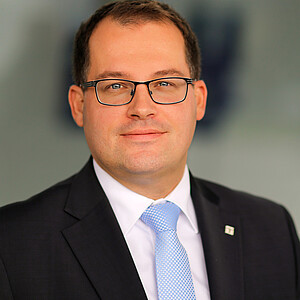
The future viability of Upper Lusatia depends not on individual projects, but on the strength of its networks. Our collaboration with the city of Bautzen is a good example of this, because we don’t just want to talk about the future—we want to shape it together. By developing solutions together and putting knowledge into practice, we strengthen our region’s resilience and lay the foundation for sustainable development.
”
The major challenges facing our region in the future can only be addressed through collaboration. Academia, local governments, and the business community must pool their expertise to turn ideas into concrete solutions. This is precisely where the HSZG’s strength lies: As a university of applied sciences, we bring together research, knowledge transfer, and people, and—together with our partners—create opportunities for the future of Upper Lusatia.
”All parties involved shared the view that they wanted to combine their respective strengths to advance the region as a whole. In addition to the establishment of the Construction Research Center, topics discussed at the meeting included STEM education in Eastern Saxony, the semiconductor activities of the HSZG, and the extensive experience of the Zittau/Görlitz University of Applied Sciences in knowledge transfer to business and society.
It was clear from all the participants that they had not gathered merely to exchange pleasantries, as the first projects with firm deadlines were already being finalized on the spot. There was also consensus around the table on the importance of working together on good initiatives and discussing them openly.
During our three-and-a-half-hour work meeting, we didn’t just discuss what might be possible. We agreed on specific steps for the coming months and determined how we can collaborate on projects. In my view, this will be equally beneficial for the city of Bautzen and the Zittau/Görlitz University of Applied Sciences.
”The meeting made it clear: The future of Upper Lusatia takes shape where academia, local governments, and the business community take on responsibility together. The partnership between HSZG and the city of Bautzen sends a strong signal in this regard—with concrete projects, shared innovation spaces, and the clear goal of strengthening the region in a sustainable way.
Text: Kristin Sprechert
Photos: Kristin Sprechert/Lucas Wenzel

1st floor