Shaping the campus of the future together!
At the “Zukunftsräume” event at the Kühlhaus Görlitz, HSZG students and the Vice President are developing innovative ideas for designing the campus of the future.
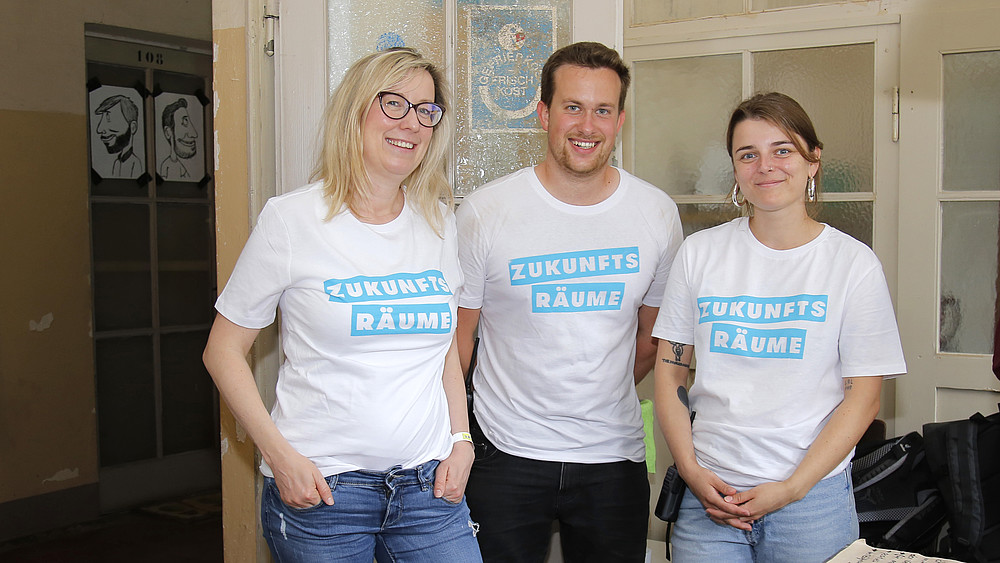
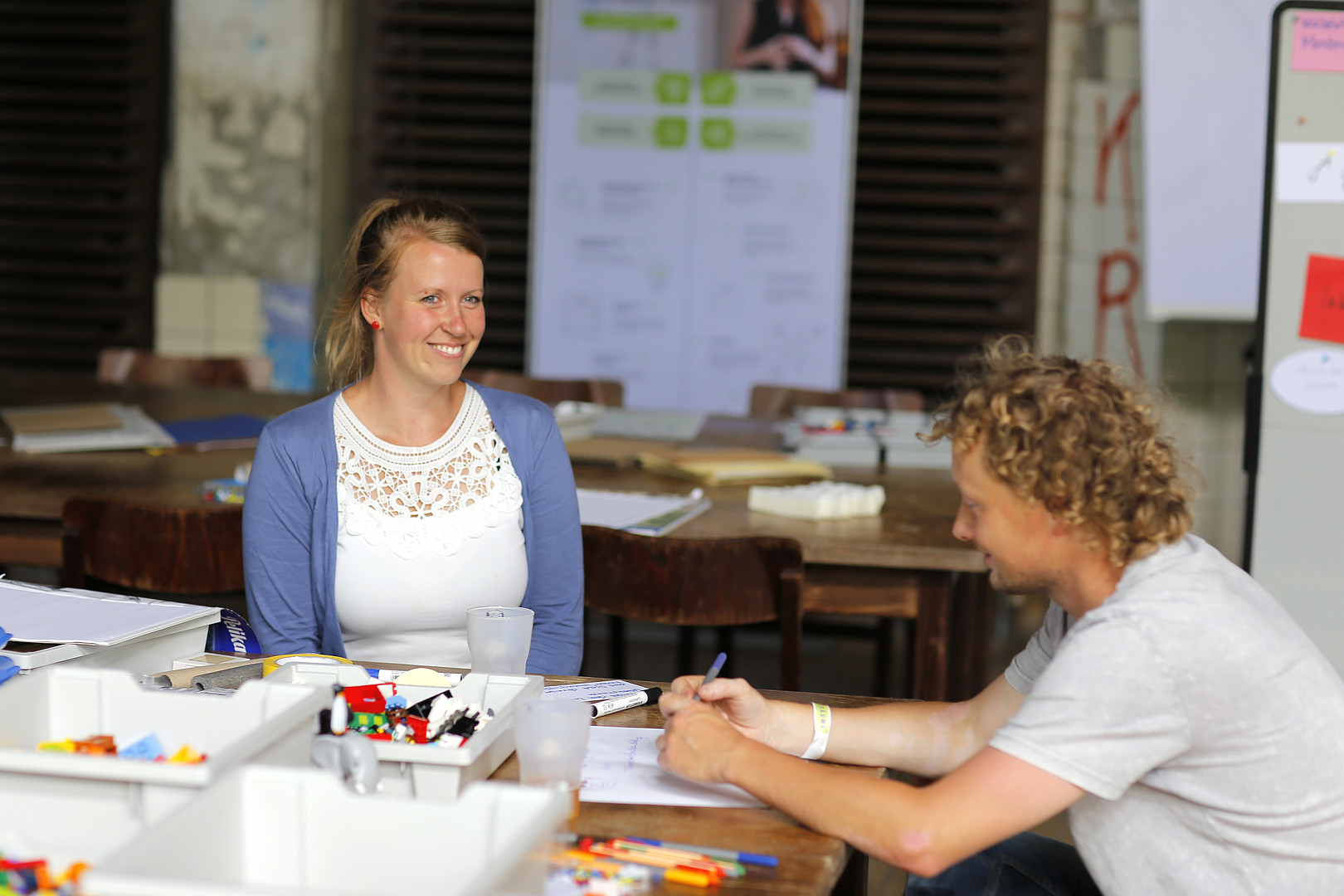
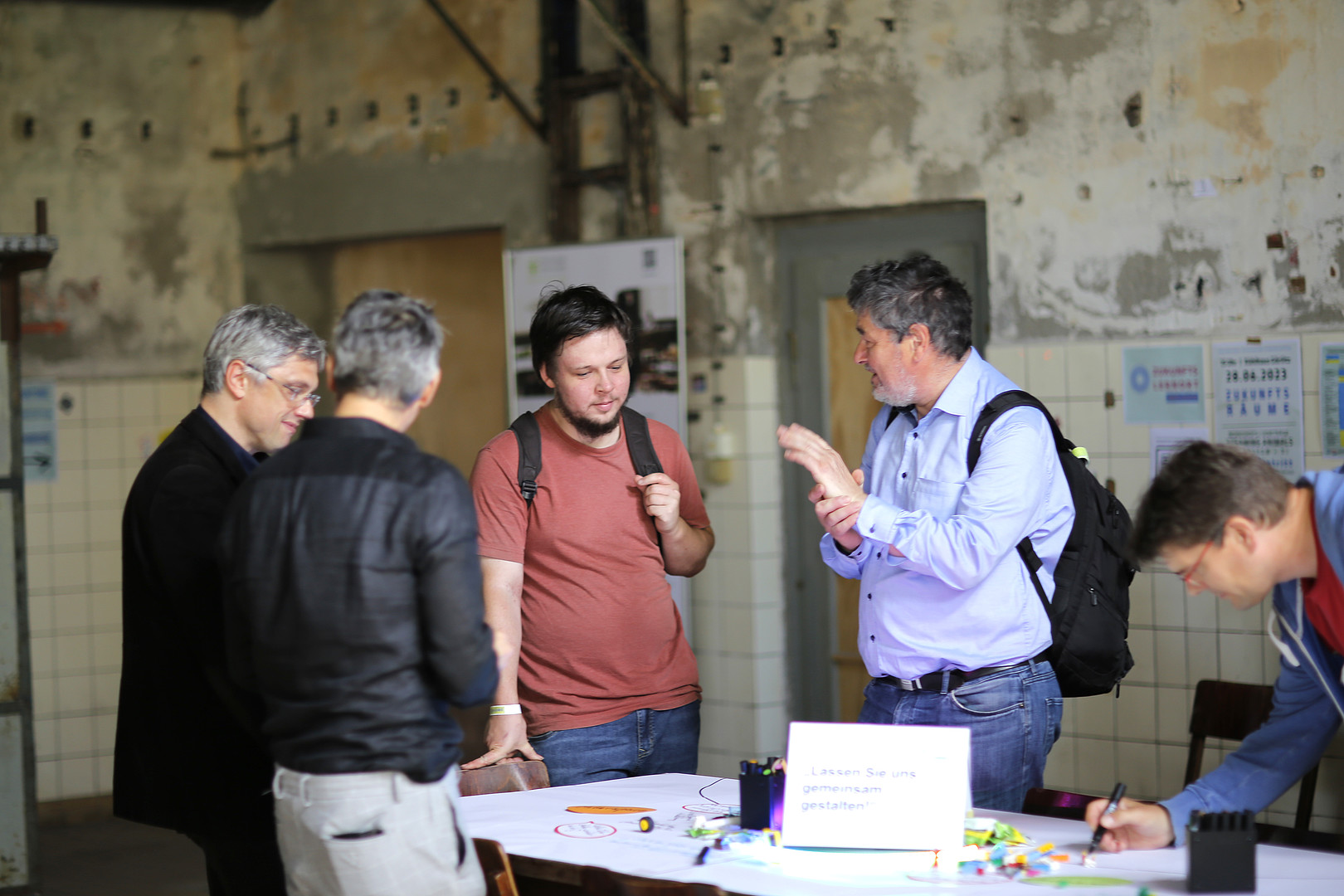
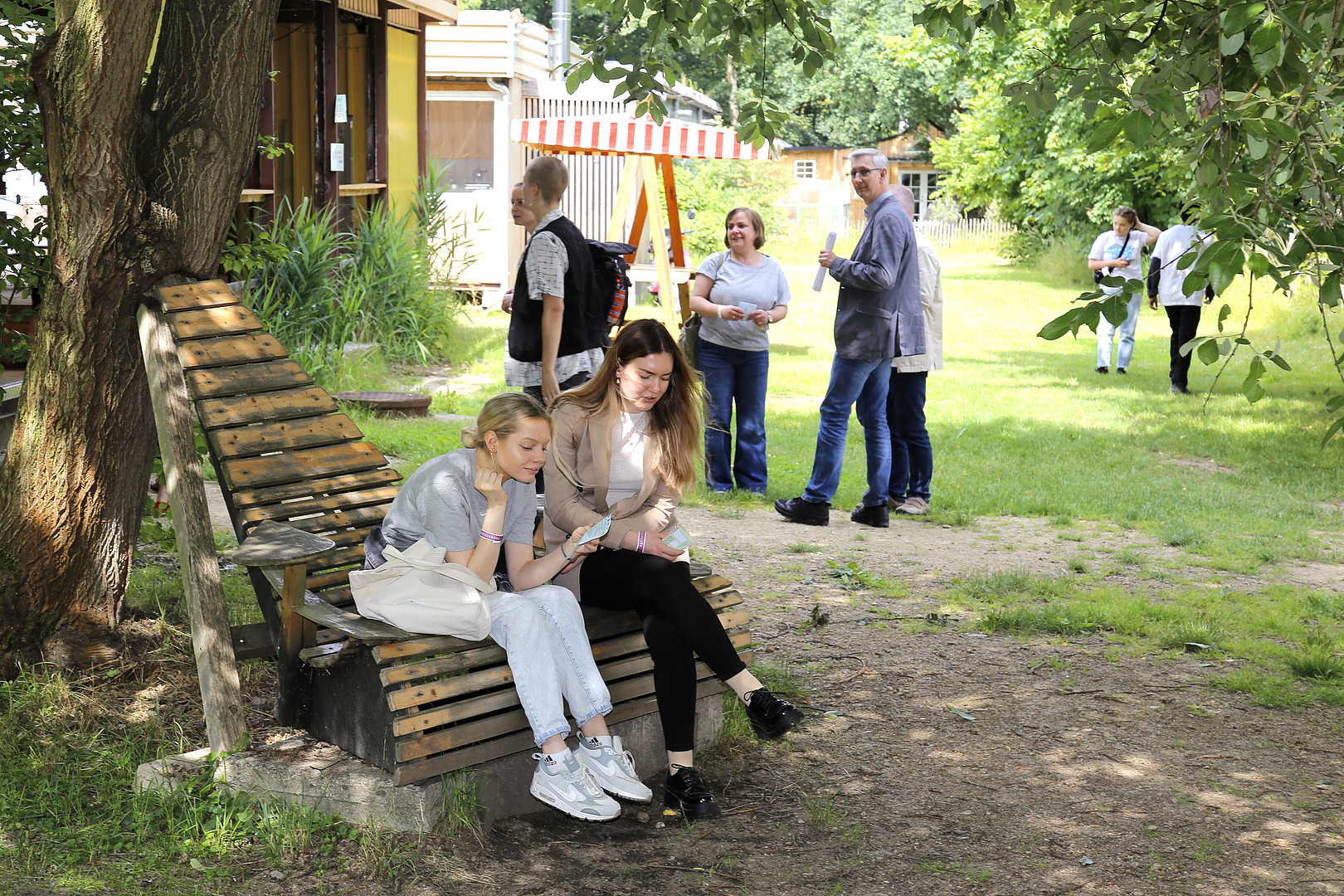
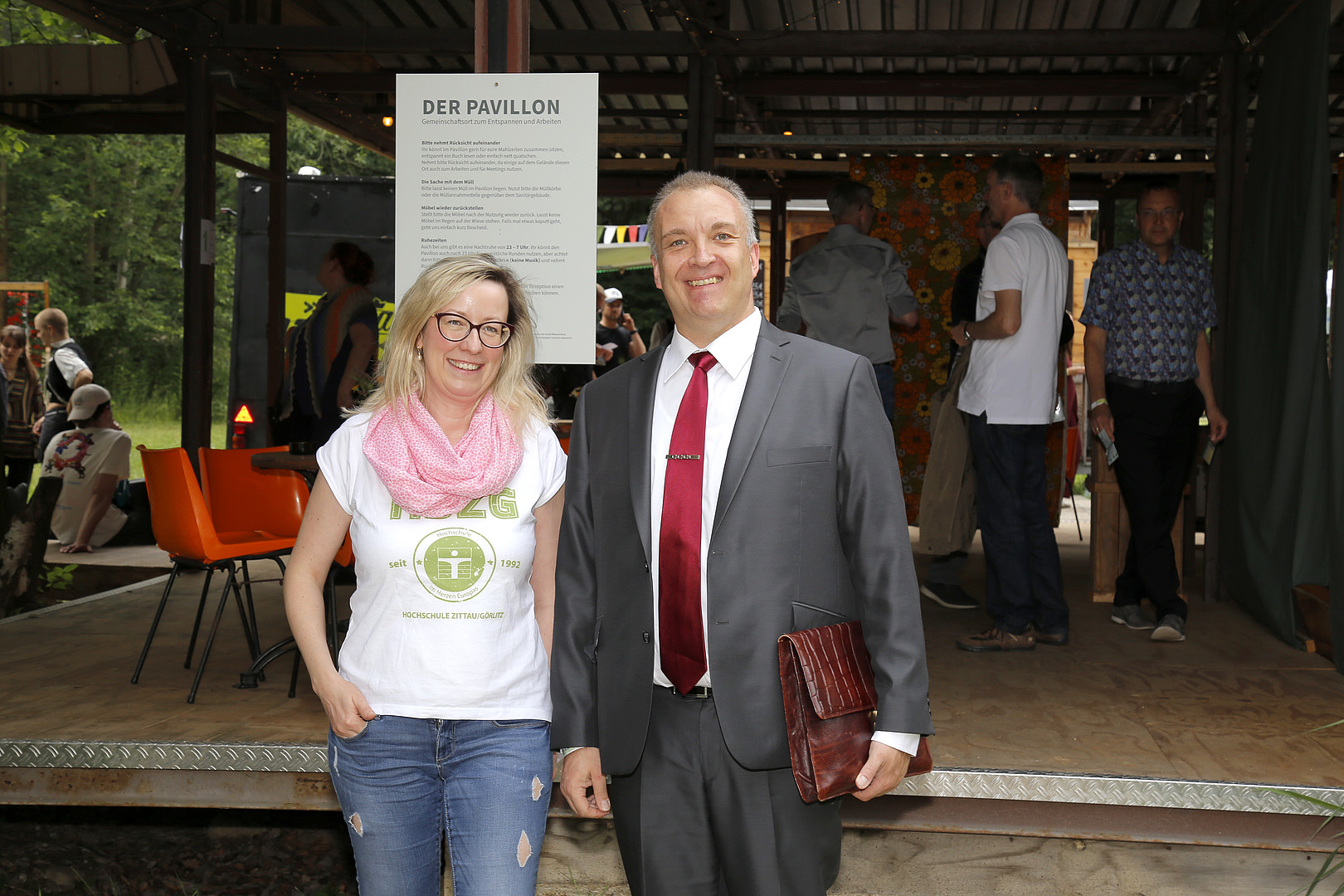
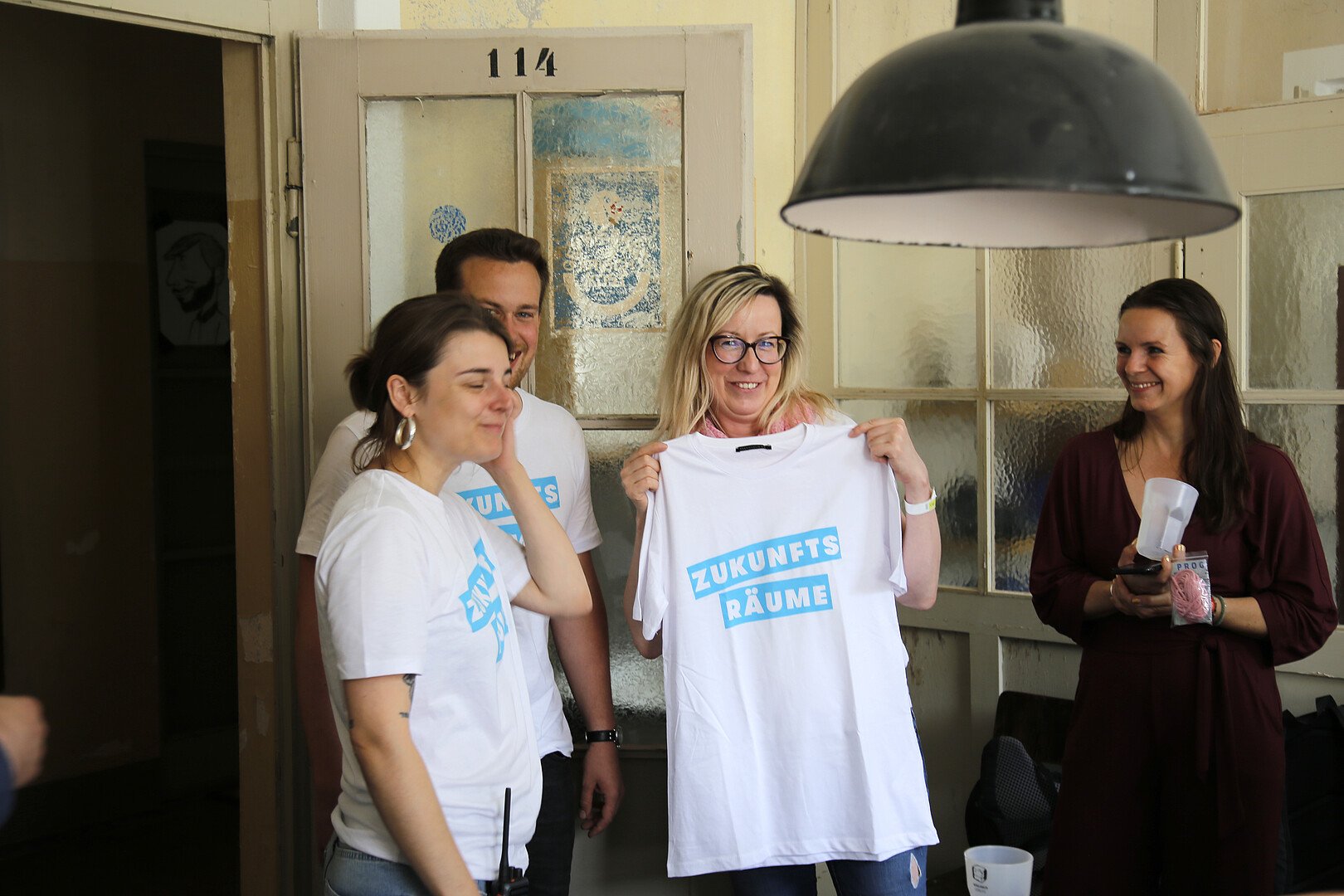
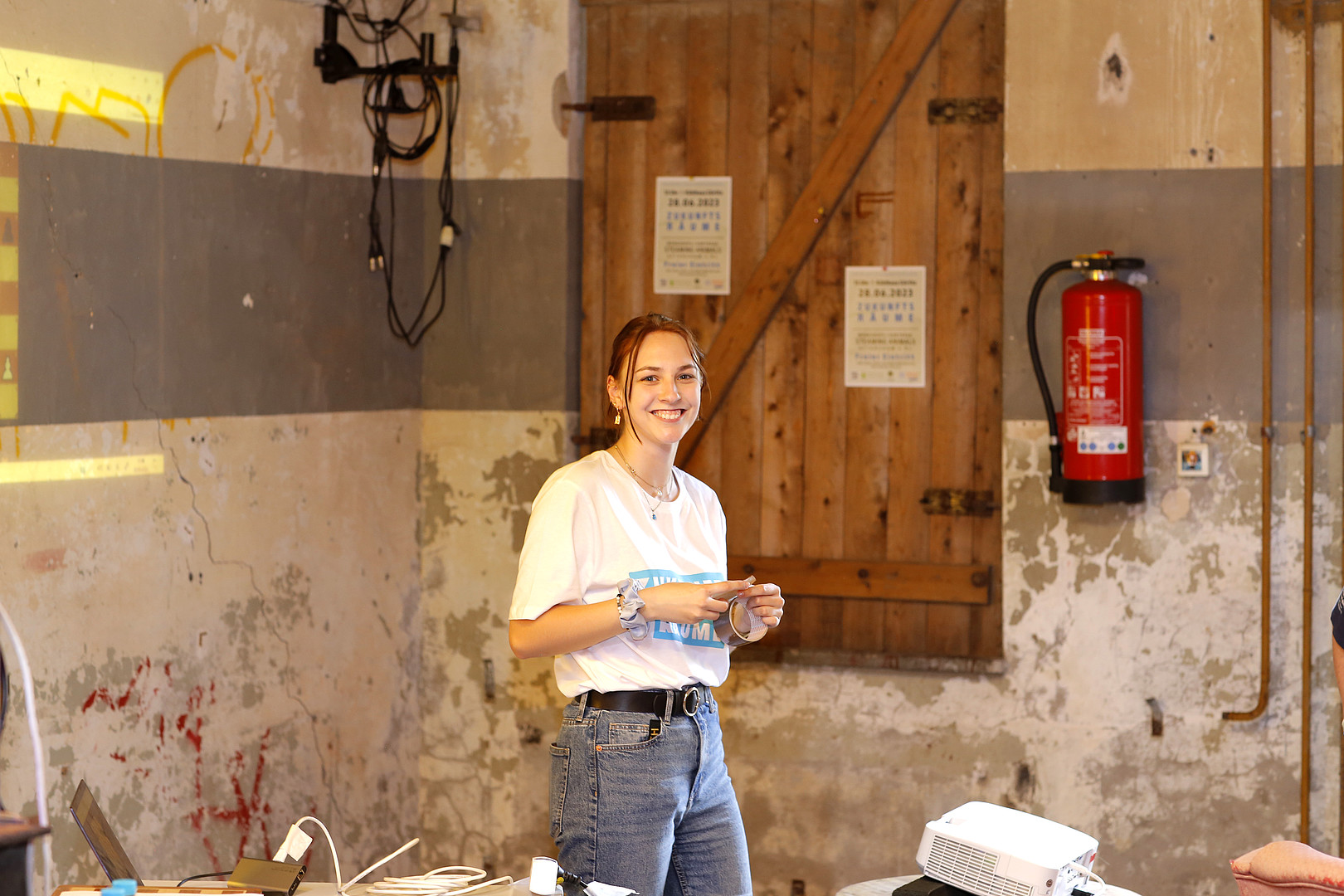
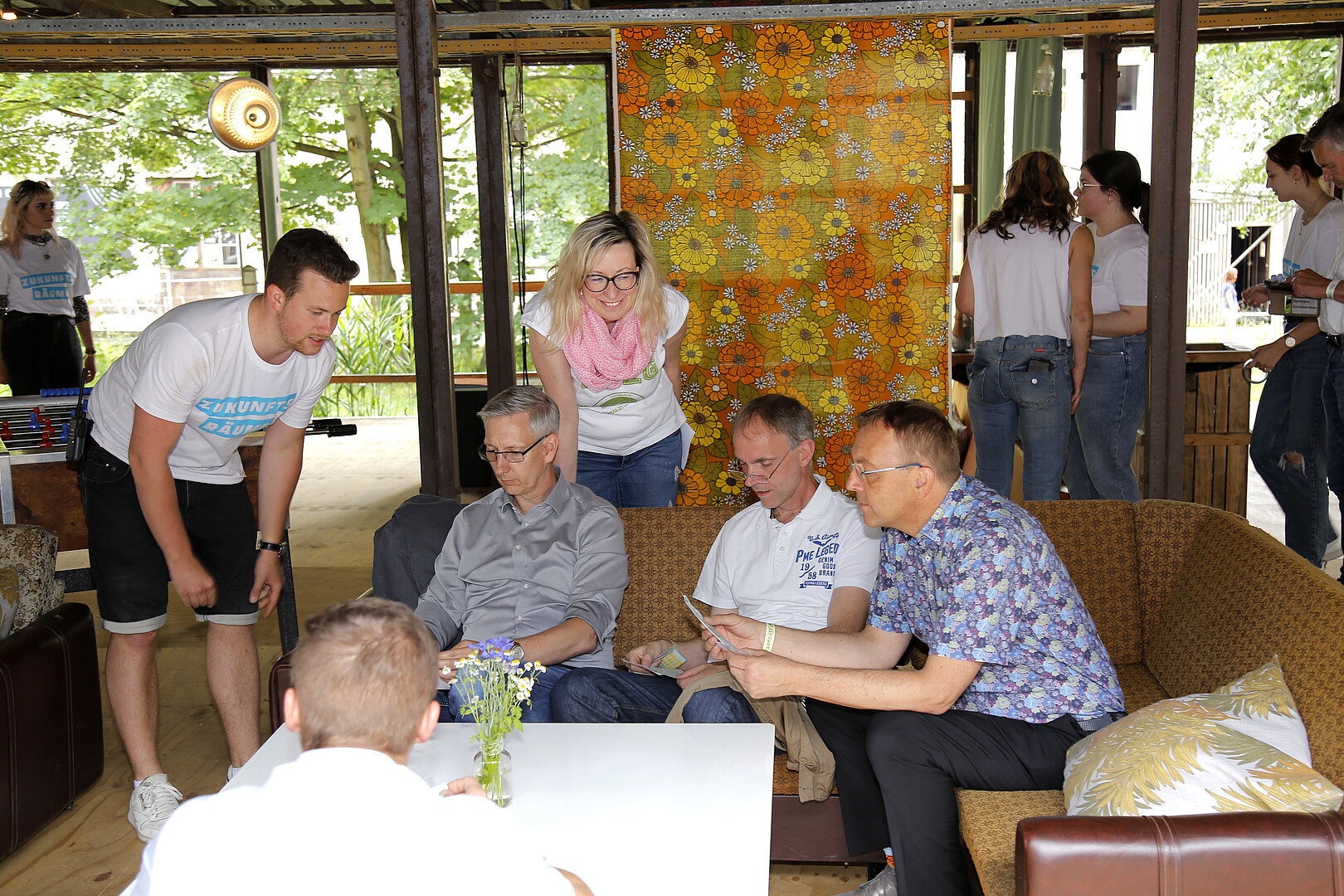
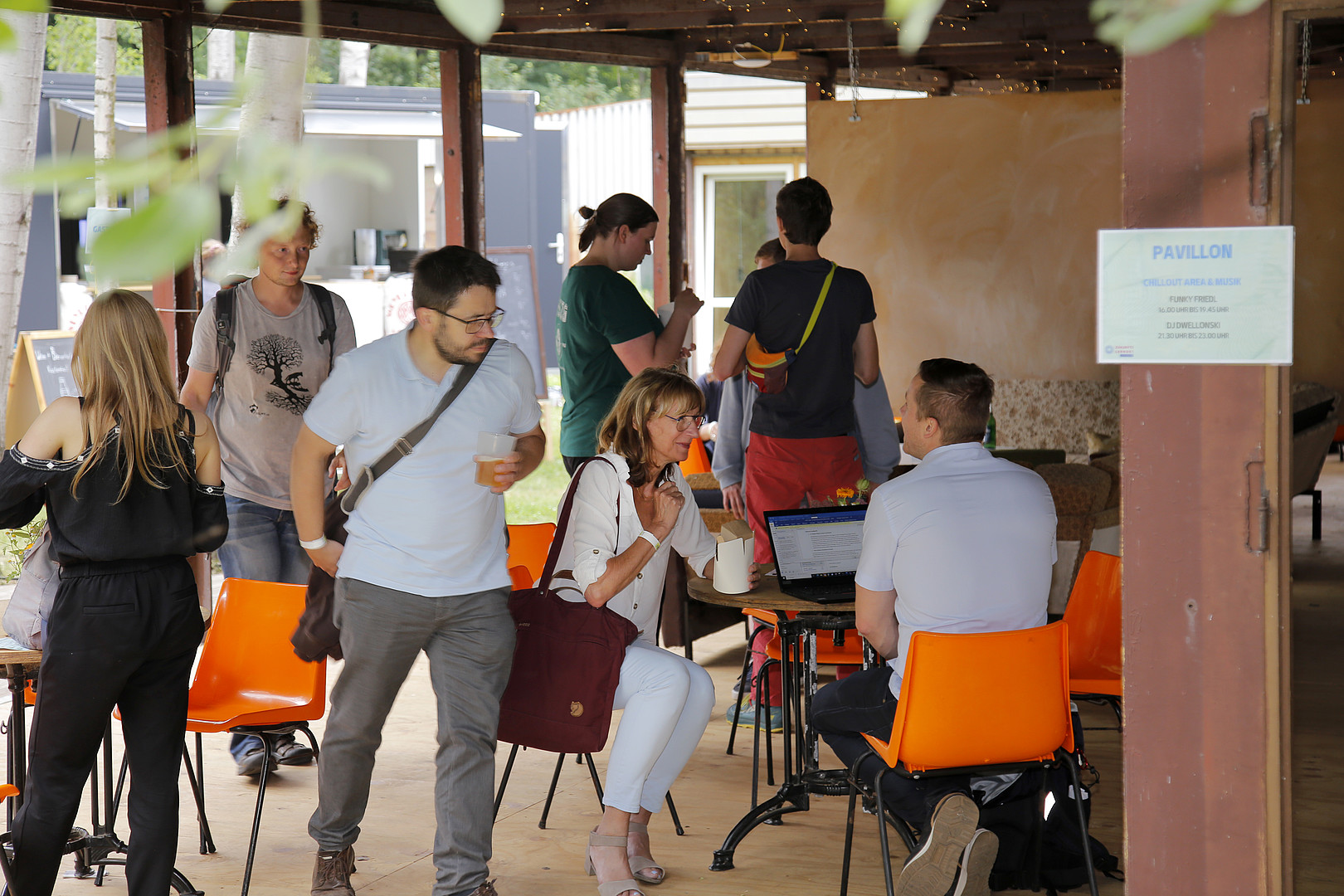
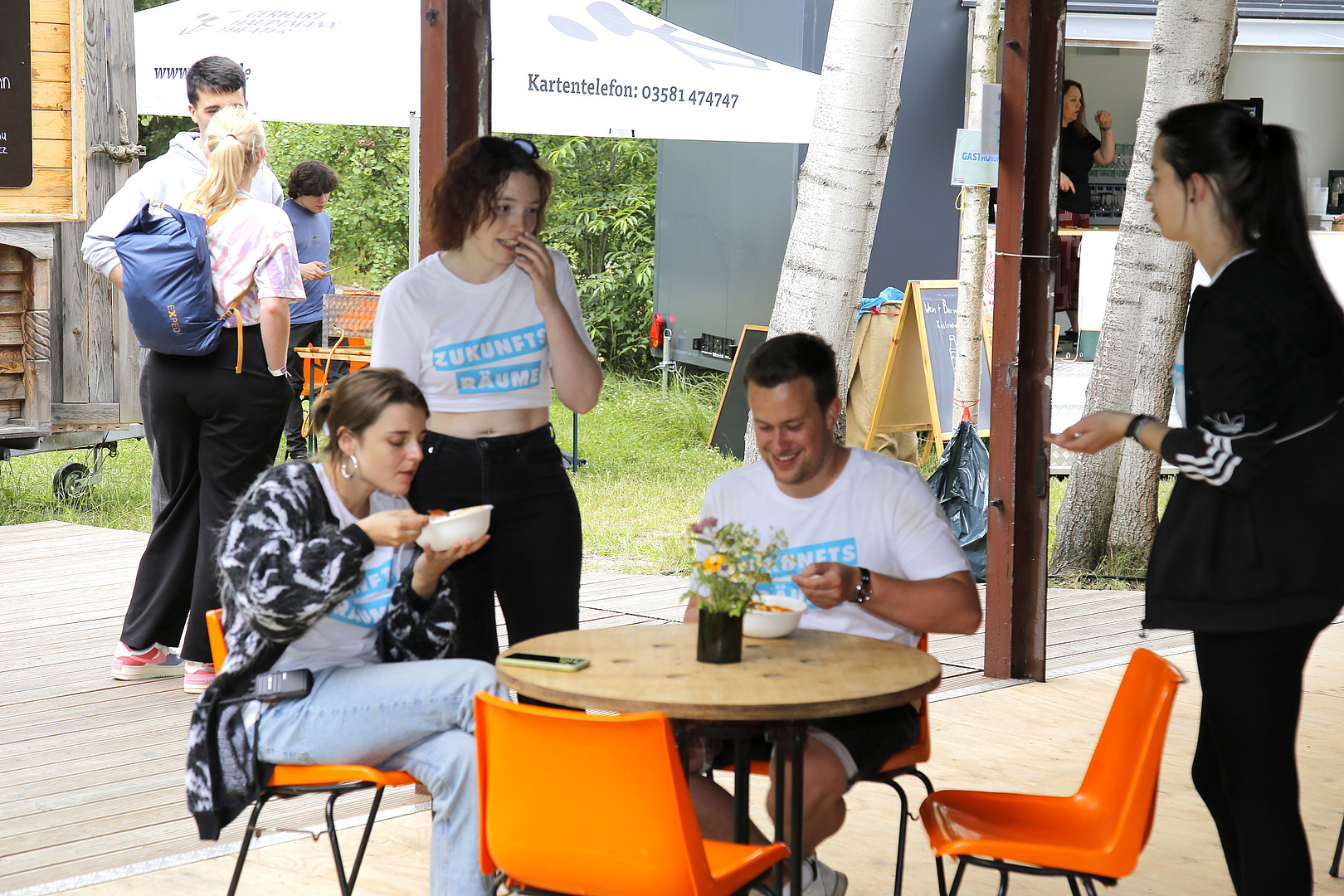
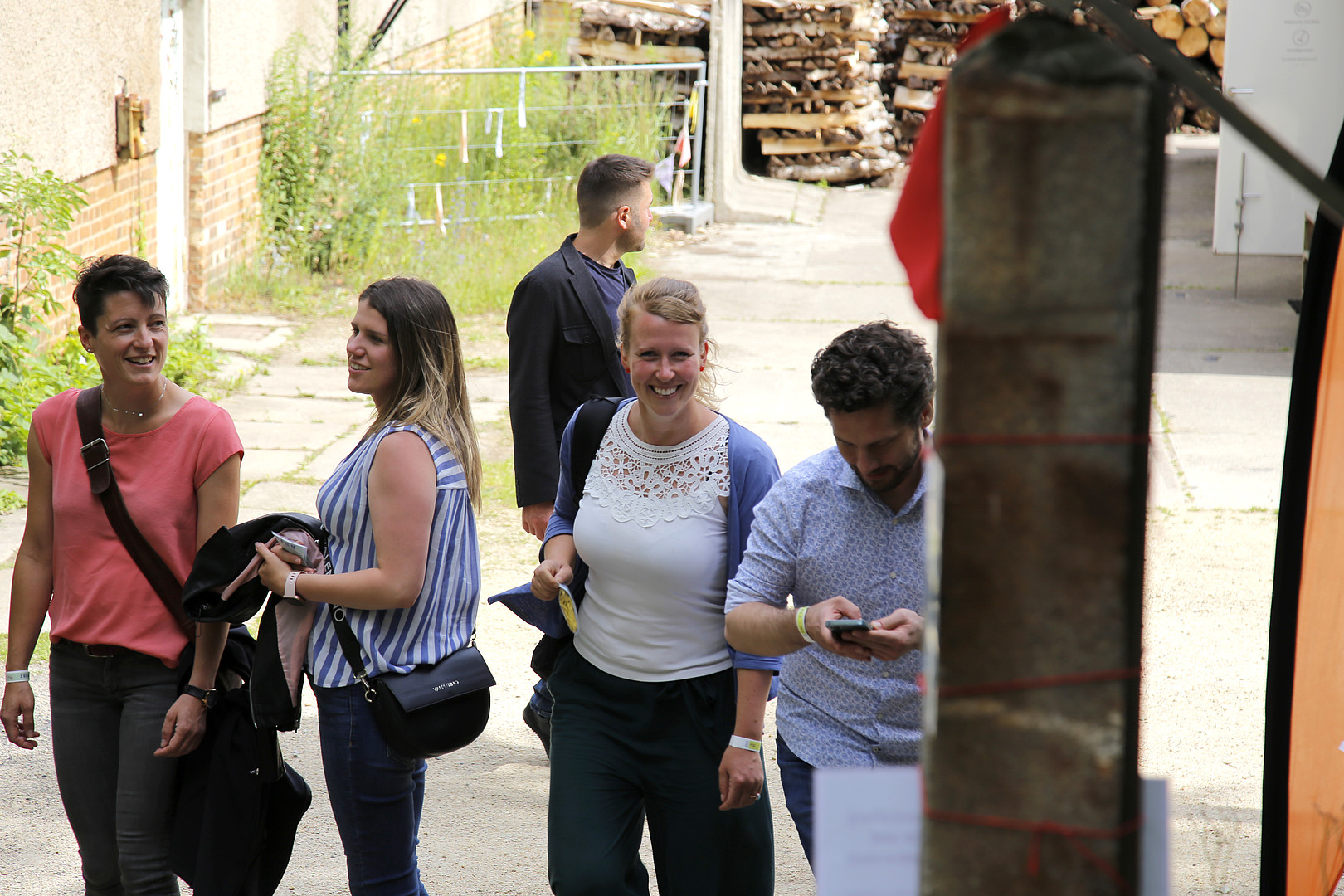
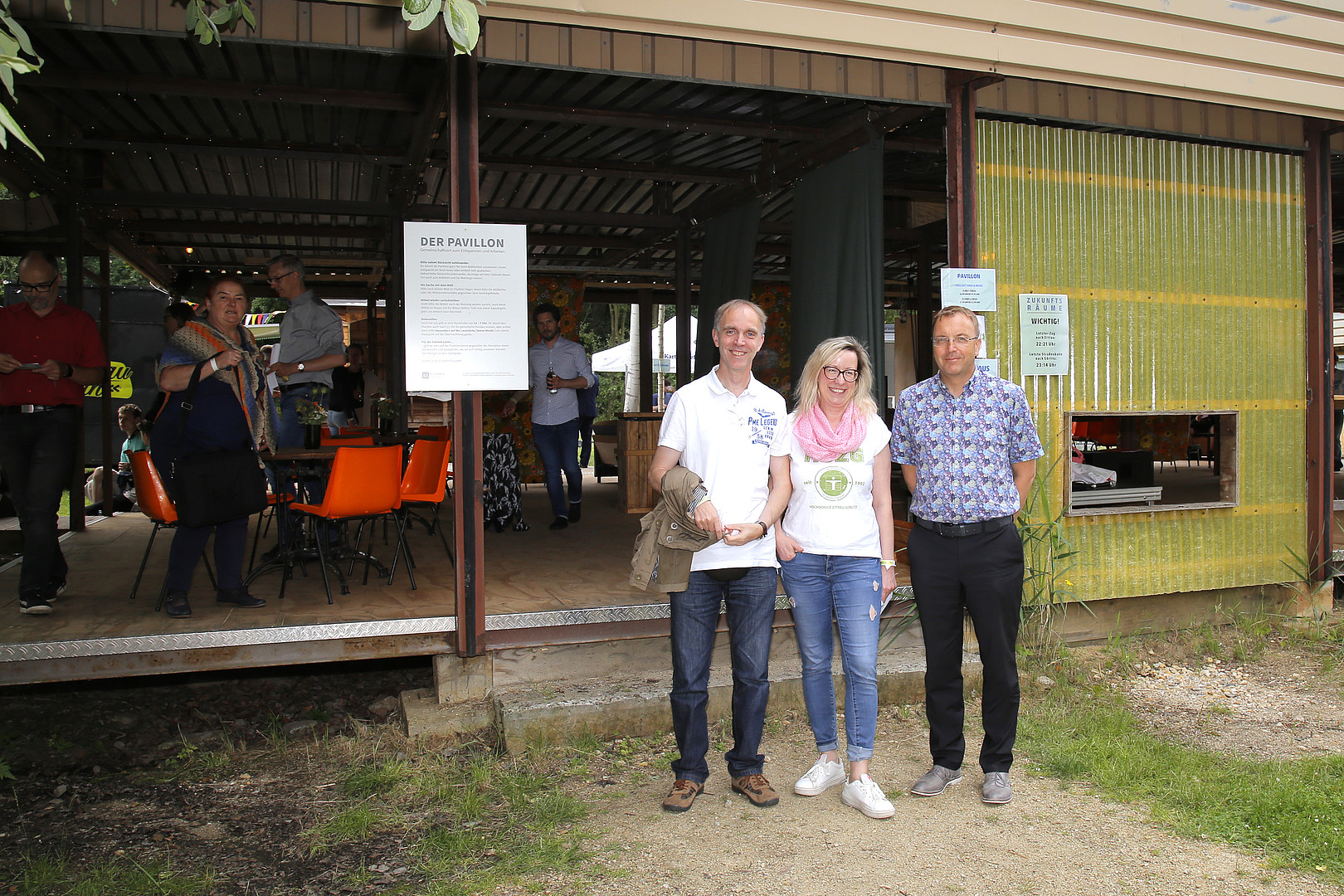
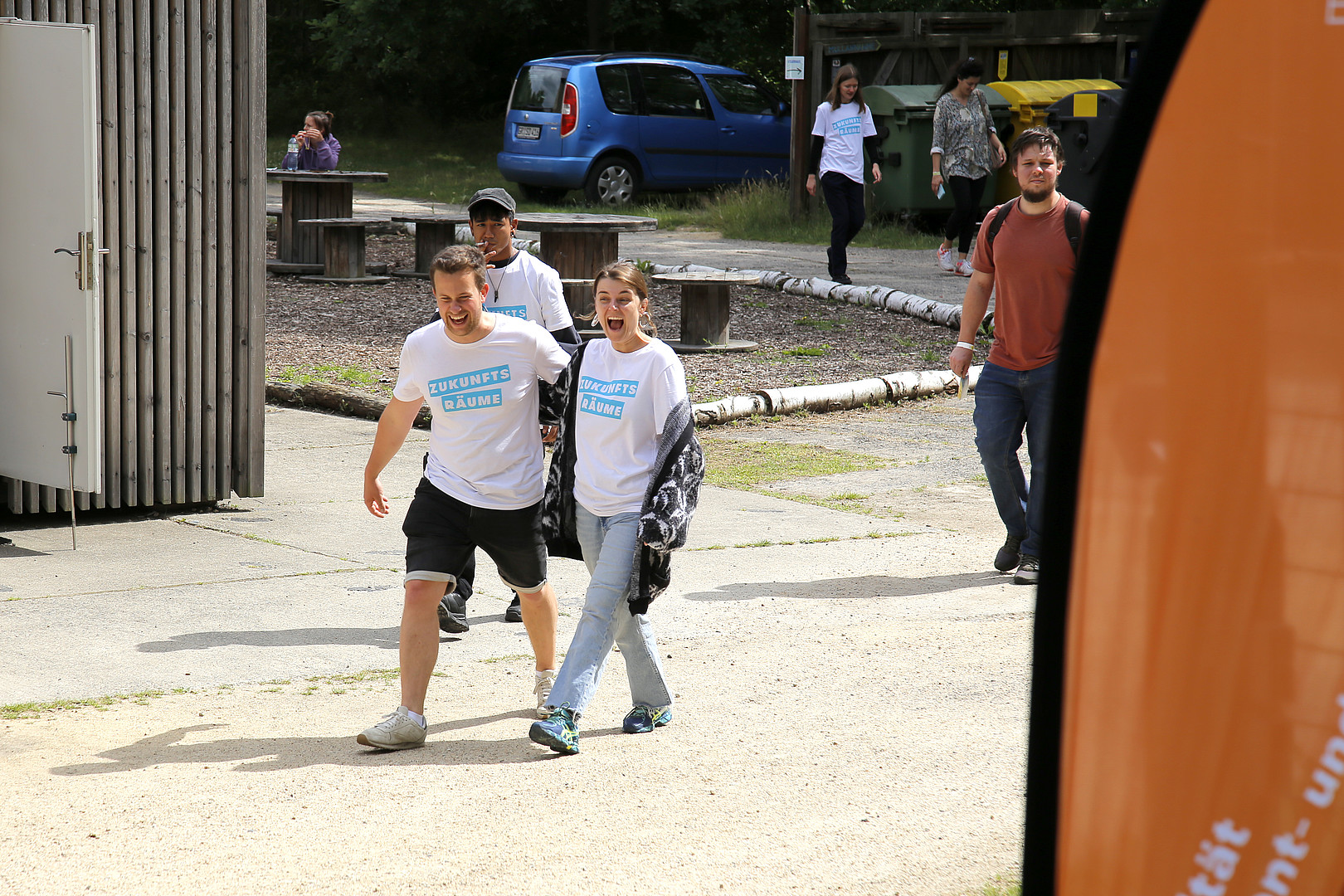
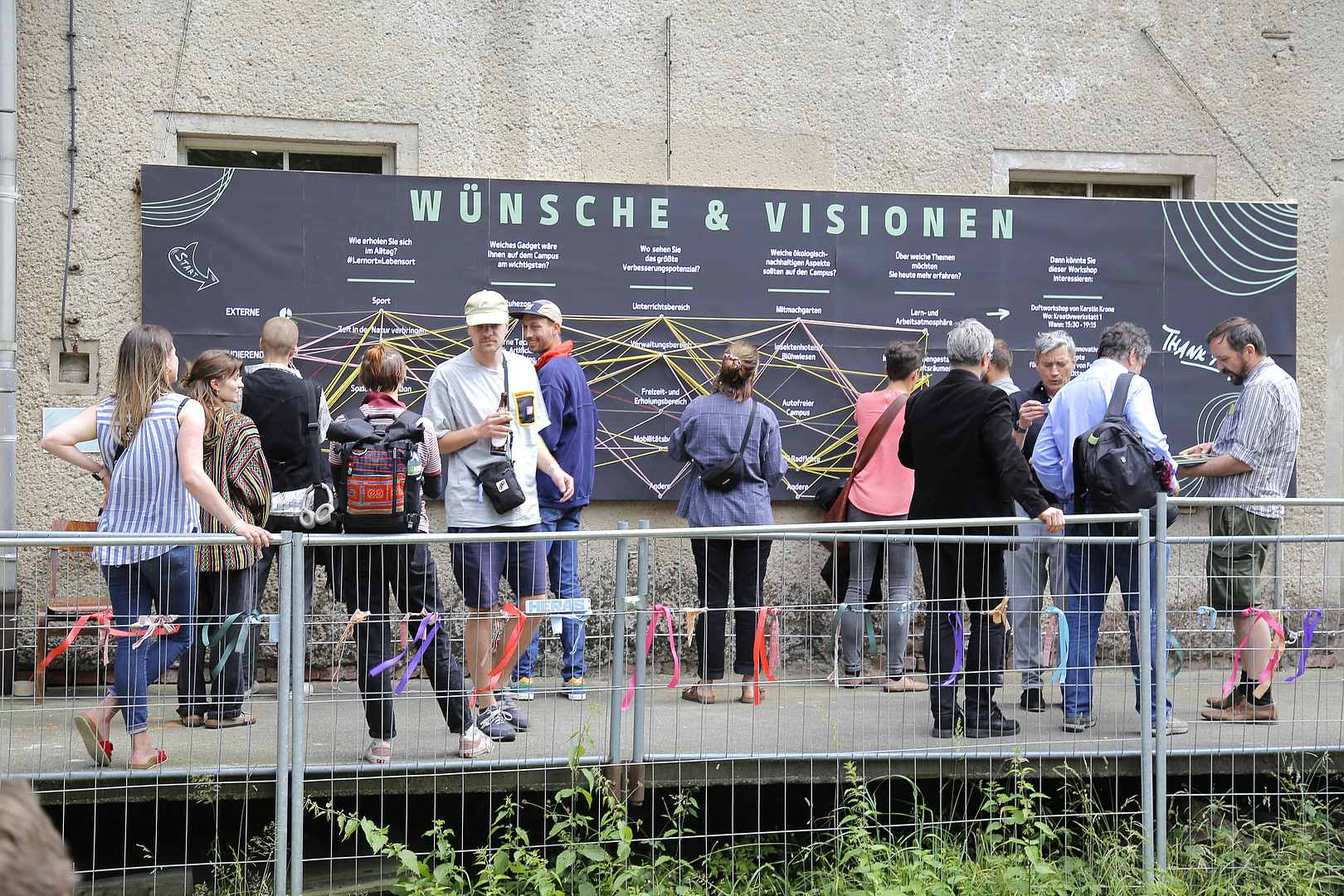
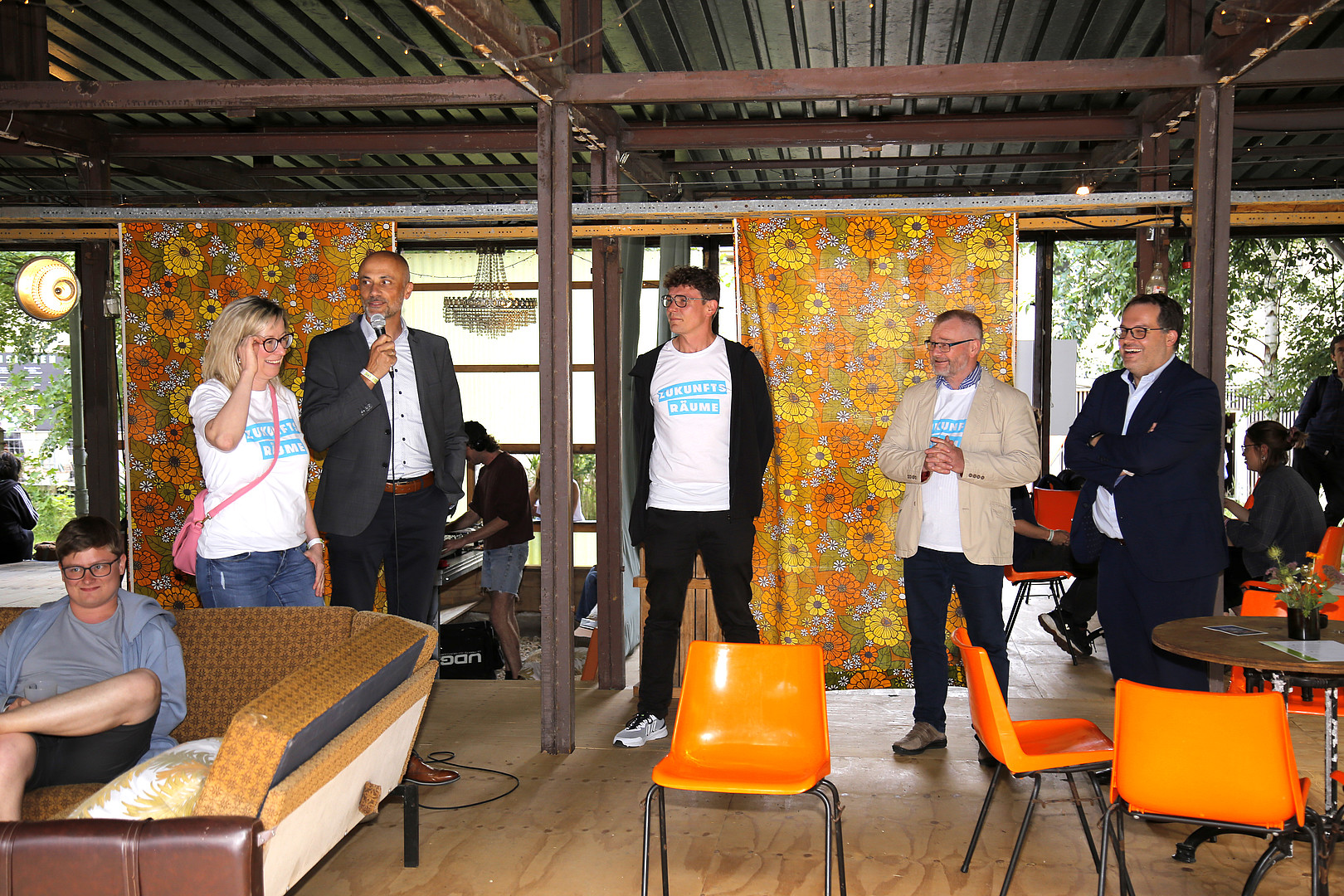
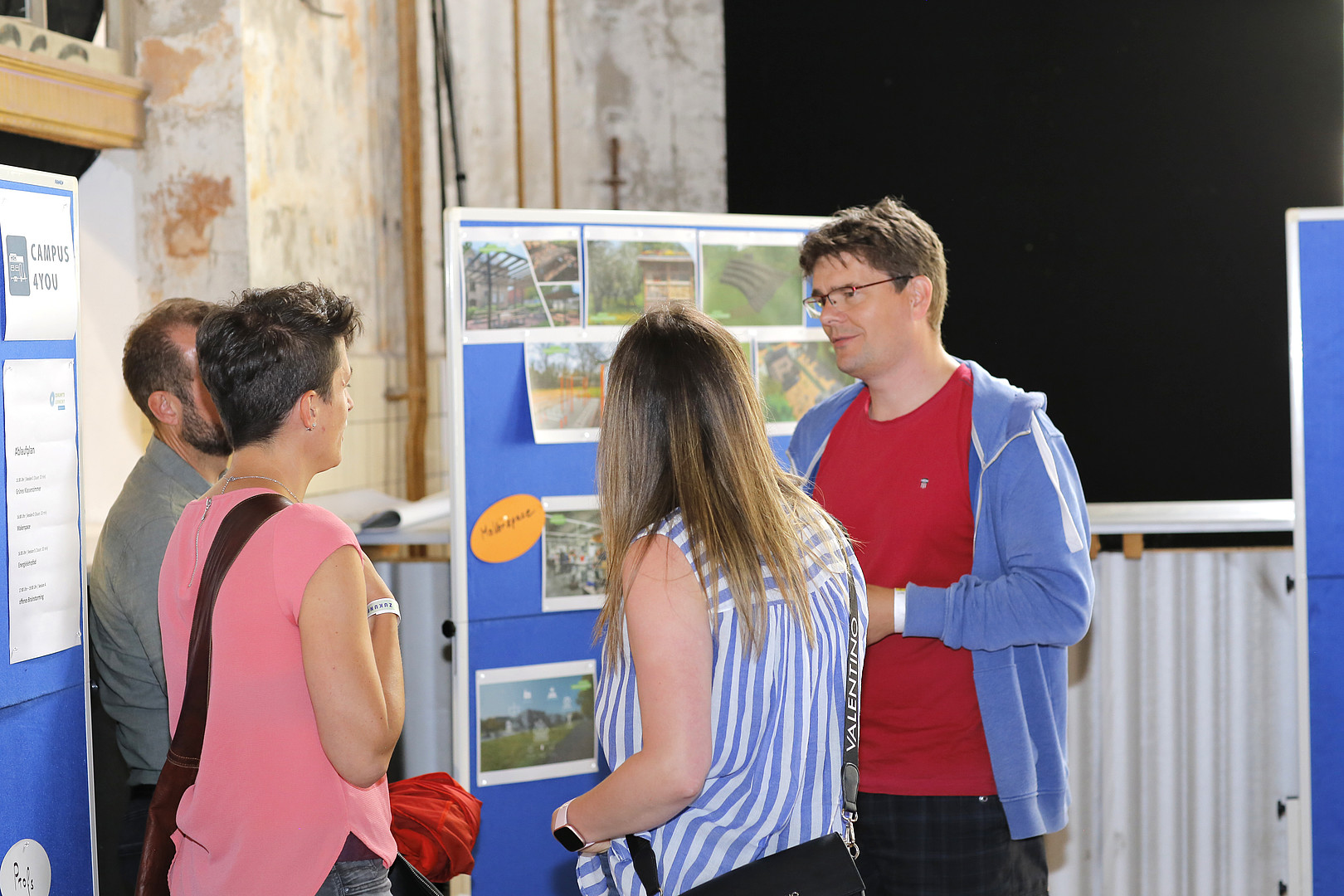
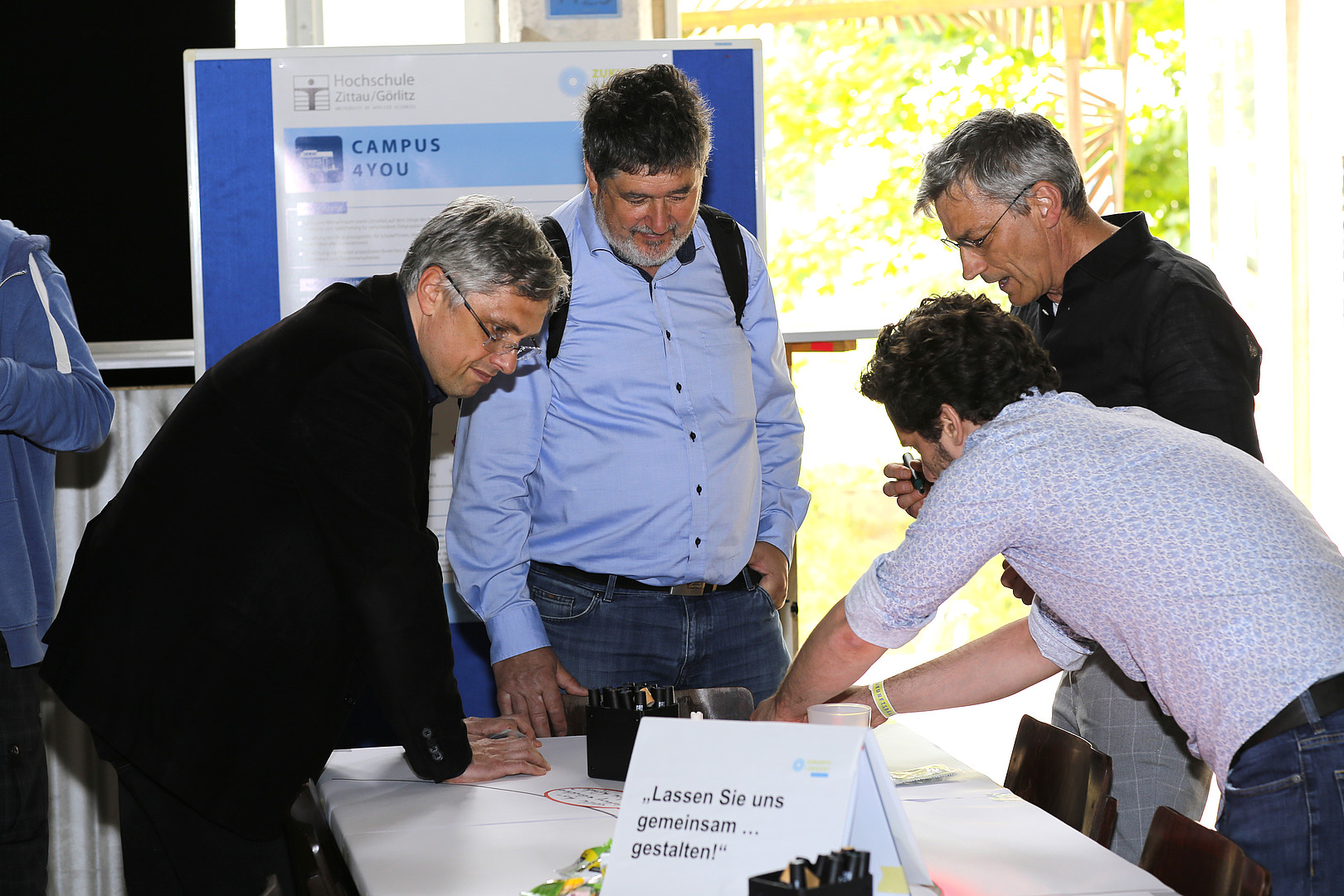
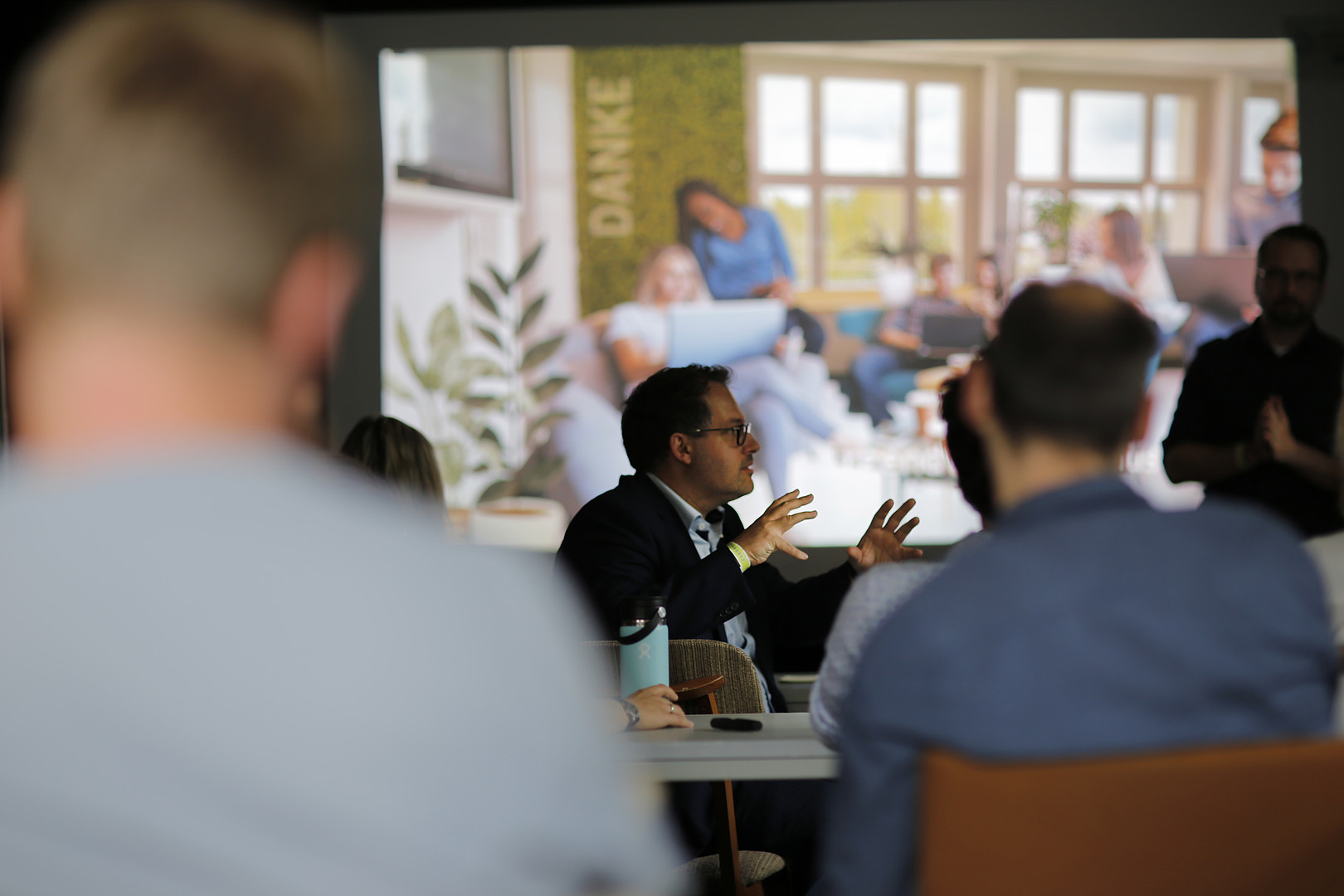
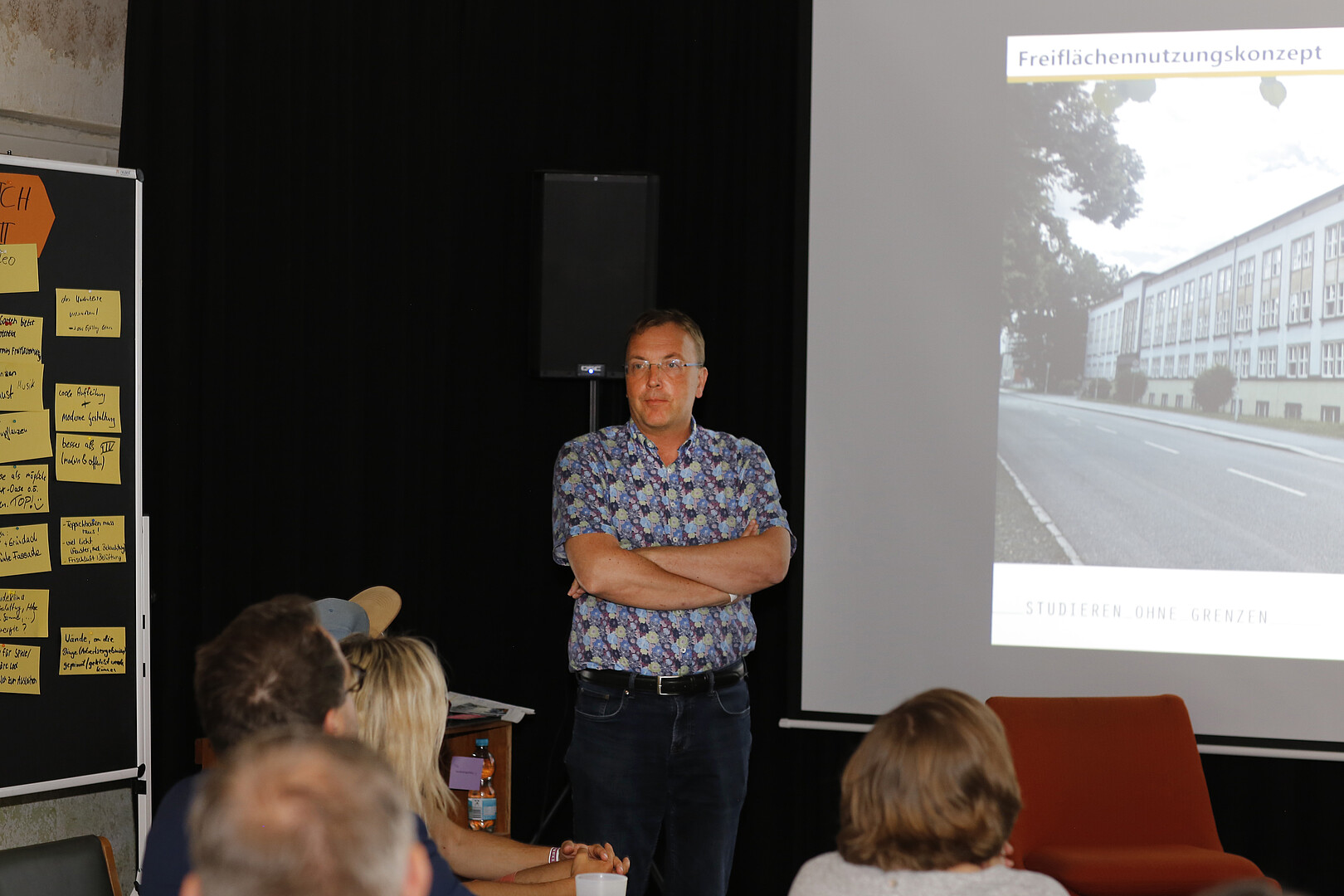
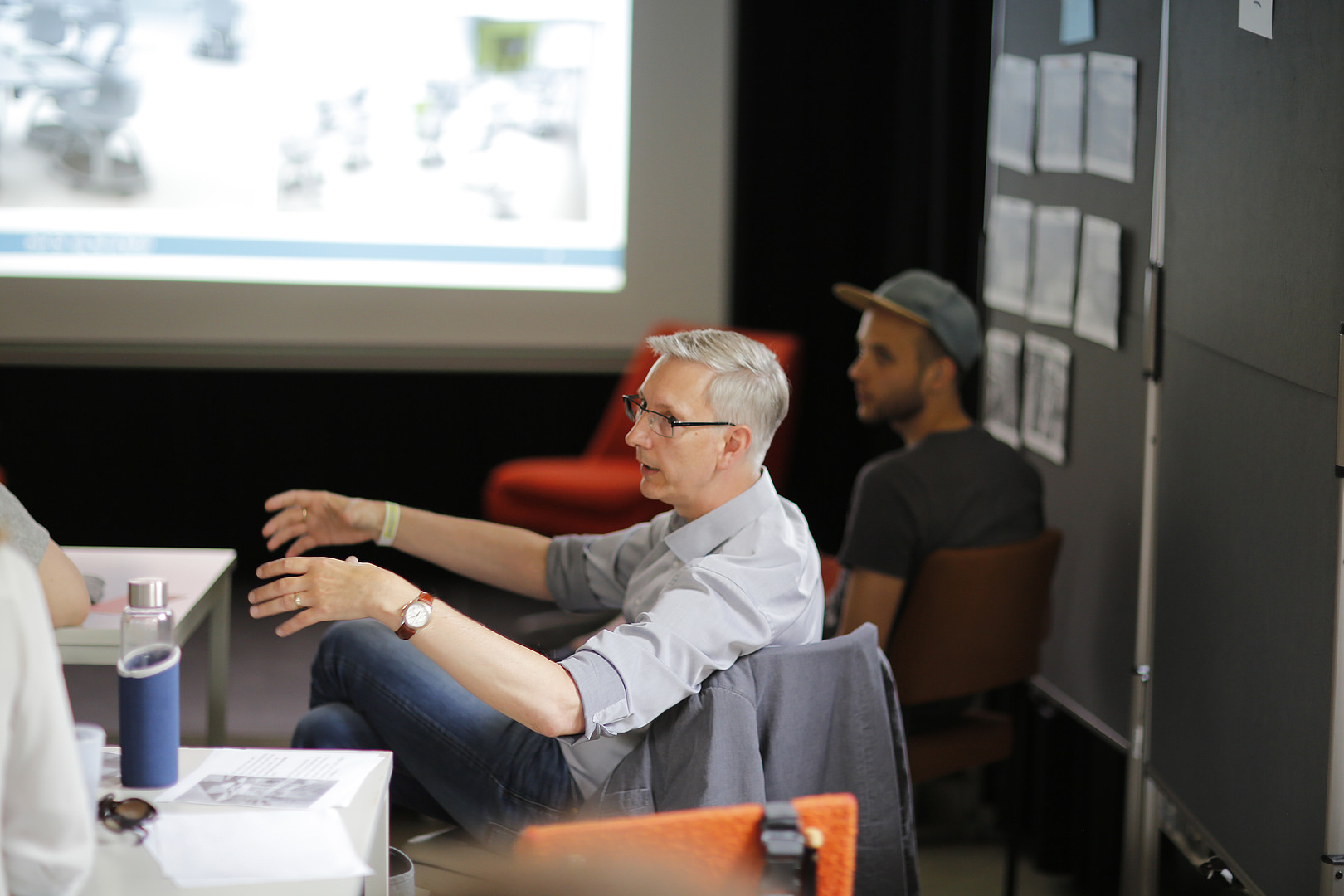
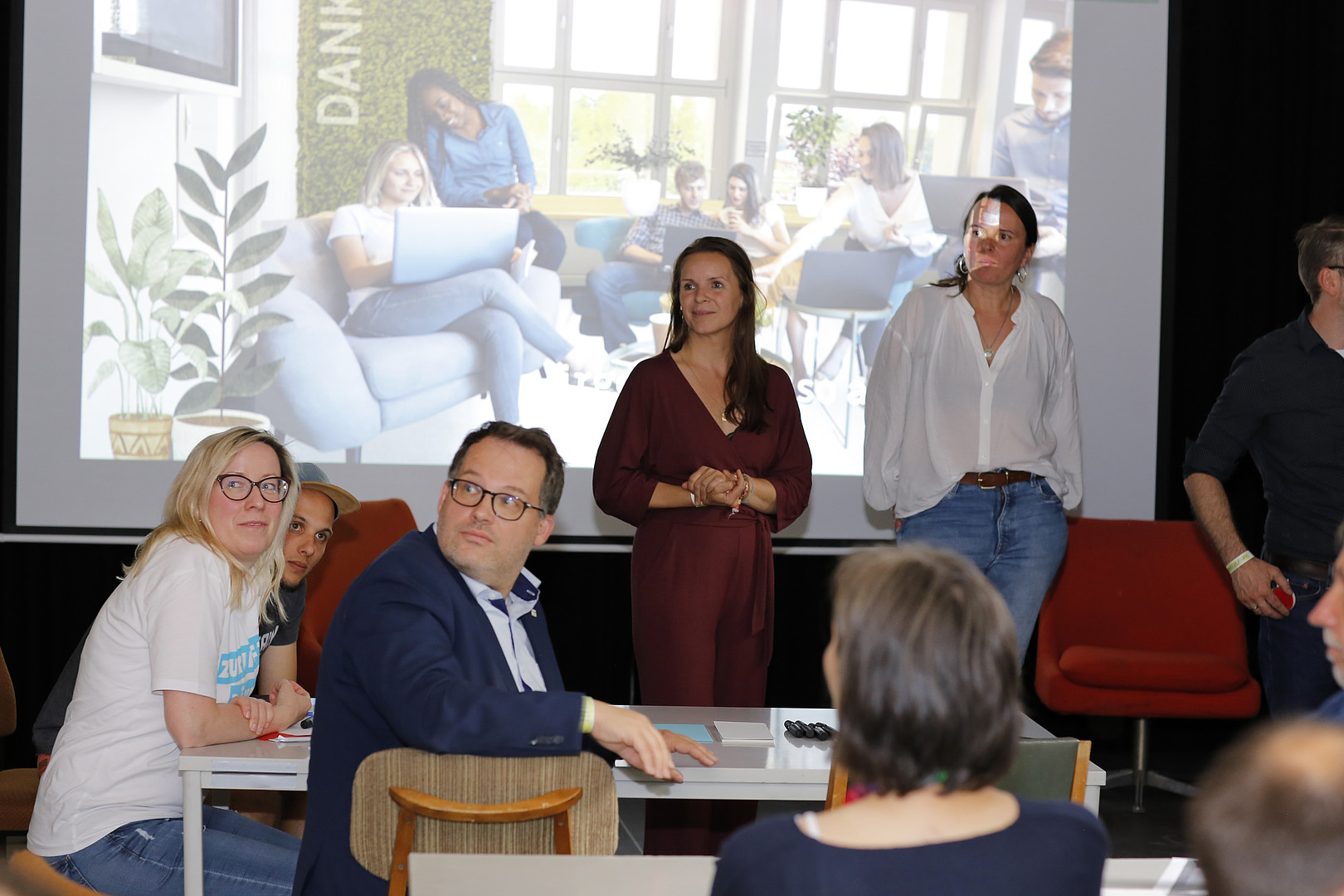
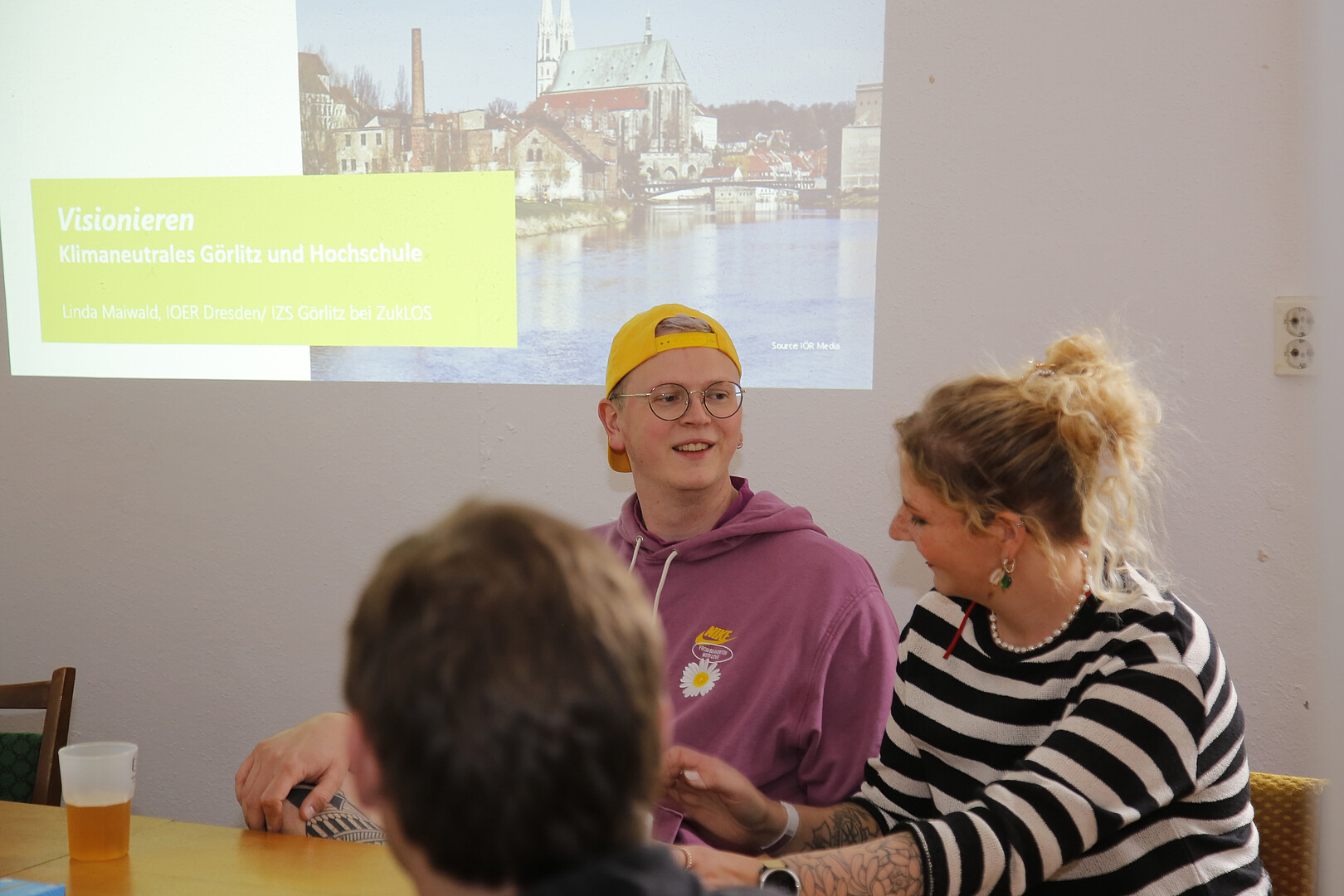
On June 28, 2023 , more than 200 students, professors, HSZG staff members, and interested residents from the region attended the event “Spaces of the Future—A Festival of Encounter and Exchange” at the Kühlhaus Görlitz. The event offered participants a wide range of eleven workshops where they could try out innovative technologies or engage in crafts and artistic activities. At the same time, they had the opportunity to develop ideas for the university campus. Commissioned by the university administration, the workshops aimed to give participants the opportunity to share their wishes, ideas, and suggestions for the redesign of the two university campuses and to discuss them together.
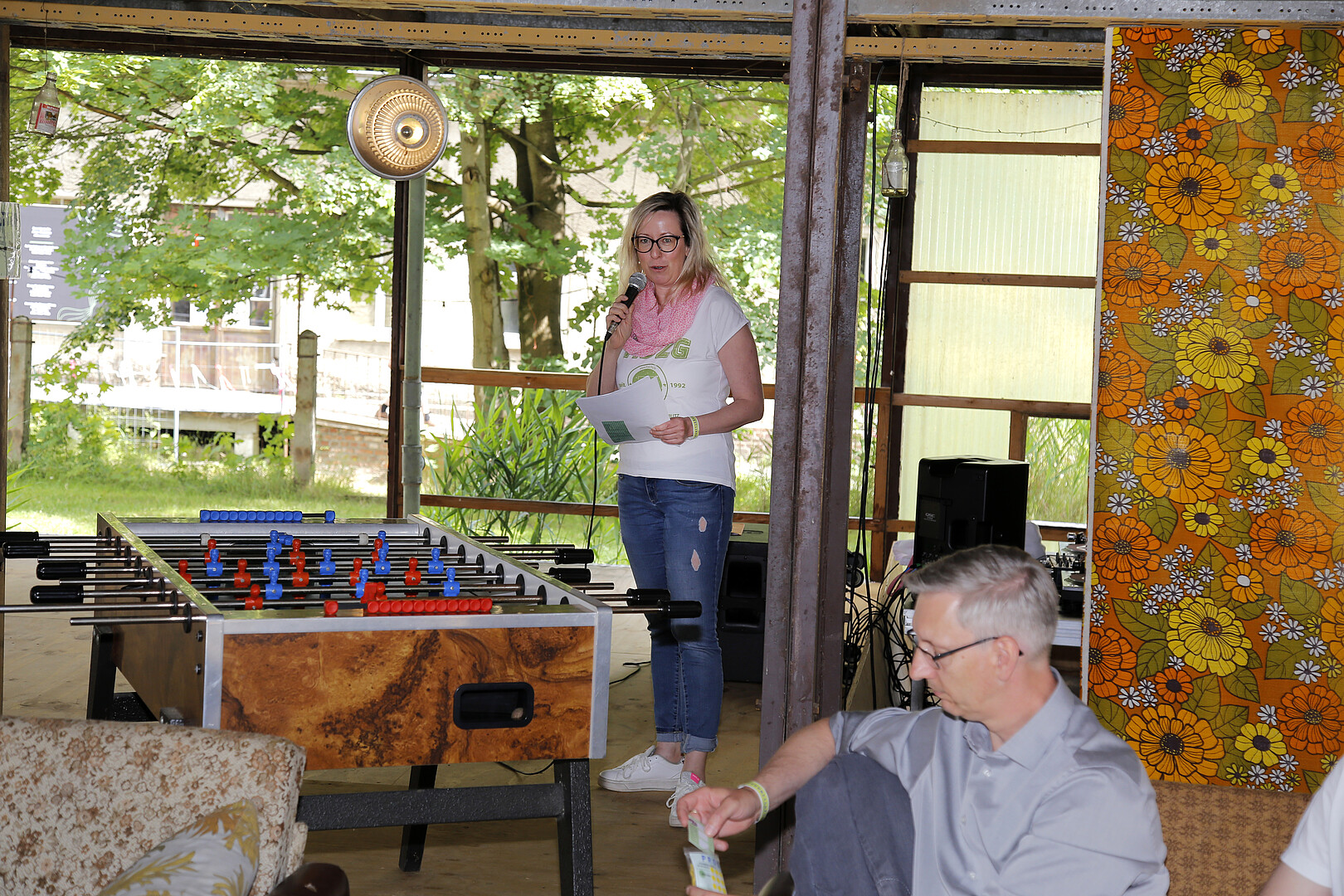
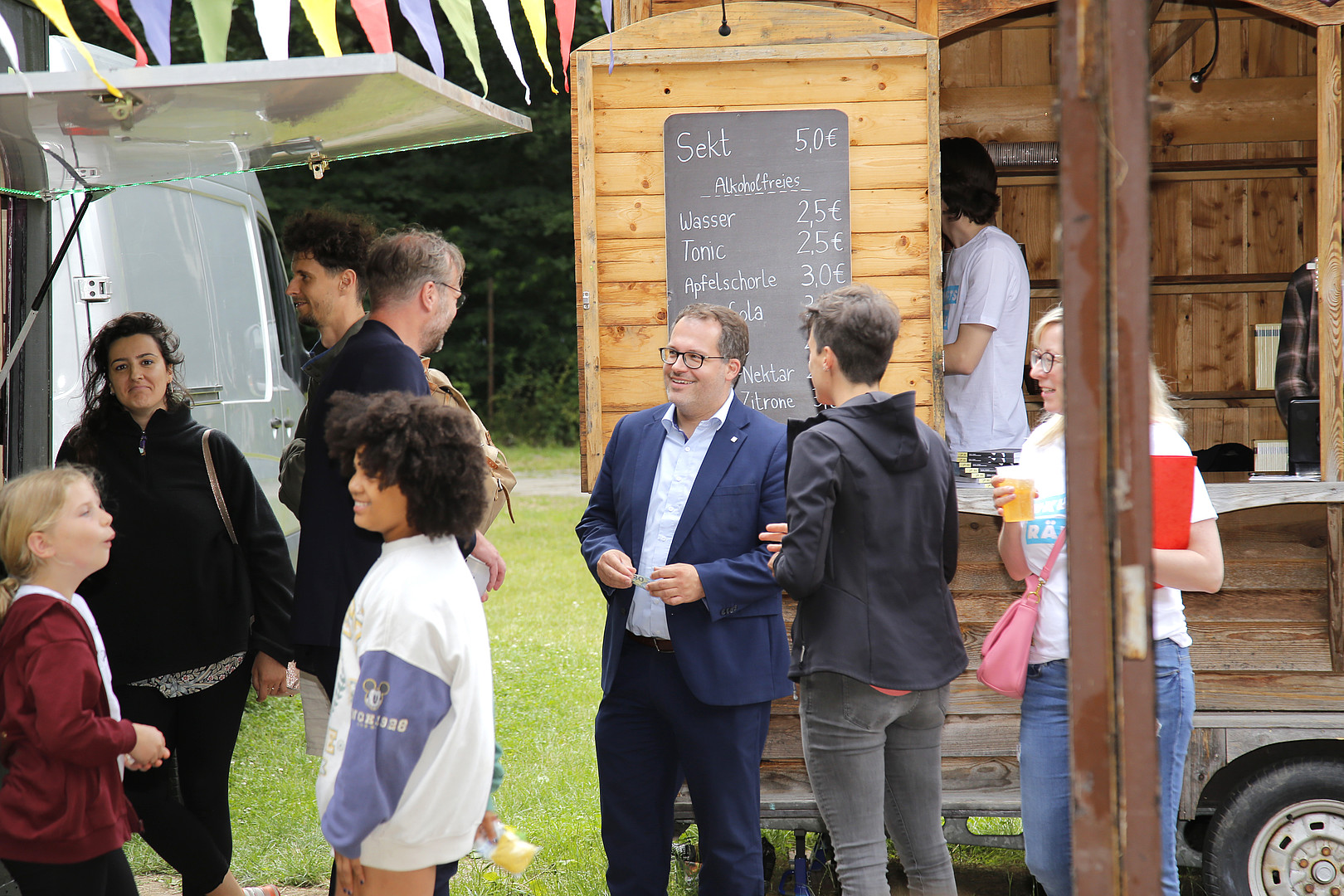
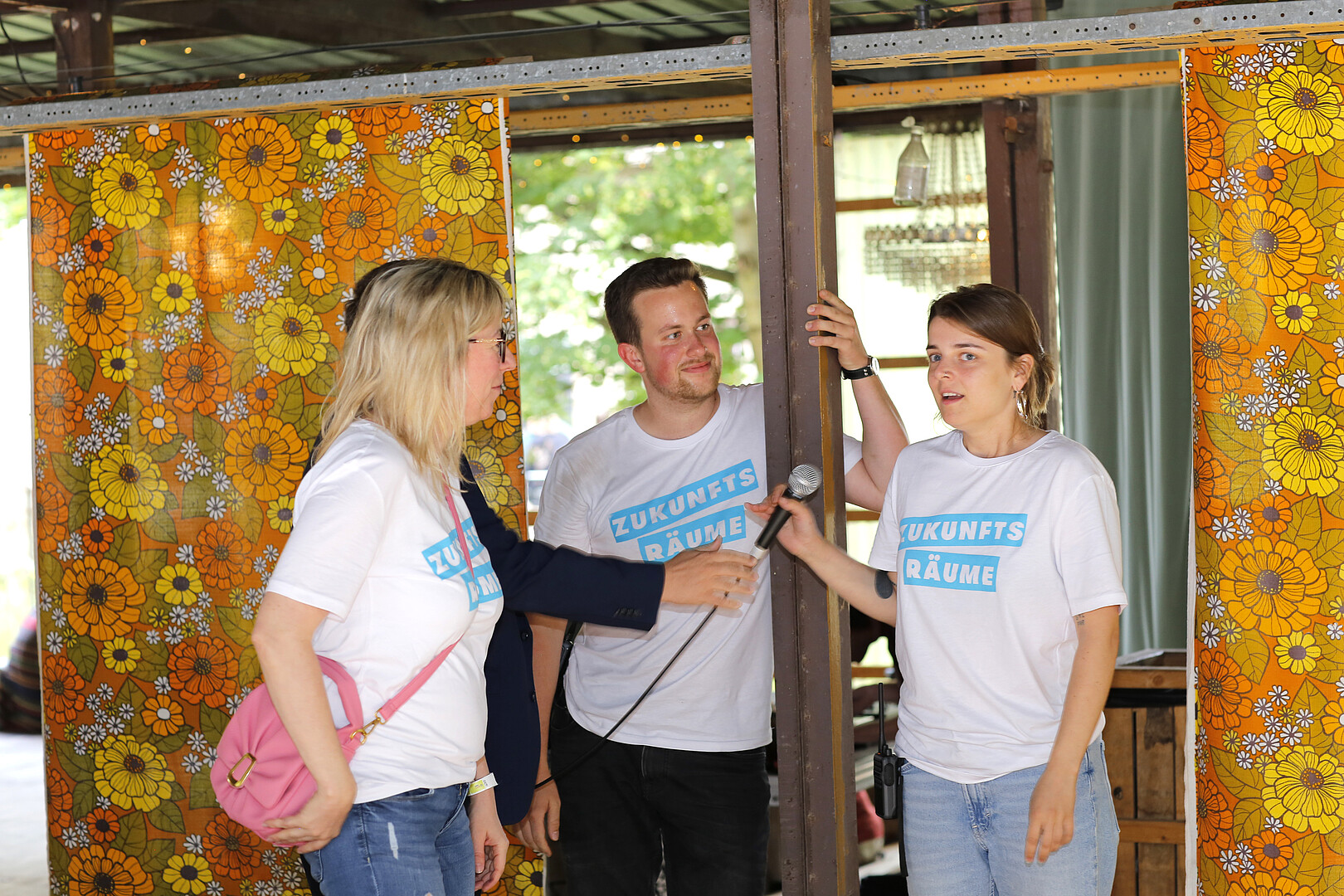
Our goal as university leadership is to make the campus a more pleasant place for teaching, learning, living, and working. I am particularly pleased with the commitment of our students, who—by organizing this event and contributing their numerous ideas and concrete proposals for implementation—are actively shaping the future of their university and making a valuable contribution to the strategic university project ZukLOS.
”The eleven workshops held as part of the event were led by regional stakeholders—such as Leucht One GmbH, ENO mbH, and the Interdisciplinary Center for Transformative Urban Redevelopment (IZS) —as well as students and staff from the university. The focus of each workshop provided participants with concrete examples of just how multifaceted the planning project is to shape our campus of the future. At the same time, they served as a source of inspiration for generating ideas.
Here’s a look at three of the workshops:
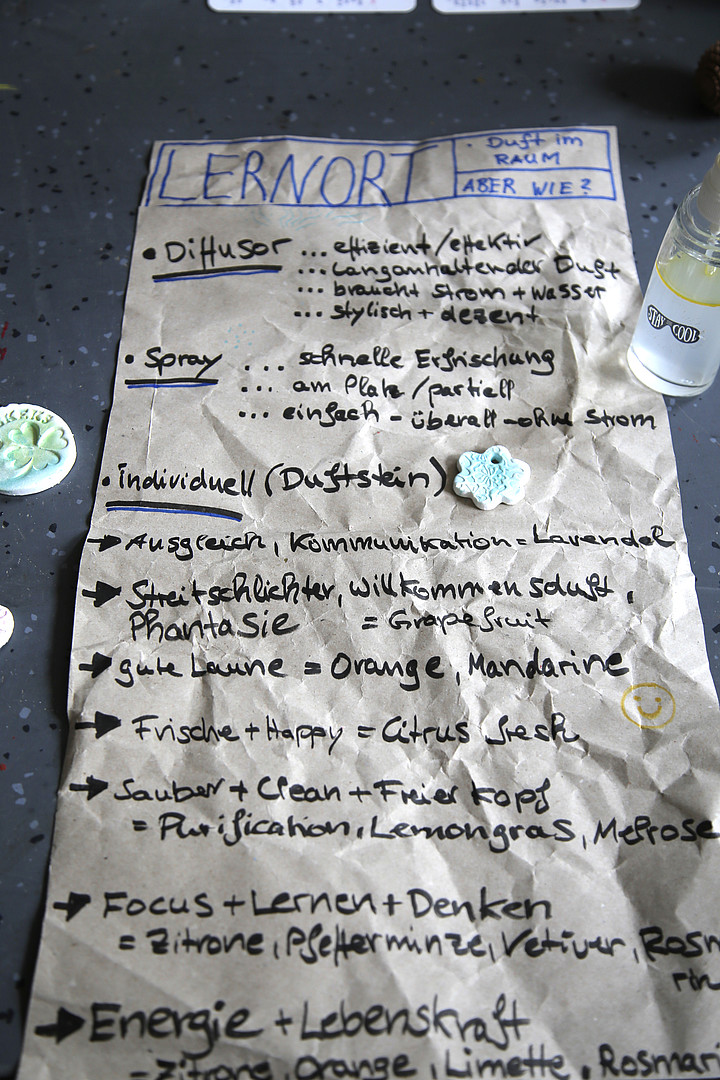
In the “Campus (T)Raum Workshop , ” Saskia Brosis worked with participants to explore what the “perfect” campus of the future should look like. For example, participants called for improved connectivity between the university’s two campuses. From the participants’ perspective, accessibility to the campuses—particularly without a car—needs to be improved. At the same time, cross-faculty / trans-faculty collaboration on projects and the organization of events should be strengthened. Barrier-free, comfortable, and above all practical workspaces should be created in the buildings and outdoor areas. In the teaching and learning spaces and throughout the university buildings, participants wanted light-colored walls, plenty of plants, and the use of essential oil-based room fragrances to promote learning and relaxation.
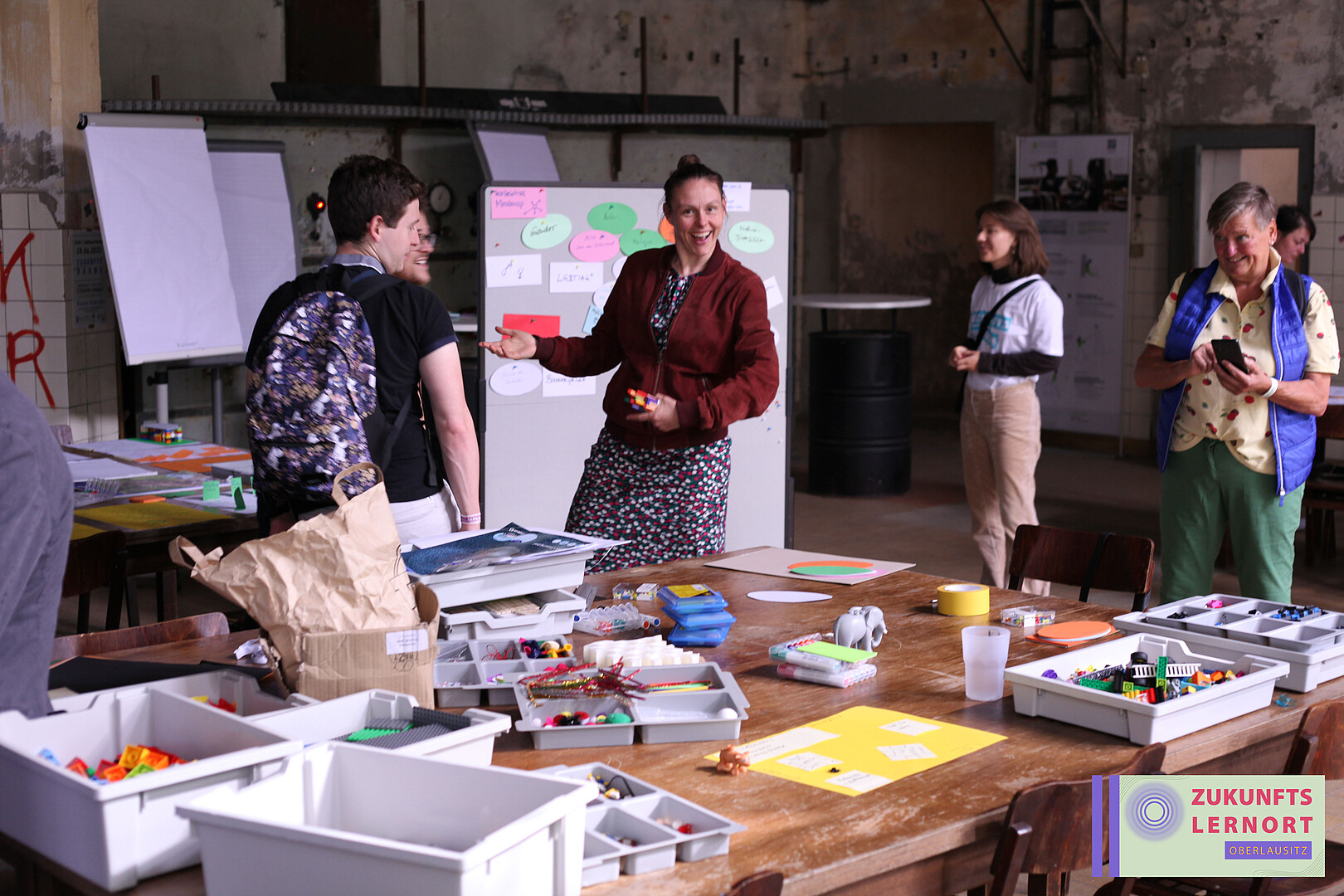
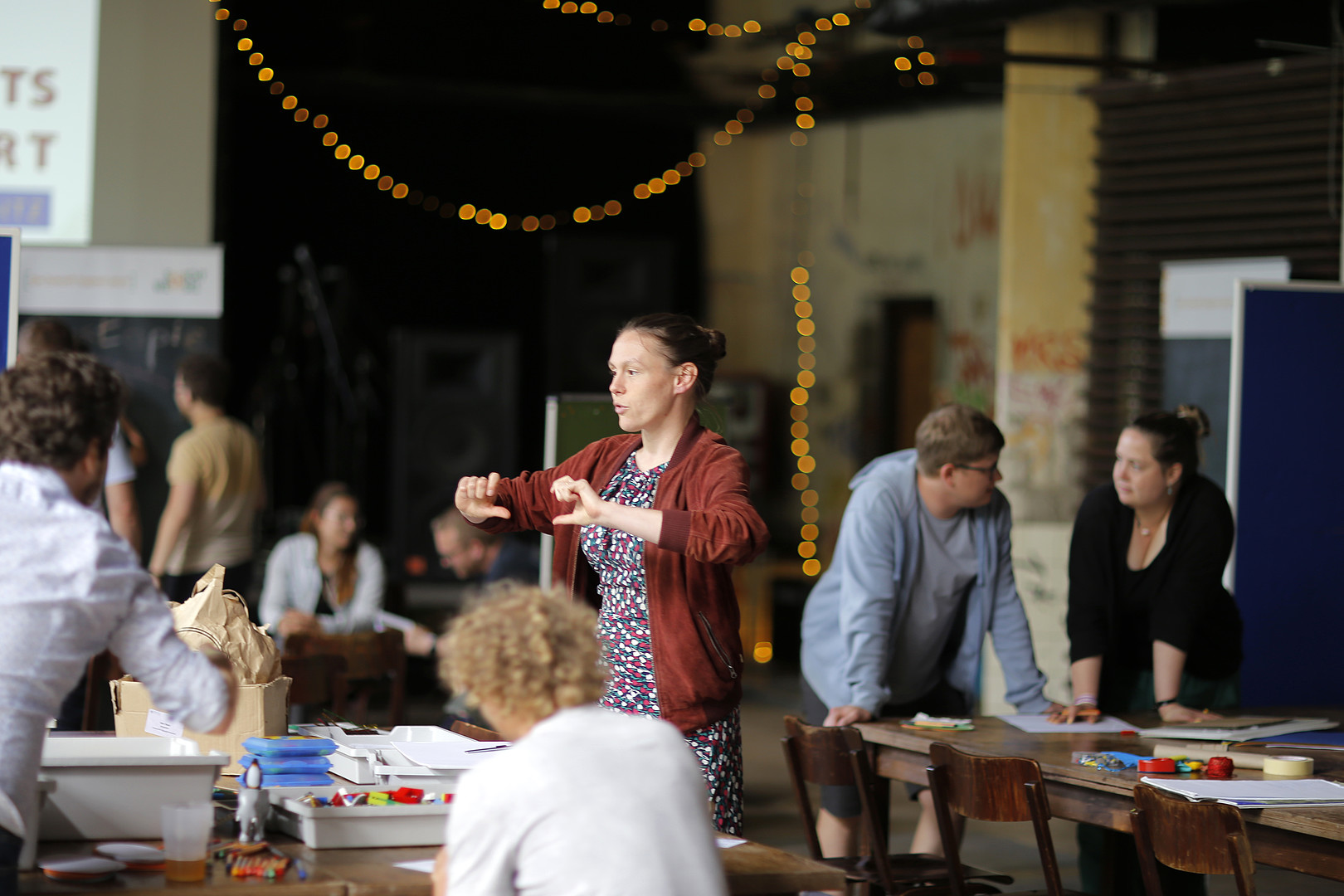
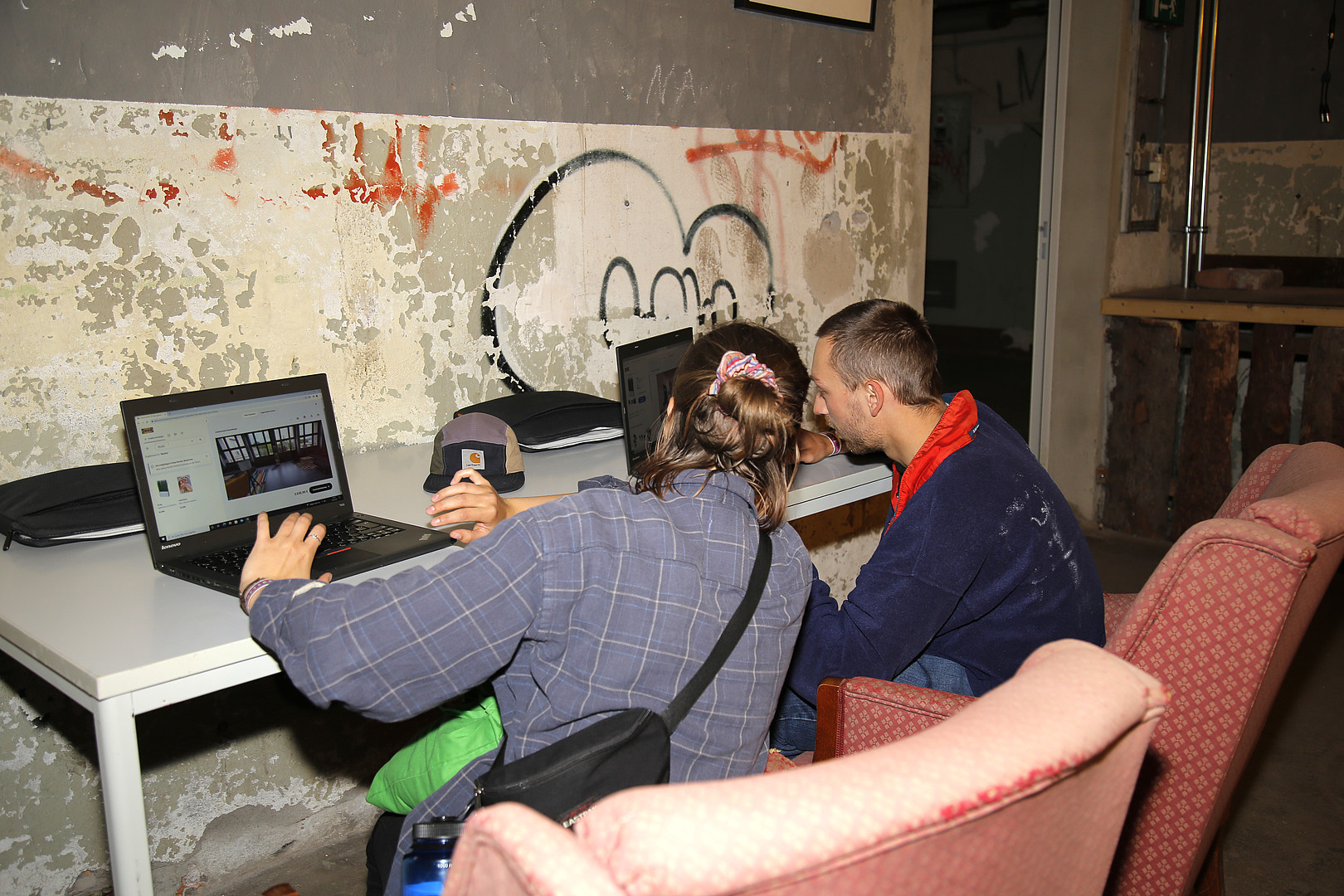
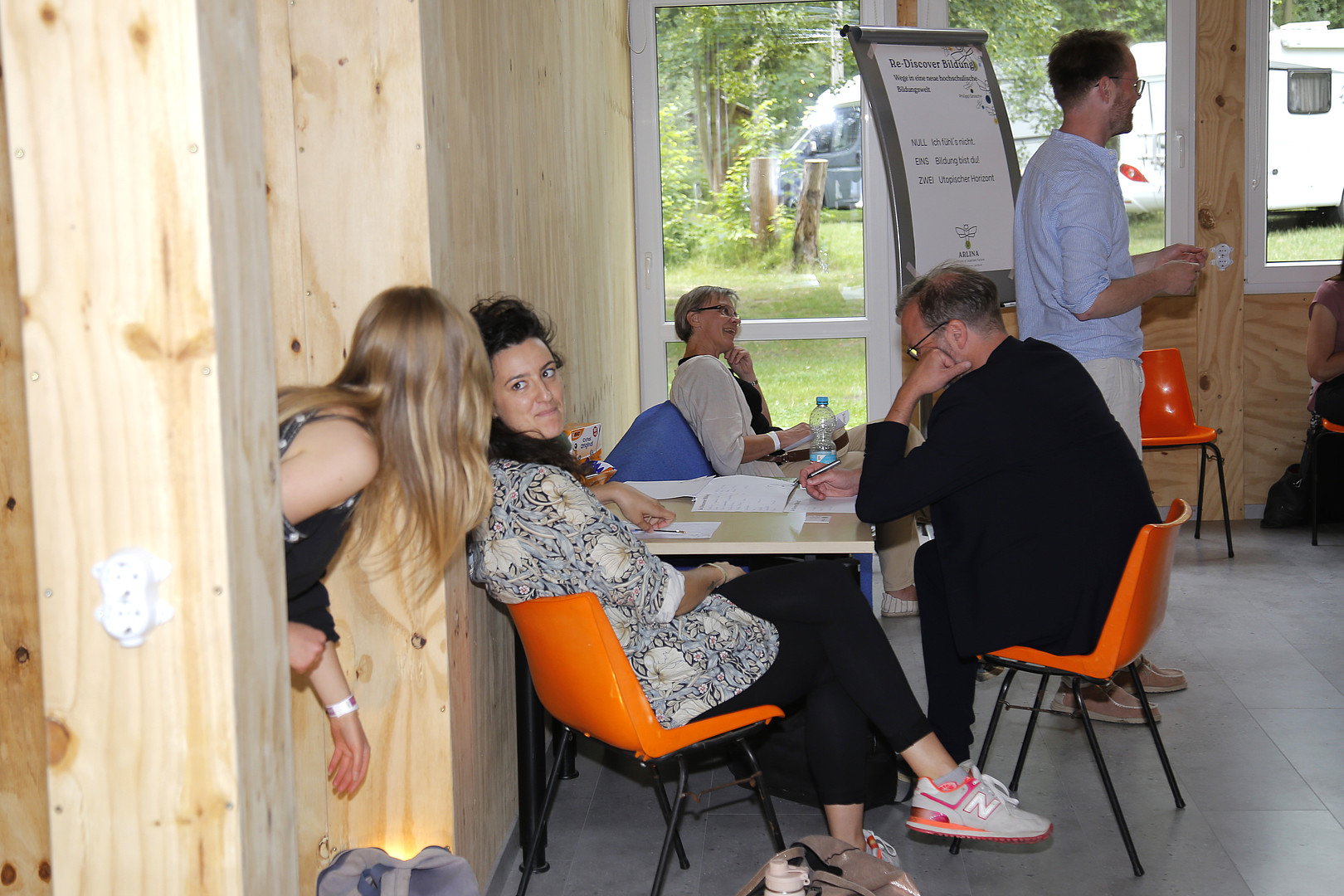
In the “Space Utilization” workshop led by Dr. Dr. Dierk Suhr, Annekathrin Grünewald, Egmont Schreiter, and Christian Tiller, participants explored various learning spaces and usage scenarios at several stations. At the “Green Classroom with Makerspace” station, participants discussed how the green classroom and its associated makerspace in Zittau could be designed to be inviting. They also discussed what technical equipment is needed to appeal to as many target groups as possible. The participants agreed that the green classroom must include hammocks, outdoor sports equipment, and versatile seating and work furniture. In the makerspace, rooms or zones for different purposes (e.g., music room, sports room, quiet room, creative room) should be created, and courses (e.g., metal and woodworking, teaching and practicing sustainability) should be offered for various target groups. From the participants’ perspective, the goal should be to create a place that encourages creative experimentation, collaborative exploration, and learning with and from one another.
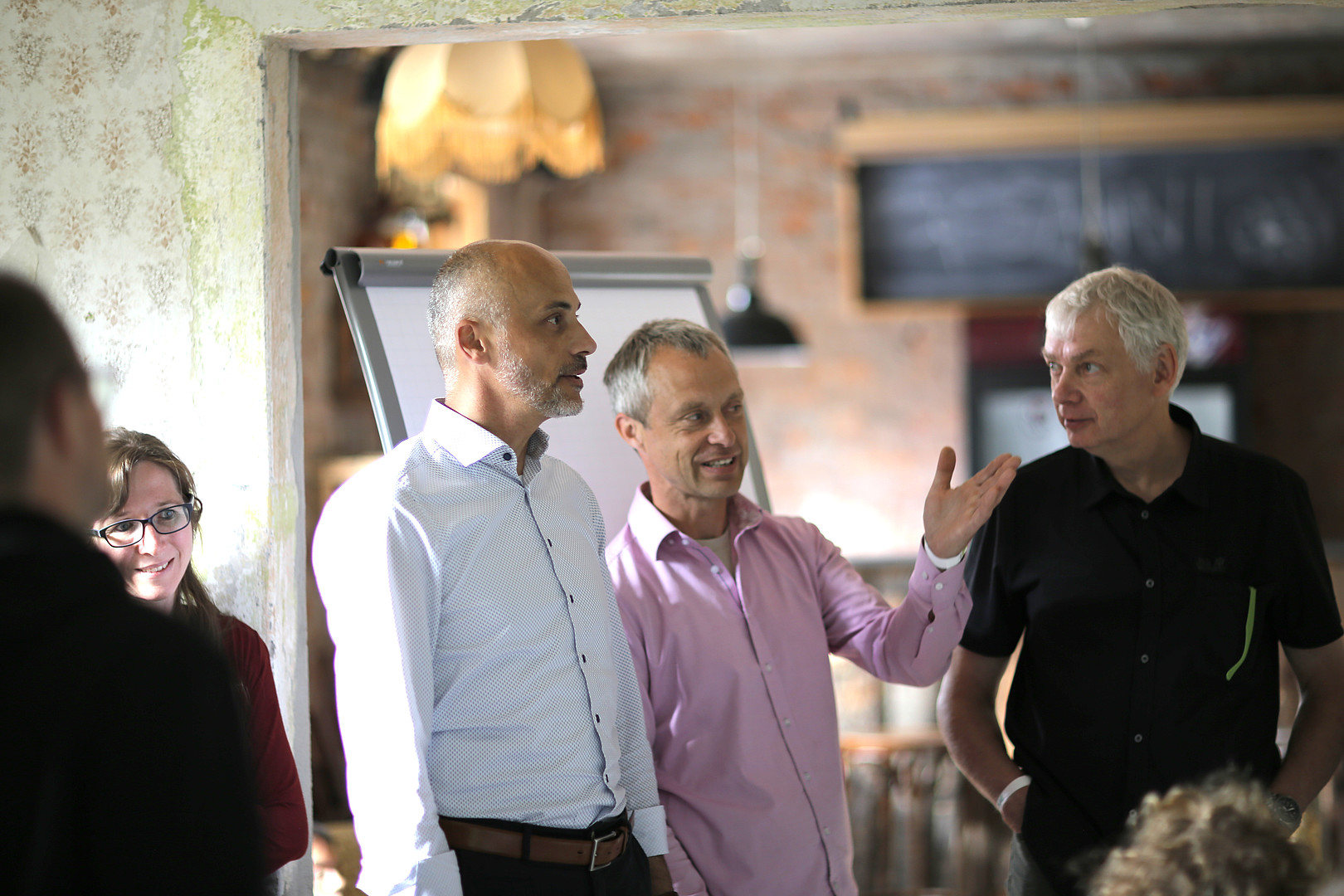
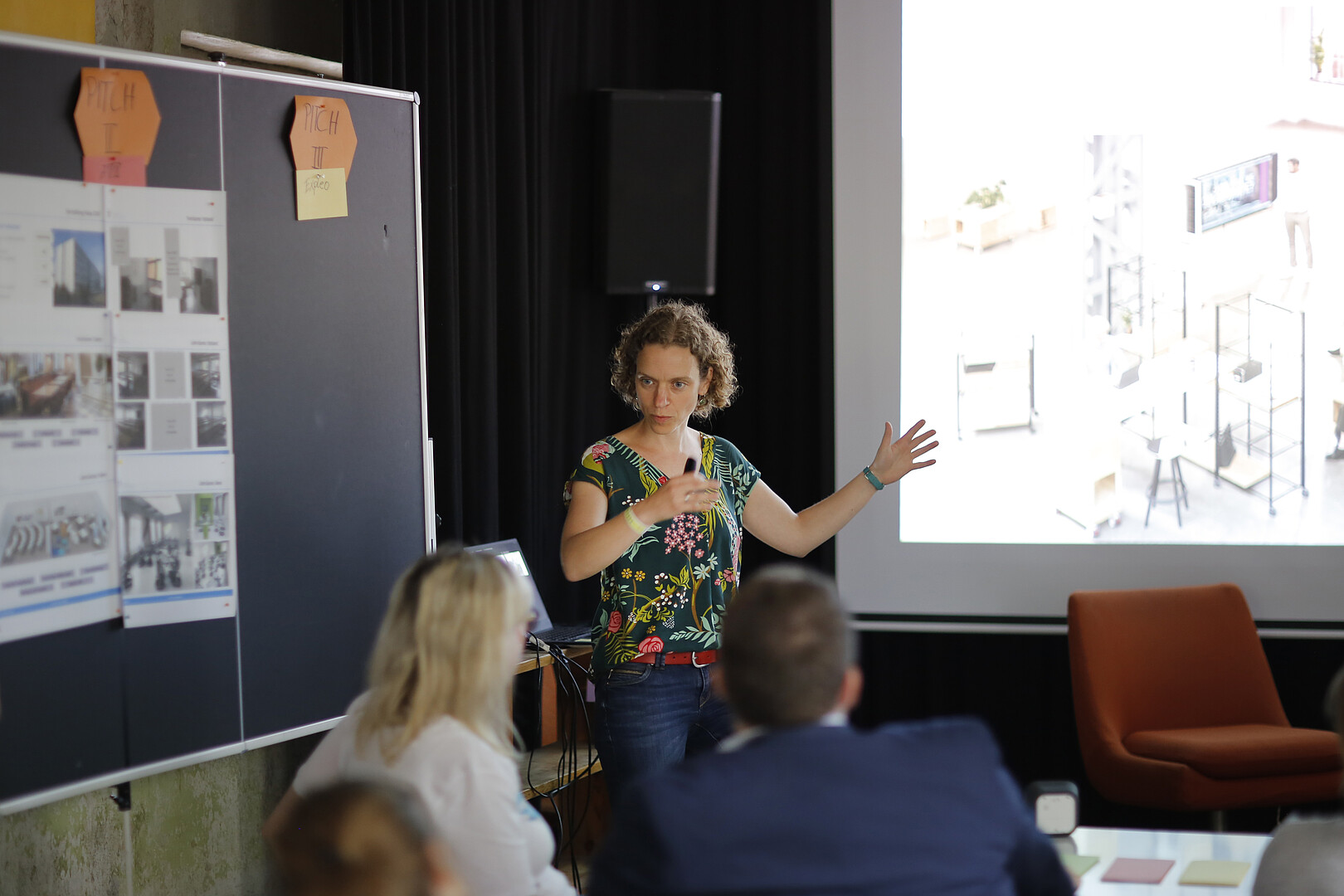
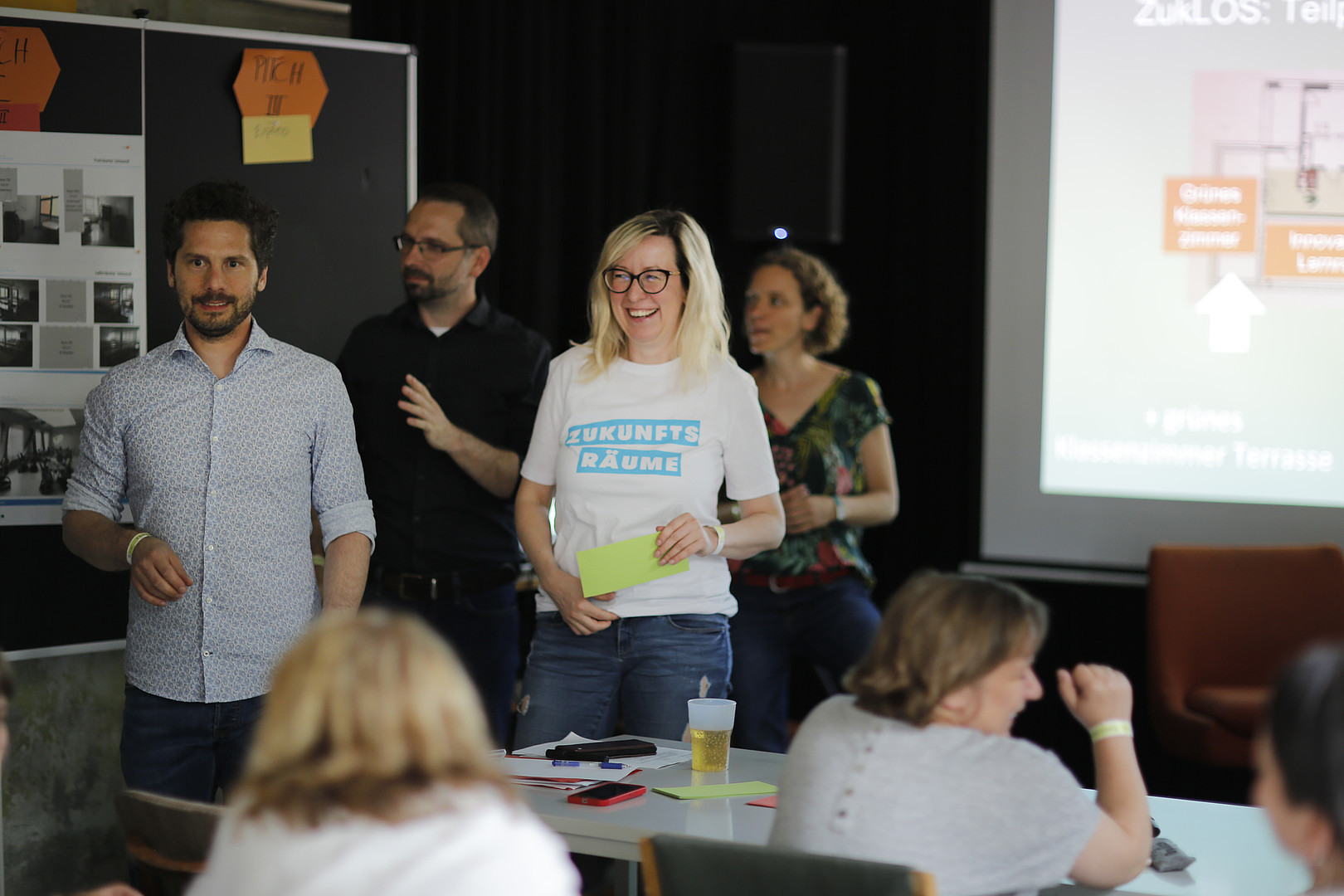
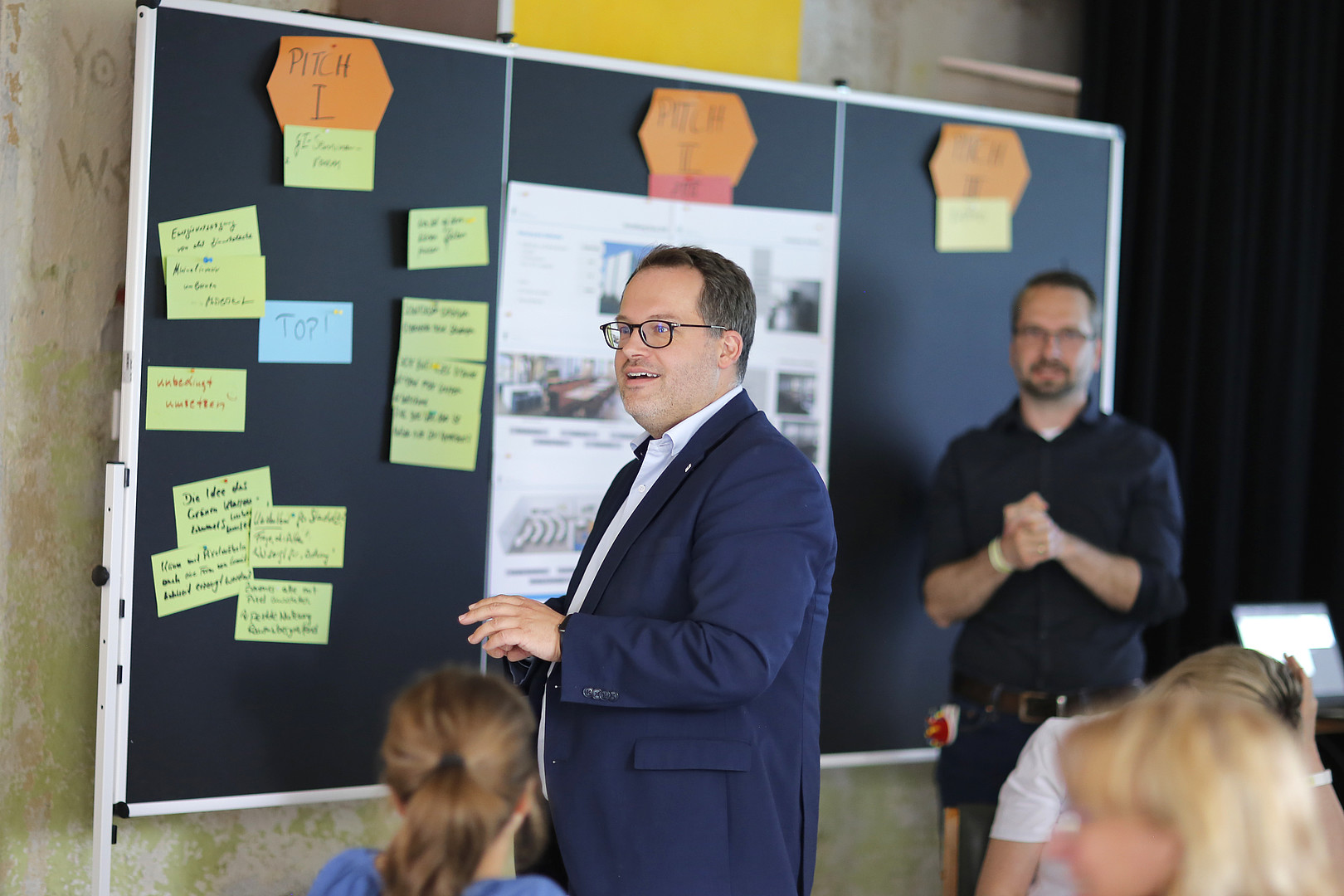
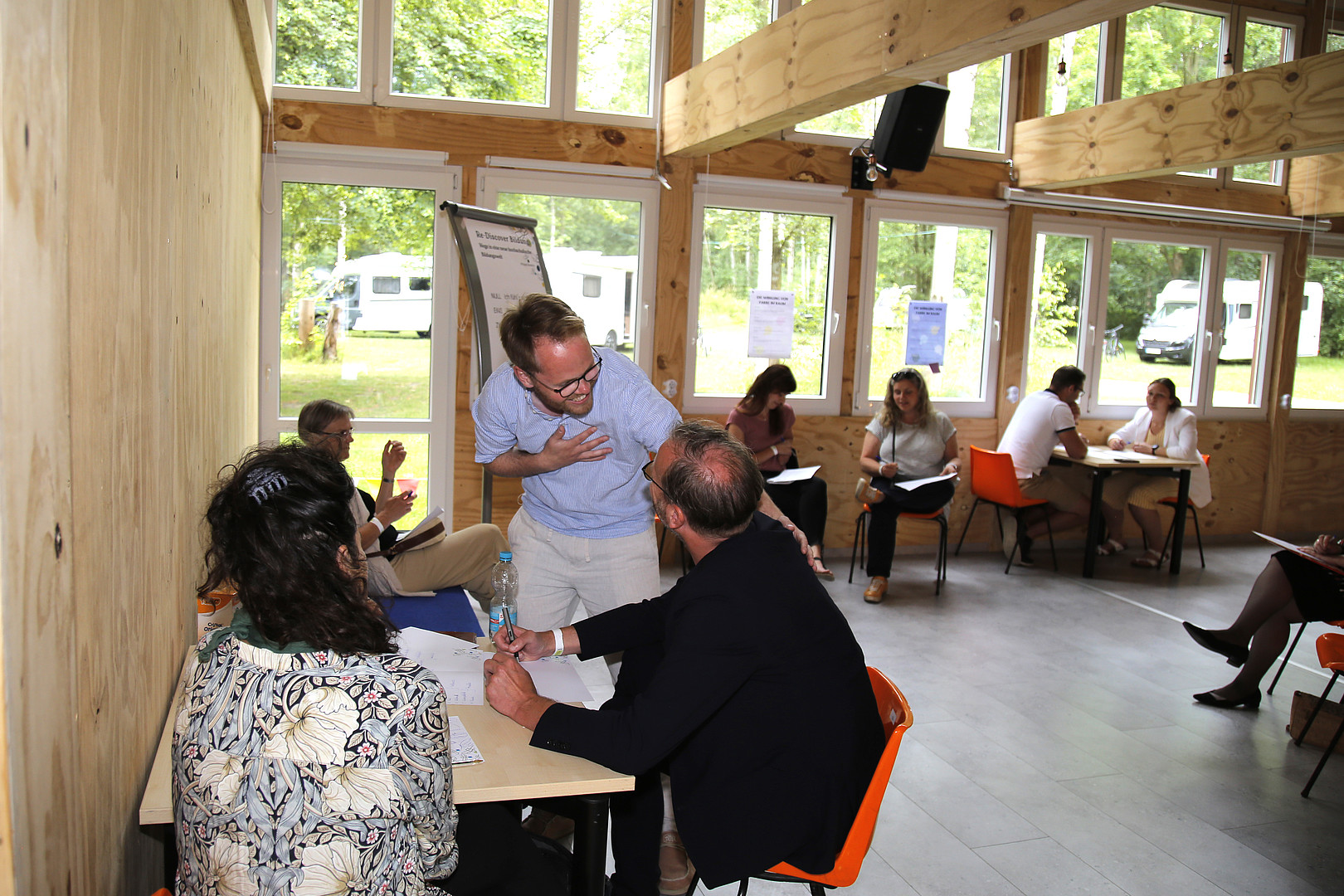
Here, participants from the "Use of space" workshop present their ideas and suggestions!
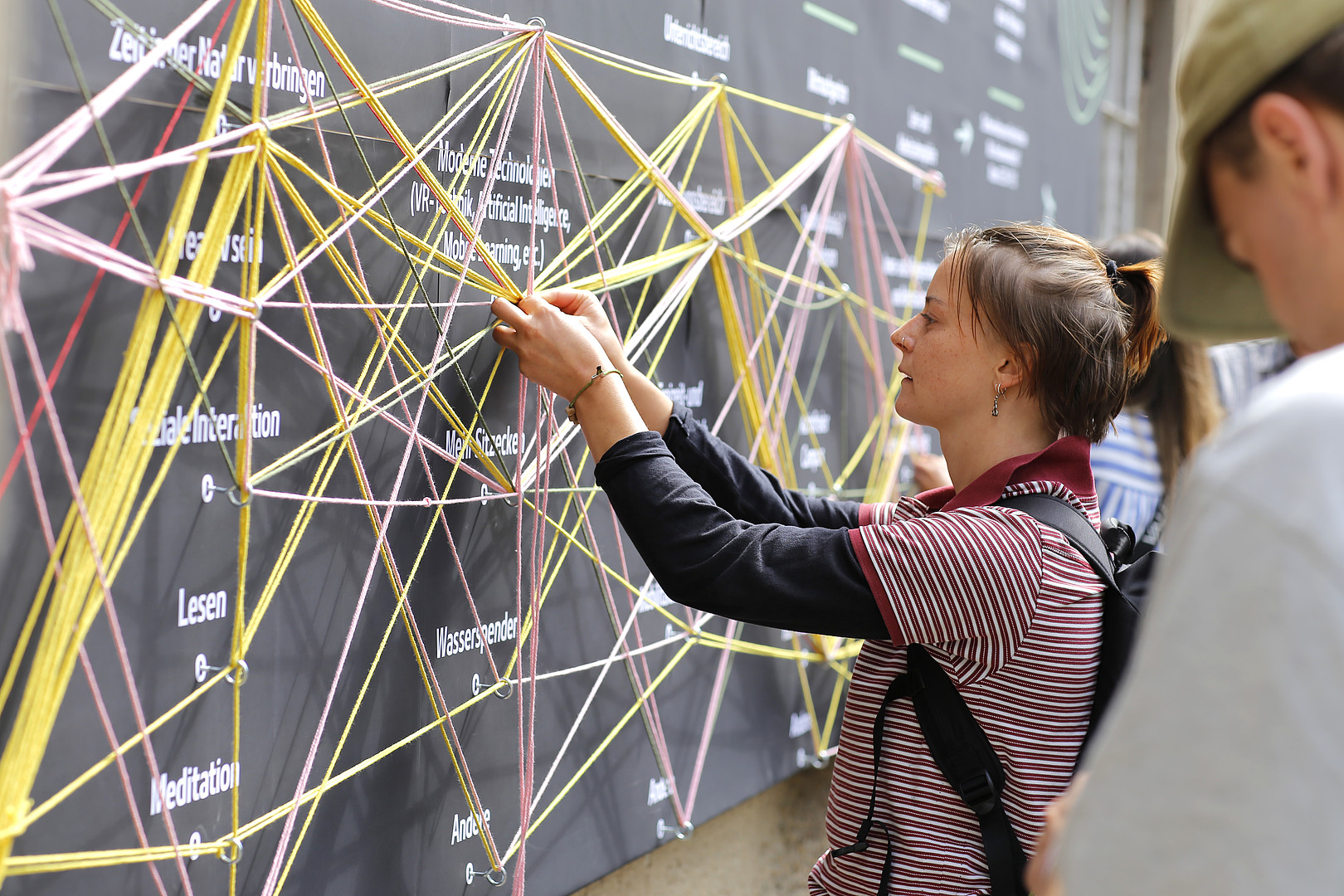
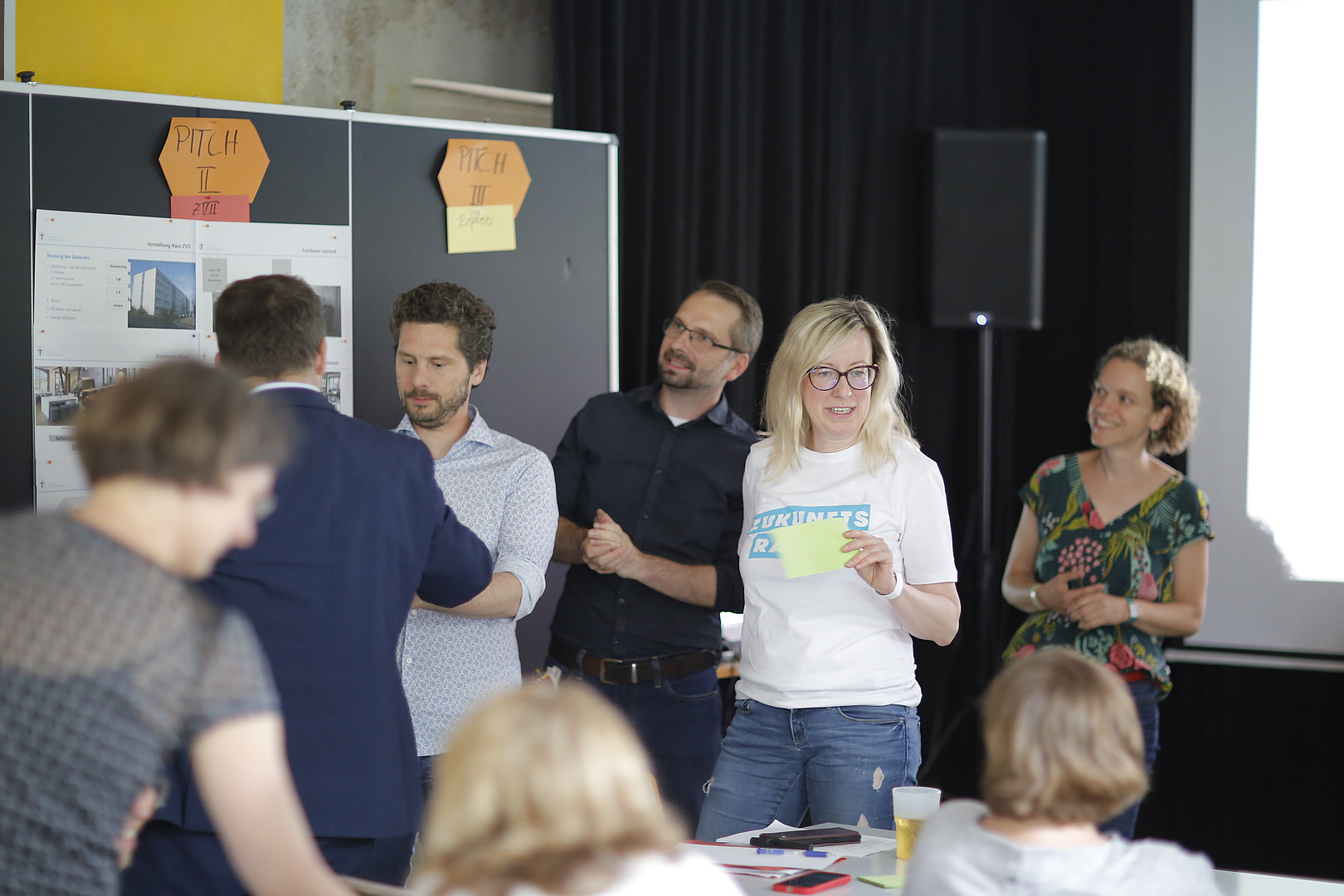
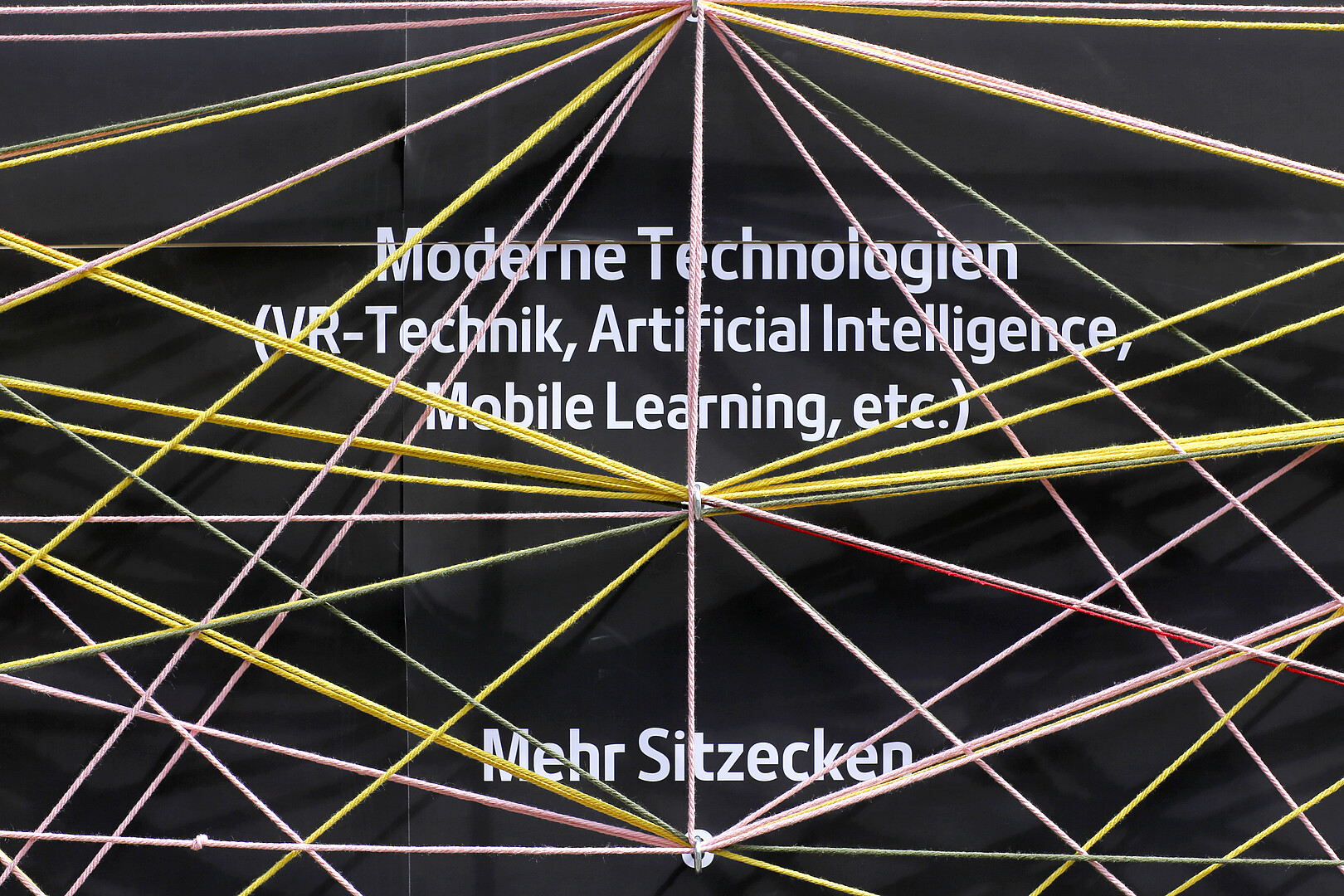
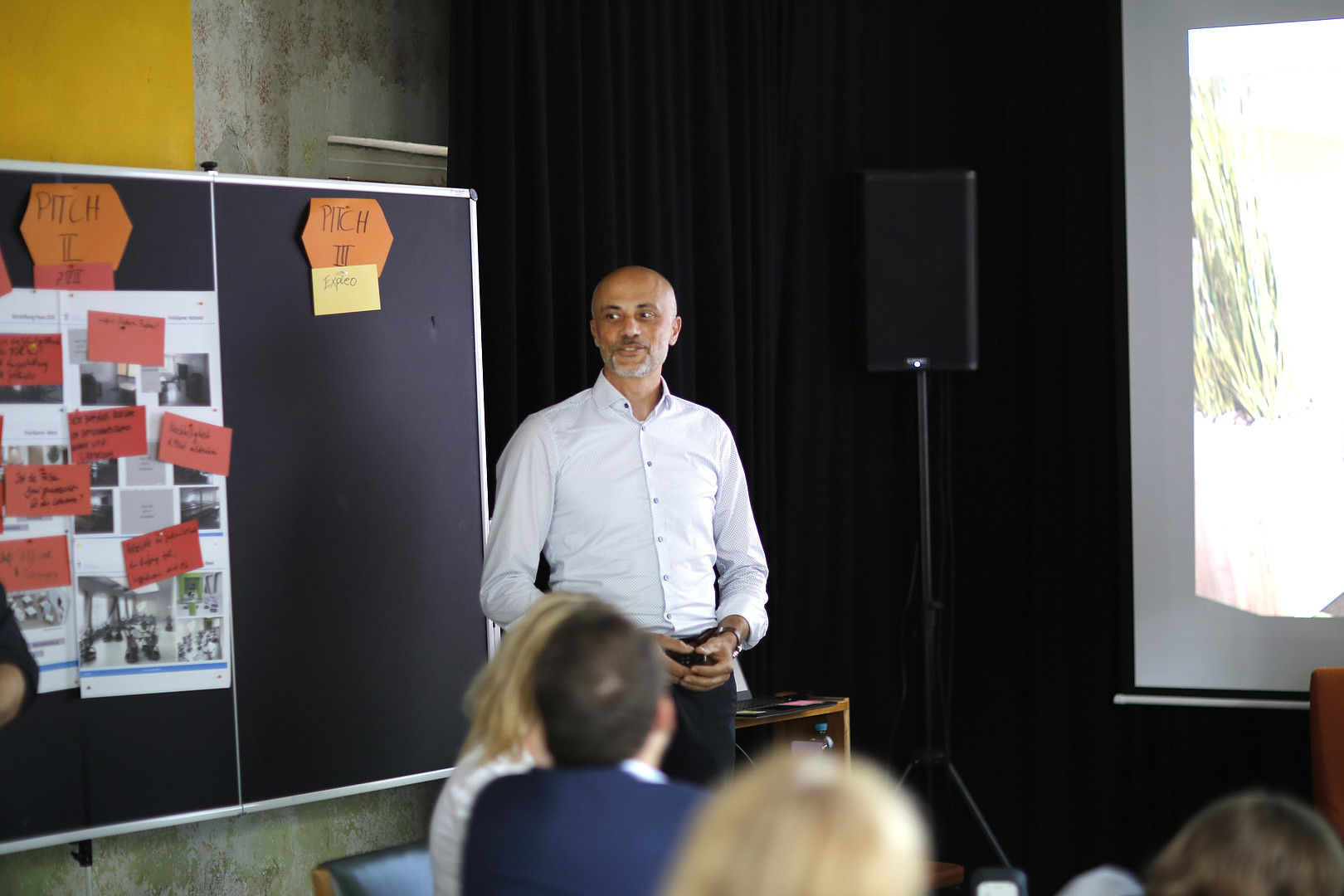
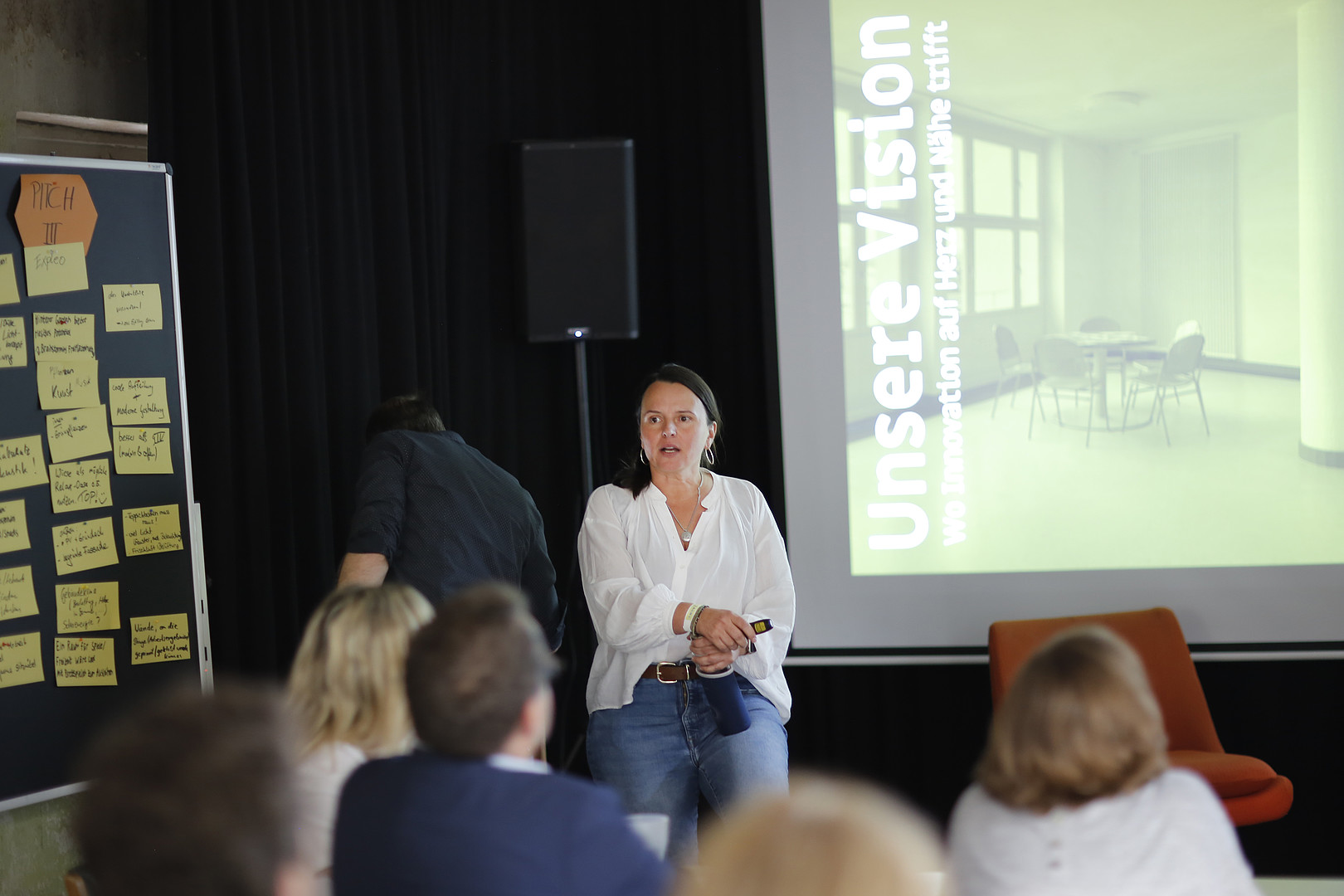
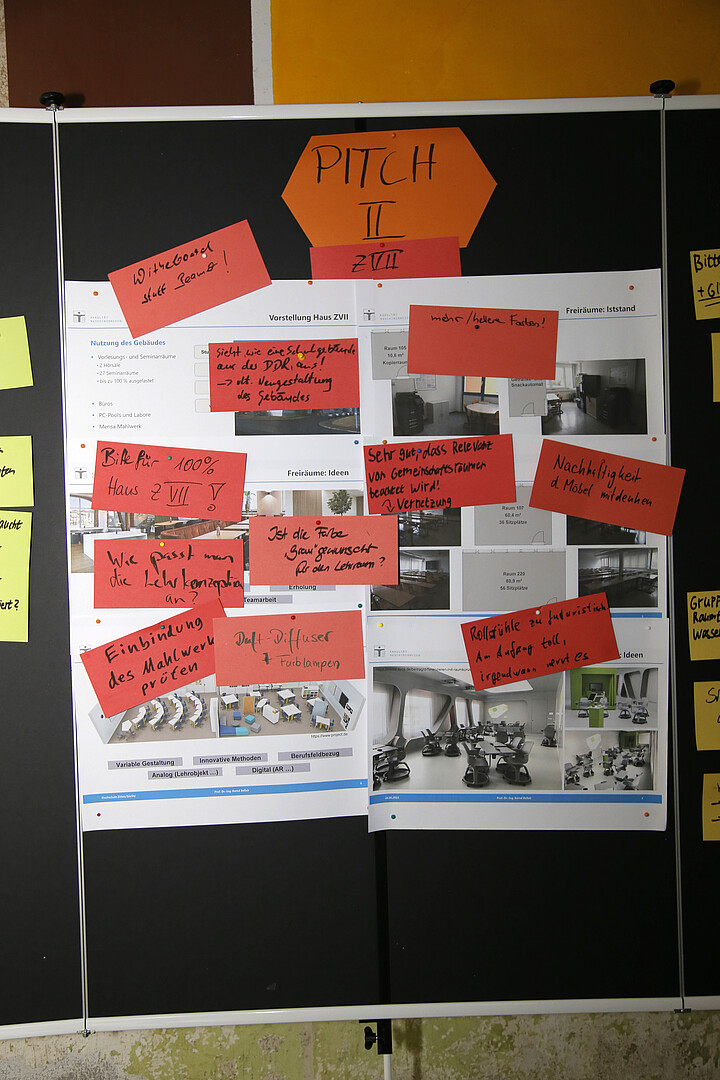
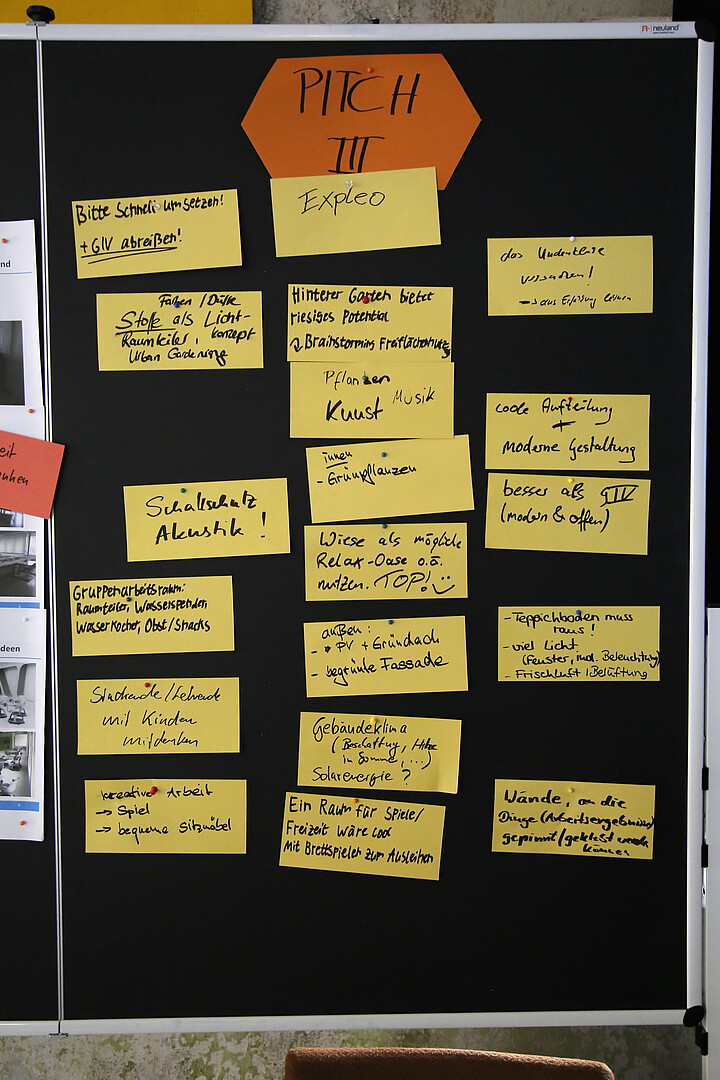
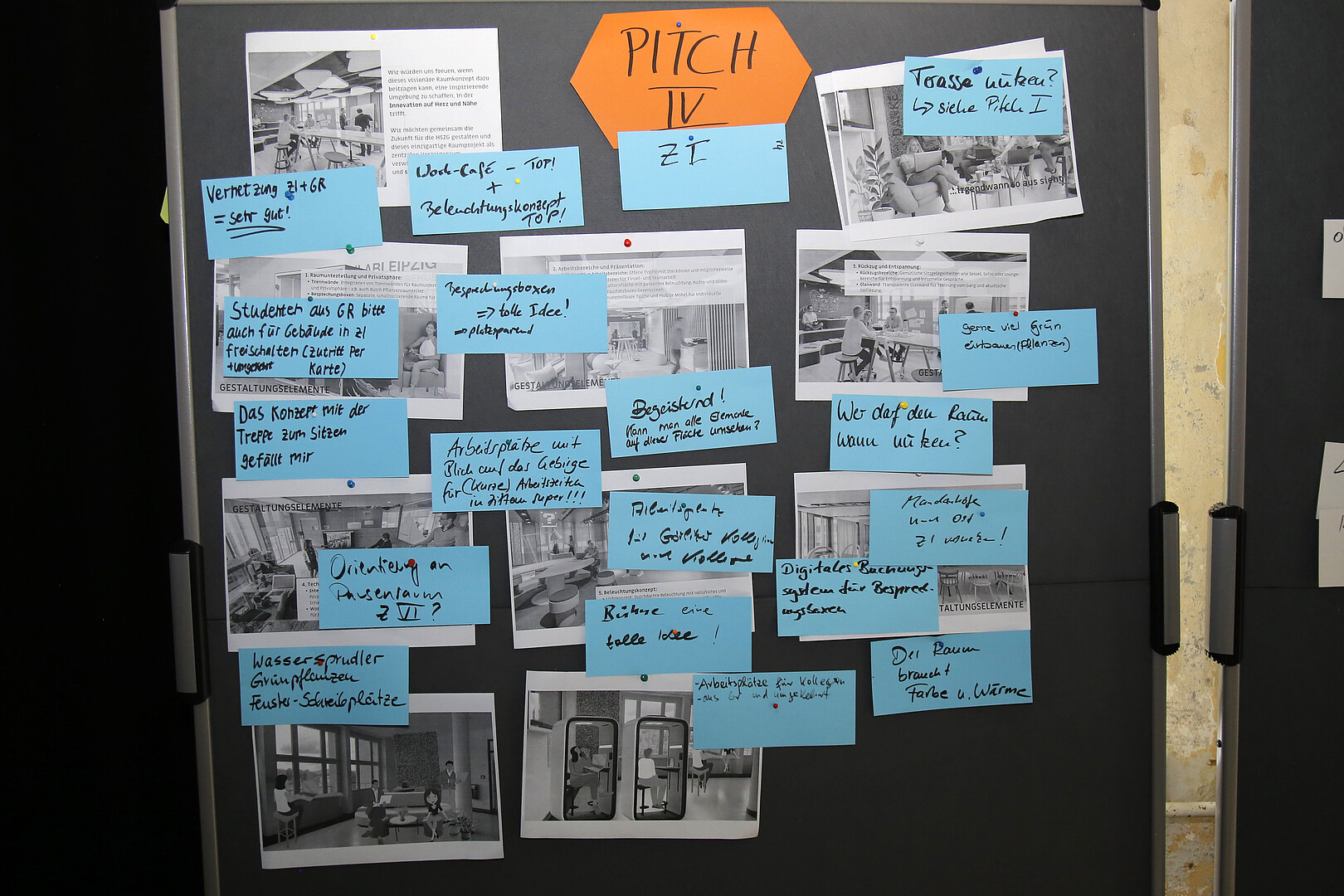
In the workshop "Development of innovative concepts for the design of open spaces on campus in Zittau and Görlitz" by Prof.in Dr.in Sophia Keil, Sebastian Riedel and Christian Tiller, representatives from the faculties presented their ideas and concepts for the establishment of innovative teaching and learning spaces and the design of open spaces in five pitches. The proposals were then discussed. The pitches and the feedback from the participants showed that the teaching-learning rooms should be equipped with pixel furniture, as this supports the flexible use of the rooms and the testing of modern teaching-learning concepts. When furnishing the rooms, care should also be taken to include plenty of green plants, modern lighting systems, water dispensers, quiet zones for independent learning and working or resting, meeting boxes, leisure and sports facilities, etc.
The workshop showed that the faculties and their students have very concrete ideas about their campus of the future. The university management and the ZukLOS team are delighted with the great interest and lively participation of the participants. Together, we will continue to develop the ideas and implement them step by step.
”
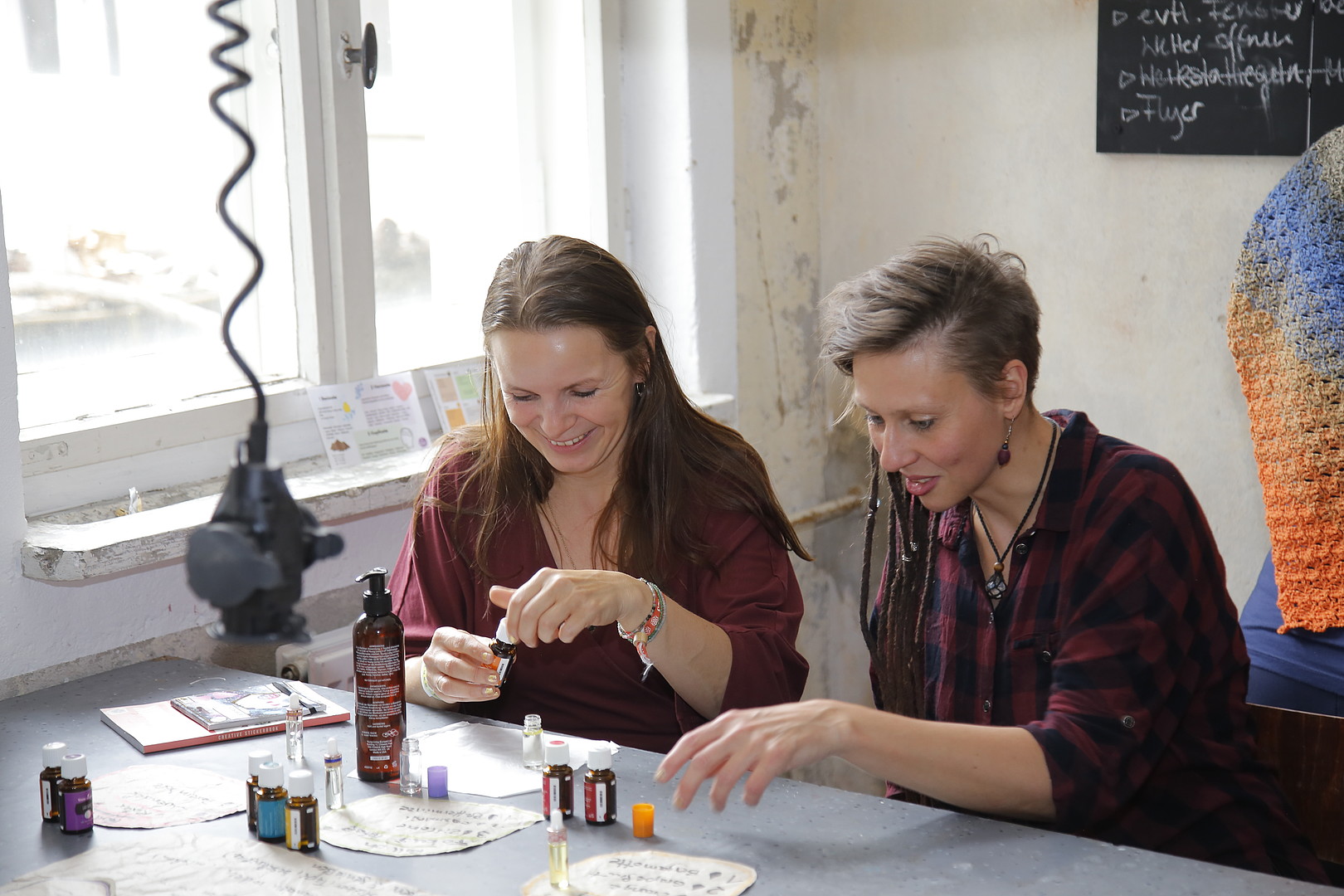
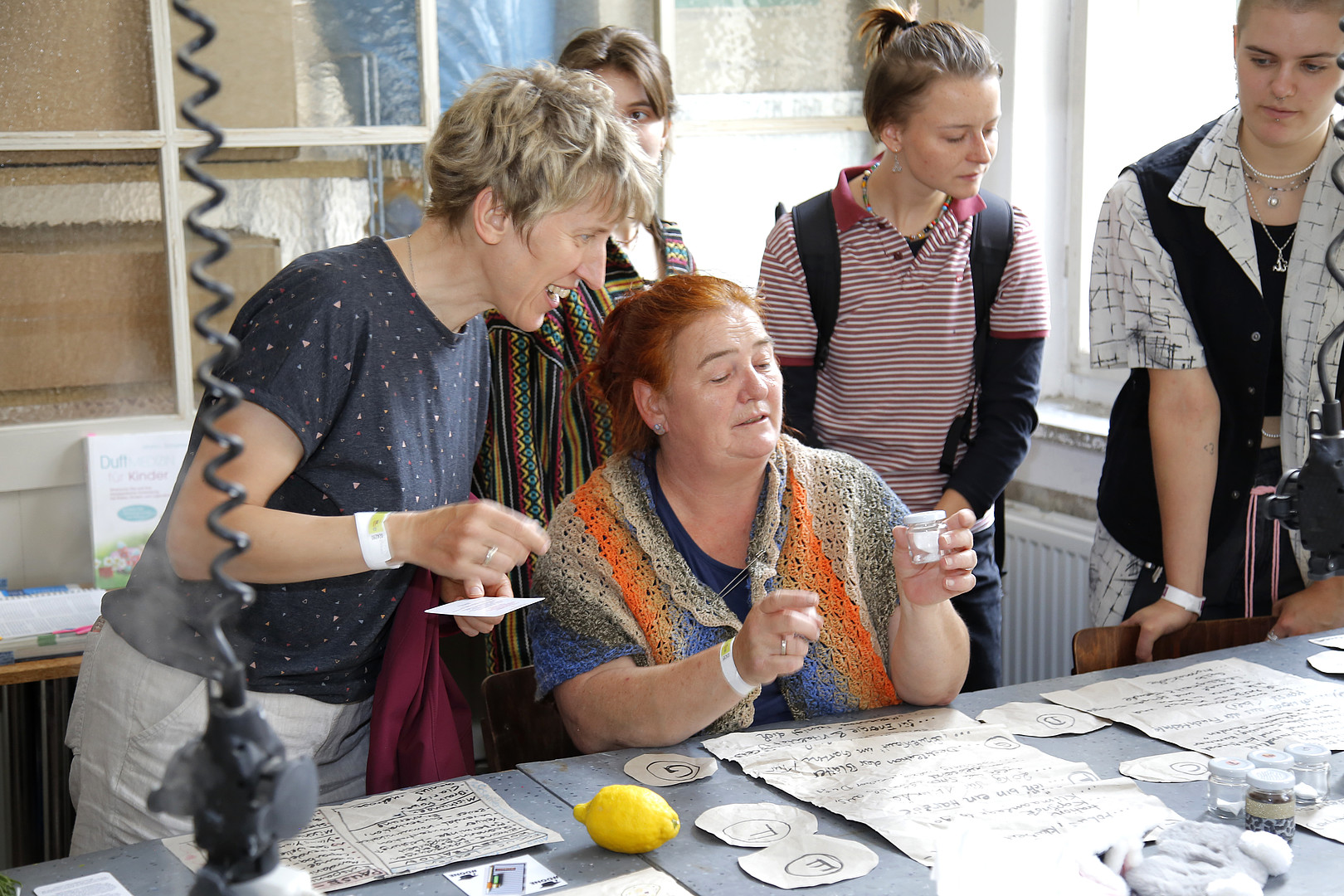
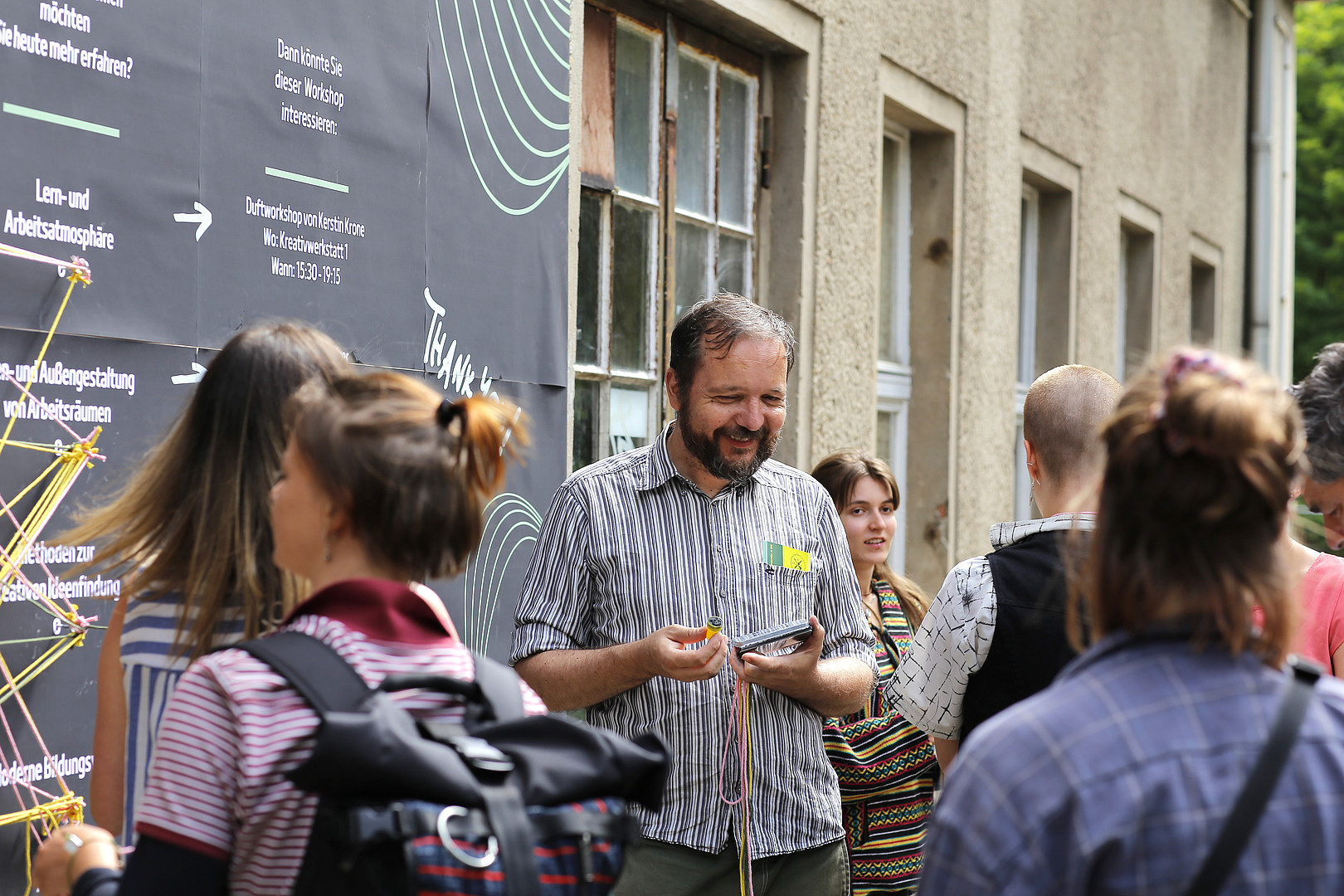
The students also explored interesting new avenues when selecting the workshop topics. For example, Kerstin Krone’s workshop “Creating a Learning Atmosphere Through Scents” offered participants the opportunity to learn about the positive effects of essential oils on the body, mind, and soul. Furthermore, the workshop provided ample opportunity to share personal experiences with scents. In her expert presentation, the scent specialist explained, among other things, that the scent of vetiver promotes concentration, lavender aids relaxation, and rosemary can enhance memory. In a scent quiz, participants were then able to experience the effects of the oils for themselves and, under expert guidance, create their own scent blends.

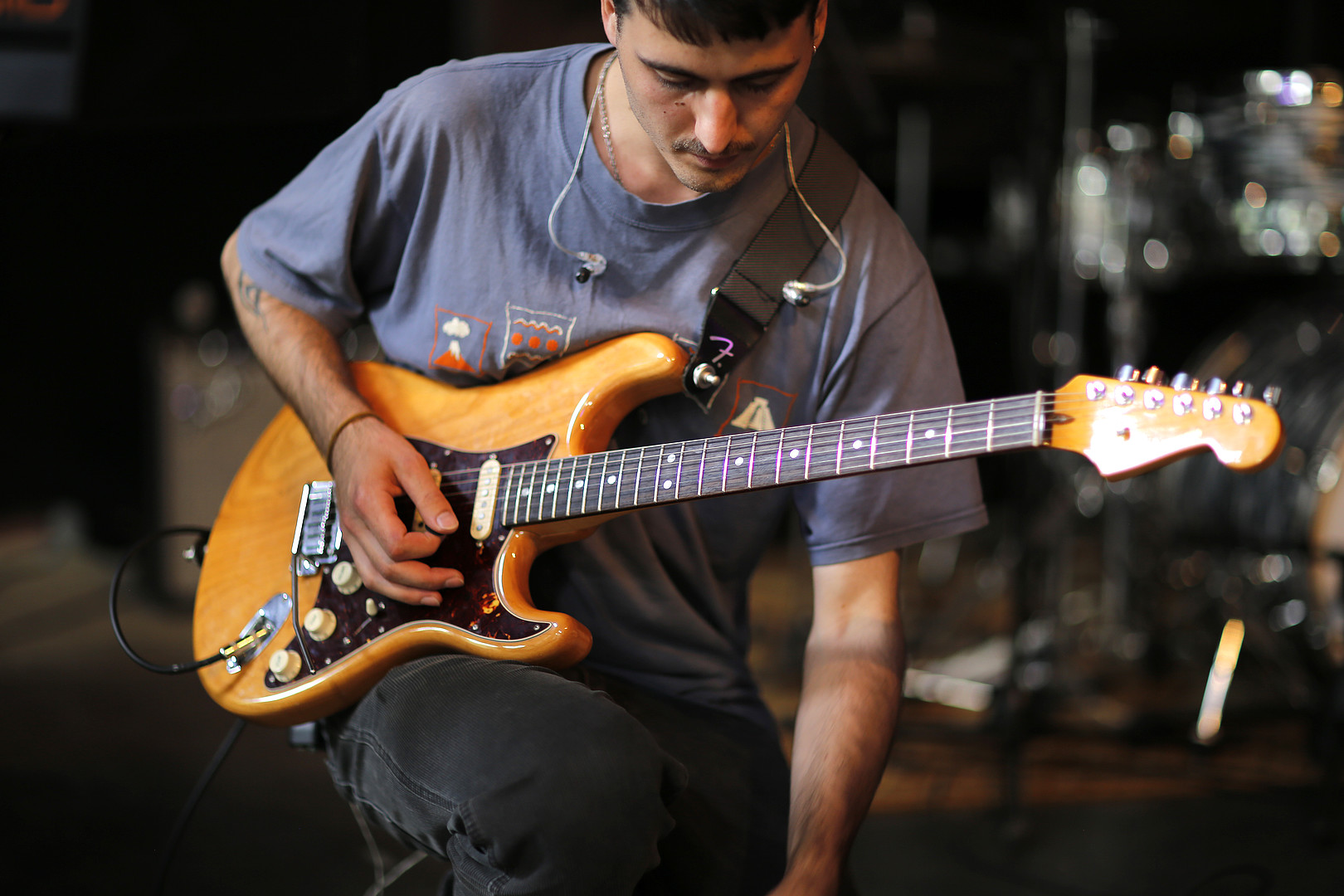
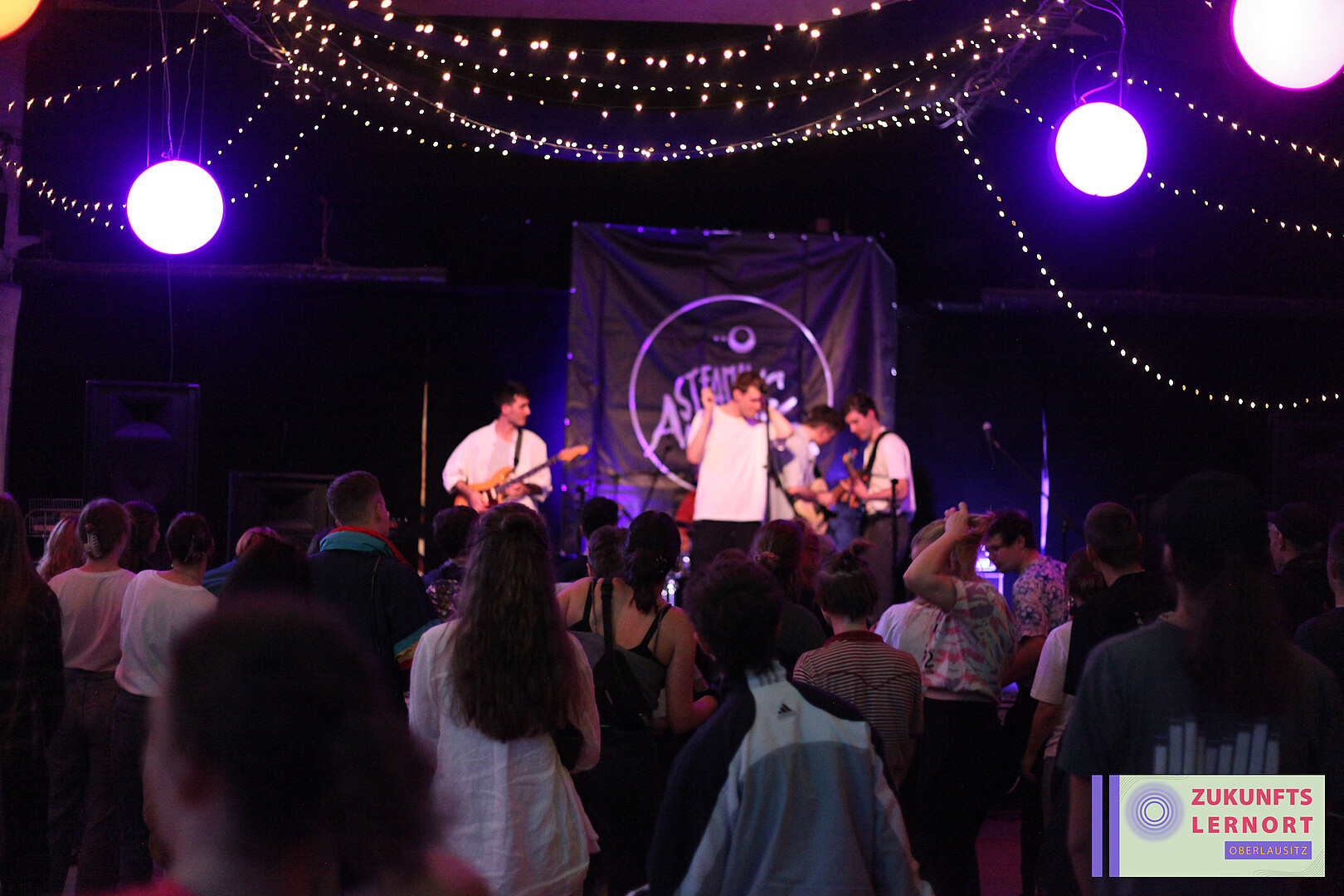
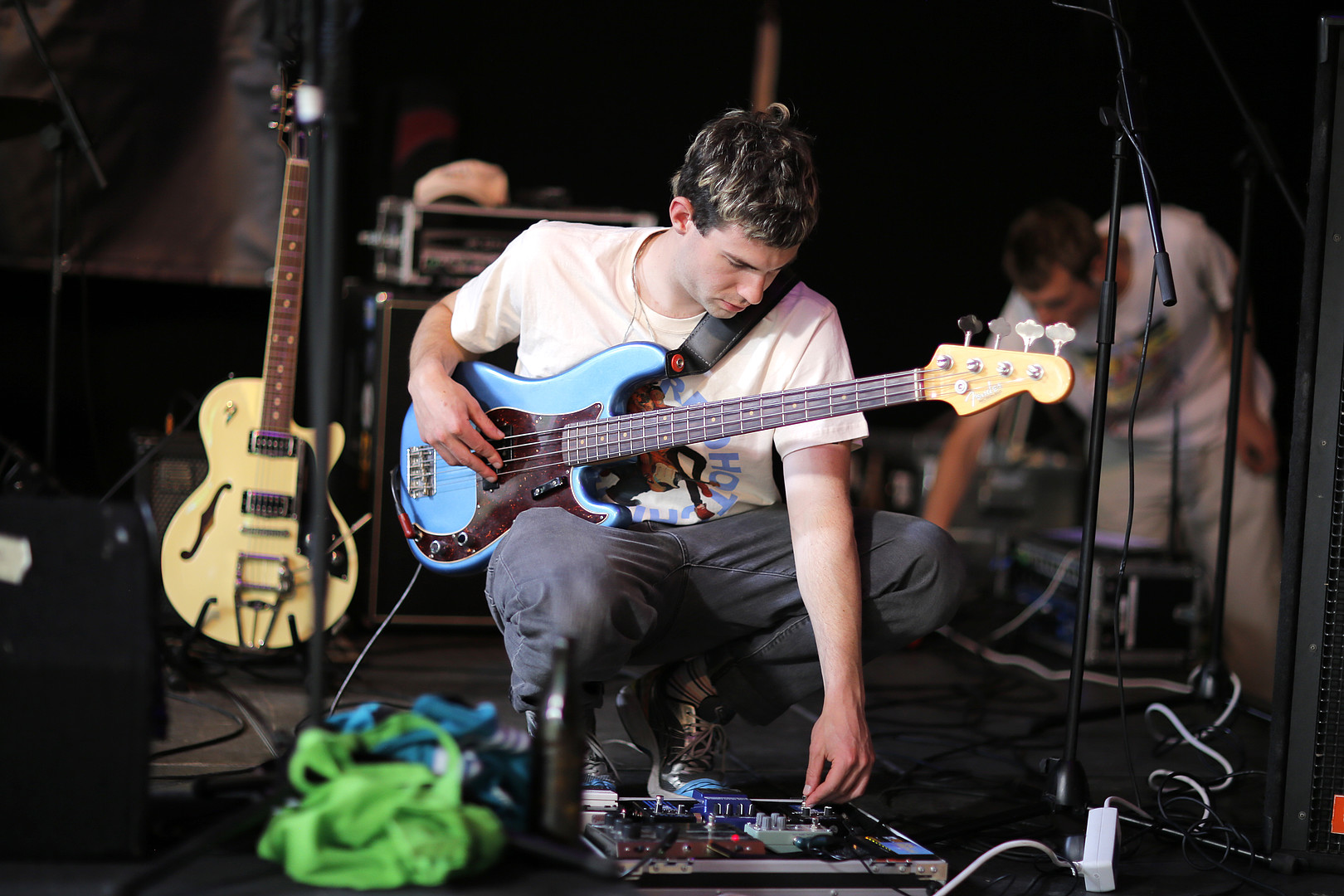
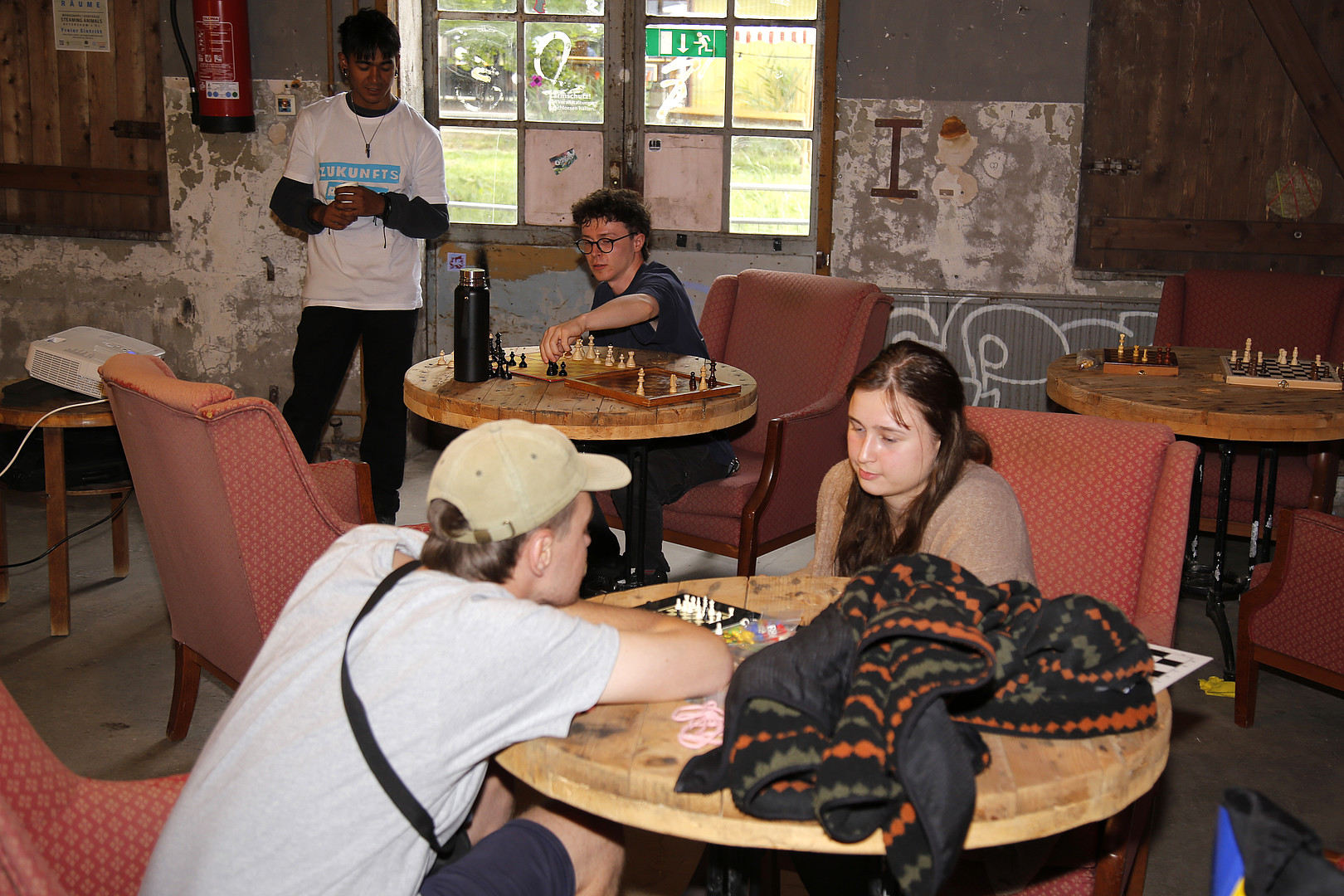
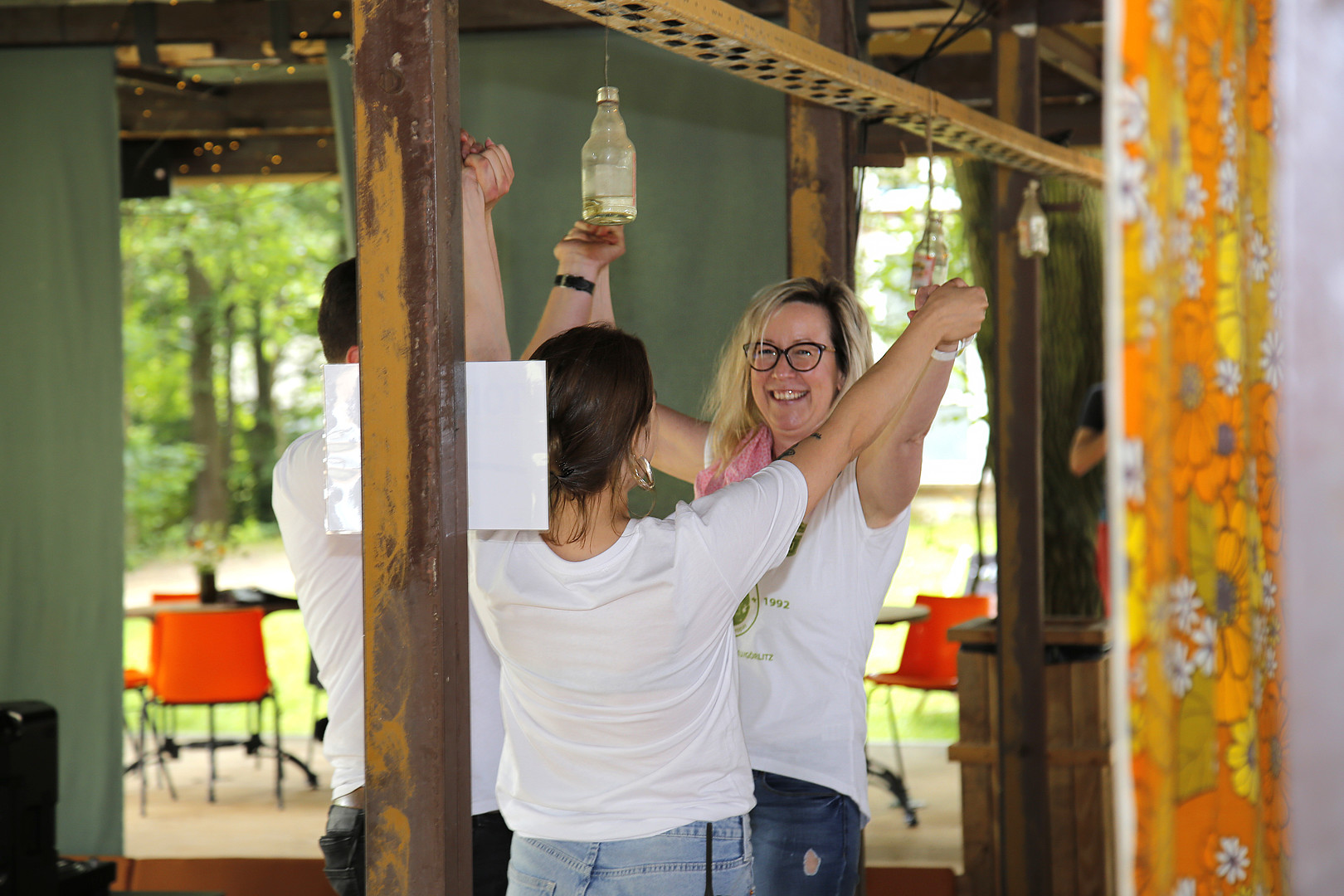
In addition to the workshops, the event offered participants an impressive musical and sporting program. For example, the participants were able to play volleyball, chess and frisbee together or take part in a yoga class.
The aim of the lecturers was to provide the students with a learning experience under "real and real-time conditions" from which they can benefit in their later professional life, regardless of their job. We can say that we achieved this goal with the event at a location of 10,000 square meters, which was extremely difficult to "play", together, with a lot of work and commitment, with fun and great success.
”
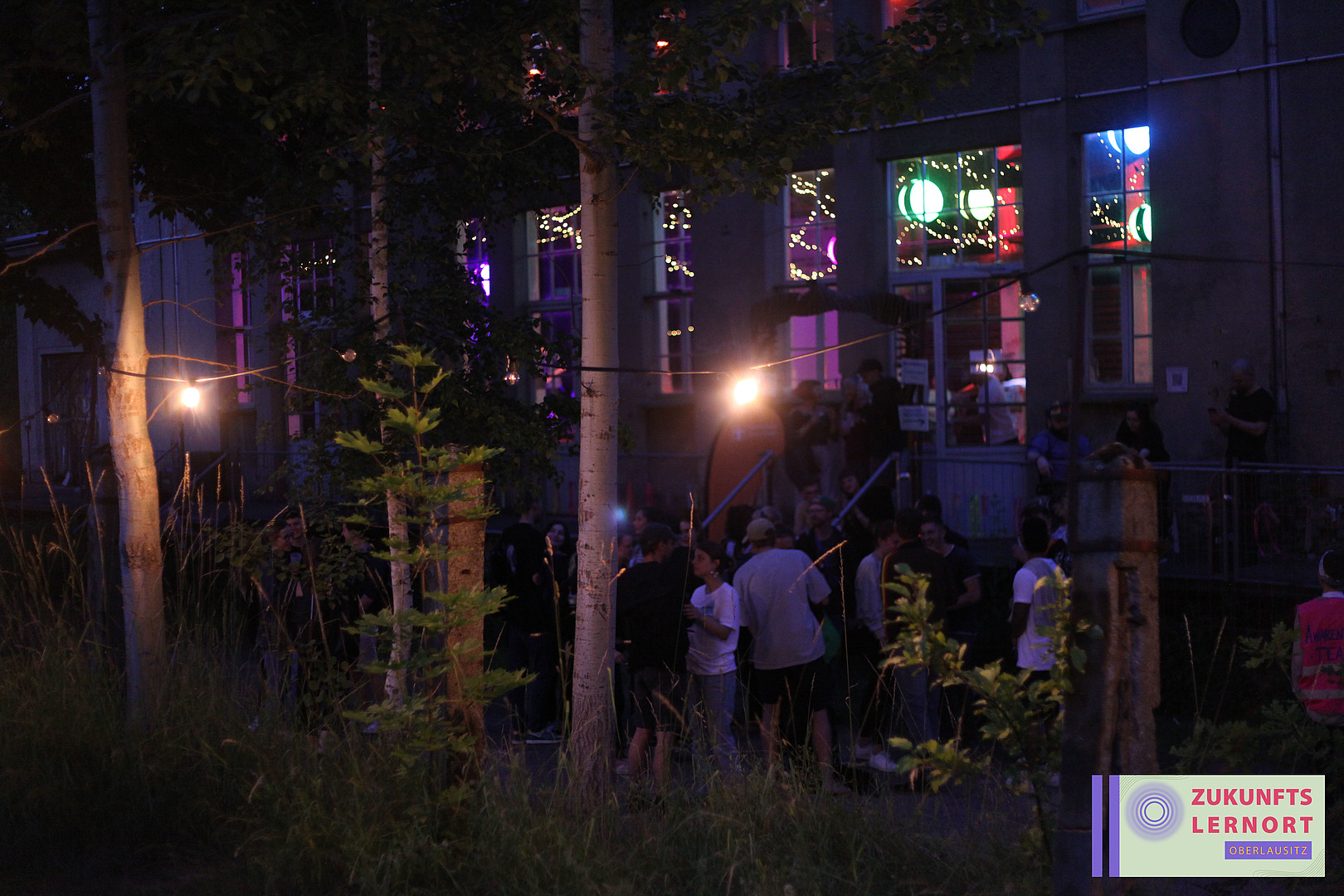
The event "Future Spaces - A Festival of Encounter and Exchange" was a great success, as it stimulated the exchange of ideas and wishes for the design of our campus of the future. The results of the workshops were documented by the students in order to subsequently derive concrete recommendations for action for the university management. The ideas and wishes of the participants as well as the recommendations for action have now been handed over to the university management and the students have been assured that these will be taken into account in further planning.
The event is the result of the course series “Project and Event Management Module” in the “Culture and Management” bachelor’s program for the summer semester of 2023. In this module, students learn about the types and specific characteristics of projects in the cultural sector and acquire knowledge of both traditional and agile project management. In addition, through targeted coaching and individual mentoring from the instructors, they develop their own cultural project. This includes, among other things, setting up a project organization, securing project funding, acquiring grants and sponsors, planning the event program, designing and implementing an advertising campaign, and all other steps involved in successful project management. For example, the students’ advertising campaign included planning and carrying out additional events as part of the “25 Years of Görlitz/Zgorzelec as a European City” and participation in the “Ideenmarkt” at the dm-drogerie Markt “ ” in Zittau. The campaign also served to generate ideas. To this end, the students set up an “idea tree” that gave passersby the opportunity to share their visions for the campus of the future.
It has now been four months since the “Zukunftsräume” event took place. We, the students of the Wkb21 class, planned, organized, and executed the event as part of our “Project and Event Management” module. This gave us the opportunity to plan and actually carry out an event—not just in theory, but in practice—with all the challenges that entailed.
One of the most positive aspects, aside from the practical experience in event planning, is the fact that we, as a class, all grew closer together through our intensive collaboration.
However, this close collaboration also posed a major challenge for the project. The workload that everyone in our class had to manage as part of the module was significantly greater than what had actually been planned.
We also learned a great deal from working with the university as a public institution; its organizational and operational structure—which was new to us—presented us with a few difficulties due to its sometimes highly complex way of working.
Nevertheless, this experience also provided us with significant added value; we were able to forge new connections and push ourselves beyond our limits.
With regard to the event’s purpose, we’re also very curious to see to what extent the ideas gathered at the event will play a concrete role in the campus redesign and how our event was able to contribute to beautifying the campus.
All in all, we’re letting our experiences float away like a balloon into the sky, and we’re excited to see where that will take us.
The university administration and the ZukLOS team would like to extend their heartfelt thanks to the students in the “Culture and Management WKb21” bachelor’s program for their outstanding planning, organization, and execution of the event. Special thanks go to Mr. Sebastian Benad, M.A., and Mr. Frank Leonhardt, M.A., for their expert guidance and support of the students and the Faculty of Managerial and Cultural Studies in bringing the event to life. Mr. Benad, M.A., and Mr. Leonhardt, M.A., serve as lecturers with a specified function at the university and were delighted to share their many years of professional and practical experience in the field of project and event management with the students as part of this course series. Their passion and tireless dedication have made the “Zukunftsräume” event a true asset to our university and the entire Upper Lusatia region.
We would like to thank all participants as well as the workshop presenters for the lively exchange and the development of so many ideas. Your wishes, suggestions, and expert input are of inestimable value to the university, as they will play a decisive role in the redesign of the future campus.
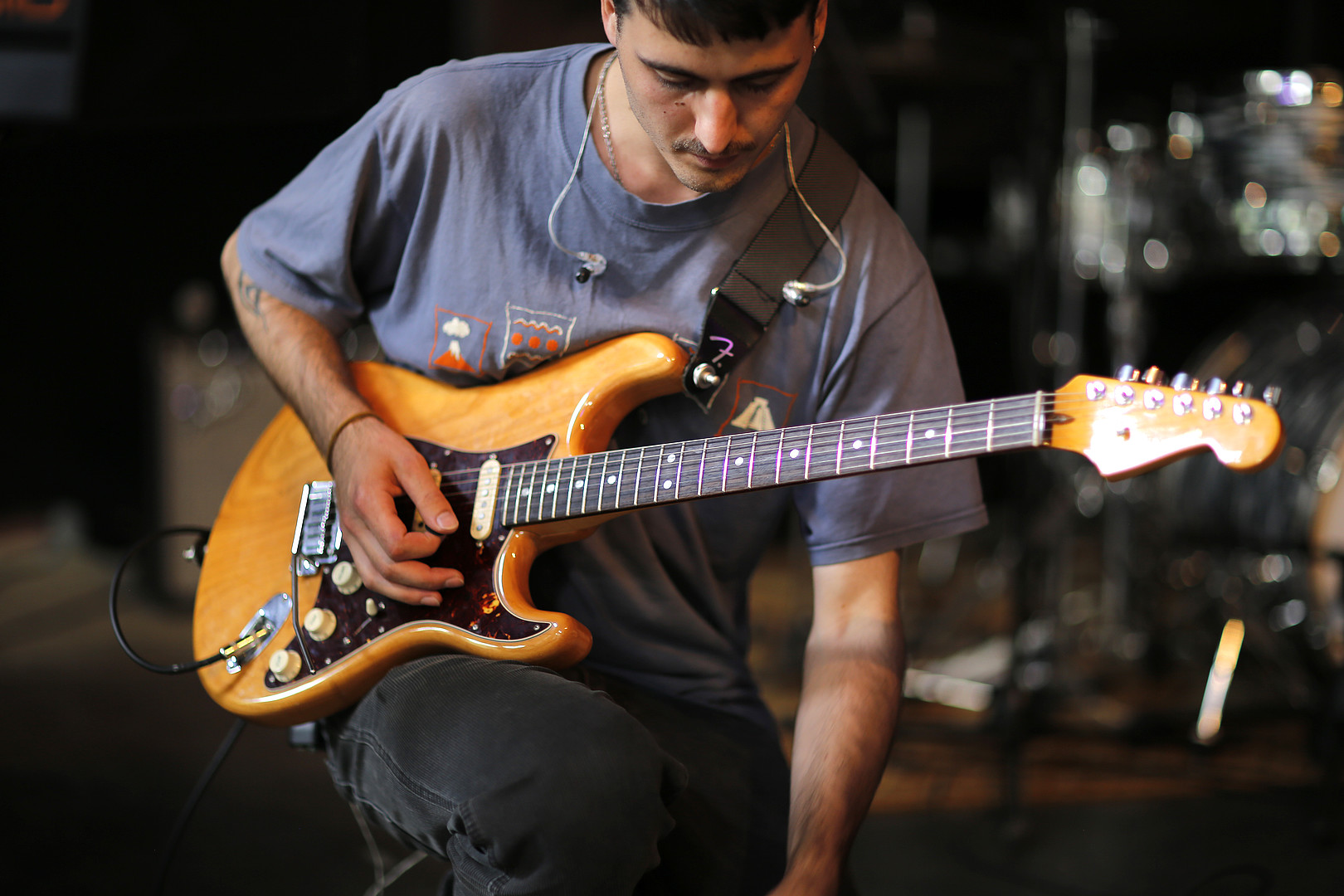
A big thank you goes to the band “Steaming Animals, ” the DJs “Funky Friedel” and “Dwellonski” for the musical entertainment, and to the students for the diverse range of sports activities. We would also like to thank the Bierblume, the Gerhardt Hauptmann Theater Görlitz/Zittau , and the “Zittau Vegan” food truck for their excellent culinary offerings .
Special thanks go to the Friends of the Zittau/Görlitz University of Applied Sciences, the Sparkasse Oberlausitz-Niederschlesien, and the dm drugstore in Zittau for their financial support of the event.
The goal of the "Future Learning Center Upper Lusatia" is to create diverse and innovative teaching and learning spaces in the extracurricular STEM field. At these locations, future-oriented programs focused on regional development will be established. The initiative will concentrate on four key areas of action. Through these action-oriented and intergenerational programs—particularly those aimed at children and young people in Upper Lusatia—the university aims to significantly increase the region’s appeal to families and young people.
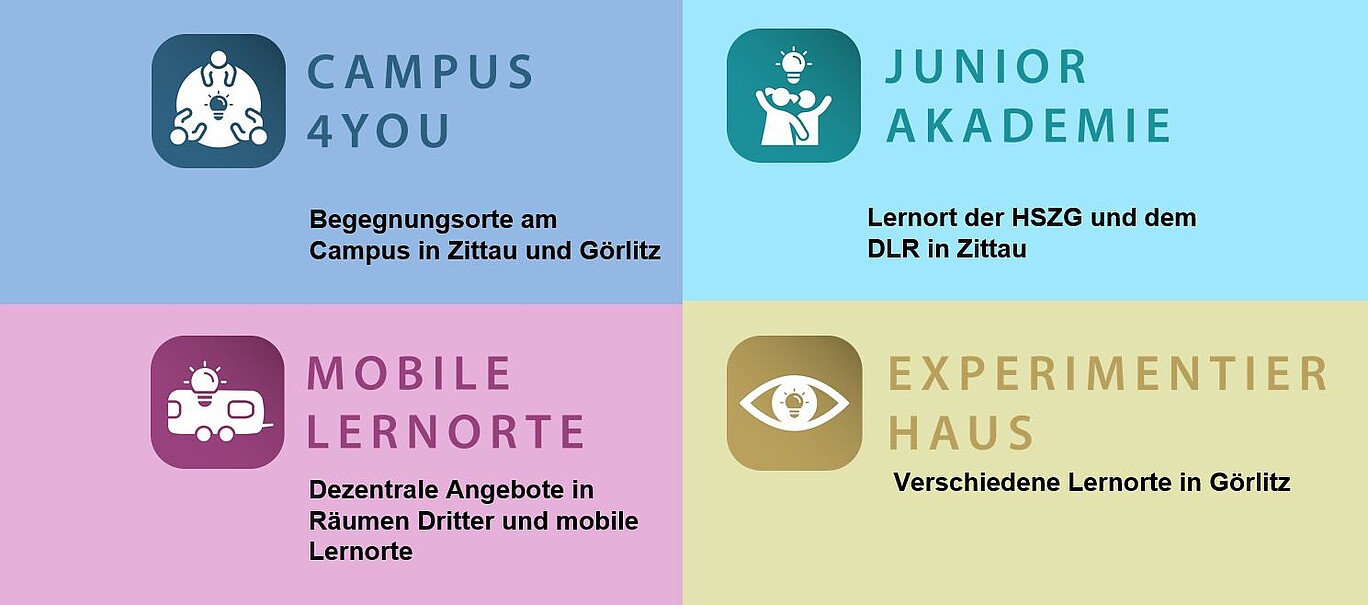
Further information on the ZukLOS project, the four fields of action and the current status of work can be found here.
Information on the individual workshops can be found on the event website.

1st floor
2nd upper floor