
Saxon Teaching Award goes to Prof. Sonja Schellhammer
HSZG Professor Sonja Schellhammer was awarded the Saxon Teaching Prize 2025 for her individual and forward-looking teaching.
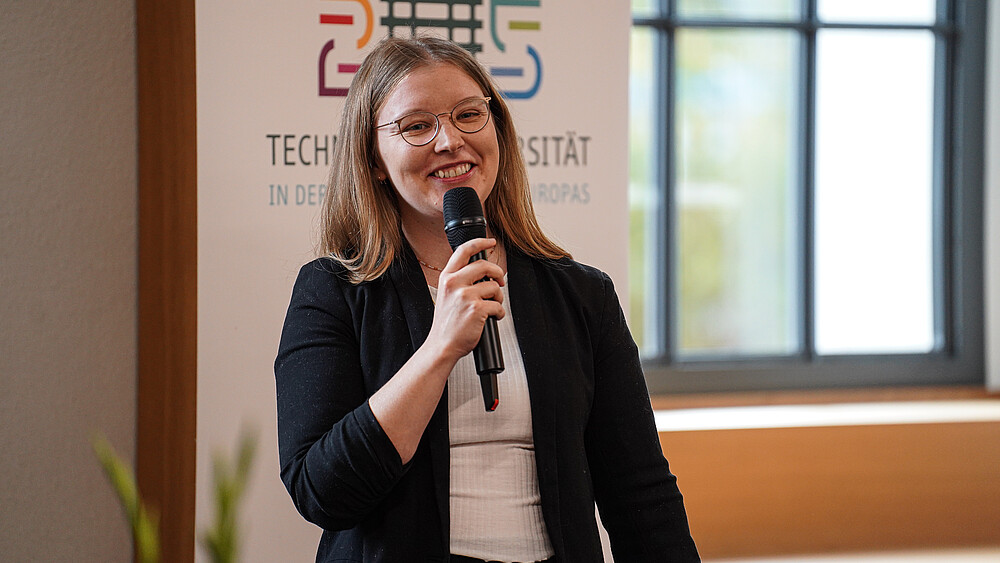
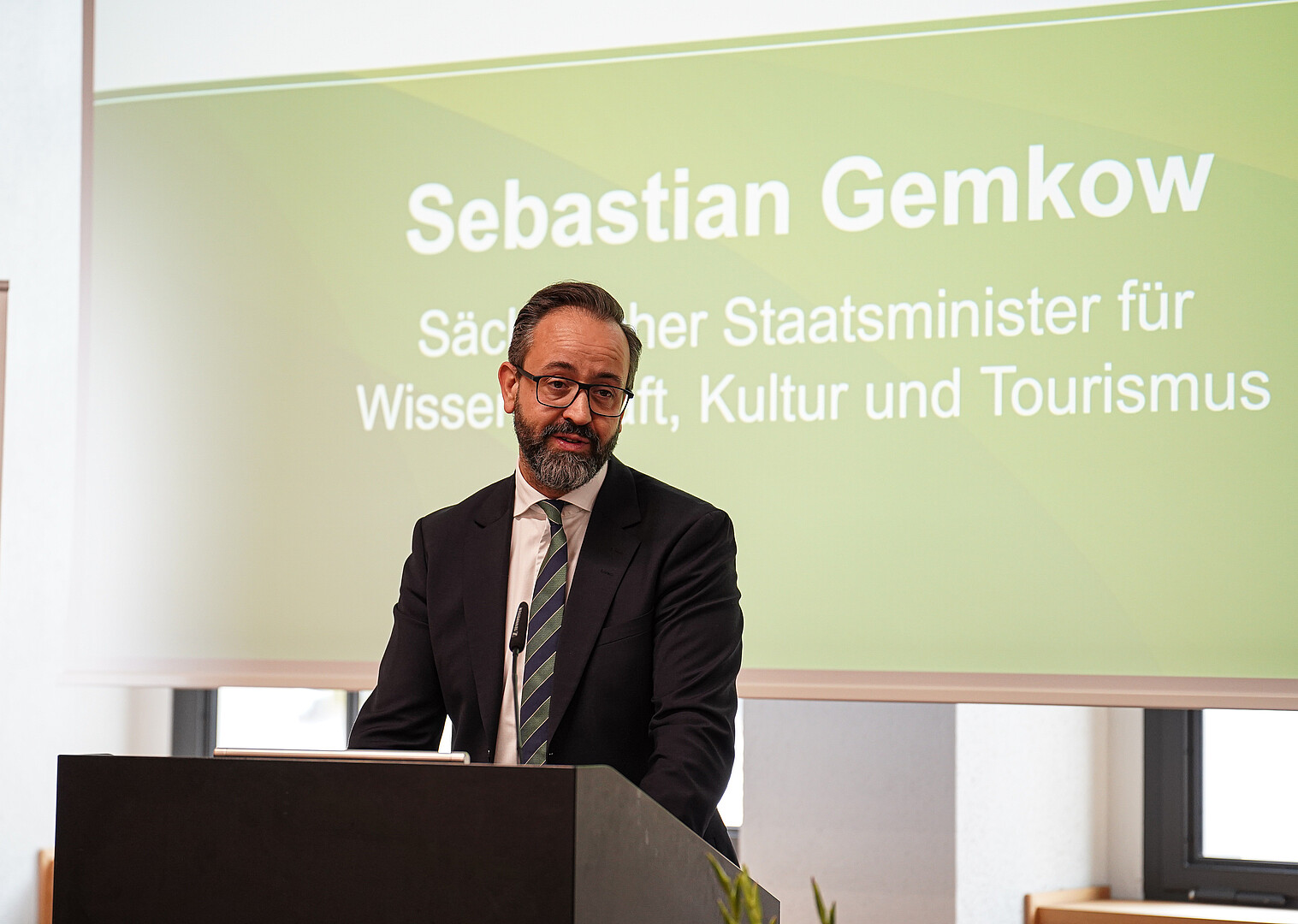
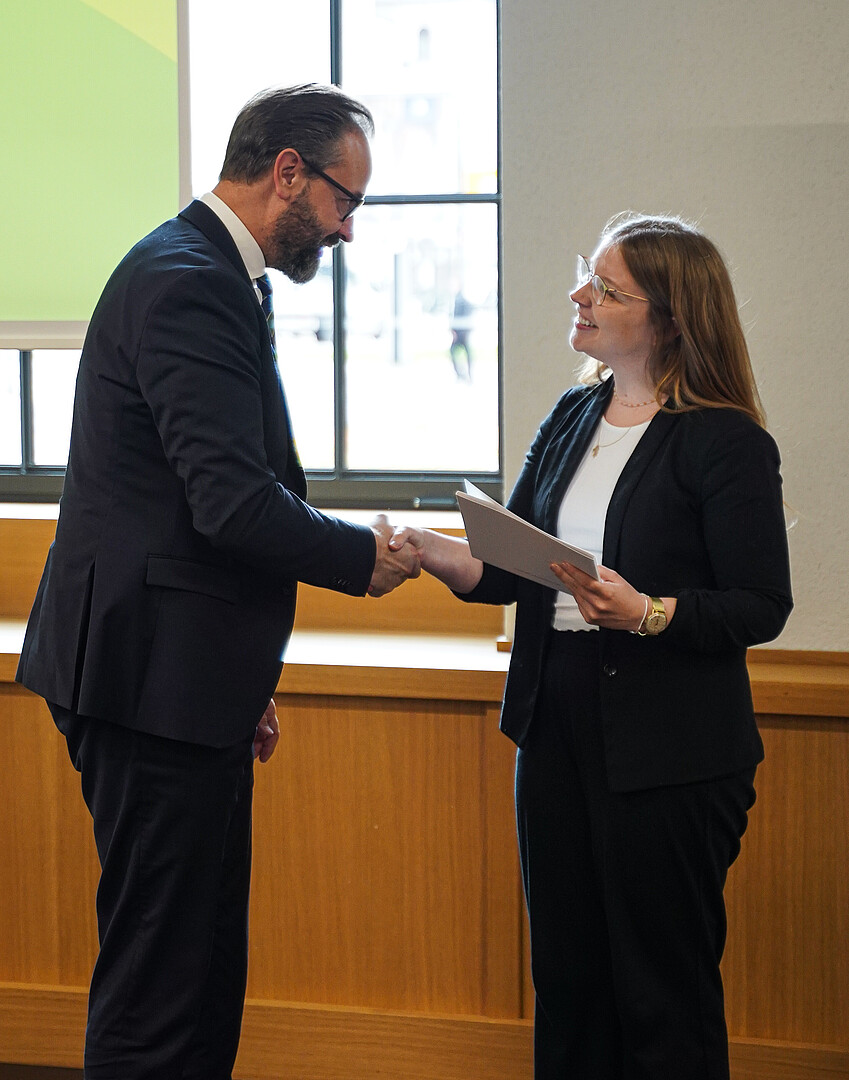
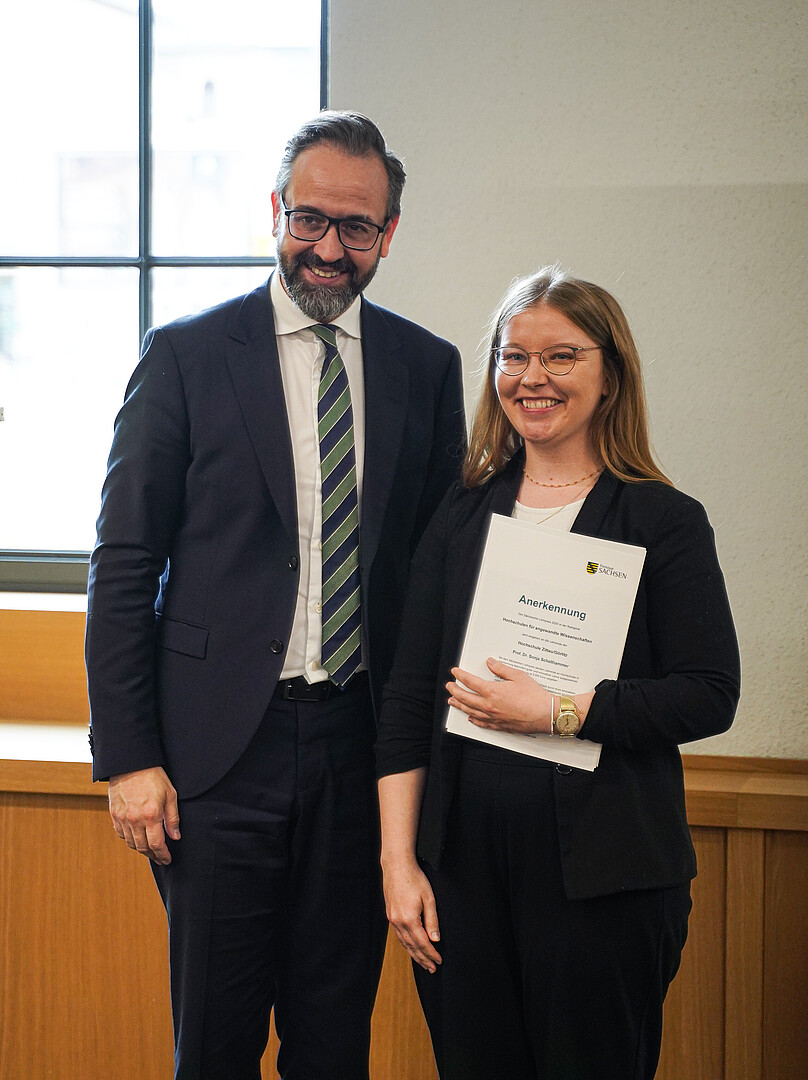
A great honor for Zittau/Görlitz University of Applied Sciences: Prof. Dr. rer. medic. Sonja Schellhammer has been awarded the 2025 Saxon Teaching Prize in the category of universities of applied sciences. Minister of Science Sebastian Gemkow presented the award on October 24, 2025, during a ceremony at Chemnitz University of Technology.
Since 2014, the Saxon State Ministry of Science, Culture, and Tourism has used the Saxon Teaching Award to recognize outstanding and innovative teaching concepts at universities in the Free State of Saxony. The award is presented every two years and comes with a total prize of 25,000 euros. This year’s call for nominations focused on the individualization of teaching —that is, approaches that take the diverse backgrounds and learning needs of students into account in a special way.
Minister of Science Sebastian Gemkow emphasized at the award ceremony:
Excellent teaching thrives on creativity, passion and the attitude that learning is always a personal encounter. And it creates spaces in which everyone can develop in the best possible way. Our award winners have fulfilled this requirement in an outstanding way. They respond to the strengths and needs of students with great sensitivity, have developed concepts that open up new approaches to knowledge and use the potential of digital tools - for flexible, transparent and individual learning processes. They show what modern university teaching can look like.
”Individualized teaching as an attitude
Prof. Schellhammer impressed the jury with her innovative, holistic teaching approach, in which she integrates cross-disciplinary pedagogical topics such as sustainability, inclusion, digital pedagogy, and project-based learning. This is particularly evident in the “Physics with Project Workshop” module in the Green Engineering degree programme. Here, she combines theoretical foundations with socially relevant issues such as energy efficiency and critical analysis of technology—and creates learning environments that challenge and support students individually.
Her teaching is deeply student-centered: varying levels of prior knowledge and interests are viewed not as obstacles but as starting points for learning processes. During project-oriented work phases, students develop their own topics, receive continuous feedback, and experience teaching as a collaborative process.
In addition, Prof. Schellhammer incorporates gamification elements and digital tools to strengthen motivation, self-efficacy, and interaction. With her sensitivity to linguistic and cultural diversity as well as inclusive learning, she creates avenues of engagement that extend far beyond her field of expertise.
"Role model for future-oriented university teaching"
The Rector of Zittau/Görlitz University of Applied Sciences, Prof. Dr.-Ing. Alexander Kratzsch, offered his heartfelt congratulations:
I am absolutely delighted to receive this award. Prof. Schellhammer embodies a style of teaching that treats students as equals, takes individual educational journeys seriously, and views the diversity of our student body as a strength. Her commitment demonstrates how responsibly and forward-looking university teaching can be shaped. She is thus a role model for teaching that combines scholarship, integrity, and humanity.
”The teaching award not only recognizes the outstanding work of an individual lecturer, but also the HSZG's commitment to modern, individual and practice-oriented teaching that enables students to actively participate in social transformation.
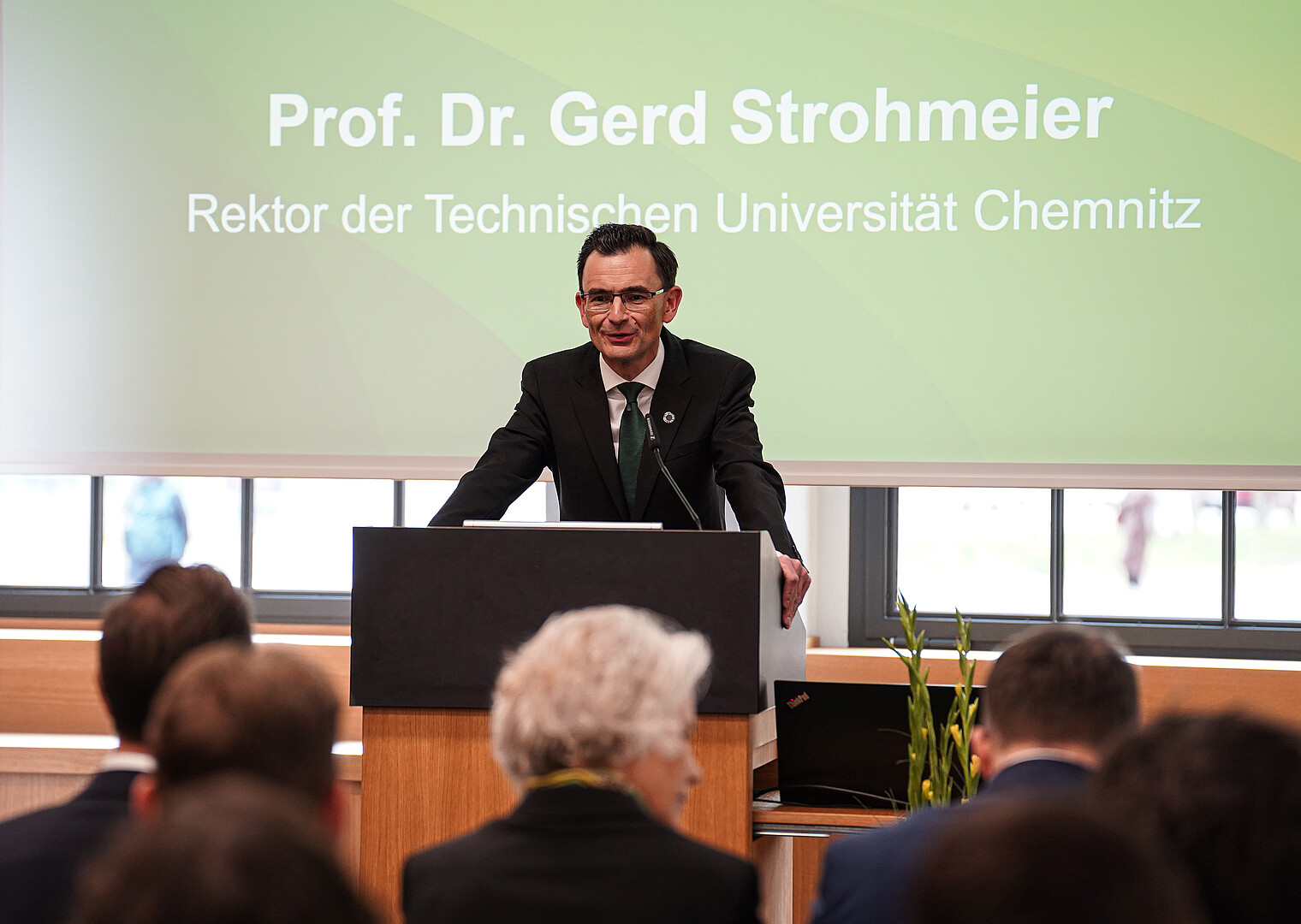
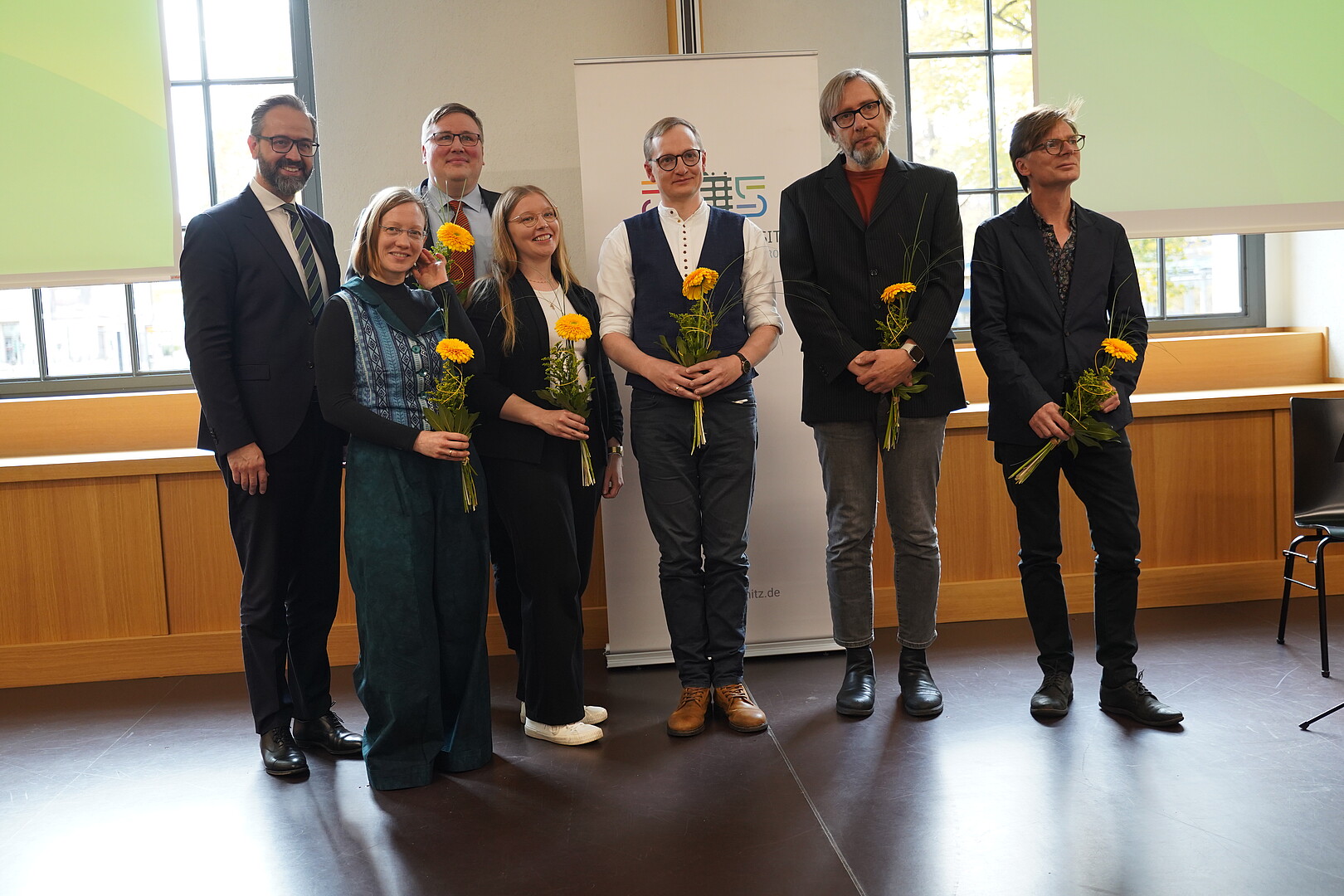
The award for exemplary, dedicated teaching and particularly innovative and sustainable teaching concepts at Saxony’s universities was selected by an 11-member jury. In addition to Prof. Schellhammer, the following were honored: Assistant Professor Nora Huxmann from TU Dresden; Prof. Clemens von Wedemeyer and Carsten Möller from the University of the Arts in Leipzig; Prof. Dr. Philipp Seitz (Breitenbrunn Campus of the Cooperative State University); and Johann Meyer from the University of Leipzig.

1st floor