
10 Years of the Fraunhofer Plastics Center in Upper Lusatia: Research That Makes a Difference in the Region
Within ten years, a small research team has grown into one of the most productive research centers for plastics technology and lightweight construction in Upper Lusatia.
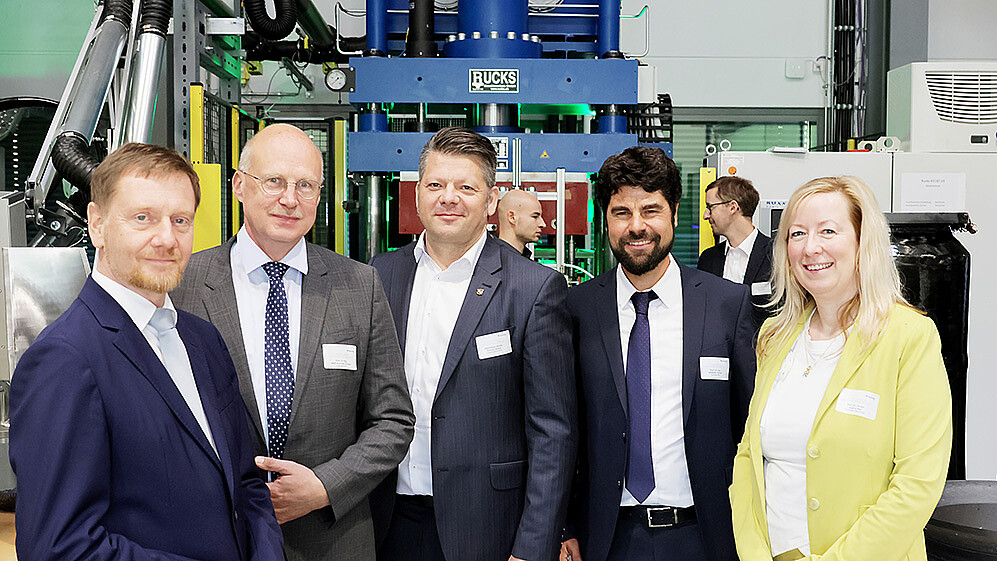
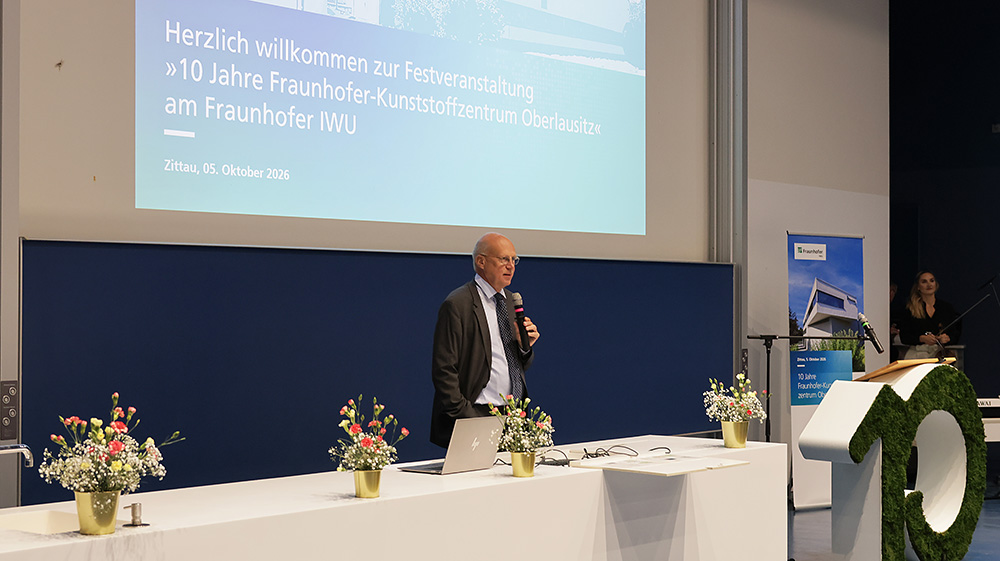
For the past ten years, the Fraunhofer Plastics Center Upper Lusatia in Zittau has stood for application-oriented research, successful technology transfer, and a special connection between Fraunhofer IWU and the University of Applied Sciences Zittau/Görlitz. On the occasion of its anniversary on October 5, 2026, it became clear that the close collaboration between the two institutions has given rise to a hybrid research center where joint teams, shared infrastructure, and the close integration of research, teaching, and industrial application shape everyday life.
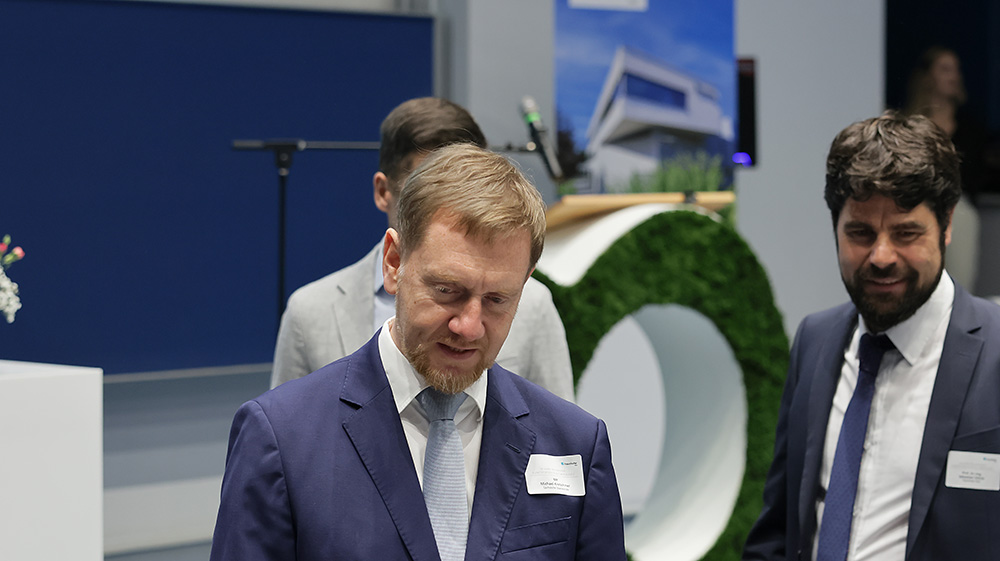
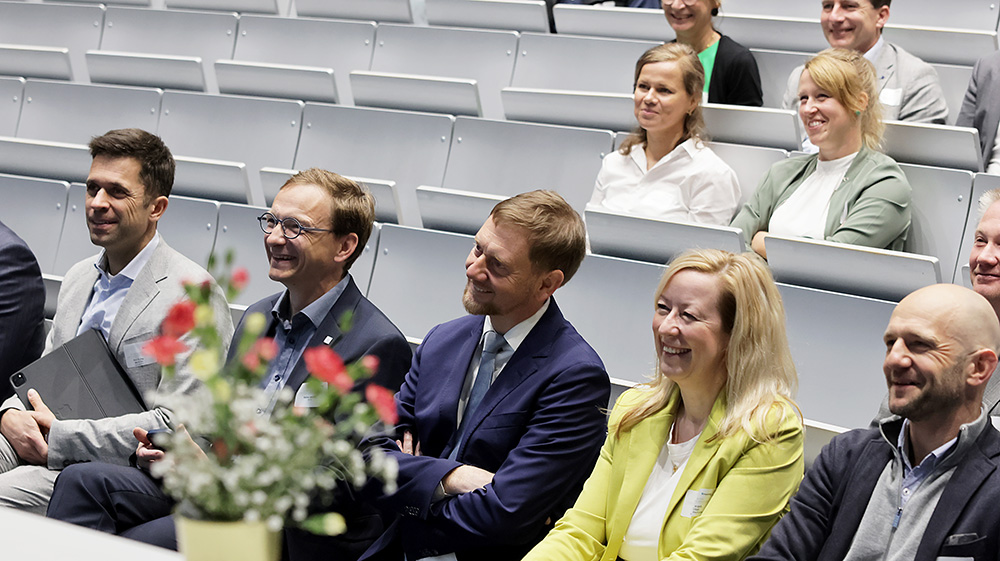
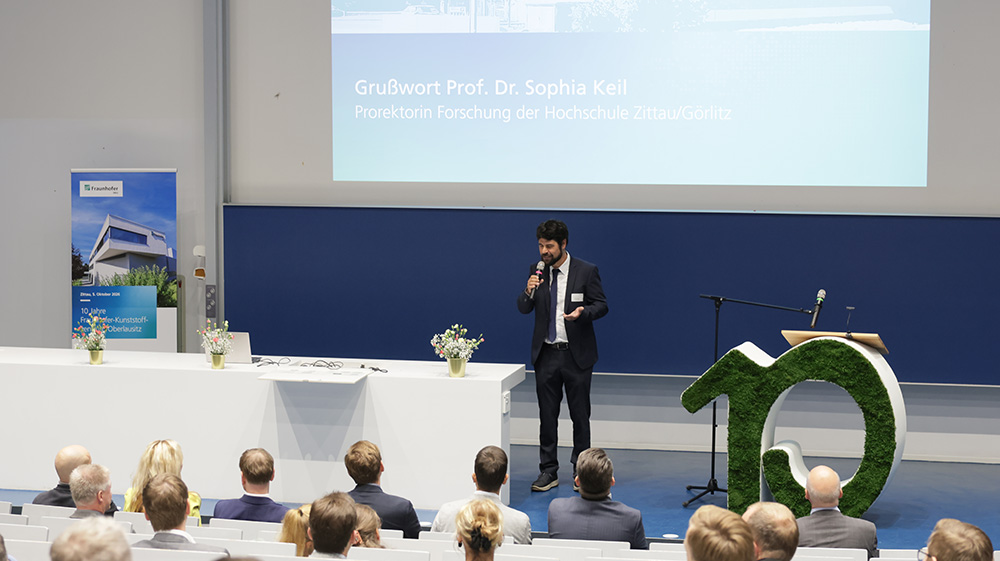
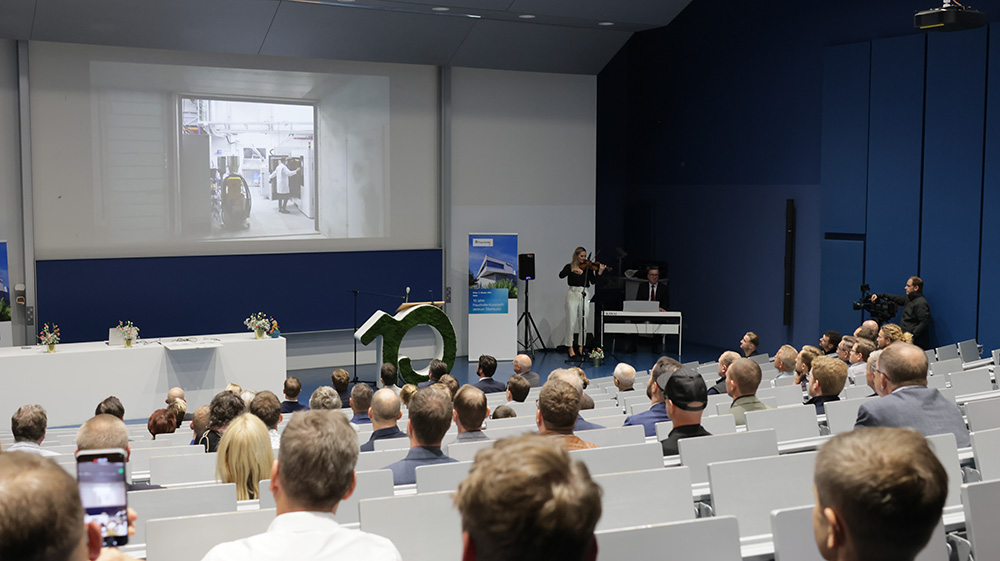
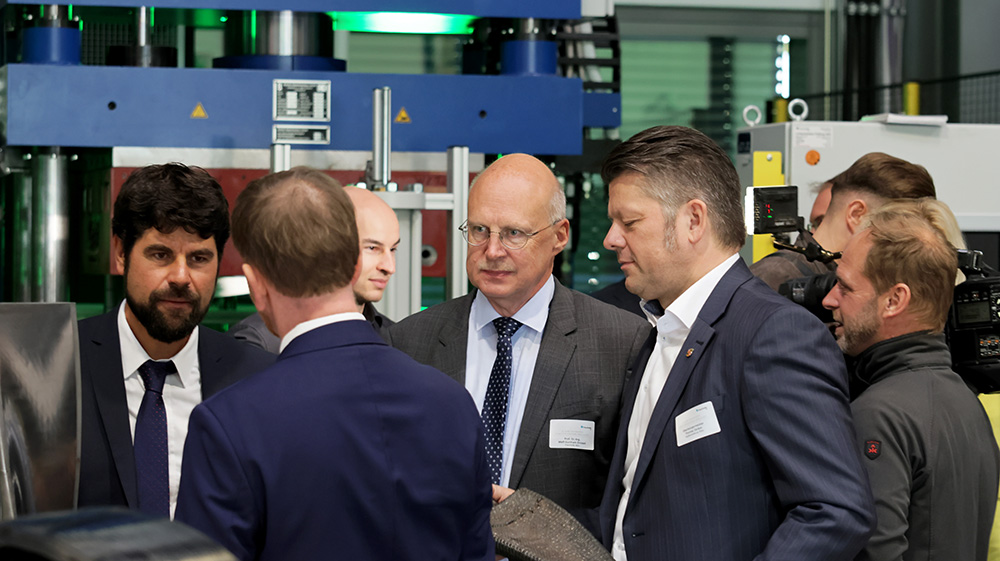
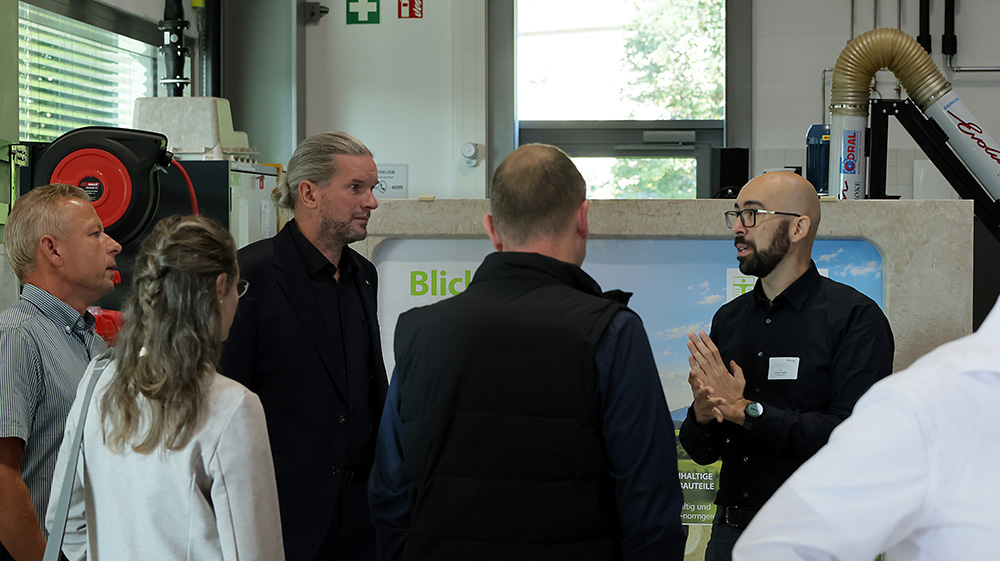
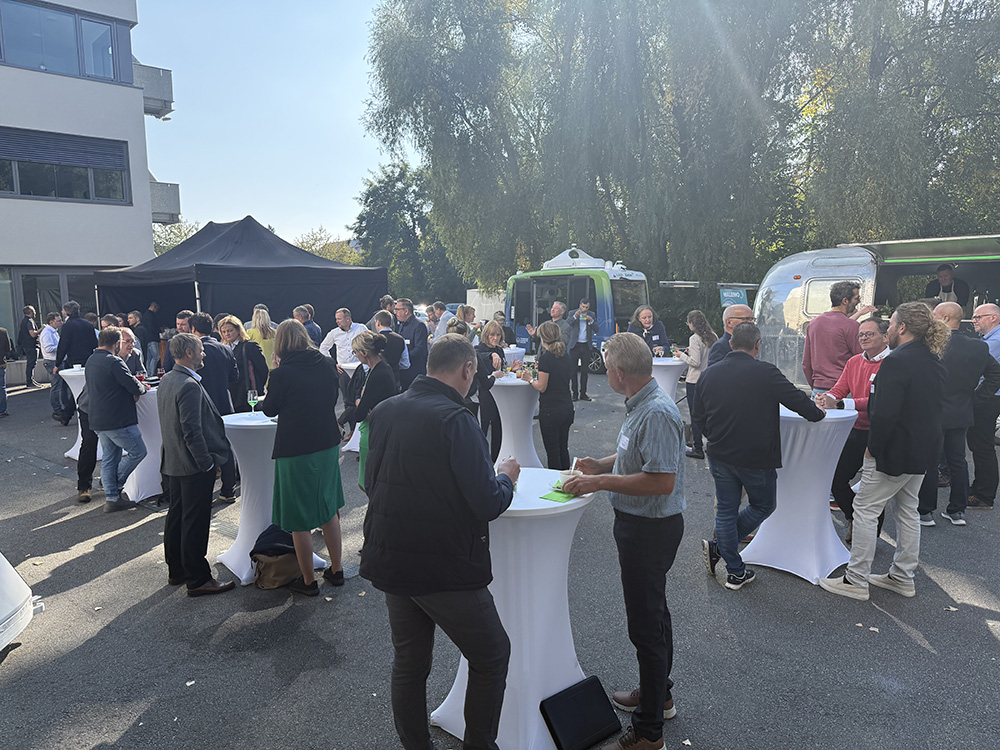
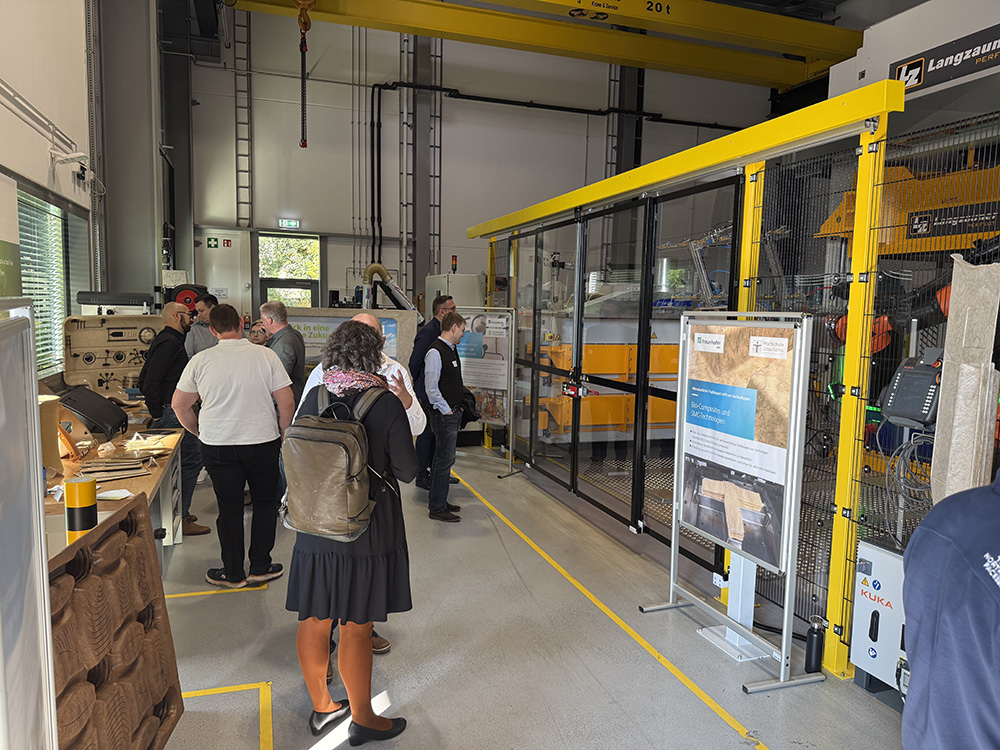
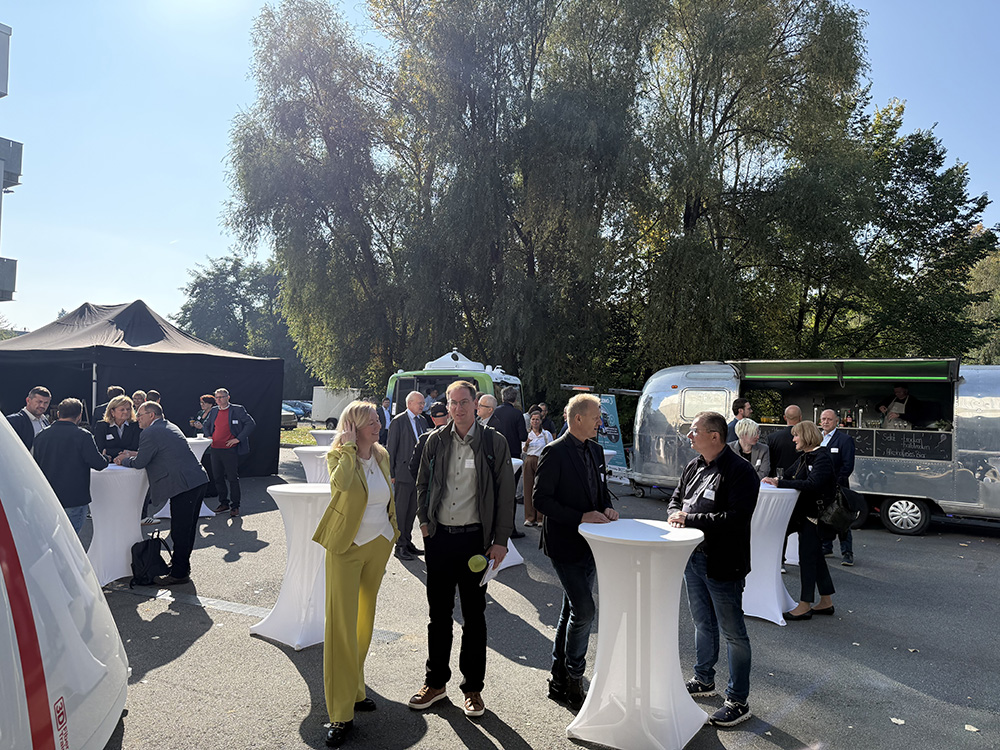
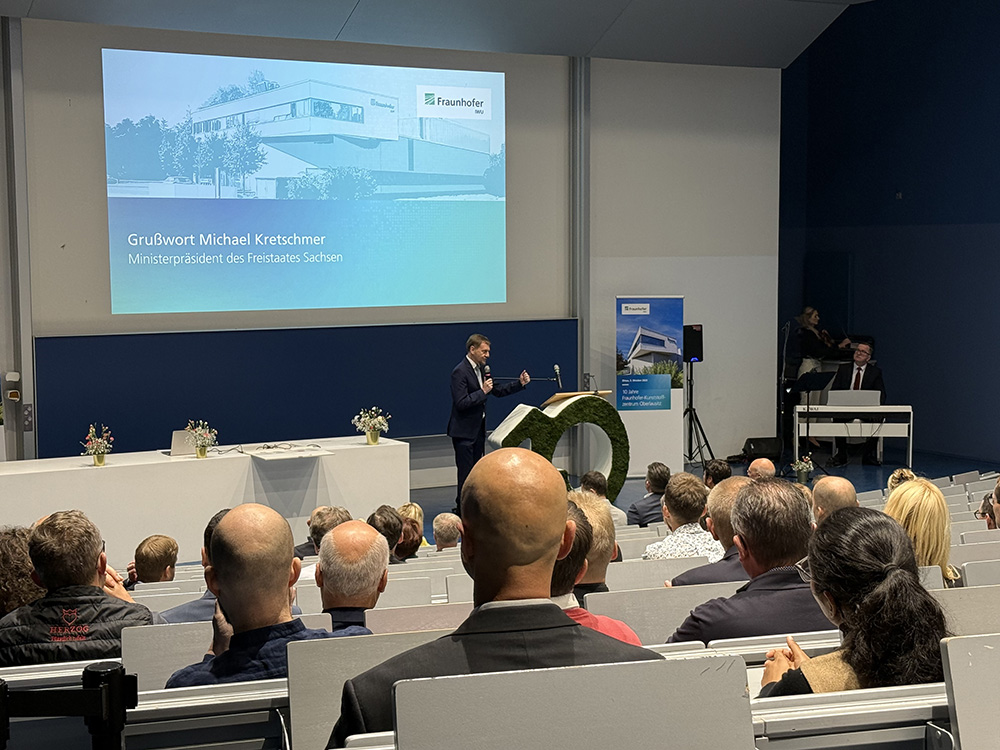
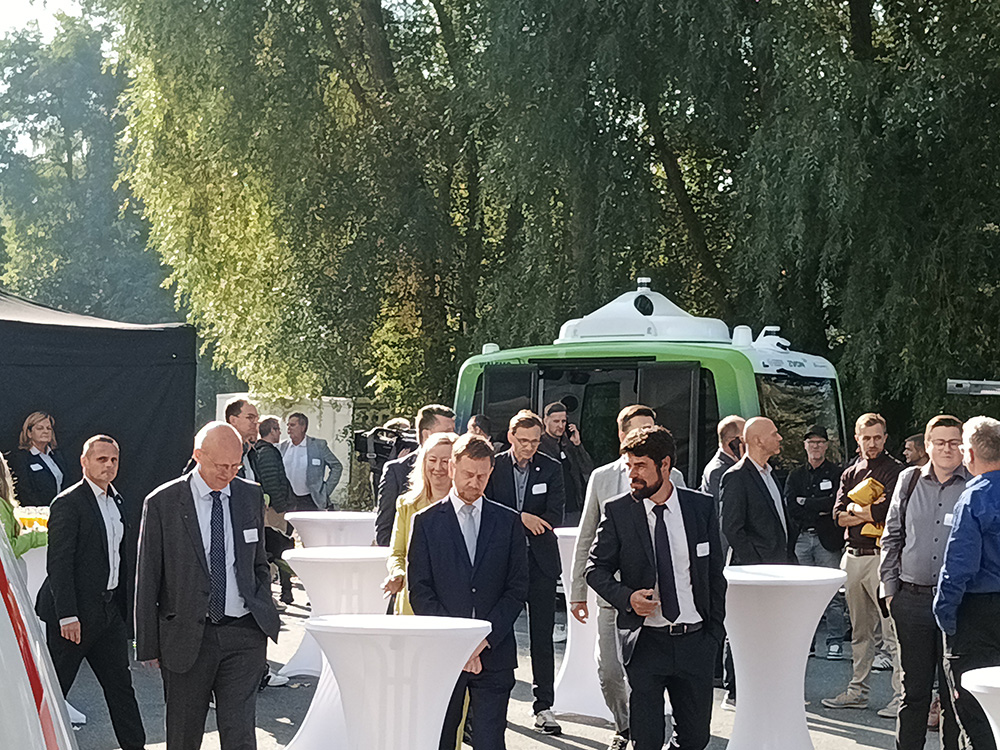
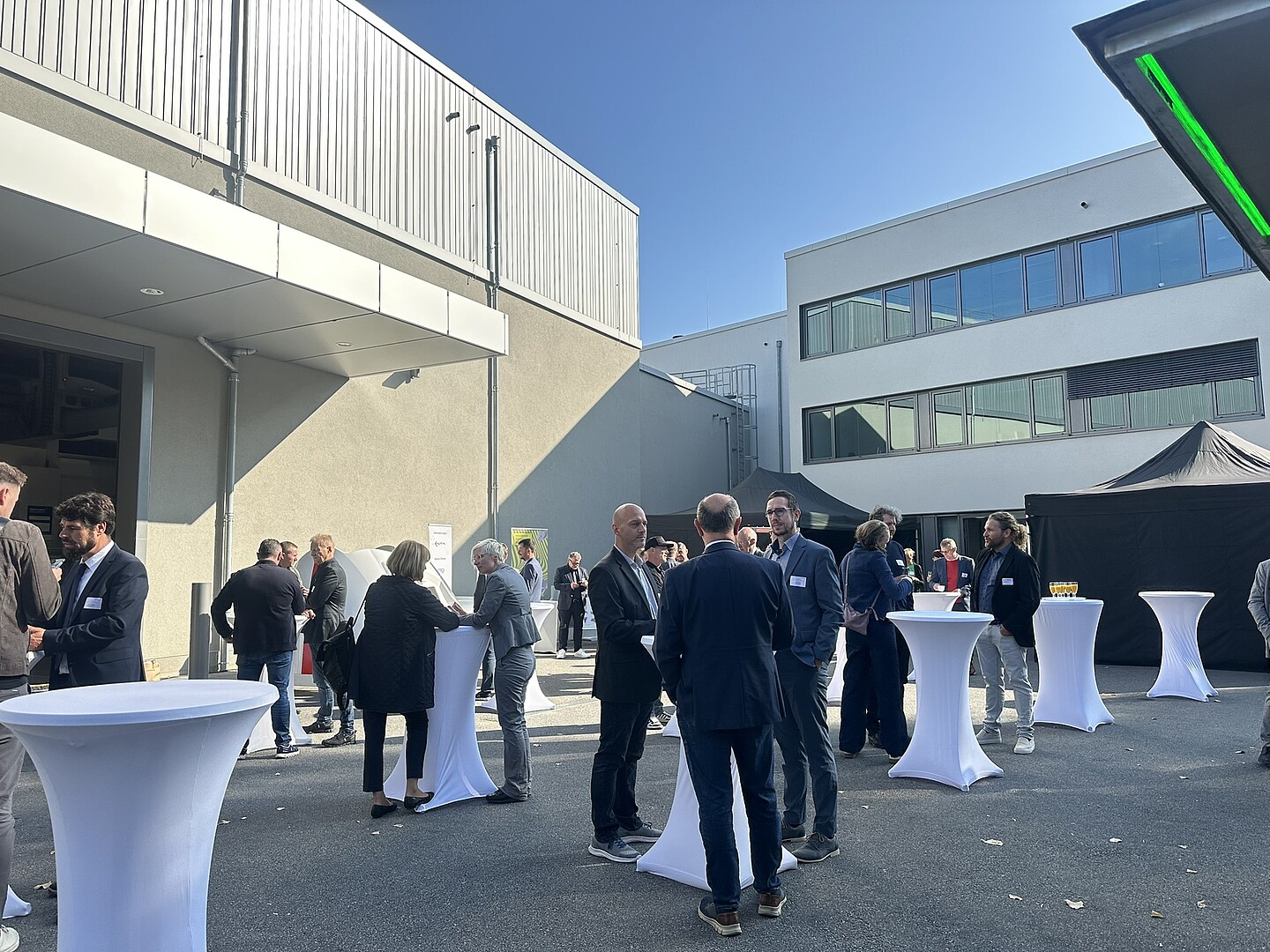
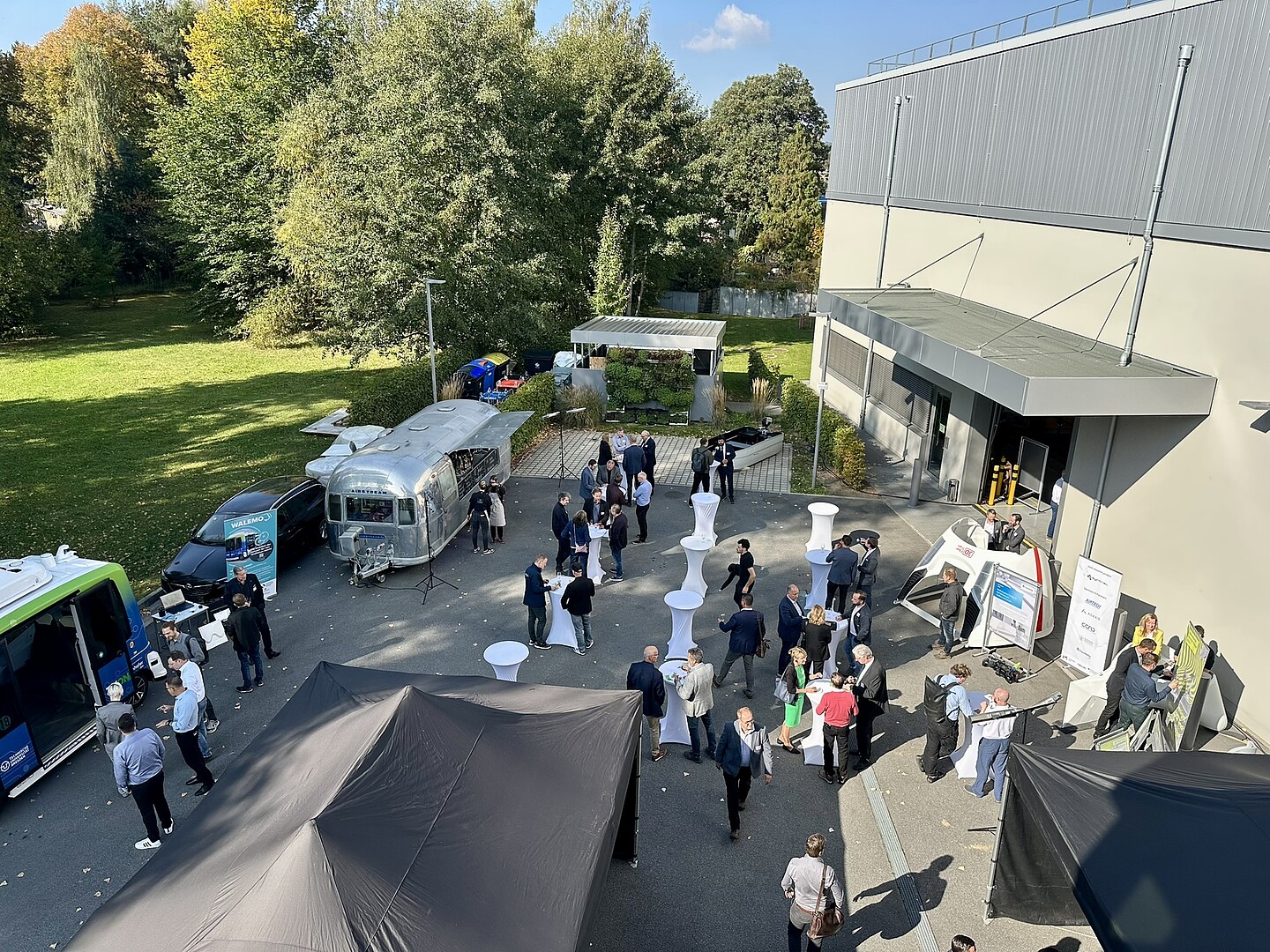
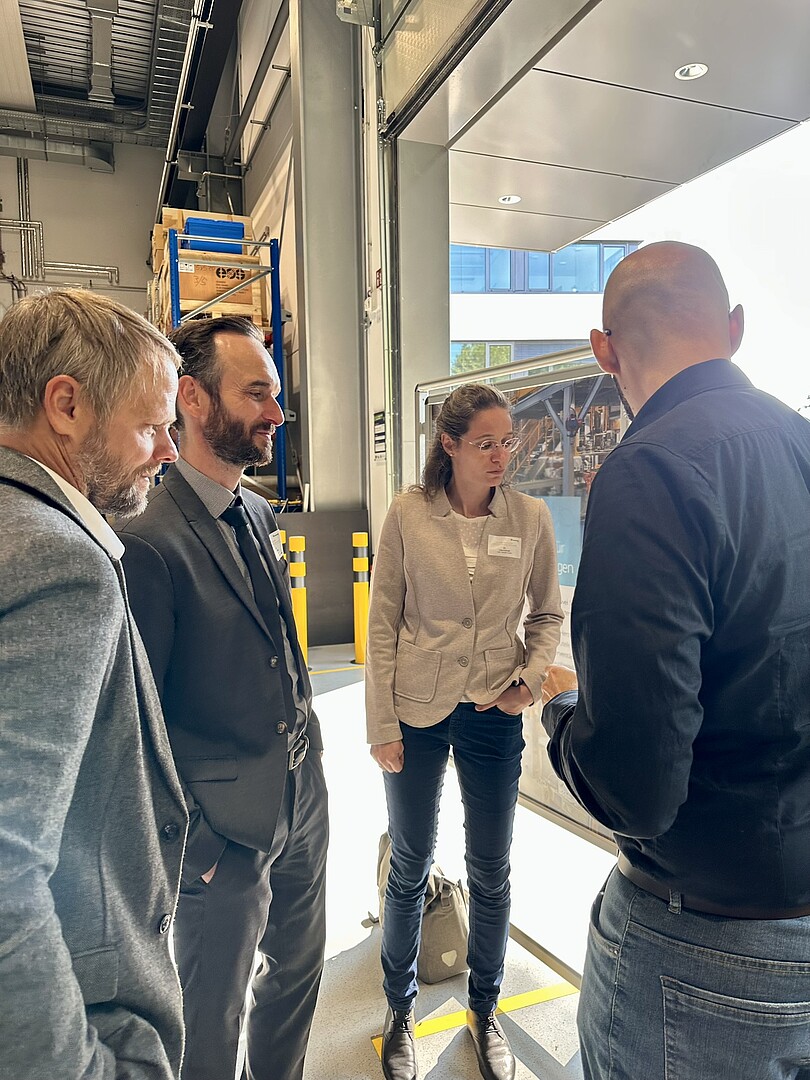
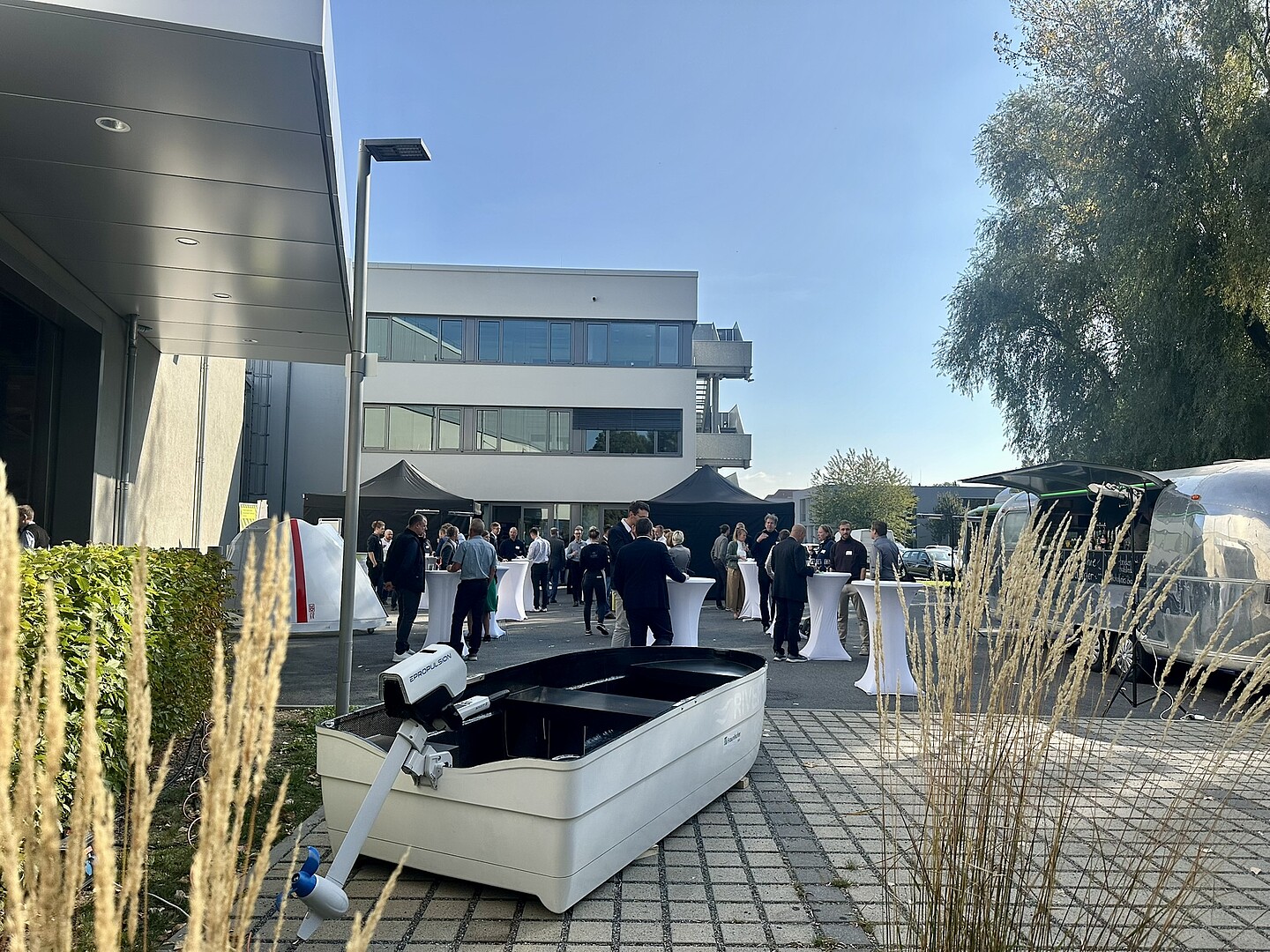
To mark the anniversary, representatives from academia, business, and politics gathered at the Zittau site. Among the guests was Saxony’s Minister President Michael Kretschmer, who learned about current research projects and the site’s development during a tour of the technical center.
What began in 2016 with six employees has grown to approximately 40 employees within a decade. In addition, there are about 15 students and visiting researchers who are regularly involved in research projects. Together with the Chair of Function-Integrating Polymer Technologies at the Zittau/Görlitz University of Applied Sciences—which is closely affiliated with the FKO—the center expects to receive approximately seven million euros in 2026 from contract research and project-based funding. Over the past ten years, more than 80 companies and research partners have been involved. About half of the participating companies are based in the region.
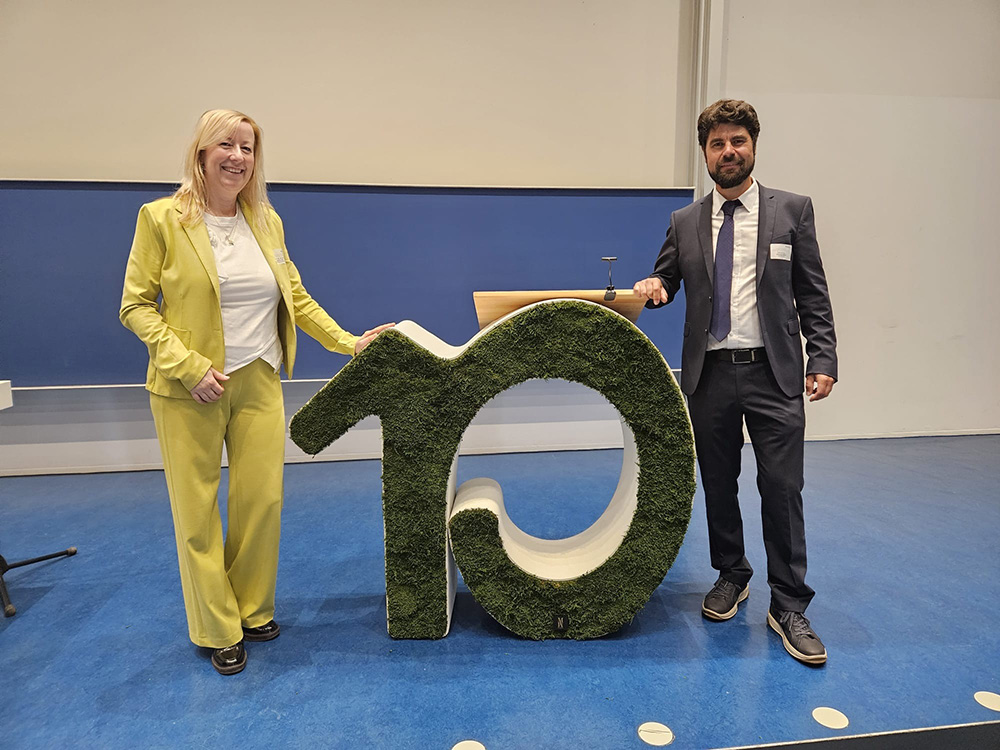
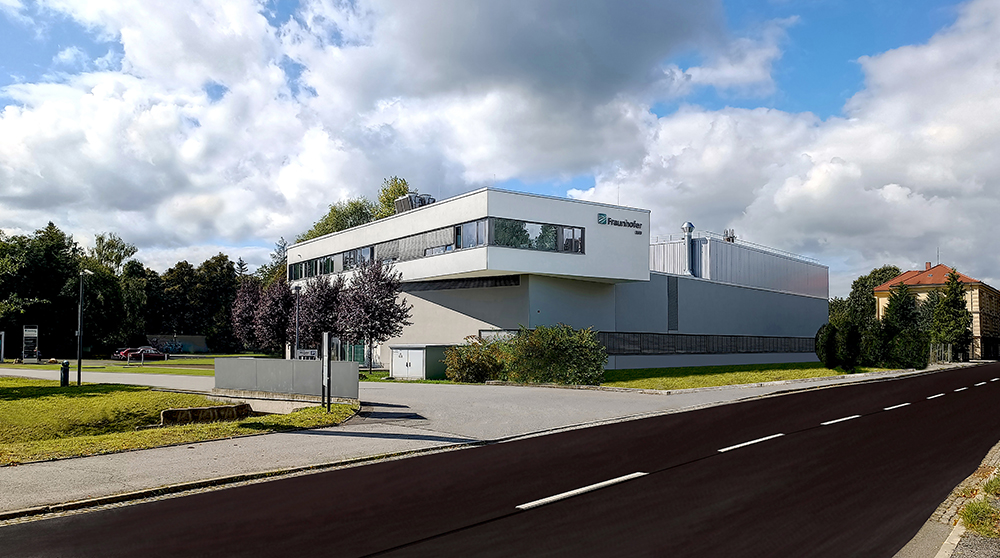
The history of this collaboration goes back even further. Fraunhofer IWU and HSZG have been working closely together since 2011. The establishment of the Chair of Function-Integrating Polymer Technologies created a direct bridge between the two institutions in terms of both personnel and expertise. Today, Prof. Dr.-Ing. Sebastian Scholz heads the Fraunhofer Plastics Center Upper Lusatia and is also a professor of Function-Integrating Polymer Technologies at HSZG. Joint teams and projects, as well as a shared research infrastructure, directly link the two institutions.
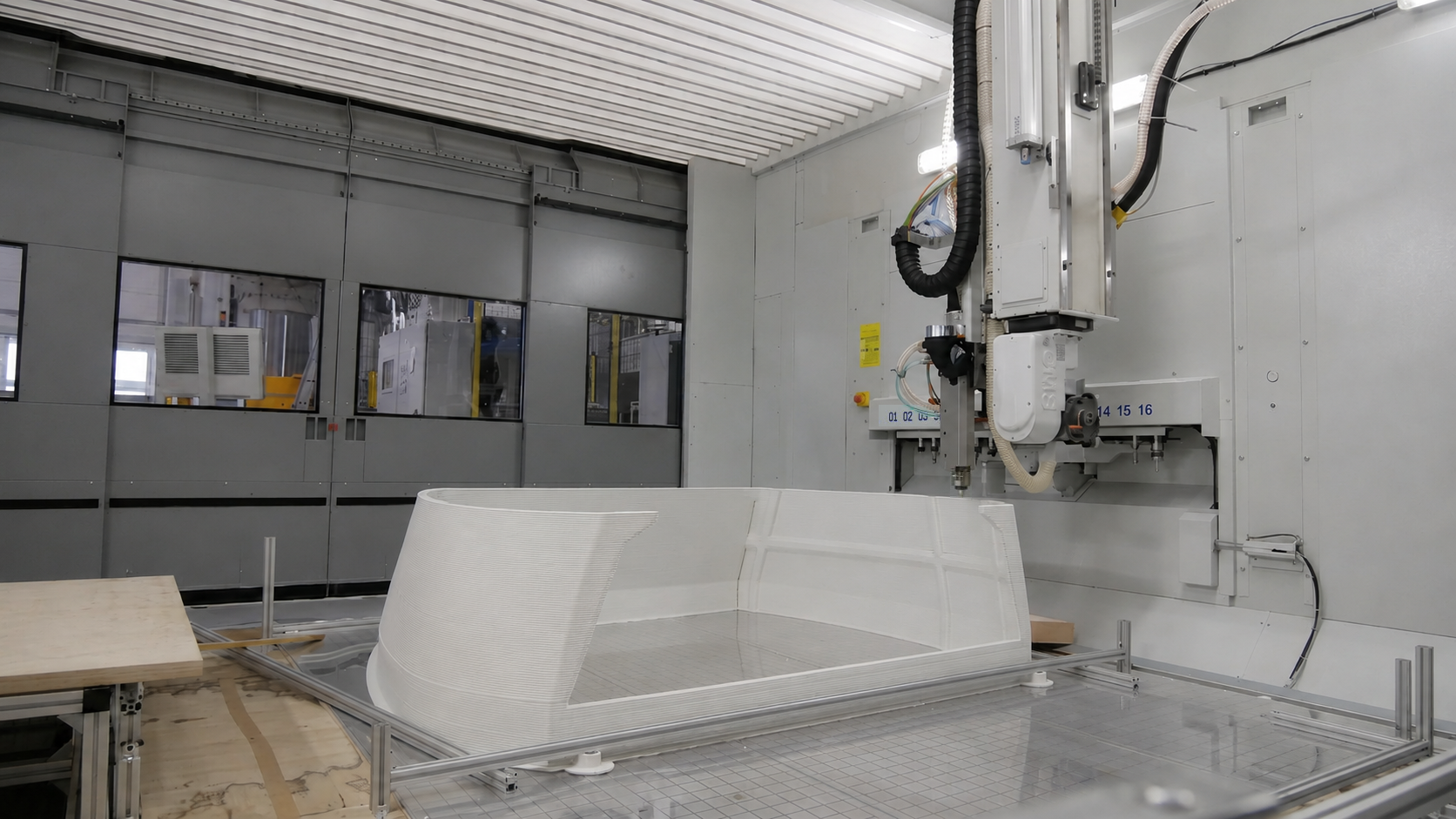
A joint research center operated by the university and Fraunhofer
For Prof. Dr. Sophia Keil, Vice President for Research, Transfer, and International Affairs at Zittau/Görlitz University of Applied Sciences, this is precisely where the research hub’s particular strength lies:
On behalf of the University Executive Board, I would like to extend my warmest congratulations on the 10th anniversary of the Fraunhofer Plastics Center Upper Lusatia. Zittau/Görlitz University of Applied Sciences and Fraunhofer IWU have jointly created a hybrid center here, featuring joint research teams, shared infrastructure, and a close integration of research, teaching, and industrial application. Sebastian Scholz has played a decisive role in shaping this development as a university professor and director of the Plastics Center. For this, he and his team deserve our special recognition and gratitude. Together, we want to further strengthen Zittau as a research hub and provide new impetus for innovation and value creation in Upper Lusatia.
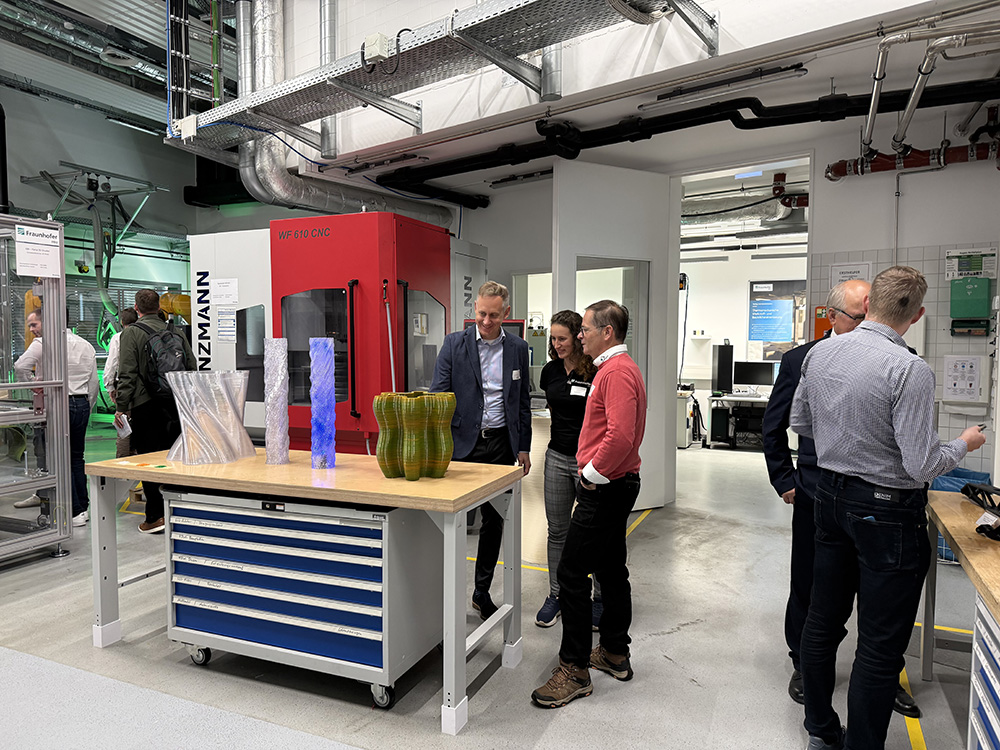
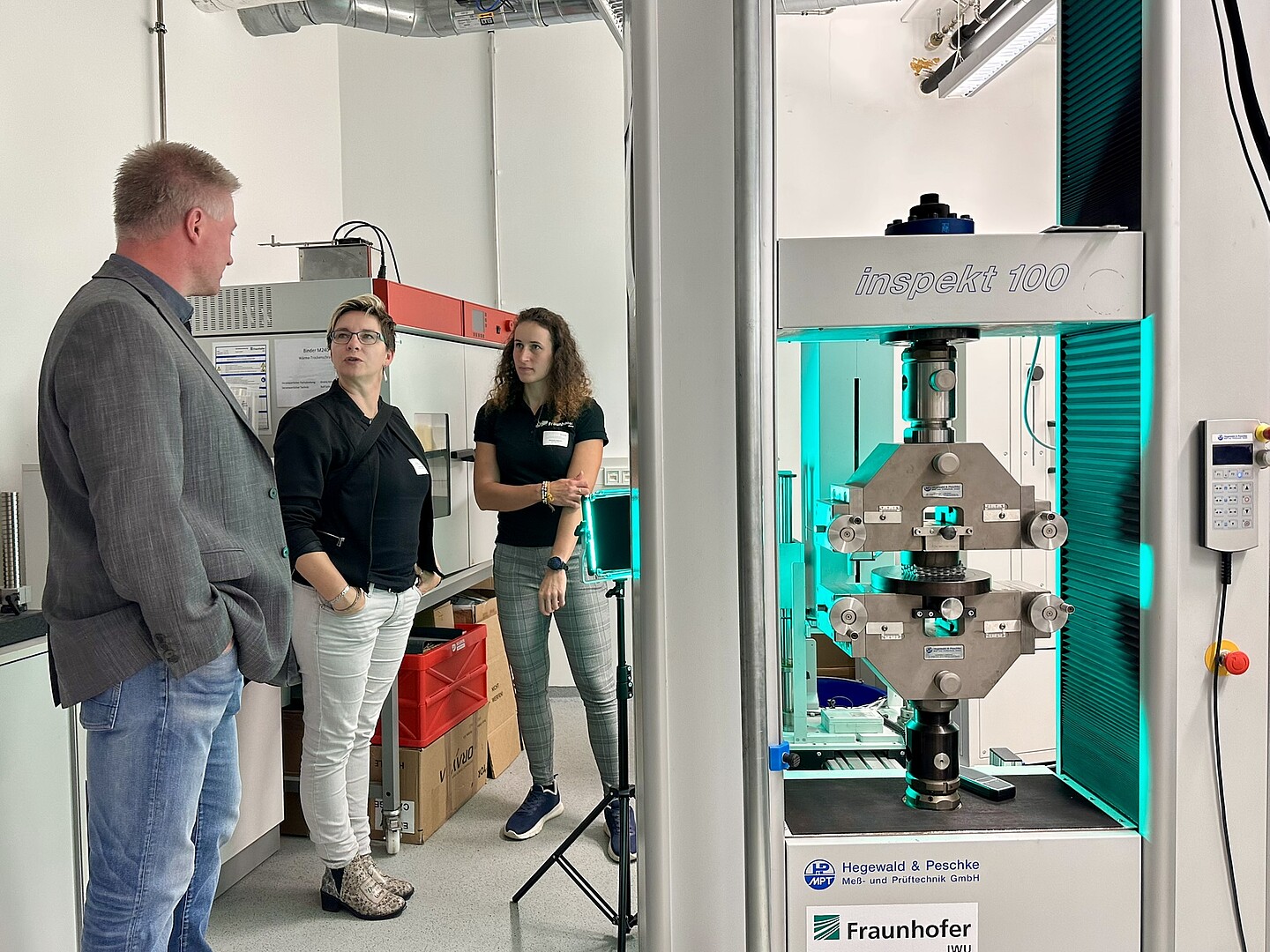
”This close integration of the research sites is evident not only in joint projects but also, quite concretely, in day-to-day research activities. HSZG equipment is located in the Fraunhofer IWU research facilities and can be used by both partners. Conversely, researchers and students at the university benefit directly from the Plastics Center’s infrastructure. Fraunhofer and HSZG technical facilities thus form a shared research landscape.
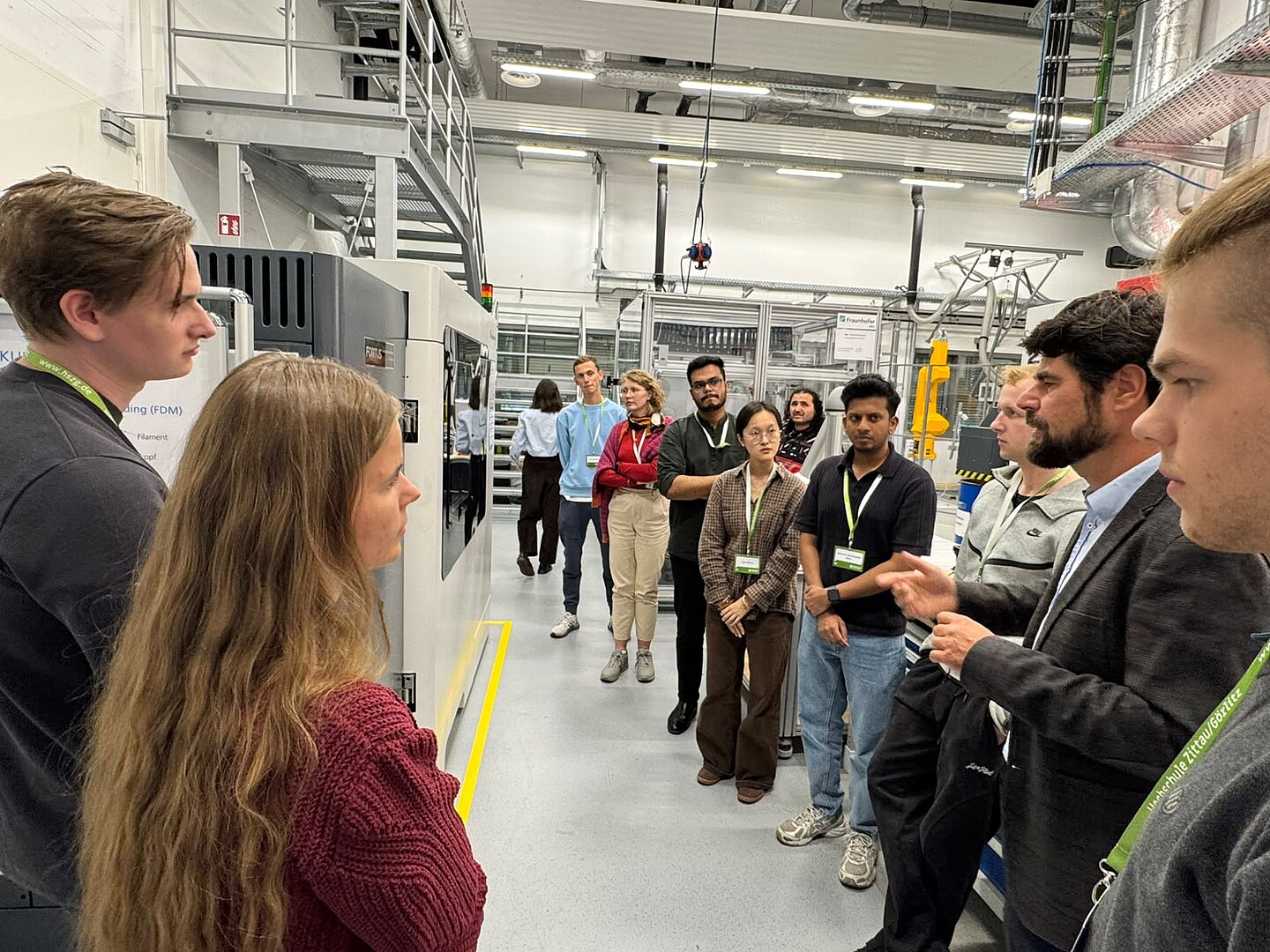
This connection also builds a direct bridge between research and teaching. Students work on real-world research and industry projects, use state-of-the-art equipment, and experience firsthand the journey from a scientific idea to a finished demonstrator.
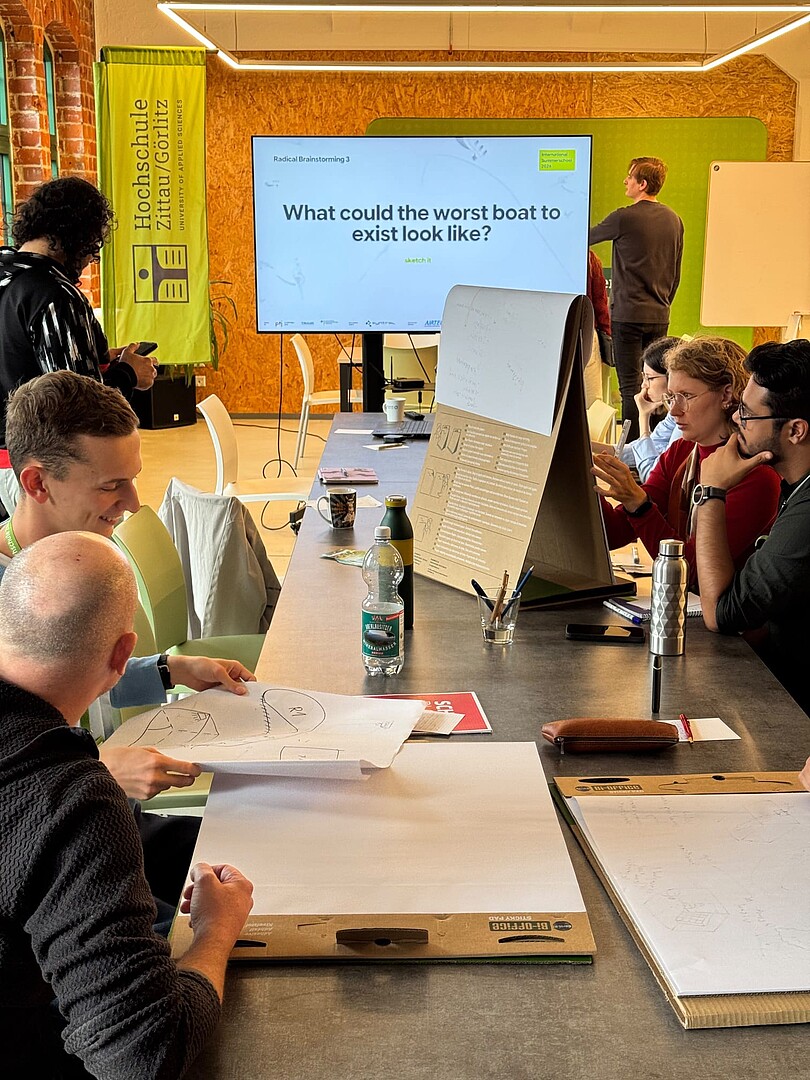
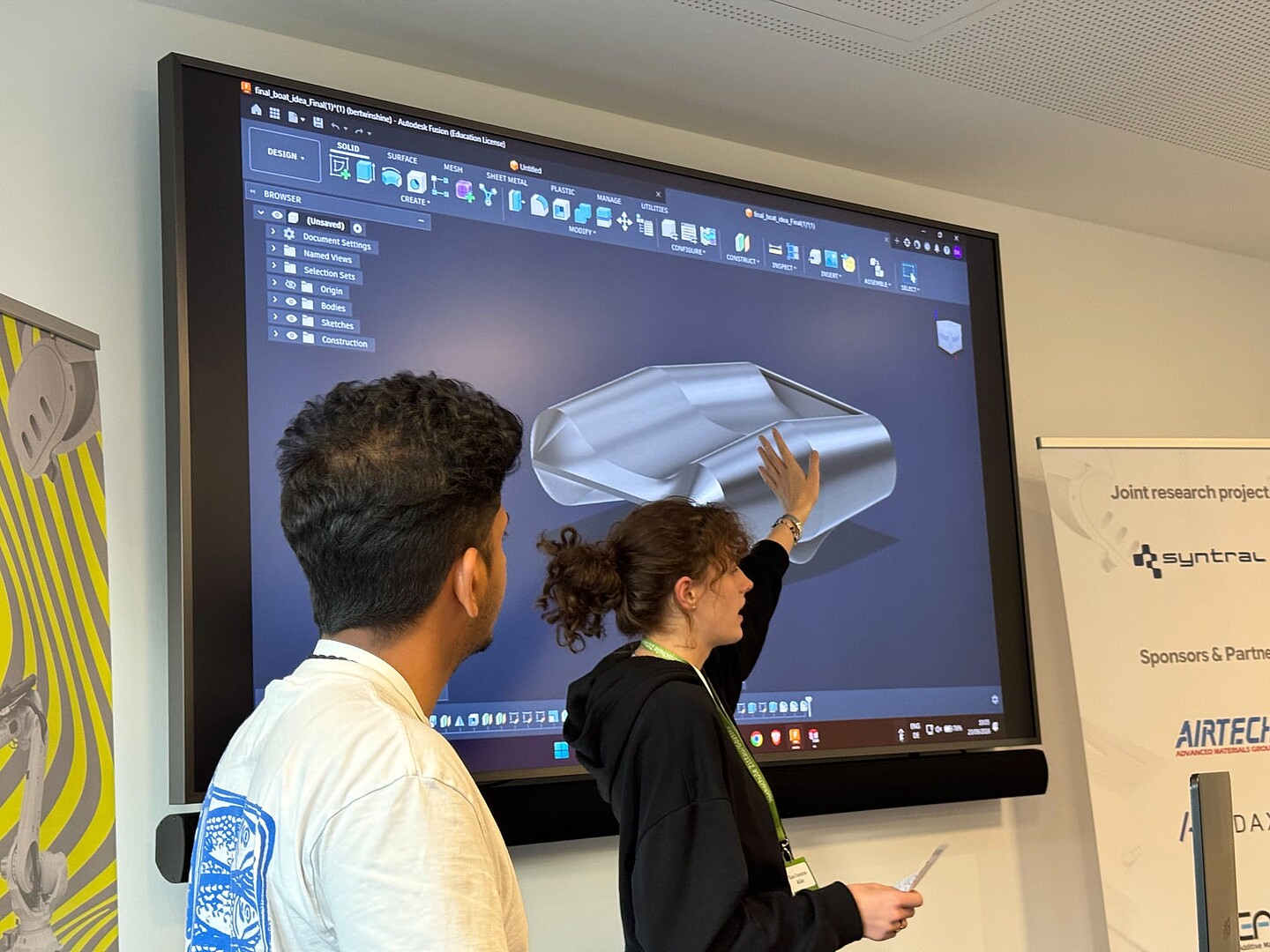
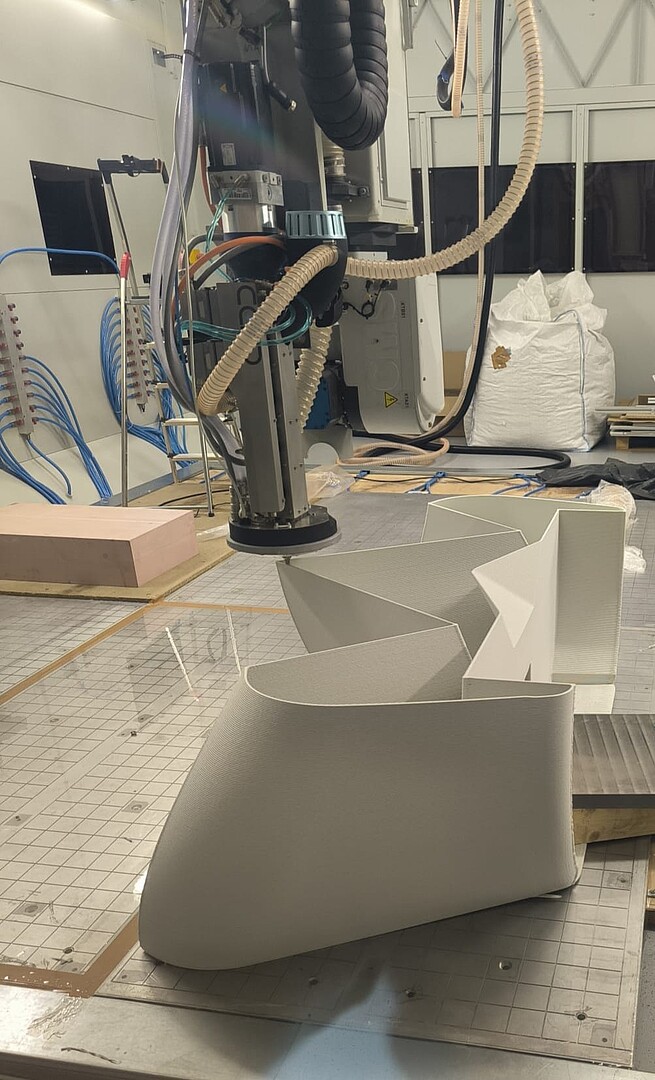
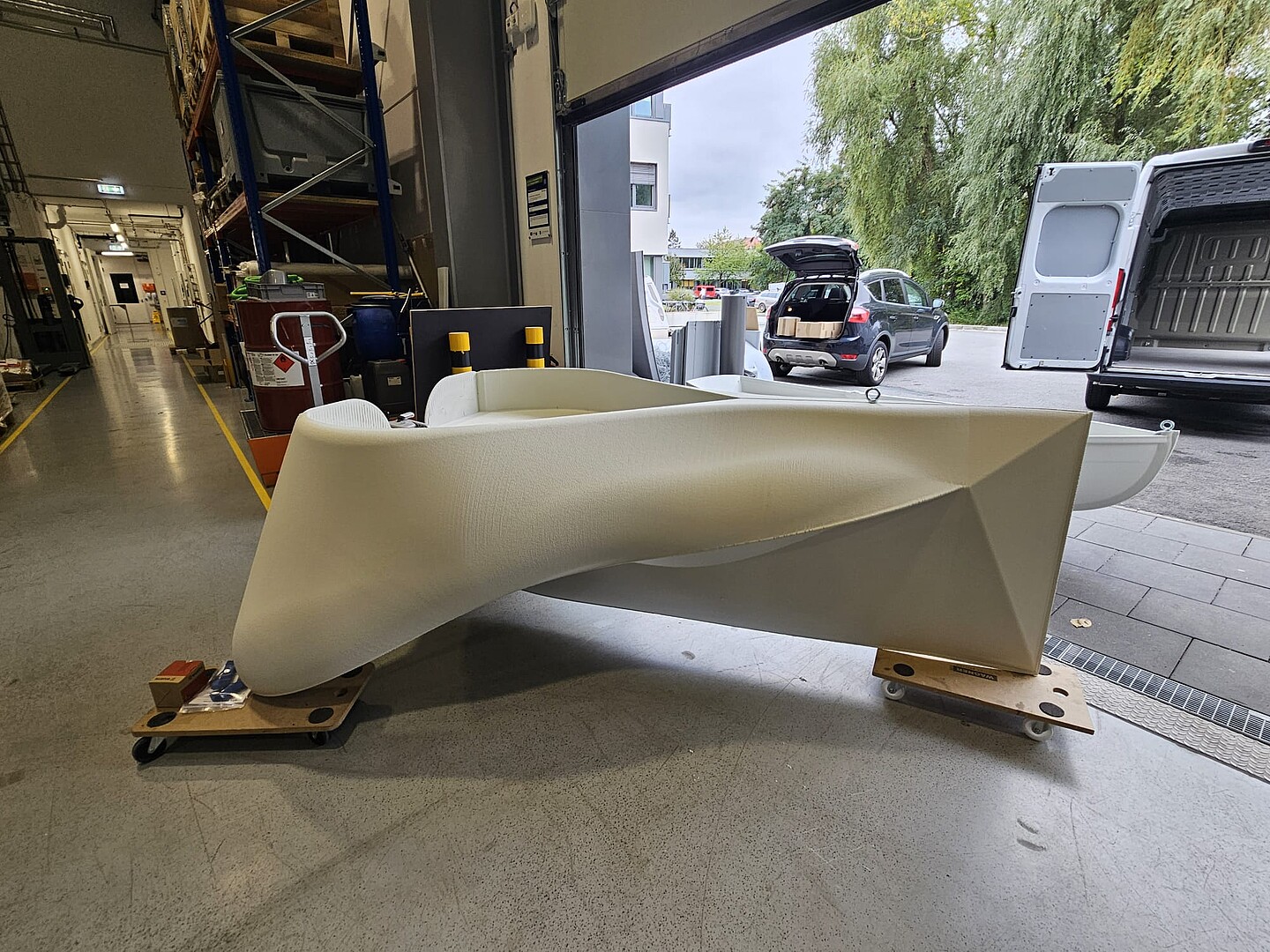
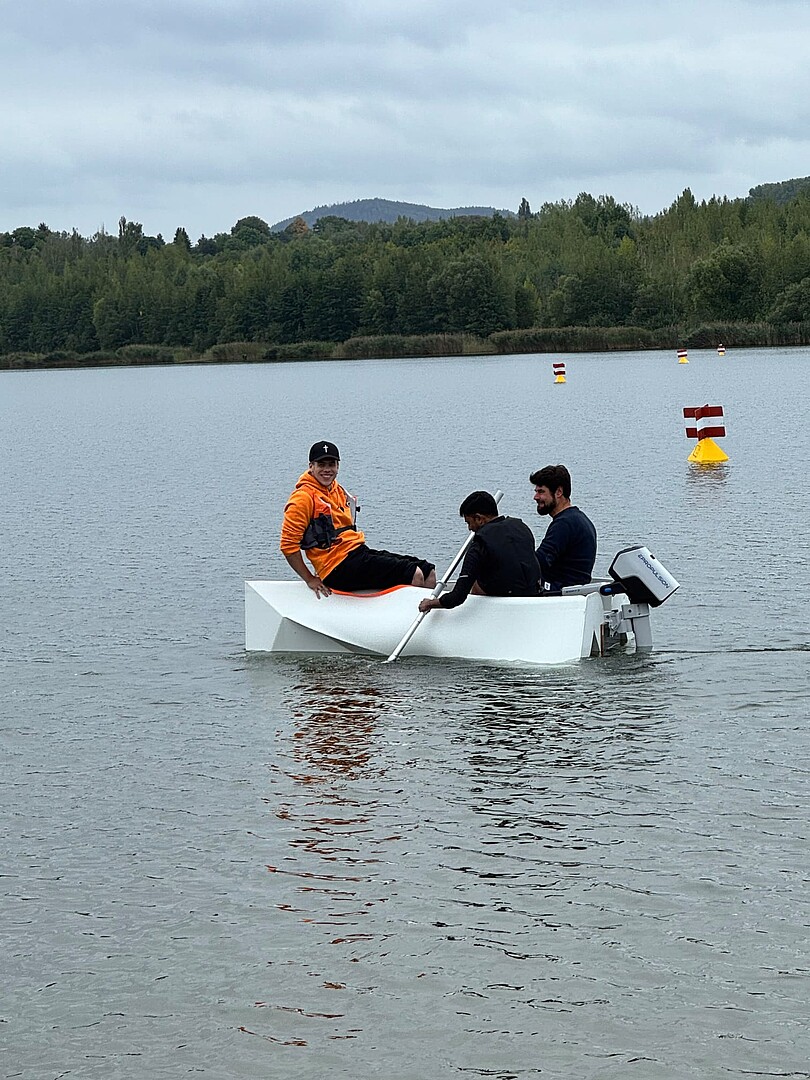
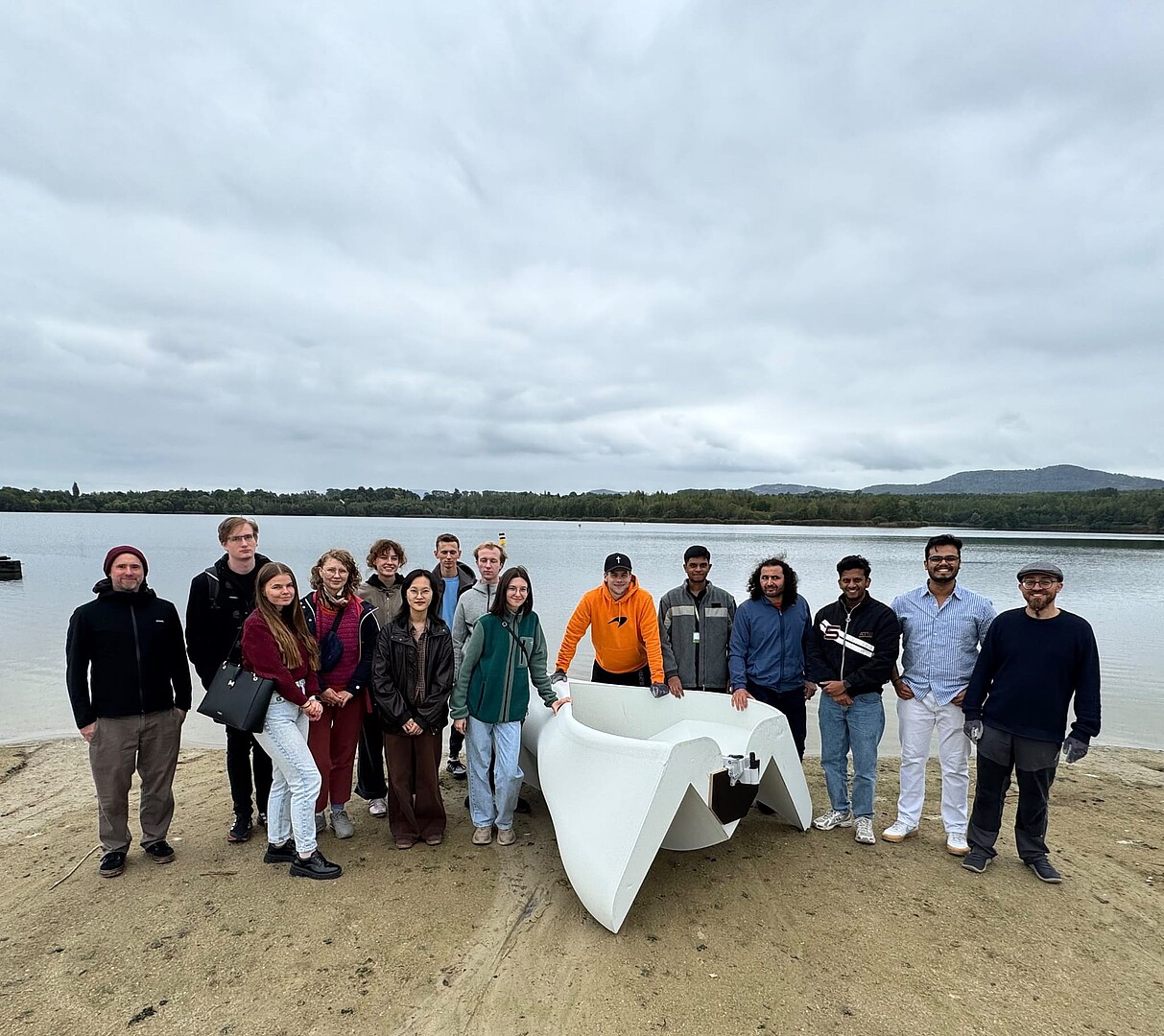
Just how dynamic this collaboration can be was recently demonstrated by the international summer school “Design, Simulate, and 3D Print Your Own Boat.” Over the course of five days, students in interdisciplinary teams developed their own boat concepts: from the initial idea through design and simulation to implementation via large-format 3D printing. The resulting boat thus symbolizes the unique connection between teaching, research, and modern research infrastructure at the shared campus.
From Research to Industrial Applications
A key goal of the Fraunhofer Center for Plastics is to work with partners to translate scientific findings into concrete applications. This is particularly evident in the development of natural-fiber composites. What began with initial experiments is now being used industrially. The first components for Siemens Mobility are already in use on trains.
The evolution from a small team to a high-performing research hub demonstrates the potential that lies in the collaboration between applied research, universities, and regional companies. We do not want research to end in the laboratory in the future either; rather, we want to work together with our partners to develop solutions that find their way into industrial practice.
”Today, the joint research priorities range from lightweight construction and sustainable composite materials to additive manufacturing and the circular economy, as well as new solutions for energy and production technology. Projects and research consortia such as LaNDER³, the RUBIN Alliance EnviroPlast, Lausitz – Life & Technology or STARK: Lightweight Construction and Energy Technology demonstrate how close collaboration gives rise to long-term research structures, new networks, and concrete technology transfer projects.
Research as a Driving Force for the Region
Companies in the region also benefit from this connection. Small and medium-sized enterprises, in particular, do not always have their own extensive research departments or highly specialized infrastructure. Universities and Fraunhofer institutes can work together to bridge the gap: from a business challenge to a scientific question, from an experiment to a demonstrator, and finally to new products or production processes.
In this way, the research hub also makes an important contribution to structural change in Upper Lusatia: new skills and qualified jobs are created, young people gain scientific and professional opportunities, companies gain access to research, and scientific findings lead to innovation and new value creation.
The location in the German-Polish-Czech tri-border region also opens up unique opportunities. The FKO is firmly rooted in Zittau and Upper Lusatia while also being internationally connected, in part through close collaboration with the Technical University of Liberec and other partners in the tri-border region.

Growing Together
The success of recent years also brings new challenges: The existing laboratories, facilities, and offices are increasingly reaching their spatial limits. To maintain the momentum of this research hub, the infrastructure must therefore be further developed. The goals include additional joint research and technology transfer projects, new large-scale equipment, and good access for regional companies to modern research infrastructure and scientific expertise.
The recipe for success in the coming years is the same one that has shaped the hub throughout its first decade: pooling expertise, closely integrating research and teaching, involving companies at an early stage, and translating innovations into industrial practice.
Ten years of FKO impressively demonstrate what can result from this: a neighborhood became a partnership, and a partnership became joint research. And research gives rise to innovations that have an impact far beyond the campus.
MDR Television covered the anniversary on October 5, 2026, on the program "MDR Sachsenspiegel." Click here to watch the video.

1st floor
2ND FLOOR
3RD FLOOR