
News Details
Innovative learning meets practice
Introducing the KIAdirekt model at cooperation partner LEAG.
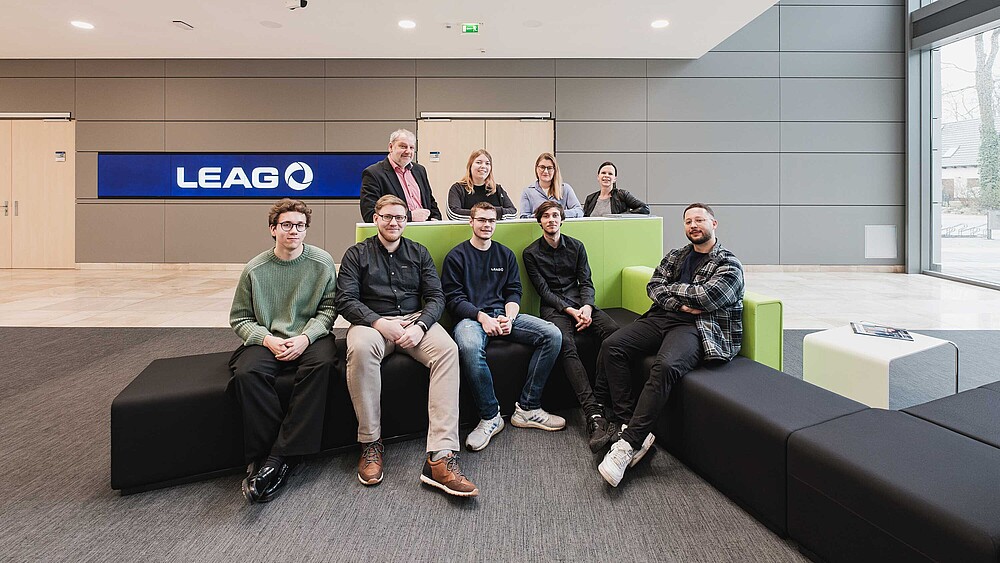
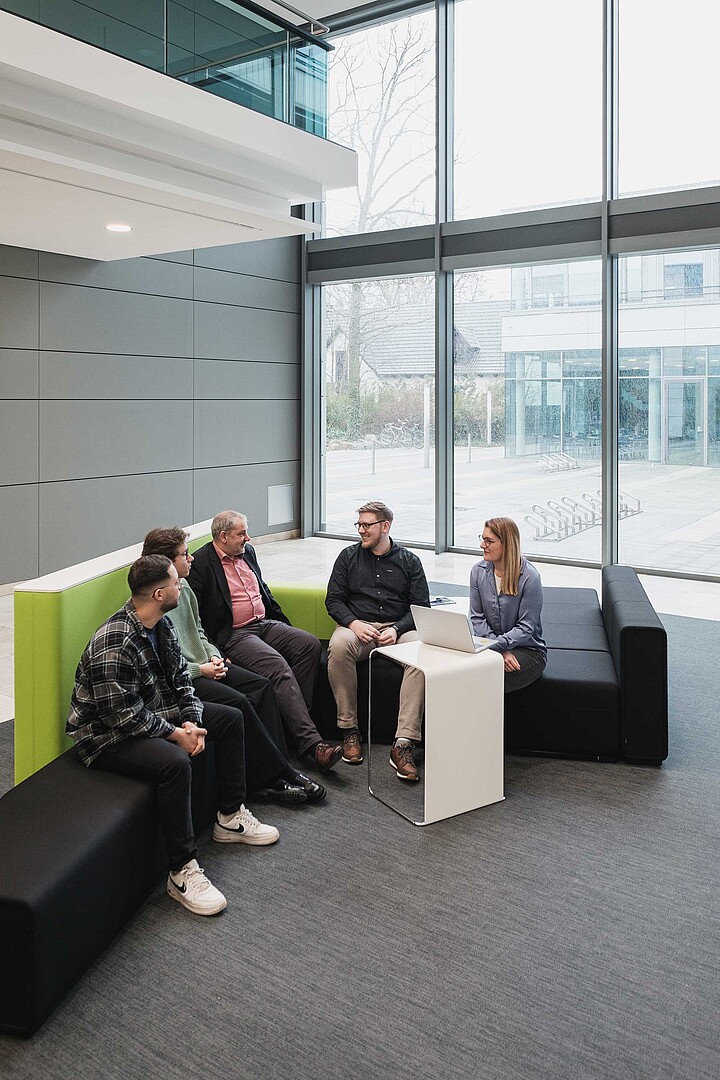
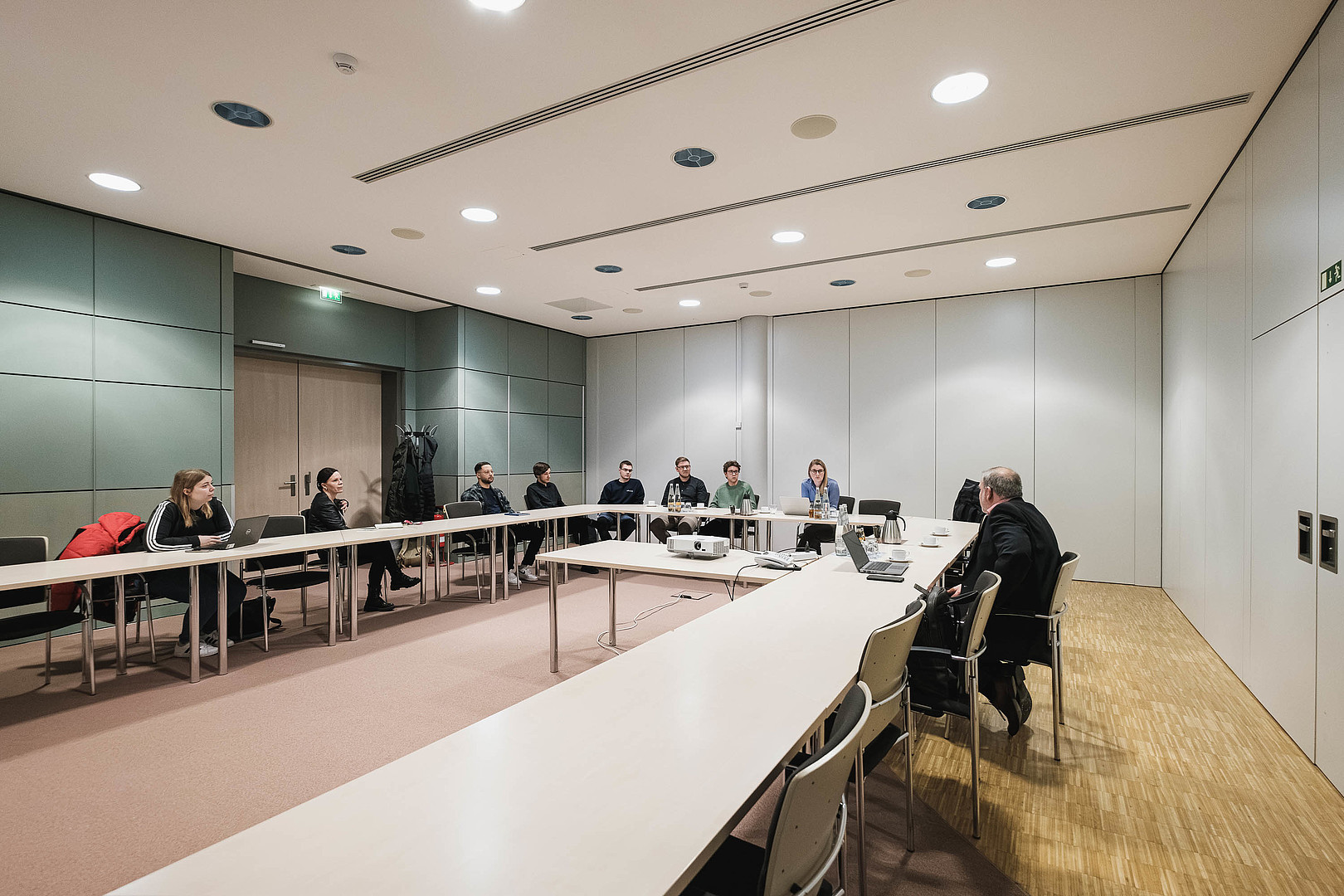
In Cottbus, a city defined by its industrial and academic landscape, an engaging interview took place with representatives from Lausitz Energie Kraftwerke AG (LEAG), Germany’s second-largest electricity producer, and students from the Zittau/Görlitz University of Applied Sciences (HSZG). This discussion provided insights into the KIAdirekt model, a practice-integrated degree program that bridges academic education and practical experience in the fields of computer science and green engineering. The skills taught in the program find a broad and dynamic field of application at LEAG, which is consistently shifting its portfolio toward the expansion of renewable energy.
Personal Decisions Regarding the Dual Degree Program
At the heart of the dual degree program are the students, whose individual stories and decisions highlight just how diverse the paths leading to this future-oriented form of education can be.
Matt-Jared Schreck, born and raised near Cottbus, made a conscious decision to pursue the practice-integrated degree program in computer science to experience the hands-on focus that his family’s tradition at LEAG had inspired in him. He describes his experience at HSZG as intense and personal—an atmosphere fostered by the university’s compact structure and direct contact with faculty members.
Samuel Raak, who has roots in Rietschen, used theKIAdirekt model in computer science as the foundation for his professional career. During his practical study phases at LEAG, he discovered an interest in a department he hadn’t previously considered—power plant analytics in the field of data science. Initially without a concrete idea of what his professional future might look like after graduation, the hands-on experience allowed him to refine his career interests. These insights led him to know exactly which field he wanted to specialize in. Today, he holds a permanent position in the very department that aligns with his skills and interests, where he contributes his expertise.
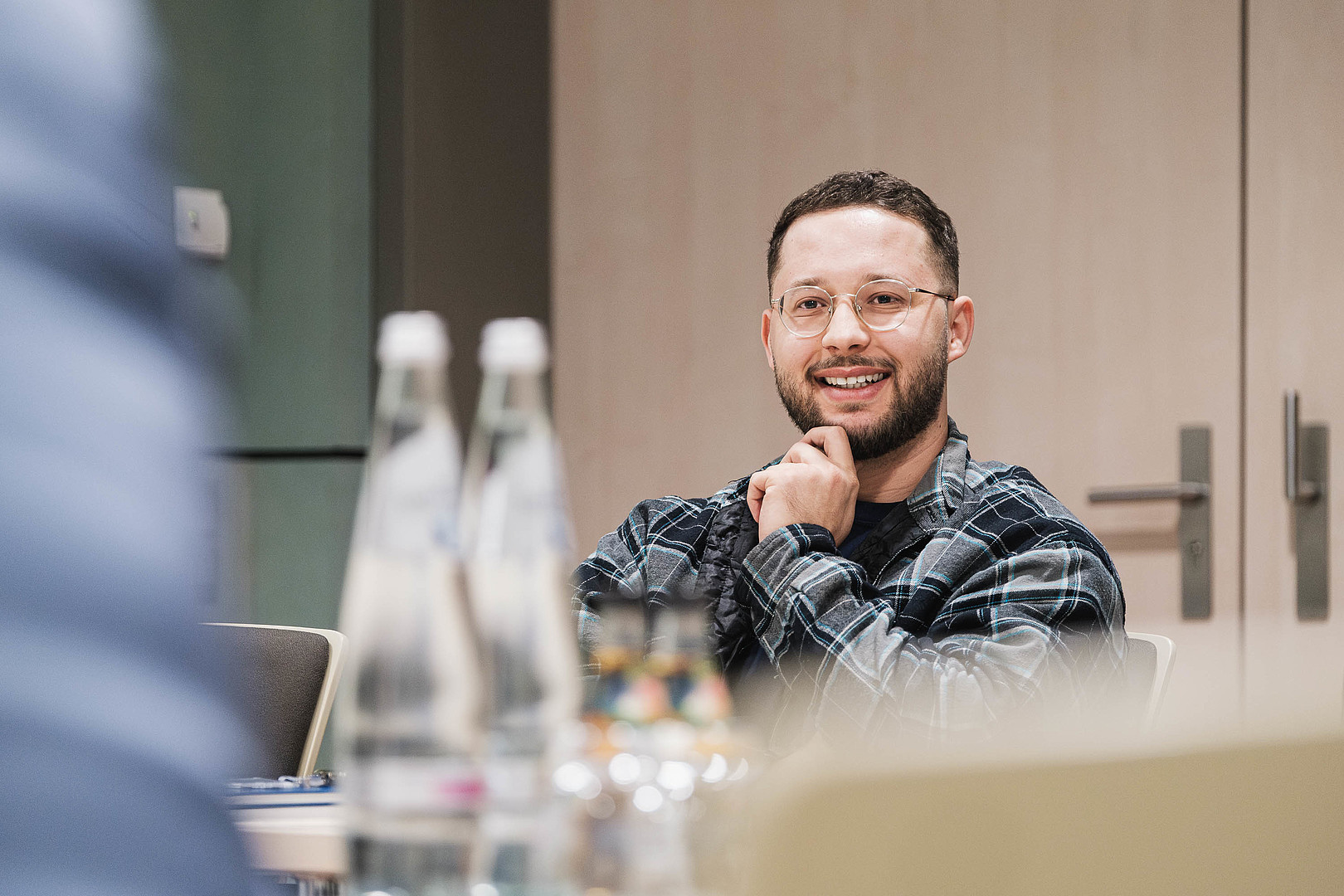
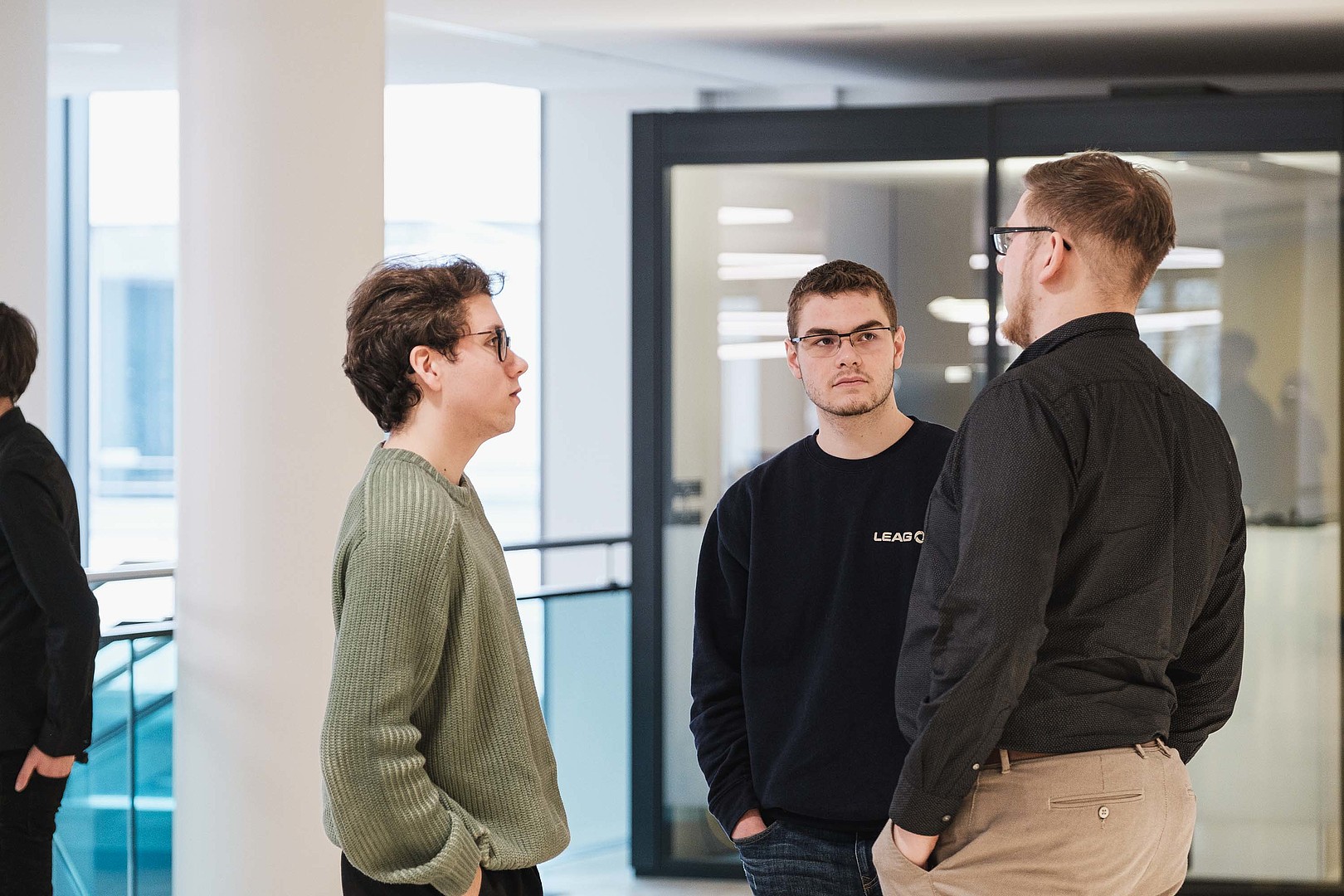
Jeremy Rohde from Forst was looking for a degree program that would offer him practical experience after 13 years of theoretical schooling. His decision to enroll in the dual degree program at LEAG confirmed his desire to apply theoretical knowledge directly in a practical setting.
In the field of Green Engineering, Eddy Zickow and Mohamed Abdellaoui share their unique stories. Eddy, looking for a degree programme that would offer him future prospects, found the ideal combination of environmental responsibility and technical progress in the new Green Engineering degree programme. Through a combination of process engineering (40%), Mechanical Engineering (40%), and environmental engineering (20%), he is learning everything necessary for a successful circular economy. By taking a holistic view of the life cycle of products and the associated processes, you’ll engage with both core technical methods and current trends.
Mohamed, originally from Tunisia, was drawn to the versatility of the Green Engineering degree programme, which deepened his interest in sustainable technologies and energy systems.
Insight into the Course of Study
The dual study program inthe KIAdirekt model is designed so that students experience a structured alternation between theoretical phases at the university and practical phases at the company. This model enables students to apply the knowledge acquired at HSZG directly in practice at LEAG and vice versa.
Theoretical Phases
During the theoretical phases, students attend lectures and seminars at the Zittau/Görlitz University of Applied Sciences. These phases are designed to provide students with a solid foundation of specialized knowledge in their respective degree programmes. For students in computer science, this includes programming, software development, and data analysis, while in Green Engineering, the focus is on topics such as sustainable production processes, renewable energy, and environmental materials science.
Practical Study Phase
The practical study phases take place during the lecture-free period at LEAG facilities. During this time, students work in various departments of the company, which gives them the opportunity to gain insights into different areas of work and to apply what they have learned. The practical study phases are specifically tailored to the degree programmes and enable students to work on projects that benefit both their academic education and the company.
Integration of Theory and Practice
A key aspect of theKIAdirekt model is the close integration of theoretical and practical study phases. This is fostered, among other things, through projects and final dissertations carried out in direct collaboration with LEAG. This enables students to apply their academic knowledge directly in real-world work contexts while simultaneously gaining valuable professional experience.
The Added Value of the Dual Study Program
Beyond individual experiences, the dual degree program at LEAG offers numerous advantages: A healthy work-life balance, fostered by the separation of study and practical study phases; financial independence during the program; and a deep grounding in practical experience that facilitates the transition into professional life.
This program allows students to build valuable networks and gain insights into potential career paths even while they are still in school. For example, Samuel Raak found his calling in a field that was previously unfamiliar to him, while Mohamed Abdellaoui appreciated the opportunity to combine theory and practice without having to juggle the challenges of a part-time job.
A Model with Far-Reaching Impact
TheKIAdirekt model impressively demonstrates how close collaboration between industry and the university can result in a win-win situation for all involved. By integrating practical experience into the curriculum, the program produces graduates who are not only well-versed in theory but also familiar with the real-world demands of the workplace.
This type of training, as practiced by LEAG and HSZG, not only offers immense benefits for students but also serves as a flagship project for industry to integrate talented, good-trained young people directly into the workforce. Companies considering similar models can learn from this example and help improve training and career prospects for the next generation.
By enabling young people to combine their academic education with valuable professional experience, LEAG and HSZG are actively contributing to shaping a more sustainable, technologically advanced future. This model benefits not only the students and the participating organizations but also society as a whole by laying the foundation for a good, engaged, and innovative workforce.

1st floor
1st floor
1st floor
Upper floor