
New fermenter system for biotechnology
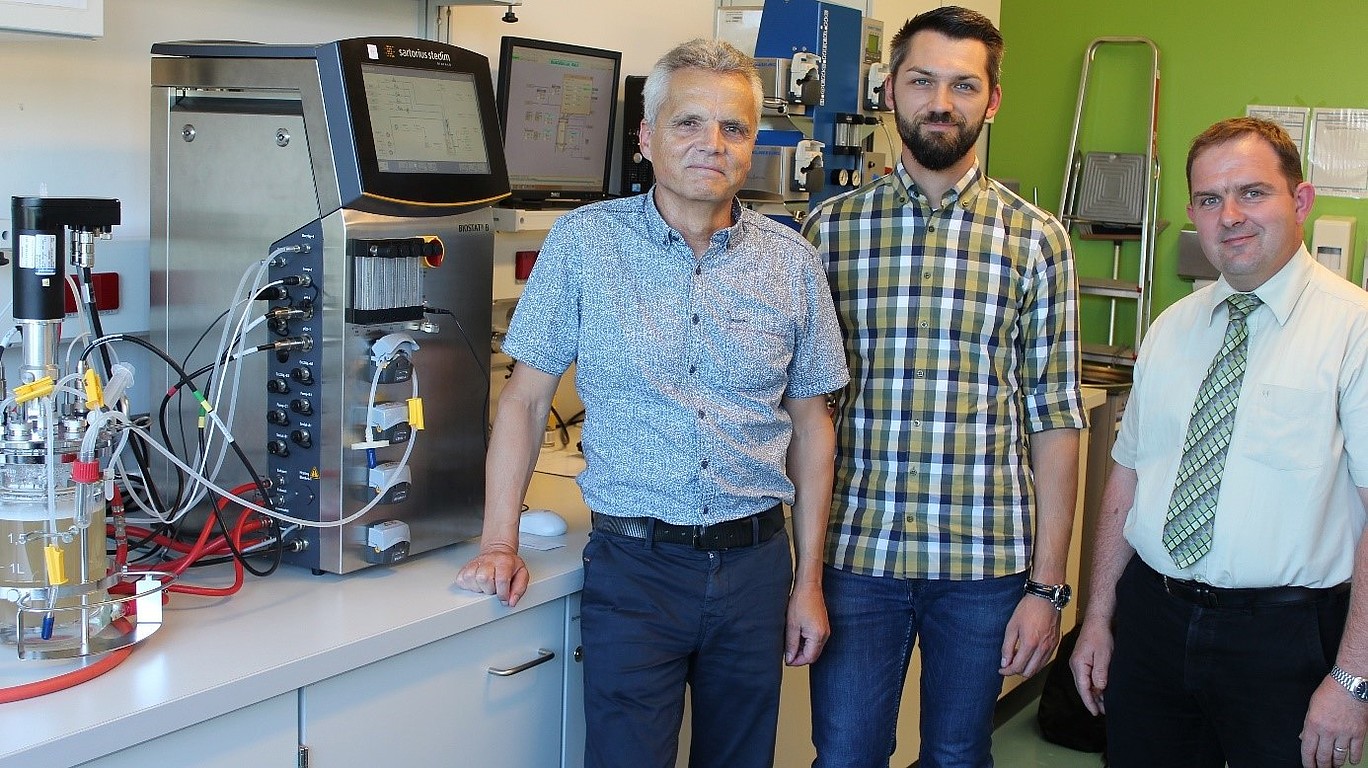
Donation of a BIOSTAT® B fermenter to the university's bioprocess engineering department by Sartorius Stedim Biotech GmbH.
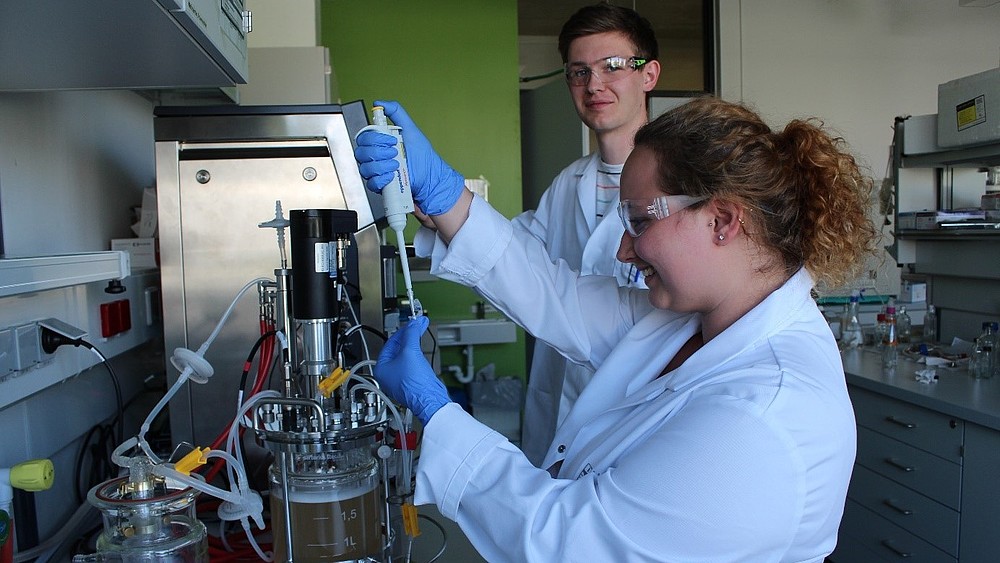
Already, more than one-third of all newly approved therapeutic active ingredients are produced using biotechnology. These primarily include customized antibodies designed to suppress inflammatory reactions or fight cancer. The cultivation of antibody-producing cells places high demands on the bioprocess engineering involved in the production process. The necessary transfer of sensitive cell cultures from small culture vessels to medium- and large-scale fermentation systems is one of the most important—and often most challenging—aspects of biotechnology.
Bioprocess engineering represents one of the central pillars of application-oriented education for biotechnology students. However, the high technical demands of some bioprocesses—such as the aforementioned scale-up of mammalian cell cultivation—impose financial constraints on their practical implementation in the laboratory. For this reason, Germany’s largest manufacturer of fermentation systems, Sartorius Stedim Biotech GmbH, headquartered in Göttingen, provided demonstration equipment free of charge to universities through a competitive selection process for use in teaching and research. The Biotechnology program at the Faculty of Natural and Environmental Sciences at Zittau/Görlitz University of Applied Sciences was one of the winners of this initiative. As a result, a nearly new and fully refurbished BIOSTAT® B fermentation system for the cultivation of eukaryotic cells was put into operation this summer semester at no cost, as even the shipping costs to Zittau were covered.
The fermenter fills a major gap in the Biotechnology Department’s equipment and will primarily be used in the future for educational purposes in the Bachelor’s program in Molecular Biotechnology and in the Master's degree programme in Pharmaceutical Biotechnology. Currently, students in Master's degree programmes are using the device to cultivate a hybridoma cell line for the production of monoclonal antibodies as part of the Bioprocess Engineering internship.
A big thank you goes to Mr. Lutz Warschofsky, the sales representative for Sartorius Stedim Biotech GmbH in Eastern Saxony, without whose support this donation would not have been possible.
First floor