A special honor
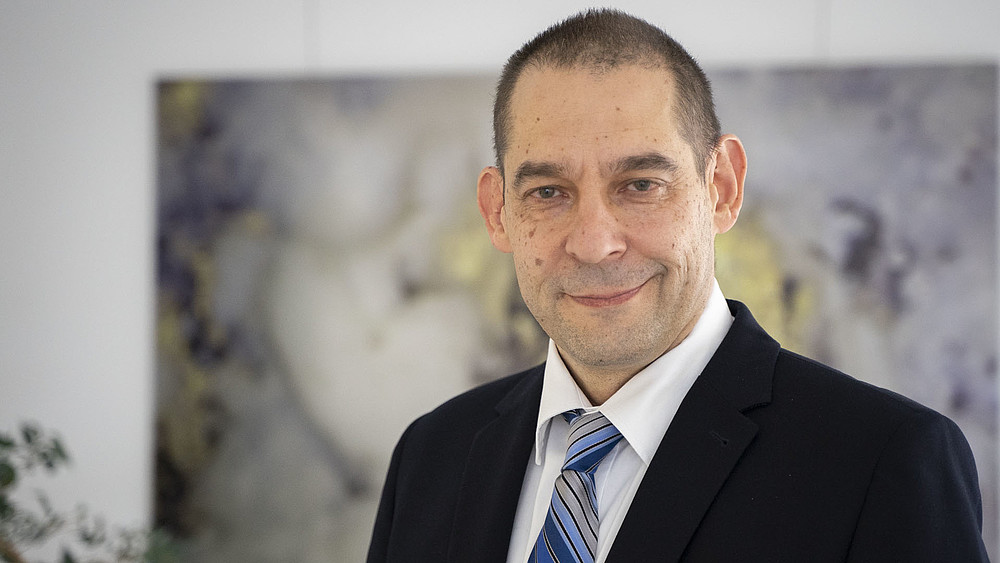
Dr. Stefan Zeller, guest lecturer at the HSZG since 2017, was appointed honorary professor.
The part-time Master's degree programme in Social Gerontology has been an integral part of the curriculum offered by the Faculty of Social Sciences at Zittau/Görlitz University of Applied Sciences for 10 years now.
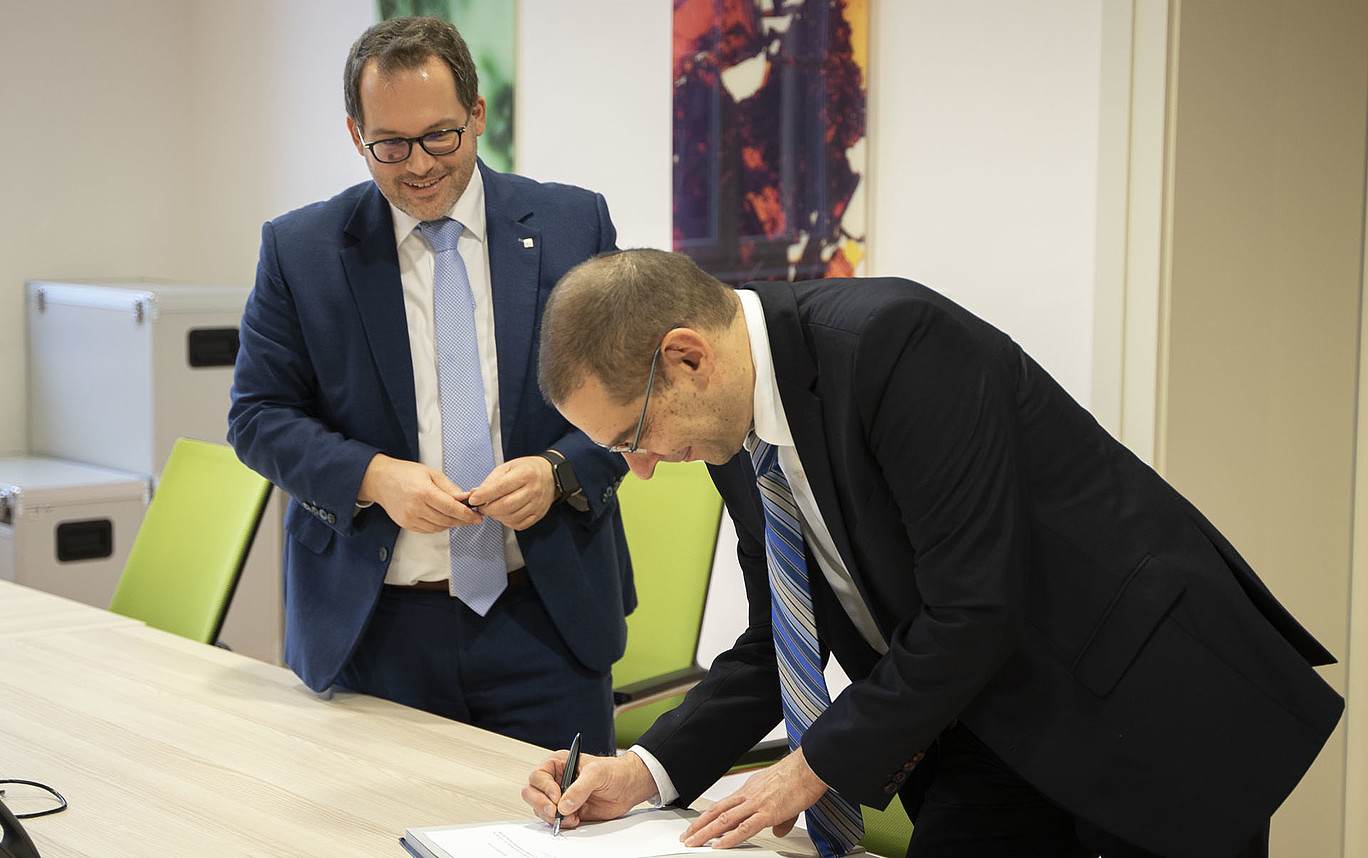
Now, on December 17, 2021, Dr. Stefan Zeller, a visiting lecturer at HSZG since 2017, was appointed by the Rector of Zittau/Görlitz University of Applied Sciences, Prof. Dr.-Ing. Alexander Kratzsch, on December 17, 2021, as an honorary professor in the field of geriatrics/health and aging. Much to the delight of the Rector, who is convinced that students in the Social Gerontology degree programme will particularly benefit from Dr. Zeller’s expertise and specialized knowledge.
Gerontology Is Gaining Importance
Gerontology—the field that deals with various factors of the aging process—is becoming increasingly important for our aging society. Estimates suggest that by 2030, 22 million people in Germany will be 65 years of age or older. That represents 29 percent of the population.
The demand for specialized professionals who can provide solutions to demographic change will rise. This is precisely where the Görlitz degree programme comes in. It trains future leaders who can work, for example, in healthcare, administration, and politics, as well as in research, policy consulting, or product development for older adults.
Dr. Stefan Zeller, director of the Görlitz Geriatric Center and chief physician at the Department of Internal Medicine and Geriatrics II in Görlitz, has been collaborating closely with Zittau/Görlitz University of Applied Sciences since 2017. This includes collaboration with the Institute for Health, Ageing, Technology (GAT), which is based at the university. Among other things, Dr. Zeller has been involved in projects such as VATi.
His teaching focuses on geriatrics, health, and aging, with a particular emphasis on demographic trends in Saxony and Germany. In addition, he works with students to develop strategies for addressing demographic change while taking into account the resources of our healthcare system.
He has been contributing his gerontological expertise to eastern Saxony for many years. He is not only a trainer for specialists in internal medicine and geriatrics at Görlitz Hospital but also the director of the East Saxony Geriatrics Network and a visiting lecturer at the university of the Saxon Police Academy in Rothenburg.