
From idea to the water in five days
Twelve students from the fields of engineering and product design developed their own boat designs at the International Summer School; one of these was printed at full scale and subsequently floated on Lake Olbersdorf.
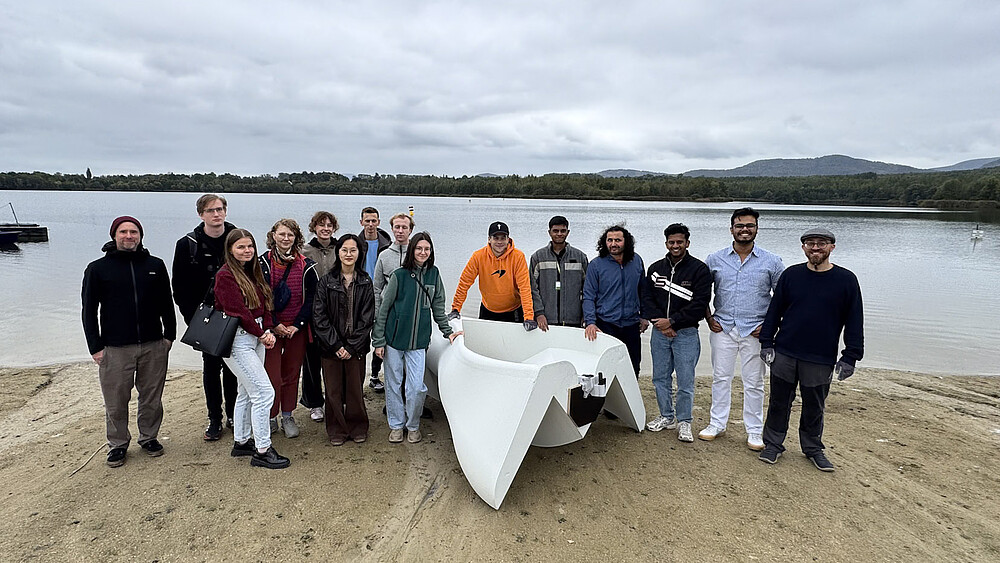

From September 21 to 25, 2026, Zittau/Görlitz University of Applied Sciences and the Fraunhofer Institute for Machine Tools and Forming Technology (IWU) jointly hosted the international summer school “Print Your Own Boat.” Twelve selected students worked in interdisciplinary teams on a shared challenge: Within five days, they were tasked with turning an initial idea into a functional boat.
Develop, Simulate, and Design
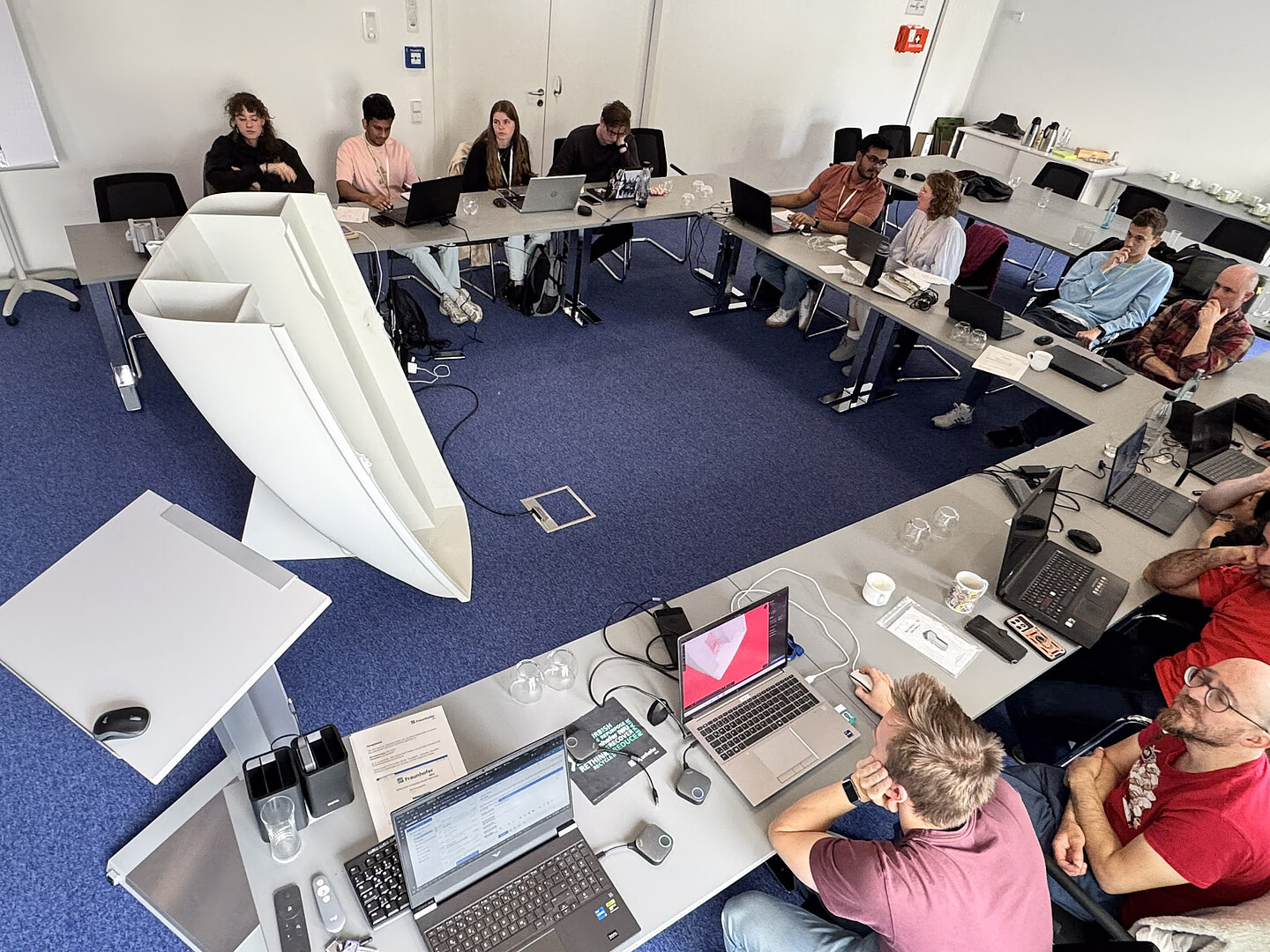
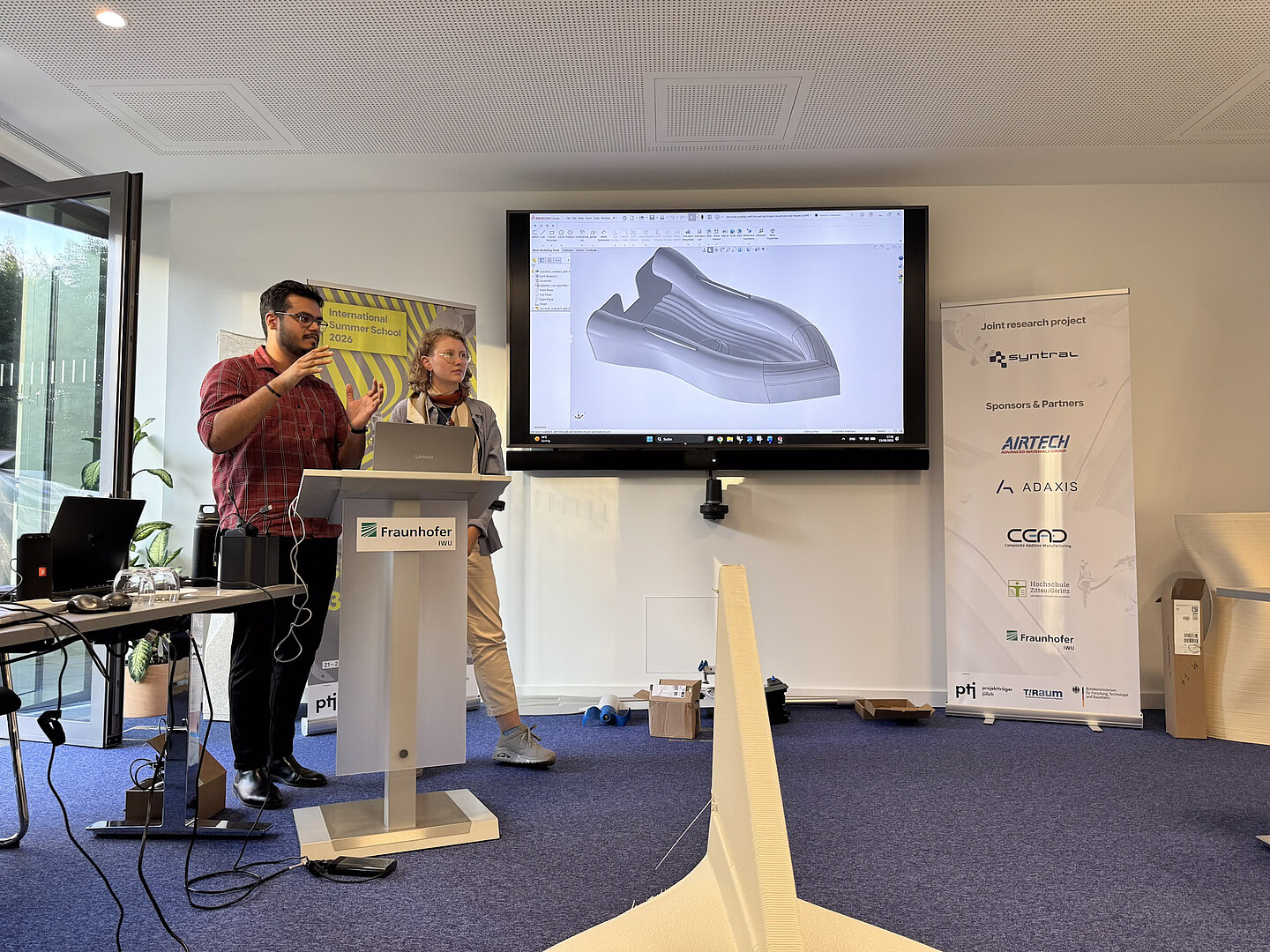
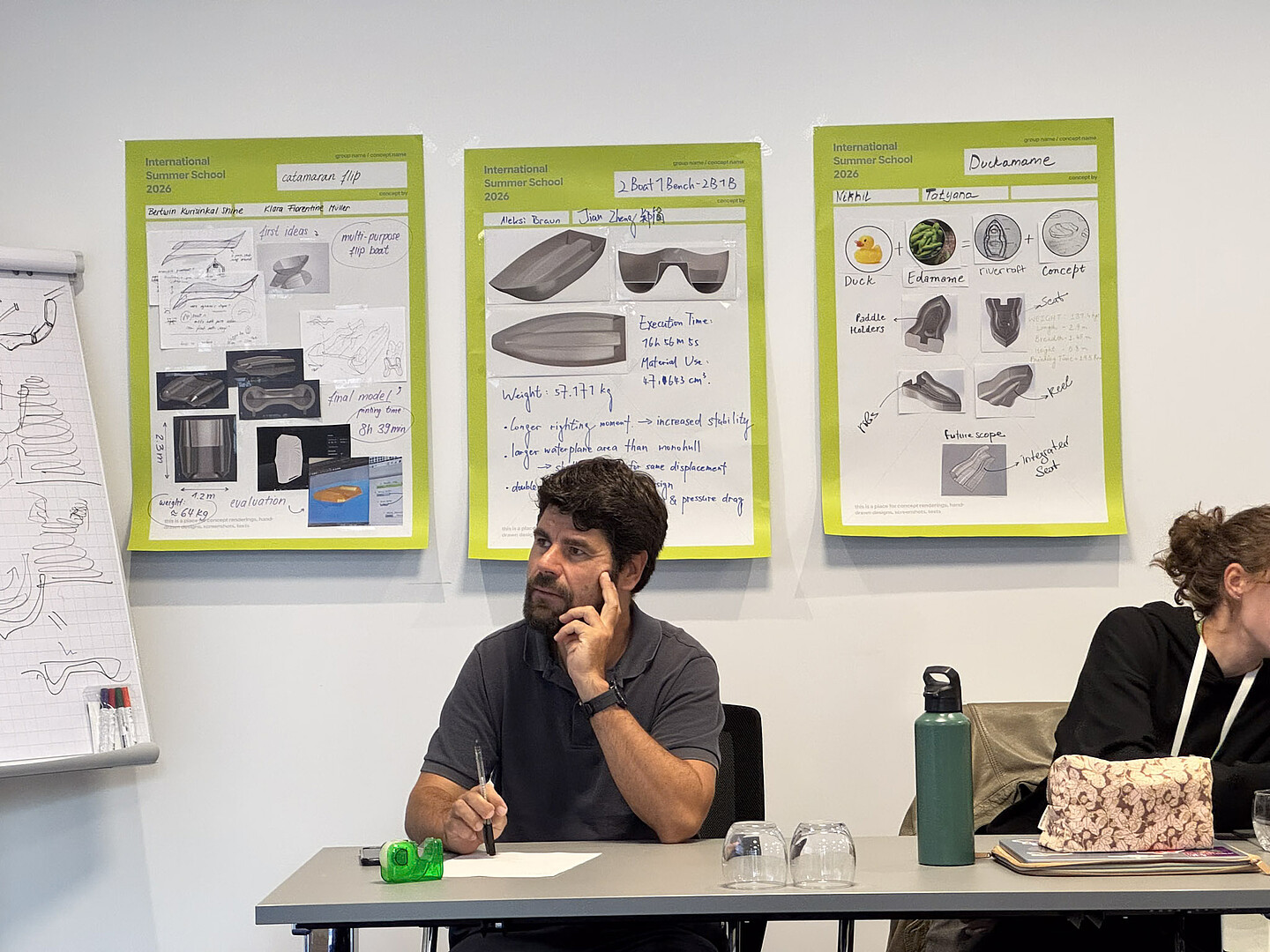
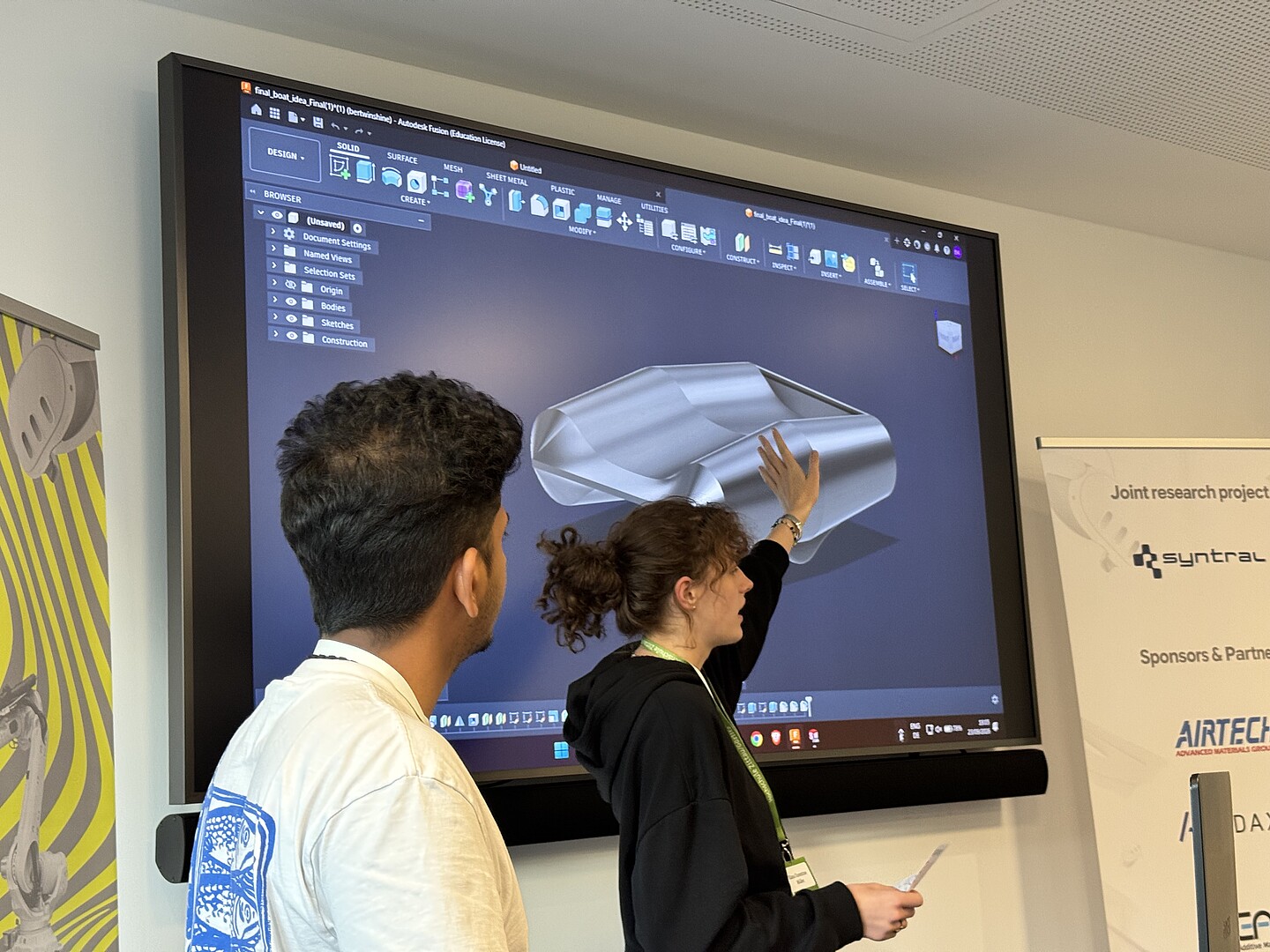
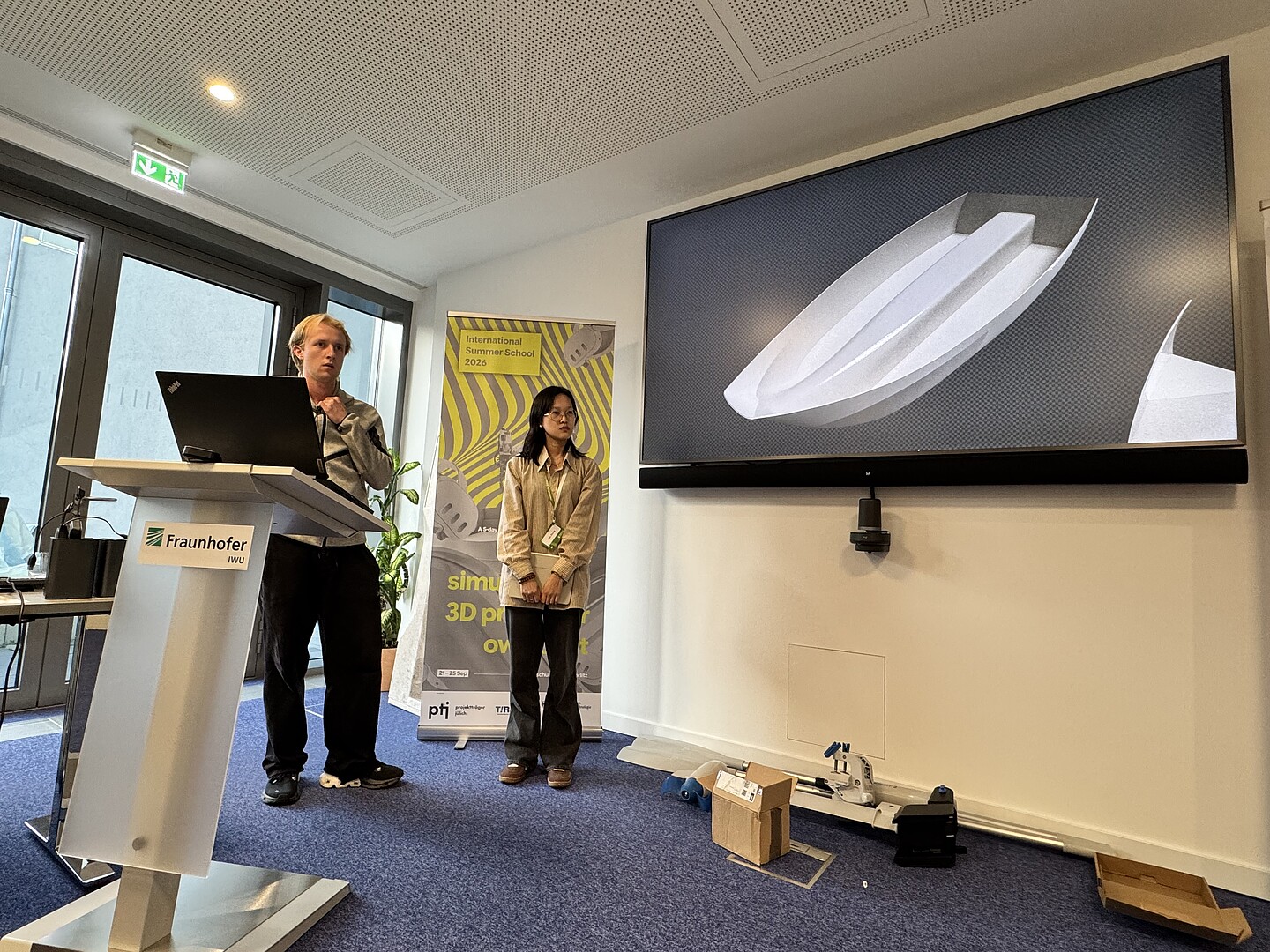
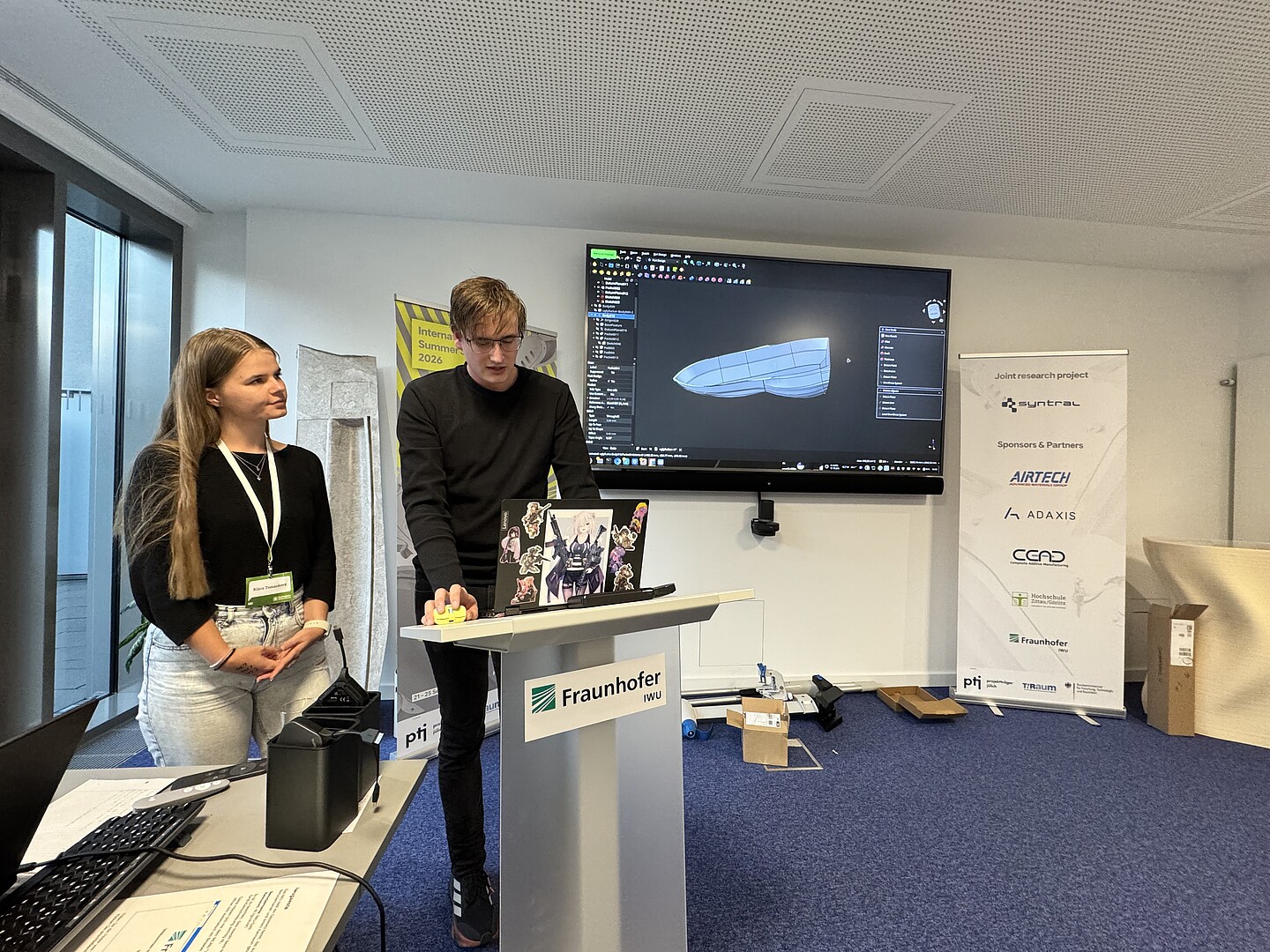
At the outset, the teams developed various boat concepts and translated their ideas into digital models using computer-aided design (CAD). The focus was not solely on an appealing design; the designs also had to meet fundamental requirements of boatbuilding while being suitable for additive manufacturing.
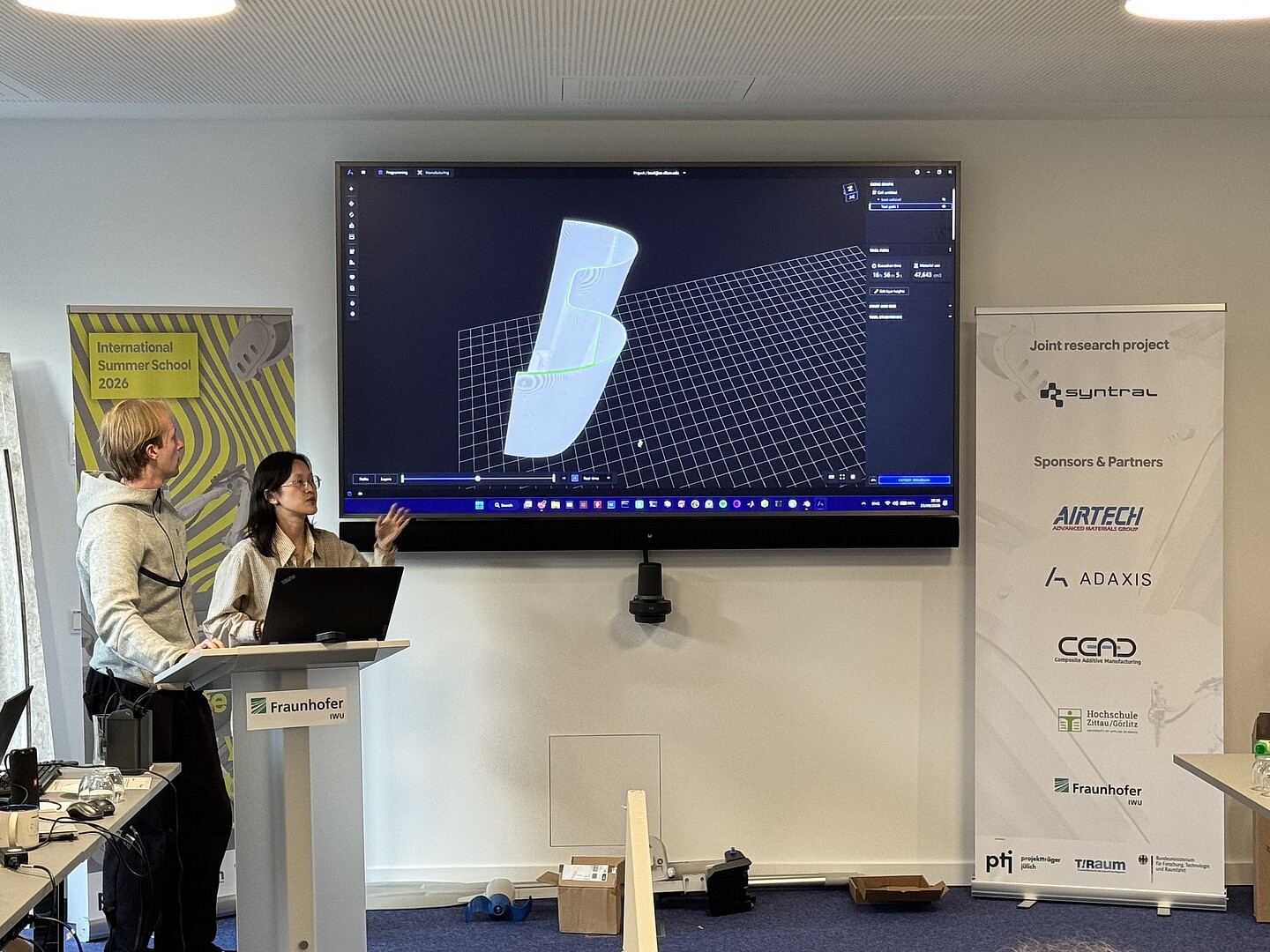
In addition to form and construction, factors such as stability, buoyancy, load-bearing capacity, and design suitability for manufacturing therefore played an important role. Using digital methods and virtual reality, the concepts could be examined and refined even before production began.
In the end, the designs were evaluated in terms of aesthetics, shipbuilding specifications, and manufacturability. A trimaran—a boat with three hulls—ultimately prevailed and was selected for production.
The atmosphere was good throughout, and the groups got along really well. There was never any real competition. It was more of a pleasant sense of togetherness, with everyone sharing ideas and helping one another—even between the groups.
”From Digital Design to the Lake
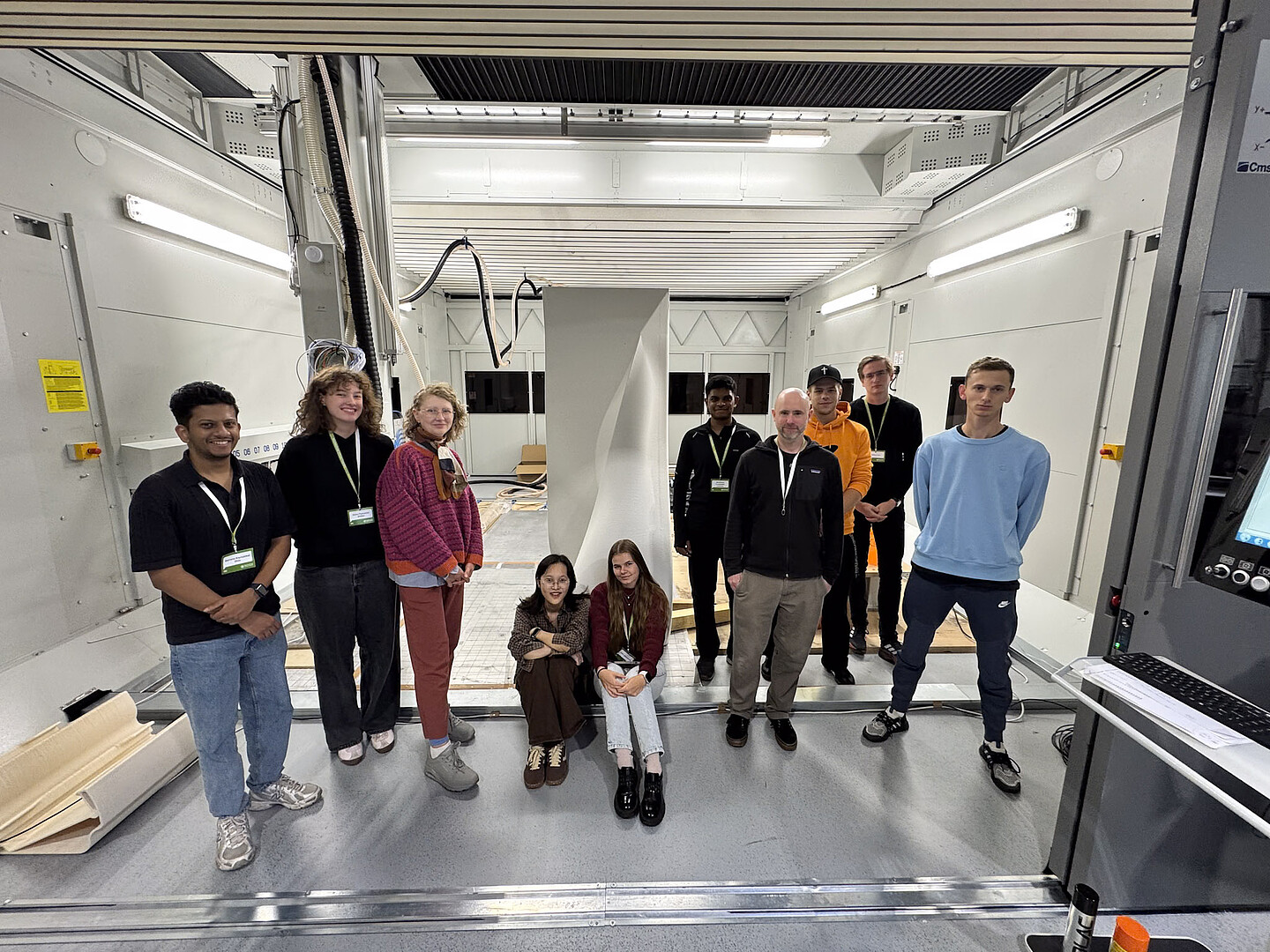
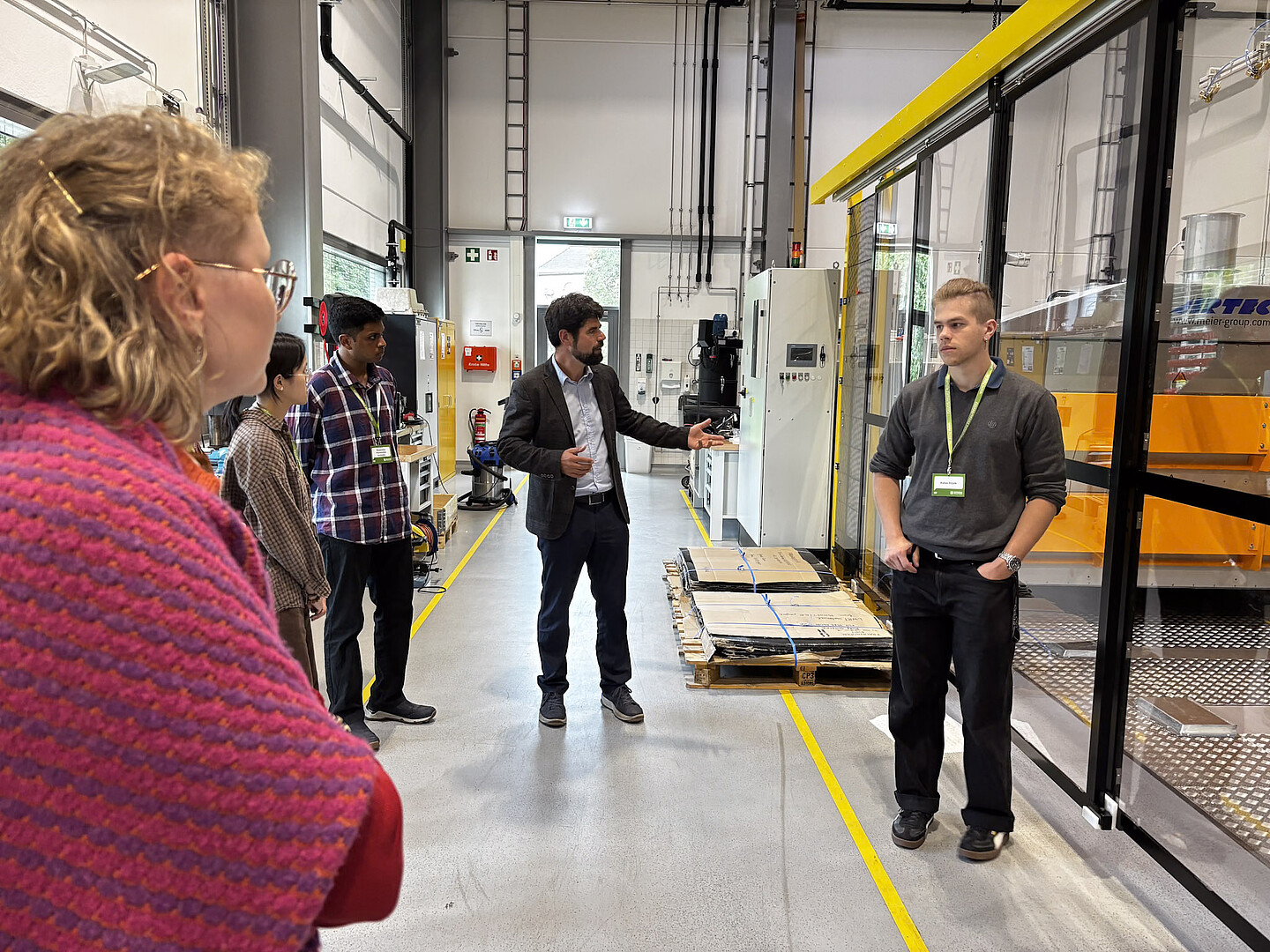
The boat was then manufactured at the Fraunhofer Plastics Center in Upper Lusatia using large-scale additive manufacturing (LSAM), or large-format 3D printing, at actual size. This allowed the students to experience firsthand how a digital design is transformed into a real component in a very short time.
The summer school concluded with a field test at Lake Olbersdorf. The goal was to determine whether the design and simulation concepts would hold up under real-world conditions. The boat floated and carried the required load of 250 kilograms for more than an hour and a half. In a subsequent test with a deliberately higher load, the material at the stern tore.
The result clearly demonstrated what can be achieved in just a few days when different disciplines, modern development tools, and innovative manufacturing technologies come together.
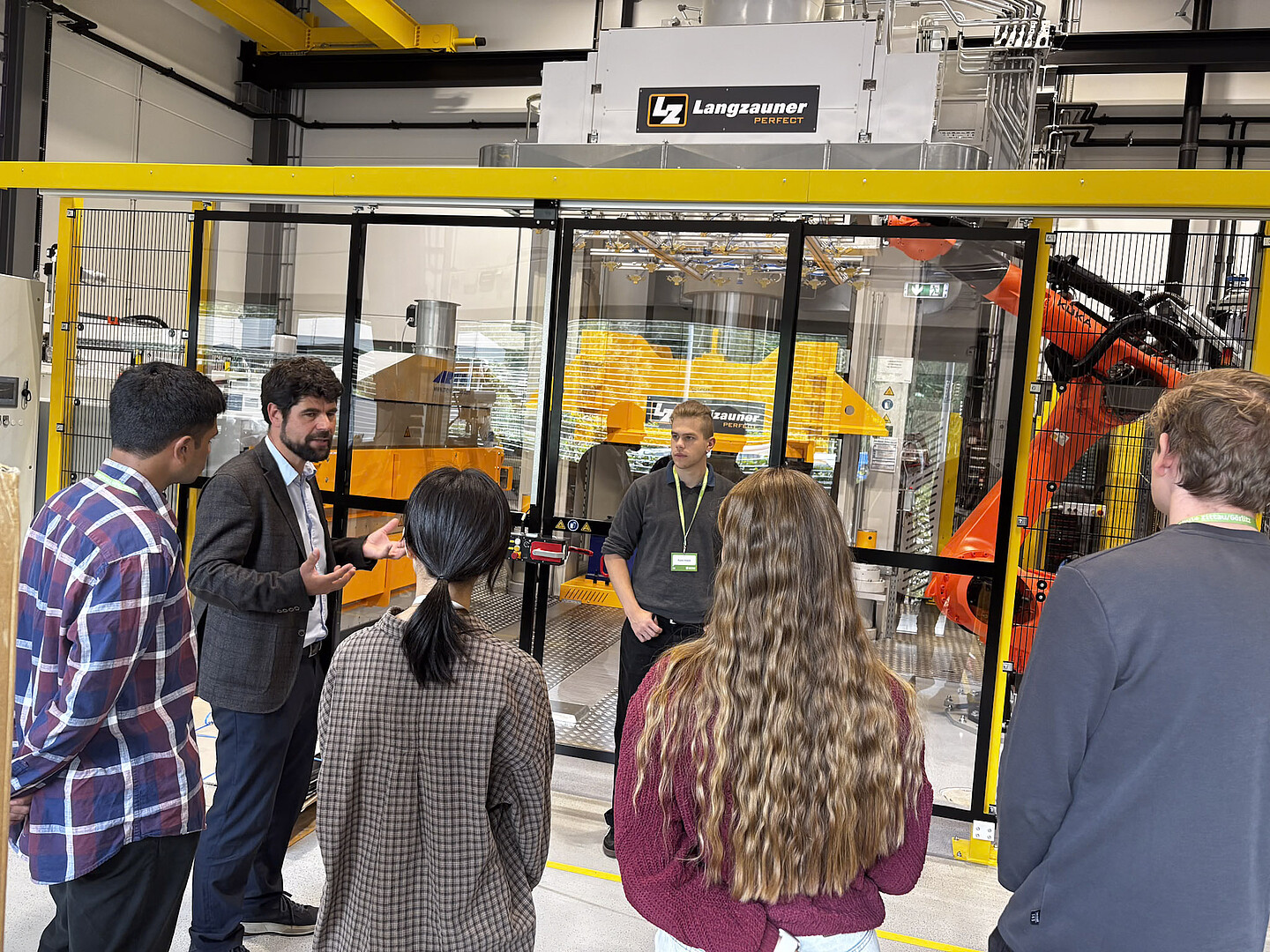
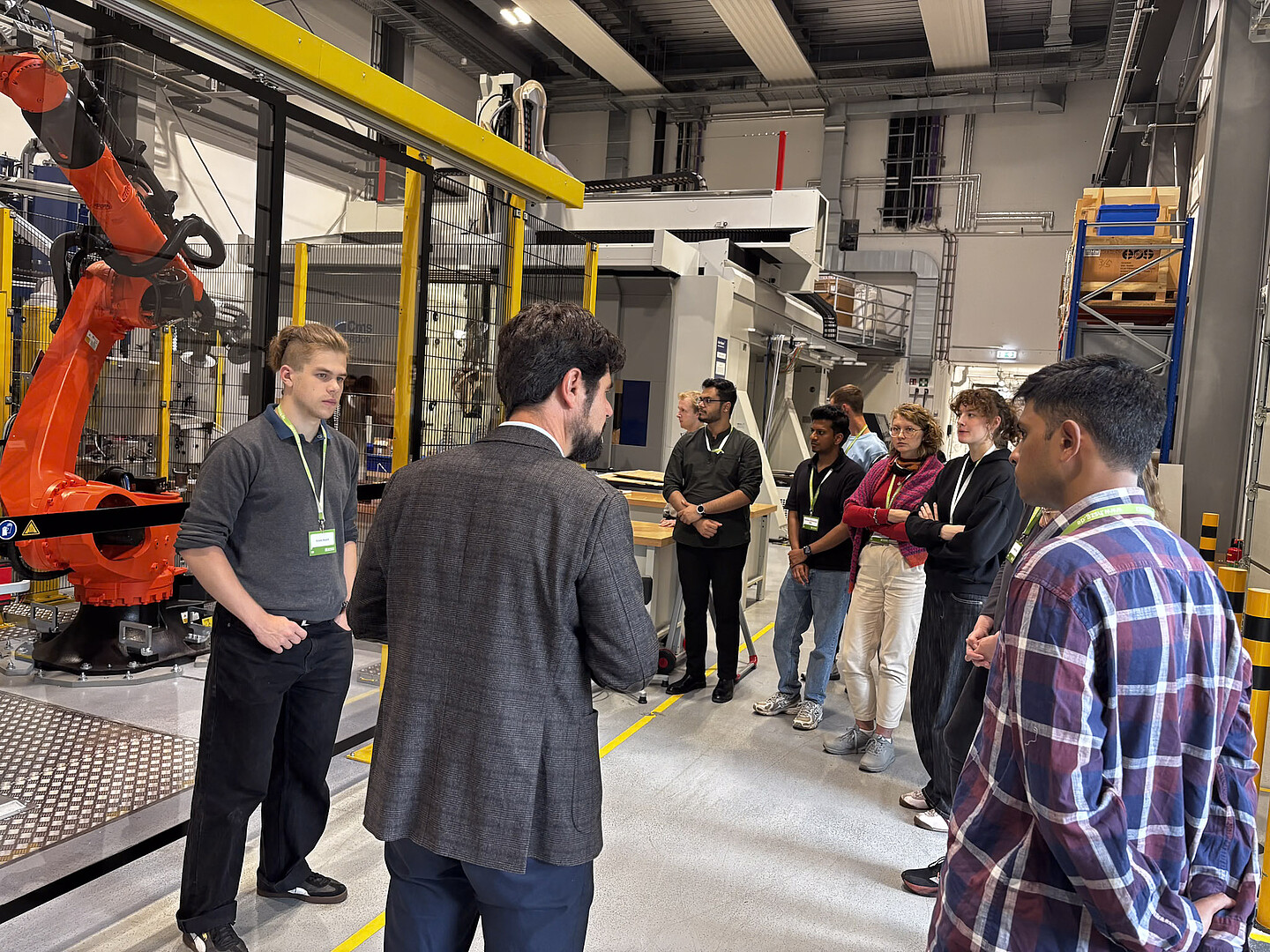
Practical instruction with tangible results
The International Summer School thus combined engineering, design, simulation, and manufacturing into a single, integrated hands-on project.
When designing, we have to consider the subsequent manufacturing process from the very beginning. During testing on the water, the students then see firsthand how their decisions play out in practice. They can apply these insights directly to their next design.
”It was organized by Haakon Hilse and Alsu Gimatdinova. The event received valuable support from the companies Airtech, CEAD, and ADAXIS. The Summer School was part of the “Decentralized Lausitz Campus” project within the syntral transfer space and is funded under the “T!Raum – Transfer Spaces for the Future of Regions” funding program of the Federal Ministry of Research, Technology, and Space (BMFTR).

2ND FLOOR