
Working together for a better energy policy
At the Trilateral Dialogue at the HSZG, different energy policy approaches in the three-country region and future opportunities for new technologies were discussed.
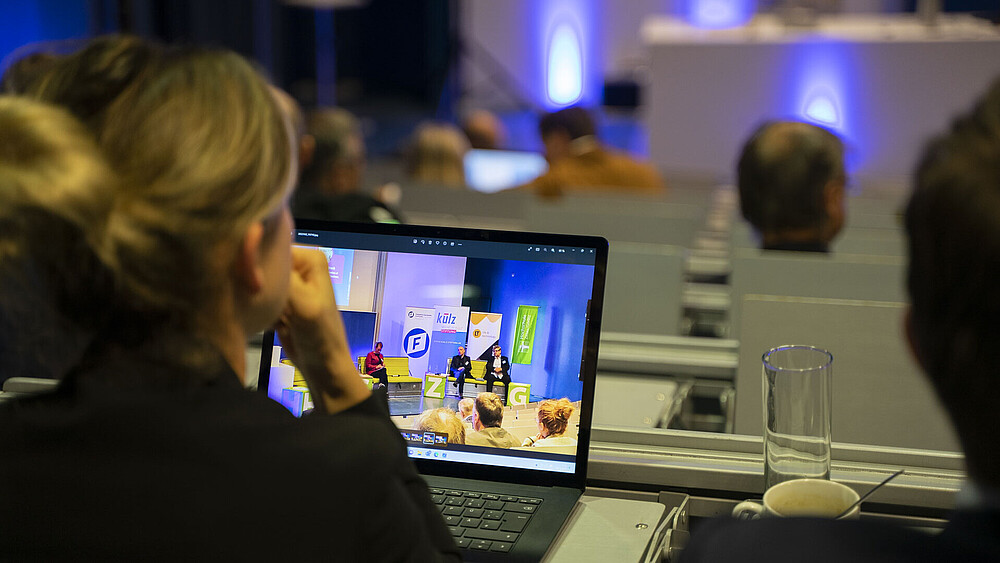
The energy policy situation in Central Europe is more tense than ever before and has a significant impact on our lives. On the one hand, the European Union has long been pushing for an increase in the proportion of energy from renewable sources; on the other hand, we urgently need to free ourselves from dependence on Russian gas in terms of democratic values and moral conscience. Germany, the Czech Republic and Poland share a common cultural and economic area. Energy policy is one of THE key issues, not only but above all for the three-country region.
This was the starting point for the Trilateral Dialogue that took place in Zittau last November.
Not only the different energy policy approaches of the three countries Germany, the Czech Republic and Poland were discussed, but also the future opportunities of new technologies.
Using the example of the large-scale lignite-fired power plant in Turów, opportunities for closer cooperation in the region were discussed. Both regional and European perspectives on the topic of energy security were exchanged in two panel discussions.
In the first panel, the panelists discussed current challenges and problems in the regional energy sector. Gregor von Kampen-Banisch (PL), President of the Centre for Renewable Energies, emphasized the necessity of expanding renewable energies for a future-oriented energy policy and its as yet untapped potential for the Polish border region. However, this is associated with a necessary network expansion and network stability, for example in order to focus on green hydrogen in a future-oriented manner. Martina Jakl (CZ) from the German-Czech Chamber of Industry and Commerce referred to the many small and medium-sized enterprises (SMEs) that are currently not sufficiently prepared for the current energy crisis and are facing enormous economic challenges, some of which threaten their existence. This places a heavy burden on the economic development of the North Bohemia region and prevents small and medium-sized enterprises in particular from making the necessary progress.
Andreas W. Poldrack (DE) from VEE Saxony sees a similar development in Saxony and attributes this to a misguided policy in the expansion of renewable energies, as the focus has been on personal responsibility for too long and the expansion has not been actively promoted accordingly. During the discussion, it was thus emphasized that the entire three-country region must focus more strongly on the expansion of renewable energies and that regional experiences of other border regions must be made more accessible through information and networks in order to benefit from the experiences of the neighboring region. In addition, hydrogen was identified as a future storage technology with great potential for transnational cooperation. This is where the development of a regional hydrogen strategy that focuses on the entire three-country region must begin. However, citizens must be actively involved, confidence-building measures for the respective energy strategies of the countries must be explained in more detail and discussed more visibly in public in order to build trust.
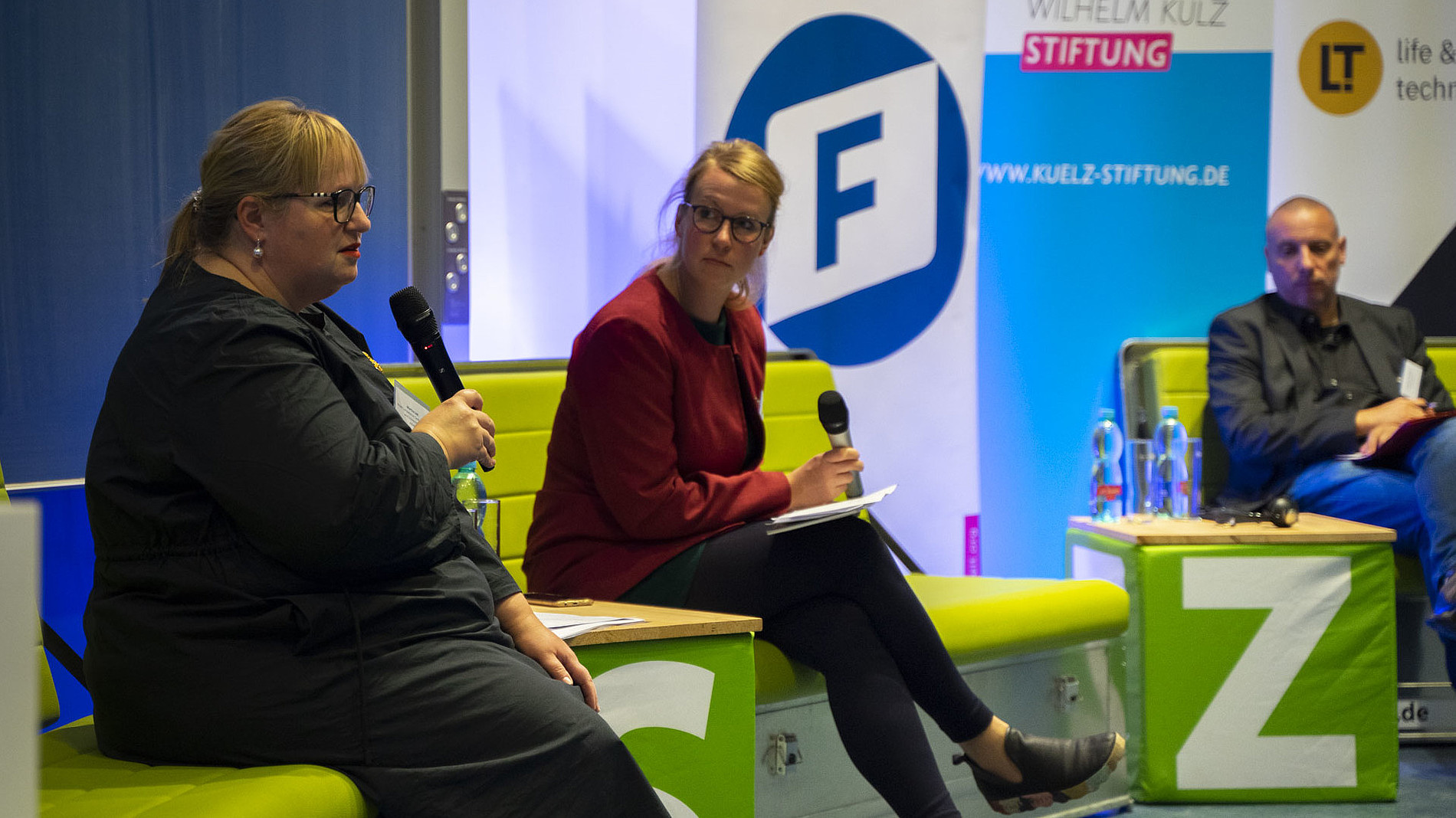
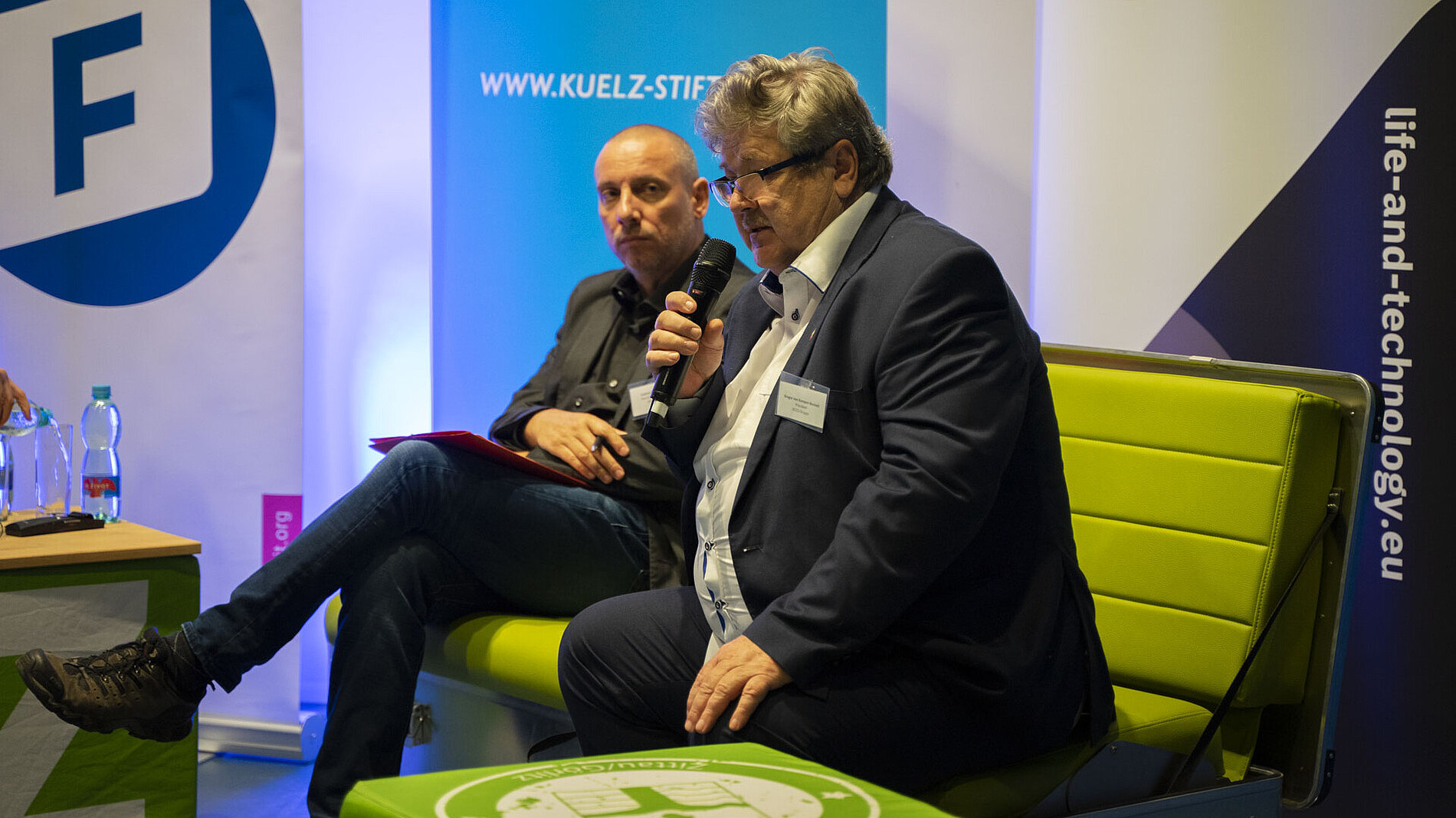
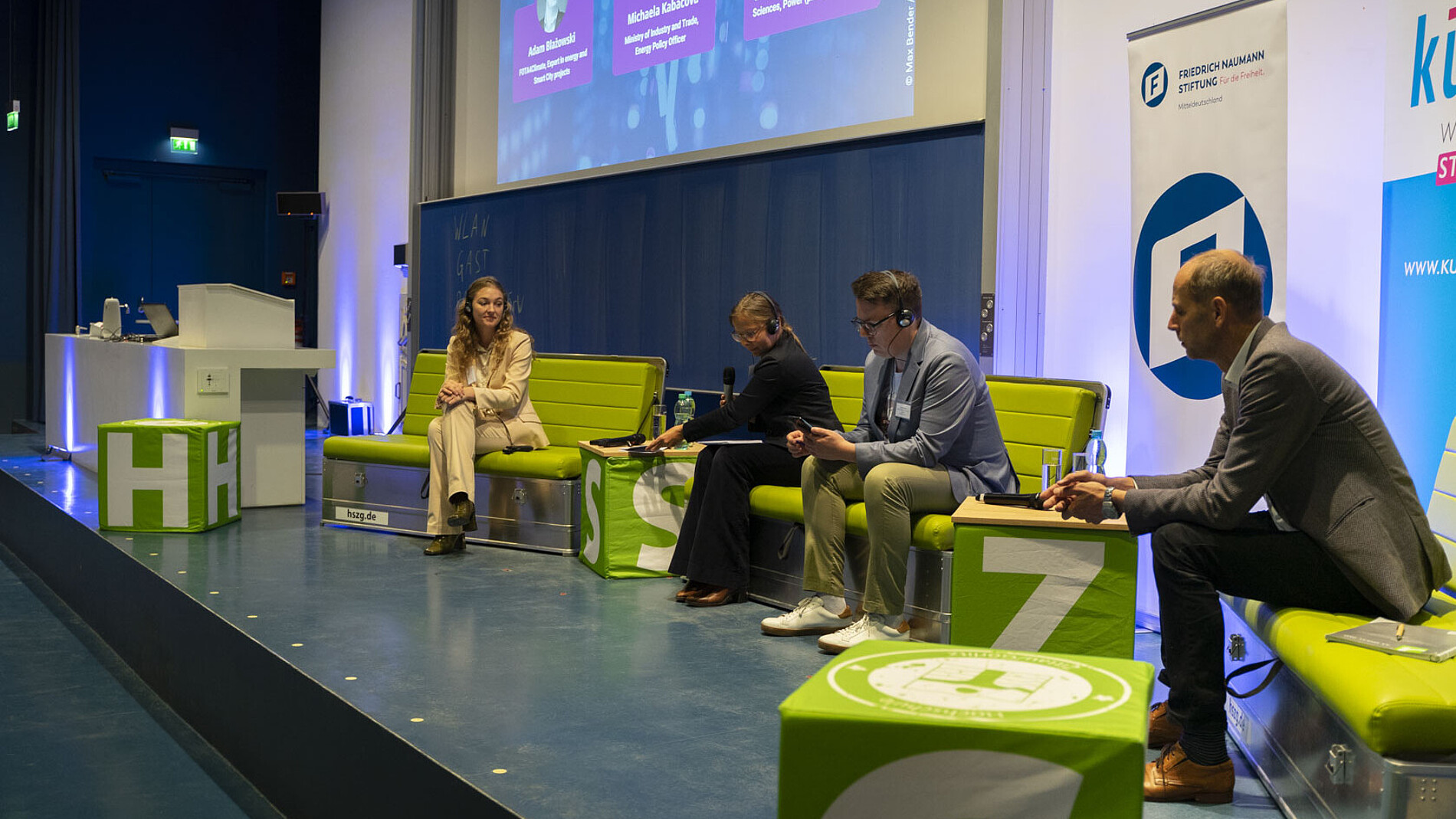
The second panel discussed energy policy in the context of conflicting European and national objectives. To begin with, the experts assessed past policies aimed at securing energy supplies from their respective national perspectives and examined the extent to which a pan-European energy security policy is necessary and what form it should take. This helped foster an understanding of the respective national energy strategies of the individual countries (DE/PL/CZ), and the panelists emphasized the importance of mutual understanding regarding differing priorities within national energy policies. In addition to the unanimous consensus on the need for further and more extensive expansion of renewable energy, the future viability of nuclear power for CO2-neutral energy generation was also addressed and discussed. Green hydrogen is also seen as playing a role as a future technology and storage solution. Adam Blazowski (PL), an energy expert from FOTA4Climate in Poland, emphasized the need to prioritize the use of hydrogen for decarbonizing the fertilizer industry rather than simply burning it for energy generation.
The EU Green Deal should incorporate all low-carbon energy sources. Since the Euratom Treaty is one of the EU’s founding documents, countries should have the freedom to choose their own decarbonization pathways, as long as they can achieve the established goals.
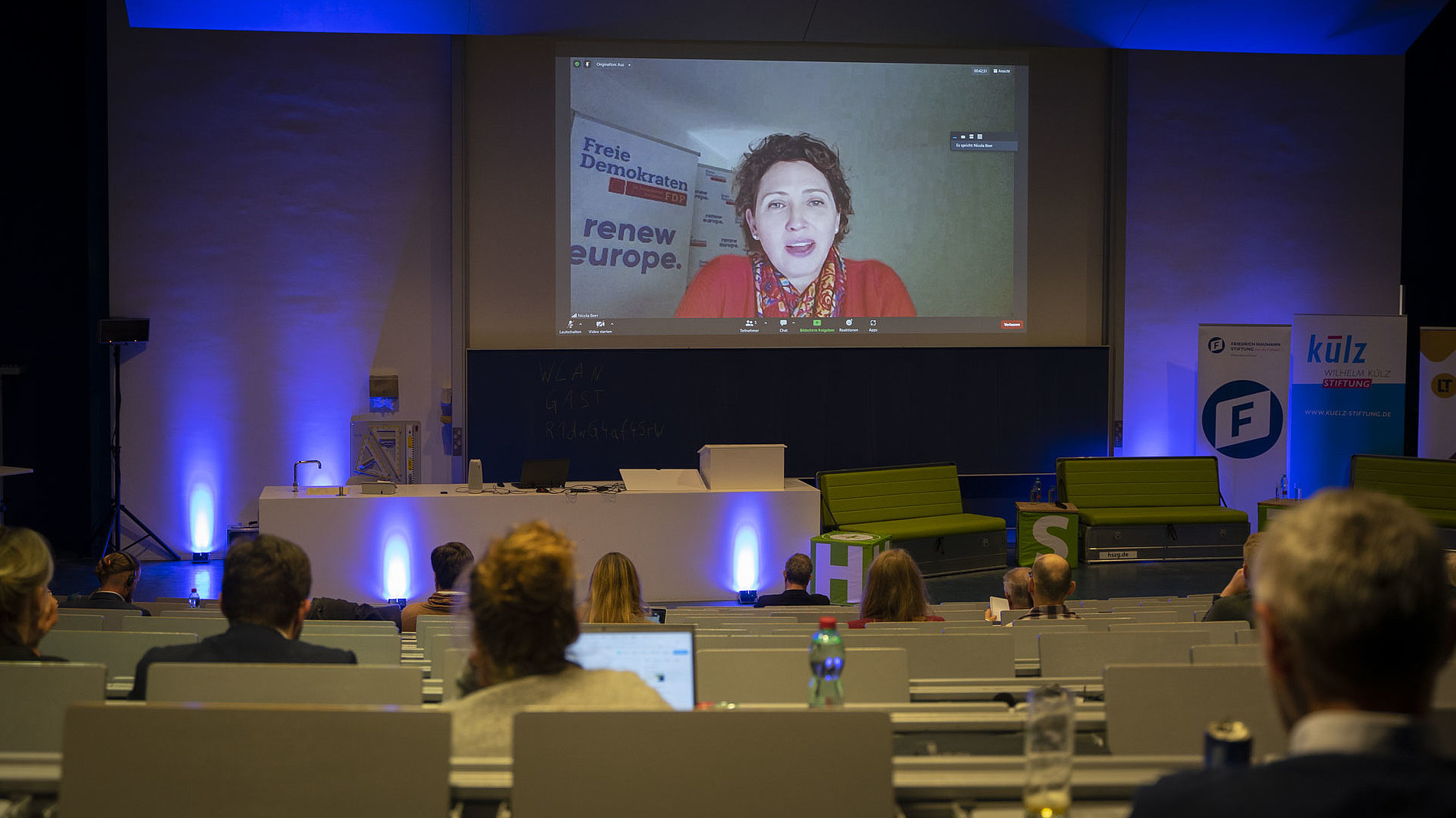
Nicola Beer, Member of the European Parliament, Vice President of the European Parliament, and member of the Committee on Industry, Research, and Energy, highlighted two necessary approaches in her keynote speech for implementing a long-term energy market reform. First, she stressed the need to become more energy-efficient; second, she emphasized that energy imports must be restructured. To increase energy efficiency, the European Parliament is currently working on the “European Energy Performance of Buildings Directive” (EPBD), and this is being supported by the “Energy Efficiency Directive,” which was already voted on in Parliament in September, and trilogue negotiations have begun. Furthermore, Nicola Beer emphasized: “Restructuring our energy imports is not sufficient: we must reform the entire market mechanism and its offerings.” In addition to RePowerEU and the concept of a single energy market, Ms. Beer sees an opportunity to quickly fill gaps in energy capacity with renewable energy and more environmentally friendly energy supplies.
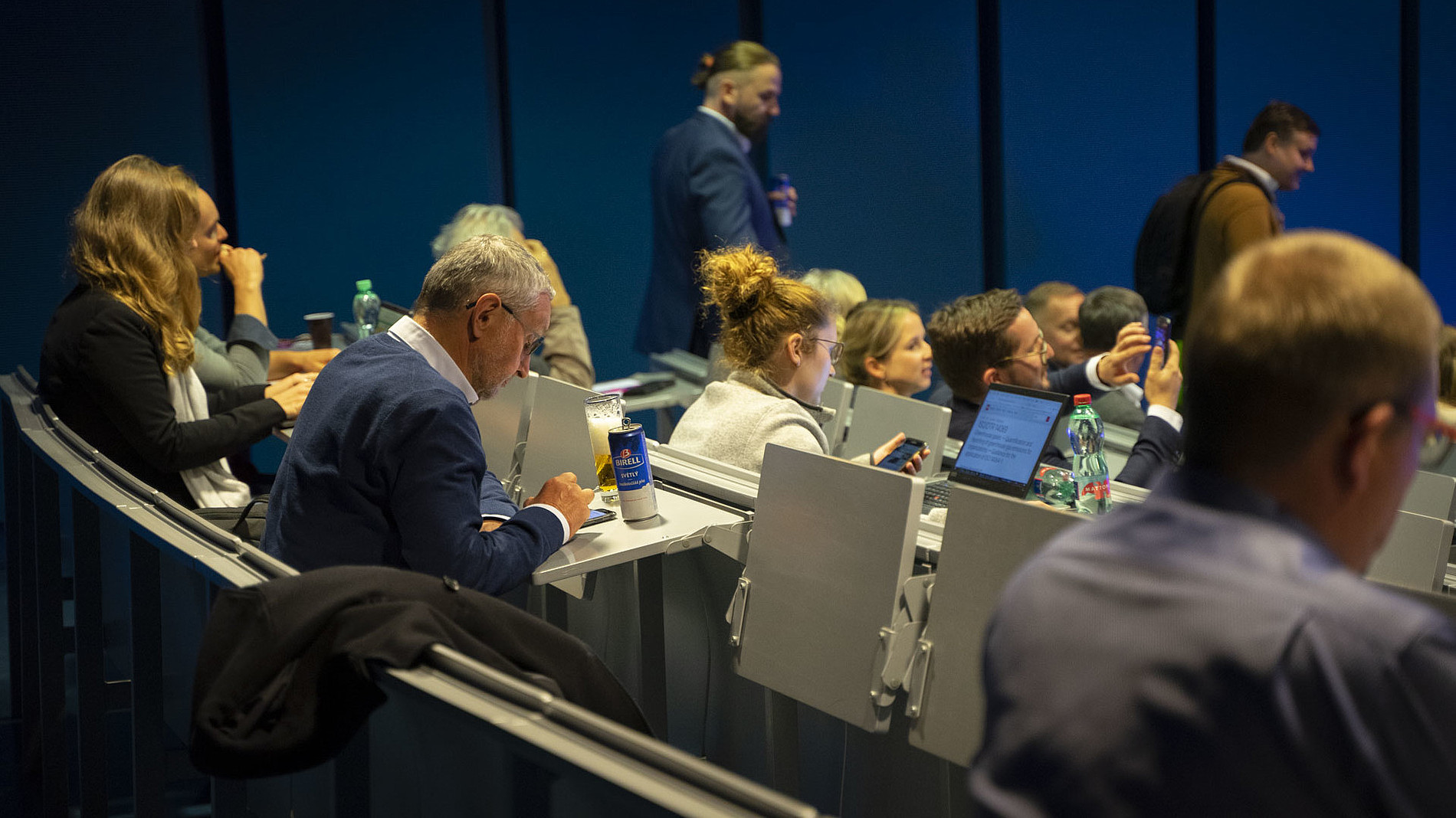
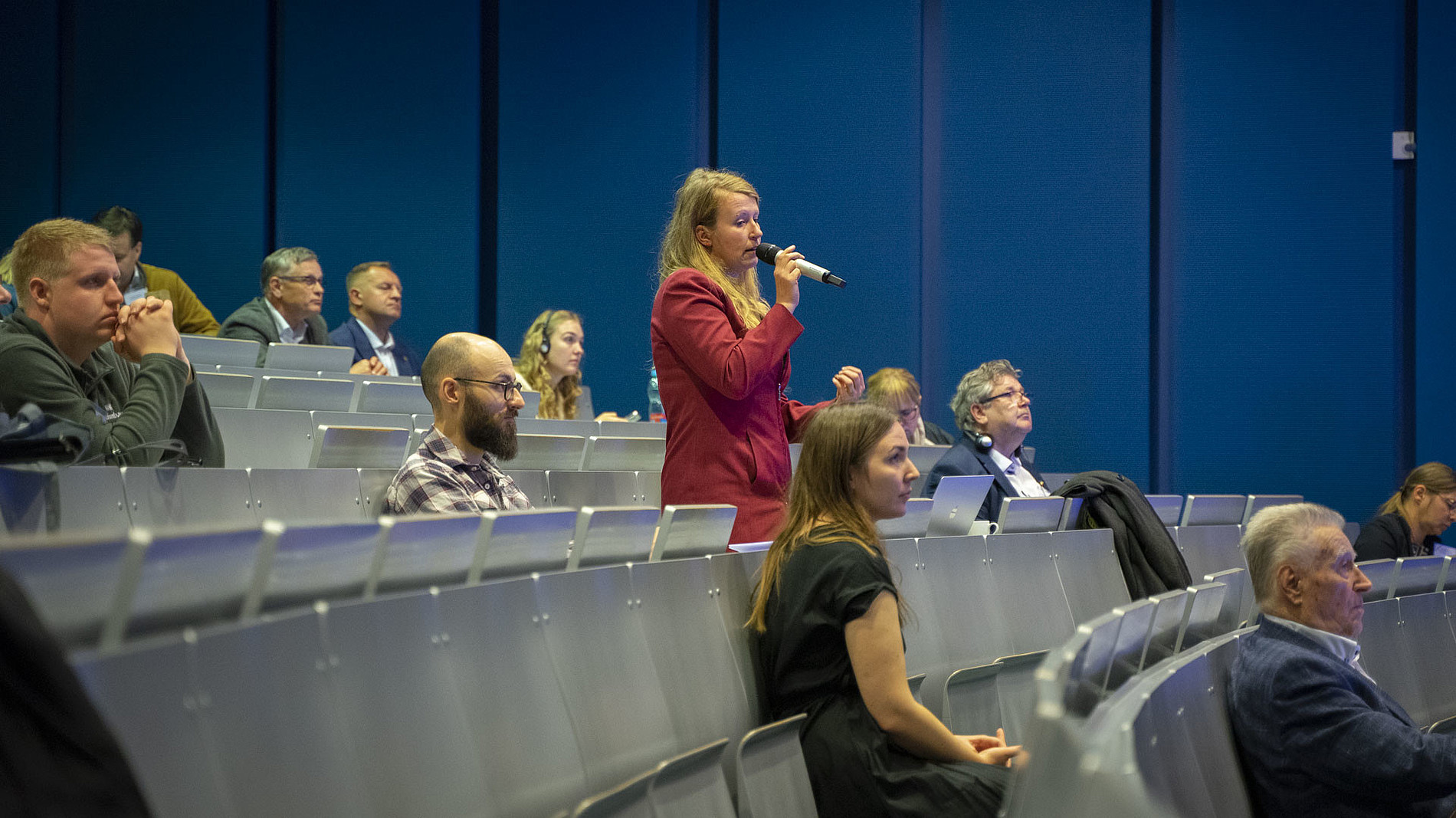
Using the World Café format, conference participants were able to engage in direct dialogue with panelists and experts from Germany, Poland, and the Czech Republic. Under the moderation of Karolin Gröschl (DE) from the Energy Innovations Campus in Görlitz, topics discussed included the affordability of energy, the compatibility of environmental goals and economic necessities, job security, and the technical dimension, as well as local, regional, and European implications regarding the Turów dispute as a challenge for the tri-border region. For example, Michaela Kabáčová (CZ) from the Czech Ministry of Industry and Trade addressed the Czech position regarding the lawsuit before the European Court of Justice in the Turów case, Agnieszka Spirydowicz (PL) from ZKlaster in Poland discussed the potential of cross-border regional projects, while Martina Jakl (CZ) from the German-Czech Chamber of Industry and Commerce in Prague presented economic perspectives for the region from a business standpoint for discussion, and Prof. Karel Frana (DE/CZ) from the University of Applied Sciences Zittau/Görlitz addressed technical and technological perspectives for future energy security in the region. The results of the discussion were summarized in the form of a graphic recording consisting of seven key points.
The trilateral dialogue conference took place at the HSZG in Zittau and was organized in cooperation with the Friedrich Naumann Foundation for Freedom and the Wilhelm Külz Foundation. We would like to thank all conference participants, organizers and participants for their active participation and all contributions to the discussion!

4th upper floor
2nd upper floor