
Building Bridges Through Education
The HSZG in Ulaanbaatar — Promoting International Cooperation and Academic Exchange at the Saxon Education and Science Days
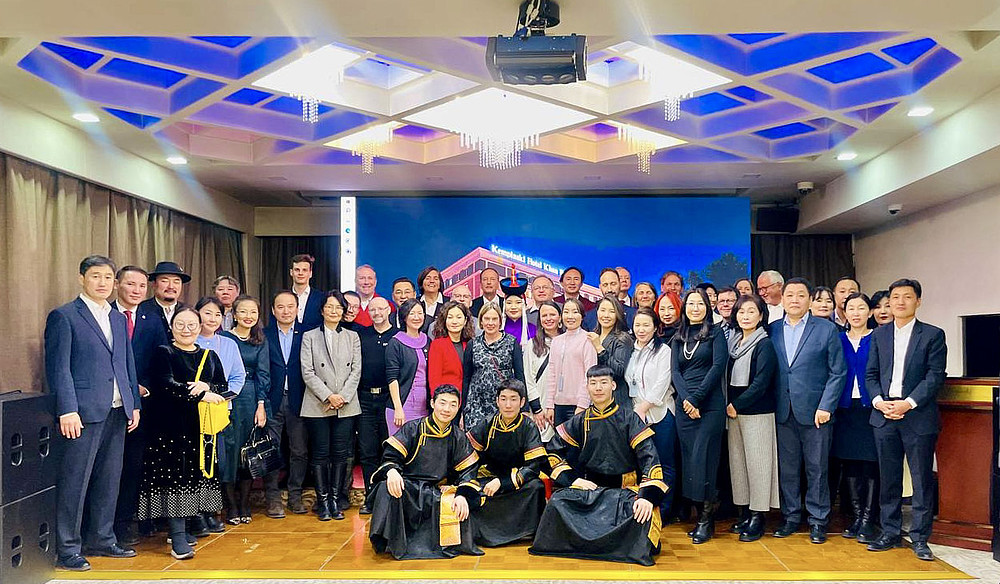
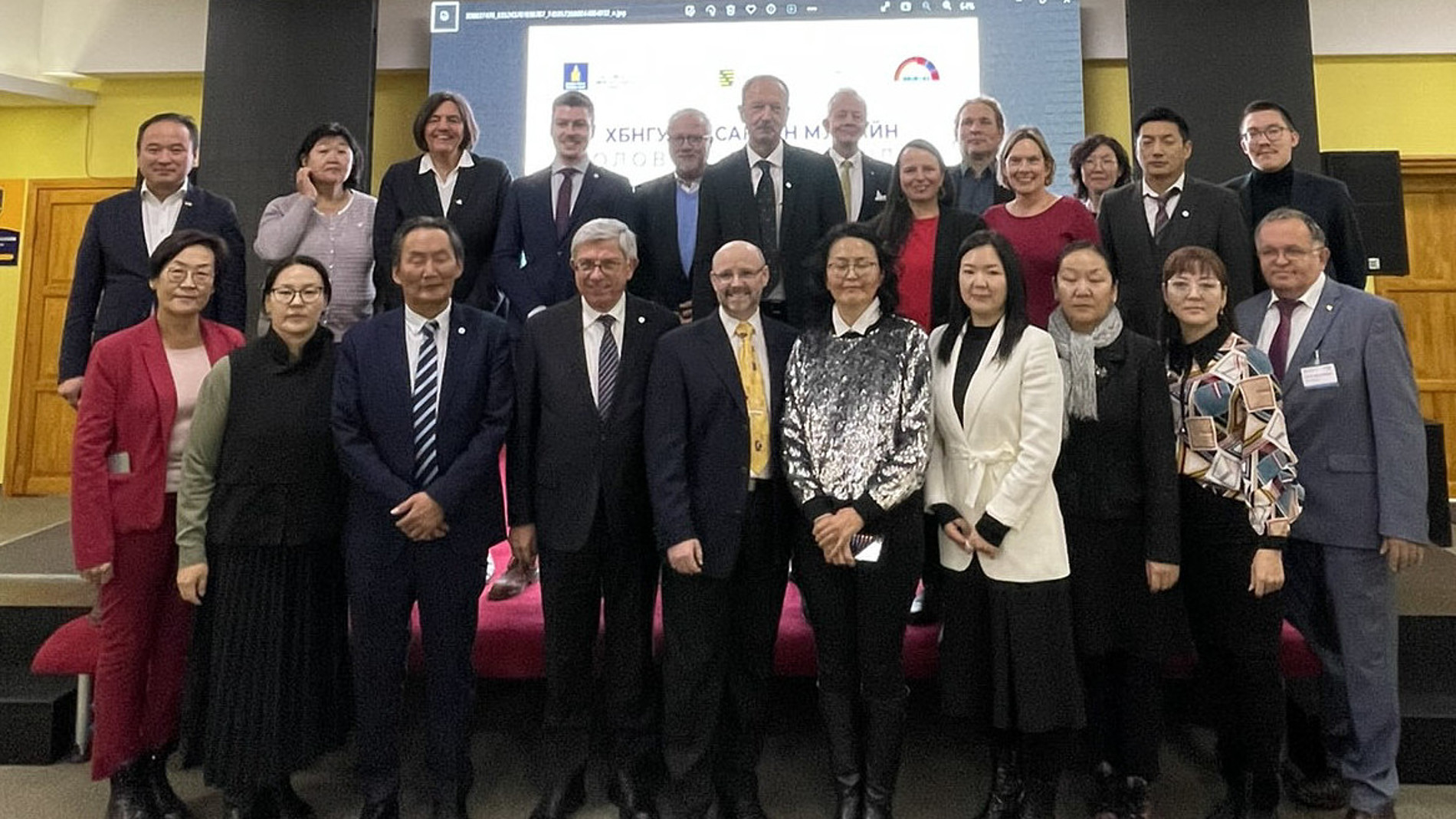
The Saxon Education and Science Days in Ulaanbaatar, an initiative aimed at strengthening higher education cooperation and professional development between Saxony and Mongolia, took place from November 6 to 11, 2023. Organized by the Saxon State Ministry of Science, Culture, and Tourism in cooperation with the Saxon State Rectors’ Conference and the Mongolian Ministry of Education, this event provided an ideal platform for in-depth knowledge exchange, discussions on shared educational topics, and collaboration.
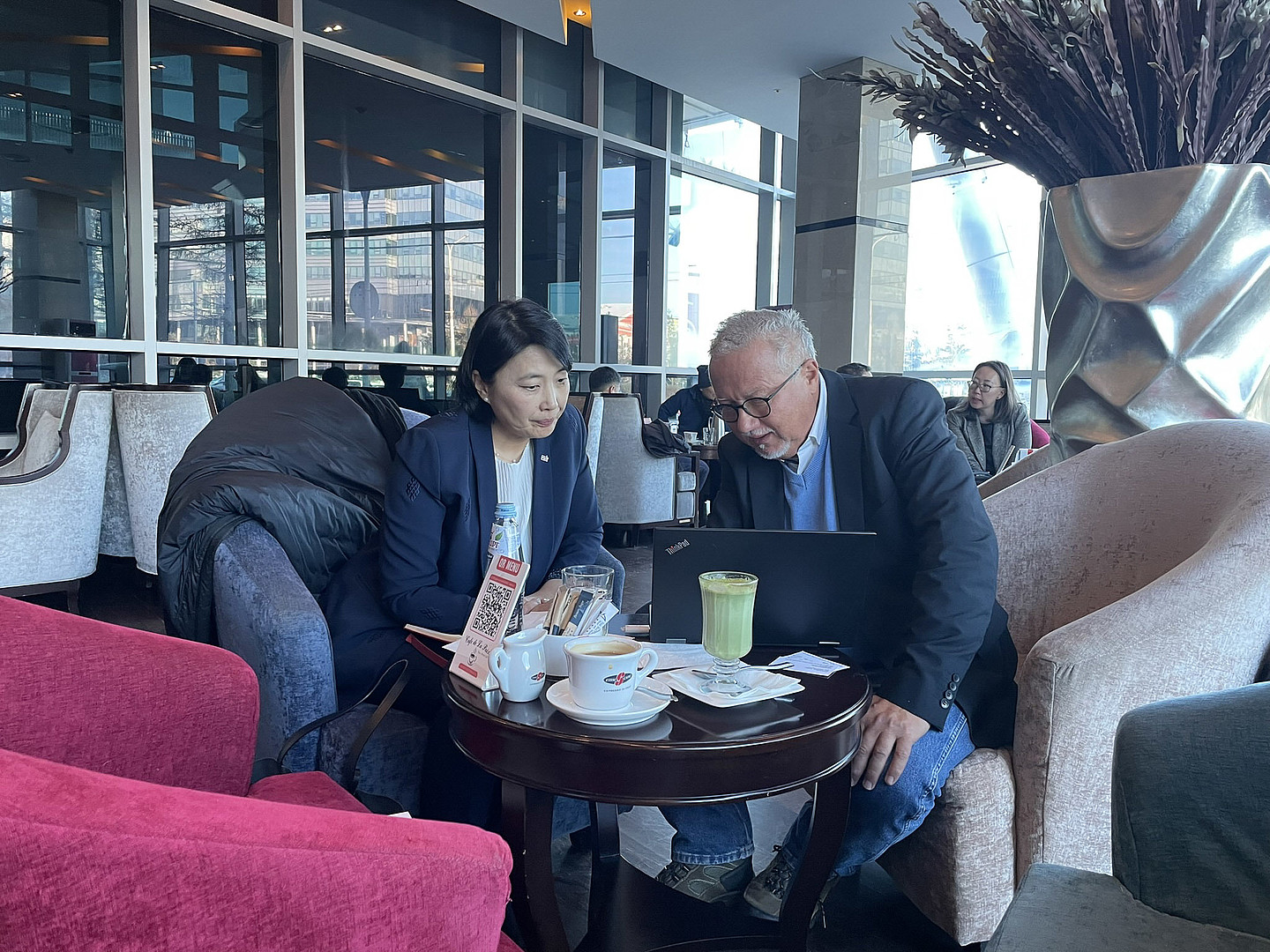
A delegation from Zittau/Görlitz University of Applied Sciences, consisting of Prof. Dr.-Ing. Jürgen I. Schoenherr, President of ZIRKON, Dr. rer. nat. Matthias Kinne, Cluster Manager of LaNDER³, and Susanne Fentzel, a staff member in the staff unit for University development and communication in the University Executive Board, took part in these important events.
New perspectives through international cooperation
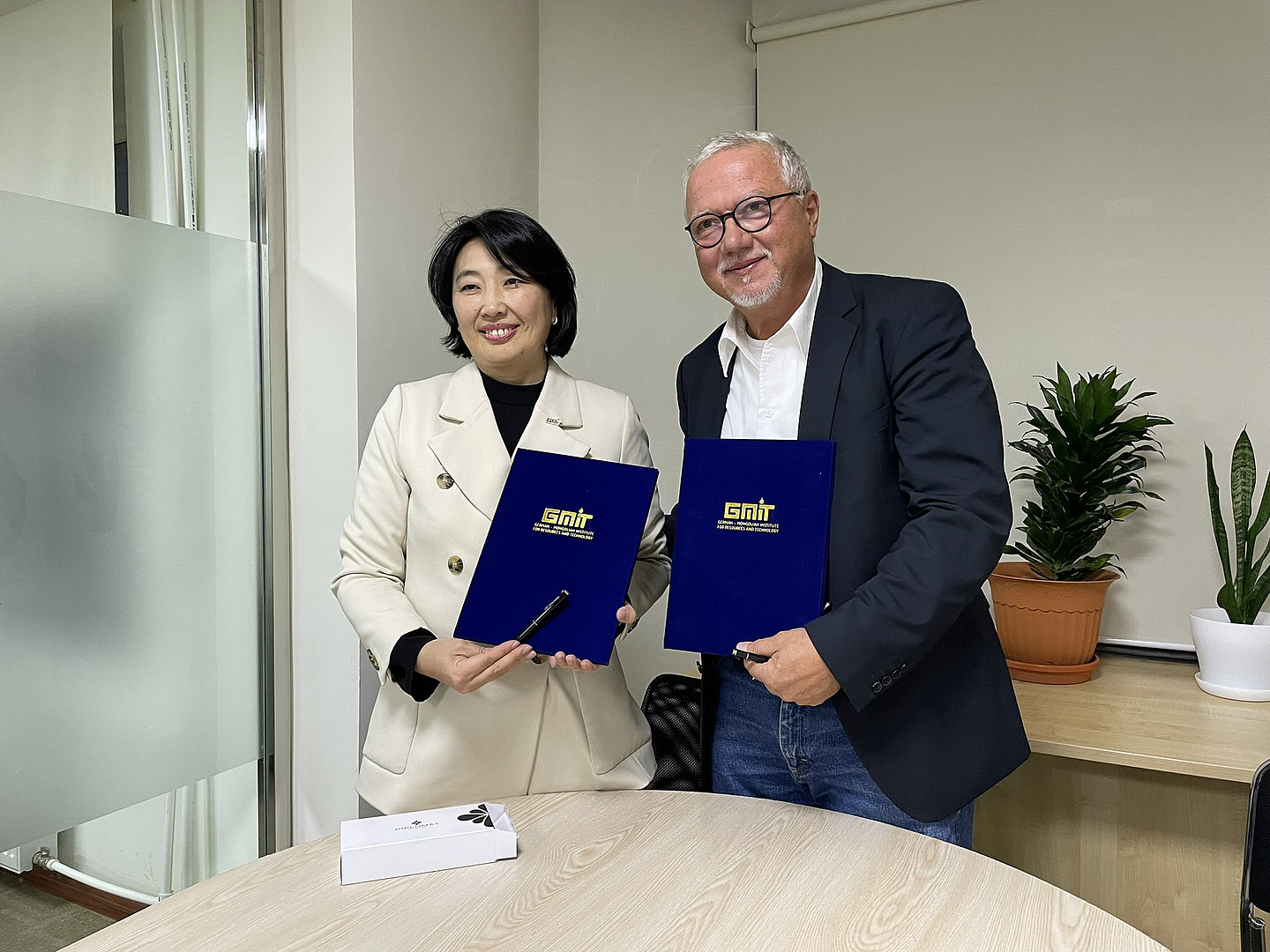
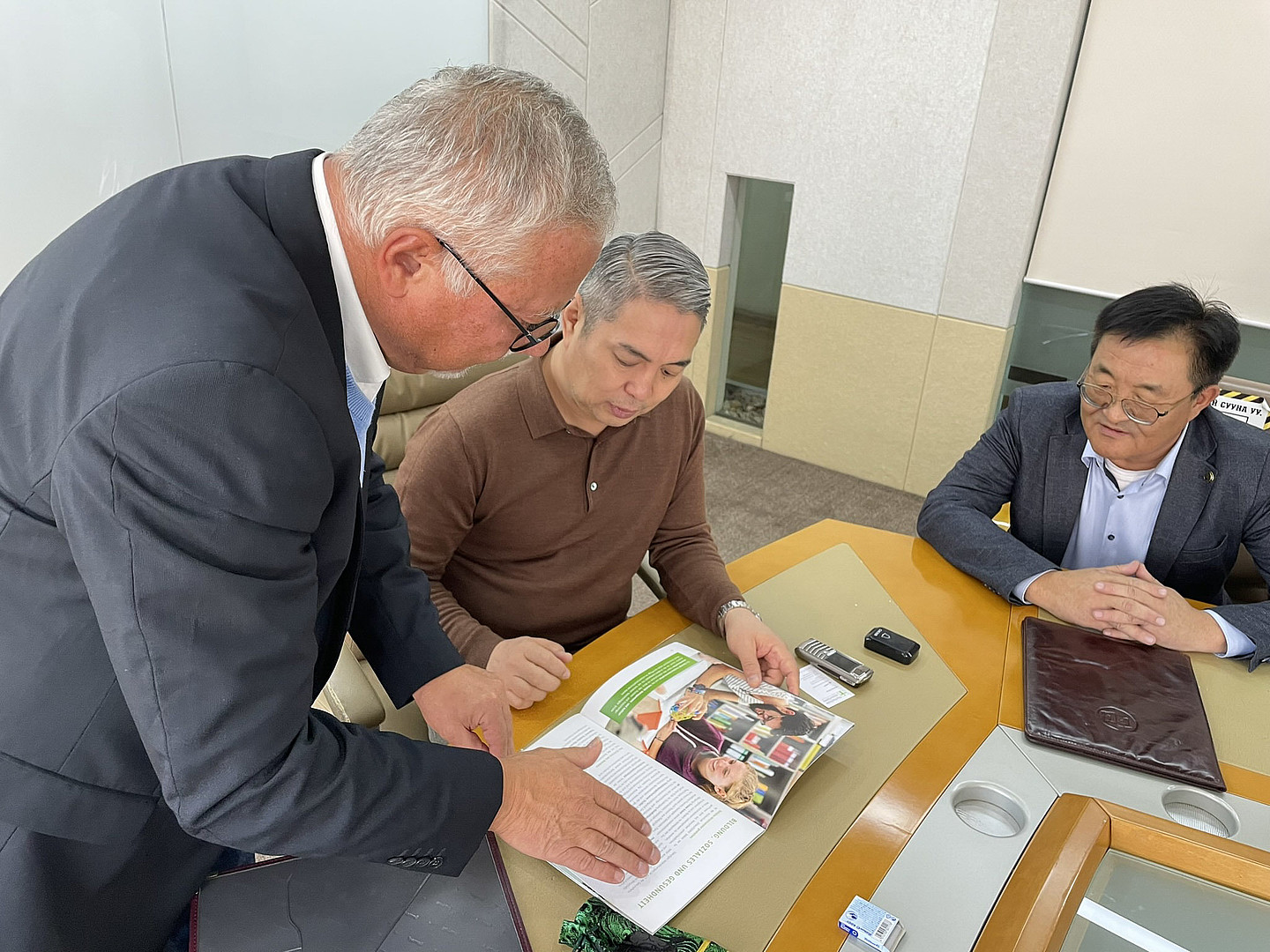
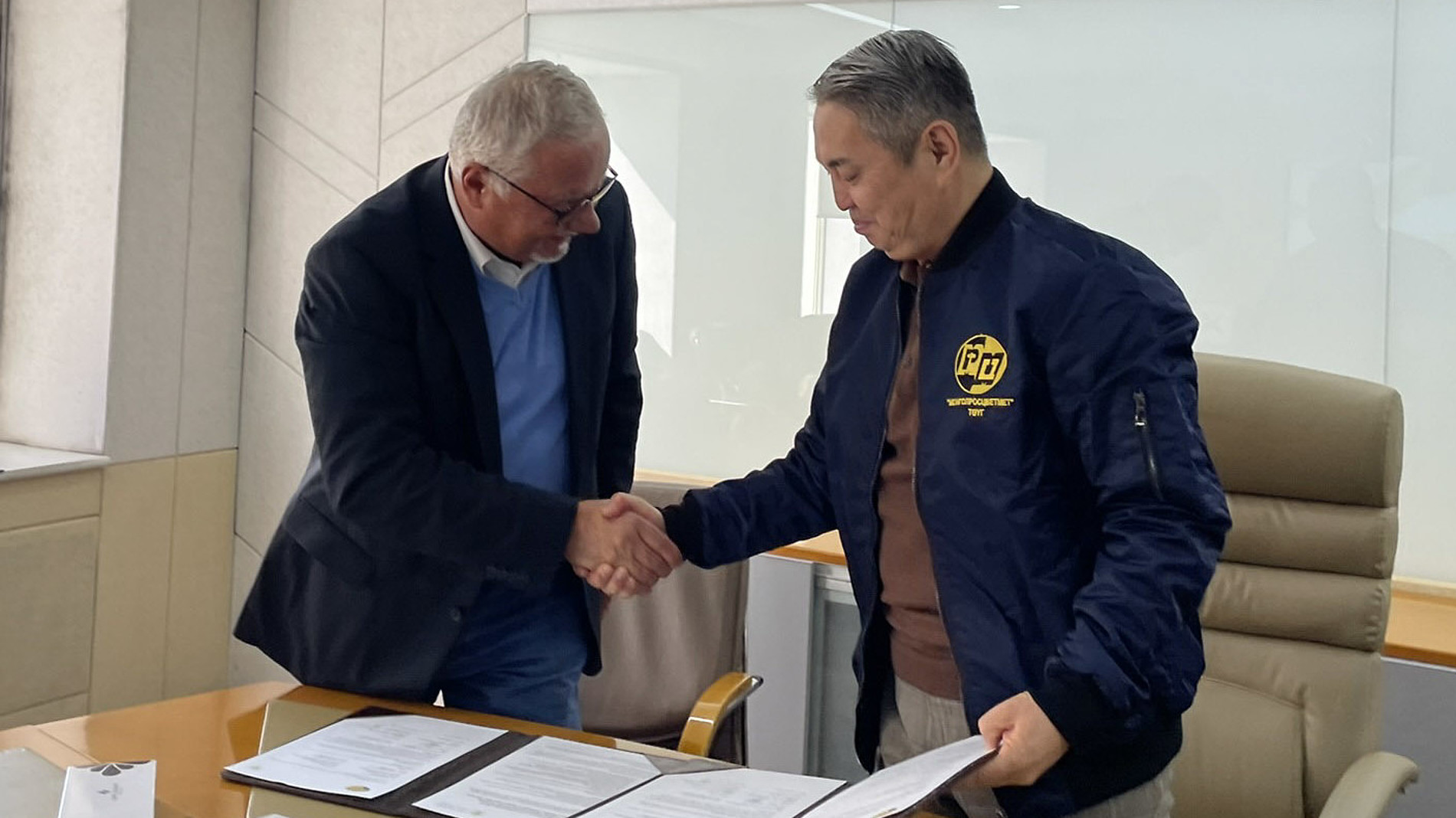
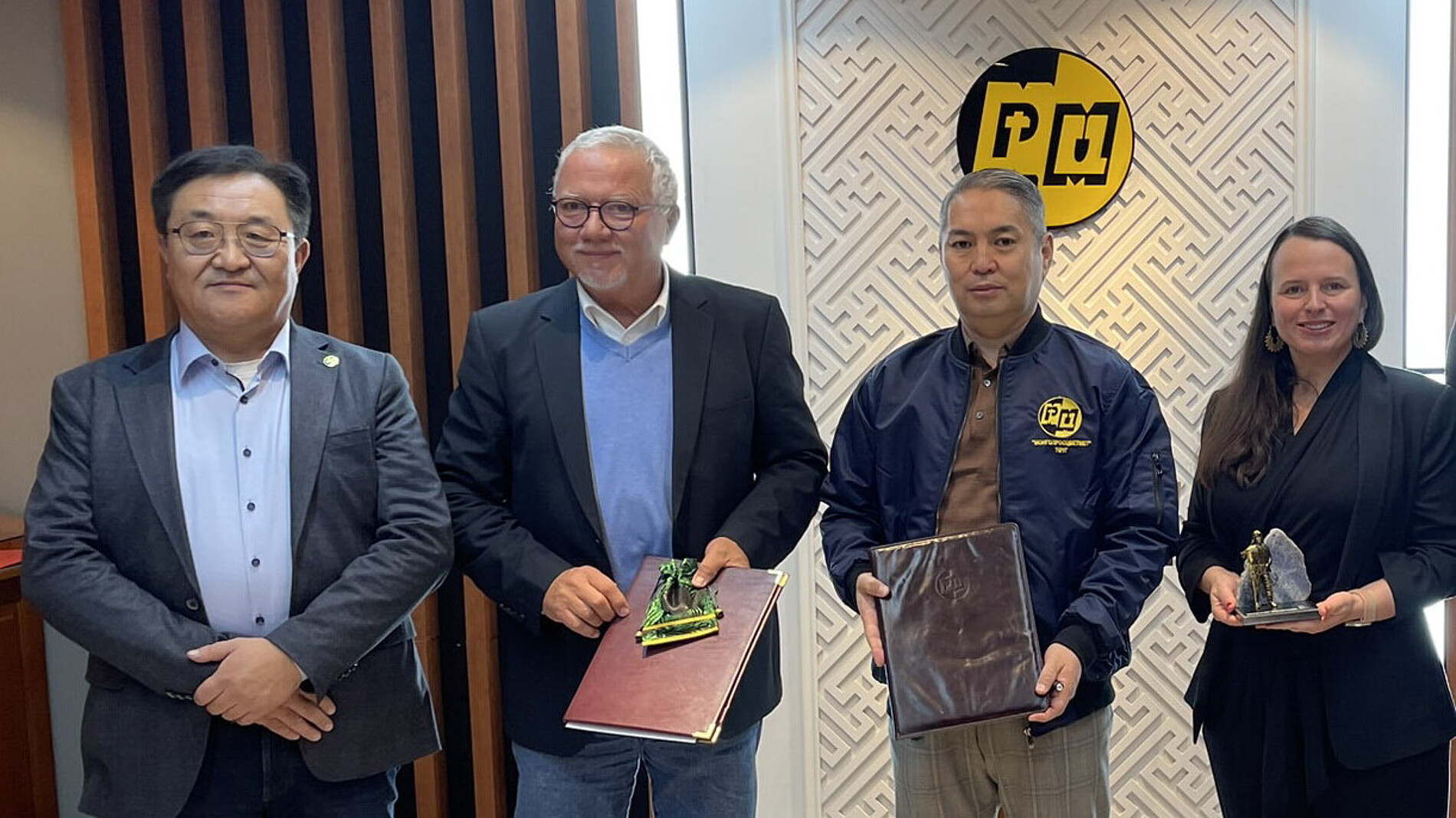
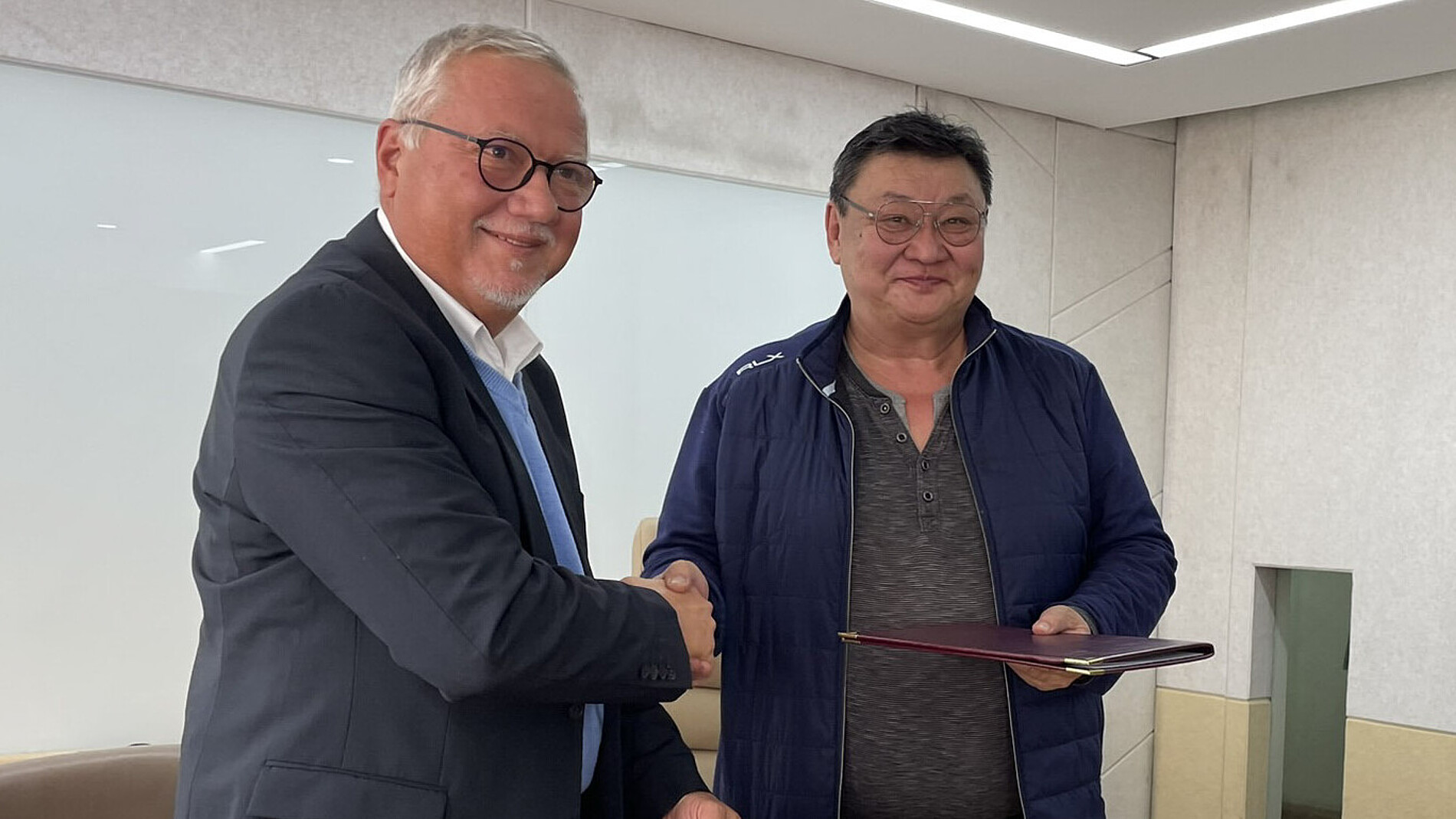
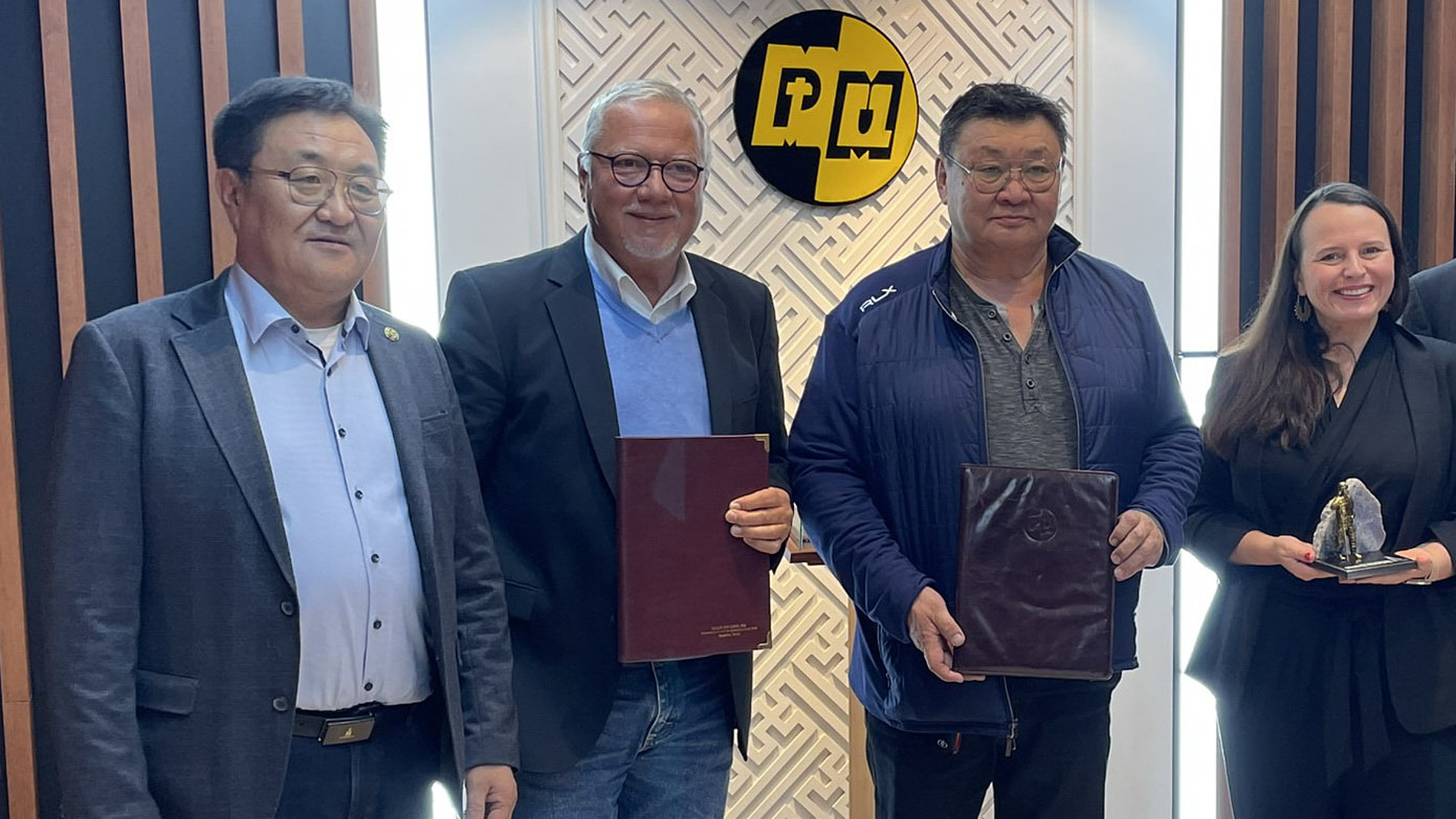
The trip offered the Zittau/Görlitz University of Applied Sciences numerous opportunities to establish new partnerships. Memoranda of Understanding (MoU) were signed with the
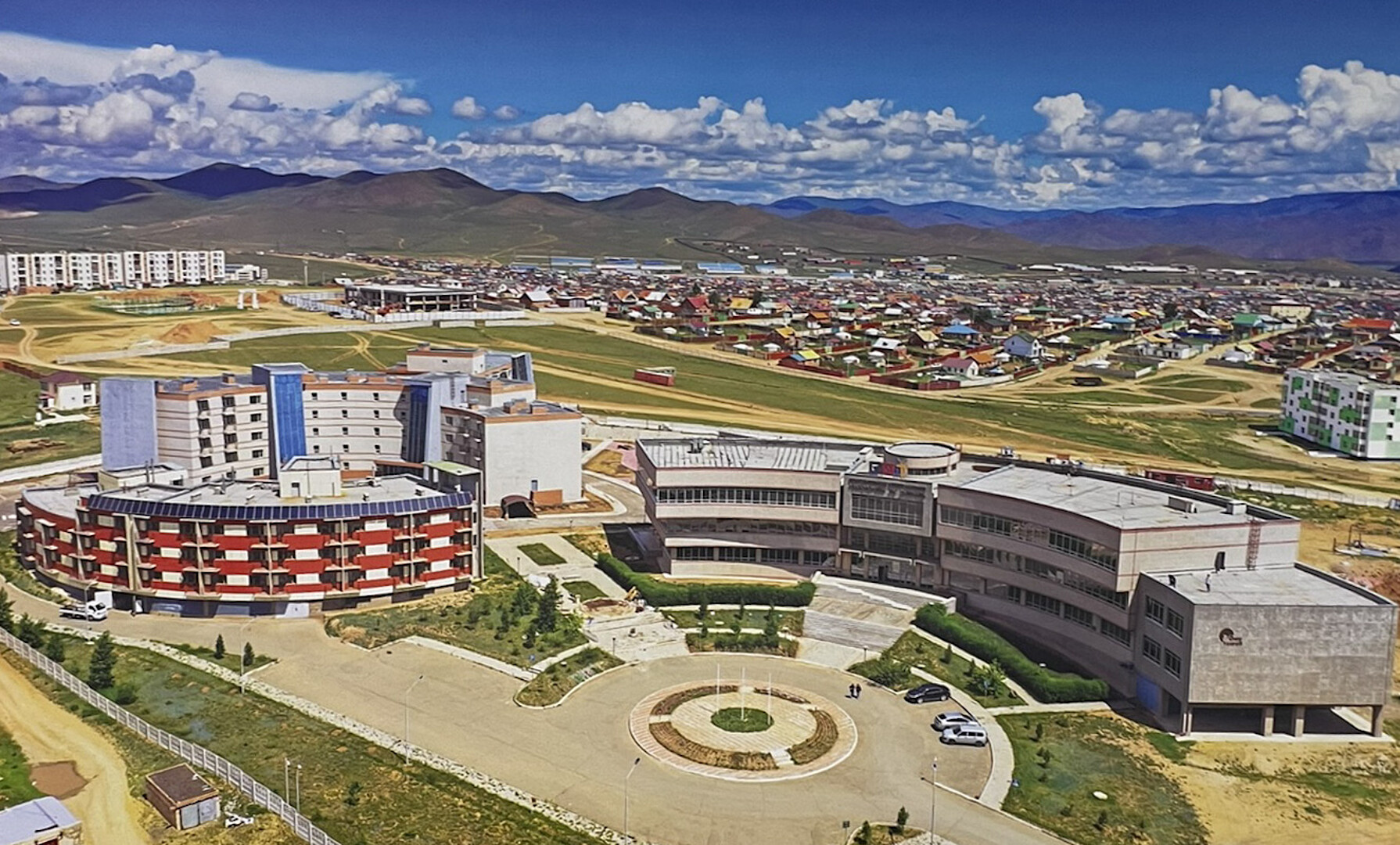
- German-Mongolian Institute for Resources and Technology (GMIT),
- Mongolrostsvetmet SOE, a leading mining company, and the
- Berkh Mongolian Center for Mining, Training, and Tourism.
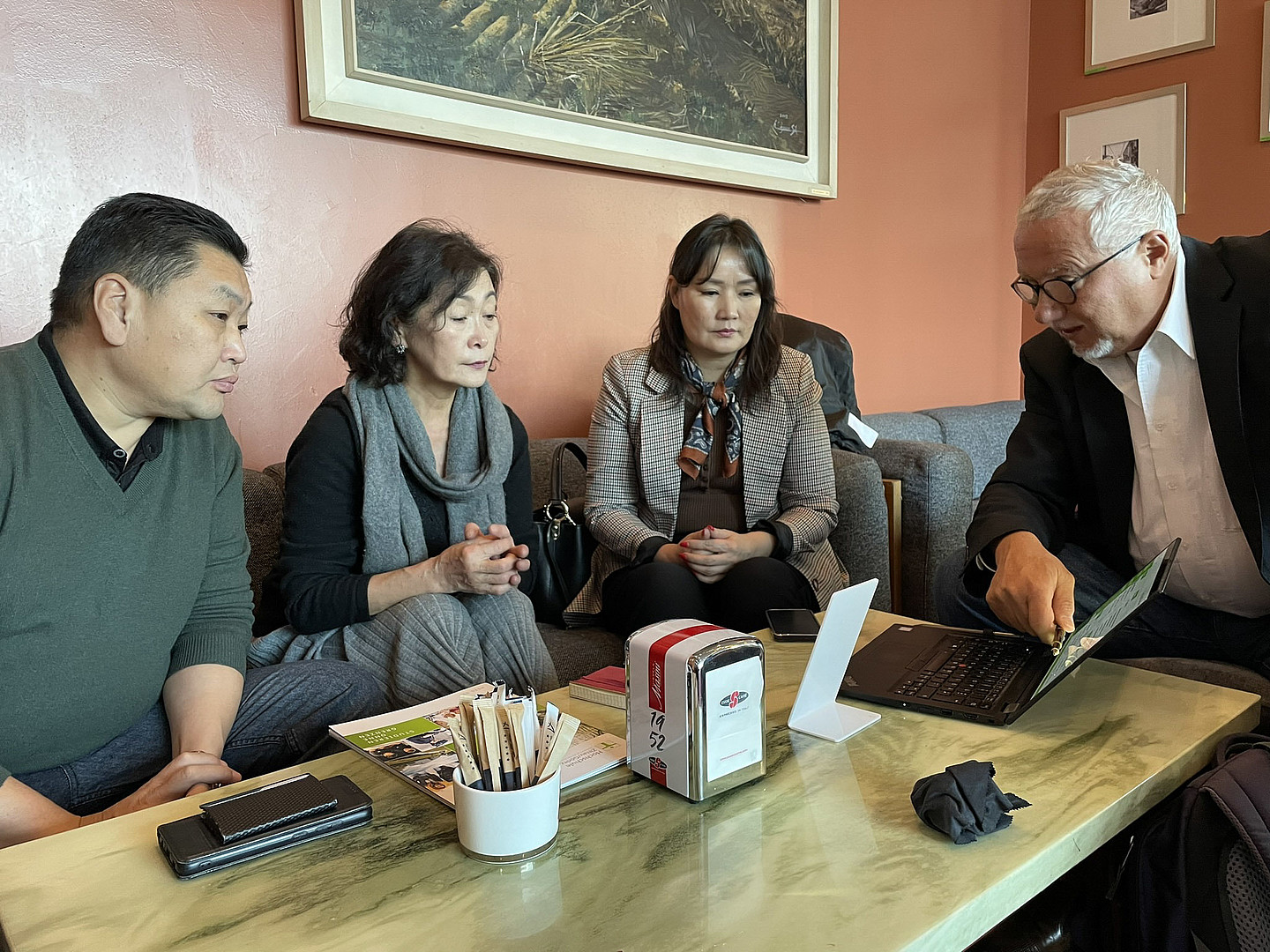
In addition, another MoU with the Mongolian National University (MNU) was prepared. Furthermore, the scope for concluding an MoU with the Mongolian University of Science and Technology (MUST) is currently being explored. These agreements offer extensive opportunities for future student and faculty exchanges, knowledge sharing, and research collaborations.
These collaborations are an important step in our international network and open up excellent opportunities for mutual knowledge exchange and research, explained Professor Schoenherr.
”
Knowledge exchange and research initiatives
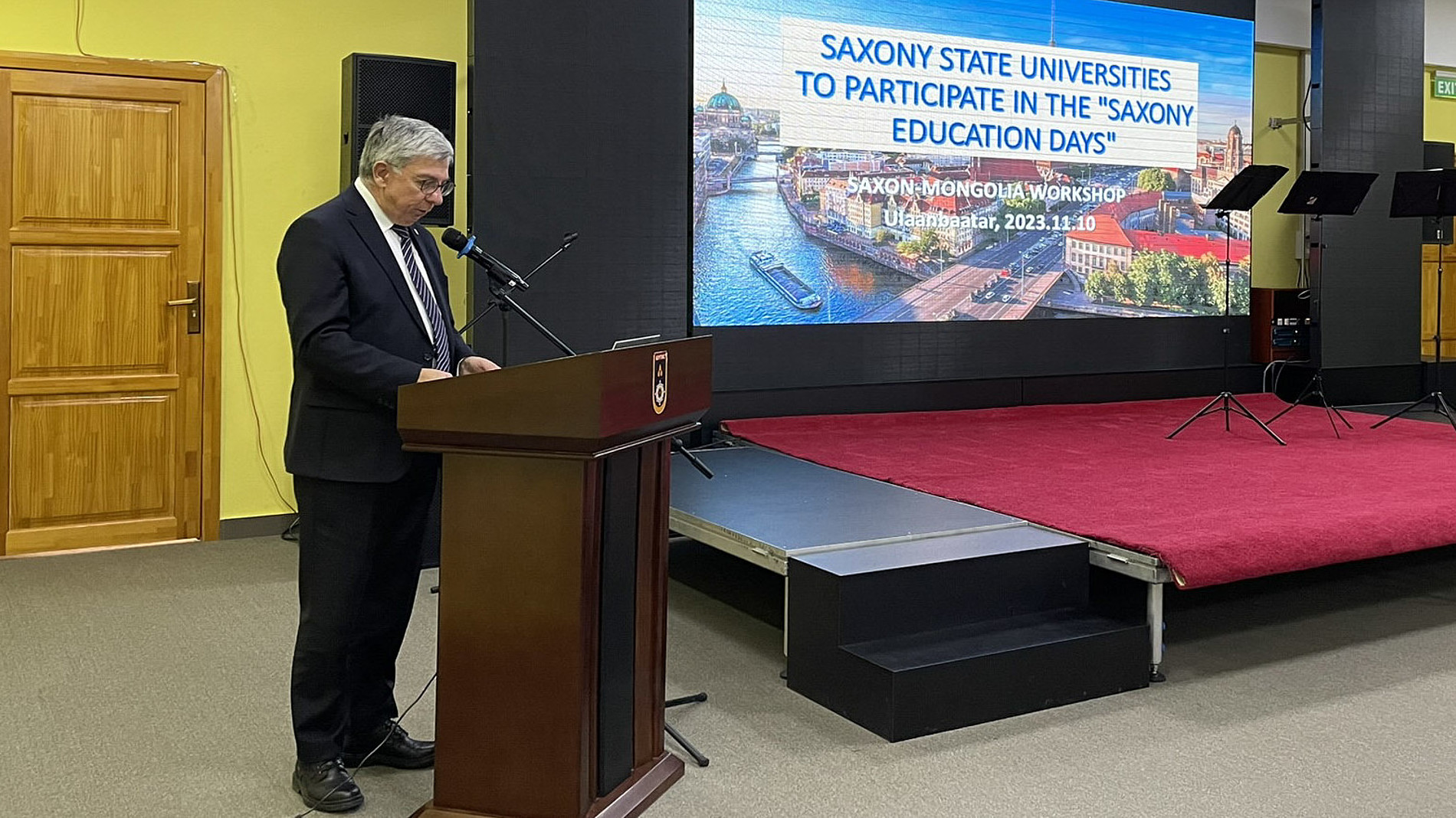
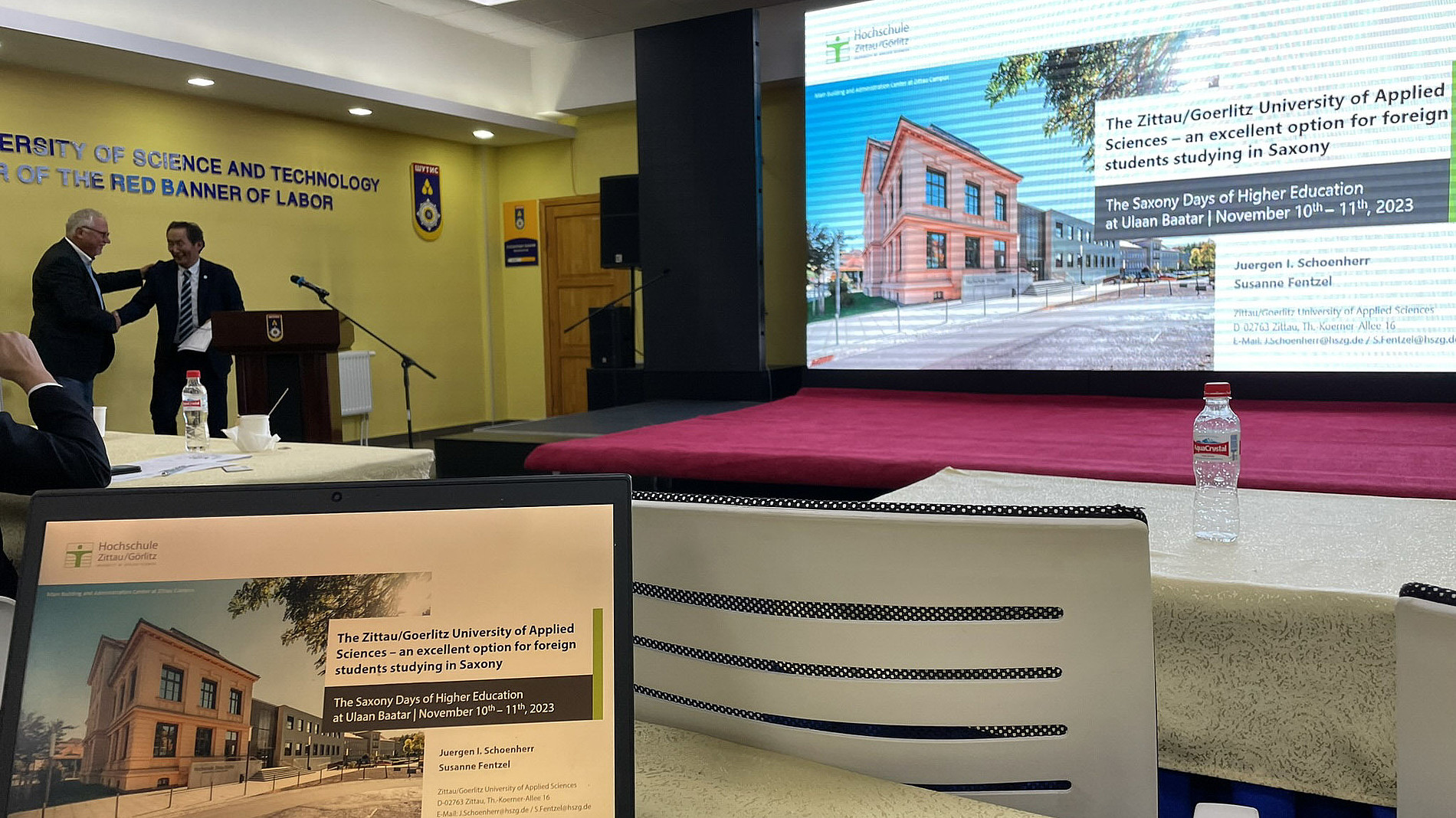
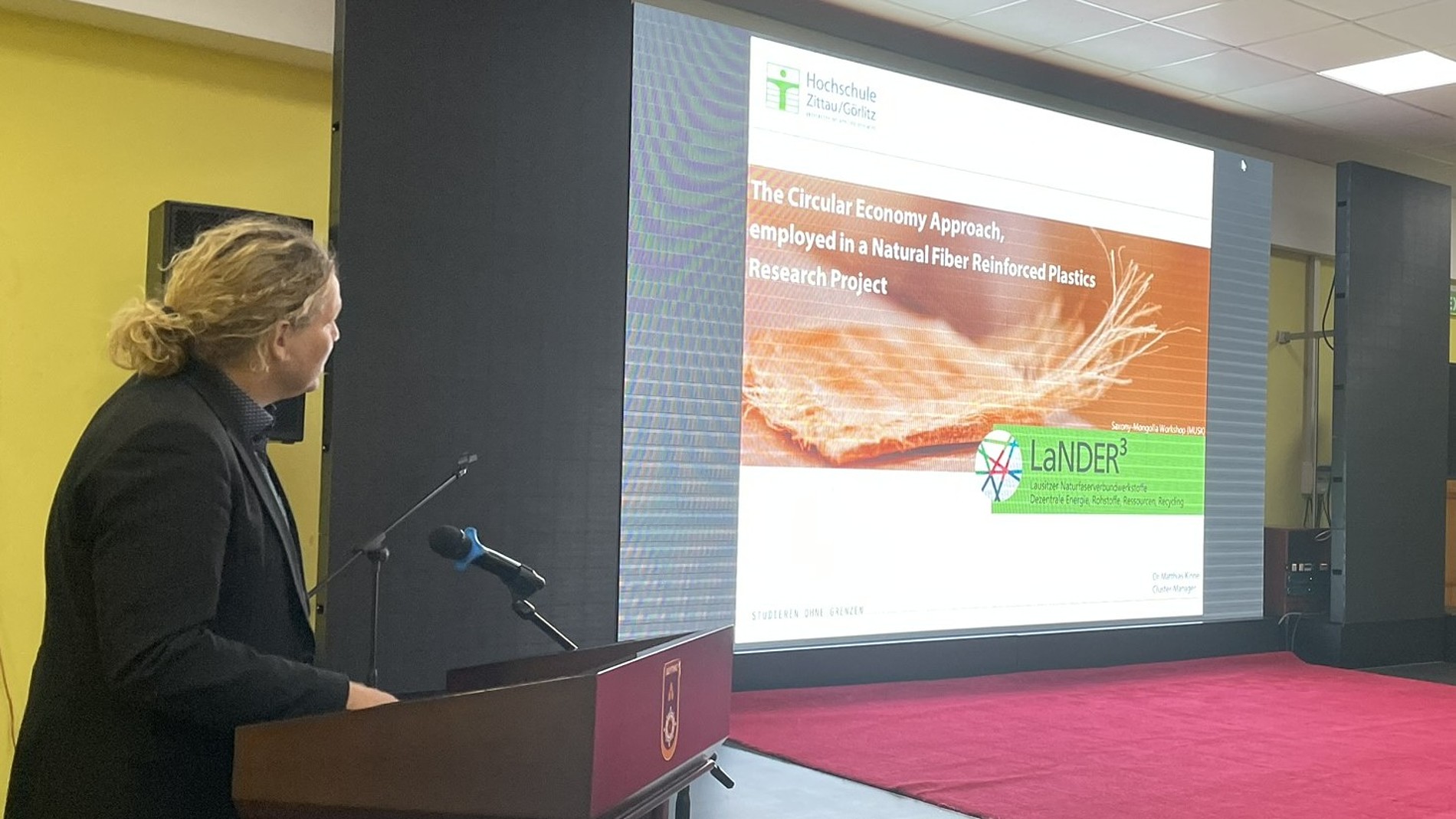
A workshop at the Mongolian University of Science and Technology (MUST) brought together representatives from German and Mongolian universities. Prof. Dr. Schoenherr presented the HSZG as an attractive educational institution for international students, while Dr. Kinne presented the innovative “Natural Fiber-Reinforced Plastics Research Project” (research project on natural fiber-reinforced plastics), thereby highlighting the HSZG’s innovative research ambitions. These presentations led to engaging discussions and further potential opportunities for collaboration.
Education Fair: Strong Interest in German Universities
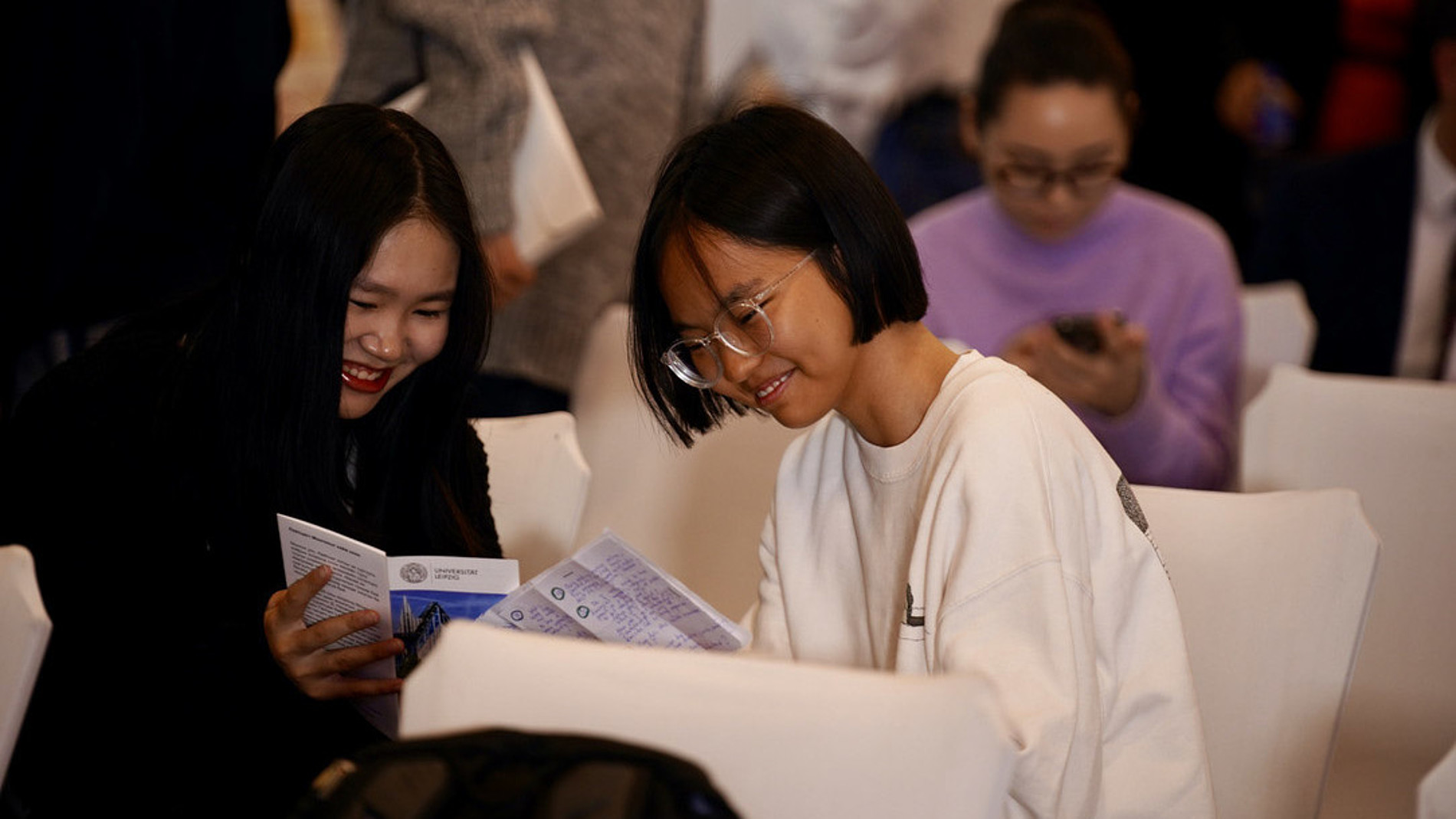
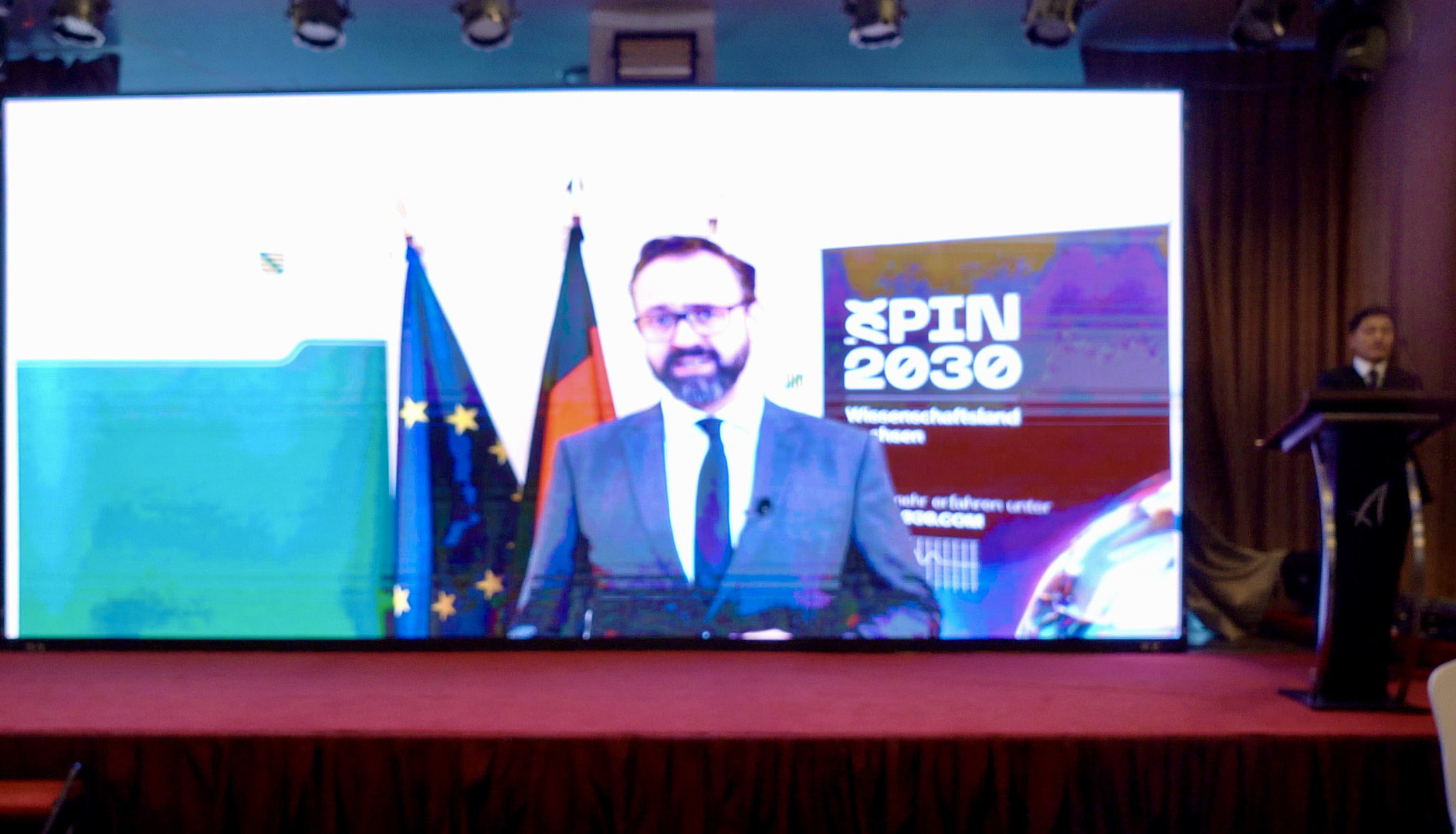
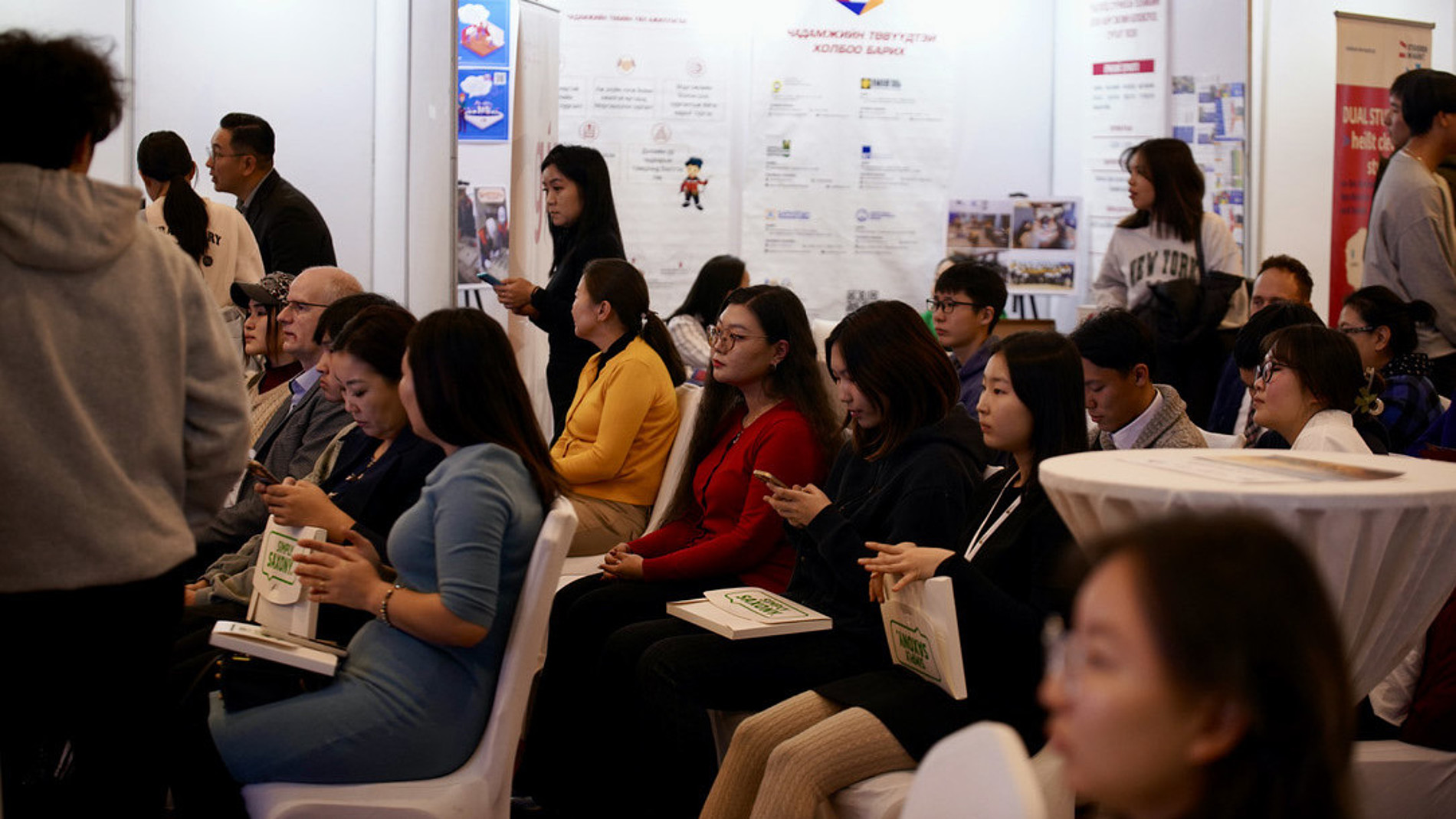
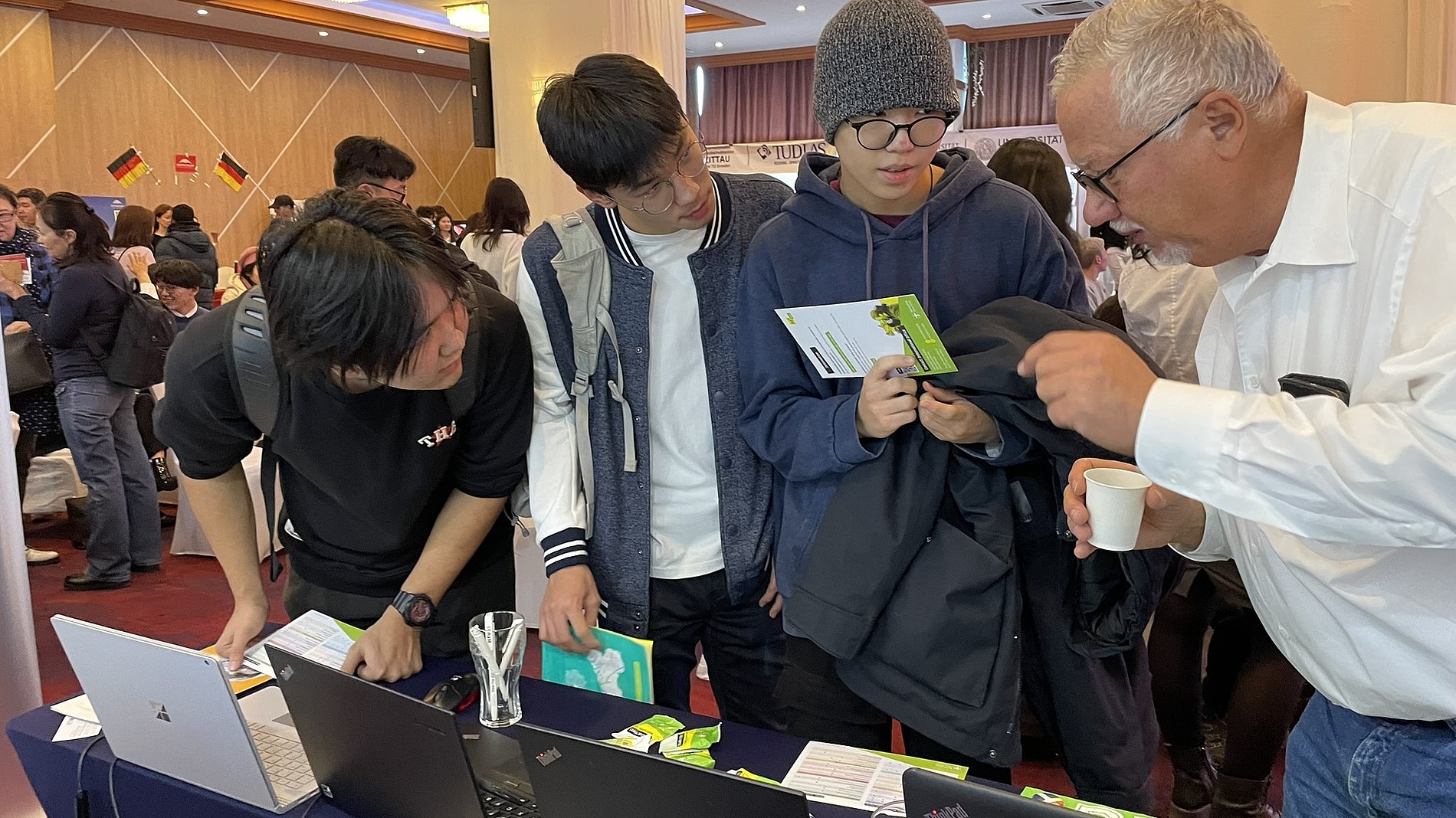
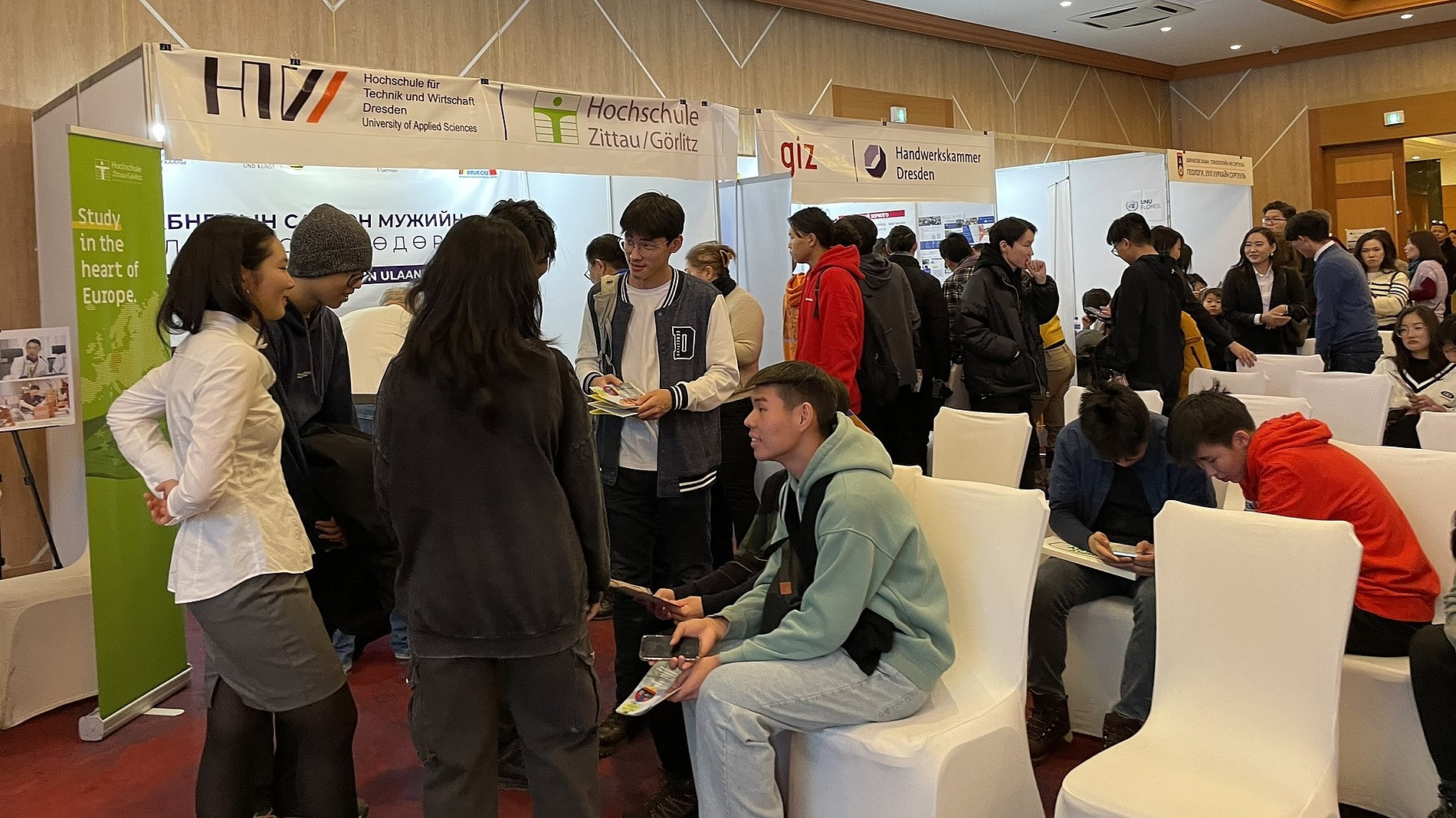
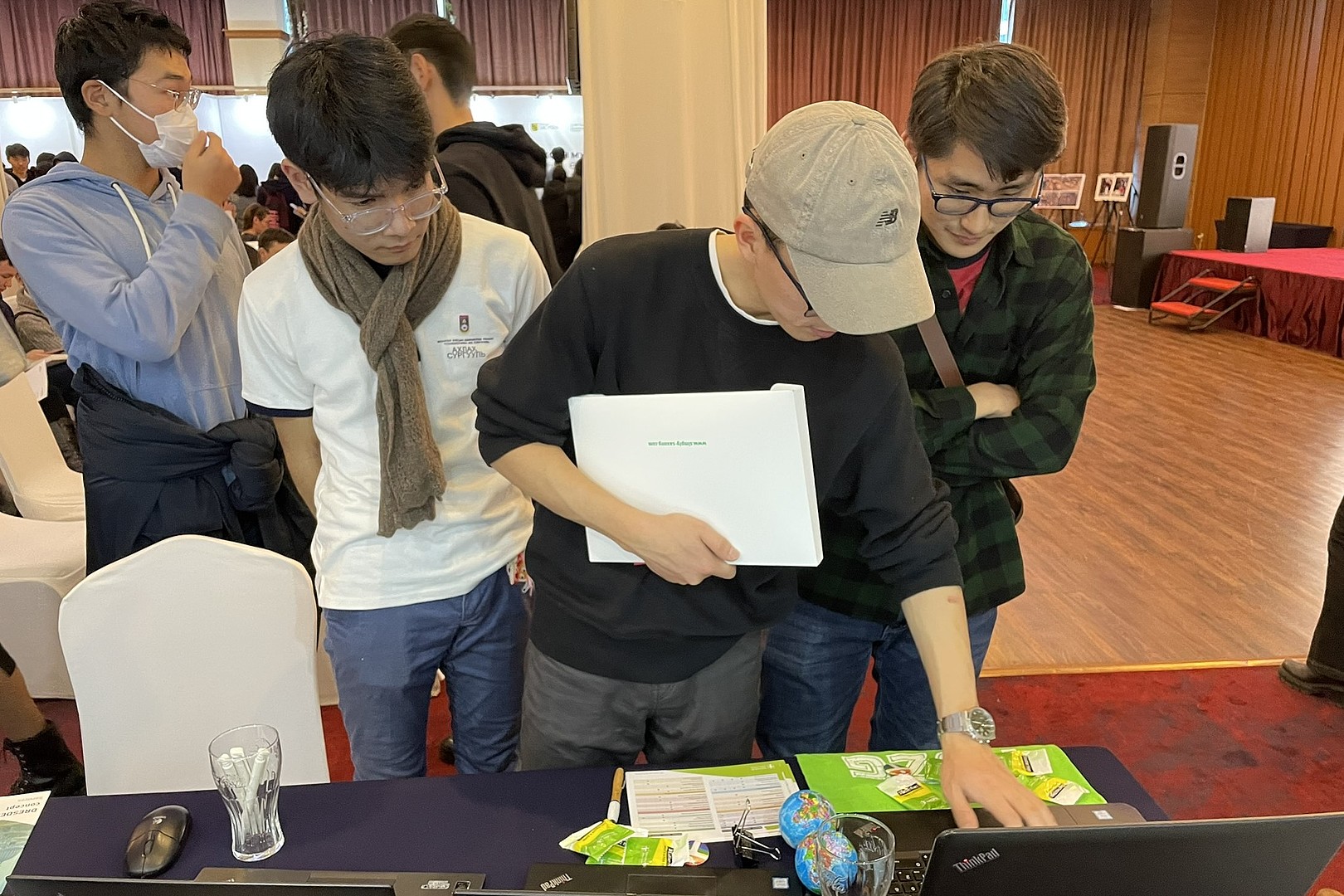
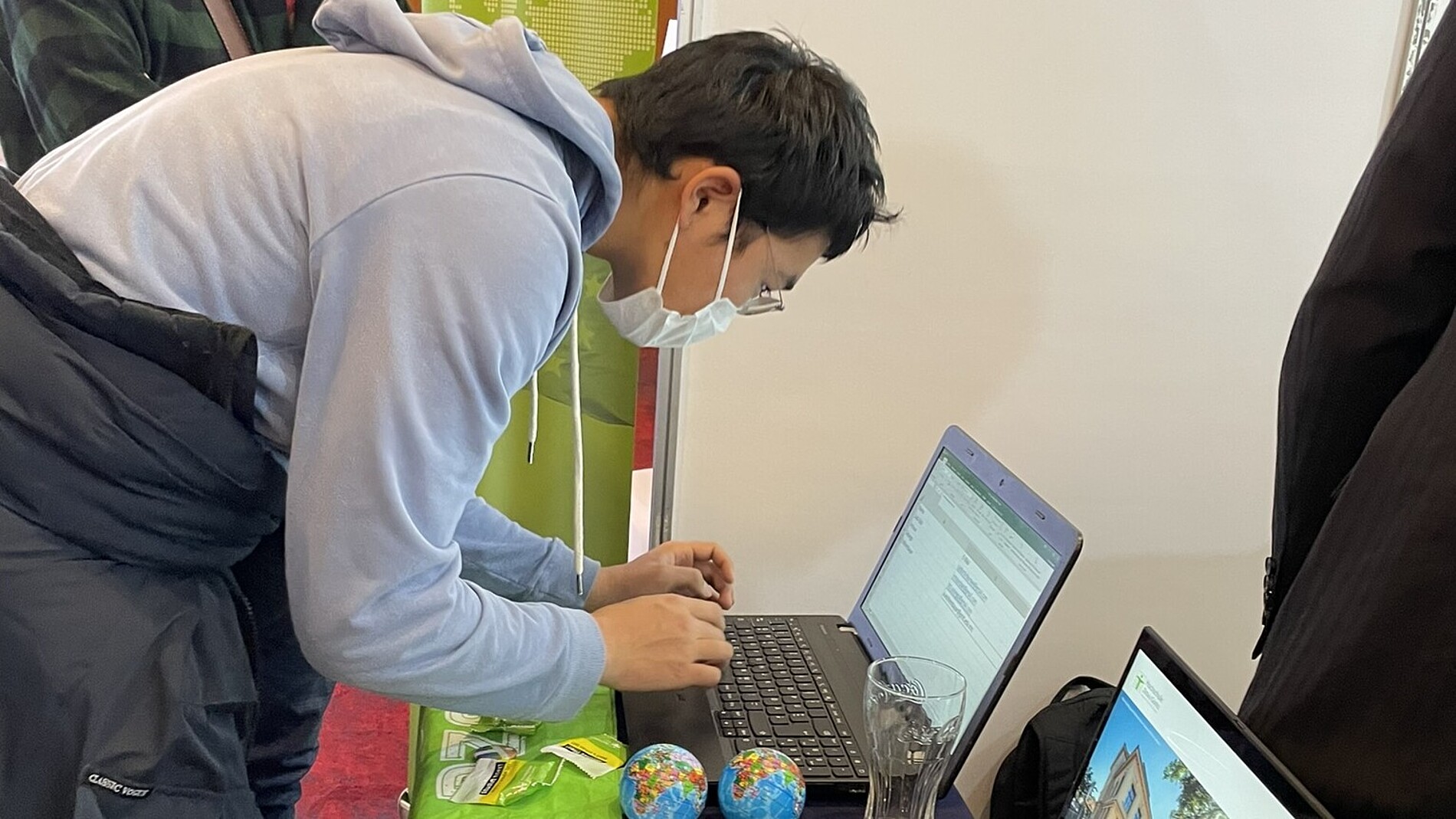
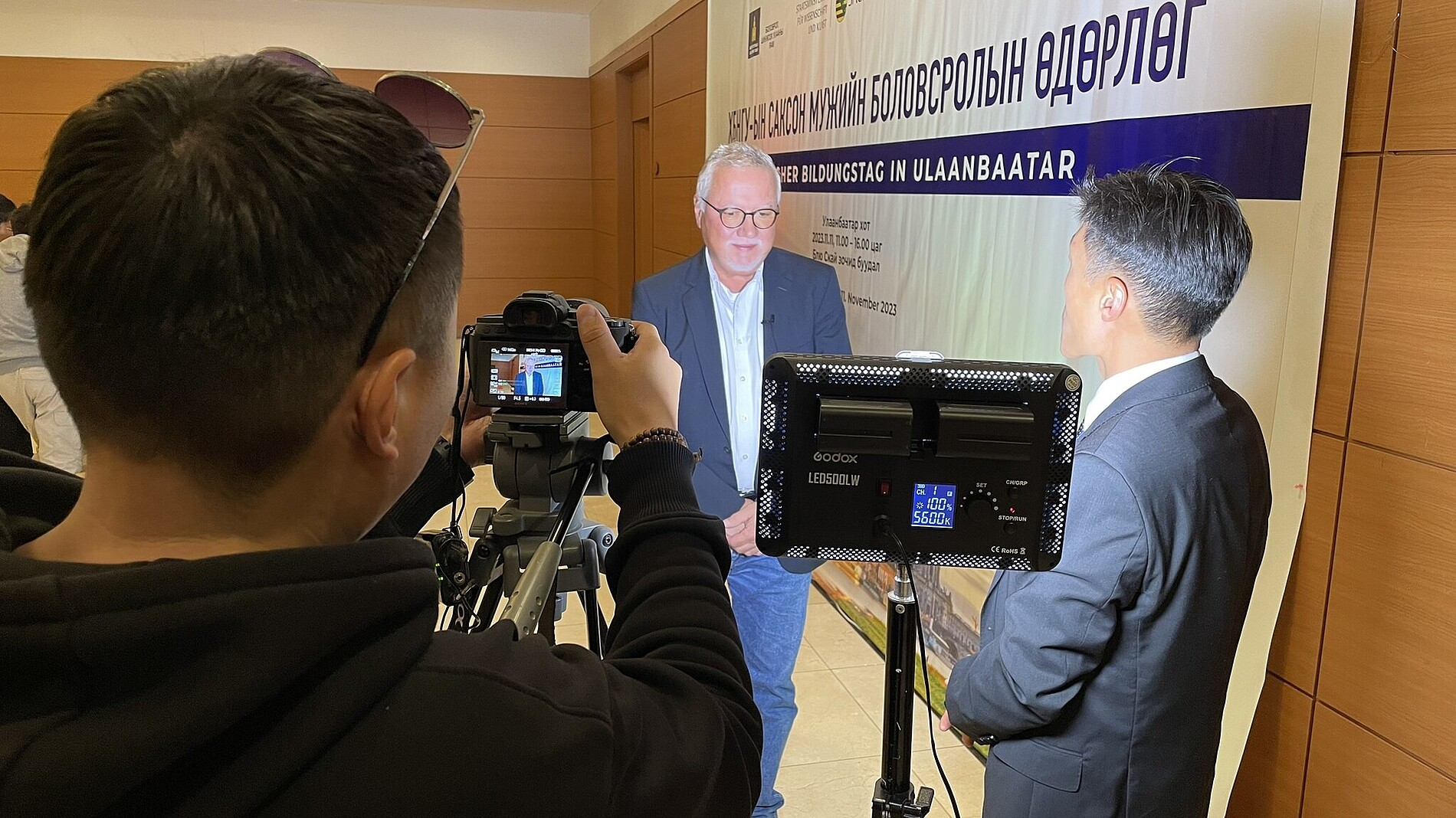
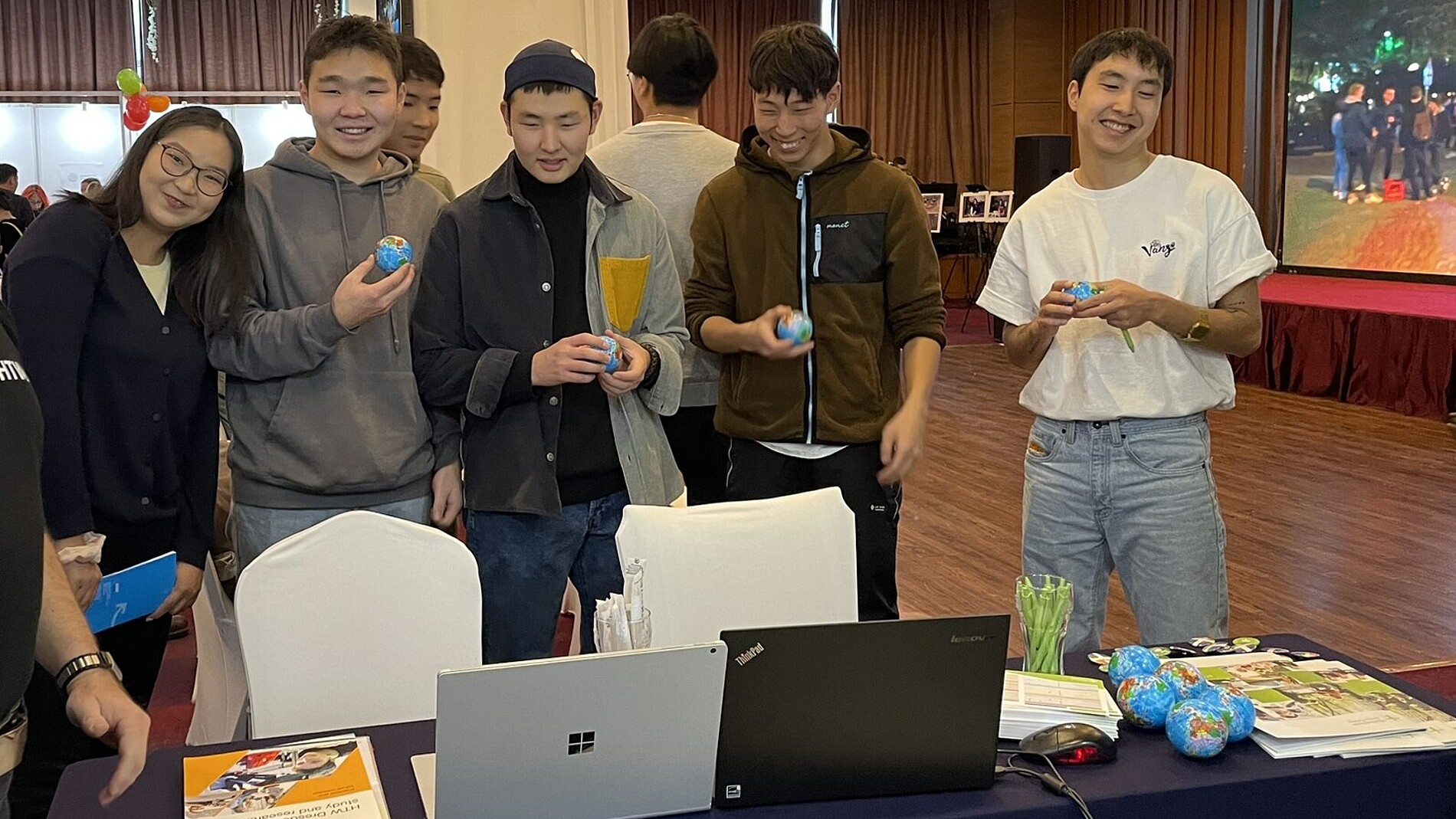
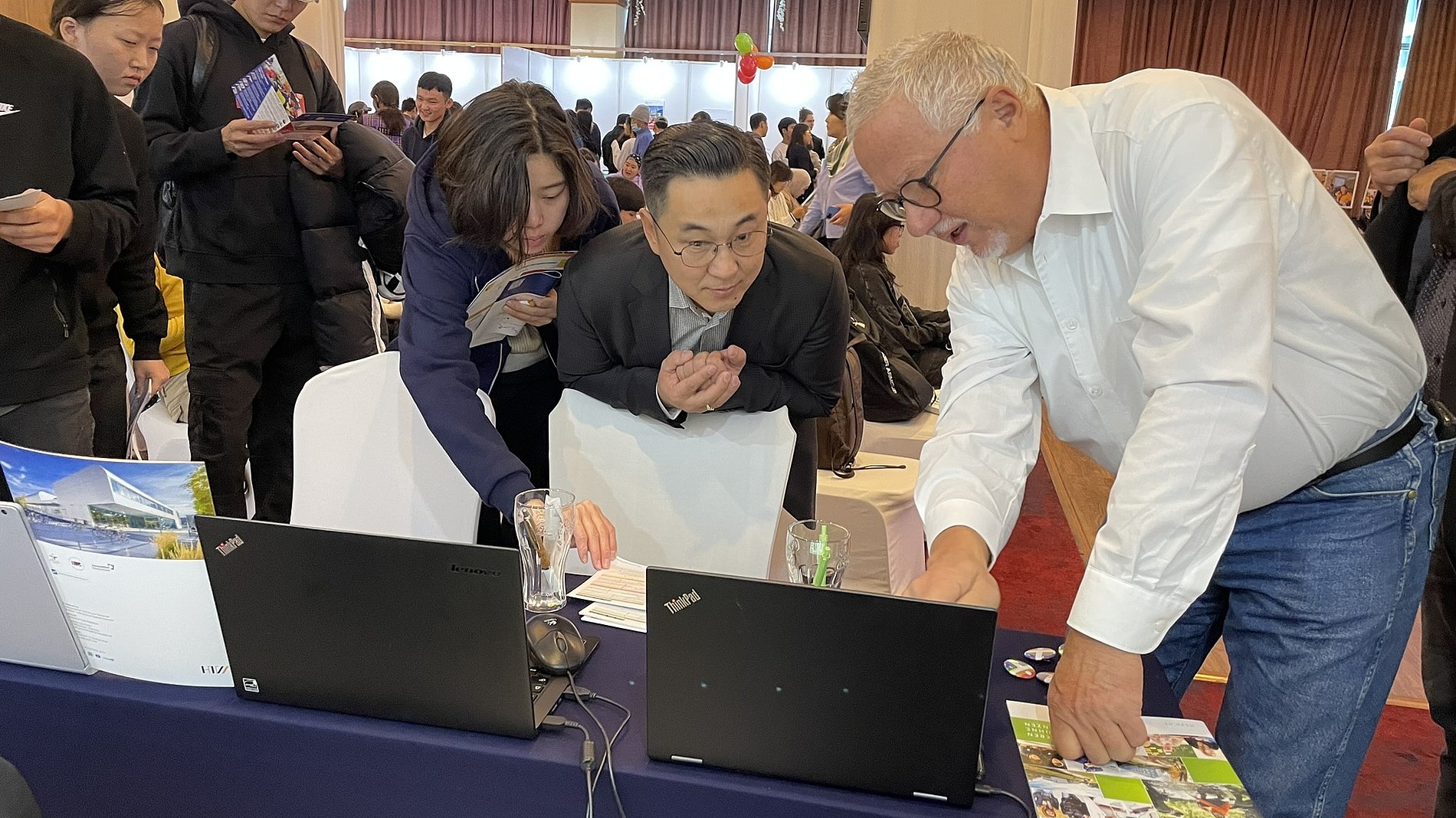
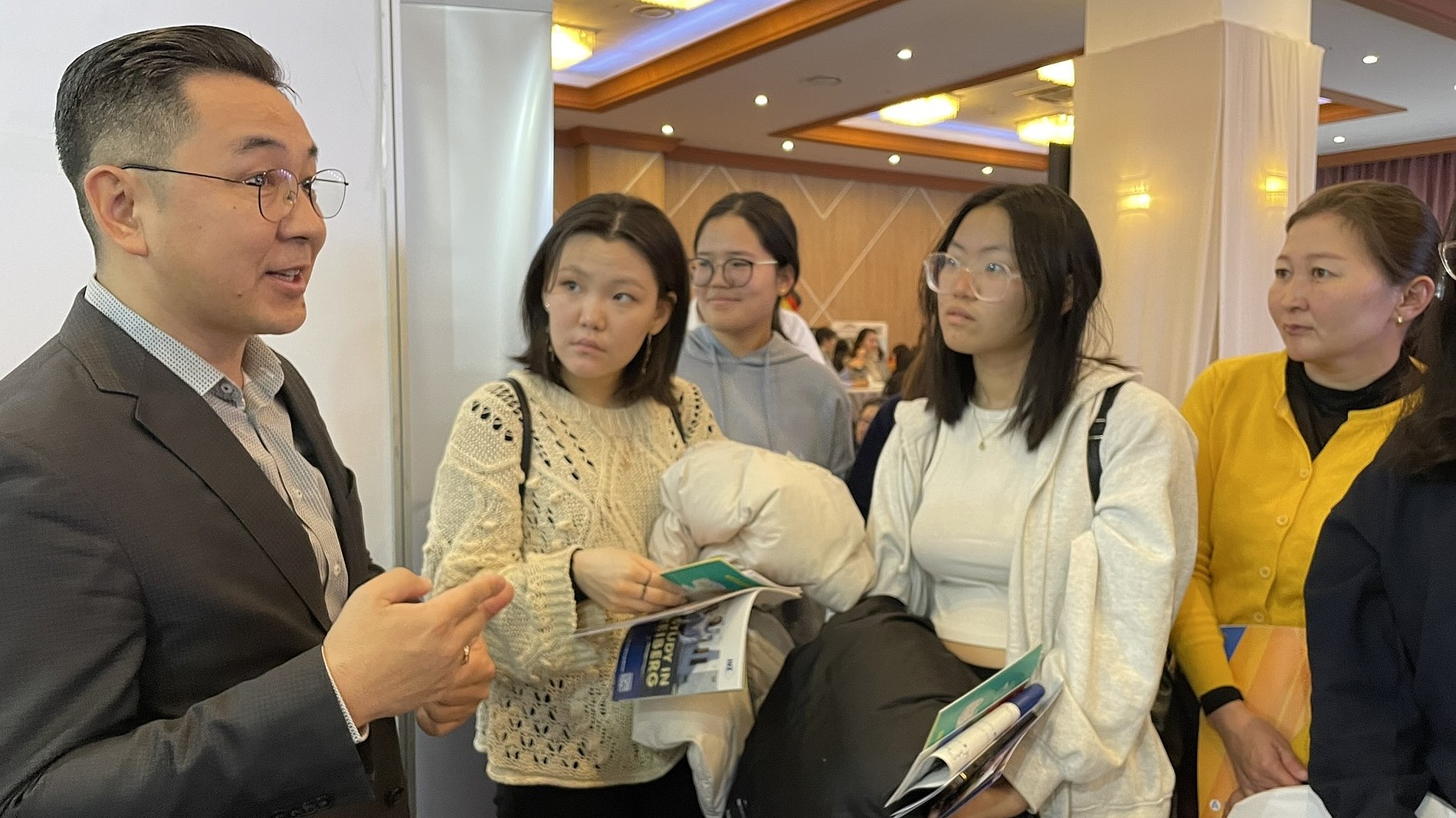
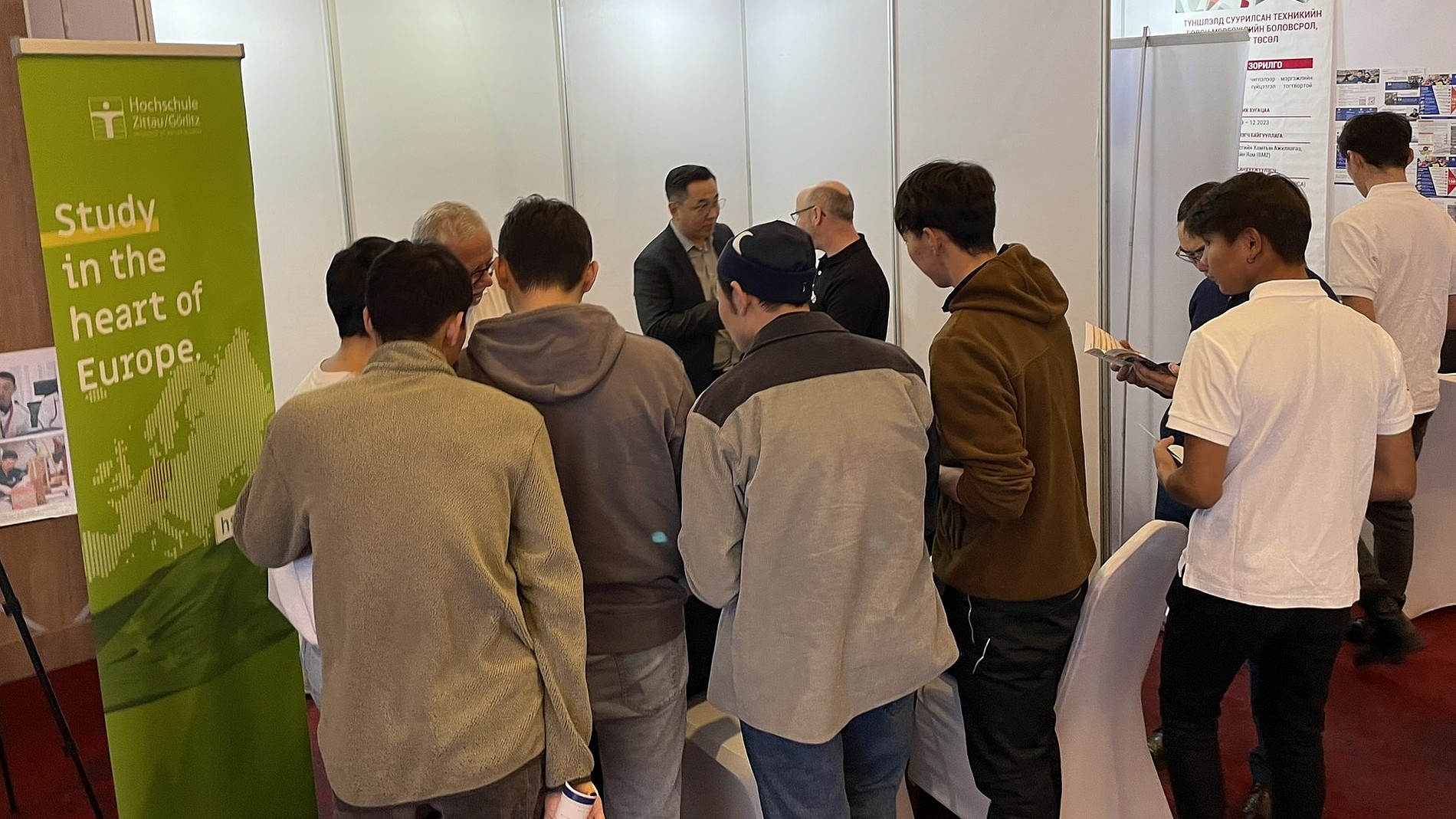
The education fair, opened by Mr. Tamir Kh., Head of the Department of Administration and Regulation of Higher Education and Vocational Training Policy at the Mongolian Ministry of Education, and Saxony’s Minister of Science Sebastian Gemkow (both participating virtually), served as an important meeting place for German and Mongolian educational institutions. More than 400 students, high school graduates, and college students received counseling, much of it in German, which clearly underscores the great importance of the German language in Mongolian education. When necessary, counseling was provided in English or interpreters were brought in.
The young people showed particular interest in degree programmes in the STEM fields, and it became clear time and again that environmental protection plays a major role. For example, the fields of study at HSZG—including ecology and environmental protection, mechatronics, green engineering, Mechanical Engineering, and computer science—were central topics during the counseling sessions. The Civil Engineering degree programme, which is expected to be offered again as a dual degree programme at HSZG in the future, was also in high demand.
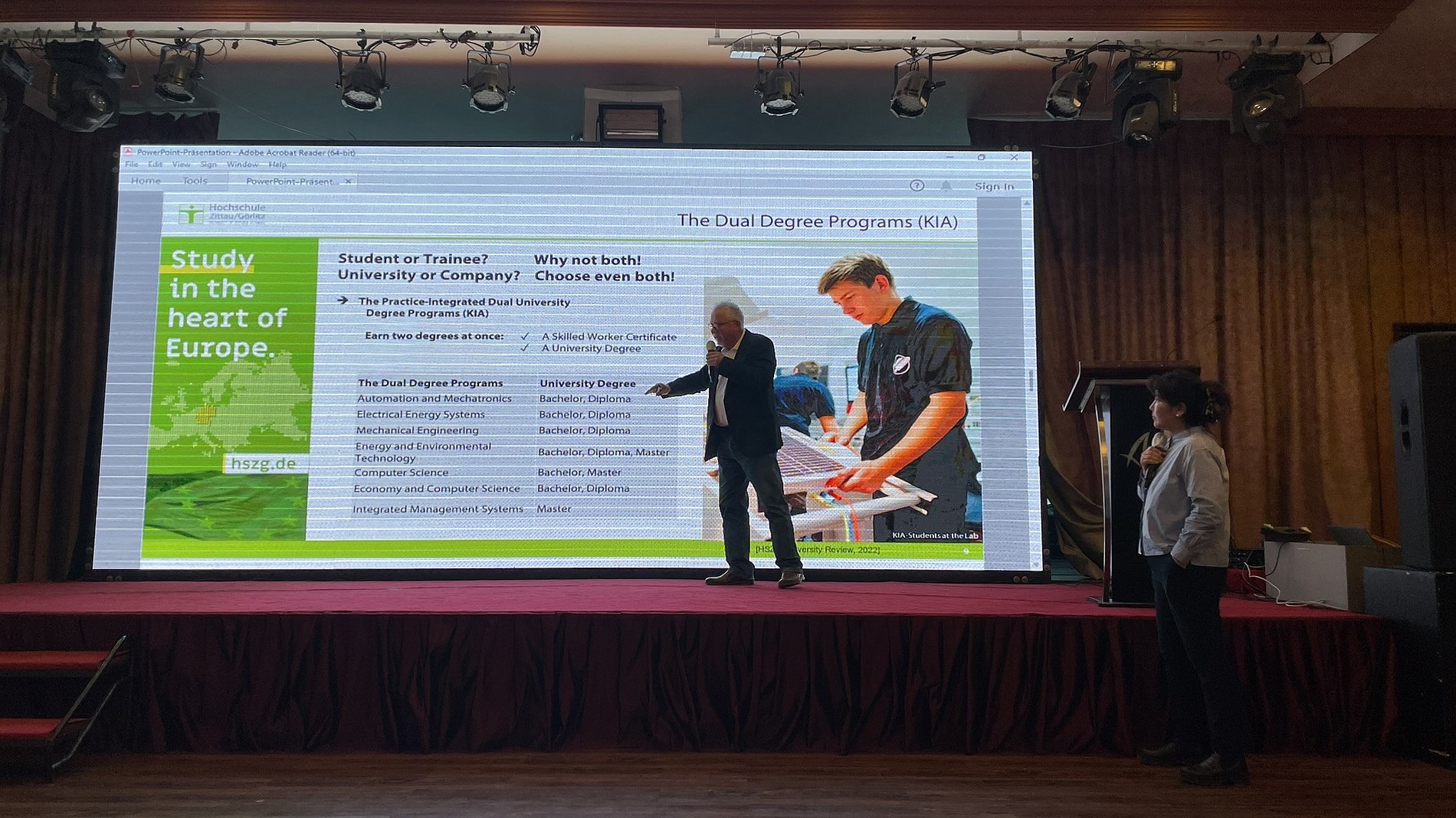
The HSZG’s dual study program (KIA) attracted particular attention. This program offers students the opportunity to work while studying and gain practical experience at the same time. This option was very well received by the prospective students from Mongolia. Programs of this kind are not yet common in Mongolia and were therefore viewed as particularly exciting, both in terms of the opportunity to finance their studies and the direct professional experience they provide.
- Saxony University of Cooperative Education
- German Society for International Cooperation (GIZ) GmbH
- Dresden Chamber of Crafts
- Dresden University of Applied Sciences
- Zittau/Görlitz University of Applied Sciences
- International University Institute Zittau (TU Dresden)
- Junior Researcher Project at TU Bergakademie Freiberg
- Freiberg University of Mining and Technology
- Chemnitz University of Technology
- TUDIAS (TU Dresden)
- UN University Flores
- University of Leipzig
Cultural highlights as a bridge between cultures
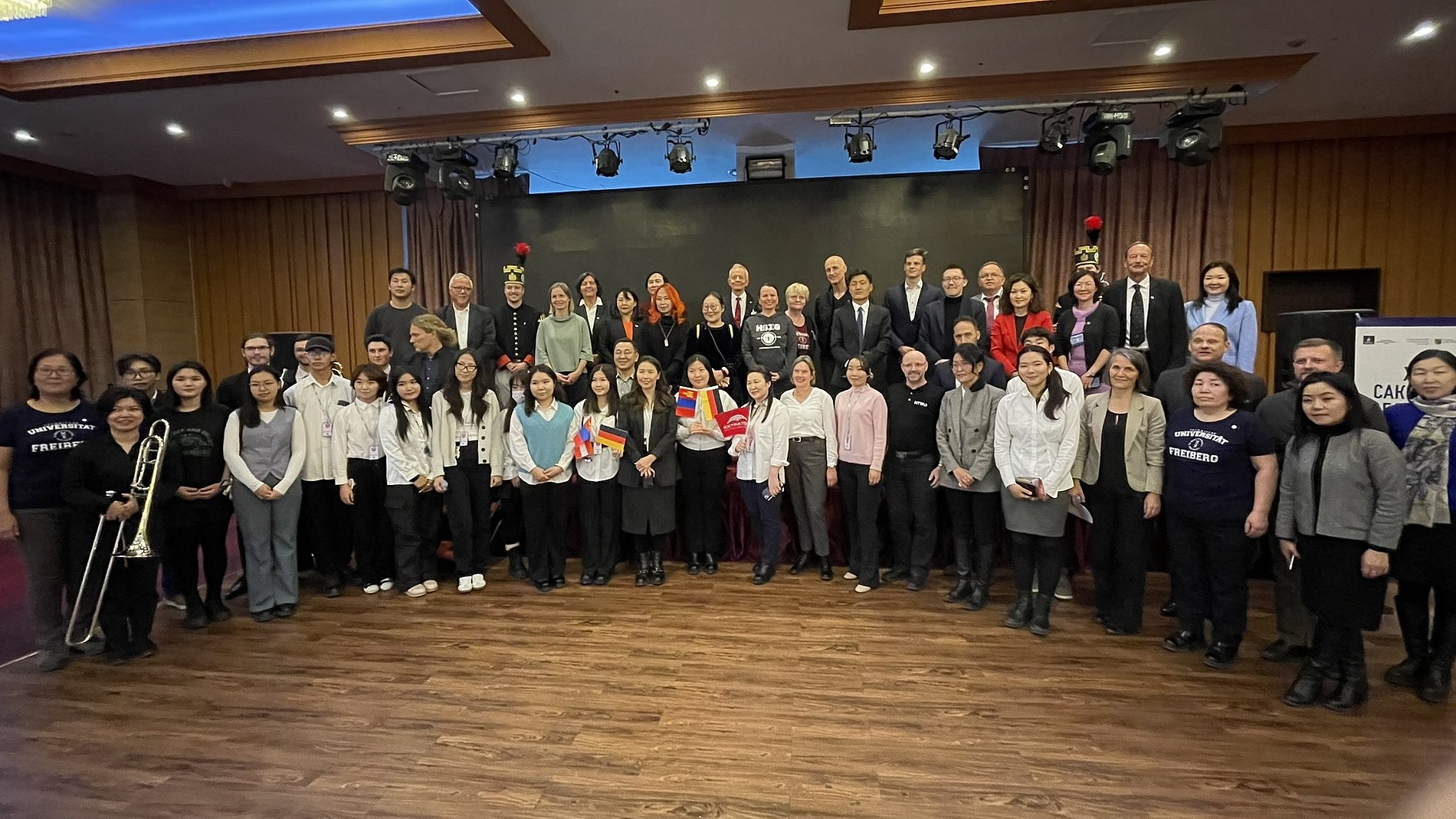
The events featured cultural performances by the Brass Quartet of the Dresden University of Music and by Mongolian musicians from the University of Music in Ulaanbaatar, who performed the famous throat singing. This impressive musical performance not only offered the audience an unforgettable experience but also fostered mutual understanding and appreciation of different cultural backgrounds.
Summary: Strengthening the international partnership
The HSZG’s participation in the Saxon Education and Science Days in Ulaanbaatar represented a significant step toward strengthening international relations and promoting academic cooperation. The event provided a fruitful platform for exchange and laid the foundation for future collaborative projects that will be of great benefit to both the university and its partners in Mongolia.
I would like to thank the delegation from Zittau/Görlitz University of Applied Sciences for their dedicated efforts at the Saxon Education and Science Days in Ulaanbaatar. Their participation and the international partnerships forged there are valuable to our university and help strengthen our international relations. We greatly appreciate their commitment. In addition, I would like to thank all HSZG staff members who, through their expertise and active support in the lead-up to the event, played a key role in the delegation’s success.
”Two ways to study in Germany for prospective Mongolian students
Your contact persons
Upper floor

2nd upper floor