"The future under tension: energy, AI and us in the city of tomorrow"
The HSZG invited guests to the "Opening of the Science Year 2025/26" in Görlitz on October 22.
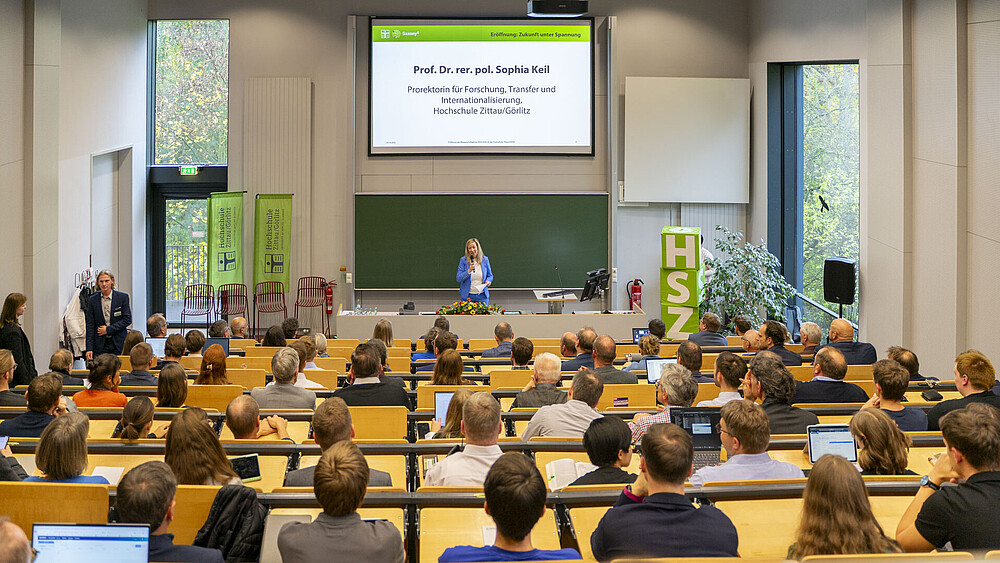
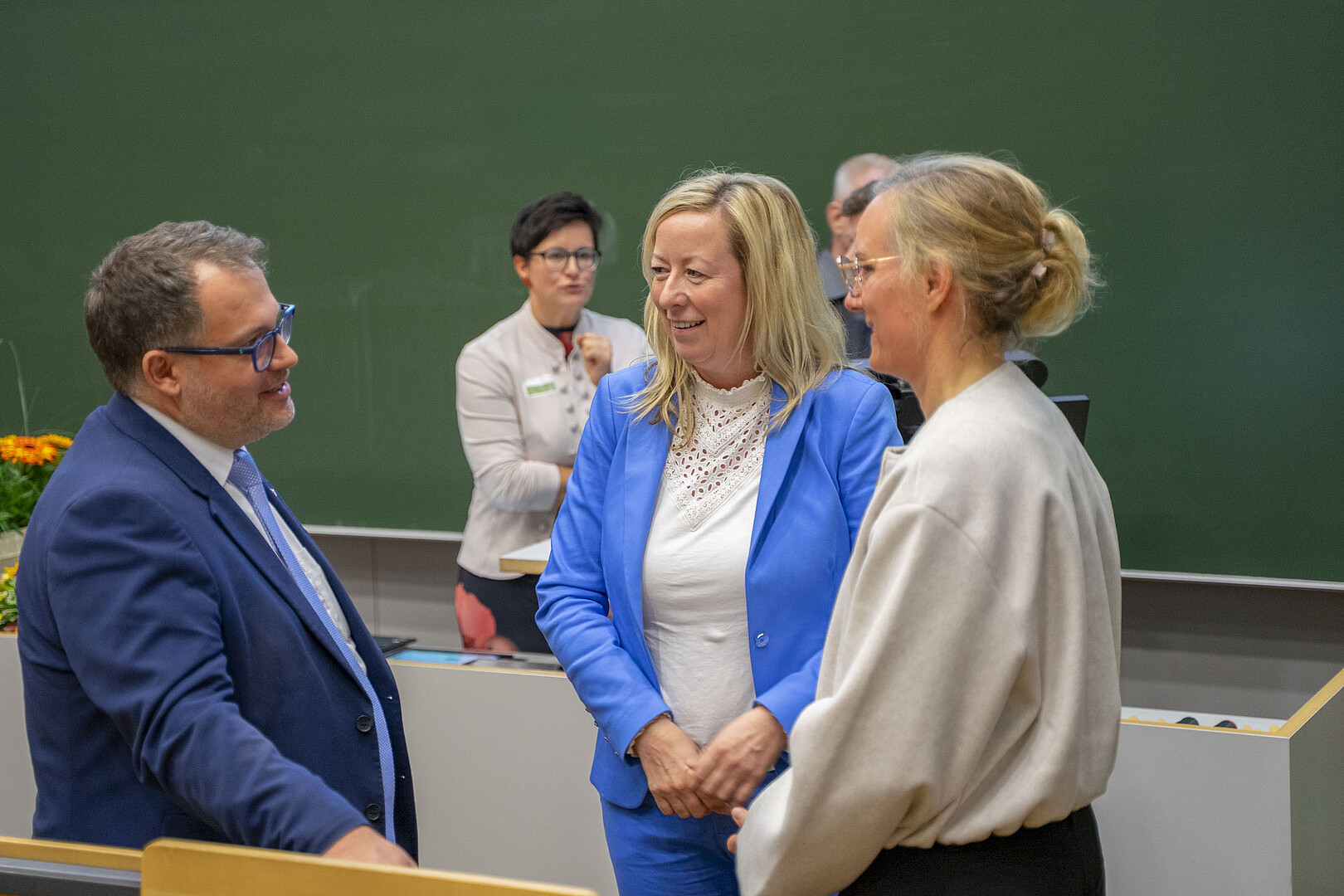
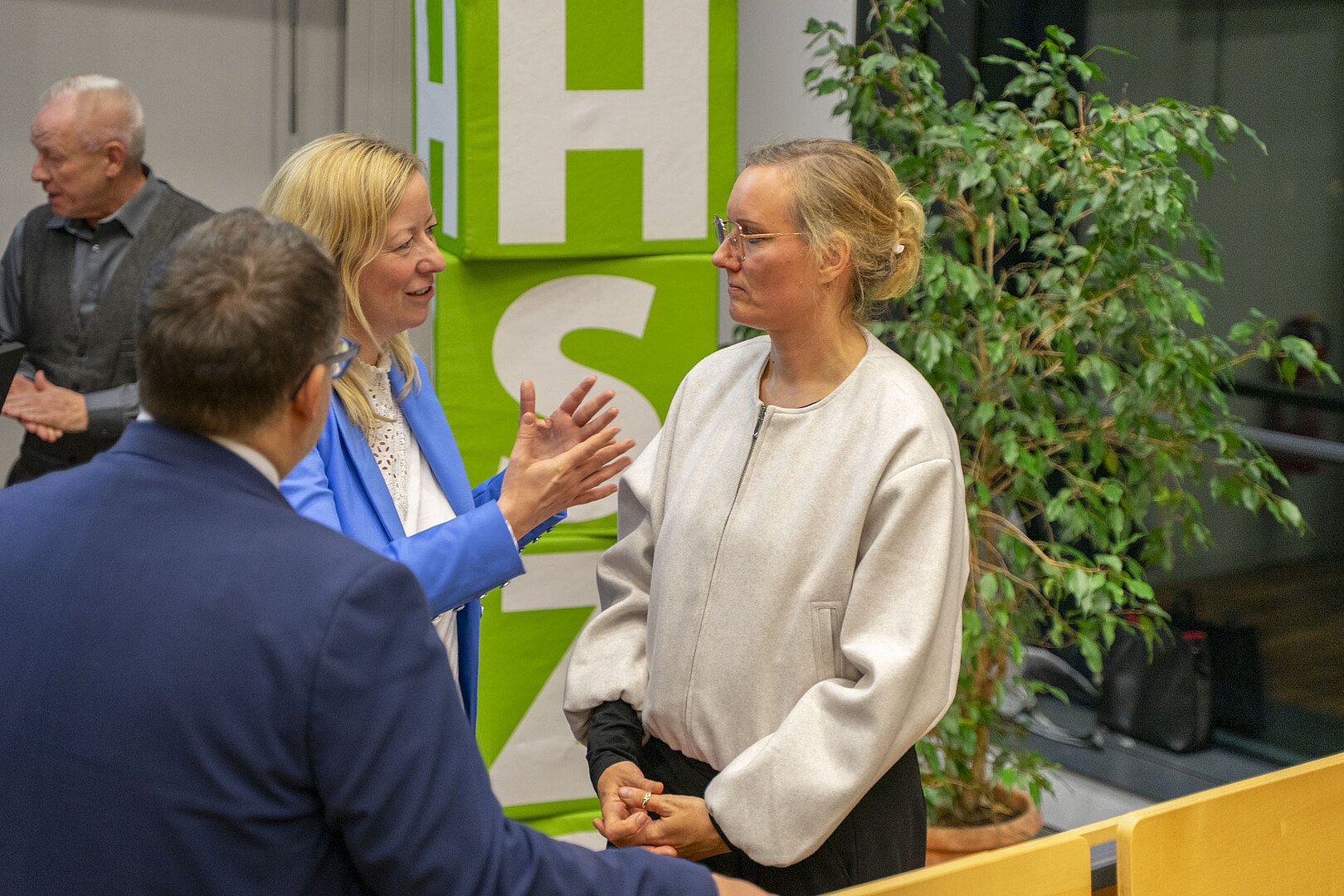
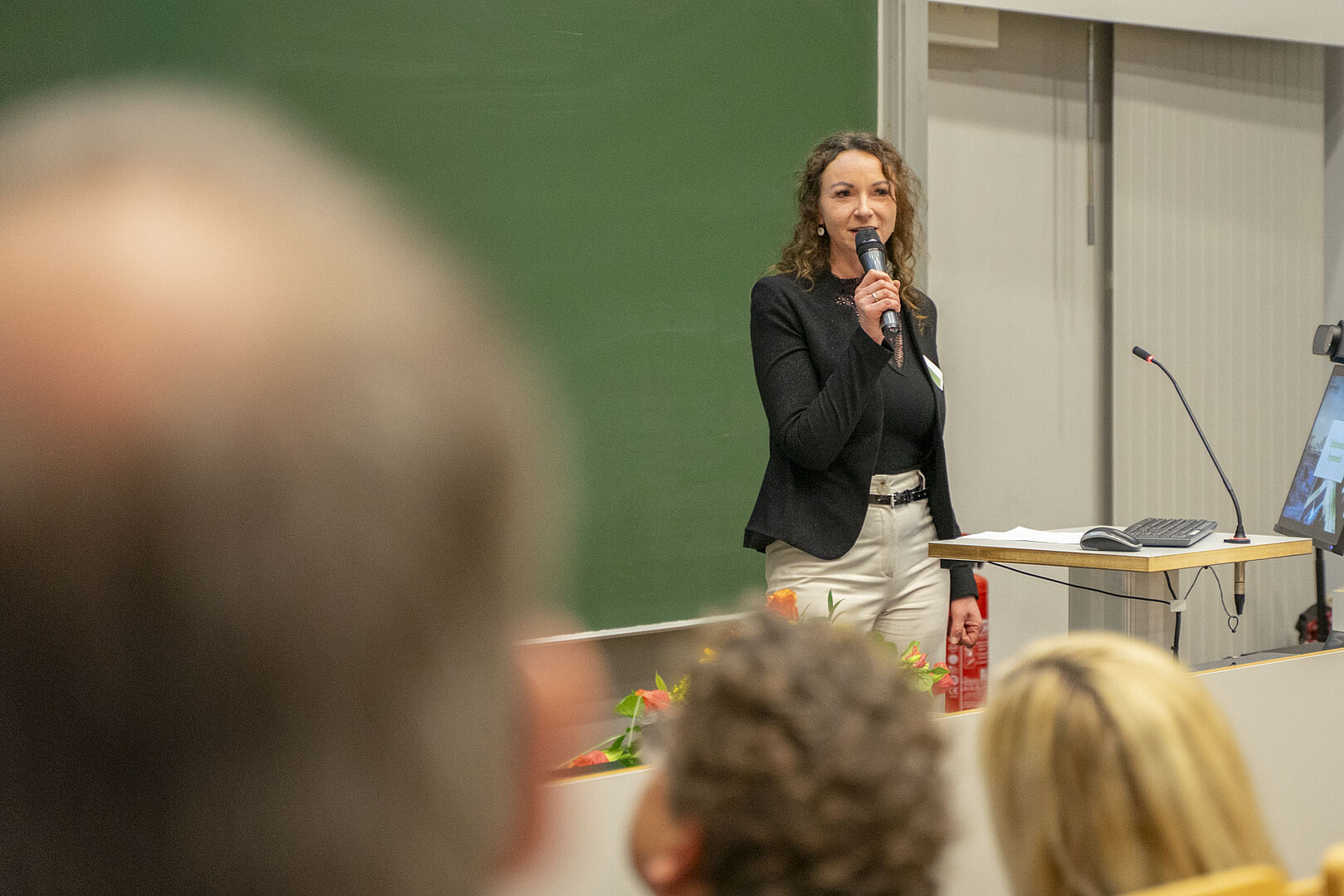
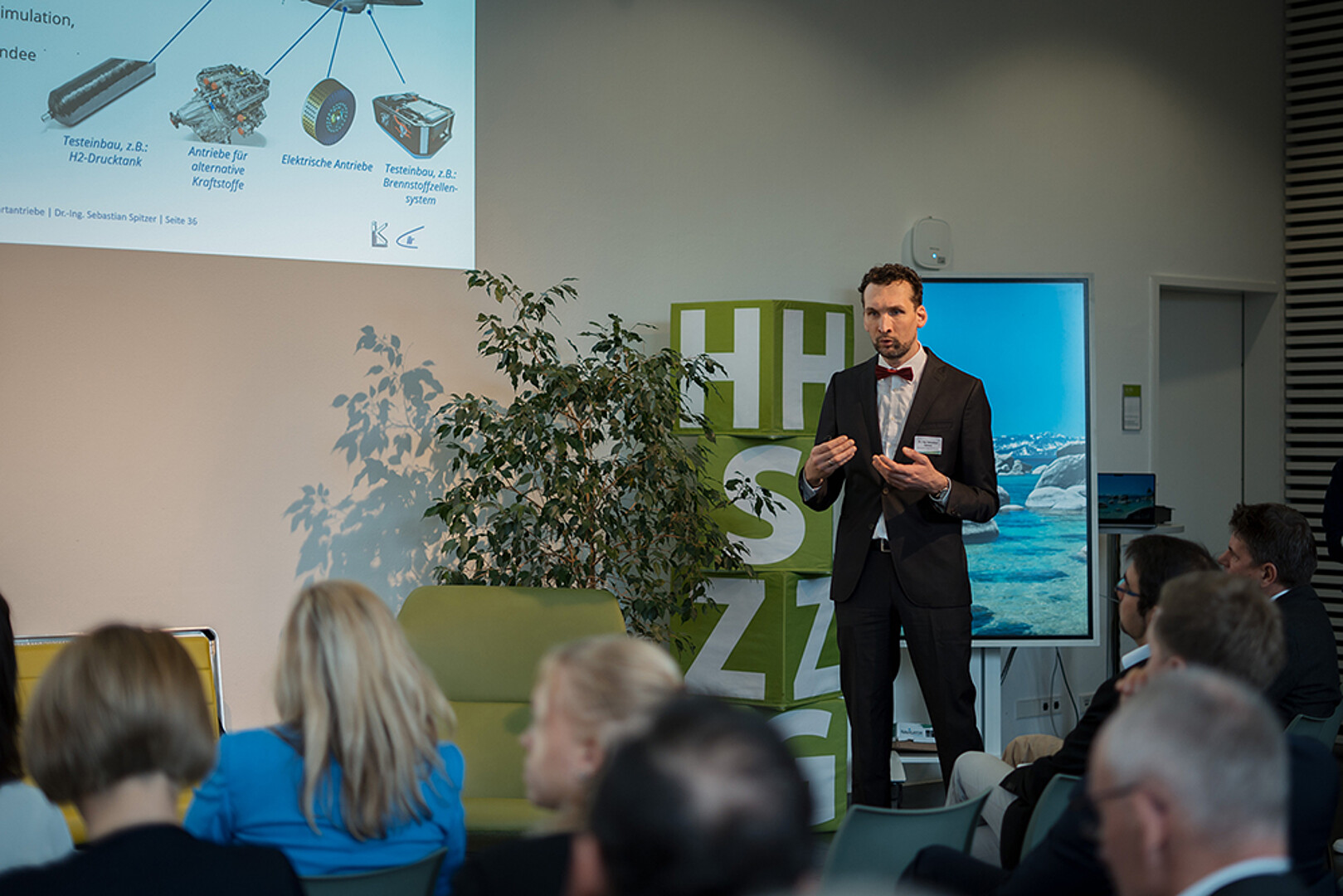
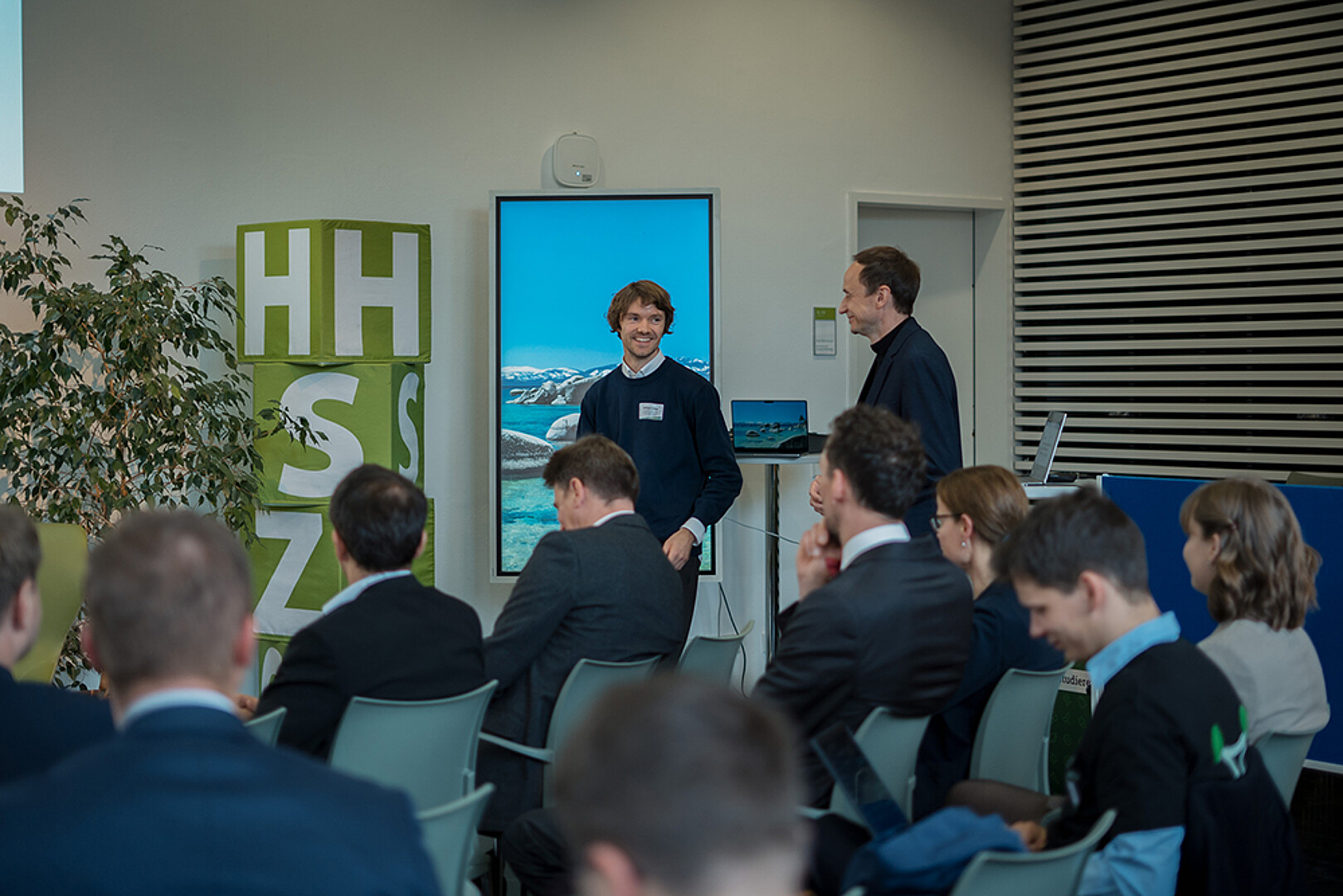
What will tomorrow’s world look like? Utopia or dystopia? Preservation or transformation? The word “transformation” is used frequently, but its true meaning often remains unclear. Transformation means a radical shift or a fundamental change in structures, processes, or characteristics. Nothing is as it was—and the “future is full of uncertainty.” “We are at a turning point—both regionally and globally, ” says Prof. Dr. Sophia Keil, Vice President for Research, Knowledge Transfer, and International Affairs at Zittau/Görlitz University of Applied Sciences, in her opening remarks at the event “Launch of the Year of Science 2025/26” at Zittau/Görlitz University of Applied Sciences. To mark the occasion, the HSZG hosted an event in Görlitz on October 22 under the theme: “The Future Under Pressure: Energy, AI, and Us in the City of Tomorrow.” The focus was on questions regarding the sustainable energy transition and shaping the future amid the increasing use of artificial intelligence (AI). What opportunities exist in combining AI and energy technology to successfully navigate diverse transformations?
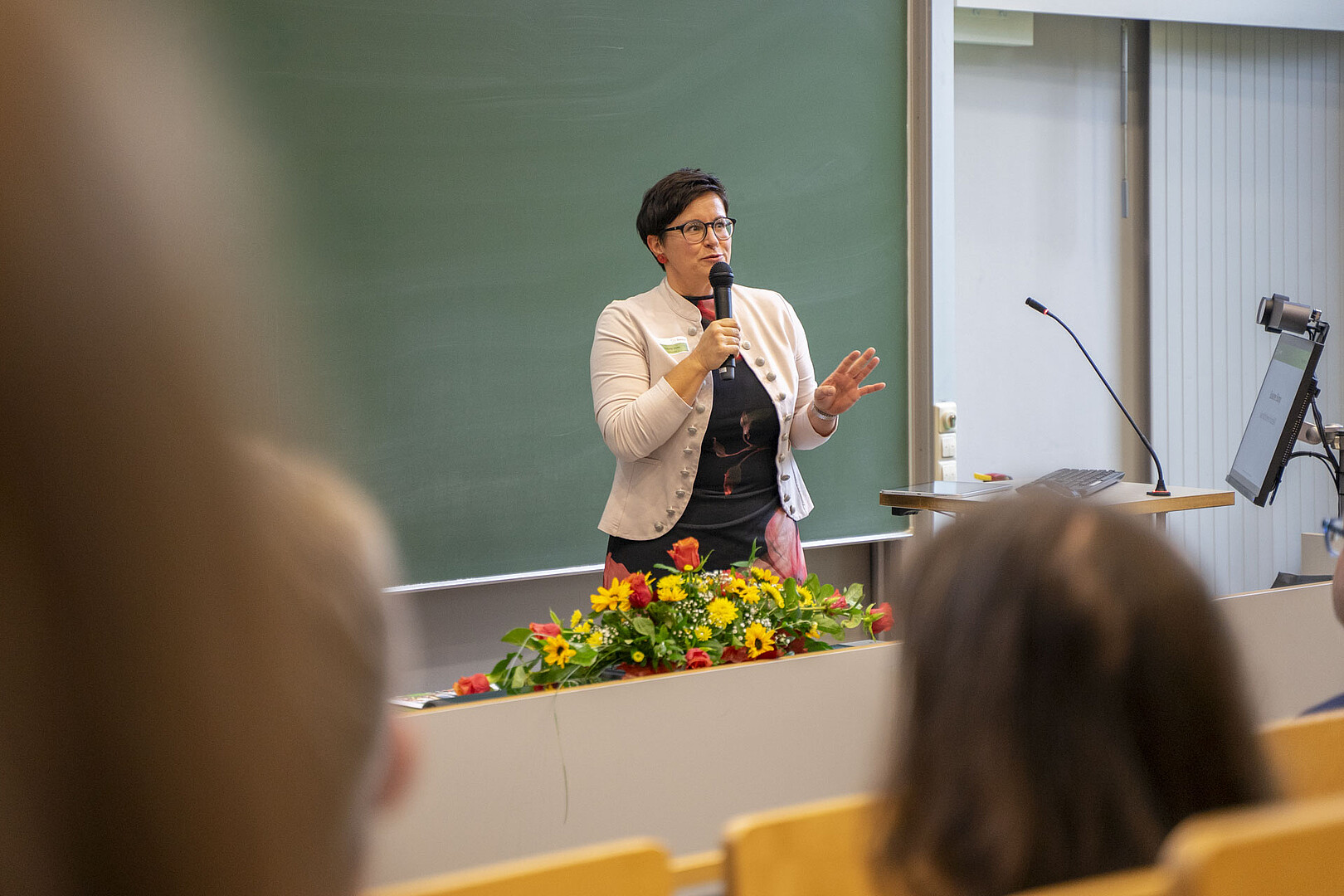
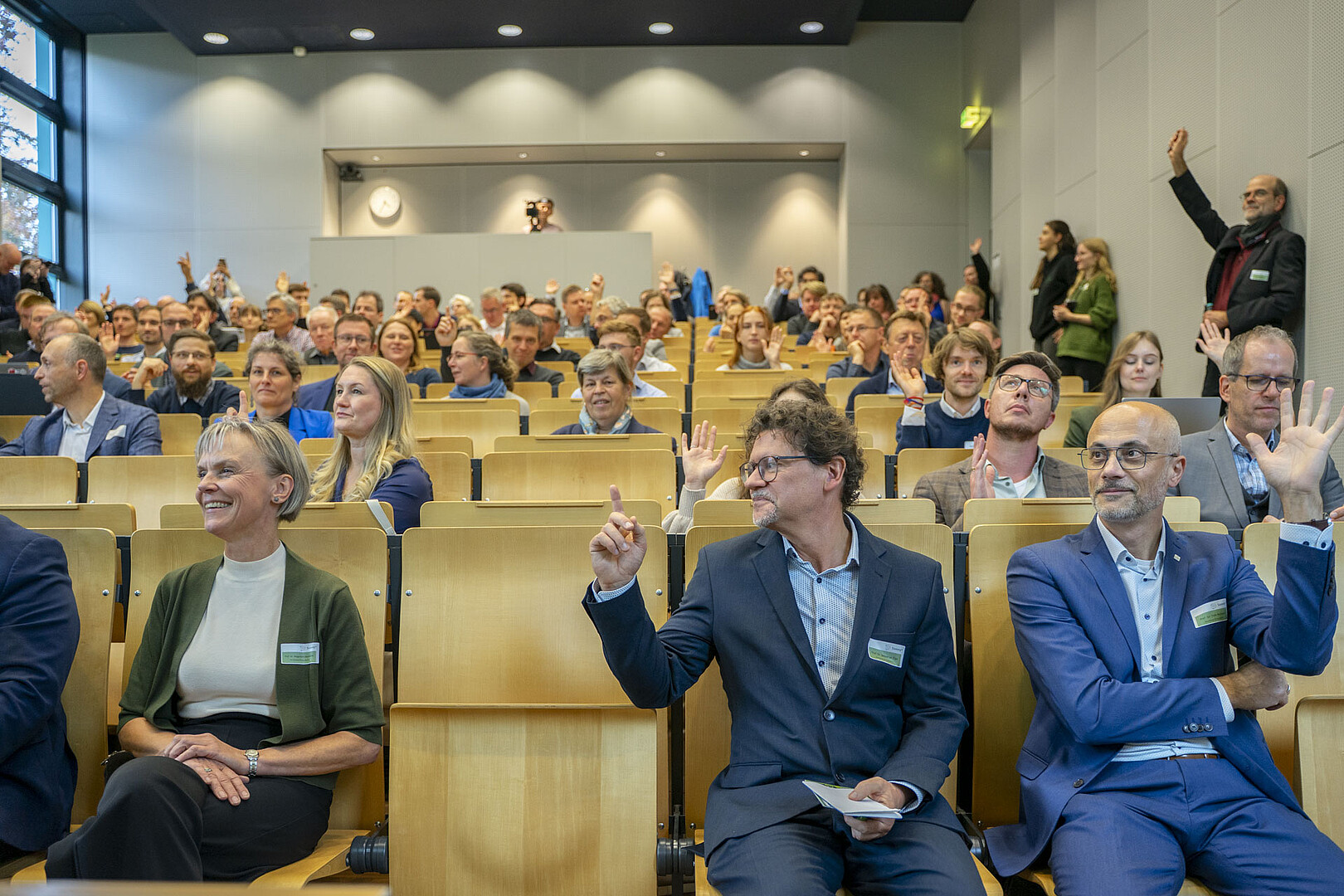
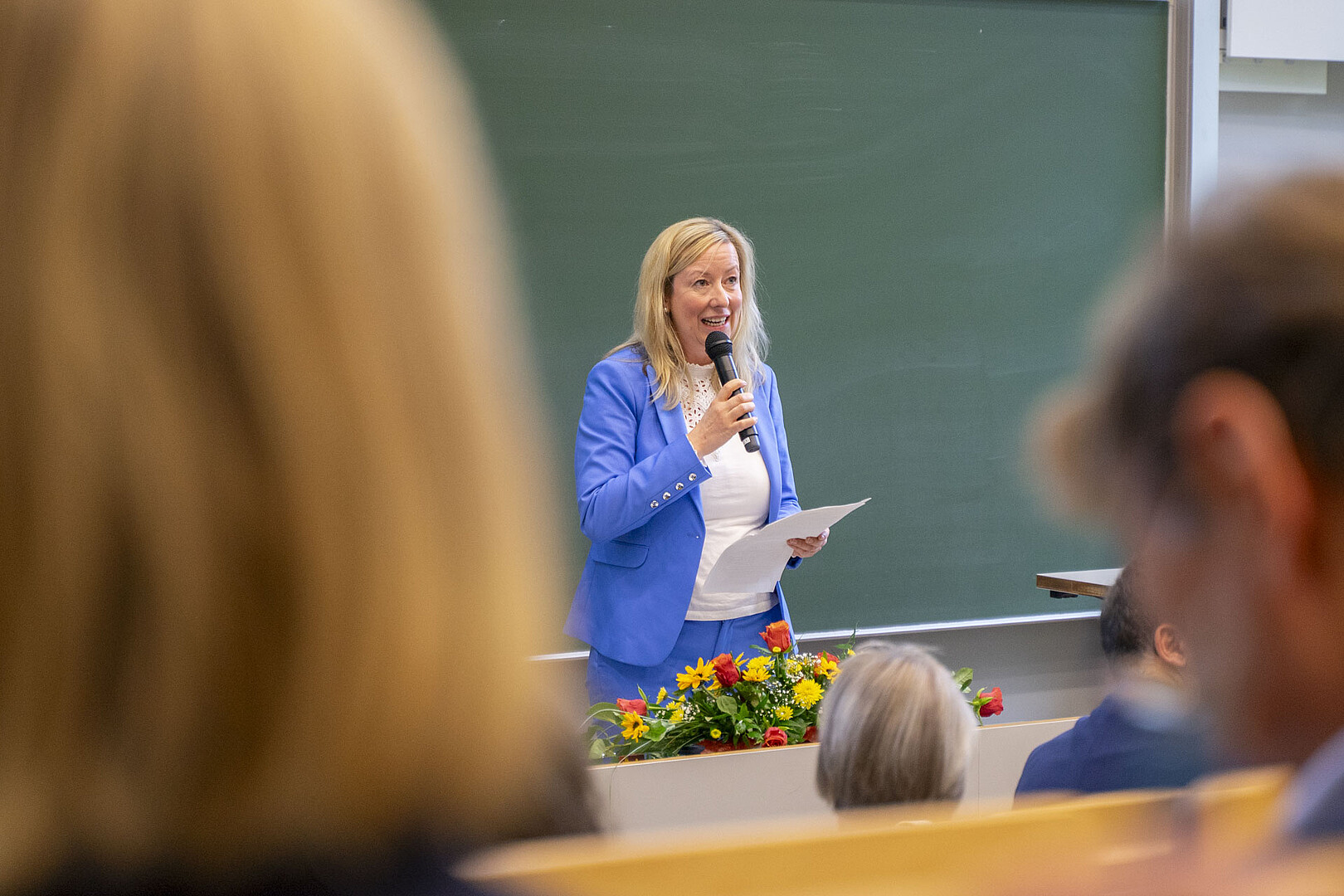
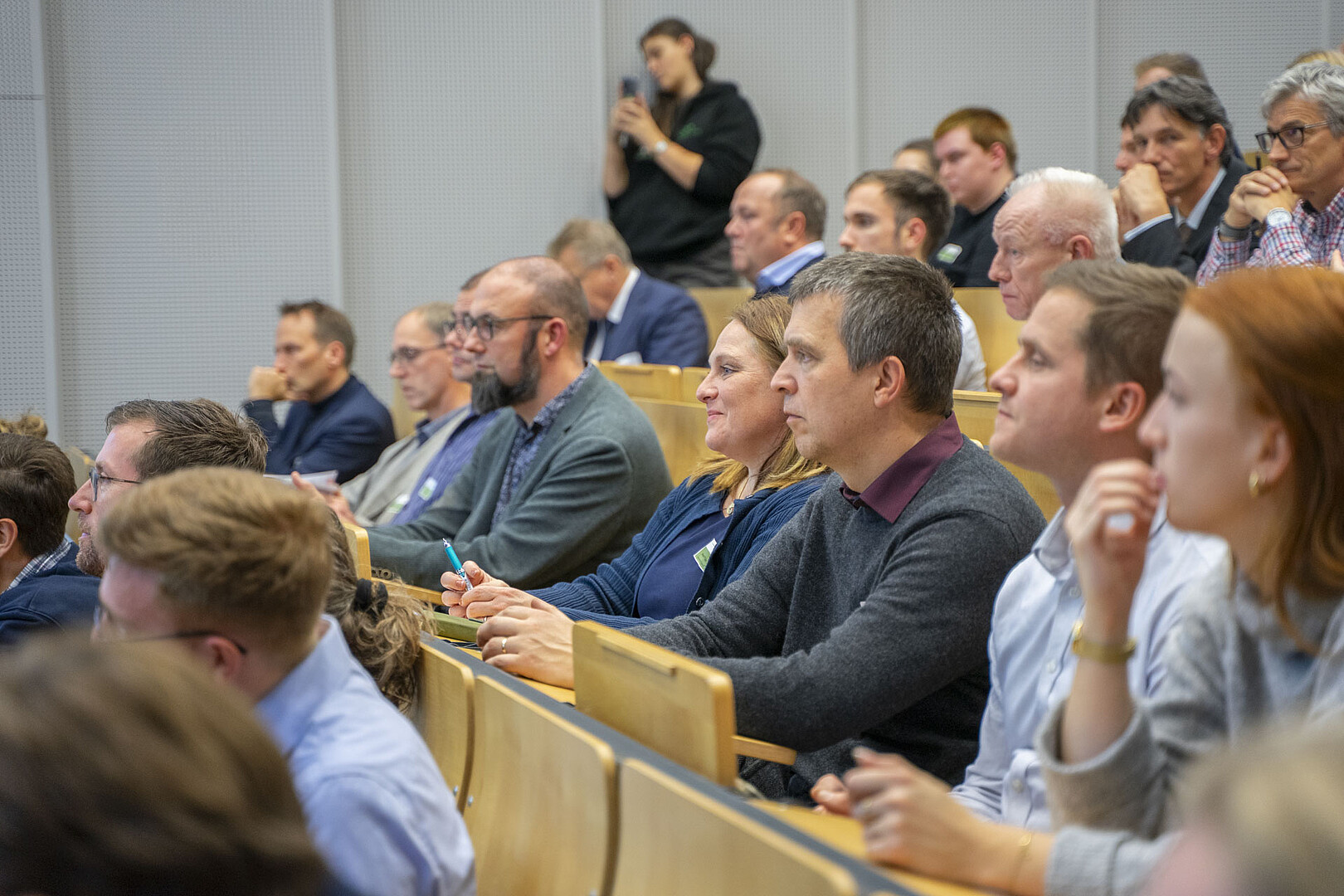
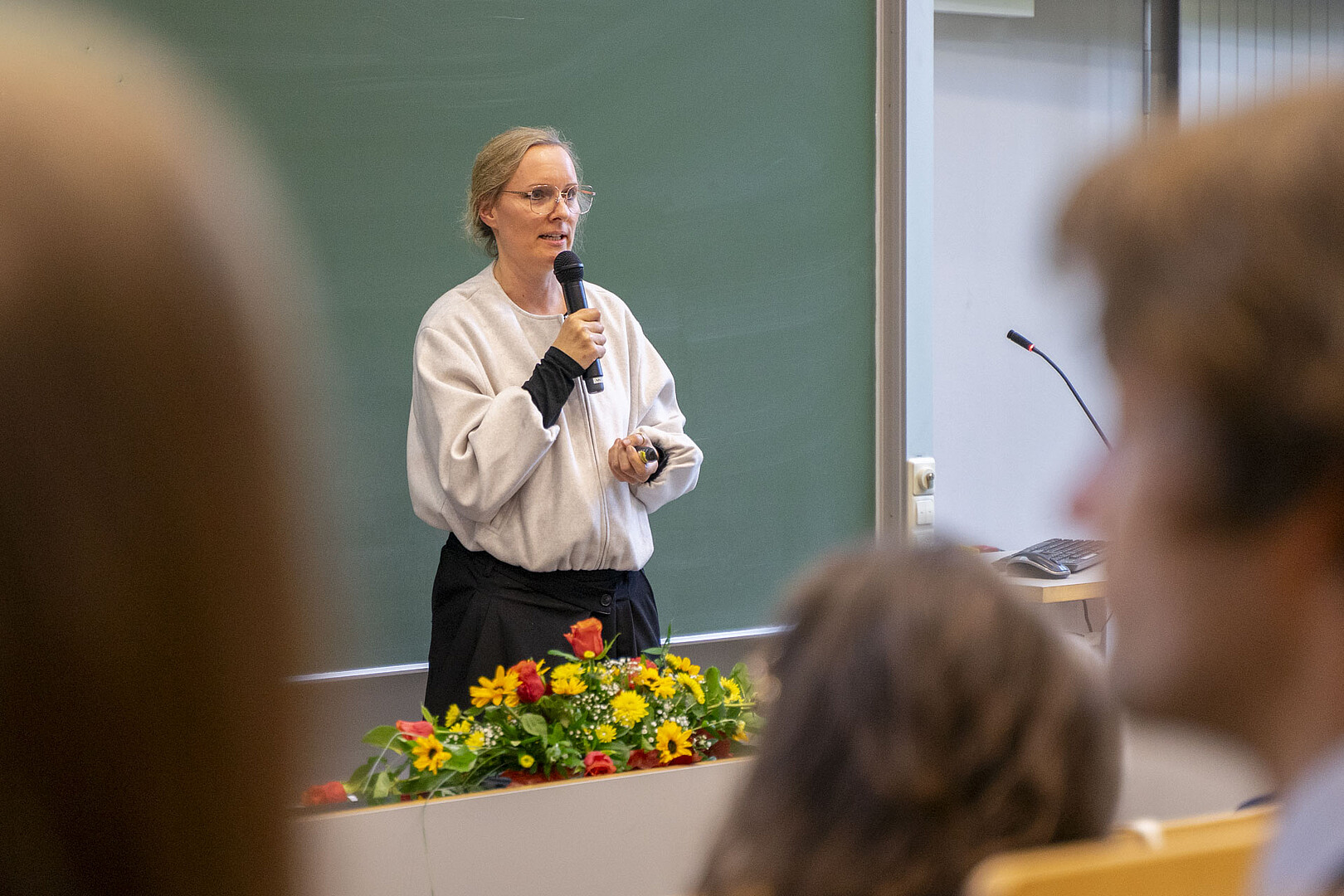
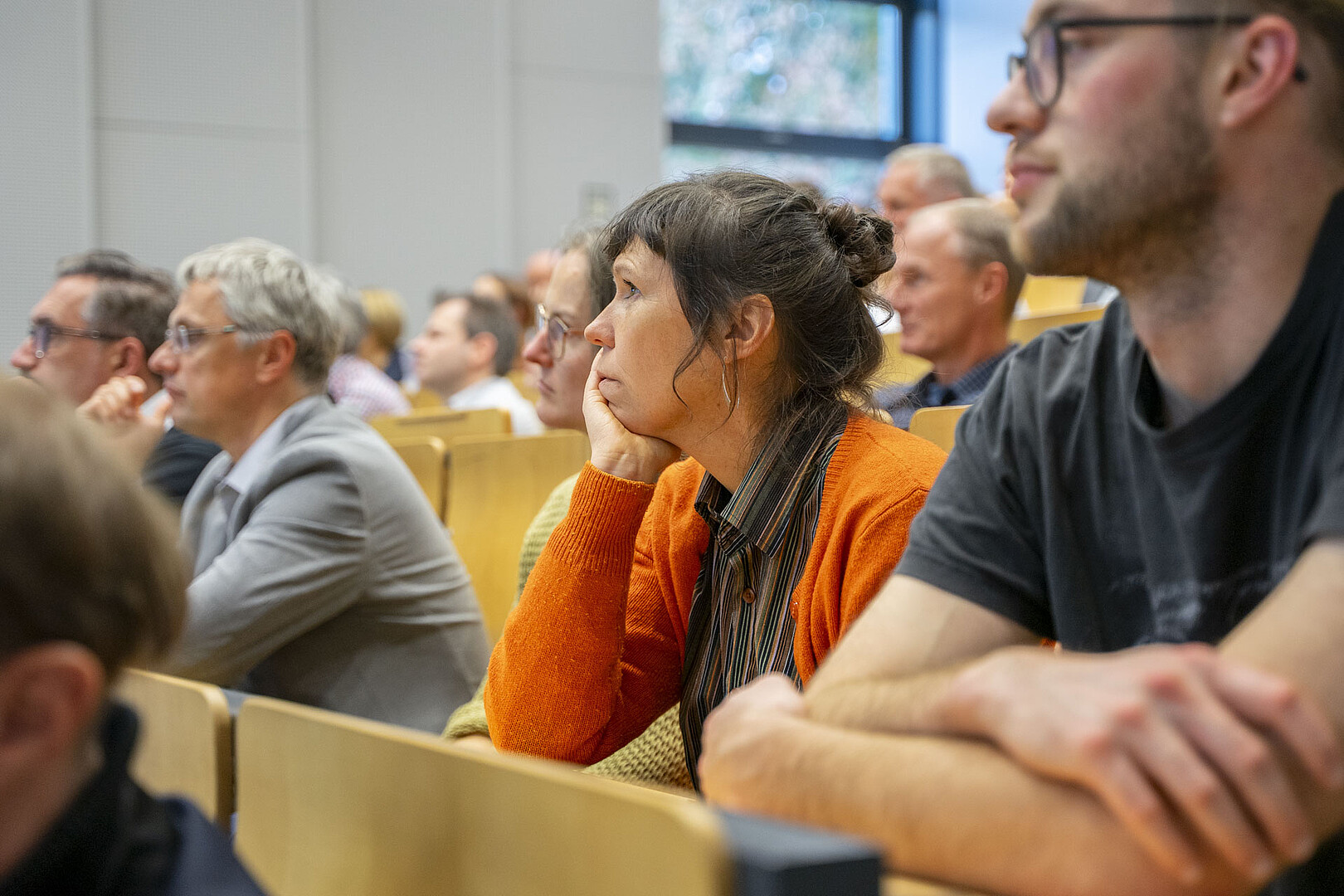
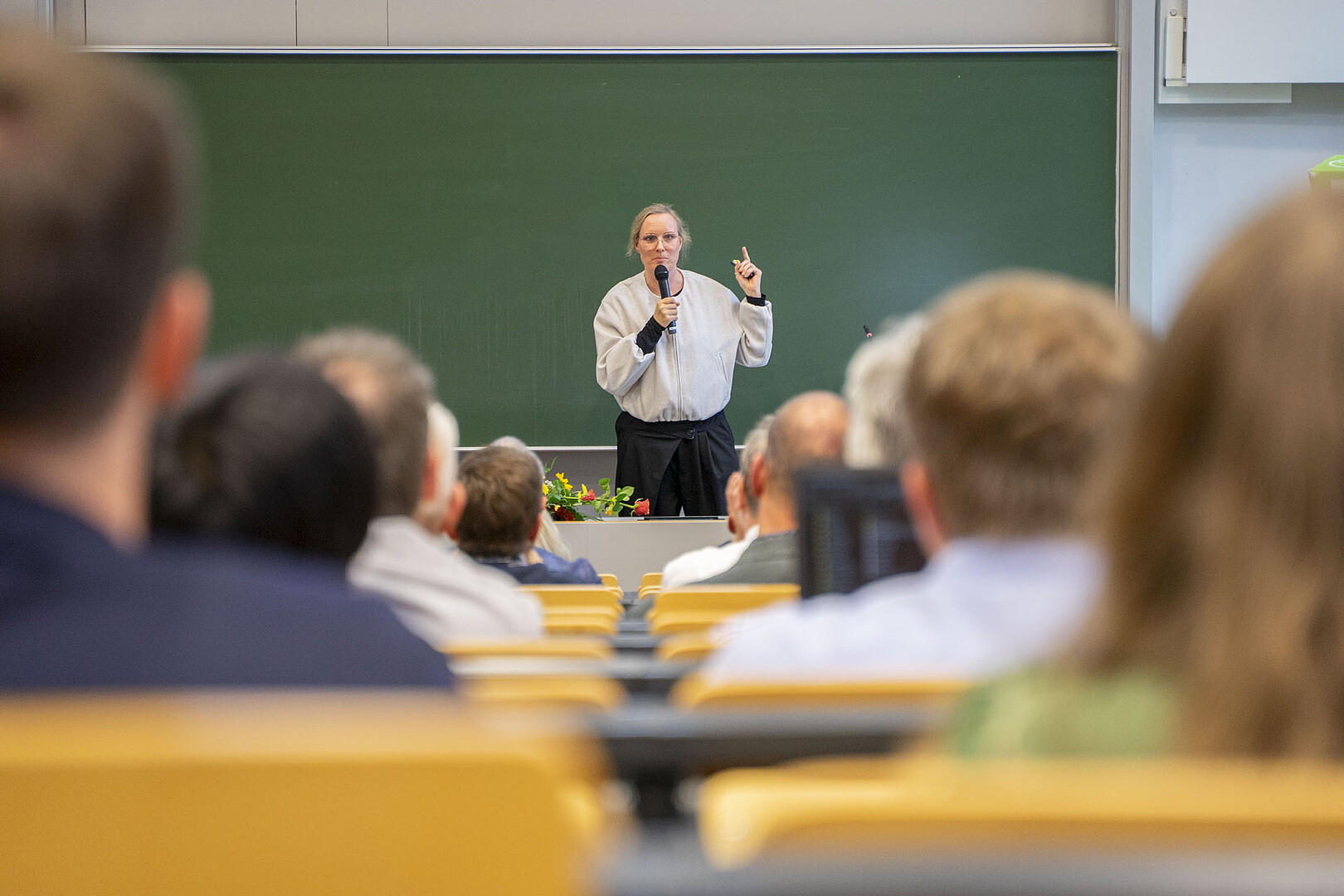
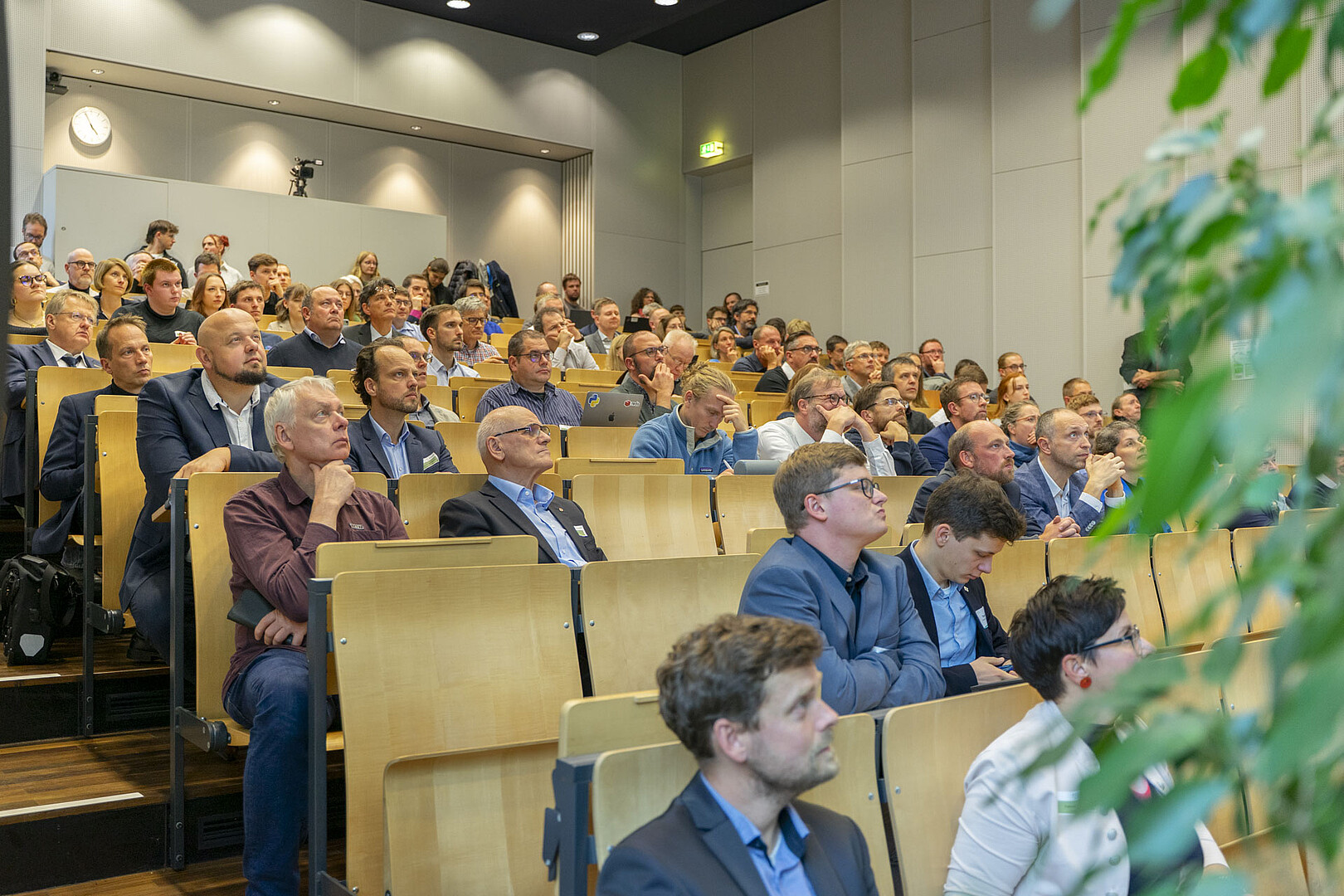
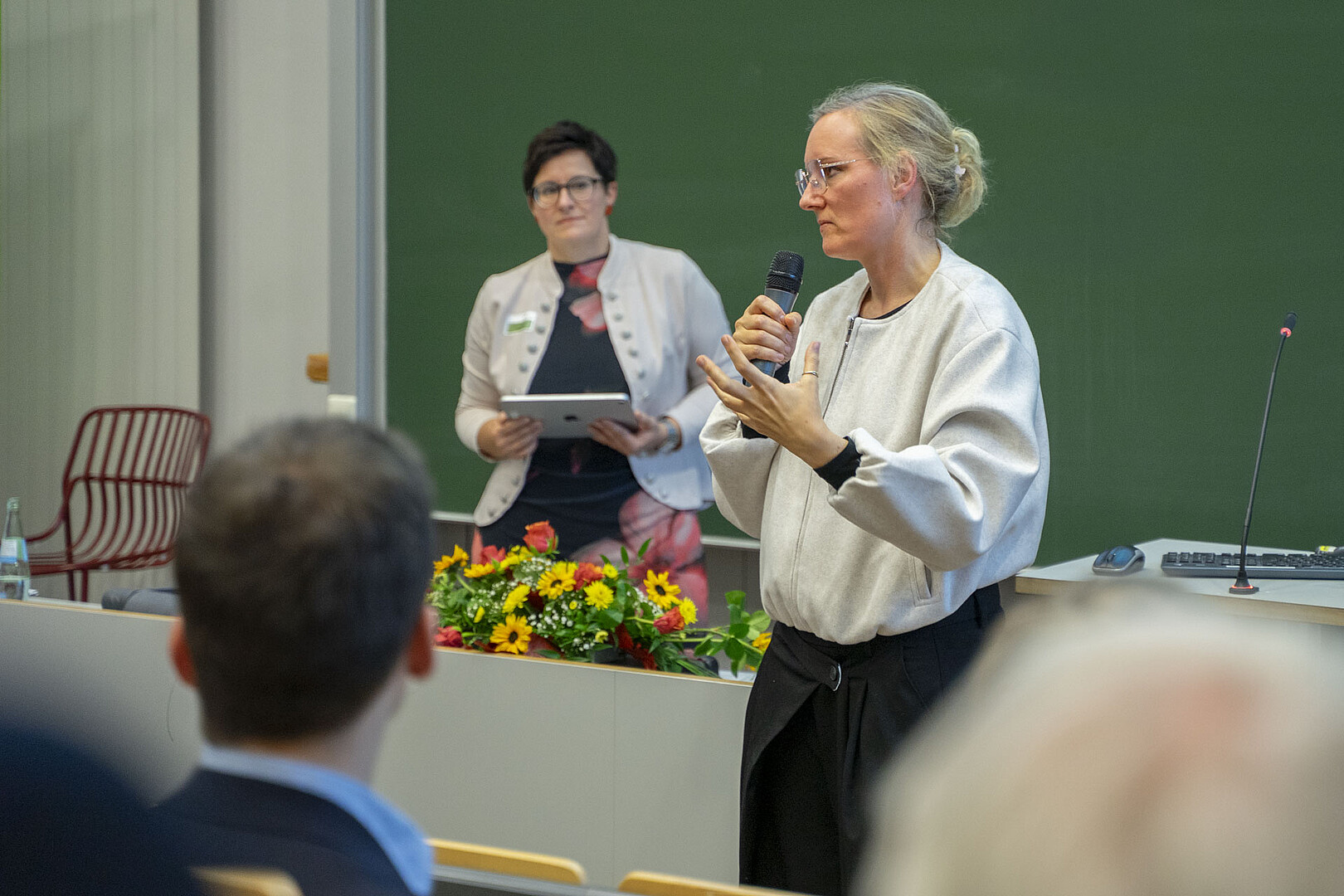
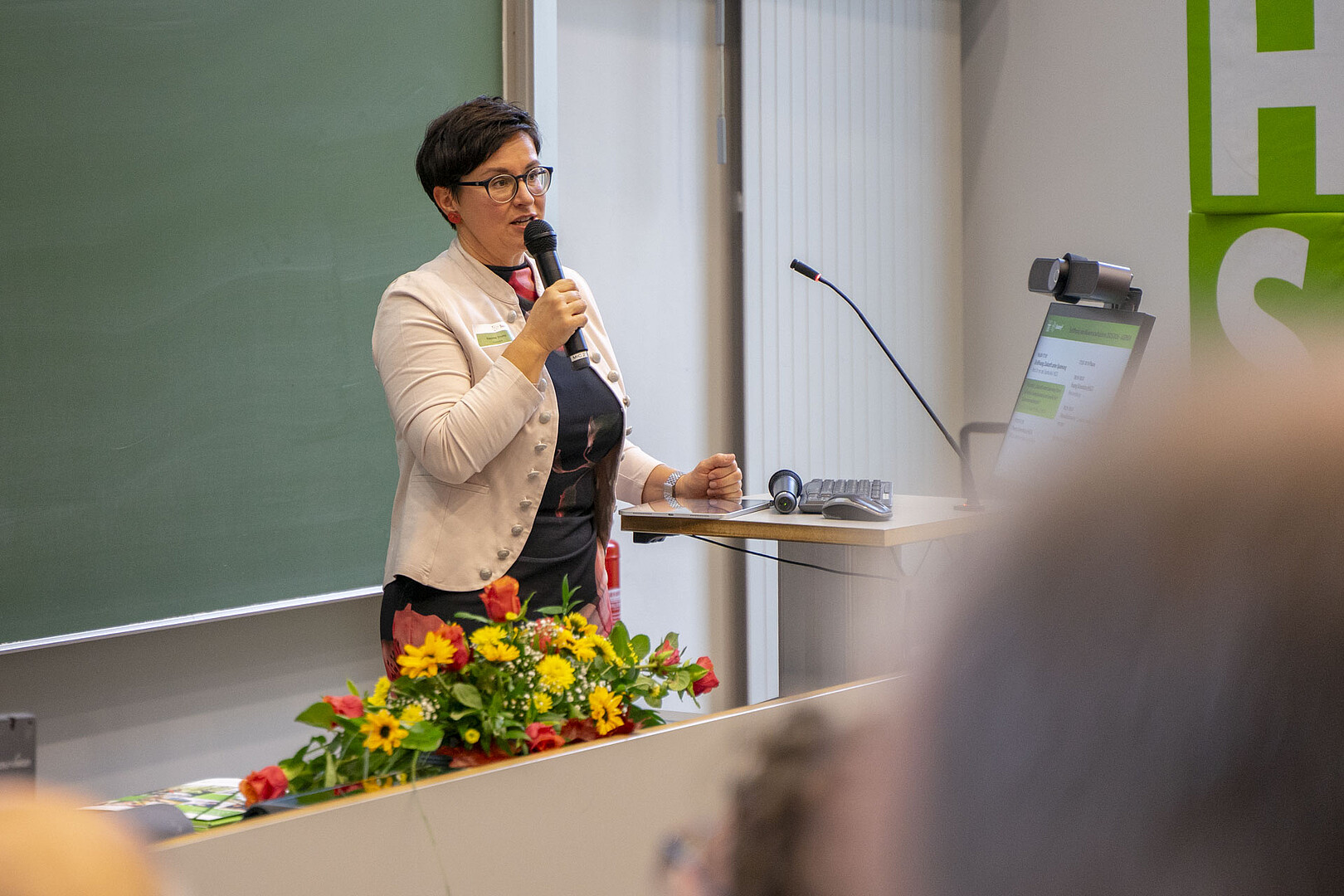
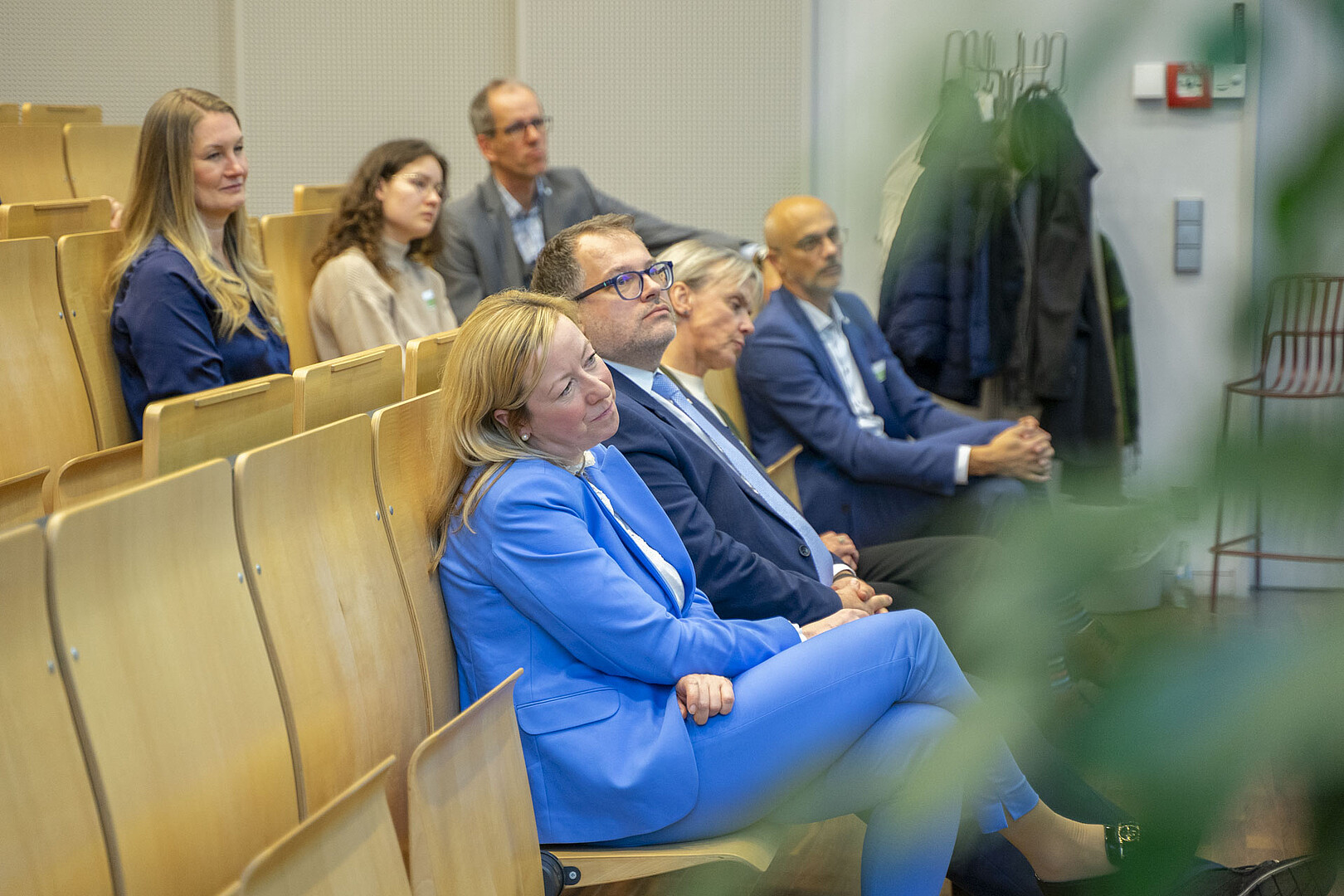
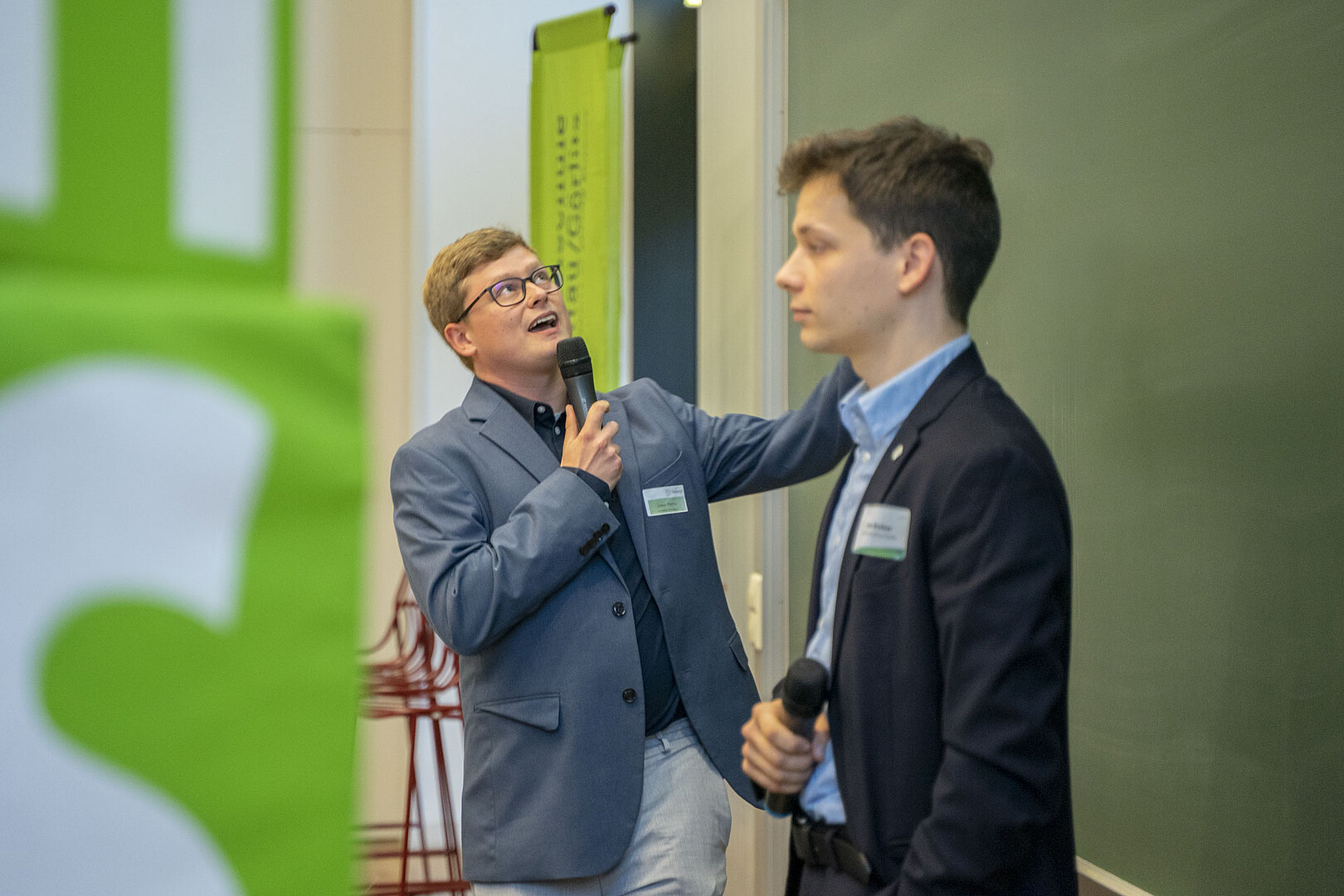
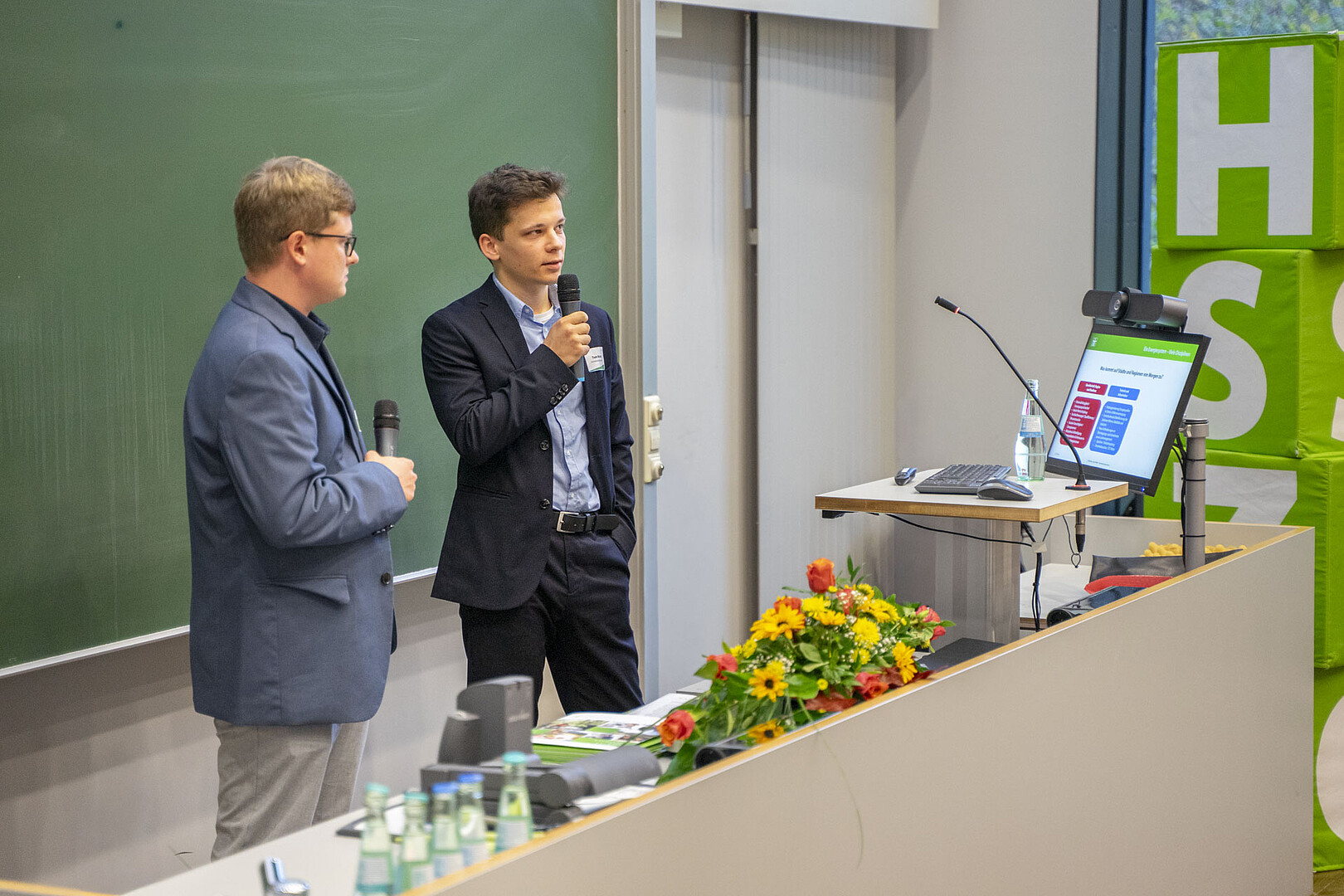
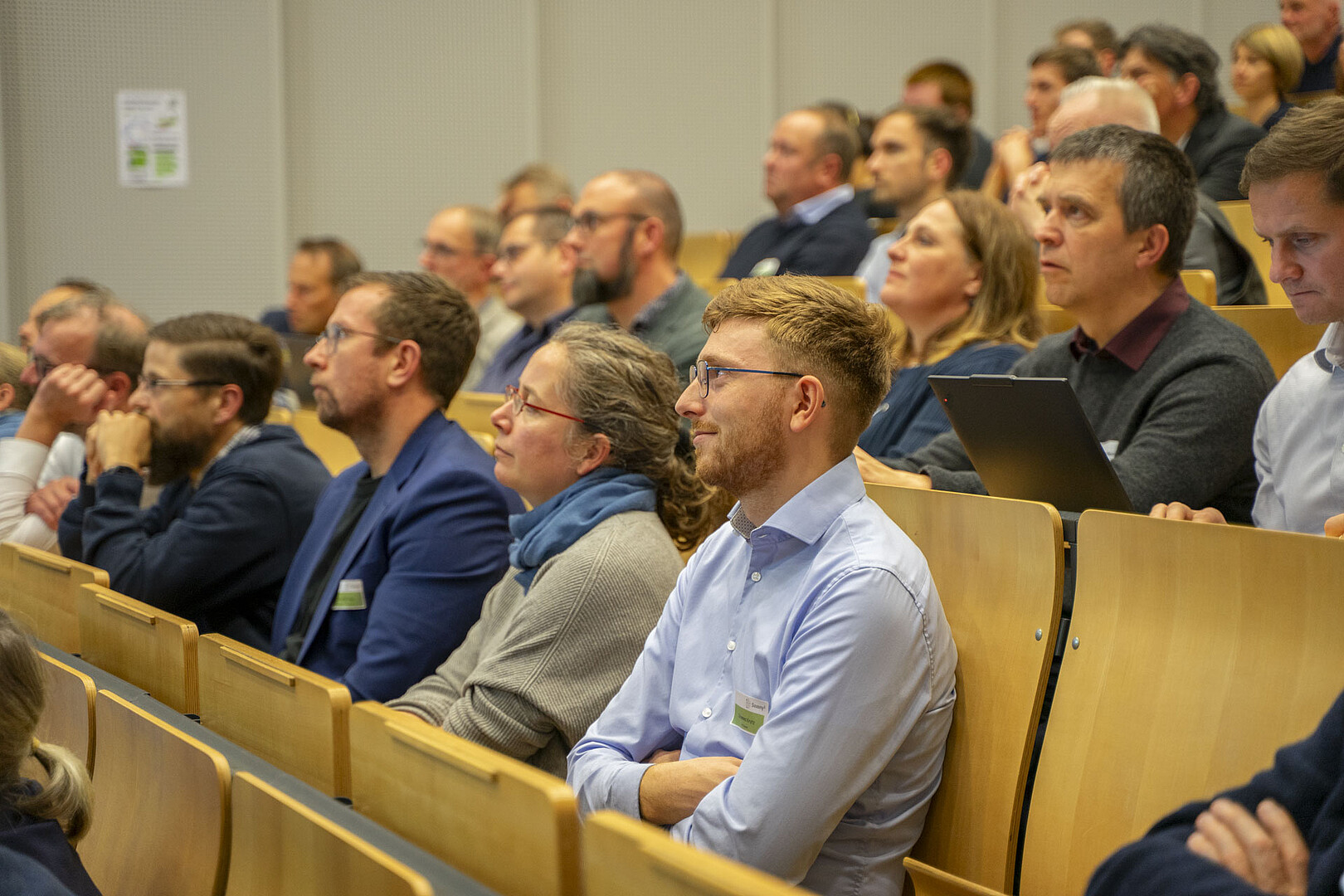

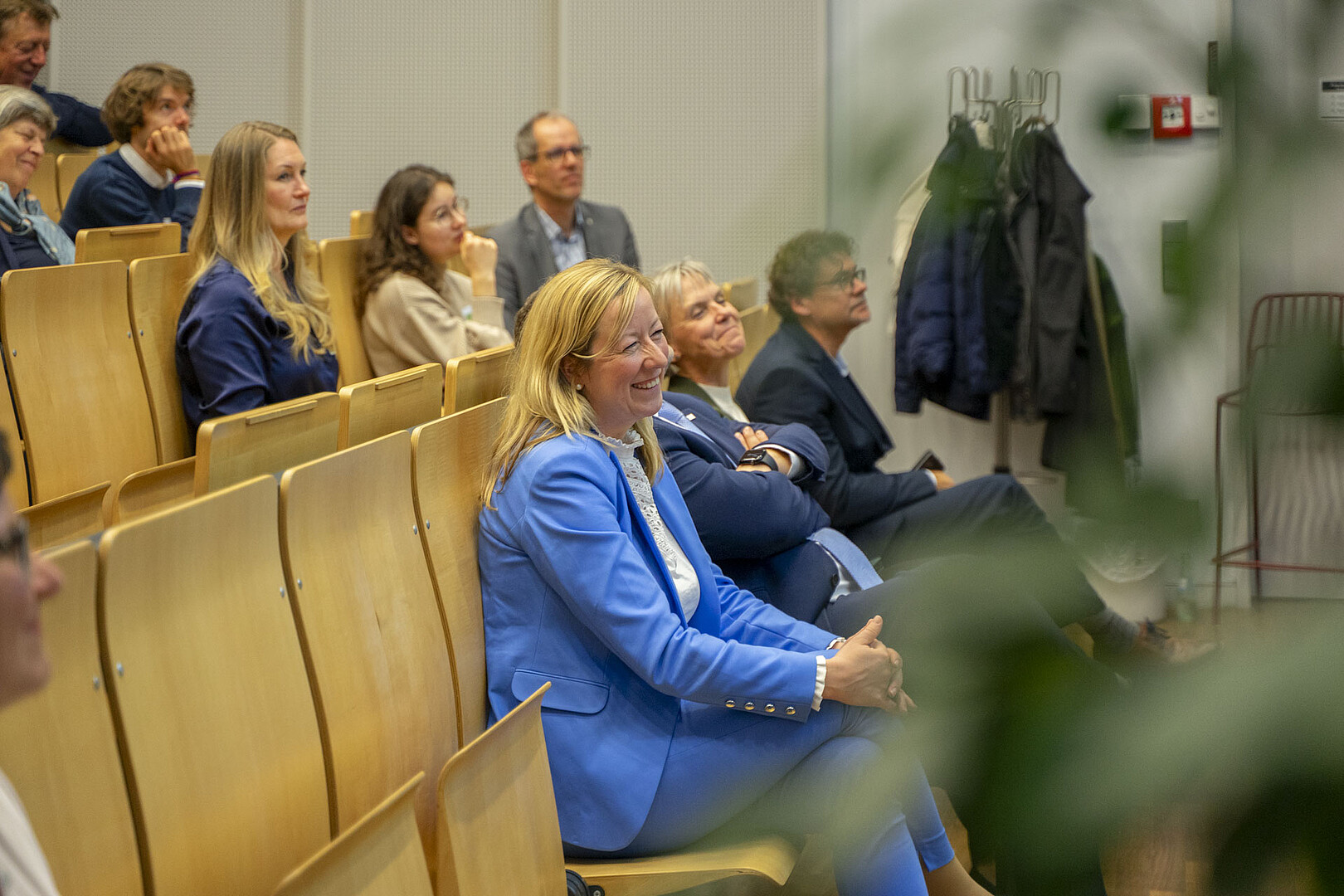
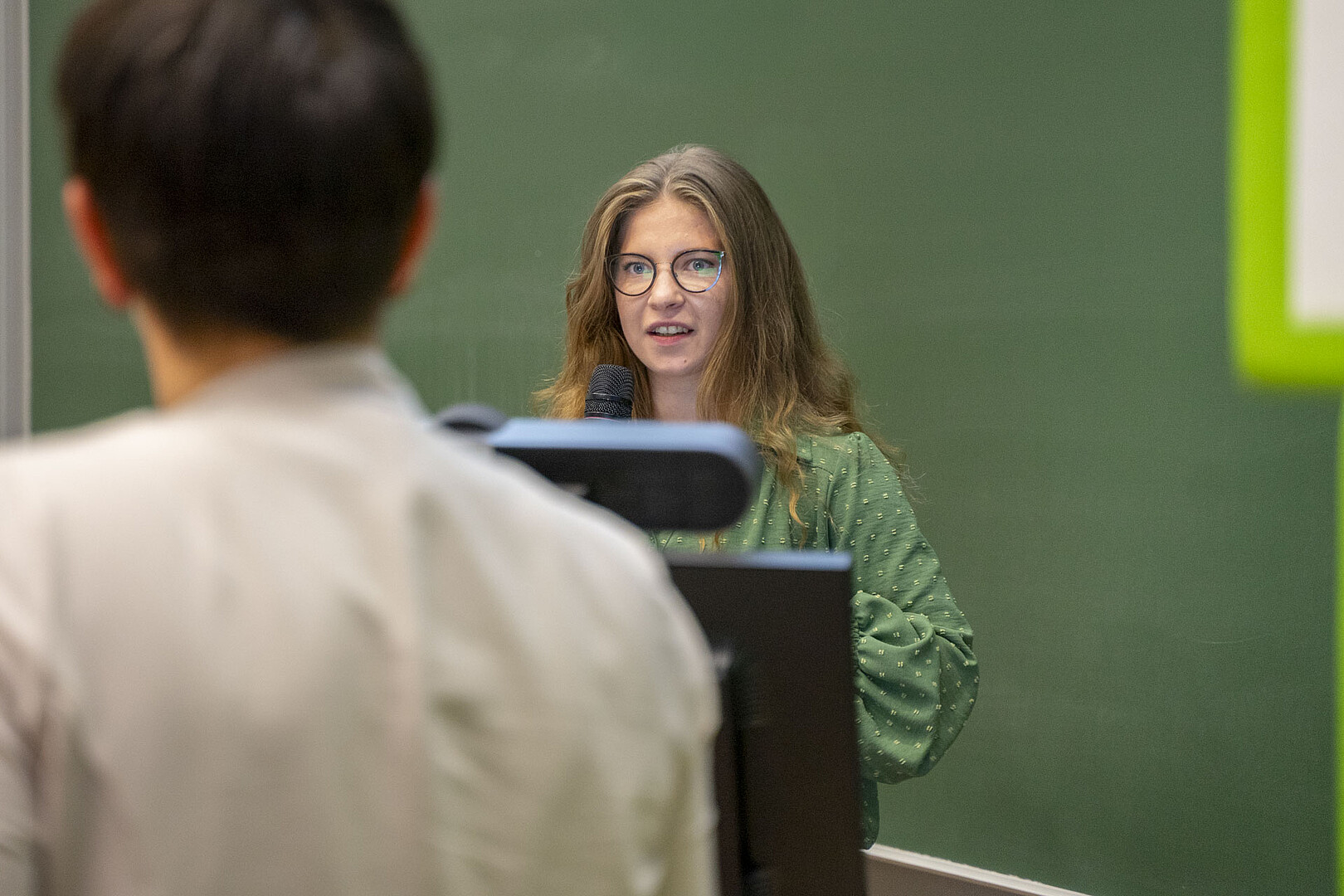
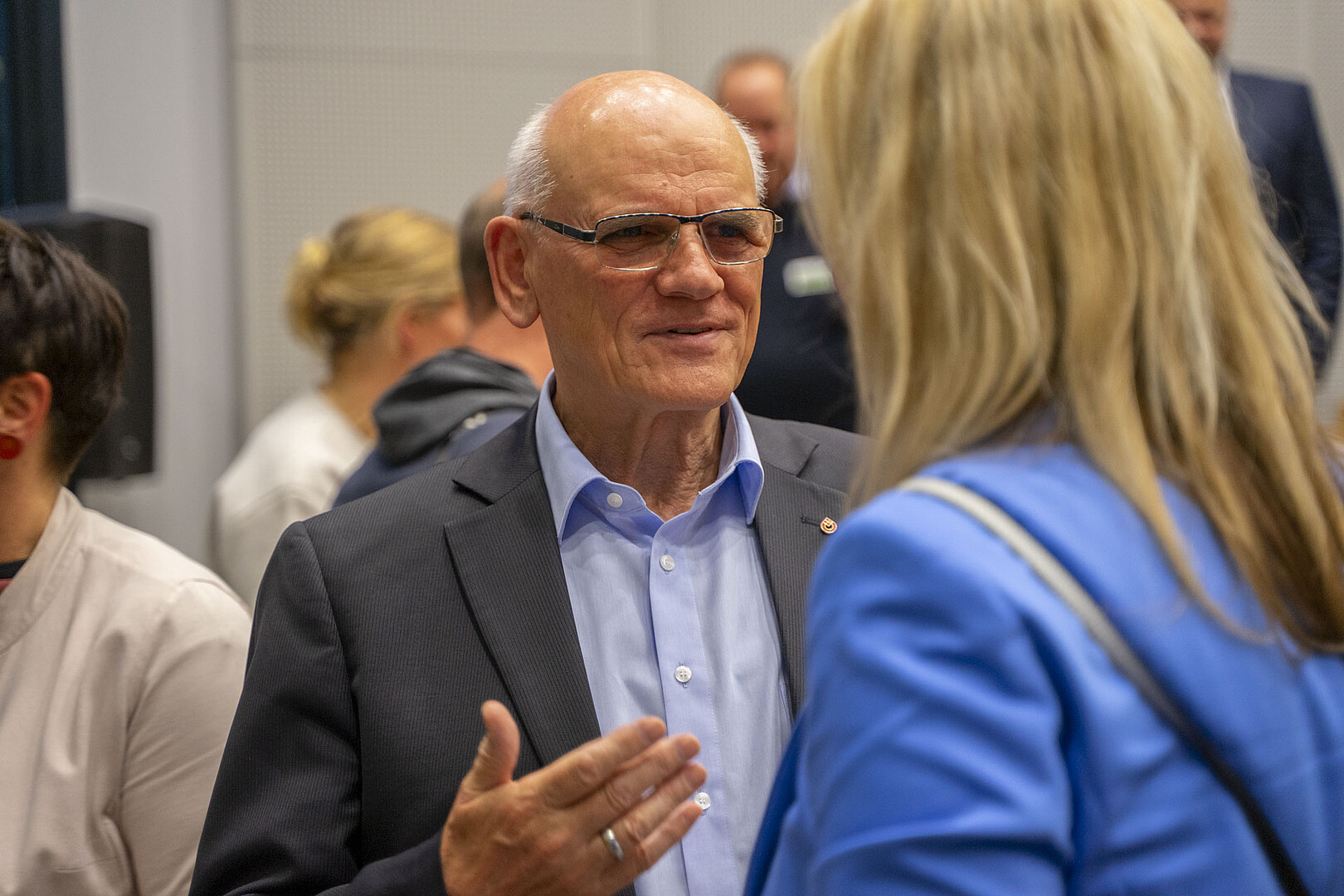
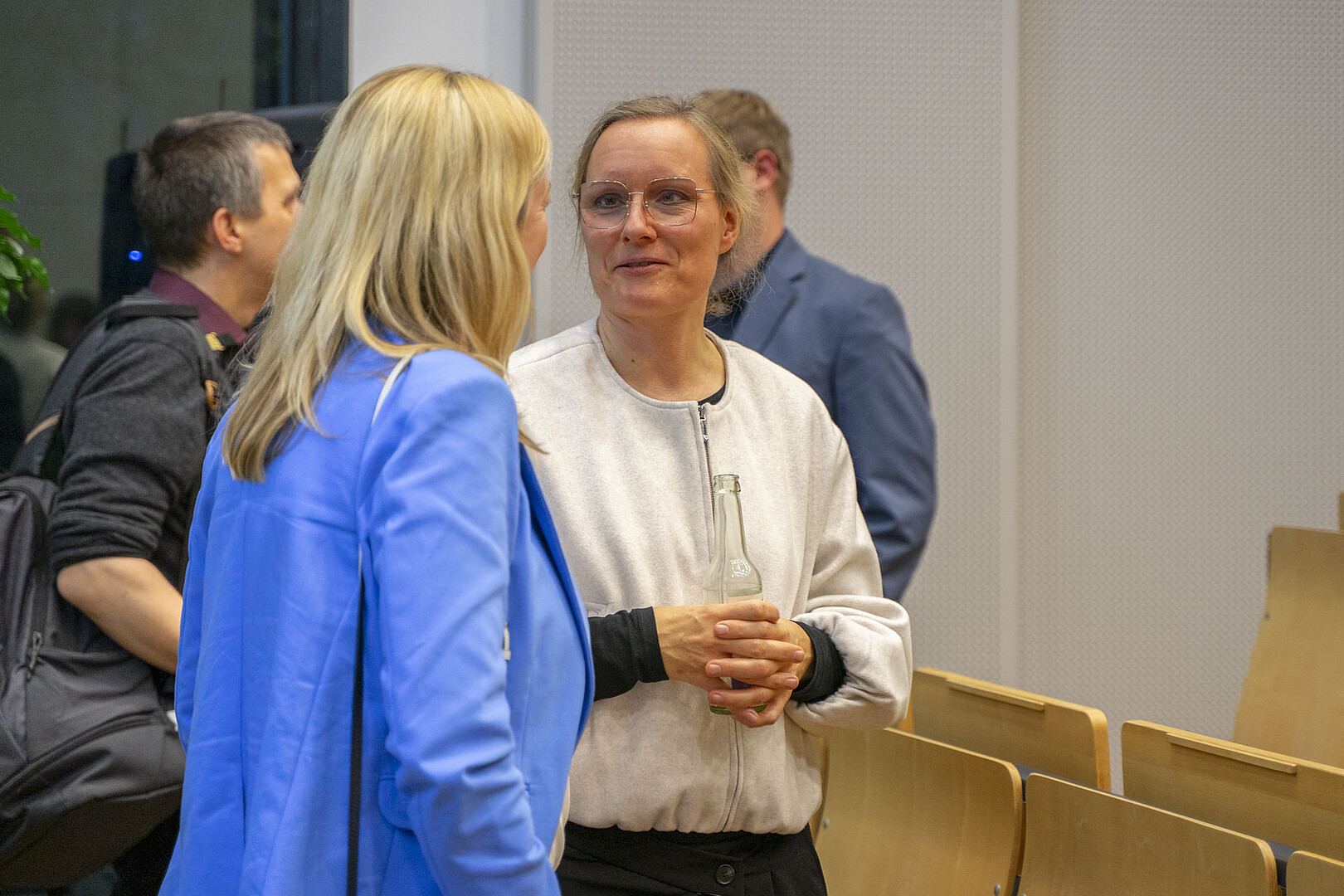
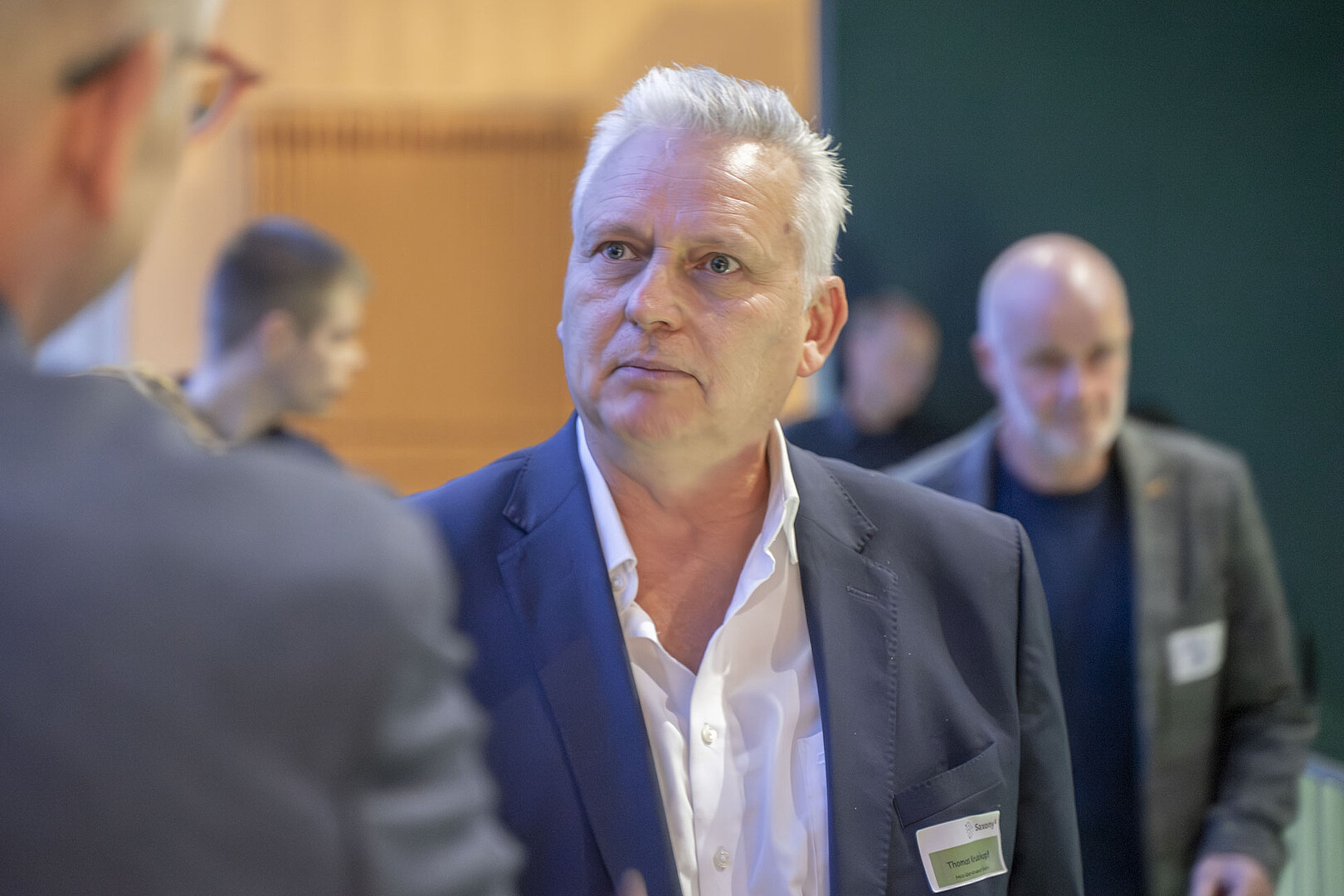
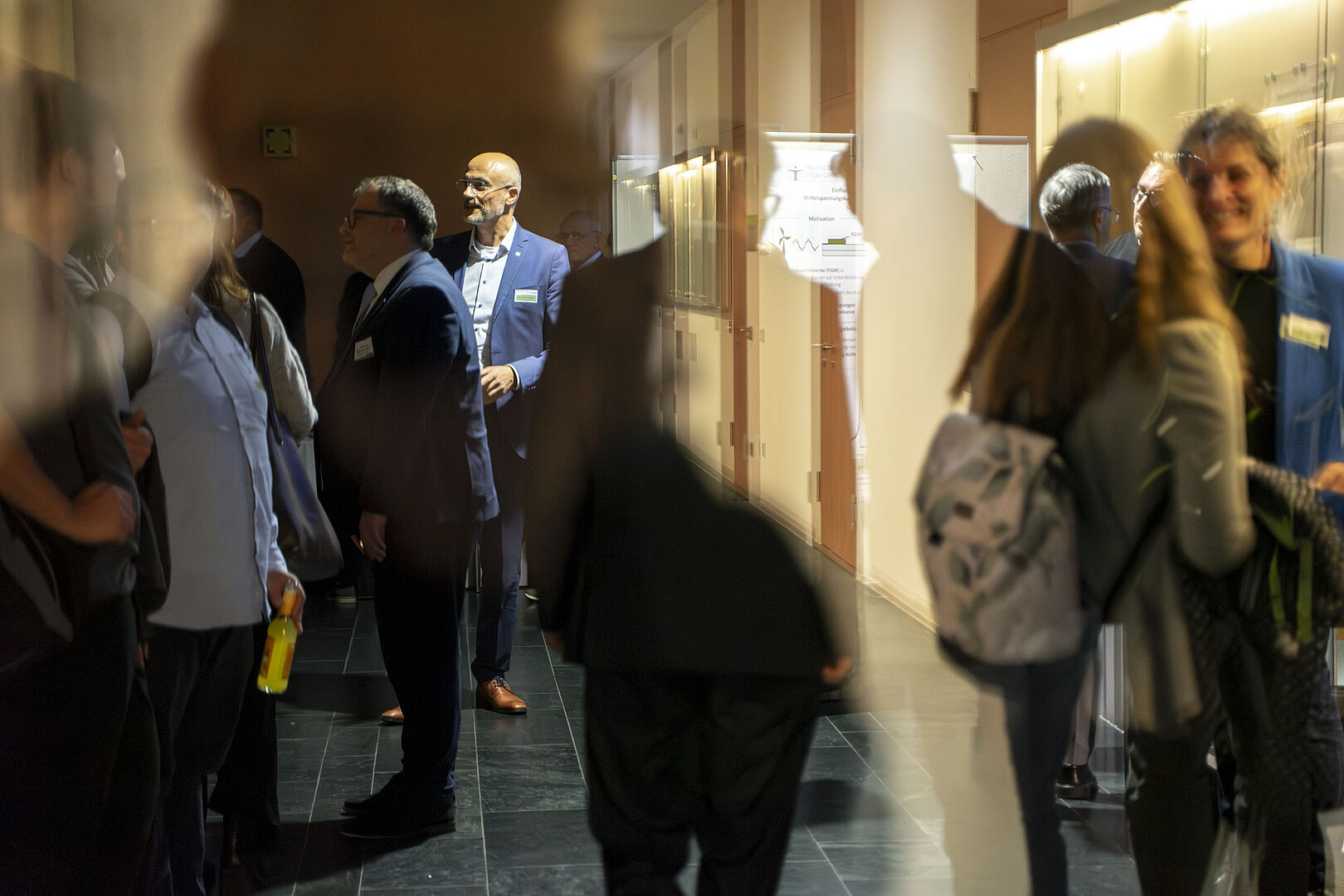
Programmatically, the event referred to the theme of the "Federal Year of Science 2025 - Future Energy" and expanded this to include the topics of artificial intelligence (AI) and urban and regional development. In a keynote speech, keynote speeches and a panel discussion, the participants discussed how current and future research in the fields of energy, artificial intelligence and urban and regional development can help to successfully support and shape complex transformations in climate, energy, economy and society. This was done both globally and regionally with a focus on the development of Lausitz.
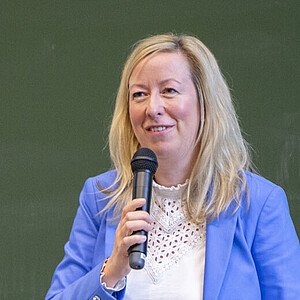
We are at a turning point—both globally and regionally. Energy and artificial intelligence are more than just technological buzzwords: They represent a profound transformation of work, knowledge, lifestyles, and social cohesion. “A Future Under Tension”—the motto of our Year of Science—aptly describes this state: between challenge and hope, between risk and opportunity, between preservation and new beginnings, between utopia and dystopia. The speakers at the opening of the Year of Science impressively demonstrated how interdisciplinary thinking, creativity, and research drive innovation. For us at Zittau/Görlitz University of Applied Sciences, this means: We combine technological opportunities with regional responsibility and shape the future—here in Lausitz and far beyond.
”Artificial intelligence: "We can do 10 years of science in one"
The debate and discussion about the use of AI is omnipresent in the media and society, the (inter)national zeitgeist in relation to artificial intelligence is critical and optimistic with the following questions arising time and again: How will we generate knowledge in the future if AI technology is always at our side? If AI and human users merge more and more, how do we learn and know how to think and act in an ethically responsible manner, not just in a purely machine-optimized way?
"AI has developed immense momentum in recent years," says Prof. Dr. Dr. Tanja Kneiske in her keynote speech "Future under tension: Can AI help bring energy transition and society together?". Kneiske was appointed to the Expert Council for Climate Issues by the German government in 2025 and is one of the "100 Heads of Science in the Capital". Since 2024, she has headed the "Technology and Management of Integrated Energy Infrastructures" department at TU Berlin and is also Scientific Director at the Fraunhofer IEG in Cottbus. In her presentation, Kneiske quotes Sam Altman, co-founder and CEO of OpenAI (ChatGPT), on the fascination of artificial intelligence: "What is so special about AI? - We can do 10 years of science in one," said Sam Altman at a science conference in Berlin 2025.
The consequences of this for users: "Things that used to take days and hours can now be done in seconds," says Kneiske. AI can also come into play in the realization of the energy transition: "We have to be clear: In the energy transition, we are not only looking at electricity grids, but also the planning, expansion and linking of gas, heat and hydrogen grids. Current planning models are reaching their limits due to increasing complexity. In order to optimally model and plan urban energy supply systems, suitable tools and methods are required - including those from AI and machine learning," says Kneiske. Kneiske and her team have developed the "DAVE" software tool. It collects, processes and merges data from a wide variety of sources in order to develop an energy grid model with the help of AI. This enables cities, municipalities and utilities to access the collected data and models of their region online, optimize the planning process and make data-based decisions. A model for Lausitz too?
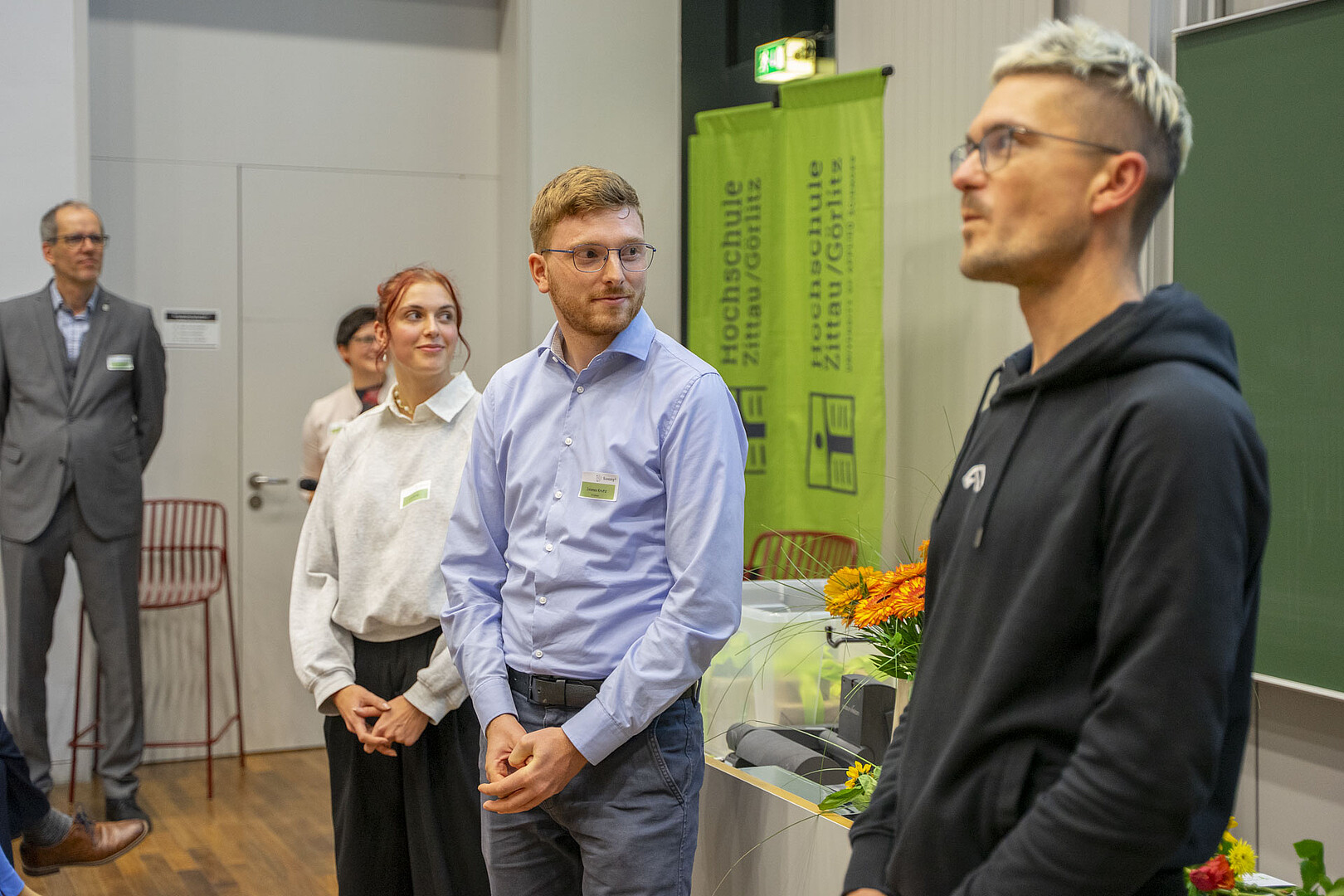
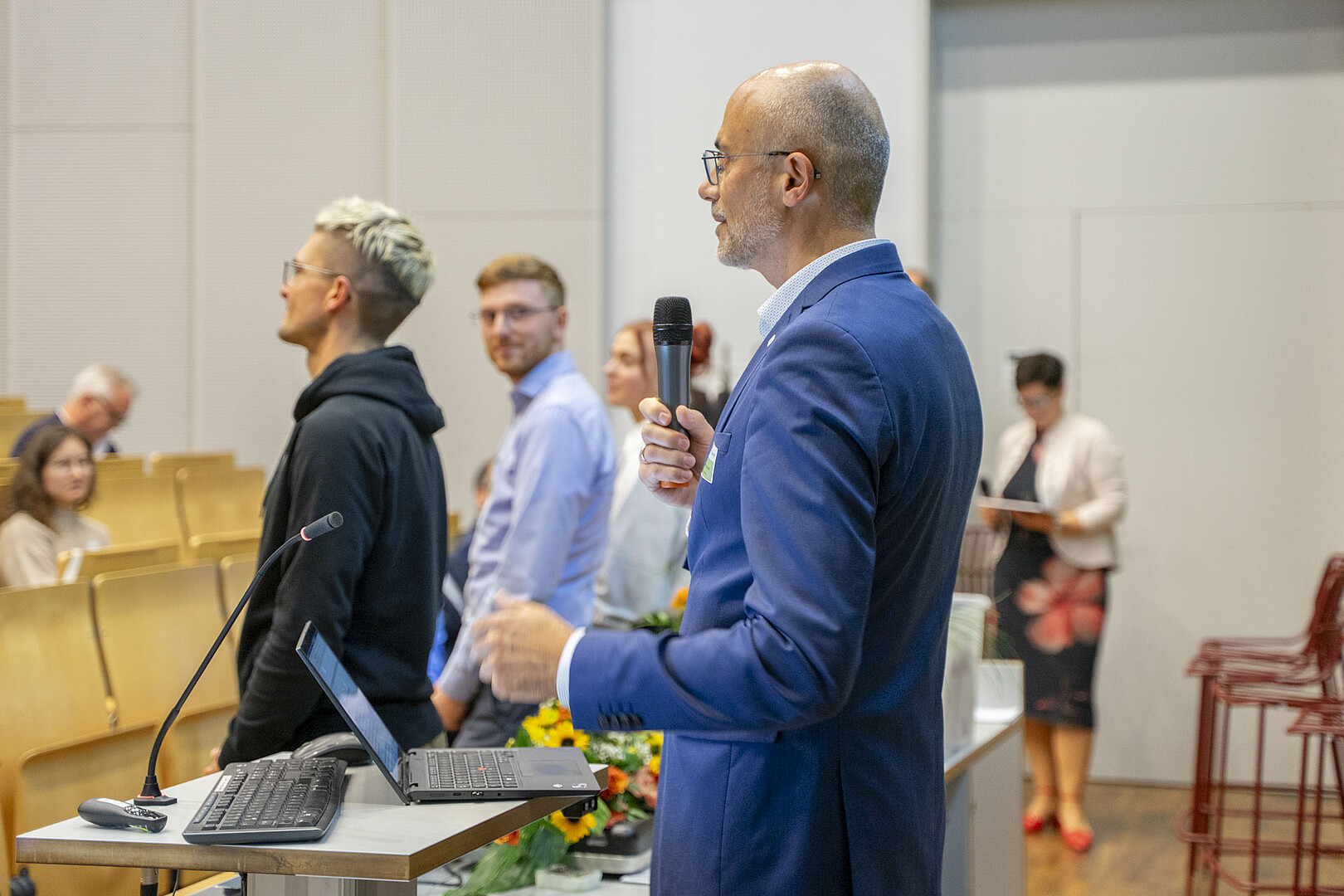
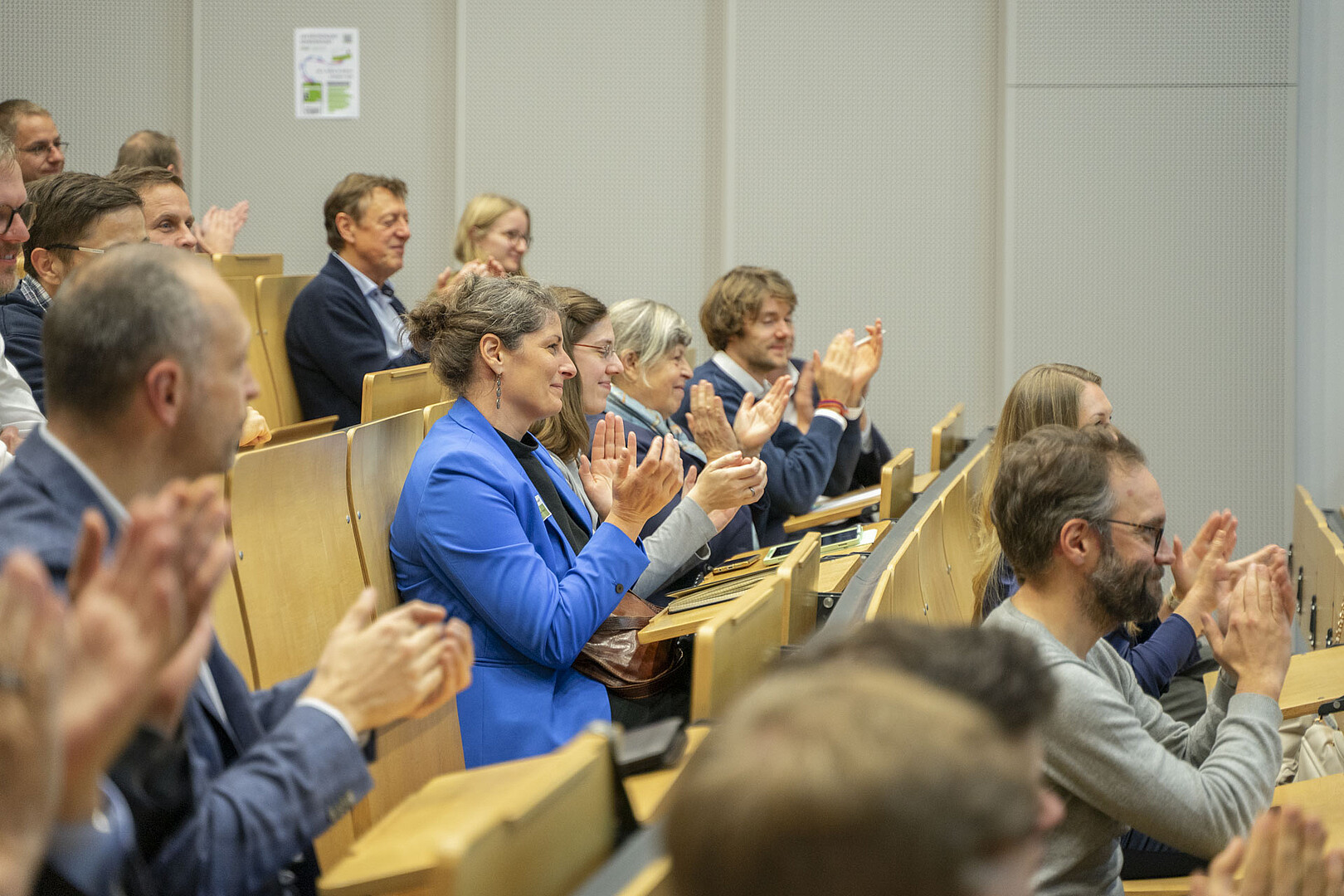

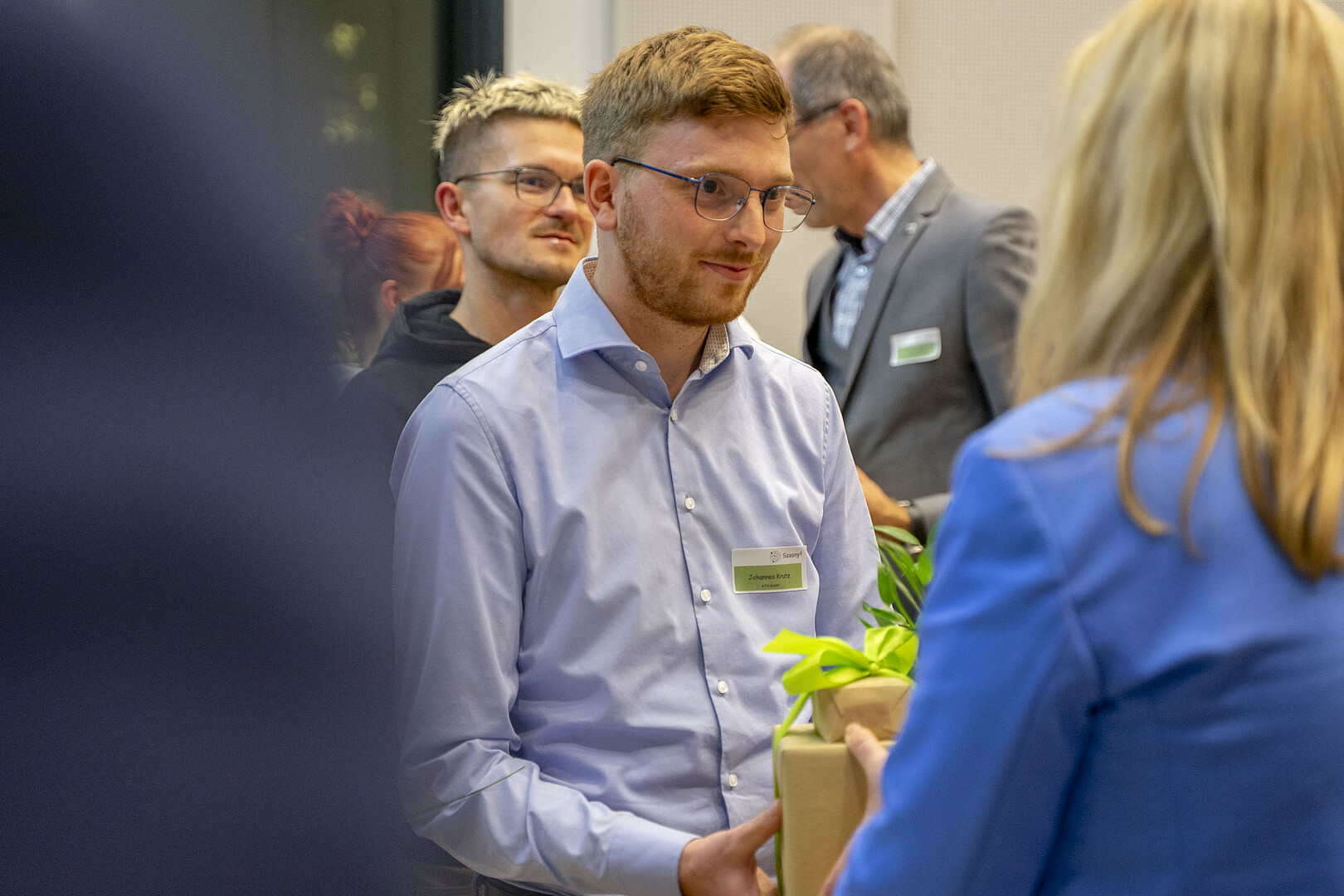



Openness to technology? “We also need a commitment to technology!”
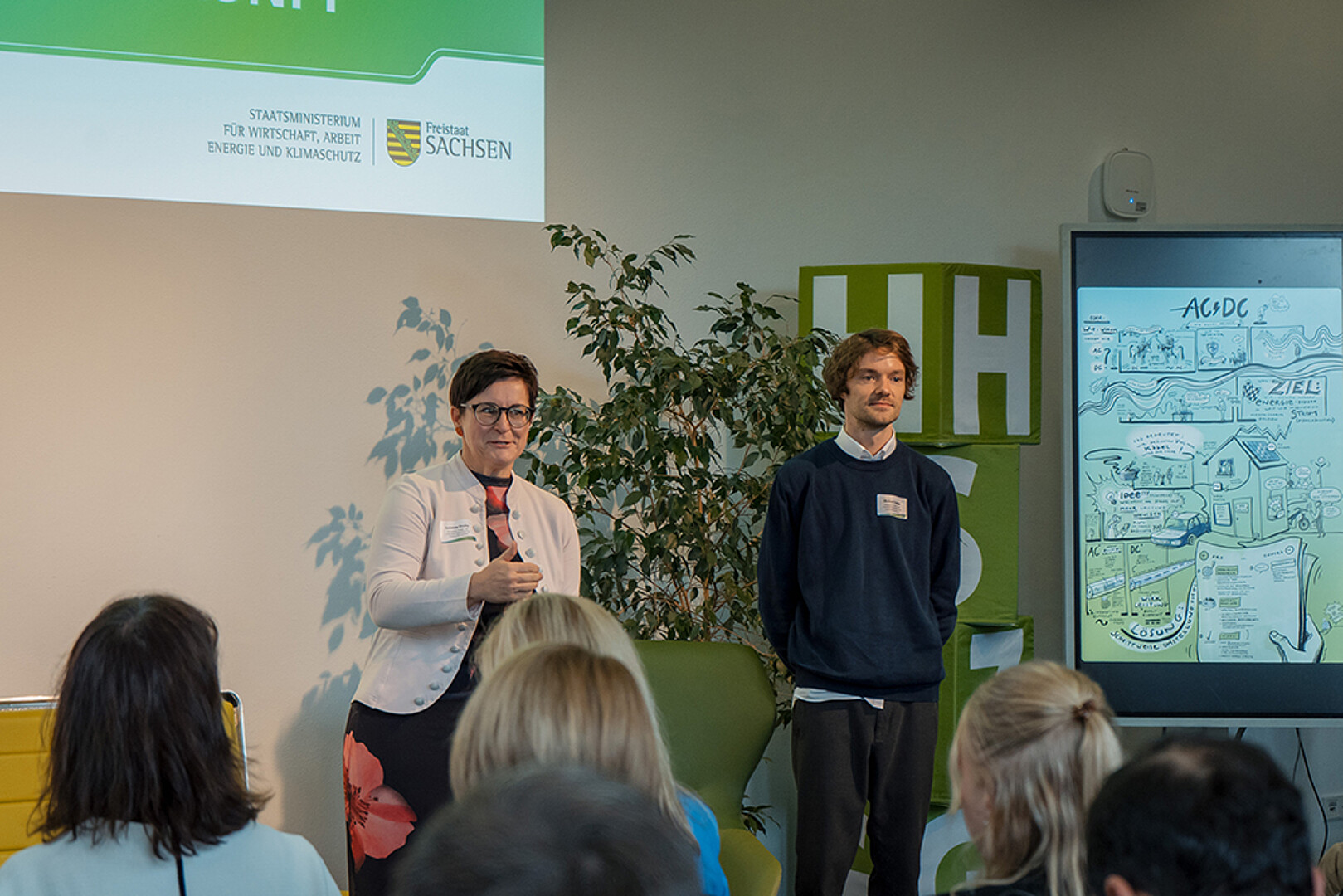
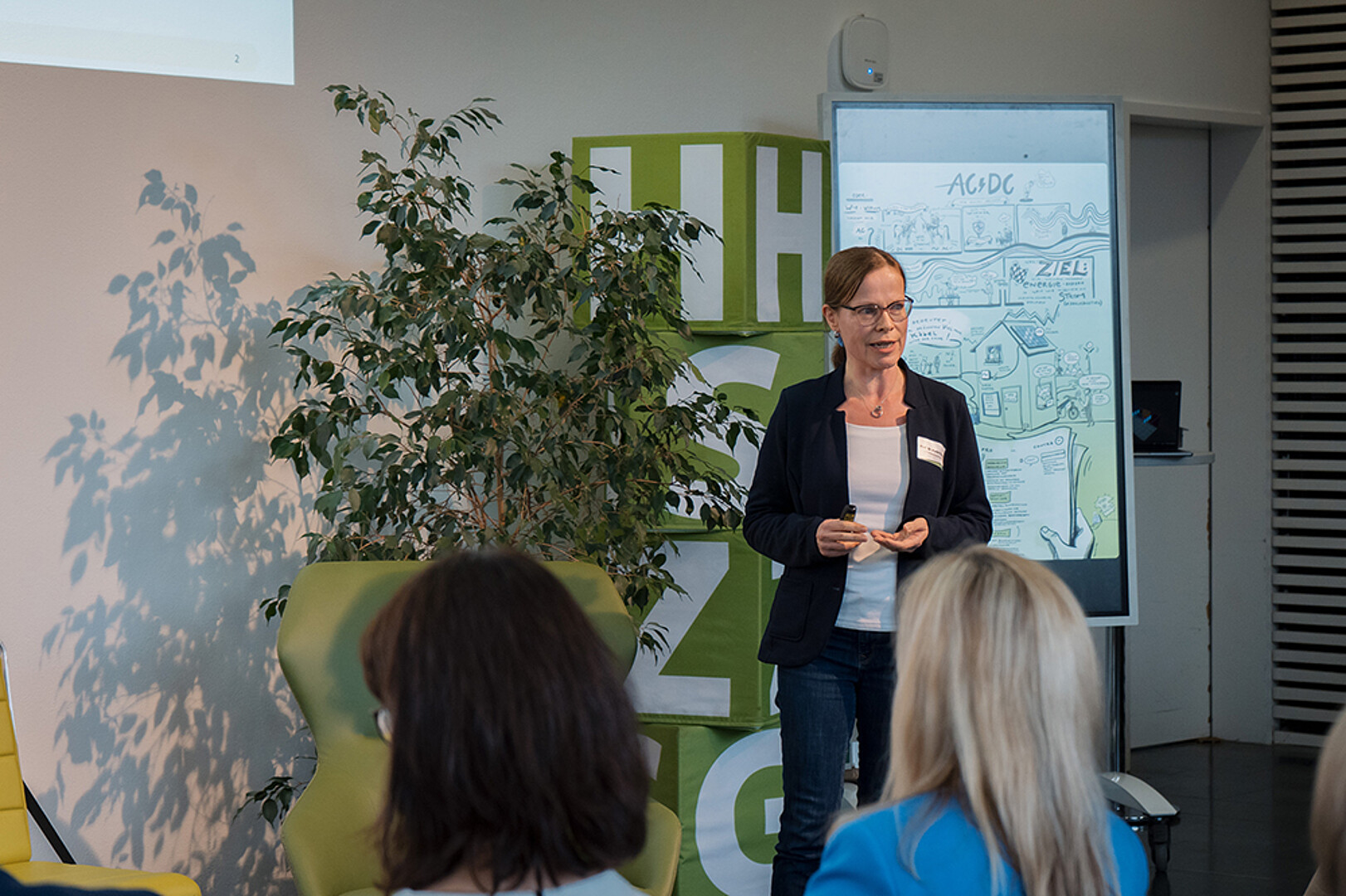
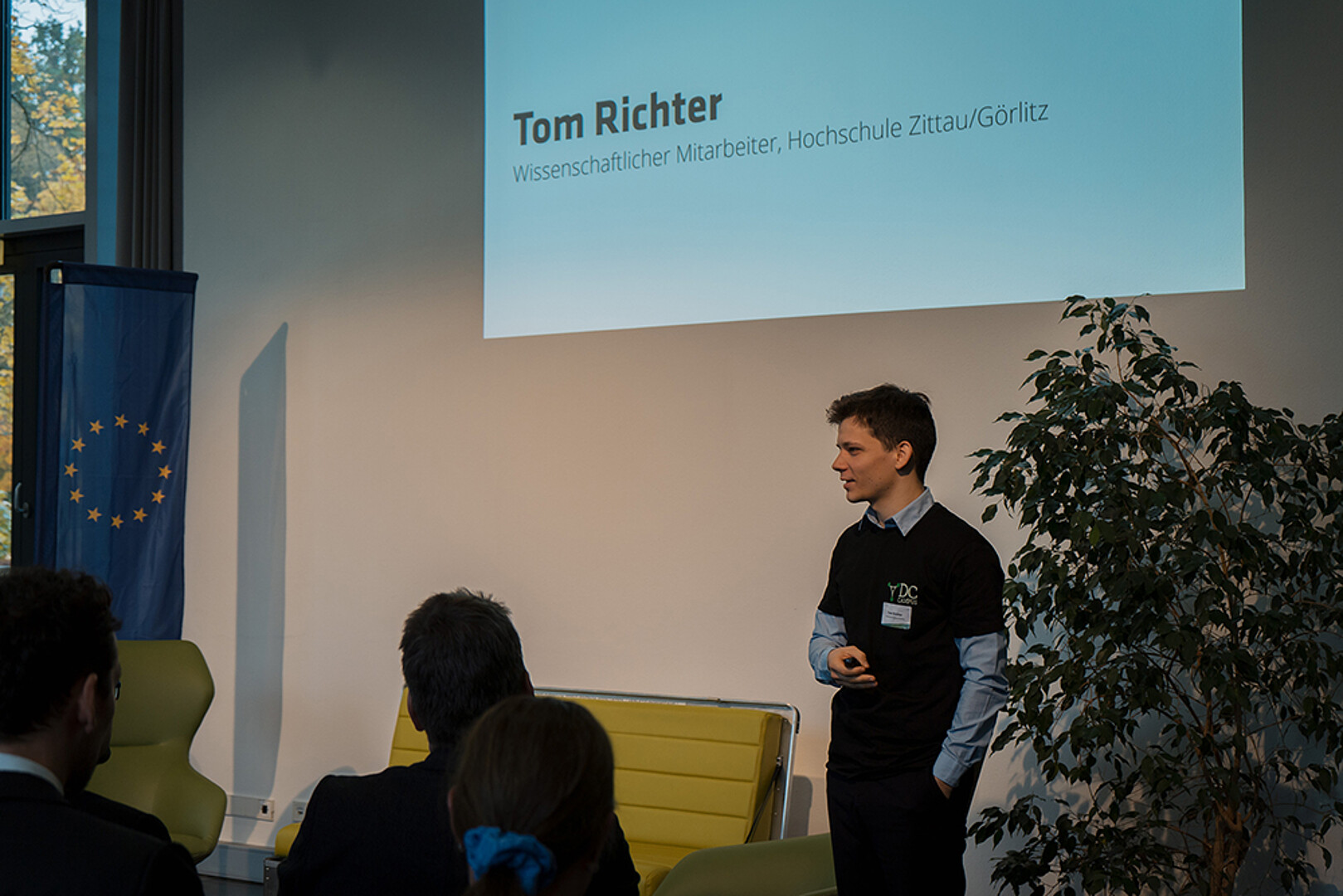
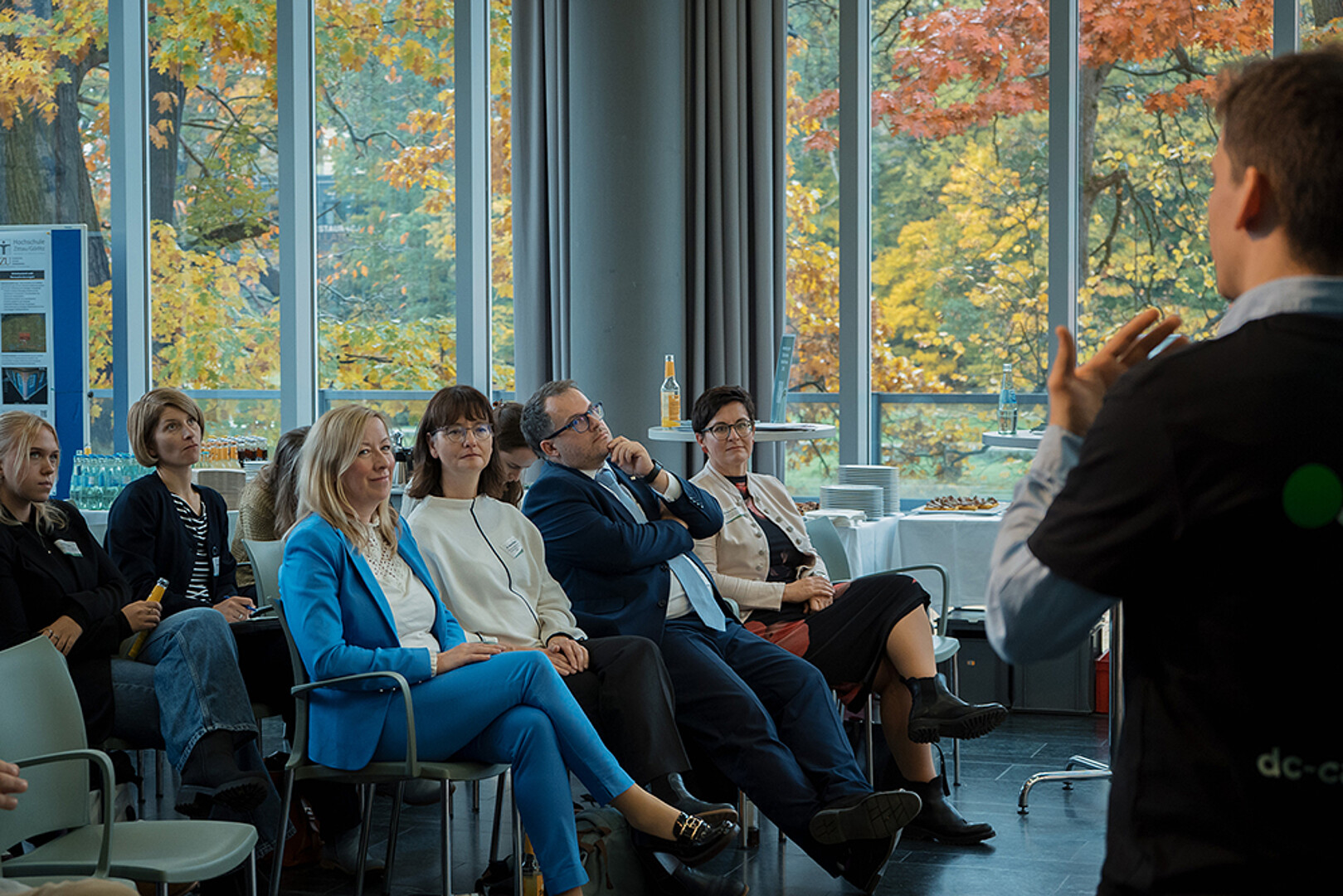
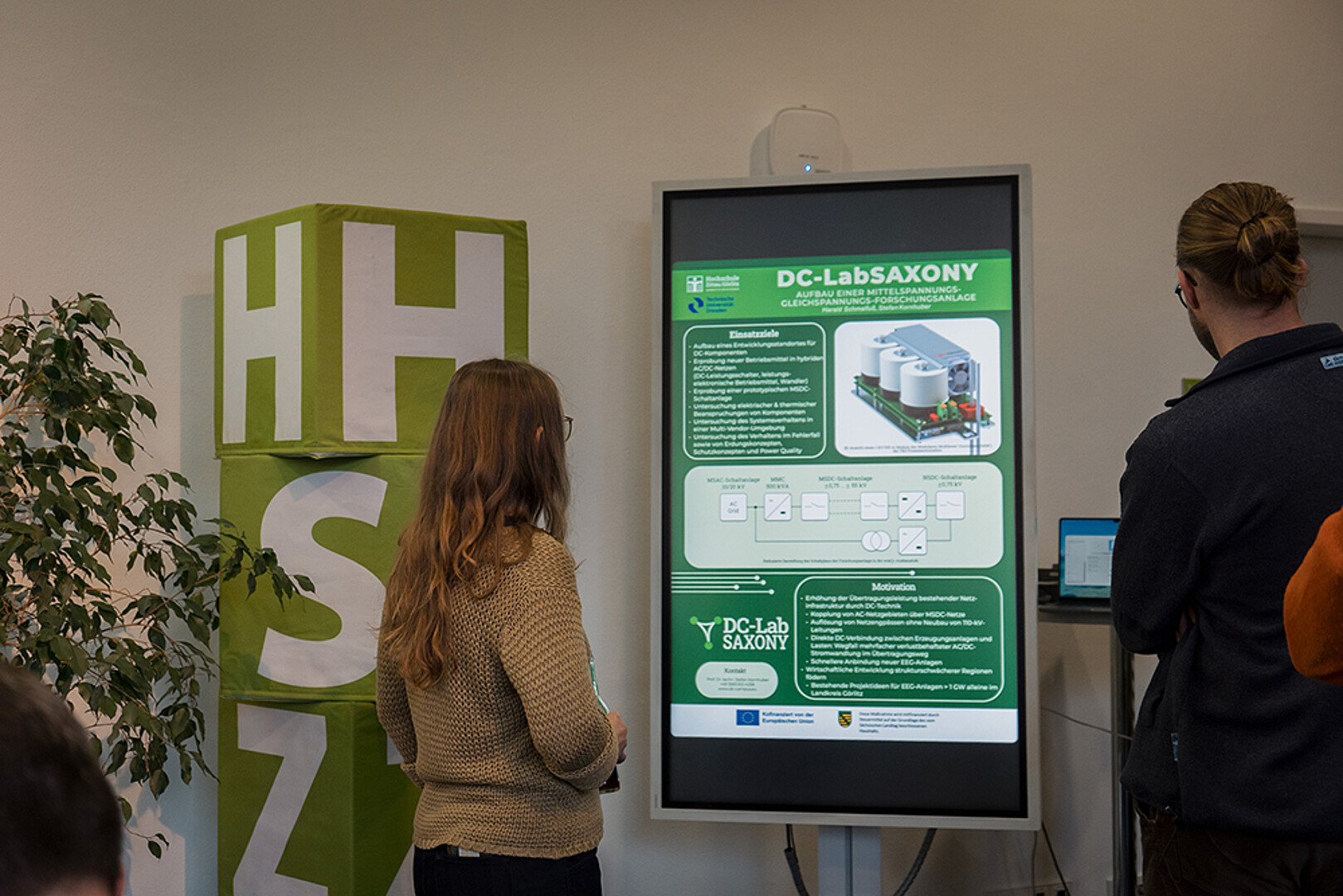
For the Lausitz region, the topics of energy, the energy transition, and structural change are of fundamental importance. For a long time, the extraction of fossil fuels through open-pit lignite mining shaped both the region’s internal and external image. “Energy as a Collective Task” and “DC Voltage Under Control—Switching Technology for Tomorrow’s Networks” were the titles of the keynote presentations given by early-career researchers Tom Richter, Jonas Pfeiffer, and Emilia Herzig following the introductory keynote. The launch of the Year of Science also marked the start of the HSZG program for early-career researchers: “Young Scientists@HSZG.” In their presentations, Richter, Pfeiffer, and Herzig outlined scenarios and challenges posed by rising energy demands, as well as possible solutions—such as the development of a DC campus in Lausitz. Direct current (DC) versus, or in harmony with, alternating current (AC). “In addition to being open to technology, we also need technological determination. China is, in some cases, moving significantly faster in developing alternative energy models, ” says Tom Richter.
“Who gets what, when, and how?”—This fundamental question of international political economy also applies to Lausitz and “…us in the city of tomorrow.”
Just maintaining the status quo?
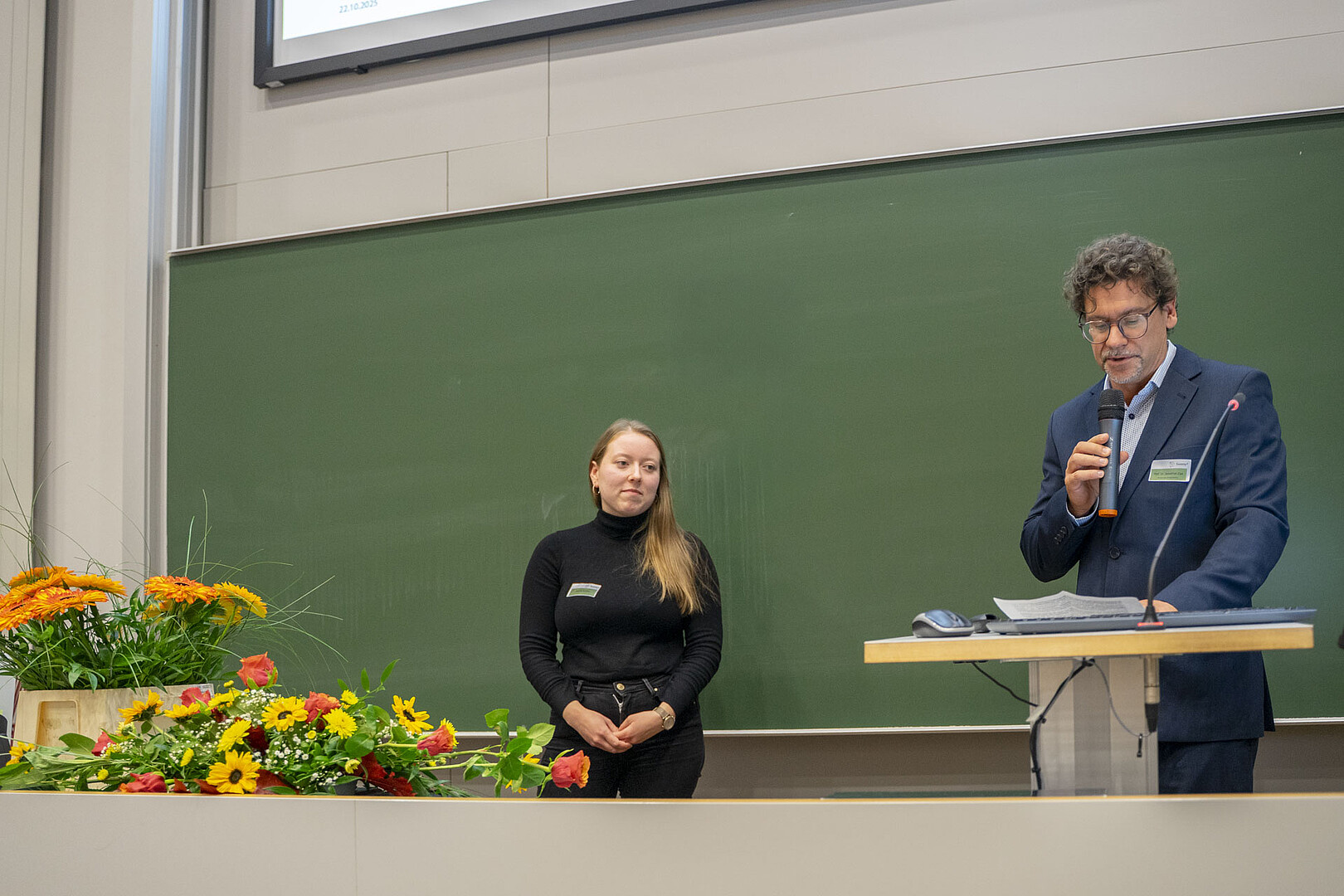
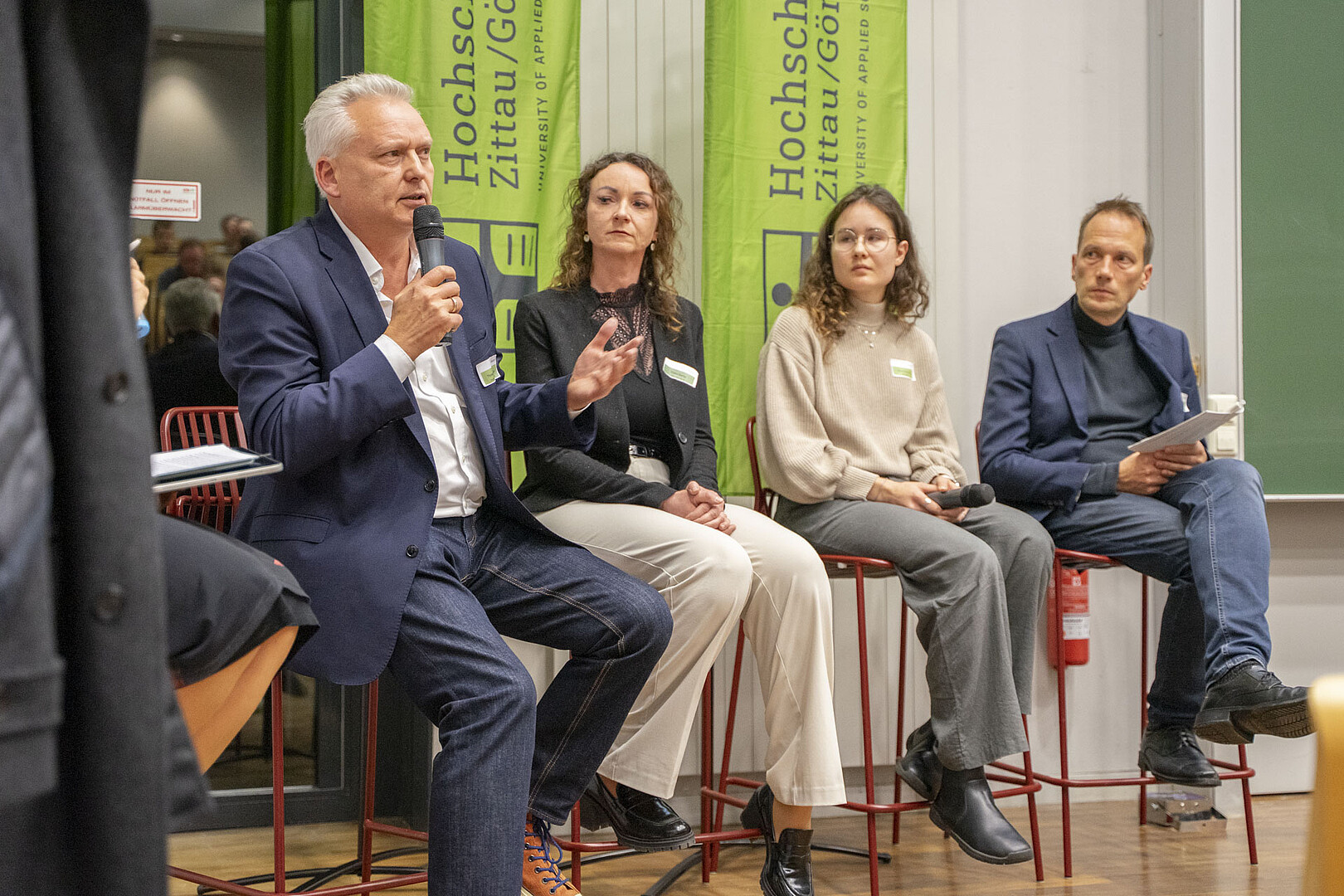
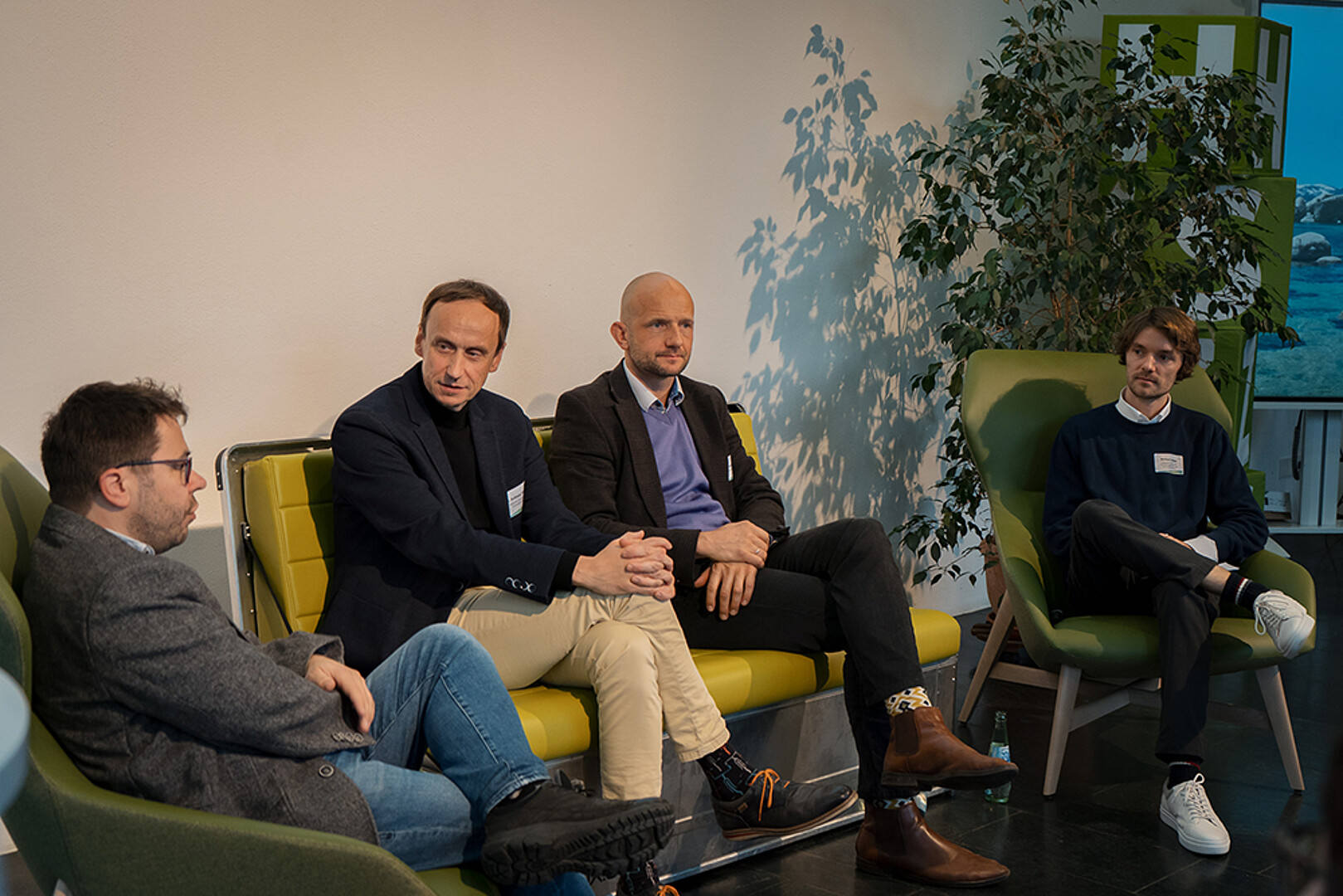
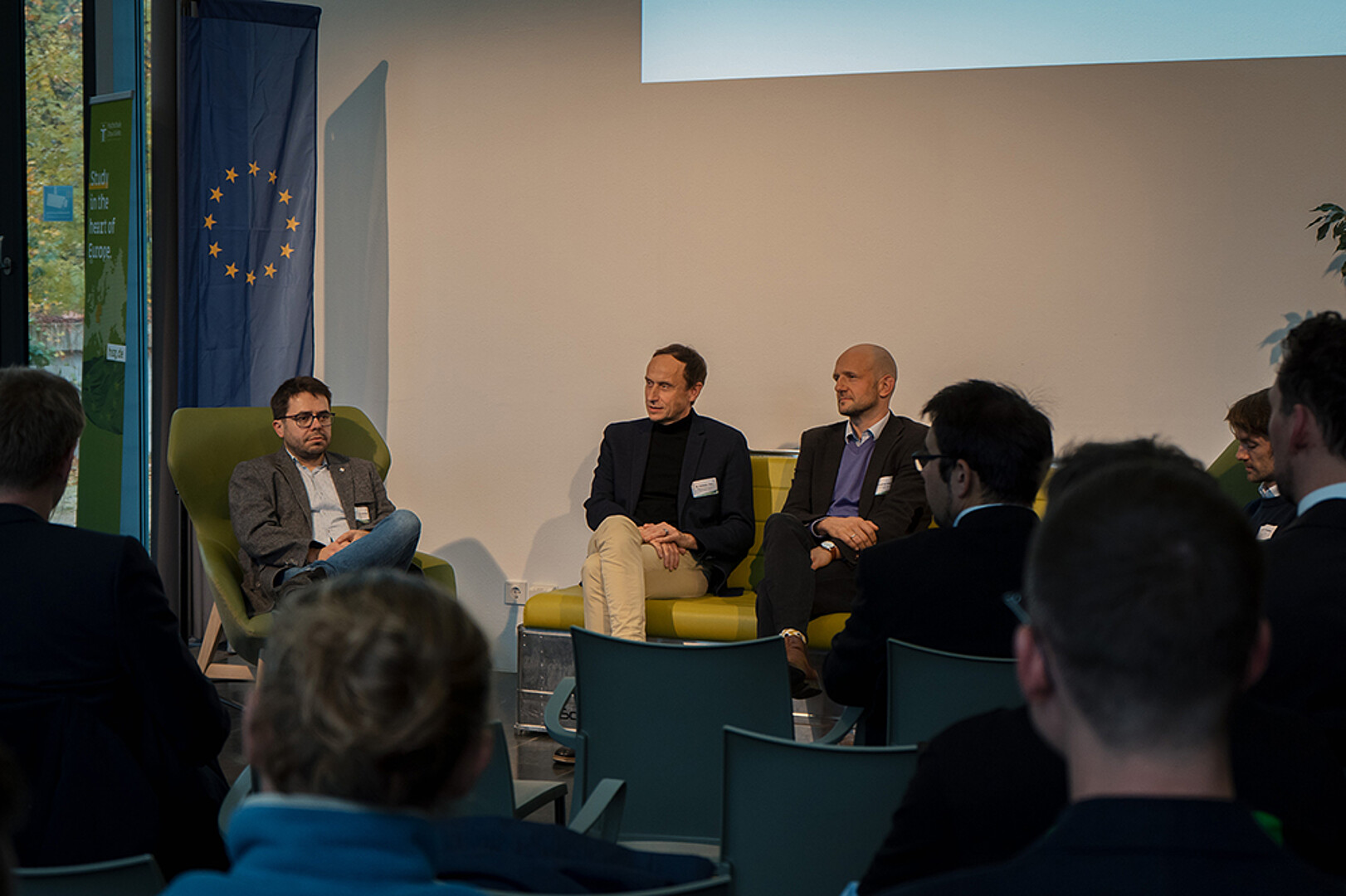
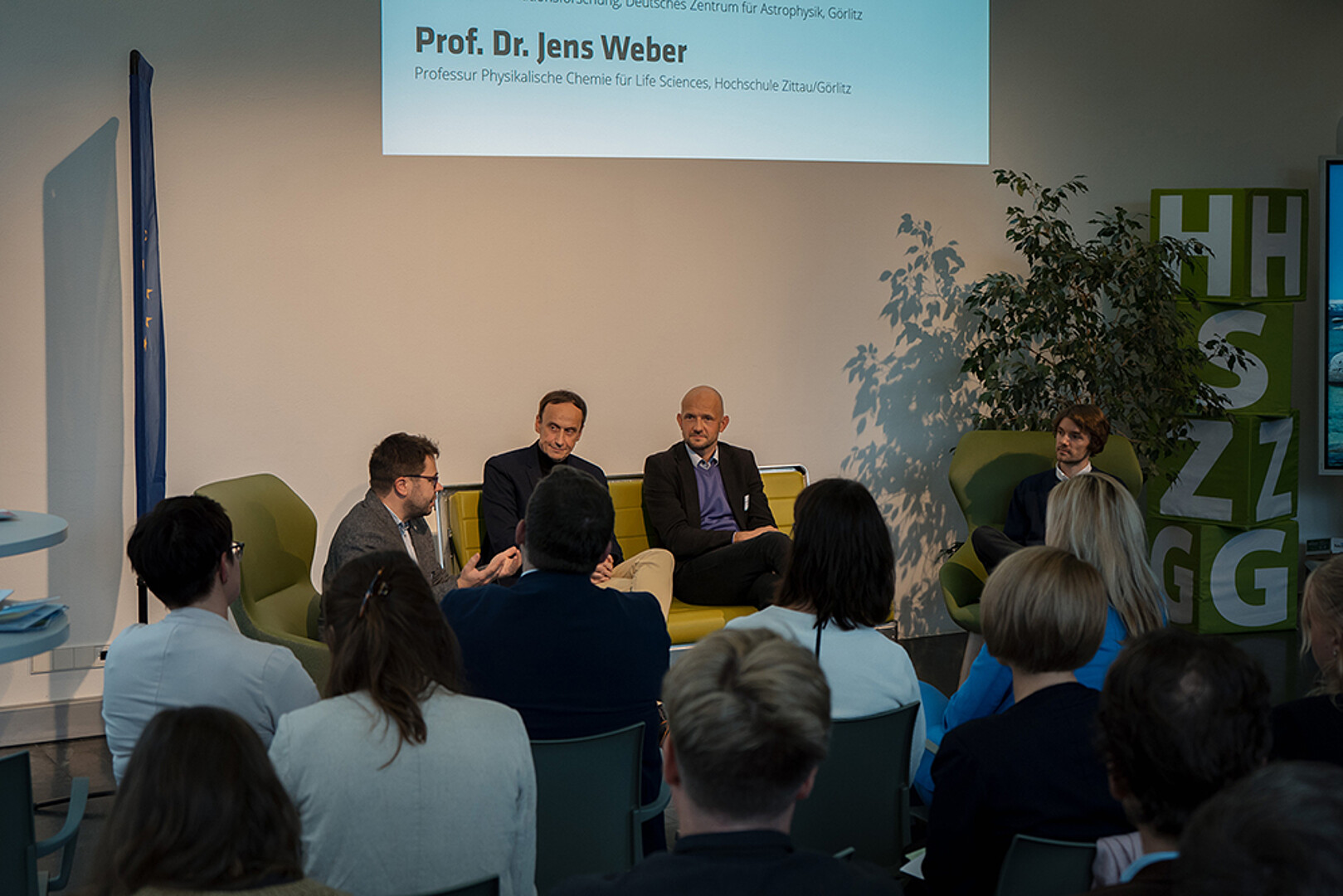
“We’re just maintaining the status quo. People in the region don’t really know what the research in Zittau and Görlitz is actually doing,” notes Thomas Krusekopf of the GreenZitty Zittau initiative critically during the panel discussion “…and us in the city of tomorrow” —along with the other participants Prof. Dr. Robert Knippschild (Interdisciplinary Center for Transformative Urban Regeneration, Görlitz), Carolin Fischer (Dresden University of Applied Sciences, Research Associate at NFG MUBARES), and Diana Karbe (Project Manager for Economic Development for the City of Hoyerswerda). “We need to bring modernity to the region so that young people become curious,” says Krusekopf. Diana Karbe presents facts about the population decline in Hoyerswerda. As early as 2009, the Bertelsmann Foundation projected a 33.4 percent decline in Hoyerswerda’s population between 2006 and 2025. “There may no longer be anyone left in Hoyerswerda who can even do the necessary work,” Karbe noted during the panel discussion.
Karbe may have spoken realistically, utopianly, or dystopically. And not only with regard to Lausitz, but also to structurally weak regions in, among others, Bavaria, Saxony-Anhalt, North Rhine-Westphalia, Northern England, or the Rust Belt in the U.S.
Transformation Succeeds Through Courage and (Global) Openness
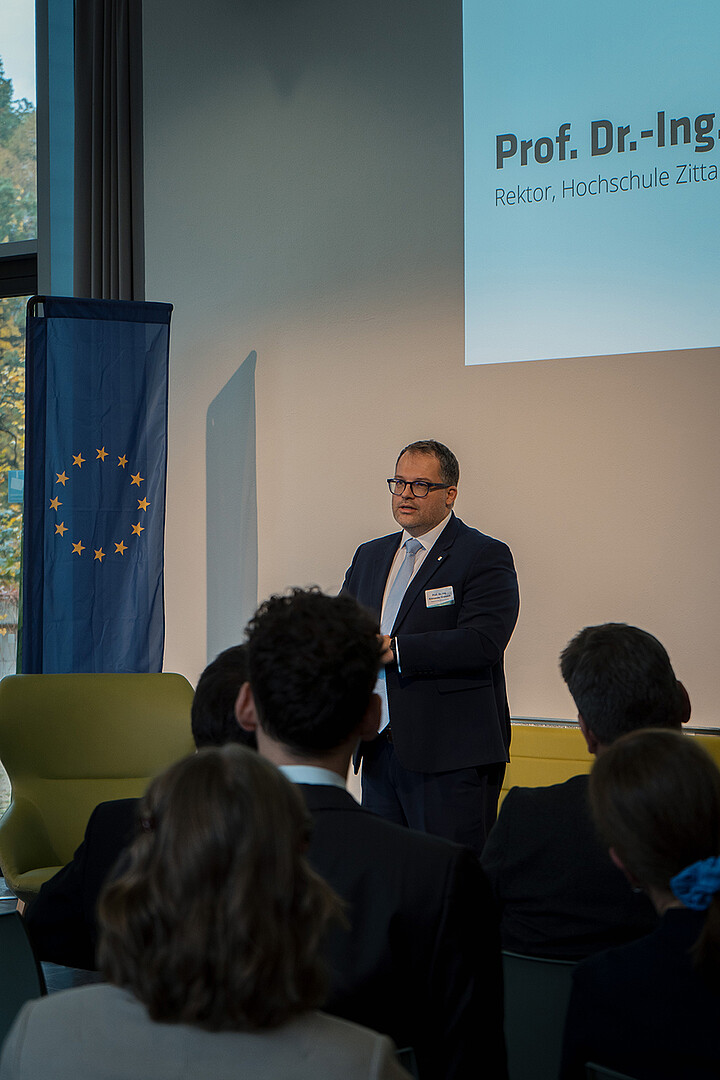
How can change or transformation succeed? Alexander Kratzsch, Rector of Zittau/Görlitz University of Applied Sciences, called for courage in his opening remarks at the “Road to Innovation” event—organized by “futureSAX”—on the morning of October 22; Tanja Kneiske, Jonas Pfeiffer, and Thomas Krusekopf cite curiosity, a sense of community, and an open-minded attitude toward the world as essential characteristics. “Successful transformation requires reliable, trusting, and ongoing partnerships between business, academia, politics, and civil society, ” concludes Prof. Dr. Robert Knippschild.
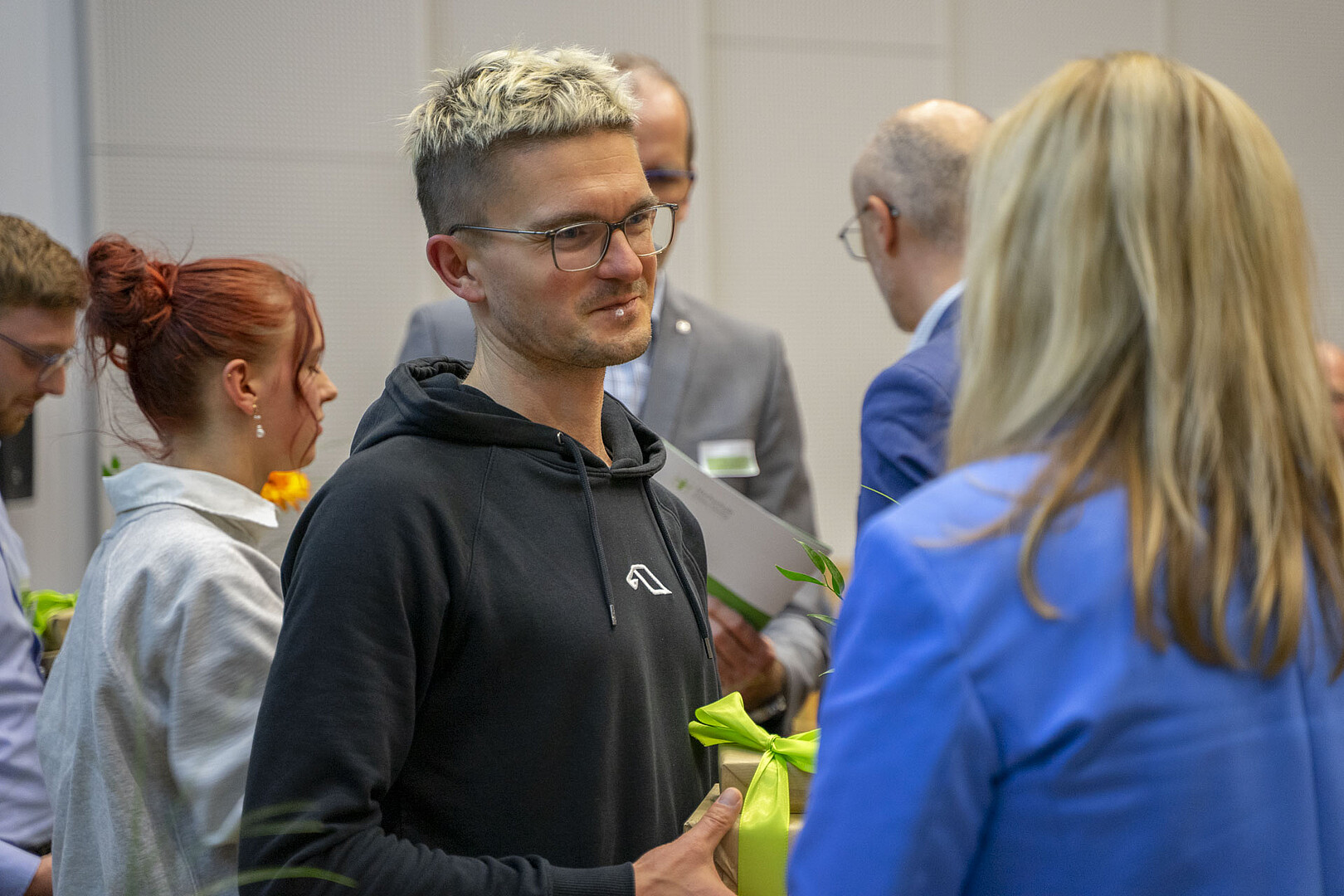
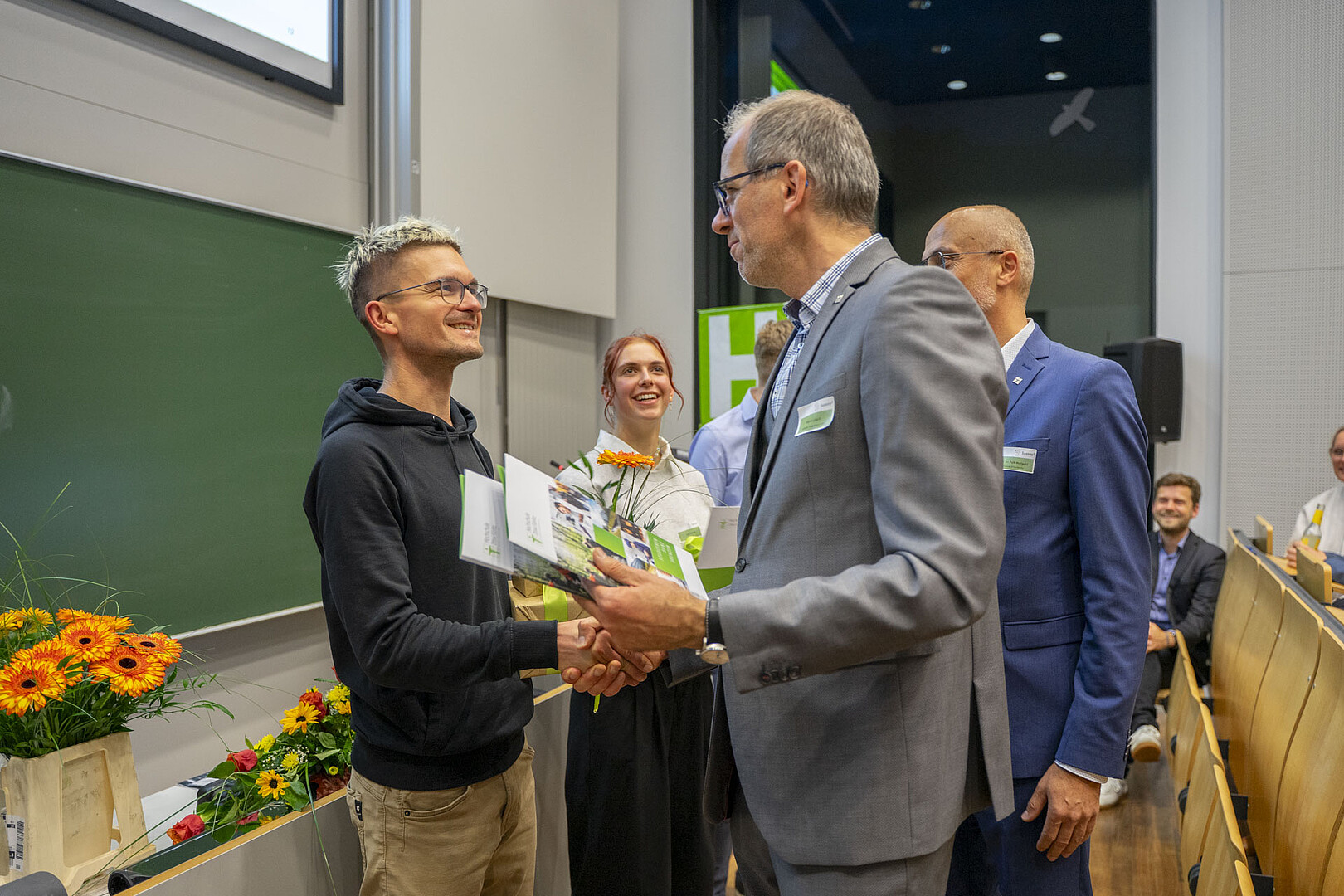
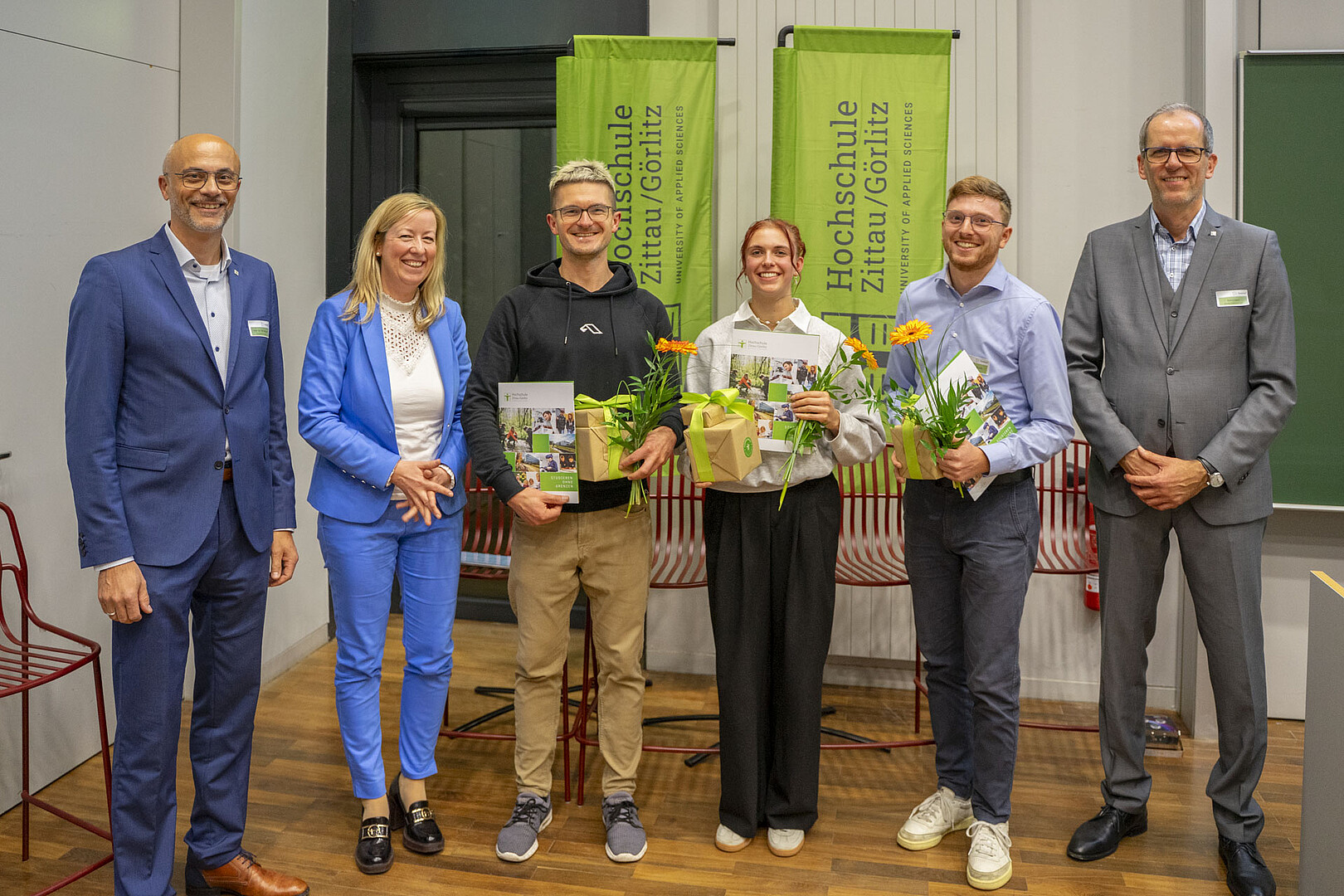
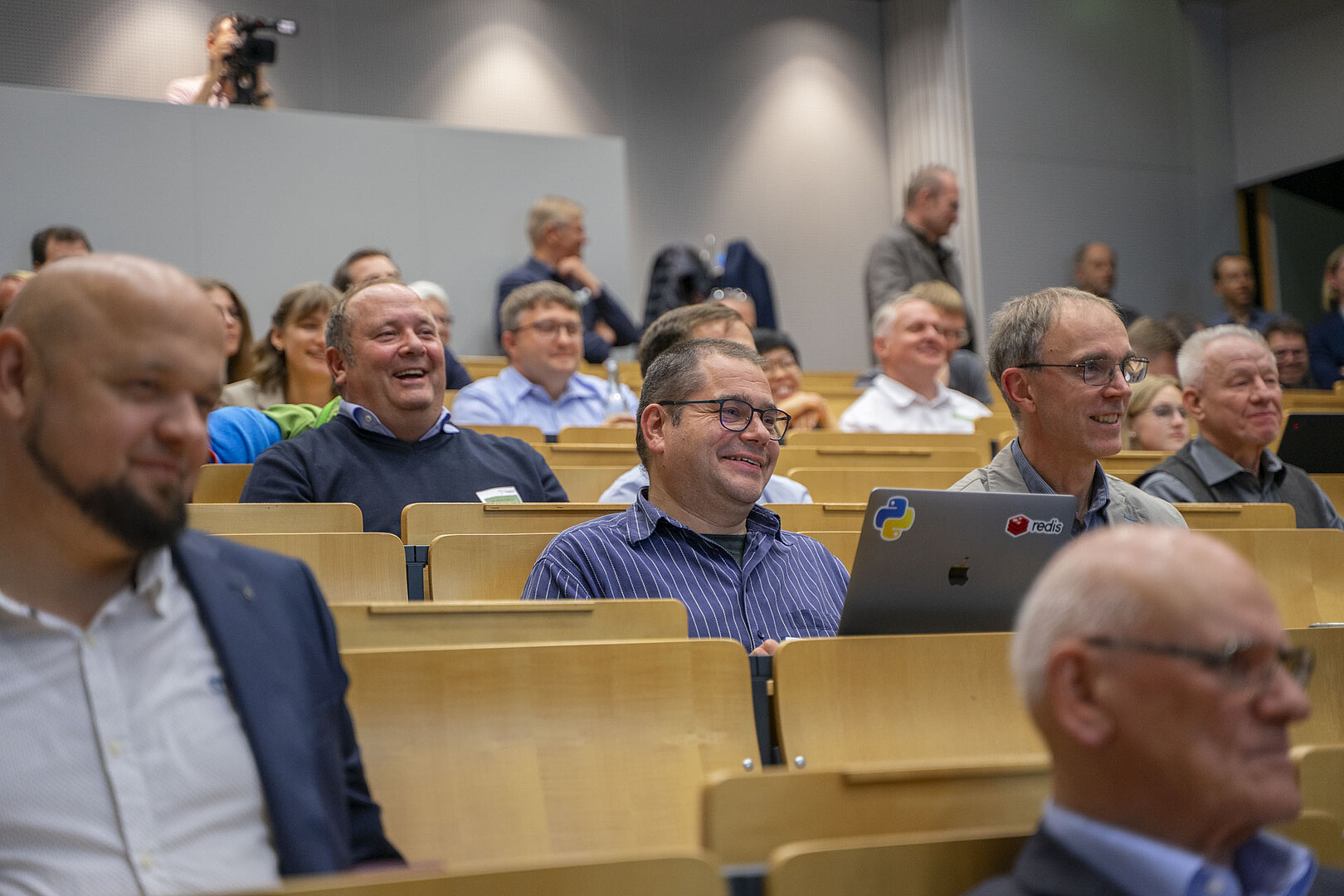
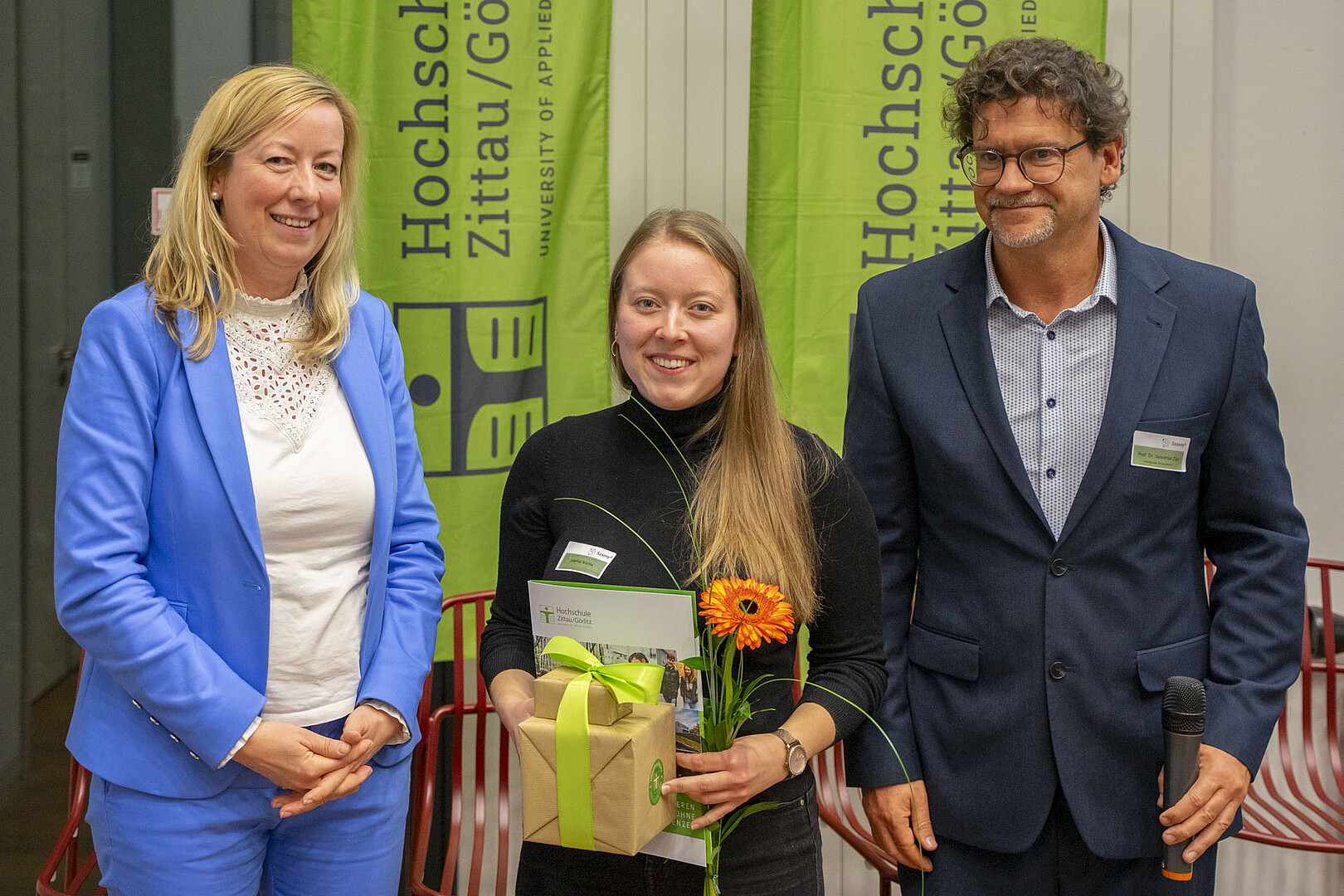
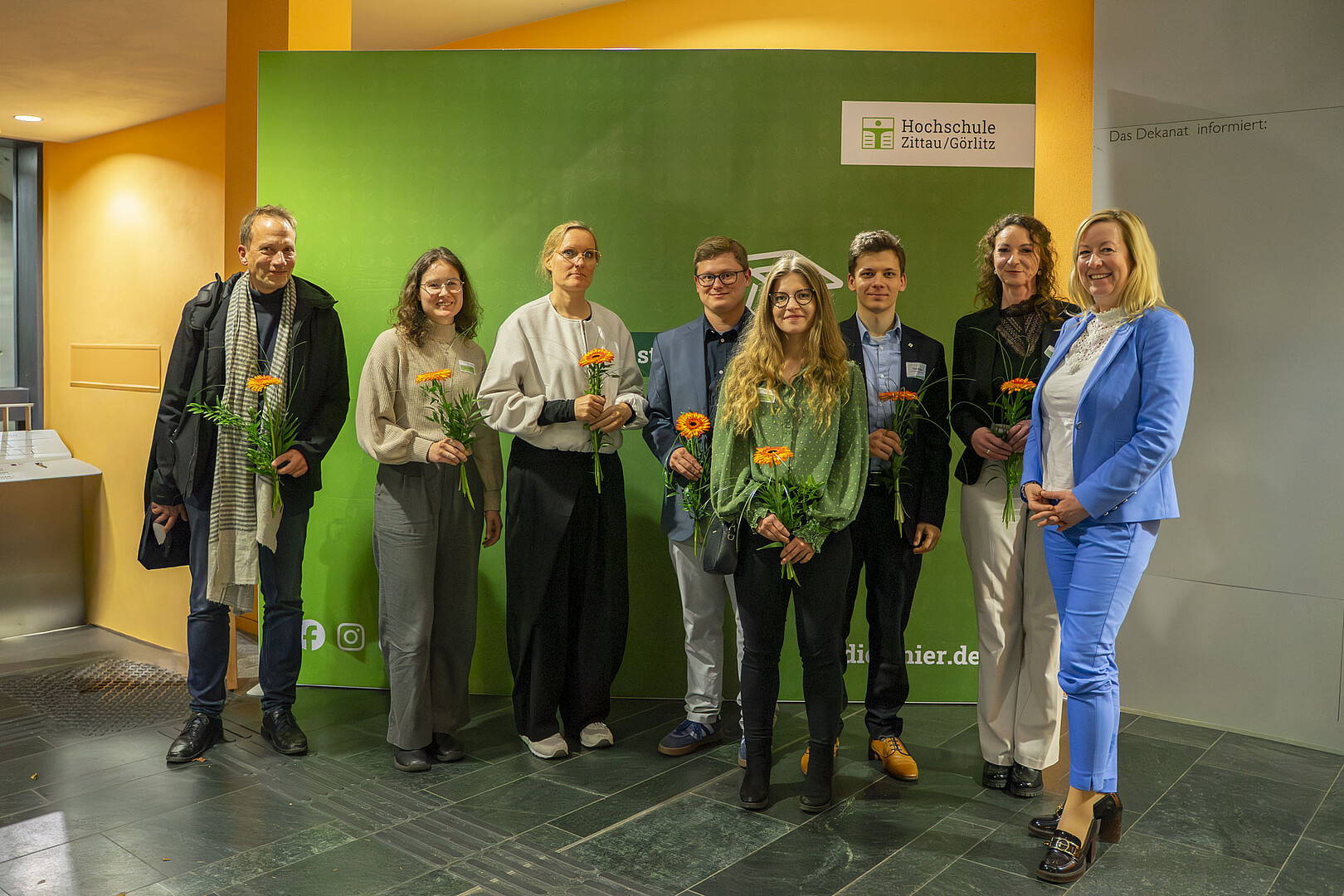
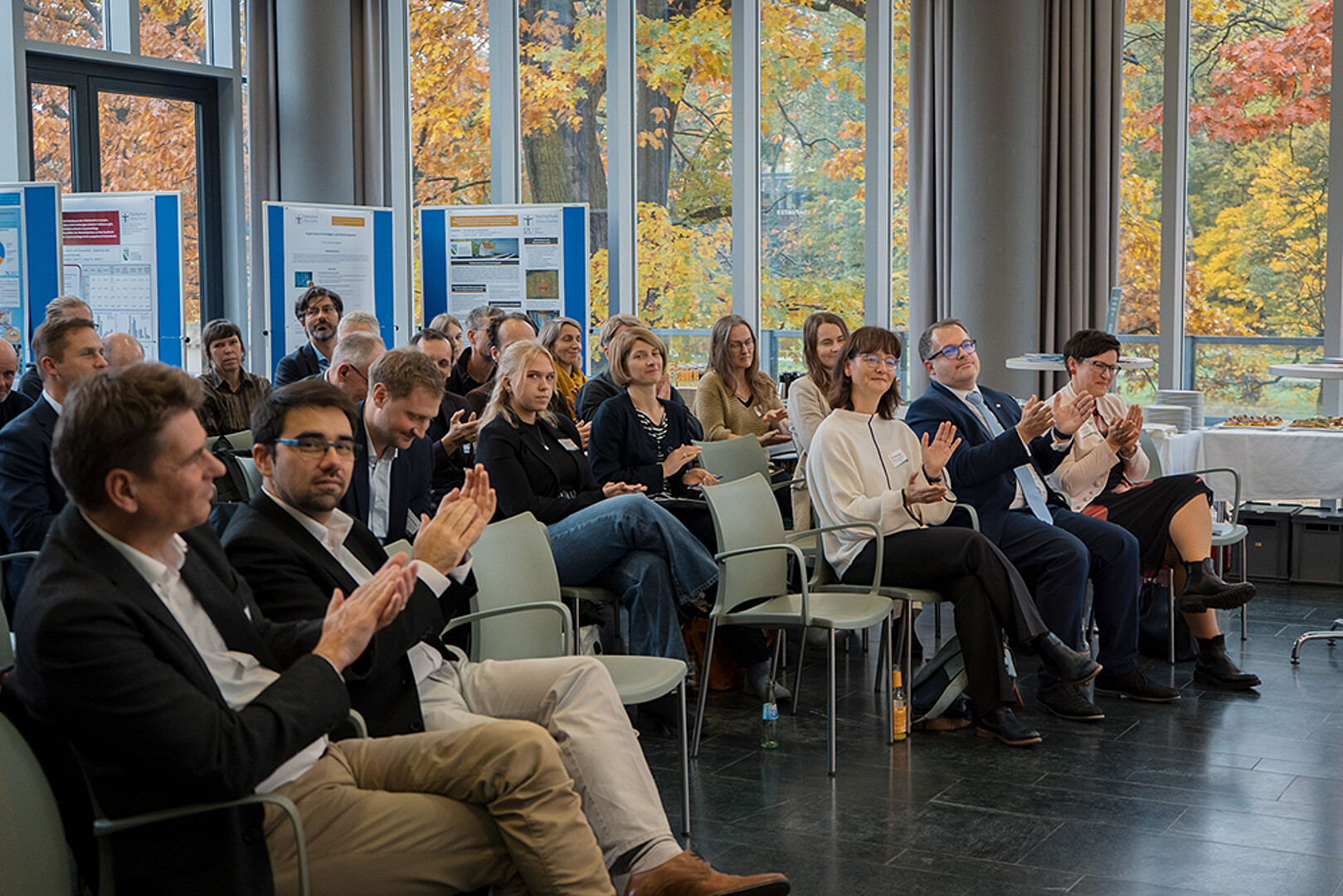
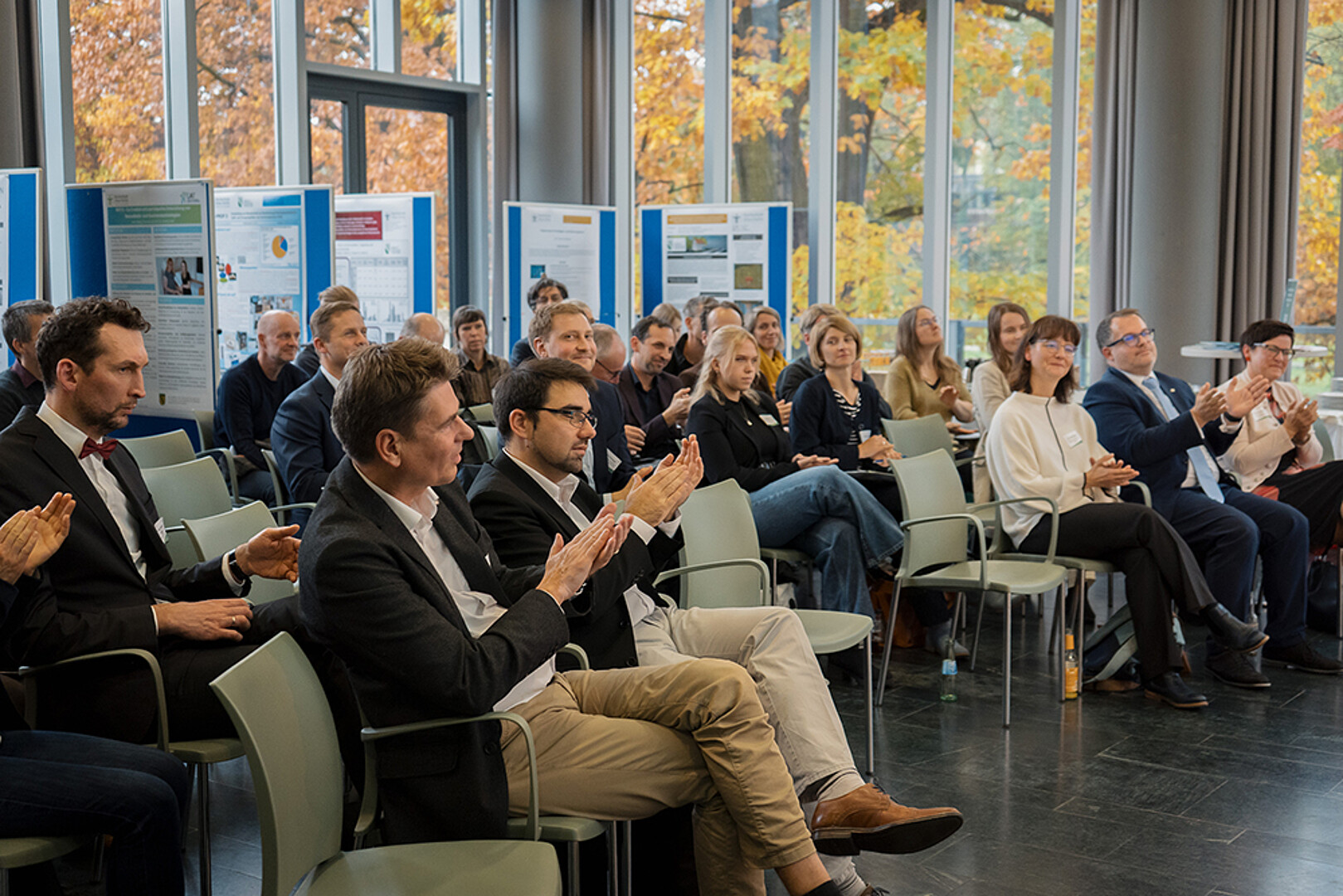
“The event was inspiring and deserved more than 1,000 participants,” said one visitor at the conclusion of the event. As part of the opening of the Year of Science 2025/26, the Zittau/Görlitz University of Applied Sciences Friends’ Association Award was presented to Lea Karras, Johannes Krutz, Franz Erik Wenger, Anna Grohmann, and Alina Hanisch, as well as the Al-Makhawi Prize to Josefine Wiethe for outstanding academic achievement.
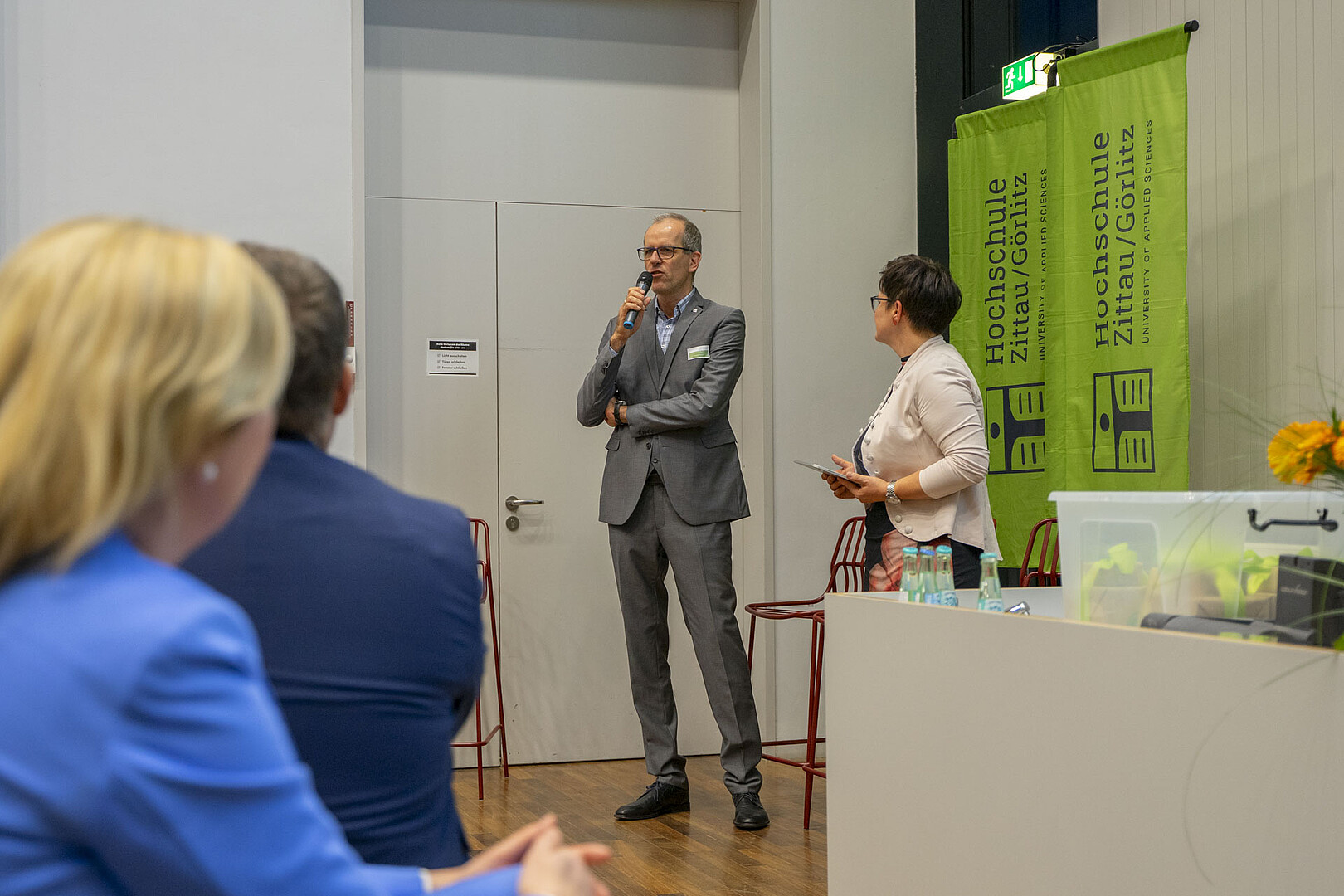
“futureSAX,” the innovation platform of the Free State of Saxony, had organized the kick-off conference “Road to Innovation” at Zittau/Görlitz University of Applied Sciences—for the first time at the Görlitz campus—at the invitation of Professor Keil. The subsequent “Opening of the Year of Science 2025/26” was moderated by Susanne Stump, managing director of “futureSAX.”
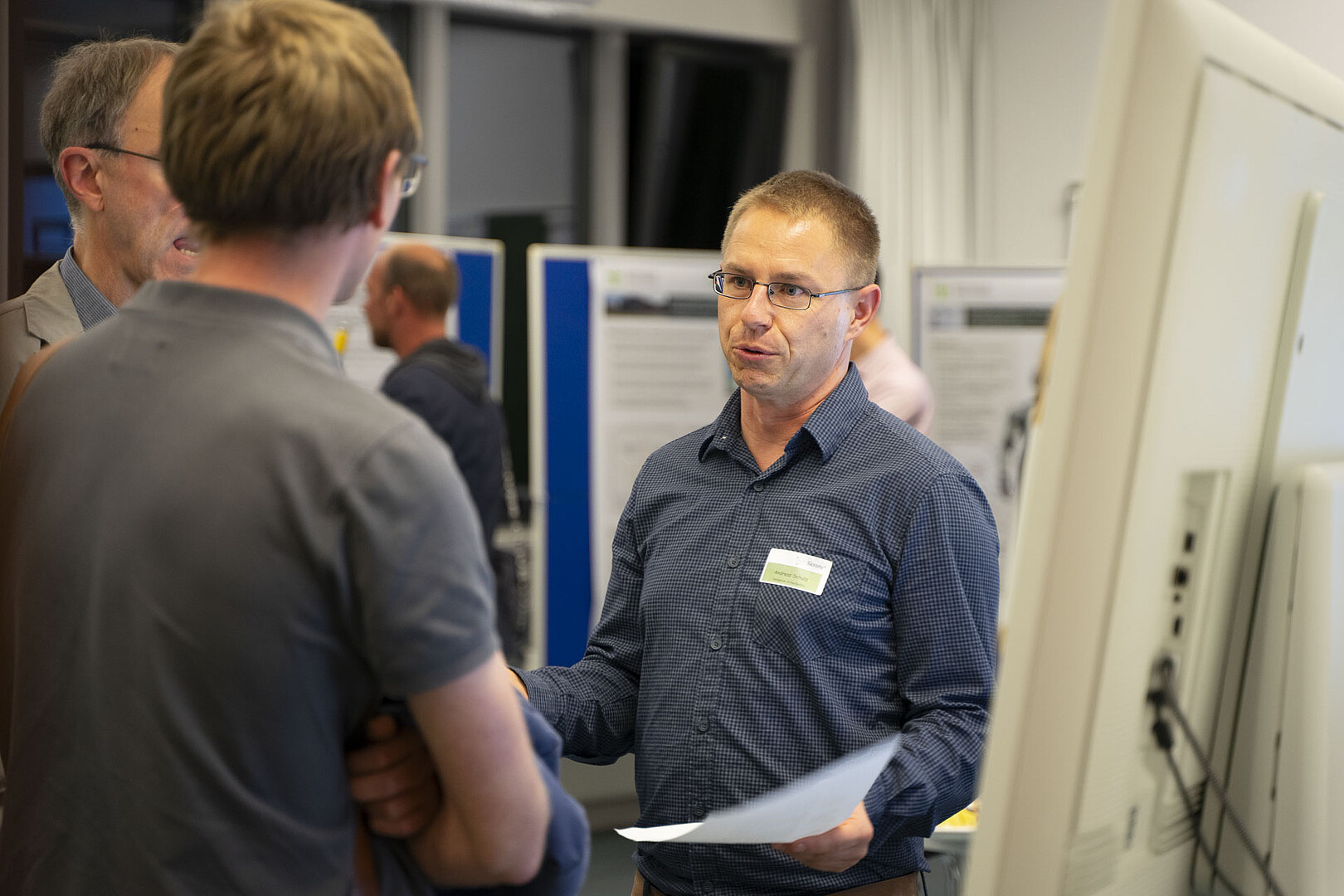
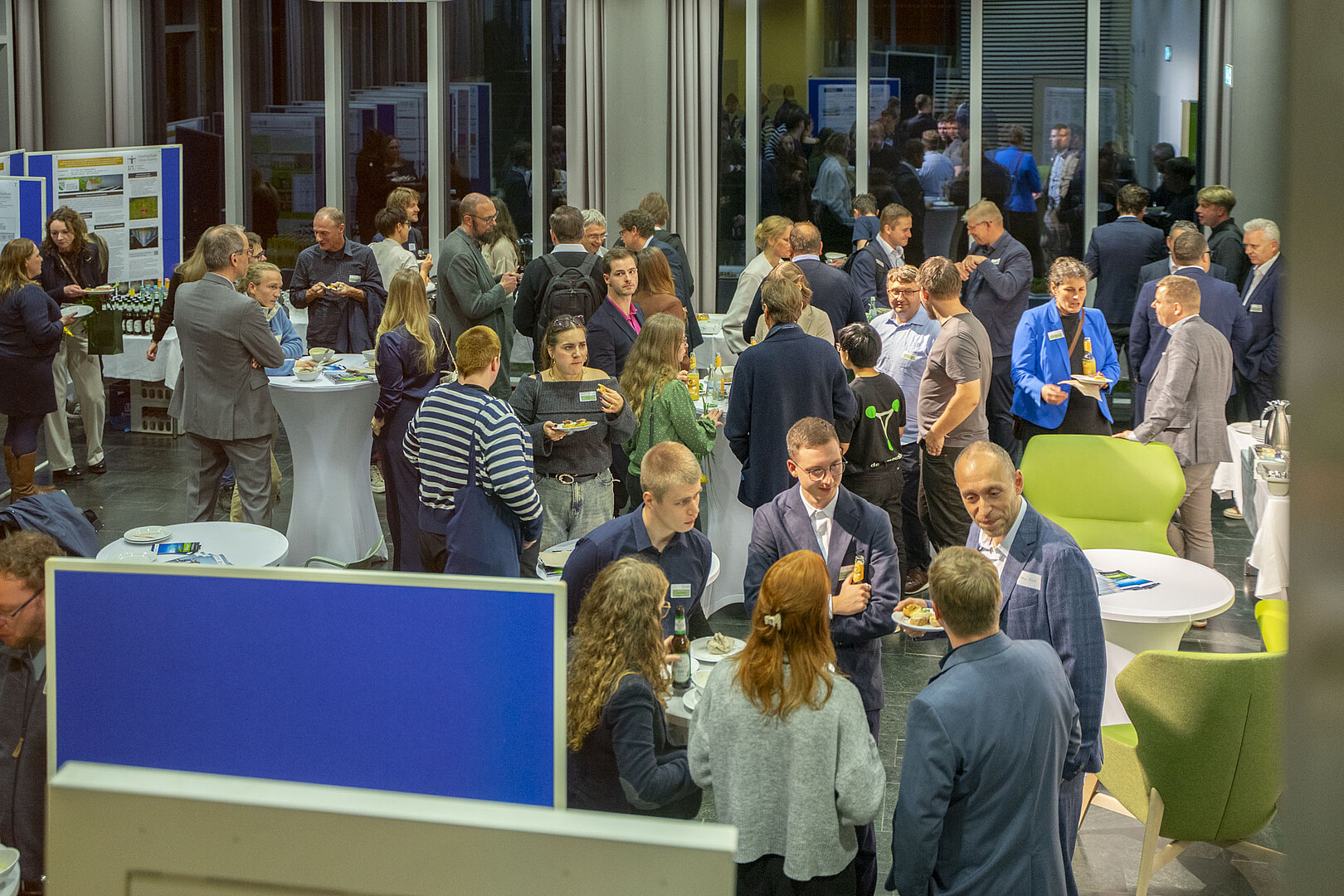
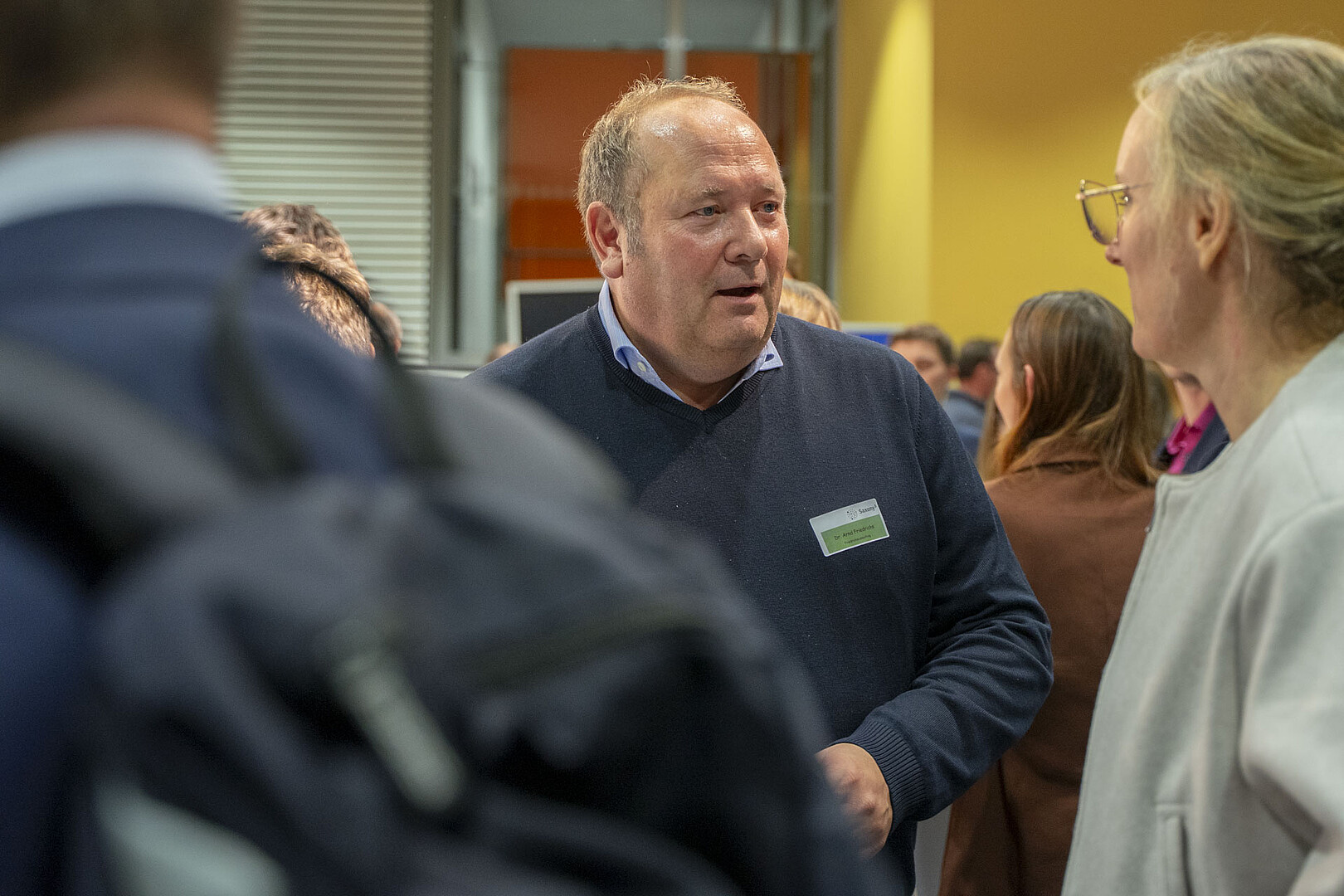
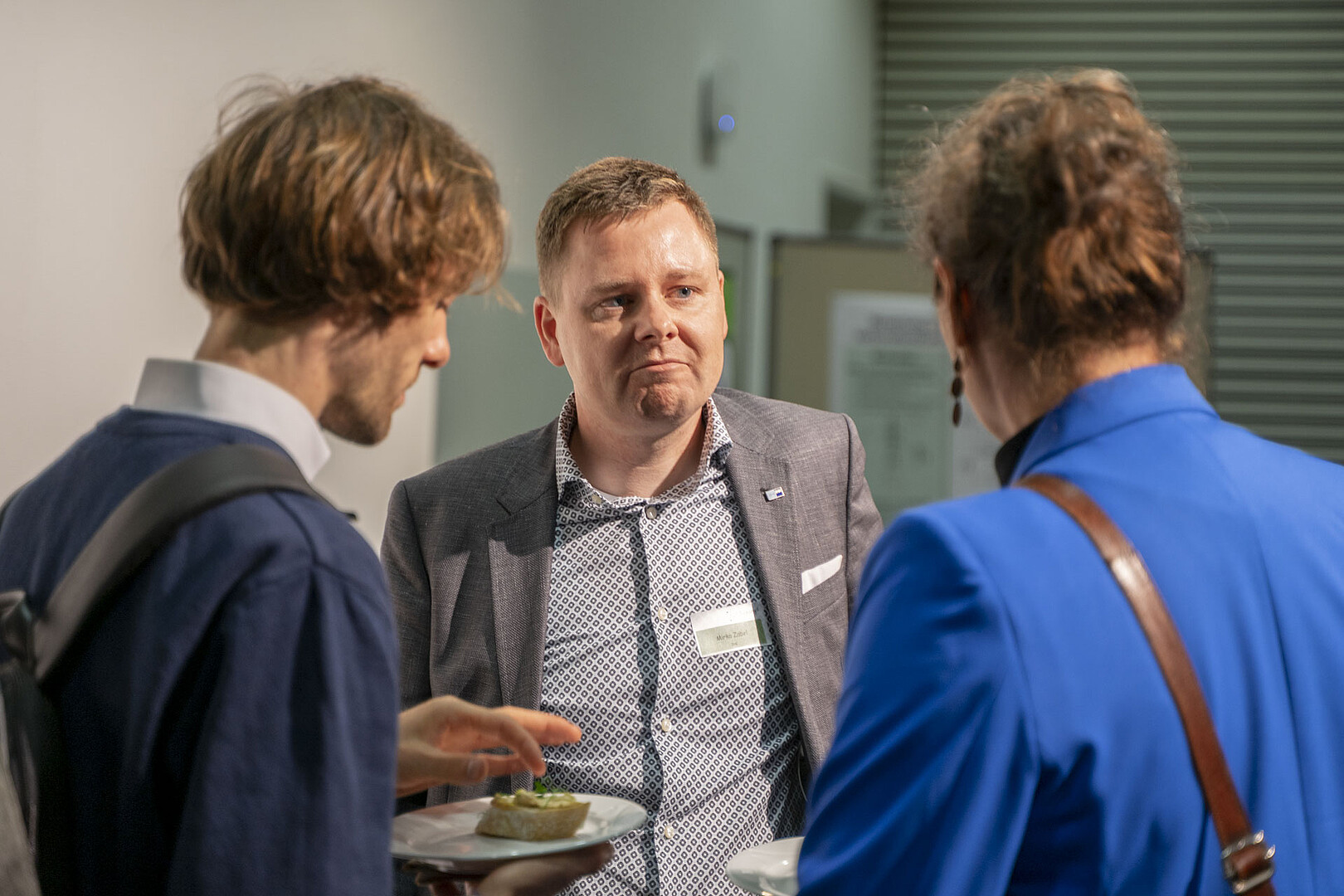
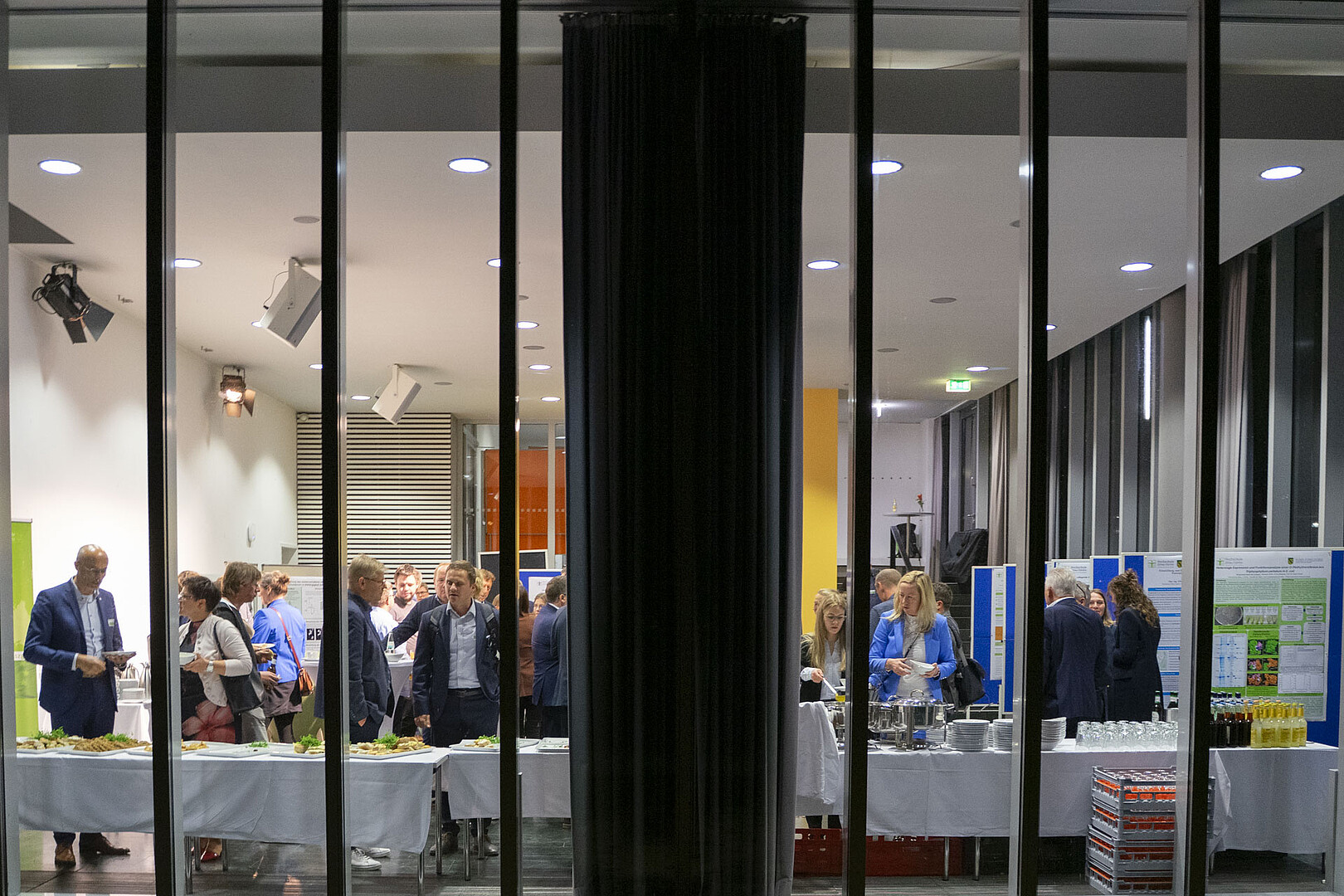
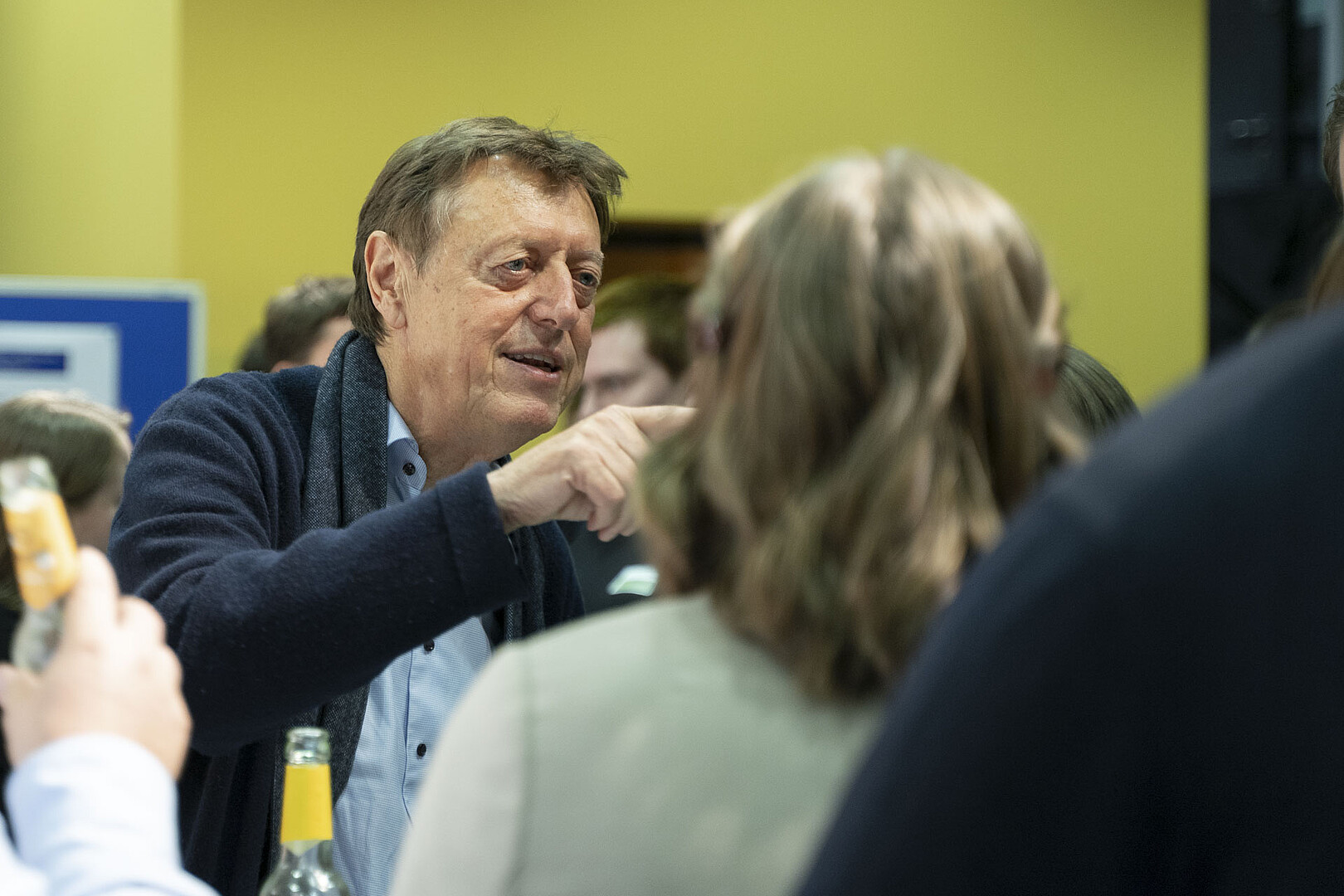
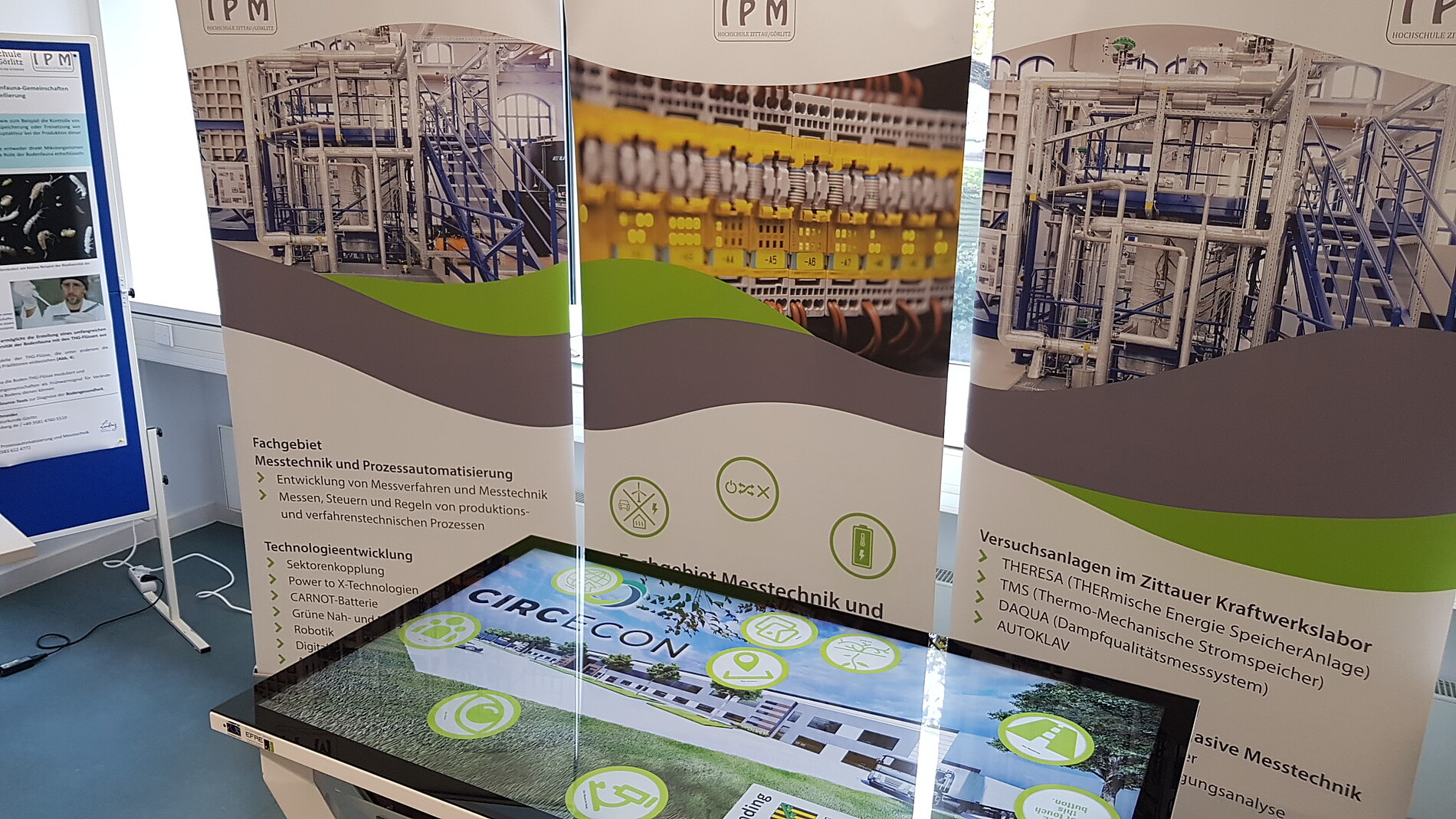
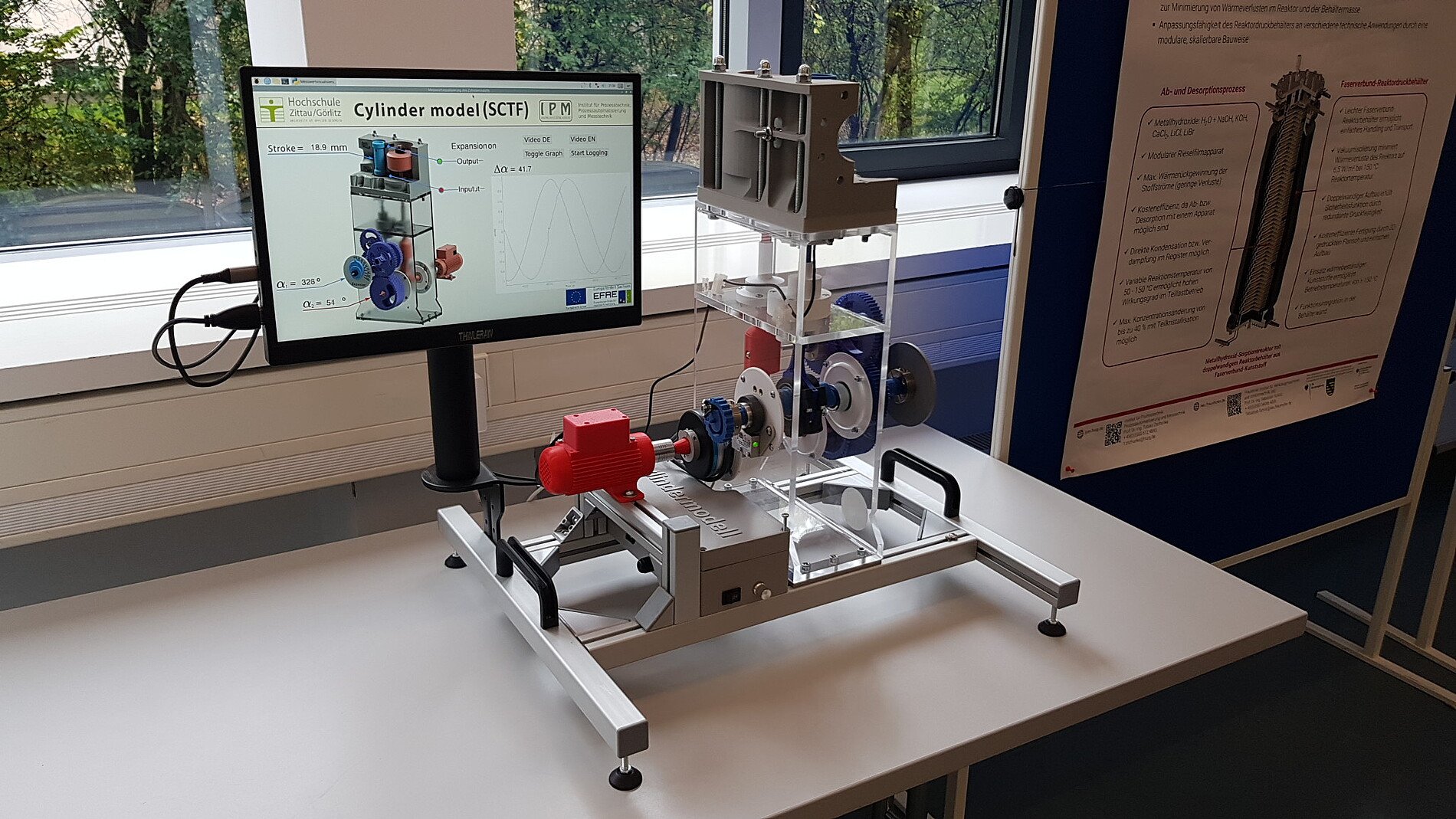
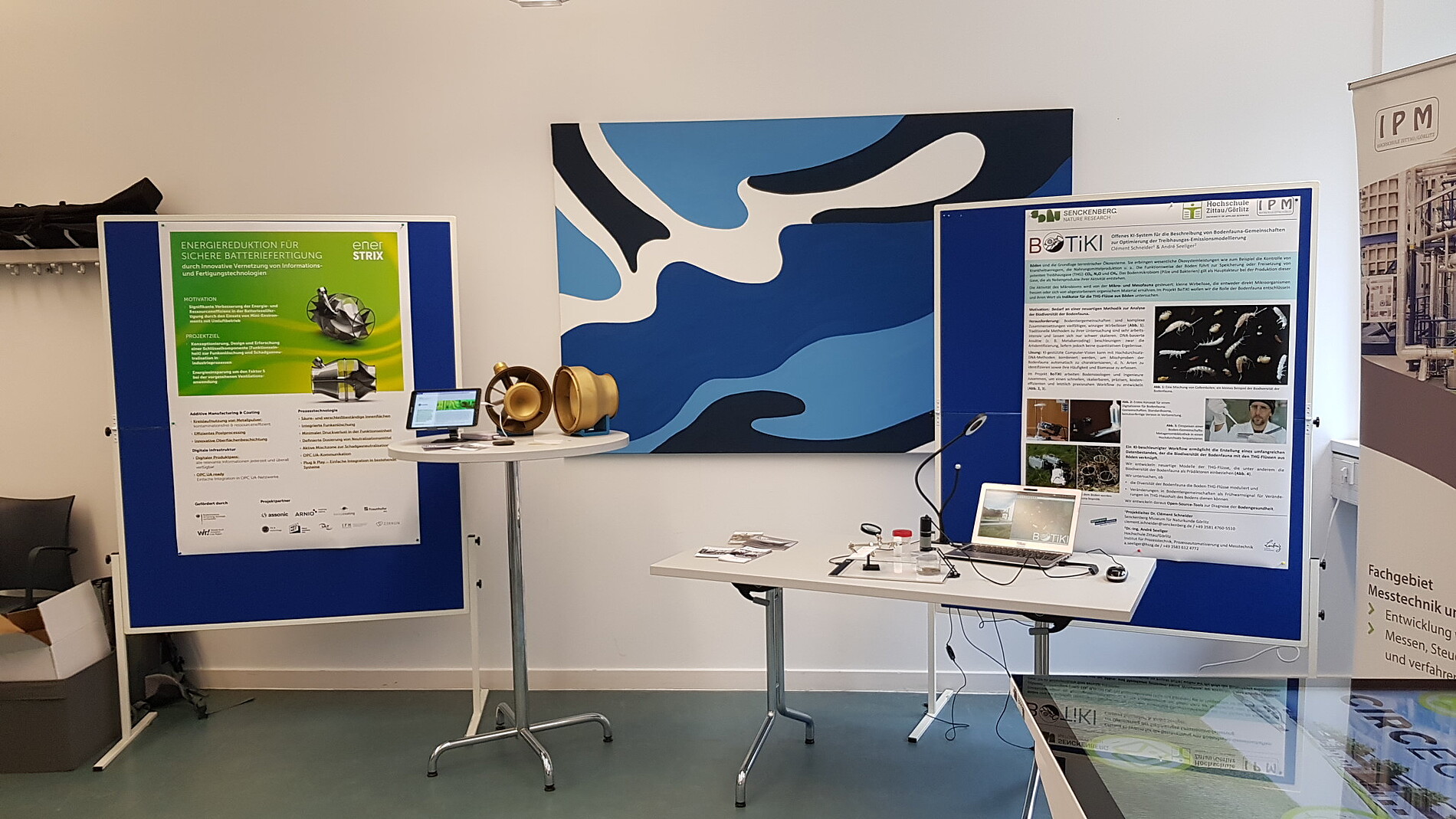
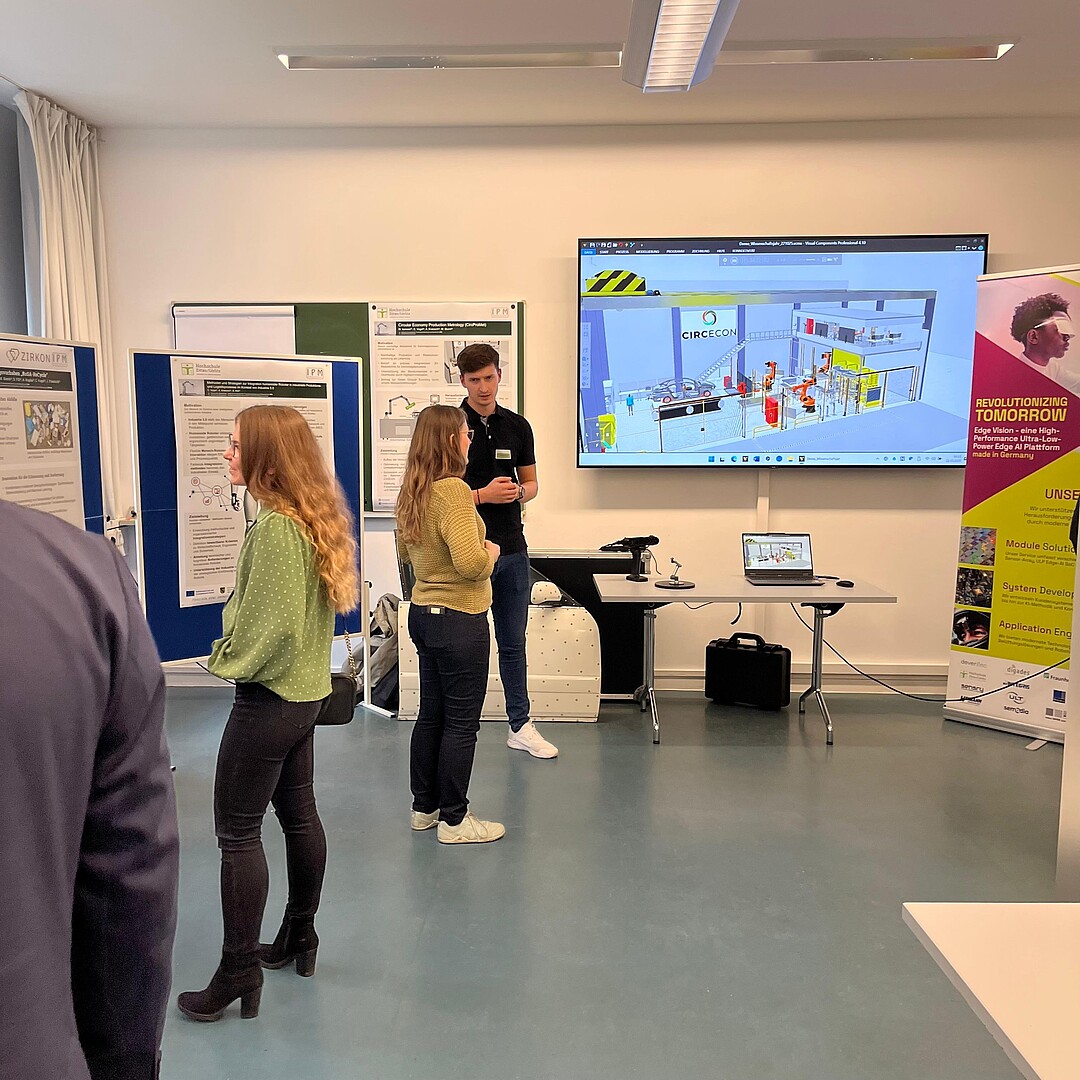
In addition to the program, the HSZG hosted an accompanying exhibition of research achievements and posters. This included, on the one hand, exhibits from ongoing research projects at all of the university’s research institutes (IPM, TRAWOS, ZIRKON, GAT) as well as the faculties of Natural and Environmental Sciences, Electrical Engineering and Computer Science, and Business Administration and Engineering Management. In addition, there was a poster exhibition in the auditorium featuring projects that have been and are being funded by the Saxon state parliament. This highlighted both the wide range of research at the HSZG and outstanding large-scale projects.
Text: Frank Leberecht
Photos: Sven Müller, André Seeliger, and futureSAX
The "On the Road to Innovation " event series organized by futureSAX provided insights into European-funded cutting-edge research from Saxony, featuring presentations by the following individuals, among others:
- Dr. Babett Gläser, Department Head, Saxon State Ministry of Science, Culture, and Tourism
- Prof. Dr.-Ing. Alexander Kratzsch, Rector, Zittau/Görlitz University of Applied Sciences
- Susanne Stump, Executive Director, futureSAX
- Dr. Andreas Otto, Head of Transformation Research, German Center for Astrophysics, Görlitz
- Dr. Stephan Meyer, District Administrator of the Görlitz District
- Prof. Dr. Jens Weber, Chair of Physical Chemistry for Life Sciences, Zittau/Görlitz University of Applied Sciences

Keynote Speech: “The Future Under Pressure: Can AI Help Bridge the Gap Between the Energy Transition and Society?”
- Prof. Dr. Dr. Tanja Kneiske, Professor of Technology and Management of Integrated Energy Infrastructures, Technical University of Berlin; Scientific Director of the Competence Center for Integrated Energy Systems at the Fraunhofer Institute for Energy Infrastructures and Geotechnologies (IEG) in Cottbus
YoungScientists@HSZG: AC/DC Between Research & Practice
Keynote presentations:
- “Between the Heat Transition and a DC Future: Energy as a Collective Challenge,” Jonas Pfeiffer and Tom Richter, Zittau/Görlitz University of Applied Sciences
- “DC Under Control: Switching Technologies for the Grids of Tomorrow,” Emilia Herzig, Zittau/Görlitz University of Applied Sciences
Panel Discussion “…and Us in the City of Tomorrow”
Participants:
- Carolin Fischer, Dresden University of Applied Sciences, Research Associate at NFG MUBARES
- Diana Karbe, Economic Development Officer for the City of Hoyerswerda and Officer for Sorbian Affairs
- Dr. Robert Knippschild, Interdisciplinary Center for Transformative Urban Redevelopment (IÖR Dresden & IHI Zittau)
- Thomas Krusekopf, GreenZitty
Moderator of the event “Opening of the Year of Science 2025/26”
- Susanne Stump, Executive Director of “futureSAX,” the innovation platform of the Free State of Saxony
On behalf of the HSZG, I would like to thank everyone involved - all speakers, participants and visitors - at the opening event of the Science Year 2025/26 "Future under tension: Energy, AI and us in the city of tomorrow".




1st floor