Shaping the future of young people
STEM partners from the region visit the HSZG for the cluster conference
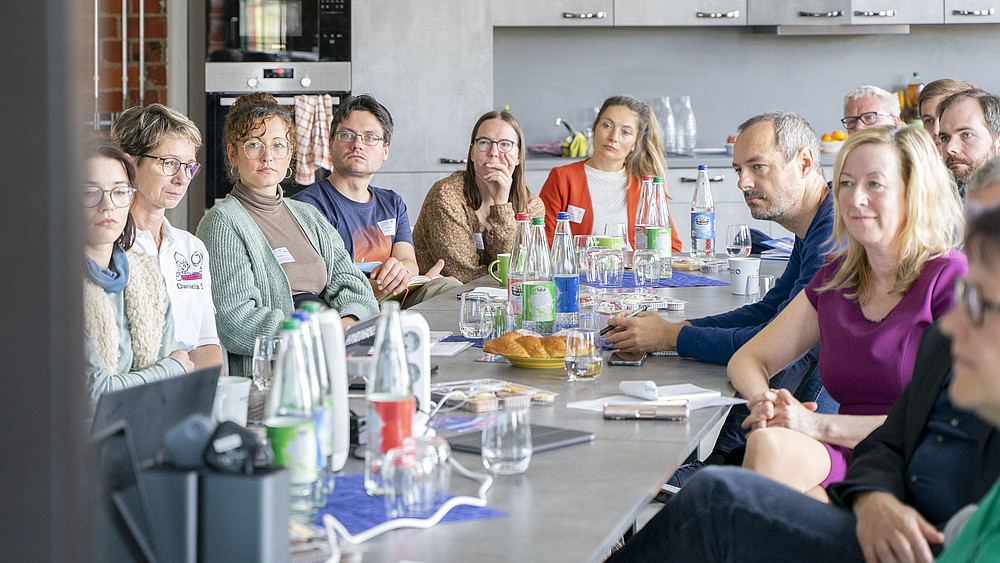
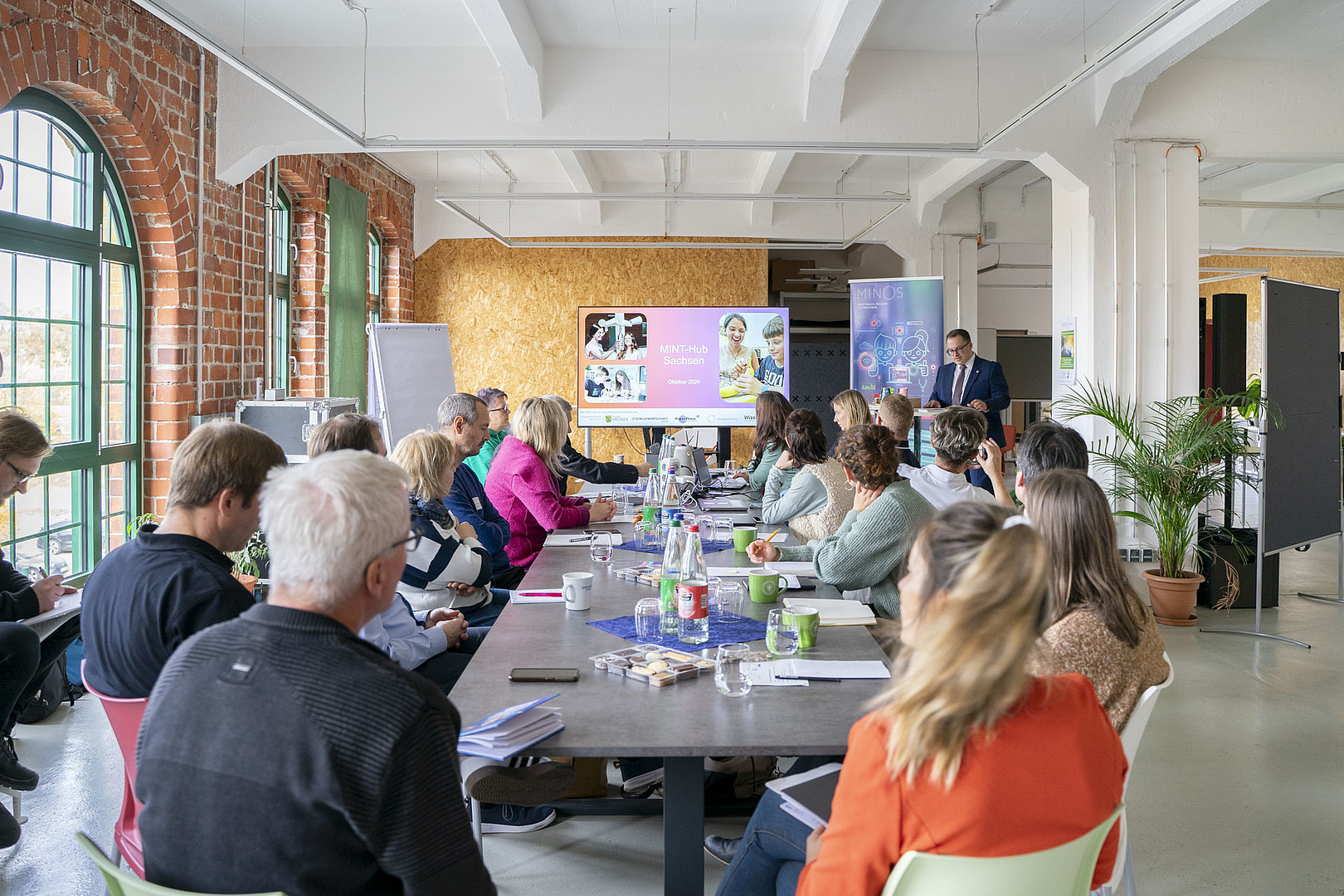
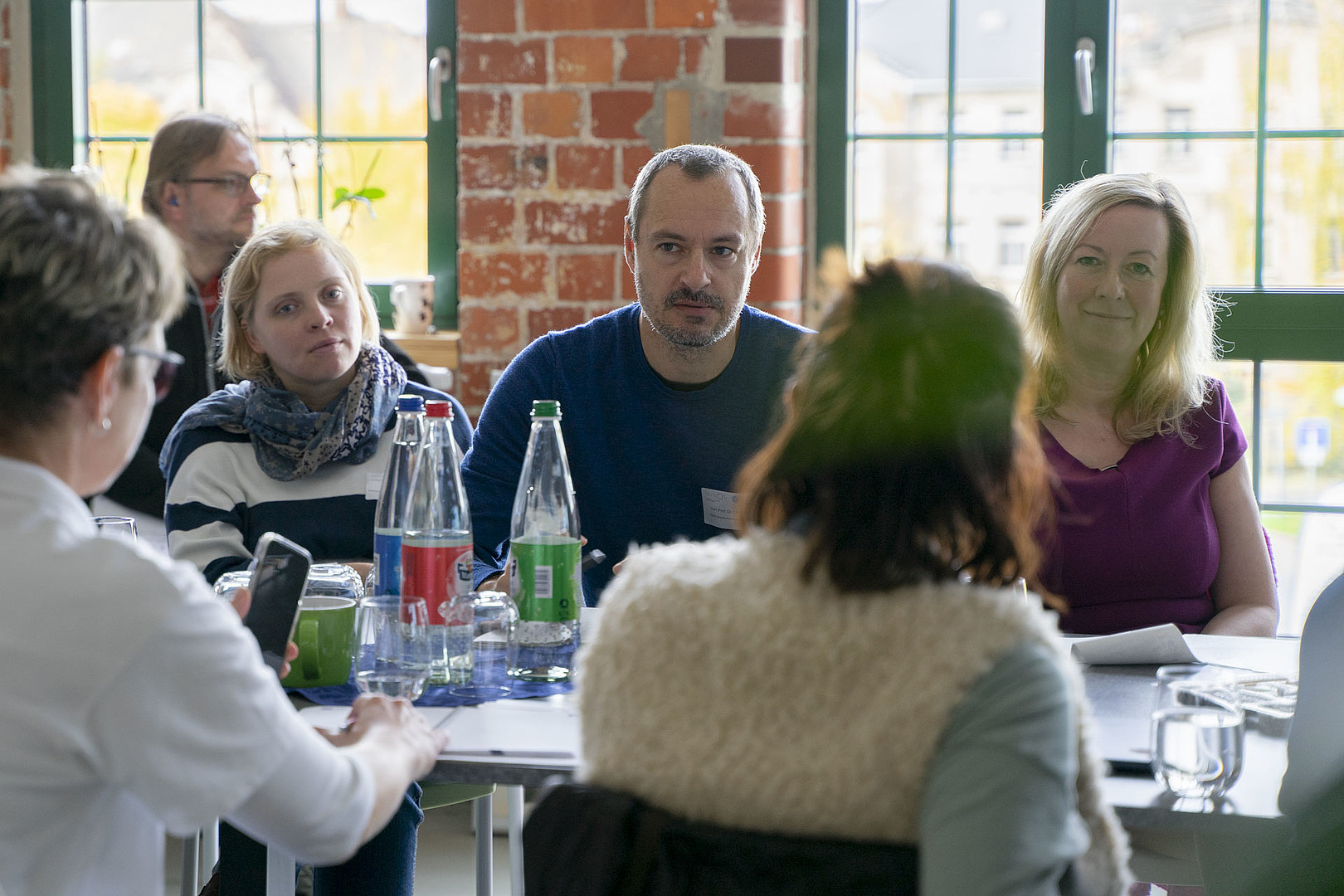
About twenty stakeholders from the STEM field (science, computer science, natural sciences, and technology) from the districts of Görlitz and Bautzen met in late October at the “Celsiuz” Co-Creation Lab at the Zittau/Görlitz University of Applied Sciences (HSZG), including leading representatives from the Saxon State Ministry of Culture (SMK). The HSZG and the Bautzen Technology and Startup Center (TGZ), which are collaborating as part of the MINOS project (MINTmachRegion Ostsachsen) and the strategic initiative ZukLOS (Zukunftslernort Oberlausitz), hosted the event to facilitate exchange and networking.
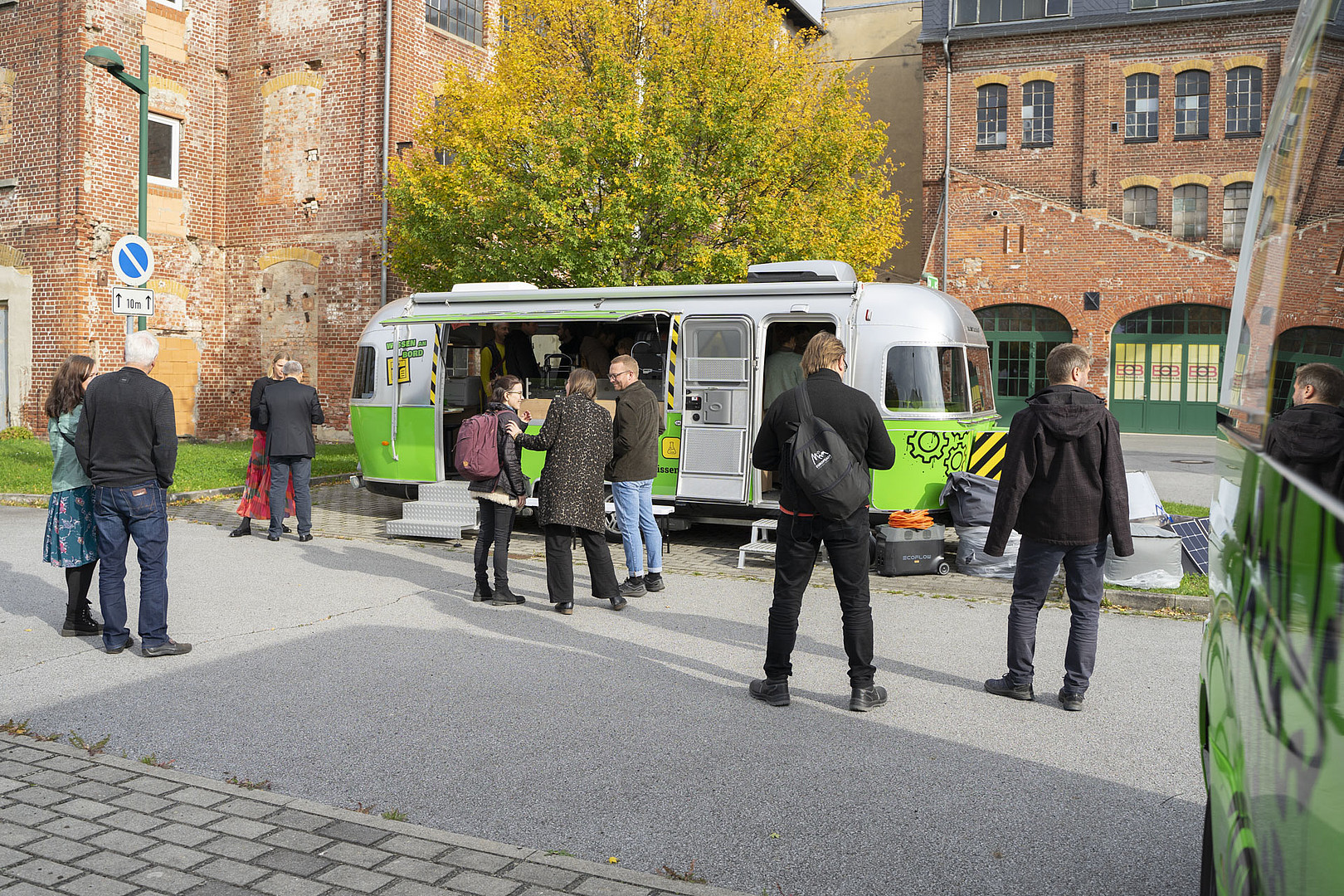
In his opening remarks, the Rector of the HSZG, Prof. Dr.-Ing. Alexander Kratzsch, emphasized the importance of STEM education—both in and out of school —for the region’s young people—and for the region’s future viability. He then presented the HSZG’s Airstream trailer, which had been converted into a mobile STEM lab; guests were later able to tour it to get a firsthand look. This “mobile learning center” was officially inaugurated and opened on October 2, 2024, as part of the matriculation ceremony. It will make it possible to bring STEM programs directly to children and young people in the two rural districts of Bautzen and Görlitz.
Saskia Schnasse from the Saxon State Ministry of Culture (SMK) reported on the MINT-Hub project in computer science. This is an initiative of the Free State of Saxony in cooperation with companies and educational institutions that offers educational projects at schools. Modular programs for teachers and students, as well as training for career changers to become learning facilitators, are intended to enable schools in the region to prepare young people as effectively as possible for the challenges of the future.
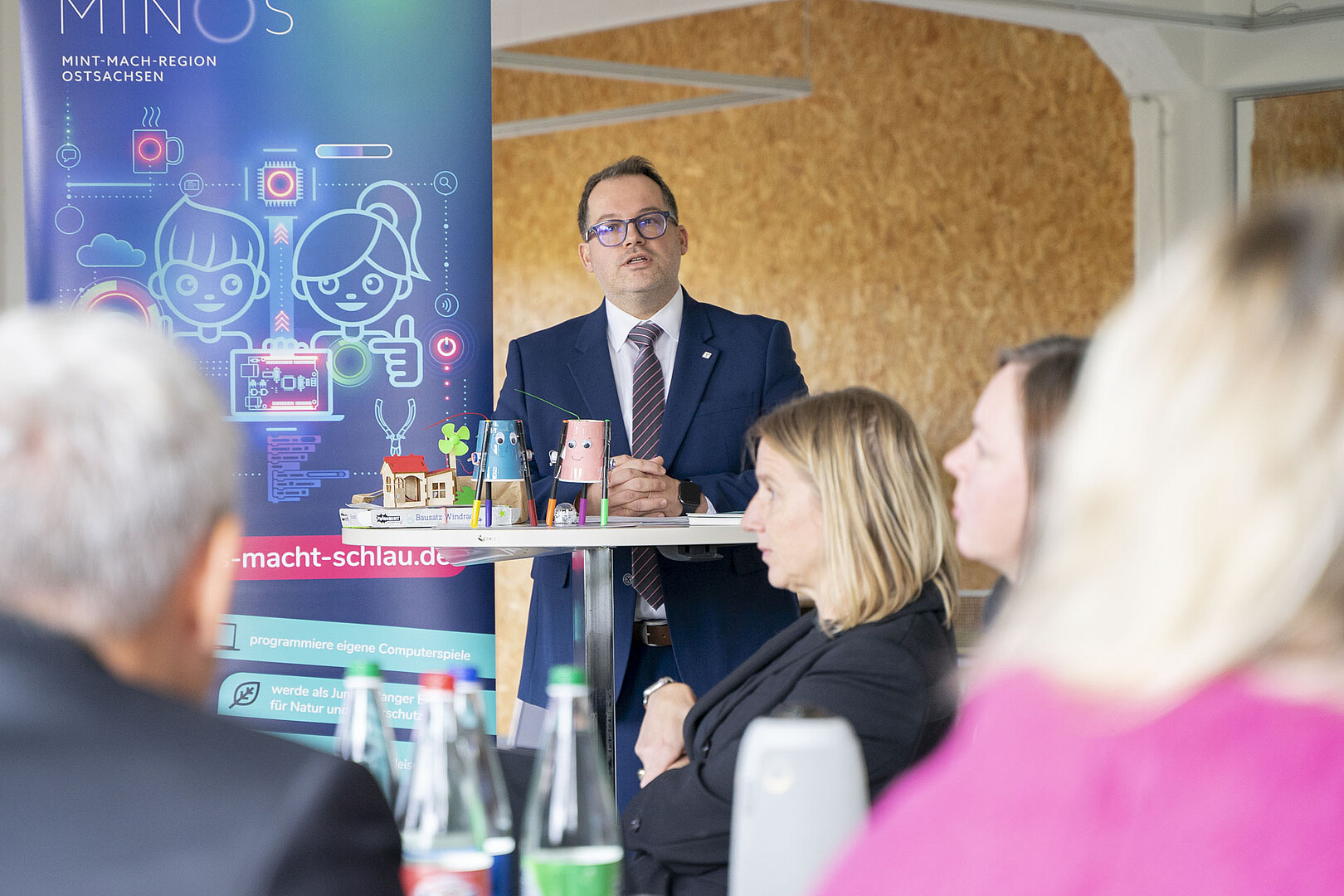
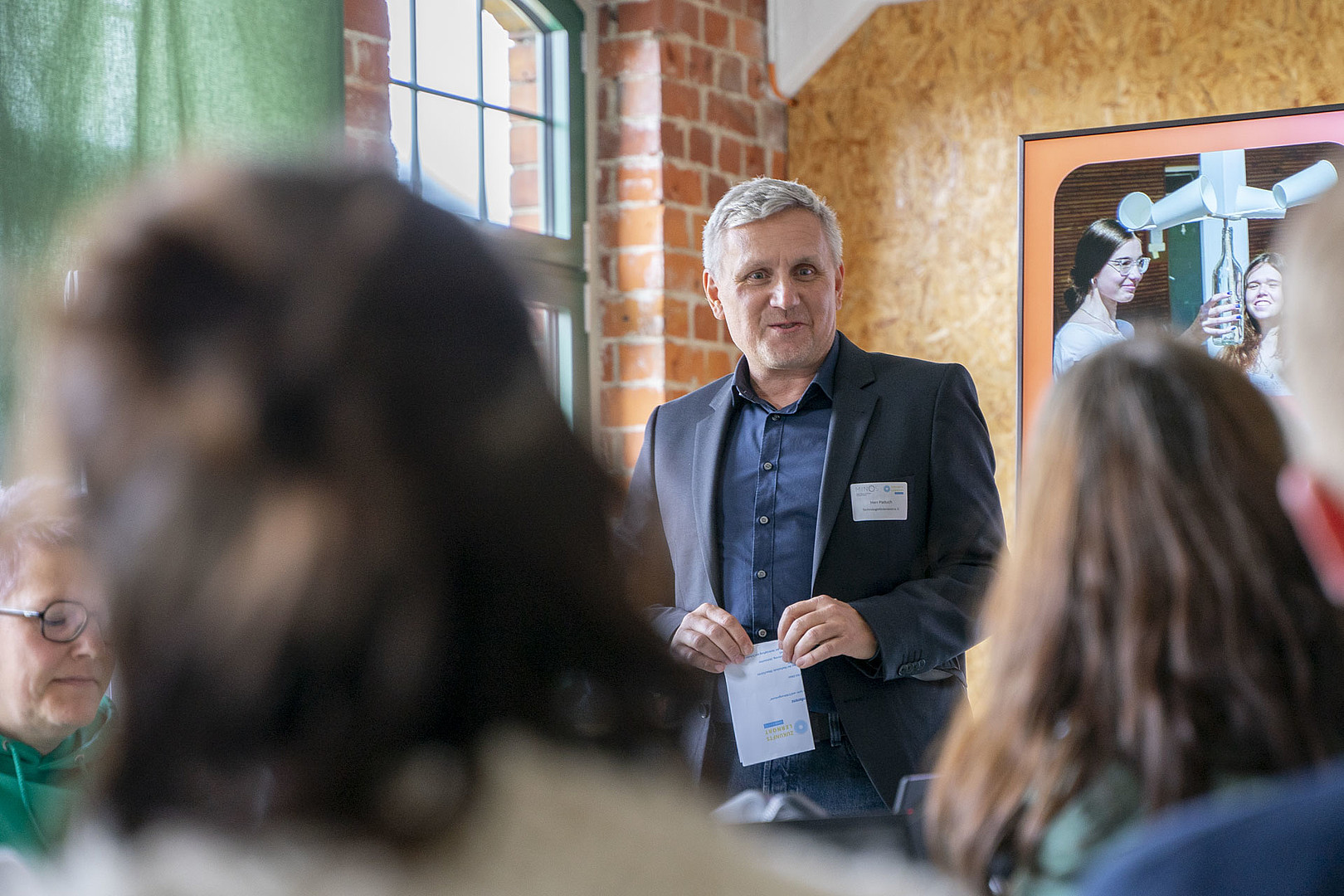

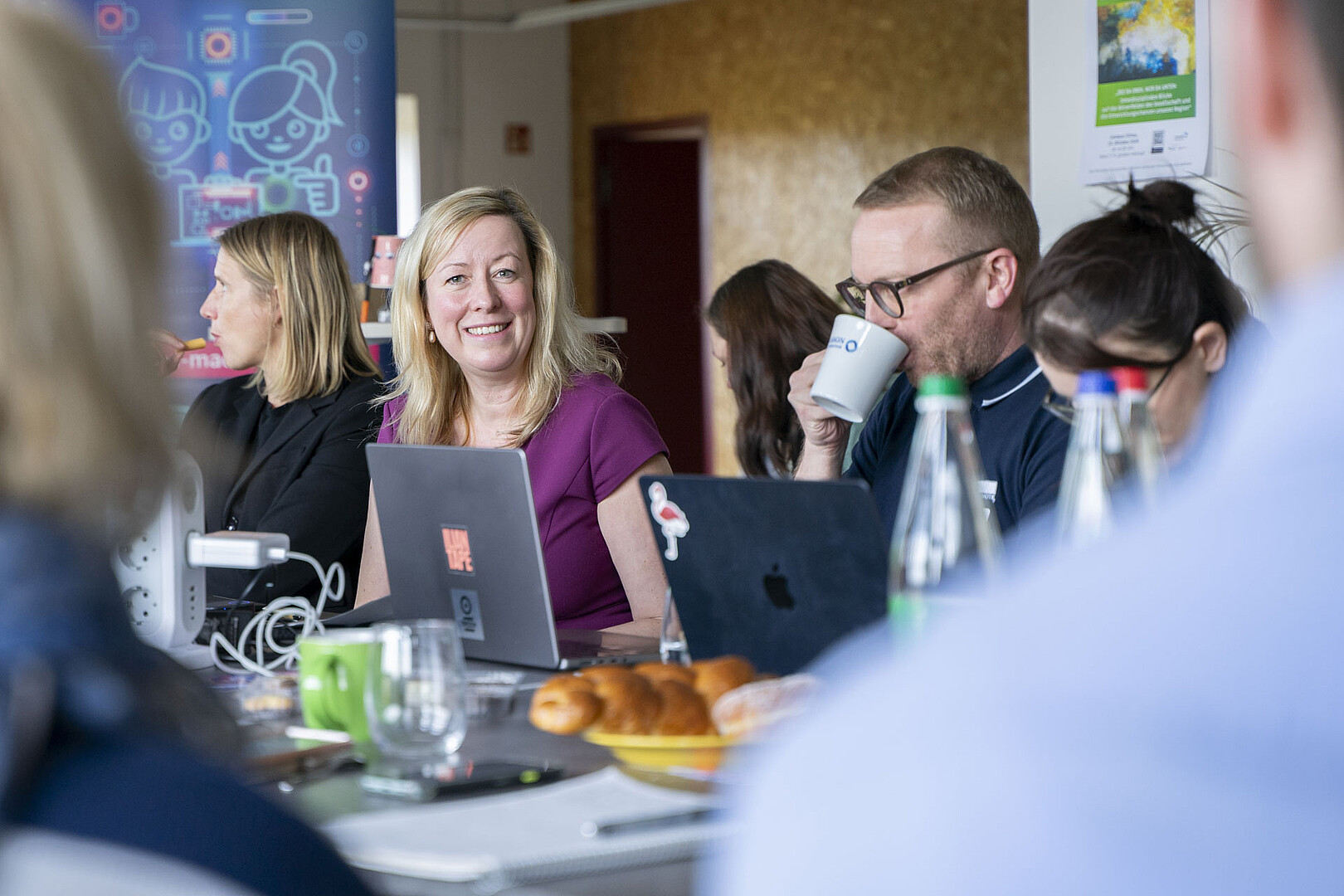
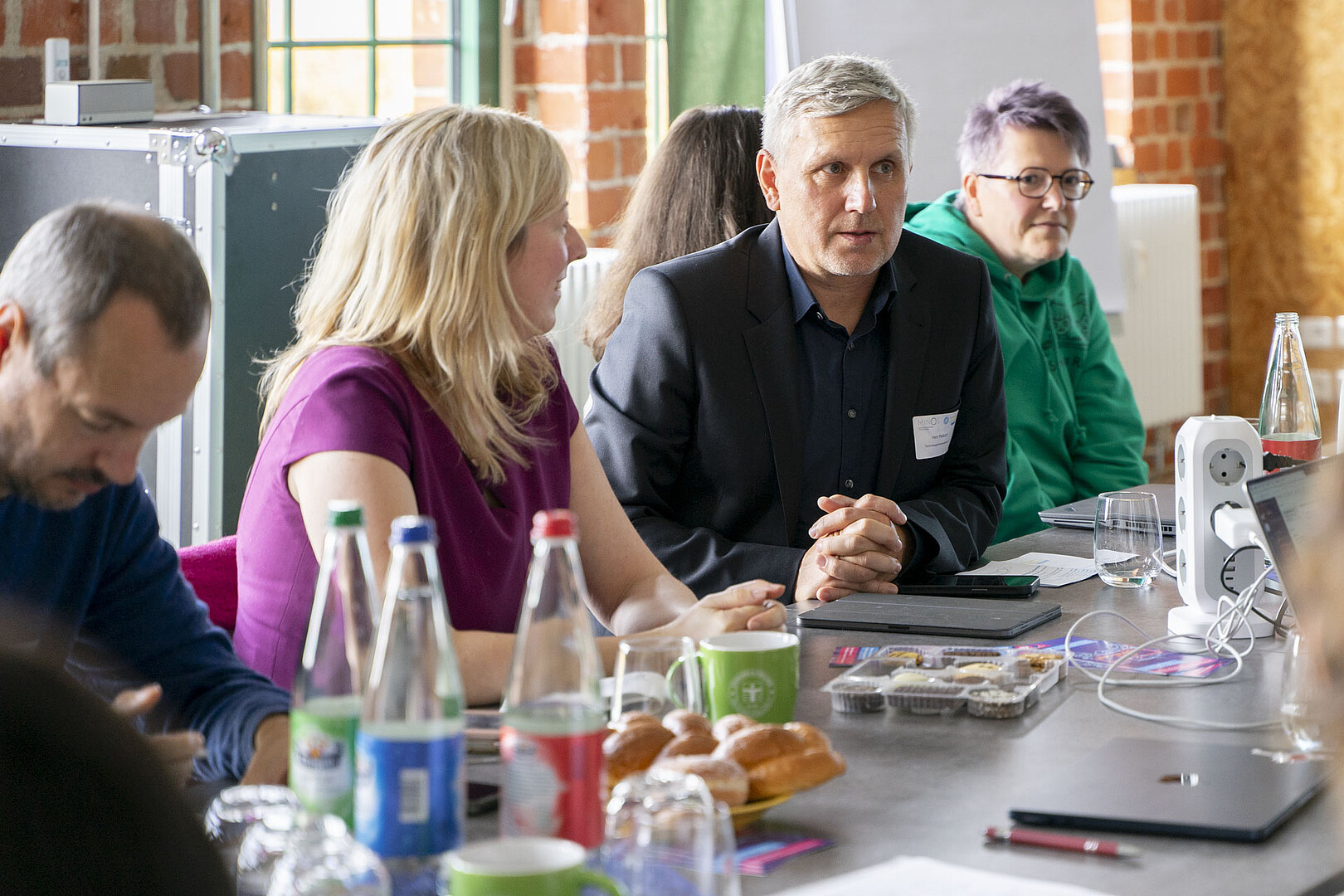

Matthias Böhme, department head at the SMK, presented Saxony’s education strategy , “Bildungsland 2030,” and explained the goals set by policymakers and education partners in that strategy with regard to modernizing the education system. Some key priorities to be implemented in Saxon schools by 2030 include, for example, interdisciplinary instruction, curriculum adjustments, more flexible scheduling, full-day programs, and the development of the e-campus for professional development.
Prof. Dr. Sophia Keil, Vice President for Education and International Affairs at HSZG, presented the strategic direction of the Upper Lusatia Future Learning Center (ZukLOS). She described the key areas of focus, which aim to further develop STEM offerings in the region and create attractive teaching, learning, and gathering places for people of all generations, especially young people.
Many other questions—such as those regarding the international focus of STEM initiatives in the tri-border region or the specific integration of in-school and out-of-school STEM education—were discussed during the conference. The participants agreed that it is essential to engage young people in the region’s structural transformation. Therefore, it is crucial that as many children and young people as possible benefit from the broad STEM landscape and the dedicated initiatives in Upper Lusatia so that they can become enthusiastic about important STEM topics.
Networking among STEM stakeholders in the region is a crucial step toward creating complementary programs for young people at a high educational level, thereby preparing today’s youth for the challenges of tomorrow. Through dialogue and close collaboration, we can develop a strong STEM culture that not only creates educational opportunities but also provides innovative impetus for the region. It is our shared responsibility to shape a learning environment for the future where knowledge, enthusiasm, and creativity converge—for a sustainable Upper Lusatia and a strong, goodly prepared younger generation.
”MINOS and ZukLOS represent an educational strategy that extends beyond the classroom and fosters STEM skills outside of traditional learning settings. They create learning environments that are part of young people’s everyday lives. In this way, knowledge is brought to life through everyday phenomena and key regional topics—ranging from IT and robotics to energy and sustainability, and on to modern manufacturing technology. This diversity gives children and young people the opportunity to explore their interests and gain practical experience in forward-looking fields.
”Promoting STEM skills among children and young people is essential - especially in rural areas, where access to such opportunities is often limited. This makes it all the more important that as many players as possible work together: from children's and youth facilities to companies and committed private individuals. Sustainable STEM offerings can only be created through strong networking. This is precisely where the MINOS initiative comes in, connecting partners to open up exciting future prospects for young people everywhere.
”
1st floor