
How is AI changing our science and production?
And how do we handle this responsibly? The SCO-TTi research team is organizing a public lecture open to the university community and offering interdisciplinary perspectives on AI, ethics, and education.
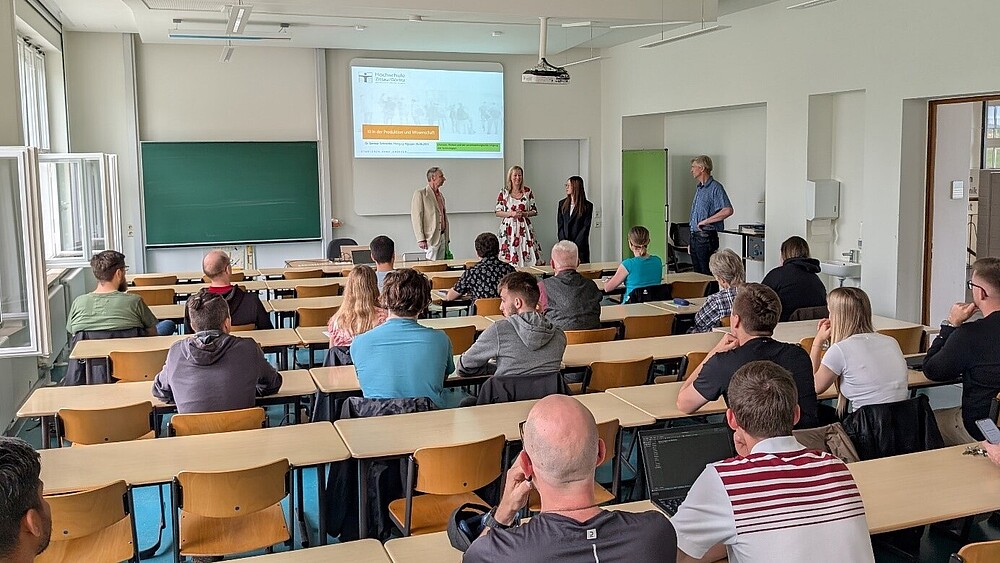
How is artificial intelligence already shaping our science and industry today—and what responsibilities does this entail? These questions were the focus of a public lecture at Zittau/Görlitz University of Applied Sciences, which was attended by numerous researchers from various disciplines. The event took an in-depth look at the current and future use of AI technologies in research and production. It was only during the event on June 6, 2025, at the Faculty of Business Administration and Engineering Management that it became clear just how concretely and practically AI is already being applied—whether in semiconductor manufacturing or in academic teaching and research.
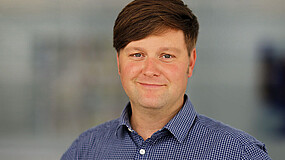
Two speakers co-presented the lecture: Dr. Germar Schneider, Senior Manager at Infineon Technologies Dresden GmbH & Co. KG (Infineon Dresden), and Ly Hong Nguyen, a working student at Infineon Dresden, provided nuanced insights into industrial practice as well as university-based application scenarios.
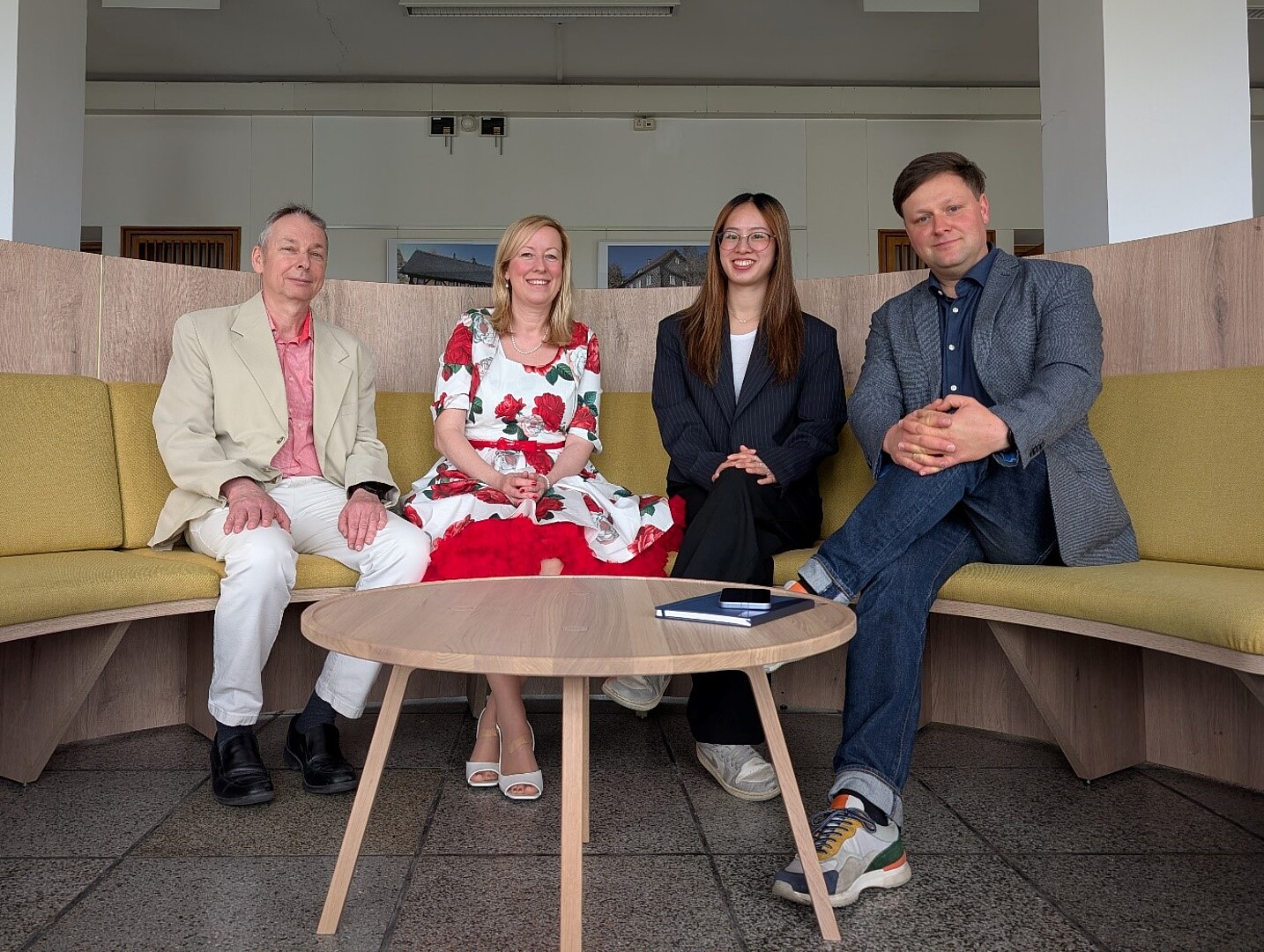
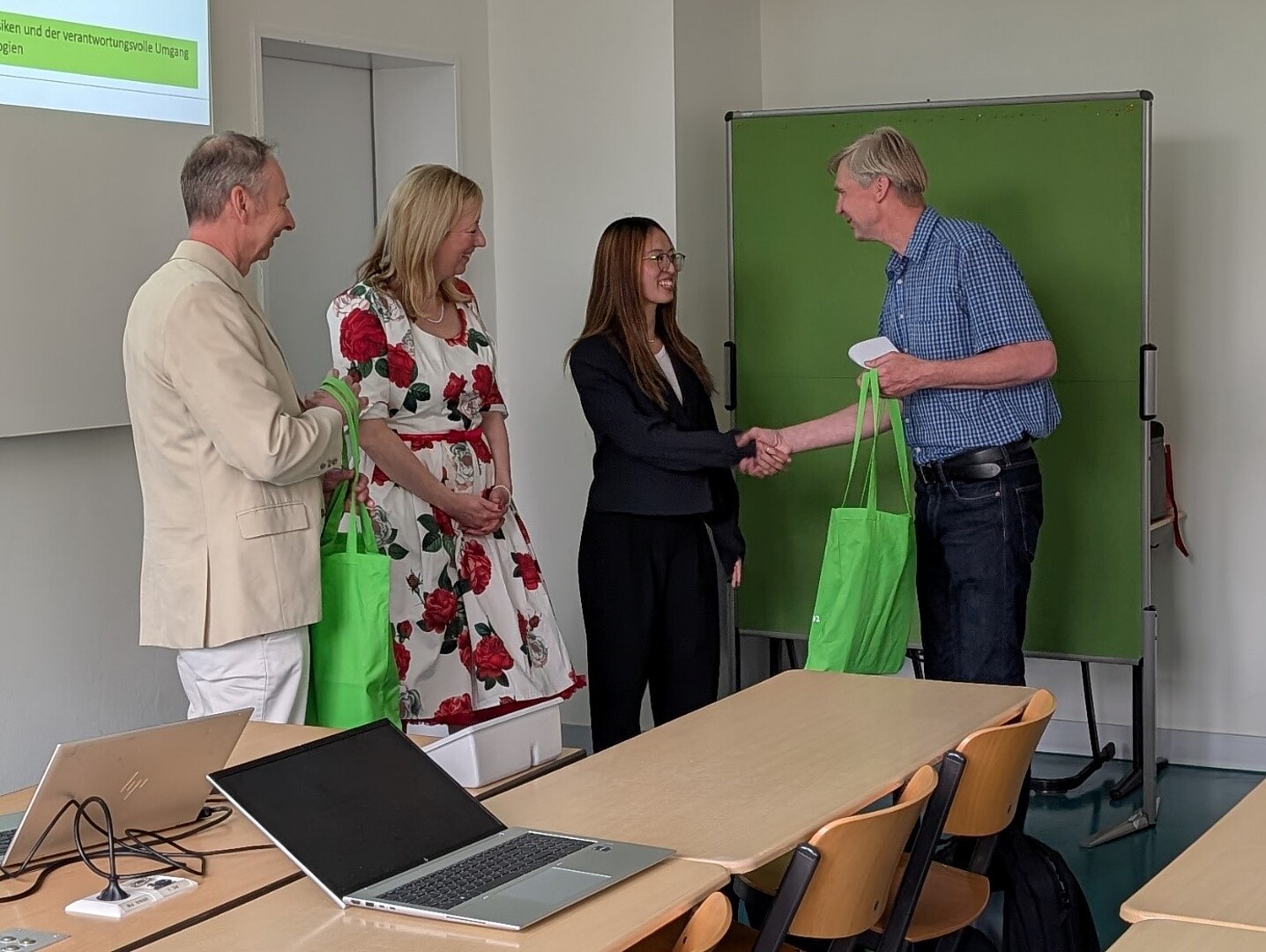
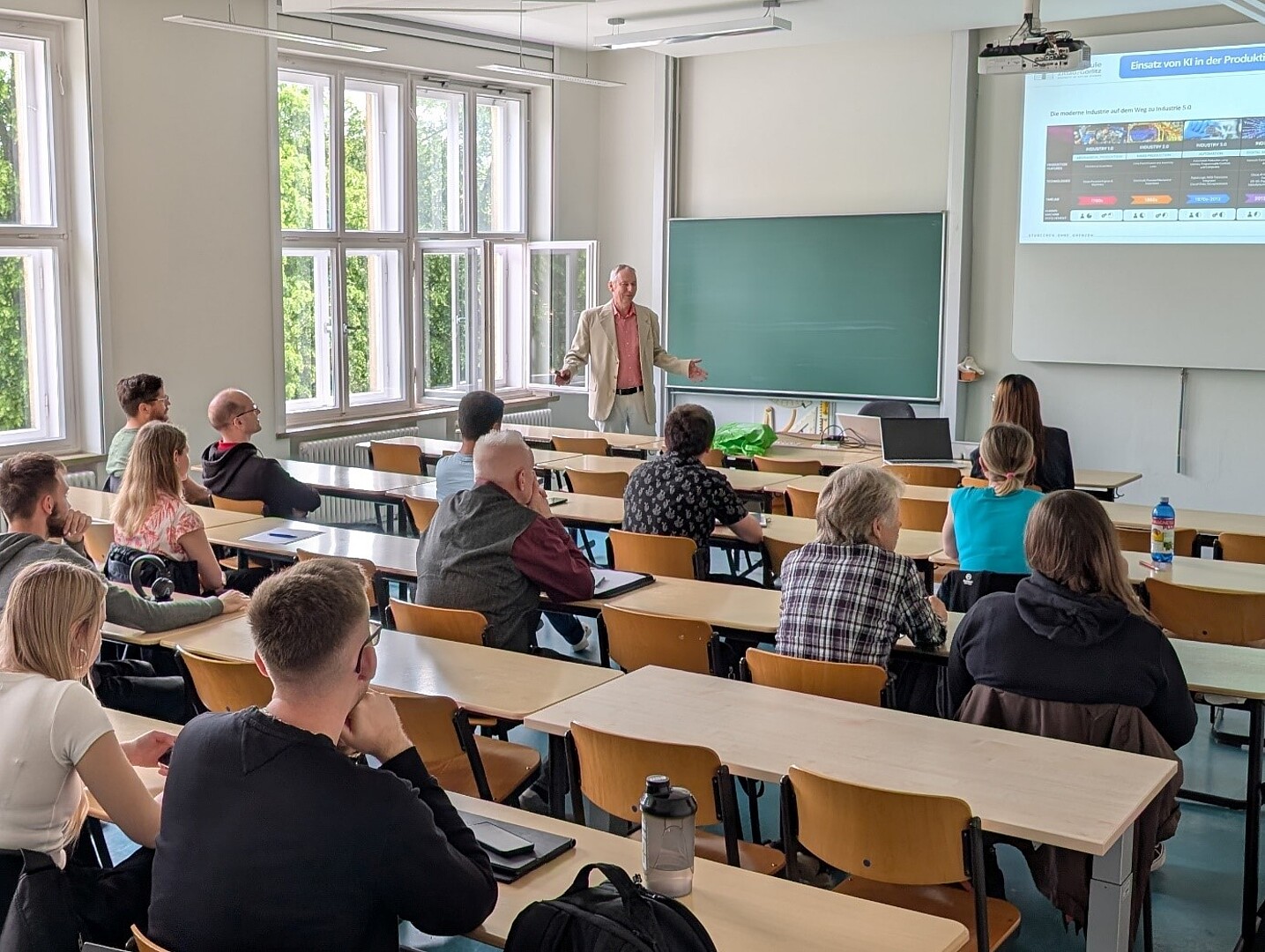
Following opening remarks by the Vice President for Research, Technology Transfer, and International Affairs, Prof. Dr. rer. pol. Sophia Keil, the speakers introduced key concepts: natural language processing, the productive use of large language models to increase efficiency in industry, and the opportunities and risks associated with the use of AI in research and teaching.
The use of AI in production is no longer a vision of the future - we use it specifically for quality assurance and process optimization. At the same time, we must learn to reflect carefully on these systems.
”AI is also changing how we research and learn. It is particularly important for students to understand how they can integrate these tools into their academic practice in a meaningful and responsible way," said Ly Hong Nguyen, emphasizing the importance of the perspective of young scientists.
Artificial intelligence is the engine of a new era that is fundamentally transforming teaching, research and production. Our responsibility is to help shape this change with courage and foresight - with a clear awareness of opportunities and risks and always guided by our ethical compass. The SCO-TTi research group is dedicated to designing human-centered working environments in which AI serves as a kind of superhero suit that gives people the freedom to focus on creative and innovative tasks and thus generate new ideas and solutions instead of being occupied with repetitive tasks.
”"The rapid development of artificial intelligence requires not only technological adaptations but, above all, ongoing educational processes. To harness the potential of AI responsibly and competently, we need qualified professionals who not only understand the technical fundamentals but can also reflect on the societal implications. Thorough education and continuing professional development are key to understanding AI not merely as a tool, but as an integral part of a sustainable digital transformation—in both academia and industry.” explains Prof. Dr. Uwe Wendt, Professor of Business Administration with a specialization in Information Systems, and member of the SCO-TTi research group.
The discussion also focused on ethical issues—such as how to preserve creativity and how to empower students to use AI technologies responsibly. The strong turnout from various departments at the university clearly demonstrated the high level of interest in this topic.
We would like to extend our heartfelt thanks to the speakers, Dr. Germar Schneider and Ly Hong Nguyen; the organizing team led by Daniel Winkler, Ulrike Schmidt, and Steffen Zücker for their dedicated preparation and support of the event; and the Dean of the Faculty of Business Administration and Engineering Management, Prof. Dr. phil. Sebastian Zips.

First floor
This work is supported by a cooperation co-financed by Infineon Technologies Dresden GmbH & Co. KG as part of the funded project "MEGAFAB-DD".