Visionary project with charisma
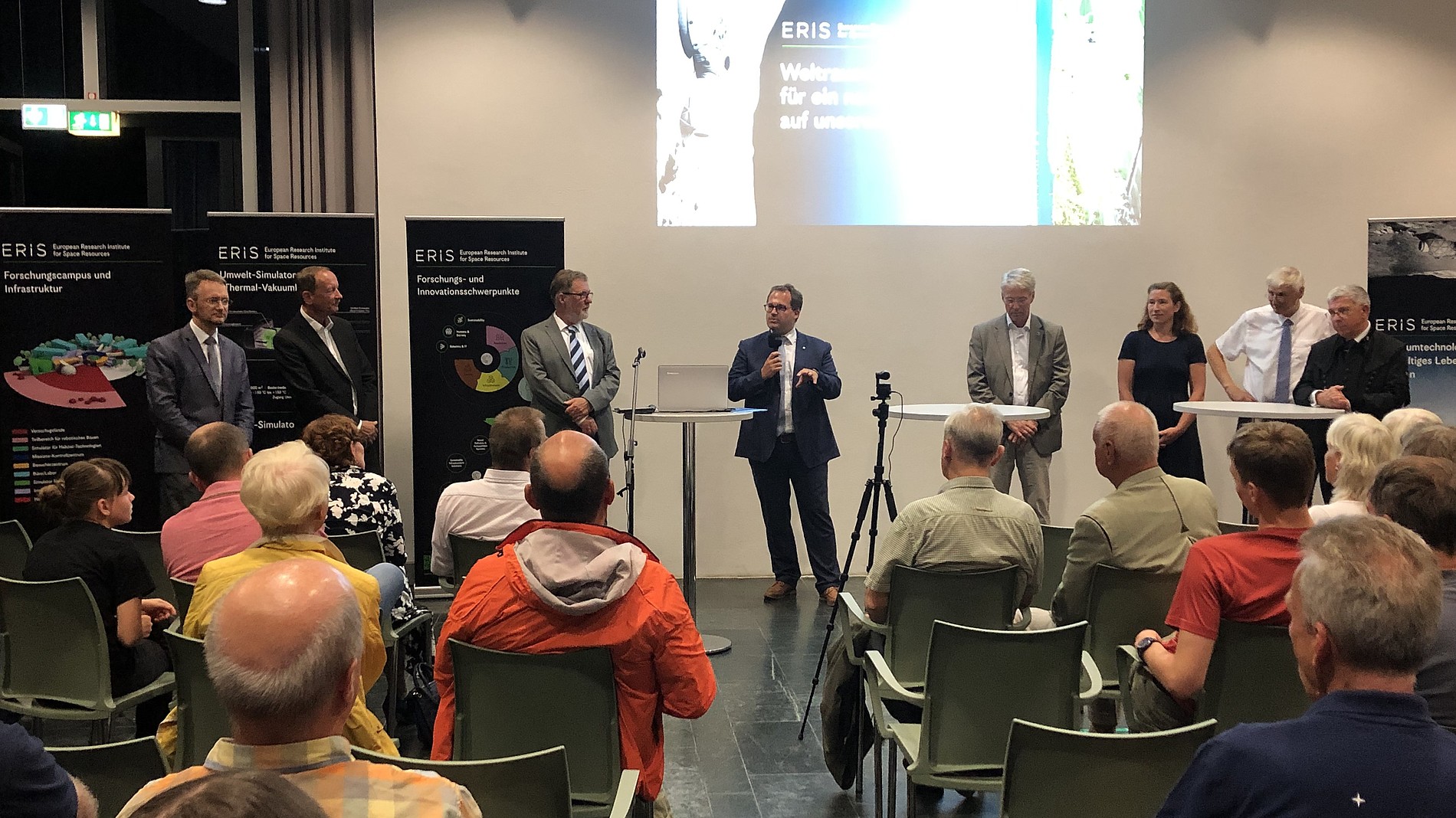
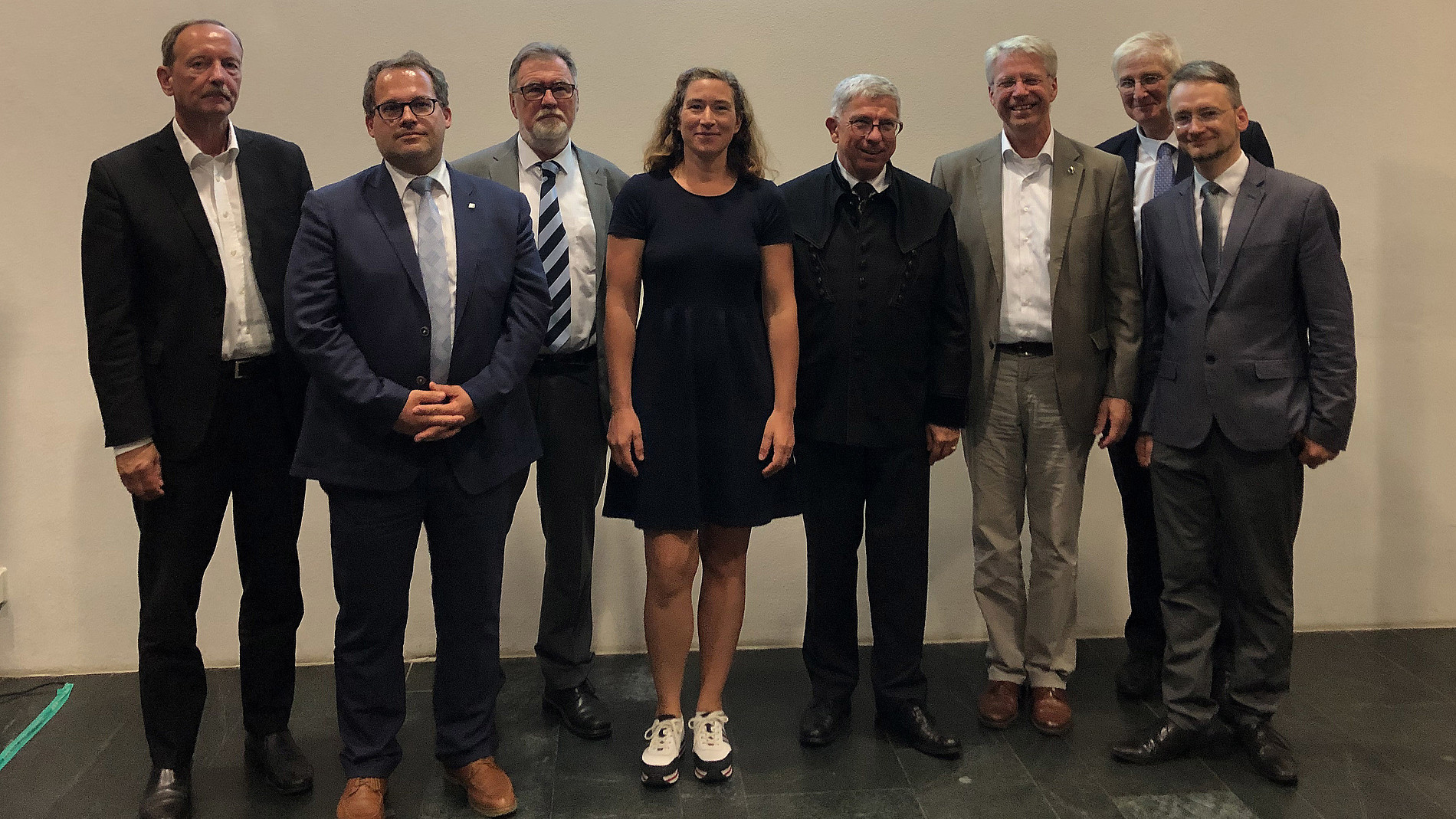
The ERIS project was presented at the public discussion "Space research - opportunities for the coal region" in the presence of astronaut Thomas Reiter.
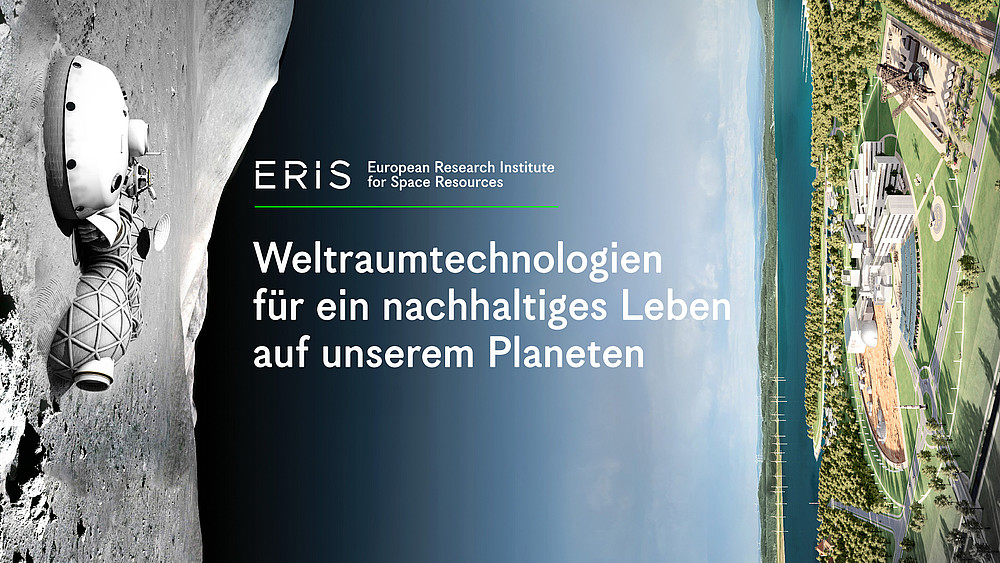
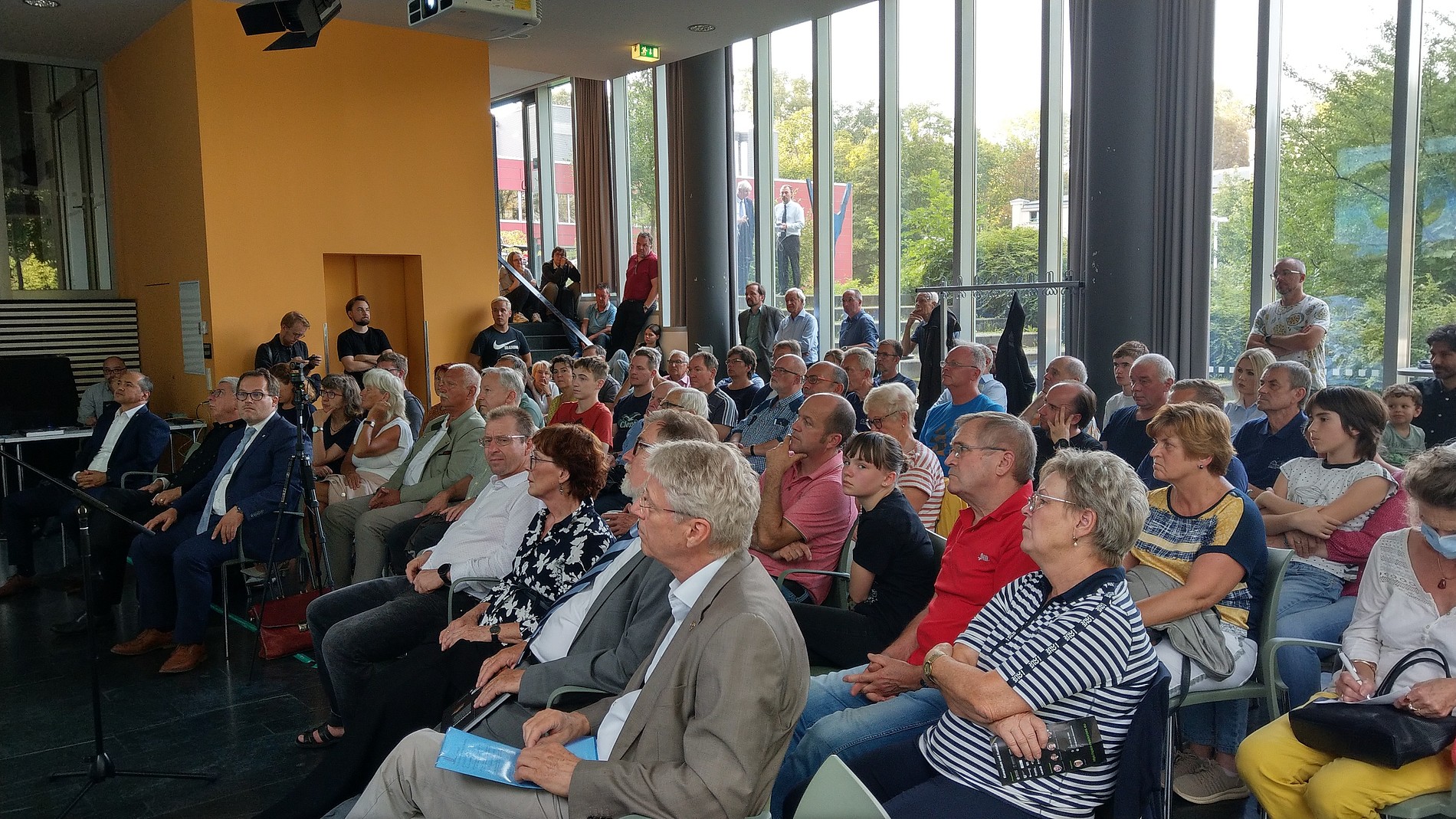
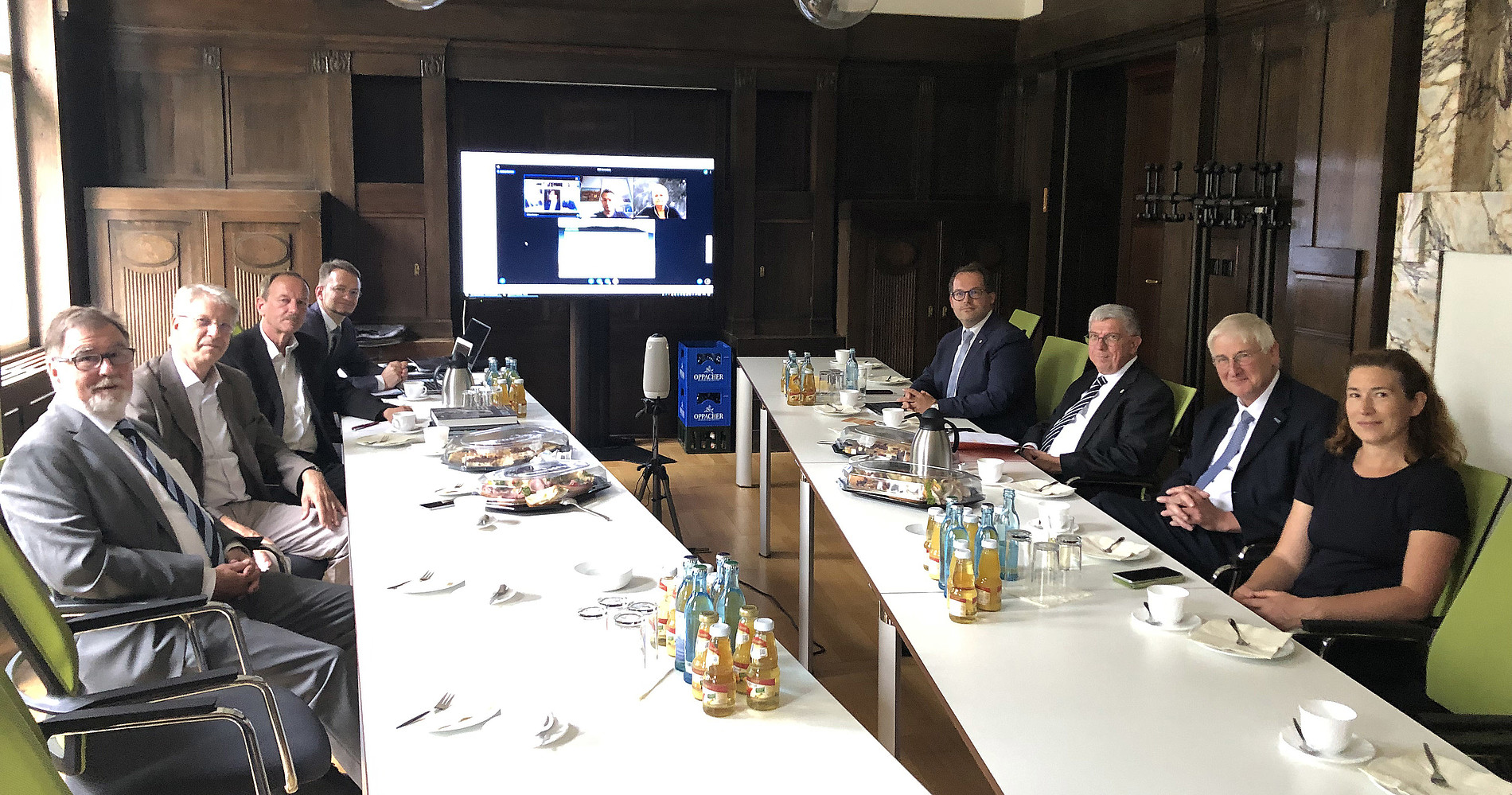
Simply reach for the stars. Because that's where the opportunities lie for Saxony's coal region. The project ERISproject, the Competence Center for Aerospace Technology Saxony/Thuringia and the German Aerospace Society invited guests to the HSZG in Görlitz on September 7.
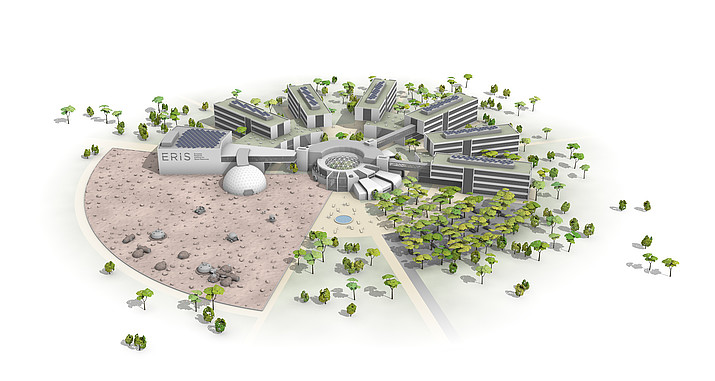
The goal of the public roundtable discussion held there as part of a two-day advisory board meeting on the topic “Space Technologies—Opportunities for the Coal Region” was to provide entrepreneurs, local governments, and the general public with a closer look at the ERIS project. The event was organized by the TU Bergakademie Freiberg and the Zittau/Görlitz University of Applied Sciences.
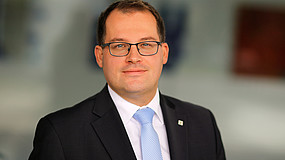
“ERIS is an initiative that is making an application to host one of the two new large-scale research facilities to be established in Saxony’s coal-mining regions,” explains Rector Alexander Kratzsch. “The project aims to find innovative technological solutions for future life on other planets and for conserving resources on Earth.” The Zittau/Görlitz University of Applied Sciences is a partner in this project alongside many regional institutions.
With an eye toward future space travel, the ERIS concept aims to achieve independence from Earth-based supply modules. Unlike, for example, the ISS, the initial station on other planets would be built using only the bare essentials, to be subsequently expanded piece by piece using “all” locally available materials. This includes food production.
In addition to project details, Prof. Kratzsch also examines statistics. It is striking that degree programs related to aerospace are very popular in Germany. However, most of these programs have admission quotas. “A project like this in Lausitz presents great opportunities to attract young people to our region, while also bringing in students for Saxony’s universities—and thus for the Zittau/Görlitz University of Applied Sciences as well, ” he says with conviction.
In addition, the development potential of space technology is enormous for life on Earth as well. Centers involved in space research have a significant impact on the economic development of their surrounding regions.
“Our shared goal of exploring space using technologies developed right here in our region—and building on the existing expertise of the coal-mining regions—will shine a light on our region whose influence will extend far beyond its borders.” Rector Alexander Kratzsch
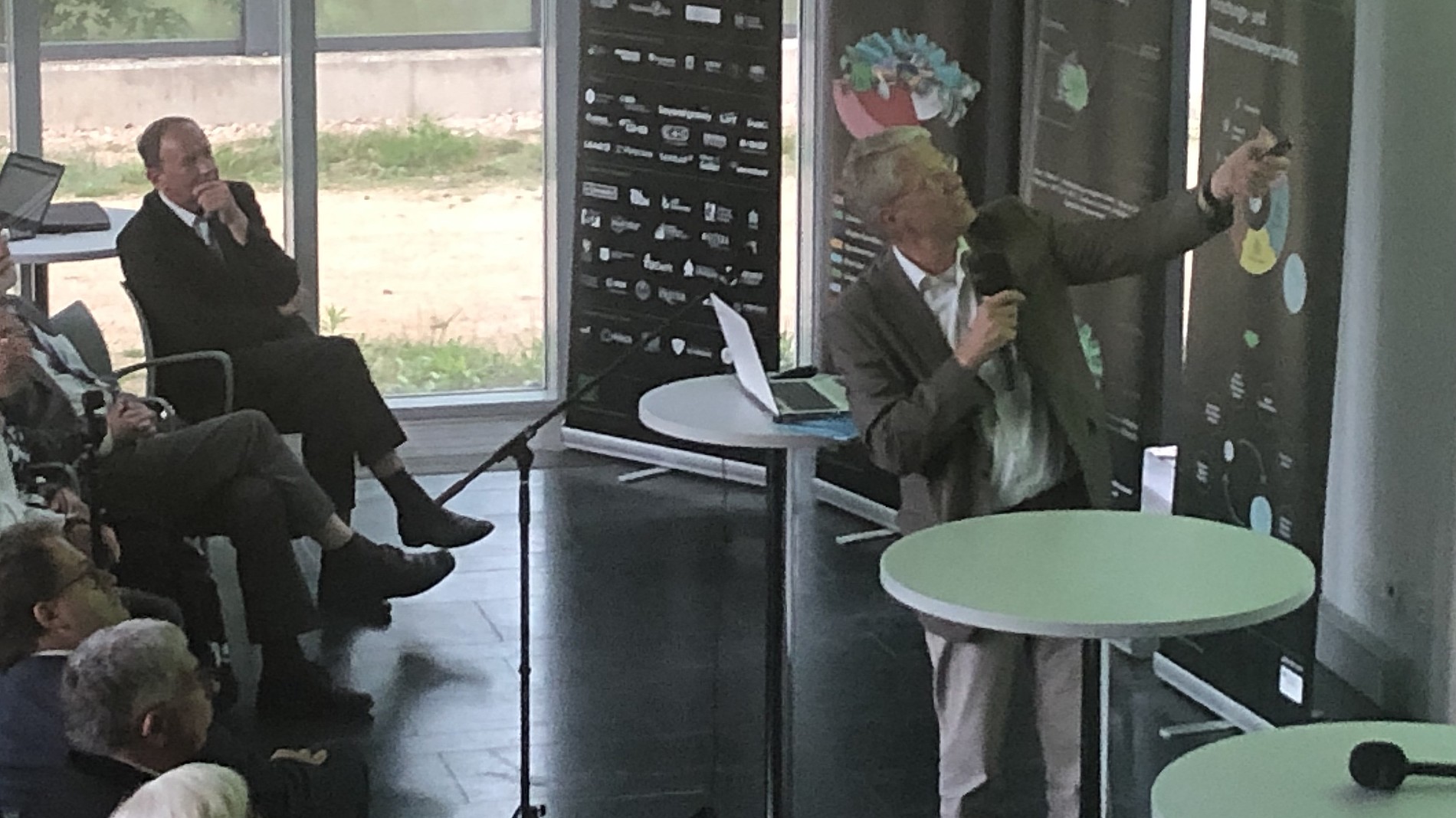
”"Probably far out into space," the Rector adds with a smile. This is a conjecture that former ESA astronaut Thomas Reiter is likely best suited to evaluate. The renowned astronaut took part in the panel discussion, as did planetary scientist and director of the DLR/NASA Regional Planetary Image Facility in Berlin-Adlershof, Prof. Dr. Ralf Jaumann; the German physicist and long-time member of the DLR Executive Board, Prof. Dr. Hansjörg Dittus; and the honorary cosmonaut and expert in exoplanetary biology, Dr. Thorid Zierold.
They spoke about their research, their experiences in space, and the preparation for space missions, and explained the opportunities that space research offers for structural change in Lausitz. Afterward, questions were taken, and the advisory board members were available to sign autographs.
“ERIS is an extremely visionary project of great significance and with tremendous potential to create new economic opportunities and high-tech hubs for regional industry, generating numerous jobs. We now need the courage to turn this grand vision into reality,” the Rector concluded.
ERIS—the European Research Institute for Space Resources—is one of six proposals recommended for the first funding phase to establish two major research centers in the “Knowledge Creates Opportunities for the Region!” ideas competition organized by the Federal Ministry of Education and Research.
If successful, more than 1.1 billion euros will be available through 2038 for the development of the new large-scale research center ERIS. The selection of the top two proposals is expected to take place in October 2022. The ERIS website offers further information.
Read here to learn about the HSZG’s contribution to the project: High Technologies from Space Research.
1st floor