
How Lausitz Can Become a Fiber Hub
The new LauTra research project is investigating how regional fiber crops and waste materials can be used to create new value chains for the Lausitz region.
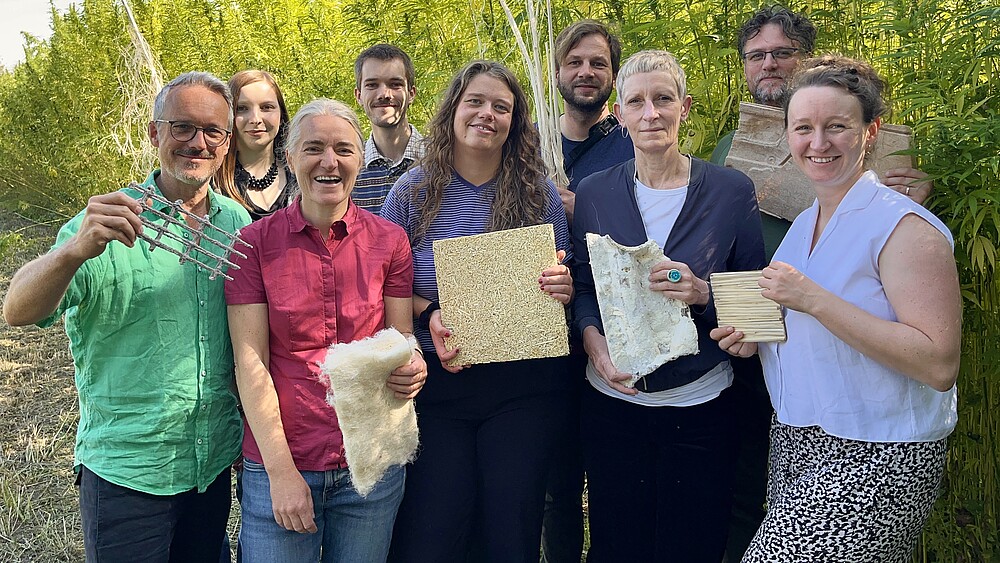
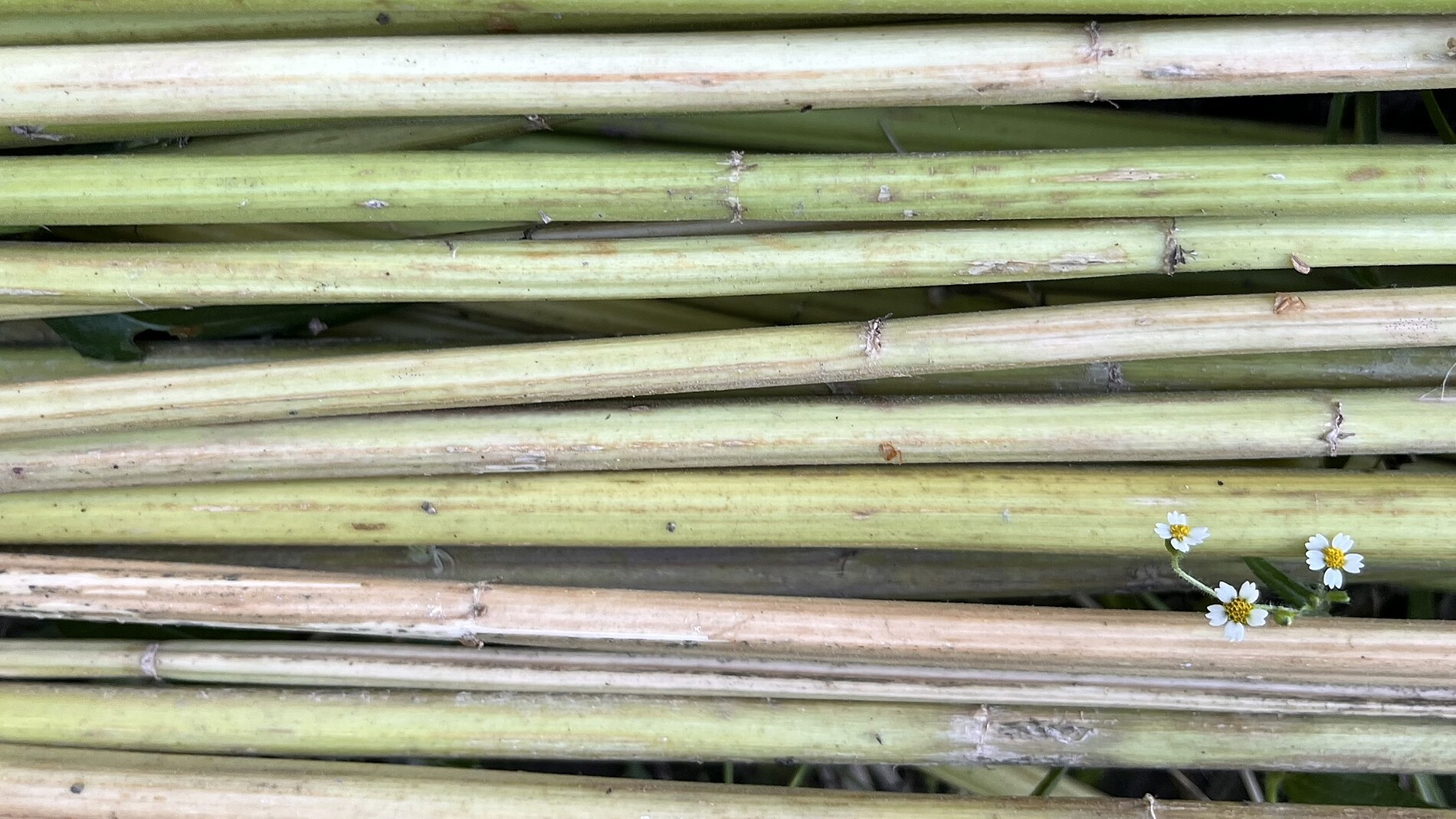
Flax, industrial hemp, fiber nettle, and miscanthus grow in Lausitz. In the future, such plants—along with waste materials such as straw or municipal leaf litter—could also serve as raw materials for a regional natural fiber industry. The research project “LauTra—Together on the Path to the Lausitz Fiber Region” is investigating the actual potential for this and how new value chains can emerge from it .
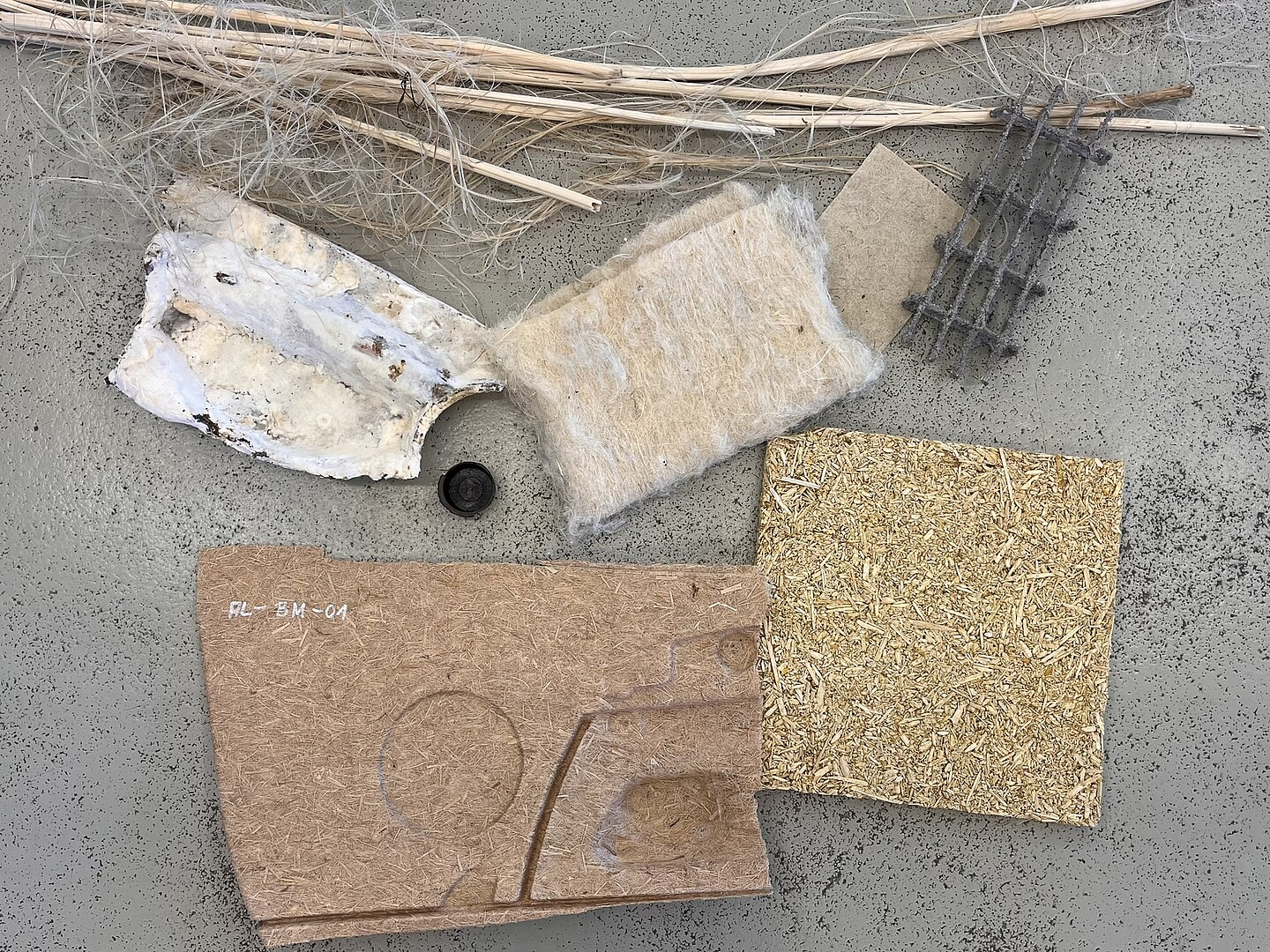
The focus is not primarily on traditional textiles. Natural fibers can be used, for example, in fiber composites, lightweight panels, specialty papers, industrial molded parts, or packaging materials. The Institute for Ecological Economic Research (IÖW) and the Zittau/Görlitz University of Applied Sciences (HSZG) , in collaboration with regional stakeholders, are investigating how a fiber-based, circular bioeconomy can be established in Lausitz on this basis. The project will run for three years and is funded by the Federal Ministry of Research (BMFTR).
What natural resources does Lausitz offer?
At HSZG, the Zittau Institute for Process Development, Circular Economy, Surface Technology, and Natural Product Research ( ZIRKON) is investigating the potential of fiber crops and other suitable biomass sources in the region. To this end, the research team is developing a regionally detailed material flow model.
Through modeling, we can demonstrate how our region's biomass is currently being used and what value chains might emerge in the future.
”The model is also intended to highlight which processing pathways are promising based on available raw materials and where potential bottlenecks or competition for land might arise.
Technical capabilities alone are not enough
Whether a new regional fiber industry emerges, however, does not depend solely on which raw materials and technologies are available. Agriculture, processing plants, and other businesses must make decisions and work together. Local governments, administrative bodies, and economic development agencies can also create important framework conditions.
This is where the Institute for Transformation, Housing, and Social Spatial Development (TRAWOS) at HSZG comes in. Together with the IÖW, the research team is examining the different starting points and interests of potential stakeholders. Interviews and several workshops in Lausitz are intended to reveal the conditions under which new value chains can actually emerge.
What leads a female farmer to switch to growing industrial hemp? What motivates a building materials manufacturer to invest in new processing facilities?
”Whether this leads to new value creation in the bioeconomy depends on many such decisions. LauTra therefore examines the entire process, from primary production through processing and trade to the use of the resulting products. In doing so, the project also investigates the coordination processes and framework conditions necessary to achieve this.
Working Together to Develop a Path Forward for the Lausitz Fiber Industry
Under the leadership of Dr. Alexandra Dehnhardt from the IÖW, LauTra aims to bring together the various perspectives. The goal is to work with people and organizations from the region to develop different transformation pathways—that is, possible paths toward a fiber-based, circular bioeconomy—and to derive recommendations for practical implementation from these.
The project team therefore invites companies, agricultural organizations, municipalities, and other interested parties from the Lausitz region to contribute their experiences and perspectives to LauTra.
Further information and opportunities to participate can be found on the LauTra project website.
First floor

First floor