
Microplastics - invisible danger?!
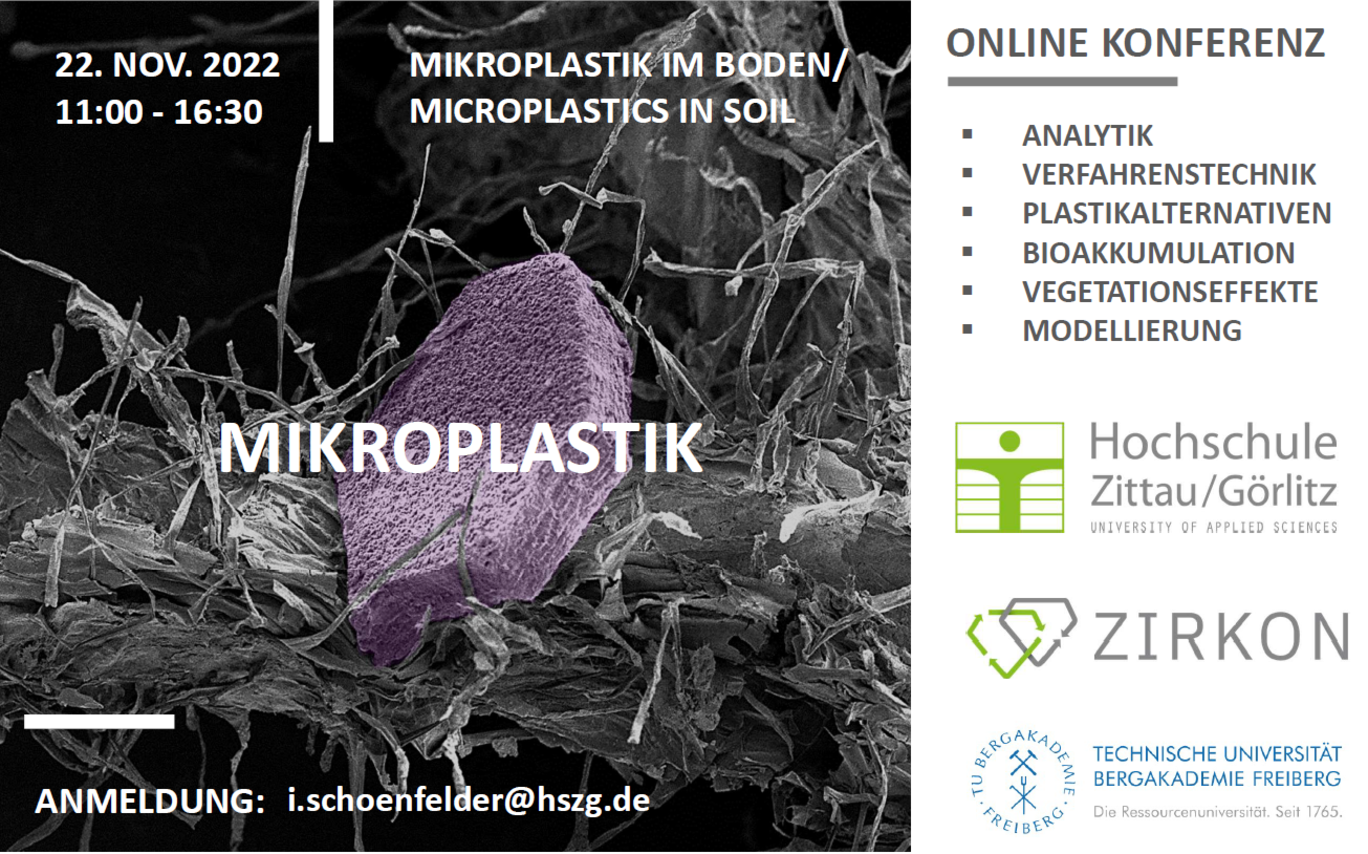
A junior research group at ZIRKON has been researching the topic of microplastics since 2020. Project results will be presented at the final workshop on 22.11.22.
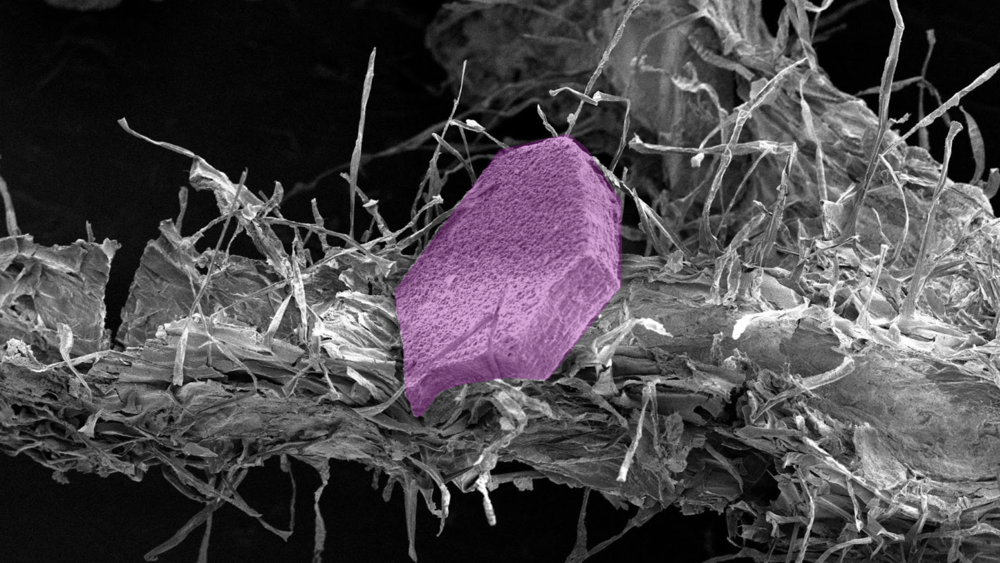
On ZIRKON, the Zittau Institute for Process Development, Circular Economy, Surface Technology, and Natural Products Research at the Zittau/Görlitz University of Applied Sciences, a group of early-career researchers has been conducting research on microplastics since 2020. Under the title“Development of Methods for the Detection, Elimination, and Immobilization of Microplastics in Soils, Compost, and Plants,”five young researchers—following the project’s initiation by Prof. Jürgen I. Schoenherr and under the project leadership of Prof. Jens Weber—are working on this highly pressing issue.
Environmental pollution from plastic, its abrasion, and its degradation products continues to rise. We are all familiar with images of “islands of plastic waste” in the ocean, beaches littered with trash, and dead animals with plastic in their stomachs. But what about the fraction that is invisible to us—microplastics?
The presence of microplastics—that is, particles ranging in size from 0.1 µm to 5 mm—in marine and limnic waters is well known. But there is another area that requires increased attention: microplastics in the soil. Detecting and quantifying the microplastic fraction in soil remains a challenge. The goal of the project is to contribute to the development of methods for the detection, characterization, and elimination or immobilization of microplastics in soil. In addition, strategies for preventing (micro)plastics are to be developed through an analysis of material flows. Microplastics enter the environment primarily through tire wear, “littering” (the disposal of plastic waste into the environment), and agricultural applications (e.g., mulch films, sewage sludge) and their degradation in the environment.
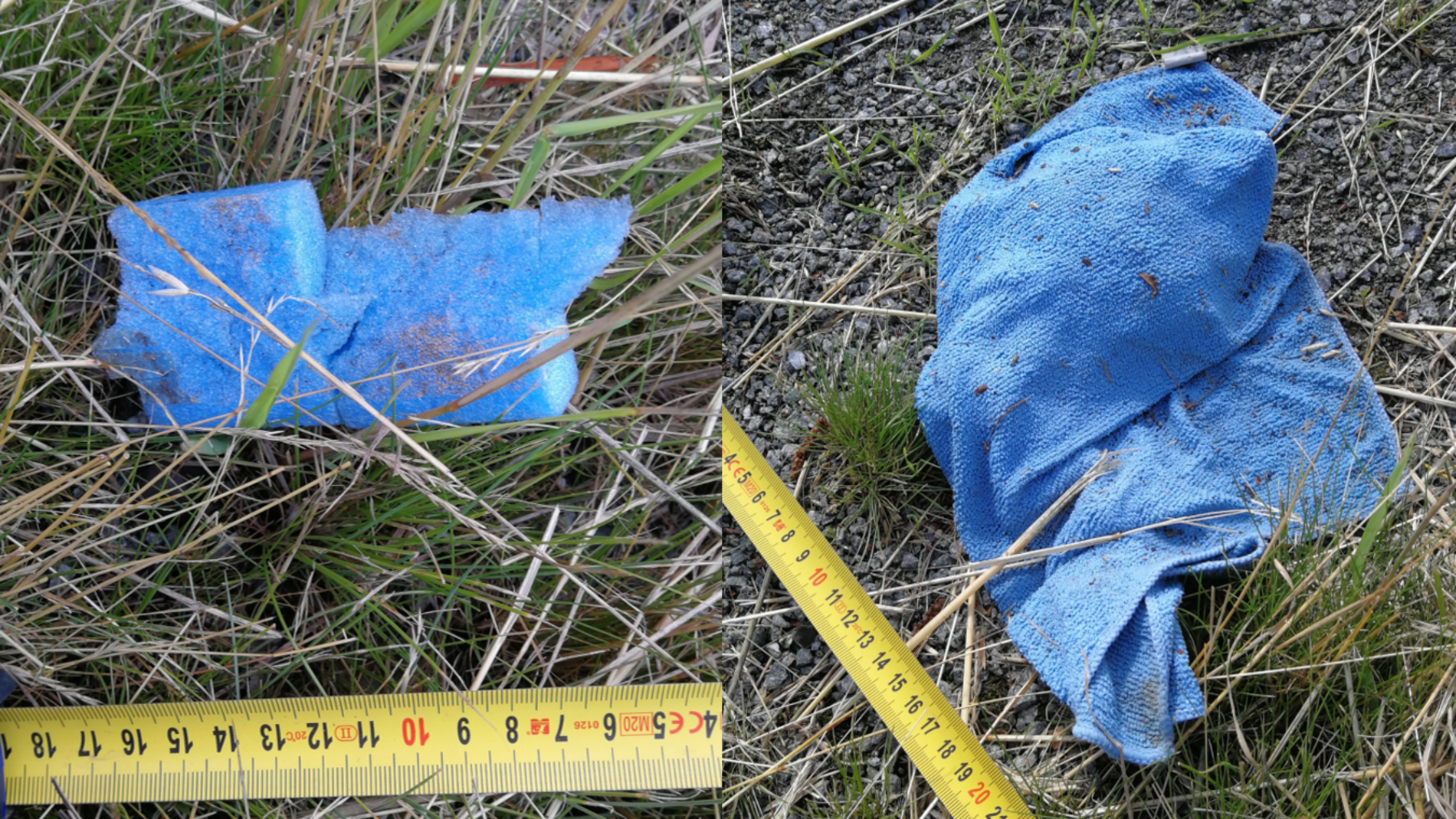
During the project period, extensive monitoring was conducted to identify contamination hotspots. To this end, sediments from reservoirs in Saxony were analyzed for contamination, as were various soils along roadsides and in farm fields.
Methods for Removal
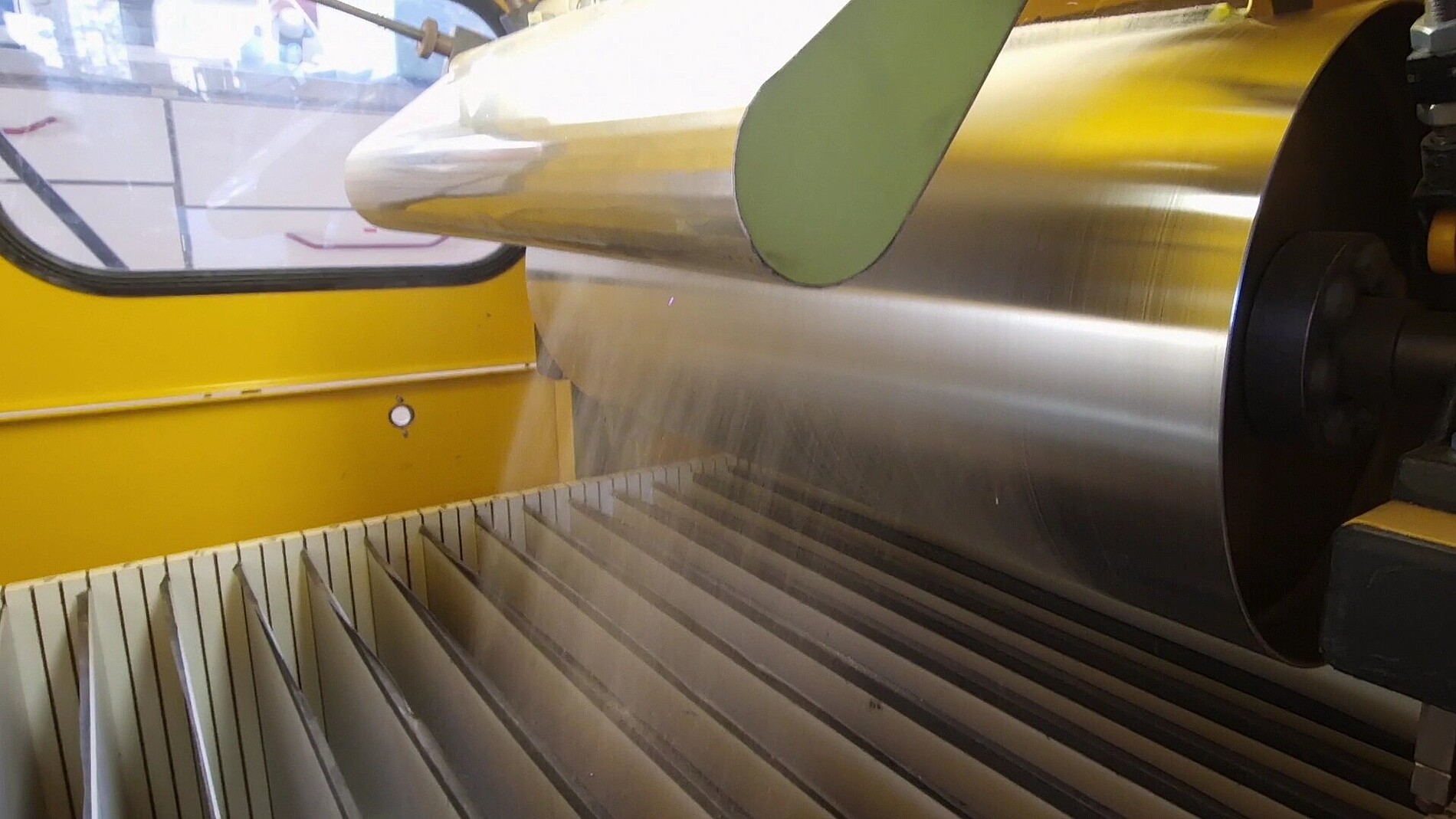
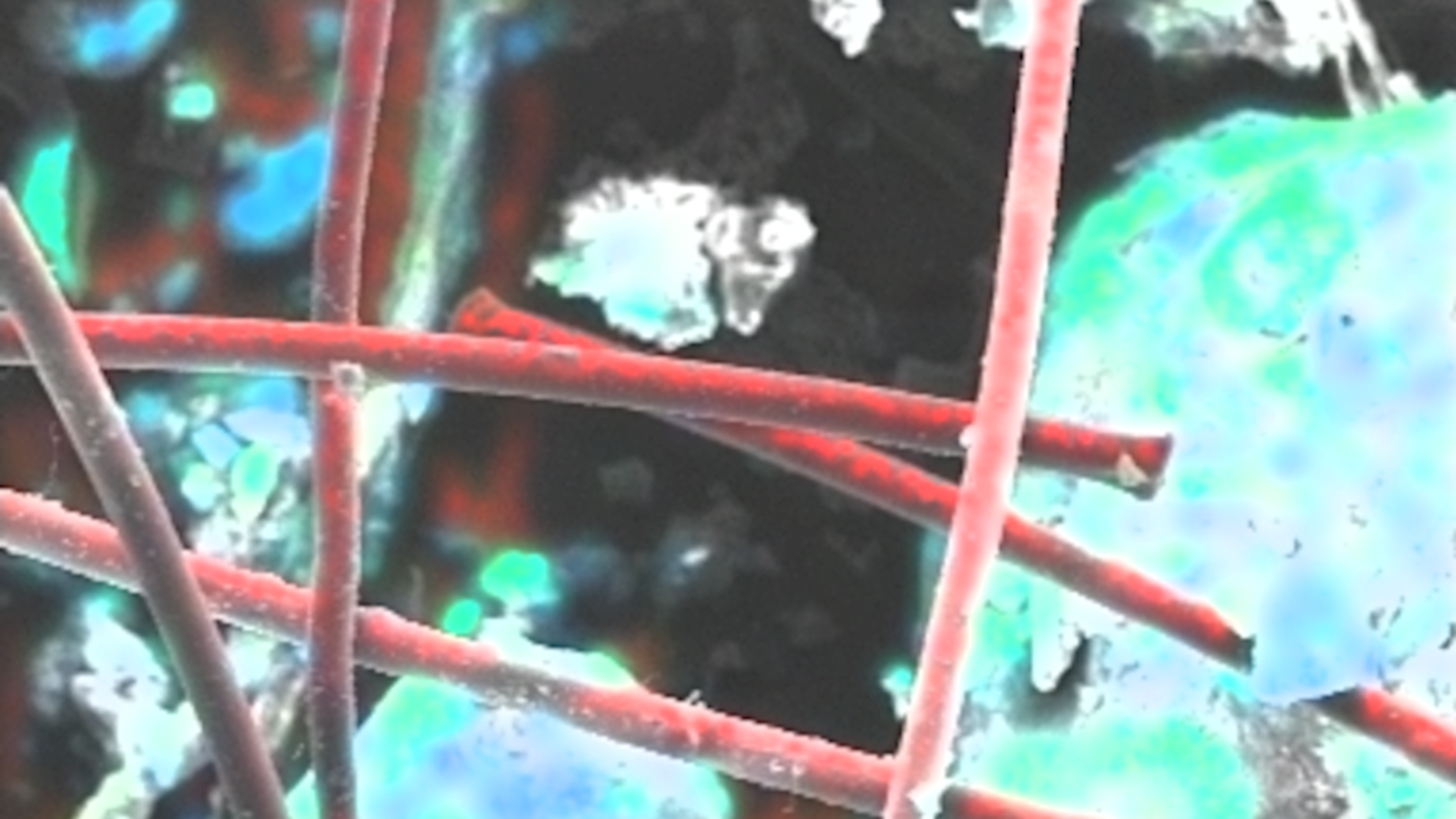
Furthermore, various methods for removing microplastics from soil and compost are being investigated for their effectiveness. The greatest challenge here is the complexity—that is, the wide range of properties—of a plastic-soil mixture. The experiments showed that sand-plastic mixtures can be separated with good results using various methods, such as density separation or electroseparation. In practical terms, this would mean that microplastics can be removed from sands or sediments—whether used industrially or occurring naturally—with virtually no residue following appropriate pretreatment. For more complex soils or compost, however, conventional methods are less effective, and further research is needed.
To evaluate the effects of the quantity and composition of plastic in soil and on plants, experiments were conducted with (crop) plants. To this end, various plant species were grown in greenhouses and climate chambers on defined soil mixtures with added amounts of different (micro)plastics to investigate the impact of microplastics in the soil on plant growth and yield. The experiments focused on the effects on root growth, the transport of microplastics through roots, and the long-term effects of microplastics on biomass production.
Another key focus of the project is the optimization of analytical methods; for example, the materials from the planting experiments were analyzed for microplastic content, with various methods tested and suitable techniques continuously optimized throughout the project.
Transport Processes and Behavior of Microplastics
As part of a doctoral thesis (in collaboration with the TU Bergakademie Freiberg), the transport processes of microplastics in soil are being investigated; to this end, the behavior of microplastics in the saturated soil matrix is being studied in column experiments. Preliminary results suggest that the transport distance of microplastic particles increases as their diameter decreases. Small, fragmented microplastic particles with a more one-dimensional morphology were more prone to fragmentation within the soil columns, which promoted their migration. Spherical microplastic particles remain at their initial position without shattering, while fibrous microplastic particles become entangled in the soil matrix. The breakdown of microplastics into fragments appears to play an important role in promoting particle movement. The presence and infiltration of microplastics into a saturated soil matrix suggest a potential entry into groundwater.
Column experiments were used to simulate a realistic model of the soil matrix. This data is used to develop a predictive model for the behavior and migration of microplastics.
The research project thus brings together expertise from various disciplines and fields to address a global problem and explore potential solutions.
The results of this project were presented and discussed in public workshops throughout the project’s duration. International speakers further enriched these events with their expert contributions across various departments.
A public final workshop will be held on 22.11.2022 to present the project results achieved. Interested employees and students are cordially invited to attend.
Please register with: Ilona Schönfelder on 03583 612-4962 and i.schoenfelder(at)hszg.de.

1st floor
