
Innovations in three dimensions
At the IPM, two IAESTE students developed impressive 3D animations and visualizations to illustrate new technologies.
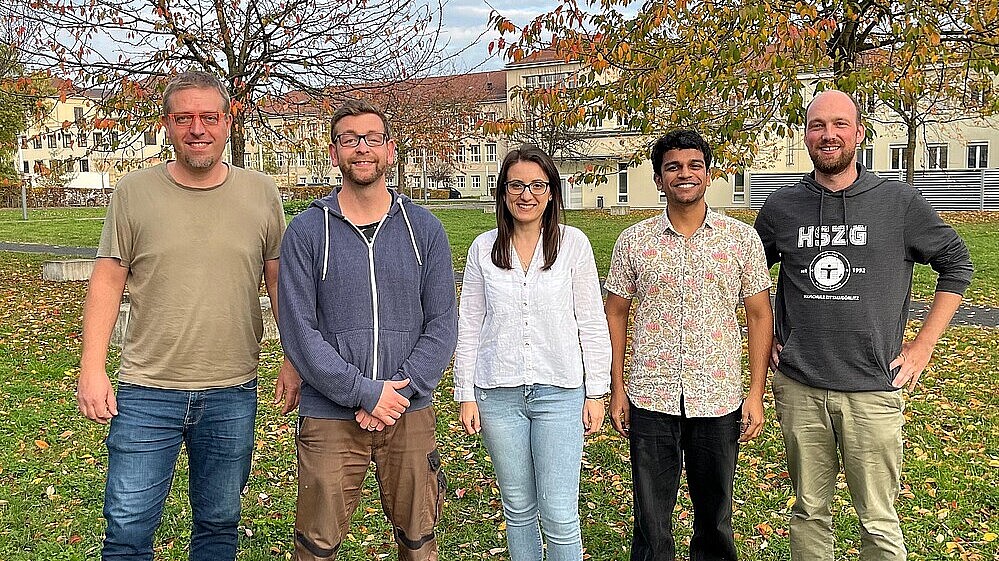
Dobrila Grujikj is from Tetovo in the Republic of North Macedonia and is studying computer science and engineering at the “Ss. Cyril and Methodius” University in Skopje. From August through October, she completed an internship with us at the Institute for Process Engineering, Process Automation, and Measurement Technology (IPM) as part of the IAESTE exchange program. There, as part of the Measurement Technology and Process Automation (MTPA) group, she worked on creating an animated multimedia presentation about a novel prototype measurement system designed for radiation measurements on transport and storage containers for radioactive waste. This system was developed as part of the DCS-Monitor II research project and has already been used in measurement campaigns at the North Interim Storage Facility of the Waste Management Facility for Nuclear Facilities (EWN) in Lubmin.
As a highly experienced 3D designer, Dobrija used Autodesk Maya software. She independently handled all production steps, from the storyboard through rendering to post-production.
The finished animation now provides a visually striking and easy-to-understand depiction not only of the measurement campaign’s sequence but also of the structure of a CASTOR container. In addition to being used in the IPM’s public relations efforts, this video will now also support the acquisition of a follow-up project for DCS-Monitor II.
Rohan Saklani is from Jharkhand, in northern India. He is studying computer science and engineering at Manipal University Jaipur. During his two-month IAESTE internship at the IPM, he worked in the MTPA research group on automation solutions for modern horticulture—using advanced cable-driven robot technology and sensor-based AI support.
As part of the “LandÜber” project, he developed a software extension that performs real-time plausibility checks on data from a gardening robot and recorded data for later offline analysis. He also created a 3D representation of the entire robot platform and visualized the forces acting on the cable-driven robot’s suspension. He accomplished all of this using tools such as Foxglove and the Robot Operating System (ROS2), as well as the programming languages Bash, C++, and TypeScript. In addition to his extensive programming skills, he also demonstrated his ability to develop software solutions and visualizations for complex problems.
Both IAESTE students mastered the challenge of familiarizing themselves with—in some cases, entirely new—subject areas within just a few weeks and developing a sufficient level of technical understanding with flying colors. This was made possible not least by a lively exchange with the staff at the IPM. Dobrija and Rohan also showed a great deal of initiative in their free time: Both often set out on weekends to explore Zittau, Germany, and Europe, and attended various IAESTE events.
On October 29, Dobrija and Rohan finally presented the impressive results of their successful work at the IPM. In a separate presentation, they also gave the audience wonderful and fascinating insights into their home countries. We at the IPM are very proud of their achievements and wish them all the good luck for the future.
Text: Daniel Fiß / André Seeliger
Photo: Daniel Fiß

The IPM in the IAESTE Exchange Program
For many years, the IPM has offered two to three internship positions annually for international students as part of the IAESTE exchange program. Since then, the institute has welcomed over 40 IAESTE students, who worked alongside our staff on internship projects in the natural sciences and engineering. In 2020, the IPM received an award for over 15 years of partnership with international students.
IAESTE stands for: International Association for the Exchange of Students for Technical Experience.
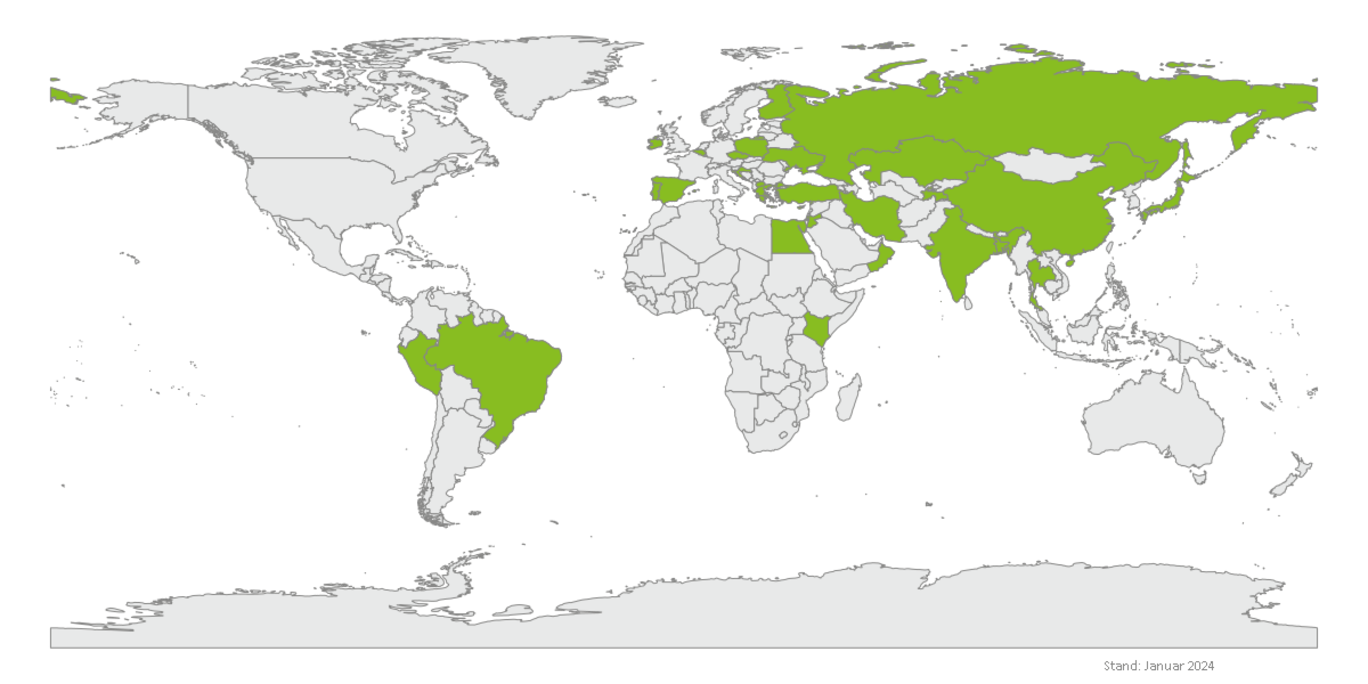
The program is about the placement and perception of work-related internships, preferably in the natural sciences and engineering. More than 90 countries around the world participate in the program.
Curious to find out more? Find out more here!
Upper floor