
A Matter Close to Our Hearts: The Future—Nearly 180 Guests, Cutting-Edge Research, and a Shared Vision for the Medicine of Tomorrow
At the opening of the Year of Science 2026/27, guests enjoyed an exciting evening at the HSZG focused on the future of medicine. High-profile keynote speeches, insights into research at the HSZG, and lively discussions highlighted how science, technology, and society are shaping the future together.
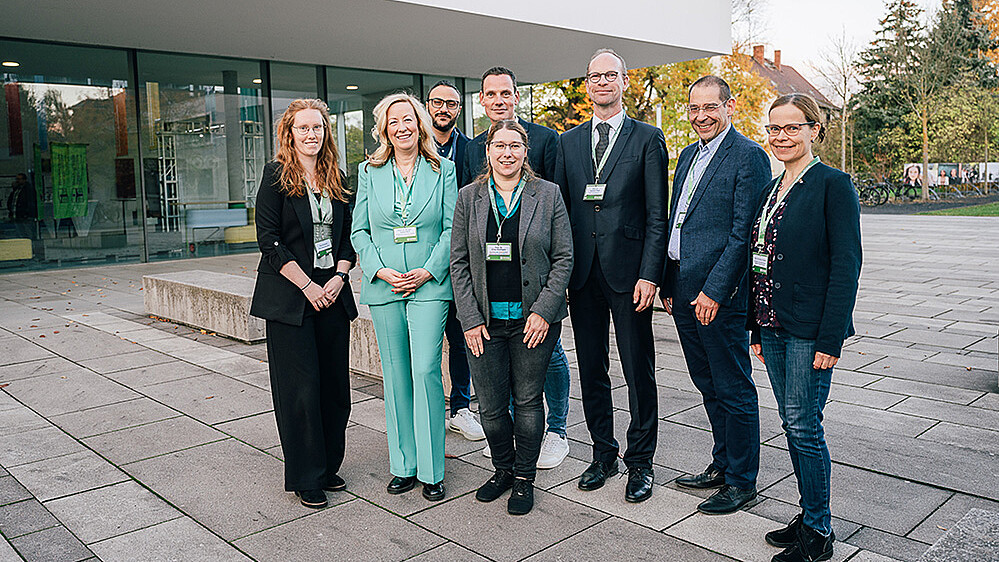
Nearly 180 guests, high-level insights into the medicine of tomorrow, and lively discussions about the opportunities and responsibilities of new technologies: With a record number of participants, Zittau/Görlitz University of Applied Sciences kicked off its Science Year 2026/27 on November 4. Under the motto “The Future Is a Matter of the Heart: Shaping Tomorrow’s Medicine Together,” the Zittau campus became a meeting place for science, medical practice, and society.
How will we diagnose and treat diseases in the future? What role will artificial intelligence, robotics, and biotechnology play? And how can we ensure that, amid all these technological possibilities, we don’t lose sight of the human element?
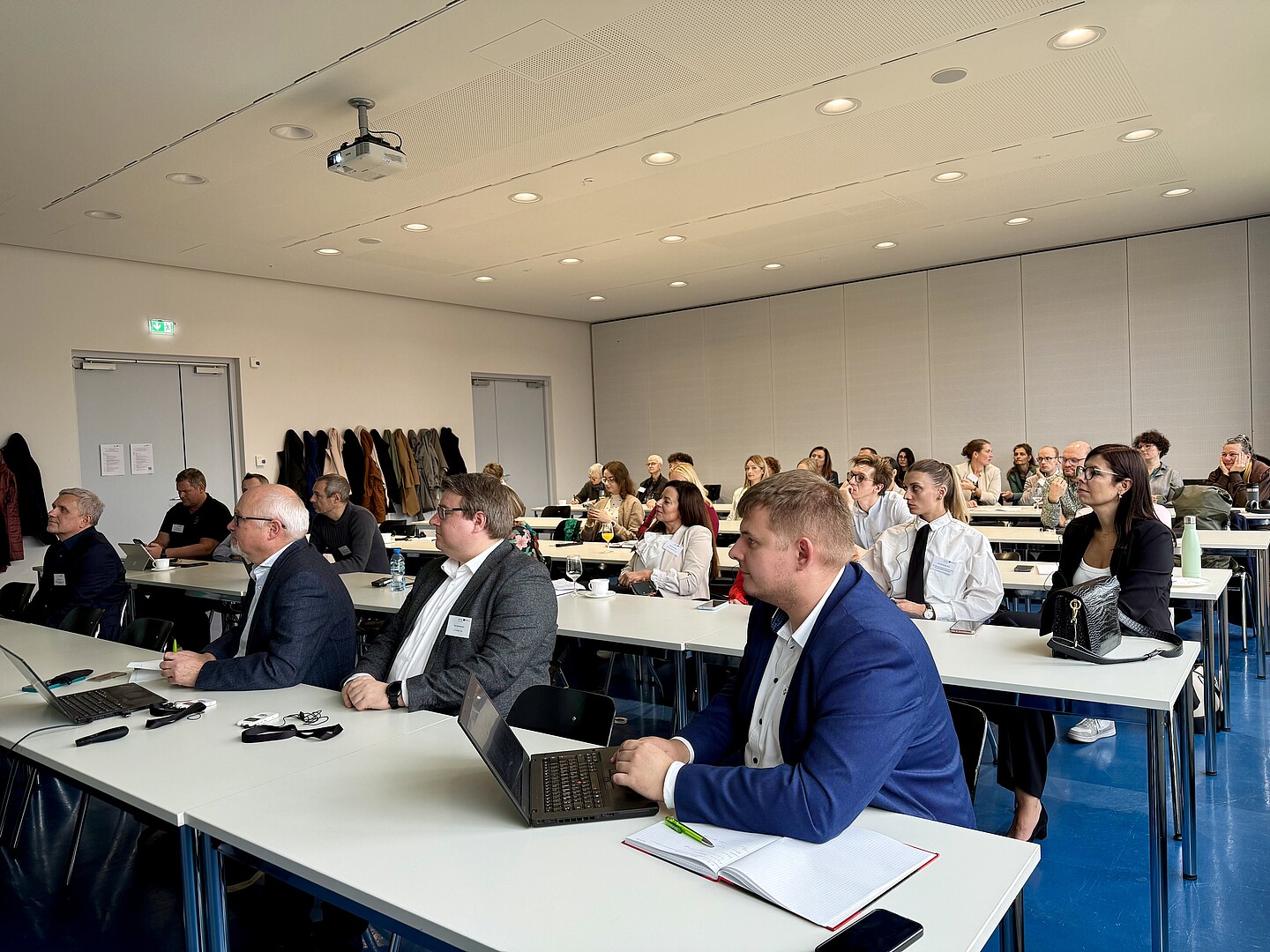
The fact that these questions are on many people’s minds was evident on November 4 in the Audimax of the Zittau/Görlitz University of Applied Sciences. Researchers, students, medical professionals, and representatives from politics, business, and society enjoyed an evening that combined scientific insights with concrete visions for the future.
With its annual theme, “Medicine of the Future,” the HSZG is also aligning with the nationwide “Year of Science 2026.” Prof. Dr. Sophia Keil, Vice President for Research, Knowledge Transfer, and International Affairs, emphasized even before the event that the challenges of our time can only be overcome by working together and across disciplinary boundaries:
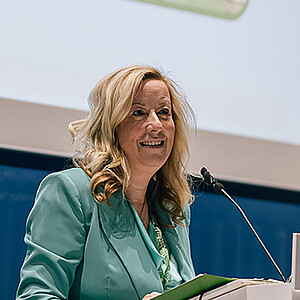
The major questions about the future cannot be answered from just one perspective. Medical innovation, artificial intelligence, and robotics are just as much a part of this as climate, education, and the question of how we bring scientific findings to society.
”Following the ceremonial welcome by the Vice President, Zittau’s Mayor Thomas Zenker and Prof. Dr. Andreas Hoff, Director of the Institute for Health, Ageing, Technology (GAT), also addressed the guests. For the GAT Institute, the evening also marked a special occasion: it celebrated its tenth anniversary and served as the event’s scientific sponsor.
A particularly moving moment of the evening was dedicated to this special anniversary. Vice President Prof. Dr. Sophia Keil paid tribute to the tremendous dedication of the founding members, Prof. Dr. Andreas Hoff and Prof. Dr. Jörg Lässig, as well as all staff and partners. In her personal remarks, she also paid tribute to the late founding professor, Prof. Dr. Yve Stöbel-Richter, who helped shape the institute from the very beginning and left a lasting legacy as a valued colleague. As a token of appreciation, the Vice President presented Prof. Hoff with a plaque from the Makerspace and a symbolic sapling. This comes with a promise to plant a tree together on the university campus to mark the tenth anniversary. “As a living symbol of growth, unity, and a future that we shape together,” said Vice President Keil.


When the Hospital Itself Becomes Part of the Treatment
A medical emergency led to a last-minute change in the program: Prof. Dr. Gerhard Hindricks of Charité Berlin was unable to travel to Zittau in person because he had been called in at the last minute for emergency surgery. He therefore delivered his presentation , “The Future of Cardiology: Digital Cardiovascular Health,” via video link and still took the audience on an impressive journey into the future of cardiology.
“We need to detect and treat conditions earlier. We need to talk about continuous care pathways and make room for digital health spaces,” Hindricks emphasized. Using statistical trends in the cardiovascular field, he illustrated how urgently Germany needs to advance digital technologies in medical care. One example of this is the planned digital model clinic at the German Heart Center at Charité Berlin.
Spanning approximately 30,000 square meters, the facility will be a hospital that takes a holistic approach to health. The focus is not only on state-of-the-art medical technology but also on the architecture itself: lighting, ambient sound, wayfinding, and interior design are intended to support healing processes while simultaneously improving working conditions for medical staff.
Added to this are digital platforms, smart patient rooms for monitoring vital signs, robotics, and AI-supported applications. In the future, these are intended to support patients not only during a hospital stay but throughout their entire treatment journey: from early detection through therapy to prevention.
For Prof. Hindricks, artificial intelligence is far more than just a tool for increasing efficiency. It also offers the opportunity to make healthcare more accessible and equitable.
A Robot in the Operating Room—But Humans Remain Essential
Prof. Dr. Stefan Zeller from the Görlitz Municipal Hospital then demonstrated how technological innovations are already being integrated into everyday clinical practice.
His presentation , “New Technical Possibilities in Medicine: The Example of a Surgical Robot,” transported the audience directly into the operating room. Using striking images and concrete medical procedures, he explained the potential applications of the Da Vinci robotic system.
The benefits are numerous: more precise procedures, less blood loss, reduced pain, and faster wound healing. The length of stay in intensive care units can also be reduced thanks to less invasive surgical techniques. In doing so, Zeller cleared up a potential misunderstanding:
Surgical robotics does not replace the surgeon. It expands the surgeon's capabilities and supports medical work.
”The presentation also demonstrated that modern medical technology does not always have to be purely theoretical and abstract. With footage taken directly from the operating room—including views that are usually reserved for medical professionals—Prof. Zeller left the audience in awe.
Research from Zittau: When Tumors Become Visible
The subsequent program segment , “Young Scientists@HSZG,” demonstrated that the medicine of the future is not only being developed at major university hospitals but also right here at HSZG . Moderator Victoria Hohlfeld welcomed Prof. Dr. Elisa Wirthgen and the early-career researchers Pia Schubert and Ali Al Hamad from the “Toolbox Biomedicine” early-career research group to the discussion.
The focus was on an exciting question: How can tumors be detected—and even made visible—using specific biomarkers? The answer lies in the interplay of different scientific disciplines. While Pia Schubert, as a chemist, develops molecular linkers that can be used to specifically modify antibodies, Ali Al Hamad contributes the microbiological perspective. Among other things, he explained how bacteria are used to produce antibodies that can subsequently recognize and bind to specific target structures.
It became particularly clear during the conversation that scientific progress rarely consists of a single major breakthrough. Setbacks in the lab are part of the process. For Pia Schubert, they are not failures in the true sense of the word, but rather important insights on the path to new solutions.
Prof. Wirthgen highlighted the particular strength of Zittau as a research hub: Close collaboration among various basic sciences makes it possible to collectively cover the entire research process—from the identification of new sequences through the production and modification of antibodies to their testing. This is a locational advantage that fosters new ways of thinking and highlights the HSZG’s research strength.
The medicine of tomorrow isn't just being developed at major university hospitals. It's also being developed right here—in the laboratories of our University, through the ideas of young researchers, and through the collaboration of various scientific disciplines.
”


Outstanding Achievements: Up-and-Coming Scholars in the Spotlight
Another highlight of the evening was dedicated to the people whose achievements are helping to shape the future of science and the University. During the Friends of the University Awards ceremony, Prof. Falk Maiwald, speaking on behalf of Friends of the University Chair Mario Linack, honored the exceptional achievements of five award recipients. Luise Kieschnick, Bodo Mauksch, Nathalie Lange, Janine Goliaß, and Jim Marlin Gerschwitz were each honored with a personal laudatory speech.
Prof. Dr. Sophia Keil then presented the Al-Makhawi Prize from the Faculty of Business Administration and Engineering Management to Johann Markus Paul. The Business Administration graduate was recognized for his outstanding academic achievements and his final dissertation on the predictive accuracy of the Elliott Wave Theory.
The honors made it clear: The future of science depends not only on technical innovations, but above all on dedicated individuals who work toward solutions with curiosity, perseverance, and new ideas.


The Medicine of Tomorrow: Technically Feasible, but Also Socially Desirable?
How much digitization can medicine handle? Who bears responsibility when AI supports decision-making? And how can we ensure that new technologies actually reach people?
These and other questions were the focus of the concluding panel discussion, “How Do We Shape the Medicine of Tomorrow—Innovatively, Responsibly, and With a Human Touch?”
With Prof. Dr. Dr. Erik Hahn, Prof. Dr. Andreas Hoff, Prof. Dr. Karin Fester, and Prof. Dr. Elisa Wirthgen, perspectives from medical law, clinical practice, the Social Sciences, and biotechnology came together.
It quickly became clear how closely technological possibilities and social responsibility are intertwined. Prof. Hahn spoke in favor of the opportunities offered by digitalization, but at the same time emphasized the indispensable role of human responsibility. The rapidly growing volumes of medical data and new AI applications also pose challenges for the legal system. In addition to data protection and regulation, medical innovations are increasingly raising fundamental ethical questions.
Prof. Fester focused on personalized medicine. Tailored therapies and new cell-based procedures offer great opportunities but are often associated with significant costs. Research approaches such as “green pharming, ” in which plants are used for biotechnological production processes, are creating opportunities for more sustainable and cost-effective methods.
Prof. Wirthgen added to the discussion by highlighting the possibilities of modern cell therapies and the targeted control of biological processes. It is precisely in this area,she noted, that biotechnology can make decisive contributions.
For Prof. Hoff, the central question was how new technologies can be developed in collaboration with the people who will eventually use them. He pointed to the potential of digital telemedicine for rural regions, where medical care is coming under increasing pressure. At the same time, he advocated for the consistent involvement of target groups in research and development processes. Technological progress, he argued, must be shaped through partnership and on an equal footing.
The downsides of new developments were also discussed: the high energy consumption of artificial intelligence, the costs of innovative therapies, and the question of how healthcare professionals can keep pace with the speed of technological change. The fact that the discussion extended far beyond the panel was evident from the numerous interested and nuanced questions from the audience. The exchange made it clear: The medicine of the future will not be shaped solely in laboratories, clinics, and development departments. It requires dialogue with society.


Experience research, network, and celebrate ten years of GAT
After an evening filled with academic insights, the conversation shifted to the foyer of Building Z IV. Over a buffet and casual conversation, guests were able to delve deeper into the discussions, make new connections, and learn more about research projects at HSZG.
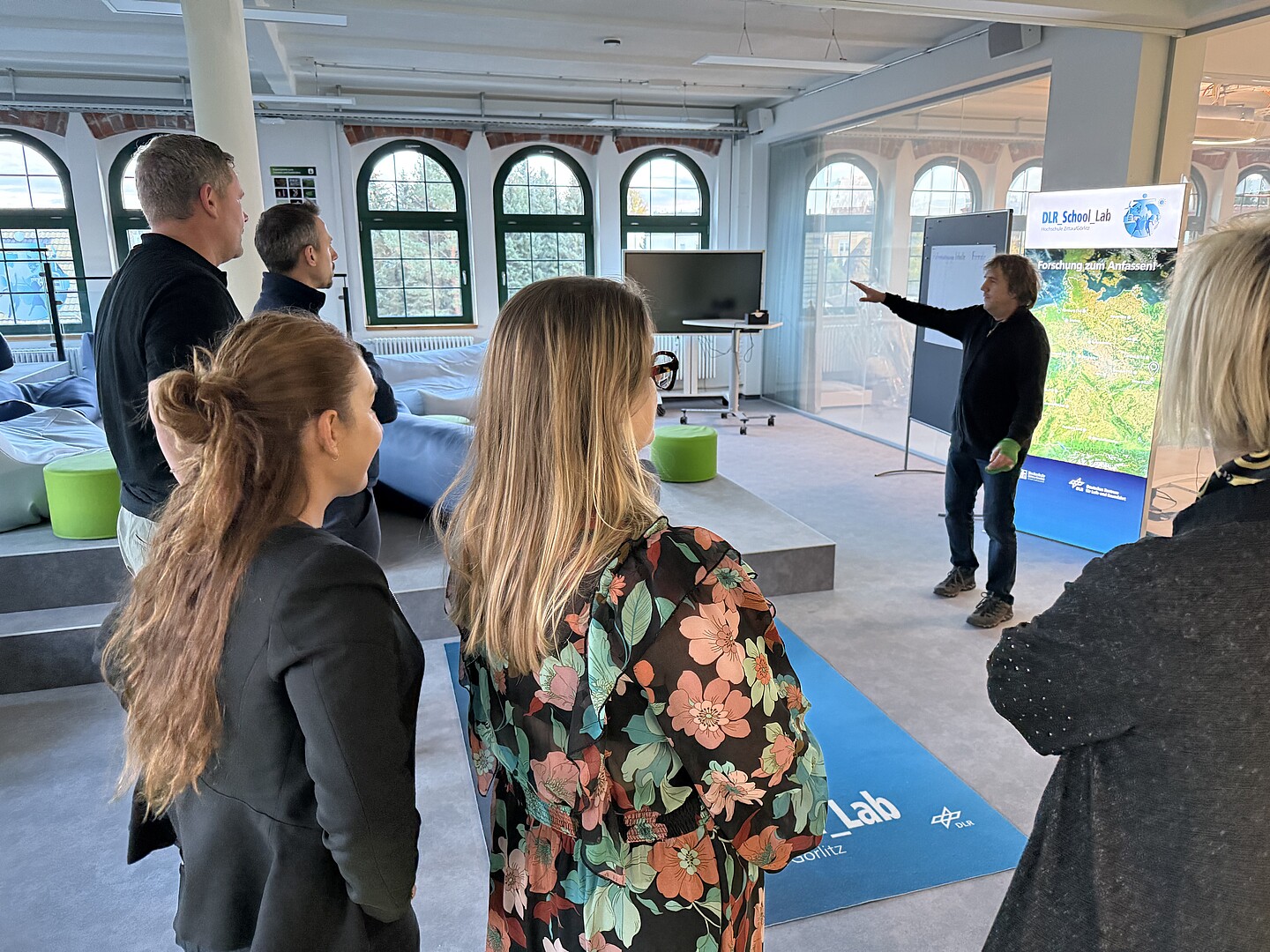
Numerous themed tables offered a firsthand look at the diversity of research at HSZG. Prof. Dr. Elisa Wirthgen, together with Pia Schubert and Ali Al Hamad, presented the work of the early-career research group “Toolbox Biomedicine,” while Prof. Dr. Karin Fester provided insights into the “GreenPharming” projects and the early-career research group “Hanfwurzel.” André Seeliger from the Institute for Process Engineering, Process Automation, and Measurement Technology (IPM) demonstrated how artificial intelligence can support laboratory analysis using the live microscope from the “BOTIKI” project: An AI trained using soil samples is intended to facilitate their evaluation in the future and open up new possibilities for analysis. Anett Kupka presented research projects from the HSZG’s ZIRKON Institute, including “RosaRecycle” and “HuminTex.” Dr. Nikolay Belov from SCO-TTi tied the event back to World Environment Day with insights into the “Smart City” project and approaches to sustainable urban development. Andreas Schulz from the Saxony⁵ Transfer Network demonstrated how artificial intelligence decisions can be made transparent using an interactive smartboard. The themed tables offered ample opportunity for questions, personal conversations, and new perspectives on the University’s application-oriented research.
Posters, exhibits, and interactive displays highlighted the diverse range of work being conducted at the University on topics related to health, technology, and social change. A special cause for celebration was the tenth anniversary of the Institute for Health, Ageing, Technology (GAT). For a decade now, under the leadership of Prof. Dr. Andreas Hoff, the institute has been combining applied research with concrete issues from society and professional practice.
“The medicine of the future is a promise of health and quality of life in old age and for younger generations. We want to make Lausitz a region of vitality where people look forward to the future,” says Hoff, describing his vision.


Three Events, Many Perspectives on the Future
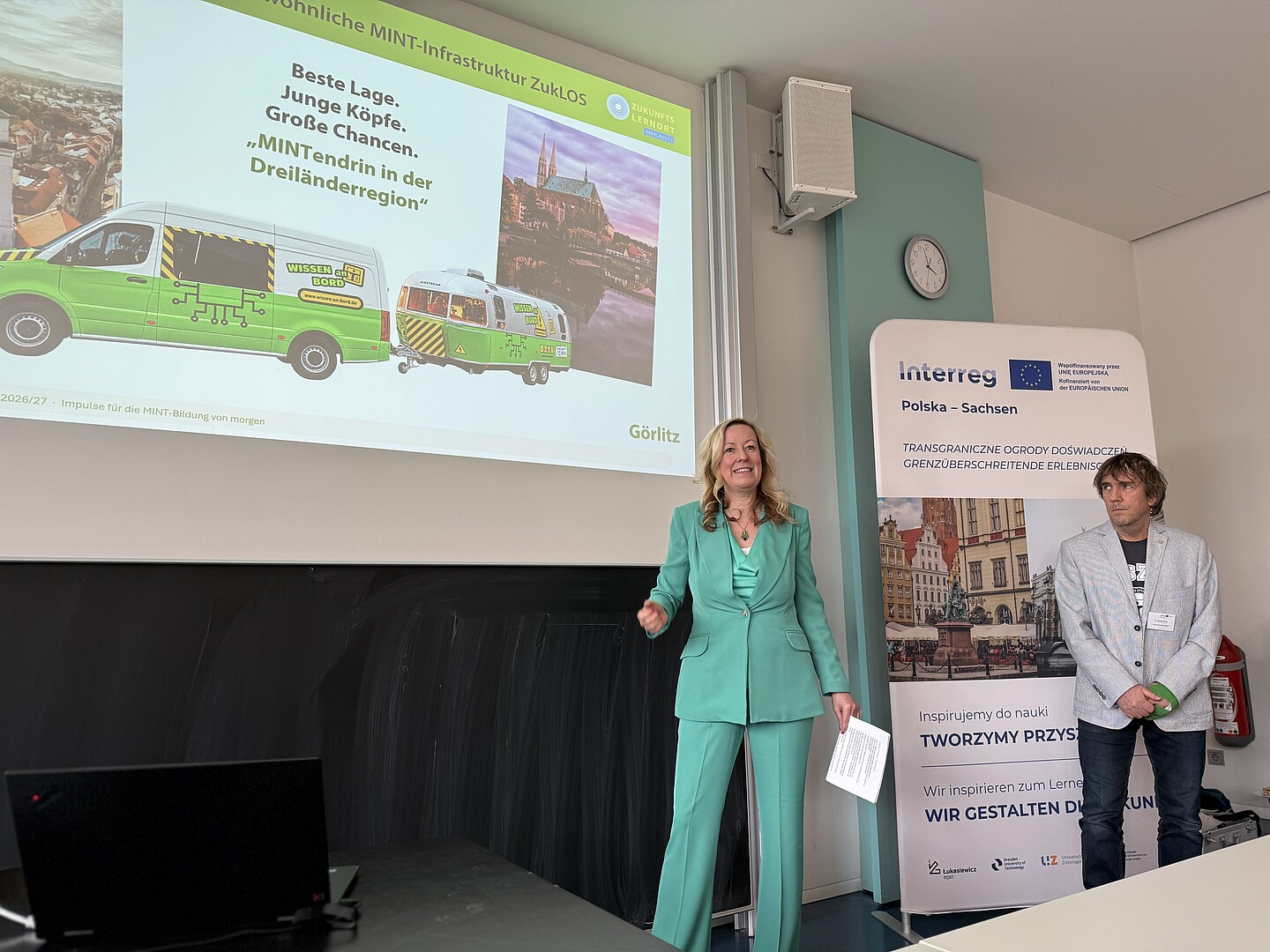
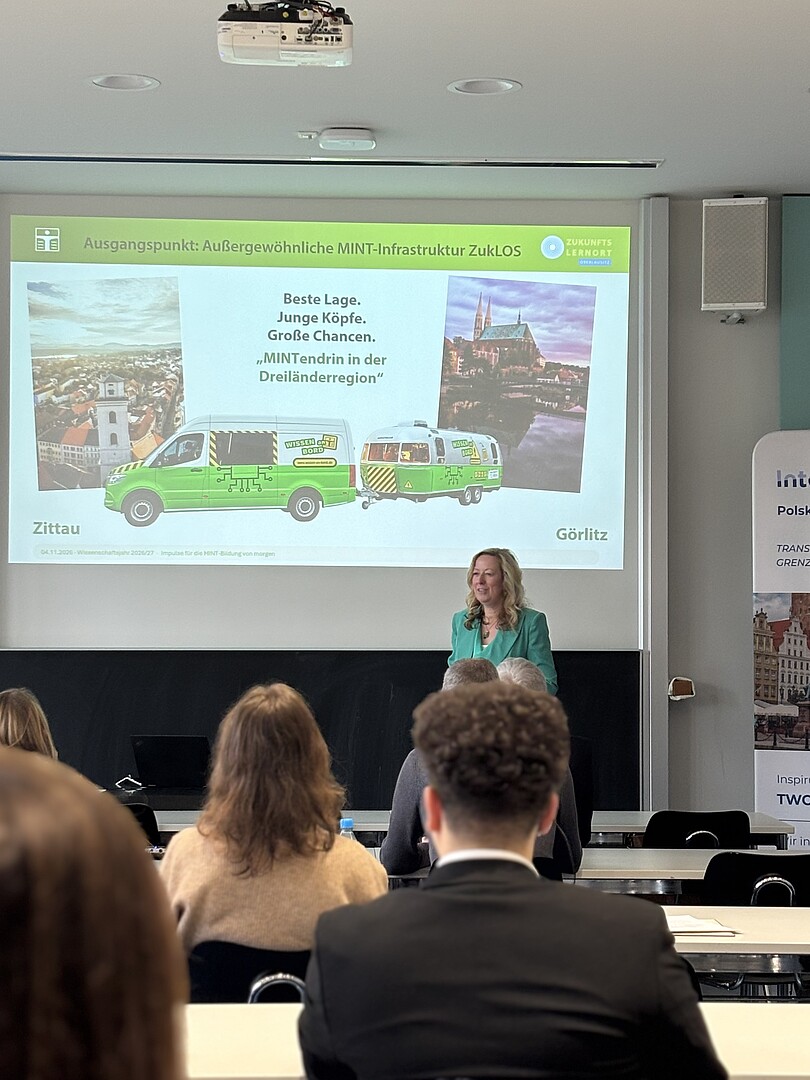
The grand opening was part of a diverse program of events on November 4 and 5. Already on the morning of November 4, the Bautzen Technology and Startup Center (TGZ), together with its project partners, focused on the results and prospects of the German-Polish INTERREG project “Cross-Border Experimental Gardens ” under the title “Impulses for Tomorrow’s STEM Education.” The focus was on innovative approaches to extracurricular STEM education, science communication, and cross-border cooperation.
Environment Day, also held on November 4, focused on climate change adaptation and heat protection. Among other things, the main event, “GreenZitty2035+ – Urban Development Between Climate, Circularity, and Identity,” demonstrated how municipalities can respond to the challenges of climate change.


On November 5, the academic exchange continued with opportunities for early-career researchers and the event “Factory of the Future 2026 – Medical Technology in Transition.” The combination of these different formats demonstrated how closely health, sustainability, education, and technological innovation are intertwined.
Prof. Keil summed up this goal when announcing the event: “With these two days, we want to bring together people from academia, the professional world, business, politics, and society to discuss how we can shape the future of our region.” With a record number of participants and significant interest in the technical presentations, this marked a promising start.
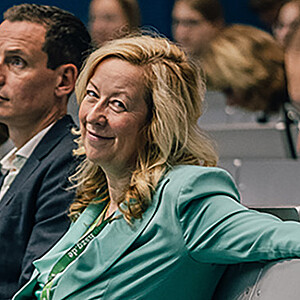
What a fantastic start to our Year of Science! The impressive turnout—with nearly 180 guests—shows just how much the future of medicine resonates with people. I am particularly thrilled by the diversity, innovative spirit, and scientific expertise with which we at Zittau/Görlitz University of Applied Sciences are actively shaping this future ourselves. From medical biotechnology and personalized diagnostics to artificial intelligence and sustainable research approaches, all the way to the question of how new technologies can improve people’s lives and healthcare. Our University brings together a wide variety of disciplines and develops solutions that can have an impact far beyond our region. The exchange with leading medical research and clinical practice has impressively demonstrated the potential inherent in this collaboration. I am particularly proud of our young researchers, who—with curiosity, creativity, and great dedication—are already helping to shape the medicine of tomorrow. My heartfelt thanks go to all those involved, our partners, the speakers, and especially the many dedicated colleagues who made this event possible with so much dedication and passion.
”Special thanks go to all the speakers, panelists, researchers, and award recipients, as well as the many participants who enriched the Year of Science with their contributions. We would also like to thank the dedicated organizational teams at HSZG, particularly those from the Research Office, the Saxony⁵ Transfer Network, the GAT Institute, and Environmental Management, as well as the participating institutes IPM and ZIRKON, SCO-TTi, partner institutions, and all our supportive colleagues. A heartfelt thank you also goes to Victoria Hohlfeld, who, as the moderator, guided us through the evening with insightful questions, charm, and a keen sense of the various perspectives.
The kickoff event has shown that the future of medicine is not a distant vision. It begins where people ask questions, share knowledge, and break new ground together. Zittau/Görlitz University of Applied Sciences will continue this dialogue during the Year of Science 2026/27—in an open, interdisciplinary manner and with the goal of putting scientific findings to effective use for the benefit of people and our region.
Anyone who would like to delve even deeper into the world of medical innovations after this evening still has the opportunity to do so: The interactive traveling exhibition on “Medicine of the Future,” organized by the Bautzen Technology and Startup Center and its project partners, will remain on display in the foyer of Building Z IV on the Zittau campus through December 10, 2026.
At six German-Polish hands-on stations, visitors can explore medical nanorobots, bioprostheses, capsule cameras, and eye-tracking technologies, among other things. The exhibition invites visitors to discover the medicine of the future from new perspectives and to try it out for themselves.
Photos: Paul Glaser
1st floor




1st floor
1st floor