
High Recognition for the Importance of Education and Research
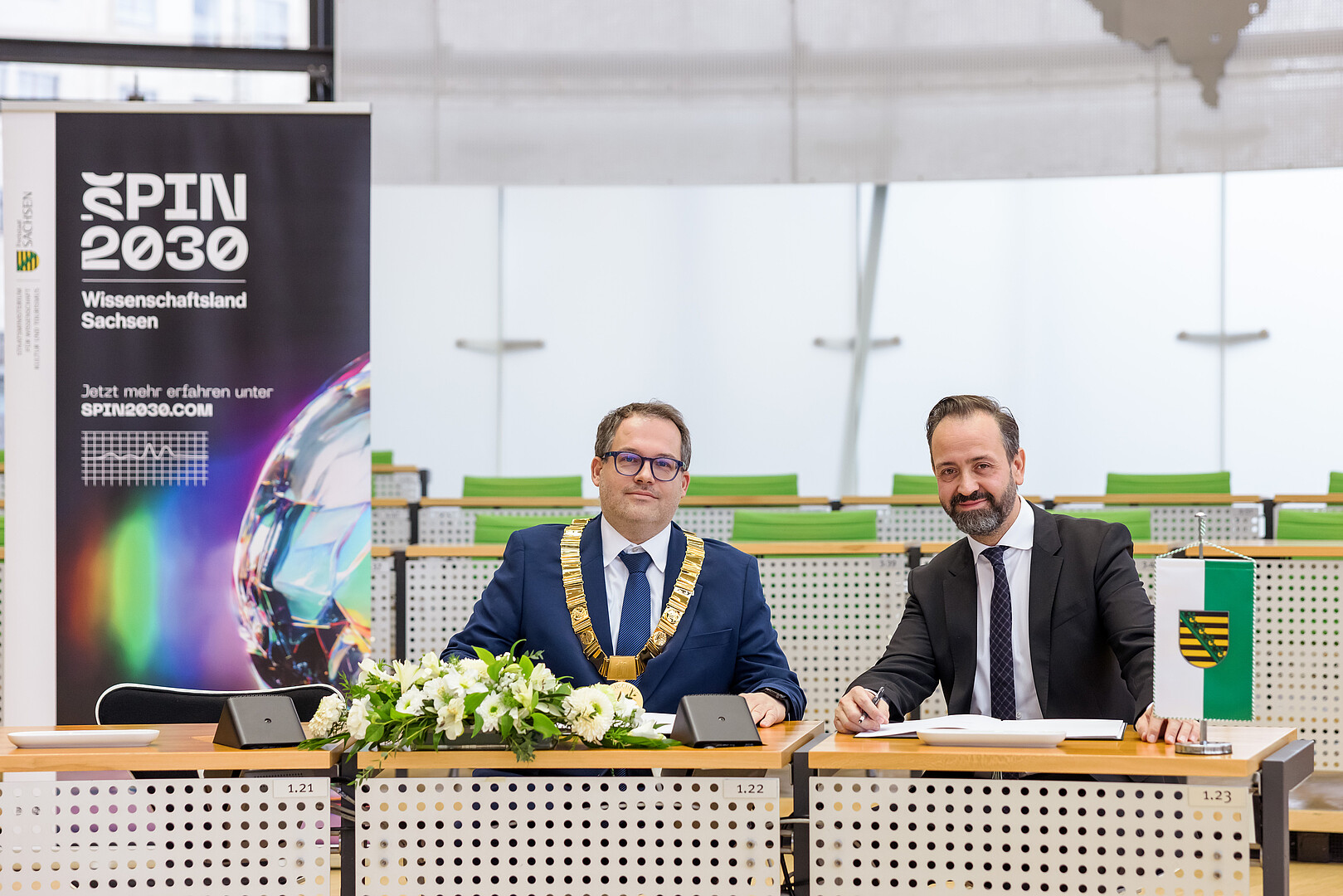
On December 11, Rector Prof. Dr. Alexander Kratzsch signed the new agreement on objectives between the SMWK and the HSZG at the Saxon State Parliament. This agreement clearly recognizes the importance of Saxony’s universities as guarantors of a good future.
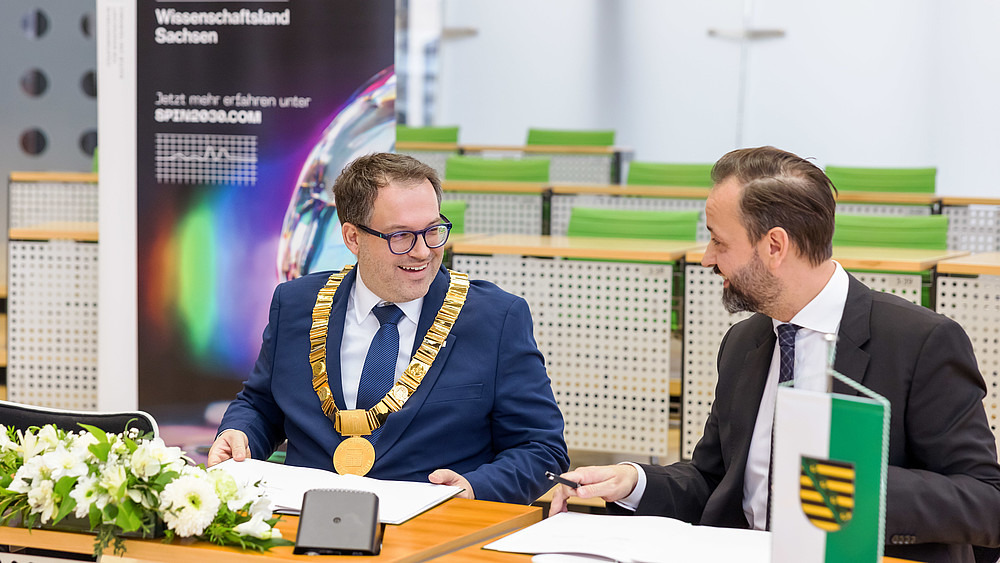
Specific Goals for Research and Teaching at Saxony's Universities Agreed Upon
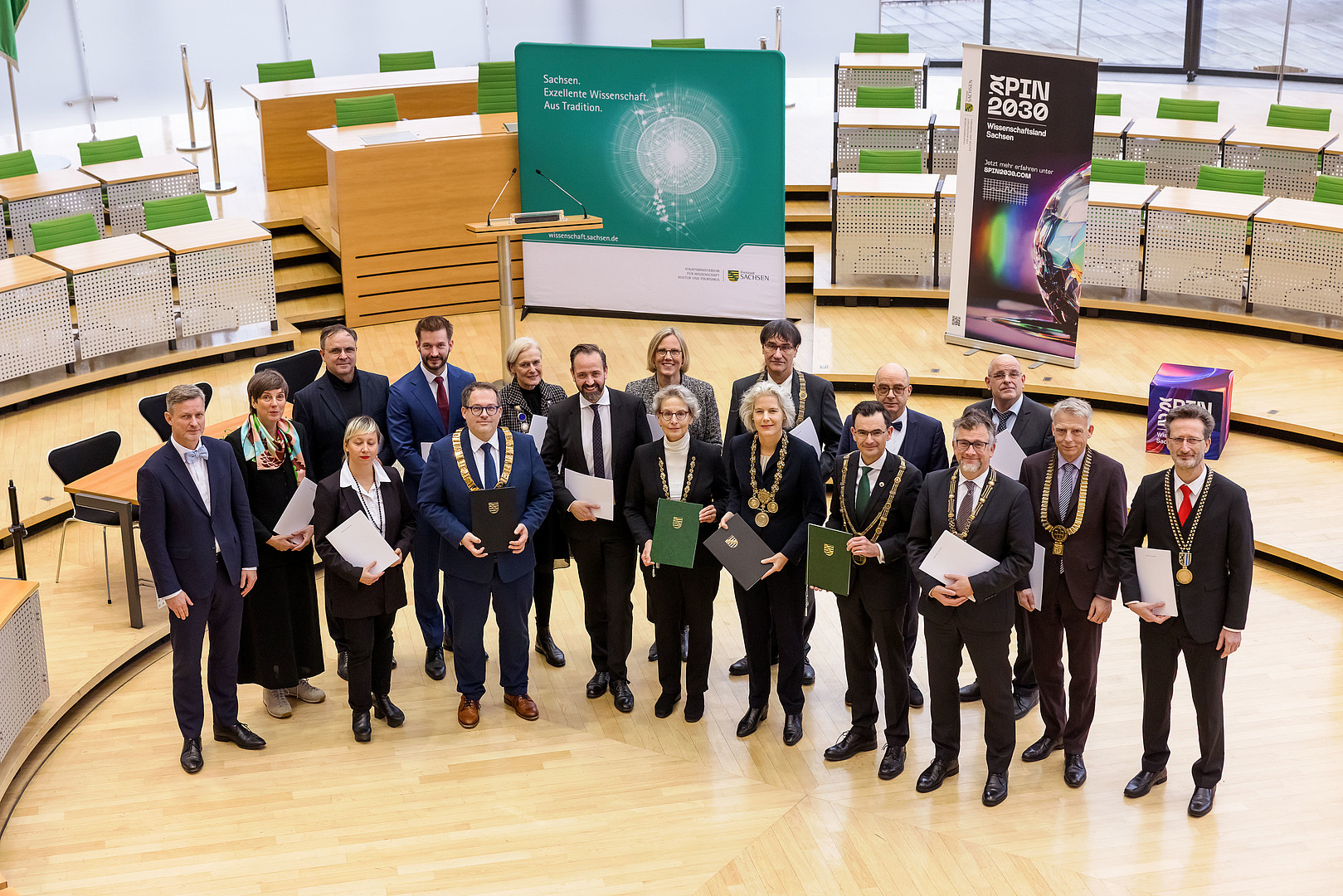
The Free State of Saxony is sending a clear signal for the future of research and teaching: Minister of Science Sebastian Gemkow, together with the Rectors of Saxony’s universities and the Deans of the medical faculties in Dresden and Leipzig, has signed new target agreements for the years 2025 through 2028. With a total budget of over 200 million euros —a significant increase from the previous period’s approximately 180 million euros—these agreements will provide crucial momentum.
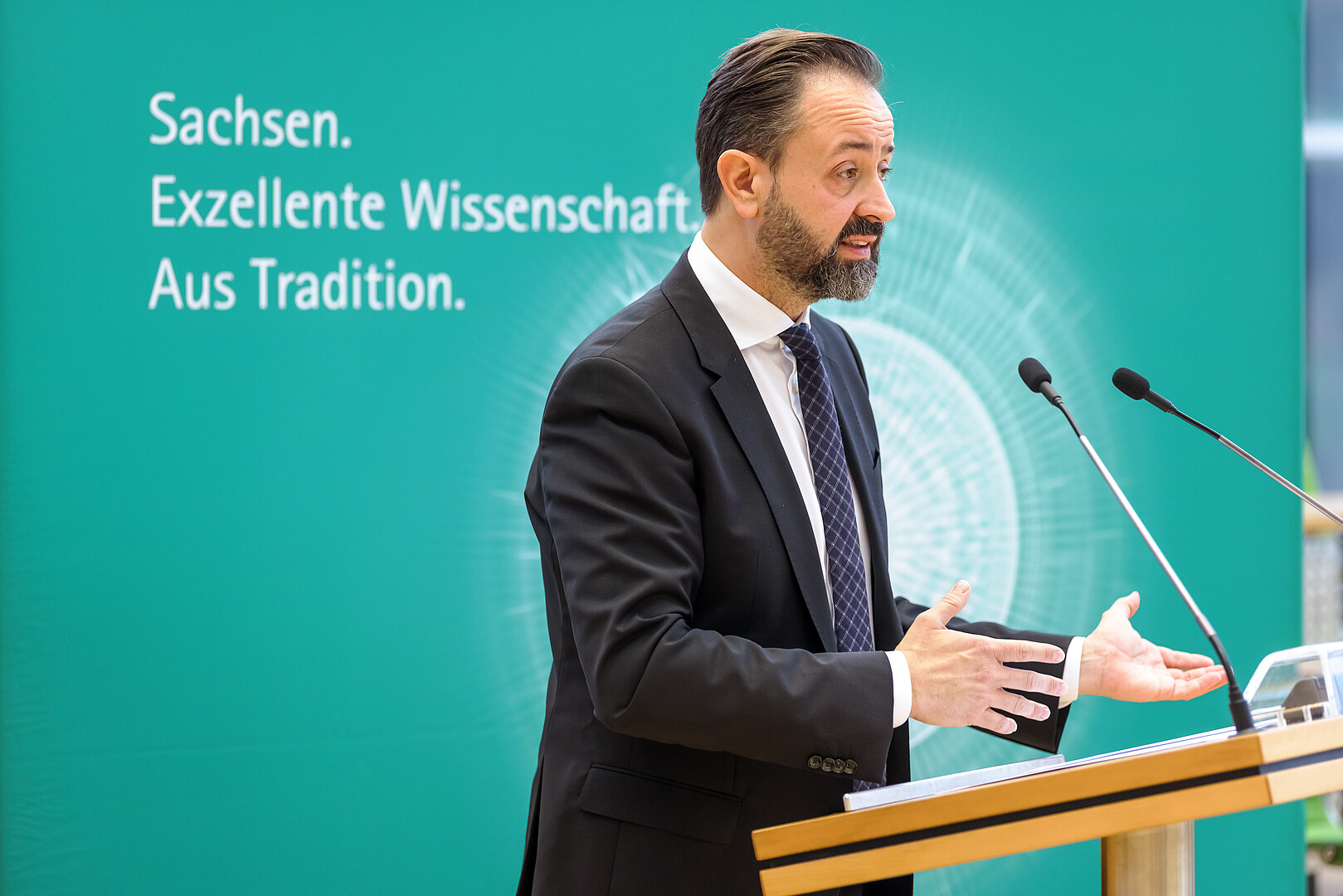
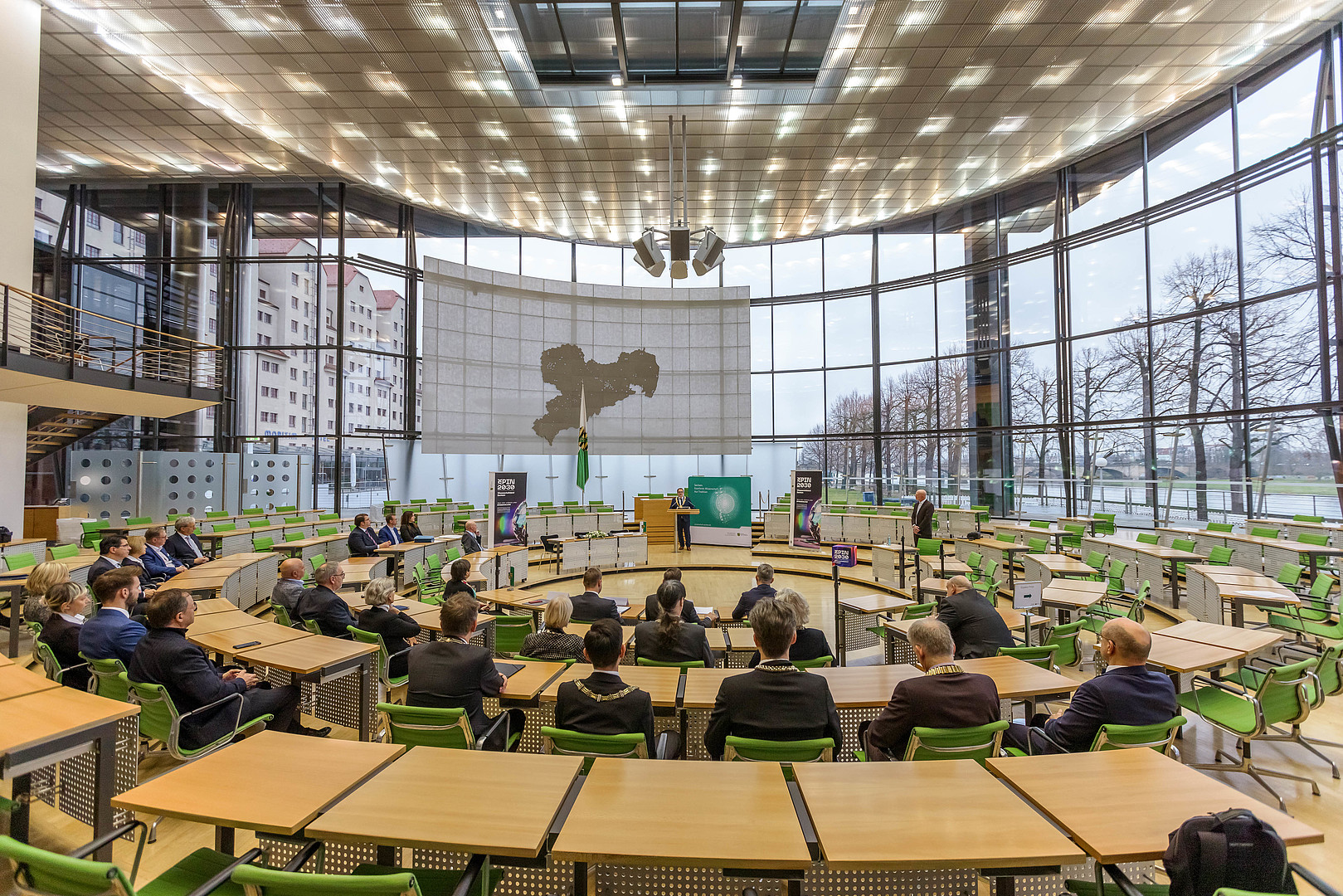
The agreements, concluded during a formal ceremony at the Saxon State Parliament, define specific goals for the further development of teaching, research, and knowledge transfer at Saxony’s universities. They serve as a central steering instrument tailored to the individual strengths of the 14 state universities. Science Minister Sebastian Gemkow emphasized:
With these agreements, we are laying the foundation for the predictable and reliable development of our universities. Despite challenging circumstances, we have succeeded in establishing innovative priorities and ensuring the long-term quality of teaching and research.
”The Performance Agreement of Zittau/Görlitz University of Applied Sciences (HSZG)
On behalf of HSZG, Rector Prof. Dr. Alexander Kratzsch signed the Target Agreement with the Saxon State Ministry of Science, Culture, and Tourism (SMWK). The Target Agreement covers cross-cutting objectives, teaching and academic programs, research, and the third mission. Some key priorities within these areas are:
- Cross-Cutting Objectives: HSZG is focusing on digitalization and sustainability. Accordingly, the digitalization strategy will be further developed, and a comprehensive sustainability strategy will be formulated.
- Teaching and Academic Programs: New degree programmes are planned, such as secondary school teacher training with a specialization in special needs education (starting in the 2025–2026 winter semester) and Civil Engineering (starting in the 2026–2027 winter semester). In addition, the English-language double-degree degree programme “European Business Management,” in cooperation with the Technical University of Liberec, will be introduced starting in the 2025/2026 winter semester.
- Research: The university aims to increase its acquisition of external funding and expand its doctoral programs.
- Third Mission: The focus here is on expanding offerings for lifelong learning and youth development—for example, through the Upper Lusatia Future Learning Center (ZuKLOS).
Target Figures and Outlook
Zittau/Görlitz University of Applied Sciences remains committed to its goal of having a total of 3,000 students enrolled by November 1, 2028. Given the positive trend in enrollment figures and the extensive measures being taken, including at the international level, this target appears achievable.
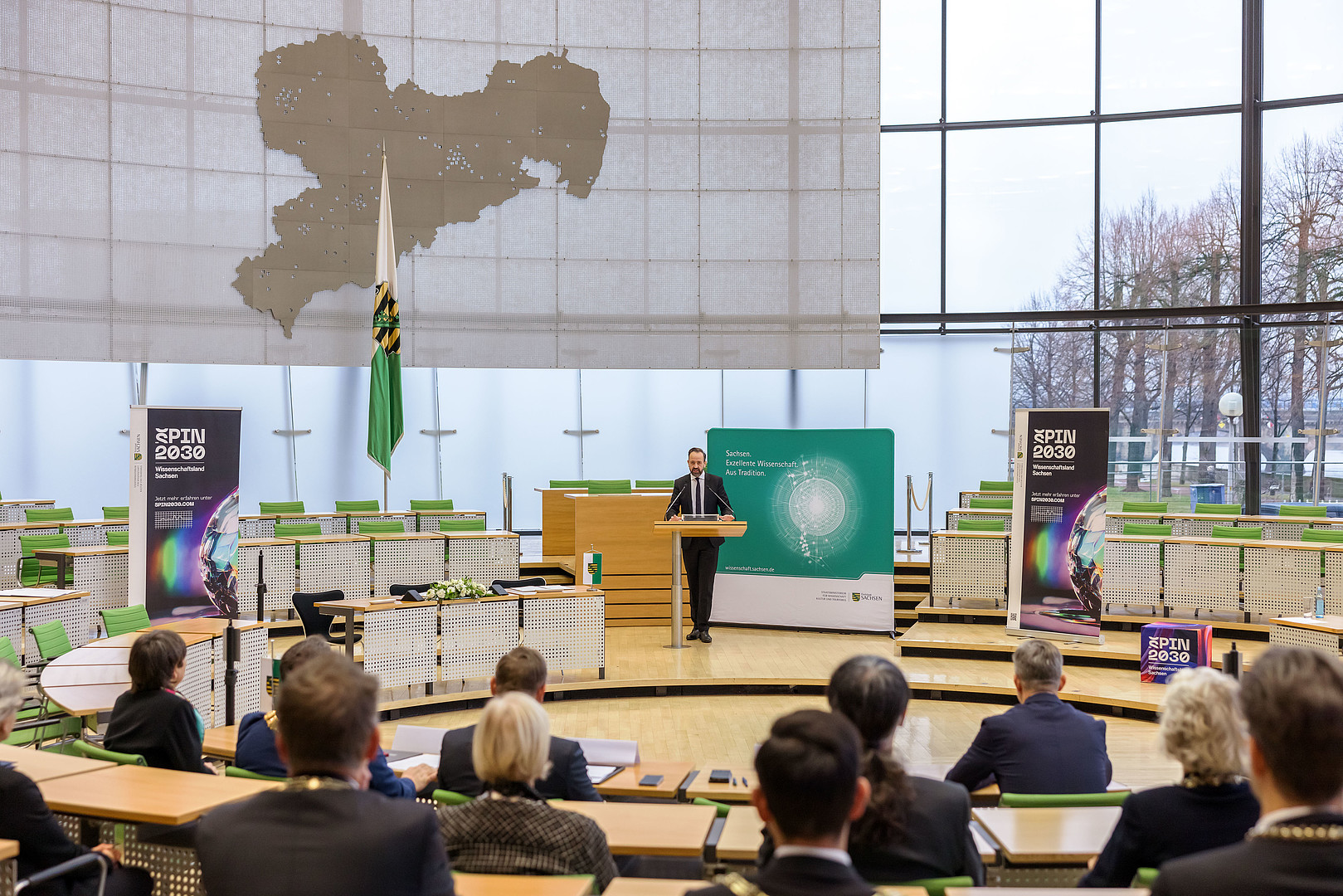
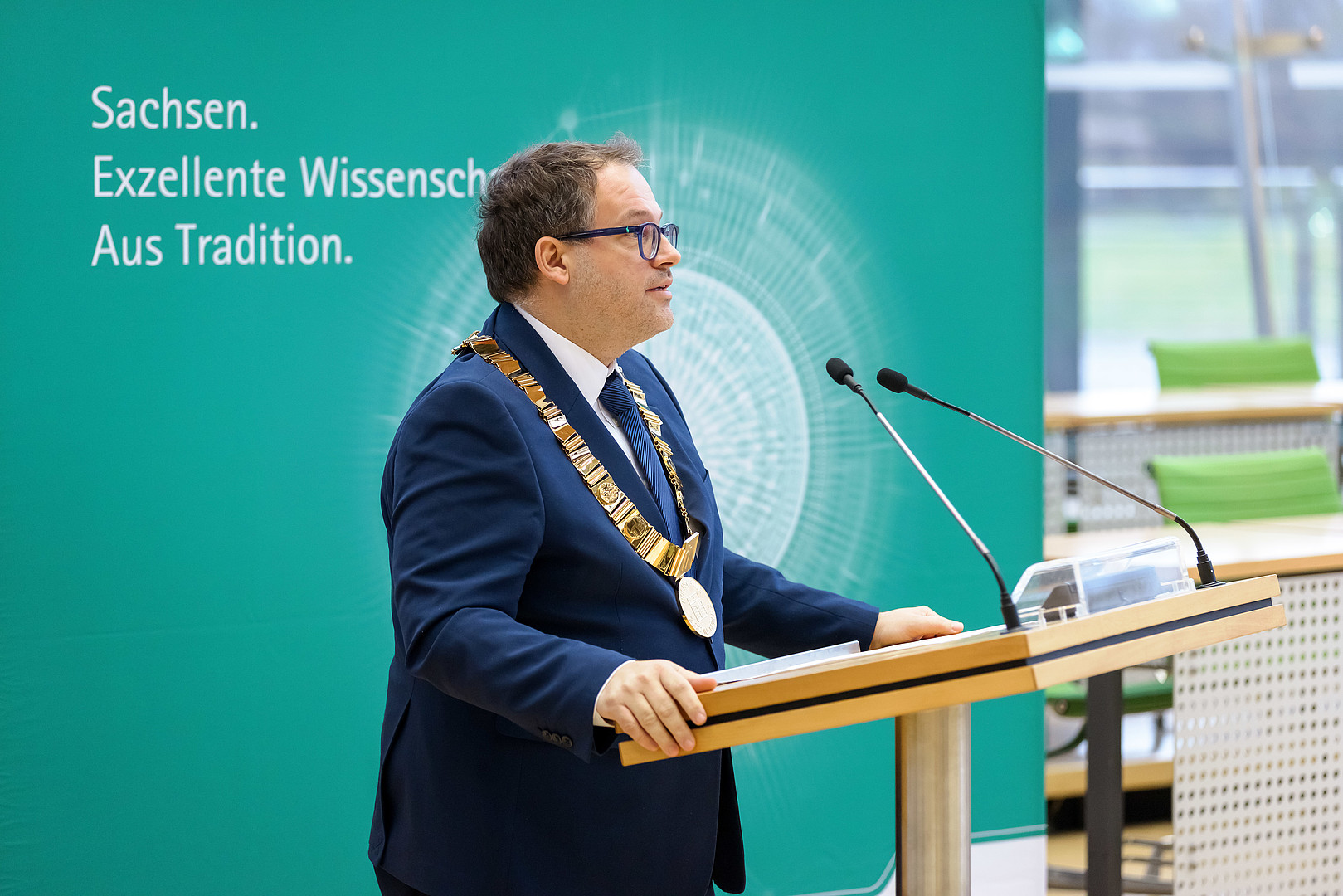
Prof. Dr. Alexander Kratzsch, Rector of HSZG and Vice Chair of the Saxony State Rectors’ Conference, delivered a welcoming address at the signing ceremony and emphasized the consistently positive collaboration with the SMWK:
The target agreements signed today reflect an intensive and trusting dialogue between the Free State of Saxony and its universities. They are more than just an administrative tool—they serve as a roadmap for the future, providing us with planning certainty while also giving us the freedom to set our priorities in a targeted manner.
”According to Prof. Kratzsch, Saxony’s universities are embracing these ambitious goals with gratitude and the awareness that people are one of the Free State’s most important resources. For him, success in education and science is a “guarantee of a good future”. He goes on to explain that the conclusion of the target agreements makes it clear that policymakers have not only recognized the importance of education and research in the Free State of Saxony but also given recognition to it. Prof. Kratzsch states: “The willingness to invest in education and research gives universities the strength to master the challenges ahead.”
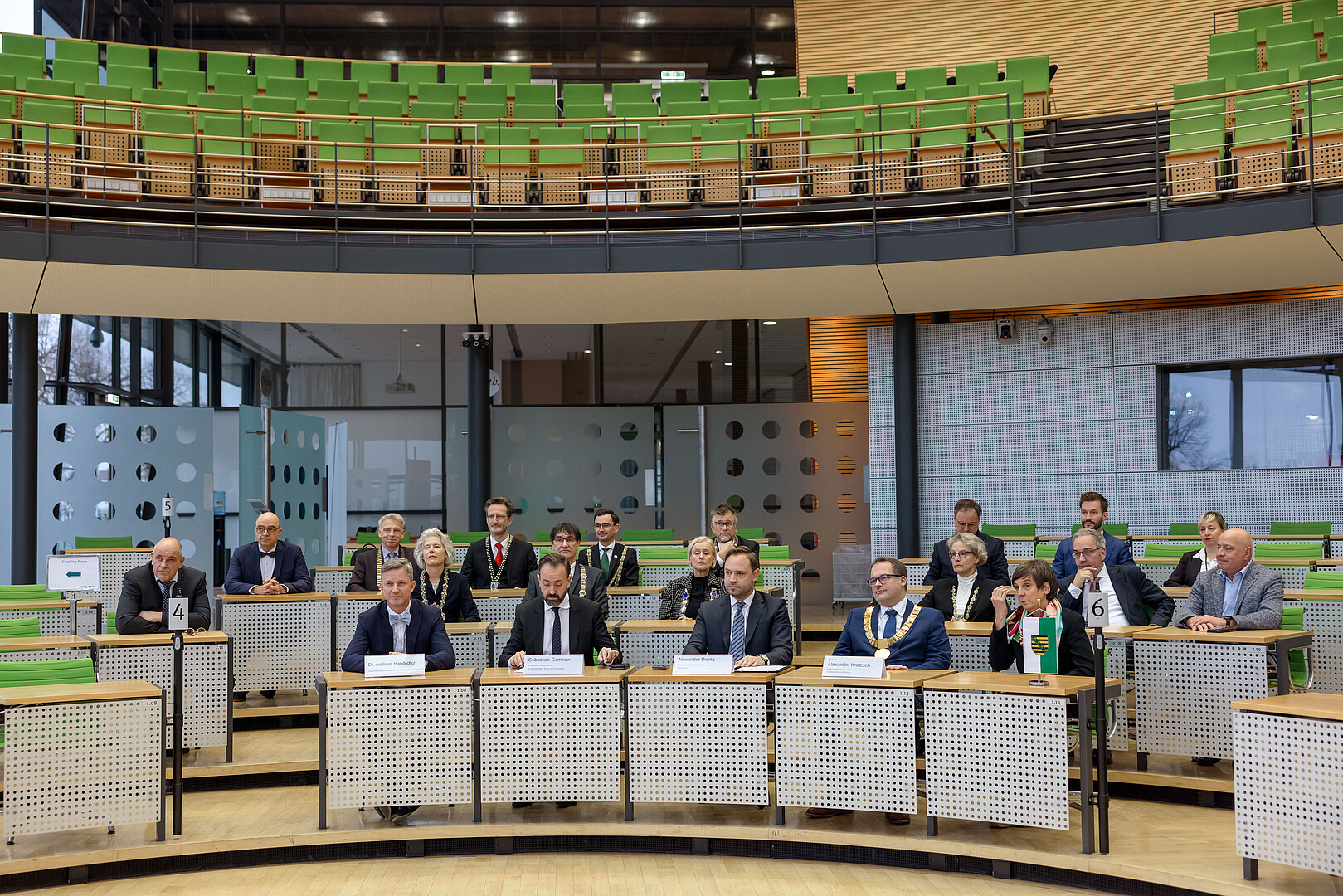
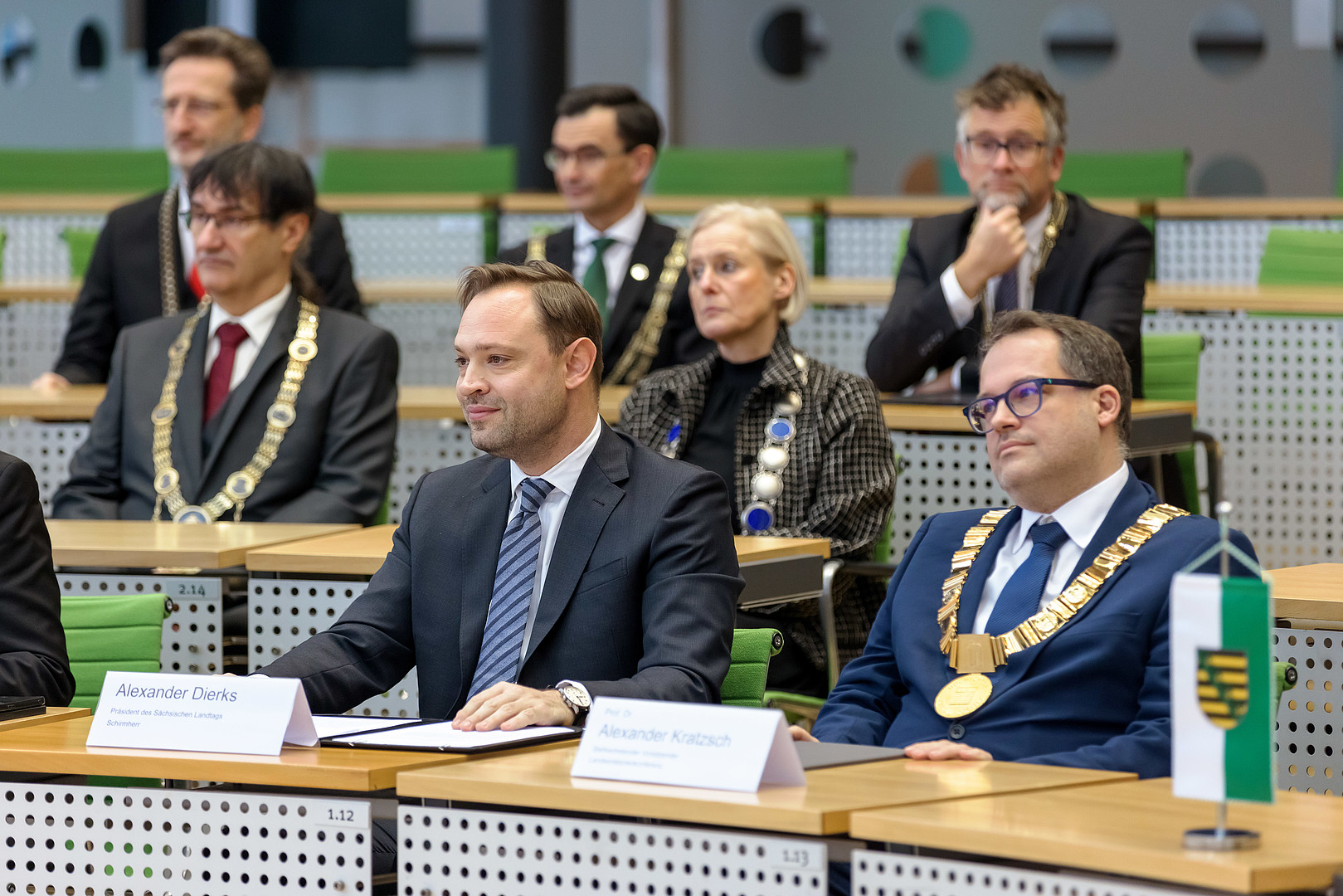
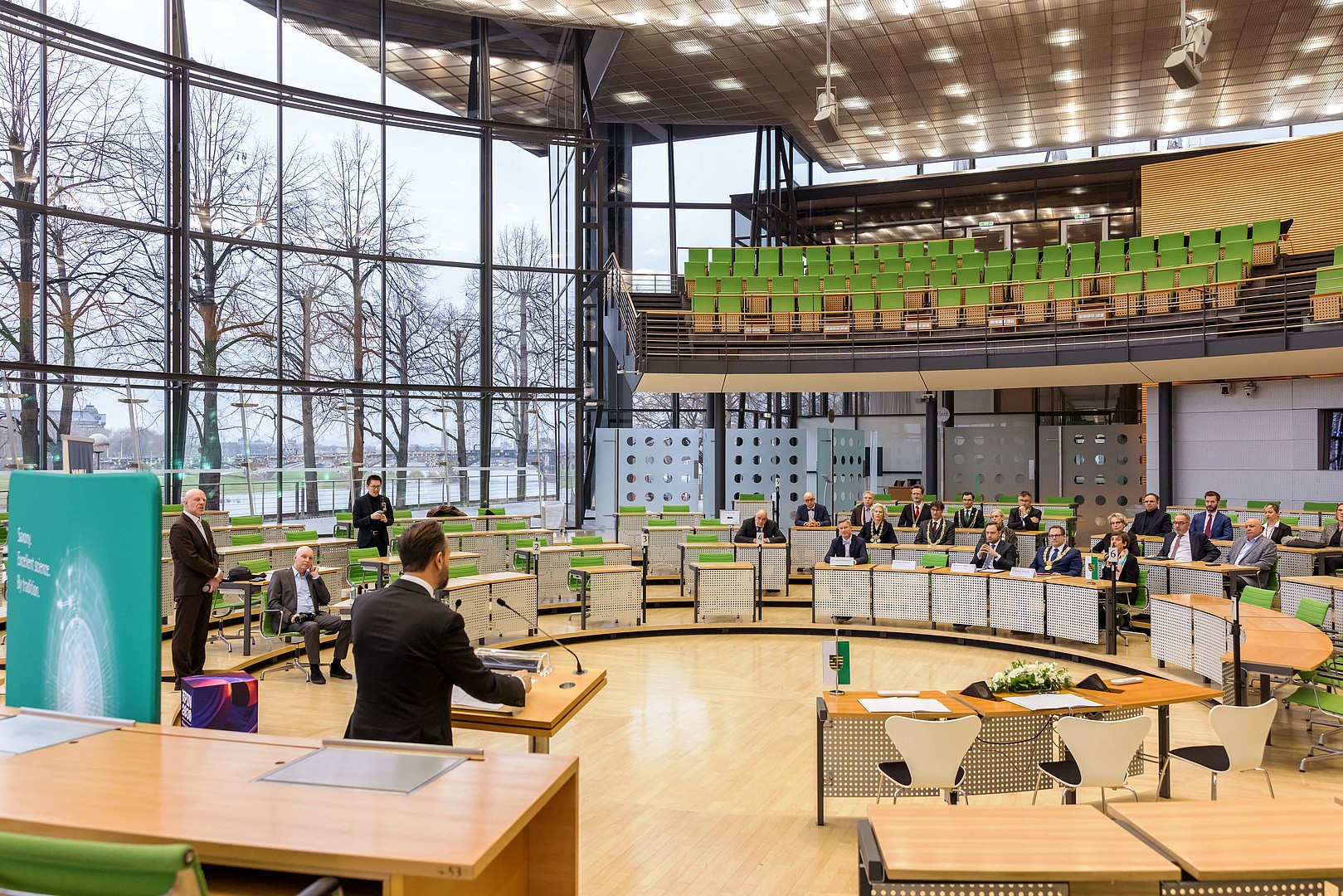
The target agreements between the Ministry of Science and the universities are valid for four years each and are a central component of long-term university development planning. They are based on the grant agreement already reached in the spring of 2024, which ensures financial planning certainty through 2032.
Zittau/Görlitz University values its partnership with the SMWK and views the new target agreement as an important foundation for its strategic development.

1st floor